




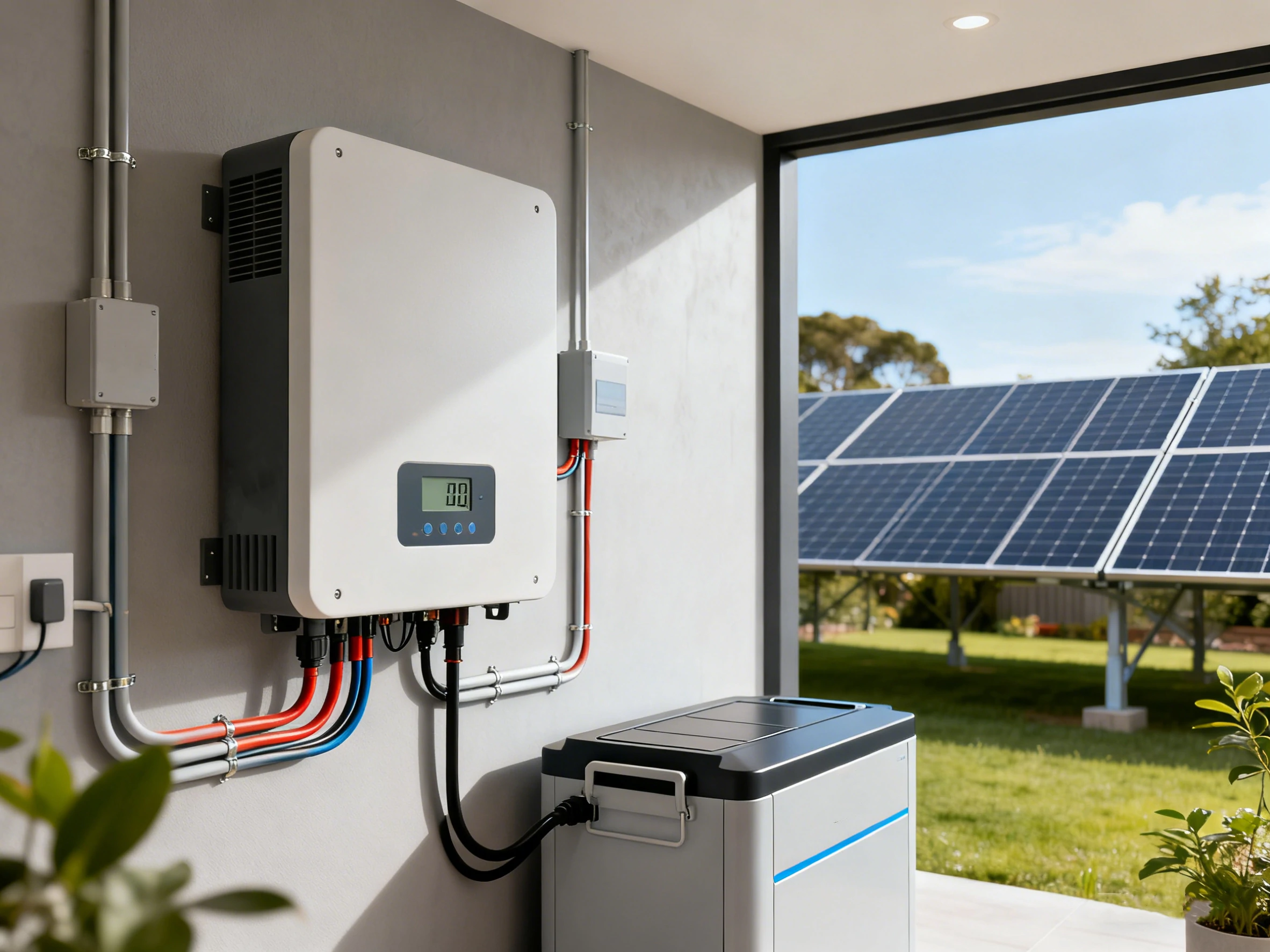
In der sich ständig weiterentwickelnden Welt der Hausenergie ist eines klar: Hausbesitzer suchen nach intelligenteren und zuverlässigeren Möglichkeiten, Solarstrom nutzbar zu machen. Hier kommt der Hybrid-Wechselrichter für Privathaushalte ins Spiel. Wenn Sie neugierig auf die Aufrüstung Ihres Energiesystems sind, ist dies der richtige Artikel für Sie. Ganz gleich, ob Sie sich zum ersten Mal mit Solarenergie beschäftigen oder Ihr bestehendes System optimieren wollen - ein Hybrid-Wechselrichter für Privathaushalte ist von entscheidender Bedeutung.
Ein Hybrid-Wechselrichter für Privathaushalte ist eines jener Geräte, die im Verborgenen die Art und Weise verändern, wie ein Haus Energie nutzt und verwaltet. Während viele Hausbesitzer bereits mit dem Standard-Solarwechselrichter vertraut sind, bietet die Hybridversion einen weitaus fortschrittlicheren und flexibleren Ansatz. Er wandelt nicht einfach nur Solarstrom in nutzbaren Strom um, sondern integriert Solarstromerzeugung, Batteriespeicher und Netzstrom in ein einziges, koordiniertes System.
Betrachten Sie es als die “Kommandozentrale” des Energienetzes eines Hauses. Sie verarbeitet nicht nur Strom - sie trifft auch Entscheidungen. Sie gleicht Quellen aus, optimiert den Verbrauch, speichert überschüssige Energie für später und sorgt dafür, dass Ihr Haus auch dann mit Strom versorgt wird, wenn das Netz ausfällt. Wenn Sie auf der Suche nach einem System sind, das das Beste aus Ihrer Solarinvestition herausholt, ist der Hybrid-Wechselrichter für Privathaushalte die Technologie, die alles auf die nächste Stufe hebt.
Im Grunde genommen wandelt ein Hybrid-Wechselrichter für Wohngebäude den von Solarmodulen erzeugten Gleichstrom in Wechselstrom um, den Ihre Geräte tatsächlich nutzen können. Das ist die gleiche Aufgabe, die ein typischer Solarwechselrichter erfüllt, aber die Hybridversion hat zusätzliche Funktionen, die sie zu einem viel leistungsfähigeren und flexibleren Werkzeug machen.
Hier sind die grundlegenden Funktionen, die Sie von einem Hybrid-Wechselrichter für Wohngebäude erwarten können:
Die wahre Stärke eines Hybrid-Wechselrichters für Wohngebäude liegt in seiner Fähigkeit, Ihr Haus wie ein aktives Energie-Ökosystem zu behandeln. Anstatt ungenutzte Sonnenenergie ungenutzt zu lassen, fängt er sie auf und speichert sie. Anstatt Sie zu zwingen, sich in teuren Spitzenzeiten auf das Stromnetz zu verlassen, kann er automatisch auf gespeicherten Solarstrom umschalten. Alles geschieht unauffällig im Hintergrund und verschafft Ihnen ein Maß an Energieunabhängigkeit, das herkömmliche Systeme einfach nicht bieten.
Das Innenleben eines Hybrid-Wechselrichters für Wohngebäude ist komplizierter als das eines Standard-Solarwechselrichters, aber der Gesamtablauf ist leicht zu verstehen, wenn man ihn aufschlüsselt. So läuft der Prozess normalerweise ab:
Ihre Solarmodule sammeln das Sonnenlicht und wandeln es in Gleichstrom um. Hier beginnt Ihre Energiereise.
Der Hybrid-Wechselrichter für Privathaushalte wandelt diesen Gleichstrom in Wechselstrom um. So können Ihre Haushaltsgeräte - vom Kühlschrank bis zur Beleuchtung - den Strom sofort nutzen.
Hier werden die Dinge interessant. Anstatt den gesamten Solarstrom ins Haus oder zurück ins Netz zu leiten, wertet der Hybrid-Wechselrichter Ihren Echtzeitbedarf aus und entscheidet, welcher Weg am effizientesten ist:
Diese Entscheidungsfindung erfolgt sofort und kontinuierlich im Laufe des Tages.
Wenn Ihr Haus mehr Solarenergie produziert als es verbraucht, lädt der Hybrid-Wechselrichter Ihre Batterie auf. Später - z. B. nachts oder bei bewölktem Wetter - entlädt er die Batterie automatisch, um Ihr Haus mit gespeicherter Solarenergie zu versorgen. Dies verringert die Netzabhängigkeit und gleicht Schwankungen in der Solarstromproduktion aus.
Im Falle eines Stromausfalls schaltet ein Hybrid-Wechselrichter für Wohngebäude in den Backup-Modus. Er trennt Ihr Haus vom Netz und beginnt mit der Stromversorgung aus Ihrer Batterie. Wichtige Stromkreise wie Beleuchtung, Kommunikationsgeräte, medizinische Geräte oder Kühlanlagen können ohne Unterbrechung weiter betrieben werden.
Der Hybrid-Wechselrichter überwacht den gesamten Tag über:
Mit all diesen Daten kann er intelligente Entscheidungen treffen, die die Effizienz maximieren und die Kosten minimieren. Im Gegensatz zu einem einfachen Solarwechselrichter leitet das Hybridmodell die Energie nicht nur durch, sondern verwaltet sie aktiv.
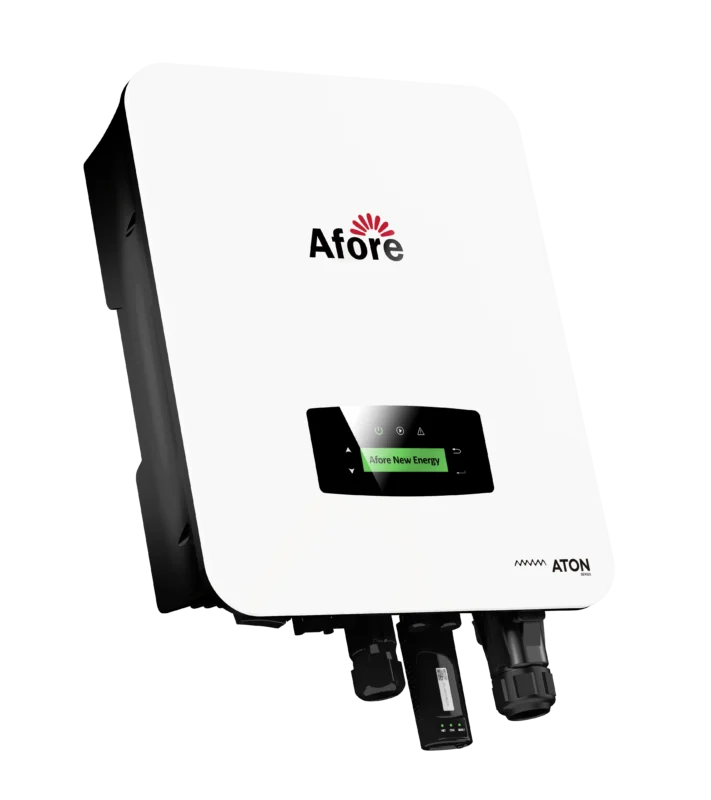
Wenn man sich zum ersten Mal mit Solarenergie für sein Haus beschäftigt, stößt man schnell auf zwei Begriffe, die ähnlich klingen, aber sehr unterschiedlich funktionieren: Hybridwechselrichter für Wohngebäude und Solarwechselrichter. Auf den ersten Blick scheinen beide die gleiche Aufgabe zu erfüllen - die Umwandlung von Gleichstrom aus Solarmodulen in Wechselstrom. Bei näherer Betrachtung sind die Unterschiede jedoch erheblich, und diese Unterschiede bestimmen, wie viel Flexibilität, Belastbarkeit und langfristige Einsparungen Sie von Ihrer Solaranlage erwarten können.
Es ist wichtig zu verstehen, wie diese beiden Arten von Wechselrichtern im Vergleich zueinander abschneiden, insbesondere wenn Sie in ein System investieren, das mehr als ein Jahrzehnt halten soll. Im Folgenden erfahren Sie, was sie voneinander unterscheidet und warum sich immer mehr Hausbesitzer für die Hybridtechnologie entscheiden.
Ein Solarwechselrichter erfüllt eine einfache Aufgabe. Er wandelt den von der Sonne erzeugten Gleichstrom in nutzbaren Wechselstrom um, damit Ihre Geräte laufen können. Er ist effektiv, zuverlässig und vollkommen ausreichend, wenn Ihr einziges Ziel darin besteht, Solarenergie zu nutzen, solange die Sonne scheint.
Ein Hybrid-Wechselrichter für Wohngebäude bietet dagegen ein viel breiteres Spektrum an Möglichkeiten. Er kann nicht nur Strom umwandeln, sondern auch Energie speichern. Das heißt, er nimmt überschüssigen Solarstrom auf und speichert ihn in einer Hausbatterie für später. Er kann auch abends oder zu Spitzenlastzeiten Energie aus dieser Batterie abrufen, ohne dass Sie eingreifen müssen.
Einfach ausgedrückt: Ein Solarwechselrichter nutzt die Sonnenenergie im Moment. Ein Hybrid-Wechselrichter nutzt Solarstrom, wenn Sie ihn brauchen - Tag oder Nacht.
Ein Solarwechselrichter unterstützt nicht die direkte Integration von Batterien. Wenn Sie Energie speichern möchten, benötigen Sie zusätzliche Komponenten oder ein komplizierteres Systemlayout.
Ein Hybrid-Wechselrichter für Wohngebäude ist von Anfang an für die Speicherung ausgelegt. Er kommuniziert direkt mit der angeschlossenen Batterie, regelt die Ladezyklen und entscheidet, wann die Energie auf die günstigste Weise entladen wird. Ganz gleich, ob Sie eine Notstromversorgung bei Stromausfällen oder eine niedrigere Stromrechnung am Abend wünschen, der Hybrid-Wechselrichter ermöglicht eine nahtlose Energiespeicherung.
Diese eine Eigenschaft allein wird oft zum entscheidenden Faktor für Hausbesitzer, die mehr als nur einfache Solarenergie wünschen.
Herkömmliche Solarwechselrichter müssen sich während eines Netzausfalls abschalten. Dies ist eine Sicherheitsmaßnahme und völlig normal, aber es bedeutet, dass Ihr Haus auch dann keinen Strom hat, wenn die Sonne hell scheint.
Ein Hybrid-Wechselrichter für Privathaushalte kann Ihre wichtigsten Verbraucher am Laufen halten, indem er Strom aus der Batterie bezieht. Anstatt Sie im Dunkeln sitzen zu lassen, isoliert er Ihr Haus vom Stromnetz und bietet eine stetige Versorgung mit gespeicherter Energie. Diese Art von Backup-Fähigkeit ist nicht nur praktisch, sondern gibt Ihnen auch Sicherheit bei Stürmen, natürlichen Störungen oder unerwarteten Ausfällen.
Wenn Energiesicherheit in Ihrem Haushalt Priorität hat, ist der Hybrid-Wechselrichter weit vorne.
Ein Standard-Solarwechselrichter ist bei seiner Hauptaufgabe effizient, aber seine Funktionalität endet, sobald die Umwandlung von Gleichstrom in Wechselstrom abgeschlossen ist. Er hilft Ihnen nicht dabei, zu entscheiden, wann Sie Solarstrom nutzen, wann Sie sich auf das Stromnetz verlassen oder wie Sie Ihren Eigenverbrauch maximieren können.
Ein Hybrid-Wechselrichter für Wohngebäude wertet kontinuierlich aus:
Mit diesen Informationen trifft er sofortige Entscheidungen, die Ihre Energiekosten niedrig halten. Wenn beispielsweise die Strompreise am Abend in die Höhe schnellen, kann der Hybrid-Wechselrichter automatisch auf gespeicherte Solarenergie umschalten, anstatt Strom aus dem Netz zu beziehen. Sie erhalten mehr Kontrolle, mehr Effizienz und weniger Überraschungen auf Ihrer Stromrechnung.
Ein Solar-Wechselrichtersystem eignet sich gut, wenn Sie nur an der grundlegenden Solarproduktion interessiert sind, aber es kann zukünftige Upgrades einschränken. Wenn Sie sich später für die Speicherung entscheiden, müssen Sie möglicherweise wichtige Komponenten ersetzen oder Teile Ihres Systems neu verkabeln.
Ein Hybrid-Wechselrichter für Wohngebäude ist auf Anpassungsfähigkeit ausgelegt. Sie möchten Ihre Solaranlage erweitern? Eine weitere Batterie hinzufügen? Neue intelligente Energiefunktionen integrieren? Hybridwechselrichter ermöglichen in der Regel eine reibungslosere Skalierung und Aufrüstung.
Die Entscheidung für einen Hybrid-Wechselrichter erfüllt nicht nur Ihre heutigen Anforderungen, sondern hält auch Optionen für die Zukunft offen.
Mit einem Solarwechselrichter kann man alles einstellen und vergessen. Er ist einfach, vorhersehbar und leicht zu warten, aber er lässt viel Solarpotenzial ungenutzt - vor allem, wenn Ihre Module mehr produzieren, als Ihr Haus benötigt.
Ein Hybrid-Wechselrichter für Wohngebäude schafft ein dynamischeres Energieumfeld. Er bietet:
Dadurch wird Ihr Solarsystem zu einer aktiven, reaktionsfähigen Energielösung und nicht zu einer passiven Ergänzung der Tageszeit.
Wenn Sie die Solarenergie nur tagsüber nutzen wollen und sich keine Gedanken über die Speicherung oder die Notstromversorgung machen, reicht ein einfacher Solarwechselrichter aus.
Aber wenn Sie auf der Suche sind:
dann ist ein Hybrid-Wechselrichter für Wohngebäude der klare Sieger.
Das Hybridmodell ist nicht nur ein kleines Upgrade, sondern ein grundlegender Wandel in der Art und Weise, wie Hauseigentümer Solarstrom verwalten und nutzen können. Es gibt Ihnen die Kontrolle über Ihre Energie, anstatt sich ausschließlich auf den Zeitplan, die Preise oder die Zuverlässigkeit des Netzes zu verlassen.
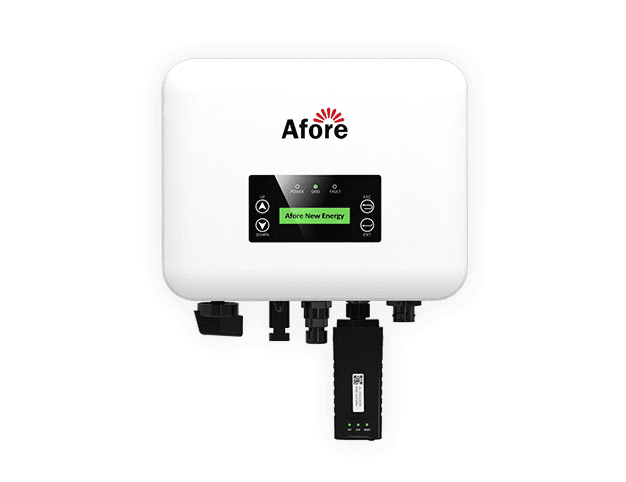
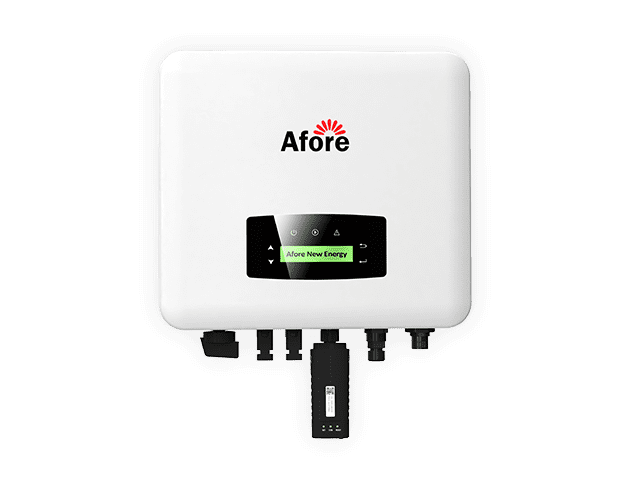
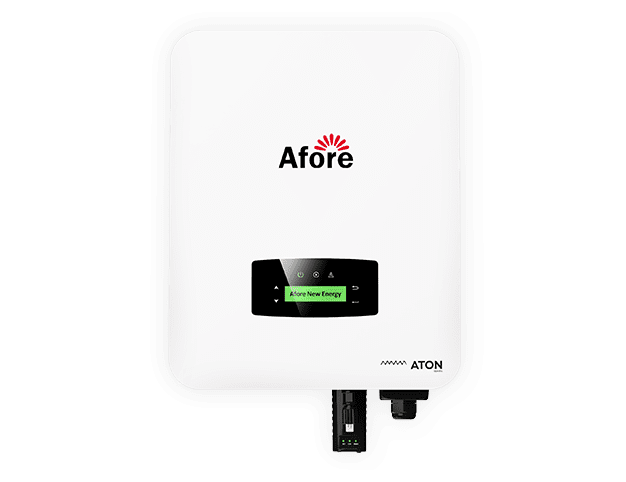
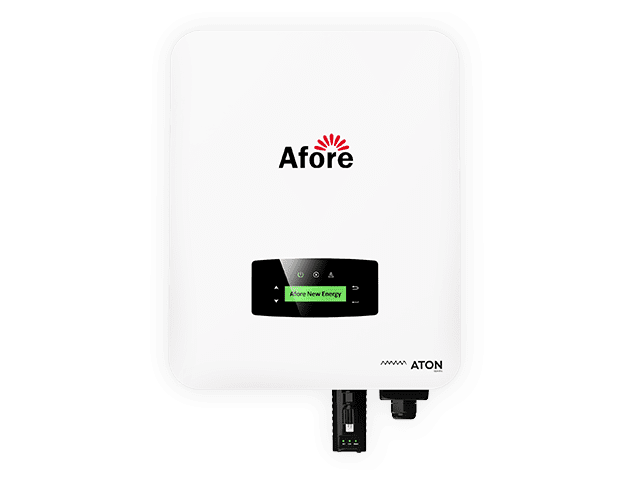
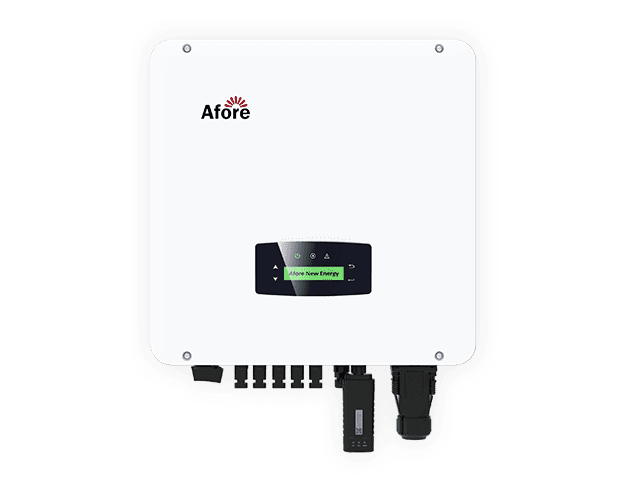
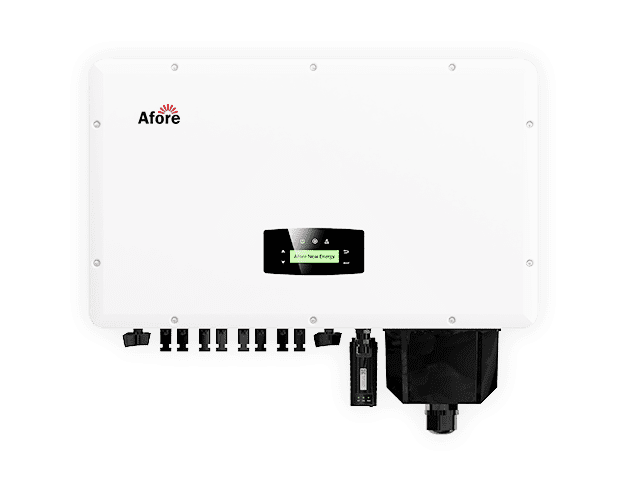
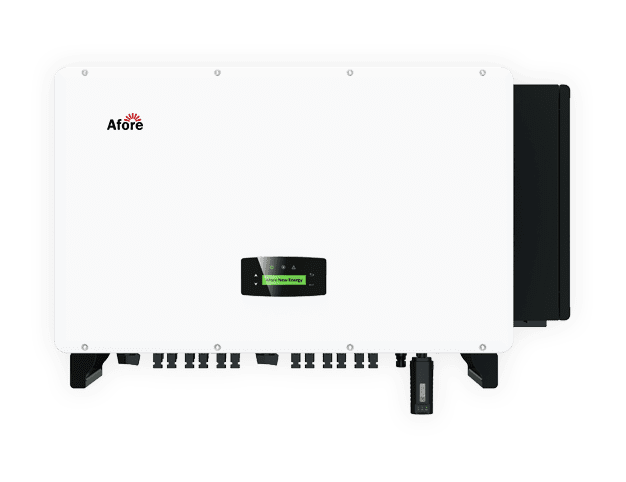
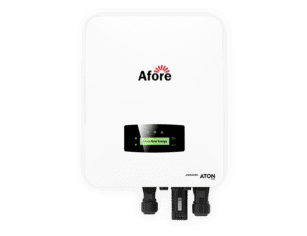
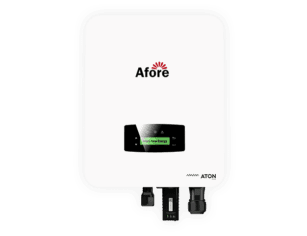
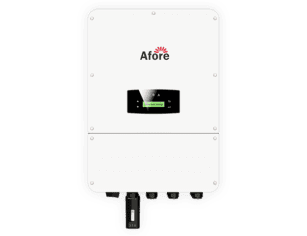
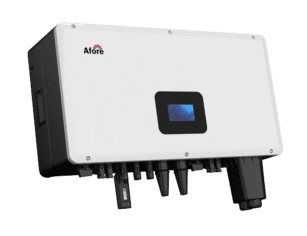
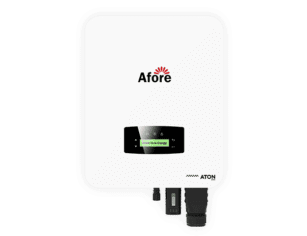
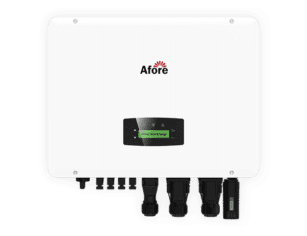
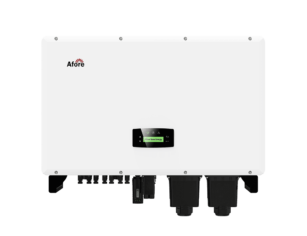
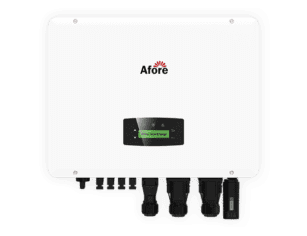
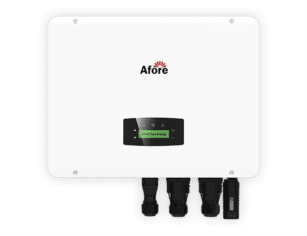
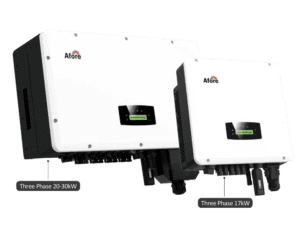
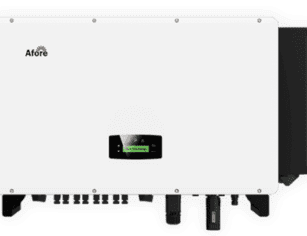
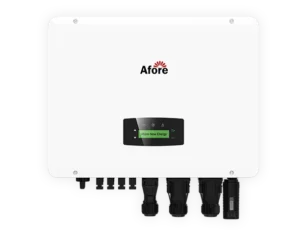
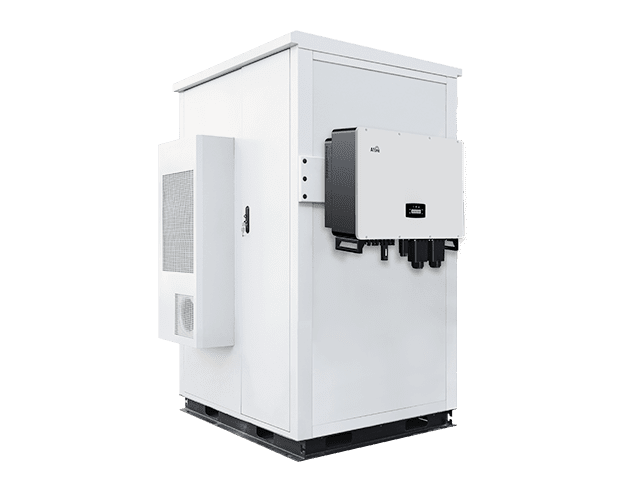
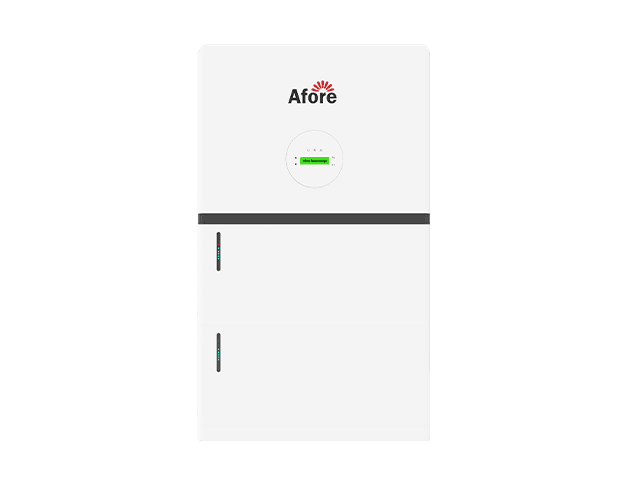
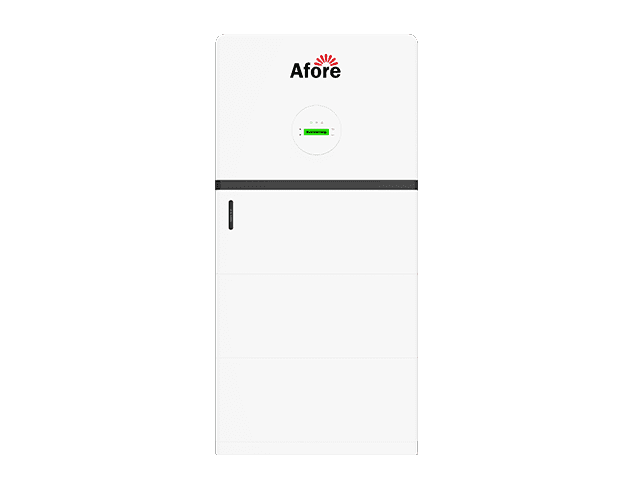
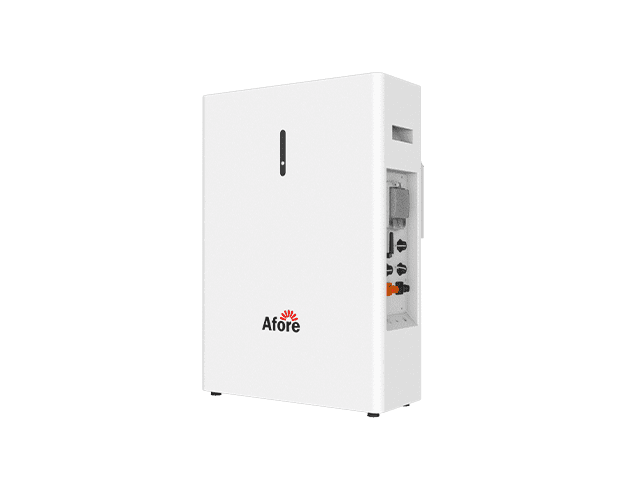
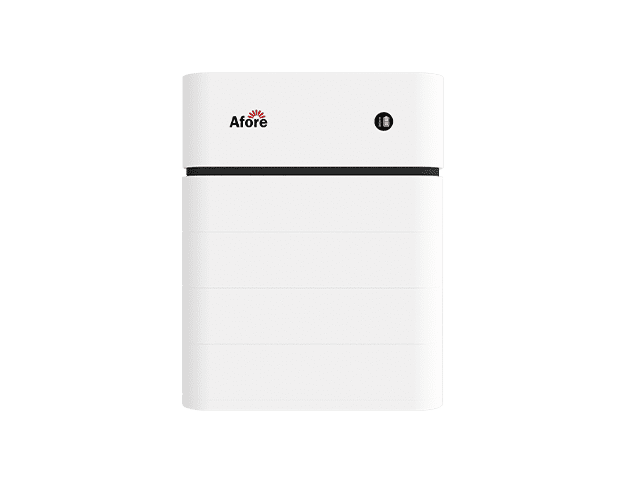
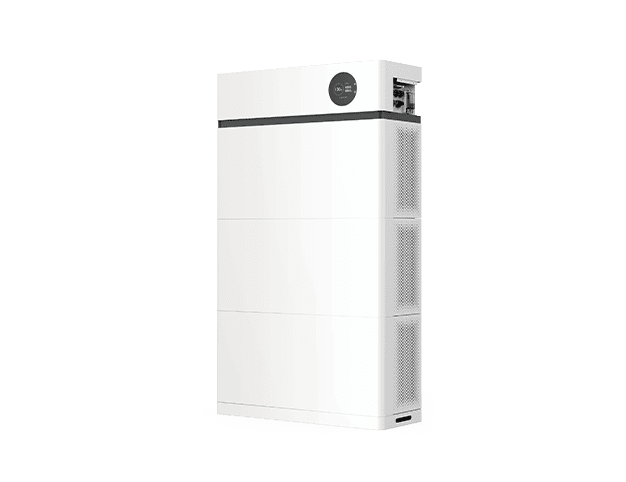
Wenn Sie Folgendes kaufen möchten Hybrid-Wechselrichter können Sie Afore besuchen, einen der weltweit führenden Hersteller von Solarwechselrichtern. Afore produziert nicht nur Hybrid-Wechselrichter, sondern auch konventionelle Solar-Wechselrichter, Energiespeicher-Wechselrichter, einphasige Wechselrichter, dreiphasige Wechselrichter und viele mehr.
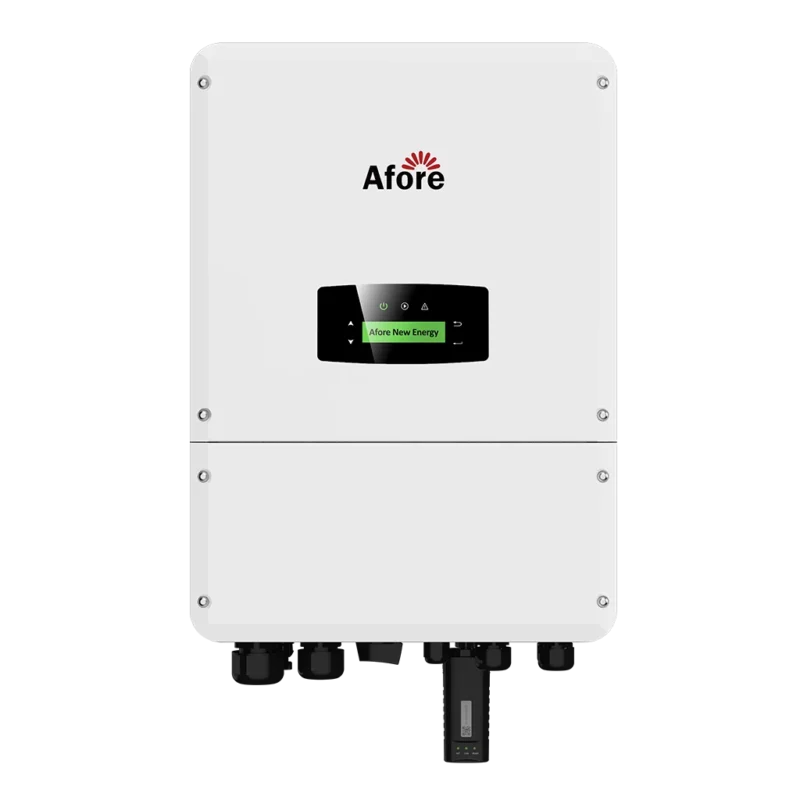
Lassen Sie uns über die Vorteile sprechen, denn hier wird es spannend.
Einer der größten Vorteile ist die Unabhängigkeit vom Stromnetz. Mit einem Hybrid-Wechselrichter für Privathaushalte können Sie überschüssige Energie in Batterien speichern und sie nachts oder bei Stromausfällen nutzen. Sie müssen sich keine Sorgen mehr über Stromausfälle oder hohe Stromrechnungen machen.
Ja, die Installation kann eine Anfangsinvestition sein, aber die langfristigen Einsparungen sind enorm. Die Nutzung gespeicherter Solarenergie verringert Ihre Abhängigkeit vom Stromnetz, was sich direkt auf die monatlichen Rechnungen auswirkt.
Jede kWh Solarenergie, die Sie verbrauchen, verringert Ihren ökologischen Fußabdruck. Ein Hybrid-Wechselrichter für Privathaushalte maximiert die Energieeffizienz, was bedeutet, dass Sie nicht nur Geld sparen, sondern auch unserem Planeten helfen.
Moderne Hybrid-Wechselrichter können Ihren Energieverbrauch überwachen und ihn sogar automatisch optimieren. Stellen Sie sich vor, Sie kommen nach Hause und haben eine voll geladene Hausbatterie, während Ihr Solarwechselrichter tagsüber in aller Ruhe das Sonnenlicht umwandelt. Es ist, als hätte man einen persönlichen Energieassistenten.
Die Wahl des richtigen Hybrid-Wechselrichters für Wohngebäude ist eine Entscheidung, die die gesamte Leistung des Solarenergiesystems Ihres Hauses für die nächsten Jahre beeinflussen kann. Es handelt sich nicht um etwas, das Sie spontan aus dem Regal nehmen, sondern um eine Investition, die bestimmt, wie effizient Ihr Haus Solarenergie nutzt, wie reibungslos Ihr Batteriesystem funktioniert und wie viel Energieunabhängigkeit Sie auf lange Sicht gewinnen.
Ein gut gewählter Hybrid-Wechselrichter wandelt nicht nur Strom um, sondern verbessert Ihr tägliches Leben, indem er Ihre Rechnungen senkt, die Widerstandsfähigkeit bei Stromausfällen verbessert und es Ihrem Haus ermöglicht, mit einem Maß an Energieintelligenz zu arbeiten, das vor zehn Jahren noch nicht möglich war. Um eine sichere Entscheidung zu treffen, ist es hilfreich, die wichtigsten Faktoren zu berücksichtigen, die wirklich wichtig sind.
Bevor Sie sich mit den Spezifikationen befassen, sollten Sie sich zunächst einen Überblick über die Energiegewohnheiten in Ihrem Haus verschaffen. Wie viel Strom verbrauchen Sie jeden Monat? Ist Ihr Verbrauchsmuster gleichmäßig oder fällt er abends besonders hoch aus? Betreiben Sie energiehungrige Geräte wie elektrische Heizungen oder Brunnenpumpen? Oder verbrauchen Sie vielleicht besonders viel Strom nach Sonnenuntergang, wenn die Familie zusammenkommt?
Die Kenntnis Ihrer täglichen und saisonalen Energiemuster bildet die Grundlage für die Wahl des richtigen Hybrid-Wechselrichters für Privathaushalte. Ein Haushalt mit hohem abendlichem Verbrauch benötigt möglicherweise einen größeren Wechselrichter mit robuster Batterieunterstützung, während ein kleinerer Haushalt, der sich auf die Senkung der Stromrechnung konzentriert, vielleicht ein bescheideneres System bevorzugt. Das Ziel ist es, einen Hybrid-Wechselrichter zu wählen, der Ihren Lebensstil unterstützt - und nicht einen, der ihn einschränkt.
Eine der Hauptstärken eines Hybridwechselrichters für Wohngebäude ist seine Fähigkeit, sich mit einem Heimbatteriesystem zu verbinden. Aber nicht alle Batterien und Wechselrichter kommunizieren auf dieselbe Weise. Einige unterstützen eine breite Palette von Batterietypen, während andere am besten mit bestimmten Typen funktionieren.
Fragen Sie sich, was Sie mit Ihrer Batterie erreichen wollen:
Die Art des Hybrid-Wechselrichters, den Sie wählen, hängt von Ihren Speicherzielen ab. Suchen Sie nach einem Wechselrichter, der die Spannung, den Kapazitätsbereich und die Kommunikationsprotokolle der Batterie unterstützt, die Sie bereits haben - oder später installieren möchten. Je flexibler Ihr Wechselrichter in Bezug auf die Batterieoptionen ist, desto mehr Freiheit haben Sie, wenn sich Ihr Energiebedarf entwickelt.
Ein Hybrid-Wechselrichter für Wohngebäude hat eine bestimmte Ausgangsleistung, die in der Regel in Kilowatt gemessen wird. Diese Leistung gibt an, wie viel Strom der Wechselrichter zu einem bestimmten Zeitpunkt an Ihr Haus liefern kann.
Wählen Sie einen Wechselrichter, der der zu erwartenden Spitzenlast entspricht (oder sie leicht übersteigt). Wenn Sie z. B. mehrere Geräte haben, die gleichzeitig in Betrieb sein können - z. B. eine Klimaanlage, einen Warmwasserbereiter und Ihre alltäglichen elektronischen Geräte -, dann sollten Sie einen Wechselrichter wählen, der diese kombinierte Nachfrage ohne Belastung bewältigen kann.
Ein unterdimensionierter Wechselrichter führt zu Engpässen in Ihrer Solaranlage, während ein überdimensionierter Wechselrichter teurer sein kann als nötig. Ausgewogenheit ist das Ziel.
Effizienz ist wichtiger, als den meisten Hausbesitzern bewusst ist. Ein hocheffizienter Hybrid-Wechselrichter für Privathaushalte sorgt dafür, dass ein größerer Teil der Solarenergie in Ihr Haus oder in die Batterie gelangt, anstatt bei der Umwandlung verloren zu gehen.
Suchen Sie nach:
Selbst kleine Verbesserungen des Wirkungsgrads können sich über die Lebensdauer des Systems in großen Energieeinsparungen niederschlagen. Ein gut optimierter Hybrid-Wechselrichter ermöglicht es Ihnen, jeden Sonnenstrahl optimal zu nutzen.
Vielleicht beginnen Sie heute mit einem bescheidenen System, aber wer weiß schon, wie Ihre Energielandschaft in fünf Jahren aussehen wird? Vielleicht fügen Sie ein weiteres Elektrofahrzeug hinzu, vergrößern Ihr Haus oder erhöhen die Anzahl Ihrer Haushaltsgeräte.
Ein skalierbarer Hybrid-Wechselrichter für Wohngebäude macht zukünftige Änderungen einfach. Achten Sie auf Merkmale wie:
Das Letzte, was Sie wollen, ist ein Wechselrichter, der Sie einschränkt oder eine komplette Überholung des Systems erfordert, wenn Ihre Anforderungen steigen.
Nicht alle Hybrid-Wechselrichter bieten das gleiche Maß an Backup-Schutz. Einige können nur die wichtigsten Verbraucher versorgen, während andere unter den richtigen Bedingungen größere Stromkreise oder ganze Häuser versorgen können.
Überlegen Sie sich, wie Sie Ihr Haus während eines Stromausfalls betreiben wollen:
Der beste Hybrid-Wechselrichter für Ihr Haus ist einer, der Ihren Erwartungen an die Zuverlässigkeit bei Netzausfällen entspricht.
Ein moderner Hybrid-Wechselrichter kann erstaunlich fortschrittliche Überwachungswerkzeuge bieten. Echtzeit-Dashboards, Nutzungsdiagramme, benutzerdefinierte Ladepläne und visuelle Darstellungen des Energieflusses können Ihnen helfen, intelligentere Entscheidungen zu treffen.
Intuitive Überwachung ermöglicht Ihnen:
Diese Erkenntnisse helfen Ihnen bei der Feinabstimmung Ihres Systems und bei der Erzielung der größtmöglichen Einsparungen.
Ein Hybrid-Wechselrichter für Wohngebäude sollte nicht nur auf Ihren Energiebedarf, sondern auch auf die elektrische Anlage Ihres Hauses abgestimmt sein. Berücksichtigen Sie Faktoren wie:
Eine sichere Installation ist ebenso wichtig wie die Wahl des richtigen Modells.
Schließlich sollten Sie langfristig denken. Hybrid-Wechselrichter sollen viele Jahre halten, oft ein Jahrzehnt oder länger, wenn sie richtig gewartet werden. Legen Sie Wert auf Langlebigkeit, Zuverlässigkeit und ein Design, das auch bei starker Beanspruchung lange hält.
Denken Sie daran, dass der richtige Hybrid-Wechselrichter für Wohngebäude nicht nur ein Stück Hardware ist - er ist das Herzstück des Energiesystems Ihres Hauses. Eine kluge Wahl bedeutet bessere Leistung, größere Unabhängigkeit und mehr Vertrauen in Ihre Solarinvestition.
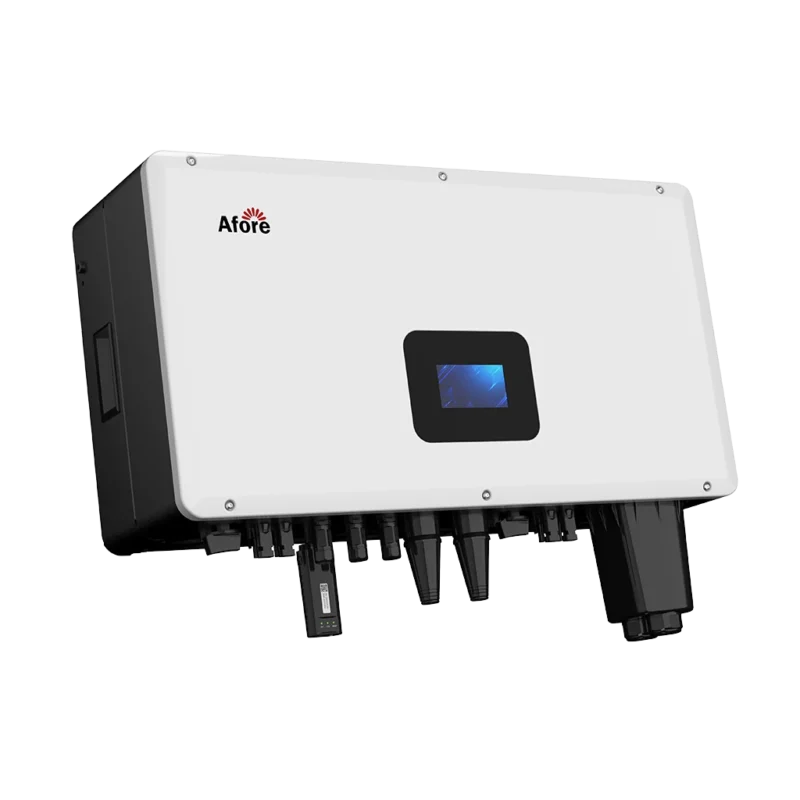
Die Installation eines Hybrid-Wechselrichters für Privathaushalte mag kompliziert klingen, ist aber machbar, wenn Sie die richtigen Schritte beachten.
Zunächst beurteilen Fachleute Ihr Haus, um die optimale Platzierung der Module und des Wechselrichters zu bestimmen.
Als Nächstes werden der Solarwechselrichter und der Hybridwechselrichter mit den Solarmodulen, dem Batteriespeicher und dem Hausnetz verbunden. Eine ordnungsgemäße Verkabelung gewährleistet Sicherheit und Effizienz.
Schließlich wird alles getestet, kalibriert und optimiert. So wird sichergestellt, dass Ihr Hybrid-Wechselrichter vom ersten Tag an effizient arbeitet.
Die Wartung ist einfacher, als Sie vielleicht erwarten.
Überprüfen Sie den Wechselrichter auf Fehlercodes oder ungewöhnliche Geräusche. Die meisten Hybrid-Wechselrichter verfügen über benutzerfreundliche Displays oder Apps zur Überwachung.
Halten Sie die Solarmodule sauber, um die Effizienz zu erhalten. Ein staubiges oder schmutziges Modul kann die Leistung Ihres Hybrid-Wechselrichters für Wohngebäude verringern.
Planen Sie alle paar Jahre eine professionelle Wartung ein, um die Lebensdauer Ihres Wechselrichters und Ihrer Batterie zu verlängern. Ein gut gewartetes System kann 15-20 Jahre halten.
Es gibt eine Menge Verwirrung da draußen. Lassen Sie uns mit einigen Mythen aufräumen:
Falsch. Auch ein kleines Haus kann von Energiespeicherung und Netzunabhängigkeit profitieren.
Die anfänglichen Kosten sind zwar höher, aber die langfristigen Einsparungen überwiegen oft die Investition.
Die Paneele sind nur ein Teil des Systems. Ohne einen Hybrid-Wechselrichter für Wohngebäude verpassen Sie die Batteriespeicherung und die Notstromversorgung.
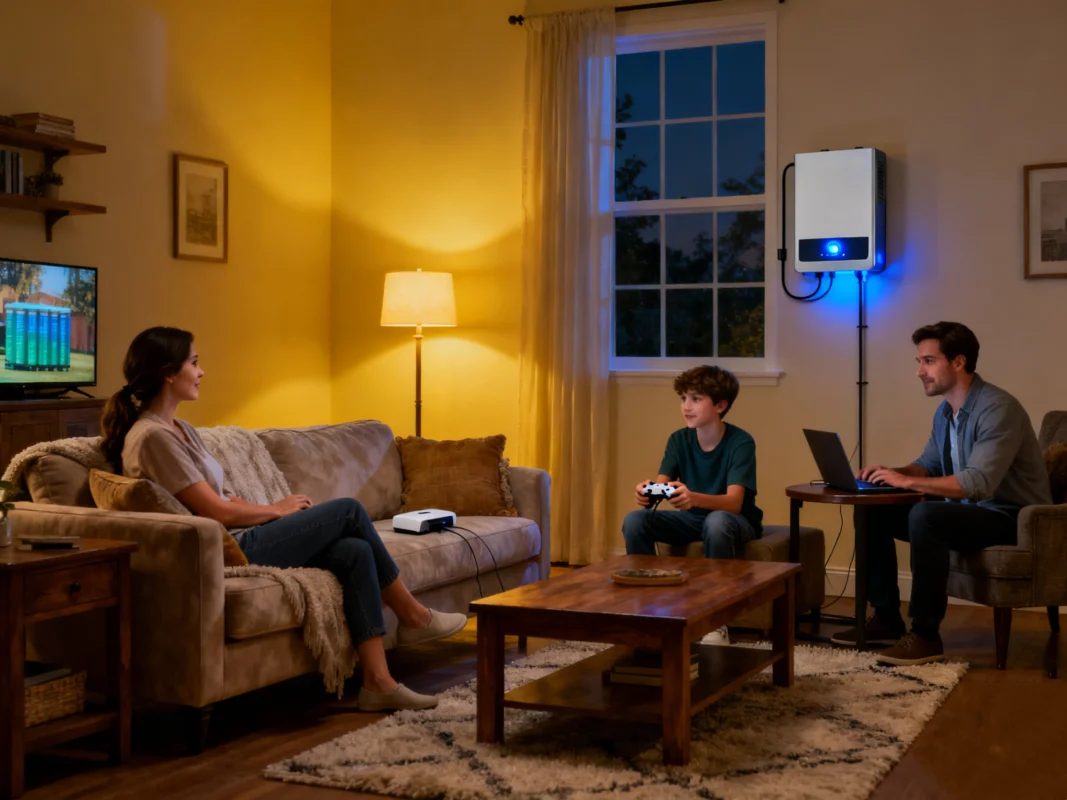
Ein Solarwechselrichter wandelt einfach Gleichstrom von Ihren Modulen in Wechselstrom für Ihr Haus um. Ein Hybrid-Wechselrichter für Wohngebäude übernimmt diese Aufgabe und verwaltet die Batteriespeicherung, die Notstromversorgung und den Energiefluss zwischen der Solaranlage, der Batterie und dem Netz. Er bietet mehr Kontrolle, Flexibilität und langfristige Energieeinsparungen.
Nicht unbedingt. Ein Hybrid-Wechselrichter für Wohngebäude kann auch ohne Batterie funktionieren und arbeitet ähnlich wie ein herkömmlicher Solar-Wechselrichter. Wenn Sie jedoch eine Batterie hinzufügen, können Sie alle Vorteile nutzen - Reservestrom, nächtliche Nutzung der gespeicherten Solarenergie und größere Energieunabhängigkeit.
Die meisten Hybrid-Wechselrichter sind für eine Lebensdauer von zehn bis fünfzehn Jahren ausgelegt, je nach Einsatzbedingungen und Wartung. Regelmäßige Systemüberprüfungen, eine saubere Umgebung und eine ordnungsgemäße Installation können dazu beitragen, die Lebensdauer Ihres Hybridwechselrichters zu verlängern.
Ja - wenn eine Batterie angeschlossen ist. Bei einem Netzausfall schaltet der Hybrid-Wechselrichter für Privathaushalte automatisch in den Backup-Modus und nutzt die gespeicherte Solarenergie, um wichtige Stromkreise am Laufen zu halten. Dies kann besonders bei Stürmen oder unerwarteten Unterbrechungen der Stromversorgung von großem Nutzen sein.
Die Wartung ist im Allgemeinen einfach. Die meisten Systeme erfordern lediglich eine grundlegende Sichtprüfung, gelegentliches Abstauben des Geräts und eine regelmäßige Überprüfung auf Warnungen oder Alarme. Ihre Paneele und die Batterie müssen ebenfalls routinemäßig gewartet werden, aber insgesamt ist ein Hybrid-Wechselrichter für Wohngebäude für einen wartungsarmen Betrieb ausgelegt.
In vielen Fällen, ja. Einer der Vorteile eines Hybridwechselrichters für Wohngebäude ist seine Flexibilität. Viele Modelle sind auf Skalierbarkeit ausgelegt, so dass Sie mehr Solarmodule oder zusätzliche Batteriekapazität hinzufügen können, wenn der Energiebedarf Ihres Haushalts steigt.
Ganz genau. Indem er überschüssige Solarenergie speichert und es Ihnen ermöglicht, diese in den Abendstunden oder zu Hochtarifzeiten zu nutzen, trägt ein Hybrid-Wechselrichter für Wohngebäude dazu bei, dass Sie weniger auf das Stromnetz angewiesen sind. Das kann Ihre monatlichen Stromkosten erheblich senken und Ihre Rendite verbessern.
Die meisten Hybrid-Wechselrichter erzeugen während des Betriebs nur ein leises Brummen - ähnlich wie ein leiser Ventilator oder ein Computerturm. Sie werden in der Regel in Garagen, Hauswirtschaftsräumen oder Außengehäusen installiert, so dass Geräusche selten ein Problem darstellen.
Ja. Viele Hybrid-Wechselrichtersysteme für Privathaushalte bieten digitale Überwachungstools, die Energieerzeugung, Verbrauch, Batteriestatus und Netznutzung anzeigen. Diese Informationen helfen Hausbesitzern, ihre Energiegewohnheiten zu optimieren und zu verstehen, wie ihr System im Laufe des Tages funktioniert.
In den meisten Fällen, ja. Egal, ob Sie ein kleines Haus mit bescheidenem Energiebedarf oder ein größeres Anwesen mit hohem Verbrauch haben, ein Hybridwechselrichter für Wohngebäude kann auf Ihren Bedarf zugeschnitten werden. Der Schlüssel liegt in der richtigen Dimensionierung und einem durchdachten Systemdesign.
Die Installation umfasst zwar mehrere elektrische Komponenten, aber ein qualifizierter Fachmann kann sie effizient durchführen. Er sorgt dafür, dass Ihr Hybrid-Wechselrichter für Wohngebäude richtig konfiguriert, sicher in die Batterie integriert und für den Grundriss Ihres Hauses optimiert ist.
Auf jeden Fall. Indem Sie Ihre eigene Solarenergie erzeugen, nutzen und speichern, verringert ein Hybrid-Wechselrichter für Wohngebäude Ihre Abhängigkeit vom Stromnetz. Für viele Hausbesitzer ist er ein Sprungbrett in die vollständige oder teilweise Energieautonomie.








 Turkish
  Romanian