




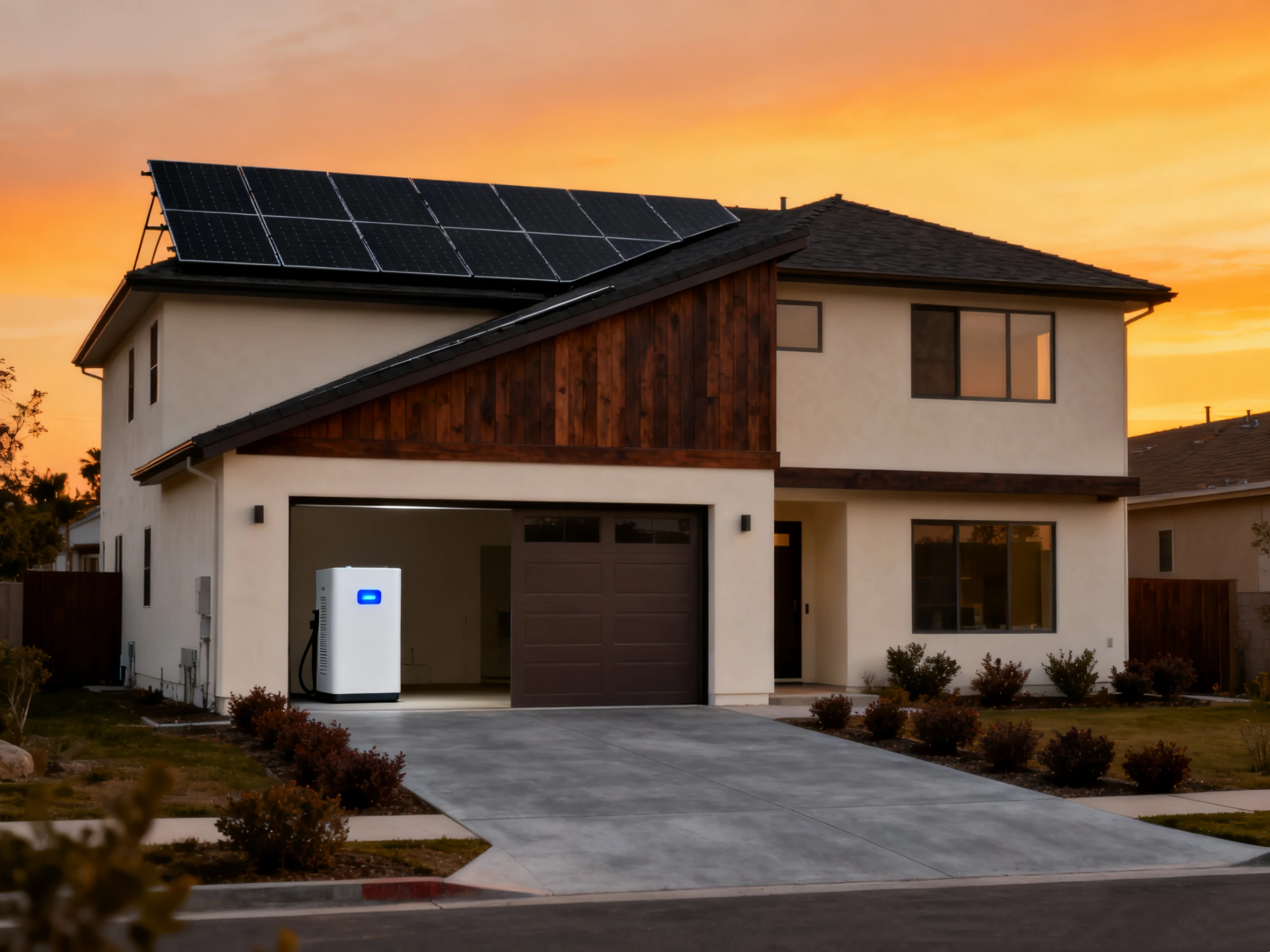
Wenn Sie schon einmal bei einem abendlichen Spaziergang durch Ihre Nachbarschaft bemerkt haben, dass mehr Dachpaneele als je zuvor auftauchen, dann bilden Sie sich nichts ein - die Menschen stürzen sich auf die heimische Solarenergiespeicherung, als sei sie der neue Goldrausch. Und ganz ehrlich? Ich habe es verstanden. Der Gedanke, seinen eigenen Strom zu erzeugen, zu speichern und genau dann zu nutzen, wenn man ihn braucht, ist geradezu ermächtigend. Es ist fast so, als würde man seinem Haus einen eigenen Herzschlag verpassen - stabil, widerstandsfähig und unabhängig.
In diesem Leitfaden erkläre ich Ihnen alles, was Sie über die Speicherung von Solarenergie zu Hause wissen müssen, warum so viele Hausbesitzer darauf schwören und wie Sie ein System aufbauen, das tatsächlich zu Ihrem Lebensstil passt. Außerdem gehe ich auf die Rolle des Solarwechselrichters ein, denn er gehört zu den Teilen, die im Verborgenen die ganze schwere Arbeit leisten.
Nehmen Sie einen Drink, machen Sie es sich gemütlich und lassen Sie uns gemeinsam in die Welt der sauberen Energie eintauchen - ganz nach Ihren Wünschen.
Im Grunde ist die Speicherung von Solarenergie zu Hause genau das, wonach es klingt: ein System, das überschüssige Energie, die von Ihren Solarmodulen erzeugt wird, auffängt und für die spätere Nutzung speichert. Aber wenn Sie schon einmal während eines Gewitters den Lichtschalter betätigt und gebetet haben, dass der Strom nicht flackert, dann wissen Sie, dass dies mehr ist als nur “zusätzlicher Strom”. Es ist Seelenfrieden.
Denken Sie daran, wie sehr unser Leben vom Strom abhängt: Telefone werden aufgeladen, Kühlschränke laufen, Sicherheitssysteme werden betrieben. Wenn Ihr Haus vom Stromnetz abhängig ist, geben Sie die Kontrolle über Ihren Alltag an ein System ab, das Sie nicht kontrollieren können. Mit der Speicherung von Solarenergie zu Hause holen Sie sich einen Teil dieser Kontrolle zurück.
Und seien wir ehrlich: Stromausfälle sind keine Seltenheit mehr. Sie treten immer dann auf, wenn es am schlimmsten ist. Mit einer Solarstromspeicheranlage zu Hause sitzen Sie nicht im Dunkeln (im wörtlichen oder übertragenen Sinne).
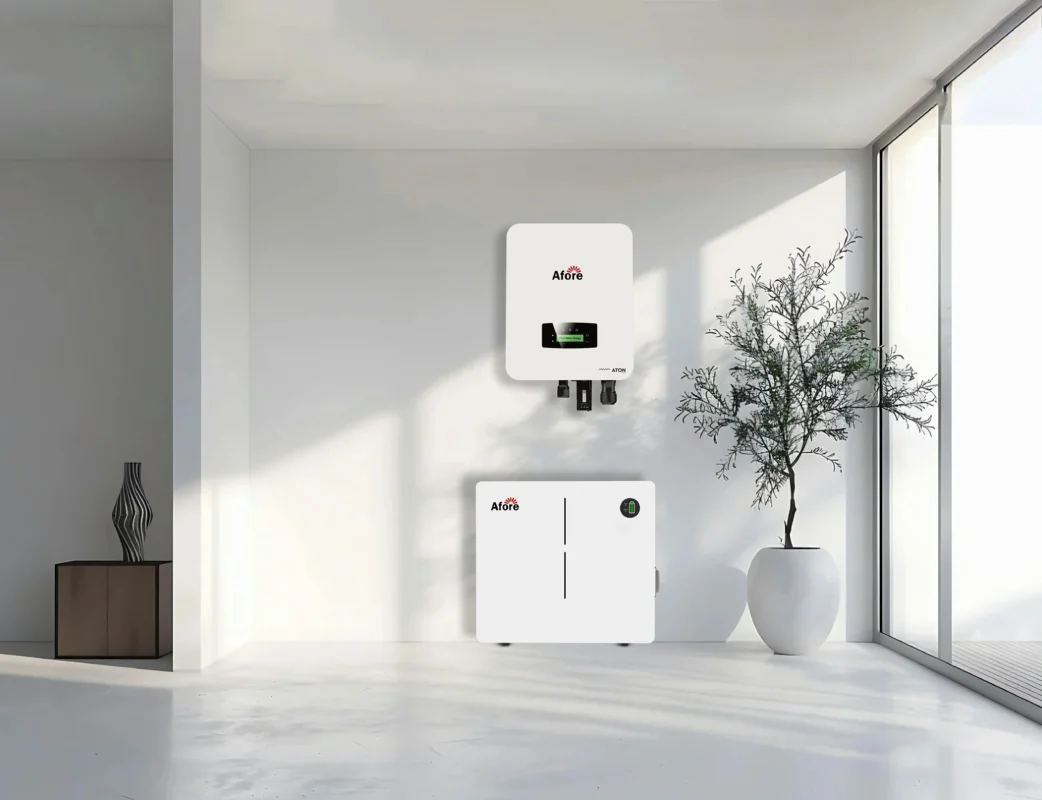
Zu verstehen, wie die Speicherung von Solarenergie zu Hause funktioniert, kann sich zunächst etwas einschüchternd anfühlen - schließlich geht es darum, Sonnenlicht in tatsächlich nutzbaren Strom umzuwandeln, der alles von der Kaffeemaschine bis zum abendlichen Kinobesuch versorgt. Aber wenn man es erst einmal aufgeschlüsselt hat, ist der Prozess erstaunlich intuitiv. Stellen Sie sich das Ganze wie eine einfache Kettenreaktion vor: Die Sonne trifft auf Ihre Paneele, die Paneele produzieren Energie, der Solarwechselrichter macht diese Energie nutzbar, und das Speichersystem speichert alles, was Sie nicht sofort verbrauchen. Gehen wir die einzelnen Schritte durch, als ob wir den Weg eines einzelnen Sonnenstrahls nachzeichnen würden.
Alles beginnt mit Sonnenlicht. Wenn die Sonne auf Ihr Dach trifft, erzeugen die Paneele Gleichstrom - DC-Strom. Dies ist die rohe, unverarbeitete Version von Energie, im Grunde die “frische Zutaten”-Stufe des Prozesses. An sonnigen Nachmittagen produzieren Ihre Paneele oft weit mehr Strom, als Ihr Haus im Moment verbraucht.
Mit diesem Überschuss beginnt die Magie der heimischen Solarenergiespeicherung erst richtig. Anstatt die überschüssige Energie in das Stromnetz einzuspeisen, können Sie sie für sich behalten. Das ist vergleichbar mit dem Sammeln von Regenwasser in einer Tonne, anstatt es die Straße hinunterlaufen zu lassen - Sie sparen wertvolle Ressourcen für später.
Sobald die Paneele ihren Teil erledigt haben, übergibt Ihr System die Arbeit an den Solarwechselrichter. Diese Komponente ist das wahre Arbeitspferd der gesamten Anlage. Er befindet sich zwar nicht auf Ihrem Dach wie die Module, spielt aber eine ebenso wichtige Rolle. Der Solarwechselrichter wandelt den Gleichstrom in Wechselstrom um - die Art von Strom, die Ihr Haus tatsächlich nutzt.
Ohne diese Umstellung würden Ihre Geräte nichts verstehen. Lampen würden sich nicht einschalten. Der Kühlschrank würde nicht summen. Selbst Ladegeräte würden leblos dastehen. Der Solarwechselrichter ist im Grunde der Übersetzer zwischen der Sonne und Ihrem Haus, der dafür sorgt, dass alles reibungslos und sicher abläuft.
Man kann ihn sich wie einen Sprachdolmetscher in einem Gerichtssaal vorstellen: unerlässlich, unsichtbar und absolut entscheidend für eine korrekte Kommunikation. Jedes Solarspeichersystem für den Hausgebrauch ist darauf angewiesen, dass der Solarwechselrichter die Energie effizient verarbeitet, bevor er sie entweder an die Stromkreise Ihres Hauses oder an die Speicherbatterie weiterleitet.
Nachdem der Solarwechselrichter den Strom in ein nutzbares Format umgewandelt hat, kann Ihr Haus sofort die Energie nutzen, die es braucht. Das kann der Betrieb der Waschmaschine sein, die Kühlung des Hauses oder das Aufladen all Ihrer Geräte. Wenn Ihre Paneele jedoch mehr Energie erzeugen, als Ihr Haus verbraucht - vor allem am Nachmittag -, fließt diese zusätzliche Energie direkt in Ihren Solarstromspeicher.
Stellen Sie sich dies als eine moderne Version der Aufbewahrung von Essensresten im Kühlschrank vor: Sie speichern überschüssige Energie für später, sei es nachts, bei bewölktem Wetter oder während eines Netzausfalls. Vielen Hausbesitzern ist erst dann bewusst, wie wichtig dies ist, wenn sie es selbst erleben. Anstatt sich auf den Zeitplan des Stromnetzes zu verlassen oder sich um schwankende Tarife zu sorgen, haben Sie Ihren eigenen Mini-Stromtresor direkt zu Hause.
Ein weiterer Vorteil ist die Beständigkeit. Selbst wenn das Stromnetz in Ihrer Region unzuverlässig ist, haben Sie mit Ihrem Solarstromspeicher zu Hause eine stabile Stromquelle, die zur Verfügung steht, wenn Sie sie brauchen. Sie müssen nicht mehr nach Kerzen suchen oder sich Sorgen machen, dass Lebensmittel im Kühlschrank verderben.
Sobald sich die Energie in Ihrem Solarspeichersystem befindet, kann Ihr Haus sie automatisch abrufen. Sie müssen keinen Schalter umlegen oder irgendetwas manuell verwalten - Ihr System entscheidet in Echtzeit, ob es Energie aus den Modulen, dem Netz oder der gespeicherten Batterie bezieht, je nachdem, was zu einem bestimmten Zeitpunkt am effizientesten ist.
Zum Beispiel:
Es ist ein nahtloses Hin- und Herwechseln, fast wie ein Staffellauf, bei dem jeder Spieler genau weiß, wann er sprinten muss.
Die meisten modernen Anlagen verfügen über eine Überwachungskomponente, die Ihnen genau anzeigt, was in Ihrem Solarspeichersystem zu Hause vor sich geht. Sie können sehen, wie viel Ihre Module produzieren, wie viel Strom Sie verbrauchen und wie voll Ihre Batterie ist.
Die Überwachung ist auch nicht nur für Technikbegeisterte interessant, denn sie hilft Ihnen, Muster in Ihren Energiegewohnheiten zu erkennen. Sie lernen Dinge wie:
Diese Transparenz gibt Ihnen mehr Kontrolle und lässt Ihr System weniger wie eine mysteriöse Blackbox und mehr wie einen vertrauten Teil Ihres Hauses erscheinen.
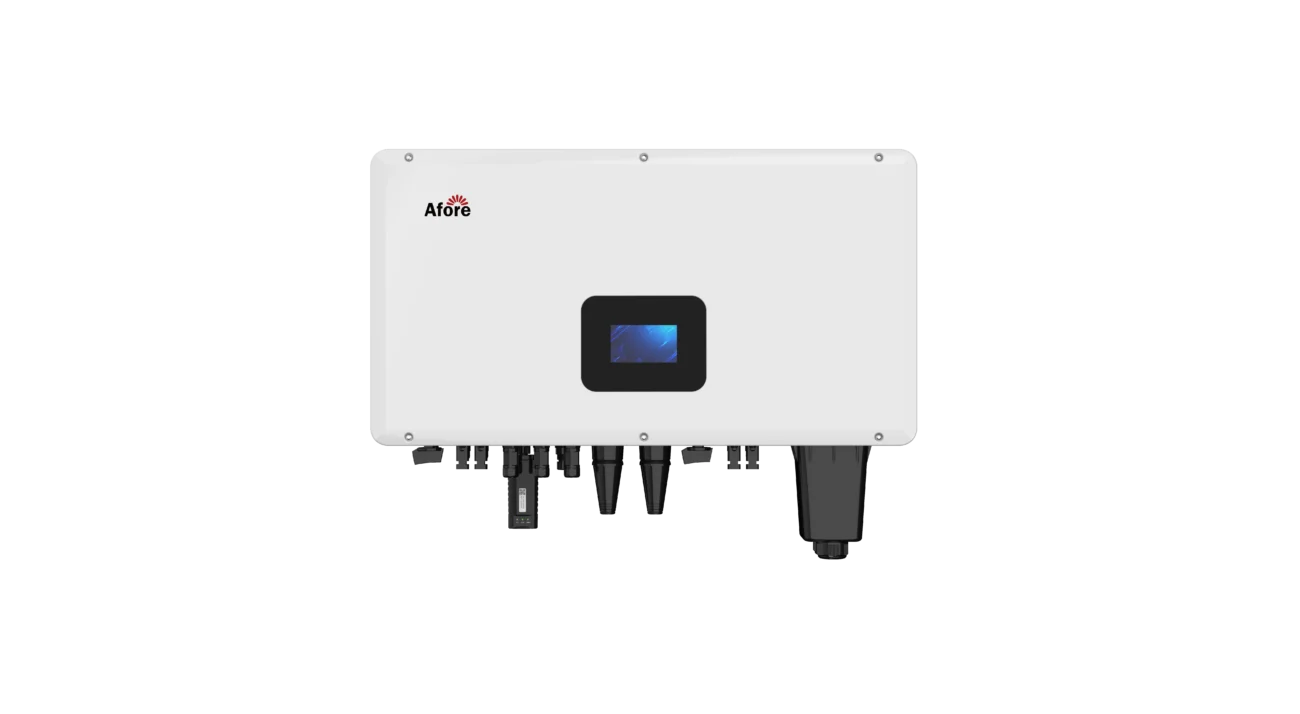
Energierechnungen sind nicht gerade kletterfreudig. Jedes Mal, wenn ich meine aufmache, zucke ich zusammen - als ob sie mich persönlich verraten hätte. Durch die Speicherung von Solarenergie zu Hause können Sie die Preise für Spitzenzeiten vermeiden, da Sie Ihre eigene gespeicherte Energie nutzen, anstatt sie aus dem Netz zu beziehen. Es ist ein bisschen wie ein Sparkonto, nur dass man es sofort zurückbekommt.
Es hat etwas zutiefst Befriedigendes, seinen eigenen Strom zu erzeugen. Mit einem Solarstromspeicher zu Hause warten Sie nicht hilflos darauf, dass sich das Stromnetz von selbst regelt. Sie erzeugen, speichern und nutzen Ihre eigene Energie - auf Ihre Weise.
Ich kann Ihnen sagen: Es gibt nichts Schöneres, als wenn sich Ihre Nachbarn über einen Stromausfall beschweren, während Ihr Haus brummt, als wäre nichts passiert. Die Speicherung von Solarenergie zu Hause verschafft Ihnen diesen Vorteil. Und ja, es fühlt sich wirklich gut an.
Man muss sich nicht an wissenschaftliche Studien halten, um zu wissen, dass erneuerbare Energien sauberer sind. Jedes Mal, wenn Sie sich auf die Speicherung von Solarenergie statt auf Kraftwerke verlassen, verkleinern Sie aktiv den Fußabdruck Ihres Hauses.
Bei der Entwicklung des idealen Solarspeichersystems für Ihr Haus geht es nicht nur darum, ein paar Komponenten zu kaufen und zu hoffen, dass sie gut zusammenpassen. Es ist ein bisschen wie beim Schneidern eines Anzugs - Sie brauchen die richtigen Maße, die richtigen Materialien und ein Design, das zu Ihrem persönlichen Lebensstil passt. Eine gute Anlage sollte im täglichen Leben fast unsichtbar sein, während sie im Hintergrund alles mit Strom versorgt, von der morgendlichen Routine bis zu den nächtlichen Gewohnheiten.
Um ein System zu entwickeln, das Ihr Haus wirklich unterstützt, müssen Sie Ihr Energieverhalten, die Größe Ihres Grundstücks, die Stärke Ihres Solarwechselrichters und sogar den Standort Ihres Hauses im Verhältnis zur Sonne berücksichtigen. Das Ziel ist nicht, einfach ein System zu installieren, sondern eines, das mit Ihnen und nicht gegen Sie arbeitet.
Lassen Sie uns die wichtigsten Schritte bei der Entwicklung eines intelligenten, effizienten und zukunftssicheren Solarenergiespeichersystems für Ihr Haus aufschlüsseln.
Bevor Sie sich für ein Gerät entscheiden, müssen Sie zunächst wissen, wie Ihr Haushalt Strom verbraucht. Die meisten Menschen gehen davon aus, dass sie ihren Energieverbrauch kennen, aber auf dem Papier sehen die Muster oft anders aus. Vielleicht lassen Sie zum Beispiel den Geschirrspüler erst spät in der Nacht laufen, oder Ihr Heimbüro verbraucht tagsüber mehr Strom, als Ihnen bewusst ist.
Um das perfekte System zur Speicherung von Solarenergie zu Hause zu entwerfen, sollten Sie sich selbst fragen:
Diese Details sind wichtig. Wenn Sie abends am meisten Energie verbrauchen, hilft ein stärkerer Solarstromspeicher, diese Spitzenzeiten abzudecken. Wenn Sie tagsüber viel Strom verbrauchen, sind Sie mehr auf die Solarstromerzeugung in Echtzeit angewiesen, und der Solarwechselrichter wird noch wichtiger, da er eine häufige und gleichmäßige Umwandlung vornehmen muss.
Wenn Sie Ihren Konsumrhythmus erst einmal richtig kennen, wird es viel einfacher, ein System zu entwickeln, das Ihrem Lebensstil entspricht.
Ein gut konzipiertes Solarenergiespeichersystem sollte weder zu groß noch zu klein sein. Eine Überdimensionierung führt zu vergeudetem Energiepotenzial und unnötigen Kosten, während eine Unterdimensionierung zu Frustration führt, wenn sich die Batterie zu schnell entleert oder das Haus zu den Zeiten Strom aus dem Netz bezieht, zu denen man es nicht haben wollte.
Berücksichtigen Sie bei der Dimensionierung Ihres Systems:
Dies bestimmt, wie viel Sonnenlicht Sie einfangen und in nutzbare Energie umwandeln können. Wenn Sie in einem Gebiet mit langen Sonnentagen leben, benötigen Sie möglicherweise eine kleinere Anlage als jemand, der häufig von Wolken bedeckt ist.
Der Akku Ihres Solarstromspeichers sollte genug Energie enthalten, um Ihre wichtigsten Verbraucher bequem über die Nacht oder in Spitzenverbrauchszeiten zu betreiben.
Denken Sie darüber nach:
Eine fünfköpfige Familie, die viele elektronische Geräte besitzt und abends viel unterwegs ist, braucht mehr Stauraum als ein Alleinstehender.
Ihr Solarwechselrichter muss sowohl für Ihre Module als auch für Ihren Speicher richtig dimensioniert sein. Ist der Wechselrichter zu klein, wird er zu einem Engpass - er verlangsamt das gesamte System, begrenzt den Energiefluss und verringert die Gesamteffizienz. Wenn er zu groß ist, zahlen Sie für eine Kapazität, die Sie nie vollständig nutzen werden.
Der Solarwechselrichter ist von zentraler Bedeutung für den reibungslosen Betrieb Ihres Solarspeichersystems zu Hause. Seine Größe sollte daher der Energieproduktion entsprechen, die Sie an Ihren besten Tagen erwarten, nicht nur an durchschnittlichen Tagen.
Nicht jeder Hausbesitzer wünscht sich dasselbe von seinem Solarenergiespeichersystem, und das ist völlig in Ordnung. Ihr Entwurf sollte Ihre Ziele widerspiegeln - und nicht irgendeine allgemeine Empfehlung.
Hier sind die drei häufigsten Ansätze:
Diese Option ist ideal, wenn Sie sich hauptsächlich vor Netzausfällen schützen wollen. In diesem Fall brauchen Sie kein überdimensioniertes System, sondern nur genug Speicher, um in Notfällen die wichtigsten Geräte am Laufen zu halten. Eine bescheidene Anlage mit einem zuverlässigen Solar-Wechselrichter kann problemlos Lampen, einen Kühlschrank und empfindliche elektronische Geräte versorgen.
Wenn Ihr Ziel darin besteht, die Abhängigkeit vom Stromnetz zu verringern und Ihre Stromrechnung zu senken, wird Ihr System jeden Tag zyklisch arbeiten - tagsüber aufladen, nachts entladen. Dies erfordert eine größere Solarenergiespeicherbatterie und eine Solaranlage, die konstant mehr Energie produzieren kann, als Ihr Haus tagsüber verbraucht.
Für diejenigen, die ein Maximum an Unabhängigkeit wünschen, muss das System groß genug sein, um auch an langen bewölkten Tagen alles im Haus mit Strom versorgen zu können. Diese Art von Anlage erfordert eine gründliche Planung - einen größeren Speicher, einen leistungsstarken Wechselrichter und eine ausreichende Kapazität der Module, um sich nach einer starken Nutzung schnell wieder zu erholen.
Durch die Wahl des richtigen Ansatzes wird sichergestellt, dass sich Ihr System ausgeglichen anfühlt und mit Ihrem Lebensstil in Einklang steht.
Viele Hausbesitzer vergessen bei der Planung eines Solarenergiespeichersystems einen wichtigen Aspekt: Ihr Leben wird sich weiterentwickeln. Ihr heutiger Energiebedarf entspricht vielleicht nicht mehr dem, was Sie in ein paar Jahren brauchen. Vielleicht werden Sie ein Elektrofahrzeug kaufen, eine Werkstatt oder ein Fitnessstudio einrichten, von zu Hause aus arbeiten oder mehr Familienmitglieder im Haus begrüßen.
Bei der Planung Ihres Systems ist es ratsam, Raum für Erweiterungen zu lassen. Das könnte bedeuten:
Die Planung für zukünftiges Wachstum schützt Ihre Investition und stellt sicher, dass Ihr Solarstromspeicher relevant und zuverlässig bleibt, egal wie sich Ihr Leben verändert.
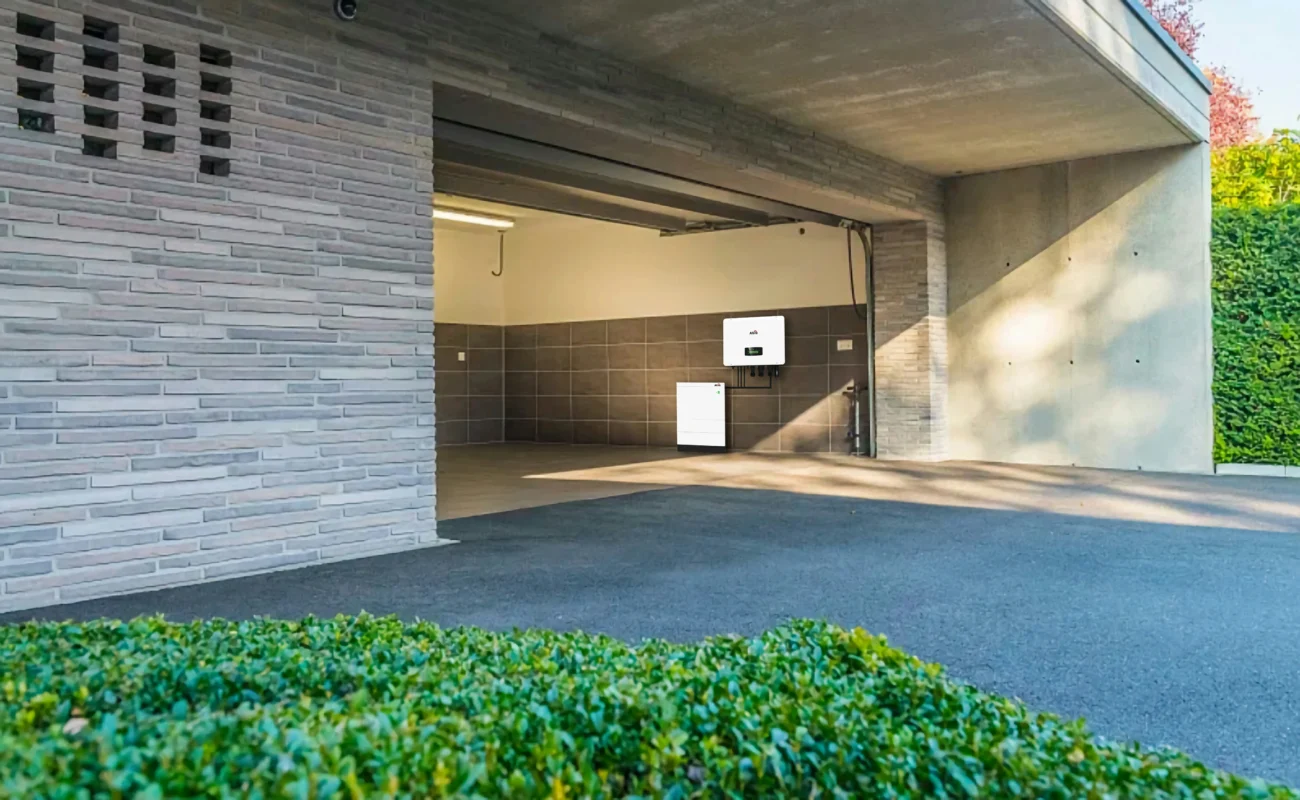
Die Dachneigung ist wichtig. Schatten ist wichtig. Ein System, das nicht genug Sonnenlicht abbekommt, kann Ihren Solarstromspeicher nicht effektiv speisen.
Ein nicht angepasster Solarwechselrichter kann Ihr gesamtes System zum Engpass werden lassen. Das ist so, als würde man einen schwachen Motor in ein starkes Auto einbauen.
Planen Sie den Kauf eines Elektroautos? Denken Sie über den Bau einer Werkstatt nach? Ihr Solarstromspeicher zu Hause sollte mit Ihnen wachsen.
Die meisten Menschen denken bei der Speicherung von Solarenergie zu Hause an Zahlen - niedrigere Stromrechnungen, weniger Netzausfälle, vielleicht ein sternförmiges Diagramm mit Energieeinsparungen. Aber die wahren Vorteile sind nicht nur technischer oder finanzieller Natur. Sie zeigen sich im Stillen in alltäglichen Momenten, die man erst dann richtig zu schätzen weiß, wenn das eigene Haus über eine verlässliche Versorgung mit sauberer, gespeicherter Energie verfügt.
Ob es nun die Ruhe ist, zu wissen, dass das Licht während eines Sturms anbleibt, der Komfort, das Haus nachts mit Strom zu versorgen, ohne sich über die Spitzenlasttarife Gedanken machen zu müssen, oder einfach die Genugtuung, selbst erzeugte Energie zu nutzen - ein Solarspeichersystem verändert Ihren Alltag auf überraschend sinnvolle Weise.
Schauen wir uns die kleinen, aber wirkungsvollen Möglichkeiten an, wie sich diese Technologie im wirklichen Leben zeigt.
Es hat schon fast etwas Poetisches, wenn man aufwacht und weiß, dass der Strom für die Kaffeemaschine, den Warmwasserbereiter oder die morgendliche Meditations-Playlist aus dem Sonnenlicht stammt, das am Vortag in Ihrem Haus gesammelt wurde.
Wenn Ihr Solarspeichersystem am Nachmittag voll aufgeladen ist, können Sie Ihre morgendlichen Aktivitäten oft direkt mit der gespeicherten Energie durchführen, anstatt sich auf das Stromnetz zu verlassen. Das bedeutet:
Für viele Hausbesitzer ist dies der Moment, in dem sie den Wert eines Solarspeichers wirklich erkennen. Es ist nicht nur eine Technologie - es ist eine Verbesserung des Lebensstils.
In der Mittagszeit, wenn das Sonnenlicht am stärksten ist, produzieren Ihre Solarmodule in der Regel mehr Strom, als Ihr Haus benötigt. In dieser Zeit arbeitet der Solarwechselrichter am härtesten und wandelt große Mengen an Gleichstrom in sauberen Wechselstrom für Ihr Haus um.
Das Schöne an diesem täglichen Zyklus ist, wie nahtlos alles abläuft:
Es gibt keine manuellen Schaltvorgänge, keine Knöpfe, die man drücken muss - das System funktioniert einfach. Ihr Haus wird für einen Großteil des Tages autark, und das Gefühl ist wirklich ermutigend.
Dieser Mittagsüberschuss ist es, der die Speicherung von Solarenergie zu Hause so revolutionär macht. Anstatt überschüssige Sonnenenergie ungenutzt zu lassen, speichern Sie sie wie eine natürliche, erneuerbare Form von Reichtum.
Abends ist der Verbrauch in den meisten Haushalten am höchsten. Die Lichter gehen an, die Küchen erwachen zum Leben, die Unterhaltungssysteme summen, und die Familien richten sich ein. Traditionell ist der Strom aus dem Netz dann auch am teuersten.
Aber mit einem Solarstromspeicher für zu Hause müssen Sie sich über die Abende keine Gedanken mehr machen.
Ihre gespeicherte Energie kommt mühelos zum Einsatz:
Dies ist der Punkt, an dem viele Hausbesitzer die größten täglichen Auswirkungen spüren. Anstatt Ihr Leben nach dem Zeitplan des Netzes auszurichten, richtet sich Ihr Haus nach Ihrem Zeitplan.
Wenn die Sonne längst untergegangen ist, sorgt Ihr Solarspeichersystem dafür, dass die Dinge im Haus weiterlaufen. Kühlschränke, Sicherheitssysteme, Ventilatoren, Ladegeräte - alles bleibt mit Strom versorgt, auch wenn Ihre Paneele keine Energie produzieren.
Diese nächtliche Zuverlässigkeit ist in bestimmten Situationen besonders beruhigend:
Während andere nach Taschenlampen suchen oder sich um den Inhalt ihrer Gefriertruhe sorgen, bleiben Sie ruhig. Ihr Haus funktioniert reibungslos weiter und nutzt die gespeicherte Energie vom Vortag.
Es ist nicht dramatisch - es ist einfach zuverlässig. Und diese Beständigkeit ist einer der größten Vorteile der Solarenergiespeicherung zu Hause.
Die wichtigste Erkenntnis? Die Speicherung von Solarenergie zu Hause senkt nicht nur Ihre Rechnungen oder unterstützt Sie bei Stromausfällen - sie verbessert den Rhythmus Ihres täglichen Lebens. Ihr Haus fühlt sich stabiler und effizienter an und ist besser auf Ihre Werte abgestimmt. Sie fangen an, Ihrem Haus auf eine neue Art und Weise zu vertrauen, weil Sie wissen, dass es einen eigenen Energiespeicher hat, der auf Sie wartet, wann immer Sie ihn brauchen.
Es ist nicht auffällig. Es ist nicht dramatisch. Aber es ist lebensverändernd, und zwar auf ganz praktische, bodenständige Weise.
Bei der Entscheidung für einen Solarstromspeicher zu Hause geht es nicht nur darum, Geld zu sparen - auch wenn dies sicherlich hilfreich ist. Es geht um die Freiheit, Ihr Haus nach Ihren eigenen Vorstellungen zu betreiben. Es geht um den Komfort, zu wissen, dass Ihr Kühlschrank bei einem Sturm nicht ausfällt, um den Stolz, Ihren ökologischen Fußabdruck zu verkleinern, und um die Befriedigung, Teil einer saubereren, intelligenteren Zukunft zu sein.
Und mit den Fortschritten bei Batterien, Überwachungsgeräten und dem immer wichtiger werdenden Solarwechselrichter war der Aufbau eines zuverlässigen und effizienten Solarspeichersystems für den Hausgebrauch noch nie so einfach wie heute.
Wenn Sie bereit sind, den nächsten Schritt in Richtung Unabhängigkeit, Widerstandsfähigkeit und langfristige Einsparungen zu machen, könnte die Speicherung von Solarenergie zu Hause die klügste Investition sein, die Sie je gemacht haben.
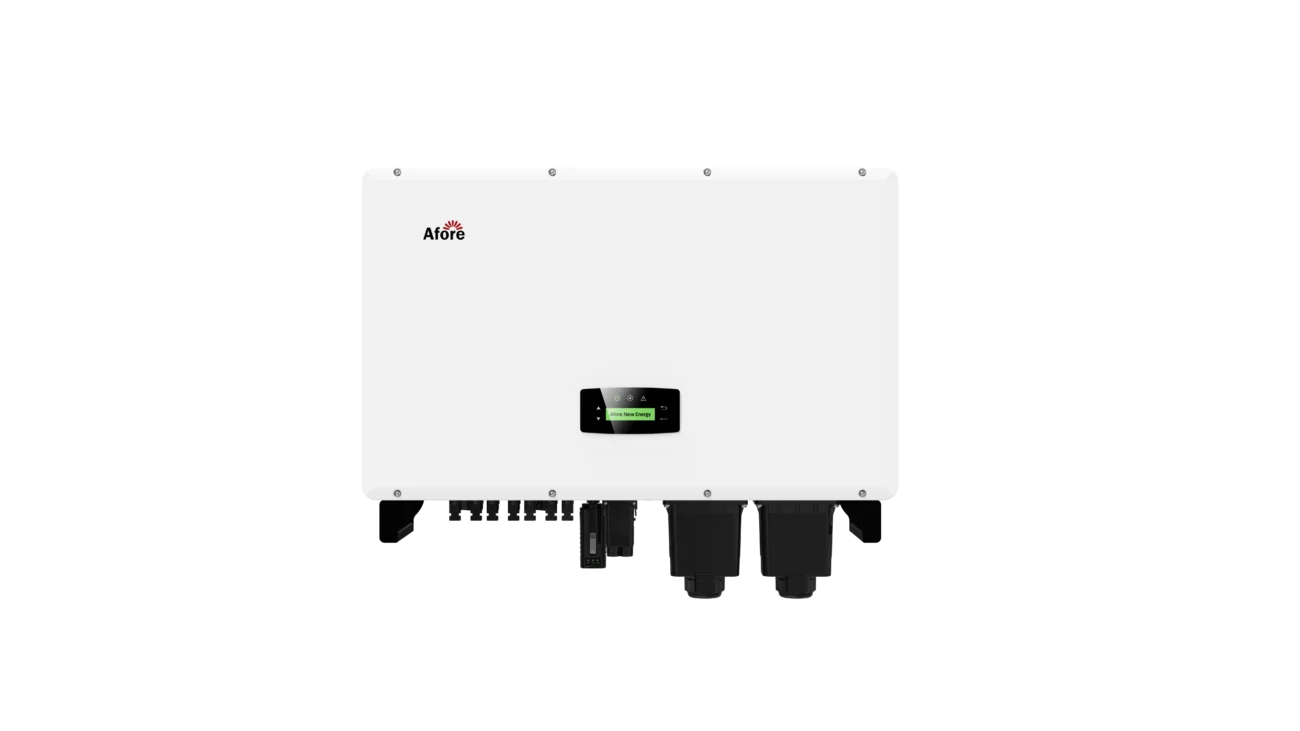
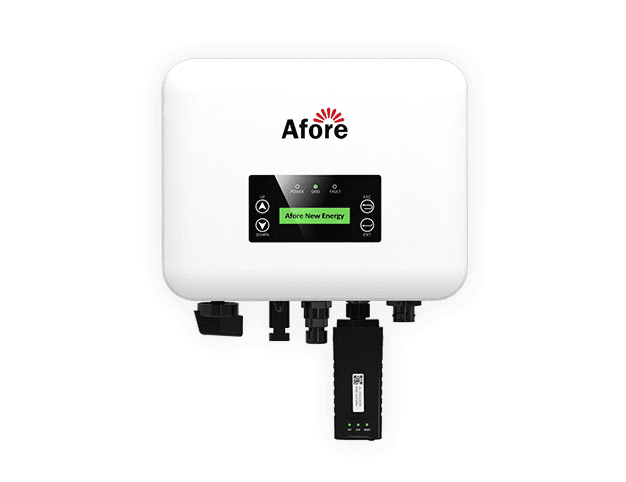
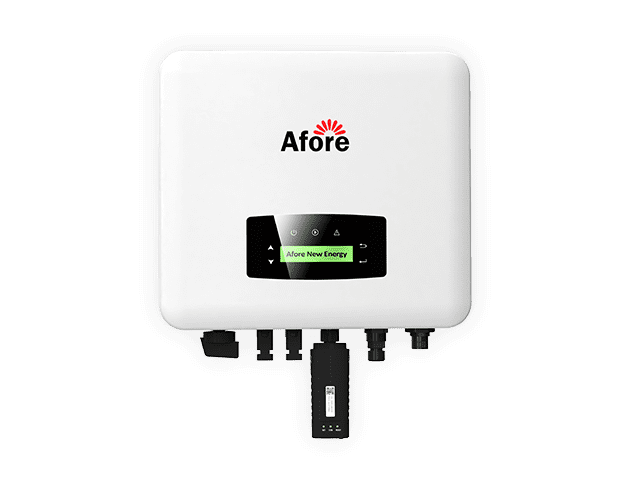
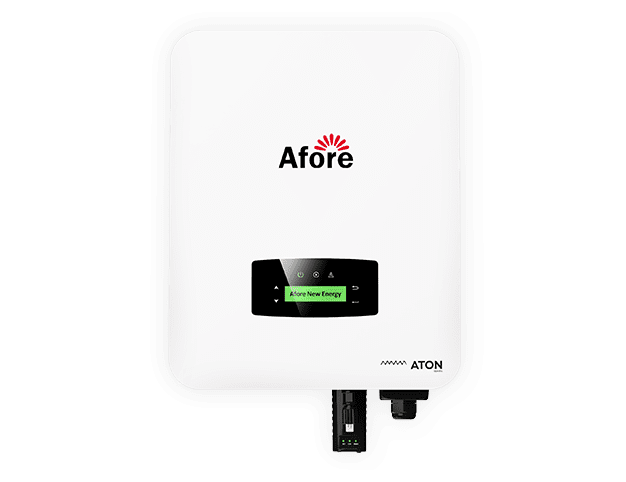
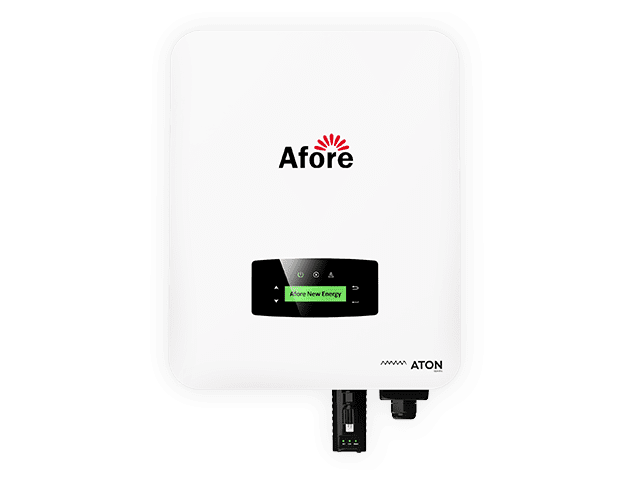
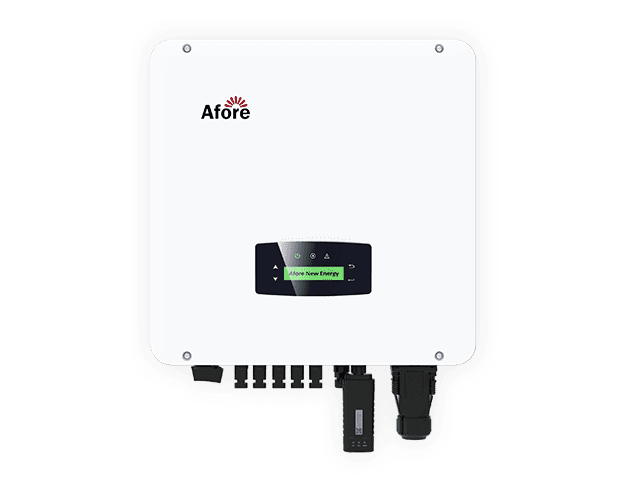
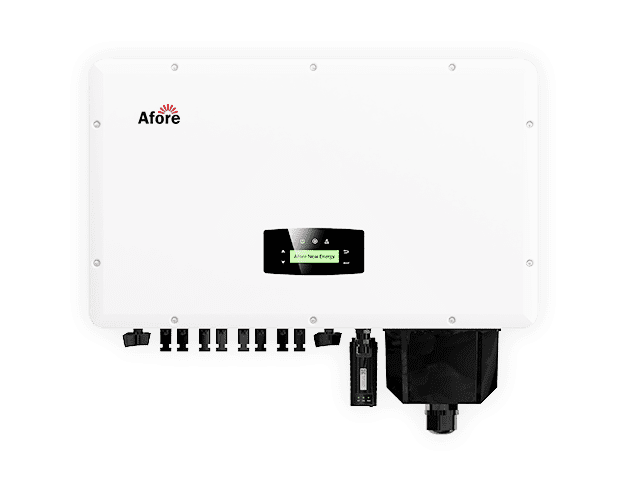
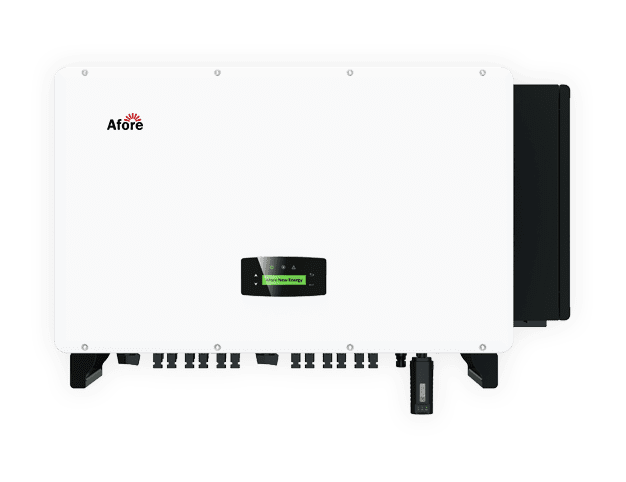
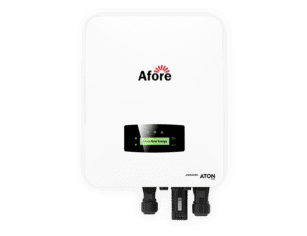
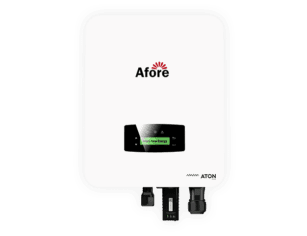
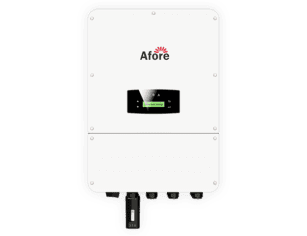
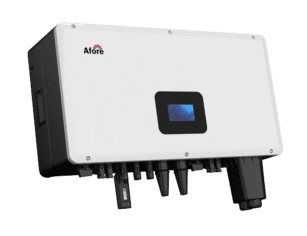
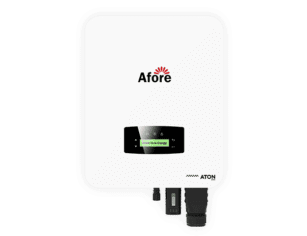
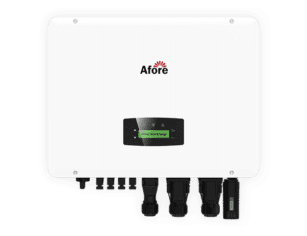
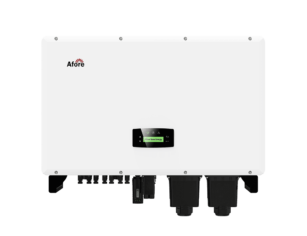
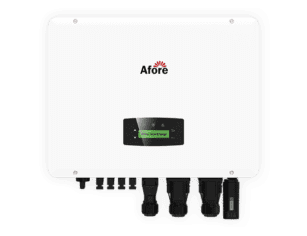
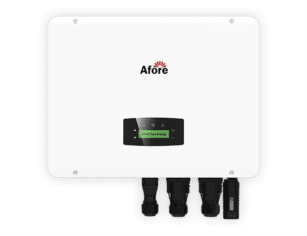
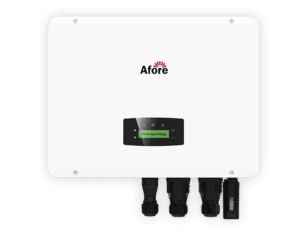
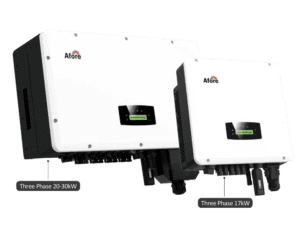
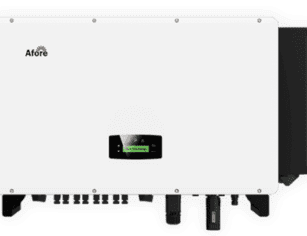
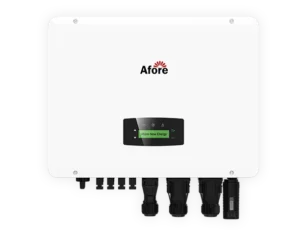
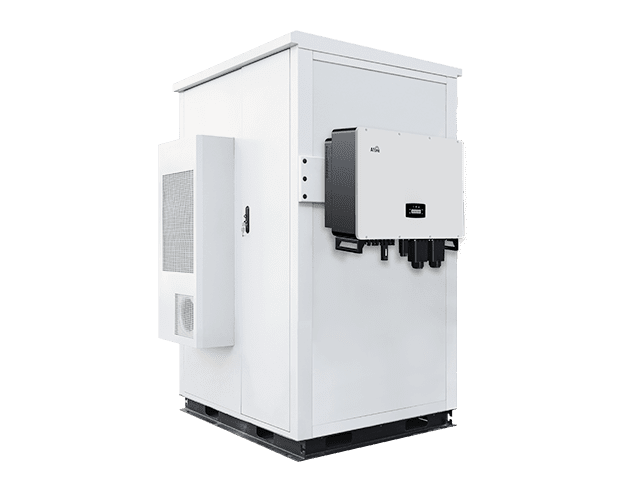
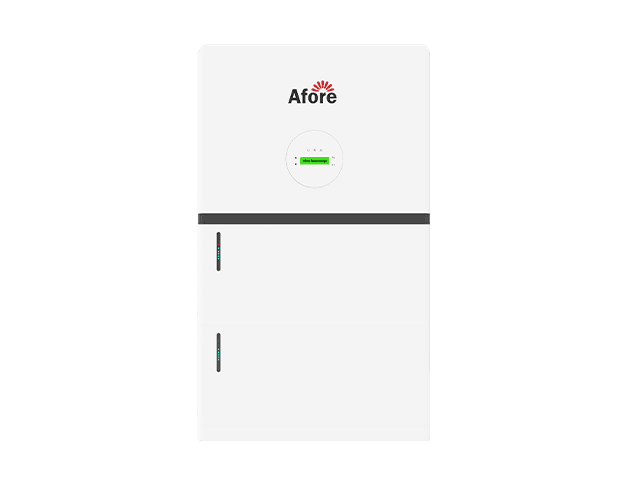
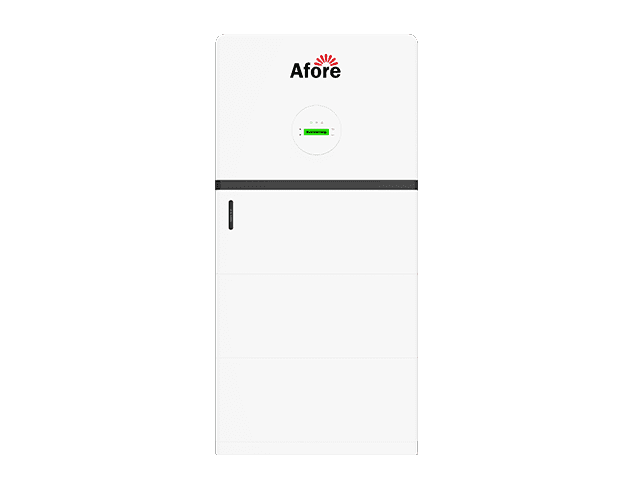
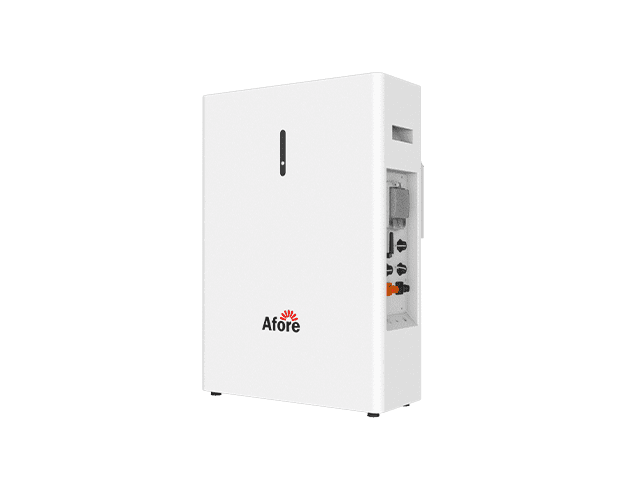
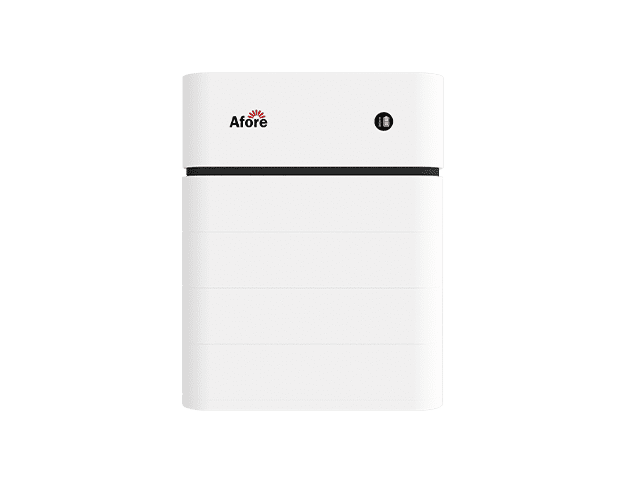
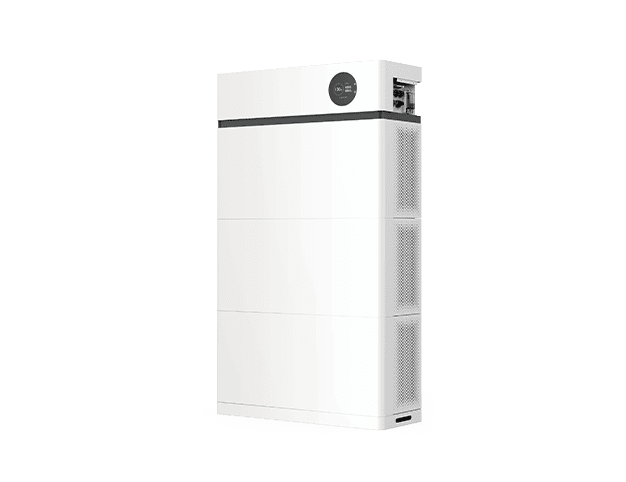
Wenn Sie sich für ein Solarenergiespeichersystem für zu Hause interessieren, können Sie folgende Website besuchen Vor. wenn Sie ein netzunabhängiges System aufbauen wollen, hat Afore Energiespeicher-Wechselrichter und Akkumulatoren. Wenn Sie ein Hybridsystem bauen wollen, hat Afore Hybrid-Wechselrichter und Akkumulatoren.
Ja, das hängt von der Größe Ihres Systems und Ihrem Energieverbrauch im Haushalt ab. Eine richtig konzipierte Anlage zur Speicherung von Solarenergie zu Hause kann den Großteil oder den gesamten täglichen Strombedarf decken. Wenn Ihr Ziel die vollständige Unabhängigkeit vom Stromnetz ist, benötigen Sie eine ausreichende Batteriekapazität und eine Solaranlage, die gleichmäßig Strom produziert. Der Solarwechselrichter sorgt dafür, dass die gesamte von den Solarmodulen erzeugte Energie in Ihrem Haus genutzt werden kann.
Nicht unbedingt, aber die meisten Hausbesitzer bleiben aus Gründen der Flexibilität am Netz. Das Netz kann bei längerer Bewölkung oder ungewöhnlich hohem Energieverbrauch als Backup dienen. Auch bei der Speicherung von Solarenergie zu Hause gibt ein Anschluss Sicherheit, insbesondere in Gebieten mit unvorhersehbarem Wetter.
Die meisten Batterien können genug Energie speichern, um die wichtigsten Verbraucher im Haushalt für mehrere Stunden bis über Nacht zu versorgen. Wie lange Ihr Solarstromspeicher hält, hängt von der Größe Ihrer Batterie und Ihrem Energieverbrauch ab. Ordnungsgemäß verwaltete Systeme, die vom Solarwechselrichter gesteuert werden, können die Energienutzung priorisieren, um die Laufzeit bei Bedarf zu verlängern.
Ganz genau. Der Solarwechselrichter ist die Komponente, die Gleichstrom von Ihren Solarmodulen in Wechselstrom umwandelt, den Ihr Haus nutzen kann. Ohne ihn würde Ihr Solarenergiespeichersystem nicht richtig funktionieren, und Ihre Geräte wären nicht in der Lage, Strom aus der gespeicherten Energie zu beziehen.
Ja, viele Systeme sind auf Skalierbarkeit ausgelegt. Sie können mehr Batteriekapazität hinzufügen oder Ihre Solaranlage erweitern, wenn Ihr Energiebedarf steigt. Ein flexibler Solarwechselrichter ist hier unerlässlich - er muss in der Lage sein, den erhöhten Energiefluss zu bewältigen, ohne zu einem Engpass zu werden.
Die meisten Solarspeichersysteme für Privathaushalte erfordern nur minimale Wartung. Die Paneele sollten gelegentlich gereinigt, die Batterien auf ihren Zustand überwacht und der Solarwechselrichter auf seinen ordnungsgemäßen Betrieb geprüft werden. Eine regelmäßige Überwachung trägt dazu bei, dass Ihr System über Jahre hinweg effizient läuft.
Im Allgemeinen ja. Häuser mit Energieunabhängigkeit und niedrigeren Stromkosten sind für Käufer attraktiver. Ein gut konzipiertes Solarenergiespeichersystem in Kombination mit einem zuverlässigen Solarwechselrichter kann als langfristige Investition betrachtet werden, die sowohl den Komfort als auch den Wiederverkaufswert erhöht.
Ganz genau. Selbst im Winter produzieren Solarmodule Energie aus Sonnenlicht, und Ihr Solarspeichersystem speichert diese Energie effizient. Richtig isolierte Batterien und ein entsprechend dimensionierter Solarwechselrichter sorgen für eine gleichbleibende Leistung, auch wenn die Temperaturen fallen.
Nicht unbedingt. Effizienz, Platzierung der Module und Sonneneinstrahlung spielen oft eine größere Rolle als die reine Dachgröße. Sie können eine Anlage zur Speicherung von Solarenergie für Ihr Haus entwerfen, die auf den verfügbaren Platz zugeschnitten ist und die Energiegewinnung durch eine optimale Ausrichtung der Module und einen geeigneten Solarwechselrichter zur Verarbeitung der erzeugten Energie maximiert.
Wenn Ihr Solarenergiespeichersystem als Backup-System konfiguriert ist, schaltet es sich bei einem Stromausfall automatisch ein. Wichtige Stromkreise werden weiterhin mit Strom versorgt, und Ihr Solarwechselrichter steuert den Stromfluss aus der gespeicherten Energie. Diese nahtlose Übergabe stellt sicher, dass Ihre Beleuchtung, Geräte und Sicherheitssysteme ohne Unterbrechung weiterlaufen.
Ein gut gewarteter Solarwechselrichter arbeitet in der Regel viele Jahre lang effizient und entspricht oft der Lebensdauer Ihres Solarspeichersystems zu Hause. Wenn Sie Ihr System überwachen, es sauber halten und Überlastungen vermeiden, verlängern Sie die Lebensdauer des Wechselrichters und die Zuverlässigkeit des gesamten Systems.
Die meisten modernen Anlagen verfügen über ein Überwachungssystem, das die Energieerzeugung, die Speicherstände und die Verbrauchsmuster verfolgt. Diese Transparenz hilft Ihnen, Ihren Solarstromspeicher effizient zu verwalten, potenzielle Probleme frühzeitig zu erkennen und sicherzustellen, dass Ihr Solarwechselrichter optimal funktioniert.








 Turkish
  Romanian