





For commercial PV buyers, multi mppt Hybrid-Wechselrichter wholesale decisions affect far more than procurement cost. The inverter architecture influences solar yield, battery usability, grid approval, commissioning time, long-term service exposure, and the financial performance of every site in a project portfolio. For EPCs, installers, distributors, system integrators, and facility owners, the right inverter can simplify design and improve energy output. The wrong one can create battery communication failures, interconnection delays, warranty disputes, and avoidable O&M cost.
A multi-MPPT hybrid inverter combines PV conversion, battery interaction, and grid management in one platform while using multiple maximum power point trackers to manage different PV string groups independently. This matters in real commercial environments, where rooftops are rarely perfect. Warehouses may have east-west sections, factories may have HVAC units casting partial shade, carports may use different string lengths, and campuses may expand in phases. A PV inverter with multiple MPPT inputs gives designers more freedom to separate these electrical conditions instead of forcing unequal strings onto one tracking channel.
The wholesale context adds another layer. Buyers are not only selecting a single product for one installation. They are often choosing a repeatable inverter platform for dozens or hundreds of commercial projects. That means supplier continuity, certificates, battery ecosystem, firmware stability, RMA process, remote monitoring, installer training, and spare parts strategy become as important as efficiency or nameplate power.
This guide explains how to evaluate multi-MPPT hybrid inverter solutions for commercial, industrial, and distributed PV-plus-storage projects. It focuses on practical procurement and engineering decisions: how many MPPTs are actually useful, what specifications matter for high-power modules, how to check battery and grid compatibility, what documentation EPCs need for permitting, and how wholesale inverter selection affects ROI across a project portfolio.
A commercial hybrid solar inverter is not simply a grid-tied inverter with a battery terminal added. It is a power conversion and energy management device that must coordinate PV generation, battery charging and discharging, load supply, export limitation, grid-code response, and monitoring. In many projects, it also supports backup operation or controlled operation during abnormal grid conditions, depending on local regulations and system design.
The “multi-MPPT” part refers to multiple independent maximum power point trackers. Each MPPT continuously adjusts the operating voltage of its connected PV string or string group to extract the highest possible power under changing irradiance and temperature. In a single-MPPT architecture, different strings connected to the same tracker are forced to operate at a common voltage. If those strings face different directions, receive different shading, or use different module counts, the mismatch can reduce production.
In commercial systems, this is common. A logistics warehouse may have long roof planes broken by skylights. A food-processing facility may have different roof heights and ventilation equipment. A retail building may combine rooftop PV with a carport. In these cases, multiple MPPT channels allow the designer to group strings by similar electrical behavior, which can reduce mismatch losses and simplify string layout.
The value of additional MPPTs is strongest when the array is electrically diverse. If all modules are installed on the same plane, with identical orientation, minimal shading, and equal string length, more MPPTs may provide little yield improvement. However, when arrays are split across orientations or roof sections, the design flexibility can be material.
A simplified comparison is useful for early project screening.
Single MPPT vs Multi-MPPT
| Merkmal | Single MPPT inverter | Multi-MPPT inverter |
|---|---|---|
| PV input tracking | One shared tracking channel | Multiple independent tracking channels |
| Roof compatibility | Best for uniform layouts | Better for multi-angle or shaded roofs |
| String optimization | Limited under mixed conditions | Improved optimization across different strings |
| Commercial flexibility | Suitable for smaller/simple systems | Better for complex residential and commercial projects |
| Erweiterungsfähigkeit | More limited PV design flexibility | Easier future array expansion |
| Energy harvest under mismatch | Lower in uneven irradiation | Higher in partial shading or orientation mismatch |
| Typical installation scenario | Single roof plane | Multiple roof sections or mixed azimuth projects |
| Kompatibilität der Batterien | Depends on inverter architecture | Depends on inverter architecture |
Grid-Tied String Inverter vs Hybrid Inverter
| Merkmal | Grid-tied string inverter | Hybrid-Wechselrichter |
|---|---|---|
| Primary function | PV power conversion | PV and battery energy management |
| Battery integration | Typically PV-only architecture | Integrated storage-ready architecture |
| Backup capability | Usually unavailable | Available in many models |
| Energy storage control | Requires external storage system | Built-in storage management |
| Optimierung des Eigenverbrauchs | Begrenzt | Advanced energy management functions |
| Peak shaving support | External system required | Often integrated |
| Retrofit storage expansion | Usually AC-coupled | AC or DC coupling depending on design |
| Residential ESS suitability | Mäßig | Hoch |
| Commercial storage integration | Requires separate storage inverter | Simplified integrated solution |
Hybrid inverters also differ from standard grid-tied string inverters because they support battery interaction. A grid-tied string inverter primarily converts PV DC power to AC power for onsite use or export. A hybrid inverter can charge batteries from PV, discharge batteries to serve loads, manage self-consumption, follow export limits, and, where approved, provide backup output. For EPCs, this changes the single-line diagram, protection design, metering configuration, commissioning workflow, and utility application.
The buyers who benefit most from wholesale multi-MPPT hybrid inverters are those deploying repeatable PV-plus-storage systems. Resellers need stable product lines and regional certifications. EPCs need reliable design assumptions and commissioning support. Installers need clear wiring and setup procedures. Facility owners need dependable operation, not just low CAPEX. Therefore, a wholesale solar inverter for PV storage systems should be evaluated as part of a complete commercial energy architecture, not as an isolated component.
Modern solar and storage projects use several inverter architectures, and wholesale buyers should understand how each category fits different installation scenarios. A grid-tied string inverter is primarily designed for PV energy conversion and grid export without integrated battery management. A single-MPPT hybrid inverter combines solar and storage functions but manages all PV strings through one MPPT channel, making it more suitable for simple roof layouts with consistent solar orientation.
A multi-MPPT hybrid inverter, including configurations like triple MPPT solar inverters, adds multiple independent MPPT trackers, allowing different PV string orientations, tilt angles, or shading conditions to operate separately for improved energy harvesting flexibility. A battery inverter focuses mainly on battery charging, discharging, and energy management rather than direct PV string optimization. AC-coupled storage inverters integrate batteries on the AC side and are often used for retrofitting existing PV systems, while DC-coupled hybrid inverters integrate PV and battery management within a unified architecture for higher conversion efficiency and simplified energy flow management.
Off-grid or grid-forming inverters are designed to maintain stable voltage and frequency independently from the utility grid, making them suitable for remote power systems and microgrids. Backup-capable hybrid inverters add emergency power functionality that can support essential loads during utility outages while still operating in grid-connected environments.
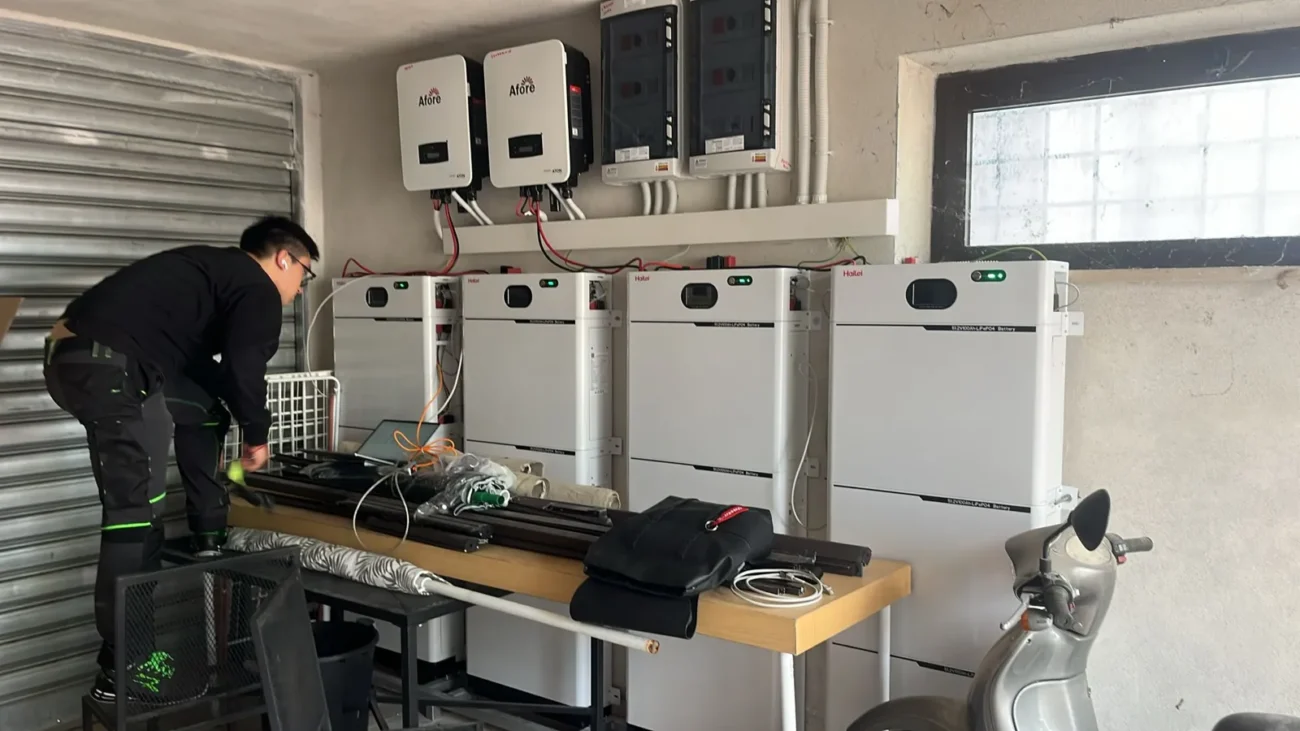
Multi-MPPT hybrid inverter selection depends heavily on correct electrical matching rather than rated power alone. Key parameters like DC voltage range, startup conditions, and string design directly impact system safety and performance, making a structured technical review essential before final configuration.
String design is one of the first technical checks in any commercial inverter selection. The PV string voltage must remain within the inverter’s allowable range under all expected site conditions. This includes maximum open-circuit voltage in cold weather, operating voltage in high module temperatures, startup voltage in low-light conditions, and the MPPT voltage window during normal operation.
Commercial buyers should not rely only on nominal voltage figures. A string that appears suitable at standard test conditions may exceed maximum DC voltage during a cold morning or fall below the MPPT operating window on a hot roof. This is especially relevant for high-temperature industrial rooftops, desert regions, and cold climates with high irradiance.
A practical engineering review should confirm four values: cold-weather Voc, hot-weather Vmp, maximum system voltage, and MPPT operating range. Designers should also maintain appropriate safety margins because field conditions, module binning, and measurement tolerances can affect actual values. For international projects, local electrical codes may impose additional requirements for DC isolation, conductor sizing, labeling, and overcurrent protection.
Proper string sizing directly affects inverter efficiency, MPPT stability, startup behavior, safety margin compliance, and long-term system reliability. Wholesale buyers, EPC firms, and system designers should follow a structured sizing workflow instead of relying only on simplified online calculators.
This workflow helps prevent cold-weather overvoltage risk, insufficient startup voltage during high-temperature operation, MPPT instability, and excessive current conditions that could damage inverter inputs or violate certification limits.
Before finalizing inverter sizing and string configuration, designers should collect the following technical inputs:
Accurate environmental and electrical data are essential because string voltage changes significantly with temperature variation. Poor sizing decisions can lead to inverter startup failure, clipping losses, MPPT instability, or overvoltage shutdown conditions.
Modern commercial PV modules often have higher current ratings than older module generations. This makes MPPT input current capacity a critical selection point. A three-phase hybrid inverter may offer multiple MPPTs, but each tracker still has a maximum input current and short-circuit current limit. If the connected module strings exceed these values, the inverter may clip current, trigger alarms, or fall outside warranty conditions.
EPCs should verify the maximum input current per MPPT, maximum short-circuit current, number of strings allowed per tracker, and whether parallel strings require external fusing. This is especially important with bifacial modules, where rear-side gain can increase current under reflective conditions. The same applies to large-format modules used on commercial rooftops and carports.
A multi-MPPT specification is only useful if the current ratings match the PV modules selected for the project. For example, an inverter with four MPPTs but limited current per tracker may be less suitable than a model with fewer MPPTs but higher input current capacity, depending on the module and string design.
Commercial and industrial projects usually require three-phase output, although smaller commercial systems may use single-phase or split-phase products in some markets. The inverter must be matched to the site’s electrical infrastructure, including transformer capacity, distribution panels, load profile, utility interconnection limit, and export control strategy.
AC output power should be reviewed together with overload capability and backup output limits. Some hybrid inverters can support temporary overload on backup circuits, but this does not mean they can continuously supply all site loads during an outage. Motors, compressors, elevators, pumps, and HVAC equipment may have high inrush current. If backup is part of the project scope, load prioritization and transfer architecture must be designed carefully.
For grid-connected commercial systems, reactive power control, power factor requirements, and export limitation may also affect usable AC output. The inverter should be capable of meeting utility settings without excessive derating or operational instability.
Commercial buyers should clearly distinguish between normal grid-tied inverter operation and islanded backup operation. During grid-connected operation, the inverter synchronizes with the utility grid and can deliver its full rated AC output under standard operating conditions.
Backup or EPS operation is different because the inverter must independently support protected loads during a utility outage. In many hybrid systems, the backup output section has lower power capability than the standard grid-tied output stage.
As a result, buyers must evaluate EPS or backup output specifications separately from normal AC power ratings. For example, a commercial project may use a 50 kW hybrid inverter during grid-connected operation while the protected backup output supports only 20 kW of emergency loads during outage conditions.
This distinction is especially important for facilities with motor loads, refrigeration systems, pumps, elevators, or HVAC equipment that may require high startup surge current during backup operation.
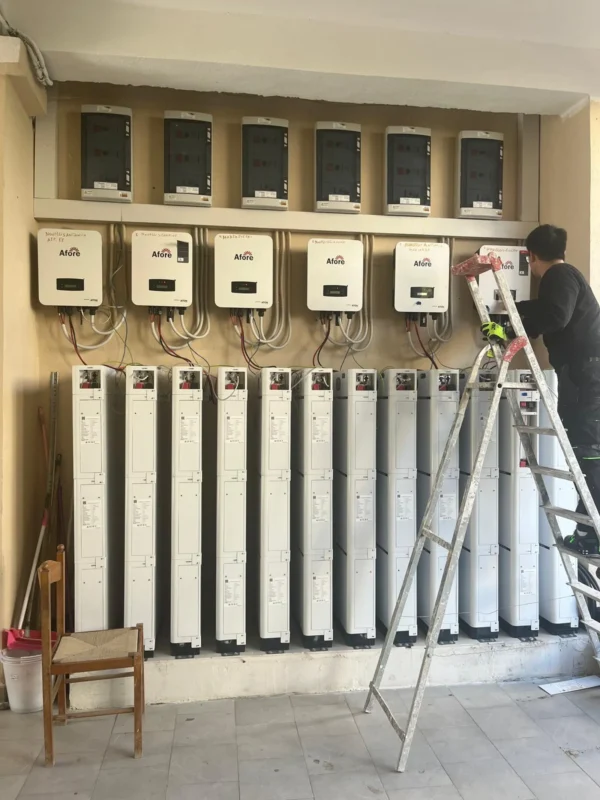
Battery integration is one of the most common sources of commissioning problems in hybrid systems. A commercial solar battery inverter must support the selected battery voltage class, chemistry, current limits, BMS communication, and protection logic. Lithium iron phosphate batteries are widely used in commercial storage because of their safety profile and cycle life, but compatibility still depends on communication and firmware validation.
Before procurement, system integrators should confirm the approved battery list, supported CAN or RS485 protocols, firmware version requirements, charge and discharge current limits, and SOC calibration behavior. It is not enough for a supplier to say that the inverter “supports lithium batteries.” The specific battery model and BMS protocol should be validated.
This is especially important in wholesale procurement. If a distributor buys hundreds of inverters and later discovers that the preferred battery brand is not fully supported, the cost of field troubleshooting can exceed the initial purchase savings. Battery communication failure can prevent commissioning, cause SOC errors, limit discharge power, or trigger nuisance shutdowns.
Commercial buyers should understand the major differences between 48 V low-voltage battery systems and modern high-voltage battery architectures because voltage selection affects system efficiency, installation complexity, scalability, protection requirements, and long-term expansion flexibility.
| Merkmal | 48 V Low-Voltage Battery System | High-Voltage Battery System |
|---|---|---|
| Operating current | Higher current at same power level | Lower current for equivalent power |
| Cable sizing | Larger cable requirements | Smaller cable requirements |
| Heat generation | Higher resistive losses | Lower transmission losses |
| Protection design | Higher DC current protection demand | More efficient current management |
| Installation scale | Residential and small systems | Medium and large commercial systems |
| Skalierbarkeit | More limited for large expansion | Better scalability for C&I projects |
| Conversion efficiency | Lower at higher power levels | Higher system efficiency |
| Battery rack architecture | Simpler low-voltage topology | More advanced series battery configuration |
| Inverter compatibility | Common in residential hybrid systems | Common in commercial ESS systems |
| BMS communication complexity | Simpler architecture | More advanced communication coordination |
| Parallel expansion | Requires higher current balancing | Easier large-scale energy expansion |
| Typical use case | Residential backup and small ESS | Commercial peak shaving and industrial ESS |
Low-voltage battery systems remain common in residential backup applications because of simpler architecture and lower system voltage exposure. However, high-voltage systems are increasingly preferred in commercial and industrial energy storage because lower operating current improves efficiency, reduces cable cost, simplifies thermal management, and supports larger-scale deployment more effectively.
Buyers should also verify battery communication compatibility between the inverter and battery management system. Different manufacturers may use proprietary CAN, RS485, or Ethernet-based communication protocols that affect charge control, firmware integration, warranty validation, and operational safety.
Battery compatibility verification should go beyond basic “supported lithium battery” claims because communication mismatch, firmware incompatibility, or incorrect operating parameters can lead to charging errors, unstable operation, reduced battery life, or warranty rejection.
Before approving a hybrid inverter and battery combination, buyers should verify:
Some systems may appear electrically compatible while still lacking validated communication integration. Buyers should confirm that both suppliers officially approve the exact inverter-battery pairing for the intended application scenario.
System design for commercial PV-plus-storage projects requires more than selecting an inverter rating, as real-world performance depends on how PV layout, storage strategy, and electrical architecture work together. The following sections outline how MPPT configuration, energy flow, and system integration decisions directly shape overall project efficiency and scalability.
The number of MPPTs should follow the physical and electrical layout of the PV array. A simple uniform rooftop may not need many tracking channels. A segmented commercial roof with multiple orientations, parapet shading, equipment obstructions, and different string lengths may benefit significantly from additional MPPTs.
A practical approach is to divide the array into groups with similar irradiance and electrical behavior. East-facing strings should not normally be mixed with west-facing strings on the same tracker. Heavily shaded strings should be separated from unshaded strings. Different module types or string lengths should be kept apart unless the inverter and design calculations support the configuration.
More MPPTs improve flexibility, but they are not automatically better. Each additional input architecture may increase cost, wiring complexity, and commissioning checks. The best design balances yield improvement against system cost, available roof space, and installation simplicity.
Different commercial projects require different MPPT strategies depending on roof geometry, shading conditions, future expansion plans, and installation diversity.
A large warehouse with identical roof orientation and minimal shading may operate efficiently with fewer MPPT channels because all strings experience similar irradiance conditions throughout the day.
An east-west commercial roof benefits from separate MPPT tracking because morning and afternoon production profiles differ significantly between roof sections. Independent tracking improves production optimization across both orientations.
Projects combining rooftop arrays and solar carports often require multiple MPPTs because tilt angle, orientation, cable routing distance, and shading patterns differ between installation areas.
Industrial roofs frequently contain HVAC equipment, vents, skylights, or mechanical obstructions that create partial shading zones. Multi-MPPT architecture allows affected strings to operate independently rather than reducing the output of the entire array.
Some commercial sites install solar capacity in stages due to budgeting, tenant expansion, or future EV charging integration. Additional MPPT channels simplify future string additions without redesigning the original inverter configuration.
Multi-MPPT architecture is highly effective for separating string-level differences such as roof orientation, tilt angle, irradiance variation, and partial shading zones. However, it does not fully solve module-level mismatch issues caused by localized dirt accumulation, uneven degradation, chimney shading, module defects, or highly dynamic shading patterns.
In projects with severe module-level mismatch, additional technologies may be required, including:
Optimizers can improve energy harvesting under complex mismatch conditions while allowing centralized inverter architecture. Microinverters may be preferred when every module experiences different shading behavior or roof geometry constraints.
Rapid shutdown regulations in some markets, especially parts of North America, may also influence inverter architecture and accessory selection. Buyers should verify whether integrated rapid shutdown functionality, external transmitters, or module-level shutdown devices are required for local code compliance.
Commercial PV systems often use a DC/AC ratio above 1.0 to improve inverter utilization and annual energy output. Moderate DC oversizing can be beneficial because PV arrays rarely operate at nameplate power for long periods. However, excessive oversizing can increase clipping, thermal stress, and design risk.
Hybrid operating modes make this calculation more complex. If batteries can absorb excess PV energy during peak production, some clipping may be reduced. If export is limited and the battery is already full, the inverter may curtail PV power. Therefore, EPCs should model PV generation, battery charging behavior, load profile, export limits, and tariff conditions together.
A design based only on inverter nameplate power can be misleading. The project may look attractive on CAPEX but underperform if the battery control strategy does not match onsite demand. Energy simulation should consider seasonal variation, weekend loads, battery reserve settings, and grid export rules.
| Design parameter | Why it matters for C&I projects |
|---|---|
| DC/AC ratio | Affects inverter utilization and clipping |
| MPPT voltage window | Determines feasible string length |
| Export limit | May require curtailment or battery charging |
| Battery charge power | Determines how much surplus PV can be stored |
| Site load profile | Drives self-consumption and peak shaving value |
| Backup load size | Affects inverter and battery discharge requirements |
Commercial storage use cases vary by market. In regions with low export compensation, storage may be used to increase self-consumption. In markets with demand charges, batteries may reduce peak demand. In areas with unstable grids, backup power may be a major driver. In time-of-use tariff environments, storage can shift solar energy to higher-value periods.
The inverter must be sized around the use case. A facility that wants peak shaving may need high discharge power for short periods. A site focused on backup may need sufficient battery energy capacity and a protected-load panel. A business trying to maximize self-consumption may require precise metering and energy management logic.
Battery capacity should not be selected by a generic rule of thumb alone. It should be based on interval load data, tariff analysis, backup priorities, operating schedule, and expected PV generation. Oversized batteries increase CAPEX and may sit underutilized. Undersized batteries may fail to reduce demand charges or provide meaningful backup duration.
Storage integration planning should include detailed backup-system evaluation rather than focusing only on battery capacity or inverter efficiency. Many hybrid inverters operate as grid-following systems during normal operation and require additional equipment to support safe islanded operation during outages.
Depending on system architecture, backup functionality may require:
Designers should also evaluate neutral-ground bonding requirements because local electrical codes may require different grounding arrangements during islanded operation versus grid-connected operation.
Motor-starting capability is another critical consideration. Compressors, pumps, industrial fans, and HVAC systems may draw high surge current during startup that exceeds inverter backup capability even if continuous load ratings appear acceptable.
Additional backup design factors include:
These factors significantly affect real-world backup reliability in commercial energy storage deployments.
A hybrid inverter affects the entire balance of system. Designers must account for DC isolators, string fuses, surge protective devices, DC and AC breakers, battery protection, grounding, rapid shutdown where required, communication cabling, smart meters, current transformers, and AC distribution upgrades.
Battery circuits require particular attention because of high fault currents and strict manufacturer requirements. Cable length, conductor sizing, terminal torque, fuse selection, and enclosure ventilation can all affect safety and performance. For commercial projects, these details should be finalized before procurement rather than solved during installation.
BOS compatibility is also a procurement issue. An inverter that appears inexpensive may require non-standard accessories, proprietary meters, special communication gateways, or additional protection equipment. These costs should be included in landed project cost.
Grid connection requirements and regulatory compliance define whether a multi-MPPT hybrid inverter can be legally deployed and accepted by utilities in different regions. Before technical performance is considered, wholesale buyers must ensure the product meets relevant certification, grid code, and safety standards for the intended market.
Grid and safety compliance can determine whether an inverter can be legally installed in a target market. Wholesale buyers should verify model-specific certificates, not just general supplier claims. Relevant requirements may include international safety standards, national grid codes, electromagnetic compatibility rules, anti-islanding requirements, and regional interconnection standards.
For inverter safety, IEC 62109 is widely referenced for power converters used in PV systems. According to IEC technical standards published in the IEC Webstore, PV inverter safety testing covers electrical shock protection, thermal performance, insulation coordination, and fault conditions. For North American interconnection, IEEE 1547 is a key standard for distributed energy resources. In Europe, grid connection requirements are influenced by EU network codes and national implementation rules. These standards and regulations are not interchangeable, so global distributors must match inverter certificates to each sales region.
Buyers should confirm certificate validity, model number coverage, firmware version, laboratory accreditation, and whether hybrid operating modes are included. A certificate for a grid-tied model may not cover a hybrid model. Likewise, a certificate for one voltage class may not apply to another.
Certification verification is one of the most critical steps in multi-MPPT hybrid inverter wholesale procurement because regulatory approval directly affects import legality, grid connection approval, project financing, and installer acceptance. Buyers should verify not only whether certificates exist, but also whether they apply to the exact model number, firmware version, voltage class, battery configuration, and operating mode being sold.
The same inverter platform may require different certifications, firmware settings, or grid-code profiles depending on the destination market. A model approved for one country may still require modified firmware, additional EMC testing, or different protection settings before deployment elsewhere.
Requirements also vary based on residential versus commercial installation type, single-phase versus three-phase voltage class, backup functionality, off-grid operation capability, and whether integrated battery storage is enabled.
For the United States and parts of North America, wholesale buyers commonly verify compliance with:
UL 1741 and UL 1741 SB are especially important for smart inverter functionality and grid-support compliance. IEEE 1547.1 relates to interconnection testing procedures, while NEC articles define installation and electrical safety requirements for PV systems, interconnected power production sources, and energy storage systems.
European procurement projects commonly require verification of:
These standards address low-voltage and medium-voltage grid interconnection requirements, EMC compliance, operational safety, and utility export control compatibility.
For Australia and New Zealand markets, buyers often verify:
AS/NZS 4777.2 defines inverter grid connection and performance requirements, while RCM demonstrates regulatory compliance for electrical safety and EMC performance.
When hybrid energy storage functionality is included, buyers should also evaluate battery-related compliance standards such as:
These standards relate to energy storage system safety, thermal runaway evaluation, lithium battery safety performance, and integrated ESS compliance.
Electromagnetic compatibility compliance is also important for international deployment. Buyers commonly review:
EMC compliance helps ensure stable operation, reduced interference risk, and successful utility approval in sensitive grid environments.
| Region | Key standards and certifications |
|---|---|
| North America | UL 1741, UL 1741 SB, IEEE 1547.1, NEC 690, NEC 705, NEC 706 |
| European Union | EN 50549, CE marking, VDE-AR-N 4105, VDE-AR-N 4110 |
| United Kingdom | G99, G100 |
| Australia / New Zealand | AS/NZS 4777.2, RCM |
| Global battery systems | UL 9540, UL 9540A, IEC 62619 |
| EMC compliance | IEC 61000 series or regional EMC regulations |
Before finalizing procurement contracts, wholesale buyers should request complete certification files, test reports, declaration documents, firmware compatibility confirmation, and grid-code validation records for the exact inverter configuration intended for deployment.
Utilities increasingly require inverters to support advanced grid functions. These may include anti-islanding, reactive power control, frequency-watt response, volt-var response, low-voltage ride-through, high-voltage ride-through, ramp-rate control, and export limitation. For commercial projects, these settings are often reviewed during interconnection approval.
Export control is particularly important where the distribution feeder has limited hosting capacity or where zero-export systems are required. The inverter must communicate reliably with meters or CTs and respond fast enough to prevent unintended export beyond permitted limits. Incorrect CT orientation or meter configuration is a common cause of failed commissioning.
For C&I sites, grid support settings should be documented and locked according to utility requirements. EPCs should confirm whether settings can be configured locally, remotely, or only through installer-level access.
EPCs need complete documentation to move projects through engineering approval, permitting, and utility review. A reliable multi-MPPT hybrid inverter supplier should provide datasheets, installation manuals, wiring diagrams, single-line diagram templates, protection settings, certificates, commissioning procedures, and monitoring documentation.
Documentation quality matters. Missing or poorly translated manuals can delay site work. Unclear wiring diagrams can lead to installation errors. Incomplete certificates can cause utility rejection. For wholesale buyers serving multiple markets, technical documentation should be available in the required languages and formats.
Project teams should also request firmware release notes and grid-code setting guides. In some markets, the same hardware may need different firmware or country profiles to meet local requirements. If the inverter cannot provide the correct grid-code profile, the project may be delayed even if the electrical design is sound.
The main compliance risks include uncertified models, certificates that do not match the exact inverter variant, missing grid-code profiles, unsupported firmware versions, unclear anti-islanding documentation, and insufficient local service capability. Battery compatibility can also become a compliance issue if the storage system cannot be commissioned according to approved operating limits.
Resellers should avoid assuming that a product sold successfully in one region can be deployed in another. Grid codes, voltage requirements, frequency settings, protection thresholds, and certification schemes differ widely. A professional wholesale evaluation should include a market-by-market compliance matrix before volume orders are placed.
Wholesale procurement for multi-MPPT hybrid inverters requires more than comparing hardware specifications or factory pricing. Importers, EPC companies, distributors, and solar developers should evaluate supply-chain stability, certification ownership, after-sales responsibilities, firmware support, and long-term product roadmap alignment before entering large-volume purchasing agreements.
Different inverter power classes often involve different MOQ expectations. Residential low-voltage hybrid models may allow flexible trial orders, while commercial three-phase systems frequently require larger container-based procurement commitments. Buyers should also confirm whether suppliers support pilot projects, engineering samples, or regional market testing before full-scale procurement.
Pricing structure analysis is equally important because EXW, FOB, CIF, and DDP terms significantly affect landed cost calculations, customs responsibilities, logistics risk allocation, and inventory planning. Some suppliers appear competitive at factory level but become less attractive after freight, certification handling, warehousing, and local compliance costs are included.
Distributor agreements should clearly define regional exclusivity, annual sales targets, channel conflict management, marketing support, and warranty responsibility allocation. Wholesale buyers should also confirm whether white-label, OEM, or ODM services are available for localized branding strategies or differentiated market positioning.
For long-term channel development, procurement evaluation should include technical documentation quality, firmware update procedures, remote monitoring support, installer training programs, spare-parts stocking policy, and localized after-sales response capability. These operational details often determine customer retention and installer confidence more than hardware pricing alone.
In wholesale procurement, the supplier’s production capability is part of the technical decision. A well-designed inverter is only useful if the manufacturer can deliver consistent quality across batches. Buyers should evaluate production capacity, incoming component inspection, automated testing, burn-in procedures, traceability, firmware control, and corrective action processes.
Batch consistency is especially important for EPCs deploying the same inverter across multiple sites. If hardware revisions, firmware versions, or accessory requirements change without notice, installers may face unexpected commissioning issues. Buyers should request change-control procedures and notification commitments for major hardware or firmware updates.
Factory acceptance testing can be valuable for larger orders. This may include visual inspection, electrical testing, communication checks, packaging verification, and sample unit testing before shipment. For critical projects, third-party inspection may reduce risk.
Wholesale inverter procurement must align with construction schedules. Minimum order quantities, production lead time, shipping duration, customs clearance, local warehousing, and last-mile delivery can all affect project completion. Commercial PV projects often have fixed milestones tied to financing, tenant operations, or incentive deadlines.
Buyers should plan spare units as part of the first shipment. A small spare inventory can prevent long downtime if a unit is damaged during installation or fails early in operation. This is particularly important for remote sites or regions with long import lead times.
Logistics terms also matter. FOB, CIF, DDP, and local warehouse delivery carry different responsibilities and risks. Buyers should confirm packaging strength, pallet configuration, container loading plan, customs documentation, and insurance coverage.
Warranty length alone does not define service quality. Wholesale buyers should compare what the warranty covers, what it excludes, how failures are diagnosed, who pays shipping, how replacements are provided, and how long RMA approval normally takes. A ten-year warranty with slow response and limited local support may be less valuable than a shorter warranty with reliable service infrastructure.
Remote diagnostics are especially important for commercial hybrid systems. The supplier should be able to review event logs, firmware versions, operating data, and alarm history. If every issue requires a site visit before technical support can begin, O&M cost will rise.
For distributors, the RMA process should be clear before sales begin. This includes spare parts policy, replacement unit handling, credit procedures, technician training, and escalation channels. Weak after-sales support can damage reseller reputation even when the original product price was attractive.
EPCs should compare landed cost and project risk, not only unit price. A quotation should be evaluated against certifications, MPPT architecture, current capacity, battery compatibility, efficiency, monitoring platform, technical support, firmware update policy, logistics, warranty, and spare part availability.
A lower FOB price may become more expensive after adding special meters, communication devices, non-standard protection equipment, extra labor, and delayed commissioning. Conversely, a slightly higher inverter cost may be justified if it reduces design time, installation errors, and O&M burden across many sites.
For multi-site portfolios, standardization has financial value. Using the same commercial hybrid solar inverter platform can reduce installer training time, simplify spare inventory, streamline monitoring, and improve troubleshooting consistency.
| Wholesale factor | Warum das wichtig ist |
|---|---|
| MOQ | Impacts inventory risk, warehouse cost, and market-entry flexibility |
| OEM/ODM option | Supports private branding and localized channel strategy |
| Regional certification ownership | Determines whether products can legally enter target markets |
| Spare-unit policy | Reduces downtime during warranty replacement |
| Installer training | Improves installation quality and lowers technical support burden |
| Sample order policy | Helps validate product quality before bulk procurement |
| Payment terms | Affects distributor cash flow and financial exposure |
| Firmware support | Important for grid-code updates and market compliance |
| Technische Dokumentation | Supports installers, permitting, and project engineering |
| Warranty responsibility | Clarifies replacement, freight, and service obligations |
Installation and commissioning determine whether a well-designed multi-MPPT hybrid inverter system can actually perform as intended on site. Beyond electrical design, successful deployment depends on correct physical setup, configuration accuracy, and standardized installation practices that ensure long-term reliability and serviceability.
Commercial inverters are installed in varied environments: indoor electrical rooms, outdoor walls, rooftop plant areas, carports, coastal facilities, high-altitude sites, and hot industrial locations. Physical suitability should be checked early.
Key items include inverter dimensions, weight, mounting method, IP rating, ventilation clearance, operating temperature range, altitude derating, humidity limits, and corrosion protection. A product suitable for an indoor plant room may not be appropriate for a coastal rooftop exposed to salt mist. Likewise, an inverter with limited thermal performance may derate frequently in hot climates.
Installers should also assess service access. If units are mounted too close together or too high, routine inspection and replacement work becomes slower and less safe. Commercial installations should prioritize maintainability, not just compact layout.

Hybrid inverter commissioning requires more steps than PV-only systems. Installers must verify PV polarity, string voltage, grounding, battery wiring, BMS communication, grid voltage, phase rotation, meter wiring, CT orientation, export limit settings, grid-code profile, monitoring connection, and firmware version.
A typical commissioning workflow includes:
| Step | Commissioning check |
|---|---|
| 1 | Confirm mechanical installation and ventilation clearance |
| 2 | Verify DC string polarity, voltage, and insulation resistance |
| 3 | Check battery polarity, protection devices, and BMS communication |
| 4 | Confirm AC wiring, phase sequence, and grounding |
| 5 | Configure grid-code profile and export limitation |
| 6 | Set battery operating parameters and backup priorities |
| 7 | Connect monitoring and verify data transmission |
| 8 | Test alarms, shutdown procedures, and operating modes |
Incorrect configuration can cause serious underperformance. For example, a reversed CT may make the inverter charge or discharge at the wrong time. A wrong grid-code setting may cause nuisance trips. An unsupported battery protocol may prevent operation even if wiring is correct.
For EPCs and resellers, repeatability is valuable. Standard installation manuals, commissioning checklists, wiring templates, and remote support procedures reduce field errors. Training should cover not only physical installation but also software setup, battery communication, monitoring registration, and fault diagnosis.
Multi-site commercial rollouts benefit from a consistent deployment process. If every installer configures systems differently, O&M teams will struggle to compare performance and diagnose issues. A standardized commissioning record should be stored for each site, including firmware version, grid-code profile, battery model, meter type, CT ratio, and export settings.
The most common errors are practical rather than theoretical. Incorrect CT direction, mismatched battery protocol, overloaded MPPT inputs, undersized cables, poor ventilation, loose terminals, wrong grid-code selection, and unbalanced phase loads can all cause alarms or derating.
Some issues appear only after several days of operation. For example, an inverter may commission successfully but derate during afternoon heat because clearance is inadequate. A battery may operate normally at low power but disconnect during high discharge because communication limits were not configured correctly. This is why commissioning should include functional testing under realistic operating conditions where possible.
Monitoring and lifecycle performance management are critical for ensuring that multi-MPPT hybrid inverter systems deliver consistent energy yield and operational reliability over time. Beyond installation, long-term value depends on data visibility, fault response capability, and effective O&M strategies across the entire project portfolio.

Monitoring is essential for commercial PV-plus-storage systems. EPCs and O&M providers need visibility into PV generation, battery state of charge, grid import and export, load consumption, alarms, inverter temperature, MPPT-level performance, and historical trends.
For wholesale buyers managing many sites, portfolio-level monitoring is more important than a basic mobile app. The platform should support multi-site management, user permission control, alarm prioritization, downloadable data, and ideally API access for integration with third-party energy management systems.
Monitoring also affects customer relationships. Facility owners need understandable reports that show energy savings, self-consumption, peak reduction, and system availability. O&M teams need technical data that supports preventive maintenance and warranty claims.
Commercial inverter procurement should include careful evaluation of the monitoring ecosystem because operational visibility, remote diagnostics, alarm management, and long-term platform stability directly affect O&M efficiency and asset performance.
Modern monitoring platforms increasingly support detailed analytics beyond basic production reporting. Buyers should evaluate whether the platform provides:
Cybersecurity and data governance are also becoming major procurement considerations for commercial and industrial energy systems.
Before selecting a monitoring platform, buyers should clarify:
Some platforms restrict raw data export or API access, which may limit future integration with EMS software, utility reporting systems, or third-party fleet management platforms. Buyers should also verify whether firmware updates can be remotely controlled by distributors, installers, site owners, or only the manufacturer.
Fast diagnosis reduces downtime. A good commercial inverter platform should provide clear error codes, event logs, operating history, and remote troubleshooting tools. Technical support teams should be able to distinguish between grid faults, battery faults, PV input issues, thermal derating, communication failures, and hardware problems.
Firmware updates should be managed carefully. Updates may improve battery compatibility, grid-code functions, monitoring stability, or system performance. However, uncontrolled firmware changes can create inconsistency across a project portfolio. EPCs should define an update policy, test critical updates on a limited number of sites, and document firmware versions.
Serviceability is another practical issue. If common components such as fans, communication modules, meters, or surge protection devices are field-replaceable, service time can be reduced. Where whole-unit replacement is required, spare inventory becomes more important.
Inverter efficiency affects annual production, but headline peak efficiency does not tell the whole story. Commercial systems operate across varying irradiance levels, temperatures, battery states, and load conditions. MPPT efficiency, conversion efficiency, battery charge/discharge efficiency, standby consumption, and thermal derating all influence lifecycle energy yield.
Thermal derating deserves close attention. An inverter may perform well in laboratory conditions but reduce output in high ambient temperatures or poorly ventilated locations. This can affect revenue during peak solar hours, especially in hot commercial rooftop environments.
Battery round-trip losses should also be included in financial modeling. Energy stored and later discharged is not lossless. If the tariff spread is small, storage operation may not create enough value unless it also reduces demand charges or provides resilience benefits.
Commercial owners should track specific yield, inverter availability, MPPT-level output, battery cycles, SOC behavior, grid import and export, curtailment, fault frequency, response time, and recurring alarms. These indicators help identify underperforming strings, failing components, incorrect control settings, and warranty-relevant issues.
For a multi-MPPT system, comparing MPPT channels can reveal shading growth, module soiling differences, connector issues, or string faults. For hybrid systems, battery data is equally important. Excessive cycling, frequent low-SOC operation, or abnormal temperature trends may shorten battery life and reduce project returns.
Project economics for multi-MPPT hybrid inverter systems are driven by more than equipment pricing, as real financial performance depends on how CAPEX, OPEX, energy yield, and system reliability interact over the full lifecycle. The following sections break down how inverter selection influences ROI and long-term value in commercial PV-plus-storage projects.
The wholesale inverter price is only one part of total system cost. Buyers should include BOS components, meters, communication devices, installation labor, commissioning time, monitoring fees, training, warranty handling, spare inventory, and potential downtime.
A low-cost inverter may be attractive for a single project but risky for a portfolio if it increases troubleshooting effort. Conversely, a more expensive inverter may lower total cost if it simplifies design, supports the preferred battery ecosystem, and reduces service calls.
In financial models, inverter selection affects both CAPEX and OPEX. CAPEX includes hardware and installation. OPEX includes monitoring, maintenance, replacement risk, truck rolls, technical support, and lost production during downtime.
Hybrid inverters can improve economics when storage is matched to tariff conditions. In markets with demand charges, batteries can discharge during peak load intervals and reduce monthly demand fees. In time-of-use markets, batteries can shift solar energy into higher-cost periods. Where export compensation is limited, storage can increase onsite consumption of PV energy.
However, storage does not automatically improve payback. Battery capacity and inverter discharge power must be sized around actual load data. A battery that is too large may not cycle enough to justify its cost. A battery that is too small may have little impact on peak demand. Control strategy also matters because backup reserve settings may reduce usable energy for economic operation.
A professional evaluation should use interval meter data where available. Monthly bills alone are often insufficient for peak shaving design.
Levelized cost of energy depends on energy production, system cost, financing, O&M, degradation, downtime, and replacement assumptions. Inverter efficiency and reliability directly affect this calculation. A failure during a high-production season can have a meaningful financial impact, especially for commercial sites with large arrays.
Warranty terms should be modeled realistically. If the warranty provides parts but not labor, the owner still faces service cost. If replacement lead time is long, lost production may be significant. If a supplier has limited local support, warranty recovery may be difficult.
For EPCs and project owners, the lowest upfront price is not always the lowest lifecycle cost. A robust inverter platform with stable firmware, clear documentation, reliable monitoring, and strong support can reduce long-term risk.
Portfolio economics depend on standardization and repeatability. Using a consistent multi-MPPT hybrid inverter platform can reduce design time, installer training, commissioning errors, spare part diversity, and monitoring complexity. It also improves purchasing leverage and technical support efficiency.
For example, an EPC deploying PV-plus-storage systems across retail sites may benefit from using the same inverter family across 30 locations. Engineers can reuse design templates. Installers follow the same commissioning workflow. O&M teams monitor all sites through one platform. Spare units can be shared across the portfolio. These operational savings may not appear in the unit price but can materially improve ROI.
Accurate project economics analysis requires more than comparing upfront inverter pricing. Commercial solar-plus-storage ROI depends on energy tariff structure, load profile behavior, battery utilization strategy, maintenance assumptions, and long-term operational performance.
Before calculating financial projections, buyers and developers should collect the following ROI inputs:
Projects focused on peak shaving, self-consumption optimization, or backup resiliency may produce very different ROI outcomes even when using similar inverter hardware. Financial analysis should therefore align closely with the operational objective of the system.
Scalability and future expansion planning are critical in commercial PV-plus-storage projects because system requirements often evolve over time. The following sections explain how modular design, platform compatibility, and architecture choices influence long-term flexibility, market suitability, and integration with broader energy systems.
Many commercial projects are built in phases. A facility may start with rooftop PV, add batteries later, expand to carports, or increase capacity as loads grow. Multi-MPPT hybrid inverters can support phased development when the system is designed with expansion in mind.
EPCs should confirm whether inverters can operate in parallel, how many units can be coordinated, whether firmware versions must match, what communication limits apply, and how battery expansion is managed. Future expansion should also consider switchgear capacity, transformer loading, cable routes, monitoring licenses, and utility interconnection limits.
A modular approach can reduce upfront cost while preserving future options. However, poor planning can make expansion expensive or technically difficult.
Commercial energy systems increasingly involve more than PV and batteries. Sites may include generators, EV chargers, building management systems, demand response programs, and energy management platforms. Inverter communication capability becomes important in these environments.
Buyers should review supported protocols, meter compatibility, remote control functions, API availability, and cybersecurity practices. If the inverter cannot communicate with the site’s EMS, advanced energy strategies may be limited. This matters for factories, campuses, logistics hubs, and facilities participating in grid flexibility programs.
Microgrid applications require even deeper review. Black-start capability, backup switching, generator coordination, load shedding, and frequency control must be engineered carefully and approved according to local rules.
For resellers, product range planning should match customer segments. A supplier may offer residential models, small commercial models, and larger C&I inverters, but the range must be coherent. Important factors include power ratings, MPPT count, battery ecosystem, regional certifications, monitoring platform, spare parts strategy, and installer training requirements.
A reseller selling into multiple markets should avoid building a catalog around products that are certified in only one region or dependent on a narrow battery list. Channel success depends on repeatable availability, technical consistency, and support readiness.
Integrated hybrid inverters are often attractive for new commercial PV-plus-storage projects because they can reduce component count, simplify wiring, and coordinate PV and battery operation through one control platform. They may be especially suitable for small and mid-sized C&I systems, commercial rooftops with storage, and projects where installation simplicity is important.
Separate PV and battery inverters may be preferable for larger systems, complex retrofits, AC-coupled storage additions, or projects requiring independent scaling of PV and battery power. They can offer more architectural flexibility but may require more equipment, controls integration, and commissioning effort.
The best choice depends on project size, retrofit conditions, backup requirements, grid rules, battery strategy, and future expansion plans. EPCs should compare both architectures at system level rather than assuming one is universally better.
The decision between commercial hybrid inverters and separate PV plus battery inverter architecture depends heavily on operational requirements beyond simple energy storage integration.
Hybrid inverters can simplify self-consumption optimization, backup switching, and integrated energy management in grid-connected systems. However, separate PV and battery inverter systems may provide greater flexibility for larger commercial and industrial projects with advanced microgrid requirements.
Buyers should evaluate how each architecture handles:
In many cases, hybrid inverters provide efficient integrated backup solutions for small and medium commercial systems, while larger industrial projects may require dedicated grid-forming battery inverters for advanced islanding and microgrid operation.
A successful multi mppt hybrid inverter wholesale decision starts with system design, not price negotiation. EPCs, installers, resellers, and facility owners should first define the array layout, battery use case, grid requirements, monitoring needs, and portfolio strategy. Only then should they compare inverter quotations.
The most competitive option is usually the one that reduces total project risk: suitable MPPT architecture, adequate current capacity for modern modules, verified battery compatibility, valid regional certifications, strong commissioning support, reliable monitoring, and a clear warranty path. For commercial PV and storage projects, inverter selection is a lifecycle decision that affects yield, uptime, service cost, and ROI long after procurement is complete.
Buildings with multiple roof angles, partial obstructions, or mixed panel directions often experience uneven solar exposure during the day. A system with separate tracking channels allows each section of the array to work independently, reducing mismatch losses and improving overall generation stability. This approach is widely used in complex roof solar solutions because it gives installers more flexibility when arranging panel layouts across residential and commercial properties.
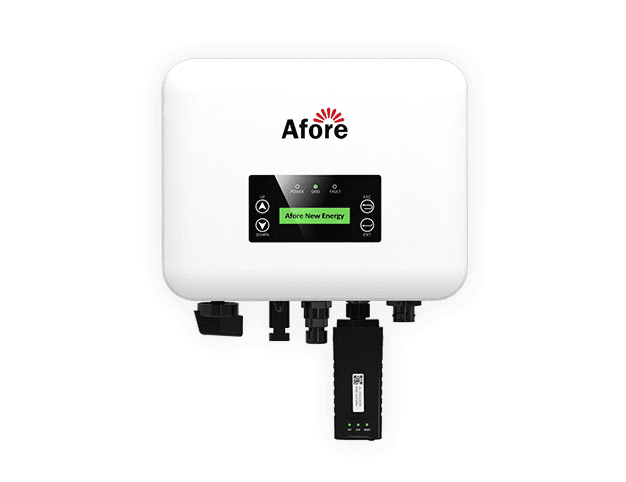
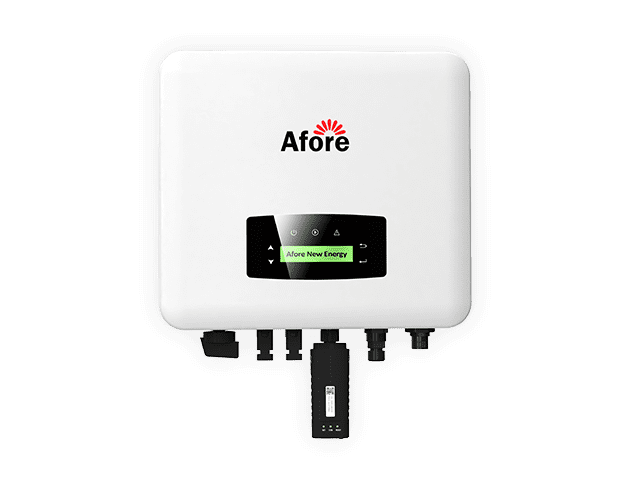
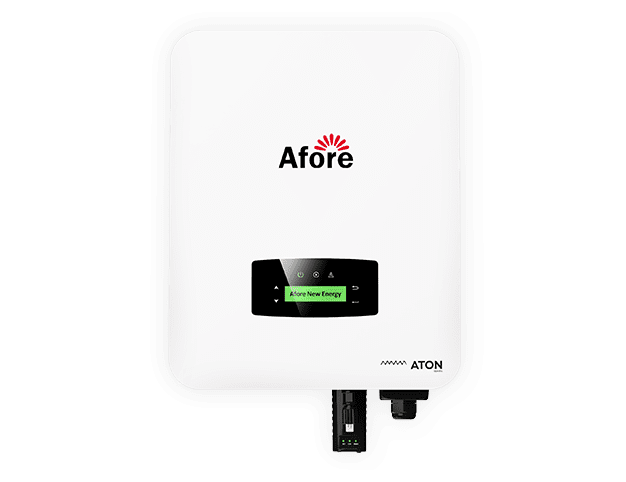
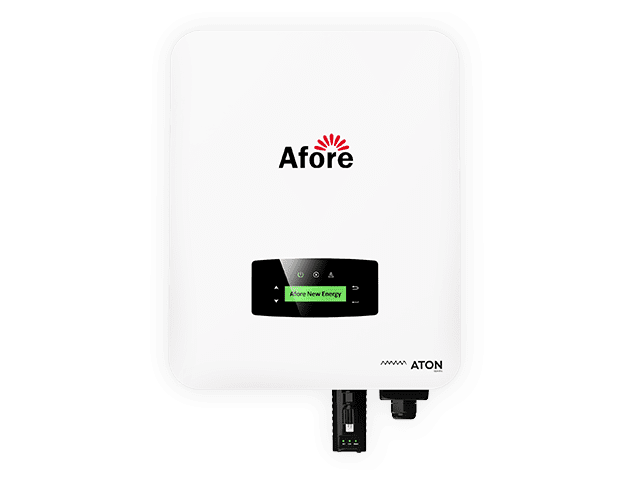
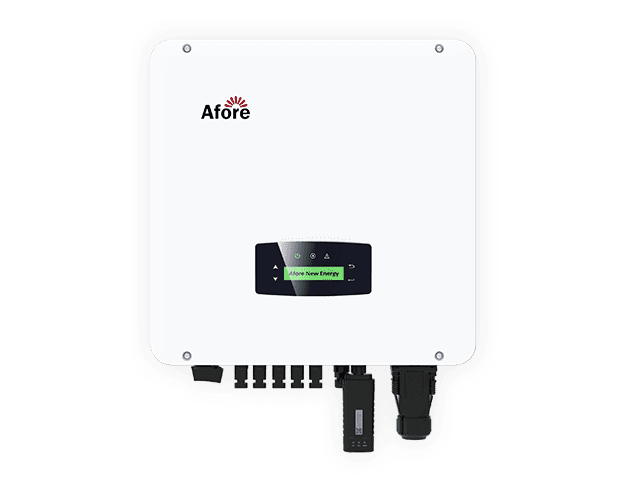
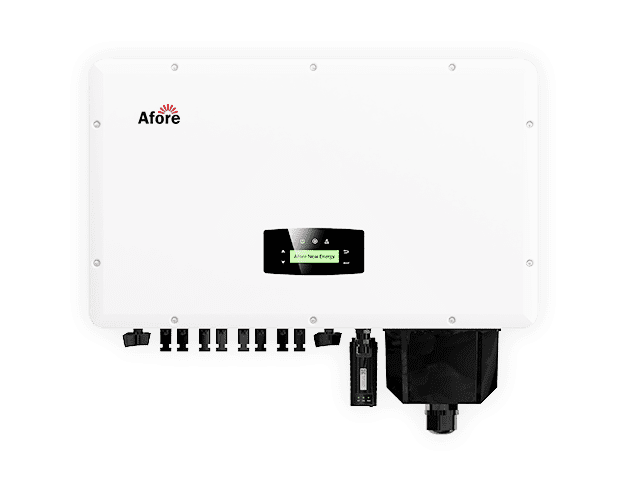
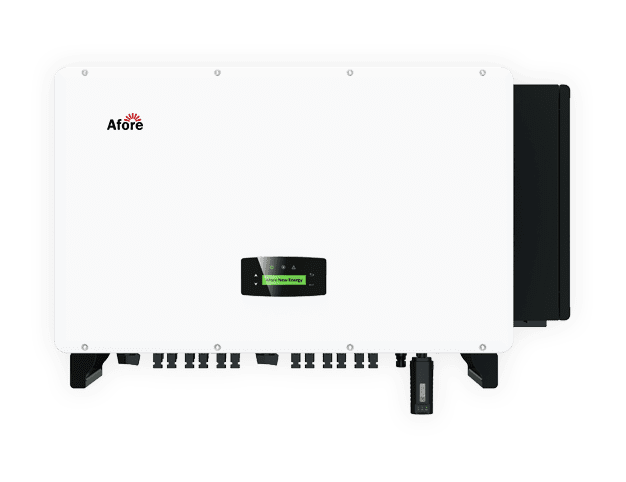
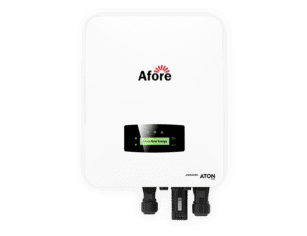
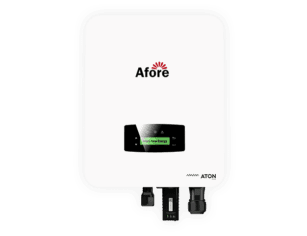
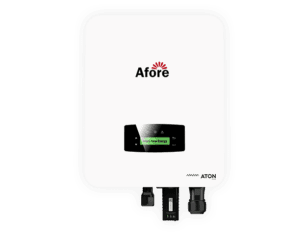
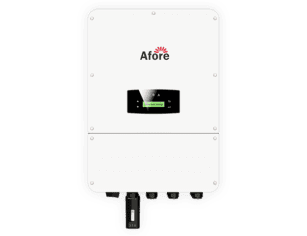
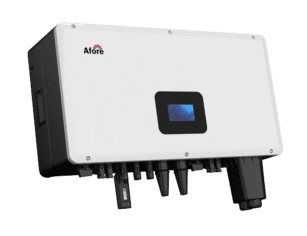
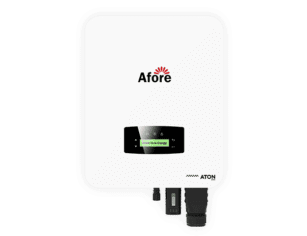
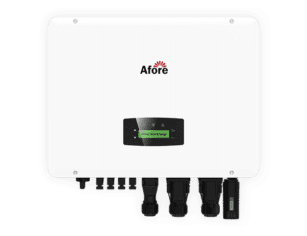
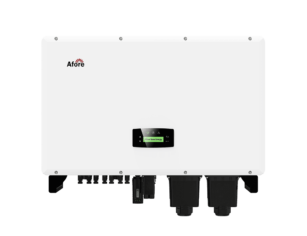
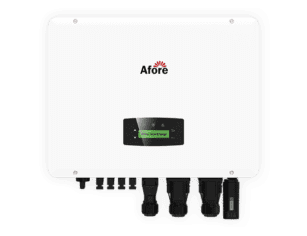
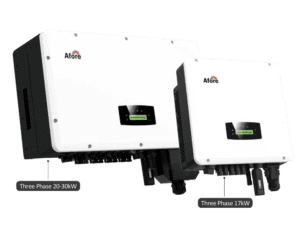
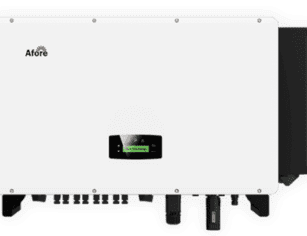
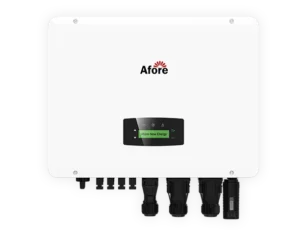
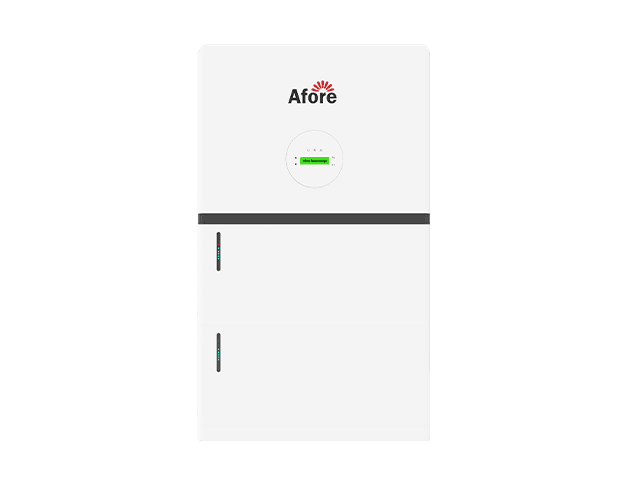
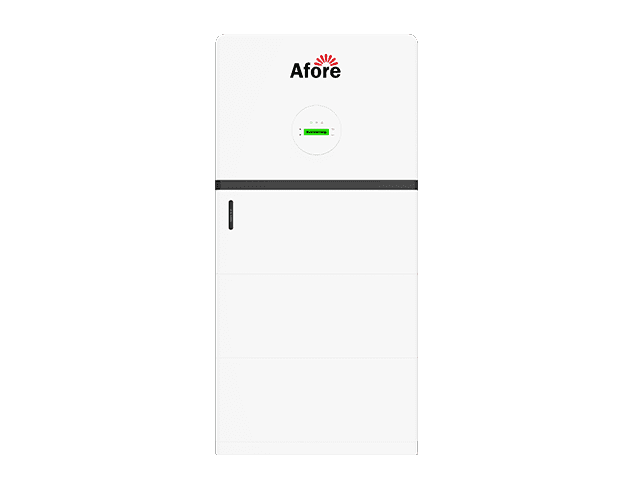
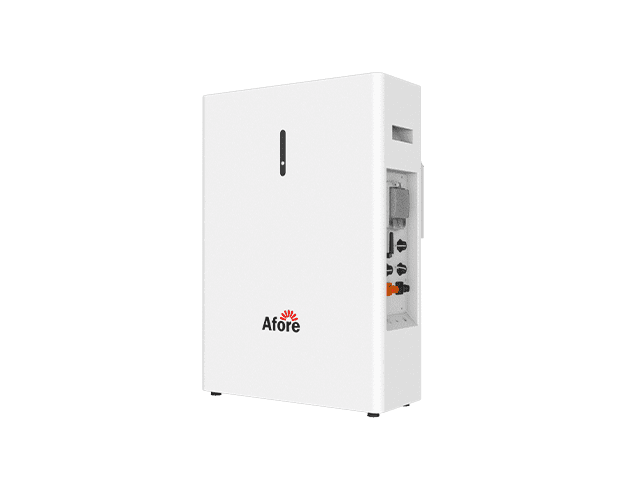
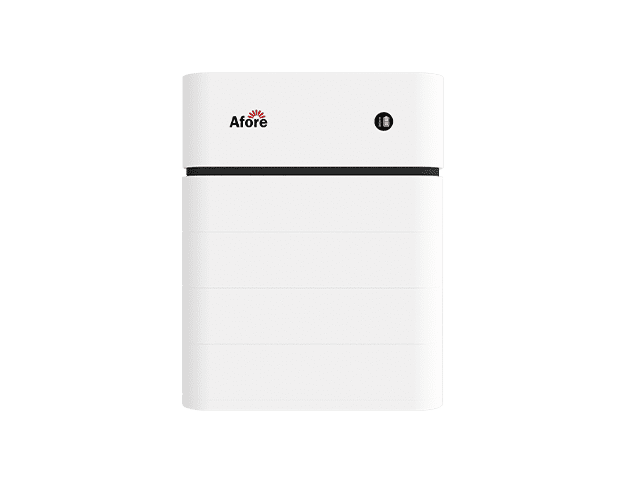
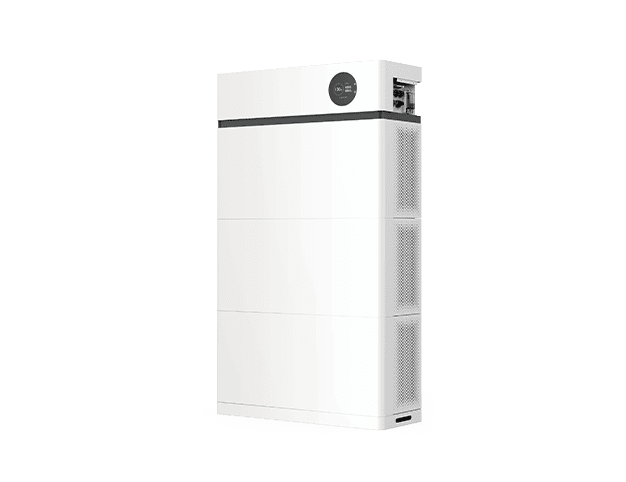
Afore provides several energy storage models designed for larger residential and commercial applications, including options with three and four tracking inputs. These products are commonly selected by EPC companies looking for a reliable 3-MPPT hybrid inverter supplier for projects that require flexible string allocation, battery compatibility, and scalable system architecture.
Independent string management helps solar systems maintain stronger production under changing sunlight conditions, especially when arrays face different directions or experience temporary shading. Afore multi-string technology supports better operational balance across separate panel groups, helping installers improve energy yield without adding unnecessary system complexity.
Pricing for advanced inverter platforms varies based on power capacity, storage compatibility, certification requirements, and order quantity. Buyers searching for multi mppt hybrid inverter wholesale options typically compare warranty support, delivery capability, and technical service in addition to hardware cost, especially for long-term commercial procurement projects.
Effective PV planning starts with grouping modules according to sunlight exposure, roof orientation, and electrical characteristics. Proper string separation allows each tracker to operate more efficiently while supporting high efficiency PV optimization across different installation conditions. Careful voltage calculation and future expansion planning also help improve long-term system reliability.
String configuration focuses on how solar panels are electrically connected, while tracker optimization controls how the inverter adjusts operating conditions to maximize output. In larger rooftop projects, combining both strategies is especially valuable for commercial solar shading solutions where panel performance may vary throughout the day due to surrounding structures or roof geometry.
https://webstore.iec.ch/publication/2595








 Turkish
  Romanian