


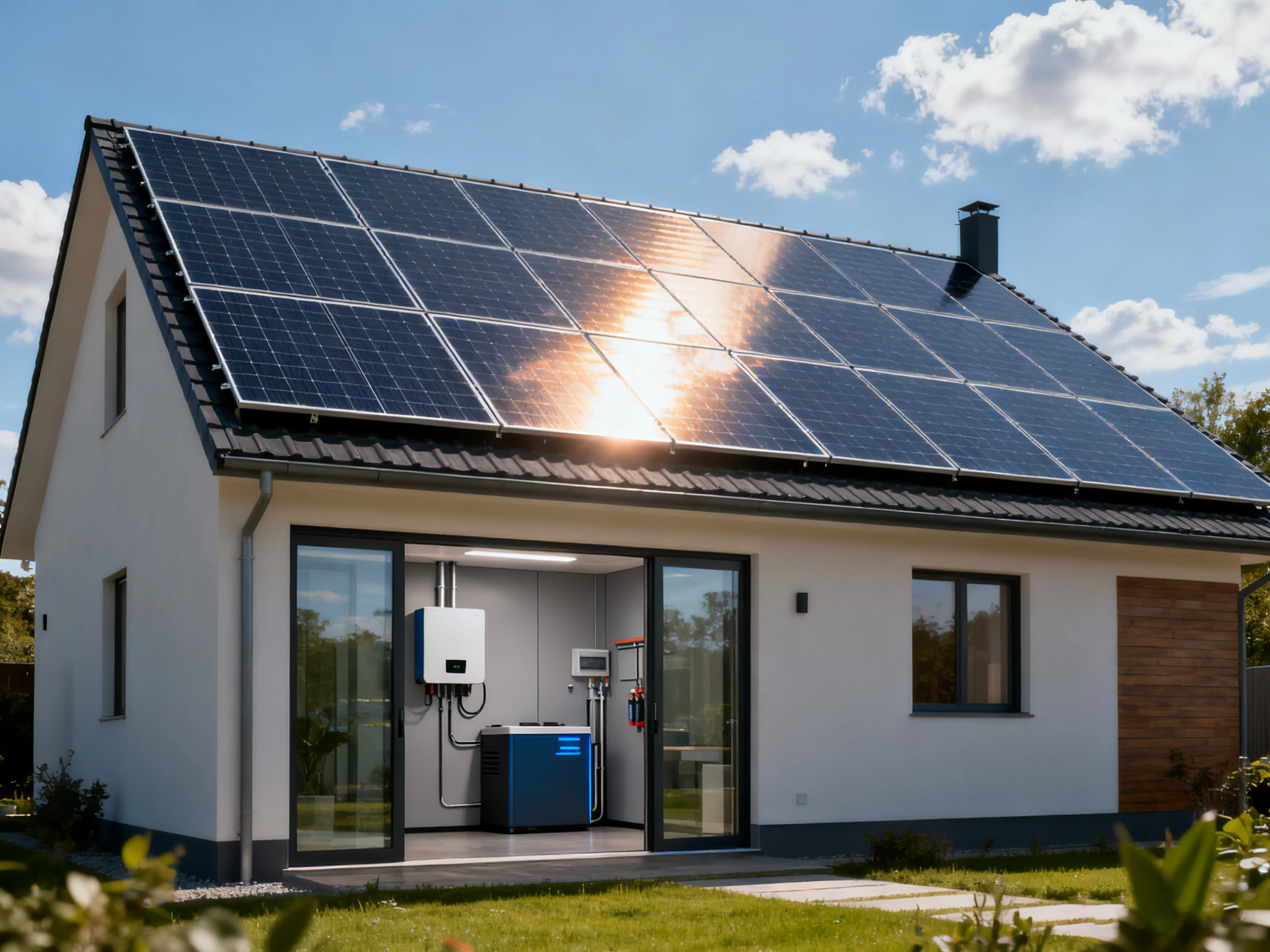
If you’re preparing for a year filled with bigger energy decisions, smarter home systems, and a growing desire for independence from rising electricity bills, then you’re probably already looking for the best hybrid inverter 2025. And honestly? You’re not alone. More homeowners, RV travelers, off-grid dreamers, and small workshop owners are searching for ways to squeeze more value out of sunlight and store it efficiently.
But with dozens of models, specs that feel like a foreign language, and reviewers all claiming they’ve found “the one,” how do you really pick the best hybrid inverter 2025 without going in circles?
That’s exactly what this guide is for. So grab a coffee, relax, and let’s break down everything you need to know—in simple human language, not overly technical jargon.
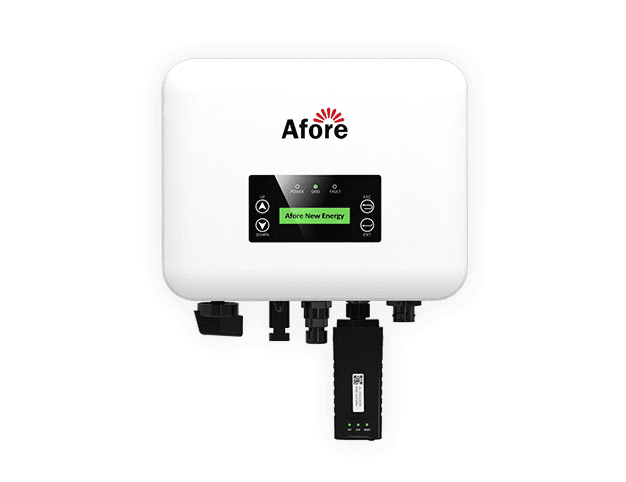
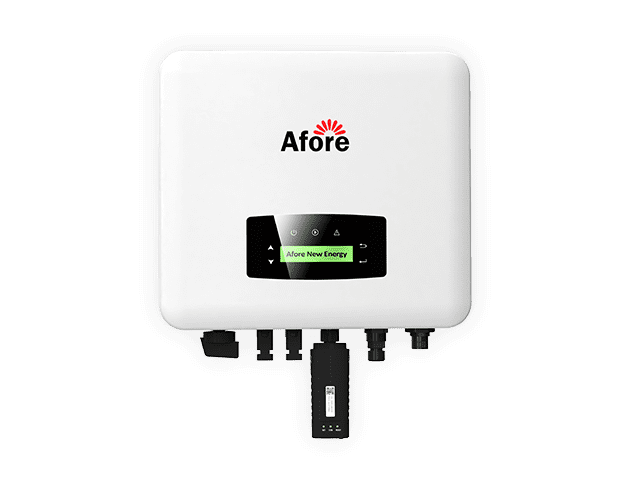
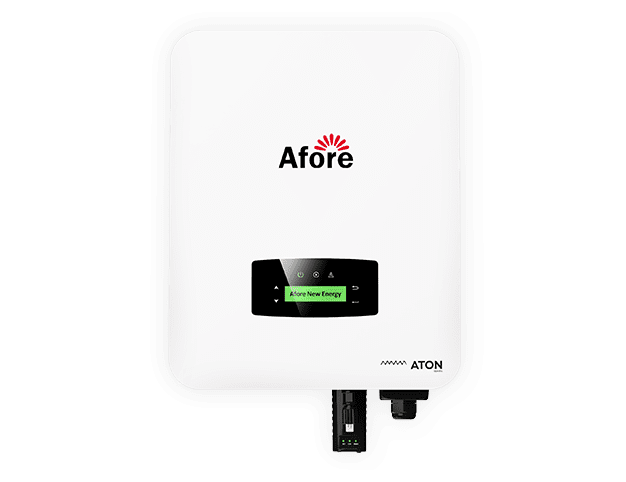
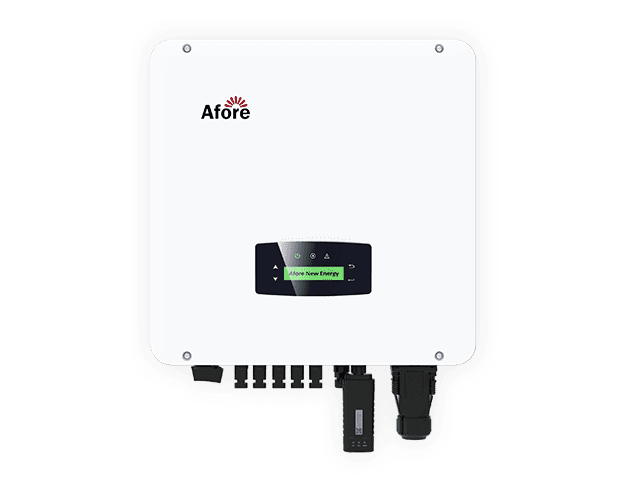
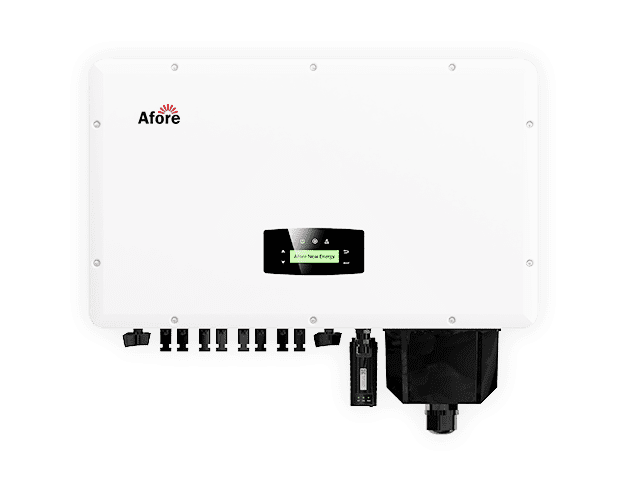
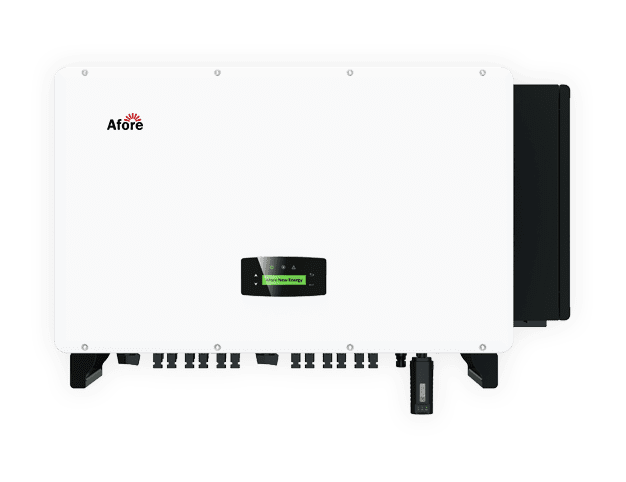
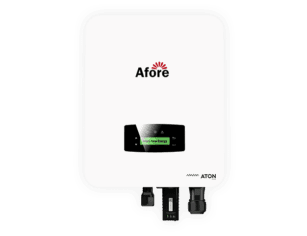
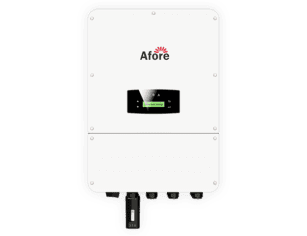
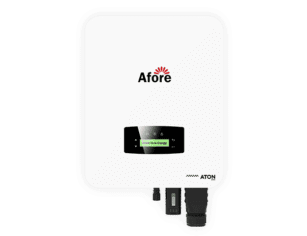
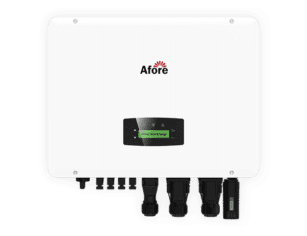
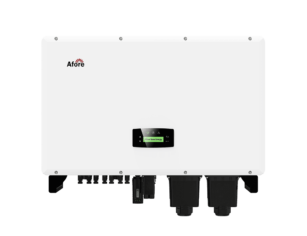
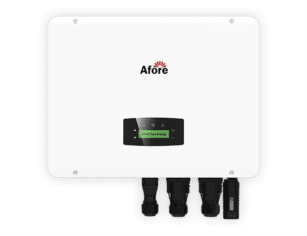
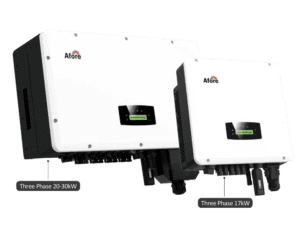
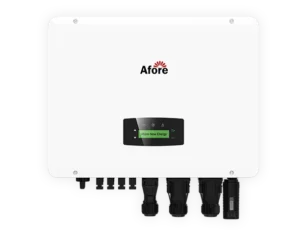
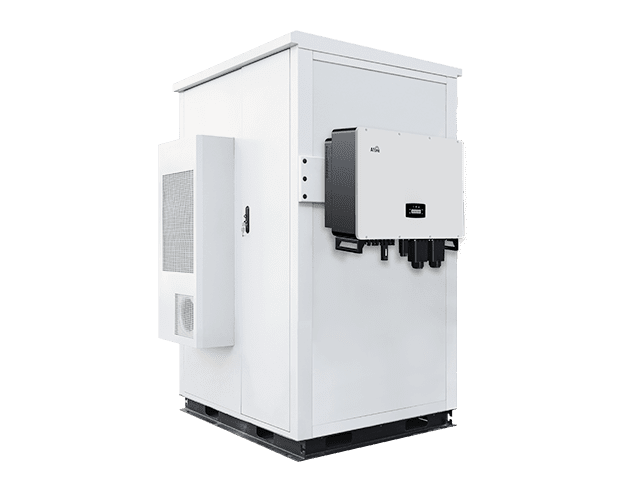
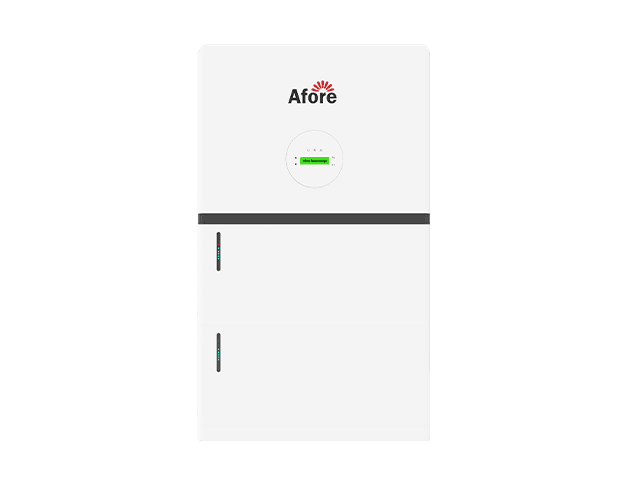
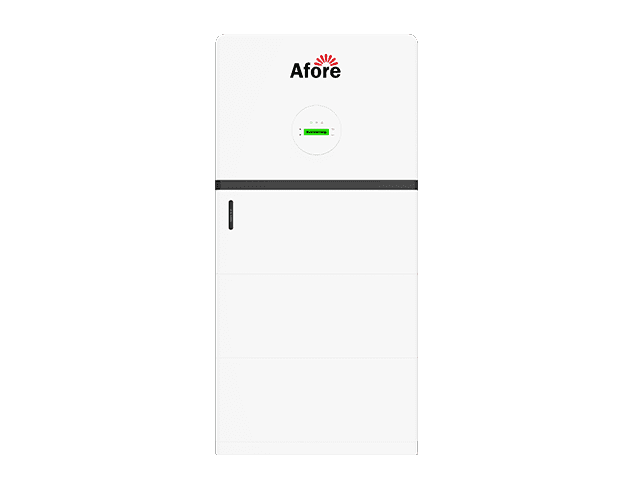
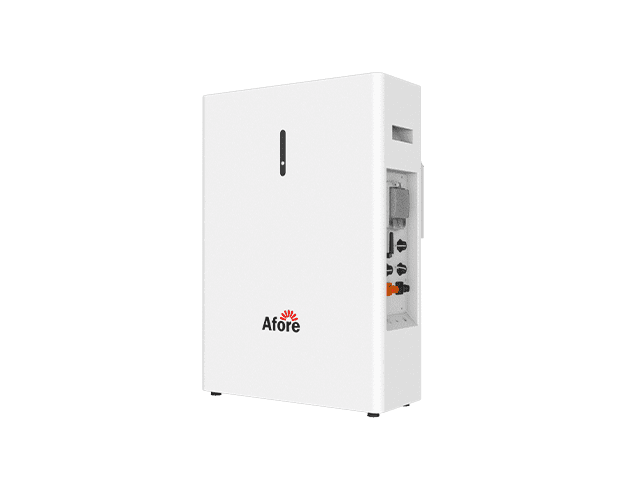
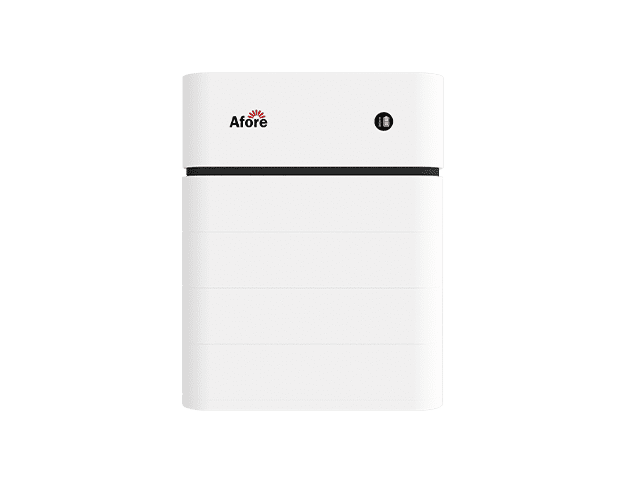
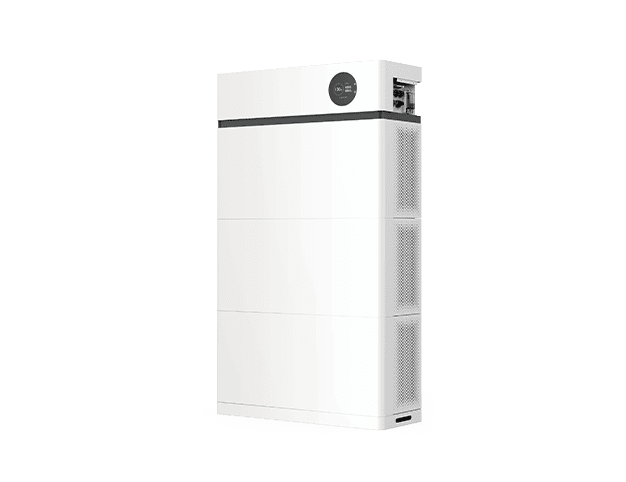
A hybrid inverter is basically the brain of your energy system. It manages the dance between your solar panels, the grid, and your battery bank. It’s like having a super-organized roommate who makes sure nothing gets wasted, every device gets the right power, and your home stays running even when the grid blinks. If you’re looking for the best hybrid inverter 2025, Afore’s Hybrid-Solarwechselrichter provides a seamless combination of solar conversion, intelligent battery management, and grid integration. With Vor, you not only get a reliable solar inverter but also a system designed to maximize energy efficiency, reduce costs, and keep your home powered even during outages.
A standard solar inverter only converts sunlight-generated DC power into AC power for household use. That’s it.
But a hybrid inverter?
It’s the multitasker in the energy world. It converts power, stores energy, pulls from the battery when needed, and sends excess energy where it should go. In 2025, versatility isn’t optional—it’s essential.
This is why so many homeowners consider a hybrid unit the ideal setup for long-term stability.
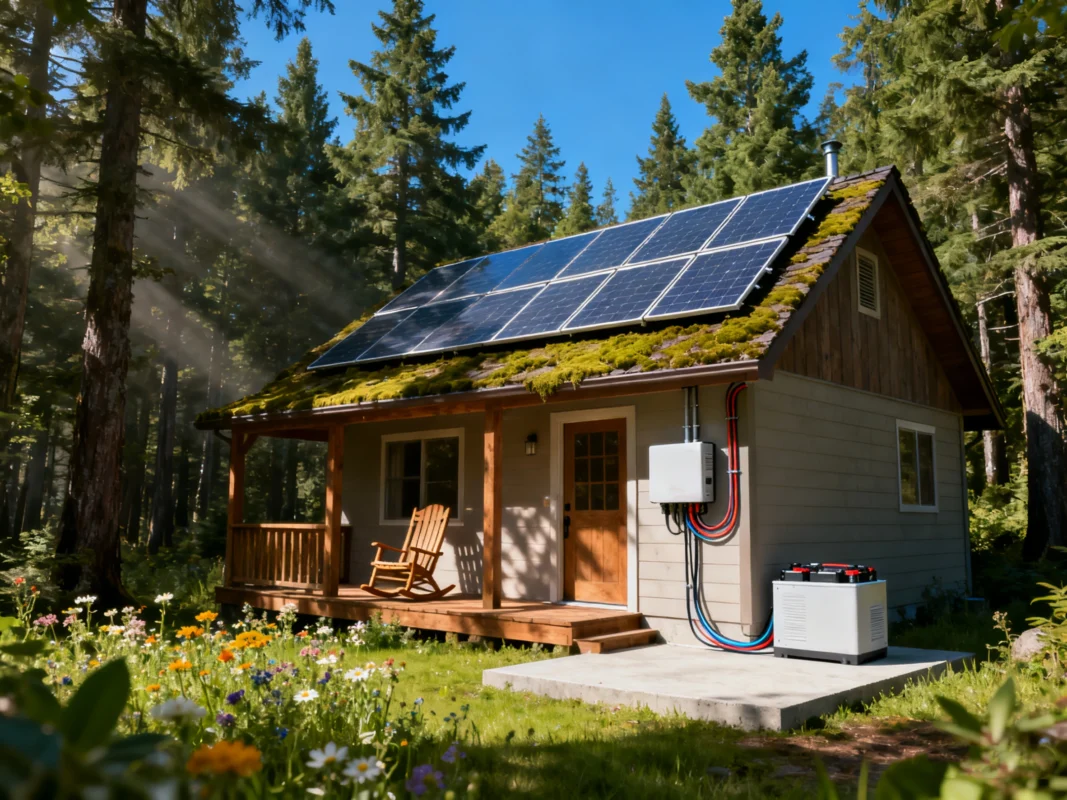
Every year, we watch energy prices creep upward. You and I can’t control utility companies, but we can control how much energy we’re buying from them. Picking the best hybrid inverter 2025 ensures you maximize every ray of sunlight you capture.
Let’s be real—storms, heatwaves, overloaded grids… they’re not slowing down. A strong hybrid inverter lets you stay comfortable and powered even when your neighbors are searching for flashlights.
A few years ago, energy independence sounded like something only hardcore homesteaders or tech geeks cared about. Today, nearly everyone has some version of this goal. A quality hybrid inverter is your first and biggest step toward achieving it.
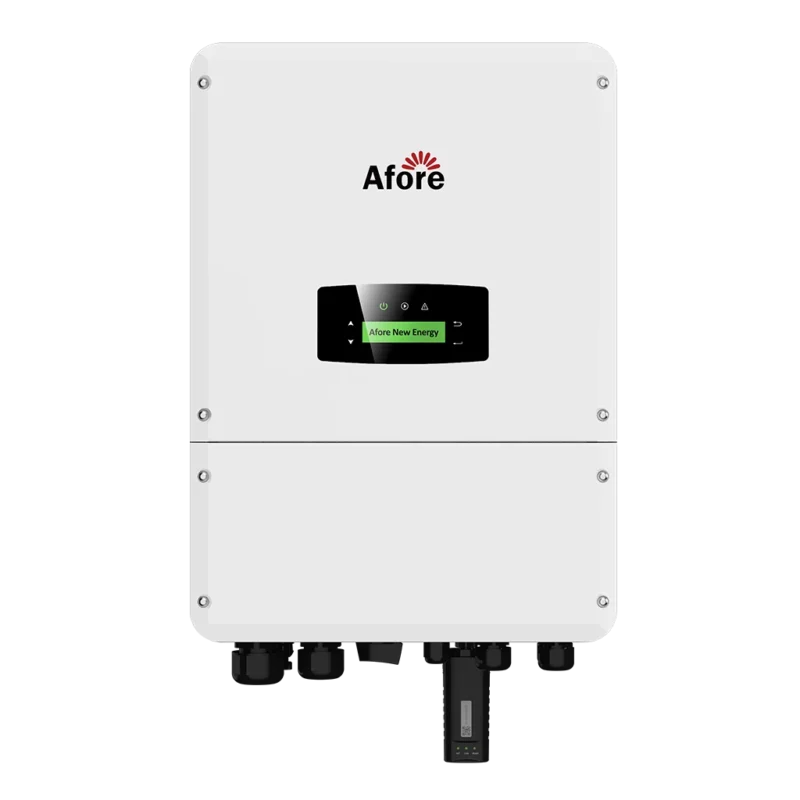
Choosing the best hybrid inverter 2025 isn’t about picking the first model with a shiny display or a long list of marketing buzzwords. It’s about understanding what actually matters when your home, cabin, or off-grid setup depends on a reliable flow of power. After years of working with solar systems and troubleshooting real-world installations, I’ve learned that the right features make all the difference—not just in performance but in long-term peace of mind.
Below are the essential features you should look for, explained in a clear, practical way that helps you make an informed decision rather than a rushed one.
The heart of any hybrid system is how quickly it can transition between solar input, batteries, and the grid. The best hybrid inverter 2025 should switch so smoothly that you barely notice anything happening behind the scenes.
Why it matters:
Many people underestimate this feature until the first storm hits. When your neighbors are rebooting their routers and searching for candles, you’ll be glad your hybrid inverter responded instantly.
Think of efficiency as how much of your harvested solar energy becomes usable power instead of being lost as heat. A traditional solar inverter converts sunlight, but a hybrid inverter must also manage battery charging, grid interaction, and power output. That makes efficiency even more crucial.
Why it matters:
If you’re spending good money on solar, don’t let part of that investment vanish during conversion. The best hybrid inverter 2025 should squeeze value out of every ray of sunshine.
One of the biggest mistakes people make is choosing an inverter that locks them into a specific battery type. Your needs may change. Your budget may change. Technology certainly will.
Suchen Sie nach:
When an inverter can grow with you instead of forcing you to replace your entire system, you gain long-term freedom—and that freedom matters far more than any short-term discount.
A powerful hybrid inverter doesn’t simply distribute energy—it prioritizes it. The best hybrid inverter 2025 understands that your refrigerator or medical device is more important than a decorative lamp and allocates energy accordingly.
What good load management looks like:
This feature becomes a lifesaver during outages or during high-consumption periods when every watt counts. It’s the difference between a home that runs efficiently and one that constantly trips breakers.
Monitoring isn’t just about checking how much energy your solar panels produced today. It’s about understanding your habits, spotting inefficiencies, and making informed decisions.
The best hybrid inverter 2025 should offer:
Even if you’re not a “tech person,” good monitoring tools make solar living easier. Think of it like having a dashboard for your home’s energy health—simple, helpful, and empowering.
Heat is the silent killer of all electrical equipment—from computers to inverters. When a hybrid inverter overheats, performance drops, efficiency suffers, and lifespan shortens.
Key things to look for:
The best hybrid inverter 2025 should handle heat like an athlete—efficiently, quietly, and without drawing unnecessary attention to itself.
Your life won’t look the same five years from now. Maybe you’ll buy an electric vehicle, add a workshop at home, or expand your living space. A smart hybrid inverter lets you scale without replacing the whole system.
Good expandability means:
Choosing an inverter that grows with you is one of the smartest long-term moves you can make.
Hybrid inverters sit at the crossroads of your home and the utility grid. They must interact safely, efficiently, and consistently.
Suchen Sie nach:
A reliable system prevents unexpected voltage spikes or dips that can damage appliances or reduce performance.
You wouldn’t buy a car that overheats, rattles apart, or needs repairs every few months. The same logic applies here.
Durability indicators:
A well-built hybrid inverter isn’t flashy—but it works day after day without complaining, even in challenging conditions.
This may sound like a small detail, but trust me—noise matters. If you plan to install your inverter near a living space, the last thing you want is an annoying hum.
A quiet inverter feels refined, comfortable, and intentional. It blends into your home instead of reminding you it’s working hard every hour of the day.
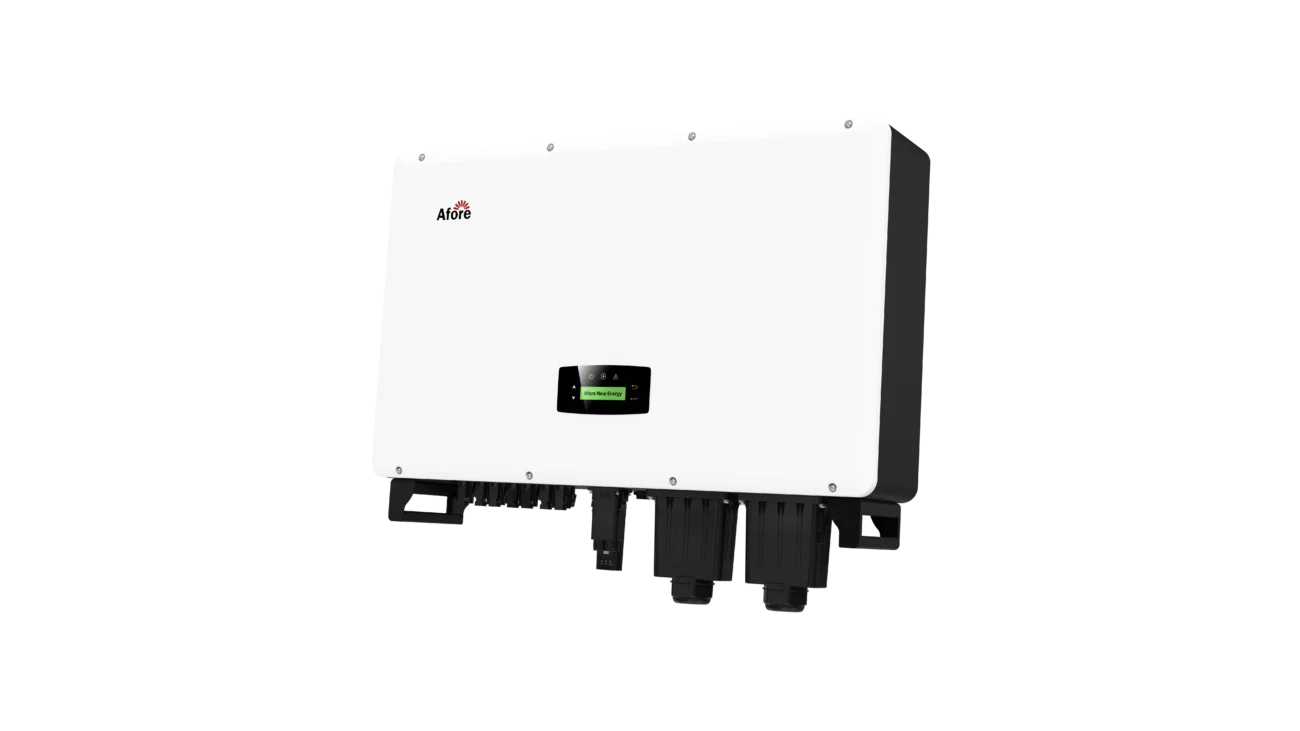
Choosing the best hybrid inverter 2025 isn’t a one-size-fits-all decision. Every household, cabin, or off-grid setup has unique energy demands, habits, and goals. Even two homes with identical solar panels might need completely different inverters depending on usage patterns, battery size, and future plans.
To avoid wasting money or buying an ill-suited system, you need to evaluate your needs carefully. Here’s a step-by-step approach that breaks it down into manageable parts.
The first question you should ask yourself is: “What am I trying to achieve?”
Are you aiming to:
Your energy goals will dictate the type of inverter you need. For instance, a system built for occasional backup power doesn’t require the same battery capacity or load management features as a full off-grid home. Understanding your goals early helps you avoid buying features you don’t need—or missing critical ones you do.
If you already have a solar inverter and panels installed, check:
Even the best hybrid inverter 2025 won’t perform optimally if it can’t work seamlessly with your existing panels. Mismatched systems can lead to wasted energy, inefficiency, or even hardware damage. Taking a few minutes to verify compatibility can save hundreds of dollars and weeks of frustration.
Next, get a realistic view of how much power your home actually uses. A quick look at last year’s electricity bills can reveal your daily, monthly, and seasonal consumption patterns.
Questions to consider:
This information helps you select an inverter that can handle peak loads efficiently, without underperforming or unnecessarily oversizing your system. Remember: the best hybrid inverter 2025 balances capacity and efficiency—not just raw power.
Even if your energy needs are modest today, think ahead. Life changes—maybe you’ll buy an electric vehicle, add more rooms, or expand solar capacity.
A smart hybrid inverter should allow for:
Choosing a flexible inverter now means you won’t have to replace the whole system down the line. Many people underestimate this step and end up paying more later to upgrade a poorly chosen setup.
Some regions have strict rules about exporting excess energy back to the grid or require certain safety standards for hybrid inverters.
Check for:
Even the best hybrid inverter 2025 can’t legally or safely operate without considering your local grid rules. Ensuring compliance protects both your home and your investment.
It’s tempting to chase the lowest upfront price, but remember: the inverter is the brain of your entire energy system. Cutting corners may cost you more in inefficiency, repairs, or lost energy over time.
Ask yourself:
The best hybrid inverter 2025 isn’t necessarily the most expensive—it’s the one that matches your energy needs efficiently, safely, and reliably.
Even if an inverter is technically excellent, it won’t help if you can’t understand or manage it. Look for:
These features make it easier to optimize energy use, protect your battery, and troubleshoot small issues before they become big problems.
You’re not just buying a device—you’re buying peace of mind.
Hybrid inverters optimize charging and discharging cycles. This protects your battery investment long-term.
The more solar power you consume directly, the less you pull from the grid. The best hybrid inverter 2025 helps you achieve nearly perfect self-consumption.
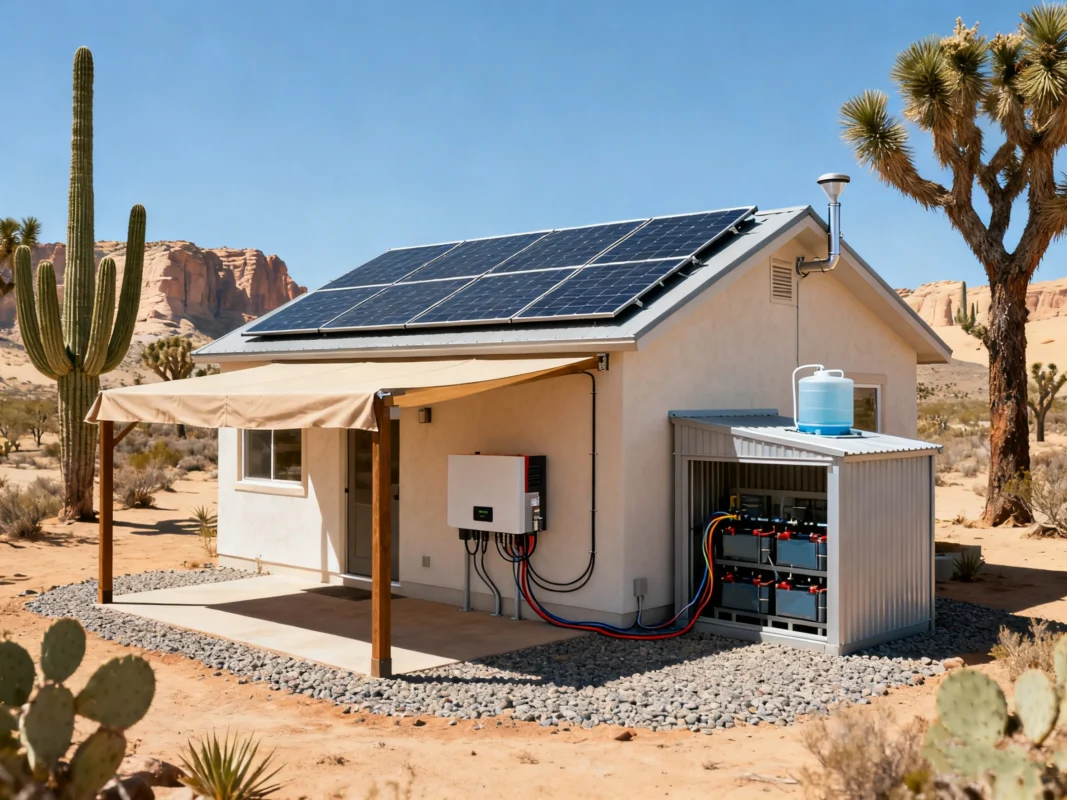
Whether you live remotely or simply want backup during outages, hybrid inverters keep your energy flowing without interruption.
Renewable energy isn’t just efficient—it’s peaceful. No fumes, no noise, no stress.
Your hybrid inverter controls your entire energy system. Cutting corners here leads to headaches later.
Your inverter needs to match your battery—period.
If you pick an inverter too weak for your appliances, you’ll feel the consequences immediately.
Always check the expected lifespan. The best hybrid inverter 2025 should serve you reliably for many years.
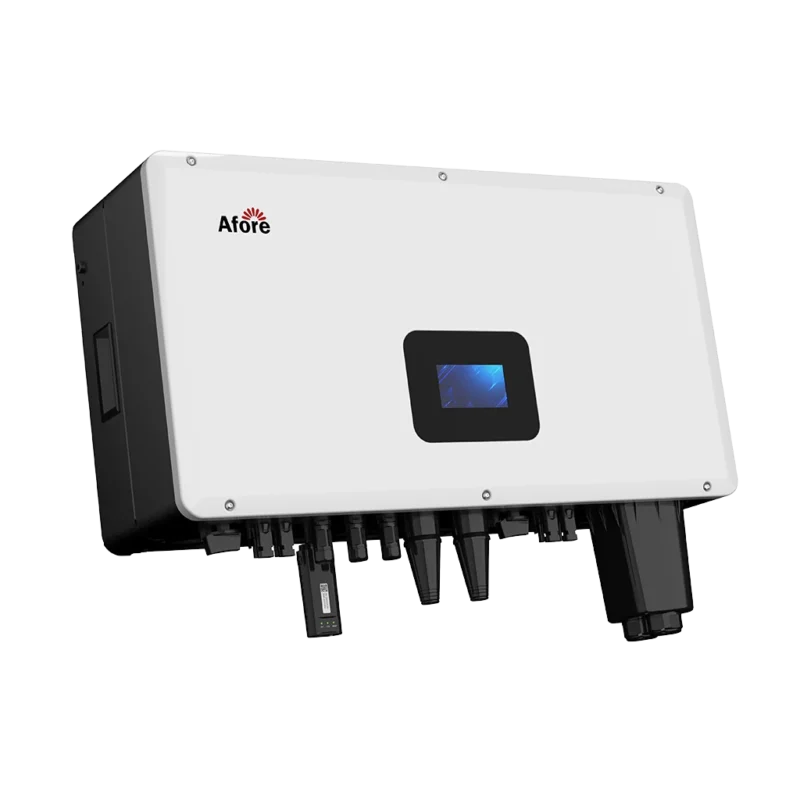
Choosing the best hybrid inverter 2025 isn’t just about owning a gadget—it’s about investing in comfort, independence, and long-term savings. It’s about knowing you have control over your home’s energy future. And honestly? It feels good. Really good.
Whether you’re upgrading, building from scratch, or simply exploring the world of renewable energy, the right hybrid inverter will make everything easier. So take your time, review your needs, and choose wisely. Your future self will thank you every time the power stays on, the bills stay low, and the sun does the work for you.
The newest hybrid inverters combine multiple improvements over older versions. They offer higher efficiency, smarter load management, better battery integration, and more user-friendly monitoring. Compared to older solar inverter setups, they are more flexible, safer, and capable of handling diverse energy needs without complicated manual adjustments.
Yes—especially if you want to combine solar power with battery storage or backup options. While a traditional solar inverter only converts DC electricity from your panels into AC for home use, a hybrid inverter manages solar energy, battery storage, and grid interaction all at once. That makes it ideal for households aiming to maximize self-consumption and minimize grid dependency.
A well-maintained hybrid inverter can last anywhere from 10 to 15 years, depending on usage, environmental conditions, and the quality of components. Regular maintenance, such as keeping vents clear and monitoring battery health, ensures consistent performance over its lifespan.
Absolutely. One of the key advantages of a hybrid inverter is its ability to provide power independently from the grid. By intelligently managing battery storage and solar input, the best hybrid inverter 2025 can run a home or remote setup reliably, making it perfect for cabins, RVs, or areas with unstable electricity supply.
Generally, yes. By storing excess solar energy in batteries and using it during peak hours or outages, hybrid inverters reduce reliance on grid electricity. Over time, this can lead to significant savings, especially if your electricity rates are high or fluctuate throughout the day.
Definitely. Hybrid inverters come in various sizes and power ratings. Even small homes with modest energy consumption can benefit from the efficiency, battery integration, and flexible monitoring that modern hybrid inverters provide.
Most modern hybrid inverters are designed for scalability. This means you can expand your battery bank later without replacing the inverter itself. This flexibility allows you to start small and grow your system as your energy needs change.
Quality hybrid inverters operate quietly, thanks to efficient cooling systems. Unlike older solar inverter models or generators, they are designed to blend into your home environment, providing silent, continuous power without disturbance.
Yes. While solar panels produce less energy during low-light conditions, hybrid inverters optimize the available solar energy, combine it with stored battery power, and can even draw from the grid if necessary. This ensures consistent home power regardless of weather conditions.
You should calculate your household’s peak power demand. Consider which appliances will run simultaneously, especially high-power devices like ovens, heaters, or air conditioners. A properly sized hybrid inverter ensures smooth operation without overloading or wasting energy.
It can, depending on your energy setup and battery capacity. Many homeowners use hybrid inverters as a quieter, more efficient alternative to traditional generators, especially for backup power or off-grid scenarios.
Professional installation is recommended. While hybrid inverters are designed to simplify energy management, they involve wiring, battery integration, and grid synchronization. Proper setup ensures maximum efficiency, safety, and longevity.
By intelligently managing power sources—solar, battery, and grid—a hybrid inverter maximizes the use of solar energy, minimizes energy loss during conversion, and reduces unnecessary grid consumption. This translates directly to lower electricity bills and a smaller carbon footprint.
Yes. Most modern hybrid inverters include mobile or web-based apps for real-time monitoring. You can check battery status, solar production, and energy usage anytime, anywhere, which is especially useful for off-grid homes or vacation properties.
Focus on features like robust construction, thermal management, efficient load balancing, and flexible battery compatibility. Even without specifying brands, choosing an inverter with these characteristics ensures it remains efficient and durable for many years.