



If you’ve ever found yourself staring at your rising energy bill and wondering, “Isn’t there a smarter way to store the power I’m already producing?” — trust me, you’re not alone. With more homeowners turning to renewable solutions, the lithium battery storage system has become the quiet hero behind energy independence. It’s not flashy like rooftop panels or a shining solar inverter, but it’s the backbone that keeps your power stable, flexible, and ready whenever you need it.
In this guide, I’m going to break down everything you need to know — from how a lithium battery storage system works, why it’s becoming the go-to choice, how to design one that fits your lifestyle, and some real-world tips.
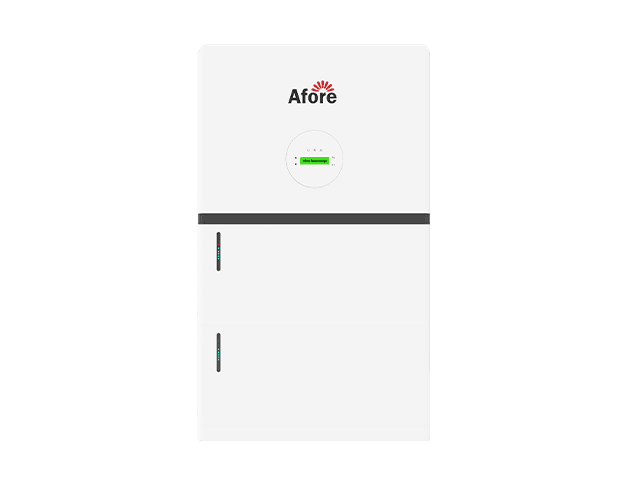
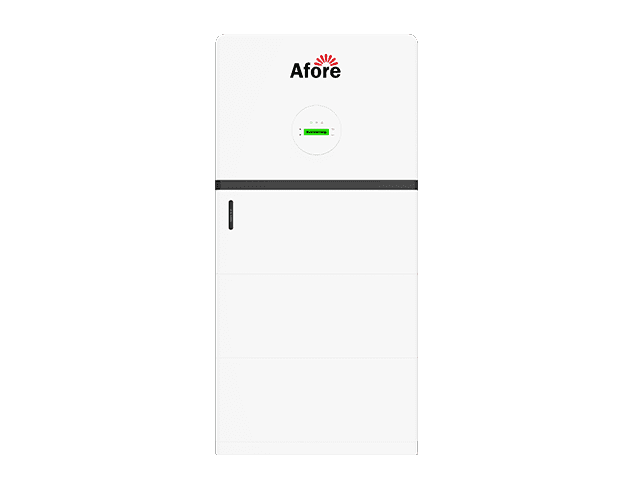
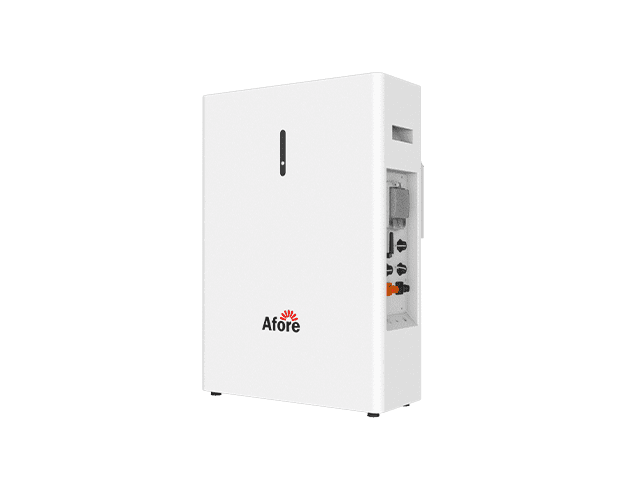
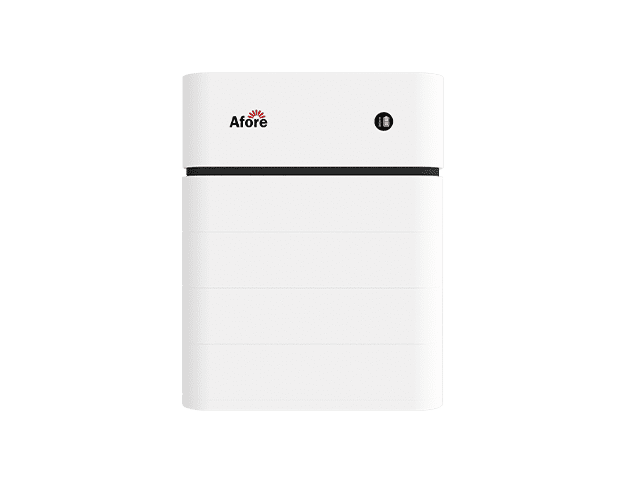
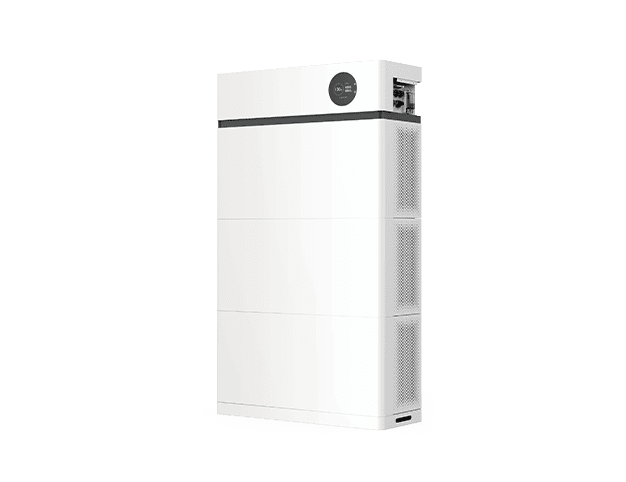
A lithium battery storage system isn’t just a fancy box of stored energy — it’s the heart of a flexible, resilient home power setup. Unlike older battery types, lithium brings high efficiency, long life cycles, deep discharge capability, and stable performance even under demanding usage.
People often tell me they thought storing solar power was just an “add-on” to the panels. But once they actually live with a full system, they realize the storage unit is what transforms unpredictable sunlight into dependable energy.
Think about all the ways your home depends on energy: morning coffee, hot showers, Wi-Fi, climate control, late-night charging sessions.
Now imagine having your own lithium battery storage system quietly balancing everything behind the scenes, keeping the lights on even during evening peaks or power outages.
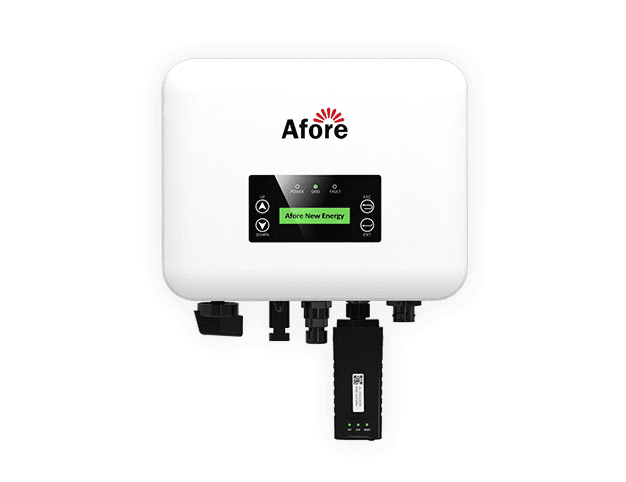
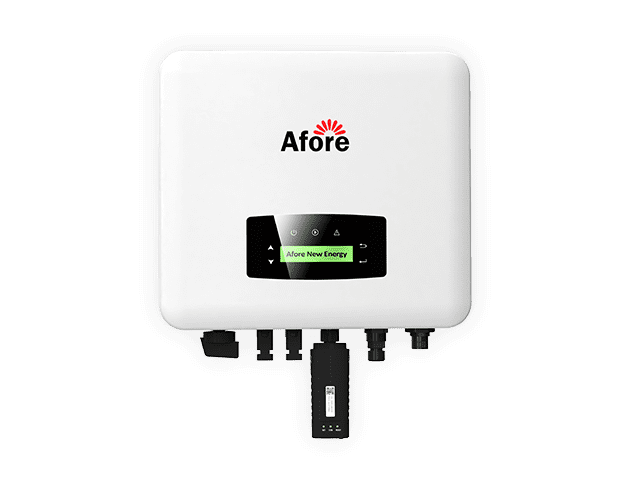
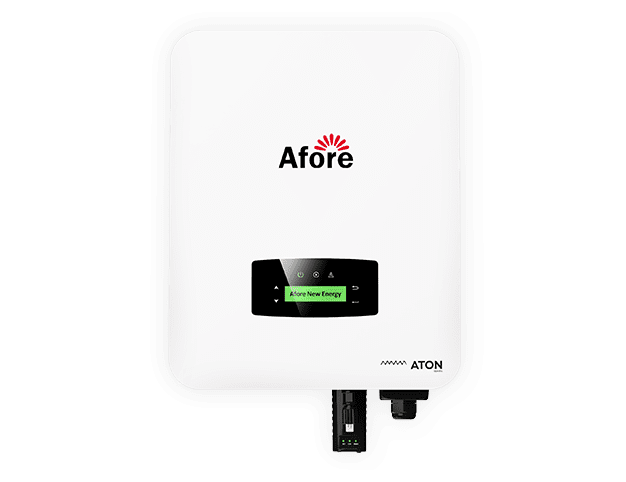
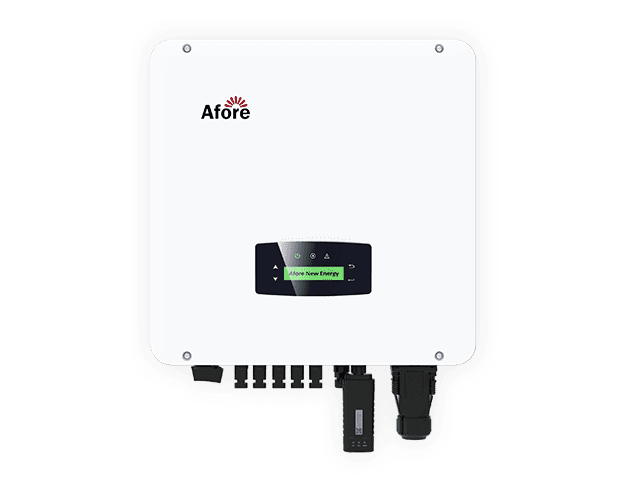
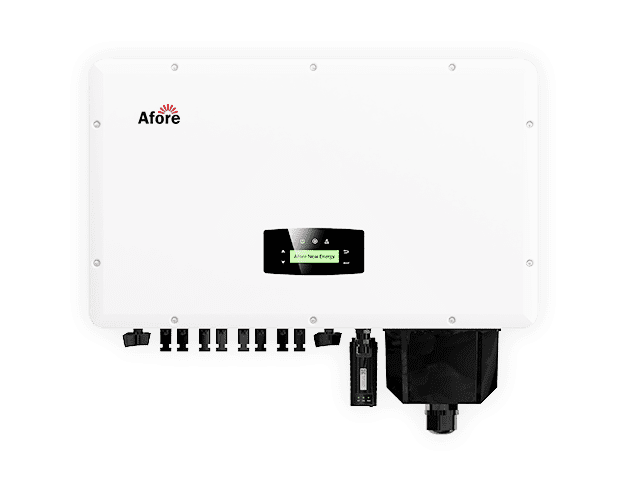
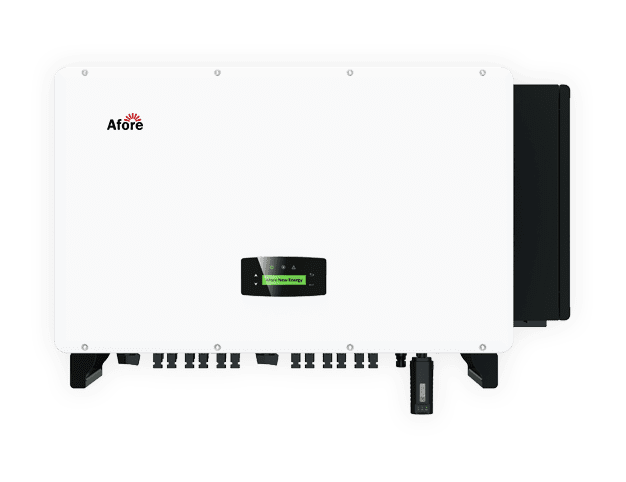
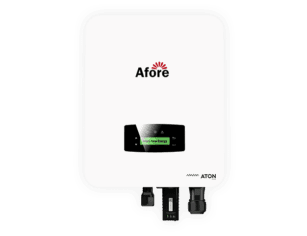
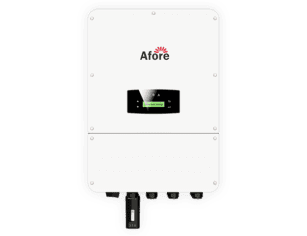
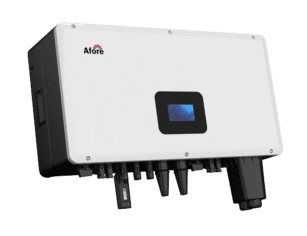
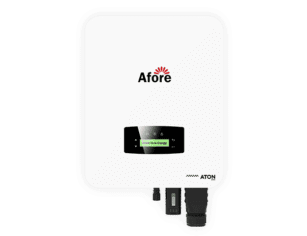
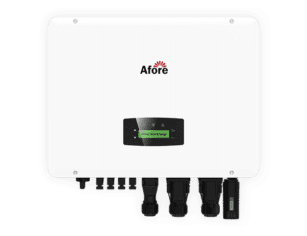
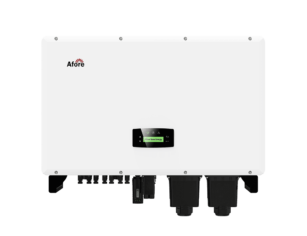
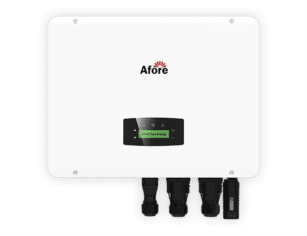
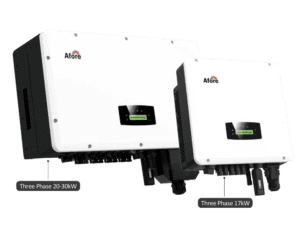
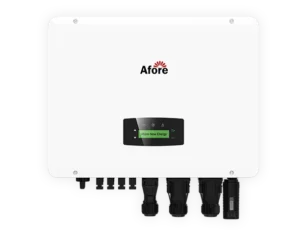
When combined with a inversor solar, the system becomes even more powerful — turning sunlight into usable power and storing it for later. Every component works together, but the battery is what gives your home flexibility.
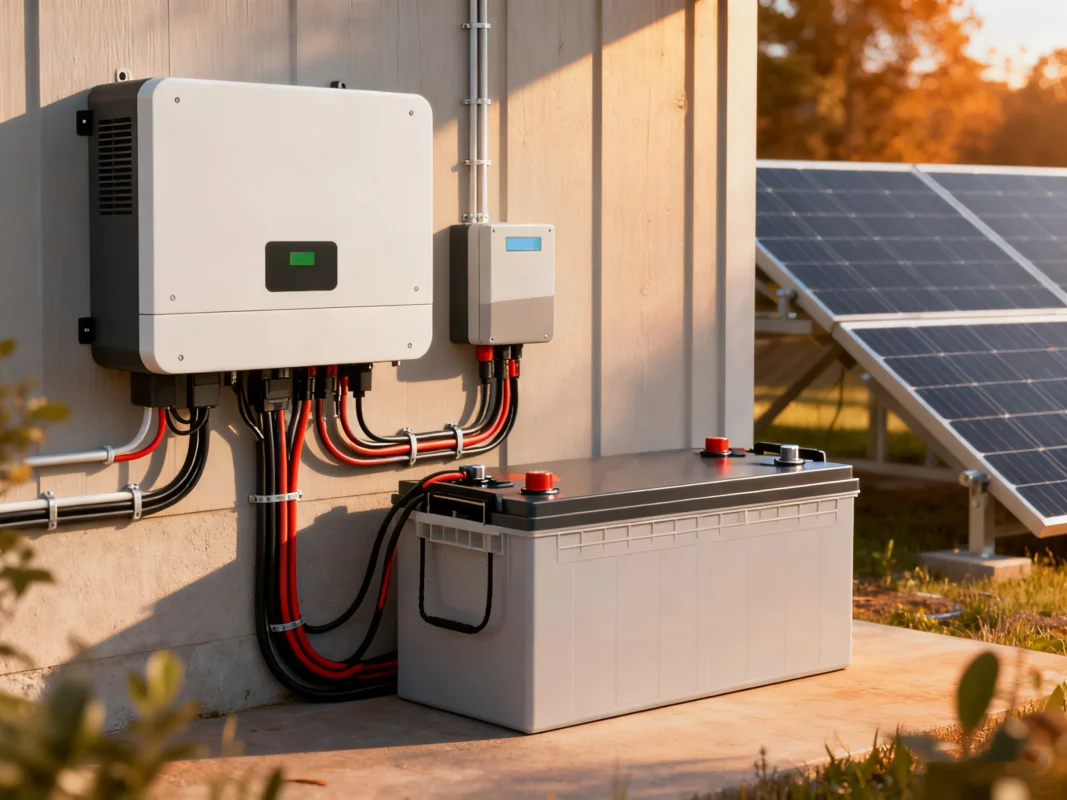
Understanding how a lithium battery storage system actually functions can feel intimidating at first, but once you break it down into real-world steps, it becomes surprisingly logical. Think of it less like a complicated electrical maze and more like a smart energy bank account you manage without ever opening an app. Everything you generate, store, withdraw, or save follows a simple pattern — and when paired with a stable solar inverter, the entire process becomes seamless.
Let’s break the mystery wide open.
Imagine your home as a small ecosystem with its own rhythm. During the day, sunlight floods your panels and energy begins its journey. Here’s what really happens, step by step, inside a system powered by a lithium battery storage system:
The moment sunlight hits your panels, electricity is created — but it’s in direct current (DC), the “native” language of solar generation. Your appliances, however, speak alternating current (AC).
This is where the solar inverter steps in. The inverter does the translating, ensuring your home receives clean, steady AC power.
Your lights, fridge, laptops, and chargers immediately use the electricity that’s being produced at that instant. Real-time demand always takes priority.
Any extra electricity — and there’s usually plenty on a sunny afternoon — flows into your lithium battery storage system instead of being wasted.
Think of this as storing home-grown produce in your freezer instead of throwing it away.
Evening rolls in. The sun fades. Your house starts using more electricity: cooking, entertainment, heating or cooling.
Now the magic happens.
Your lithium battery storage system steps in quietly, feeding stored energy back through your home’s circuits without you flipping a single switch.
Each sunrise restarts the cycle. What you’re really building is a rhythm — daytime generation, nighttime use — controlled effortlessly through your solar inverter and stabilized by your battery storage.
What’s most impressive is how unfailingly predictable the system becomes. Once everything is balanced correctly, your energy flows feel less like a roller coaster and more like a steady heartbeat.
People often ask, “Why lithium? Why not something cheaper?”
The answer becomes obvious once you understand what lithium chemistry brings to the table. A lithium battery storage system isn’t special just because it’s modern — it’s special because the chemistry solves nearly every issue older technologies struggled with.
Here’s why lithium has become the gold standard for residential storage:
Lithium holds a remarkable amount of energy in a small footprint.
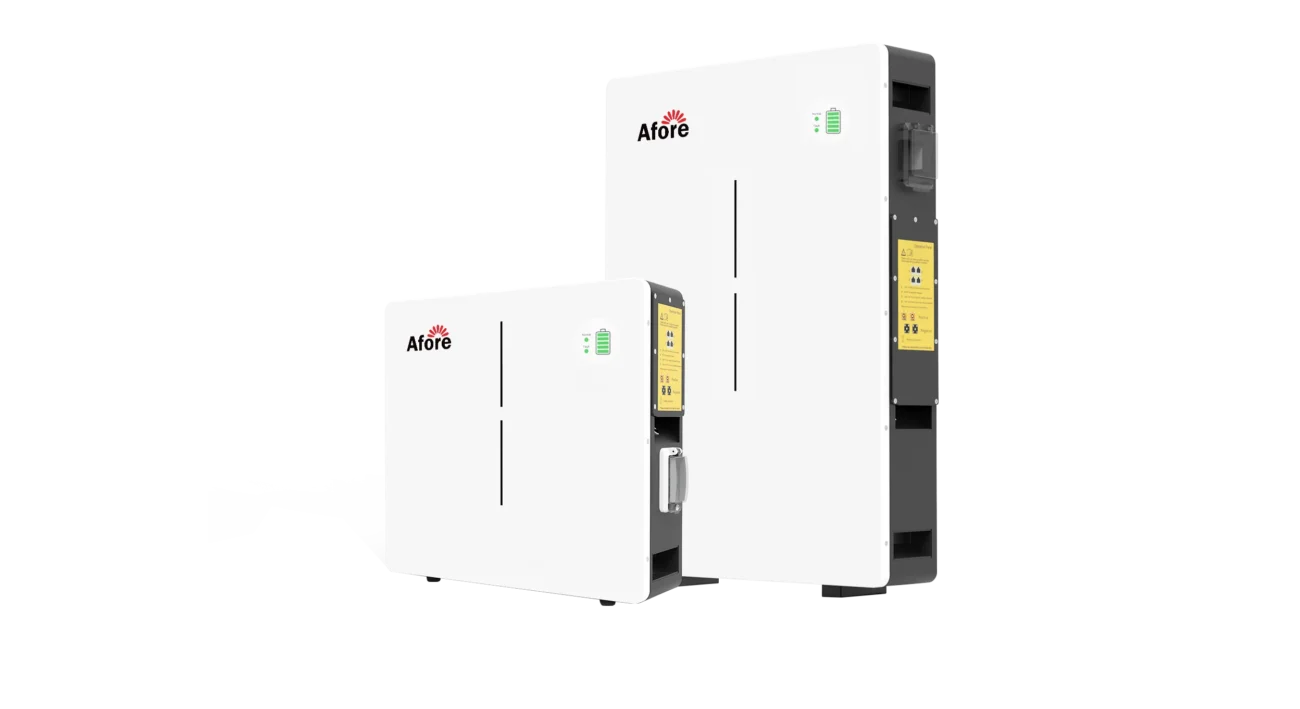
This means a lithium battery storage system can provide hours of home power in a compact, wall-mounted unit that doesn’t dominate your garage or utility room.
Lithium batteries can handle thousands of charge-and-discharge cycles without major degradation.
In daily use, that translates to years — often over a decade — of reliable performance before you even start thinking about replacement.
Lithium chemistry charges faster and more efficiently than older options.
Pair it with a properly configured solar inverter, and you get incredibly smooth energy intake during peak sunlight hours.
One of the biggest advantages is the ability to safely draw power down to much lower levels.
Older chemistries struggled with partial cycles, but a lithium battery storage system gives you access to most of its stored energy without penalty — meaning your battery actually works for you instead of sitting half-unused.
Lithium batteries maintain consistent power output, even toward the end of a cycle.
So, if you’re running an appliance during the evening, you won’t experience flickers, dips, or sudden shutoffs that older systems sometimes caused.
Lithium cells are designed with integrated controls that monitor temperature, voltage, and current flow.
These safety layers keep your lithium battery storage system well-regulated and stable, reducing risks and ensuring long-term reliability.
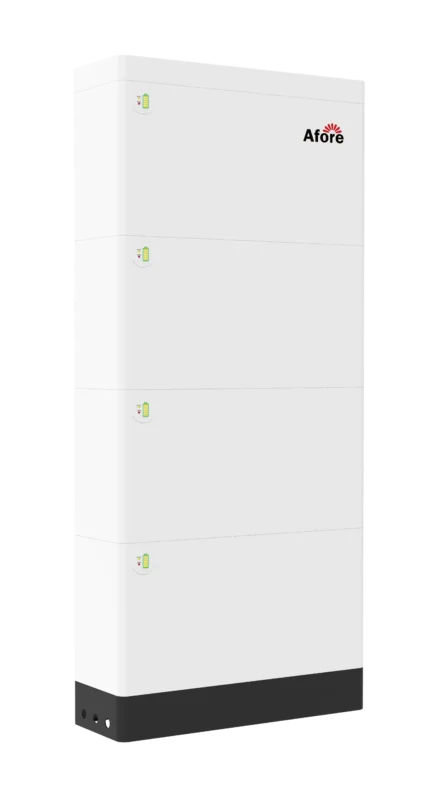
Planning a lithium battery storage system for your home isn’t something you want to rush through. It’s a little like remodeling a kitchen — you need to think about how you actually live, what your daily habits look like, and how much flexibility you want in the future. A well-designed system becomes almost invisible in your life, quietly supporting everything in the background. A poorly designed one becomes a constant source of frustration.
Let’s walk through the essential steps to designing a setup that truly matches your lifestyle and energy goals — without guesswork, without overspending, and without regrets.
Before you even look at equipment, you need a brutally honest look at how your household uses power. Not the idealized version — the real version.
Do you run laundry at night?
Does the AC kick on harder after sunset?
Do you have teenagers who treat power outlets like personal lifelines?
These habits matter.
The foundation of a well-planned lithium battery storage system starts with identifying patterns such as:
Many people discover their energy needs are shaped more by routine than by appliance count. Once you understand these rhythms, building the ideal system becomes much easier.
Capacity is where most homeowners get stuck. Some underestimate their needs and end up draining their battery too quickly. Others oversize their system and pay for storage they rarely use.
The smartest starting point is simple:
Choose a lithium battery storage system sized to cover your evening and nighttime consumption.
Why?
Because that’s when solar stops producing and when your stored energy actually has to work.
Here’s what to consider:
What people often don’t realize is that flexibility is built into lithium storage. You can add more units down the road as your lifestyle evolves — new appliances, bigger family, home office, electric vehicle, and so on.
A thoughtful capacity strategy keeps your lithium battery storage system affordable today and adaptable tomorrow.
Compatibility is like chemistry in a relationship — when everything clicks, life is smooth. When it doesn’t, even the simplest task becomes a struggle.
In a home energy system, the most important partnership is between your lithium battery storage system and your solar inverter. These two components constantly communicate with each other. If they’re not aligned, you may experience:
A well-matched setup, on the other hand, ensures:
The inverter acts as the manager, while the battery plays the role of the energy vault. Both need to speak the same “language” in terms of voltage, current, and control protocols.
If you ever plan to expand your solar array or increase your storage capacity, build that flexibility into your design from day one. A little forward planning goes a long way.
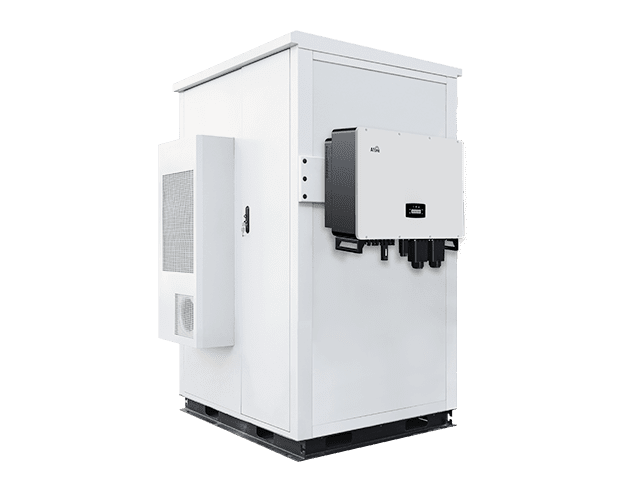
A lithium battery storage system doesn’t need a giant room, but it does need a thoughtful environment. Temperature stability is one of the biggest factors in battery longevity. You want a spot that is:
Many homeowners prefer installing the system in a garage, utility room, basement, or covered outdoor location. The goal is to avoid extreme temperature fluctuations that reduce performance or long-term health.
A clean installation space also reduces dust, accidental impact, and unnecessary wear on the system’s components.
Not every homeowner wants the same thing. Some care about energy savings; others care about peace of mind during outages.
Here’s how the goals differ:
Your battery charges and discharges every day, helping you store cheap solar energy and use it later.
This requires high efficiency, good depth of discharge, and a seamless link to your solar inverter.
The battery stays mostly charged, waiting for unexpected blackouts.
For this, you want fast switching, dependable output, and enough capacity for your must-run appliances.
This is the most common approach:
Save money daily, stay protected during outages.
A properly designed lithium battery storage system can handle both roles easily when configured correctly.
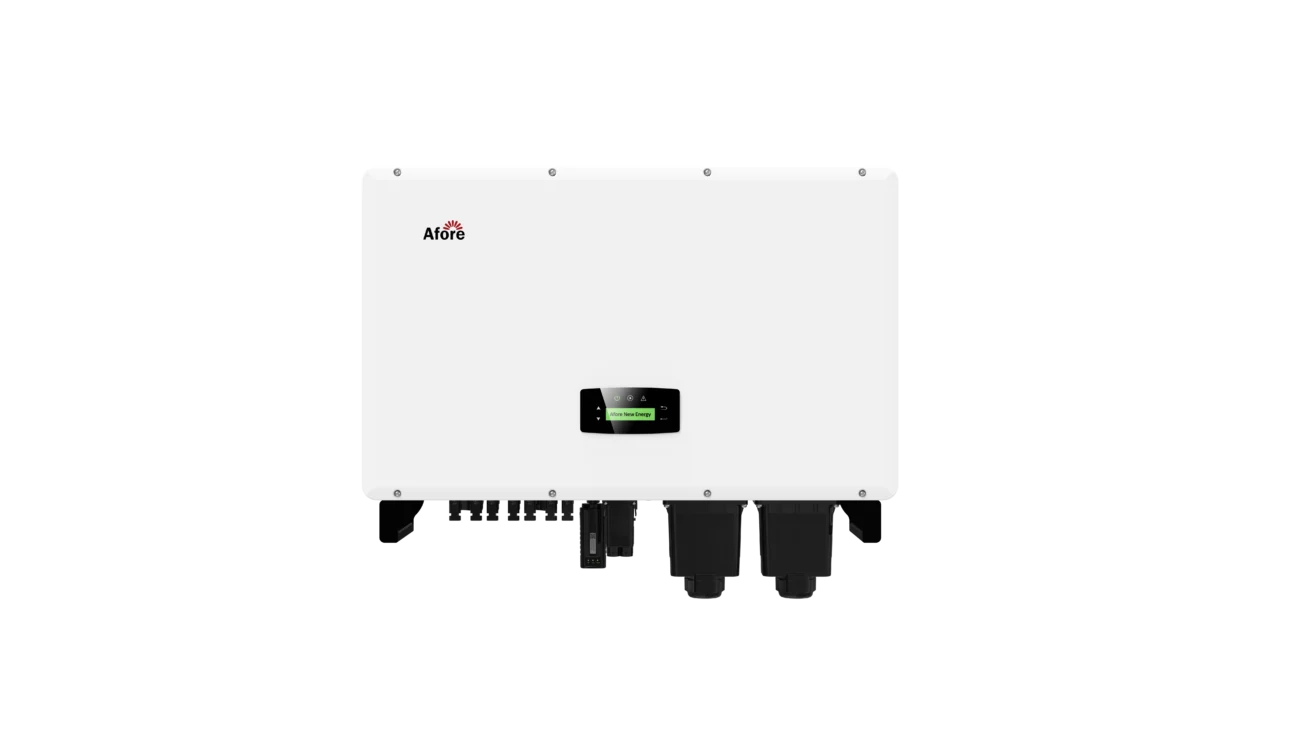
If you’ve ever dealt with unexpected outages or utility rate spikes, you know how powerless it feels — literally and financially.
A lithium battery storage system gives you:
Pair it with a solid solar inverter, and your home can operate like a self-sustaining island.
Even though the upfront cost can feel intimidating, the savings accumulate year after year. A lithium battery storage system lets you store cheap solar power and use it when rates are high.
For most households, time-of-use billing is the silent wallet killer. But with a good storage system, you barely notice it.
When people first hear the term “battery system,” they imagine buzzing, clunky machines. In reality, a modern lithium battery storage system is quiet, compact, and hardly needs attention.
Think of it as a dependable roommate who never makes noise, never leaves a mess, and quietly saves you money.
Even the most eager homeowners can stumble when setting up a lithium battery storage system for the first time. And honestly, it’s not their fault — the world of home energy management can feel like learning a new language overnight. I’ve seen people make the same handful of mistakes again and again, not because they’re careless, but because nobody warned them about the little details that matter.
So instead of letting you learn the hard way, here’s a clear look at the most common pitfalls and how to avoid them. Think of this as advice from someone who has already tripped over every energy-related obstacle so you don’t have to.
One of the biggest and most unexpected issues first-time users face is compatibility between the lithium battery storage system and the inversor solar. These two components rely on each other constantly. When they’re mismatched, your system will struggle — sometimes subtly, sometimes dramatically.
Here’s what can go wrong:
You can think of the battery and inverter like dance partners. If one moves too fast, too slow, or out of sync, the whole performance falls apart.
Cómo evitarlo:
Before installing anything, make sure voltage levels, communication protocols, and power ratings align. A well-matched inverter doesn’t just help the battery; it improves your entire home’s energy efficiency.
It’s surprisingly common for people to install their lithium battery storage system in the first open spot they find — a hot shed, a cramped closet, or directly under harsh sunlight.
While lithium batteries are known for stability, they still need an environment that supports long-term performance.
If the location is too hot, too humid, or poorly ventilated, you may see:
Cómo evitarlo:
Choose a cool, dry, shaded area with steady airflow. Nothing fancy — just a place where temperature doesn’t swing wildly and moisture stays low. A thoughtful location alone can add years to your battery’s life.
This is a mistake almost everyone makes at first. You get excited about energy independence and start imagining your entire house running off a single sleek lithium battery storage system. Then reality sets in.
Your home may have:
A single battery might handle essentials easily, but whole-home operation is a different story.
Cómo evitarlo:
Be realistic. Decide whether you want backup for essentials or full-home coverage. You can always expand later — the beauty of a lithium battery storage system is how modular it can be.
Many first-time users design their system only for their current lifestyle. But energy habits evolve. You may add a home office, install new appliances, or even adopt an electric vehicle. Suddenly, the once-perfect battery setup feels too small.
Cómo evitarlo:
When planning your lithium battery storage system, think at least five years ahead. Choose a setup that allows additional capacity, extra charging inputs, or new circuits if your needs grow.
Some homeowners treat their battery as a backup system only, then wonder why they aren’t saving money. Others cycle their battery excessively without realizing their grid setup isn’t optimized for that purpose.
Your goals should determine how you operate your system:
Misusing a system designed for one purpose can shorten battery life or limit performance.
Cómo evitarlo:
Match your usage mode to your real goals. Configure your lithium battery storage system through the solar inverter to prioritize savings, backup, or both.
Energy storage isn’t just about capacity — it’s also about how quickly the system can deliver power. Some appliances, especially anything with a motor or compressor, have high startup surges. If your battery’s output rating isn’t prepared for that, you’ll get flickers, shutdowns, or limitations.
Cómo evitarlo:
Check the continuous and peak output ratings of your lithium battery storage system. Make sure they align with the loads you plan to run, especially during emergencies.
A surprising number of people install their systems and simply hope the default settings are correct. While lithium storage is forgiving, incorrect configurations can result in:
Cómo evitarlo:
Even if you’re comfortable with DIY projects, consider having your system checked by a professional. The right configuration ensures your lithium battery storage system performs exactly the way you intend.
A modern energy storage setup doesn’t require constant attention, but it does benefit from an occasional check-in. A lot can change without you noticing — seasonal sunlight shifts, heavier household usage, or settings that need adjusting.
When users never monitor their system, small issues can grow into larger ones.
Cómo evitarlo:
Take a few minutes each month to look at your system’s metrics. Check battery health, charging cycles, discharge levels, and your solar inverter output. You’ll catch small deviations before they become headaches.
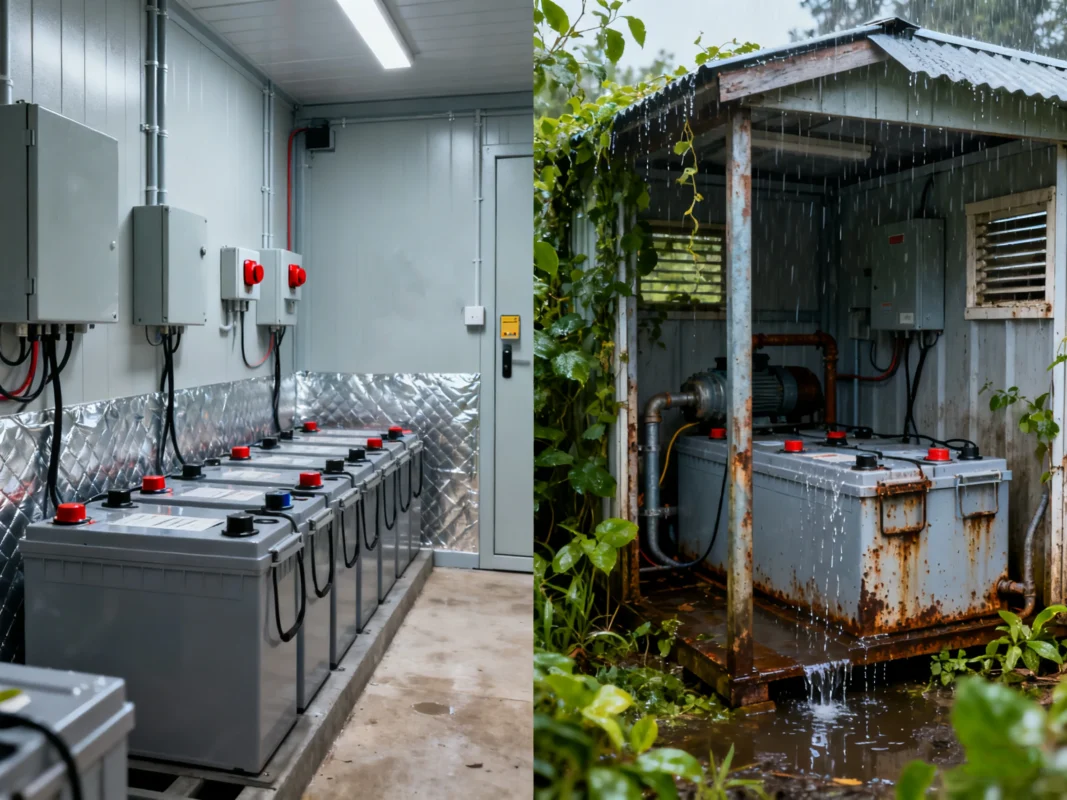
Lithium cells love moderate temperatures. Too hot or too cold, and you lose efficiency.
Installing your lithium battery storage system in a shaded, climate-stable place is an easy win.
Even though lithium allows deep discharge, it’s still healthier not to drain it to zero every time. Cycling between 20% and 80% significantly prolongs life.
A small check-in every few weeks helps you detect issues early. Many homes pair their lithium battery storage system with a smart monitoring setup calibrated through the solar inverter.
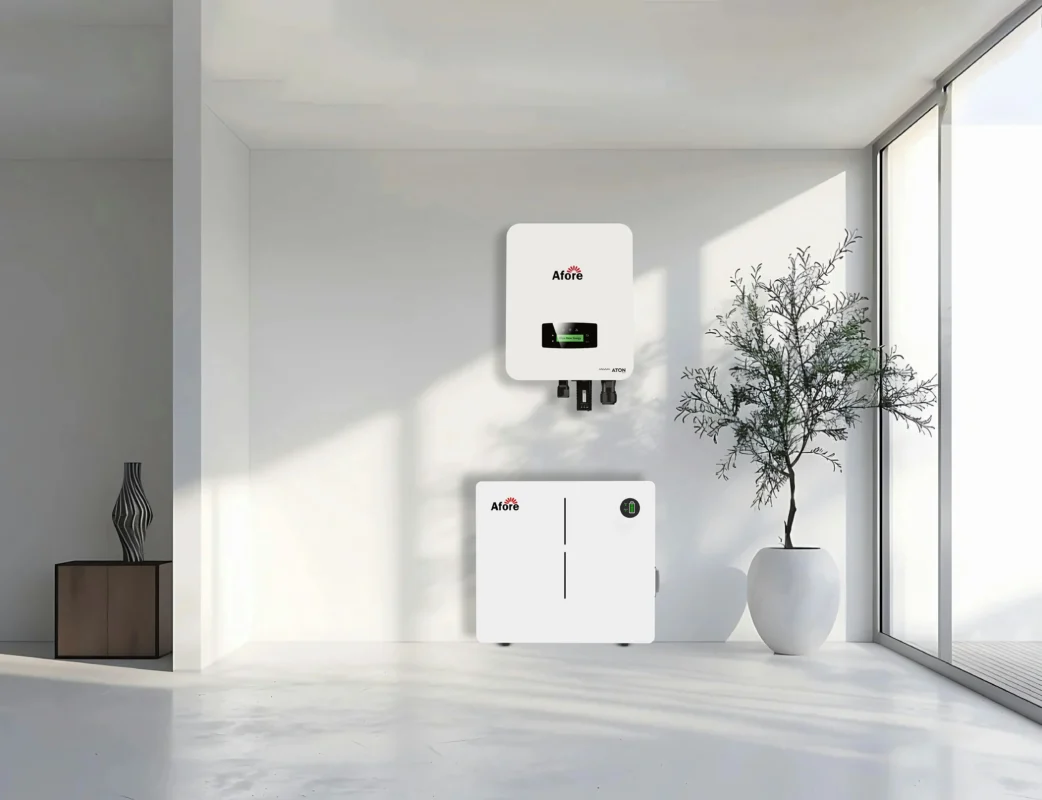
A well-maintained lithium battery storage system usually lasts between 10 and 15 years, sometimes even longer under mild cycling conditions. Actual lifespan depends on how often the battery cycles, how deeply it’s discharged, and the temperature of the environment where it’s installed. Think of it like a car — gentle driving extends its life; extreme conditions shorten it.
Yes, you can. A lithium battery storage system can store energy from the grid, allowing you to use it later during peak pricing periods or outages. That said, pairing the system with a solar inverter and panels unlocks the real potential — daily renewable charging, long-term savings, and greater energy independence.
Very little. That’s one of the biggest advantages. Most homeowners simply monitor performance through their inverter interface and check the system visually every once in a while. As long as the lithium battery storage system remains in a stable, ventilated location, maintenance is minimal.
That depends on the size of your system. A smaller setup can support essentials like lights, outlets, routers, and refrigeration. Larger setups can run major appliances or even your entire home. The key is selecting a lithium battery storage system with the right capacity and knowing which circuits you want backed up.
In most cases, yes. By storing low-cost solar or off-peak electricity and using it during expensive hours, a lithium battery storage system reduces your reliance on high-rate grid power. Over time, those savings accumulate — especially in regions with time-of-use billing.
Instantly. A properly configured lithium battery storage system switches over within a fraction of a second. You may not even notice the transition. Homes with sensitive electronics or people working from home appreciate this reliability because it prevents sudden shutdowns.
Absolutely. Lithium technology prefers moderate conditions. Extreme heat or cold can impact capacity and efficiency. Installing your lithium battery storage system in a shaded, climate-stable location ensures consistent performance and a longer lifespan.
There’s no universal number. It depends on your energy goals — whether you want backup power, daily cycling, or full off-grid capability. A modest setup may use one unit, while a whole-home system may require several. Start by evaluating your nighttime or outage-essential consumption, then size your lithium battery storage system accordingly.
Yes, and this is one of the biggest advantages of lithium storage. Most systems are modular, meaning you can add additional batteries as your needs grow — whether that’s a new home office, more appliances, or a larger solar array feeding into your solar inverter.
Stored energy (capacity) determines how long the battery can power your home.
Peak power (output) determines how much it can run at once.
For example, a lithium battery storage system might have plenty of stored energy but struggle to start a large appliance if the output rating is too low. When planning a system, make sure both numbers match your expectations.
Yes, as long as the space is well-ventilated, dry, and protected from extreme temperatures. Lithium chemistry is known for its stability, and modern systems have built-in protections for temperature, voltage, and current. Many people install them in garages, utility rooms, or covered outdoor spaces.
Compatibility comes down to communication protocols, voltage ranges, and charge-control capabilities. While many setups work smoothly with standard equipment, it’s always smart to confirm before installation. A compatible solar inverter ensures faster charging, efficient power flow, and better long-term performance.