




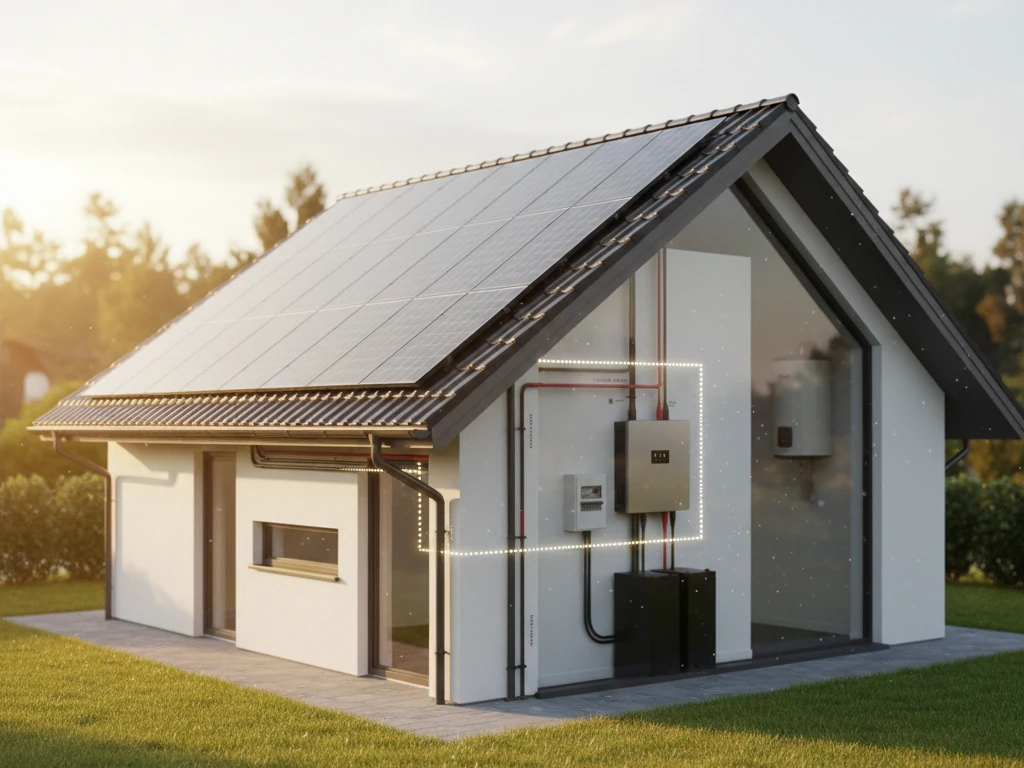
Si vous avez déjà regardé votre facture d'électricité et que vous vous êtes demandé s'il n'y avait pas un meilleur moyen de faire fonctionner ma maison, vous n'êtes pas le seul. De plus en plus de propriétaires et de petites entreprises se tournent vers l'indépendance énergétique, la sécurité et la fiabilité. onduleur hybride basse tension est sous les feux de la rampe.
Ce guide présente tout ce que vous avez toujours voulu savoir sur ce puissant élément de technologie solaire. Je vous expliquerai ce que c'est, comment ça marche, pourquoi les gens ne jurent que par ça, et si c'est la bonne solution pour vous. Nous parlerons de scénarios réels, des avantages et des inconvénients candides, et de ce que la plupart des gens comprennent mal au sujet des systèmes hybrides.
Avant d'aller plus loin, clarifions les bases.
Un onduleur hybride basse tension est un dispositif qui gère l'énergie provenant de vos panneaux solaires, de vos batteries et du réseau électrique. Il se distingue par l'utilisation d'une tension de batterie basse, ce qui le rend souvent plus sûr, plus efficace dans certaines configurations et plus facile à entretenir. Et comme il s'agit d'un onduleur hybride, il peut jongler avec l'énergie solaire et le stockage sur batterie comme un artiste chevronné.
Un onduleur solaire traditionnel convertit simplement le courant continu de vos panneaux en courant alternatif pour votre maison. Mais un onduleur hybride, en particulier un onduleur hybride basse tension, assume bien plus de responsabilités :
Considérez-le comme le “cerveau intelligent” de votre système d'énergie solaire.
Lorsque la plupart des gens commencent à explorer les installations solaires, ils se concentrent sur des éléments tels que la puissance du panneau ou la taille de la batterie. La tension, en particulier la basse tension, reste généralement en arrière-plan, presque ignorée. Pourtant, si vous parlez à des installateurs, à des passionnés de l'énergie hors réseau ou à toute personne ayant vécu suffisamment longtemps avec l'énergie solaire pour tirer les leçons de quelques erreurs, ils vous diront que la tension de votre système influe sur tous les aspects, de la sécurité à la flexibilité. C'est exactement la raison pour laquelle comprendre l'importance d'un onduleur hybride basse tension est bien plus important que vous ne le pensez.
La basse tension n'est pas seulement un détail technique, c'est un choix de conception qui rend l'ensemble de votre système énergétique plus facile à vivre et plus fiable, en particulier si vous construisez une installation solaire de petite ou moyenne taille. Associé à des panneaux solaires et à un système de stockage adapté, un onduleur hybride basse tension devient le cœur régulier d'un système conçu pour durer des années, et pas seulement une saison.
Nous allons examiner de plus près les raisons réelles et pratiques pour lesquelles la basse tension peut être une solution plus intelligente pour les utilisateurs quotidiens, et pas seulement pour les experts en électricité.
La sécurité est souvent négligée jusqu'à ce qu'un problème survienne. Mais la basse tension change la donne dès le départ.
Un onduleur hybride basse tension fonctionne à un niveau électrique plus convivial, ce qui réduit le risque généralement associé aux batteries haute tension. Pour les propriétaires qui veulent avoir l'esprit tranquille - et pour les électriciens qui veulent des systèmes qui ne donnent pas l'impression de lutter contre la foudre - les systèmes à basse tension offrent un avantage significatif.
Cela ne veut pas dire que vous devez vous lancer dans des travaux de bricolage risqués, mais cela signifie que votre installateur peut travailler en toute confiance, que vos contrôles d'entretien sont moins stressants et que votre système dans son ensemble comporte moins de risques cachés. À long terme, ce sentiment de sécurité vaut son pesant de kilowattheures stockés.
Si vous vivez dans une région où les pannes d'électricité sont fréquentes - tempêtes, vieillissement des lignes du réseau, saisons imprévisibles - vous savez déjà à quel point il est difficile de compter uniquement sur le réseau. C'est là que les atouts d'un onduleur hybride basse tension deviennent évidents.
Les systèmes à basse tension ont tendance à être plus indulgents. Ils assurent la transition entre la batterie, l'énergie solaire et l'alimentation du réseau en douceur et de manière prévisible, vous offrant ainsi un flux d'énergie stable lorsque vous en avez le plus besoin. Si vous alimentez une cabane, un atelier ou une maison qui a besoin d'une alimentation de secours fiable, la basse tension vous offre une grande polyvalence sans nécessiter d'équipement spécialisé.
Et lorsque les lumières vacillent soudainement ou que le vent hurle plus fort que d'habitude ? Un onduleur hybride basse tension assure le fonctionnement de vos appareils essentiels (éclairage, réfrigération, communications) sans problème et sans délai.
Tout le monde ne cherche pas à alimenter un manoir ou une installation industrielle. Nombreux sont ceux qui souhaitent un système solaire simple et élégant, adapté à un budget modeste et aux besoins quotidiens.
C'est précisément là qu'un onduleur hybride basse tension se distingue.
La basse tension s'associe naturellement aux panneaux solaires de petite et moyenne taille, car le système n'a pas besoin de batteries haute tension ni de câblage complexe pour fonctionner correctement. C'est une solution idéale pour les propriétaires qui se lancent dans l'énergie solaire pour la première fois, ou pour les utilisateurs chevronnés qui passent d'un onduleur solaire de base à un onduleur plus intelligent.
Vous n'avez pas besoin d'une installation solaire géante ou d'une batterie massive. Un système basse tension grandit avec vous, s'adapte confortablement et donne rarement l'impression d'être surdimensionné ou sous-puissant. C'est la zone Boucles d'or, qui convient parfaitement à la majorité des utilisateurs du monde réel.
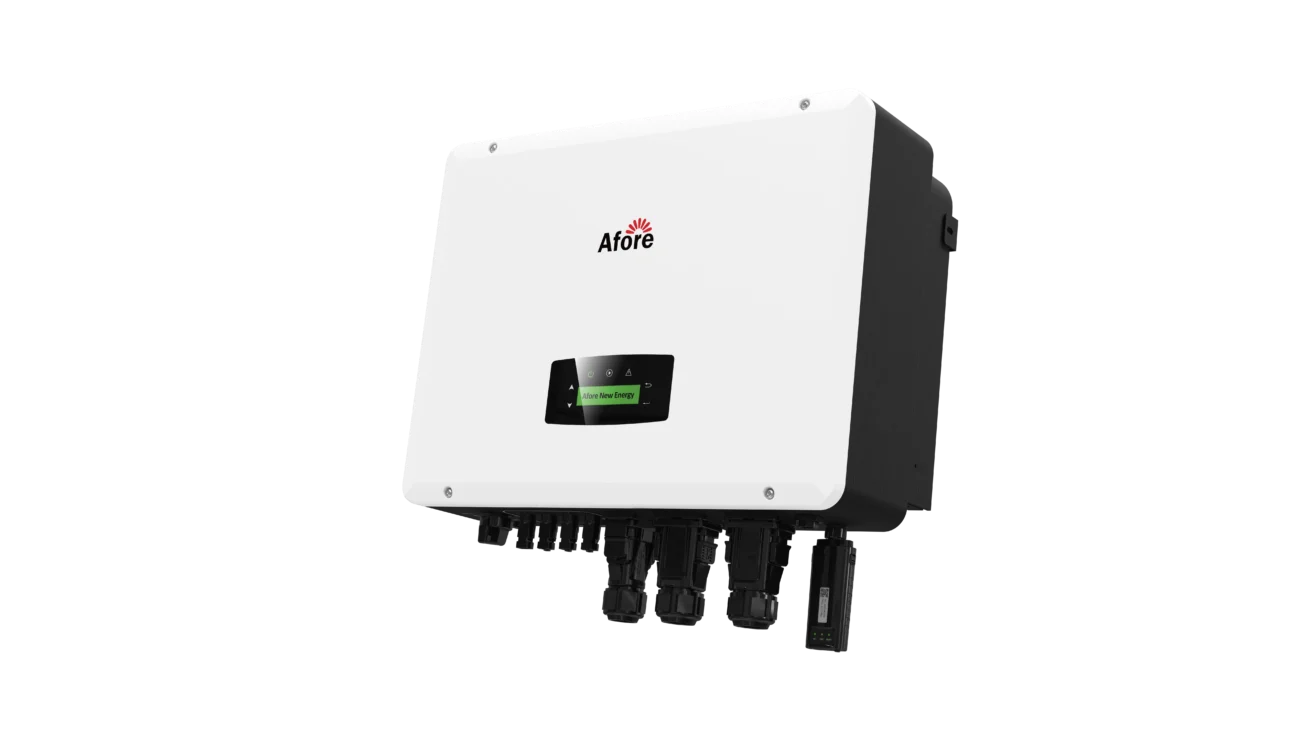
Voyons ce qu'il en est de manière pratique et concrète.
Imaginez un après-midi ensoleillé. Vos panneaux absorbent la lumière du soleil et alimentent l'onduleur hybride basse tension. Voici ce qu'il fait en coulisses :
Un onduleur solaire traditionnel ne peut pas faire tout ce travail multitâche. Un onduleur hybride ressemble davantage à un chef d'orchestre qui dirige une symphonie : il est souple, intentionnel et s'adapte en permanence.
Le choix d'un onduleur hybride basse tension ne se limite pas à l'achat du premier modèle promettant quelques kilowatts de puissance. Cet appareil devient le centre de commande de toute votre installation solaire - votre gestionnaire d'énergie, votre contrôleur de trafic énergétique et votre coordinateur de secours d'urgence, le tout en un seul appareil. Il mérite donc la même attention que celle que vous portez au choix du moteur de votre voiture ou des fondations de votre maison.
Un onduleur hybride basse tension bien conçu peut améliorer l'efficacité, la fiabilité et les performances globales de votre système solaire. Un onduleur mal choisi peut l'entraver pendant des années. Vous trouverez ci-dessous les caractéristiques essentielles qui font la différence dans l'utilisation quotidienne, que votre objectif soit d'économiser de l'argent, de rester protégé pendant les pannes ou de maximiser votre récolte solaire.
Un système flexible est un système puissant. Un bon onduleur hybride basse tension doit offrir plusieurs modes de fonctionnement qui correspondent à votre routine quotidienne et à vos objectifs énergétiques.
Les modes couramment utilisés sont les suivants :
Ces modes ne sont pas de simples options de menu : ils influencent directement l'efficacité à long terme de votre système et vos coûts d'utilisation mensuels. Plus votre onduleur hybride basse tension vous donne de contrôle, plus vous pouvez façonner efficacement vos habitudes énergétiques.
De nombreux appareils ménagers, des réfrigérateurs aux ordinateurs, préfèrent une électricité propre et stable. C'est là que la production d'ondes sinusoïdales pures devient non négociable.
Un onduleur hybride basse tension à onde sinusoïdale pure délivre un courant alternatif similaire à celui que vous attendez du réseau électrique, mais plus doux pour les appareils électroniques sensibles. Vous remarquerez des moteurs plus silencieux, des performances plus fluides et moins de bourdonnements ou de scintillements étranges provenant d'appareils qui ne réagissent pas bien aux formes d'ondes dures ou “hachées”.
En bref, vos appareils vous remercieront. Et votre système fonctionnera avec moins de problèmes.
En matière de stockage solaire, chacun a des besoins différents. Certains préfèrent les batteries au lithium basse tension pour leur stabilité et leur efficacité, tandis que d'autres veulent avoir la possibilité d'associer différentes chimies en fonction de leur budget ou de leur disponibilité.
Un onduleur hybride basse tension fiable doit prendre en charge une large gamme de types de batteries basse tension afin de ne pas vous enfermer dans une configuration unique. Cette flexibilité est particulièrement importante si vous envisagez d'étendre votre parc de batteries ou d'augmenter sa capacité à l'avenir.
Pensez-y comme une protection de votre investissement pour l'avenir. Même si vous ne connaissez pas encore vos projets solaires à long terme, votre onduleur doit être capable de s'adapter lorsque vous les connaîtrez.
L'une des meilleures améliorations de la technologie solaire moderne est la surveillance en temps réel. Un onduleur hybride basse tension performant vous donnera une vision claire du rythme quotidien de votre système.
Un bon logiciel de surveillance vous permet d'effectuer un suivi :
Le fait de pouvoir jeter un coup d'œil à votre téléphone ou à un écran de contrôle et de comprendre instantanément comment l'énergie circule dans votre maison est une source d'inspiration. Cela vous aide également à identifier des schémas : peut-être que votre batterie se vide plus vite que prévu la nuit, ou que votre consommation le week-end est plus élevée qu'en semaine.
Il ne s'agit pas seulement d'une question de commodité - il s'agit de prendre des décisions éclairées qui optimisent les performances et la durée de vie de votre système.
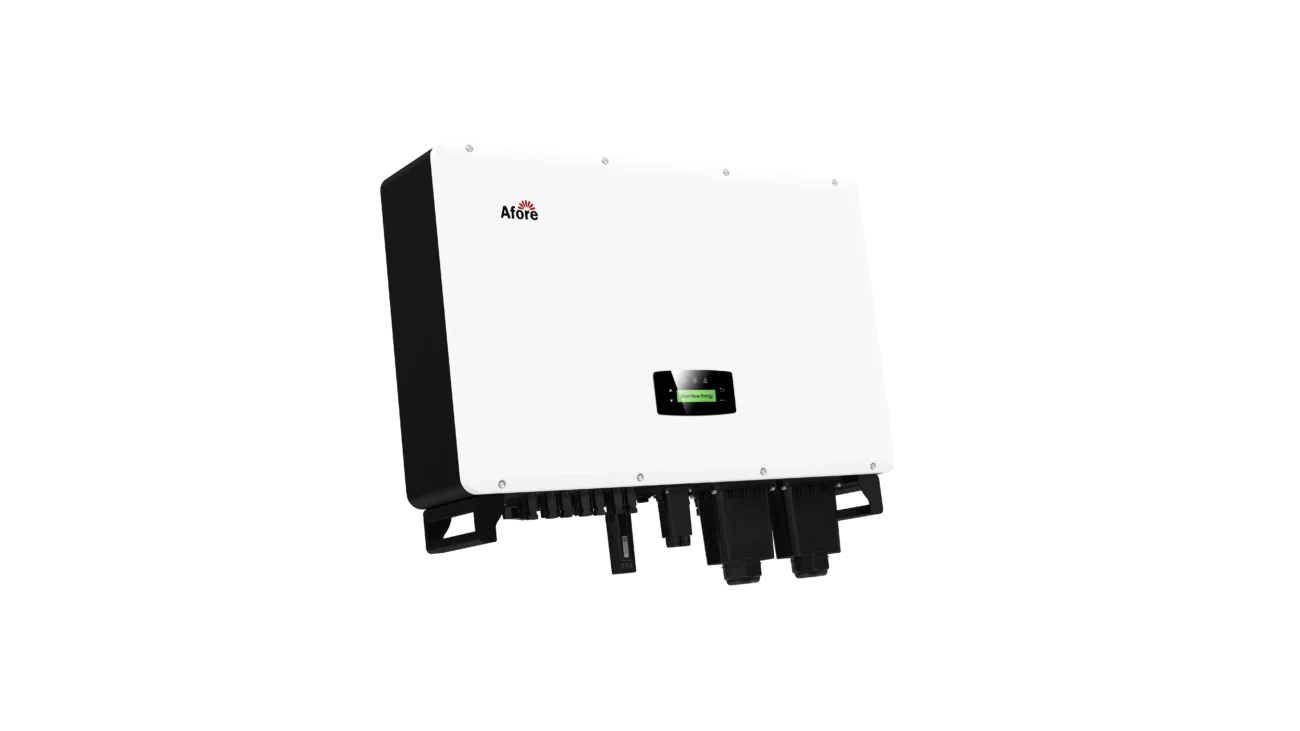
Les pannes étant de plus en plus fréquentes dans de nombreuses régions, les propriétaires veulent un système auquel ils peuvent faire confiance. Un onduleur hybride basse tension assure le fonctionnement de vos appareils essentiels, même pendant les longues pannes nocturnes.
Les systèmes à basse tension coûtent souvent moins cher au départ que les systèmes à haute tension. Cela rend le stockage solaire plus accessible aux familles moyennes.
Comme les batteries basse tension subissent moins de contraintes électriques, l'ensemble du système peut durer plus longtemps avec une utilisation réfléchie.
Si vous vivez dans une zone rurale ou hors réseau, un onduleur hybride basse tension offre une installation simple et un fonctionnement quotidien fiable.
Rendons les choses plus réalistes avec des scénarios réels - pas de marques, juste des situations que j'ai vues personnellement.
Une famille vivant dans une région sujette aux tempêtes a installé un onduleur hybride basse tension pour faire fonctionner les appareils essentiels - réfrigérateur, lumières, WiFi et un ventilateur. Pendant les pannes, leur maison remarque à peine l'interrupteur.
Une cabane dans les bois sans accès au réseau électrique s'appuie entièrement sur des panneaux solaires, un parc de batteries et un onduleur hybride basse tension. Il alimente la cabane tout au long de l'année, sans bruit, sans fumées et sans la frustration d'un générateur.
Un atelier a utilisé un onduleur hybride basse tension pour réduire les coûts d'électricité aux heures de pointe. En utilisant l'énergie stockée dans les batteries pendant les heures coûteuses, ils ont considérablement réduit leurs factures.
Lorsque l'on plonge pour la première fois dans le monde de l'énergie solaire, chaque appareil semble promettre “la meilleure performance” ou “la solution la plus intelligente”. Mais la vraie question est simple : Comment un onduleur hybride basse tension se situe-t-il par rapport à d'autres systèmes d'onduleurs ?
Cette comparaison est plus importante que la plupart des gens ne le pensent. L'onduleur que vous choisissez détermine la manière dont votre énergie circule, la fiabilité de votre alimentation de secours et l'efficacité de l'ensemble de votre système. C'est la différence entre une expérience solaire fluide et prévisible et une expérience remplie de limites, de stress ou de coûts inutiles.
Ci-dessous, nous examinerons de manière pratique comment un onduleur hybride basse tension se compare à d'autres systèmes courants. Il ne s'agit pas de se vanter sur le plan technique, mais de choisir le système qui correspond à votre mode de vie, à vos objectifs énergétiques et aux réalités de votre maison.
À première vue, il est facile de supposer que “haute tension” signifie automatiquement “meilleure”. Mais l'énergie solaire ne fonctionne pas de cette manière. Les deux approches présentent des avantages, et la véritable différence réside dans l'utilisation que vous prévoyez de faire de votre système.
Les systèmes hybrides à haute tension offrent généralement
Cependant, ils nécessitent également un câblage plus complexe, des tolérances d'installation plus strictes et des considérations de sécurité supplémentaires. Les systèmes à haute tension ne sont pas toujours adaptés aux débutants : ils exigent une installation précise et une surveillance professionnelle régulière.
En revanche, un onduleur hybride basse tension offre une expérience plus accessible :
Dans le monde réel, les systèmes hybrides haute tension brillent dans les applications à grande échelle, tandis qu'un onduleur hybride basse tension semble taillé sur mesure pour les utilisateurs quotidiens qui recherchent la fiabilité, la flexibilité et la tranquillité d'esprit.
Si vous n'avez jamais vu qu'un onduleur solaire, mais vous ne savez peut-être pas à quel point un système hybride est différent. Un onduleur solaire n'a qu'une seule fonction : convertir le courant continu de vos panneaux en courant alternatif pour votre maison. Il ne peut pas stocker l'énergie et s'arrête lorsque le réseau est hors service.
Un onduleur hybride basse tension joue cependant un rôle beaucoup plus important :
Ce dernier point est essentiel. Un onduleur hybride ne se contente pas de convertir l'énergie, il l'optimise. Il constitue le centre stratégique de votre système énergétique domestique.
Si vous souhaitez bénéficier de l'énergie solaire uniquement lorsque le soleil brille, un simple onduleur solaire peut suffire. Mais si vous voulez de la résilience, des économies à long terme ou la possibilité de garder vos lumières allumées pendant une panne, un onduleur hybride basse tension est dans une toute autre catégorie.
La plupart des ménages n'ont pas besoin de systèmes de batteries à l'échelle industrielle. Ils n'ont pas besoin de taux de charge très élevés ou d'un câblage haute tension compliqué. Ils ont besoin d'un système qui fonctionne de manière efficace, sûre et prévisible, et qui ne donne pas l'impression d'être propriétaire d'une expérience scientifique.
Un onduleur hybride basse tension permet d'atteindre cet équilibre de manière optimale :
Le véritable avantage réside dans le fait que les systèmes à basse tension sont faciles d'accès. Il n'est pas nécessaire d'avoir un diplôme d'ingénieur pour comprendre leur fonctionnement ou leur entretien. Et pour la plupart des gens, c'est exactement ce qui rend l'énergie solaire durable - pas seulement les panneaux, mais la simplicité de l'expérience.

Pas du tout. La basse tension n'a rien à voir avec la puissance de sortie. De nombreux modèles d'onduleurs hybrides à basse tension ont une puissance bien supérieure à leur poids.
Encore une fois, c'est une erreur. Même quelques panneaux et une batterie modeste peuvent fonctionner à merveille avec un onduleur hybride basse tension.
En fait, de nombreux utilisateurs affirment que les onduleurs hybrides simplifient leur parcours solaire, surtout par rapport au fait de devoir jongler avec des onduleurs et des chargeurs séparés.
Conservez votre onduleur hybride basse tension dans un endroit frais, sec et ventilé. Traitez-le comme un outil précieux : il a besoin d'air frais et de stabilité.
Un bon onduleur ne peut fonctionner que dans la mesure où les batteries qui l'alimentent sont performantes. Les batteries au lithium basse tension sont largement plébiscitées.
Même si vous êtes habile avec les outils, faites appel à un installateur agréé pour éviter des erreurs coûteuses.
Votre onduleur hybride basse tension ne demande pas grand-chose, juste un peu d'amour.
Un chiffon doux suffit. Évitez l'humidité.
Les fils lâches réduisent l'efficacité. Une inspection rapide peut s'avérer très utile.
De nombreux appareils modernes permettent des mises à jour qui améliorent les performances ou ajoutent de nouvelles fonctionnalités.
Vous êtes un excellent candidat si :
Un onduleur hybride basse tension évolue avec vous, ce qu'un onduleur solaire de base ne peut tout simplement pas faire.

Si vous êtes à la recherche d'un moyen intelligent, flexible et économique de mieux contrôler votre consommation d'énergie, un onduleur hybride basse tension pourrait être l'une des meilleures décisions que vous prendrez cette année. Il vous apporte la tranquillité d'esprit en cas de panne, réduit vos factures et vous donne la liberté de construire votre système à votre propre rythme.
Un onduleur solaire classique a une tâche essentielle : convertir le courant continu de vos panneaux en courant alternatif pour votre maison. C'est tout.
Un onduleur hybride basse tension va cependant plus loin. Il fonctionne simultanément avec les panneaux solaires, les batteries et le réseau. Il gère les flux d'énergie, stocke l'électricité pour la nuit et fait fonctionner les appareils essentiels en cas de panne. En d'autres termes, il se comporte comme le “coordinateur énergétique” de votre maison, et non comme un simple convertisseur.
Oui, absolument. De nombreuses installations hors réseau s'appuient sur des batteries basse tension parce qu'elles sont prévisibles, sûres et faciles à entretenir. Associez-les à un onduleur hybride basse tension et vous obtenez un système flexible capable d'alimenter l'éclairage, les appareils électroménagers, les outils et même de petits ateliers s'ils sont correctement dimensionnés. Il s'agit d'un choix solide pour les cabanes, les propriétés isolées ou toute personne cherchant à s'affranchir du réseau électrique.
Pas du tout. Le niveau de tension ne détermine pas la puissance que l'onduleur peut fournir. La capacité de sortie dépend de la conception et de la puissance de l'onduleur hybride basse tension lui-même. De nombreux systèmes basse tension peuvent gérer des charges domestiques importantes s'ils sont configurés correctement. La basse tension affecte simplement la compatibilité avec les batteries, et non l'intensité des performances.
En général, oui. Plus la tension continue est faible, moins il y a de risques électriques lors de l'installation et de la maintenance. L'onduleur hybride basse tension est donc intéressant pour les propriétaires qui veulent avoir l'esprit tranquille et pour les installateurs qui préfèrent des conditions de travail plus sûres. La sécurité ne signifie pas que vous ignorez les bonnes pratiques, mais elle réduit certainement les risques associés aux bancs de batteries à tension plus élevée.
La plupart des utilisateurs peuvent se développer facilement. Que vous souhaitiez ajouter des panneaux solaires, une capacité de batterie ou des charges supplémentaires, un onduleur hybride basse tension offre généralement cette flexibilité. L'extension est l'un des principaux avantages de la basse tension : vous pouvez faire évoluer votre système en fonction de votre budget et de l'évolution de vos besoins énergétiques.
La durée de vie des piles varie en fonction de l'utilisation, de la profondeur de décharge, de la température et de l'entretien général. Cependant, les batteries lithium basse tension offrent souvent une excellente longévité car elles sont conçues pour fonctionner confortablement dans des paramètres sûrs. Les associer à un onduleur hybride basse tension intelligent permet de maintenir des cycles stables et de prolonger leur durée de vie.
Oui, la plupart d'entre eux le peuvent. Les panneaux solaires standard fonctionnent bien avec des batteries basse tension, à condition que les spécifications d'entrée de l'onduleur correspondent à la configuration du réseau. Un onduleur hybride basse tension accepte généralement une large gamme de tensions photovoltaïques, ce qui le rend compatible avec la plupart des configurations de panneaux courantes.
C'est possible, et de manière significative. En donnant la priorité à l'énergie solaire et en stockant l'énergie excédentaire pour l'utiliser le soir, de nombreux ménages constatent une réduction notable de leurs frais de service public. L'utilisation de l'énergie stockée dans la batterie pendant les heures de pointe amplifie les économies. Un onduleur hybride basse tension permet ce type de gestion stratégique de l'énergie, ce qu'un onduleur solaire standard ne peut pas faire.
Oui, c'est l'un de ses principaux avantages. En cas de défaillance du réseau électrique, un onduleur hybride basse tension bascule automatiquement sur la batterie stockée et maintient les circuits essentiels en vie. Un onduleur solaire traditionnel doit s'arrêter pour des raisons de sécurité, ce qui signifie qu'il ne vous sera d'aucune utilité en cas de panne de courant.
Pas nécessairement. De nombreux utilisateurs estiment que leur installation solaire et de stockage fournit plus qu'assez d'énergie de secours pour les besoins quotidiens. Toutefois, dans les régions où les coupures sont extrêmement longues ou où la demande d'énergie est très forte, un groupe électrogène peut s'avérer un outil complémentaire. Pour la plupart des ménages, cependant, une installation hybride à onduleur basse tension bien conçue suffit pour assurer le confort et la sécurité.
Étonnamment, non. La plupart des systèmes comprennent des affichages intuitifs ou une surveillance basée sur une application qui indique la production solaire, l'état de la batterie et le flux d'énergie en temps réel. Une fois que vous avez compris les principes de base, il est presque facile de vivre avec un onduleur hybride basse tension. Il travaille tranquillement en arrière-plan pendant que vous profitez des avantages.
Oui, c'est exactement ce pour quoi il a été conçu. Un onduleur hybride basse tension s'associe naturellement à des batteries basse tension au lithium ou similaires, offrant une charge stable, des niveaux de tension sûrs et des schémas de décharge fiables.








 Turkish
  Romanian