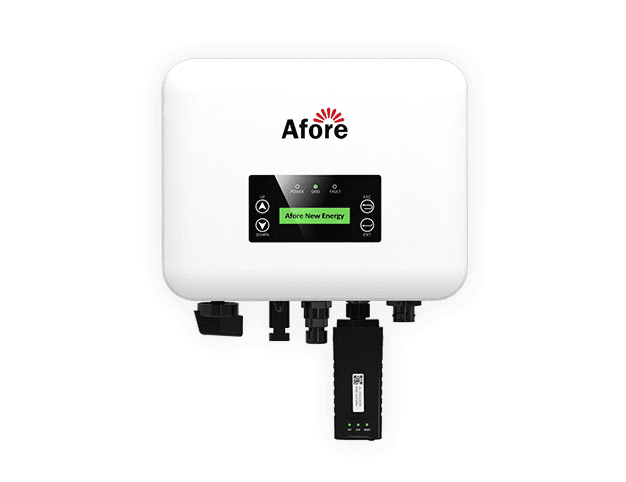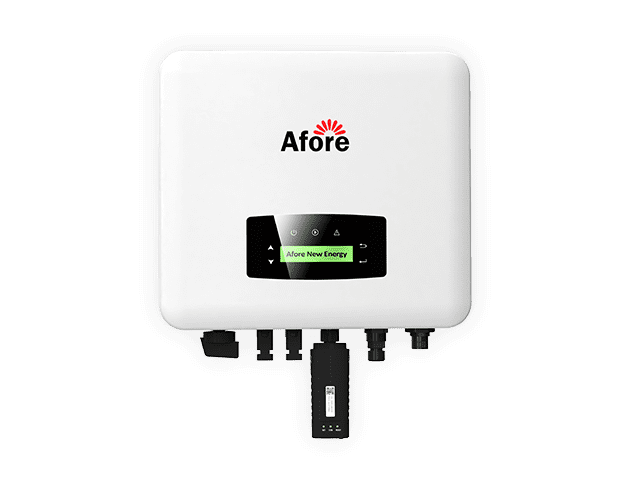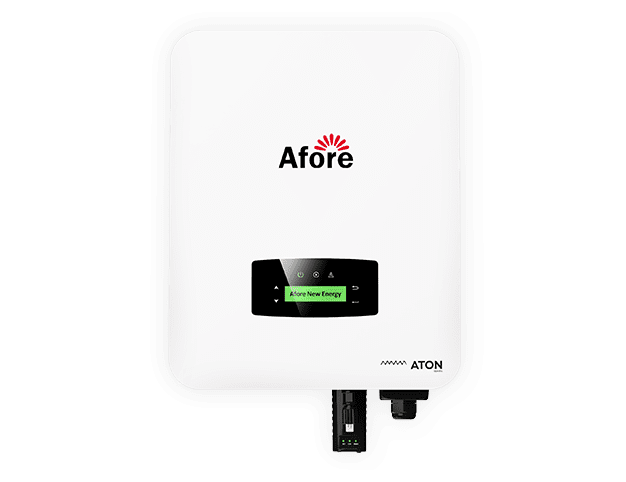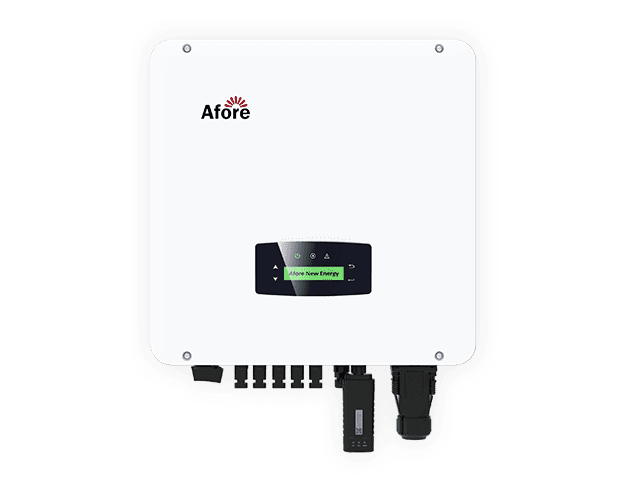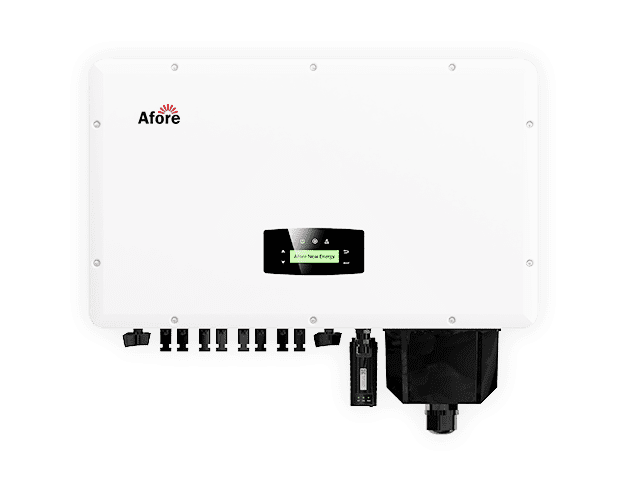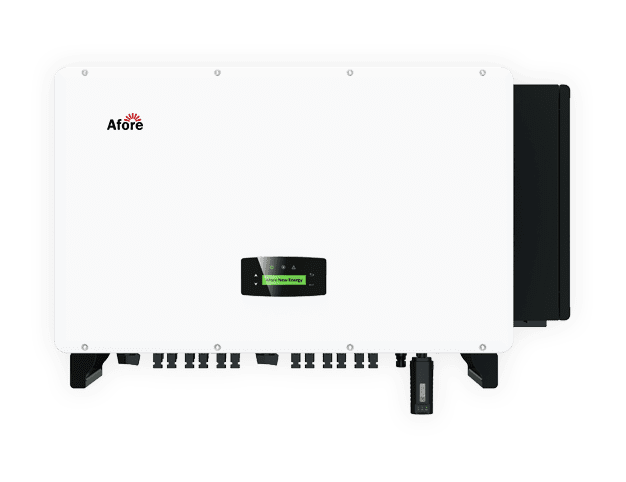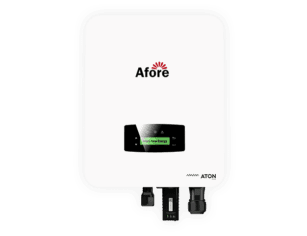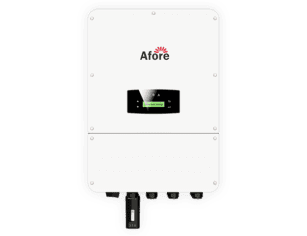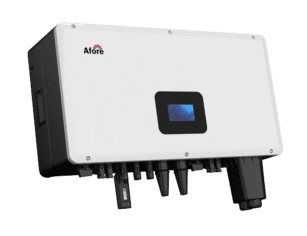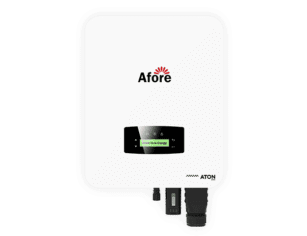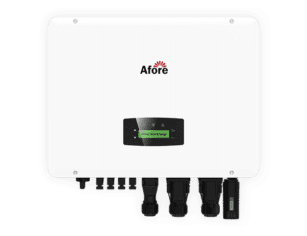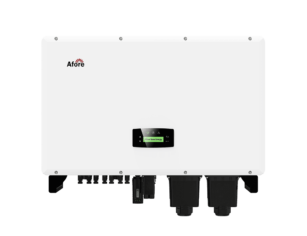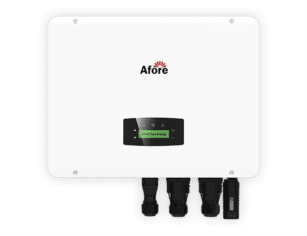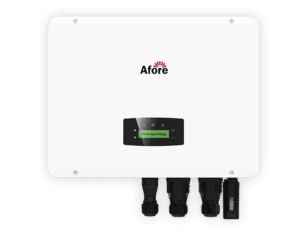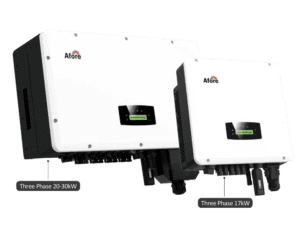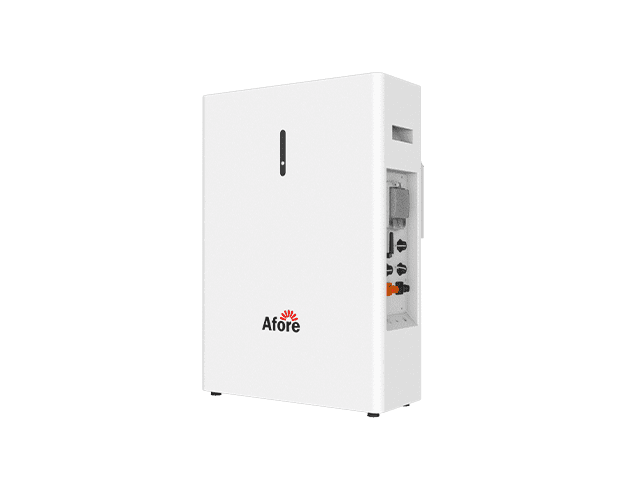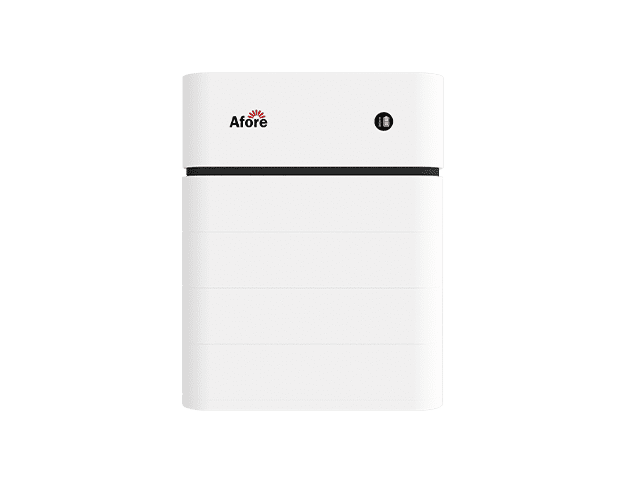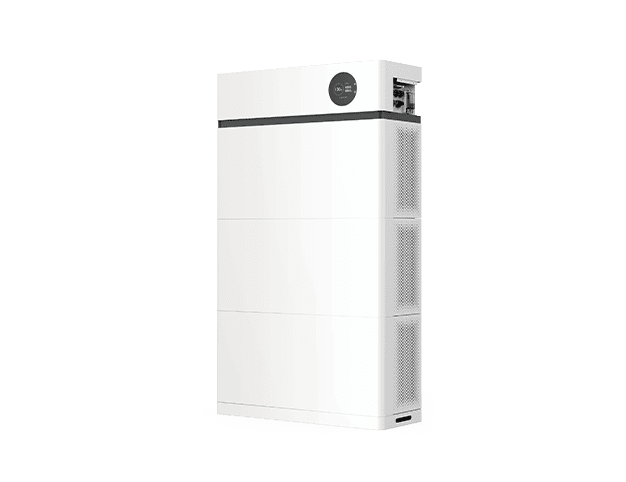




If you’ve ever looked at your rising energy bill and thought, There has to be a smarter way, you’re not alone. More homeowners, small businesses, and off-grid enthusiasts are turning to a three phase hybrid inverter as the centerpiece of their clean-energy setup. And honestly? I get it. The first time I worked with a three phase hybrid inverter, I felt like I’d finally discovered the missing puzzle piece that makes solar systems feel complete, flexible, and—dare I say—future-proof.
In this deep-dive guide, we’ll break down how a three phase hybrid inverter works, why it’s such a big deal for anyone embracing renewable energy, and how you can get the most out of it.
A three phase hybrid inverter is the brain and heartbeat of a multi-phase solar power system. It manages the flow of electricity between your solar panels, your battery bank, your home loads, and the utility grid. Unlike a basic solar inverter that only converts DC from panels to AC for your home, a three phase hybrid inverter can also store power, distribute it evenly across three phases, and keep your system running smoothly even during grid instability.
Think of it as the energetic multitasker who’s always two steps ahead. It can prioritize solar energy, pull from batteries during peak hours, or push excess power back to the grid. And because it’s three-phase, it handles larger loads with ease—perfect for homes with heavy appliances, farms, and commercial buildings that need pretty serious electrical muscle.
A traditional solar inverter performs only one job: converting DC to AC. Simple. Straightforward.
But a three phase hybrid inverter is far more sophisticated. It:
If a standard solar inverter is like a bicycle, a three phase hybrid inverter is a fully equipped electric car with a smart dashboard and autopilot.
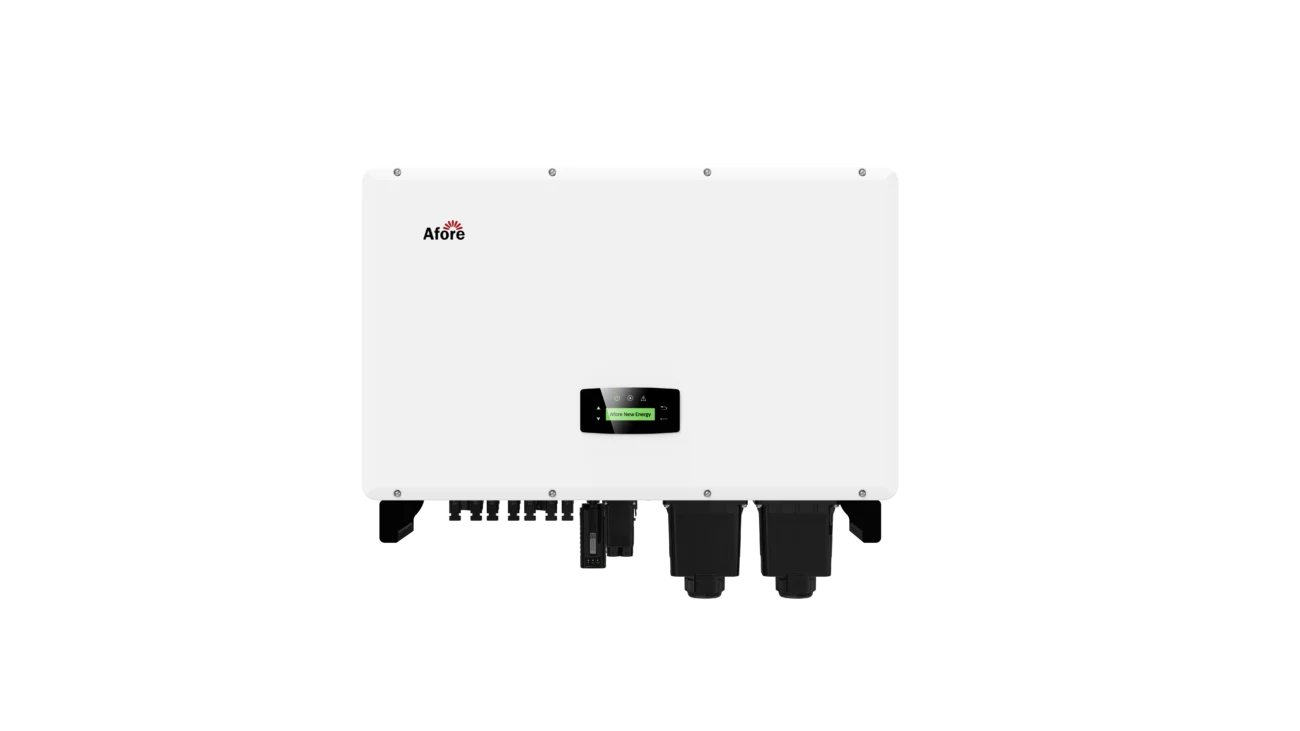
Our homes and businesses aren’t what they used to be. We’ve got EV chargers, heat pumps, high-efficiency HVAC units, industrial equipment, and entertainment systems that all demand clean, stable power. A three phase hybrid inverter keeps these loads evenly distributed so nothing gets overwhelmed.
If you’ve ever had lights flicker when the air conditioner kicks on—or worse, a breaker trip during peak hours—you’ll appreciate how intelligently the three phase hybrid inverter maintains phase balance.
Many regions face unstable utility grids or unpredictable weather. A three phase hybrid inverter offers resilience by instantly shifting to battery mode the moment the grid drops. Your essential loads stay alive, your appliances stay protected, and your workflow stays uninterrupted.
This seamless transition often feels almost magical. I remember the first time I saw one in action during a sudden power outage: not a single light flickered. That’s the kind of reliability people crave today.
Countries and communities everywhere are embracing distributed solar energy. A three phase hybrid inverter supports grid-sharing and smart export control, making it a perfect fit for modern solar-plus-storage homes and business setups.
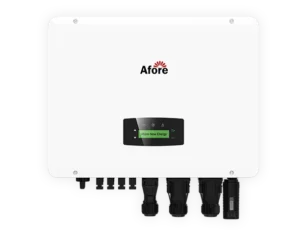
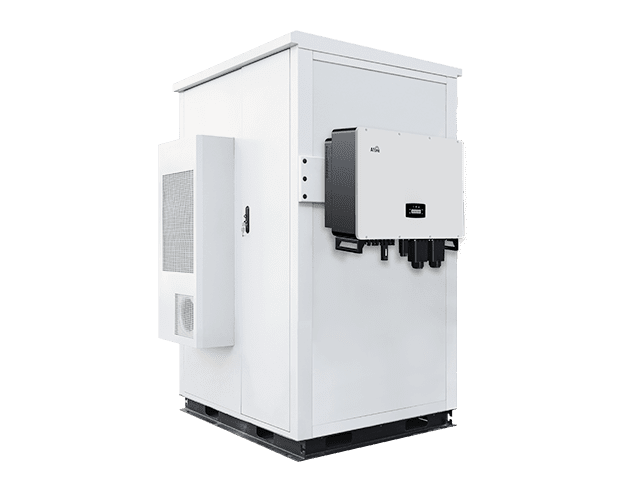
A three phase hybrid inverter might look like a quiet metal box on the wall, but inside, it’s doing a remarkable amount of work—constantly analyzing, balancing, and redirecting energy so your entire solar setup runs like a well-trained orchestra. When people first hear the term, they often imagine something overly technical or intimidating. But once you break it down, the logic behind how a three phase hybrid inverter works is surprisingly intuitive. Think of it as the traffic controller, accountant, and safety officer of your energy system, all rolled into one clever device.
Below, I’ll walk you through the process in a way that feels approachable, detailed, and genuinely useful—without drowning you in electrical jargon.
Let’s start with the heart of the system: power flow. This is where the three phase hybrid inverter truly shines.
On a bright, sunny day, your solar panels are busy converting sunlight into direct current (DC). But your home or business uses alternating current (AC). That’s where the inverter steps in, converting DC to AC instantly and distributing it evenly across all three phases. The moment the energy hits the inverter, it decides—within milliseconds—where that power should go next.
Here’s the typical sequence:
Then comes nightfall—or cloudy weather—and the process shifts seamlessly:
It’s all incredibly smooth. Most people never even notice the moment their system switches energy sources.
One of the standout advantages of a three phase hybrid inverter is its ability to maintain harmony across all three electrical phases. If you’ve ever seen equipment struggle because one phase was drawing too much power while the others stayed underloaded, you’ll appreciate how essential this balancing act is.
Here’s why it matters:
The inverter continuously evaluates the load on each phase and shifts energy accordingly. It’s almost like watching a good chef evenly portion food onto three plates—never too much on one, never too little on another. This load balancing is one of the main reasons a three phase hybrid inverter excels in modern homes and small businesses that juggle diverse electrical demands.
This is where things get fun, and honestly, where the three phase hybrid inverter feels “smart” in the truest sense. The inverter constantly communicates with the battery bank and adjusts its behavior based on time of day, energy prices (if applicable), weather conditions, and your usage habits.
Here’s what makes its battery management impressive:
The inverter avoids rushing the batteries at full speed unless necessary. Instead, it charges them in a controlled, optimized manner that maximizes lifespan. If solar output is high, it may charge more aggressively; on cloudy days, it may preserve capacity.
During the evening or high-usage periods, the three phase hybrid inverter can choose to discharge batteries strategically—reducing your reliance on expensive grid electricity. You’ll often see the biggest savings here.
When the grid fails, the inverter switches to battery power so quickly that most people never notice. There’s no loud click, no delay—just uninterrupted electricity.
Even when running entirely on stored energy, all three phases receive equal distribution. This ensures large appliances keep running, and sensitive devices stay protected.
In short, the battery and three phase hybrid inverter operate like two partners in a dance—perfectly coordinated, constantly communicating, and completely synchronized.
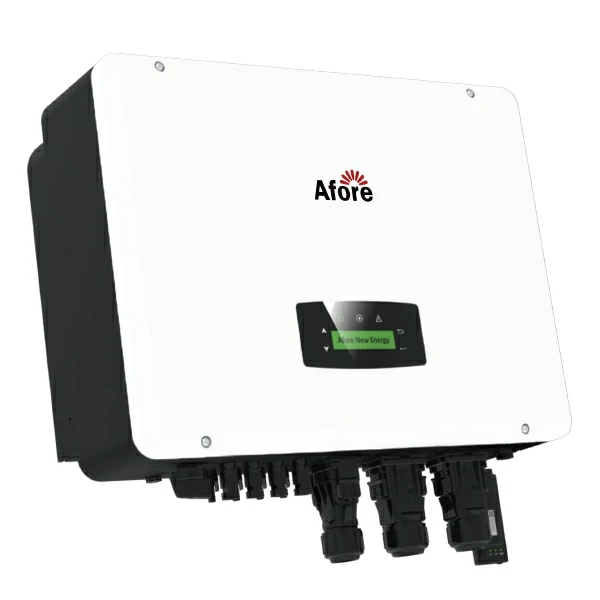
A good three phase hybrid inverter usually includes modes like:
These modes make the inverter feel smart, adaptable, and intuitive.
You can expect:
A robust three phase hybrid inverter takes safety seriously without compromising efficiency.
Most systems support mobile or desktop monitoring dashboards. You can check:
There’s something oddly satisfying about watching your system power your house in real time.
Selecting the right three phase hybrid inverter isn’t just a technical decision—it’s a long-term investment that affects your energy independence, your monthly bills, and how smoothly your entire solar system performs for years to come. I’ve met countless homeowners and small business owners who rushed into buying the first inverter that “seemed big enough,” only to discover later that it didn’t match their battery setup, couldn’t handle peak loads, or lacked the flexibility they needed.
Your energy usage is the foundation of your entire system. Before you even glance at a spec sheet, pause and look honestly at how much power you use and when you use it. A three phase hybrid inverter must be capable of handling both your average consumption and your heaviest loads.
Here’s what to consider:
Take an average day in your home or business. Think about:
Even if you don’t know the exact watt-hours, simply understanding the rhythm of your usage helps steer you in the right direction.
Peak loads are those short moments where multiple high-demand appliances kick on at the same time. This is where the wrong inverter can struggle.
Par exemple :
A three phase hybrid inverter must handle these spikes effortlessly. If the inverter is undersized, you’ll feel it immediately—usually in the form of flickering lights or tripped protection systems.
This is the part many people overlook. If you plan to:
…then it’s wise to select a three phase hybrid inverter with headroom. Energy needs rarely stay the same for long, and an inverter that can grow with you saves a lot of headaches down the road.
Not all batteries speak the same electrical language. That’s why battery compatibility is one of the most critical factors in choosing a three phase hybrid inverter—and also one of the most misunderstood.
Here’s what you need to keep in mind:
Batteries come in different voltages and chemistries. Some systems use low-voltage battery banks while others rely on high-voltage setups. Chemistry types can vary too. A good three phase hybrid inverter should clearly specify which battery profiles it supports.
Think about how much backup energy you realistically need:
Your three phase hybrid inverter should easily accommodate the storage capacity you want now, and ideally allow expansion later without needing a completely new system.
Different batteries prefer different charge rates, and a quality inverter must support safe charging that protects long-term battery health. A well-matched three phase hybrid inverter maximizes efficiency while preventing premature battery wear, ensuring your storage system lasts as long as possible.
In short: the inverter and batteries should feel like partners—not opponents trying to compromise with each other.
A three phase hybrid inverter runs every single day, often under intense conditions. Heat, dust, humidity, and constant workload can impact performance if the inverter isn’t built with durability in mind. That’s why efficiency and environmental resilience matter far more than most people realize.
This measures how effectively the inverter turns DC into usable AC. Even a 1–2% difference in efficiency can add up to significant energy losses across years. A highly efficient three phase hybrid inverter means:
Inverters naturally produce heat. A well-designed unit handles it through:
An inverter with poor thermal management may operate fine in winter, but struggle or derate in summer. That means lost energy that could have powered your home.
Your three phase hybrid inverter should withstand whatever environment it’s placed in. Depending on your installation area, consider protection against:
Even a small amount of corrosion or overheating can shorten lifespan dramatically.
Think of your inverter like the engine of your solar system. You want something that will:
Reliability isn’t a luxury—it’s the difference between a system that feels empowering and one that feels like a burden.
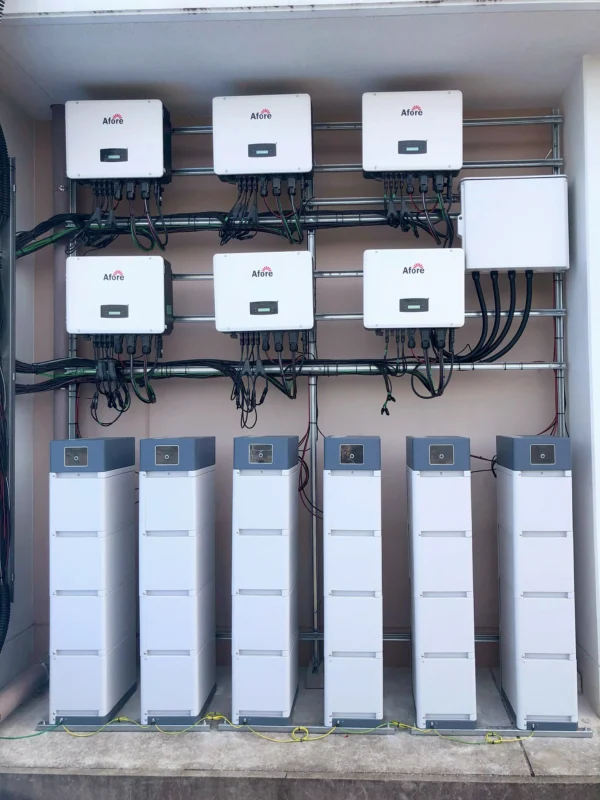
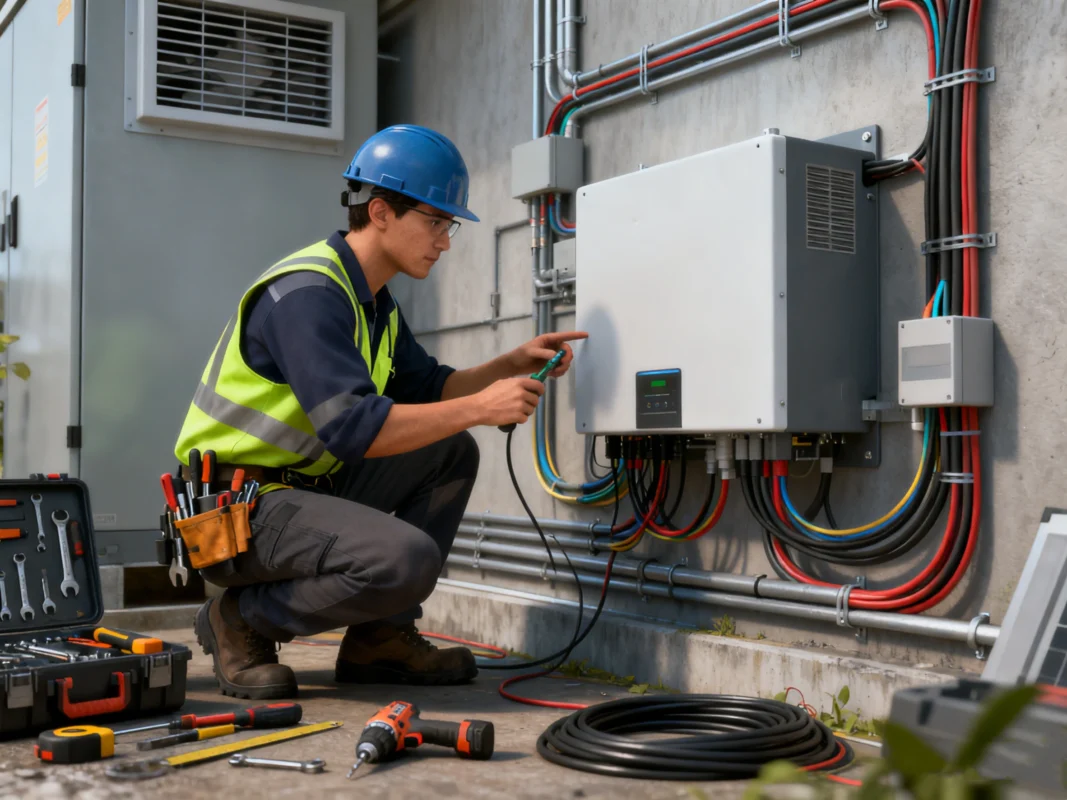
Even though DIY solar projects are popular, a three phase hybrid inverter should be installed by a professional due to its complexity and safety requirements.
Install in a location that is:
This prolongs the inverter’s lifespan and avoids overheating issues.
Even though these devices are tough, regular inspections help:
Treat your three phase hybrid inverter like a car engine—occasional checkups go a long way.
Not true. Many homeowners rely on a three phase hybrid inverter because their houses use three-phase service or because they want reliable backup power.
While they’re sophisticated, modern systems have user-friendly dashboards and intuitive controls.
If you plan on adding EV chargers, heat pumps, or battery storage, a three phase hybrid inverter is far from overkill—it’s preparation.
A three phase hybrid inverter is more than just another electrical component—it’s a central command system that helps you control your energy future. It brings together solar panels, batteries, and the grid into one smooth, intelligent ecosystem. Whether you’re powering a busy home, a small shop, or an off-grid living space, this technology gives you reliability, savings, and long-term flexibility.
If you’ve been searching for a solution that offers power security, smart energy use, and long-term value, a three phase hybrid inverter may be exactly what you’ve been waiting for. If you’re looking to purchase a three phase hybrid inverter, Afore is undoubtedly one of your best choices, as it is a globally renowned fabricant d'onduleurs solaires.
A three phase hybrid inverter is the central device that manages solar energy, battery storage, and grid power in a three-phase electrical system. It converts solar-generated DC into AC, balances loads across all three phases, stores excess energy in batteries, and supplies backup power during outages. You can think of it as the coordinating brain of your entire solar setup—always monitoring, adjusting, and optimizing.
Not necessarily. While a three phase hybrid inverter is designed for three-phase systems, some properties with single-phase service use them in anticipation of future upgrades or because they want greater system flexibility. However, the inverter performs best when paired with true three-phase electrical infrastructure.
A traditional inverter only converts sunlight into usable AC power. A three phase hybrid inverter, on the other hand, does far more:
• It manages battery charging and discharging
• It distributes power evenly across three phases
• It offers backup capability during power failures
• It communicates with your loads, batteries, and grid simultaneously
In other words, it’s not just an inverter—it’s a power management system.
Yes, and often more than people expect. Because the three phase hybrid inverter prioritizes solar power and intelligently uses stored energy during expensive peak times, it reduces dependency on the grid. Many users find that their monthly energy costs drop significantly once the inverter starts optimizing their consumption patterns.
Absolutely—as long as you have batteries connected. When the grid fails, the inverter instantly switches to battery mode, keeping essential loads running smoothly. There’s no loud switching noise or noticeable delay—it feels almost seamless. This is one of the reasons so many people choose hybrid systems over standard solar setups.
A well-maintained three phase hybrid inverter typically runs for many years. The exact lifespan depends on environmental factors such as heat, dust exposure, installation quality, and workload. Regular inspection and good ventilation dramatically improve longevity.
Not at all. These systems are designed to run quietly in the background. Maintenance usually involves simple tasks:
• Checking cable connections
• Ensuring proper ventilation
• Monitoring battery health
• Confirming that the phases remain balanced
Think of it as the occasional checkup—more like maintaining a refrigerator than a car.
Yes. In fact, this is one of its strongest advantages. Heavy-duty systems like pumps, compressors, HVAC units, and even EV chargers often require balanced, high-power three-phase supply. A three phase hybrid inverter ensures these loads run smoothly without the flickering lights or voltage dips a smaller system might struggle with.
In most cases, yes. Many people install a modest system first, then add more batteries or solar panels as their needs grow. A three phase hybrid inverter is built for scalability, allowing you to upgrade without replacing your core equipment. This makes it an excellent choice for long-term planning.
No. Batteries enhance the system, but they’re not mandatory. Without them, the inverter simply functions like an advanced grid-tied system. But if you add batteries later, the inverter immediately unlocks features like backup power, nighttime self-consumption, and load shifting.
For anyone who wants energy independence, long-term savings, or protection from unstable grid conditions, the answer is almost always yes. A three phase hybrid inverter provides control, reliability, and flexibility that a standard system simply can’t match. If your household or business uses significant energy—or you plan to expand your usage—it typically pays off over time.
Yes, but only if you pair it with a suitable battery bank and enough solar capacity. Many people living in rural areas or remote facilities rely on a three phase hybrid inverter as the backbone of their off-grid setups. It provides stable three-phase output even when the grid doesn’t exist at all.
Most of the time, yes. As long as your panels fall within the voltage and current limits specified for the inverter, integration is usually straightforward. The three phase hybrid inverter will simply convert, balance, and store the energy more intelligently than your old setup.
Extremely fast—much faster than the blink of an eye. It detects voltage drops or instability and switches to battery power almost instantly. This ensures sensitive electronics stay protected and essential systems stay running, even during sudden outages.
Most units operate quietly, with only a gentle hum during heavy loads. If installed in a well-ventilated utility room, garage, or equipment space, you’ll hardly notice it’s there.