



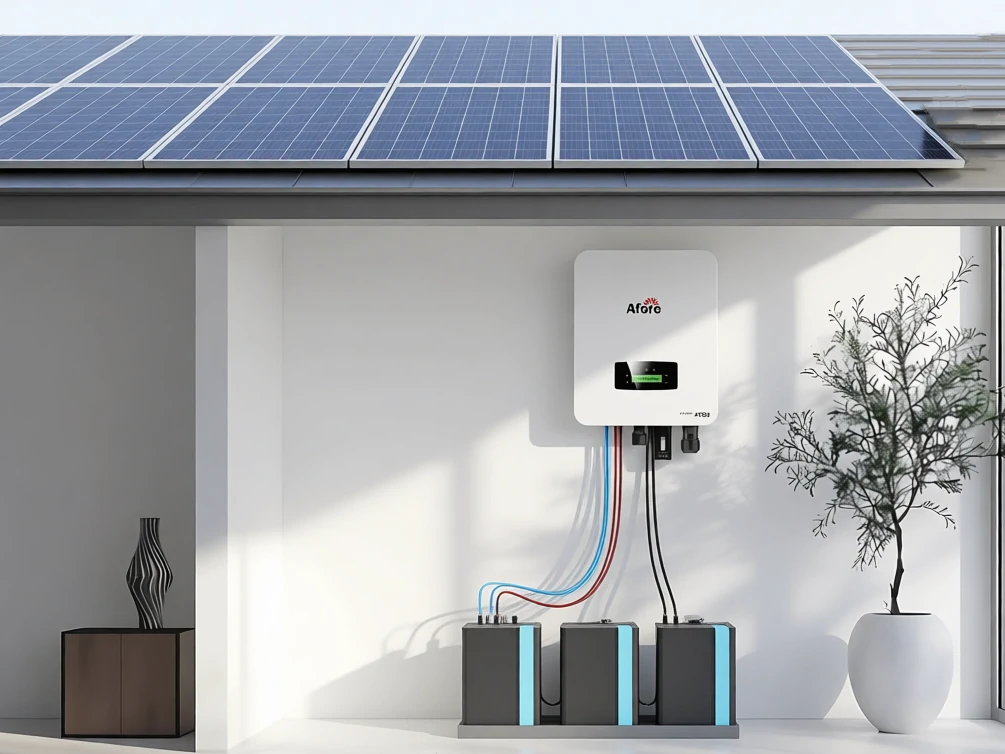
Se você já olhou para o seu sistema solar e se perguntou se está extraindo cada watt de energia possível, você não está sozinho. Passei anos mexendo em sistemas de energia - alguns que funcionaram brilhantemente, outros que quase acabaram com minha paciência - e se há uma coisa que aprendi é o seguinte: o inversor híbrido de alta tensão é o herói silencioso que a maioria das pessoas subestima.
Se você está planejando um novo sistema, atualizando um antigo ou apenas tentando descobrir o que todos esses fios, controladores de carga e especificações de bateria realmente significam, este guia é para você.
Então, pegue um café, acomode-se e vamos falar sobre o coração de qualquer sistema de energia moderno - o inversor híbrido de alta tensão que mantém tudo funcionando sem problemas, mesmo quando a rede não funciona.
Se você está mergulhando na energia solar ou explorando as opções de armazenamento de energia, o termo inversor híbrido de alta tensão pode parecer um pouco intimidador. Mas a verdade é que ele não é apenas um dispositivo técnico - é a espinha dorsal de um sistema de energia moderno, garantindo que tudo funcione de forma eficiente, confiável e segura.
Pense em um inversor híbrido de alta tensão como o cérebro e o músculo de seu sistema solar. Enquanto um inversor inversor solar Se um inversor híbrido simplesmente converte a eletricidade CC de seus painéis em CA para sua casa, um inversor híbrido vai muito além. Ele gerencia de forma inteligente várias fontes de energia - painéis solares, baterias e até mesmo a rede elétrica - decidindo em tempo real qual delas deve fornecer energia para a sua casa.
Imagine sua rotina matinal: o sol está nascendo, sua bateria está parcialmente cheia e a rede elétrica está disponível. Um inversor híbrido de alta tensão avalia tudo isso em milissegundos, determinando se deve usar a bateria, os painéis ou uma combinação de ambos. Essa operação contínua reduz o desperdício de energia, evita sobrecargas e garante que seus aparelhos recebam energia consistente e estável.
Talvez você se pergunte por que a tensão é importante. Uma tensão mais alta não é apenas uma especificação técnica - ela afeta diretamente a eficiência. Quando a eletricidade flui em uma tensão mais alta, é necessária menos corrente para fornecer a mesma quantidade de energia. Isso significa que:
Em termos práticos, isso significa que seu inversor híbrido de alta tensão pode operar com mais eficiência, economizando dinheiro e tornando seu sistema mais robusto. Isso é especialmente importante se você tiver um grande banco de baterias ou se planeja expandir sua configuração solar no futuro.
Outro motivo fundamental para a importância de um inversor híbrido de alta tensão é a confiabilidade. Diferentemente dos sistemas mais simples, os inversores híbridos são projetados para lidar com condições flutuantes - dias nublados, quedas repentinas de energia ou oscilações de tensão da bateria - sem disparar ou falhar. Muitos modelos incluem proteções integradas contra sobretensão, sobrecorrente e curtos-circuitos, o que não apenas protege sua casa, mas também prolonga a vida útil de seus painéis e baterias.
Do ponto de vista da segurança, os sistemas de tensão mais alta podem inicialmente parecer mais arriscados, mas eles geralmente operam com corrente mais baixa para a mesma potência de saída. Isso reduz o aquecimento dos fios e componentes, diminuindo o risco de incêndio ou degradação do sistema ao longo do tempo. Essencialmente, um inversor híbrido de alta tensão proporciona tranquilidade e desempenho contínuo.
Por fim, investir em um inversor híbrido de alta tensão não se refere apenas às necessidades energéticas atuais - trata-se de preparar seu sistema para o futuro. As demandas de energia evoluem e a tecnologia solar avança rapidamente. Um inversor híbrido de alta tensão pode acomodar painéis adicionais, bancos de baterias maiores ou até mesmo novos tipos de fontes de energia sem exigir uma revisão completa do sistema.
Em suma, ele oferece flexibilidade, escalabilidade e a confiança de que sua configuração de energia acompanhará o ritmo das mudanças tecnológicas e das necessidades domésticas.
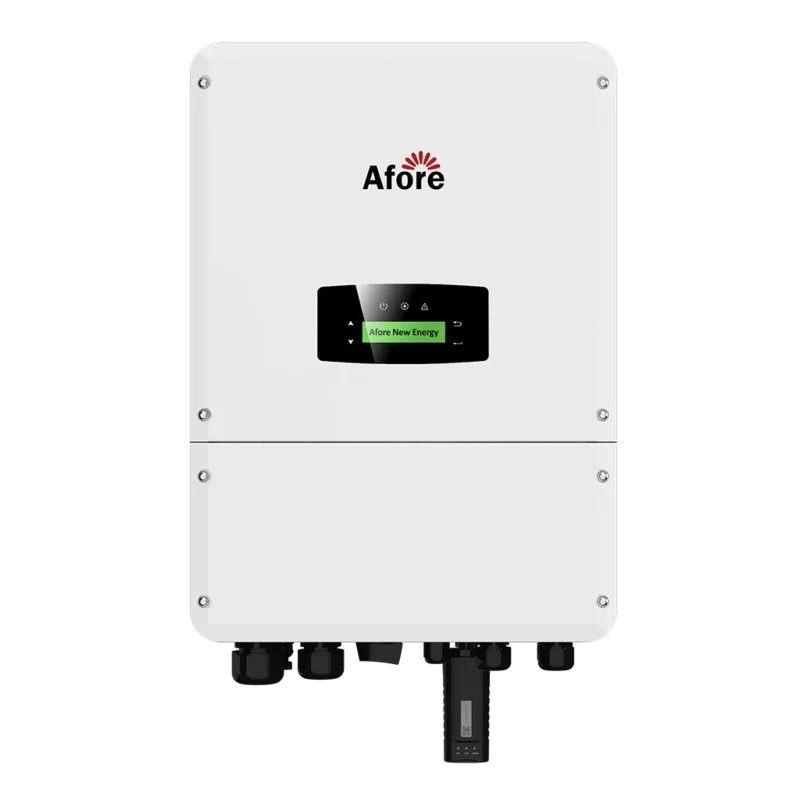
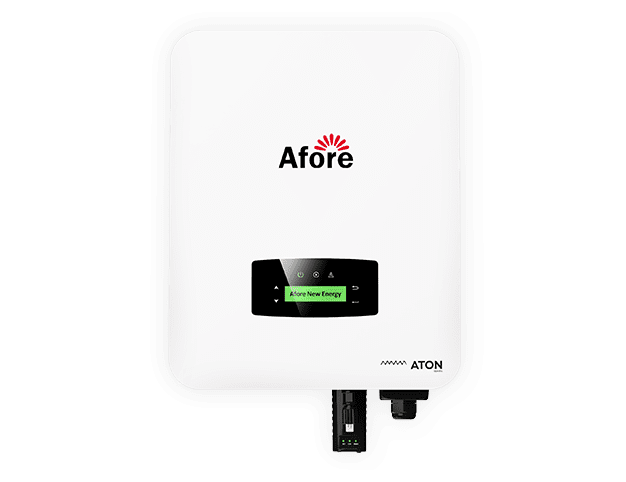
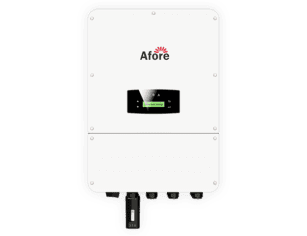
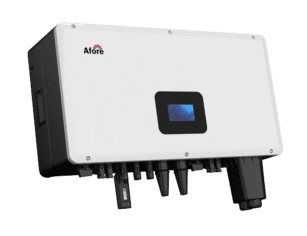
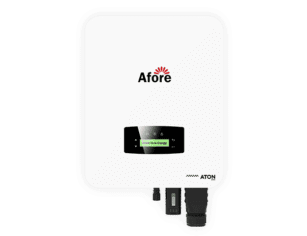
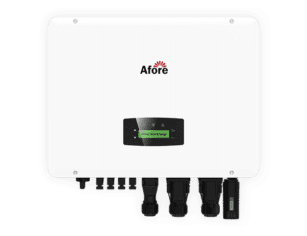
Um inversor híbrido de alta tensão pode parecer uma simples caixa montada na parede, mas o que está acontecendo lá dentro não é nada simples. Esse dispositivo está constantemente fazendo malabarismos com várias fontes de energia, gerenciando o armazenamento da bateria e interagindo com a rede elétrica - tudo em tempo real. Entender como ele funciona nos bastidores não só o ajuda a apreciar seu valor, mas também o capacita a projetar um sistema que realmente funcione de forma eficiente em sua casa.
Uma das principais funções de um inversor híbrido de alta tensão é atuar como o melhor controlador de tráfego de energia. A maioria das residências modernas não está apenas conectada à rede elétrica - elas também têm painéis solares e um banco de baterias. A função do inversor é decidir de onde a eletricidade deve vir em um determinado momento.
Por exemplo, durante uma tarde ensolarada, seus painéis podem estar produzindo mais eletricidade do que a sua casa precisa. Em vez de desperdiçar essa energia, o inversor híbrido de alta tensão pode armazená-la em baterias, fornecê-la à sua casa ou até mesmo alimentá-la de volta à rede, se o sistema permitir.
Por outro lado, se houver nuvens ou se você ligar aparelhos de alta demanda, o inversor extrairá energia das baterias ou da rede sem que você perceba nada. É como ter um gerente de energia invisível trabalhando 24 horas por dia, 7 dias por semana, para garantir que você nunca fique sem energia.
O gerenciamento da bateria é outra área em que um inversor híbrido de alta tensão realmente se destaca. As baterias de alta tensão armazenam mais energia e podem carregar ou descarregar com mais eficiência do que as alternativas de baixa tensão. Mas gerenciá-las com segurança exige precisão.
O inversor monitora constantemente a tensão, a corrente e o estado de carga da bateria. Ele garante que as baterias sejam carregadas de forma ideal, sem sobrecarga ou superaquecimento, e as descarrega de forma eficiente para abastecer sua casa. Ao fazer isso, ele não apenas prolonga a vida útil da bateria, mas também maximiza seu investimento em energia solar.
Pense nele como um personal trainer para a sua bateria: ele sabe exatamente o quanto deve ser forçado e quando deve descansar.
Outro aspecto fundamental é como um inversor híbrido de alta tensão interage com a rede. Diferentemente de um simples inversor solar, ele pode decidir de forma inteligente quando extrair energia da rede, quando armazená-la e quando devolver o excesso de eletricidade.
Esse recurso é particularmente útil em áreas com preços variáveis de eletricidade. O inversor pode armazenar energia solar durante os períodos de baixa demanda e usá-la nos horários de pico, reduzindo o custo total de eletricidade. No caso de uma interrupção da rede elétrica, ele muda para a energia da bateria quase instantaneamente, mantendo sua casa funcionando sem problemas.
A transferência contínua entre energia solar, bateria e rede é um dos motivos pelos quais um inversor híbrido de alta tensão é considerado a espinha dorsal de um sistema de energia moderno. Você obtém eficiência, confiabilidade e flexibilidade - tudo sem levantar um dedo.
Muitos inversores híbridos de alta tensão também incluem ferramentas de monitoramento integradas. Essas ferramentas não são apenas telas sofisticadas, elas fornecem dados em tempo real sobre a produção de energia, o consumo, o status da bateria e a eficiência.
Ao analisar essas informações, você pode tomar decisões informadas sobre a expansão do sistema, o ajuste do uso de energia ou a solução de possíveis problemas antes que eles se tornem onerosos. Em essência, o inversor lhe dá uma visão clara de como seu ecossistema de energia funciona.
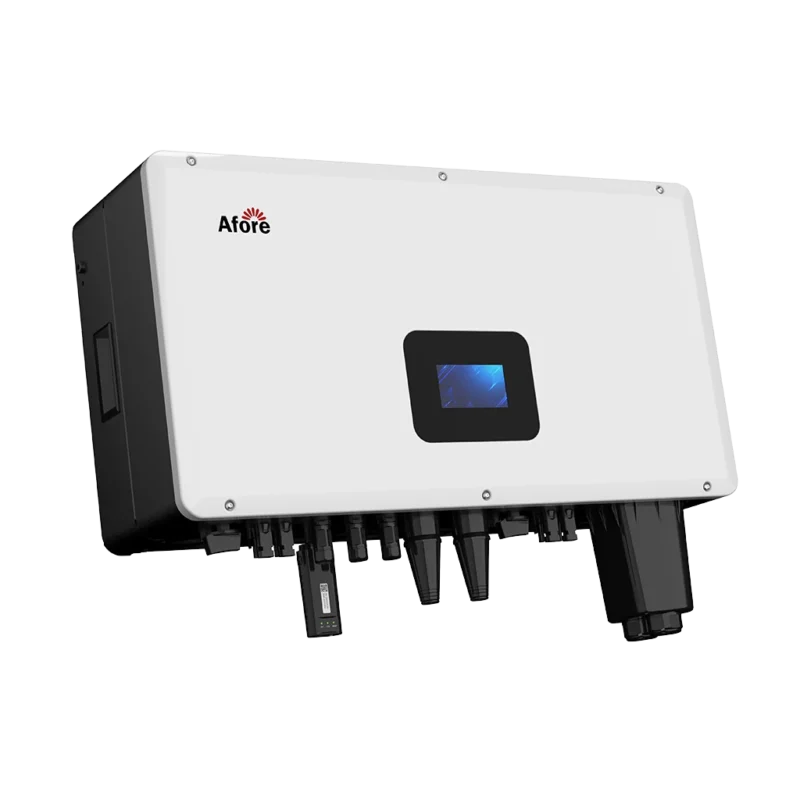
Selecionar o inversor híbrido de alta tensão correto não é apenas escolher o modelo mais caro ou o mais bonito. Trata-se de entender seus hábitos de energia, o projeto do seu sistema e suas metas de longo prazo. Escolher sabiamente agora pode lhe poupar dinheiro, frustração e até mesmo tempo de inatividade do sistema mais tarde.
Antes mesmo de olhar para as especificações, dê um passo atrás e observe como sua casa usa a energia. Faça a si mesmo perguntas como:
Entender seus padrões de consumo o ajudará a determinar a capacidade e os recursos de que realmente precisa. Por exemplo, se sua casa consome mais energia à noite, a combinação de um banco de baterias de alta tensão com um inversor híbrido de alta tensão é uma escolha inteligente. Isso garante que você armazene a energia solar do dia de forma eficiente e a utilize quando for mais importante.
Um dos erros mais comuns que as pessoas cometem é não combinar a tensão da bateria com a do inversor. Um inversor híbrido de alta tensão é projetado para funcionar de forma ideal com baterias de alta tensão. O uso de um banco de baterias de tensão mais baixa pode criar gargalos, reduzir a eficiência e até mesmo diminuir a vida útil do inversor e das baterias.
Ao planejar seu sistema, certifique-se de calcular:
A obtenção de informações corretas garante que o inversor híbrido de alta tensão funcione sem problemas e maximize a energia obtida dos painéis solares.
Mesmo o melhor inversor híbrido de alta tensão terá um desempenho inferior se for instalado em um ambiente inadequado. A temperatura, a ventilação e a umidade desempenham um papel importante na eficiência e na longevidade do sistema.
Dicas para uma instalação segura e ideal:
Um inversor bem posicionado não é apenas uma questão de desempenho - ele também reduz o risco de desgaste prematuro ou problemas de segurança.
Uma das maiores vantagens de um inversor híbrido de alta tensão é sua escalabilidade. Mesmo que suas necessidades atuais de energia sejam modestas, expansões futuras - como a adição de mais painéis solares ou o aumento da capacidade da bateria - devem ser consideradas desde o início.
Escolher um inversor que suporte expansão significa:
Em essência, planejar o crescimento hoje pode poupar dinheiro e dores de cabeça no futuro.
Escolher o inversor híbrido de alta tensão correto não significa escolher o modelo mais sofisticado, mas sim encontrar aquele que combina com seu sistema, seu uso e suas metas de longo prazo.
Tempestades, acidentes, redes elétricas sobrecarregadas - interrupções acontecem. Um inversor híbrido de alta tensão reage instantaneamente, mudando para a bateria tão rapidamente que suas luzes nem piscarão.
Talvez você queira depender menos da rede elétrica. Talvez você queira eliminar totalmente sua conta.
Com um sistema bem projetado, um inversor híbrido de alta tensão pode ajudá-lo a conseguir exatamente isso.
O gerenciamento inteligente de energia não é apenas uma palavra da moda. Ter um inversor híbrido de alta tensão significa:
É a automação da qual você realmente se beneficia.
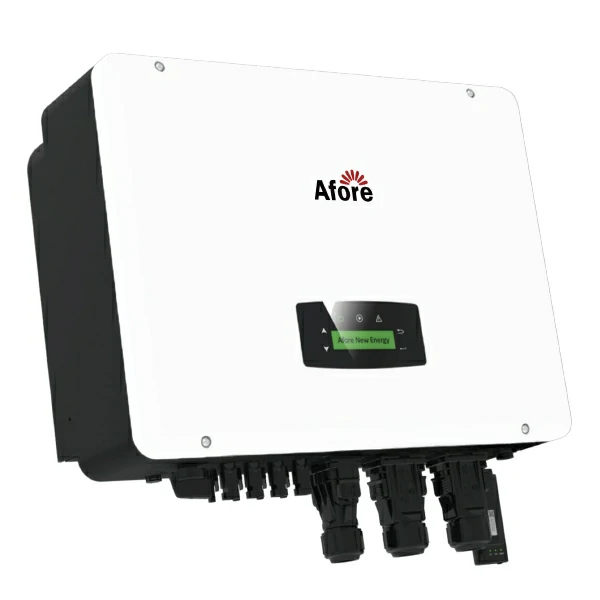
Quando as pessoas ouvem o termo inversor híbrido de alta tensão, surgem muitas concepções errôneas. Alguns mitos estão enraizados em conhecimentos desatualizados, enquanto outros decorrem do medo de novas tecnologias. Desmascarar esses mitos é importante porque entender a verdade pode ajudá-lo a tomar decisões informadas sobre seu sistema de energia, evitar custos desnecessários e maximizar a eficiência.
Muitos proprietários de residências presumem que uma tensão mais alta equivale automaticamente a um risco maior. Embora seja verdade que a eletricidade pode ser perigosa se manuseada incorretamente, os inversores híbridos de alta tensão modernos são construídos com várias camadas de segurança:
Na realidade, os sistemas de alta tensão geralmente reduzem o risco em comparação com as alternativas de baixa tensão porque transportam menos corrente para a mesma saída de energia. Menos corrente significa menos calor na fiação, reduzindo os riscos de incêndio e a degradação do sistema ao longo do tempo. A segurança, nesse caso, é uma questão de instalação e manutenção adequadas, e não da tensão em si.
É fácil supor que um inversor híbrido de alta tensão seja apenas para engenheiros ou entusiastas da tecnologia. Mas a verdade é que a maioria dos sistemas modernos é projetada com interfaces fáceis de usar. Aplicativos e painéis de monitoramento permitem que os proprietários acompanhem a produção de energia, os níveis da bateria e o uso da rede elétrica sem a necessidade de conhecimento técnico.
Você não precisa entender todos os detalhes eletrônicos para se beneficiar do seu inversor híbrido de alta tensão. Pense nele como um assistente inteligente para o sistema de energia da sua casa - ele cuida das decisões complexas em segundo plano para que você possa se concentrar no uso eficiente da energia.
Outro mito comum é que os inversores híbridos são um exagero, a menos que você tenha um enorme painel solar. Embora seja verdade que sistemas maiores se beneficiam significativamente, até mesmo residências menores podem ganhar com a eficiência, a flexibilidade e a confiabilidade de um inversor híbrido de alta tensão.
Por exemplo, se você quiser armazenar energia solar para uso noturno, gerenciar a energia de reserva durante interrupções ou otimizar os custos de energia com base nas tarifas de pico e fora de pico, um inversor híbrido de alta tensão torna o sistema mais inteligente e econômico, independentemente do tamanho do sistema.
Algumas pessoas presumem que o uso de alta tensão leva automaticamente a custos iniciais e contínuos mais altos. Embora o investimento inicial possa ser um pouco maior do que o de um inversor solar padrão, os ganhos de eficiência, a redução da perda de energia e a escalabilidade geralmente compensam o custo ao longo da vida útil do sistema.
A manutenção também é mais simples do que muitos pensam. Uma vez instalado corretamente em um ambiente adequado, um inversor híbrido de alta tensão normalmente requer apenas inspeção e limpeza ocasionais - sem ajustes técnicos ou de manutenção constantes.
Um número surpreendente de proprietários de casas acha que os inversores híbridos de alta tensão estão ligados à rede e não podem operar de forma independente. Na realidade, esses inversores são projetados para gerenciar fontes de energia de forma inteligente, incluindo cenários totalmente fora da rede, se combinados com um banco de baterias de tamanho suficiente.
Se você deseja um backup parcial ou a independência total da rede, um inversor híbrido de alta tensão pode oferecer a flexibilidade que um inversor solar tradicional não pode oferecer.
A instalação de um inversor híbrido de alta tensão não se resume a montar uma caixa na parede e conectar os fios. Uma instalação adequada garante máxima eficiência, segurança e confiabilidade a longo prazo. Embora seja tentador economizar tempo ou cortar custos, prestar atenção à configuração correta fará uma enorme diferença no desempenho do seu sistema. Aqui está o que você precisa saber.
Embora os inversores híbridos de alta tensão modernos sejam fáceis de usar, os sistemas de alta tensão exigem manuseio profissional. Um instalador experiente pode:
Não se trata apenas de conformidade - trata-se de proteger sua residência, seu investimento e o desempenho de sua empresa. inversor solar sistema. Um inversor bem instalado pode funcionar de forma eficiente durante anos com o mínimo de manutenção, enquanto uma instalação ruim pode levar à ineficiência, a disparos frequentes ou até mesmo a danos.
Um dos aspectos mais negligenciados da instalação é o gerenciamento de cabos. Mesmo com alta tensão, cabos mais longos aumentam a resistência, levando à perda de energia e ao acúmulo de calor. Para otimizar o desempenho:
Uma fiação limpa não apenas melhora a eficiência, mas também facilita muito a manutenção futura e a solução de problemas.
Os inversores híbridos de alta tensão geram calor durante a operação, portanto, um ambiente bem ventilado é essencial. Um fluxo de ar ruim pode reduzir a eficiência e diminuir a vida útil de sua unidade. As práticas recomendadas incluem:
Essa simples etapa protege o inversor, o sistema de bateria e até mesmo os painéis solares conectados contra estresse evitável.
Depois de instalado, não basta configurá-lo e esquecê-lo. A maioria dos inversores híbridos de alta tensão vem com interfaces de monitoramento - displays integrados ou aplicativos móveis. Verificar seu sistema regularmente permite que você:
Até mesmo pequenos ajustes baseados em percepções de monitoramento podem melhorar significativamente a eficiência geral da configuração do inversor solar.
Uma instalação adequada também inclui verificações de segurança de rotina:
As verificações regulares não apenas prolongam a vida útil do seu inversor híbrido de alta tensão, mas também evitam riscos à segurança, proporcionando tranquilidade.
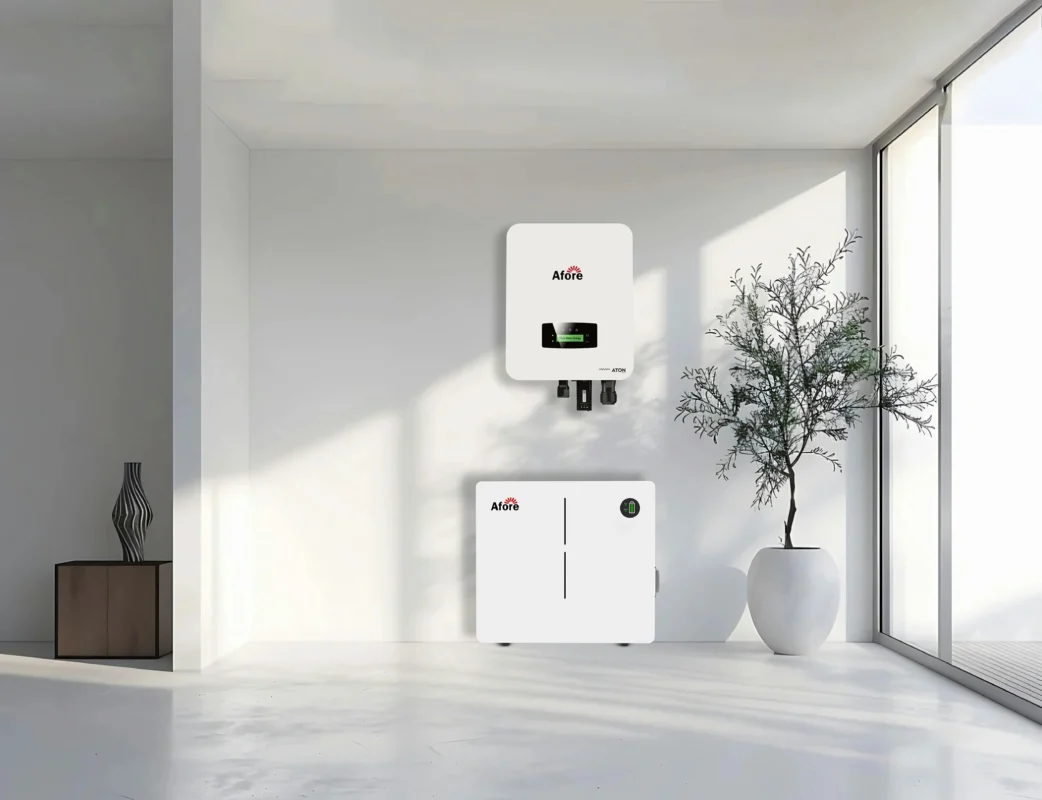
Se você chegou até aqui, já entende o valor que um inversor híbrido de alta tensão traz: eficiência, flexibilidade, confiabilidade e desempenho à prova de futuro.
Em um mundo em que os custos de energia continuam subindo e a estabilidade da rede continua caindo, ter um sistema inteligente que se adapta às suas necessidades não tem preço. Um inversor híbrido de alta tensão não é apenas um equipamento - é paz de espírito.
E quando você experimentar esse fluxo de energia suave e ininterrupto?
Você se perguntará por que não fez a troca antes.
Um inversor híbrido de alta tensão é um dispositivo que converte a eletricidade CC dos painéis solares em eletricidade CA para sua casa, além de gerenciar o armazenamento da bateria e a interação com a rede. Diferentemente de um inversor solar padrão, ele pode priorizar de forma inteligente as fontes de energia, armazenar o excesso de energia e fornecer eletricidade de reserva durante interrupções. Pense nele como o centro de controle de todo o seu ecossistema de energia.
A principal diferença é a funcionalidade. Um inversor solar padrão apenas converte a eletricidade dos painéis solares em energia CA utilizável. Um inversor híbrido de alta tensão, por outro lado, pode:
- Carregue e descarregue baterias com eficiência
- Alterne entre energia solar, bateria e rede elétrica sem problemas
- Otimizar o uso de energia com base na disponibilidade e no custo
Isso o torna mais versátil e pronto para o futuro.
Sim. Os inversores híbridos modernos de alta tensão incluem vários recursos de segurança, como proteção contra sobretensão, prevenção de curto-circuito e monitoramento de temperatura. De fato, operar um sistema com tensão mais alta pode ser mais seguro do que as alternativas de baixa tensão porque reduz a corrente, o acúmulo de calor e a perda de energia na fiação.
Geralmente, sim. Se a configuração do inversor solar e o banco de baterias existentes forem compatíveis com a operação de alta tensão, você poderá integrar um inversor híbrido de alta tensão. Isso pode exigir ajustes na fiação, nos dispositivos de proteção ou na configuração da bateria, por isso é recomendável consultar um instalador profissional.
Com certeza. Um inversor híbrido de alta tensão foi projetado para operar com bancos de baterias de alta tensão. O uso de baterias de baixa tensão pode reduzir a eficiência, limitar as velocidades de carregamento e potencialmente causar estresse no sistema. A correspondência da tensão da bateria é essencial para o desempenho ideal.
Sim. Um dos recursos mais valiosos de um inversor híbrido de alta tensão é a capacidade de backup. Quando a rede elétrica cai, ele pode alternar instantaneamente para a energia da bateria, mantendo aparelhos e luzes essenciais funcionando. Alguns sistemas permitem até mesmo o gerenciamento seletivo de carga para estender o tempo de backup.
Definitivamente. Uma das vantagens de um inversor híbrido de alta tensão é a escalabilidade. Você pode adicionar mais painéis solares, aumentar a capacidade da bateria ou integrar fontes de energia adicionais no futuro sem substituir o inversor. Planejar o crescimento desde o início é inteligente.
Embora o custo inicial possa ser mais alto do que o de um inversor solar padrão, os benefícios de longo prazo - eficiência aprimorada, perda de energia reduzida, gerenciamento flexível de energia e escalabilidade - geralmente superam o investimento inicial. Com o tempo, você pode economizar dinheiro em contas de eletricidade e atualizações do sistema.
Sim. Ao priorizar a energia solar e gerenciar com eficiência o armazenamento da bateria, um inversor híbrido de alta tensão pode reduzir significativamente a dependência da rede elétrica. Durante os dias ensolarados, sua casa pode funcionar quase que totalmente com energia solar, com o mínimo de entrada da rede elétrica.
Sim, desde que você tenha um banco de baterias de tamanho suficiente. O inversor gerencia a energia de forma inteligente, garantindo que sua casa tenha eletricidade mesmo sem acesso à rede. Esse recurso é um dos motivos pelos quais os inversores híbridos são considerados soluções de energia prontas para o futuro.
O clima afeta a produção do painel solar, não o inversor em si. Um inversor híbrido de alta tensão gerencia de forma inteligente as flutuações na produção solar, garantindo o fornecimento consistente de energia das baterias ou da rede elétrica quando necessário.








 Turkish
  Romanian