



Commercial solar financing for EPCs is not just a funding topic. In commercial and industrial PV projects, financing often determines whether a proposal becomes a signed contract, whether procurement can begin on time, and whether the completed asset delivers the financial performance promised to the customer.
For EPC companies, installers, resellers, and system integrators, the financing structure affects almost every project decision: ownership, tax incentive eligibility, equipment selection, interconnection timing, O&M obligations, payment milestones, and long-term asset value. For commercial buyers, it shapes cash flow, risk exposure, accounting treatment, sustainability claims, and internal approval requirements.
A warehouse owner evaluating a 750 kW rooftop system, a cold storage operator considering solar-plus-storage, and a multi-site retailer planning portfolio deployment may all want lower energy costs. However, the right financing model for each can be very different. One may prefer a direct CAPEX purchase to capture incentives and maximize lifecycle savings. Another may choose a commercial solar loan to preserve ownership while spreading payments. A third may use a solar PPA for commercial projects to reduce upfront cost and outsource asset management.
The key point for EPCs is that financing cannot be treated as an add-on after the technical proposal is complete. A bankable commercial PV project must align financial structure, system design, site conditions, regulatory requirements, procurement strategy, and O&M scope from the beginning. If these elements are disconnected, projects can stall during underwriting, fail to meet lender requirements, or create disputes after commissioning.
This guide explains the major financing options available for commercial PV projects and connects them to project qualification, technical bankability, execution risk, and lifecycle economics. It is written for professional solar stakeholders who need to make practical decisions, not simply compare generic funding products.
Commercial solar financing for EPCs usually involves coordination rather than direct lending. Most EPCs do not provide project capital from their own balance sheet. Instead, they work with commercial banks, solar lenders, leasing companies, infrastructure investors, tax equity partners, or PPA providers. The EPC’s role is to translate the customer’s energy opportunity into a technically credible and financially underwritable project.
The financing model determines who owns the PV system, who receives incentives, who carries performance risk, who maintains the asset, and how project payments are made. It also affects customer adoption. A CFO may reject a strong technical proposal if it requires large upfront CAPEX. Conversely, a facility owner with strong tax appetite may reject a PPA because it gives away incentives and long-term asset ownership.
The main commercial solar financing structures are cash purchase, commercial solar loans, equipment financing, leases, power purchase agreements, and third-party ownership models. Each model solves a different business problem.
A cash purchase is the simplest ownership structure. The customer pays for the system directly and owns the asset from the start or upon final acceptance, depending on contract terms. This option typically provides the highest long-term economic benefit for buyers that have available capital and can use applicable incentives. It also gives the customer maximum control over O&M provider selection, equipment replacement, future expansion, and environmental attributes such as renewable energy certificates.
A solar loan or equipment financing structure allows the customer to own the system while paying over time. This can be attractive for businesses that want ownership and incentive access but prefer to preserve working capital. The financing cost, tenor, lien position, and prepayment terms become central to the project economics. EPCs must ensure that projected utility savings are realistic enough to support debt service assumptions.
A lease allows the customer to use the PV system for fixed periodic payments, while legal ownership may remain with a third party. In some markets, accounting and tax treatment can vary based on lease structure. A lease may reduce upfront cost and simplify adoption, but customers need to understand end-of-term options, buyout rights, equipment removal obligations, and O&M responsibilities.
A power purchase agreement, or PPA, is a third-party ownership model where the customer buys electricity generated by the system at an agreed price per kWh. A solar PPA for commercial projects can be effective when the host customer wants lower energy prices without owning the asset. The PPA provider typically owns the system, claims eligible incentives, and manages long-term O&M either directly or through contracted service providers. The EPC may design and build the project for the asset owner while coordinating with the site host.
Third-party ownership models can also include tax equity or infrastructure investor participation, particularly for larger C&I portfolios or projects where the customer cannot efficiently monetize tax incentives. In these cases, the financing stack may be more complex, and EPC documentation must satisfy multiple parties.
| Financing model | System ownership | Upfront customer cost | Incentive access | Croială standard |
|---|---|---|---|---|
| Cash purchase | Customer | Înaltă | Customer, if eligible | Strong balance sheet, tax appetite, long-term asset control |
| Commercial solar loan | Customer | Low to moderate | Customer, if eligible | Ownership with spread-out payments |
| Equipment financing | Customer or lender-secured | Low to moderate | Depends on structure | Smaller to mid-size C&I systems |
| Operating or capital lease | Third party or customer depending on terms | Scăzut | Usually owner of asset | Customers seeking predictable payments |
| Solar PPA | Third party | Scăzut | PPA owner | Low upfront cost, outsourced O&M, limited tax appetite |

C-PACE financing allows eligible commercial-property owners to fund solar and energy-related improvements through a property-tax assessment structure rather than a conventional equipment loan.
In many markets, C-PACE is evaluated because it may offer:
Commercial EPCs often position C-PACE for:
Because repayment is tied to the property assessment structure, lender consent, local program availability, and jurisdiction-specific rules must be verified early in the sales process.
Some utilities and energy programs offer on-bill financing structures in which repayment occurs through the utility bill.
This structure may reduce upfront cost barriers for:
Availability varies significantly by utility territory and program rules.
An Energy Service Agreement (ESA), sometimes described as solar-as-a-service, differs from a traditional PPA because the customer may pay based on delivered energy services, operational savings, or managed-energy outcomes rather than only kilowatt-hour production.
ESA structures are sometimes evaluated for:
These agreements may also bundle:
The practical difference between these models is not only who pays. It is who controls the asset and who carries the economic risk.
A CAPEX purchase usually produces the clearest ownership path. The customer controls design preferences, warranties, O&M arrangements, and future system modifications. If incentives are available and the customer can use them, the economics can be compelling. However, CAPEX competes with other internal investments such as production equipment, fleet upgrades, building improvements, or expansion projects. Even if solar has a strong return, it may lose internal budget priority.
A commercial solar loan preserves ownership but spreads the cost. This can improve internal approval because the project can be evaluated on cash flow rather than upfront capital. However, interest rates and tenor matter. If debt service is too high in the early years, the customer may see limited net savings even if lifecycle savings are strong. EPCs should avoid presenting loan-backed projects using only simple payback. CFOs often want IRR, NPV, debt service coverage, and sensitivity analysis.
Leases and PPAs reduce upfront cost but introduce contractual complexity. The customer may benefit from immediate energy savings, while a third party owns the asset and monetizes incentives. The trade-off is that the customer may pay for electricity or system use over a long contract period, often with escalators. Contract terms should be reviewed carefully because buyout options, early termination provisions, roof replacement coordination, REC ownership, and system removal obligations can materially affect lifecycle value.
There is no universally superior option. The right structure depends on tax appetite, credit profile, energy consumption, tariff design, facility ownership, project size, internal hurdle rates, and the customer’s preference for ownership versus service-based procurement.
Commercial financing structures should be evaluated not only under normal operations, but also under common lifecycle events that affect ownership, cash flow, and contract continuity.
Early termination may involve:
Termination terms are highly contract-specific and can significantly affect total lifecycle cost.
| Financing structure | Typical ownership | Upfront capital requirement | Tax incentive access | Common commercial use case |
|---|---|---|---|---|
| Cash purchase (CAPEX) | Customer-owned | Highest upfront capital | Direct access to incentives | Large taxable businesses seeking maximum long-term savings |
| Solar loan | Customer-owned | Moderate upfront requirement | Usually customer retains incentives | Commercial owners seeking ownership with financing leverage |
| Lease | Third-party or customer depending on structure | Costuri inițiale mai mici | Often shared or retained by financing provider | Customers prioritizing payment predictability |
| PPA | Third-party-owned | Minimal upfront capital | Typically monetized by PPA provider | Customers prioritizing energy savings without ownership |
| C-PACE | Customer-owned with tax-assessment repayment structure | Often lower initial capital burden | Usually available to eligible property owner | Long-term commercial energy upgrades and large retrofit projects |
C-PACE is often evaluated when:
Unlike PPAs, the customer usually retains ownership benefits and operational control.
Financing changes the EPC process well before contract execution. A financed project often requires more documentation, more conservative assumptions, and more coordination between commercial, engineering, legal, and procurement teams.
A financing partner may require utility bills, interval data, financial statements, title or site control evidence, system layouts, equipment datasheets, production modeling, interconnection status, permitting assumptions, and EPC contract terms. For larger projects, the financier may also review module and invertor bankability, construction schedule, insurance coverage, O&M plan, and performance guarantee language.
This affects project close probability. A proposal that looks attractive to the customer may fail underwriting if the customer’s credit profile is weak, the site lease is too short, the roof needs replacement, or the interconnection pathway is uncertain. EPCs can reduce wasted engineering effort by screening these issues early.
Procurement is also affected. If equipment has been approved by a lender, PPA owner, or asset investor, substitutions may require consent. A lower-cost module or inverter may not be acceptable if it changes production estimates, warranty coverage, certification status, or perceived reliability. For resellers and installers, this means product documentation and warranty clarity are not administrative details; they are part of project finance readiness.
Ambiguous financing language creates disputes. EPC teams should clarify core terms before contract execution, especially when multiple parties are involved.
Important terms include interest rate, tenor, repayment schedule, escalator, debt service, prepayment rights, buyout options, lien position, tax credit transferability, incentive ownership, REC ownership, O&M scope, performance guarantee, production estimate methodology, end-of-term asset ownership, and equipment removal obligations.
The EPC should also define payment triggers. In financed projects, payment may be tied to notice to proceed, equipment delivery, mechanical completion, substantial completion, permission to operate, commercial operation date, or final acceptance. If these milestones are not aligned with procurement deposits and subcontractor payments, the EPC can face cash flow pressure even on a profitable project.
Commercial PV financing starts with qualification. Before detailed engineering, the EPC should determine whether the customer, site, utility conditions, and project economics can support financing.
A technically feasible project is not always financeable. A building may have enough roof area, but the tenant may lack long-term site control. A manufacturer may have high energy consumption, but weak credit or irregular operating history. A ground-mounted project may model well, but interconnection costs may be uncertain. Early screening protects the EPC’s design resources and improves the customer experience.
Financiers typically evaluate customer creditworthiness, site control, energy usage, system size, expected savings, permitting feasibility, interconnection risk, and equipment bankability. For commercial and industrial sites, they may also assess whether the host business is essential to the property, whether the facility is owner-occupied, and whether utility bills match the proposed system size.
At the initial stage, EPCs should collect at least 12 months of utility bills, ownership or lease documentation, basic financial information, roof or land details, and any known facility expansion plans. If interval data is available, it should be used to validate load matching and self-consumption assumptions. For projects involving storage, demand charge data and time-of-use tariffs are especially important.
The EPC should also identify project blockers early. These may include an aging roof, insufficient structural capacity, short remaining lease term, utility export restrictions, environmental permitting issues, transformer limitations, or a customer that cannot use incentives directly.
Commercial financing approval typically requires both financial qualification documents and technical project documentation.
Incomplete documentation is one of the most common causes of financing approval delays in commercial PV projects.
Commercial solar loans, leases, and PPAs all depend on the customer’s ability to make payments. Lenders and PPA providers may review operating history, financial statements, payment behavior, debt obligations, ownership structure, and industry risk. A stable logistics center with long-term property ownership may be easier to finance than a young tenant business in a volatile sector.
Public-sector entities, nonprofits, and tax-exempt organizations may require different structures because they may not directly benefit from certain tax incentives. In the United States, for example, tax credit rules and elective payment or transferability provisions can affect how incentives are monetized. EPCs should not provide tax advice, but they should understand that ownership and incentive strategy are inseparable. Official tax guidance should be confirmed with qualified advisors and relevant government sources.
Tenant-occupied properties require special attention. If the customer does not own the building, the financier may need landlord consent, roof access rights, assignment rights, and confirmation that the solar term does not exceed the site control period. Multi-tenant facilities can be more complex if energy usage and metering do not align with the proposed PV system.
Commercial solar financing underwriting evaluates customer creditworthiness through multiple financial and operational indicators beyond basic credit scores. These factors directly influence approval probability, pricing, and required guarantees.
Lenders typically assess how long a business has been operating as a stability indicator. Longer operating history is generally associated with:
Newer businesses may require additional guarantees, higher pricing, or stronger collateral structures.
Profitability is evaluated through net income trends and operating margins. Consistent profitability improves financing outcomes because it indicates:
Unprofitable or volatile businesses may face stricter underwriting conditions or reduced leverage.
Leverage refers to the level of existing debt relative to assets or earnings. High leverage may indicate elevated financial risk and can affect:
Lenders often evaluate leverage alongside EBITDA and existing debt obligations.
Liquidity measures short-term financial flexibility, typically assessed through:
Higher liquidity improves confidence that the customer can handle:
Debt service coverage ratio is a core underwriting metric:
DSCR=Net Operating IncomeTotal Debt Service\text{DSCR} = \frac{\text{Net Operating Income}}{\text{Total Debt Service}}DSCR=Total Debt ServiceNet Operating Income
A higher DSCR indicates stronger ability to meet debt obligations. Many commercial solar lenders require DSCR thresholds to ensure project cash flow can reliably cover financing payments.
Historical payment behavior is a key predictor of credit reliability. Lenders evaluate:
Strong payment history reduces perceived credit risk and can improve financing terms.
Industry classification significantly affects underwriting due to differences in:
For example, logistics, manufacturing, and data centers may be evaluated differently than hospitality or seasonal retail operations.
In cases where the operating entity has limited credit strength, lenders may require parent company guarantees to strengthen credit support. This may:
Lenders typically perform legal and financial background checks, including:
These checks help identify structural risks that may affect repayment priority or collateral enforceability.
Utility bill analysis is one of the most important inputs in EPC solar project financing. A credible savings model must reflect the customer’s tariff, not just annual kWh consumption.
Commercial tariffs often include demand charges, time-of-use rates, fixed charges, power factor charges, standby charges, and export compensation rules. Net metering, net billing, or self-consumption requirements can significantly change project value. In some markets, exported energy is credited at a lower rate than imported energy, making load matching more important than maximum annual production.
A system that offsets daytime consumption at a warehouse may generate predictable savings. A facility with large evening loads may need storage or a smaller PV system to avoid low-value exports. A cold storage facility with high demand charges may benefit from battery dispatch, but only if the control strategy reliably reduces peak demand during billing intervals.
EPCs should document assumptions clearly. If projected savings depend on future utility rate escalation, demand charge reduction, or export credits, those assumptions should be visible in the financial model. Transparent modeling improves lender confidence and reduces customer disputes.
Site control is a financing requirement, not only a construction issue. The project owner must have the legal right to install, operate, maintain, and access the system for the financing term.
For rooftop projects, EPCs should verify building ownership, roof warranty status, structural capacity, remaining roof life, access pathways, and any restrictions from lenders or landlords. If the roof may need replacement during the financing term, the contract should explain who pays for system removal and reinstallation.
For leased properties, landlord consent is typically required. For ground-mounted systems, land leases, easements, environmental restrictions, geotechnical conditions, and access roads may be reviewed. Carport projects may involve parking operations, drainage, lighting, vehicle clearance, and public safety considerations.
The earlier these issues are identified, the easier it is to select an appropriate financing structure. A customer with uncertain long-term site control may not be suitable for a 20-year PPA, but may still consider a smaller project, shorter-term financing, or a different site in its portfolio.
Roof lease agreements define long-term access rights for solar installations on third-party or tenant-occupied buildings. These agreements typically specify:
License agreements provide conditional permission to install and operate solar equipment on a property without transferring ownership of the roof space. These agreements often clarify:
Easements grant legal rights to use portions of a property for solar infrastructure, such as:
Easements are especially important for shared properties or multi-tenant facilities.
Access rights define the ability for EPCs and O&M providers to:
Clear access rights reduce operational risk and service delays.
Non-disturbance agreements protect solar asset operators by ensuring continued system operation even if property ownership or lease conditions change. These agreements help maintain project continuity under landlord default or property transfer scenarios.
SNDA agreements are commonly required in financed commercial solar projects to define priority relationships between:
They ensure that solar system operations are not disrupted in the event of foreclosure or ownership changes.
Mortgagee consent is required when a property is encumbered by an existing mortgage. The lender must approve installation of solar equipment to ensure:
Assignment rights determine whether contracts (such as leases, PPAs, or O&M agreements) can be transferred to:
Clear assignment rights are essential for project refinancing, asset sales, and securitization structures.
Selecting a financing model is a business decision shaped by tax position, cash flow preference, risk tolerance, and strategic goals. EPCs add value when they help customers understand trade-offs rather than pushing one structure for every project.
A PPA or lease may be better than a loan when the customer wants low upfront cost, prefers not to own or maintain the asset, has limited tax appetite, or wants predictable service-based payments. These structures can also help customers move faster if internal CAPEX approval is difficult.
A loan may be better when the customer wants ownership, can use incentives, accepts operational responsibility, and wants more lifecycle upside. With a loan, the customer may retain the system after the debt is repaid and continue receiving energy savings for the remaining life of the asset. However, the customer also carries more responsibility for maintenance, insurance, and equipment replacement unless these are contracted separately.
The comparison should include total lifecycle cost, not just year-one savings. A PPA with a low initial energy price but a high escalator may become less attractive over time. A loan with higher early payments may still deliver stronger long-term value after repayment. EPCs should model both short-term cash flow and full-term economics.
Fixed-rate PPAs provide a stable price per kWh over the contract term, offering predictability for energy budgeting and long-term cost planning.
Escalator PPAs include an annual price increase clause. Escalators must be evaluated against:
Escalator assumptions can materially affect lifecycle savings comparisons.
Some PPAs are structured as a discount relative to utility rates. The actual benefit depends on:
Prepaid PPAs involve upfront payment in exchange for reduced long-term energy pricing. These structures shift cash flow forward but may improve long-term cost certainty.
Many PPAs include minimum purchase or “take-or-pay” clauses requiring customers to pay for a baseline level of energy regardless of actual consumption.
PPA economics are highly sensitive to assumptions about:
Small changes in these assumptions can significantly change whether a PPA outperforms a loan or ownership structure over the full contract term.
Different commercial customers tend to evaluate solar financing differently. A manufacturer may prioritize energy cost stability and demand charge reduction. A warehouse owner may focus on roof monetization and operating cost reduction. A school or municipality may require structures that account for procurement rules and tax-exempt status. A farm may need seasonal load matching and land-use flexibility. A retail portfolio may prioritize repeatable contracts across many sites.
Project size also matters. Smaller commercial rooftop systems may be financed through simpler loans or equipment financing. Mid-size C&I projects may support leases or PPAs if transaction costs are reasonable. Large portfolios can attract institutional capital, standardized PPA terms, aggregated procurement, and master service agreements.
Incentives can transform commercial PV economics, but they are often tied to ownership, location, labor rules, domestic content rules, project timing, and documentation. In some jurisdictions, grants or feed-in tariffs may be more important than tax credits. In others, accelerated depreciation, investment credits, or certificate markets may drive project returns.
Ownership determines who can claim many incentives. In a customer-owned project, the customer may claim eligible tax credits or depreciation benefits if it qualifies. In a PPA or lease, the third-party owner usually monetizes incentives and reflects that value in the PPA price or lease payment. If incentive rules allow transferability or direct payment for certain entities, the financing structure may change.
EPCs should help identify relevant programs but should avoid acting as tax counsel. Incentive eligibility should be verified with qualified professionals and official sources. For U.S. commercial projects, federal energy program information is available through government resources.
For U.S. taxable commercial entities, project ownership structure strongly affects access to:
Customer-owned systems financed through cash purchase, loans, or some C-PACE structures may allow the commercial owner to directly monetize available tax benefits, subject to eligibility and tax liability.
Third-party ownership models such as PPAs and leases typically allocate tax benefits to the financing provider or tax-equity structure instead of the energy customer.
Commercial customers with strong taxable income may prioritize ownership structures because:
Customers with limited tax appetite may instead evaluate:
Because tax treatment varies by jurisdiction, ownership structure, entity type, depreciation rules, and project timing, commercial customers should verify all tax assumptions with qualified tax advisors, accountants, and legal counsel before finalizing project finance structure.
Commercial solar projects are often approved by multiple stakeholders. Facility managers may focus on reliability and roof access. CFOs may focus on cash flow, accounting treatment, and hurdle rates. Sustainability teams may focus on emissions reporting and REC ownership. Legal teams may focus on liens, assignments, indemnities, and long-term obligations.
This is why EPC proposals should present financial outcomes in business language. Simple payback is useful for early screening, but it is rarely enough for larger C&I decisions. IRR, NPV, LCOE, cash-on-cash return, annual savings, downside scenarios, and contract exit options are more relevant for finance teams.
Off-balance-sheet treatment is not guaranteed for lease or PPA structures and must be evaluated based on accounting standards, contract terms, embedded lease analysis, and the customer’s internal accounting policies.
Accounting classification depends on:
Financiers do not underwrite only the customer. They also underwrite the asset. A commercial PV system must be technically credible enough to produce the cash flow used in the financial model.
Technical bankability depends on production modeling, equipment selection, system architecture, interconnection assumptions, commissioning quality, and O&M planning. A lower installed cost does not automatically improve financeability if it increases performance, warranty, or operational risk.
Production estimates are central to project finance because they support expected savings or PPA revenue. EPCs should use realistic assumptions for irradiance, module orientation, shading, soiling, degradation, inverter clipping, wiring losses, mismatch losses, availability, and weather variability.
For larger commercial and utility-scale projects, financiers may request P50 and P90 estimates. A P50 estimate represents a median expected production case, while P90 represents a more conservative case with a high probability of being exceeded. These values help lenders and investors understand downside energy yield risk.
Overly optimistic production estimates can close deals in the short term but create long-term problems. If actual output falls below expectations, the customer may challenge savings claims, the PPA owner may face revenue shortfalls, and the EPC may face warranty or performance guarantee disputes. Conservative, well-documented modeling is a sign of professional project development.
Equipment selection influences both performance and financing confidence. Financiers and asset owners generally prefer components with proven field performance, appropriate certifications, transparent warranty terms, and service support in the project region.
Modules should be evaluated for power warranty, product warranty, degradation rate, mechanical load rating, fire classification, and compatibility with the mounting environment. Inverters should be assessed for efficiency, grid support functions, monitoring capability, serviceability, replacement availability, and warranty extension options. Racking, cable management, connectors, combiner boxes, protection devices, and monitoring hardware also affect long-term reliability.
International standards matter because they provide common technical expectations across markets. For example, IEC standards are widely used for PV module qualification, safety, and system documentation practices. EPCs working across borders should align equipment and commissioning documentation with applicable standards and local codes.
The cheapest component package may not be the most financeable. If a lender or asset owner believes equipment creates higher failure risk, it may request additional reserves, reject the design, or require substitutions before approval.
System sizing should reflect more than available roof or land area. It must account for utility tariff rules, export limits, interconnection capacity, structural constraints, customer load profile, and future expansion.
The DC/AC ratio affects energy yield, inverter utilization, clipping losses, and installed cost. A higher DC/AC ratio can improve inverter utilization and economics in some projects, but excessive clipping may reduce value if peak production is highly compensated. String design, inverter placement, cable runs, and voltage windows should be documented because they affect both production and serviceability.
Load alignment is especially important for C&I customers. A facility with strong daytime load may support a larger PV system with high self-consumption. A facility with low weekend consumption may export more energy, which may be less valuable depending on market rules. If the customer plans EV charging, electrification, or production expansion, the EPC should consider future load growth and electrical infrastructure readiness.
Solar-plus-storage can strengthen commercial PV financing when it creates measurable value beyond energy production. This is most common where demand charges are high, time-of-use spreads are significant, export compensation is limited, or backup power has operational value.
However, storage adds complexity. Battery sizing, degradation, cycling strategy, thermal management, fire safety, controls, warranty terms, and commissioning requirements must be modeled separately. EPCs should avoid blending solar savings and storage savings without explaining the value streams.
For demand charge management, the financial model should reflect actual billing intervals, peak demand patterns, and control response time. A battery that reduces one monthly peak may create strong value, but only if it is available and properly dispatched when the peak occurs. For backup applications, the customer should understand the difference between economic dispatch, limited backup, and full resilience design.
Commercial PV economics should be presented as lifecycle economics, not only installed cost. Financing cost, O&M, equipment replacement, degradation, insurance, taxes, incentives, and residual asset value can materially change project outcomes.
A credible commercial PV ROI model begins with installed cost and expected annual production, but it does not stop there. It should include financing cost, utility savings, incentive value, O&M expenses, inverter replacement assumptions, monitoring fees, insurance, taxes, degradation, downtime, and end-of-life assumptions.
Simple payback is useful because it is easy to understand. If a project costs 1,000,000 monetary units after incentives and saves 150,000 per year, the simple payback is roughly 6.7 years before considering escalation, O&M, degradation, and financing. However, this does not show the timing of cash flows or the effect of debt service.
IRR and NPV are more useful for capital budgeting. Cash-on-cash return may be useful for owner-financed projects. LCOE helps compare the cost of solar generation with grid electricity over the system life. EPCs that can present these metrics clearly are more likely to engage CFOs and investment committees.
The ROI example presented should be treated as a simplified net-cost illustration, not a full tax or financing model.
Commercial ROI modeling should clearly separate:
Financing and tax treatment can significantly alter payback period depending on:
All ROI calculations should therefore clearly distinguish between accounting cost, cash cost, and tax-adjusted net investment value.
Commercial solar ROI models increasingly incorporate debt service coverage analysis to align project performance with lender underwriting requirements.
DSCR= Project Cash Flow / Annual Debt Service
In financing scenarios, lenders compare projected solar savings and operational cash flow against annual debt service obligations to ensure the project can sustain repayment under conservative performance assumptions.
Lenders and financiers often evaluate whether:
are sufficient to cover:
This comparison is typically performed under conservative production and tariff scenarios to stress-test project resilience.
Financial models should demonstrate whether projected savings still exceed debt obligations under:
This ensures financing remains viable under real-world operating uncertainty.
The installed EPC price is only one part of total cost of ownership. Commercial buyers should understand engineering, procurement, permitting, interconnection, installation, commissioning, monitoring, preventive maintenance, corrective maintenance, cleaning, inspections, insurance, component replacement, and decommissioning assumptions.
A lower EPC bid may increase lifecycle cost if it results in lower-quality installation, poor monitoring, difficult access, higher failure rates, or unclear warranty support. Conversely, a higher-quality system with better serviceability may reduce downtime and improve lifecycle financial performance.
| Categoria de costuri | Examples | Why it matters for financeability |
|---|---|---|
| CAPEX | Engineering, equipment, installation, interconnection | Determines funding need and incentive basis where applicable |
| Financing cost | Interest, fees, reserves, legal costs | Affects net savings and debt service |
| O&M | Monitoring, inspections, cleaning, repairs | Protects production and asset value |
| Replacement | Inverters, communications hardware, damaged components | Prevents underestimated lifecycle cost |
| Sfârșitul ciclului de viață | Removal, recycling, roof restoration | Relevant for long-term leases and PPAs |
Levelized cost of energy estimates the average cost of generating solar electricity over the system’s useful life. It is useful because it converts upfront and long-term costs into a cost per kWh. However, commercial customers should use LCOE carefully.
Grid electricity costs are not always a simple cents-per-kWh number. Demand charges, time-of-use rates, fixed fees, and export compensation affect the actual value of solar. A PV system may have a low LCOE but limited savings if much of its output is exported at low value. Conversely, a system with moderate LCOE may be financially attractive if it offsets expensive peak-period energy.
For this reason, EPCs should compare LCOE with the customer’s blended utility rate and with time-specific avoided costs. Where tariff structures are complex, interval data and tariff modeling are essential.
Sensitivity analysis improves trust because it shows what happens if assumptions change. EPCs should test scenarios for lower-than-expected production, delayed interconnection, reduced incentives, higher interest rates, slower utility rate escalation, increased O&M cost, or equipment replacement earlier than expected.
For example, a project that appears attractive under a 4% annual utility rate escalation may look less compelling under a 1% escalation. A project that relies heavily on export credits may become less viable if export compensation changes. A loan-financed project may be sensitive to interest rate movement before closing.
Professional buyers appreciate realistic downside cases. They do not expect every risk to disappear, but they expect the EPC to identify and quantify material risks before contract signing.
Regulatory and grid connection issues can determine whether a financed project reaches commercial operation on schedule. Incentives may improve returns, but interconnection delays, export restrictions, permitting issues, or compliance gaps can undermine the financing plan.
Incentives can significantly improve project economics, but eligibility is rarely automatic. Requirements may involve ownership, technology type, location, labor standards, domestic content, application deadlines, grid connection dates, documentation, and post-installation verification.
EPCs should help customers identify potential incentives early, but financial models should separate confirmed incentives from assumed incentives. If an incentive is uncertain, the proposal should include scenarios with and without it. This is especially important when loan approval, PPA pricing, or customer payback depends on the incentive.
In markets outside the U.S., commercial PV economics may depend on grants, tenders, feed-in tariffs, renewable energy certificate markets, carbon programs, or self-consumption rules. EPCs operating globally should maintain jurisdiction-specific checklists and coordinate with local legal and tax advisors.
Under certain U.S. incentive structures, direct pay (also called elective pay) may allow eligible tax-exempt or public entities to receive incentive value without relying on traditional tax liability.
Entities that may evaluate elective-pay structures include:
This can materially change commercial solar financing strategy because these organizations may now evaluate ownership structures previously considered less practical without taxable income.
Tax-credit transferability may provide additional flexibility for taxable commercial businesses with limited tax appetite.
In transferability structures:
Commercial EPCs increasingly evaluate transferability in mid-market projects where traditional tax-equity complexity may be disproportionate to project size.
Because transferability rules continue evolving, financing participants should confirm:
Interconnection risk is one of the most common causes of financing and construction delays. Utilities may require applications, technical studies, protection equipment, meters, transformer upgrades, communications equipment, or export limitation controls.
If a project’s economics depend on net metering, net billing, or wholesale export, the EPC must confirm eligibility and queue status. If the utility imposes export limits, the system may need to be resized, storage may become more valuable, or controls may be required to prevent backfeed.
Interconnection requirements vary widely by jurisdiction and grid operator. EPCs should use official utility and regulator procedures where applicable. In the U.S., technical and market resources from national energy agencies and laboratories, can support broader project evaluation, although local utility requirements remain decisive.
Commercial PV projects must comply with building, electrical, fire, structural, and occupational safety requirements. Rooftop projects may require structural analysis, fire access pathways, rapid shutdown compliance, wind and snow load verification, and roof warranty coordination. Ground-mounted projects may require civil, environmental, fencing, drainage, and geotechnical review.
Permitting delays can affect financing milestones. A construction loan may not fund until permits are issued. A PPA may not begin billing until permission to operate. Equipment deposits may be due before final utility approval. EPCs need realistic schedules that account for these dependencies.
Compliance documentation also protects long-term asset value. As-built drawings, test records, equipment datasheets, inspection approvals, and commissioning reports may be required for final payment, lender files, insurance, and future maintenance.
Renewable energy certificates or similar environmental attributes are often overlooked in financing discussions. Yet for corporate buyers, REC ownership may be essential for sustainability reporting, Scope 2 emissions accounting, or renewable energy claims.
In a customer-owned system, the customer may own RECs unless sold or assigned. In a PPA, the PPA owner may retain or transfer RECs depending on contract terms. If the customer wants to claim renewable electricity use, REC ownership and retirement language must be explicit.
EPCs should ensure that environmental attribute assumptions in the sales proposal match the financing agreement. A customer may be dissatisfied if it installs solar but later learns that it cannot claim the environmental benefit because the RECs belong to another party.
Financing approval is not the finish line. EPC execution determines whether the project reaches commercial operation, qualifies for final funding, and performs as modeled.
Approval timelines vary by project size, financing model, documentation quality, customer credit profile, incentive requirements, and interconnection status. Smaller equipment financing or commercial solar loans may move relatively quickly when documentation is complete. Complex PPAs, tax equity structures, public-sector projects, or multi-site portfolios can take longer because legal, technical, and credit reviews are more involved.
EPCs can reduce delays by standardizing document packages. A strong package includes utility bills, interval data where available, site control documents, preliminary design, equipment specifications, production model, construction schedule, interconnection status, permitting assumptions, and O&M plan.
The fastest projects are usually not those with the simplest technology. They are the projects where technical, legal, and financial information is complete and consistent.
Commercial financing timelines vary significantly depending on project complexity, ownership structure, customer credit profile, utility requirements, and incentive structure.
Commercial equipment loans may take from several days to a few weeks once:
Smaller commercial systems with straightforward ownership structures often move through underwriting relatively quickly.
Commercial leases and C-PACE financing may require additional:
Approval timelines may therefore extend beyond standard equipment financing.
C&I PPAs frequently require several weeks to multiple months because they often involve:
Larger multi-site portfolios may require even longer review periods.
Public-sector financing, nonprofit projects, tax-equity structures, and incentive-transferability arrangements may require longer approval timelines due to:
Complex commercial energy-storage projects may also experience extended review cycles because of utility-interconnection and resilience-planning requirements.
Procurement risk affects financeability because equipment availability and approved product lists can influence construction schedules and production estimates. Module availability, inverter lead times, racking compatibility, cable specifications, logistics, warranty support, and supplier stability all matter.
For financed projects, substitutions should be controlled. If the EPC changes modules, inverters, or mounting systems after financial approval, the production model, warranty package, and lender approval may need to be updated. This can delay procurement or final funding.
Resellers and installers should maintain accurate datasheets, certifications, warranty documents, and installation manuals. In channel partnerships, documentation quality can determine whether a project passes technical review without repeated clarification.
Financed commercial PV projects often use draw schedules tied to milestones. These may include notice to proceed, equipment procurement, delivery to site, mechanical completion, electrical completion, commissioning, permission to operate, and final acceptance.
The EPC must align these draws with its own cash obligations. Modules and inverters may require deposits or payment before delivery. Subcontractors may invoice before the customer or lender releases the next draw. If milestone definitions are unclear, the EPC may carry unexpected working capital burden.
A well-structured EPC contract defines deliverables, inspection requirements, payment timing, change order procedures, and consequences of delays outside the EPC’s control, such as utility interconnection delays or customer-caused site access restrictions.
Commissioning converts a constructed system into a financeable operating asset. It should include electrical testing, inverter startup, monitoring validation, communication checks, insulation resistance testing, polarity verification, torque checks, safety inspections, and utility witness testing where required. For larger systems, IV curve testing, thermography, and performance ratio verification may also be used.
Financiers and asset owners may require commissioning documentation before final payment or commercial operation date approval. Strong records reduce disputes and establish a baseline for future performance analysis.
Commissioning should also verify that monitoring data aligns with revenue-grade meters where required. If the financing structure depends on measured production, inaccurate metering or communication failures can create billing and performance guarantee issues.
The financing term may last 10, 15, 20, or more years. Therefore, O&M and warranty planning must be part of the financing discussion from the beginning.
Financiers and asset owners often require monitoring to verify production, detect faults, and support performance reporting. Monitoring should capture inverter status, energy production, system availability, alarms, and communication health. Some projects require revenue-grade metering for billing or incentive compliance.
The EPC should define who monitors the system, who receives alarms, who responds, and what service levels apply. If the customer owns the system but no one is actively monitoring it, faults may go unnoticed and savings may decline. If a PPA owner is responsible for performance, monitoring obligations are usually more formal.
O&M scope may include preventive inspections, corrective maintenance, vegetation control for ground-mounted systems, module cleaning where economically justified, thermography, torque checks, inverter servicing, spare parts management, and periodic reporting.
Performance guarantees must be written carefully. Actual production depends on weather, shading changes, soiling, grid outages, curtailment, owner-controlled shutdowns, and force majeure events. A guarantee should define the baseline model, exclusions, measurement method, correction factors, and remedy.
Overbroad guarantees create risk for EPCs. Underdefined guarantees create distrust for customers and financiers. The best approach is precise language supported by transparent modeling.
Commercial PV warranties do not all align. Module product warranties, module power warranties, inverter warranties, racking warranties, monitoring warranties, battery warranties, and EPC workmanship warranties may have different durations and claim processes.
If the financing term is 20 years but inverter warranty coverage is shorter, the financial model should include replacement or warranty extension assumptions. If workmanship coverage is limited, the customer should understand what is covered after the initial period.
For resellers and channel partners, warranty administration is a major trust factor. Clear claim procedures, serial number tracking, documentation, and after-sales support can influence whether EPCs continue using a product line in financed projects.
Commercial PV assets face operational risks: storm damage, roof leaks, inverter failure, monitoring outages, theft, cyber risk for connected systems, fire events, and business interruption. Financed projects may require insurance coverage, periodic performance reports, and asset management reviews.
Insurance requirements should be addressed before construction. Policies may need to cover property damage, general liability, business interruption, environmental risk, or equipment breakdown. For rooftop systems, the relationship between roof warranty, building insurance, and PV system insurance should be clarified.
Lifecycle risk does not make solar unattractive. It simply needs to be priced, assigned, and managed.
Commercial solar financing becomes more powerful when it can be repeated across multiple sites or channel partners. However, scale requires standardization.
Multi-site customers may use standardized financing agreements, master service agreements, aggregated procurement, and repeatable design templates. Portfolio deployment can improve procurement leverage and reduce transaction costs, but it also adds complexity.
Each site may have different utility tariffs, interconnection rules, roof conditions, structural limits, permitting timelines, and load profiles. EPCs should avoid assuming that one successful site validates the entire portfolio. Instead, they should create screening criteria for credit, site control, roof condition, utility economics, interconnection feasibility, and construction logistics.
A portfolio financing model is strongest when it allows individual sites to proceed only after passing defined technical and financial gates.
Financing partnerships can help resellers and installers expand commercial PV offerings, but they require discipline. Channel teams must understand what they can and cannot promise. Approval, savings, incentive eligibility, and installation timelines should not be guaranteed before underwriting and technical review are complete.
Standardized proposal tools, training, equipment documentation, and escalation procedures improve consistency across distributed teams. For commercial projects, a poorly qualified lead can consume significant engineering resources. Clear financing pre-screening helps installers focus on projects that can realistically close.
EPCs should choose financing partners based on fit, not only advertised rates. Important criteria include project size range, approved technologies, credit appetite, geographic coverage, approval speed, documentation requirements, draw schedule, customer experience, O&M expectations, storage capability, and flexibility for future expansion.
A strong financing partner should reduce friction while preserving project quality. A poor-fit partner may force unsuitable structures, delay approvals, reject reasonable equipment, or create payment terms that strain EPC cash flow.
EPCs should evaluate financing partners beyond headline interest rates or approval volume.
Important commercial partnership considerations include:
Some financing structures reduce visible interest rates while embedding cost through:
Commercial EPCs should therefore model total project economics rather than evaluating financing offers solely on advertised rates.
Commercial energy needs are changing. Electrification, fleet charging, heat pumps, automation, and facility expansion can increase load. EPCs should consider future upgrades during initial design.
This may include spare electrical capacity, conduit pathways, inverter strategy, switchgear planning, monitoring platform selection, structural allowances, and space for batteries or EV chargers. Financing agreements should also clarify whether expansion, repowering, equipment replacement, or system modification is allowed.
A project designed only for today’s load may become constrained in five years. A project designed with expansion readiness can deliver more strategic value.
Commercial solar financing is most successful when it is integrated into project development from the first qualification call. EPCs should not wait until design is complete to ask whether the customer has tax appetite, site control, credit strength, export eligibility, or internal approval capacity.
For every commercial PV project, the practical sequence is clear: validate the customer and site, model utility savings accurately, select a financing structure that matches ownership and risk preferences, design a bankable system, align procurement with financing approvals, define commissioning and O&M obligations, and document lifecycle assumptions.
When financing, engineering, procurement, compliance, and asset management are aligned, commercial solar becomes easier to approve, easier to build, and more reliable as a long-term energy investment.
For many developers and installers, the strongest approach to commercial solar financing for epcs is choosing a structure that matches the client’s operational goals instead of focusing only on upfront cost reduction. Some businesses prefer ownership models because they want long-term electricity savings and asset control, while others prioritize liquidity and lower balance-sheet pressure through third-party structures. In larger C&I deployments, funding PV projects often involves a mix of private capital, green lending programs, and tax-driven investment strategies that improve overall project economics while supporting faster portfolio expansion.
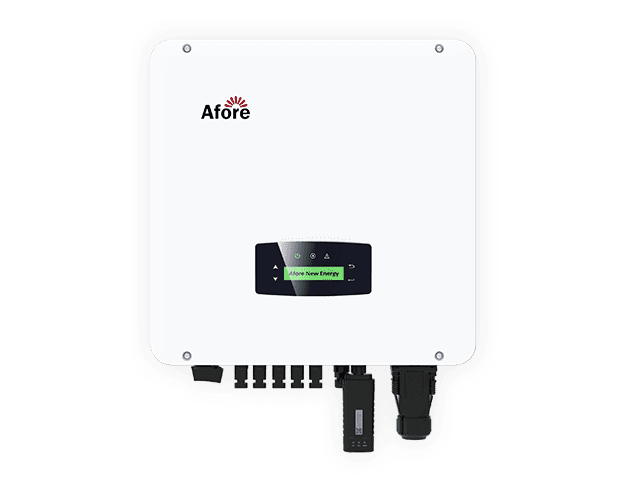
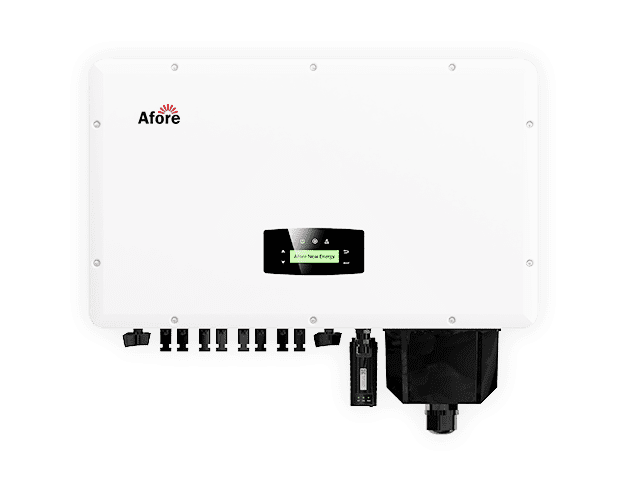
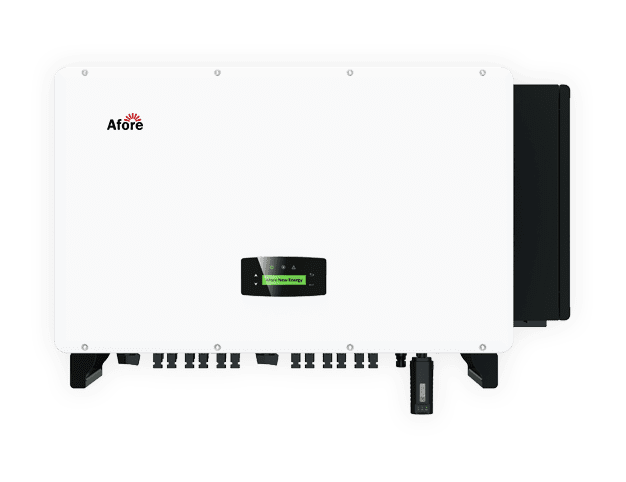
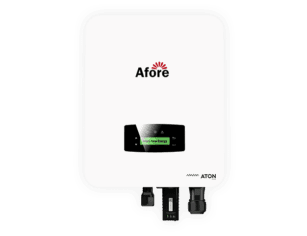
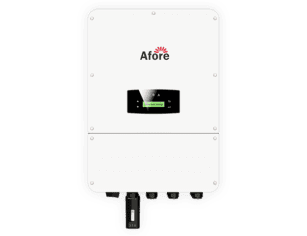
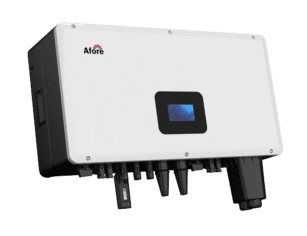
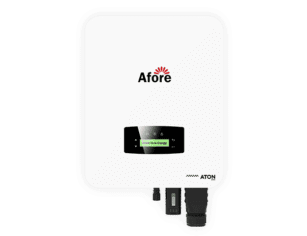
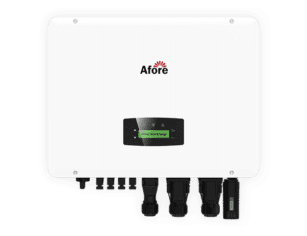
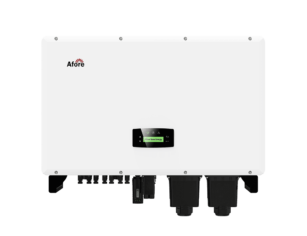
EPCs can improve conversion rates by packaging technical delivery together with financial guidance instead of treating financing as a separate discussion. Many installers now collaborate with lenders, infrastructure funds, and energy investors to simplify approvals for commercial buyers that may lack renewable procurement experience. Strong bankability for loans usually comes from presenting detailed production estimates, stable energy savings forecasts, and reliable equipment sourcing from established solar inverter manufacturers, which helps investors feel more confident about long-term system performance and repayment stability.
A PPA model allows businesses to adopt renewable energy without committing large amounts of internal capital, which makes it especially attractive for companies managing tight operating budgets or expansion plans. Under PPA financing for solar, the provider typically owns and maintains the system while the customer purchases electricity at a contracted rate that is often lower and more predictable than utility pricing. This arrangement can also reduce operational risk because performance monitoring, maintenance coordination, and equipment management are generally handled by the third-party owner rather than the facility operator.
Commercial borrowers usually improve financing approval chances by demonstrating strong cash flow, stable electricity consumption, and realistic project economics supported by accurate engineering documentation. Lenders often examine revenue consistency, debt exposure, utility savings projections, and asset quality before approving solar project debt financing for commercial installations. For larger systems that include battery integration, financiers may also evaluate technical design strategies related to financing energy storage B2B because storage performance increasingly affects resilience planning and long-term energy cost optimization.
The decision between leasing and ownership depends largely on whether a business prioritizes immediate cash preservation or maximum lifetime return from the energy asset. Buying a system generally provides stronger long-term savings because the company retains operational control and captures the economic value generated over the project lifespan, while leasing lowers entry barriers by replacing large capital expenditures with predictable recurring payments. Companies focused on rapid deployment across multiple facilities often favor leasing for flexibility, whereas organizations with stronger balance sheets may prefer ownership to maximize energy-related financial benefits over time.









 Turkish