




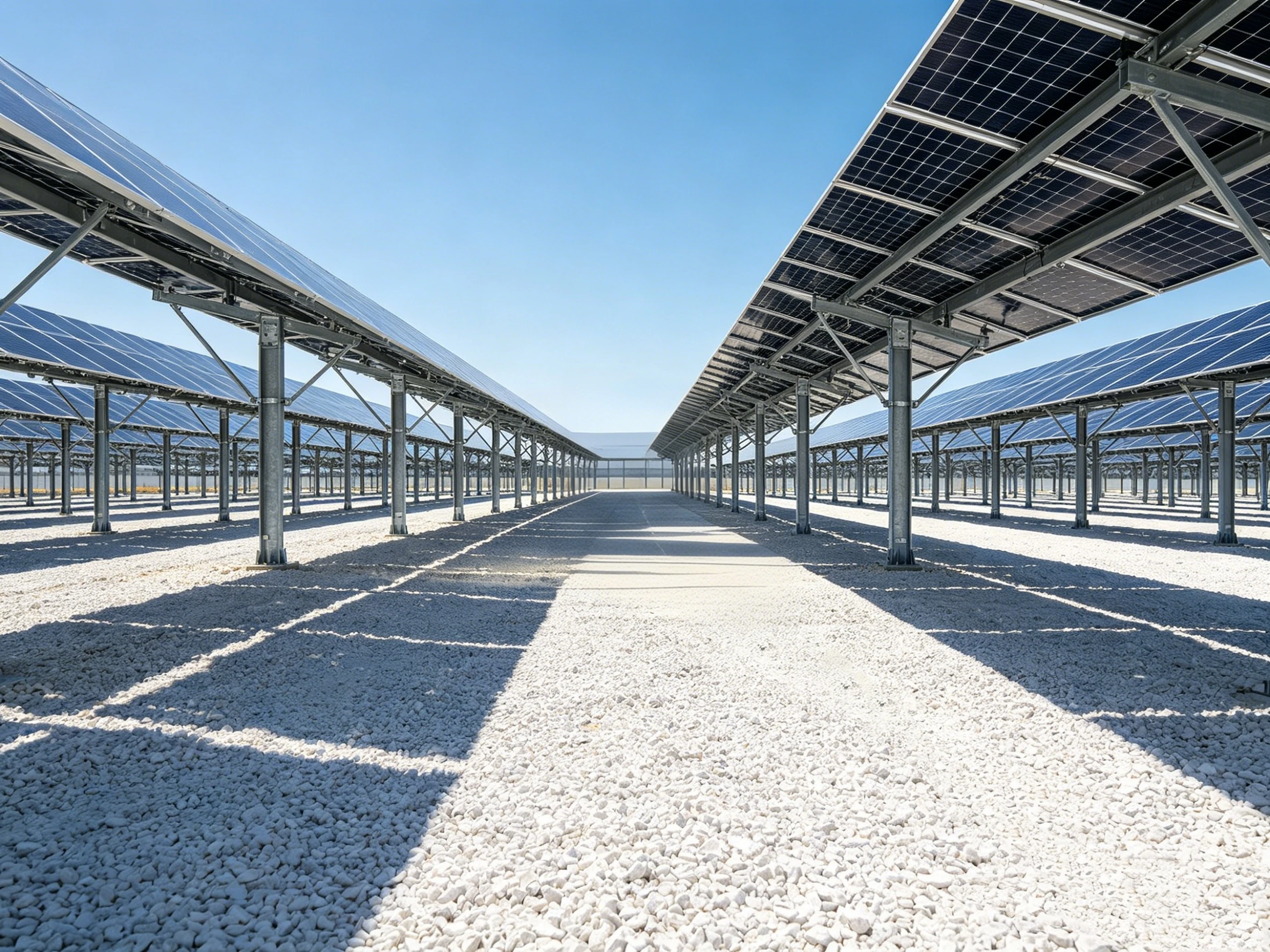
If you’ve been around commercial solar projects for a while, you’ve probably heard the buzz: bifacial is no longer “the future”—it’s already here. But here’s the catch most people underestimate:
Your system is only as smart as the inverter behind it.
You can install the best bifacial modules on the market, perfectly tilt them, optimize ground reflectivity… and still leave serious energy (and money) on the table if you pick the wrong inverter.
This guide dives deep into inverters for commercial bifacial PV, field-tested experience. We’ll break down design strategies, pitfalls, and optimization techniques that actually move the needle—especially when working with industrial bifacial arrays.
Bifacial modules don’t just generate more energy—they generate it differently.
Unlike monofacial panels, bifacial modules:
That’s where inverters for commercial bifacial PV come into play.
The inverter must handle unpredictable current spikes, not just average output.
In traditional systems, inverter sizing is fairly straightforward:
With bifacial?
Not so fast.
You now need to consider:
If your inverter can’t handle that variability, you risk:
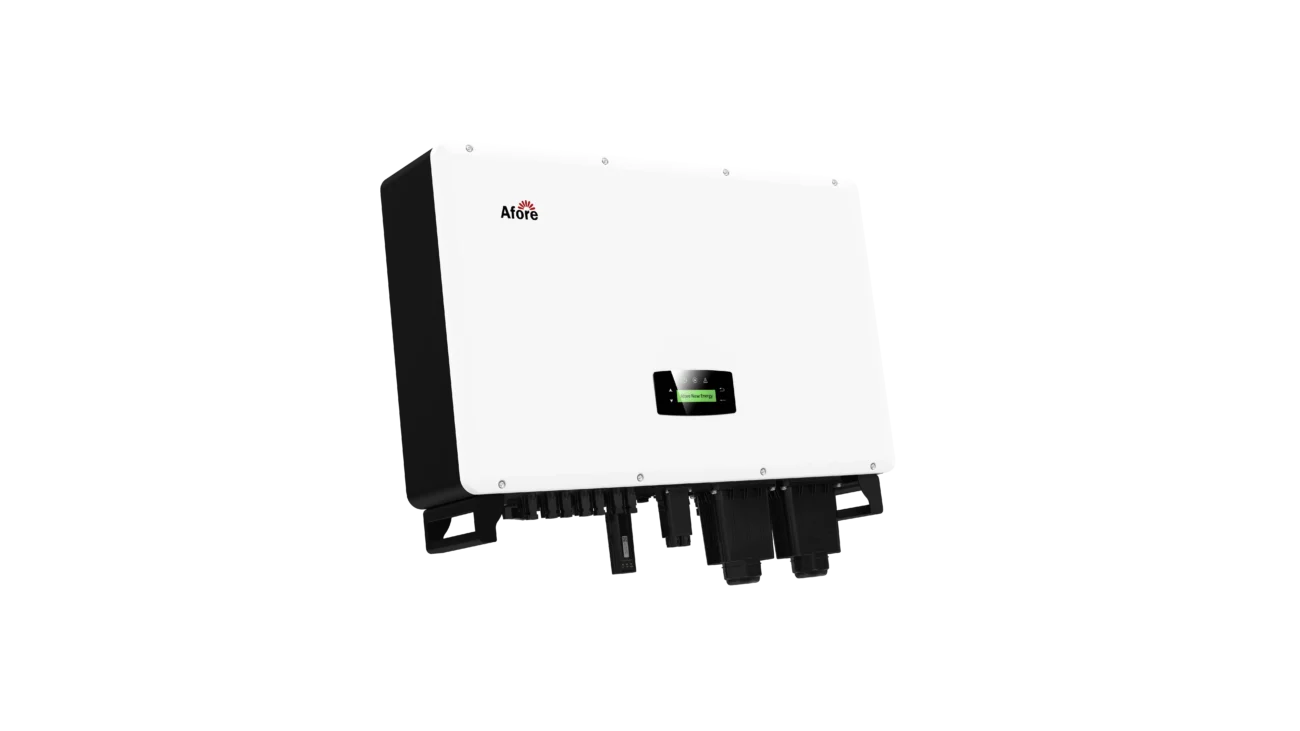
When evaluating inverters for commercial bifacial PV, you’re not just picking a box that converts DC to AC—you’re choosing the control center that determines how much of that extra bifacial gain actually turns into revenue. The difference between a well-matched inverter and a poorly matched one can easily show up as a 5–10% performance gap over time. From field experience, these are the core features that genuinely matter.
Bifacial modules naturally push more current through the system, especially under strong rear-side reflection. That’s why high current MPPT for bifacial setups isn’t optional—it’s essential.
In real installations, rear-side gain can drive current beyond standard expectations during peak irradiance. If the MPPT input current limit is too low, the inverter simply can’t process the excess energy, leading to clipping. And unlike occasional voltage spikes, this kind of current limitation can happen frequently in high-albedo environments.
A practical approach is to select inverters for commercial bifacial PV with sufficient current headroom—typically allowing at least 10–20% above calculated values. This ensures the system captures peak production instead of throttling it.
Bifacial generation isn’t stable. It fluctuates throughout the day based on sun angle, ground reflectivity, and even passing clouds. That’s where advanced MPPT algorithms make a measurable difference.
Modern inverters for commercial bifacial PV should respond quickly to changing irradiance and handle multiple power peaks effectively. This is especially important in installations where rear-side exposure varies across rows or terrain.
In practice, faster tracking translates directly into higher yield. Systems with slow or basic MPPT behavior often miss short bursts of additional energy—small losses individually, but significant over a year.
Designing around string sizing for bifacial modules requires more flexibility than traditional systems. While voltage remains relatively predictable, current increases can quickly push string configurations beyond inverter limits.
Good inverters for commercial bifacial PV allow:
From experience, rigid inverter input constraints often force compromises in system design, which can reduce overall efficiency. Flexibility at the inverter level allows engineers to optimize both layout and performance without unnecessary trade-offs.
Higher current inevitably means more heat. In large-scale or industrial bifacial arrays, thermal stress becomes a serious reliability factor.
Effective inverters for commercial bifacial PV should include:
In the field, systems exposed to sustained high current without proper thermal management tend to derate more frequently, cutting into expected energy output. A well-designed thermal profile ensures the inverter can sustain performance—not just reach it briefly.
In bifacial systems, most conversations around performance start with module specs or site design. But in practice, a large portion of unrealized energy comes down to one overlooked factor: how effectively your inverter captures and processes reflected light. When it comes to inverters for commercial bifacial PV, maximizing albedo gain is not just about materials on the ground—it’s about how intelligently the system responds to what those materials produce.
Albedo gain refers to the additional energy generated when sunlight reflects off surrounding surfaces and hits the rear side of bifacial modules. Unlike direct irradiance, this reflected component is highly variable.
Typical ranges observed in commercial projects:
What’s often underestimated is that this gain doesn’t arrive smoothly—it comes in bursts. Changes in sun angle, cloud movement, or surface conditions can cause rapid fluctuations in rear-side irradiance. That variability is exactly where inverters for commercial bifacial PV either capture value—or lose it.
Even with ideal site conditions, the inverter determines how much of that reflected energy actually becomes usable output.
Key functions include:
In systems designed for maximizing albedo gain, high-performance MPPT behavior is critical. If the inverter reacts too slowly or operates near its current limits, a portion of that additional energy is effectively wasted. Over time, these missed opportunities accumulate into meaningful production losses.
In one commercial installation with high-reflectivity ground treatment, measured rear-side contribution averaged around 15–18%. However,the actual system yield showed a smaller increase.
The reason was straightforward: the inverter’s input current ceiling was reached during peak reflection periods. As a result, part of the available energy was clipped rather than converted.
This kind of gap—between theoretical gain and actual output—is common in inverters for commercial bifacial PV that aren’t properly matched to site conditions. The takeaway is simple: albedo gain is only valuable if your inverter can keep up with it in real time.
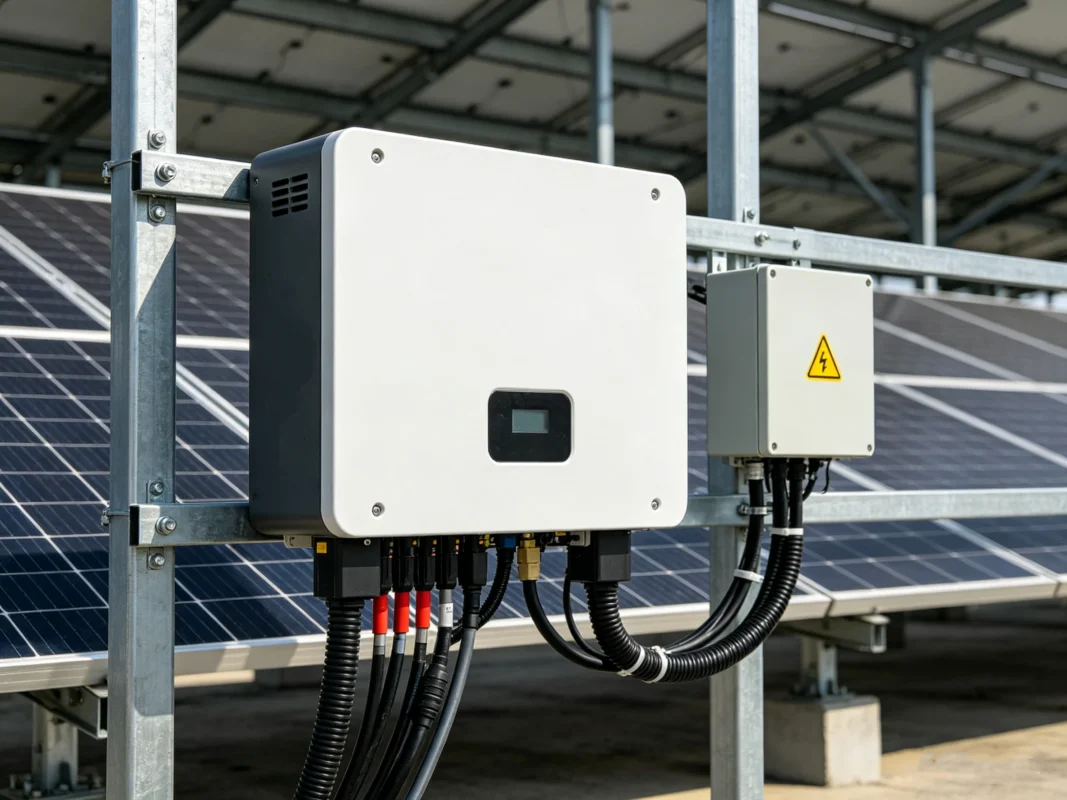
At first glance, string sizing for bifacial modules looks similar to traditional design. Voltage limits, temperature coefficients, and layout rules still apply. But once you factor in rear-side generation, the current profile changes—and that’s where many systems quietly lose performance.
Conventional string sizing is built around predictable front-side irradiance. With bifacial modules, current can rise significantly when rear-side reflection increases.
The issue isn’t voltage—it’s current.
Designs based on monofacial assumptions often:
For inverters for commercial bifacial PV, this mismatch shows up as lost energy during the exact moments when production should be highest
A more reliable approach to string sizing for bifacial modules starts with planning for variability, not averages.
Önemli hususlar şunlardır:
In real projects, slightly conservative sizing often outperforms aggressive designs, simply because it avoids bottlenecks during high-output periods.
From field experience, a few practical guidelines stand out:
With inverters for commercial bifacial PV, the goal isn’t just to make the system work—it’s to ensure it performs consistently when it matters most.
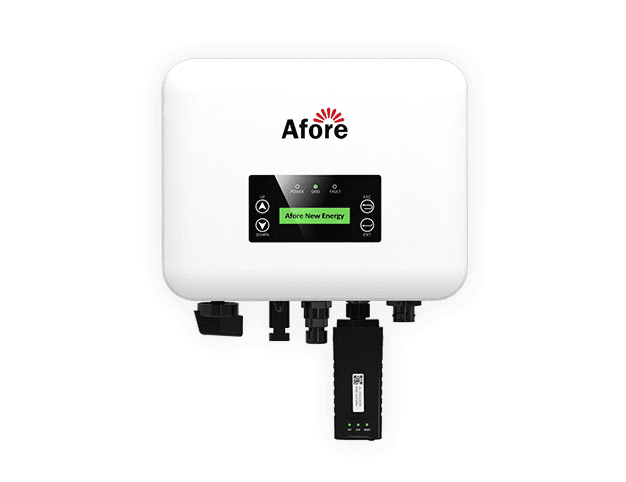
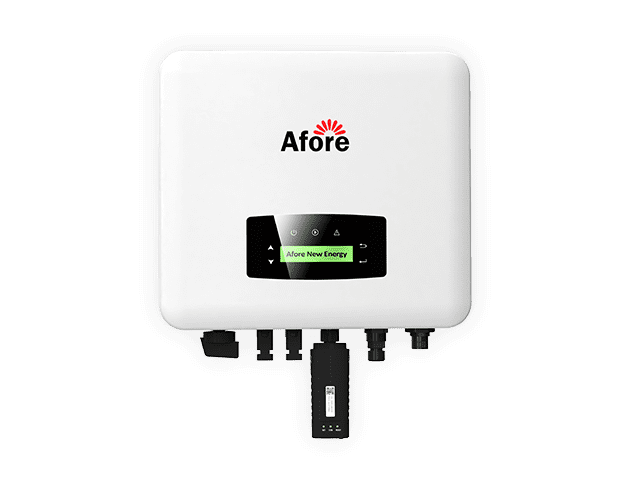
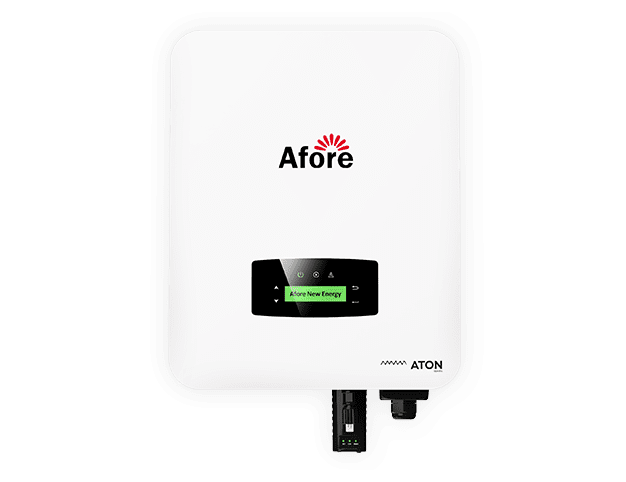
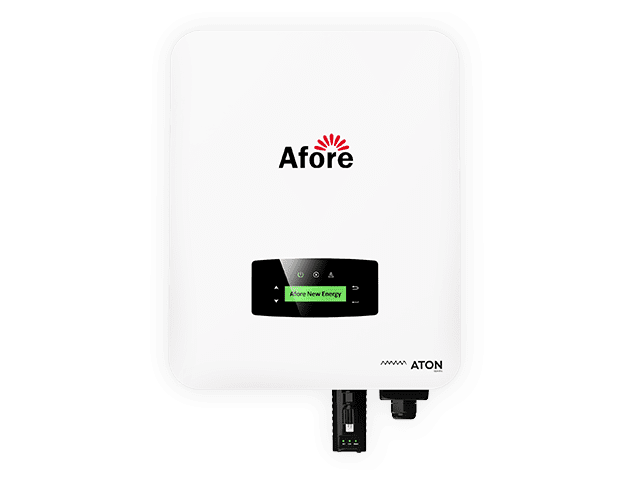
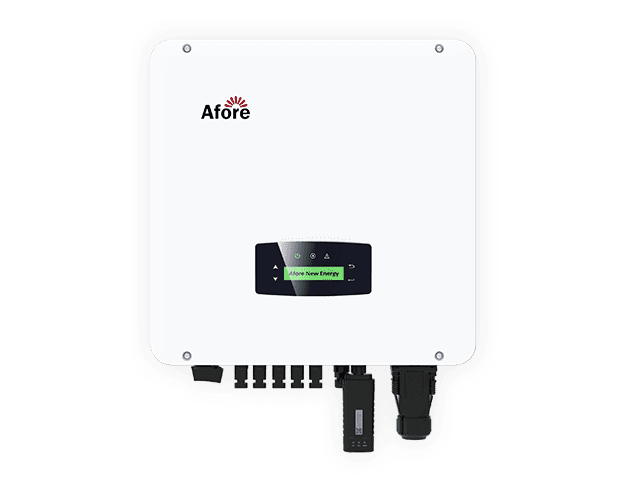
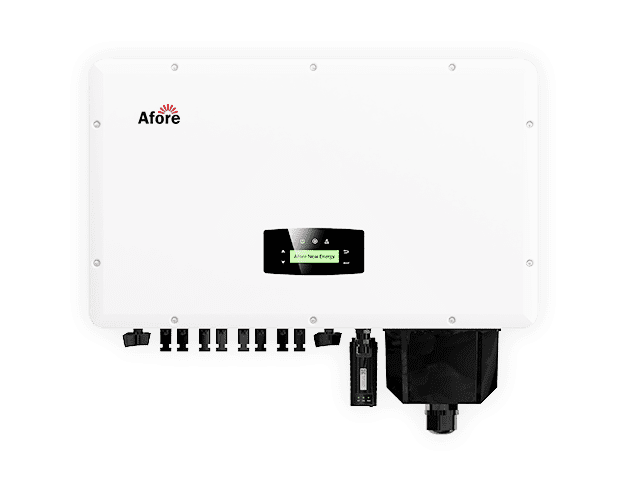
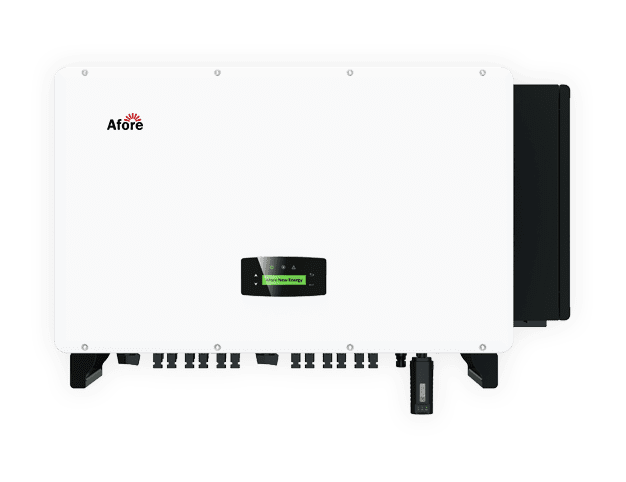
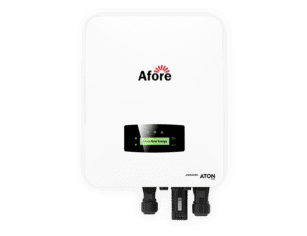
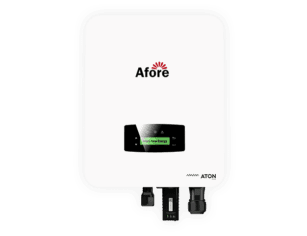
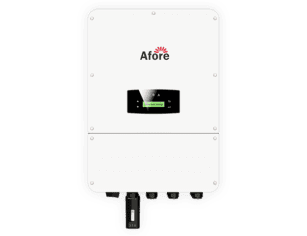
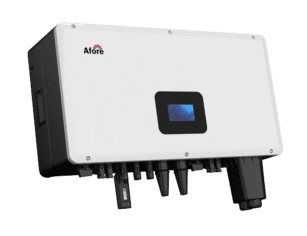
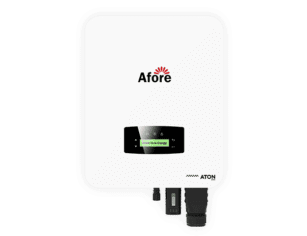
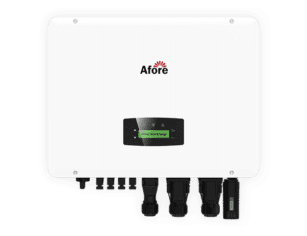
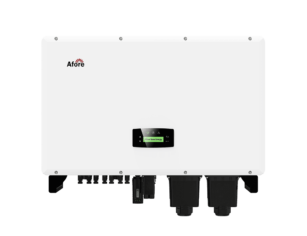
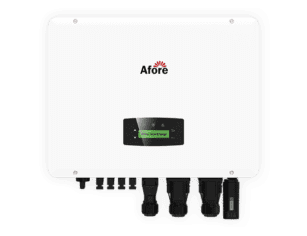
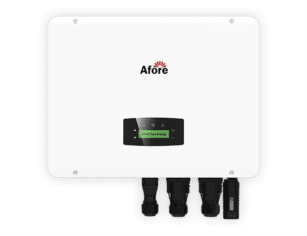
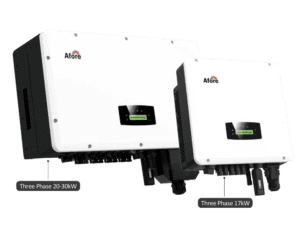
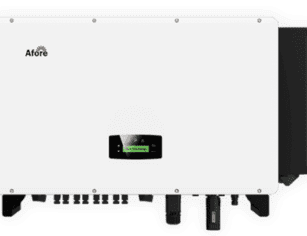
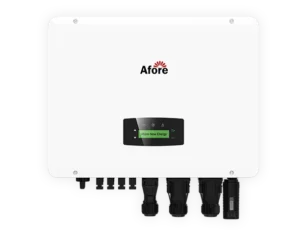
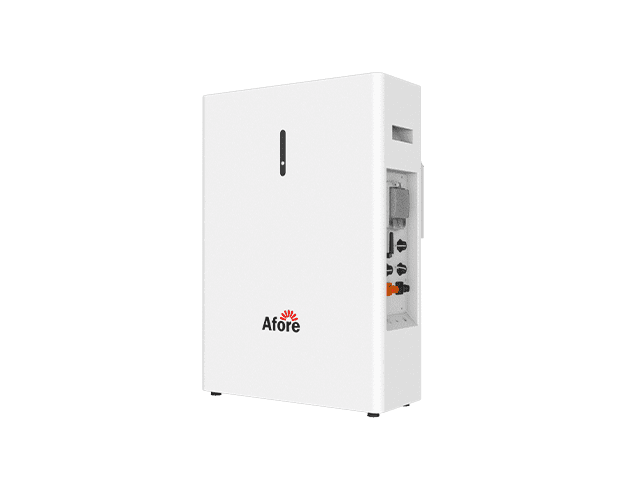
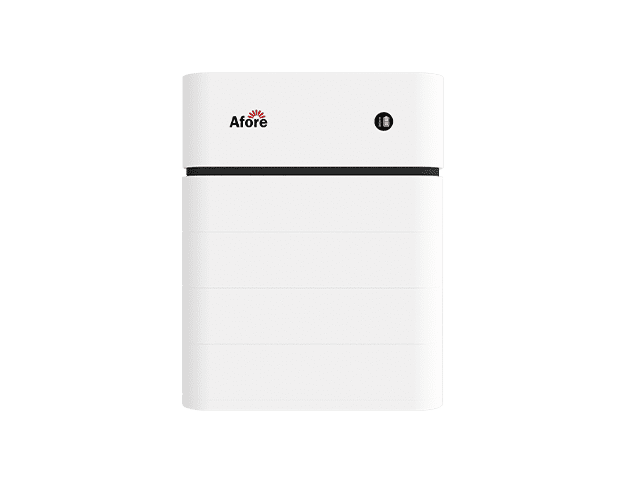
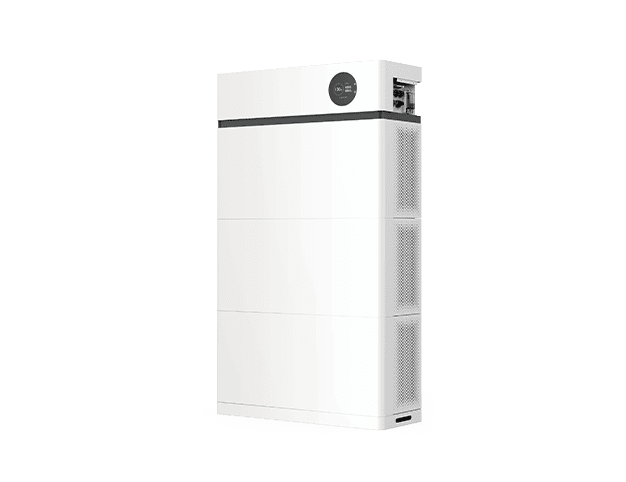
When discussing solar inverter manufacturers, one name that often comes up in bifacial projects is Afore solar inverters.
In several mid-scale commercial projects:
Typically, look for:
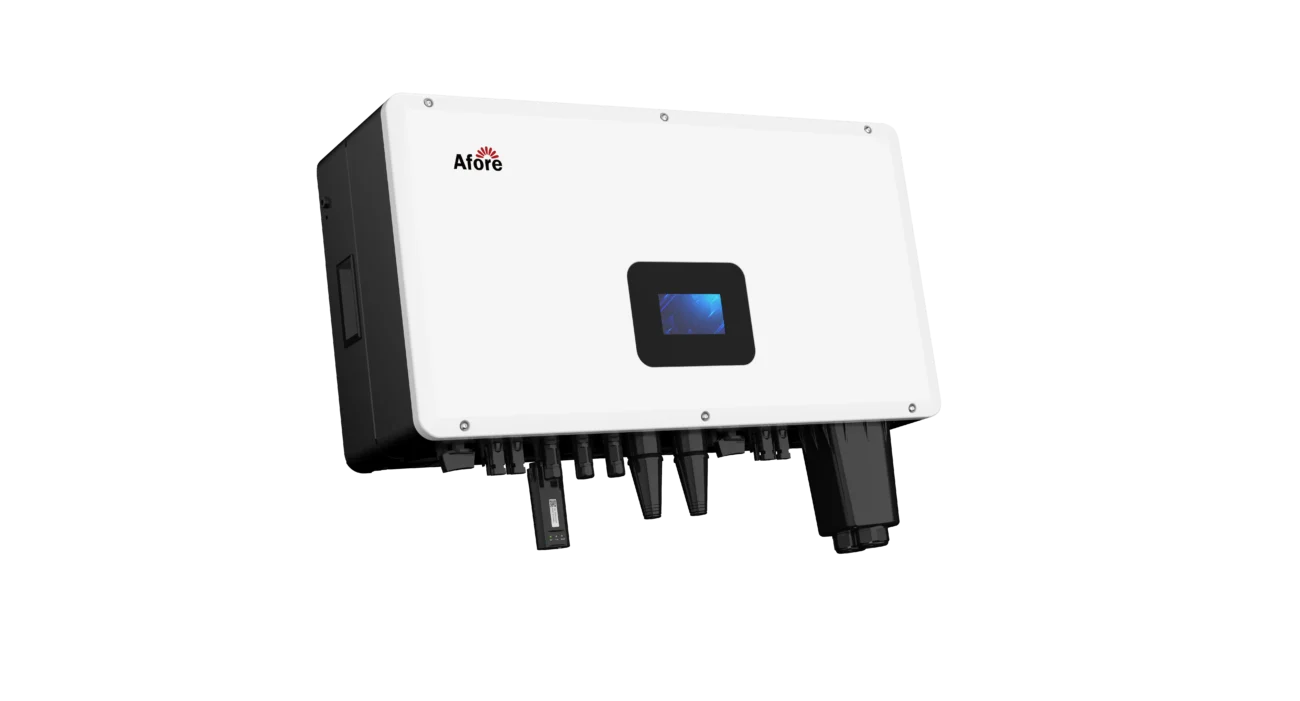
Scaling up bifacial projects introduces a different level of complexity. What works on a small commercial site doesn’t always translate cleanly to industrial bifacial arrays, especially when variability across the site starts to impact performance.
At utility or large commercial scale, uniformity disappears. You’re dealing with:
All of these directly affect rear-side generation. As a result, power output becomes less consistent across strings. For inverters for commercial bifacial PV, this means the system must handle not just higher current, but uneven current distribution across inputs.
In large installations, inverter architecture plays a critical role in maintaining efficiency. Systems with limited MPPT channels tend to average out performance, which reduces the benefit of localized high output.
Well-designed inverters for commercial bifacial PV should offer:
This allows each section of the array to operate closer to its true maximum power point, rather than being constrained by weaker-performing areas.
In industrial bifacial arrays, the choice between central and string inverters has real performance implications.
From a performance standpoint, string-based designs are often better suited for inverters for commercial bifacial PV, particularly where maximizing variable rear-side gain is a priority.
The DC/AC ratio has always been a key design lever in solar projects. But with bifacial modules, the old rules don’t hold up. If you’re still applying monofacial assumptions, you’re likely miscalculating both performance and risk in inverters for commercial bifacial PV.
In standard systems, the DC/AC ratio is based on relatively stable front-side irradiance. Bifacial arrays introduce an additional variable: rear-side gain that fluctuates throughout the day.
Bu şu anlama geliyor:
For inverters for commercial bifacial PV, relying on a fixed ratio without accounting for these dynamics often leads to underestimating clipping risk.
A better approach is to size with flexibility in mind. Instead of optimizing for average conditions, design for peak scenarios influenced by albedo.
Pratik stratejiler şunları içerir:
This ensures inverters for commercial bifacial PV can operate efficiently without consistently hitting their limits.
Over-clipping is one of the most common hidden losses in bifacial systems. It happens when inverter capacity is exceeded during high-output periods, especially when rear-side gain spikes.
To minimize this:
In practice, a balanced design captures more usable energy over time than one that simply maximizes theoretical capacity.
Selecting among solar inverter manufacturers isn’t just about price or datasheets. For bifacial projects, the wrong choice can quietly erode performance over years. When evaluating options for inverters for commercial bifacial PV, it pays to focus on proven capability rather than marketing claims.
Start with technical fundamentals that directly impact bifacial performance:
Beyond specs, look for real-world validation. Experienced solar inverter manufacturers should be able to demonstrate performance data from bifacial installations, not just lab results. Long-term reliability, monitoring capabilities, and service support also play a major role in overall system value.
Before committing, ask practical, performance-driven questions:
The goal is simple: ensure your chosen inverters for commercial bifacial PV can consistently convert additional bifacial energy into measurable output—not theoretical gains.
When people evaluate bifacial projects, they often focus on module efficiency or site design. But in practice, the real financial outcome depends heavily on how well inverters for commercial bifacial PV convert that extra generation into usable energy.
Under typical commercial conditions, bifacial systems deliver:
However, these numbers assume the system can fully capture rear-side production. Without the right inverter configuration, a portion of that gain never reaches the grid.
Inverters directly influence ROI by determining:
Undersized or slow-reacting units can reduce actual yield by several percentage points. Over time, that translates into significant revenue loss—especially in large-scale deployments using inverters for commercial bifacial PV.
The takeaway is straightforward: higher theoretical output doesn’t guarantee higher profit. Well-matched inverters for commercial bifacial PV protect your upside by ensuring that every available watt is captured, converted, and delivered.
Here’s the honest truth:
You can design the perfect bifacial system on paper…
But if your inverter can’t keep up, you’re bleeding performance every single day.
Inverters for commercial bifacial PV are not just components—they’re profit drivers.
If you’re serious about:
Then your inverter strategy needs to be just as advanced as your panel selection.
And once you get that balance right?
That’s when bifacial systems really start to shine.
Not exactly “special,” but they do require inverters for commercial bifacial PV with higher input current capacity and responsive MPPT tracking. Standard inverters can work, but often underperform during peak rear-side generation, leading to avoidable energy loss.
In most commercial installations, bifacial modules generate 10–30% more current compared to monofacial panels. The exact increase depends on site conditions such as ground reflectivity, tilt angle, and spacing. This added current is why inverter selection becomes critical.
For bifacial setups, focus on models designed for high current MPPT for bifacial performance, multiple MPPT inputs, and stable thermal behavior. The key is not the model name, but whether the inverter can handle fluctuating rear-side gain without clipping.
A typical range is 1.3 to 1.6, adjusted based on expected albedo conditions. Higher reflectivity environments require more conservative sizing to prevent clipping, especially when using inverters for commercial bifacial PV.
Bifacial systems usually deliver 10–25% higher energy yield, which improves ROI. However, actual returns depend on how efficiently the inverter converts that additional energy. Poor inverter matching can reduce gains significantly.
Smart MPPT systems are essential for capturing variable rear-side generation. In inverters for commercial bifacial PV, fast and accurate tracking ensures that sudden increases in reflected irradiance are converted into usable power instead of being lost.









 Romanian