




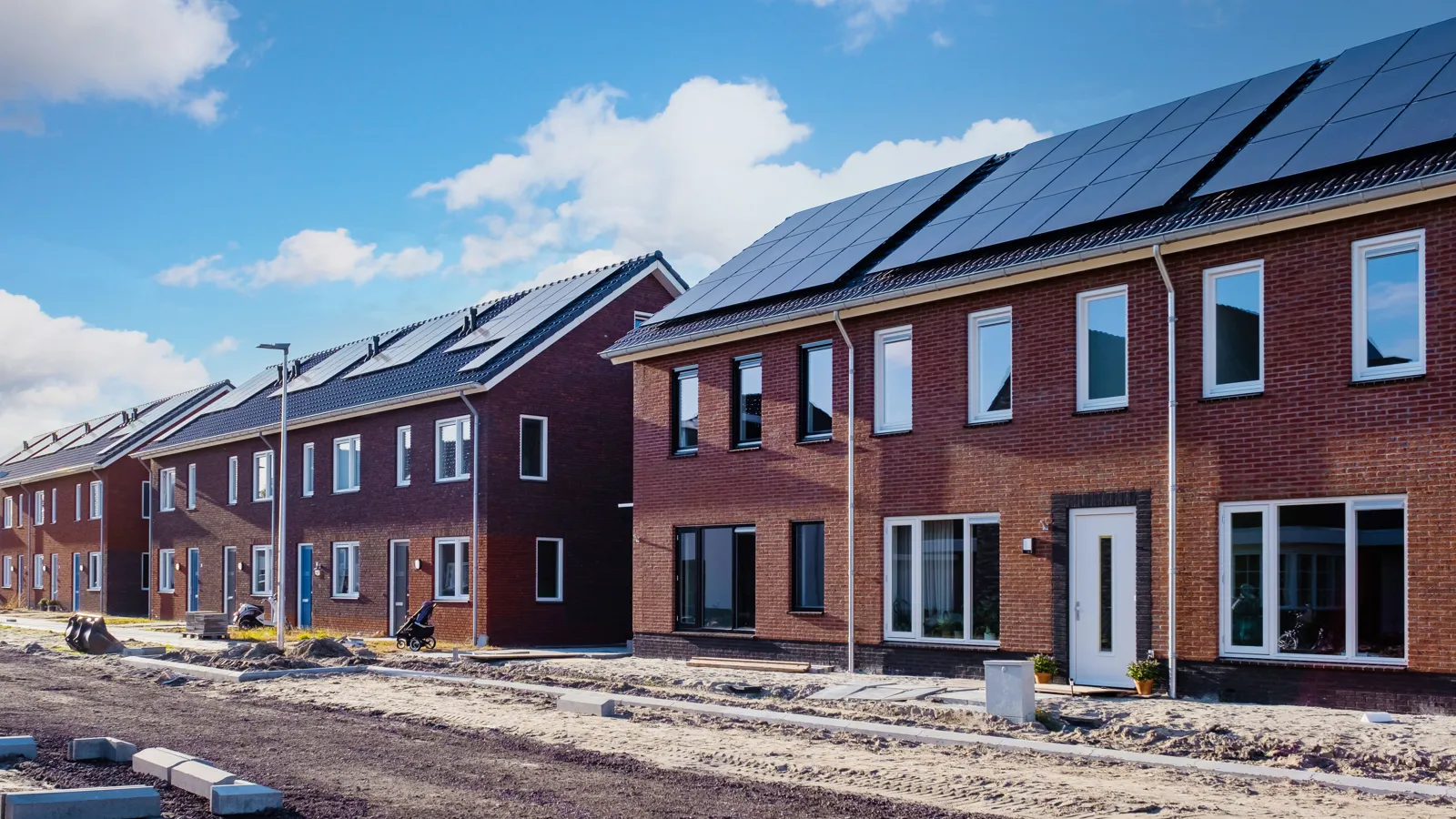
Solar for new home builders B2B is no longer a niche opportunity limited to a few high-incentive markets. For builders, EPCs, PV installers, distributors, resellers, and system integrators, new-construction solar has become a practical question of procurement, code compliance, construction scheduling, grid connection, lifecycle performance, and long-term service accountability.
The key challenge is not simply placing PV modules on finished roofs. A builder-integrated solar PV program must align architectural design, roof structure, electrical planning, utility interconnection, product availability, inspection workflows, homeowner handover, and warranty administration. If these elements are handled late, solar can become a source of redesign, failed inspections, delayed closings, and margin pressure. If they are integrated early, solar-ready new construction can reduce installation labor, improve design repeatability, simplify procurement, and create a stronger value proposition for buyers.
This guide is written for professional PV stakeholders working with production home builders, residential developers, mixed-use community developers, electrical contractors, and channel partners. It focuses on system-level decisions: how to design, procure, install, interconnect, finance, monitor, and support solar across multiple homes or communities rather than treating each project as a one-off residential installation.
This section breaks down the core business frameworks, stakeholder roles, market drivers and evaluation criteria that shape solar for new home builders B2B projects, clarifying key definitions, partnership models and industry decision-making guidelines for developers, EPCs and solar suppliers.
In a B2B context, solar for new home builders refers to a commercial arrangement where PV products, engineering, installation, financing, or long-term service packages are supplied to builders and construction partners rather than sold directly to individual homeowners. The homebuyer may ultimately own or use the system, but the purchasing, design, installation, and compliance decisions are usually made upstream by the builder, EPC, developer, or channel partner.
This model can be classified into five core categories: PV-included home, solar-ready home, storage-ready home, EV-ready home, and community-scale solar procurement. In a PV-included home, the PV array is included as part of the standard home specification or as a structured upgrade package. In solar-ready new construction, the home may not receive modules at initial occupancy, but it is designed with roof space, conduit routes, panel capacity, and structural provisions that reduce future retrofit cost. A storage-ready home reserves dedicated space, conduit paths and electrical capacity for future battery installation without immediate ESS deployment. An EV-ready home pre-configures circuit routes, panel capacity and charging infrastructure layout to support future electric vehicle charger installation. In a community-scale solar procurement model, a builder or developer sources standardized solar packages for dozens or hundreds of homes to lower unit cost and simplify execution.
Other common arrangements include EPC partnerships, where a solar engineering and construction firm manages design, permitting, installation, and commissioning for the builder; reseller programs, where distributors or solar suppliers assemble repeatable bill-of-material packages; and installer subcontracting models, where licensed solar crews support builders or electrical contractors under defined scopes of work.
The commercial value lies in repeatability. A single custom home solar project may be profitable, but it does not necessarily create scalable operations. A 100-home development with standardized roof plans, pre-approved electrical details, coordinated installation windows, and centralized monitoring can create procurement efficiency and predictable margins if it is managed correctly.
New-construction solar involves more parties than a typical retrofit installation. The builder controls the construction schedule, architectural plans, buyer communication, and home delivery. The EPC or solar contractor usually controls PV design, permitting support, installation quality, commissioning, and system documentation. Electrical contractors may handle service panels, conduit pathways, rough-in work, or interconnection-ready infrastructure. Distributors and manufacturers support product availability, technical documentation, certifications, and warranty processes. Utilities and authorities having jurisdiction influence interconnection, inspections, labeling, and code acceptance.
Responsibility boundaries matter because solar defects often appear after handover, when the homeowner may not know which party owns the issue. A roof leak may involve the roofer, mounting installer, builder, or workmanship warranty provider. An inverter fault may involve the installer, manufacturer, monitoring platform, or long-term service provider. A failed final inspection may come from a mismatch between approved plans and installed equipment. Without written responsibility matrices, the builder often becomes the first point of complaint even if the root cause sits elsewhere.
A practical responsibility structure should define who owns design approvals, product substitutions, permit packages, installation labor, inspection corrections, utility paperwork, monitoring activation, homeowner documentation, service calls, warranty claims, and roof access procedures. These details are not administrative extras; they directly affect project risk and customer satisfaction.
| Responsibility area | Typical owner in a builder solar program | Neden önemli |
|---|---|---|
| PV design and engineering | EPC, solar designer, or system integrator | Drives permit approval, performance, and installation repeatability |
| Roof readiness and structural coordination | Builder, architect, structural engineer, roofer | Prevents redesign, obstructions, and attachment conflicts |
| Electrical rough-in and service capacity | Electrical contractor, EPC, builder | Affects inverter placement, EV readiness, storage readiness, and code compliance |
| Interconnection paperwork | EPC, installer, or dedicated coordinator | Delays can affect occupancy expectations and buyer experience |
| Warranty and service workflow | Builder, installer, manufacturer, O&M provider | Avoids confusion after homeowner handover |
Cross-Party Responsibility Allocation Matrix
| Responsibility Item | Builder | EPC/installer | Electrical contractor | Manufacturer/distributor | Homeowner |
|---|---|---|---|---|---|
| Roof penetration warranty oversight | Primary | Secondary | Not involved | Not involved | Not involved |
| Product substitution approval | Secondary | Primary | Not involved | Primary | Not involved |
| Permit resubmission responsibility | Secondary | Primary | Secondary | Not involved | Not involved |
| Failed inspection correction cost allocation | Shared | Primary | Shared | Not involved | Not involved |
| Utility interconnection delay ownership | Secondary | Primary | Not involved | Not involved | Not involved |
| Monitoring account setup and activation | Secondary | Primary | Not involved | Secondary | Not involved |
| Homeowner system training and handover | Primary | Secondary | Not involved | Not involved | Recipient |
| Service response SLA enforcement | Secondary | Primary | Secondary | Secondary | Requester |
| Warranty claim labor reimbursement terms | Shared | Primary | Not involved | Primary | Not involved |
| Project documentation long-term retention | Primary | Primary | Secondary | Secondary | Not involved |
| Warranty and monitoring transfer on home resale | Primary | Secondary | Not involved | Secondary | Primary |

The commercial drivers vary by market, but several themes are consistent. Energy code compliance is one of the strongest forces in regions where new homes are required or encouraged to include PV, solar-ready infrastructure, or high-efficiency electrification measures. In the European Union, policy direction under solar and building energy initiatives is pushing buildings toward higher renewable readiness, while in parts of the United States, building codes and state programs influence solar adoption in new residential construction. The exact rules differ by jurisdiction, so builders and EPCs should verify requirements with local authorities before standardizing designs across markets.
Buyer demand is another driver. New-home buyers increasingly compare monthly operating costs, not just purchase price. A home with a properly sized PV system, efficient HVAC, electric water heating, and EV charging readiness can offer a more predictable long-term energy profile. For builders operating in competitive housing markets, solar can also support differentiation, sustainability commitments, green building certifications, and alignment with electrification trends.
Utility program participation can also influence adoption. Net metering, net billing, export limits, time-of-use rates, distributed energy resource programs, and storage incentives can materially affect system economics. However, these programs change frequently. Builders and resellers should avoid universal payback claims and instead model buyer value by utility territory, tariff structure, expected consumption, and ownership model.
Policy and Code Mandates for Builder Solar
Builder solar requirements generally fall into mandatory PV installation, solar-ready construction, and performance-based energy compliance where PV helps meet a modeled energy target. This covers mandatory PV installation rules that require new residences to equip full PV systems at build time, solar-ready construction codes that enforce pre-planned roof, conduit and electrical infrastructure for future solar retrofits, and zero-energy-ready or high-performance home programs that tie renewable energy adoption to overall building efficiency targets. EU building-energy policy direction continues pushing all new constructions toward higher renewable energy readiness, while the United States shows clear state and local code variation in solar mandates, incentive structures, and compliance thresholds for residential new builds.
Not every builder’s account is attractive. A large community may appear promising, but if roof plans vary widely, utility approval is slow, inspections are inconsistent, and the builder expects aggressive pricing without schedule discipline, the account can create margin pressure.
EPCs and resellers should evaluate builder opportunities based on project volume, design repeatability, roof suitability, procurement scale, installer availability, interconnection complexity, and after-sales obligations. A 40-home project with three standardized roof plans and one utility territory may be more profitable than a 200-home program spread across multiple jurisdictions with inconsistent construction sequencing.
The strongest opportunities usually have early solar involvement in architectural planning, clear authority over product selection, standardized documentation, predictable release schedules, defined storage and EV readiness requirements, and a written service workflow after home sale. The weakest opportunities treat solar as a late-stage add-on after roof penetrations, vents, attic runs, panel locations, and utility applications have already been finalized.
When designing solar solutions for new residential builds, targeted system criteria cover roof layout structural planning, energy load calculation, zero-energy home optimization, and full component selection, guiding builders and EPCs to deliver standardized, code-compliant PV projects efficiently.
Solar-ready new construction begins at the roof plan, not at the installation truck. Roof pitch, azimuth, usable plane area, shading, fire setbacks, access pathways, skylights, vents, chimneys, dormers, and structural capacity all determine whether PV can be installed efficiently.
For production builders, the goal is not to design a perfect roof for one home. The goal is to create roof plans that support repeatable PV layouts across many homes with minimal field adjustment. South-facing roof planes may be valuable in northern hemisphere markets, but east-west arrays can also be commercially sensible where roof geometry, time-of-use pricing, or community aesthetics require distributed production. In dense communities, shading from neighboring structures, parapets, roof features, and future tree growth should be modeled early, because small layout changes across many homes can create large portfolio-level production differences.
Structural planning is equally important. Roof framing should account for PV module dead load, mounting hardware, wind uplift, snow load where applicable, and attachment requirements. The mounting design must coordinate with roofing materials, waterproofing details, and roof warranties. Early coordination between the architect, structural engineer, roofer, and solar designer reduces conflicts that otherwise appear during inspection or after occupancy.
PV system sizing for new homes requires assumptions because the homeowner’s actual consumption is not yet known. Professional teams typically build model-home load profiles based on floor area, HVAC type, insulation level, appliance electrification, water heating, expected occupancy, EV charging readiness, and local climate. For subdivisions with repeatable home models, these load profiles support standardized system sizes, but final design may still require site-specific adjustment for roof orientation, shading, utility export rules, or buyer-selected options.
Average new-home PV system sizes can vary widely by region and efficiency standard. For planning purposes, residential new-construction solar systems are typically sized within a mid-single-digit to low-double-digit kilowatt range, aligned with household electric load, available roof area, and local policy requirements. The important B2B point is that sizing should not be based only on available roof space. It must consider interconnection limits, export compensation, service panel capacity, inverter limits, and future electrification.
EV charging is increasingly important. A home that appears adequately served by a smaller PV system at occupancy may need significantly more annual energy once an EV charger is used regularly. Similarly, heat pumps, electric water heating, induction cooking, and pool equipment can shift load profiles. Builders and EPCs should decide whether the standard solar package is designed only for code compliance, for estimated annual offset, or for a broader electrification-ready value proposition.
Four distinct PV sizing methodologies should be differentiated during design: code-minimum sizing built strictly to meet local energy code baseline requirements, annual energy offset sizing calibrated to match modeled yearly household consumption, electrification-ready sizing engineered to accommodate future heat pump and EV load growth, and resilience/storage-oriented sizing optimized to pair with battery backup and outage mitigation needs.
Energy efficiency should be fully addressed before finalizing PV system sizing for zero-energy-ready homes. High-performance building envelope design, efficient HVAC equipment, heat pump water heaters, and ENERGY STAR-tiered appliances collectively reduce overall household energy demand and lower the required PV capacity to reach net energy targets. Solar sizing for these properties must be based on modeled annual energy consumption rather than relying solely on available roof area. Close coordination between HERS and energy modeling teams and professional PV designers is essential to align efficiency assumptions, load forecasts, and solar output calculations. Under zero-energy-ready frameworks, solar should be treated as an integrated part of a whole-home energy package instead of a last-minute standalone construction add-on.
Clear data differentiation is critical: modeled annual kWh consumption varies significantly by home square footage and layout, directly impacting the PV system size required to fully offset modeled load; code-minimum baseline homes demand substantially larger PV arrays compared to optimized high-performance homes with tightened energy usage profiles.
Product selection for builder programs is a lifecycle decision. Module efficiency matters because roof area is often constrained, especially on smaller lots or multi-orientation roof plans. Temperature coefficient, degradation rate, mechanical load rating, fire classification, and warranty terms also affect long-term performance. However, the highest-efficiency module is not always the best commercial choice if availability is unstable or substitutions require repeated permit revisions.
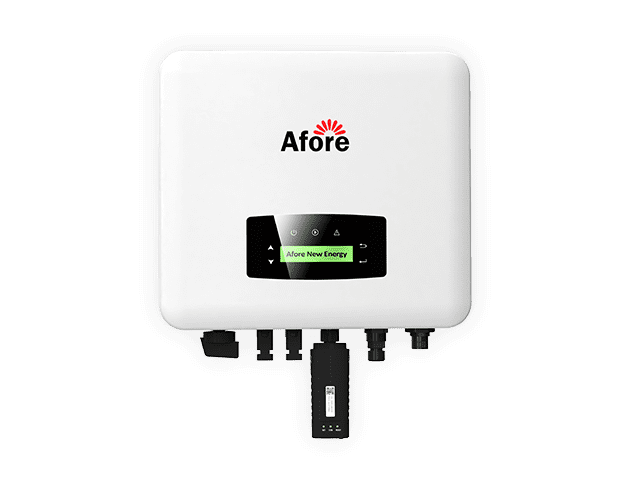
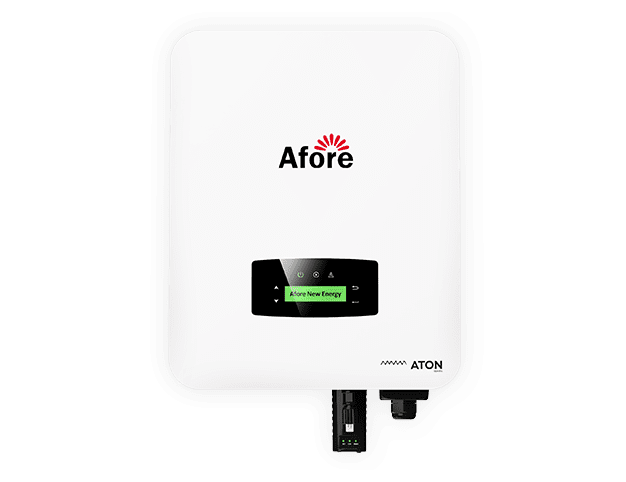
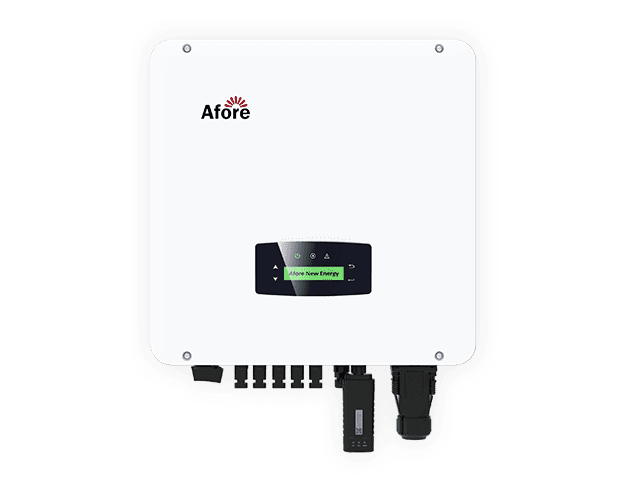
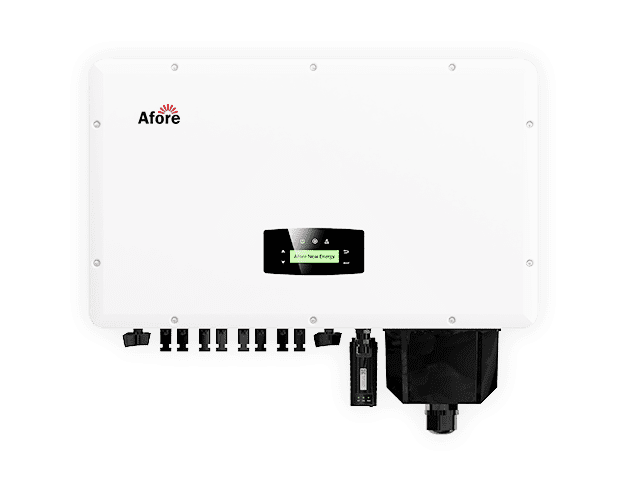
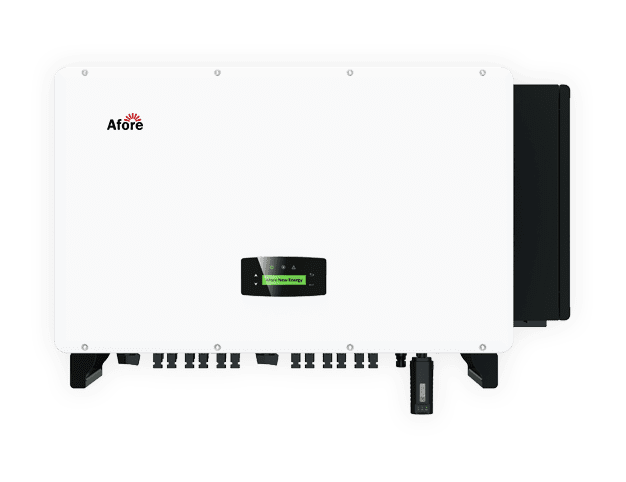
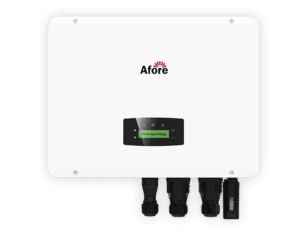
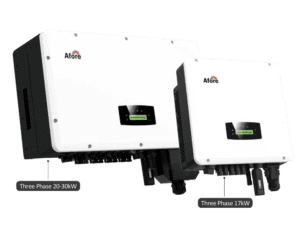
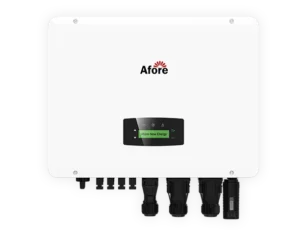
Inverters are equally strategic. The inverter architecture from güneş i̇nvertörü üreti̇mi̇ affects design flexibility, rapid shutdown compliance, monitoring granularity, commissioning workflow, truck rolls, and service procedures. For new-construction portfolios, monitoring access and commissioning consistency are often as important as nameplate efficiency.
Balance-of-system components should not be treated as minor accessories. Racking compatibility, flashing details, wire management, connectors, disconnects, labels, conduit, junction boxes, monitoring devices, and rapid shutdown components all affect inspection success and serviceability. Standardized BOS packages reduce variation across installer crews and help distributors maintain reliable inventory.
The most scalable programs balance product cost, supply continuity, warranty administration, installer familiarity, certification coverage, and lifecycle performance. A low-cost equipment package that creates substitutions, failed inspections, or difficult service calls can be more expensive over the project lifecycle than a slightly higher-cost standardized package.
The best inverter architecture depends on roof complexity, shading, utility requirements, labor model, and service strategy. There is no universal answer. A production builder with repeated roof plans and minimal shading may prioritize simple, cost-controlled string architecture. A development with fragmented roof planes, multiple orientations, and distributed crews may prefer module-level electronics for design flexibility and monitoring detail.
| Architecture | Best-fit scenarios | Key advantages | Key trade-offs |
|---|---|---|---|
| Dize invertör | Repeated roof plans, low shading, larger continuous arrays | Lower equipment count, centralized service, efficient procurement | Less flexible for complex roofs; monitoring is less granular unless paired with additional devices |
| Mikroinverter | Small roof sections, multiple orientations, modular installation | Module-level monitoring, flexible design, simplified expansion | More rooftop electronics; service strategy must account for distributed components |
| Optimizer-based string system | Mixed orientations, partial shading, module-level shutdown needs | Combines centralized conversion with module-level control | More components than basic string systems; commissioning and diagnostics require training |
For B2B decision-makers, architecture should be selected not only for one home but for the full deployment model. If crews change frequently, commissioning must be simple and well documented. If service access is costly, monitoring granularity may justify higher component complexity. If utility requirements include specific smart inverter functions, the selected architecture must support compliant settings and documentation.
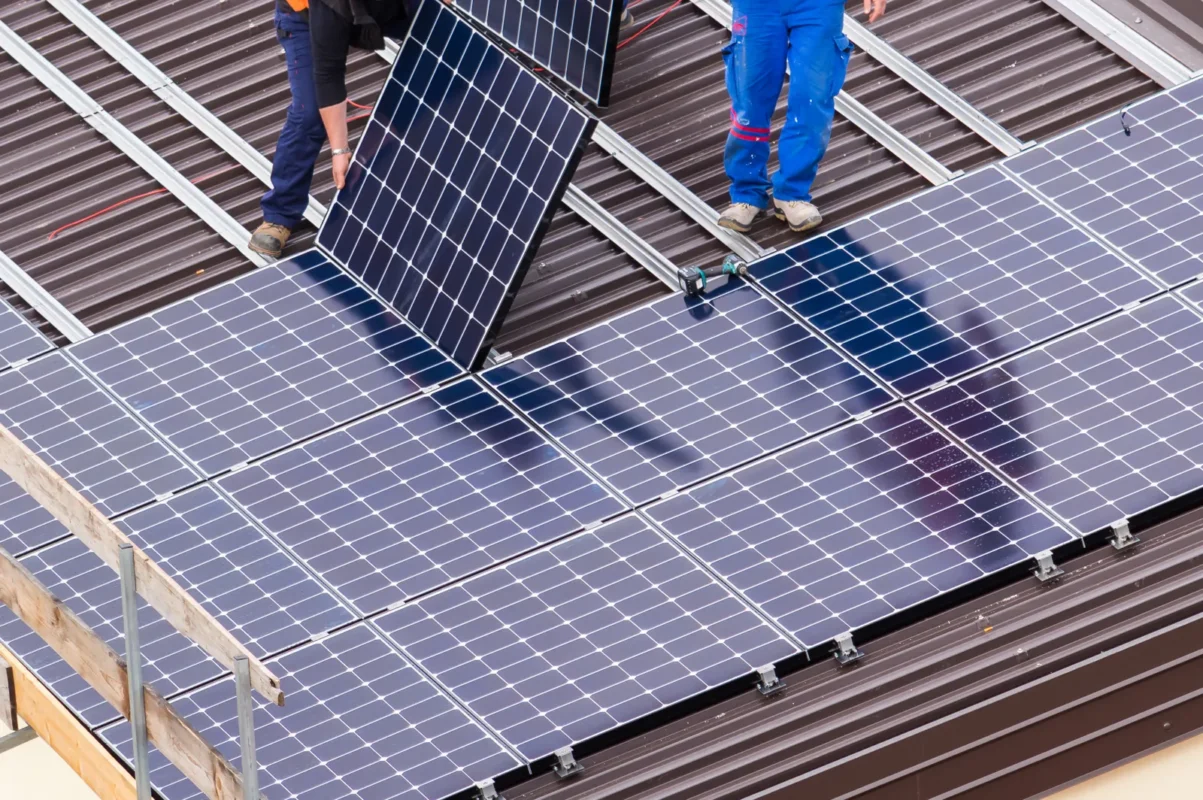
Effective procurement, reliable supplier partnerships, and streamlined channel strategy lay the groundwork for scalable, cost-efficient solar rollouts across new residential builder projects. Making informed supplier and logistics decisions helps maintain construction timelines, consistent system quality, and long-term project profitability.
Supplier evaluation for builder programs should focus on consistency as much as technical performance. Construction schedules depend on predictable component availability. If a module or inverter changes mid-project, the EPC may need revised datasheets, updated permit packages, new labels, installer retraining, or amended utility documentation. Even technically equivalent substitutions can create delays if they are not pre-approved.
Relevant supplier criteria include manufacturing capacity, product roadmap stability, certification coverage, warranty terms, financial resilience, documentation quality, technical support responsiveness, and regional availability. For international programs, certification requirements may differ between markets, and equipment approved in one region may not be accepted in another without additional documentation.
Bankability is also practical. A 25-year module performance warranty has limited value if warranty administration is slow, unclear, or unsupported in the target region. Builder-facing programs should confirm how replacement products are handled, whether equivalent modules will be available, how labor reimbursement is treated, and how claims are filed after homeowner handover.
Additional supplier due diligence items include maintaining pre-approved alternate equipment lists for controlled substitutions, formal module wattage change control protocols, verified electrical compatibility across inverter-module pairings, confirmed racking attachment compatibility with selected mounting hardware, full batch-level product traceability for warranty and recall management, guaranteed spare-parts stocking timelines, formal end-of-life and model-discontinuation transition planning, defined distributor service-level performance expectations, standardized damage and shortage claims processing workflows, and complete lot-level delivery documentation for every project shipment.
Resellers and distributors can create significant value by structuring repeatable bill-of-material packages for each home model. A well-designed package includes modules, inverters, racking, attachments, wiring, conduit, disconnects, monitoring devices, labels, rapid shutdown components where required, and optional storage-ready parts. The package should match approved plan sets so installers are not improvising in the field.
SKU standardization reduces procurement complexity and training burden. Regional warehousing can reduce delays when construction schedules shift. Documentation packages should include equipment datasheets, installation manuals, single-line diagrams, labeling details, commissioning steps, and product substitution rules.
For large builder accounts, distributors may also support phased delivery plans. Delivering all PV materials too early creates storage, theft, and damage risk. Delivering too late causes crews to miss roof-ready windows. The best channel strategies align inventory release with actual construction milestones.
Reseller and distributor value is further strengthened by maintaining pre-approved alternate equipment lists to avoid project delays, enforcing formal distributor service-level expectations for lead time and support, implementing a clear damage and shortage claims process for bulk deliveries, and retaining comprehensive lot-level delivery documentation for reconciliation, warranty tracking, and project audit purposes.
Subdivision solar logistics require tighter control than one-off residential work. Jobsite storage may be limited. Crews may need to install multiple homes in one mobilization. Roof readiness can vary by street, phase, or superintendent. If materials are delivered to the wrong lot or stored without protection, losses can multiply quickly.
Effective logistics planning covers delivery sequencing, lot-level labeling, inventory reconciliation, damage inspection, theft prevention, and return handling. Material staging should align with roofing completion, electrical rough-in, exterior finishing, inspection windows, and utility meter installation. For multi-site builders, centralized dashboards or shared release schedules can help EPCs coordinate crews across developments.
The key operational principle is simple: solar materials should arrive when the site is ready to absorb them. Too early creates risk. Too late creates schedule pressure.
After-sales support must be defined before the first home is sold. The homeowner may not have selected the solar contractor, but they will expect the system to work and will often contact the builder first when it does not. This creates reputational risk for builders and service risk for installers.
Warranty administration should clarify module warranty, inverter warranty, racking warranty, workmanship coverage, roof penetration responsibility, monitoring access, response times, and escalation paths. It should also define what happens when the home is resold. Monitoring account transfer, warranty transfer, and documentation access should be part of the handover process.
A builder solar program without a service model is incomplete. The system may pass inspection and still create long-term problems if no party owns performance questions, inverter alerts, production complaints, or warranty claims.
Navigating permits, grid interconnection, and regulatory compliance is critical to keeping new build solar projects on schedule, with regional rules shaping every design, installation, and approval step.
Compliance varies by country, state, province, municipality, utility, and authority having jurisdiction. However, common areas include electrical safety, rapid shutdown, grounding and bonding, conductor sizing, overcurrent protection, roof access pathways, fire setbacks, structural attachments, labeling, and equipment certification. In the United States, PV system design commonly intersects with the National Electrical Code, while grid-interactive inverter behavior is influenced by standards such as IEEE 1547 and related certification requirements. In the European market, product conformity, grid codes, building energy directives, and national implementation rules must be considered.
For builder programs, the risk is assuming that one approved design can be copied everywhere. Even neighboring jurisdictions may interpret fire access pathways, labeling, or equipment placement differently. Before scaling a design across multiple developments, EPCs should confirm local code editions, utility requirements, approved equipment lists, inspection preferences, and permit submission formats.
Grid interconnection is often the hidden schedule risk in new-construction solar, covering two core phases: pre-construction utility feasibility review to validate site capacity and rule compliance, and post-installation permission to operate formal approval before system activation. A home can be physically complete, the PV system can be installed, and inspections can be passed, yet the system may not operate until utility approval, meter configuration, or permission to operate is complete.
Utility Interconnection Checklist for New Home Communities
Confirm exact utility territory by individual lot and community phase, define clear application ownership and responsible party, lock in optimal document submission timing aligned with construction milestones, compile full required technical and project documentation, complete preliminary export limit rule review, conduct transformer and feeder capacity impact assessment, pre-set compliant smart inverter configuration parameters, confirm meter type and interconnection configuration standards, map full PTO review and approval workflow, and establish transparent homeowner communication protocols if PTO approval is finalized after occupancy and home closing.
Early utility coordination is especially important for subdivisions. Multiple homes exporting to the same feeder or transformer can trigger additional review. Export limits, smart inverter settings, transformer capacity, service upgrades, and metering requirements may affect approval. In some markets, utilities may require specific documentation before construction reaches the final stage.
For builders, interconnection delays can affect buyer expectations and closing conversations. For EPCs and installers, delays can increase administrative burden and customer support calls. Interconnection should therefore be tracked as a project milestone, not treated as a post-installation formality.

The most common compliance delays are rarely caused by advanced engineering problems. They usually come from process gaps: incomplete permit packages, inconsistent plan sets, equipment installed differently from approved drawings, missing labels, incorrect placards, inaccessible disconnects, unapproved product substitutions, failed roof attachment inspections, or missing utility documents.
Builder solar programs reduce these risks through standardized templates and strict change control. If a module, inverter, racking component, or electrical layout changes, the team should know whether the permit package, utility application, labels, or inspection documents also need updating. Field crews should have access to the latest approved plan set, not outdated drawings.
Inspection readiness depends on accurate documentation. A complete package usually includes single-line diagrams, site plans, module and inverter datasheets, racking details, structural attachment information, rapid shutdown documentation, labels, grounding details, commissioning checklists, and as-built drawings. For storage-ready homes, documentation should also clarify battery location provisions, conduit runs, clearances, panel capacity, and compatible inverter pathways.
Repeatable documentation templates are one of the strongest levers for scaling. Once an AHJ accepts a clear format, similar homes may move through review more efficiently, although approval is never guaranteed. The documentation system should be maintained as carefully as the physical installation standard.
This section outlines end-to-end best practices for solar deployment within new build projects, covering milestone alignment, standardized site procedures, schedule coordination, and formal system commissioning and handover for builder-focused PV programs.
Solar installation must fit into the broader construction schedule. If installed too early, modules may be exposed to damage from other trades, exterior finishing, or roofing corrections. If installed too late, crews may interfere with final inspection, closing deadlines, or utility approval.
A typical workflow coordinates PV design during architectural and structural planning, conduit and electrical provisions during rough-in, roof attachments after roofing readiness, module installation after roof completion, inverter and electrical work before final electrical inspection, and commissioning after utility and inspection requirements are satisfied. Exact sequencing varies by market and construction method, but the principle is consistent: solar should be integrated into the builder’s schedule rather than added as an external activity.
Builder superintendents, roofers, electricians, and solar crews need clear handoff points. Roof readiness should be confirmed before crews mobilize. Electrical rough-in should reserve inverter locations, conduit routes, and panel capacity. Inspection windows should be coordinated so failed corrections do not delay the next construction stage.
Construction-Phase Solar Workflow
| Construction phase | Solar task | Risk if missed |
|---|---|---|
| Architectural design | Integrate PV roof layout, set setbacks and zoning constraints | Late redesign, limited usable roof space, permit delays |
| Structural design | Engineer PV dead load, wind uplift and attachment points | Structural reinforcement retrofits, inspection failures |
| Electrical rough-in | Run PV conduit, reserve inverter location and panel capacity | Costly post-construction conduit runs, panel upsizing |
| Roofing complete | Complete racking mounting and flashing installation | Compromised roof warranty, water intrusion risk |
| Final electrical | Install inverter, terminate wiring, complete grounding | Delayed final inspection, closing timeline pressure |
| Post-inspection | Submit interconnection paperwork and commission system | PTO delay, homeowner operational expectation gaps |
| Handover | Deliver system documentation, monitoring setup and homeowner training | Unresolved service calls, warranty transfer complexity |
Standardized installation procedures protect margins. Repeatable mounting layouts, attachment spacing, wire routing, inverter placement, conduit pathways, labeling practices, and commissioning steps reduce field decision-making and training burden. They also make quality control easier because supervisors can compare actual work against a known standard.
For production builders, small defects can scale quickly. A poorly placed conduit route on one home is a correction. The same mistake across 50 homes is a program failure. Field checklists, photo documentation, crew training, and lot-level quality audits help prevent repeated errors.
Standardization should not eliminate engineering judgment. Roof obstructions, shading, local code interpretation, and utility requirements may still require site-specific changes. The goal is to standardize the repeatable 80–90% of the work while preserving controlled processes for exceptions.
Solar can either integrate smoothly or become a bottleneck. The difference depends on timing. When roof design, electrical capacity, product selection, permit templates, and utility applications are handled early, PV installation can be treated as a coordinated trade package. When solar decisions occur after framing, roofing, or electrical rough-in, the team may face redesign, extra conduit runs, panel upgrades, roof obstructions, or delayed permits.
The schedule impact also depends on inspection sequencing. Some jurisdictions require PV inspection before final electrical approval. Others allow separate approvals. Utility permission to operate may occur after occupancy in some markets, but buyers should receive clear expectations about when the system will be operational.
Professional EPCs should map solar dependencies against the builder’s critical path. This includes permit approval lead time, product lead time, roof completion, electrical rough-in, service meter installation, PV installation, inspection, interconnection submission, utility approval, commissioning, and monitoring activation.
Commissioning verifies that the installed system matches the approved design and operates safely. Typical activities include visual inspection, torque checks where required, polarity verification, insulation or continuity checks as applicable, inverter configuration, rapid shutdown verification, monitoring activation, production validation, and documentation of final system settings.
Monitoring activation is particularly important in builder-installed portfolios because the homeowner may not understand system status at move-in. The handover package should explain system ownership, monitoring access, shutdown procedures, warranty coverage, service contacts, expected seasonal production variation, and what to do if an alert appears.
A clear handover reduces avoidable service calls. It also protects builders from becoming the default technical support channel for every monitoring question.
Navigating the financial side of new build solar requires clear analysis of incentives, upfront capital outlay, returns, and long-term operational value.
Incentives can materially affect economics, but eligibility depends on ownership structure, project timing, tax position, location, and specific program rules. In the United States, federal energy tax credit structures may apply differently depending on whether the system is owned by a homeowner, builder, investor, or third party. State and utility incentives may include rebates, renewable energy certificates, storage incentives, or performance-based payments. In the European Union and other global markets, incentive structures vary by member state or national policy.
Financing structures can include buyer-owned systems included in the home price, builder pass-through pricing, third-party ownership, leases, power purchase agreements, community energy models, or solar-ready designs with future homeowner upgrades. Each structure changes accounting, warranty responsibility, buyer messaging, and incentive eligibility. Professional tax, legal, and regulatory review is recommended before standardizing financing across a builder portfolio.
Solar Ownership and Financing Decision Matrix
Homeowner-owned system included in home sale places full asset ownership, long-term performance responsibility and incentive eligibility directly with the property buyer. Builder-owned before final home sale allows the construction entity to retain system ownership, capture upfront tax benefits and incentives, and transfer assets upon closing. Third-party-owned lease and PPA models assign system ownership, maintenance and incentive claims to an external energy provider while offering predictable energy rates to homeowners. Investor-owned portfolio structures bundle multiple new-home solar assets under institutional ownership, optimizing tax credit utilization, bulk O&M and long-term portfolio returns.
Placed-in-service timing directly impacts tax credit qualification, incentive eligibility windows, and depreciation schedules for builder and investor-owned solar assets, requiring coordinated project closing and commissioning timelines. Clear separation must be made between homeowner-facing energy cost savings and the party legally eligible to claim federal, state or local tax credits and rebates. Stakeholders should avoid marketing or advertising incentive benefits that the home buyer does not directly qualify to receive, preventing misrepresentation and compliance risks. Where applicable, pairing residential PV with battery storage can modify incentive stacking rules, alter self-consumption ratios, and reshape long-term financial returns for both builders and end homeowners.
Installed cost for builder-integrated solar is shaped by both equipment and process efficiency. The major cost categories are modules, inverters, racking, balance-of-system components, engineering, permitting, labor, interconnection administration, logistics, monitoring setup, project management, and warranty reserve.
| CAPEX category | Cost control lever in builder programs |
|---|---|
| Modules and inverters | Bulk procurement, stable supplier agreements, controlled substitutions |
| Racking and BOS | Standardized roof layouts, consistent attachment methods, package-based purchasing |
| Engineering and permitting | Repeatable plan sets, jurisdiction-specific templates, early AHJ coordination |
| Labor | Crew training, fewer roof variations, reduced truck rolls, clear scheduling |
| Logistics | Phased delivery, lot-level labeling, regional warehousing |
| Warranty reserve | Quality control, reliable equipment, defined service workflow |
The cost advantage of new-construction solar comes from avoiding retrofit inefficiencies. Conduit can be planned before walls are closed. Electrical panels can be sized with PV, storage, and EV loads in mind. Roof layouts can avoid obstructions. Crews can install multiple homes in one mobilization. These advantages only materialize if solar is integrated early.
Financial Model Input Checklist for CAPEX and Payback
Installed cost per system or per watt, expected annual energy production, utility retail electricity rate, grid export compensation rate, projected self-consumption ratio, long-term system degradation assumption, scheduled inverter replacement timeline and cost, annual monitoring and O&M cost, unplanned truck-roll cost allowance, project financing cost, incentive and tax credit eligibility criteria, builder sale premium margin or upgrade markup, and incremental homebuyer monthly payment impact assessment.
Project economics depend on electricity rates, system size, solar resource, installed cost, export compensation, incentive availability, financing terms, household consumption, and degradation. In some regions, favorable net metering or high retail rates can create a compelling payback. In others, limited export compensation may shift the value case toward self-consumption, storage, or load management.
Builders and resellers should avoid universal payback claims. A single advertised payback period can be misleading across utility territories or home models. Instead, B2B teams should prepare market-specific economics that show expected annual production, estimated self-consumption, export assumptions, utility rate sensitivity, financing options, and long-term maintenance assumptions.
For builders, solar value may appear as direct sale-price premium, faster absorption, compliance support, or differentiation. For EPCs and resellers, value depends on installed margin, procurement efficiency, repeat work, and service cost control. A program that looks profitable at installation can become weak if warranty calls, monitoring issues, or interconnection delays are not priced into the model.
ROI should be defined separately for four key stakeholders: builder, EPC, distributor, and homebuyer.
Builder ROI is defined by three core drivers: home sale price premium generated by solar features, faster community absorption and sell-out velocity, and long-term energy code compliance cost avoidance without costly last-minute retrofits.
EPC ROI centers on gross project margin per installation, scalable workflow repeatability across home models, and reduced customer acquisition cost via exclusive builder partnership agreements.
Distributor ROI is driven by bulk sales volume across builder portfolios, standardized SKU consistency lowering inventory complexity, and optimized logistics efficiency from phased lot-level deliveries.
Homebuyer ROI consists of ongoing monthly utility bill savings, enhanced home energy resilience against grid outages, and long-term fixed energy cost control insulated from future retail rate hikes.
Levelized cost of energy is useful for comparing equipment packages and service models over the system life. LCOE considers installed cost, expected annual production, degradation, O&M cost, financing cost, component replacement, and system life. It is especially helpful when comparing a lower-cost package with higher degradation or service risk against a higher-cost package with stronger warranties and easier maintenance.
For builder programs, lifecycle cost should include inverter replacement assumptions, truck rolls, warranty processing labor, monitoring platform administration, roof access procedures, and spare parts availability. A small difference in initial CAPEX may be less important than avoided service visits across a large portfolio.
As new residential developments embrace electrification, integrating battery storage, EV charging infrastructure and future-proof energy design has become essential for modern builder solar projects.
Storage-ready design can reduce future retrofit cost even if batteries are not installed at initial construction. Practical provisions include reserved wall space, appropriate clearances, conduit pathways, compatible inverter strategy, service panel capacity, critical-loads planning, and labeling. In garages or utility areas, space planning should consider fire safety, ventilation, local code requirements, and access for service.
For builders, storage readiness can be positioned as future flexibility. For EPCs, it reduces installation complexity when buyers add batteries later. For system integrators, it supports future distributed energy resource programs, demand response, and grid services where allowed.
Critical-loads panel planning is essential during initial design to isolate and prioritize essential household circuits for future battery backup operation without over-sizing the entire home electrical system. Clear distinction must be made between backup-capable battery design that supports off-grid islanding during outages and non-backup battery design optimized only for time-of-use load shifting and self-consumption.
Whole-home backup has inherent limitations including required inverter and battery sizing constraints, maximum simultaneous load limits, runtime duration caps, and compliance rules against full islanding in some utility territories. It is critical to distinguish battery power rating, which governs instantaneous load capacity, from battery energy capacity, which determines total runtime and energy storage volume during outages. Inverter architecture selection must account for future battery compatibility, ensuring the chosen inverter platform supports easy retrofitting of high-voltage or low-voltage battery chemistries without full system replacement.
Battery storage is not universally necessary, but it can be valuable in specific conditions. It may strengthen the value proposition where backup power is important, time-of-use rates are significant, export compensation is low, grid outages are common, or utilities require export management. It can also support community-level load management where homes are part of a broader distributed energy resource strategy.
Storage may be less urgent where net metering remains favorable, budgets are constrained, or the primary objective is code compliance with low installed cost. A PV-first approach with storage-ready infrastructure can be commercially sensible when initial affordability matters but future resilience is likely to become important.
The decision should be based on tariff structure, outage risk, buyer profile, incentive availability, battery cost, usable capacity, power rating, warranty terms, installation requirements, and service capabilities.
PV vs Storage-Ready vs PV + Battery Decision Matrix
| Decision Factor | PV-only | Storage-Ready | PV + Battery Installed |
|---|---|---|---|
| Favorable net metering | Optimal choice | Neutral | Less cost-effective |
| Low export compensation | Less attractive | Recommended future-proofing | Strongly favorable |
| Frequent grid outages | Poor resilience | Future upgrade path | Ideal for backup needs |
| Time-of-use TOU rates | Partial savings only | Enables future load shifting | Maximizes TOU arbitrage |
| Budget-sensitive buyer | Lowest upfront cost | Balanced cost and flexibility | Highest initial investment |
| Resilience-focused buyer | Insufficient protection | Planned future upgrade | Meets full resilience expectations |
EV charging can significantly affect future home energy demand and electrical infrastructure. New-home programs should evaluate service panel sizing, dedicated EV-ready circuits, load management devices, conduit routes, charger locations, and coordination with PV production. In some homes, energy management systems may avoid costly service upgrades by controlling EV charging, storage, HVAC, or other loads.
For PV sizing, EV readiness creates a planning challenge. If the system is sized only for current household loads, future EV charging may reduce the percentage of consumption offset by solar. If the system is oversized before EV adoption, export rules may limit economics. Builders and EPCs should define whether the standard package supports today’s expected use, future EV ownership, or optional upgrades.
Available load-management options for new-home EV readiness include dedicated fixed EV-ready circuit installation, basic EV-capable conduit-only routing for future charger addition, integrated load management device to balance solar, home load and EV charging, smart charger platform integration for scheduled charging, service panel upsizing to accommodate simultaneous high loads, solar-aware EV charging that prioritizes excess PV production, battery-assisted EV charging using stored energy, and structured time-of-use charging strategy aligned with utility rate windows.
It is critical to recognize that EV readiness design may impact service entrance sizing constraints, main panel busbar current limits, predefined backup-loads design parameters, solar PV offset calculation assumptions, and buyer expectations regarding fully solar-powered electric vehicle operation, requiring clear disclosure and design alignment upfront.
Modern grid-connected solar increasingly depends on smart inverter functionality. Depending on the market, inverters may need capabilities such as voltage ride-through, frequency response, reactive power support, export control, remote monitoring, and grid-support settings. Standards such as IEEE 1547 have influenced how distributed energy resources interact with the grid in many technical discussions and regulatory frameworks.
For system integrators, future readiness means considering whether installed systems can participate in aggregation, virtual power plant programs, utility control schemes, or demand response markets where these are available. Even if a builder program does not monetize these functions immediately, equipment decisions made today can affect future flexibility.
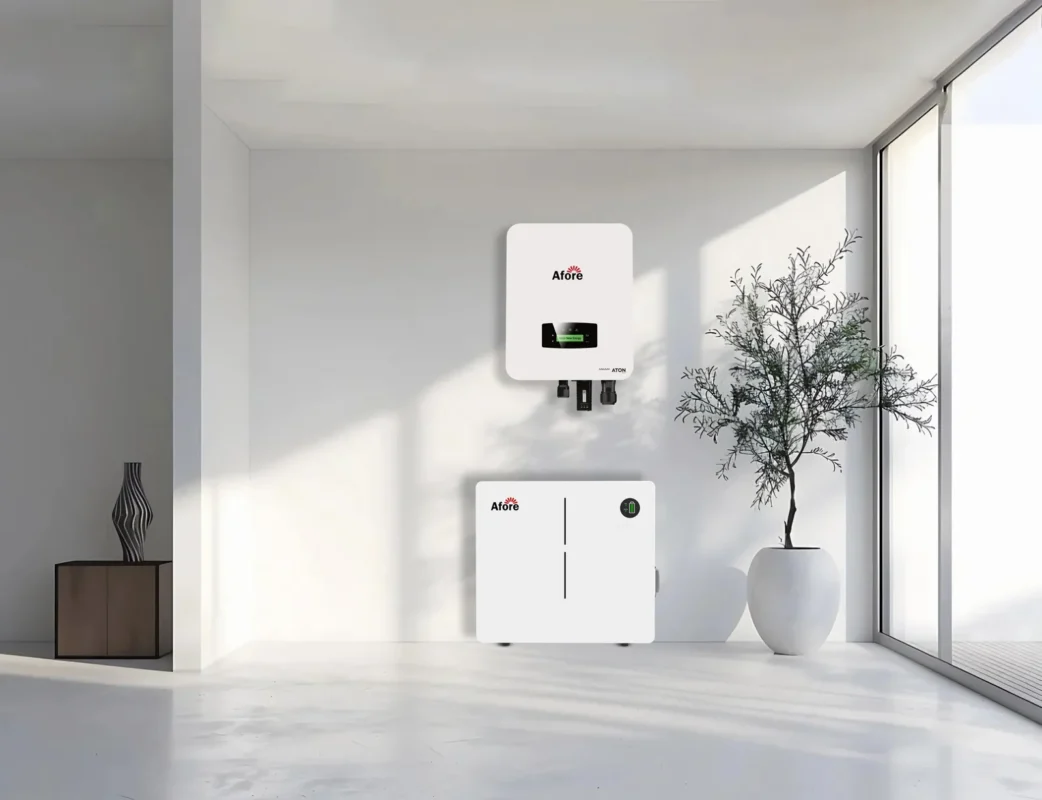
Effective operation and structured maintenance are critical to sustaining long-term solar performance for new home builder portfolios, while proactive risk management helps mitigate common performance issues and safeguard project ROI over the system lifecycle.
Monitoring should be designed for both the homeowner and the professional service provider. Homeowners need simple visibility into system status and production. EPCs, installers, or O&M providers need fleet-level monitoring, alerts, diagnostics, and access permissions.
For builder portfolios, centralized monitoring can identify underperforming systems before complaints arise. Alert thresholds should distinguish between communication loss, inverter faults, production variance, shading impact, and normal seasonal variation. Portfolio-level reporting can also help builders understand whether the solar program is performing as promised.
Standardized monitoring alert categories should include no communication between device and cloud platform, full inverter offline status, real-time production below modeled baseline thresholds, module-level underperformance indicating shading or hardware issues, detected grid fault conditions, and firmware or configuration mismatch requiring administrative correction.
Monitoring responsibilities must be clear. If no one reviews alerts, monitoring becomes a passive feature rather than an operational tool.
After the home is occupied, service workflows should define who handles inverter faults, monitoring login problems, roof leak concerns, production questions, breaker trips, communication outages, and warranty claims. The homeowner may naturally contact the builder first, but the builder may not have technical solar staff. A written escalation process reduces frustration and avoids unnecessary site visits.
O&M contracts for builder programs may be light-touch or comprehensive. A light-touch model may provide warranty support and reactive service. A comprehensive model may include fleet monitoring, production reports, preventive inspections, firmware or settings management, and performance analysis. The right model depends on system complexity, builder expectations, buyer promises, and margin structure.
Standard portfolio SLA categories include defined monitoring alert review frequency cadence, fixed inverter outage response time windows, formal communication failure resolution response time, emergency roof leak escalation protocol and timeline, mandatory warranty claim submission turnaround, dedicated homeowner support channel availability rules, structured production complaint review and resolution process, and annual portfolio performance reporting cadence for builder internal review.
PV underperformance can come from design issues, environmental conditions, equipment problems, or installation defects. Shading from roof obstructions, neighboring homes, trees, or later-added structures can reduce yield. Soiling may matter in dusty, agricultural, coastal, or low-rainfall regions. Module degradation gradually reduces output over time. Inverter faults, communication failures, wiring issues, and poor installation practices can create more immediate losses.
For B2B stakeholders, performance risk affects more than energy output. It affects warranty exposure, service costs, builder reputation, homeowner satisfaction, and future referrals. A builder that installs solar as part of its standard home package is attaching its brand to system performance, even if a solar contractor technically owns the warranty.
Warranty Responsibility Matrix
Clear warranty segmentation is essential for builder solar programs, covering seven core categories: module product warranty covering material and manufacturing defects, module performance warranty guaranteeing long-term power output degradation limits, installation workmanship warranty covering on-site assembly quality, roof penetration warranty addressing waterproofing and structural attachment integrity, monitoring platform support warranty for software uptime and diagnostic access, labor reimbursement terms for warranty-related repair and replacement work, and formal warranty and monitoring transfer protocols required upon home resale to subsequent property owners.
Warranty planning should cover module product warranties, module performance warranties, inverter warranties, racking warranties, workmanship coverage, roof penetration responsibility, monitoring platform support, and clear service response protocols.
Serviceability should be considered during design. Inverters should be located where technicians can access them safely. Circuits should be labeled clearly. Disconnects should be visible and compliant. As-built documentation should reflect actual installation. Manufacturer return processes should be understood before failures occur.
A system that is easy to install but difficult to service may create hidden lifecycle costs across a builder portfolio.
As builder solar portfolios expand beyond single locations, systematic scaling becomes critical to maintaining consistent quality, cost efficiency, and compliance across diverse regional markets.
Scaling requires a balance between standardization and flexibility. Standardized solar packages improve procurement, training, permitting, installation speed, and quality control. However, site-specific engineering remains necessary when roof orientation, shading, snow load, wind exposure, utility requirements, or local codes differ.
The best programs standardize components, documentation structure, installation methods, and quality checklists while allowing controlled engineering adjustments. For example, a builder may use three standard PV package sizes across five home models but maintain alternate layouts for different orientations or utility export limits.
Multi-region deployment is challenging because AHJs and utilities often differ in permit formats, inspection expectations, interconnection rules, equipment approval lists, fire code interpretation, and incentive programs. A product package accepted in one city may require different labeling or documentation in another. A utility that allows full export may sit next to one with export limitations or additional review for clustered PV systems.
EPCs expanding across regions should build a jurisdictional requirements database and update it regularly. This should include code edition, permit forms, inspection notes, utility application steps, required equipment documentation, interconnection timelines, and known bottlenecks. Without this operational intelligence, teams may underestimate soft costs and schedule risk.
Training is essential because builder solar programs multiply both good and bad practices. Installer onboarding should cover safety procedures, roof attachment methods, wire management, inverter setup, labeling, commissioning, documentation, and escalation rules. Construction teams should also understand solar basics so they do not create conflicts with vents, roof features, panel locations, or exterior finishes.
Quality checklists should be short enough for field use but detailed enough to catch recurring issues. Photo documentation can support remote quality review. Field escalation should be fast; if crews discover a roof obstruction or plan discrepancy, they need a defined process before improvising.
Professional solar programs should be managed with operational metrics. These KPIs help EPCs, resellers, installers, and builders identify margin leakage, schedule risks, and quality problems.
| KPI | What it reveals | Risk if missed | Key trade-offs | Manufacturer/distributor | Homeowner |
|---|---|---|---|---|---|
| Permit approval cycle time | Documentation quality and AHJ readiness | Late redesign, limited usable roof space, permit delays | Less flexible for complex roofs; monitoring is less granular unless paired with additional devices | Not involved | Not involved |
| Installation hours per home | Labor efficiency and design repeatability | Structural reinforcement retrofits, inspection failures | More rooftop electronics; service strategy must account for distributed components | Primary | Not involved |
| Inspection pass rate | Field quality and compliance consistency | Costly post-construction conduit runs, panel upsizing | More components than basic string systems; commissioning and diagnostics require training | Not involved | Not involved |
| Interconnection timeline | Utility process risk and administrative performance | Compromised roof warranty, water intrusion risk | Shared | Not involved | Not involved |
| Truck rolls per system | Service quality, commissioning accuracy, and monitoring effectiveness | Delayed final inspection, closing timeline pressure | Not involved | Not involved | Not involved |
| Warranty claims per installed system | Equipment reliability and workmanship quality | PTO delay, homeowner operational expectation gaps | Not involved | Secondary | Not involved |
| Sistem çalışma süresi | Portfolio performance and O&M responsiveness | Unresolved service calls, warranty transfer complexity | Not involved | Not involved | Recipient |
| Production variance versus model | Design accuracy, shading impact, and equipment performance | Primary | Secondary | Secondary | Requester |
| Warranty claim labor reimbursement terms | Shared | Primary | Not involved | Primary | Not involved |
| Project documentation long-term retention | Primary | Primary | Secondary | Secondary | Not involved |
| Warranty and monitoring transfer on home resale | Primary | Secondary | Not involved | Secondary | Primary |
These metrics should be reviewed by project phase and by community. If one crew, roof plan, or jurisdiction consistently underperforms, the program can be corrected before losses scale.
Consider a developer planning 120 single-family homes across four model types in one utility territory. The builder wants solar included as a standard feature on all homes, with storage-ready infrastructure and EV-ready electrical provisions. At first glance, this is an attractive account because of volume and repeatability.
A strong EPC evaluation would begin by reviewing roof plans before final architectural release. If two models have fragmented roof planes and multiple vent conflicts, the EPC may recommend moving roof penetrations or adjusting roof geometry before construction documents are finalized. The electrical contractor would reserve inverter locations, conduit pathways, and service panel capacity during rough-in planning. The distributor would create four bill-of-material packages matching the approved designs and stage deliveries by construction phase.
The permitting team would confirm AHJ requirements for labels, rapid shutdown, fire access, and structural attachments. The interconnection coordinator would contact the utility early to determine whether clustered PV systems create transformer or feeder review requirements. The O&M provider would define monitoring access and homeowner handover steps before the first sale.
This type of project can be profitable if the program is managed as a repeatable deployment. It can become difficult if solar is introduced after roof design, if product substitutions occur without documentation updates, or if no party owns post-handover support.
Key program performance KPIs for this 120-home portfolio include permit approval cycle time across all lots, installation labor hours per completed home, overall inspection first-time pass rate, end-to-end PTO approval timeline, average truck rolls per installed system, actual production variance versus modeled energy output, and total warranty claims ratio per installed solar unit.
Early alignment of roof layout, structural capacity and electrical rough-in lays the foundation for streamlined solar for new home builders B2B project delivery across residential developments. Cross-team coordination between builders, EPCs and contractors embeds solar tasks into construction milestones to avoid workflow delays and costly redesign work. Standard design templates and pre-vetted equipment packages simplify procurement and eliminate permit revision risks for large-scale new build neighborhoods. Structured commissioning, system handover and homeowner training lock in performance reliability and long-term warranty compliance for every installed residential PV system.
Adopting solar helps developers satisfy regulations such as California Title 24 solar, while boosting home differentiation and green certification appeal in competitive housing markets. Scaled deployment unlocks cost advantages through bulk solar for developers, improving profit margins and cutting future compliance retrofit expenses. Established homebuilder solar partnerships with EPCs and distributors create repeatable workflows, stable supply chains and consistent project quality across portfolios. Solar also elevates brand sustainability value and fulfills buyer demand for predictable energy costs and enhanced residential grid resilience.
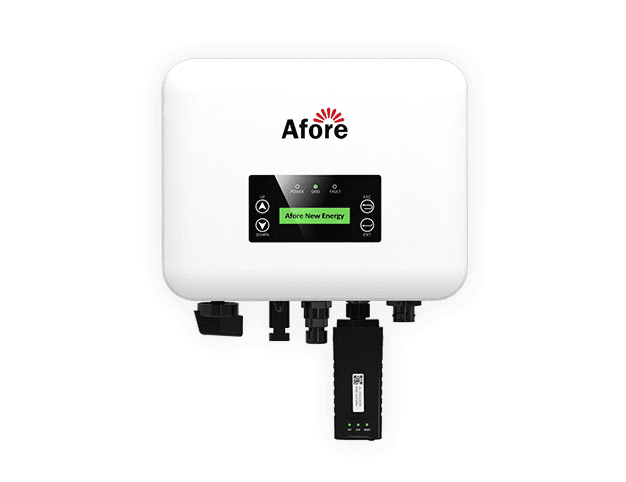
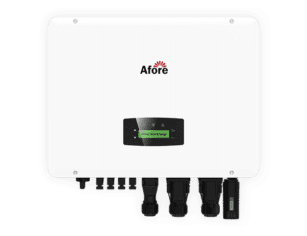
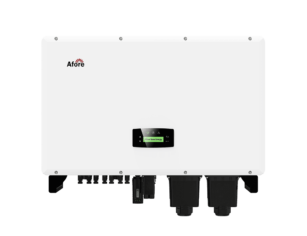
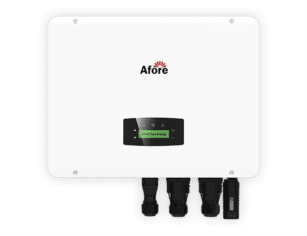
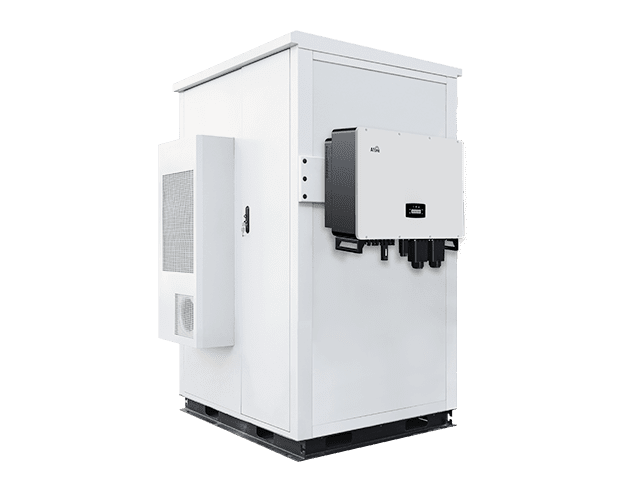
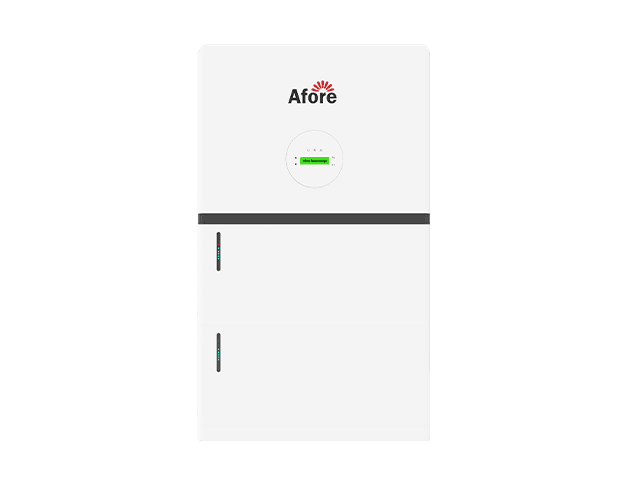
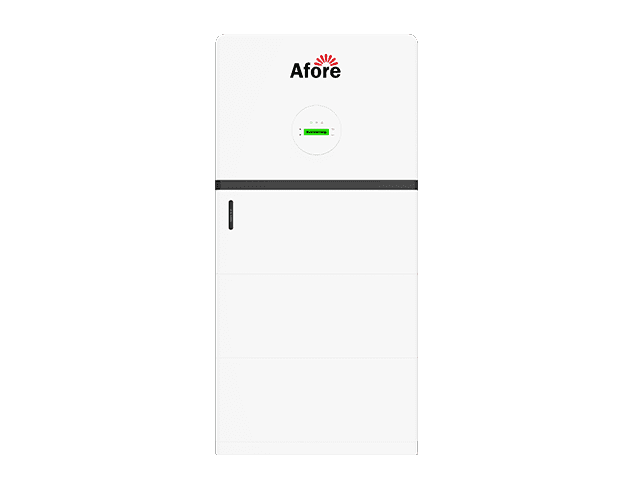
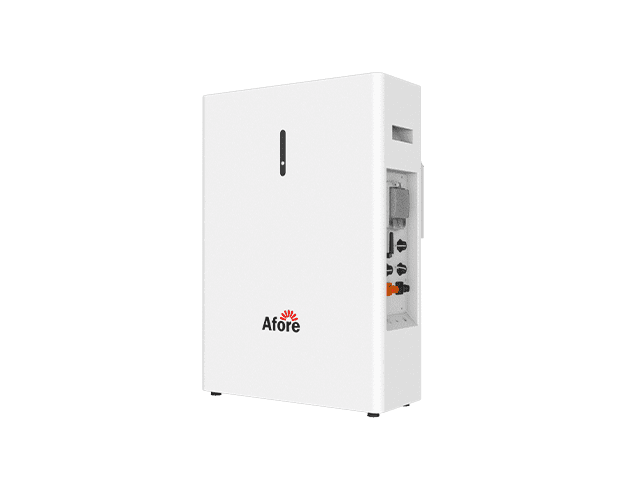
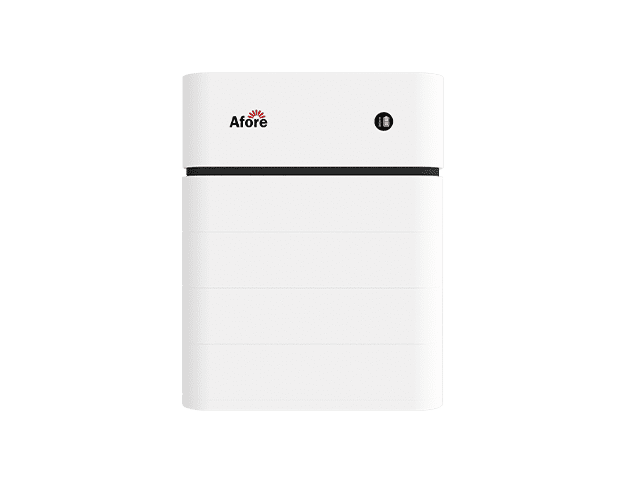
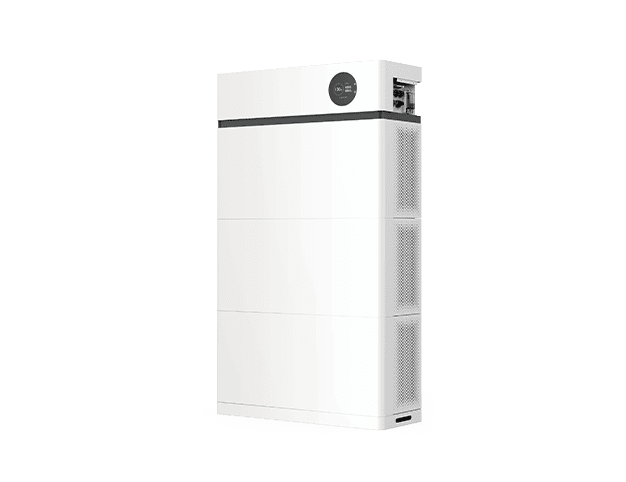
Choosing storage solutions starts with evaluating tariff structures, outage risks and buyer priorities unique to community housing PV master-planned neighborhoods. PV-only layouts work well with favorable net metering, while storage-ready designs balance upfront cost and future upgrade flexibility for budget-focused projects. Custom new build ESS solutions paired with Afore residential storage for builders deliver tailored backup power and load management for resilience-focused communities. Aligning inverter compatibility, critical-load planning and standardized residential PV supply ensures uniform performance, simple maintenance and clear warranty transfer across entire new housing estates.
https://www.energy.gov/eere/solar/solar-photovoltaic-technology-basics
https://www.energy.gov/eere/buildings/zero-energy-ready-home-program
https://energy.ec.europa.eu/topics/renewable-energy/solar-energy_en











 Romanian