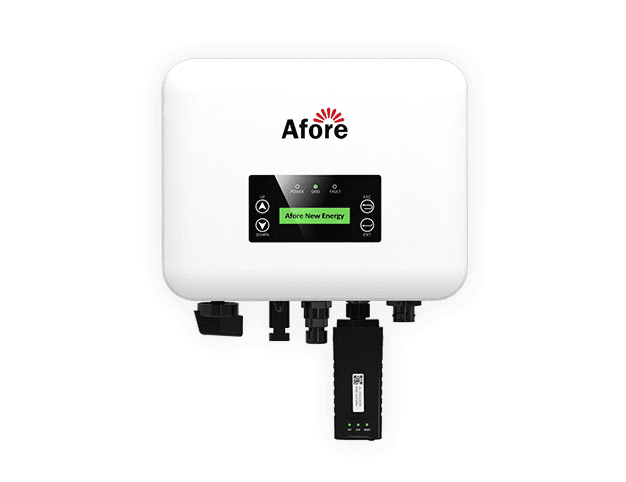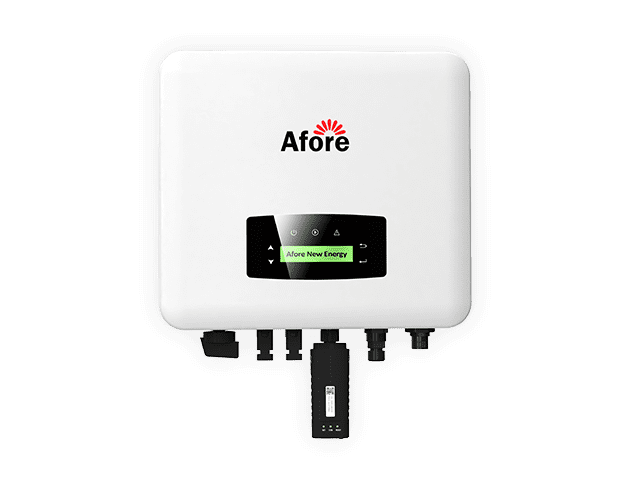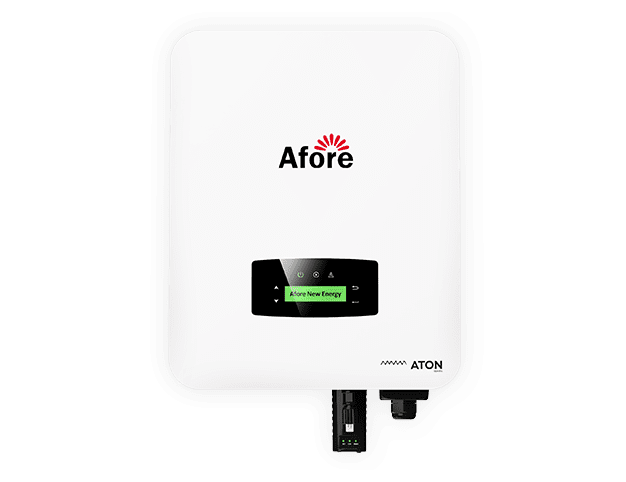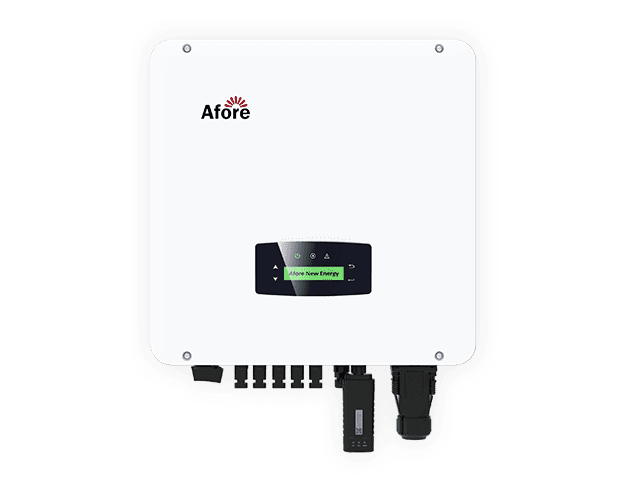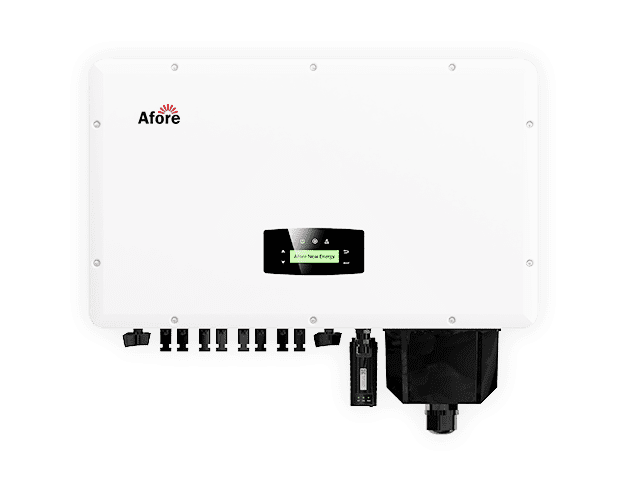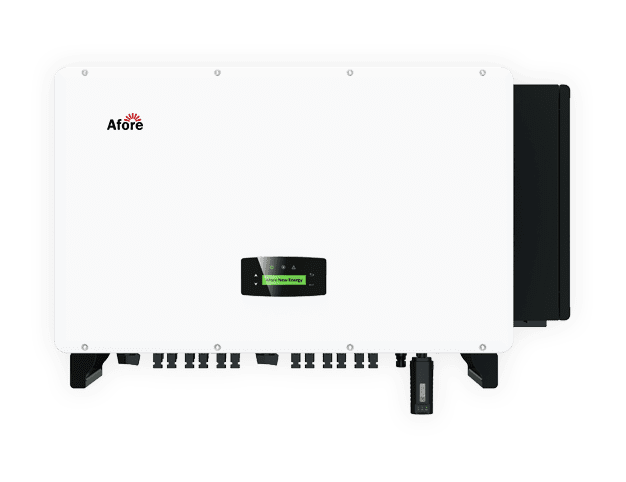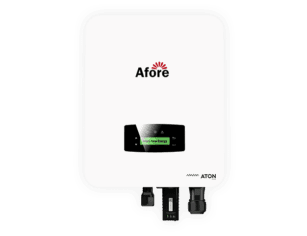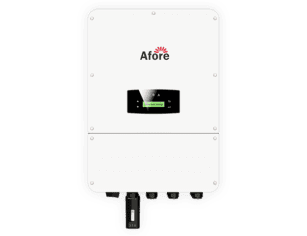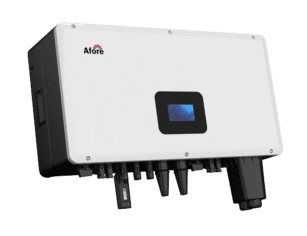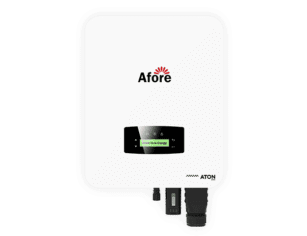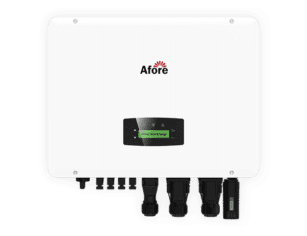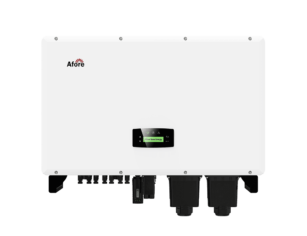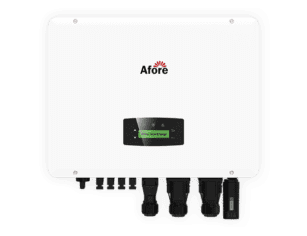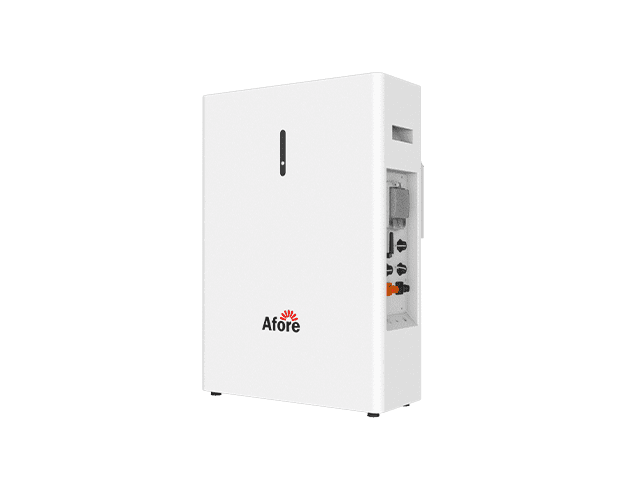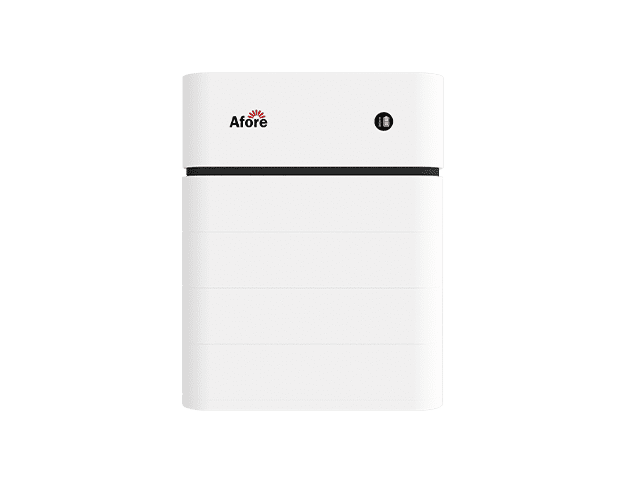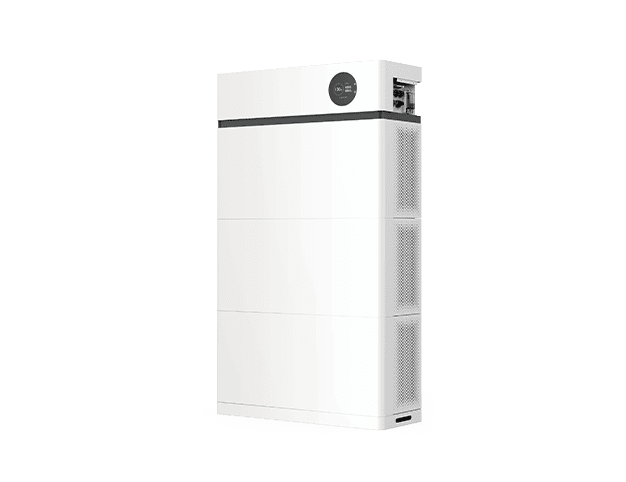




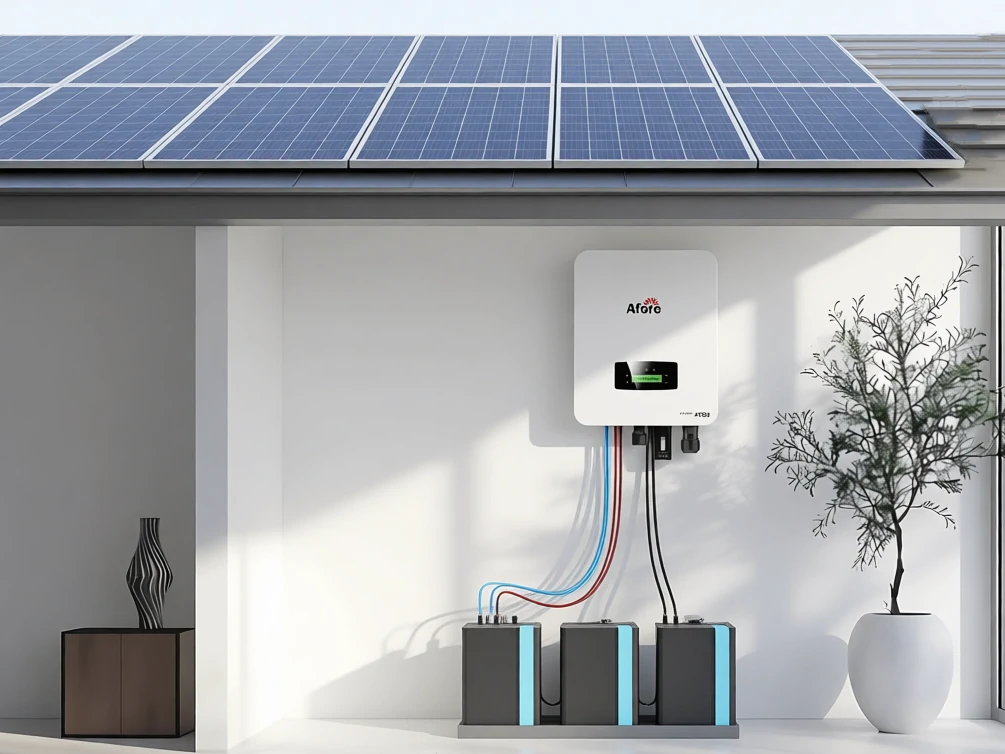
If you’ve ever stared at your solar setup and wondered whether you’re squeezing out every watt of power you possibly could, you’re not alone. I’ve spent years tinkering with energy systems—some that worked brilliantly, others that nearly fried my patience—and if there’s one thing I’ve learned, it’s this: the high voltage hybrid inverter is the quiet hero most people underestimate.
Whether you’re planning a new system, upgrading an old one, or just trying to figure out what the heck all these wires, charge controllers, and battery specs really mean, this guide is for you.
So grab a coffee, settle in, and let’s talk about the heart of any modern power system—the високовольтний гібридний інвертор that keeps everything running smoothly even when the grid doesn’t.
If you’re diving into solar energy or exploring energy storage options, the term high voltage hybrid inverter might already feel a little intimidating. But here’s the truth: it’s not just a technical gadget—it’s the backbone of a modern energy system, quietly ensuring everything runs efficiently, reliably, and safely.
Think of a high voltage hybrid inverter as both the brain and the muscle of your solar setup. While a typical сонячний інвертор simply converts DC electricity from your panels into AC for your home, a hybrid inverter goes several steps further. It intelligently manages multiple energy sources—solar panels, batteries, and even the grid—deciding in real-time which one should supply your home’s power.
Imagine your morning routine: the sun is just rising, your battery is partially full, and the grid is available. A high voltage hybrid inverter evaluates all of this in milliseconds, determining whether it should draw from the battery, the panels, or a combination of both. This seamless operation reduces energy waste, prevents overloads, and ensures your appliances receive consistent, stable power.
You might wonder why voltage matters at all. Higher voltage isn’t just a technical specification—it directly affects efficiency. When electricity flows at higher voltage, less current is needed to deliver the same amount of power. That means:
In practical terms, this means your high voltage hybrid inverter can operate more efficiently, saving you money and making your system more robust. It’s especially crucial if you have a large battery bank or plan to expand your solar setup in the future.
Another critical reason a high voltage hybrid inverter is important lies in reliability. Unlike simpler systems, hybrid inverters are designed to handle fluctuating conditions—cloudy days, sudden power outages, or battery voltage swings—without tripping or failing. Many models include built-in protections against overvoltage, overcurrent, and short circuits, which not only safeguards your home but also prolongs the lifespan of your panels and batteries.
From a safety standpoint, higher voltage systems may initially seem riskier, but they often operate at lower current for the same power output. This reduces heating in wires and components, decreasing the risk of fire or system degradation over time. Essentially, a high voltage hybrid inverter provides both peace of mind and continuous performance.
Finally, investing in a high voltage hybrid inverter isn’t just about today’s energy needs—it’s about future-proofing your system. Energy demands evolve, and solar technology advances quickly. A high voltage hybrid inverter can accommodate additional panels, larger battery banks, or even new types of energy sources without requiring a complete system overhaul.
In short, it gives you flexibility, scalability, and the confidence that your energy setup will keep pace with changing technology and household needs.
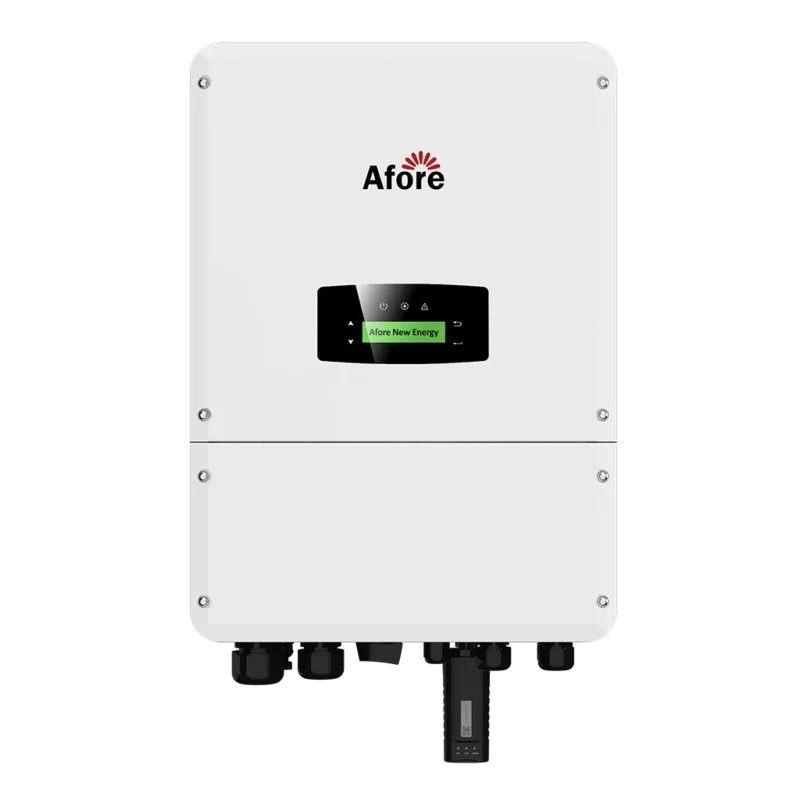
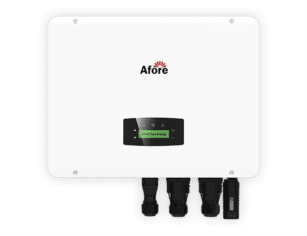
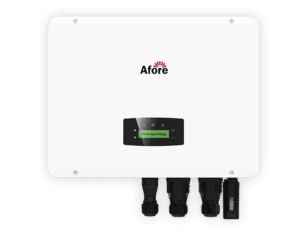
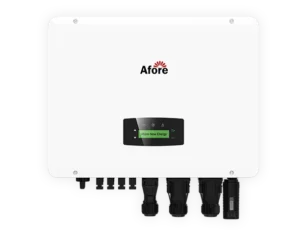
A high voltage hybrid inverter might look like a simple box mounted on the wall, but what’s happening inside is anything but simple. This device is constantly juggling multiple energy sources, managing battery storage, and interacting with the grid—all in real time. Understanding how it works behind the scenes not only helps you appreciate its value but also empowers you to design a system that actually works efficiently for your home.
One of the key roles of a high voltage hybrid inverter is to act as the ultimate energy traffic controller. Most modern homes aren’t just connected to the grid—they also have solar panels and a battery bank. The inverter’s job is to decide where your electricity should come from at any given moment.
For example, during a sunny afternoon, your panels might be producing more electricity than your home needs. Instead of letting that energy go to waste, the high voltage hybrid inverter can store it in batteries, supply it to your home, or even feed it back to the grid if your system allows.
On the flip side, if clouds roll in or you switch on high-demand appliances, the inverter seamlessly draws from your batteries or the grid without you noticing a thing. It’s like having an invisible energy manager working 24/7 to ensure you never run out of power.
Battery management is another area where a high voltage hybrid inverter truly shines. High-voltage batteries store more energy and can charge or discharge more efficiently than low-voltage alternatives. But managing them safely requires precision.
The inverter constantly monitors battery voltage, current, and state of charge. It ensures the batteries are charged optimally without overcharging or overheating, and it discharges them efficiently to supply your home. By doing this, it not only prolongs battery life but also maximizes your solar investment.
Think of it like a personal trainer for your battery: it knows exactly how much to push and when to rest.
Another critical aspect is how a high voltage hybrid inverter interacts with the grid. Unlike a simple solar inverter, it can intelligently decide when to pull energy from the grid, when to store it, and when to feed excess electricity back.
This capability is particularly useful in areas with variable electricity pricing. The inverter can store solar energy during low-demand periods, then use it during peak hours, reducing your overall electricity cost. In the event of a grid outage, it switches to battery power almost instantaneously, keeping your home running smoothly.
The seamless handoff between solar, battery, and grid is one of the reasons a high voltage hybrid inverter is considered the backbone of a modern energy system. You get efficiency, reliability, and flexibility—all without lifting a finger.
Many high voltage hybrid inverters also include built-in monitoring tools. These aren’t just fancy displays—they provide real-time data on energy production, consumption, battery status, and efficiency.
By reviewing this information, you can make informed decisions about expanding your system, adjusting your energy usage, or troubleshooting potential issues before they become costly problems. In essence, the inverter gives you a clear window into how your energy ecosystem operates.
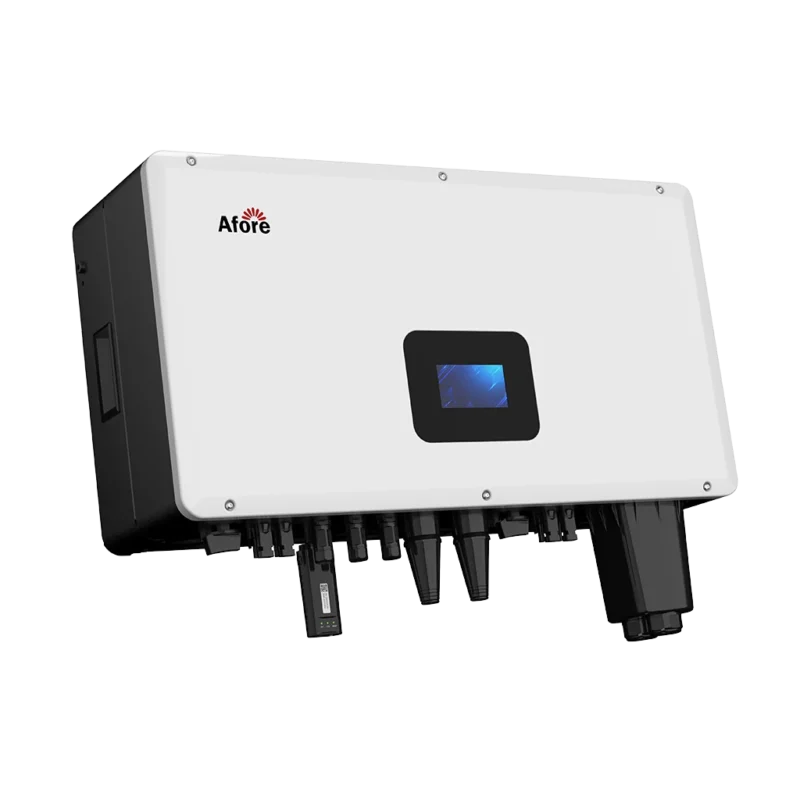
Selecting the right high voltage hybrid inverter isn’t just about picking the most expensive or the fanciest-looking model. It’s about understanding your energy habits, your system’s design, and your long-term goals. Choosing wisely now can save you money, frustration, and even system downtime later.
Before you even look at specs, take a step back and observe how your household uses energy. Ask yourself questions like:
Understanding your consumption patterns will help you determine the capacity and features you actually need. For example, if your home consumes most energy in the evening, pairing a high-voltage battery bank with a high voltage hybrid inverter is a smart choice. It ensures you store the day’s solar energy efficiently and use it when it matters most.
One of the most common mistakes people make is mismatching battery voltage with their inverter. A high voltage hybrid inverter is designed to work optimally with high-voltage batteries. Using a lower-voltage battery bank can create bottlenecks, reduce efficiency, and even shorten the lifespan of both the inverter and the batteries.
When planning your system, make sure to calculate:
Getting these right ensures your high voltage hybrid inverter operates smoothly and maximizes the energy you harvest from your solar panels.
Even the best high voltage hybrid inverter will underperform if installed in a poor environment. Temperature, ventilation, and moisture all play a role in system efficiency and longevity.
Tips for a safe and optimal installation:
A well-placed inverter isn’t just about performance—it also reduces the risk of premature wear or safety issues.
One of the greatest advantages of a high voltage hybrid inverter is its scalability. Even if your current energy needs are modest, future expansions—like adding more solar panels or increasing battery capacity—should be considered from the start.
Choosing an inverter that supports expansion means:
In essence, planning for growth today can save you both money and headaches tomorrow.
Choosing the right high voltage hybrid inverter isn’t about picking the fanciest model—it’s about finding the one that matches your system, your usage, and your long-term goals.
Storms, accidents, overloaded grids—outages happen. A high voltage hybrid inverter reacts instantly, switching to battery so fast that your lights won’t even blink.
Maybe you want to rely less on the grid. Maybe you want to eliminate your bill entirely.
With a well-designed system, a high voltage hybrid inverter can help you accomplish exactly that.
Smart energy management isn’t just a buzzword. Having a high voltage hybrid inverter means:
It’s automation you actually benefit from.
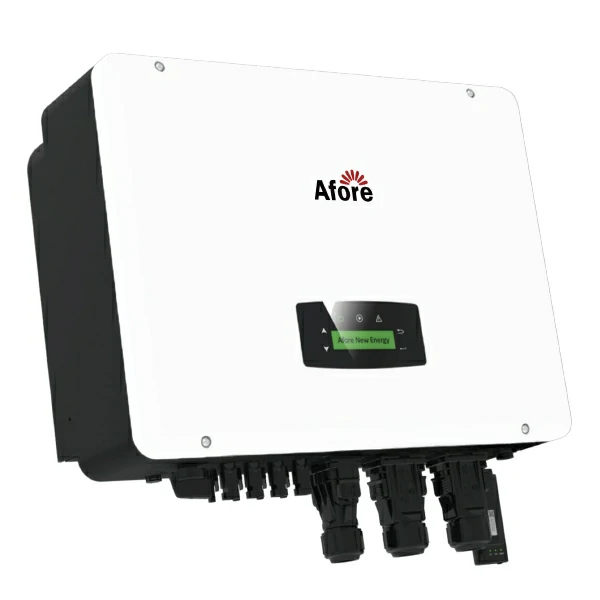
When people hear the term high voltage hybrid inverter, a lot of misconceptions pop up. Some myths are rooted in outdated knowledge, while others stem from fear of new technology. Debunking these myths is important because understanding the truth can help you make informed decisions for your energy system, avoid unnecessary costs, and maximize efficiency.
Many homeowners assume that higher voltage automatically equals higher risk. While it’s true that electricity can be hazardous if mishandled, modern high voltage hybrid inverters are built with multiple safety layers:
In reality, high voltage systems often reduce risk compared to low voltage alternatives because they carry lower current for the same power output. Less current means less heat in the wiring, reducing fire hazards and system degradation over time. Safety, in this case, is a matter of proper installation and maintenance rather than the voltage itself.
It’s easy to assume that a high voltage hybrid inverter is only for engineers or tech enthusiasts. But the truth is, most modern systems are designed with user-friendly interfaces. Monitoring apps and dashboards allow homeowners to track energy production, battery levels, and grid usage without needing a technical background.
You don’t need to understand every electronic detail to benefit from your high voltage hybrid inverter. Think of it as a smart assistant for your home energy system—it handles the complex decisions in the background so you can focus on using the power efficiently.
Another common myth is that hybrid inverters are overkill unless you have a huge solar array. While it’s true that larger systems benefit significantly, even smaller households can gain from the efficiency, flexibility, and reliability of a high voltage hybrid inverter.
For example, if you want to store solar energy for evening use, manage backup power during outages, or optimize energy costs based on peak and off-peak rates, a high voltage hybrid inverter makes the system smarter and more cost-effective—regardless of system size.
Some people assume that going high voltage automatically leads to higher upfront and ongoing costs. While initial investment may be slightly higher than a standard solar inverter, the efficiency gains, reduced energy loss, and scalability often offset the cost over the system’s lifetime.
Maintenance is also simpler than many think. Once installed correctly in a proper environment, a high voltage hybrid inverter typically requires only occasional inspection and cleaning—no constant tinkering or technical adjustments.
A surprising number of homeowners think high voltage hybrid inverters are tied to the grid and can’t operate independently. In reality, these inverters are designed to manage energy sources intelligently, including fully off-grid scenarios if paired with a sufficiently sized battery bank.
Whether you want partial backup or complete independence from the grid, a high voltage hybrid inverter can deliver flexibility that a traditional solar inverter alone cannot.
Installing a high voltage hybrid inverter isn’t just about mounting a box on the wall and plugging in wires. A proper installation ensures maximum efficiency, safety, and long-term reliability. While it’s tempting to save time or cut corners, paying attention to the right setup will make a huge difference in how your system performs. Here’s what you need to know.
Even though modern high voltage hybrid inverters are user-friendly, high-voltage systems demand professional handling. An experienced installer can:
This is not just about compliance—it’s about protecting your home, your investment, and the performance of your сонячний інвертор system. A well-installed inverter can run efficiently for years with minimal maintenance, whereas a poor installation can lead to inefficiency, frequent tripping, or even damage.
One of the most overlooked aspects of installation is cable management. Even with high voltage, longer cables increase resistance, leading to energy loss and heat buildup. To optimize performance:
Neat wiring doesn’t just improve efficiency; it makes future maintenance and troubleshooting much easier.
High voltage hybrid inverters generate heat during operation, so a well-ventilated environment is essential. Poor airflow can reduce efficiency and shorten the life of your unit. Best practices include:
This simple step protects your inverter, battery system, and even connected solar panels from avoidable stress.
Once installed, don’t just set it and forget it. Most high voltage hybrid inverters come with monitoring interfaces—either built-in displays or mobile apps. Checking your system regularly allows you to:
Even small tweaks based on monitoring insights can significantly improve the overall efficiency of your solar inverter setup.
A proper installation also includes routine safety checks:
Regular checks not only extend the life of your high voltage hybrid inverter but also prevent safety hazards, giving you peace of mind.
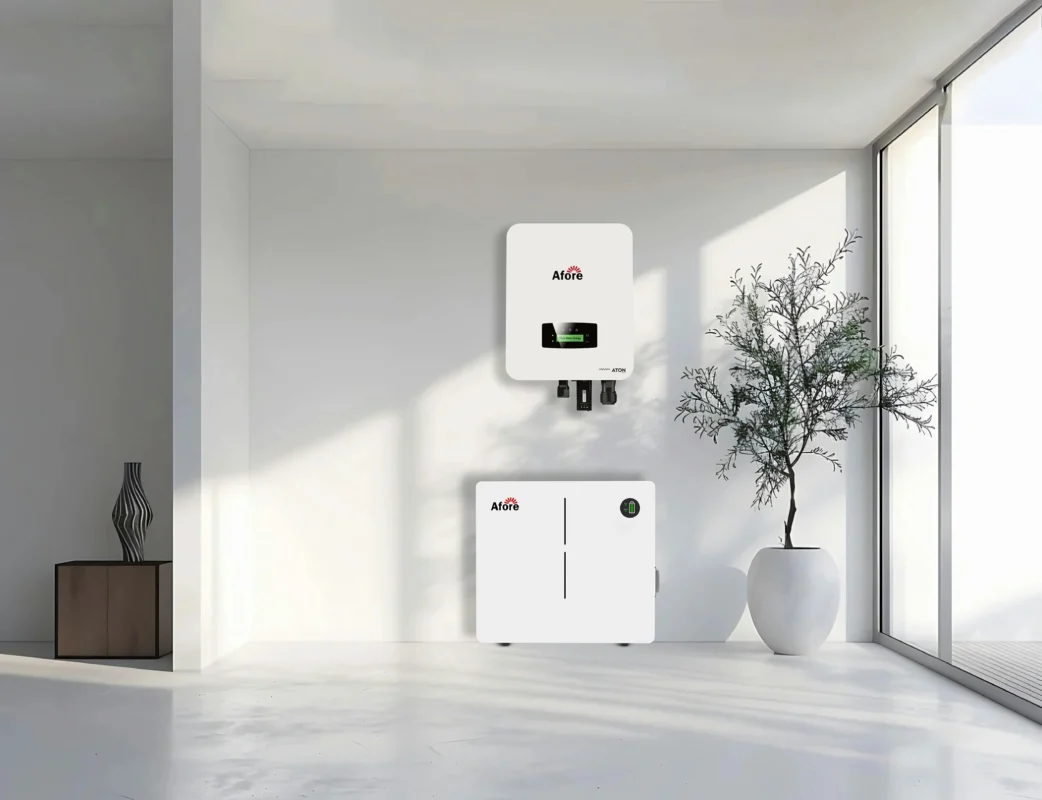
If you’ve made it this far, you already understand the value a high voltage hybrid inverter brings: efficiency, flexibility, reliability, and future-proof performance.
In a world where energy costs keep climbing and grid stability keeps dropping, having a smart system that adapts to your needs is priceless. A high voltage hybrid inverter isn’t just equipment—it’s peace of mind.
And once you experience that smooth, uninterrupted power flow?
You’ll wonder why you didn’t switch sooner.
A high voltage hybrid inverter is a device that converts DC electricity from solar panels into AC electricity for your home, while also managing battery storage and grid interaction. Unlike a standard solar inverter, it can intelligently prioritize energy sources, store excess power, and provide backup electricity during outages. Think of it as the control center for your entire energy ecosystem.
The main difference is functionality. A standard solar inverter only converts electricity from solar panels into usable AC power. A high voltage hybrid inverter, on the other hand, can:
• Charge and discharge batteries efficiently
• Switch between solar, battery, and grid power seamlessly
• Optimize energy usage based on availability and cost
This makes it more versatile and future-ready.
Yes. Modern high voltage hybrid inverters include multiple safety features like overvoltage protection, short-circuit prevention, and temperature monitoring. In fact, running a system at higher voltage can be safer than low-voltage alternatives because it reduces current, heat buildup, and energy loss in the wiring.
Usually, yes. If your existing solar inverter setup and battery bank are compatible with high-voltage operation, you can integrate a high voltage hybrid inverter. It may require adjustments to wiring, protection devices, or battery configuration, so consulting a professional installer is recommended.
Absolutely. A high voltage hybrid inverter is designed to operate with high-voltage battery banks. Using low-voltage batteries can reduce efficiency, limit charging speeds, and potentially cause system stress. Matching battery voltage is critical for optimal performance.
Yes. One of the most valuable features of a high voltage hybrid inverter is backup capability. When the grid goes down, it can instantly switch to battery power, keeping essential appliances and lights running. Some systems even allow selective load management to extend backup time.
Definitely. One of the advantages of a high voltage hybrid inverter is scalability. You can add more solar panels, increase battery capacity, or integrate additional energy sources in the future without replacing the inverter. Planning for growth from the start is smart.
While the upfront cost may be higher than a standard solar inverter, the long-term benefits—improved efficiency, reduced energy loss, flexible energy management, and scalability—often outweigh the initial investment. Over time, it can save you money on electricity bills and system upgrades.
Yes. By prioritizing solar energy and efficiently managing battery storage, a high voltage hybrid inverter can significantly reduce grid reliance. During sunny days, your home can operate almost entirely on solar power, with minimal grid input.
Yes, provided you have a sufficiently sized battery bank. The inverter manages power intelligently, ensuring your home has electricity even without grid access. This capability is one of the reasons hybrid inverters are considered future-ready energy solutions.
Weather affects solar panel output, not the inverter itself. A high voltage hybrid inverter intelligently manages fluctuations in solar production, ensuring consistent power delivery from batteries or the grid when needed.