




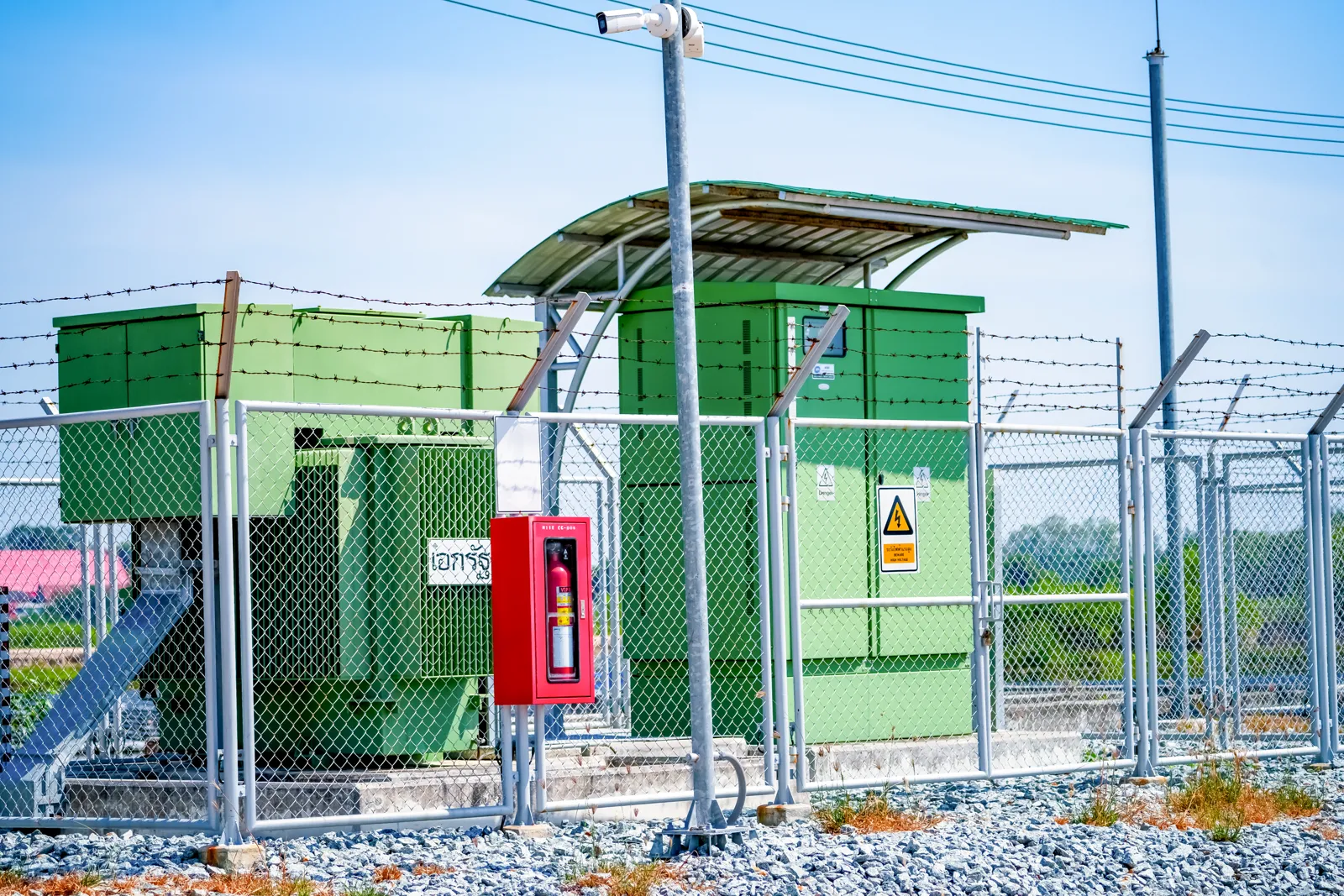
Para las empresas de ingeniería, adquisición y construcción (EPC), los instaladores fotovoltaicos comerciales, los integradores de sistemas y los distribuidores de soluciones energéticas, una solución B2B de almacenamiento de energía «todo en uno» puede reducir la complejidad del diseño y acortar los plazos de implementación del proyecto, en comparación con el montaje por separado de baterías, sistemas de control de potencia (PCS), sistemas de gestión de energía (EMS), dispositivos de protección, sistemas de gestión térmica, equipos de seguridad contra incendios, armarios y plataformas de monitorización. En proyectos solares comerciales e industriales, esta integración puede resultar muy valiosa, ya que el almacenamiento ya no es solo un complemento opcional. Influye cada vez más en la interconexión a la red, el ahorro en las tarifas por demanda, la estrategia de respaldo, la capacidad de recarga de vehículos eléctricos y el rendimiento a largo plazo de los activos.
Sin embargo, “todo en uno” no significa automáticamente “sencillo”. Un sistema comercial de almacenamiento de energía en baterías prefabricado sigue requiriendo un dimensionamiento correcto, un diseño eléctrico específico para cada emplazamiento, la verificación del cumplimiento de la normativa de la red eléctrica, la obtención de permisos, la planificación de la instalación, la puesta en marcha y la gestión durante todo su ciclo de vida. Para los compradores B2B, la cuestión clave no es si el armario parece integrado, sino si el sistema completo se adapta al perfil de carga del proyecto, a la estructura tarifaria, a los requisitos de seguridad, al plan de expansión y al modelo de servicio.
Esta guía explica cómo deben evaluar los compradores profesionales los armarios de almacenamiento de energía integrados y los sistemas comerciales en contenedores para proyectos de energía fotovoltaica con almacenamiento. Se centra en la arquitectura del sistema, el dimensionamiento, el cumplimiento normativo, la adquisición, la instalación, la operación y el mantenimiento, la rentabilidad del proyecto, la escalabilidad y la cualificación de los proveedores para aplicaciones comerciales e industriales reales.
Un sistema de almacenamiento de energía «todo en uno» para aplicaciones B2B es una solución de almacenamiento de energía en baterías prefabricada que combina los sistemas eléctricos, de control, de protección y ambientales fundamentales en un único armario, una estructura tipo rack o una unidad en contenedor. En el ámbito de la energía fotovoltaica comercial, suele estar diseñado para conectarse con inversores solares, las cargas de las instalaciones, los equipos de suministro de servicios públicos y una estrategia de gestión energética a nivel de la instalación.
| Tipo de comprador | Principal motivo de preocupación | Prioridad de evaluación |
|---|---|---|
| Contratistas EPC | Calendario del proyecto, cumplimiento normativo y compatibilidad de los sistemas | Certificación, capacidad de ampliación, documentación técnica |
| Instaladores de sistemas fotovoltaicos | Fácil instalación, diseño repetible, servicio posventa | Integración «plug-and-play», diseño compacto, condiciones de garantía |
| Integradores de sistemas | Compatibilidad con los sistemas fotovoltaicos y de gestión energética (EMS) existentes | Arquitectura abierta, protocolo de comunicación, escalabilidad |
| Distribuidores de energía | Precios al por mayor, estandarización, adecuación de la cartera | Estructura de costes, requisitos de la marca, apoyo a la formación |
| Incluido en el armario | Requisitos en el lugar de trabajo |
|---|---|
| Módulos de batería y BMS | Autorización de interconexión a la red eléctrica |
| PCS, EMS y aparatos de conmutación | Cimentación civil y estructura de montaje |
| Gestión térmica y seguridad contra incendios | Ventilación, separaciones contra incendios y distancias de seguridad |
| Carcasa, supervisión y protección | Concesión de permisos locales y cumplimiento de la normativa eléctrica |
| Pruebas de fábrica y preconfiguración | Cableado de la instalación, puesta a tierra y capacidad del transformador |
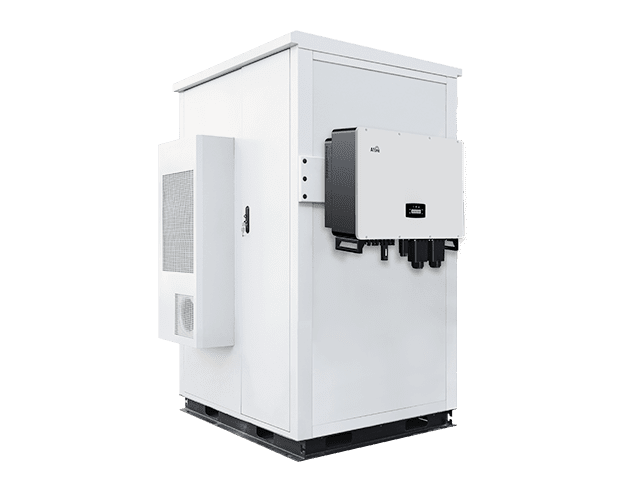
Un armario de almacenamiento de energía totalmente integrado suele incluir módulos de batería, un sistema de gestión de baterías, un sistema de conversión de potencia, un sistema de gestión de energía, aparatos de conmutación, dispositivos de protección, sistemas de detección o extinción de incendios, gestión térmica, carcasa y monitorización remota. Dependiendo del tamaño y el diseño del sistema, la refrigeración puede basarse en aire acondicionado, ventilación forzada o refrigeración líquida. Los sistemas comerciales e industriales de mayor tamaño pueden utilizar diseños en contenedores con sistemas de climatización específicos, zonas de seguridad contra incendios y pasillos de acceso para el mantenimiento.
Para los compradores B2B, la principal ventaja es la reducción de la carga que supone la integración. En lugar de tener que pedir a un EPC que verifique la compatibilidad entre la batería y el inversor, diseñe múltiples niveles de control, adquiera cajas de protección por separado y coordine a varios proveedores, el comprador recibe un sistema que ya ha sido diseñado en torno a un rango definido de potencia y energía. Esto permite aclarar los límites de responsabilidad. Si el PCS, el EMS, los módulos de batería y la plataforma de monitorización se suministran como un único sistema, hay menos margen para que surjan disputas entre los proveedores de los componentes durante la puesta en marcha o el diagnóstico de averías.
Esto resulta especialmente importante para los distribuidores e instaladores que tienen previsto llevar a cabo proyectos solares comerciales de forma recurrente. Los bloques de sistema estandarizados permiten a los equipos de ventas, a los ingenieros de diseño y a los equipos de instalación trabajar a partir de documentación repetible, lo que reduce el riesgo de tener que reinventar el proceso en cada proyecto.
Un sistema comercial de almacenamiento de energía en baterías basado en componentes utiliza baterías, inversores o sistemas de control de potencia (PCS), software de gestión de energía (EMS), armarios, aparamenta, sistemas de protección contra incendios, dispositivos de medición y sistemas de monitorización, todos ellos de proveedores distintos. Este enfoque puede ofrecer una mayor flexibilidad de diseño, especialmente para grandes instalaciones industriales, proyectos a escala de red eléctrica o aplicaciones especializadas de servicio a la red en las que la relación potencia-energía, la arquitectura de control o la configuración de interconexión son inusuales.
Por el contrario, un sistema de almacenamiento de energía «todo en uno» está optimizado para agilizar su especificación y puesta en marcha. El fabricante define la arquitectura del armario, la lógica de control, los límites de funcionamiento, el diseño de refrigeración, las funciones de seguridad y los protocolos de comunicación compatibles. Esto puede reducir las horas de ingeniería y el riesgo de puesta en marcha, pero también puede limitar la personalización. Por ejemplo, el sistema puede admitir únicamente una potencia nominal fija del PCS por armario, una composición química de batería definida, funciones específicas del EMS o configuraciones de ampliación homologadas.
Por lo tanto, la decisión supone un equilibrio entre distintas opciones. Los sistemas integrados suelen ser muy adecuados para proyectos estandarizados de almacenamiento de energía solar en el sector comercial e industrial, carteras de distribuidores, almacenes, fábricas, cadenas minoristas, centros logísticos, colegios y edificios comerciales. Los diseños basados en componentes pueden ser preferibles cuando se requiere participación en el servicio de la red, gestión a gran escala, redundancia inusual o un control complejo de microrredes.
En los proyectos fotovoltaicos comerciales, el almacenamiento integrado se utiliza principalmente para la reducción de picos de demanda, la gestión de las tarifas por consumo, el autoconsumo de energía solar, la energía de reserva, el funcionamiento de microrredes, el apoyo a la recarga de vehículos eléctricos, la optimización de las tarifas por franja horaria y el control de la exportación de energía. Cada caso de uso plantea diferentes requisitos de dimensionamiento y control.
Una fábrica con picos de demanda cortos e intensos puede necesitar una batería de alta potencia que se descargue durante un periodo de entre 15 y 60 minutos para reducir los recargos por demanda máxima. Un almacén con un gran sistema fotovoltaico en la azotea puede necesitar un almacenamiento de mayor duración para trasladar el exceso de generación solar del mediodía a las operaciones nocturnas. Una instalación de almacenamiento en frío puede dar prioridad a la reserva de emergencia y a una respuesta rápida. Una estación de recarga comercial de vehículos eléctricos puede necesitar almacenamiento para reducir la necesidad de ampliar los transformadores y equilibrar la demanda de recarga.
Lo fundamental es que el dimensionamiento del almacenamiento no debe basarse únicamente en la capacidad fotovoltaica. Debe adaptarse a los datos de carga por intervalos, la estructura tarifaria, las limitaciones de la red, los requisitos de respaldo, las horas de funcionamiento y los objetivos financieros del cliente.
Un paquete profesional B2B debe incluir algo más que la capacidad de la batería y un presupuesto. Los contratistas de ingeniería, adquisición y construcción (EPC) y los distribuidores deben contar con fichas técnicas, esquemas unifilares, manuales de instalación, procedimientos de puesta en servicio, directrices para la conexión a la red, documentación sobre la seguridad de las baterías, condiciones de garantía, descripciones de los protocolos de comunicación, acceso a la monitorización remota, requisitos de mantenimiento y procedimientos de servicio posventa.
En el caso de los proyectos que requieran financiación o la aprobación de las empresas de servicios públicos, la calidad de la documentación puede influir directamente en la financiabilidad del proyecto. Un sistema puede parecer atractivo en términos de precio por kWh, pero si las certificaciones, los informes de pruebas, los ajustes de protección, la documentación sobre seguridad contra incendios o el apoyo a la puesta en marcha están incompletos, el proyecto puede sufrir retrasos que superen el ahorro inicial.
Una forma práctica de definir el concepto de “todo en uno” es preguntarse si el proveedor puede ofrecer un paquete técnico y comercial completo que permita al contratista EPC diseñar, tramitar los permisos, instalar, poner en marcha, supervisar y realizar el mantenimiento de la instalación, con límites de responsabilidad bien definidos.
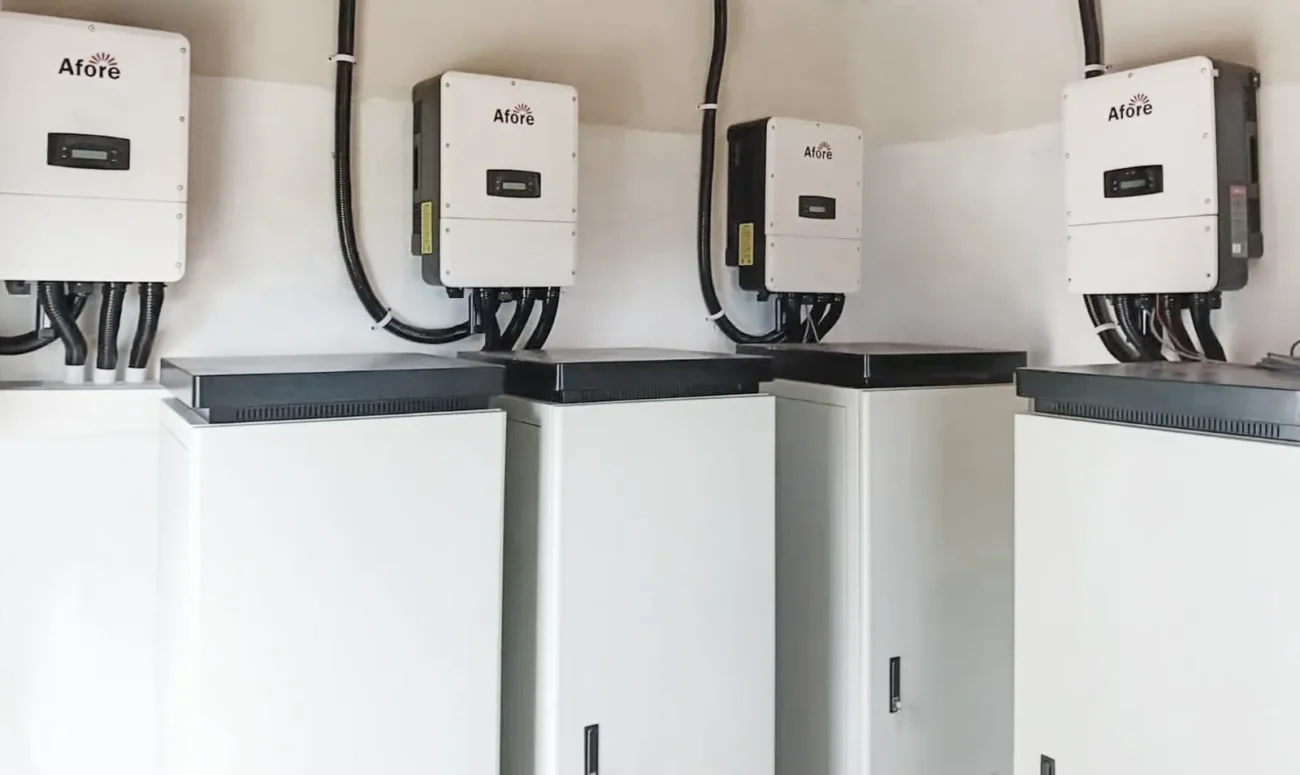
El diseño técnico de un sistema de almacenamiento integrado determina su rendimiento a lo largo de un periodo de entre 10 y 15 años, o incluso más. Para los responsables de la toma de decisiones en el sector fotovoltaico comercial, las especificaciones más importantes no se limitan únicamente a los kWh nominales y al precio inicial. La capacidad útil, la compatibilidad con el sistema de control de potencia (PCS), las funciones del sistema de gestión de energía (EMS), el diseño de seguridad, el rendimiento de la refrigeración y la arquitectura de ampliación son factores que influyen en el valor real del proyecto.
La mayoría de los sistemas de almacenamiento integrados comerciales utilizan actualmente la composición química de fosfato de hierro y litio debido a su estabilidad térmica, su larga vida útil y su idoneidad para el almacenamiento de energía estacionario. Sin embargo, los compradores deben evaluar las especificaciones completas de la batería, y no solo el nombre de la composición química. Entre los parámetros importantes se incluyen la capacidad nominal, la capacidad útil, la profundidad de descarga, la eficiencia de ida y vuelta, la vida útil por ciclos, la vida útil calendarizada, el rango de temperaturas de funcionamiento, la curva de degradación, la tasa C y los límites de rendimiento establecidos en la garantía.
Un error habitual es comparar los sistemas basándose únicamente en la capacidad nominal. Es posible que un armario de 500 kWh no proporcione 500 kWh de energía utilizable una vez que se tengan en cuenta los límites de reserva, las restricciones de profundidad de descarga, el consumo auxiliar, las pérdidas por conversión y la degradación. Los proyectos fotovoltaicos comerciales deben simular la energía utilizable a lo largo del tiempo, especialmente cuando la viabilidad financiera depende de los ciclos diarios.
Por ejemplo, un sistema destinado a la gestión de las tarifas por consumo puede realizar ciclos de carga y descarga de poca profundidad, pero con frecuencia. Un sistema destinado al almacenamiento de energía solar puede realizar ciclos más profundos casi a diario. Un sistema orientado a la autonomía de reserva puede mantenerse en un estado de carga elevado durante largos periodos, lo que puede influir de forma diferente en la degradación. La estrategia del EMS debe ajustarse a las condiciones de la garantía y al envejecimiento previsto de la batería.
El sistema de conversión de potencia determina la rapidez y la eficiencia con las que la batería puede cargarse o descargarse. Los contratistas de proyectos energéticos (EPC) deben evaluar la potencia nominal del sistema de conversión de potencia (PCS), su capacidad de sobrecarga, la compatibilidad de tensión de CA, el control del factor de potencia, la capacidad de potencia reactiva, el tiempo de respuesta, el comportamiento de seguimiento o de formación de red, y la compatibilidad con los inversores fotovoltaicos existentes.
Los sistemas fotovoltaicos comerciales con almacenamiento suelen estar acoplados en CA o en CC. Los sistemas acoplados en CA conectan el sistema de almacenamiento al lado de CA de la instalación o de la planta fotovoltaica. A menudo resultan prácticos para las reformas, ya que los inversores fotovoltaicos existentes pueden mantenerse en su sitio. Los sistemas acoplados en corriente continua conectan el sistema fotovoltaico y el de almacenamiento en el lado de corriente continua mediante una arquitectura híbrida, lo que puede mejorar la eficiencia de la carga solar en algunos diseños y reducir las pérdidas por recorte, aunque puede requerir una mayor compatibilidad entre los componentes y un diseño más cuidadoso.
| Factor de diseño | Almacenamiento acoplado en CA | Almacenamiento acoplado en corriente continua |
|---|---|---|
| Idoneidad para la modernización | Normalmente fuerte | Depende del diseño fotovoltaico existente |
| Sustitución del inversor fotovoltaico | A menudo no es necesario | Puede requerir una arquitectura híbrida |
| Facilidad de manejo | Es necesaria la coordinación del sistema de gestión de emergencias a nivel de la instalación | Un control más integrado de los sistemas fotovoltaicos y las baterías |
| Eficiencia en la recarga de baterías a partir de energía fotovoltaica | Puede incluir etapas de conversión adicionales | Puede reducir las etapas de conversión |
| Flexibilidad con los activos existentes | Alta | Depende más del diseño |
Para el funcionamiento en modo de respaldo o en microrred, las empresas de ingeniería, adquisición y construcción (EPC) también deben verificar la capacidad de funcionamiento en isla, la compatibilidad con el arranque en frío, la conmutación de transferencia y la funcionalidad de formación de red. No todos los sistemas de almacenamiento comerciales pueden funcionar como una verdadera fuente de energía de respaldo. Algunos sistemas están diseñados únicamente para la optimización en conexión a la red y se apagarán durante los cortes de suministro, a menos que se configuren con los equipos de conmutación y control adecuados.
El sistema de gestión energética es el cerebro operativo de la solución fotovoltaica con almacenamiento. Controla la programación de la carga y la descarga, el autoconsumo solar, la limitación de la demanda, la reserva de emergencia, la optimización de las tarifas por franja horaria, la limitación de la exportación de energía y la comunicación con los contadores, los inversores, las cargas de la instalación y, en ocasiones, las señales de la red eléctrica.
En el caso de una única instalación comercial, el EMS debe ser capaz de procesar datos de carga, generación fotovoltaica, estado de carga, periodos tarifarios y objetivos de demanda. En el caso de un distribuidor con múltiples emplazamientos o una cartera comercial, la calidad del EMS cobra aún mayor importancia. La monitorización de flotas, la clasificación de alarmas, el diagnóstico remoto, los permisos de usuario, el acceso a la API y la capacidad de exportación de datos pueden reducir los costes de servicio y mejorar la visibilidad de los activos.
Los compradores B2B deben aclarar la titularidad de los datos y los derechos de acceso antes de realizar la adquisición. Si los datos de rendimiento, los registros de alarmas y el historial de funcionamiento quedan bloqueados en una plataforma propietaria con capacidad de exportación limitada, puede resultar difícil para el EPC, el propietario de los activos o el proveedor externo de operaciones y mantenimiento verificar el ahorro o diagnosticar problemas posteriormente.
El diseño térmico influye considerablemente en la seguridad, el deterioro de las baterías y la disponibilidad del sistema. Los instaladores deben comprobar si el sistema utiliza refrigeración por aire, refrigeración de armarios mediante sistemas de climatización (HVAC) o refrigeración líquida, y si el método de gestión térmica es adecuado para el clima de la ubicación.
Los sistemas comerciales para exteriores deben evaluarse en cuanto a su índice de protección IP, protección contra la corrosión, reducción de potencia en función de la altitud, humedad, exposición al polvo, riesgo de niebla salina, límites de temperatura ambiente, espacio libre para la ventilación y restricciones de ruido. Un armario que funcione bien en un clima templado del interior puede requerir una reducción de potencia adicional o medidas de protección en un recinto industrial con altas temperaturas o en una ubicación costera.
En el caso de las instalaciones en azoteas, es necesario tener en cuenta desde el principio la carga estructural, la exposición al viento, el acceso de los servicios de extinción de incendios y el espacio libre necesario para el mantenimiento. En el caso de los sistemas montados en el suelo, cobran importancia el diseño de los cimientos, el drenaje, la protección contra impactos de vehículos y el tendido de los cables. «Integrado» no significa que no requiera instalación; significa que el armario ha sido diseñado previamente, aunque el emplazamiento siga requiriendo una preparación profesional.
Primero, el análisis de viabilidad
A la hora de dimensionar un sistema comercial de almacenamiento de energía «todo en uno», nunca se debe partir únicamente de las especificaciones del producto. Cada implementación de almacenamiento debe ajustarse a unos objetivos empresariales, unas necesidades operativas y unos objetivos financieros claros antes de seleccionar la capacidad del sistema o el modelo de armario. Definir el caso de negocio desde el principio evita el sobredimensionamiento, el infradimensionamiento y el gasto innecesario en inversión (CAPEX) en hardware de almacenamiento inadecuado.
Proceso estándar para el cálculo del tamaño de los almacenes comerciales

El dimensionamiento adecuado es una de las responsabilidades más importantes en un proyecto de almacenamiento comercial. Un dimensionamiento excesivo reduce la rentabilidad de la inversión, mientras que un dimensionamiento insuficiente puede decepcionar al cliente y limitar el ahorro. El proceso de dimensionamiento debe comenzar por el análisis de viabilidad, no por un catálogo de productos.
Un estudio de dimensionamiento fiable parte de datos de carga por intervalos, idealmente con una resolución de 15 minutos o inferior. Las empresas de ingeniería, adquisición y construcción (EPC) deben analizar los patrones de demanda diarios y estacionales, los picos de consumo, los horarios de funcionamiento, las cargas de fin de semana, los turnos de producción y los cambios futuros previstos, como los cargadores de vehículos eléctricos o la ampliación de las líneas de fabricación. Las previsiones de producción fotovoltaica deben modelizarse teniendo en cuenta la ubicación, la orientación del sistema, la capacidad del inversor, el sombreado, la degradación y las limitaciones de exportación a la red.
Datos mínimos que deben recopilar los EPC antes de dimensionar un sistema de almacenamiento comercial
| Categoría de datos | Datos obligatorios |
|---|---|
| Datos sobre las facturas de servicios públicos | 12 meses de facturas de servicios públicos, cargos por demanda, franjas horarias, cláusulas de escalonamiento, normas de compensación por exportación y cargos por disponibilidad |
| Datos de carga por intervalos | Datos de carga de 15 o 5 minutos, marcas de tiempo de los picos de demanda, patrones de picos estacionales, comportamiento durante el fin de semana frente al de los días laborables |
| Información básica sobre el sitio web | Tamaño actual de la instalación fotovoltaica, capacidad fotovoltaica prevista, tamaño de la toma de corriente principal, capacidad del transformador, lista de cargas críticas, planes de recarga de vehículos eléctricos o aumento de la carga |
| Datos financieros | Supuestos sobre el aumento del precio de la electricidad, incentivos, costes de financiación, costes de mantenimiento y costes por tiempo de inactividad en casos de uso de sistemas de respaldo |
Para reducir el cargo por demanda, la batería debe descargarse durante los intervalos de máxima demanda del cliente. Para el autoconsumo, debe absorber el exceso de generación solar y descargarse cuando, de otro modo, la instalación tendría que importar energía de la red. Para el arbitraje por franjas horarias, debe cargarse durante los periodos de bajo coste y descargarse durante los periodos de alto coste. Para servir de respaldo, debe reservar suficiente energía para abastecer las cargas críticas durante los cortes de suministro.
El Departamento de Energía de EE. UU. destaca que la rentabilidad de los sistemas solares con almacenamiento para uso comercial depende en gran medida de las tarifas, los perfiles de carga y los objetivos operativos, más que del mero tamaño de la batería, lo que concuerda con las directrices oficiales del DOE sobre los factores que influyen en la toma de decisiones de los clientes comerciales, la dependencia de las tarifas y los casos de uso relacionados con la resiliencia que determinan el dimensionamiento adecuado del almacenamiento y la estrategia de implantación. Por eso es esencial realizar un análisis profesional de la carga antes de seleccionar la configuración del armario.
La potencia nominal, medida en kW, define la cantidad de potencia que el sistema puede suministrar en un momento dado. La capacidad energética, medida en kWh, define durante cuánto tiempo puede mantener ese suministro. Ambas son fundamentales.
Un sistema de 250 kW / 500 kWh puede, en teoría, funcionar a plena potencia durante unas dos horas antes de que se produzcan pérdidas y se alcancen los límites de reserva. Un sistema de 500 kW / 500 kWh tiene mayor potencia, pero una duración más corta. Un sistema de 250 kW / 1.000 kWh ofrece una mayor duración, pero es posible que no reduzca los picos cortos y elevados con la misma eficacia si la potencia requerida es superior a la potencia nominal del PCS.
| Caso de uso | Prioridad habitual en la elección de la talla | Implicaciones prácticas |
|---|---|---|
| Gestión de las tarifas por consumo máximo | Mayor respuesta en kW | La batería debe cubrir breves intervalos de picos de consumo |
| Autoconsumo solar | kW y kWh equilibrados | La capacidad debe ajustarse al exceso de generación fotovoltaica |
| Energía de reserva | Duración suficiente en kWh | Las cargas críticas y la autonomía determinan el dimensionamiento |
| Asistencia para la recarga de vehículos eléctricos | Alta potencia en kW y respuesta rápida | La clasificación PCS y los límites del transformador son importantes |
| Desplazamiento de la demanda según la franja horaria | Mayor duración en kWh | La diferencia entre las tarifas y la frecuencia de los ciclos son factores importantes |
Las propuestas de EPC deben explicar esta distinción con claridad. Muchos clientes comerciales comprenden el concepto de capacidad solar, pero están menos familiarizados con los índices de conversión de energía de las baterías. Una lógica clara a la hora de dimensionar el sistema mejora la confianza y reduce las disputas una vez que comienza la explotación.
Si se prevé que el sistema de almacenamiento proporcione energía de reserva, los responsables de las instalaciones deben identificar con antelación las cargas críticas. Entre ellas pueden figurar la refrigeración, los sistemas de seguridad, la infraestructura informática, la iluminación, el control de accesos, los controles de producción, las bombas o determinadas cargas de las oficinas. Dar servicio a toda una instalación comercial es muy diferente a dar servicio a un cuadro de cargas críticas.
El diseño del sistema de respaldo debe tener en cuenta la duración de la autonomía, la conmutación de transferencias, la protección contra el funcionamiento en isla, la capacidad de arranque autónomo, la priorización de cargas, la coordinación de generadores y el comportamiento de reinicio tras la recuperación de la red. Algunos sistemas «todo en uno» solo pueden funcionar en modo de respaldo si se les añaden aparatos de conmutación o controladores de microrred adicionales. Otros están diseñados para funcionar conectados a la red y no pueden alimentar las cargas durante los cortes de suministro.
Este requisito debe verificarse antes de iniciar las negociaciones comerciales. Incorporar la capacidad de respaldo en una fase avanzada del proceso de diseño puede alterar la arquitectura eléctrica, el recorrido de las líneas, el coste de instalación y el procedimiento de puesta en servicio.
Muchas instalaciones comerciales prevén un aumento de la carga. Un centro logístico puede instalar puntos de recarga para vehículos eléctricos, una fábrica puede ampliar los turnos de producción y un comercio minorista puede aumentar la carga de los sistemas de refrigeración o de climatización. Una instalación comercial escalable sistema de almacenamiento de energía debería admitir armarios paralelos, capacidad adicional de PCS, mayor capacidad de la batería y configuración del EMS para futuros modos de funcionamiento.
Sin embargo, la ampliación no consiste únicamente en comprar otro armario. Las empresas de ingeniería, compras y construcción (EPC) deben comprobar la capacidad de los transformadores, los valores nominales de los equipos de conmutación, la coordinación de las protecciones, la arquitectura de comunicaciones, el espacio físico, el espacio libre para la ventilación, las distancias de separación contra incendios y si las baterías de diferentes edades pueden funcionar juntas sin que se vea afectada la garantía. Si es probable que se produzca una ampliación, el diseño inicial debe prever desde el principio la capacidad eléctrica y física necesaria.
La conexión a la red y el cumplimiento de las normas de seguridad pueden determinar si un proyecto se aprueba a tiempo. Los sistemas de almacenamiento integrados pueden simplificar la documentación, pero no eliminan la necesidad de realizar un estudio de ingeniería específico para cada emplazamiento ni de someterlo a la revisión de las autoridades locales.
Los proyectos comerciales de energía fotovoltaica con almacenamiento deben cumplir los requisitos de las empresas de suministro eléctrico y del código de red en materia de control de exportación, protección contra el funcionamiento en isla, resistencia a las variaciones de tensión y frecuencia, calidad de la energía, comportamiento ante fallos, medición y ajustes de protección. En algunos mercados, también puede ser necesaria la capacidad de reducción remota de la producción o de despacho por parte de la empresa de suministro eléctrico.
Los EPC deben confirmar que el sistema es compatible con los parámetros de la red local y que el proveedor puede facilitar diagramas unifilares, documentación sobre el concepto de protección, ajustes de los relés, certificados del PCS e informes de pruebas. La norma IEEE 1547 es una referencia clave para la interconexión y la interoperabilidad de los recursos energéticos distribuidos en Norteamérica, mientras que los proyectos europeos pueden tener que cumplir los códigos de red nacionales y los requisitos aplicables basados en las normas EN o IEC.
Los plazos de aprobación de las empresas de servicios públicos deben considerarse parte del calendario del proyecto. Aunque los sistemas integrados pueden reducir el tiempo de montaje in situ, la revisión de la interconexión, los estudios de la red eléctrica y la tramitación de los permisos pueden seguir siendo los aspectos que más tiempo ocupen en el calendario.
La documentación sobre seguridad de las baterías debe estructurarse en categorías de cumplimiento claras para evitar que la diligencia debida resulte incompleta; estas categorías se organizan a continuación en: seguridad en el transporte, seguridad de las celdas y módulos, seguridad del almacenamiento de energía a nivel de sistema, interconexión con la red eléctrica, instalación y cumplimiento de la normativa contra incendios, y marcado y documentación para el acceso al mercado.
Categorías habituales de cumplimiento
La seguridad en el transporte abarca las clasificaciones de las baterías de litio para su envío, los requisitos de embalaje y la validación de los riesgos durante el tránsito, con el fin de cumplir con la normativa internacional en materia de envíos.
La seguridad de las celdas y los módulos abarca la estabilidad química, la tolerancia a fallos eléctricos, la mitigación del sobrecalentamiento y las normas básicas de rendimiento de los componentes individuales de la batería, en consonancia con IEC marcos de seguridad y normalización técnica.
La seguridad del almacenamiento de energía a nivel de sistema evalúa el rendimiento integrado de los racks, los armarios y los contenedores, incluyendo la coordinación de la gestión térmica, el aislamiento de fallos y la funcionalidad de parada de emergencia.
El cumplimiento de los requisitos de interconexión a la red verifica la conformidad con las normas de las empresas de suministro eléctrico, los protocolos contra el funcionamiento en isla, la capacidad de resistencia a las fluctuaciones de tensión y frecuencia, y la coordinación de los dispositivos de protección para garantizar una conexión segura a la red.
La instalación y el cumplimiento de la normativa contra incendios incluyen las distancias de separación entre instalaciones, los requisitos de ventilación, el diseño de los compartimentos cortafuegos, el acceso de los servicios de emergencia y el cumplimiento de la normativa local de construcción.
Las marcas y la documentación de acceso al mercado abarcan las certificaciones regionales, los requisitos de etiquetado, los informes oficiales de ensayo y el ámbito de aplicación válido de los certificados necesarios para la obtención de los permisos del proyecto y la aprobación de las empresas de servicios públicos.
Matriz de jerarquía de certificaciones
| Nivel de cumplimiento | Ámbito de la evaluación |
|---|---|
| Pruebas a nivel celular | Validación básica de la seguridad química, eléctrica y térmica de las celdas de batería individuales |
| Pruebas a nivel de módulo | Seguridad en la agrupación de celdas ensambladas, protección interna y control de la propagación de fallos |
| Seguridad a nivel de rack | Estabilidad de la integración multimódulo, protección del cableado y comportamiento térmico agregado |
| Seguridad de los armarios o contenedores a nivel del sistema | Recinto cerrado, refrigeración integrada, sistema de extinción de incendios y coordinación centralizada de la protección |
| Cumplimiento de la normativa en materia de instalaciones | Distribución de la instalación, distancias de seguridad, puesta a tierra, cableado y cumplimiento de la normativa eléctrica y contra incendios local |
Es fundamental comprender que un certificado de una célula o un módulo no garantiza automáticamente que el armario completo cumpla con los requisitos tras su integración con los sistemas PCS, HVAC, de detección de incendios, EMS y los dispositivos de protección. La validación a nivel de componentes no tiene en cuenta las interacciones combinadas del sistema, las respuestas ante fallos entre dispositivos ni las condiciones de carga térmica y eléctrica integradas, propias de un armario de almacenamiento de energía completamente montado.
Dependiendo del mercado, los compradores pueden necesitar documentación relacionada con las normas IEC, UL, CE, UN38.3, los códigos eléctricos locales, las normas contra incendios y las normas específicas de las empresas de suministro de servicios públicos. La norma IEC 62619 es ampliamente utilizada como referencia para los requisitos de seguridad de las celdas y baterías industriales de litio en el contexto global de la normalización técnica y de seguridad de la IEC, mientras que las normas UL 9540 y UL 9540A se utilizan habitualmente en las evaluaciones de seguridad del almacenamiento de energía en Norteamérica.
Los compradores B2B no deben fiarse de afirmaciones generales como que se dispone de certificación internacional. Deben solicitar los certificados concretos, los alcances de las pruebas, los números de modelo y las condiciones de validez. Un certificado para una célula de batería no es lo mismo que la certificación de un armario completo e integrado de almacenamiento de energía.
La seguridad contra incendios es un aspecto fundamental a la hora de obtener las licencias para las instalaciones comerciales de almacenamiento en baterías. El diseño de las instalaciones debe tener en cuenta la disposición de los armarios, el acceso a los dispositivos de parada de emergencia, los sistemas de detección o extinción de incendios, la ventilación, la señalización, las distancias de separación, la mitigación del sobrecalentamiento, el acceso para los servicios de emergencia y la información sobre la respuesta ante emergencias.
Las autoridades locales pueden exigir planos en los que se indiquen las distancias de seguridad respecto a edificios, límites de la propiedad, salidas, materiales combustibles y otros equipos. Las instalaciones industriales también pueden requerir evaluaciones de riesgo relativas a zonas peligrosas, tráfico de vehículos, ruido o exposición a sustancias químicas. En el caso de las instalaciones en interiores, el diseño de la ventilación y de los compartimentos cortafuegos puede resultar más complejo.
Asumir riesgos puede retrasar un proyecto tanto como el plazo de entrega de los equipos. Las empresas EPC deberían ponerse en contacto desde el principio con las autoridades, los consultores en materia de incendios y los representantes de las empresas de servicios públicos, especialmente en el caso de los proyectos de almacenamiento de energía solar de mayor envergadura para el sector comercial e industrial.
Un sistema «todo en uno» modifica los límites de responsabilidad, pero no los elimina. El fabricante es responsable del diseño del producto, las pruebas en fábrica, la documentación y las certificaciones declaradas. El distribuidor es responsable de la presentación precisa del producto, la asistencia al canal de distribución y la transferencia de la documentación. El EPC o instalador es responsable del diseño de la instalación, la instalación conforme a la normativa, la coordinación de la protección y la puesta en servicio. El propietario es responsable de hacer funcionar el sistema dentro de los límites aprobados y de mantener los registros necesarios. Las autoridades locales y la empresa de servicios públicos determinan si la instalación es aceptable en esa jurisdicción.
Lo más seguro es definir estas responsabilidades por contrato antes de la adquisición. La ambigüedad puede provocar retrasos, sobre todo cuando surge un problema durante la puesta en servicio y las distintas partes no se ponen de acuerdo sobre si se trata de un problema del producto, del diseño, de la instalación o de un requisito de la empresa de servicios públicos.
Para los compradores profesionales, la selección de proveedores debe ir más allá del precio por kWh. Un sistema de almacenamiento comercial puede estar en funcionamiento durante más de una década, por lo que la calidad de fabricación, la claridad de la garantía, la asistencia técnica, las piezas de recambio y la documentación son fundamentales para el éxito del proyecto.
Los distribuidores y los contratistas de ingeniería, compras y construcción (EPC) deben evaluar el historial de fabricación, la escala de producción, la estrategia de abastecimiento de células, los procedimientos de control de calidad, las certificaciones, los proyectos de referencia, la estabilidad financiera y la infraestructura de posventa. Una oferta de bajo coste puede resultar cara si el proveedor no puede ofrecer un soporte técnico constante para el firmware, piezas de recambio o servicio de garantía.
El control de calidad debe incluir la inspección de las células a su llegada, los controles de montaje de los módulos, las pruebas de gestión de la batería, las pruebas del sistema de control de potencia (PCS), la validación del sistema térmico, las pruebas de aceptación en fábrica y la trazabilidad. En el caso de implantaciones repetidas, los compradores también deben preguntar si el proveedor puede mantener unas especificaciones de producto constantes a lo largo del tiempo o si los cambios frecuentes en el diseño pueden afectar a la formación, las piezas de recambio y la documentación.
Las garantías de los sistemas de almacenamiento comercial suelen incluir una garantía del producto y una garantía de rendimiento. La garantía del producto cubre los defectos de materiales o de fabricación. La garantía de rendimiento define la retención de capacidad a lo largo del tiempo, normalmente sujeta a las condiciones de funcionamiento, los límites de ciclos, los límites de rendimiento, los límites de temperatura, los rangos de estado de carga y los requisitos de mantenimiento.
Los EPC deben comprobar que la garantía se ajusta al uso previsto. Un sistema que se pone en marcha dos veces al día con fines de arbitraje y respuesta a la demanda puede superar el rendimiento máximo de la garantía antes que un sistema destinado a funciones de respaldo. Las altas temperaturas ambientales, la ventilación deficiente, los cambios no autorizados en el firmware o el funcionamiento fuera de los límites aprobados también pueden reducir la cobertura.
La garantía debe definir claramente los plazos de respuesta, los procedimientos de sustitución, la cobertura de la mano de obra, las responsabilidades en materia de envío, los requisitos de diagnóstico y las exclusiones. Para los distribuidores, la ambigüedad en la garantía puede dañar la reputación del canal, incluso cuando el fabricante original es el responsable del hardware.
La logística del almacenamiento comercial en baterías requiere una planificación minuciosa. Los sistemas de baterías de litio pueden tener clasificaciones de transporte específicas, requisitos de embalaje, documentación y procedimientos de manipulación in situ. El equipo del proyecto debe confirmar los plazos de entrega, los requisitos aduaneros, el orden de entrega, el método de descarga, el acceso para carretillas elevadoras o grúas, las condiciones de almacenamiento y si el sistema puede entregarse directamente en el lugar de instalación definitivo.
La falta de archivos de puesta en servicio, los certificados incompletos o los retrasos en el acceso a la supervisión pueden afectar a los hitos del proyecto tanto como un retraso en la entrega del hardware. Los equipos de compras deben incluir la preparación de la documentación en la lista de comprobación de la entrega, y no considerarla un detalle que se resuelva tras el envío.
Un socio sólido en soluciones de almacenamiento B2B facilita una implementación repetible. Esto incluye la revisión del diseño, el apoyo en la elaboración de propuestas, la formación de los instaladores, la asistencia en la puesta en marcha, el diagnóstico remoto, el suministro de piezas de recambio, la gestión del firmware y los procedimientos de escalado.
Para los distribuidores, el conflicto de canales también es importante. Si el fabricante vende directamente a los mismos clientes sin unas normas claras, la inversión del distribuidor en formación y desarrollo de mercado puede verse mermada. Las condiciones comerciales deben abordar cuestiones como el territorio, la exclusividad (si procede), la estructura de precios, el registro de clientes potenciales, las responsabilidades en materia de asistencia técnica y las obligaciones de servicio.
El almacenamiento integrado puede reducir el montaje in situ, pero la calidad de la instalación sigue siendo fundamental. Muchos de los problemas de rendimiento en los proyectos comerciales de energía fotovoltaica con almacenamiento se deben a errores en el diseño de la instalación, la comunicación, la medición, la configuración de la red eléctrica o la puesta en servicio, más que al propio armario de baterías.
Antes de la entrega, los instaladores deben comprobar los cimientos, la capacidad estructural de la azotea (si procede), el trazado de los cables, la excavación de zanjas, los requisitos de cableado de CA y CC, la puesta a tierra, el drenaje, el acceso para los servicios de bomberos, el espacio libre para la ventilación, el acceso para el mantenimiento y la conectividad de red. Los sistemas exteriores montados en el suelo pueden requerir plataformas de hormigón, bolardos, vallas y entradas de cable resistentes a la intemperie. Los sistemas instalados en tejados requieren una revisión estructural, planes de elevación, comprobaciones de la carga del viento y un acceso seguro para el mantenimiento.
La obra debería estar lista antes de que llegue el sistema. Los retrasos provocados por obras de ingeniería civil sin terminar, el acceso bloqueado para las grúas, la instalación incompleta de los cuadros eléctricos o la falta de infraestructura de comunicaciones pueden aumentar los costes de mano de obra y alargar el proceso de puesta en marcha.
La puesta en servicio debe seguir un proceso documentado. Las comprobaciones previas a la puesta en servicio suelen incluir una inspección visual, la verificación del par de apriete, pruebas de resistencia de aislamiento, comprobaciones de puesta a tierra, pruebas de comunicación, verificación del sistema de refrigeración, validación de los contadores, configuración del EMS, ajuste de los parámetros del PCS, sincronización con la red eléctrica, pruebas de carga y descarga, validación de las alarmas y activación de la plataforma de monitorización.
Los contratistas EPC deben definir los criterios de aceptación antes de la entrega. Estos pueden incluir ciclos de carga y descarga satisfactorios, la respuesta a los comandos del sistema de gestión energética (EMS), el rendimiento de las limitaciones de exportación, pruebas de transición al modo de reserva (si procede), la notificación de alarmas, el acceso a la monitorización remota y la entrega de la documentación. Una prueba de aceptación in situ firmada protege tanto al instalador como al propietario del proyecto.
Entre los riesgos más comunes se incluyen la colocación incorrecta de los transformadores de corriente, ajustes de red inadecuados, fallos de comunicación entre el sistema de gestión energética (EMS) y los contadores, espacio de ventilación insuficiente, conectividad de red deficiente, configuración poco clara de la carga de reserva, falta de autorizaciones de la empresa de suministro, ajustes de protección incorrectos y sincronización incompleta del firmware. Estos problemas pueden reducir el ahorro o provocar disparos indeseados, incluso cuando el hardware se encuentra en buen estado técnico.
Por ejemplo, un sistema de gestión de la demanda depende de una medición precisa en tiempo real. Si los transformadores de corriente (TC) se instalan en la dirección incorrecta o en el ramal equivocado, el sistema de gestión energética (EMS) podría cobrar cuando debería abonar o no lograr reducir la demanda máxima. Del mismo modo, el control de la exportación requiere una medición fiable en el punto de acoplamiento común. Pequeños errores de instalación pueden acarrear graves consecuencias operativas.
El tiempo de puesta en marcha depende del tamaño del sistema, la obtención de los permisos, la conexión a la red de servicios públicos, las obras de ingeniería civil, la logística, la instalación eléctrica, la complejidad de la puesta en servicio y la disponibilidad de personal cualificado. Los sistemas integrados pueden reducir el tiempo de montaje in situ, ya que los componentes principales se instalan y se prueban en fábrica. Sin embargo, el calendario general del proyecto suele depender de las aprobaciones del diseño, la revisión por parte de las empresas de servicios públicos, la entrega de los cuadros eléctricos, la revisión de la seguridad contra incendios y la preparación del emplazamiento.
En el caso de un proyecto comercial relativamente estándar, la colocación de los equipos y la instalación eléctrica pueden tardar entre unos días y unas pocas semanas una vez que se hayan obtenido las autorizaciones y se hayan completado las obras de obra civil. El ciclo completo del proyecto, desde el estudio de viabilidad hasta la puesta en marcha, puede durar varios meses, dependiendo de la jurisdicción y de la complejidad de la interconexión. Las empresas de ingeniería, adquisición y construcción (EPC) deben comunicar esto claramente a los clientes, que pueden dar por sentado que un sistema basado en armarios está listo para su uso inmediato.
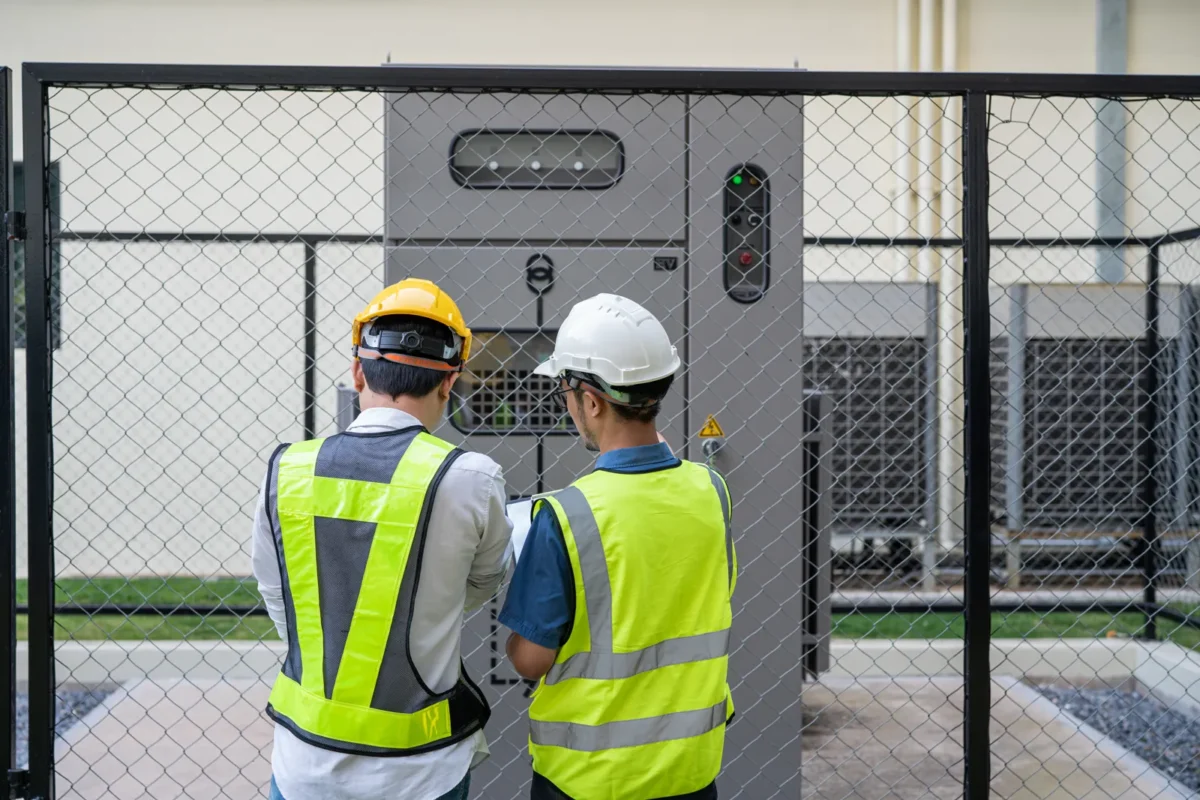
El valor de almacenamiento comercial se genera a lo largo de años de funcionamiento, no en el momento de la entrega. La supervisión, la estrategia de control, el mantenimiento y la gestión del deterioro determinan si se alcanzan los ahorros previstos.
Una plataforma de monitorización profesional debe proporcionar información sobre el estado de carga, el estado de salud, los flujos de potencia, la temperatura de la batería, el estado del PCS, las alarmas, los registros de fallos, el rendimiento energético, el modo de funcionamiento y los informes de rendimiento. Para los gestores de activos y los distribuidores con múltiples emplazamientos, la visibilidad a nivel de flota resulta especialmente valiosa. Permite a los equipos de servicio identificar fallos recurrentes, priorizar las alarmas, reducir las visitas de los técnicos y comparar el rendimiento de los distintos emplazamientos.
La clasificación de las alarmas es importante. Una advertencia menor relacionada con la comunicación no debe tratarse de la misma manera que una alarma térmica o un fallo de aislamiento. El sistema debe permitir flujos de trabajo de escalado claros, diagnósticos remotos y registros descargables para el análisis de la causa raíz.
La degradación de la batería se ve afectada por la frecuencia de los ciclos de carga y descarga, la profundidad de descarga, la temperatura, la tasa C, el estado medio de carga y el envejecimiento por el paso del tiempo. La estrategia del sistema de gestión de la batería (EMS) debe encontrar un equilibrio entre el ahorro para el cliente y el buen estado de la batería a largo plazo. Los ciclos de carga y descarga intensivos pueden mejorar los ingresos a corto plazo, pero reducen la capacidad útil más rápidamente o superan el rendimiento previsto en la garantía.
Los modelos financieros profesionales deben tener en cuenta la pérdida de capacidad anual y las limitaciones operativas. Si un cliente espera disponer de la misma capacidad útil en el décimo año que en el primer día, es probable que la propuesta sobreestime el valor del ciclo de vida. Un enfoque más adecuado consiste en modelar la energía útil a lo largo del tiempo e incluir ajustes de control que tengan en cuenta la degradación.
El NREL y otros organismos técnicos han destacado que el rendimiento y la rentabilidad del almacenamiento dependen de los perfiles de funcionamiento en condiciones reales, y no solo de los valores de laboratorio o de los indicados en la placa de características, en consonancia con la investigación del NREL sobre la evaluación comparativa de costes, las categorías de costes de los sistemas y los supuestos de rendimiento del almacenamiento en condiciones reales utilizados para la modelización financiera comercial de sistemas fotovoltaicos con almacenamiento. Esto resulta especialmente relevante en climas cálidos, aplicaciones con un elevado número de ciclos y emplazamientos con un comportamiento de carga variable.
Los requisitos de mantenimiento varían en función del diseño del sistema, pero los equipos de almacenamiento comerciales suelen requerir la inspección de los filtros de aire, los sistemas de refrigeración, las juntas de los armarios, el cableado, los terminales, las versiones de firmware, los equipos de seguridad contra incendios, las alarmas, la conexión a tierra, la corrosión y la integridad mecánica. Algunos componentes, como los ventiladores, los filtros, las piezas del sistema de climatización, los sensores o las fuentes de alimentación auxiliares, pueden requerir una sustitución programada.
Antes de la adquisición, se debe evaluar la facilidad de mantenimiento. Los técnicos necesitan un acceso seguro para sustituir módulos, inspeccionar los sistemas de refrigeración, recuperar registros y aislar los equipos. Un armario integrado y compacto puede ahorrar espacio, pero si resulta difícil acceder a las piezas críticas, el tiempo de mantenimiento puede aumentar.
El mejor modelo de operación y mantenimiento (O&M) depende de la envergadura del proyecto, la importancia de la instalación, las obligaciones de garantía y las capacidades del propietario o del distribuidor. Algunos propietarios comerciales prefieren un modelo de O&M respaldado por el fabricante, ya que el almacenamiento es un ámbito técnicamente especializado. Las empresas de ingeniería, adquisición y construcción (EPC) pueden encargarse de la O&M cuando ya se ocupan del mantenimiento del sistema fotovoltaico y desean obtener ingresos recurrentes por servicios. Las carteras más grandes pueden recurrir a un gestor de activos externo con supervisión remota y socios de servicio locales.
El modelo elegido debe definir quién supervisa las alarmas, quién acude al lugar de los hechos, quién actualiza el firmware, quién se encarga del mantenimiento de los sistemas de seguridad contra incendios, quién tramita las reclamaciones de garantía y quién informa al propietario sobre el rendimiento. Sin estos límites, los problemas menores pueden quedar sin resolver hasta el punto de afectar al ahorro.
La viabilidad económica de una solución que combine energía fotovoltaica y almacenamiento depende en gran medida de las características específicas de cada emplazamiento. Los sistemas integrados pueden reducir los costes indirectos y el riesgo de integración, pero su valor depende de la estructura tarifaria, el perfil de carga, los incentivos, la financiación y la estrategia de explotación.
Es posible que un armario de almacenamiento de energía integrado no siempre tenga el precio por kWh más bajo en comparación con los componentes adquiridos por separado. Sin embargo, puede reducir las horas de ingeniería, la complejidad del proceso de adquisición, el diseño de los sistemas auxiliares (BOS), la mano de obra de instalación, el tiempo de puesta en marcha y los gastos generales de gestión del proyecto. También puede reducir el riesgo de incompatibilidad, ya que la batería, el sistema de control de potencia (PCS), el sistema de gestión de energía (EMS), el sistema de refrigeración y el sistema de monitorización se suministran como un paquete ya probado.
Estructura de costes al estilo del NREL para proyectos comerciales de energía fotovoltaica con almacenamiento
| Categoría de costes | Explicación |
|---|---|
| Módulos y bastidores de baterías | Un factor clave en el coste del equipo, ya que determina directamente la capacidad energética (kWh) y el deterioro a largo plazo del sistema. |
| PCS/inversor | Determina la potencia nominal (kW) del sistema y permite la conexión a la red eléctrica, controlando la velocidad y la eficiencia de los ciclos de carga y descarga. |
| EMS y grupo de control | Influye en la optimización del sistema, la supervisión remota y la gestión de la carga, lo que repercute directamente en el ahorro energético y la eficiencia operativa. |
| Gestión térmica | Influye en el rendimiento del sistema, en la tasa de degradación de la batería y en la seguridad, al regular las temperaturas de funcionamiento para evitar el sobrecalentamiento o las pérdidas de eficiencia debidas al frío. |
| Sistema eléctrico BOS | Aparamenta, transformadores, cableado y protección: elementos esenciales para una conexión eléctrica segura, la distribución de energía y el cumplimiento de las normas de la red eléctrica. |
| Obras civiles y de obra pública | Cimientos, excavación de zanjas, bolardos, accesos: incluye la preparación del emplazamiento para facilitar la instalación de las cabinas y garantizar un funcionamiento seguro. |
| Autorizaciones/interconexión | Puede condicionar el calendario del proyecto, ya que implica la obtención de autorizaciones de las empresas de servicios públicos, la realización de estudios de interconexión a la red eléctrica y el cumplimiento de la normativa local. |
| Mano de obra y margen del contrato EPC | Varía en función de la complejidad de la instalación y abarca los gastos de instalación, puesta en marcha, gestión del proyecto y los honorarios por servicios de EPC. |
| Mantenimiento y garantía | Influye en los aspectos económicos del ciclo de vida, incluyendo el mantenimiento preventivo, los costes de reparación y la cobertura de la garantía de los componentes a lo largo de la vida útil del sistema. |
La integración a medida puede estar justificada en el caso de proyectos de gran envergadura o aplicaciones especializadas en las que la flexibilidad de diseño aporta un valor suficiente como para compensar los costes adicionales de ingeniería y coordinación. En el caso de las carteras fotovoltaicas comerciales estandarizadas, los sistemas integrados suelen ofrecer un modelo comercial más reproducible.
La rentabilidad del almacenamiento comercial suele depender de una o varias fuentes de valor: reducción de picos de demanda, reducción de las tarifas por consumo, arbitraje por franjas horarias, aumento del autoconsumo de energía solar, valor de respaldo, control de la exportación a la red, pagos por capacidad, respuesta a la demanda o servicios auxiliares, siempre que la normativa lo permita.
La reducción de picos suele resultar atractiva cuando las tarifas por consumo son elevadas. El autoconsumo solar resulta valioso cuando la compensación por la energía fotovoltaica exportada es baja o cuando la exportación a la red está restringida. El arbitraje por franjas horarias depende del diferencial entre los periodos de electricidad de bajo coste y los de alto coste. El valor de respaldo es más difícil de cuantificar, pero puede ser significativo para instalaciones en las que el tiempo de inactividad provoca pérdidas de producto, interrupciones operativas o riesgos de seguridad.
No se debe dar por sentado ningún flujo de valor sin verificar las normas tarifarias, los requisitos de medición, el acceso al mercado y la capacidad de control.
La rentabilidad del almacenamiento de energía varía considerablemente dependiendo de si el sistema se combina con una instalación fotovoltaica ya existente o se implanta como sistema de almacenamiento autónomo. El almacenamiento combinado con energía fotovoltaica suele cumplir los requisitos para acceder a programas de incentivos más amplios y a créditos fiscales más elevados, mientras que el almacenamiento comercial autónomo suele enfrentarse a restricciones normativas locales más estrictas y a un acceso reducido a las subvenciones.
Las empresas de contratación energética (EPC) y los promotores de proyectos deben revisar minuciosamente los requisitos de elegibilidad para las desgravaciones fiscales federales, las bonificaciones estatales y los incentivos municipales locales. Las normas de elegibilidad suelen estar vinculadas a la capacidad del sistema, las certificaciones de los equipos, la ubicación del proyecto y los objetivos de reducción de emisiones de carbono, con plazos estrictos de presentación de la documentación que no pueden pasarse por alto.
El momento en que se abonan los incentivos repercute directamente en el flujo de caja del proyecto. Las devoluciones iniciales reducen la carga inicial de CAPEX, mientras que las desgravaciones fiscales que se materializan a lo largo de varios ejercicios fiscales retrasan el flujo de caja positivo y modifican la planificación financiera a largo plazo de los inversores y los propietarios de activos.
Dos modelos de propiedad habituales predominan en el despliegue de sistemas de almacenamiento comercial: los sistemas propiedad del cliente y los sistemas propiedad de terceros mediante contratos de arrendamiento o de compra de energía. Las estructuras propiedad del cliente permiten beneficiarse de todas las ventajas fiscales y del ahorro a largo plazo, mientras que la propiedad por parte de terceros reduce los costes iniciales y transfiere el riesgo operativo al promotor.
La disponibilidad de incentivos influye directamente en los principales indicadores financieros, como el periodo de amortización, la tasa interna de rentabilidad y el valor actual neto. Unos incentivos generosos pueden acortar el periodo de amortización y aumentar considerablemente la TIR, mientras que un apoyo limitado puede alargar los plazos para alcanzar el umbral de rentabilidad del proyecto.
Es necesario verificar la normativa local en materia de incentivos antes de elaborar el modelo definitivo de retorno de la inversión, ya que las diferencias en las políticas entre regiones pueden invalidar las hipótesis financieras genéricas y dar lugar a previsiones inexactas del proyecto.
A efectos prácticos, un proyecto con un ahorro reducido en la tarifa de demanda puede resultar viable si los incentivos reducen la inversión inicial (CAPEX), mientras que un proyecto con un ahorro significativo en la tarifa puede ser viable sin incentivos, incluso con un apoyo normativo limitado.
Un modelo financiero profesional debe incluir el CAPEX, el OPEX, la degradación, las pérdidas de eficiencia, el mantenimiento, los seguros, los costes de financiación, los incentivos, el riesgo de sustitución, los límites de la garantía y el aumento del precio de la electricidad. El periodo de amortización es fácil de entender, pero resulta incompleto. La tasa interna de rentabilidad, el valor actual neto y el coste nivelado del almacenamiento pueden ofrecer una visión más completa a los comités de inversión.
El análisis de sensibilidad es fundamental. Pequeños cambios en los cargos por demanda, los diferenciales tarifarios, la frecuencia de ciclo, la degradación de las baterías o la disponibilidad de incentivos pueden alterar de forma significativa la rentabilidad del proyecto. Las empresas EPC deberían presentar un escenario base, un escenario conservador y un escenario optimista, en lugar de limitarse a una única cifra de amortización.
Un sistema «todo en uno» puede mejorar la viabilidad financiera cuando ofrece un diseño estandarizado, certificaciones reconocidas, condiciones de garantía claras, procedimientos de instalación predecibles, supervisión remota, características de seguridad documentadas y un servicio posventa fiable. Los inversores y los clientes comerciales se sienten más seguros cuando el proyecto utiliza una arquitectura repetible y el proveedor puede demostrar instalaciones de referencia, capacidad de servicio y soporte técnico a largo plazo para el producto.
Para los distribuidores, la viabilidad comercial también depende de si el sistema puede implantarse de forma sistemática en múltiples emplazamientos sin necesidad de una personalización técnica excesiva. La repetibilidad reduce el riesgo de ventas, la carga que supone la formación y la incertidumbre en el servicio posventa.
Compra directa
El cliente (propietario de la instalación o empresa) adquiere el sistema completo de energía fotovoltaica con almacenamiento al contado, pasando a ser propietario de todos los componentes.
Arrendamiento
El cliente firma un contrato de arrendamiento con un proveedor externo (arrendador), que es el propietario del sistema y se lo alquila al cliente durante un plazo determinado (normalmente entre 5 y 10 años).
Contrato de compra de energía (PPA)
El cliente se compromete a adquirir la energía generada por el sistema fotovoltaico con almacenamiento a un tercero propietario (promotor) a una tarifa fija o indexada durante un largo plazo (normalmente entre 10 y 20 años).
Energía como servicio (EaaS)
Un modelo flexible en el que un proveedor externo es propietario del sistema fotovoltaico con almacenamiento, se encarga de su funcionamiento y mantenimiento, y el cliente paga por los servicios energéticos (por ejemplo, energía de reserva o reducción de la tarifa por demanda) en lugar de adquirir la energía o el propio sistema.
Modelo de ahorro compartido
Un modelo colaborativo en el que el cliente y un proveedor externo (por ejemplo, un contratista EPC o un promotor) comparten los costes iniciales del sistema y se reparten los beneficios económicos (por ejemplo, el ahorro en las tarifas por demanda o la reducción de los costes energéticos) durante un periodo acordado.
Almacenamiento propiedad de terceros
Un modelo en el que un tercero (por ejemplo, un promotor o una empresa de servicios energéticos) es propietario del sistema de almacenamiento, ya sea de forma independiente o combinado con energía fotovoltaica, y presta servicios al cliente (por ejemplo, energía de reserva o gestión de la demanda).
Modelo de servicio combinado para distribuidores/EPC
El distribuidor o EPC vende al cliente el sistema fotovoltaico con almacenamiento e incluye servicios adicionales (por ejemplo, instalación, operación y mantenimiento, supervisión) como parte de un único paquete.

Los activos de almacenamiento constituyen una infraestructura de larga duración. Los compradores deben evaluar no solo las necesidades actuales del proyecto, sino también la compatibilidad futura con la recarga de vehículos eléctricos, las microrredes, la respuesta a la demanda y los cambios en la normativa de la red eléctrica.
Un sistema comercial de almacenamiento de energía escalable debe permitir la incorporación de armarios adicionales, el funcionamiento en paralelo, la ampliación de la capacidad del sistema de control de potencia (PCS) y la reconfiguración del sistema de gestión de energía (EMS). No obstante, la ampliación práctica depende de la infraestructura eléctrica, el espacio disponible, el diseño térmico, las distancias de seguridad contra incendios y la arquitectura de comunicaciones.
Las empresas que tengan previsto instalar puntos de recarga para vehículos eléctricos, ampliar su producción o aumentar su capacidad fotovoltaica deberían incluir estos escenarios en el diseño inicial. A menudo resulta más económico reservar capacidad en los cuadros eléctricos, tramos de cableado y espacio físico durante la instalación inicial que adaptarlos posteriormente.
Para los distribuidores que prestan servicio a instaladores regionales o cadenas comerciales, la estandarización supone una ventaja importante. Una solución repetible de energía fotovoltaica más almacenamiento puede utilizar diseños, documentación, materiales de formación, piezas de recambio, procedimientos de puesta en marcha y paneles de control comunes. Esto reduce la complejidad operativa en múltiples emplazamientos.
Sin embargo, la estandarización no debe pasar por alto las diferencias locales. Cada emplazamiento puede presentar tarifas, perfiles de carga, requisitos de los servicios de bomberos, normas de conexión a la red y limitaciones de instalación diferentes. La mejor estrategia de cartera combina bloques de equipos estandarizados con un análisis de ingeniería específico para cada emplazamiento.
El almacenamiento integrado puede facilitar la recarga de vehículos eléctricos de alta potencia al reducir los picos de demanda de la red y limitar la necesidad de ampliar los transformadores. Además, puede aportar resiliencia a las microrredes cuando se combina con la aparamenta adecuada, controles fotovoltaicos y capacidad de formación de red. En los mercados que permiten la respuesta a la demanda o los servicios de red, las baterías comerciales pueden participar a través de agregadores o plataformas de centrales eléctricas virtuales.
Los integradores de sistemas deben verificar los protocolos de comunicación, los tiempos de respuesta, los requisitos de ciberseguridad, la precisión de la medición y la interoperabilidad con los sistemas de gestión energética (EMS) antes de prometer estas funciones. Es posible que un sistema diseñado únicamente para el autoconsumo básico no admita la participación en servicios avanzados de la red sin controles adicionales.
La compatibilidad a largo plazo depende de la compatibilidad con el firmware, las actualizaciones de ciberseguridad, los protocolos de comunicación, la compatibilidad de los inversores, la apertura del sistema de gestión de energía (EMS), la disponibilidad de piezas de recambio y la hoja de ruta de productos del proveedor. Los protocolos habituales, como Modbus, CAN y el acceso a la API estándar, pueden facilitar la integración, pero los detalles de la implementación siguen siendo importantes.
La ciberseguridad merece una atención cada vez mayor, ya que los sistemas de almacenamiento comercial son activos energéticos conectados. Los compradores deben revisar los controles de acceso de los usuarios, los procedimientos de actualización remota, las opciones de aislamiento de red, el cifrado de datos, los registros de auditoría y la responsabilidad en materia de parches de seguridad. En el caso de los activos que se prevé que funcionen entre 10 y 15 años o más, el soporte técnico del software no es opcional.
Una lista de verificación estructurada ayuda a las empresas de eficiencia energética (EPC), a los instaladores, a los distribuidores y a los gestores de instalaciones a comparar a los proveedores de forma sistemática. Además, reduce el riesgo de elegir un sistema basándose únicamente en la capacidad nominal o en el precio inicial.
| Área de evaluación | Preguntas para verificar |
|---|---|
| Batería | Química, capacidad útil, profundidad de descarga (DoD), vida útil, curva de degradación |
| PCS | Potencia nominal en kW, capacidad de sobrecarga, control del factor de potencia, compatibilidad con la formación de red |
| EMS | Reducción de picos de demanda, autoconsumo, control de exportación, reserva de seguridad, acceso a la API |
| Seguridad | Certificaciones, diseño de seguridad contra incendios, parada de emergencia, dispositivos de protección |
| Anexo | Índice de protección IP, método de refrigeración, resistencia a la corrosión, límites de altitud y temperatura |
| Cumplimiento normativo | Cumplimiento de la normativa de red, documentación de interconexión, adaptación a la normativa eléctrica local |
| Expansión | Armarios en paralelo, funcionamiento con usuarios de diferentes edades, escalabilidad futura de PCS y EMS |
Los compradores deben revisar la estructura de precios, las condiciones de la garantía, las garantías de rendimiento, el calendario de entrega, los plazos de pago, la asistencia para la puesta en marcha, los compromisos en materia de piezas de recambio, la formación, los límites de responsabilidad, las licencias de software, la titularidad de los datos y las expectativas en cuanto al nivel de servicio. Los distribuidores también deben evaluar la capacidad de asistencia regional, la política de canales, las condiciones de exclusividad cuando proceda y los procedimientos de escalación.
El contrato debe definir qué se incluye en el paquete del sistema y qué sigue siendo responsabilidad del contratista EPC, del instalador o del propietario. Establecer unos límites claros del alcance del proyecto reduce las disputas durante la instalación y la explotación.
Antes del envío, el equipo del proyecto debe confirmar el estado de los permisos, la aprobación de las empresas de servicios públicos, las obras civiles, los trazados de los cables, la disponibilidad de los cuadros eléctricos, la conectividad de la red, el acceso para la elevación, la revisión de la seguridad contra incendios, el acceso de emergencia, el espacio libre para la ventilación y el calendario de puesta en marcha. Las revisiones de la preparación de la obra son especialmente importantes para el almacenamiento comercial, ya que la entrega de los armarios, la programación de las grúas, los cortes de suministro eléctrico y la presencia de representantes de las empresas de servicios públicos suelen requerir una coordinación minuciosa.
Un sistema de almacenamiento de energía «todo en uno» suele ser la mejor opción para proyectos fotovoltaicos comerciales estandarizados, una implantación rápida, carteras de distribuidores, necesidades de personalización moderadas y emplazamientos en los que resulta importante reducir el riesgo de integración. También resulta atractivo cuando el comprador desea un paquete de un único proveedor con documentación, supervisión, garantía y procedimientos de servicio bien definidos.
Un sistema a medida puede resultar más adecuado para proyectos a escala industrial, aplicaciones poco habituales de servicio a la red, microrredes complejas, emplazamientos con importantes limitaciones o proyectos que requieran una relación potencia-energía muy específica. La decisión correcta depende de si la estandarización o la personalización aportan más valor a lo largo de la vida útil del activo.
Un sistema de almacenamiento de energía «todo en uno» para el sector B2B combina baterías, PCS y EMS en una única unidad prefabricada para simplificar la adquisición por parte de los contratistas EPC y los distribuidores. Elimina la necesidad de adquirir componentes por separado, reduce el trabajo de ingeniería in situ y acelera la puesta en marcha de proyectos fotovoltaicos comerciales. La estructura unificada aclara los límites de responsabilidad y reduce los problemas de compatibilidad durante la puesta en marcha y el funcionamiento diario. Además, permite una configuración estandarizada de la cartera y un servicio posventa coherente para proyectos mayoristas con múltiples emplazamientos.
El almacenamiento solar rentable se centra en la calidad certificada y en un bajo mantenimiento a largo plazo, en lugar de limitarse únicamente a un precio inicial reducido. Las soluciones solares integrales y fiables, vendidas al por mayor, ofrecen un diseño «plug-and-play» que permite ahorrar costes de mano de obra de instalación y de formación para los instaladores. El abastecimiento a través de un fabricante profesional de sistemas de almacenamiento de energía (ESS) para uso residencial garantiza una calidad estable y la disponibilidad de piezas de recambio, lo que evita gastos operativos ocultos. Estas opciones se adaptan a proyectos residenciales y comerciales de pequeña envergadura, al tiempo que mantienen unos márgenes de beneficio satisfactorios para los contratistas.
El calendario del proyecto depende de la obtención de los permisos, las obras de ingeniería civil y la aprobación de la interconexión a la red eléctrica para las instalaciones de almacenamiento residenciales. El premontaje en fábrica facilita la instalación de los sistemas de almacenamiento energético (ESS), lo que resulta ideal para un despliegue rápido en viviendas y pequeñas empresas. La instalación eléctrica y mecánica in situ puede completarse en cuestión de días una vez finalizada la preparación del emplazamiento. La puesta en servicio, las pruebas y la activación de la monitorización remota se completan rápidamente tras la inspección oficial de seguridad y de la red eléctrica.
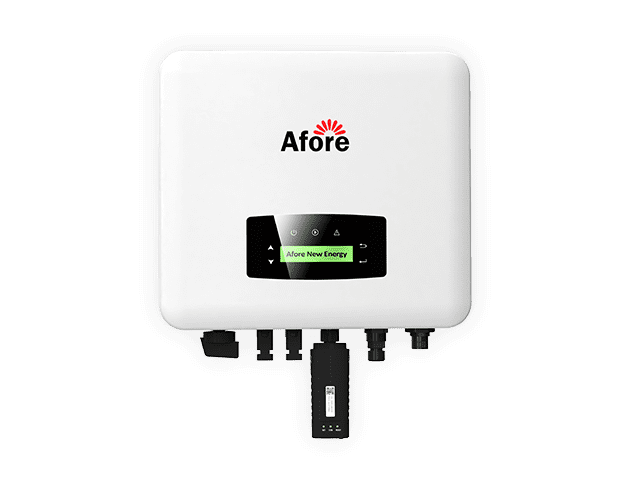
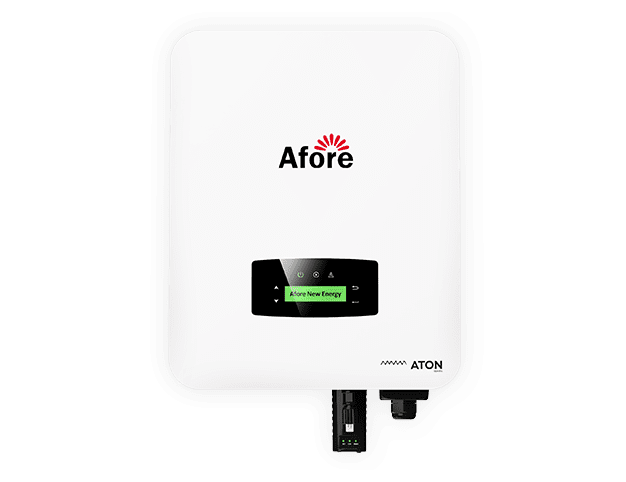
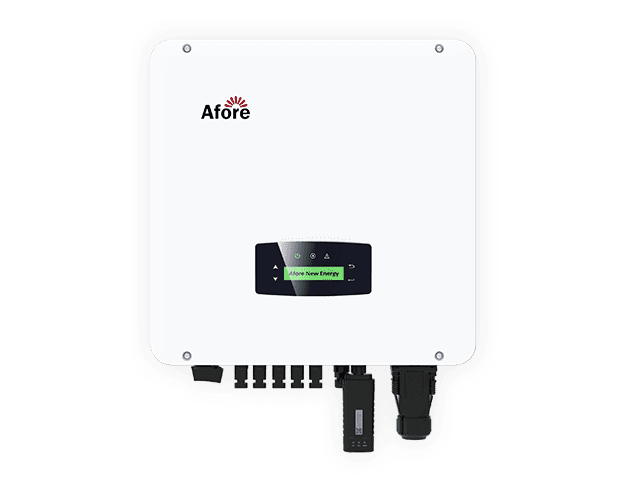
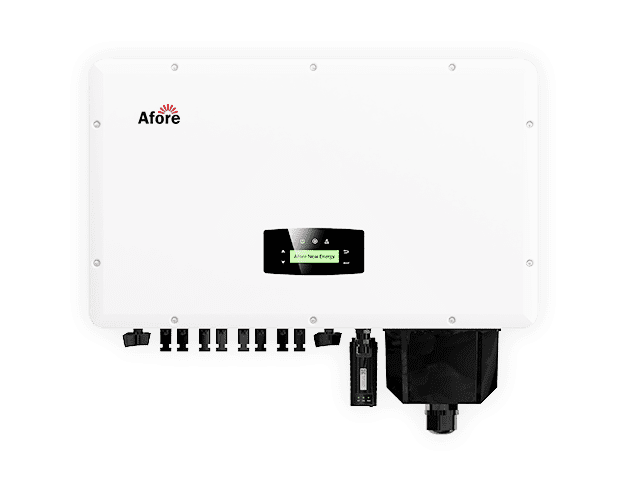
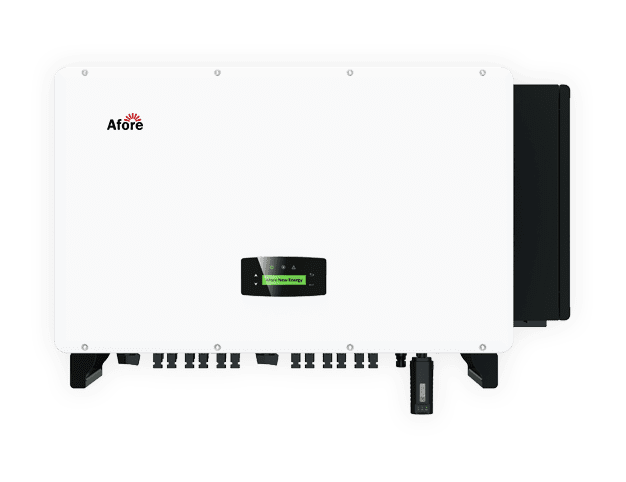
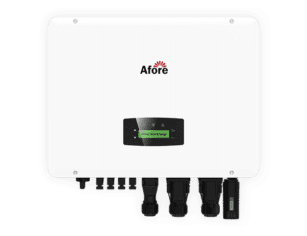
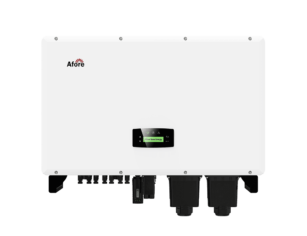
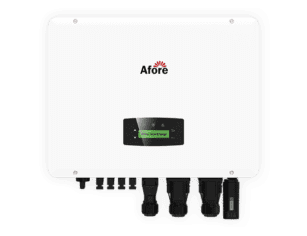
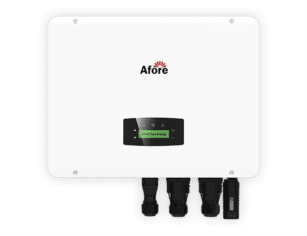
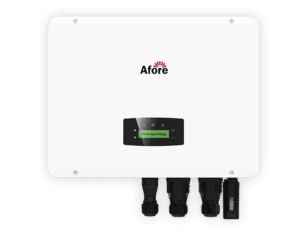
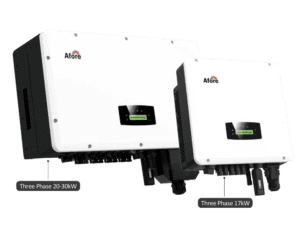
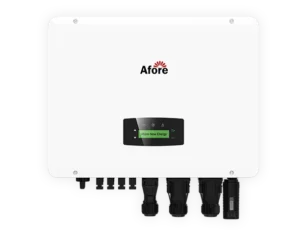
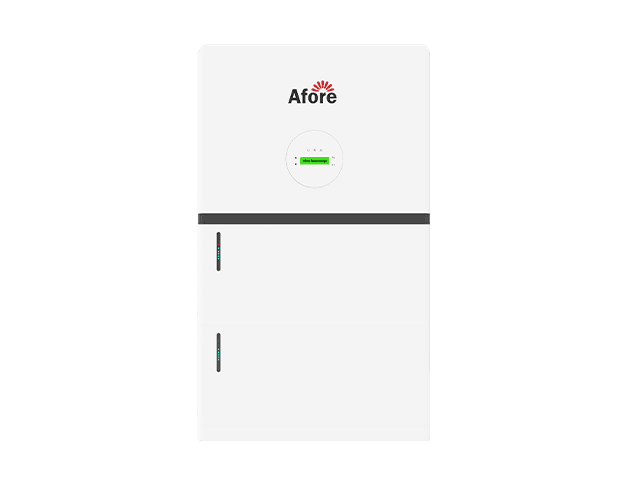
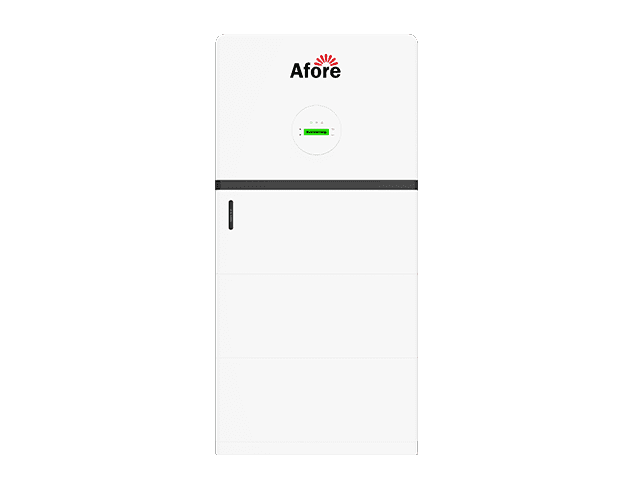
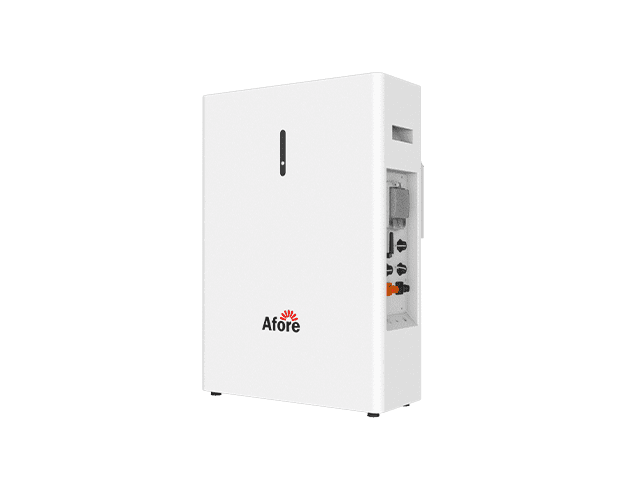
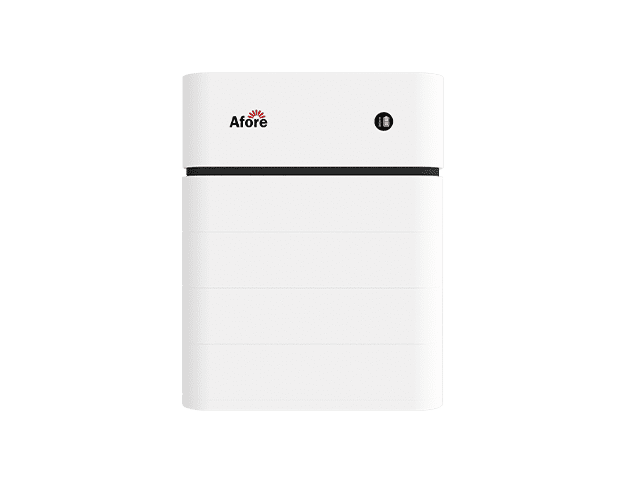
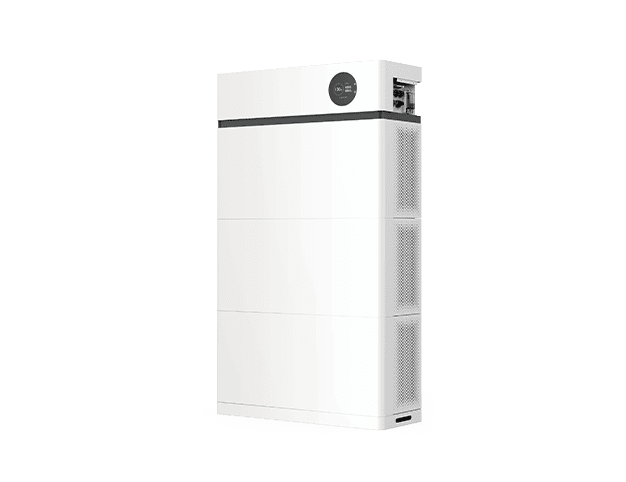
El mantenimiento rutinario incluye revisiones del sistema de refrigeración, sustitución de filtros, actualizaciones de firmware e inspección de los terminales eléctricos. Las plataformas de monitorización en tiempo real permiten realizar un seguimiento del estado del sistema, la temperatura y los registros de averías para diagnosticar los problemas de forma precoz. Las comprobaciones periódicas garantizan la estabilidad y la seguridad de los sistemas integrados de baterías solares para su uso residencial y comercial a largo plazo. Siga los protocolos de servicio oficiales para proteger la garantía y mantener el rendimiento de las configuraciones de almacenamiento integrado de Afore.








 Turkish
  Romanian