




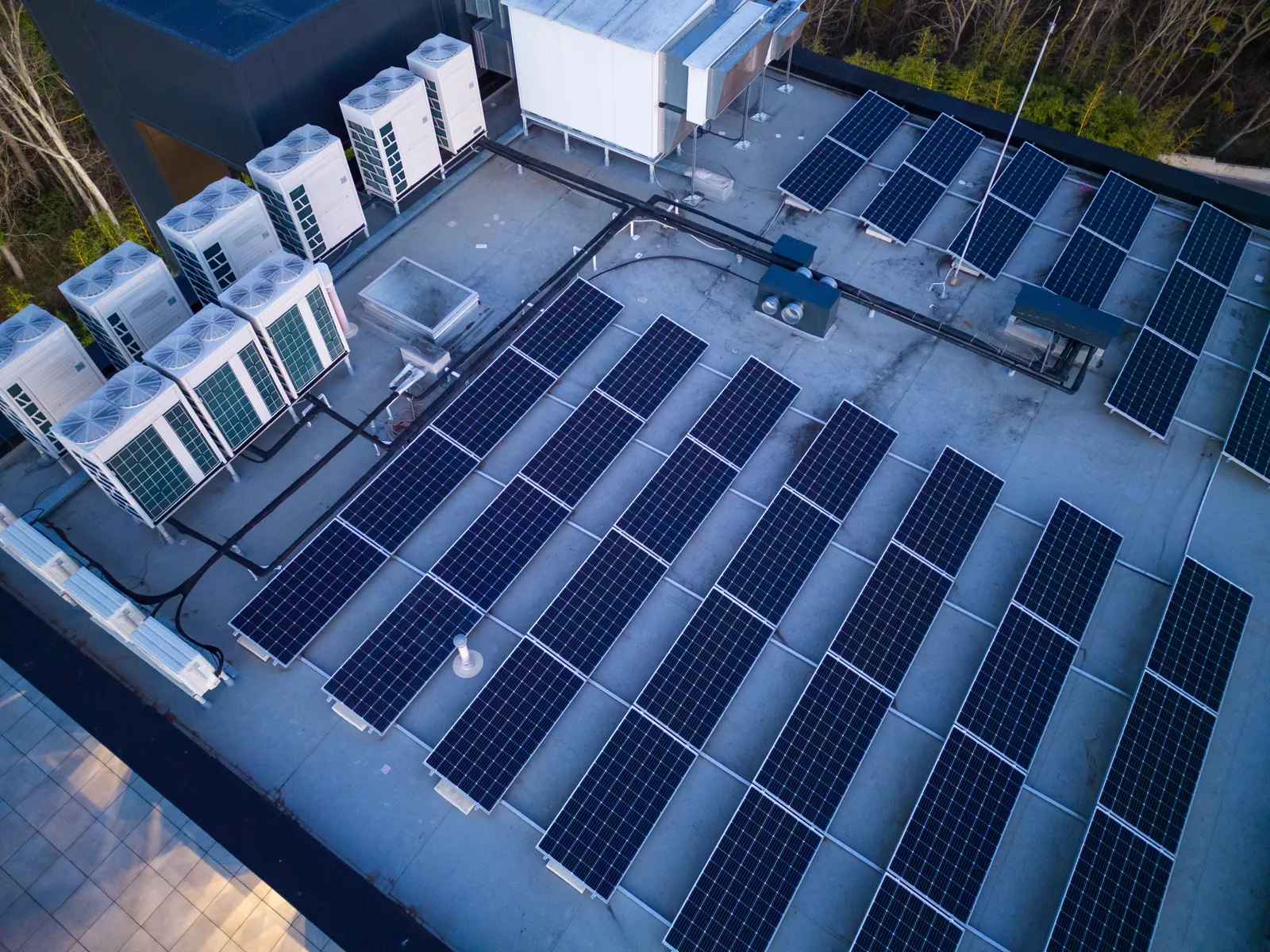
Commercial and industrial solar PV projects are being designed for a very different grid than the one most legacy PV systems were built for. Many sites now connect to weaker distribution feeders, operate under export limits, add battery energy storage, or require backup capability for critical loads. At the same time, utilities and grid operators are paying closer attention to how inverter-based resources behave during voltage disturbances, frequency events, and islanding conditions.
This is where grid-forming inverter technology becomes important. Unlike conventional grid-following inverters, which synchronize to an existing voltage and frequency waveform, grid-forming inverters can help establish and regulate that waveform. In practical terms, they can act more like controlled voltage sources than simple current-injection devices. This capability is highly relevant for microgrids, PV-plus-storage systems, remote commercial facilities and industrial plants with sensitive loads, while sites where renewable generation may exceed local load should evaluate grid-forming only if excess generation creates weak-grid stability issues, islanded operation requirements, curtailment coordination challenges, or export-control interactions with storage.
For EPCs, installers, system integrators, resellers, and commercial project owners, the key question is not simply “What is a grid-forming inverter?” The more useful question is: when does grid-forming capability reduce project risk or create enough operational value to justify the added engineering effort and cost? The answer depends on grid strength, battery integration, load profile, outage risk, utility requirements, control architecture, and long-term expansion plans.
This guide explains how grid-forming inverter technology affects C&I PV project design, procurement, compliance, commissioning, operations, and financial evaluation. It focuses on decision-making for professional solar projects rather than residential use or high-level theory.
Below we break down core definitions, operational differences, site screening criteria, and project decision rules to clarify how grid-forming inverters reshape commercial PV design, selection, and deployment planning.
Grid-forming is a control capability, not an energy source. Backup operation requires sufficient stored or dispatchable energy, appropriate transfer equipment, protection design, and control logic. Grid-forming inverter technology refers to inverter control methods that allow an inverter-based resource to establish or support voltage and frequency at the point of connection. Instead of only injecting current into a grid that already has a stable waveform, a grid-forming inverter can behave as a controllable AC voltage source within defined operating limits.
This distinction matters because modern power systems are increasingly supplied by inverter-based resources such as solar PV, battery energy storage, wind, and power electronics-based loads. Traditional synchronous generators naturally provide rotational inertia, short-circuit current, and voltage reference behavior. Standard grid-following inverters do not inherently provide the same system-strength characteristics. They normally depend on a stable grid voltage and frequency reference to operate correctly.
A grid-forming inverter can support functions such as voltage regulation, frequency regulation, synthetic inertia, droop control, fast active and reactive power response, and black-start operation where the complete system architecture supports it. In some systems, the grid-forming function is located in a battery inverter. In others, it may be part of a onduleur hybride, a central inverter platform, or a plant-level controller coordinating multiple inverters.
However, “grid-forming” is not a single universal feature. Capabilities vary significantly by inverter class, firmware, certification scope, battery compatibility, control mode, overload capacity, and the operating scenario tested by the manufacturer. A device may support advanced grid functions but still not be suitable for full islanded microgrid operation. EPCs should therefore avoid treating grid-forming capability as a simple checkbox in procurement.
Grid-forming is not one single universal product capability across manufacturers and device classes. Grid-forming controls may provide voltage source behavior, frequency reference, fast frequency response, inertial response emulation, system restoration support, and black start where system hardware and architecture are fully supported. Additionally, grid-forming overall performance depends on holistic system design, not inverter firmware alone.
In a conventional grid-tied commercial PV system, a grid-following inverter measures the grid voltage waveform, uses a phase-locked loop to synchronize with it, and injects current according to its power command. This works well on strong grids where voltage and frequency are stable and where synchronous generation or grid infrastructure provides system strength.
A grid-forming inverter uses a different control philosophy. It can define an internal voltage angle, regulate voltage magnitude, and adjust active or reactive power output in response to system conditions. In weak grids or islanded systems, this can help maintain a stable electrical reference for other equipment.
The practical difference is especially important in sites where the grid is not always strong enough to absorb rapid PV fluctuations, support motor starts, or maintain voltage quality under changing loads. It is also important in microgrids where there may be no utility grid present during outage operation.
| Project condition | Grid-following inverter | Grid-forming inverter |
|---|---|---|
| Strong utility grid | Usually sufficient | May be optional unless required |
| Weak feeder or low system strength | May experience stability or trip issues | Can support voltage and frequency stability |
| Islanded microgrid | Grid-following PV inverters usually cannot form an islanded grid by themselves, but may operate inside an islanded microgrid if another resource establishes voltage and frequency and provides curtailment coordination. | Can establish reference if system is designed for it |
| PV-plus-storage backup | Requires another voltage source | Often used with BESS to support islanding |
| High renewable penetration | May need external grid support | Can contribute to system stability |
For a simple rooftop PV system connected to a robust commercial feeder, grid-following technology may still be technically and economically appropriate. For a facility that needs backup operation, weak-grid support, or future microgrid capability, grid-forming inverter technology should be evaluated early.
Key indicators of a weak-grid commercial and industrial site include long feeder length and high feeder impedance, low available short-circuit current at the point of common coupling, unfavorable short-circuit ratio where applicable, persistent voltage fluctuation history, and high voltage rise during PV export. Additional site markers cover a high ratio of DER capacity to local load, presence of large motor starts or variable frequency drives, and prior records of inverter nuisance tripping during normal PV operation.
Critical inputs for weak-grid evaluation include utility-provided fault-level data, distribution transformer impedance parameters, and utility-imposed reactive power or ride-through requirements for interconnection.
EPCs should request available fault-current data, feeder impedance, transformer size and impedance, historical voltage complaints, and utility interconnection study requirements before assuming a standard grid-following inverter will remain stable.
Grid-forming functionality affects much more than inverter procurement. It can change system architecture, protection design, transformer selection, battery sizing, grounding method, control hierarchy, commissioning scope, and utility interconnection documentation.
For EPCs, late discovery of grid-forming requirements can lead to redesign, delayed approvals, equipment substitution, and contract risk. For installers, the technology affects wiring, communications, CT/PT installation, labeling, testing, and safety procedures. For resellers and distributors, it affects product positioning, channel training, warranty support, and pre-sales engineering.
The most common mistake is assuming that a standard PV inverter can later be upgraded into a grid-forming system without consequences. Procurement and design must include specific validation of certified operating modes, firmware-aligned certification scope, compatible supported battery configurations, and explicit documentation of any excluded or restricted operating modes. Early evaluation allows the project team to decide whether grid-forming capability is essential, optional, or unnecessary for the business case.
Grid-forming inverters are most relevant where the PV system must do more than export energy to a stable grid. Typical use cases include remote commercial sites, mines, farms, islands, ports, logistics facilities, manufacturing plants, campuses, telecom infrastructure, and industrial facilities with high outage costs.
A C&I PV project should evaluate grid-forming capability when the site is connected to a weak utility feeder, when the owner wants backup power, when battery storage is included, when diesel generator runtime must be reduced, or when the site may operate as a microgrid. It is also relevant where utilities require more advanced voltage and frequency support from distributed energy resources.
By contrast, a standard grid-tied PV project on a strong grid may not need full grid-forming capability. In that case, advanced grid-support features such as reactive power control, volt-var response, ride-through, and export control may be enough. The value of grid-forming technology depends on the operating problem it solves.
| Project condition | Screening indicator | Recommended action |
|---|---|---|
| Strong utility grid, no backup, simple export | Stable voltage, no storage, no critical loads | Grid-following likely sufficient |
| Export-constrained site with BESS | Zero-export or limited-export requirement | Evaluate advanced controls; grid-forming may not be necessary unless islanding is required |
| Weak feeder | Low fault current, voltage fluctuations, repeated nuisance trips, long rural feeder | Perform grid-strength study and evaluate grid-forming or grid-support functions |
| Backup for critical loads | Owner requires operation during outages | Grid-forming BESS or hybrid inverter likely required |
| Diesel displacement microgrid | PV + BESS + generator | Define control hierarchy and grid-forming source before procurement |
| Future VPP/grid services | Fast dispatch or voltage/frequency support required | Confirm communication, telemetry, and control capability |
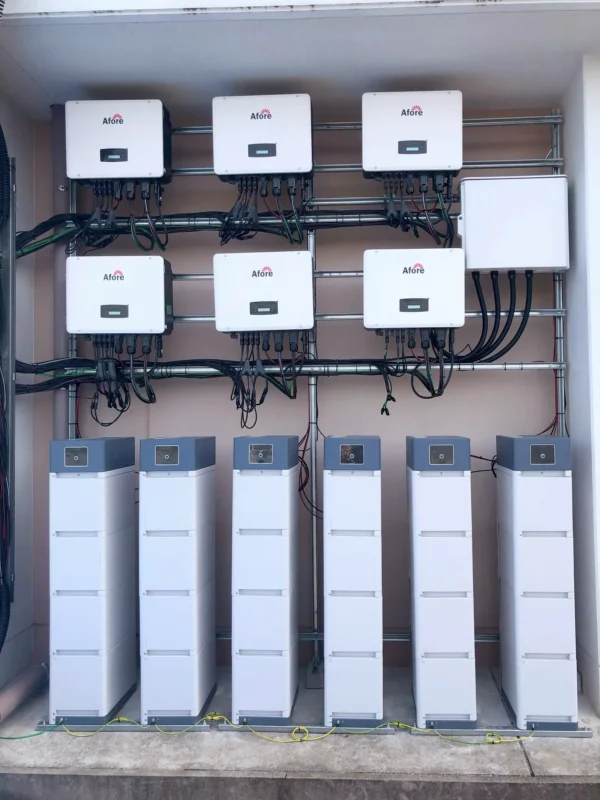
These technical design criteria cover core control principles, fault protection coordination, power quality performance, critical load planning, and inverter sizing logic, all of which underpin reliable and compliant grid-forming PV and hybrid system deployment for commercial and industrial sites.
The technical foundation of grid-forming inverter technology is voltage-source behavior. The inverter controls its output voltage magnitude and phase angle within defined limits, rather than only following an external waveform. This allows it to participate actively in frequency and voltage stability.
Droop control is one of the most common concepts used in grid-forming systems. Active power can be adjusted in response to frequency deviation, while reactive power can be adjusted in response to voltage deviation. This allows multiple grid-forming resources to share load without relying on a single central command for every fast transient.
Synthetic inertia and virtual synchronous machine approaches go a step further by emulating some behavior of synchronous generators. They can provide fast power response during frequency changes, helping reduce the rate of change of frequency in low-inertia systems. However, synthetic inertia is not unlimited. It depends on inverter current capacity, available stored energy, control settings, and thermal limits.
For EPCs, the key design question is not which control algorithm sounds most advanced. The practical question is whether the vendor has validated the required function in the intended mode: grid-connected, islanded, black-start, parallel operation, generator coordination, or mixed PV-plus-storage dispatch.
Protection design is one of the most important differences between inverter-based systems and conventional generator-based systems. Synchronous generators can deliver high short-circuit current for a short period. Inverters are power electronic devices and are normally current-limited to protect semiconductor components. Even grid-forming inverters may only provide limited fault current compared with traditional rotating machines.
This affects relay settings, breaker coordination, fault detection, grounding, and selectivity. A protection scheme that works under utility-connected operation may not behave the same way in islanded mode, where available fault current may be much lower. If relays are not coordinated correctly, faults may not clear selectively, or the inverter may trip before downstream protection operates.
C&I projects should evaluate fault behavior in both grid-connected and islanded scenarios. This includes anti-islanding requirements, ground-fault detection, transformer configuration, neutral grounding, breaker ratings, and transfer switching. Protection studies should account for inverter current limits and manufacturer-specific fault ride-through behavior.
| Protection issue | Design implication for grid-forming systems |
|---|---|
| Limited inverter fault current | Relay pickup settings may need adjustment |
| Islanded operation | Fault levels may be lower than grid-connected mode |
| Fast inverter controls | Protection timing must avoid nuisance trips |
| Grounding method | Impacts fault detection and personnel safety |
| Multiple DER sources | Requires clear coordination hierarchy |
For EPCs, protection coordination should not be left until commissioning. It belongs in the design phase, especially where the system includes storage, generators, or critical loads.
Separately derived system considerations for fault current behavior and protection coordination include the need for site-specific fault studies that account for both grid-connected and islanded fault levels, the impact of inverter current limiting on protection system response time, and the integration of multiple DER sources (inverters, generators, BESS) into a cohesive protection scheme. These considerations also extend to the selection of protection devices that can accommodate the low fault current characteristics of grid-forming inverters, as well as the need for periodic revalidation of protection settings following firmware updates or system modifications.
Neutral-ground bonding is a critical consideration in islanded mode, as it directly impacts fault detection and personnel safety. In grid-connected mode, neutral-ground bonding is typically managed by the utility, but in islanded operation, the grid-forming system must establish and maintain proper bonding to ensure effective ground-fault detection. Improper neutral-ground bonding in islanded mode can lead to undetected ground faults, voltage unbalance, and increased risk of equipment damage or personnel hazards. EPCs must define bonding configurations (solid, resistive, or ungrounded) based on system voltage, load type, and protection requirements, and validate that the configuration is compatible with inverter and BMS control logic.
The selection of 3-pole vs 4-pole transfer equipment is critical for protection coordination, particularly in systems with neutral-ground bonding differences between grid-connected and islanded modes. 3-pole transfer switches only disconnect the three phase conductors, leaving the neutral connected, which can create neutral current circulation and ground-fault detection issues when transitioning between grid and islanded operation. 4-pole transfer switches disconnect all three phases and the neutral, preventing neutral current loops and ensuring consistent neutral-ground bonding across operating modes. EPCs should select transfer equipment based on system grounding configuration, neutral current magnitude, and the need to maintain protection selectivity during mode transitions.
Ground-fault detection behavior differs significantly between grid-connected and islanded modes due to the limited fault current available from grid-forming inverters. In grid-connected mode, the utility grid provides sufficient fault current to trigger traditional overcurrent-based ground-fault protection. In islanded mode, however, inverter current limiting reduces fault current magnitudes, making it challenging for standard protection devices to detect ground faults reliably. Grid-forming systems may require specialized ground-fault detection methods, such as residual current monitoring (RCM), directional ground-fault relays, or voltage-based detection, to ensure timely fault clearing. EPCs must validate that ground-fault detection systems are calibrated for the low fault current conditions of islanded operation and that they coordinate with inverter shutdown and load shedding logic.
Relay pickup limitations are a key challenge when designing protection schemes for grid-forming systems, as inverter current-limited sources provide significantly lower fault current than synchronous generators. Traditional overcurrent relays are calibrated for high fault currents from utility grids or generators, and their pickup settings may be too high to detect faults in islanded mode where fault currents are minimal. EPCs must select relays with low pickup thresholds compatible with inverter fault current capabilities, or use specialized relays designed for inverter-based systems. Additionally, relay timing settings must be adjusted to account for the fast response of grid-forming controls, avoiding nuisance trips while ensuring selective fault clearing.
Differential protection is often necessary where overcurrent protection is insufficient due to inverter current limiting, particularly in large C&I systems or multi-inverter configurations. Differential protection compares current magnitudes on either side of a component (e.g., transformer, switchgear, or inverter) and triggers a trip if the current difference exceeds a predefined threshold. This method is effective for detecting faults within specific system components even when fault currents are low, as it does not rely on absolute fault current magnitude. EPCs should implement differential protection for critical components such as transformers and busbars in grid-forming systems, ensuring that the protection scheme is coordinated with inverter controls and other protection devices.
Protection coordination between utility source, inverter source, and generator source is essential to ensure selective fault clearing and system stability across all operating modes. In grid-connected mode, the utility grid is the primary fault current source, and protection settings must prioritize utility protection schemes while accounting for inverter fault current contribution. In islanded mode with generators, the grid-forming inverter and generator(s) must coordinate fault current sharing and protection tripping to avoid cascading failures. This includes aligning droop settings, synchronizing protection timing, and defining a clear control hierarchy to determine which source acts as the grid-forming reference during fault events. EPCs must conduct comprehensive coordination studies to validate that protection devices from different sources work together seamlessly, with no overlapping or conflicting trip settings.
Arc-flash implications differ between grid-connected and islanded modes and require specialized protection and safety considerations. In grid-connected mode, the utility grid provides high fault current, leading to higher arc-flash incident energy levels and stricter safety requirements for personnel and equipment. In islanded mode, inverter current limiting reduces fault current and arc-flash incident energy, but the risk remains, particularly during transient events like motor starts or transformer inrush. EPCs must conduct arc-flash studies for both operating modes to determine appropriate personal protective equipment (PPE), equipment ratings, and safety clearances. Additionally, grid-forming systems should include arc-flash mitigation features such as fast-acting fuses, current-limiting devices, and automatic load shedding to reduce arc-flash severity.
| Fault behavior characteristic | Grid-connected mode | Islanded mode |
|---|---|---|
| Fault current magnitude | High (utility-supplied, no inherent current limit) | Low (inverter current-limited, dependent on inverter rating) |
| Ground-fault detection | Reliant on utility fault current, standard overcurrent relays effective | Challenging due to low fault current; requires specialized detection (RCM, directional relays) |
| Neutral-ground bonding | Managed by utility, consistent bonding configuration | Controlled by grid-forming system; configuration must be defined and validated |
| Arc-flash incident energy | Higher due to high fault current | Lower due to inverter current limiting, but still present |
| Réglages du relais de protection | Calibrated for high fault current; standard pickup thresholds applicable | Requires low pickup thresholds; specialized relays may be needed |
| Fault clearing selectivity | Easier to achieve with utility fault current | More complex due to low fault current; requires differential protection in some cases |
| Coordination with other sources | Coordinated with utility protection schemes | Coordinated with on-site generators/BESS; clear control hierarchy required |
For EPCs, protection coordination should not be left until commissioning. It belongs in the design phase, especially where the system includes storage, generators, or critical loads.
Separately derived system considerations for fault current behavior and protection coordination include the need for site-specific fault studies that account for both grid-connected and islanded fault levels, the impact of inverter current limiting on protection system response time, and the integration of multiple DER sources (inverters, generators, BESS) into a cohesive protection scheme. These considerations also extend to the selection of protection devices that can accommodate the low fault current characteristics of grid-forming inverters, as well as the need for periodic revalidation of protection settings following firmware updates or system modifications.
Neutral-ground bonding is a critical consideration in islanded mode, as it directly impacts fault detection and personnel safety. In grid-connected mode, neutral-ground bonding is typically managed by the utility, but in islanded operation, the grid-forming system must establish and maintain proper bonding to ensure effective ground-fault detection. Improper neutral-ground bonding in islanded mode can lead to undetected ground faults, voltage unbalance, and increased risk of equipment damage or personnel hazards. EPCs must define bonding configurations (solid, resistive, or ungrounded) based on system voltage, load type, and protection requirements, and validate that the configuration is compatible with inverter and BMS control logic.
The selection of 3-pole vs 4-pole transfer equipment is critical for protection coordination, particularly in systems with neutral-ground bonding differences between grid-connected and islanded modes. 3-pole transfer switches only disconnect the three phase conductors, leaving the neutral connected, which can create neutral current circulation and ground-fault detection issues when transitioning between grid and islanded operation. 4-pole transfer switches disconnect all three phases and the neutral, preventing neutral current loops and ensuring consistent neutral-ground bonding across operating modes. EPCs should select transfer equipment based on system grounding configuration, neutral current magnitude, and the need to maintain protection selectivity during mode transitions.
Ground-fault detection behavior differs significantly between grid-connected and islanded modes due to the limited fault current available from grid-forming inverters. In grid-connected mode, the utility grid provides sufficient fault current to trigger traditional overcurrent-based ground-fault protection. In islanded mode, however, inverter current limiting reduces fault current magnitudes, making it challenging for standard protection devices to detect ground faults reliably. Grid-forming systems may require specialized ground-fault detection methods, such as residual current monitoring (RCM), directional ground-fault relays, or voltage-based detection, to ensure timely fault clearing. EPCs must validate that ground-fault detection systems are calibrated for the low fault current conditions of islanded operation and that they coordinate with inverter shutdown and load shedding logic.
Relay pickup limitations are a key challenge when designing protection schemes for grid-forming systems, as inverter current-limited sources provide significantly lower fault current than synchronous generators. Traditional overcurrent relays are calibrated for high fault currents from utility grids or generators, and their pickup settings may be too high to detect faults in islanded mode where fault currents are minimal. EPCs must select relays with low pickup thresholds compatible with inverter fault current capabilities, or use specialized relays designed for inverter-based systems. Additionally, relay timing settings must be adjusted to account for the fast response of grid-forming controls, avoiding nuisance trips while ensuring selective fault clearing.
Differential protection is often necessary where overcurrent protection is insufficient due to inverter current limiting, particularly in large C&I systems or multi-inverter configurations. Differential protection compares current magnitudes on either side of a component (e.g., transformer, switchgear, or inverter) and triggers a trip if the current difference exceeds a predefined threshold. This method is effective for detecting faults within specific system components even when fault currents are low, as it does not rely on absolute fault current magnitude. EPCs should implement differential protection for critical components such as transformers and busbars in grid-forming systems, ensuring that the protection scheme is coordinated with inverter controls and other protection devices.
Protection coordination between utility source, inverter source, and generator source is essential to ensure selective fault clearing and system stability across all operating modes. In grid-connected mode, the utility grid is the primary fault current source, and protection settings must prioritize utility protection schemes while accounting for inverter fault current contribution. In islanded mode with generators, the grid-forming inverter and generator(s) must coordinate fault current sharing and protection tripping to avoid cascading failures. This includes aligning droop settings, synchronizing protection timing, and defining a clear control hierarchy to determine which source acts as the grid-forming reference during fault events. EPCs must conduct comprehensive coordination studies to validate that protection devices from different sources work together seamlessly, with no overlapping or conflicting trip settings.
Arc-flash implications differ between grid-connected and islanded modes and require specialized protection and safety considerations. In grid-connected mode, the utility grid provides high fault current, leading to higher arc-flash incident energy levels and stricter safety requirements for personnel and equipment. In islanded mode, inverter current limiting reduces fault current and arc-flash incident energy, but the risk remains, particularly during transient events like motor starts or transformer inrush. EPCs must conduct arc-flash studies for both operating modes to determine appropriate personal protective equipment (PPE), equipment ratings, and safety clearances. Additionally, grid-forming systems should include arc-flash mitigation features such as fast-acting fuses, current-limiting devices, and automatic load shedding to reduce arc-flash severity.
| Fault behavior characteristic | Grid-connected mode | Islanded mode |
|---|---|---|
| Fault current magnitude | High (utility-supplied, no inherent current limit) | Low (inverter current-limited, dependent on inverter rating) |
| Ground-fault detection | Reliant on utility fault current, standard overcurrent relays effective | Challenging due to low fault current; requires specialized detection (RCM, directional relays) |
| Neutral-ground bonding | Managed by utility, consistent bonding configuration | Controlled by grid-forming system; configuration must be defined and validated |
| Arc-flash incident energy | Higher due to high fault current | Lower due to inverter current limiting, but still present |
| Réglages du relais de protection | Calibrated for high fault current; standard pickup thresholds applicable | Requires low pickup thresholds; specialized relays may be needed |
| Fault clearing selectivity | Easier to achieve with utility fault current | More complex due to low fault current; requires differential protection in some cases |
| Coordination with other sources | Coordinated with utility protection schemes | Coordinated with on-site generators/BESS; clear control hierarchy required |
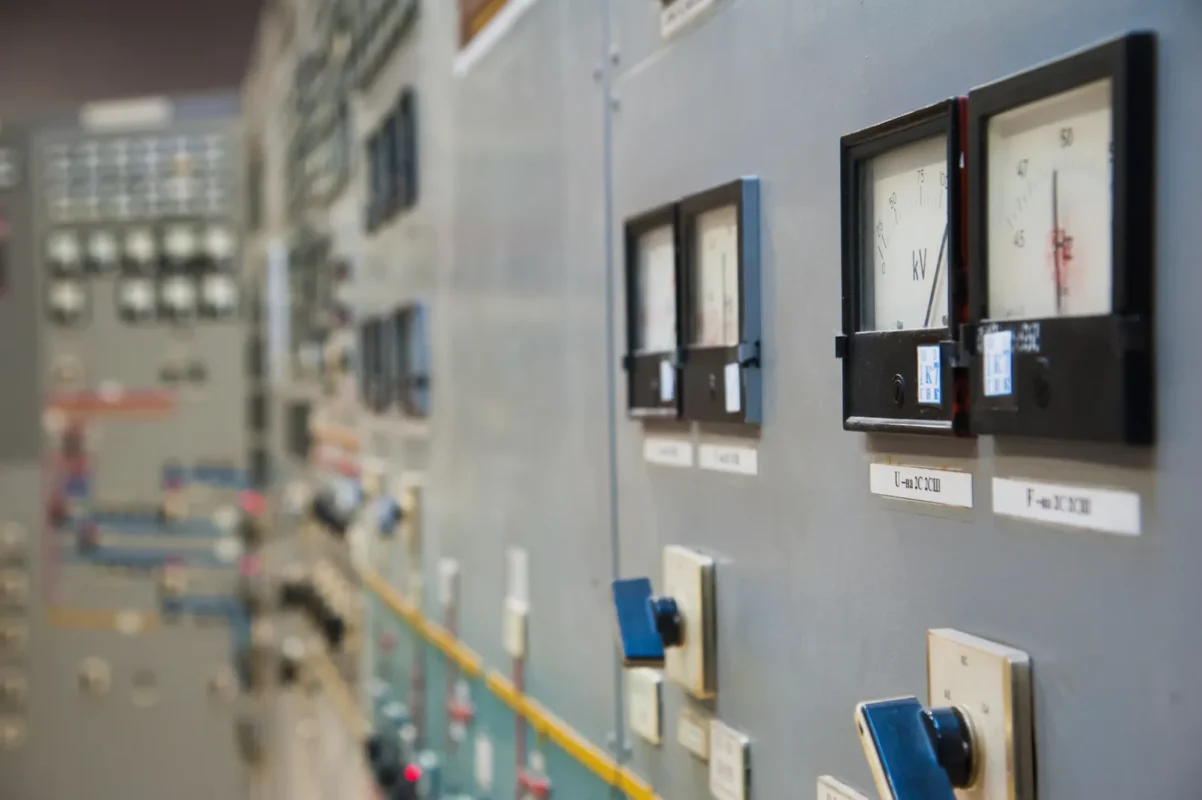
Commercial PV projects serving industrial loads must consider more than annual energy yield. Power quality can directly affect production lines, motors, drives, compressors, refrigeration, data systems, and process equipment.
Grid-forming inverters can improve voltage and frequency stability in suitable applications, but performance depends on detailed controls and system design. EPCs should review harmonic distortion limits, voltage regulation range, reactive power capability, unbalanced load handling, flicker response, and transient behavior during step-load events.
Motor starts are a common practical test. A manufacturing facility may have equipment that draws high inrush current for a short period. If the grid-forming inverter and battery system are not sized for this transient, voltage may sag or the system may trip. Similarly, rapid cloud cover can change PV output quickly, requiring the battery or grid to compensate.
Power quality evaluation is especially important for sites that want to operate in islanded mode. In grid-connected mode, the utility network may absorb many disturbances. In islanded mode, the inverter-based system must manage them locally.
A commercial project should define critical loads before selecting inverter and battery capacity. Too often, backup capability is discussed generically, without a clear load list. A warehouse, food processing site, hospital support facility, data center, or manufacturing plant may have very different priorities.
Critical load planning should identify which loads must remain energized, which can be shed automatically, which require ride-through without interruption, and which can restart sequentially after black start. Load segmentation may require separate panels, transfer switches, interlocks, controls, and labeling.
Black-start sequencing also needs careful review. A grid-forming inverter may be capable of energizing a dead bus, but the full system must support safe startup. This includes battery state of charge, auxiliary power, transformer energization, inrush management, PV inverter synchronization, generator synchronization where applicable, and load pickup sequence.
All backup and inverter sizing design should follow a structured sequence: define backup objectives and identify critical loads, perform formal load segmentation, map load step magnitudes and equipment restart sequencing, execute inverter and battery power-energy sizing, and finalize validation of protection settings and commissioning test protocols.
Inverter sizing for a standard grid-export PV system usually focuses on DC/AC ratio, expected irradiance, clipping, export limits, and economic yield. For grid-forming PV-plus-storage or microgrid systems, sizing is broader. The inverter may need to support peak load, transient load steps, reactive power demand, islanded operation, and backup duration.
A grid-forming inverter may have a continuous rating, a short-duration overload rating, and a thermal derating profile. These details matter when supporting motor starts, elevator loads, pumps, chillers, compressors, or industrial processes. Battery power rating and state of charge are equally important because the inverter can only deliver sustained power if the energy source behind it is available.
Battery limits that directly impact grid-forming performance and inverter sizing include battery C-rate constraints (which dictate maximum charge/discharge power), minimum state-of-charge (SOC) thresholds required for black-start and stable islanded operation, thermal derating during high-power discharge, battery management system (BMS) trip limits (for overcurrent, overvoltage, undervoltage, and thermal events), and long-term degradation rates that reduce available power and energy over the system lifecycle. Additionally, battery power sizing (kW) must align with inverter overload capability to support transient events like motor starts and transformer inrush, while battery energy sizing (kWh) determines backup duration and the ability to maintain voltage/frequency stability during extended islanded operation.
| Sizing factor | Pourquoi c'est important |
|---|---|
| Critical load peak | Determines minimum islanded power capacity |
| Load step size | Affects voltage and frequency stability |
| Battery power rating | Limits controllable active power response |
| Battery energy capacity | Determines backup duration |
| Reactive power demand | Reduces available active power capacity |
| Ambient temperature | Influences derating and enclosure design |
| Overload rating | Supports short-duration inrush or motor starts |
A system designed only for daytime grid export may be undersized for backup operation. Conversely, a system designed to maintain an industrial process through outages may require a different inverter class, larger battery, load segmentation, and more robust controls.
Selecting a qualified grid-forming inverter and reliable supplier requires systematic technical benchmarking, BESS compatibility validation, and comprehensive vendor capability assessment.
Grid-forming inverter procurement requires deeper technical review than standard PV inverter selection. Rated power and efficiency are still important, but they are not enough. EPCs should compare AC voltage range, frequency range, overload capability, response time, reactive power capability, ride-through performance, grid-forming operating modes, black-start support, communications protocols, environmental ratings, and firmware lifecycle policy.
A formal procurement checklist should validate supported grid-forming operating modes including grid-connected voltage support, intentional islanding, black start capability, generator-parallel operation mode, and multi-inverter parallel synchronization mode. Overload rating requirements must be documented, including 110%, 125%, 150%, or higher transient overload thresholds alongside their defined time-duration limits. Quantified response time performance should be specified for active power regulation, reactive power adjustment, and frequency event response. Load-step capability must be validated by defining the maximum allowable step load as a percentage of the inverter continuous power rating. Unbalanced load handling performance should include clear phase current and voltage imbalance operational limits. Fault-current contribution characteristics shall be verified by magnitude limits and sustained duration thresholds for grid-forming operation. Black-start operational limits must account for transformer energization capability and inrush current constraint boundaries.
Validated simulation model availability is required, covering RMS system models, EMT transient models, and compatibility with PSCAD, PSS/E, PowerFactory, or equivalent industry-standard platforms where utility interconnection studies mandate modeling submission.
It is also important to distinguish between a feature described in marketing language and a function validated for a specific project use case. For example, an inverter may support voltage ride-through under grid-connected operation but not support stable islanded operation with unbalanced loads. Another may provide grid-forming control only when paired with a specific battery system and controller.
Before procurement, project teams should request datasheets, test reports, certification evidence, validated simulation models where required, and references from similar operating environments. If the project includes utility review, the manufacturer should be able to support the interconnection process with technical documentation.
Many commercial grid-forming applications depend on a système de stockage d'énergie par batterie because PV generation alone is variable and non-dispatchable. A grid-forming inverter can regulate voltage and frequency, but it still requires a controllable power source to balance load and generation during islanded or weak-grid operation.
Battery integration should be reviewed at both electrical and controls levels. EPCs need to confirm battery management system compatibility, DC-coupled or AC-coupled architecture, charge and discharge limits, state-of-charge reserve, backup duration, thermal management, fire safety interfaces, and communication with the energy management system.
In an AC-coupled design, the battery inverter may provide grid-forming capability while PV inverters operate in grid-following mode behind the local AC bus. In a DC-coupled or hybrid design, grid-forming behavior may be integrated into a hybrid inverter platform. Both approaches can work, but they create different implications for retrofits, efficiency, fault behavior, controls, and maintenance.
Because grid-forming systems are control-intensive, supplier support is more important than in a basic grid-tied PV installation. EPCs and resellers should evaluate financial stability, warranty terms, local technical support, spare parts availability, commissioning assistance, training programs, and firmware update policy.
A technically capable inverter can still create project risk if the supplier cannot support modeling, utility questions, commissioning troubleshooting, or long-term firmware management. In C&I projects, downtime can have a direct financial cost, especially when the system supports critical loads or demand-charge reduction.
Warranty review should include not only the inverter hardware but also control software, communications hardware, battery interface responsibilities, and response times. In multi-vendor systems, unclear responsibility between inverter supplier, battery supplier, EMS provider, and EPC can become a major operational risk.
Some modern inverter platforms may support additional grid-support functions through firmware updates or external controllers. However, many grid-following inverters cannot become true grid-forming devices without hardware and control architecture changes.
This is an important distinction for retrofit projects. A facility owner may already have a PV system and want to add storage or backup capability. In some cases, the existing PV inverters can remain in place, while a new battery inverter forms the grid during islanded operation. In other cases, the existing equipment may not support the required ride-through, communication, or curtailment behavior.
Project teams must perform specific technical checks covering validated operating modes, certifications matched to installed firmware, officially supported battery configurations, and clearly defined excluded operating modes rather than relying on generic marketing labels. The manufacturer should confirm the supported operating modes, required accessories, firmware versions, and limitations in writing.
Grid-forming microgrid performance hinges on well-structured system architecture, which encompasses coupling topologies, supervisory control platforms, and seamless coordination with on-site distributed energy assets.
AC-coupled systems are common in C&I retrofits because they allow PV inverters and battery inverters to connect on the AC side. This can simplify integration with existing PV assets and allow independent sizing of PV and storage. In this architecture, the battery inverter often acts as the grid-forming resource during islanded operation, while PV inverters continue operating only if they can synchronize to the local AC bus and respond to curtailment signals.
DC-coupled systems connect PV and battery resources on a shared DC bus or through a hybrid inverter arrangement. This can reduce conversion stages in certain operating modes and may improve capture of clipped or curtailed solar energy. However, it may require more integrated equipment selection and can be less straightforward for retrofits.
The best architecture depends on whether the project is new-build or retrofit, whether backup power is required, how export limits are managed, how much PV curtailment is expected, and who is responsible for system controls.
| Architecture | Typical advantage | Design caution |
|---|---|---|
| AC-coupled PV plus storage | Flexible retrofit, separate inverter assets | Requires robust AC bus coordination |
| DC-coupled or hybrid system | Potential efficiency and curtailment benefits | More dependent on integrated platform design |
| Centralized microgrid controller | Strong plant-level coordination | Adds commissioning and cybersecurity scope |
| Distributed inverter controls | Modulaire et évolutif | Requires validated multi-inverter behavior |
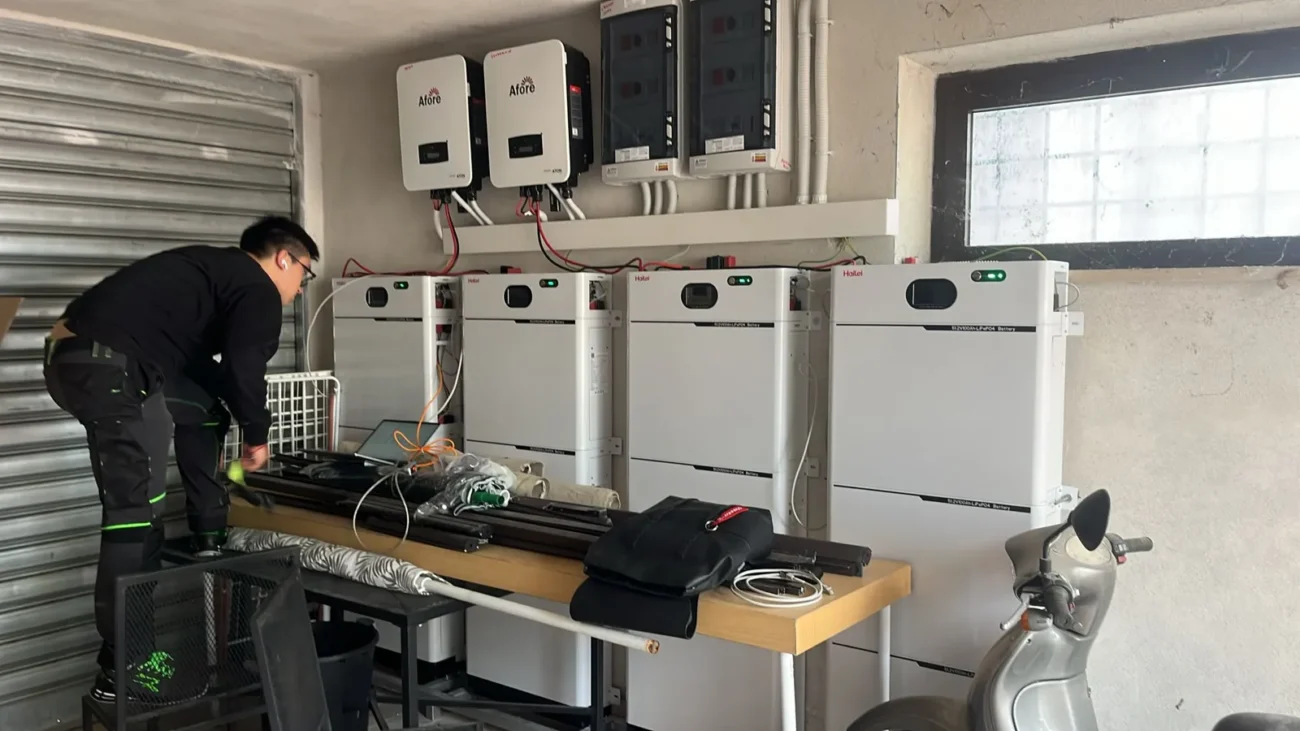
The energy management system, or microgrid controller, is often the layer that turns individual components into a reliable commercial energy system. It manages dispatch, export control, load prioritization, battery state of charge, generator coordination, islanding transitions, reconnection, alarms, and remote monitoring.
For grid-forming projects, the EMS must coordinate fast electrical behavior with slower economic objectives. For example, the battery may be scheduled for peak shaving during normal operation, but it also needs enough reserve to support backup power. If the EMS drains the battery for demand-charge savings before an outage, resilience value may be compromised.
Communications protocols should be confirmed early. Depending on the project and region, relevant protocols may include Modbus, SunSpec, CAN, DNP3, IEC 61850, or other utility and industrial communication standards. Cybersecurity requirements also matter, particularly for facilities with remote monitoring, utility dispatch, or portfolio-wide control.
Many C&I microgrids combine PV, battery storage, and diesel generators. In these systems, grid-forming inverters can reduce generator runtime, improve fuel efficiency, and allow higher solar penetration. However, generator coordination must be engineered carefully.
The main issue is control hierarchy. A diesel generator governor and a grid-forming inverter may both attempt to regulate frequency. If droop settings and synchronization logic are not coordinated, the system can oscillate or experience unstable load sharing. Similar issues can arise with combined heat and power units, wind turbines, or multiple inverter groups.
A well-designed hybrid system defines which device forms the grid under each operating mode, how resources synchronize, how load sharing is managed, and when generators start or stop. This requires more than connecting equipment together; it requires a validated operating philosophy.
Navigating grid interconnection, industry standards and regulatory compliance is critical for commercial PV projects deploying grid-forming inverters.
Grid-forming capability can support interconnection compliance, but it does not automatically guarantee approval. Utilities and authorities having jurisdiction still need to review the project against local rules for protection, export, anti-islanding, voltage control, frequency response, fault ride-through, power quality, and commissioning documentation.
Commercial PV projects should engage utilities early, especially when the project includes storage, backup operation, export control, or microgrid functionality. The utility may request grid studies, short-circuit analysis, dynamic models, protection settings, or witness testing. These requirements can affect both schedule and cost.
A key point for EPCs is that the same inverter may be accepted in one jurisdiction but require additional documentation in another. Certification scope, grid-code settings, and operating modes must be verified for the actual project location.
Grid-forming functions can help satisfy advanced grid-support requirements, but they can also increase review complexity when the system includes intentional islanding, storage export, backup operation, or non-standard protection schemes.
Certification and standard compliance should be reviewed by clear project context, categorized as distribution-connected C&I DER, storage and hybrid inverter certification, larger generation or transmission-impacting projects, intentional islanding and microgrid requirements, and local AHJ and utility-specific requirements.
In North America, IEEE 1547 and UL 1741 form the core compliance framework for distributed energy resources, with critical verification bullets including voltage ride-through capability, frequency ride-through capability, volt-var function, frequency-watt function, reactive power capability, interoperability and communication requirements, abnormal operating performance category, certification tied to specific firmware version, and whether official certification fully applies to the intended grid-connected, islanded or black-start operating mode.
Additional UL 1741 verification checks include confirming whether the equipment is certified for the relevant IEEE 1547 test procedures, distinguishing between generic inverter listing and formal certification for advanced grid functions, and validating whether the certification covers integrated storage and hybrid operating modes.
For North American projects, EPCs should confirm whether the inverter certification covers the applicable IEEE 1547 performance functions through the relevant UL 1741 test program. The certification should be matched to the actual firmware, grid-code profile, storage configuration, and operating mode used on the project.
In Europe, EN 50549 and national grid codes govern distribution-connected generation, with ENTSO-E RfG setting overarching network code requirements where project size and connection voltage directly influence compliance thresholds. Projects must adhere to defined type and class categories where applicable, while also drawing a clear separation between distribution-level C&I interconnection rules and stricter transmission-level generator requirements. IEC compliance should be verified via a structured checklist including safety certification, grid-connection certification, EMC compliance, anti-islanding behavioral validation, environmental ingress protection rating, and dedicated battery interface compliance if the system incorporates energy storage. For larger inverter-based resources with transmission system impact, grid operators enforce stricter requirements covering fault ride-through, dynamic voltage control, frequency response and validated system simulation models.
The critical procurement consideration is defined certification scope. EPCs must verify that published certification documents cover the exact grid-forming operating mode, battery storage configuration, locked firmware version and customized control settings; standard grid-tied certification does not automatically validate stable islanded microgrid performance.
Grid-forming technology is developing faster than many interconnection processes. Some utilities are familiar with advanced inverter functions, while others may require additional explanation, modeling, or site testing. For C&I projects, this can create uncertainty if documentation is not prepared early.
Manufacturers should provide validated models when required by the utility or grid operator. The EPC should also be prepared to explain operating modes clearly: normal grid-connected export, zero-export operation, backup mode, intentional islanding, resynchronization, and emergency shutdown.
Utility acceptance often depends on confidence that the system will not energize the grid unintentionally, will ride through or disconnect according to requirements, will not degrade power quality, and will coordinate with existing protection schemes.
Permitting and interconnection documentation for grid-forming PV-plus-storage projects is usually more extensive than for standard PV. The exact package depends on local requirements, but the following document categories are commonly important.
| Documentation type | Pourquoi c'est important |
|---|---|
| Single-line diagrams | Defines topology, protection, metering, and operating modes |
| Inverter and battery datasheets | Confirms ratings, limits, and certifications |
| Protection settings | Supports relay coordination and utility review |
| Dynamic models | Helps assess stability and grid response where required |
| EMS control description | Explains dispatch, islanding, and reconnection logic |
| Short-circuit analysis | Verifies fault behavior and equipment ratings |
| Grounding design | Supports safety and fault detection |
| Commissioning test plan | Defines acceptance criteria before energization |
| O&M manuals | Supports safe long-term operation |
RMS positive-sequence model requirements are essential for utility interconnection studies, particularly for weak-grid or high-penetration projects. The RMS positive-sequence model must accurately represent the grid-forming inverter’s steady-state and dynamic behavior, including voltage source control, droop characteristics, reactive power capability, and fault ride-through performance. The model should be compatible with industry-standard simulation platforms (e.g., PSS/E, PowerFactory) and include parameters for all relevant operating modes (grid-connected, islanded, black-start). Utilities may require the model to be validated against test data to ensure accuracy.
EMT (Electromagnetic Transient) model requirements apply to projects involving weak grids or fast-control studies, where detailed transient behavior (e.g., voltage/frequency transients, fault propagation, and control system response) must be analyzed. The EMT model must capture high-frequency dynamics of the grid-forming inverter, including power electronics switching behavior, control loop response times, and interactions with BMS and EMS. The model should be compatible with platforms such as PSCAD/EMTDC and include validated parameters for inverter controls, battery dynamics, and load characteristics. EPCs must ensure the EMT model accurately represents the actual firmware version and operating mode of the inverter.
Model validation report requirements ensure that simulation models (RMS and EMT) accurately represent the physical performance of the grid-forming system. The validation report must include a comparison of model outputs with factory or field test data, covering key performance metrics such as voltage regulation, frequency response, fault current contribution, and islanding transition behavior. The report should also document model assumptions, parameter settings, and any limitations, as well as provide evidence that the model is compatible with the utility’s preferred simulation environment. Utilities may require third-party validation to confirm model accuracy.
Control block diagram requirements mandate the submission of detailed block diagrams that illustrate the grid-forming inverter’s control architecture, including voltage source control loops, droop control, synthetic inertia, black-start logic, and coordination with BMS and EMS. The diagrams must clearly show signal flows, control parameters, setpoints, and feedback mechanisms, as well as interfaces between the inverter, battery, load, and utility grid. Control block diagrams help utilities and authorities having jurisdiction (AHJs) understand how the system will behave under normal and abnormal conditions, and they are essential for validating protection and control coordination.
Firmware version tied to model requirements ensure that the simulation models (RMS and EMT) are aligned with the actual firmware version installed on the inverter. EPCs must submit documentation confirming that the model parameters match the firmware version, as firmware updates can significantly change inverter behavior (e.g., control loop response, fault ride-through settings, and islanding logic). Utilities may require a written confirmation from the manufacturer that the model is valid for the specified firmware version, and any firmware updates post-approval must be accompanied by updated models and validation.
Protection setting file requirements include the submission of complete, annotated protection setting files for all relays, circuit breakers, and protective devices in the grid-forming system. The files must include pickup settings, time-delay curves, trip thresholds, and coordination logic for both grid-connected and islanded modes. Additionally, the setting files must be cross-referenced with the short-circuit analysis and protection coordination study to demonstrate selective fault clearing. EPCs must ensure that the protection settings are compatible with inverter current limits, BMS trip limits, and utility requirements.
Grid-code parameter file requirements mandate the submission of a comprehensive file that documents how the grid-forming system complies with local grid codes and interconnection requirements. The file must include parameters such as voltage ride-through thresholds, frequency response limits, reactive power capability curves, fault ride-through behavior, and islanding detection settings. The parameters must be aligned with the inverter’s firmware settings and certification scope, and they must be validated against the applicable grid code (e.g., IEEE 1547 in North America, ENTSO-E RfG in Europe).
Harmonic study requirements apply to projects where the grid-forming system may impact power quality, particularly industrial sites with sensitive loads or weak grids. The harmonic study must analyze the inverter’s harmonic output (up to at least the 50th harmonic) under various operating conditions (e.g., full load, partial load, islanded mode, grid-connected mode). The study should include a comparison of harmonic levels against local grid code limits and identify any mitigation measures (e.g., filters, reactive power compensation) required to ensure compliance. EPCs must submit the harmonic study report, including simulation results and mitigation recommendations, as part of the permitting package.
Flicker study requirements apply to projects where the grid-forming system may cause voltage flicker, typically due to rapid load changes, motor starts, or PV output fluctuations. The flicker study must assess the system’s flicker emission levels under normal and transient operating conditions, using industry-standard metrics (e.g., Pst, Plt). The study should compare flicker levels against local grid code limits and identify any measures (e.g., load sequencing, battery smoothing) to reduce flicker. EPCs must submit the flicker study report, including simulation results and mitigation strategies, if required by the utility or AHJ.
For weak-grid or high-penetration inverter projects, utilities may request validated dynamic models. EPCs should confirm whether the manufacturer can provide models compatible with the utility’s preferred simulation environment and whether those models represent the actual firmware and operating mode.
For EPCs managing project schedules, incomplete documentation can be as damaging as equipment delays. Resellers supporting installer channels should provide technical document packages that reduce friction during permitting.
Grid-forming inverter deployments bring greater site complexity and technical rigor than conventional PV installations, requiring careful oversight of site preparation, formal commissioning validation, installer competency, and proactive mitigation of typical field deployment pitfalls across the full project lifecycle.
Grid-forming systems often involve more equipment than standard PV installations. In addition to PV modules and inverters, the site may include battery cabinets, transformers, switchgear, transfer equipment, microgrid controllers, communications networks, metering, fire safety systems, and HVAC or ventilation requirements.
Site readiness should address ambient temperature, enclosure rating, cable routing, inverter room ventilation, battery placement, fire safety clearances, grounding, access for maintenance, and communications wiring. Industrial sites may also require coordination with existing electrical rooms, production schedules, facility safety teams, and IT departments.
Transformer compatibility is another practical issue. Inrush current, grounding arrangement, voltage ratio, impedance, and neutral configuration can all affect grid-forming operation. These details should be reviewed during design, not discovered during energization.
Commissioning should verify not only that equipment powers on, but that the system behaves correctly under expected operating conditions. For grid-forming PV and hybrid systems, acceptance criteria should be agreed with the supplier, EPC, owner, and utility where applicable.
Important commissioning tests include voltage regulation, frequency regulation, grid-connected operation, transition to islanded mode, reconnection to the grid, load step response, battery dispatch, PV curtailment, protection trips, alarm verification, emergency shutdown, communications reliability, and remote monitoring activation.
If the system includes backup operation, commissioning should test realistic load scenarios. A system that passes a no-load islanding test may still fail when required to pick up motor loads or restart critical equipment.
Pass example for voltage tolerance during load step: During a 20% load step (from 50% to 70% of inverter rating), the system voltage deviates by ±5% of nominal voltage and returns to within ±2% of nominal within 2 seconds, with no alarms or trips.
Fail example for voltage tolerance during load step: During a 20% load step, the system voltage deviates by 8% of nominal voltage and remains outside the ±5% tolerance for more than 3 seconds, triggering a low-voltage alarm and inverter trip.
Pass example for frequency nadir/overshoot during load pickup: When picking up a 30% step load, the frequency nadir does not drop below 59.5 Hz (for 60 Hz systems) and the overshoot does not exceed 60.5 Hz, with frequency stabilizing within 1 second of load pickup.
Fail example for frequency nadir/overshoot during load pickup: When picking up a 30% step load, the frequency drops to 59.2 Hz (below the 59.5 Hz threshold) and remains below threshold for 2 seconds, causing a frequency trip and load shedding.
Pass example for time to stabilize after islanding: The system transitions from grid-connected to islanded mode within 500 milliseconds, with voltage and frequency stabilizing within ±1% of nominal values within 1 second of transition, no load trips, and no inverter alarms.
Fail example for time to stabilize after islanding: The system takes 1.5 seconds to transition to islanded mode, with voltage fluctuating between 90% and 110% of nominal for 3 seconds, resulting in critical load tripping and inverter shutdown.
Pass example for successful PV curtailment during islanded operation: When a curtailment command of 50% is sent to PV inverters during islanded operation, PV output reduces from 100 kW to 50 kW within 1 second, with no voltage/frequency deviation and no inverter trips.
Fail example for successful PV curtailment during islanded operation: When a 50% curtailment command is sent, PV output only reduces to 70 kW, causing overvoltage in the islanded system and triggering a PV inverter trip and system destabilization.
Pass example for successful reconnection without nuisance trip: The system synchronizes with the utility grid (voltage, frequency, phase alignment within acceptable limits) and reconnects without tripping, with a smooth transition from islanded to grid-connected mode and no load interruptions.
Fail example for successful reconnection without nuisance trip: During reconnection, the system phase alignment is outside the acceptable ±2° limit, causing a phase mismatch trip and disconnecting the system from the grid, requiring manual reset.
Pass example for battery reserve confirmation: During commissioning, the system verifies that the battery maintains a 15% SOC reserve (as required) during normal operation and that the reserve is available for black-start and outage support, with no BMS alarms or reserve depletion.
Fail example for battery reserve confirmation: The system fails to maintain the required 15% SOC reserve, with the battery discharging to 10% SOC during normal operation, preventing successful black-start and triggering a low-SOC alarm.
Pass example for generator synchronization test (if applicable): The grid-forming inverter synchronizes with the diesel generator, with frequency and voltage matching within ±0.1 Hz and ±1% nominal, respectively, and load sharing is balanced within 5% of total load, with no oscillations or trips.
Fail example for generator synchronization test (if applicable): During synchronization, the inverter and generator frequency differ by 0.3 Hz, causing unstable load sharing, frequency oscillations, and a generator trip after 10 seconds.
Pass example for emergency shutdown verification: When an emergency shutdown command is initiated (local or remote), the inverter stops power output within 100 milliseconds, all breakers open, and the system enters a safe de-energized state, with no arcing or equipment damage.
Fail example for emergency shutdown verification: When an emergency shutdown command is initiated, the inverter takes 500 milliseconds to stop power output, and one breaker fails to open, leaving part of the system energized and creating a safety hazard.
Pass example for communications loss behavior: When communication between the inverter and EMS is lost, the system enters a pre-defined safe operating mode (e.g., maintaining islanded voltage/frequency with no load shedding), and an alarm is triggered, with communication restoring without manual intervention.
Fail example for communications loss behavior: When communication is lost, the inverter shuts down unexpectedly, causing critical load loss and requiring manual restart to restore operation.
During an islanded load-step test, the EPC should document the load size, initial SOC, voltage deviation, frequency deviation, recovery time, alarms, and whether any downstream equipment tripped.
| Test | Required evidence | Common failure |
|---|---|---|
| Islanding transition | Voltage/frequency trace | Load trips during transfer |
| Black start | Startup sequence log | Transformer inrush trips inverter |
| PV curtailment | Power command response | PV inverter overproduces in island mode |
| Reconnection | Sync and close record | Phase mismatch or nuisance trip |
| Voltage tolerance during load step | Voltage deviation and recovery time logs | Voltage exceeds tolerance or fails to recover |
| Frequency nadir/overshoot during load pickup | Frequency trace and stabilization time | Frequency drops below/above threshold |
| Battery reserve confirmation | SOC monitoring logs | Insufficient SOC reserve for black-start |
| Generator synchronization (if applicable) | Synchronization parameters and load sharing logs | Unstable load sharing or generator trip |
| Emergency shutdown | Shutdown timing and breaker status logs | Delayed shutdown or failed breaker operation |
| Communications loss | Operating mode logs and alarm records | Unexpected inverter shutdown or load loss |
Installers working on grid-forming PV-plus-storage systems need training beyond standard PV inverter installation. High-voltage battery safety, lockout/tagout, arc-flash procedures, emergency shutdown, fire safety interfaces, firmware configuration, controller setup, and communications troubleshooting all become more important.
For resellers, structured installer training can reduce warranty claims and improve project outcomes. For EPCs, training reduces commissioning delays and helps ensure that field teams understand the difference between grid-connected operation, islanded operation, maintenance bypass, and emergency shutdown.
Clear labeling and documentation are essential. A facility operator should be able to understand which panels are backed up, how the system responds to a grid outage, and who is authorized to change operating modes.
Common commissioning problems and mitigation checklist:
Mitigation best practices:

Effective ongoing operations and maintenance are critical to sustaining long-term performance, stability, and reliability of grid-forming PV and storage systems.
Monitoring for grid-forming systems should go beyond energy production. EPCs, O&M providers, and facility owners should track inverter availability, battery state of charge, battery state of health, voltage stability, frequency stability, reactive power output, harmonic levels, thermal status, fault events, islanding transitions, grid reconnection events, and energy throughput.
These metrics support preventive maintenance and performance guarantees. They also help identify control issues before they become outages. For example, repeated voltage excursions during load changes may indicate the need for control tuning, load sequencing changes, or additional capacity.
In commercial contracts, monitoring data can also support service-level agreements. If the system is sold as a resilience asset, the owner needs evidence that backup reserves are maintained and that the system is ready to operate during outages.
Grid-forming behavior depends heavily on software and controls. Firmware updates can improve performance or add features, but unmanaged updates can also introduce risk. EPCs and O&M providers should maintain configuration backups, document approved firmware versions, and test updates before applying them to critical systems.
Cybersecurity is increasingly important for connected energy assets. Remote monitoring, utility dispatch, portfolio control, and cloud-based dashboards can create exposure if access is not managed properly. Network segmentation, strong authentication, role-based access, secure remote connections, and change logs should be part of professional O&M practice.
For multi-site owners, firmware and cybersecurity management should be standardized across the portfolio. Otherwise, different sites may operate with different control versions, making troubleshooting and compliance more difficult.
Grid-forming systems require maintenance across the full energy system. Inverters need thermal management checks, filter replacement where applicable, torque inspections, firmware review, alarm analysis, and visual inspection. Batteries require state-of-health monitoring, thermal checks, safety system inspection, and degradation tracking. Balance-of-system components such as switchgear, transformers, relays, communications networks, and meters also require scheduled inspection.
Battery degradation is especially important for lifecycle performance. If the battery loses usable capacity or power capability, the grid-forming system may still operate, but backup duration, peak shaving performance, or transient response may decline. Contracts should define how degradation is measured and when augmentation or replacement is expected.
Thermal stress also affects reliability. Inverter rooms with poor ventilation or outdoor enclosures exposed to high temperatures may experience derating or shortened component life. Design and O&M teams should review thermal data regularly, not only after alarms occur.
Grid-forming inverters can improve resilience in suitable applications, but reliability depends on the full system. Component quality, thermal design, installation workmanship, controls validation, protection coordination, battery health, supplier support, and O&M discipline all matter.
A standard grid-following PV system may be simpler and therefore easier to operate for basic energy export. A grid-forming PV-plus-storage system offers more functionality, but it also introduces more interfaces and operating modes. Reliability is achieved through correct design, careful commissioning, and active monitoring rather than inverter capability alone.
For commercial owners, this means the procurement decision should include service capability and operational support, not only upfront equipment price.
While grid-forming PV-plus-storage solutions carry distinct upfront cost differences compared to conventional solar setups, their true financial performance extends far beyond initial capital spend.
Grid-forming projects typically have higher upfront costs than standard grid-tied PV. Cost drivers include advanced inverter hardware, battery storage, EMS or microgrid controller, switchgear, transformers, transfer equipment, protection devices, communications infrastructure, engineering studies, commissioning, and interconnection documentation.
However, the comparison should not be limited to inverter price. If grid-forming capability avoids production downtime, reduces generator fuel use, enables higher solar penetration, supports demand-charge management, or satisfies utility requirements that would otherwise delay interconnection, it can create measurable value.
| Catégorie de coût | Typical impact |
|---|---|
| Advanced inverter hardware | Higher equipment cost than basic grid-tied inverter |
| Battery energy storage | Major CAPEX driver, but enables dispatch and backup |
| EMS or microgrid controller | Adds control capability and integration effort |
| Protection and switchgear | Required for safe operating modes |
| Engineering studies | Important for utility approval and risk reduction |
| Mise en service | More complex than standard PV commissioning |
| O&M and software support | Ongoing lifecycle cost consideration |
The financial case is strongest where grid-forming capability solves a costly operational problem.
C&I decision-makers should evaluate several revenue and savings streams. These may include solar self-consumption, demand-charge reduction, time-of-use optimization, export compensation, avoided outage losses, backup fuel savings, avoided curtailment, power quality benefits, and participation in grid services where markets allow.
Outage cost is often the missing variable. A facility with low outage cost may find that standard PV plus limited storage is sufficient. A facility where downtime causes lost production, spoiled inventory, safety risks, or contractual penalties may justify a more resilient system.
EPCs should present scenario-based payback rather than a single ROI number. The value depends heavily on load profile, tariff structure, outage frequency, battery cycling strategy, export rules, financing terms, incentives, and maintenance assumptions.
A key financial input for ROI calculations is avoided outage value, calculated as: Avoided outage value = outage hours avoided × cost of downtime per hour × probability or frequency of outage. This formula quantifies the financial benefit of grid-forming systems that reduce or eliminate downtime, where “outage hours avoided” is the reduction in unplanned outage time, “cost of downtime per hour” includes lost production, spoiled inventory, labor costs, and contractual penalties, and “probability or frequency of outage” is the likelihood of an outage occurring (e.g., 2 outages per year).
Diesel savings is another critical ROI factor for microgrid projects, calculated as: Diesel savings = generator runtime avoided × fuel consumption rate × fuel cost + avoided maintenance. “Generator runtime avoided” is the reduction in diesel generator operation due to grid-forming PV-plus-storage, “fuel consumption rate” is the generator’s fuel use per hour (e.g., gallons/kWh), “fuel cost” is the per-unit cost of diesel, and “avoided maintenance” includes savings from reduced generator wear, oil changes, and service.
Demand charge savings contribute significantly to ROI for C&I projects, calculated as: Demand charge savings = monthly peak reduction in kW × demand charge rate × number of billing months. “Monthly peak reduction in kW” is the decrease in the facility’s peak electrical demand due to grid-forming storage and PV, “demand charge rate” is the utility’s per-kW demand charge (e.g., $15/kW), and “number of billing months” is the number of months in the evaluation period (typically 12 months per year).
Battery degradation cost per cycle is an essential financial input that is often overlooked. Each charge-discharge cycle reduces battery capacity and power capability, increasing long-term costs. EPCs should include battery degradation cost per cycle (e.g., $0.05 per cycle) in ROI calculations, multiplied by the number of expected cycles per year, to account for reduced backup duration and future battery replacement or augmentation costs. This ensures the financial model accurately reflects the lifecycle cost of the battery system.
Curtailment reduction value is a key financial input for high-penetration PV projects, where grid constraints often force PV curtailment. Grid-forming systems with storage can reduce curtailment by storing excess PV energy for later use (e.g., peak demand, islanded operation). The curtailment reduction value is calculated as the avoided curtailment (in kWh) multiplied by the facility’s retail electricity rate or the value of self-consumed energy, representing additional revenue or savings from utilizing otherwise wasted PV generation.
The value of avoided interconnection upgrades is a relevant financial input for weak-grid or high-penetration projects, where utilities may require costly grid upgrades (e.g., feeder reinforcement, transformer replacement) to accommodate PV systems. Grid-forming technology can often avoid these upgrades by providing voltage/frequency support and reducing stress on the grid, with the avoided cost equal to the estimated cost of the grid upgrade (e.g., $50,000–$200,000) subtracted from the project’s total cost to improve ROI.
Levelized cost of energy is useful for comparing generation options, but it does not capture all value in grid-forming PV-plus-storage systems. Battery cycling, inverter replacement, degradation, O&M cost, curtailment reduction, and availability all influence lifecycle cost.
For resilience-focused projects, lifecycle value should include avoided downtime and operational continuity. For weak-grid projects, it may include improved power quality and fewer nuisance trips. For portfolio owners, it may include standardization benefits and reduced operational complexity across sites.
The most accurate financial model separates energy value, capacity value, resilience value, and grid-service value. Combining them into one simple payback estimate can hide important assumptions.
For resellers, grid-forming inverter technology can support differentiated product lines for microgrids, storage retrofits, remote sites, and industrial resilience projects. However, this requires technical training and pre-sales qualification. Selling grid-forming equipment without proper design support can increase warranty and reputational risk.
For EPCs, the main opportunity is repeatability. Standardized design templates, approved vendor lists, commissioning procedures, documentation packages, and O&M playbooks can reduce portfolio-level risk. Over time, this can improve margins and allow EPCs to compete for more complex C&I projects.
Grid-forming capability should therefore be treated as both a technical feature and a project delivery capability.
This section explores how grid-forming inverter systems support long-term project scalability, on-site capacity expansion, multi-site portfolio rollouts, and future-ready compatibility with virtual power plants and evolving grid stability trends.
Many commercial sites start with grid-tied PV and later add storage, backup power, or load management. Early design choices can either enable or block future expansion. Switchgear capacity, transformer sizing, inverter modularity, battery rack space, EMS licensing, metering, communication infrastructure, and interconnection limits should all be reviewed with expansion in mind.
A site that expects future electrification, EV charging, process expansion, or higher resilience requirements should consider whether today’s inverter and control architecture can support tomorrow’s operating modes. Designing for future expansion may add modest upfront cost but avoid major redesign later.
Retail chains, logistics operators, manufacturing groups, campuses, and cold-storage portfolios often deploy PV across multiple sites. For these owners, standardization can be as important as individual site optimization.
Using consistent inverter platforms, monitoring dashboards, communications architecture, spare parts strategy, and commissioning procedures can simplify O&M. It also allows performance comparison across sites and makes training easier for facility teams.
However, grid-forming requirements may differ by site. A remote warehouse on a weak feeder may need grid-forming storage, while an urban rooftop on a strong grid may not. Portfolio strategy should combine standardization with site-specific engineering review.
Advanced inverters, batteries, and EMS platforms can support future participation in demand response, aggregated grid services, peak shaving, and virtual power plant programs. Grid-forming capability may be valuable where programs require fast response, voltage support, or reliable dispatch.
Participation depends on market rules, utility programs, metering requirements, communications capability, cybersecurity standards, and contractual obligations. Not every C&I site will be eligible, and not every grid-forming system will be configured for aggregation.
Still, designing with communications, metering, and control flexibility can preserve future options. For commercial owners, this is particularly relevant as utilities seek more flexible distributed energy resources.
As renewable penetration increases, grid operators are focusing more on the behavior of inverter-based resources. Issues such as system strength, low inertia, fault ride-through, frequency response, and dynamic modeling are becoming more important in interconnection reviews.
Grid-forming inverter technology is likely to become more relevant in weak-grid, storage-heavy, and resilience-focused commercial applications. Standards and utility requirements will continue to evolve, and EPCs should monitor changes in the jurisdictions where they operate.
The practical direction is clear: commercial PV systems are no longer judged only by kilowatt-hours. Increasingly, they are evaluated by how they interact with the grid, how they support facility operations, and how reliably they perform under abnormal conditions.
Grid-following inverters sync with an existing stable grid to output electric current passively. Clear understanding of grid-forming vs grid-following guides C&I solar system design and equipment selection. Grid-forming inverters feature independent logic to build and stabilize voltage and frequency without relying on external grid support. They function as controllable AC voltage sources, differing fundamentally from current-based grid-following devices. This unique trait makes them ideal for weak feeders, microgrids and PV-storage backup projects alike. It fills the stability gap where conventional inverters cannot maintain reliable power operation.
Islanded or remote microgrids need steady voltage and frequency to run critical commercial and industrial loads. Sustaining microgrid stability relies heavily on the regulating capability of grid-forming inverter technology. Standard grid-following inverters cannot build a standalone grid waveform and need extra synchronous power sources instead. Grid-forming units provide synthetic inertia, droop control and black-start functions to balance renewable output and variable loads. They smoothly coordinate solar, battery storage and diesel generators to avoid power quality issues and unexpected trips. Such capability becomes irreplaceable for off-grid sites and outage-resilient microgrid layouts.
As top-tier onduleur solaire manufacturers, Afore delivers flexible platforms for commercial PV and battery storage systems. Its dedicated Afore grid-forming series is fully validated for weak-grid support, islanding and microgrid integration. The lineup covers grid voltage regulation, black-start mode, multi-inverter parallel and generator coordination functions. Firmware complies with global grid codes to meet utility interconnection and project certification requirements. Afore also provides complete technical documents, simulation models and professional after-sales engineering support. These resources help EPCs and owners finish project approval and commissioning efficiently.
Refined advanced inverter controls allow grid-forming inverters to regulate voltage magnitude and phase angle dynamically. They use droop control to adjust active and reactive power against frequency and voltage deviations in real time. Built-in virtual synchronous machines mimic traditional generator inertia to slow frequency shifts in low-inertia renewable grids. Fast power response and fault ride-through capability suppress voltage sags, harmonics and transient grid fluctuations. They balance load sharing among distributed energy resources across weak feeders and islanded microgrids. This comprehensive regulation lays a solid foundation for reliable renewable power system operation.
Building resilient power grids faces practical barriers when deploying grid-forming battery storage solutions. Adopting grid-forming inverter technology requires complex architecture design and precise protection coordination across operating modes. Inverters’ limited fault current demands customized relay settings and dedicated ground-fault detection schemes. Projects must comply with strict utility rules, complete full documentation and validate firmware and battery compatibility. Higher upfront investment covers advanced inverters, controllers and integrated microgrid system hardware costs. Specialized installation training and long-term firmware cybersecurity maintenance also add ongoing project requirements.
https://standards.ieee.org/ieee/1547/5915
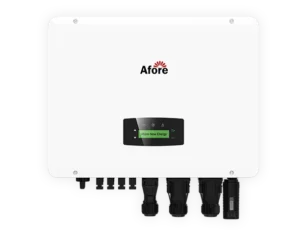
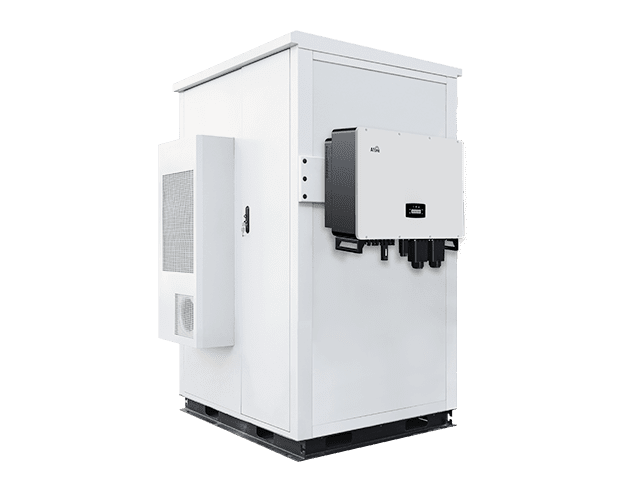
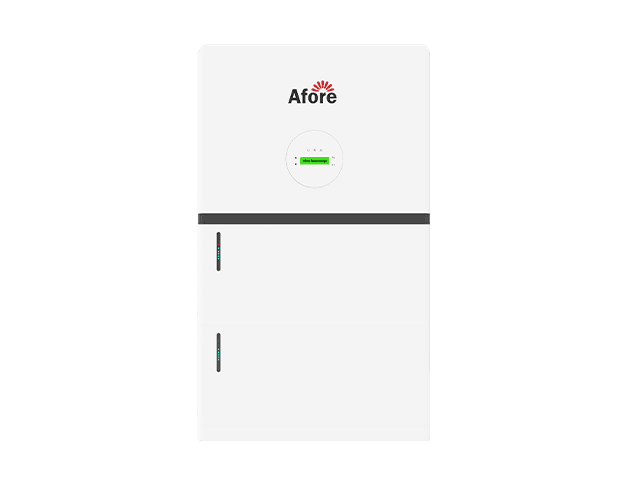
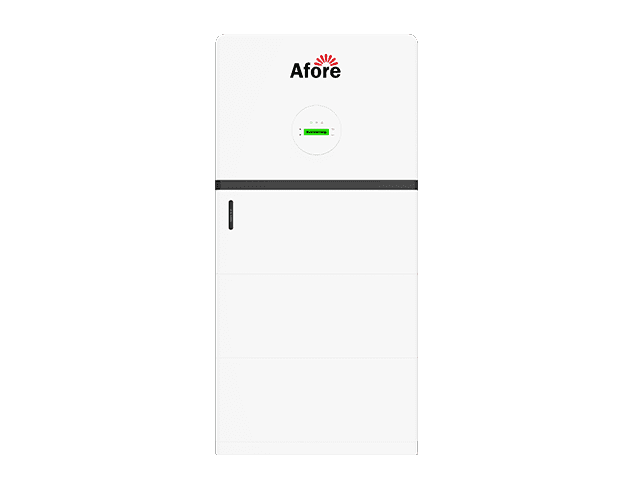
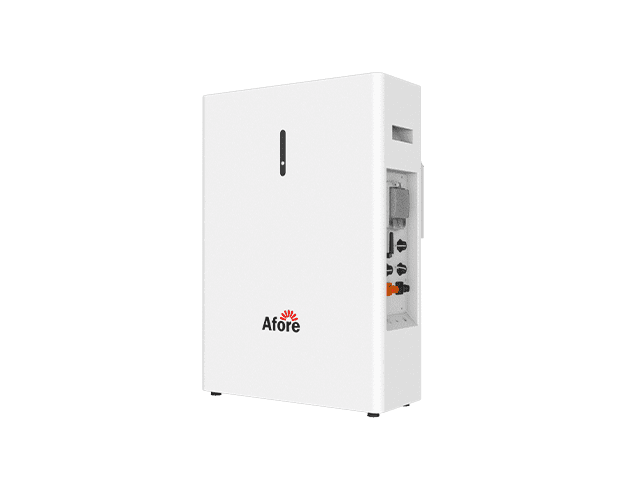
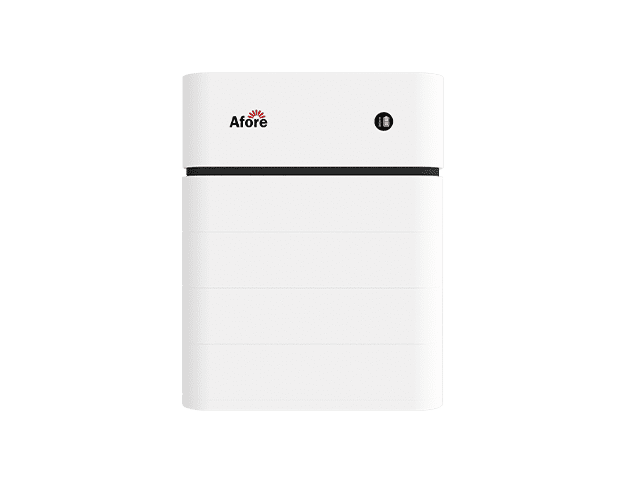
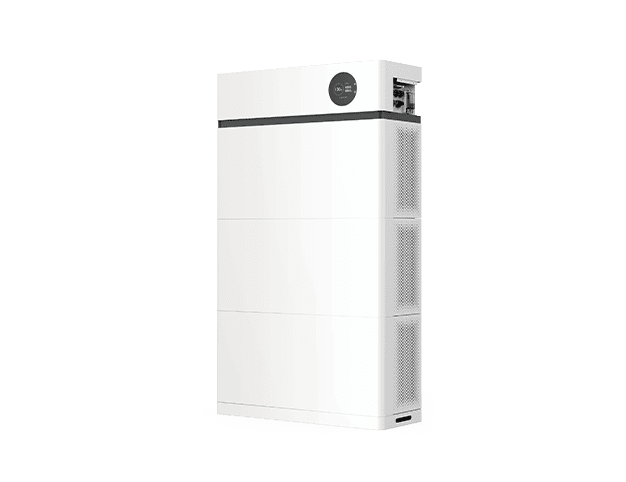








 Turkish
  Romanian