



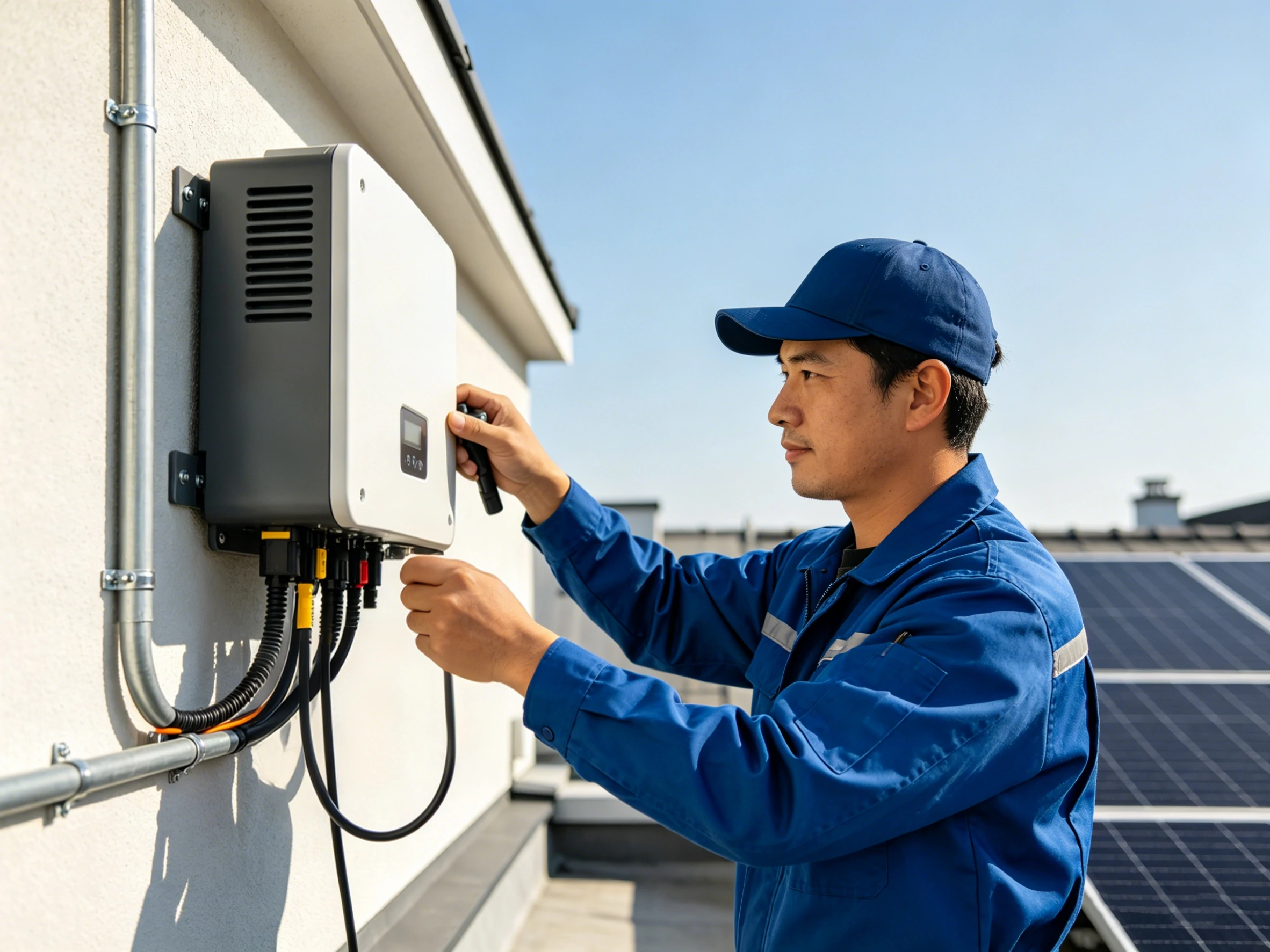
Si vous avez déjà passé un peu de temps sur un toit ou dans un local électrique exigu, vous le savez déjà : le poids, ça compte. Et pas qu’un peu : cela peut faire toute la différence en termes de délais d’installation, de coûts de main-d’œuvre et, franchement, de santé mentale.
C’est précisément pour cette raison que les onduleurs solaires légers destinés au marché B2B sont en train de devenir l’une des évolutions les plus en vue du secteur solaire. Que vous soyez distributeur, maître d’œuvre EPC ou installateur cherchant à développer ses activités, l’évolution vers des systèmes plus légers n’est pas seulement une tendance : c’est un avantage stratégique.
Dans ce guide, je vais vous expliquer tout ce que vous devez savoir, des avantages concrets pour les installateurs à la manière dont Onduleurs solaires légers B2B réorientent les décisions d'achat à grande échelle.
Soyons honnêtes : les onduleurs traditionnels peuvent être un vrai casse-tête. De nombreux modèles pèsent entre 25 et 40 kg, ce qui signifie que :
C’est là que les onduleurs solaires légers destinés au marché B2B changent la donne. En réduisant le poids sans compromettre les performances, ils permettent des flux de travail plus fluides et réduisent les difficultés logistiques.
La main-d'œuvre ne devient pas moins chère. En réalité, sur la plupart des marchés, les coûts d'installation augmentent plus rapidement que ceux du matériel.
C'est pourquoi la réduction des coûts de main-d'œuvre liés à l'installation est devenue une priorité absolue pour les acheteurs B2B. Les onduleurs plus légers répondent directement à ce besoin en permettant :
Et oui, les coûts s'accumulent rapidement, surtout dans le cadre de grands projets commerciaux.
L'un des avantages les plus concrets des onduleurs solaires légers destinés au marché B2B réside dans la manière dont ils redéfinissent les processus d'installation. Auparavant, la manipulation d'un onduleur nécessitait souvent l'intervention de deux techniciens, non seulement pour des raisons d'efficacité, mais aussi de sécurité. Ce n'est plus le cas aujourd'hui.
Grâce aux onduleurs photovoltaïques faciles à installer disponibles aujourd’hui, un seul installateur peut transporter, positionner et monter l’appareil sans aide. Cette évolution permet une véritable installation solaire par une seule personne, ce qui a un impact direct sur les délais de réalisation des projets. Moins de personnel sur site signifie moins de conflits d’horaires et une réalisation plus rapide des travaux.
D’un point de vue pratique, cela permet également de réduire la fatigue des installateurs. Manipuler quotidiennement du matériel plus léger diminue le risque de blessures liées aux efforts physiques, ce qui constitue un véritable sujet de préoccupation sur le terrain. À long terme, cela se traduit par une meilleure productivité, moins de retards et une main-d’œuvre plus durable — des aspects auxquels les acheteurs B2B accordent de plus en plus d’importance.
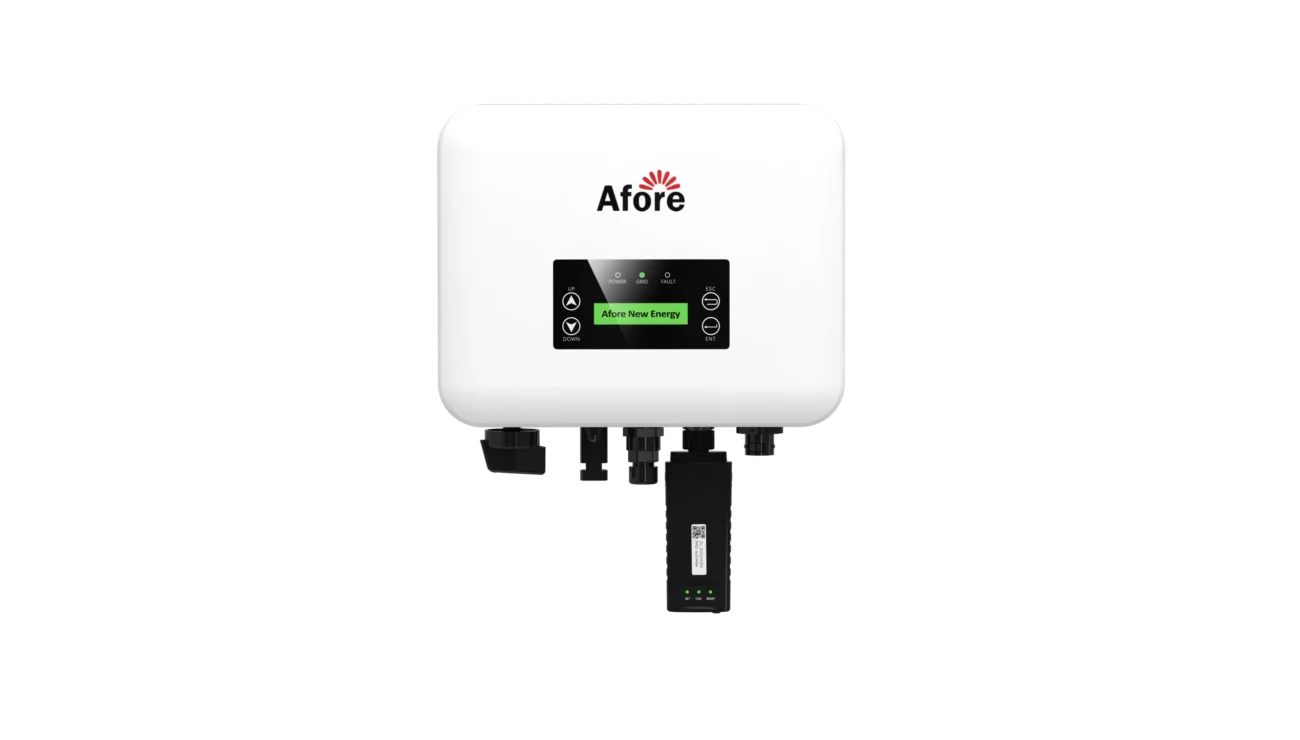
Un autre avantage majeur des onduleurs solaires légers destinés au marché B2B réside dans leur capacité à allier efficacement un format compact à des performances électriques élevées. Les onduleurs hybrides compacts modernes sont conçus pour offrir un rendement de conversion élevé tout en réduisant au minimum leur encombrement.
Cette compacité n'est pas seulement une question d'esthétique : elle présente un réel intérêt sur le plan opérationnel. Les unités plus petites sont plus faciles à installer dans des espaces restreints, tels que les locaux techniques des logements ou les toits d'immeubles commerciaux encombrés. Les installateurs bénéficient ainsi d'une plus grande flexibilité dans la conception du système, ce qui peut simplifier le cheminement des câbles et réduire la complexité de l'installation.
Pour autant, les performances n'en sont pas affectées. De nombreux onduleurs photovoltaïques faciles à installer intègrent désormais des systèmes avancés de gestion thermique, garantissant un fonctionnement stable même dans des conditions difficiles. Pour les acheteurs B2B, cet équilibre entre taille et rendement est essentiel lorsqu'il s'agit de s'adapter à divers types de projets.
Le poids n'a pas seulement une incidence sur l'installation : il a également un impact majeur sur la logistique. L'un des avantages souvent négligés des onduleurs solaires légers destinés au marché B2B réside dans le fait qu'ils contribuent à réduire les coûts de main-d'œuvre liés à l'installation, et ce bien au-delà du chantier.
Des unités plus légères permettent un conditionnement plus efficace, une réduction des frais de transport et une manutention plus aisée tout au long de la chaîne d'approvisionnement. Les distributeurs peuvent ainsi charger davantage d'unités par expédition, optimiser l'espace de stockage dans leurs entrepôts et réduire le recours à des équipements de manutention lourds.
D'après notre expérience, ces économies s'accumulent rapidement, en particulier lors d'achats en gros volumes. Lorsque l'on combine des frais de livraison réduits à une installation plus rapide et à des besoins en main-d'œuvre moindres, le retour sur investissement global devient bien plus intéressant.
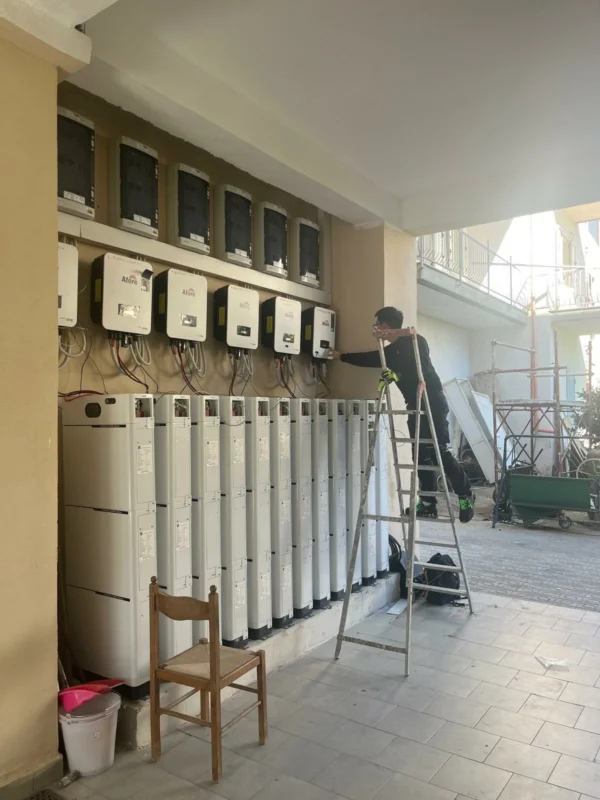
Sur n'importe quel chantier, le temps, c'est de l'argent, et c'est là que les onduleurs solaires légers B2B apportent une valeur ajoutée immédiate et mesurable. Les installations traditionnelles nécessitent souvent la coordination de deux techniciens, ce qui peut ralentir les opérations, surtout lorsque leurs emplois du temps ne coïncident pas.
Grâce à des onduleurs photovoltaïques faciles à installer, un seul installateur peut se charger de l'ensemble du processus, du déballage au montage et au câblage. Cela permet une véritable installation solaire par une seule personne, ce qui réduit considérablement le temps d'installation. Dans de nombreux cas concrets, ce qui prenait auparavant deux à trois heures peut désormais être réduit de près de moitié.
Pour les entrepreneurs EPC et les distributeurs qui gèrent d'importants portefeuilles de projets, ces gains de temps s'amplifient rapidement. Il suffit de multiplier une réduction de 30 à 40% par installation par des dizaines, voire des centaines d'unités, pour que l'avantage en termes de coûts de main-d'œuvre devienne impossible à ignorer.
Un autre facteur clé contribuant à la réduction des coûts de main-d'œuvre liés à l'installation est la diminution des besoins en outils et équipements spécialisés. Les systèmes plus lourds nécessitent souvent des dispositifs d'aide au levage, des structures de fixation renforcées ou des équipements de sécurité supplémentaires, autant d'éléments qui accroissent la complexité et les coûts.
En revanche, les onduleurs solaires légers destinés au marché B2B simplifient le processus. La plupart des onduleurs photovoltaïques faciles à installer sont dotés de fonctionnalités adaptées aux installateurs, telles que des supports de fixation optimisés et des schémas de raccordement intuitifs. Cela réduit au minimum le recours à du matériel supplémentaire et permet aux techniciens de réaliser les installations à l'aide d'outils standard.
D'un point de vue pratique, un nombre réduit d'outils permet une mise en place plus rapide, simplifie la planification logistique et réduit les risques de défaillance sur site. Cela allège également la charge de transport pour les équipes d'installation, en particulier dans les environnements isolés ou où l'espace est limité.
La formation est un coût souvent négligé dans le déploiement des installations solaires, mais elle joue un rôle essentiel dans leur évolutivité à long terme. L’un des avantages souvent méconnus des onduleurs solaires légers destinés au marché B2B réside dans le fait qu’ils facilitent la prise en main pour les nouveaux installateurs.
Ces systèmes étant optimisés pour une installation solaire par une seule personne, les processus de travail sont généralement plus simples et reproductibles. Les nouveaux techniciens peuvent ainsi assimiler rapidement les étapes d'installation sans avoir besoin de techniques de manipulation avancées ni de coordination au sein d'une équipe.
De plus, les onduleurs hybrides compacts intègrent souvent des interfaces conviviales et des procédures de mise en service simplifiées. Cela permet de réduire le temps nécessaire à la formation technique et à la supervision sur le terrain.
Pour les entreprises en pleine croissance, cela se traduit par une mise en service plus rapide, moins d'erreurs d'installation et des résultats de projet plus cohérents, autant d'éléments qui contribuent à une réduction significative des coûts de main-d'œuvre liés à l'installation au fil du temps.
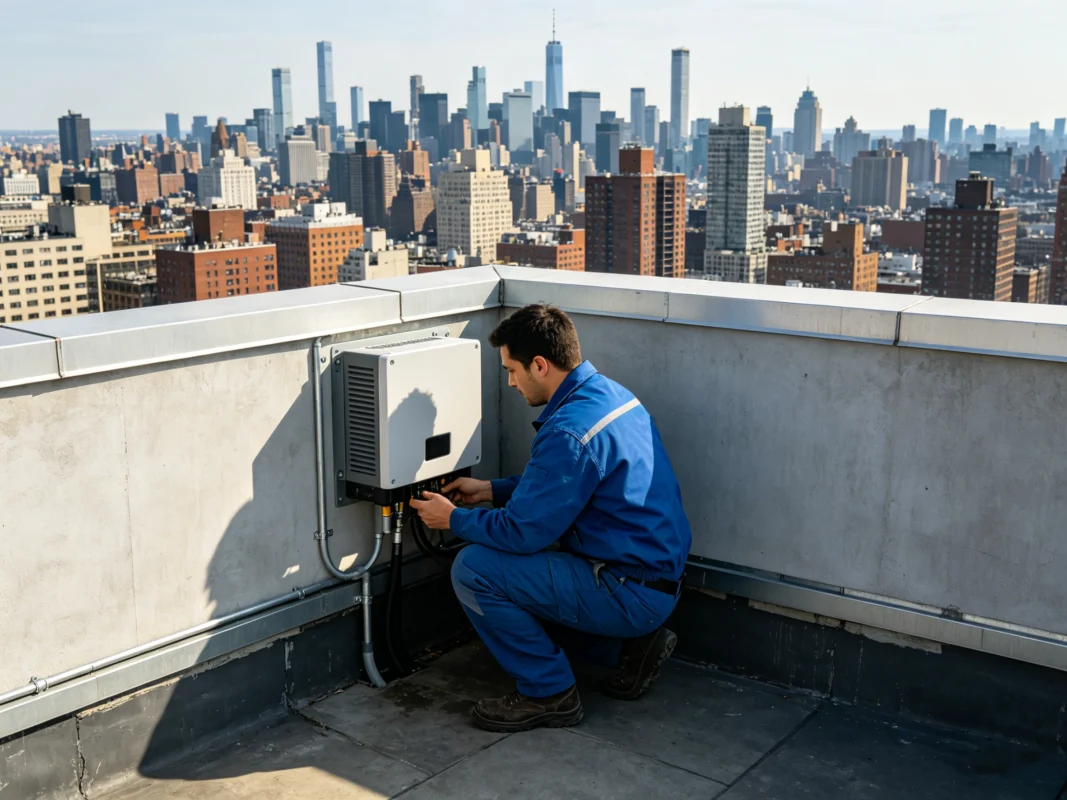
Pour les équipes d'installation de petite et moyenne taille, la croissance se heurte souvent à un obstacle simple : le manque de main-d'œuvre. C'est là que les onduleurs solaires légers destinés au marché B2B offrent un avantage concurrentiel indéniable. Grâce à ces onduleurs photovoltaïques faciles à installer, les installateurs peuvent réaliser davantage de chantiers par jour sans avoir à agrandir leurs équipes au même rythme.
L'évolution vers des installations solaires réalisées par une seule personne est particulièrement intéressante dans le secteur résidentiel. Un seul technicien peut se charger seul du transport, du montage et de la mise en service, ce qui réduit les retards liés à la planification et augmente le rendement quotidien. Concrètement, cela se traduit par une exécution plus rapide des projets, une satisfaction client accrue et une meilleure trésorerie — autant de facteurs clés pour les entreprises qui cherchent à se développer de manière durable.
Dans les déploiements commerciaux à grande échelle, l'efficacité est primordiale. Même de légères améliorations de la vitesse d'installation peuvent se traduire par des économies substantielles. Les onduleurs solaires légers destinés au marché B2B aident les entrepreneurs EPC à rationaliser leurs opérations en simplifiant la manutention et en réduisant le temps d'installation par unité.
Associés à des stratégies visant à réduire les coûts de main-d'œuvre liés à l'installation, ces onduleurs permettent aux chefs de projet d'optimiser la répartition des effectifs. Le nombre de travailleurs nécessaires pour les opérations de manutention lourde est réduit, ce qui permet aux équipes de se concentrer davantage sur l'intégration du système et sa mise en service.
De plus, les onduleurs hybrides compacts offrent une grande souplesse dans la conception des installations, ce qui facilite leur mise en œuvre dans des environnements commerciaux très variés. Cette adaptabilité est essentielle lorsqu'il s'agit de répondre à des exigences de projet complexes et de respecter des délais serrés.
Les environnements urbains présentent un ensemble de défis particuliers : des toitures exiguës, des points d'accès étroits et un espace de travail restreint. Dans ces conditions, les équipements traditionnels peuvent rapidement constituer un frein.
C'est là que les onduleurs solaires légers destinés au marché B2B démontrent toute leur valeur. Leur taille et leur poids réduits les rendent idéaux pour les espaces restreints, permettant ainsi aux installateurs de les manipuler et de monter les systèmes sans équipement spécialisé. De nombreux onduleurs photovoltaïques faciles à installer sont spécialement conçus pour s'intégrer dans des locaux techniques compacts, ce qui en fait un choix pratique pour les projets urbains.
Pour les installateurs travaillant dans des environnements encombrés, la combinaison de la portabilité et des performances offerte par les onduleurs hybrides compacts peut améliorer considérablement le rendement tout en garantissant des normes d'installation élevées.
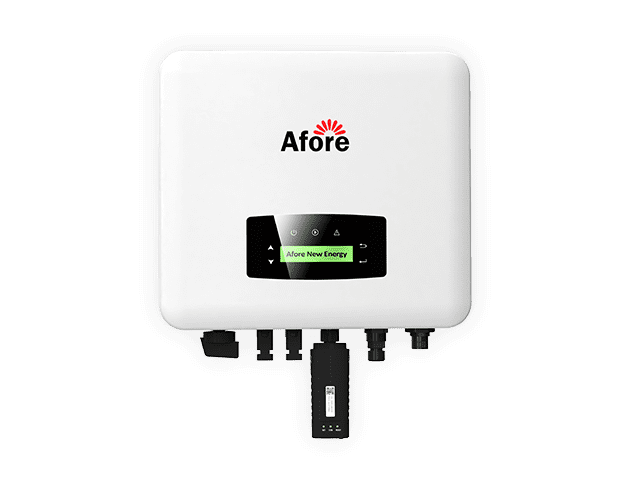
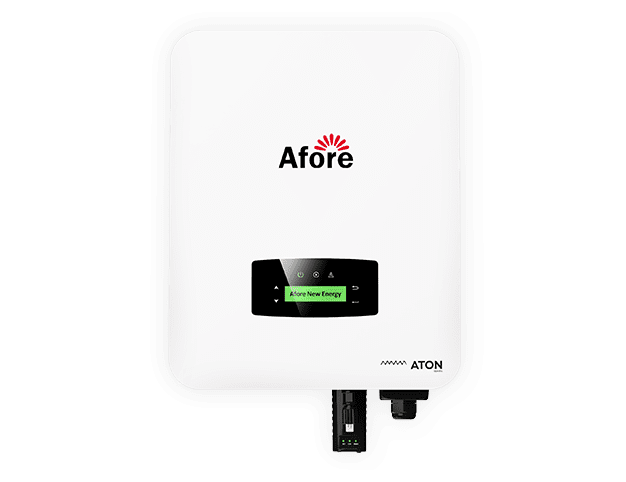
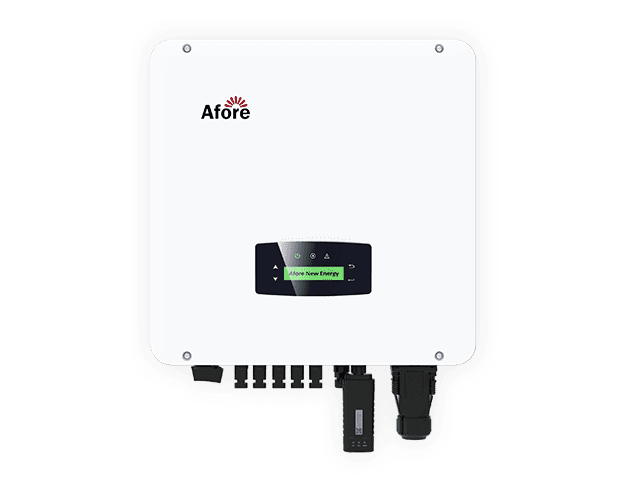
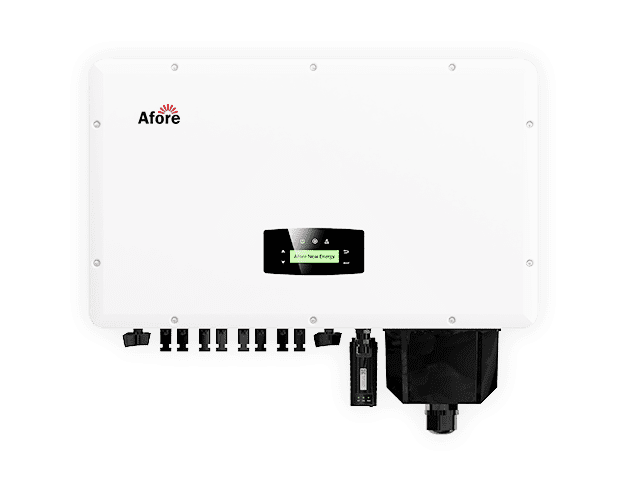
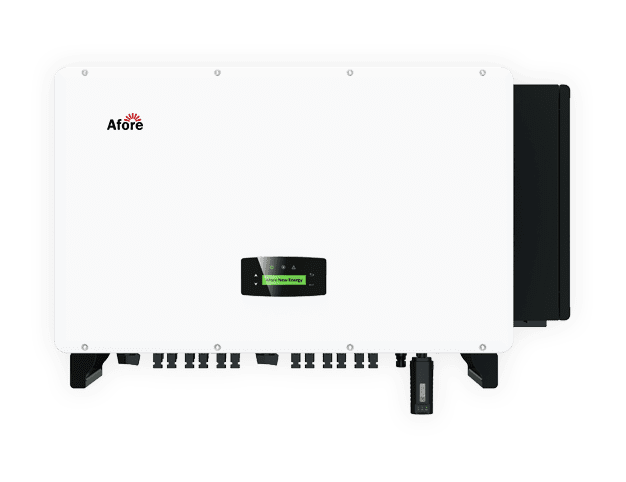
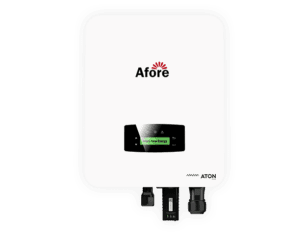
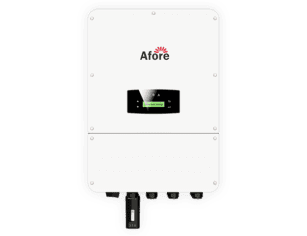
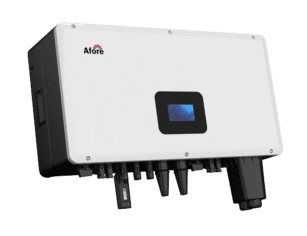
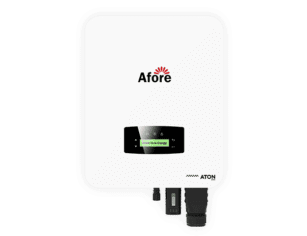
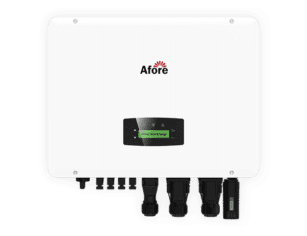
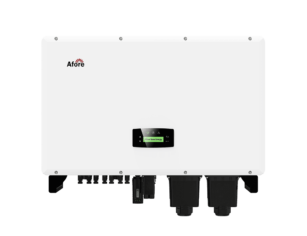
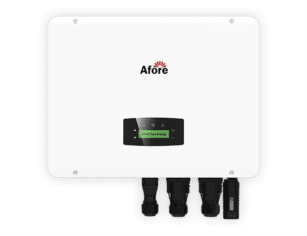
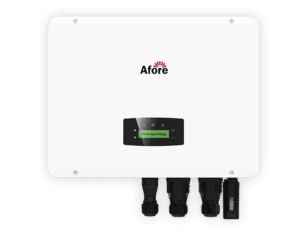
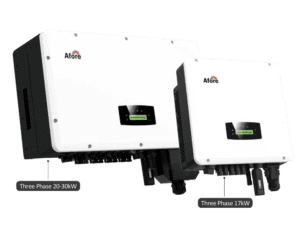
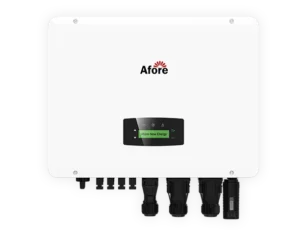
Dans le cadre de l'évolution actuelle des onduleurs solaires légers destinés au marché B2B, certaines gammes de produits ont repoussé les limites de ce que les installateurs attendent des systèmes modernes. Ce que l'on appelle les série légère Cette catégorie se distingue en mettant l'accent sur une conception pratique, axée sur les besoins réels du chantier, plutôt que sur de simples spécifications techniques.
Ce qui distingue ce type de solution, c'est l'accent clairement mis sur la facilité d'utilisation. Ces onduleurs sont conçus pour faciliter les opérations d'installation des systèmes photovoltaïques, ce qui se traduit par un poids réduit, des structures de fixation simplifiées et un schéma de câblage intuitif. L'objectif est clair : permettre à une seule personne d'installer un système solaire sans compromettre ni la sécurité ni les performances.
Un autre avantage majeur réside dans l'équilibre entre taille et fonctionnalité. De nombreux modèles appartiennent à la catégorie des onduleurs hybrides compacts, alliant compatibilité avec les batteries, gestion intelligente de l'énergie et rendement élevé dans un format plus petit et plus maniable. Pour les acheteurs B2B, cela se traduit par une flexibilité tant dans les applications résidentielles que dans les applications commerciales légères, tout en réduisant activement les coûts de main-d'œuvre liés à l'installation.
Du point de vue des professionnels de terrain, les retours d'expérience concernant les onduleurs solaires légers destinés au marché B2B dans cette catégorie mettent généralement l'accent sur des améliorations réelles et concrètes plutôt que sur des avantages théoriques. Les installateurs soulignent systématiquement à quel point il est plus facile de manipuler et de positionner ces appareils, en particulier lors d'installations réalisées par une seule personne.
Au quotidien, cela se traduit par moins de retards, moins d'efforts physiques et un déroulement global plus fluide des opérations. La réduction du poids facilite directement l'installation des panneaux solaires par une seule personne, ce qui permet aux techniciens de passer plus rapidement d'une tâche à l'autre sans avoir besoin de main-d'œuvre supplémentaire.
En termes de performances, les modèles modernes garantissent un rendement stable et une efficacité thermique optimale, même dans des environnements exigeants. De nombreux onduleurs hybrides compacts offrent également des procédures de mise en service simplifiées, ce qui réduit le temps d'installation et minimise le risque d'erreurs de montage.
Pris dans leur ensemble, ces facteurs expliquent pourquoi les onduleurs solaires légers destinés au marché B2B ne constituent pas seulement un gain de commodité, mais aussi une évolution stratégique pour les installateurs qui souhaitent se développer efficacement.
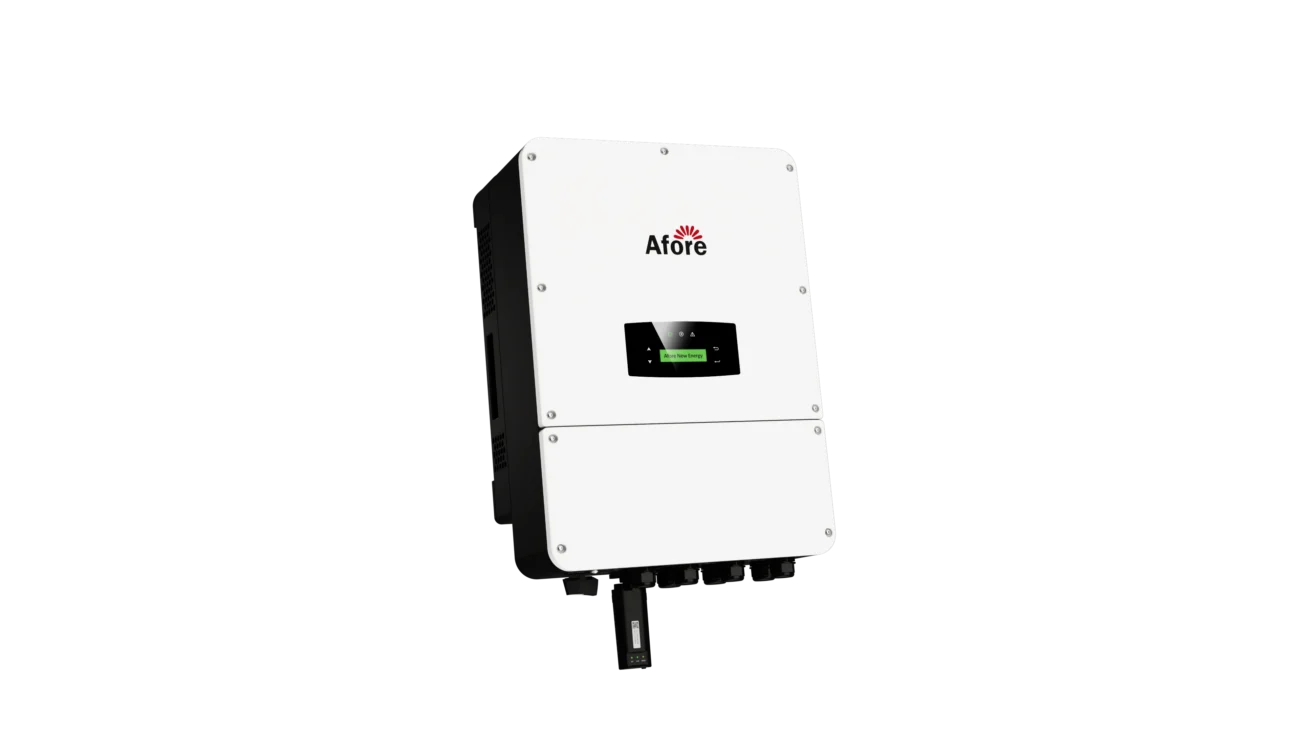
Lorsqu'il s'agit d'évaluer des onduleurs solaires légers dans le cadre du B2B, l'une des premières questions que se posent les professionnels est de savoir si la réduction du poids nuit aux performances. Dans les systèmes bien conçus, la réponse est non, mais cela nécessite tout de même une analyse minutieuse.
Les onduleurs photovoltaïques modernes, faciles à installer, sont conçus pour offrir un rendement élevé tout en évitant tout encombrement inutile. Le secret réside dans une conception interne avancée et l’utilisation de matériaux optimisés. Toutefois, les acheteurs doivent toujours vérifier la puissance nominale, les courbes de rendement et la capacité de charge dans des conditions réelles d’exploitation. Pour les projets qui exigent un approvisionnement énergétique constant, en particulier dans les installations hybrides, il est essentiel de choisir des onduleurs hybrides compacts et fiables, dont les performances ont fait leurs preuves.
En résumé, « plus léger » ne devrait jamais rimer avec « plus fragile », mais plutôt avec une conception plus intelligente.
Le poids a une incidence directe sur les exigences de fixation ; c'est pourquoi les onduleurs solaires B2B légers peuvent faciliter la planification de l'installation. Des appareils plus légers réduisent les contraintes structurelles exercées sur les murs ou les surfaces de fixation, ce qui offre davantage de possibilités d'installation.
Pour les installateurs, cela se traduit souvent par moins de renforts, des supports plus simples et des procédures de montage plus rapides. Cela correspond parfaitement à l'installation de panneaux solaires par une seule personne, où il est essentiel de réduire au minimum l'effort physique et la complexité.
Cela dit, la compatibilité reste un critère important. Les installateurs doivent s'assurer que les systèmes de fixation sont correctement dimensionnés et que la conception de l'onduleur s'intègre parfaitement au matériel standard. Lorsqu'elle est correctement mise en œuvre, cette démarche renforce non seulement la sécurité, mais contribue également à réduire les coûts de main-d'œuvre liés à l'installation sur l'ensemble des projets.
Les performances thermiques constituent un facteur essentiel qu'il ne faut jamais négliger lors du choix d'onduleurs solaires légers destinés au marché B2B. Même les modèles plus compacts et plus légers doivent assurer une gestion efficace de la chaleur afin de garantir une fiabilité à long terme.
Les onduleurs hybrides compacts de haute qualité recourent généralement à des méthodes avancées de dissipation thermique, telles que des dissipateurs thermiques optimisés et une conception intelligente de la circulation de l'air. Certains systèmes reposent sur un refroidissement passif, tandis que d'autres intègrent un système de contrôle intelligent des ventilateurs afin de maintenir des températures de fonctionnement stables.
Pour les installateurs et les responsables de projets, le message est simple : il faut toujours évaluer la capacité d'un onduleur à gérer la chaleur en charge. Une gestion thermique efficace permet non seulement de protéger les composants internes, mais aussi de garantir des performances constantes, ce qui réduit les besoins en maintenance et contribue à la longévité globale du système.
Lors de l’approvisionnement en onduleurs solaires légers dans le cadre du B2B, la certification ne doit jamais être considérée comme une simple case à cocher : il s’agit d’un critère fondamental de confiance. Les fournisseurs fiables proposent des produits conformes aux normes reconnues en matière de sécurité et d’interconnexion au réseau, garantissant ainsi que l’onduleur peut fonctionner en toute légalité et en toute sécurité sur votre marché cible.
Pour les installateurs et les distributeurs, cela a un impact direct sur les délais d'approbation des projets et sur la fiabilité à long terme des installations. Les onduleurs photovoltaïques certifiés et faciles à installer sont généralement fabriqués selon des processus de fabrication plus rigoureux, ce qui réduit le risque de pannes sur site. Concrètement, moins de pannes signifie moins d'interventions, des coûts de maintenance réduits et une meilleure réputation auprès des clients.
Il est tentant de comparer les fournisseurs en se basant uniquement sur le coût unitaire, mais cette approche se retourne souvent contre soi. Dans le domaine des onduleurs solaires légers destinés au marché B2B, la véritable valeur réside dans le coût total de possession, et non pas uniquement dans le prix d'achat.
Un coût initial légèrement plus élevé peut générer de meilleurs rendements si le produit permet une installation solaire par une seule personne et contribue à réduire les coûts de main-d'œuvre liés à l'installation. Des installations plus rapides, moins de techniciens et des temps d'arrêt réduits se traduisent tous par des économies mesurables à long terme.
De plus, il convient de prendre en compte des facteurs tels que la couverture de la garantie, l'assistance technique et la durée de vie du produit. Les onduleurs hybrides compacts hautement performants justifient souvent leur coût en améliorant le rendement du système et en minimisant les risques à long terme.
Les caractéristiques techniques peuvent sembler impressionnantes sur le papier, mais c'est leur facilité d'utilisation dans la pratique qui définit véritablement un bon produit. Avant de s'engager auprès d'un fournisseur, il est judicieux d'évaluer les performances de ses onduleurs solaires légers destinés au marché B2B dans des situations d'installation réelles.
Posez des questions concrètes : un technicien peut-il, de manière réaliste, monter et câbler l'appareil seul ? La conception permet-elle une mise en service intuitive ? Les étapes d'installation sont-elles conformes aux normes relatives aux onduleurs photovoltaïques faciles à installer ?
Des essais pratiques — ou, à tout le moins, les retours d'expérience détaillés des installateurs — peuvent révéler des informations que les fiches techniques ne peuvent tout simplement pas fournir. Sur le terrain, la facilité d'utilisation a une incidence directe sur la rapidité, la sécurité et la cohérence. Et en fin de compte, ce sont ces facteurs qui déterminent si vous réduisez réellement les coûts de main-d'œuvre liés à l'installation ou si vous ne faites que déplacer la complexité ailleurs.
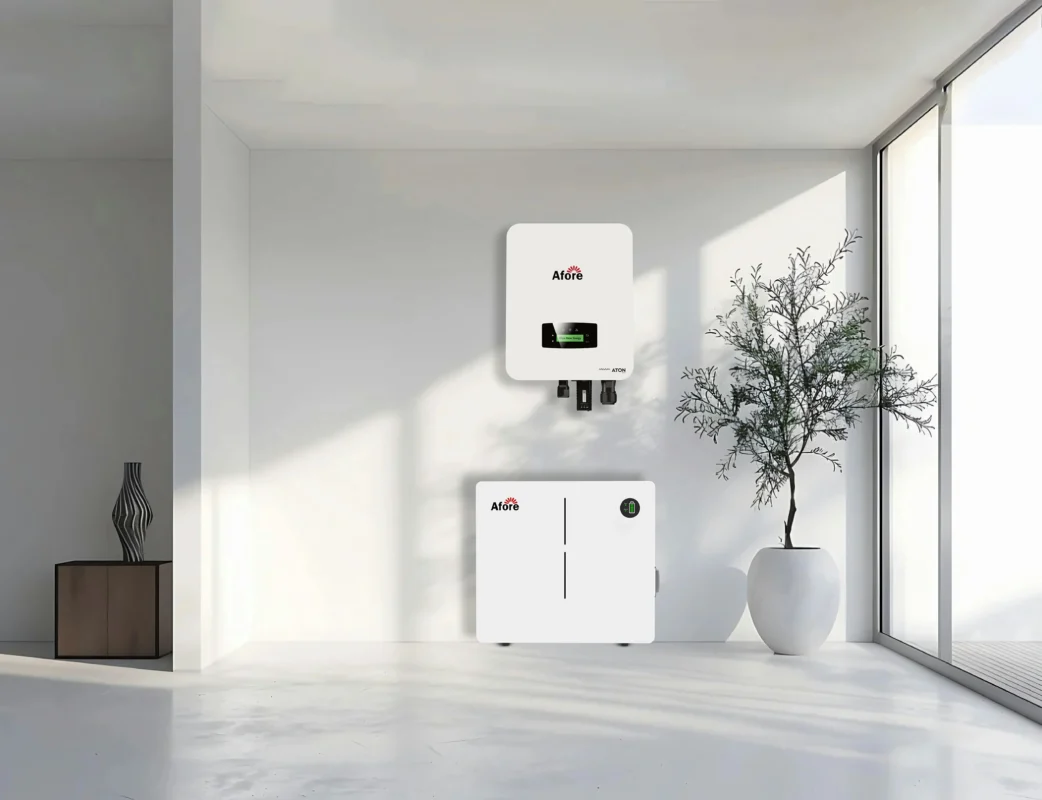
Après des années d'expérience sur le terrain, une chose est claire : l'efficacité l'emporte.
De plus, les onduleurs solaires légers destinés au marché B2B offrent une efficacité là où cela compte le plus : l'installation, la logistique et l'évolutivité.
Si vous souhaitez réellement réduire les coûts de main-d'œuvre liés à l'installation, améliorer le flux de travail et rester compétitif, il ne s'agit pas simplement d'une mise à niveau : c'est la voie que prend le secteur.
Les onduleurs solaires légers améliorent considérablement l'efficacité des installations. Les installateurs peuvent manipuler et monter les appareils plus facilement, ce qui permet souvent à une seule personne de réaliser l'installation d'un système solaire. Cela réduit l'effort physique, accélère la réalisation des travaux et aide les équipes à mener à bien davantage de projets par jour. À long terme, cela contribue directement à réduire les coûts de main-d'œuvre liés à l'installation tout en améliorant la cohérence globale du flux de travail.
Dans de nombreux cas, oui — à condition que l'onduleur soit conçu dans la catégorie des onduleurs solaires légers destinés au marché B2B et qu'il respecte les principes des onduleurs photovoltaïques faciles à installer. Des systèmes de fixation adaptés, des pratiques de manipulation sûres et des consignes d'installation claires restent toutefois indispensables. Pour les techniciens expérimentés, l'installation par une seule personne est de plus en plus envisageable grâce aux conceptions modernes.
Le poids joue un rôle déterminant dans les contraintes de montage. Les onduleurs solaires légers réduisent la charge structurelle, ce qui permet d'utiliser des supports plus simples et de limiter les renforts. Cela permet non seulement d'accélérer l'installation, mais aussi de réduire les coûts liés aux matériaux et à la main-d'œuvre. Les systèmes plus légers se prêtent également mieux à une installation par une seule personne, ce qui simplifie considérablement la manipulation.
Pas nécessairement. Les onduleurs solaires légers de haute qualité sont conçus à partir de matériaux résistants et dotés de structures internes optimisées. De nombreux onduleurs hybrides compacts offrent des performances élevées, une dissipation thermique efficace et une longue durée de vie. La fiabilité dépend davantage des normes de conception et de fabrication que du poids seul.
Oui. De nombreux onduleurs hybrides compacts modernes, appartenant à la catégorie des onduleurs solaires légers, sont conçus pour s'intégrer parfaitement aux systèmes de stockage par batterie et de gestion de l'énergie. Alliant un format compact à des fonctionnalités avancées, ils conviennent aussi bien aux applications résidentielles qu'aux applications commerciales de petite envergure.








 Turkish
  Romanian