




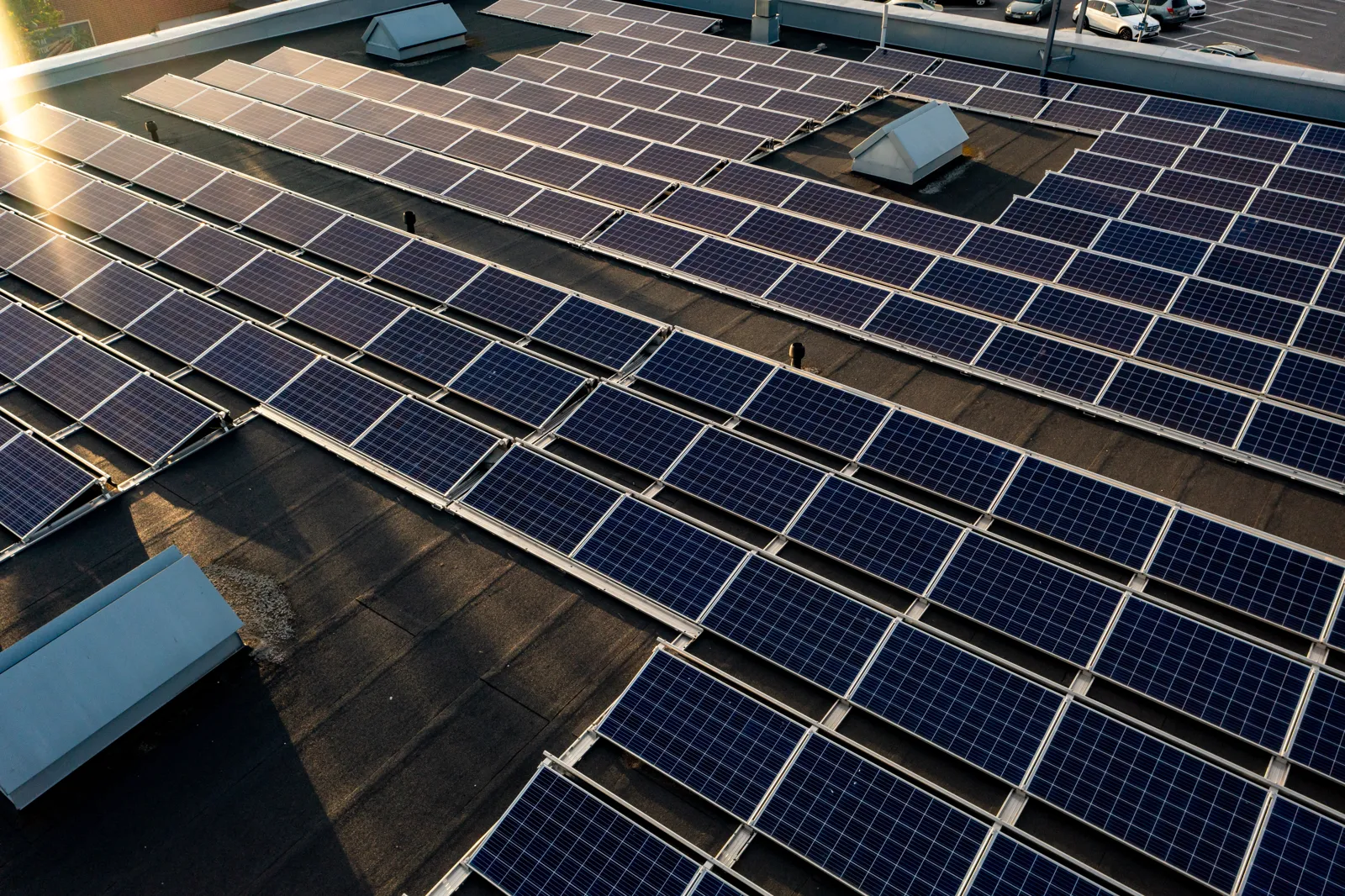
L'énergie solaire pour les centres de données B2B ne se limite plus à un simple débat sur le développement durable. Pour les maîtres d'œuvre (EPC), les distributeurs photovoltaïques, les installateurs, les intégrateurs de systèmes, les opérateurs de colocation, les propriétaires d'installations commerciales et les équipes chargées de l'approvisionnement énergétique, il s'agit désormais d'un enjeu concret de planification, lié à l'exposition aux coûts de l'électricité, aux contraintes de capacité du réseau, au reporting carbone et à la résilience à long terme des infrastructures. Pour replacer les choses dans leur contexte, le terme « B2B » désigne ici exclusivement les décideurs commerciaux impliqués dans la définition des spécifications, l'approvisionnement technique, la structuration financière et la gestion opérationnelle continue des systèmes photovoltaïques destinés aux centres de données.
Les centres de données se distinguent des clients commerciaux habituels du solaire. Un entrepôt, un magasin ou un parc de bureaux peut présenter des charges variables en journée qui s’adaptent assez bien à la production photovoltaïque. Un centre de données, en revanche, fonctionne en continu. Les équipements informatiques, les systèmes de refroidissement, l'infrastructure UPS, la sécurité, les réseaux et les équipements de conversion d'énergie génèrent une demande électrique dense et critique qui ne tolère aucune interruption incontrôlée. Le photovoltaïque solaire peut réduire la consommation du réseau, diminuer les coûts énergétiques en journée et contribuer aux objectifs en matière d'énergies renouvelables, mais il doit être intégré dans une architecture énergétique plus large plutôt que considéré comme une source d'énergie autonome.
L'Agence internationale de l'énergie a souligné la croissance rapide de la demande en électricité liée aux centres de données, à l'intelligence artificielle et aux infrastructures numériques. Le rapport « IEA Electricity 2024 » indique que la consommation électrique mondiale des centres de données dépasse 2 000 TWh par an, avec une croissance annuelle moyenne prévue de 41 % jusqu'en 2030, principalement due à l'expansion des capacités de calcul pour l'IA. La hausse continue de la demande de base entraîne un raccourcissement des délais d'interconnexion au réseau, une volatilité accrue des tarifs des services publics et des règles d'allocation de capacité plus strictes, ce qui oblige les développeurs solaires à intégrer la prévision de la charge, la conformité aux codes de réseau et la planification carbone à long terme dès les premières étapes de la faisabilité des projets.
Cela revêt une importance particulière pour les développeurs de projets solaires, car les délais de raccordement au réseau, les tarifs des services publics, les objectifs d'émissions des entreprises et la disponibilité de l'électricité deviennent des enjeux stratégiques pour l'expansion des centres de données. Pour de nombreuses installations, la question n'est pas de savoir si l'énergie solaire peut à elle seule alimenter l'ensemble du site 24 heures sur 24, 7 jours sur 7. Dans la plupart des cas, cela n'est pas économiquement viable sans un stockage important, un soutien du réseau ou l'approvisionnement en énergie renouvelable hors site. La question la plus pertinente est de savoir comment dimensionner, raccorder, financer, surveiller et exploiter les installations photovoltaïques commerciales destinées aux centres de données afin de créer une valeur mesurable sans compromettre la disponibilité.
Ce guide se concentre sur la prise de décision au niveau du système. Il aborde l'analyse de la charge, le dimensionnement photovoltaïque, les options d'installation sur toiture et au sol, l'architecture des onduleurs et des batteries, le raccordement au réseau, la mise en service, l'exploitation et la maintenance, la modélisation financière, la qualification des fournisseurs et l'évolutivité future. L'objectif est d'aider les professionnels du secteur photovoltaïque à évaluer l'énergie solaire pour les installations critiques avec la même rigueur que celle appliquée aux infrastructures électriques, et non comme un simple complément générique d'énergie verte.
Ce guide est structuré de manière à répondre aux priorités spécifiques des différentes parties prenantes : les maîtres d'œuvre (EPC) et les ingénieurs électriciens doivent accorder la priorité à la modélisation détaillée des charges, à la conception des raccordements au réseau public et à la coordination de la protection du réseau électrique ; les propriétaires et exploitants de centres de données se concentrent quant à eux sur les garanties de disponibilité opérationnelle, le retour sur investissement sur l'ensemble du cycle de vie, la rationalisation des cadres d'exploitation et de maintenance, ainsi que la conformité en matière de reporting des émissions de carbone ; les distributeurs de systèmes photovoltaïques et les fournisseurs d'équipements se concentrent sur la fourniture de solutions matérielles fiables et entièrement certifiées, offrant une maintenabilité à long terme et la disponibilité des pièces de rechange.
Contrairement aux bâtiments commerciaux classiques, les centres de données fonctionnent en continu avec des charges critiques et sont soumis à des règles strictes en matière de disponibilité et de qualité de l'alimentation électrique, ce qui rend inapplicable toute planification solaire standard. Les stratégies solaires B2B sur mesure doivent s'adapter aux besoins opérationnels spécifiques, aux caractéristiques des charges et aux normes de fiabilité propres à chaque catégorie de centres de données.
| Type de centre de données | Principales implications de la stratégie solaire | Préférences d'installation | Principales contraintes |
|---|---|---|---|
| Campus hyperscale | Installation hybride photovoltaïque au sol à grande échelle + stockage solaire, harmonisation du portefeuille | Installation au sol, sur un terrain adjacent | Limites d'interconnexion au réseau, exigences strictes en matière de disponibilité, empreinte au sol importante |
| Centre de colocation | Systèmes photovoltaïques modulaires sur toiture, possibilité d'attribuer une part d'énergie renouvelable aux locataires | Toit-terrasse, abri pour voiture | Profilage de la charge partagée, obligations en matière de rapports énergétiques des locataires |
| Centre de données d'entreprise | Installation photovoltaïque sur toiture de taille adaptée pour une compensation partielle de la consommation, intégration simple | Toit-terrasse | Espace d'extension limité, service informatique interne et conformité aux règles relatives aux installations |
| Centre de données en périphérie | Systèmes photovoltaïques compacts à petite échelle équipés d'onduleurs hautement fiables et de systèmes de stockage d'énergie par batterie (BESS) compacts | Uniquement sur le toit | Espace physique limité, difficultés liées à l'exploitation et à la maintenance à distance, soutien minimal du réseau |
Le profil de charge électrique d'un centre de données est généralement plus régulier et plus continu que celui d'un immeuble commercial classique. La charge informatique fonctionne jour et nuit, tandis que les besoins en refroidissement peuvent varier en fonction de la température ambiante, de l'utilisation des serveurs et de la conception des installations. Même lorsque la gestion de la charge de travail déplace certaines activités informatiques d'un fuseau horaire à l'autre, l'installation a toujours besoin d'une alimentation électrique stable pour les baies, les équipements réseau, les systèmes de stockage, le refroidissement, la protection contre les incendies, la sécurité et les commandes.
Les configurations de refroidissement par air et par liquide ont une incidence directe sur l'ampleur de la charge thermique globale et sur le rendement PUE, le refroidissement par liquide offrant un meilleur rendement et une consommation électrique réduite par rapport aux installations traditionnelles à refroidissement par air. L'augmentation de la densité des baies et l'expansion des charges de travail liées à l'IA accroissent régulièrement la charge informatique de base, tout en compliquant la gestion thermique et le fonctionnement des systèmes de refroidissement tout au long de l'année. La demande saisonnière en refroidissement fluctue naturellement en fonction des températures extérieures, ce qui entraîne une convergence ou une divergence avec la production photovoltaïque quotidienne et saisonnière, selon les conditions climatiques régionales.
De nombreux sites sont confrontés à un risque de décalage de performance : la demande de climatisation atteint son pic en été, au moment même où la production solaire est maximale, tandis que pendant les saisons plus douces, la charge de climatisation diminue alors que la production photovoltaïque reste importante.
Cela soulève un enjeu technique majeur : la production photovoltaïque est intermittente et dépend de la lumière du jour, alors que la charge des centres de données est continue. Un système photovoltaïque peut compenser une part importante de la consommation diurne, mais il ne pourra pas naturellement répondre à la demande nocturne sans être associé à un système de stockage par batterie, à un contrat d'approvisionnement au réseau, à un contrat d'achat d'électricité ou à une autre stratégie hybride. Pour la plupart des installations commerciales et de colocation, l'objectif principal est donc l'optimisation de l'autoconsommation, la réduction des coûts énergétiques, la réduction des émissions et la gestion partielle des pics de consommation, plutôt que l'indépendance électrique totale.
L'efficacité énergétique (ou PUE) est un élément clé de l'analyse de la charge. Un site présentant une charge informatique de 10 MW et un PUE de 1,4 peut nécessiter environ 14 MW de puissance électrique dans des conditions d'exploitation normales. Si la surface de toiture disponible ne permet d'accueillir que 2 MW de panneaux photovoltaïques, le système peut tout de même être rentable, mais il doit être modélisé comme une compensation partielle. À l'inverse, un campus disposant de terrains adjacents peut accueillir un parc photovoltaïque au sol beaucoup plus grand, mais dans ce cas, l'interconnexion, la distribution en moyenne tension, l'utilisation des sols, la sécurité et le contrôle des exportations prennent alors une importance accrue.
L'alimentation solaire des installations critiques doit être conçue en tenant compte des exigences de fiabilité. L'architecture électrique d'un centre de données comprend souvent des alimentations du réseau public, des appareillages de commutation, des systèmes UPS, des générateurs de secours, des commutateurs de transfert, des commutateurs statiques, des unités de distribution d'énergie et des systèmes de surveillance sophistiqués. L'ajout de panneaux photovoltaïques et de systèmes de stockage modifie les flux d'énergie, la coordination des protections, le comportement de la tension et les procédures opérationnelles.
Les maîtres d'œuvre (EPC) et les intégrateurs de systèmes doivent déterminer le point de raccordement de l'installation photovoltaïque. Un raccordement basse tension en aval du compteur peut convenir à une petite installation sur toiture. Les installations plus importantes peuvent nécessiter une interconnexion moyenne tension, des transformateurs dédiés, des relais de protection et une coordination avec le réseau public. Si un système de stockage par batterie est inclus, l'équipe de projet doit déterminer si la batterie interagit uniquement avec la centrale photovoltaïque, contribue à l'écrêtement des pics de consommation de l'installation, fournit une alimentation de secours ou participe aux services de réseau lorsque la réglementation le permet.
La qualité de l'alimentation est primordiale. Les réglages de l'onduleur, le contrôle du facteur de puissance, les harmoniques, la capacité à maintenir la tension, la réponse en fréquence et le comportement anti-îlotage doivent être compatibles avec les équipements du site et les codes du réseau local. Un déclenchement intempestif n'entraînera peut-être pas l'arrêt du centre de données si l'onduleur et l'alimentation du réseau restent disponibles, mais il peut réduire les économies escomptées, déclencher des alarmes, compliquer les opérations et nuire à la confiance dans l'installation solaire.
De nombreux propriétaires et exploitants de centres de données ont pris des engagements ambitieux en matière d'énergies renouvelables et de réduction des émissions de carbone. Cependant, les moyens mis en œuvre pour atteindre ces objectifs varient. Les installations photovoltaïques sur site permettent une production d'électricité visible et traçable et peuvent réduire la consommation d'électricité facturée. Les contrats d'achat d'énergie renouvelable hors site peuvent fournir des volumes plus importants d'énergie renouvelable lorsque l'espace sur site est limité. Les certificats d'énergie renouvelable peuvent faciliter le reporting, mais ils ne réduisent pas physiquement la demande en électricité de l'installation ni sa dépendance au réseau.
La comptabilisation des émissions de scope 2 se divise en deux méthodologies : celle basée sur la localisation et celle basée sur le marché. Les calculs basés sur la localisation utilisent des facteurs d'émission moyens du réseau local, liés à la consommation électrique physique du site, tandis que la comptabilisation basée sur le marché s'appuie sur des contrats d'achat d'énergie renouvelable pour faire valoir des réductions d'émissions indépendamment de la production marginale du réseau.
Les certificats d'énergie renouvelable (CER) et les garanties d'origine (GO) sont des instruments négociables qui attestent qu'un volume donné d'électricité a été produit à partir de sources renouvelables ; ils permettent de se conformer aux exigences en matière de reporting, mais ne modifient pas la consommation d'énergie physique sur site ni ne réduisent la dépendance des centres de données à l'égard du réseau électrique.
L'appariement de l'énergie sans carbone s'inscrit dans deux cadres : l'appariement annuel consiste simplement à faire correspondre l'approvisionnement total en énergie renouvelable à la charge annuelle du centre de données, tandis que l'obligation d'une alimentation en énergie sans carbone 24 heures sur 24 et 7 jours sur 7 exige d'aligner la production d'énergie renouvelable heure par heure sur la charge en temps réel de l'installation, ce qui nécessite des stratégies combinant énergie solaire et stockage ou des stratégies hybrides multi-sources.
Le principe d'additionnalité désigne le fait qu'un projet d'énergie renouvelable n'aurait pas vu le jour sans les contrats d'achat conclus avec des entreprises, garantissant ainsi une réduction réelle des émissions ; la capacité de fourniture confirme que l'électricité produite à partir de sources renouvelables peut être physiquement acheminée pour répondre aux profils de charge des centres de données, en s'adaptant aux variations saisonnières et quotidiennes de la demande.
L'énergie solaire produite sur site apporte une valeur opérationnelle tangible grâce à une réduction directe de la consommation du réseau, à une stabilisation prévisible des coûts énergétiques et à une résilience sur place ; les contrats d'achat d'électricité hors site offrent une couverture en énergie renouvelable bien plus importante pour les centres de données à l'espace limité, mais ils ne présentent pas l'avantage d'une solution de secours opérationnelle locale et comportent un risque lié à la volatilité des prix du marché.
Les centres de données en colocation sont confrontés à des exigences particulières en matière de développement durable, les locataires demandant de plus en plus souvent à bénéficier d'une part d'énergie renouvelable issue du parc solaire de l'exploitant, ce qui nécessite la mise en place de compteurs individuels, de mécanismes transparents d'attribution de l'énergie et de clauses contractuelles relatives à l'attribution de l'énergie renouvelable.
| Option | Conséquences opérationnelles | Mesurer l'impact | Risque principal |
|---|---|---|---|
| Installation photovoltaïque sur site | Réduit la consommation du réseau pendant la journée et renforce la résilience locale | Réductions directes et traçables des émissions de scope 2 | Capacité limitée en fonction de la disponibilité des toits et des terrains |
| Accord d'achat d'électricité physique | Fournit une énergie renouvelable fiable hors site | Respect des limites d'émissions annuelles pour les gros volumes | Limites liées à la zone de livraison et à l'engorgement du réseau |
| PPA virtuel | Pas de fourniture physique d'électricité, contrat d'achat d'énergie renouvelable | Respecte les objectifs de scope 2 fixés par le marché | Volatilité des prix, absence de résilience sur site |
| Uniquement les REC | Pas de réduction de la charge physique | Respect des obligations de déclaration des émissions | Manque d'additionnalité et d'économies d'énergie opérationnelles |
Les décideurs professionnels devraient évaluer les options en matière de développement durable en tenant compte à la fois des aspects comptables et opérationnels. Une installation photovoltaïque sur toiture peut ne couvrir qu’un faible pourcentage de la charge annuelle totale, tout en permettant une autoconsommation élevée et des économies prévisibles. Un contrat d’achat d’électricité virtuel (PPA) peut couvrir un volume d’énergie annuel plus important, mais il comporte un risque lié au règlement du marché et peut ne pas assurer la résilience locale. Un système solaire couplé à un dispositif de stockage peut réduire les frais de puissance et prendre en charge des fonctions de secours limitées, mais il nécessite une modélisation minutieuse du cycle de vie et une planification rigoureuse de la sécurité.
La stratégie la plus efficace est souvent une stratégie hybride. Un portefeuille de centres de données peut combiner des installations photovoltaïques commerciales sur site, l'achat d'énergie renouvelable hors site, des mesures d'efficacité énergétique, le stockage, la réponse à la demande et un suivi énergétique amélioré. L'énergie solaire ne constitue qu'un élément parmi d'autres d'un plan plus large de gestion des risques énergétiques.
Les projets solaires destinés aux centres de données impliquent davantage d'acteurs qu'une installation classique sur un toit commercial. Les propriétaires et exploitants des installations définissent les exigences en matière de disponibilité, les règles d'accès au site et les contraintes d'exploitation. Les entreprises EPC et les ingénieurs électriciens se chargent de la conception, du choix des équipements, des études de protection, de la planification de la construction et de la mise en service. Les distributeurs et revendeurs de systèmes photovoltaïques prennent en charge l'approvisionnement en modules, onduleurs, structures de montage, systèmes de stockage et autres composants du système. Les services publics ou les opérateurs de réseau examinent les questions d'interconnexion, de comptage, de limites d'exportation et d'exigences de protection. Les équipes financières évaluent les dépenses d'investissement (CAPEX), les conditions des contrats d'achat d'électricité (PPA), le traitement fiscal et les rendements sur le cycle de vie.
Étant donné que l'équipement interagit avec des infrastructures stratégiques, les décisions d'achat nécessitent généralement une validation technique, un examen des garanties, une planification des pièces de rechange et une évaluation à long terme de l'exploitation et de la maintenance. L'offre la moins chère n'est pas toujours celle qui présente le moins de risques. Pour les centres de données, la réactivité du service après-vente, la qualité de la documentation, la fiabilité financière des équipements et la compatibilité avec les systèmes électriques existants peuvent être aussi importantes que le prix d'installation initial.
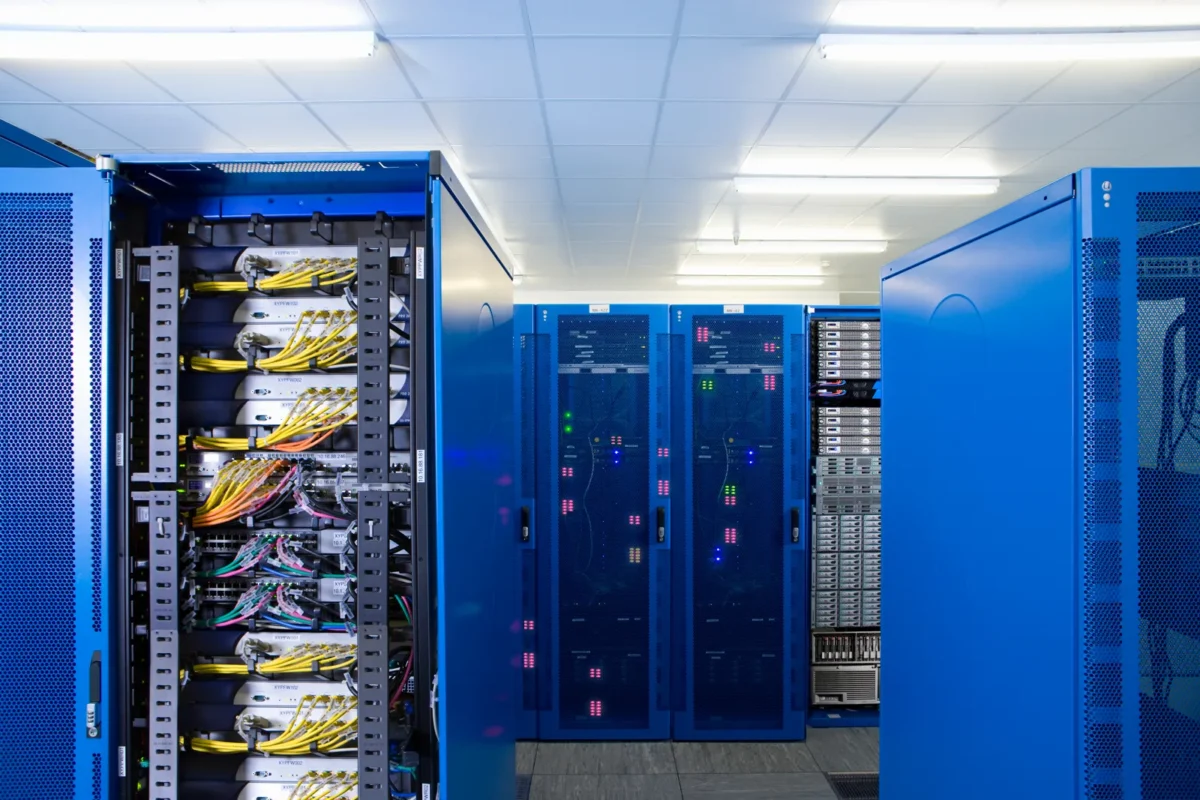
La conception d'installations photovoltaïques pour les centres de données nécessite des normes techniques sur mesure qui vont bien au-delà de celles des projets commerciaux classiques.
Le dimensionnement d'un système photovoltaïque pour un centre de données repose sur des données de charge par intervalle, et non uniquement sur la consommation énergétique annuelle. Les données de demande toutes les quinze minutes ou toutes les heures aident l'équipe de projet à déterminer la quantité d'électricité photovoltaïque pouvant être consommée sur site, si un export vers le réseau aura lieu et comment les frais liés à la demande pourraient être affectés. Le modèle doit inclure la croissance de la charge informatique, la saisonnalité du refroidissement, les mises à niveau prévues des équipements, les structures tarifaires, les ressources solaires, la disponibilité des toitures ou des terrains, la limitation des onduleurs, la dégradation et les limites d'interconnexion.
Pour les centres de données, la taille optimale d'une installation n'est souvent pas celle de la plus grande installation techniquement réalisable. Un parc plus vaste peut certes produire davantage d'énergie sur l'année, mais il risque d'être soumis à des restrictions d'exportation, à des limitations de production, à des coûts de modernisation du réseau ou à une valeur marginale moindre. Une installation optimisée peut être plus petite, mais offrir un taux d'autoconsommation plus élevé, des démarches administratives simplifiées et de meilleurs résultats financiers.
Un modèle pratique de dimensionnement préliminaire consiste souvent à comparer la charge, l'espace disponible et la cible de décalage.
| Facteur de planification | Pourquoi c'est important pour les centres de données |
|---|---|
| Charge informatique et PUE | Détermine la demande totale en électricité de l'installation et la sensibilité à la croissance future |
| Profil de charge par intervalles | Indique le potentiel d'autoconsommation en journée et l'impact sur les frais de consommation |
| Toit ou terrain disponible | Limites de la capacité photovoltaïque réalisable et du type d'installation |
| Rayonnement solaire | Détermine le rendement annuel et le profil de production saisonnier |
| Tarif des services publics | Détermine la valeur de l'énergie évitée, de la réduction des pics de consommation et des exportations |
| Règles d'interconnexion | peut limiter la taille du système, nécessiter des mises à niveau ou restreindre les exportations |
| Exigences en matière de disponibilité | Tenir compte du point de raccordement, de la conception du dispositif de protection et de la procédure de mise en service |
Le point essentiel est que la conception de la capacité photovoltaïque doit s'articuler autour de la valeur commerciale et des contraintes opérationnelles, et non pas simplement autour du nombre maximal de modules.
Selon des estimations pratiques, il faut compter environ 7 000 à 8 500 mètres carrés de surface libre sur le toit par MW de puissance photovoltaïque en courant continu, ce chiffre pouvant varier légèrement en fonction du rendement des modules et des règles en matière de marges de recul.
Les valeurs de référence annuelles de production par MW de capacité en courant continu varient selon la zone d'ensoleillement : les régions à faible ensoleillement produisent entre 1 100 et 1 300 MWh/MW par an, les régions à ensoleillement modéré entre 1 400 et 1 600 MWh/MW, et les régions à fort ensoleillement entre 1 700 et 2 000 MWh/MW par an.
À titre indicatif, une installation photovoltaïque de 2 MW sur toiture, associée à une charge continue de 20 MW provenant d'un centre de données, peut compenser environ 10 à 15 % de la consommation énergétique annuelle totale dans les zones à ensoleillement modéré, ce qui permet de réduire sensiblement les coûts en journée plutôt que de couvrir l'intégralité de la charge.
Les données de référence sur le taux d'autoconsommation montrent que les restrictions interdisant l'exportation font généralement grimper l'autoconsommation sur site à 85–95 % pour les installations photovoltaïques des centres de données ; lorsque les règles des réseaux publics autorisent l'exportation, l'autoconsommation s'établit en moyenne entre 65 et 75 %, le surplus de production étant réinjecté dans le réseau en échange d'une compensation financière partielle.
Il existe une distinction fondamentale en matière de dimensionnement entre la puissance en courant continu (CC) des modules et la puissance en courant alternatif (CA) de l'onduleur : la puissance CC correspond à la puissance nominale totale des panneaux solaires installés, tandis que la puissance CA correspond à la puissance maximale utilisable après conversion par l'onduleur. La plupart des installations commerciales utilisent un rapport CC/CA compris entre 1,1 et 1,3 afin d'optimiser le rendement sans provoquer de limitation excessive de l'onduleur.
Les installations photovoltaïques sur toiture sont intéressantes car elles exploitent l'espace existant et peuvent être raccordées en aval du compteur. Cependant, les toits des centres de données sont souvent encombrés d'équipements de CVC, de chemins de câbles, de systèmes de drainage, de conduits d'évacuation de fumée, de voies d'accès et de zones de sécurité incendie. La charge structurelle doit être soigneusement évaluée, en particulier pour les bâtiments anciens ou les installations situées dans des régions soumises à des contraintes liées à la neige, au vent ou aux séismes. L'état de la membrane de toiture est également important, car un générateur solaire installé sur un toit dont le remplacement est imminent peut entraîner des coûts futurs qui auraient pu être évités.
Les installations solaires sur abri de voiture peuvent s'avérer utiles pour les campus dotés de vastes parkings, en particulier lorsque les places ombragées sont appréciées des employés ou des clients. Elles sont généralement plus coûteuses que les installations classiques sur toiture, mais permettent de gagner de l'espace sans empiéter sur les terrains nécessaires à l'expansion.
Les installations photovoltaïques au sol et sur des sites adjacents offrent la meilleure évolutivité lorsque des terrains sont disponibles. Elles permettent de déployer des parcs plus vastes, facilitent l'accès pour la maintenance, offrent une meilleure orientation et peuvent générer un rendement plus élevé. Elles impliquent toutefois des démarches d'obtention de permis d'aménagement du territoire, la mise en place de clôtures, le creusement de tranchées, la mise en place d'un réseau de collecte à moyenne tension, le drainage, la gestion de la végétation et des considérations en matière de sécurité. Dans les environnements à très grande échelle ou sur les campus, les installations solaires sur site adjacent peuvent s'inscrire dans une stratégie plus large de micro-réseau ou de réseau privé, sous réserve des réglementations locales.
Lorsque le stockage par batterie est pris en compte, l'architecture devient un choix de conception majeur. Les systèmes à couplage CA relient les onduleurs photovoltaïques et les onduleurs de batterie du côté CA. Cela peut simplifier les rénovations, car les systèmes photovoltaïques et de batteries peuvent être ajoutés indépendamment et raccordés via l'infrastructure électrique existante lorsque la capacité le permet. Le couplage CA est souvent adapté lorsque le projet privilégie la flexibilité, le déploiement par étapes et l'intégration avec l'appareillage de commutation existant.
Les systèmes à couplage en courant continu relient les panneaux photovoltaïques et les batteries du côté courant continu avant la conversion en courant alternatif. Cela permet de réduire les pertes de conversion dans certains modes de fonctionnement et de récupérer l'énergie qui, autrement, serait perdue lors de la conversion par l'onduleur. Le couplage en courant continu peut s'avérer intéressant pour les nouveaux projets solaires avec stockage, dans lesquels le système est conçu comme une installation intégrée. Il nécessite toutefois une stratégie de contrôle rigoureuse, une conception soignée de l'interface des batteries, une évaluation de la sécurité et une planification de la maintenance.
Pour les centres de données, le choix de l'architecture ne doit pas se fonder uniquement sur son rendement théorique. Elle doit tenir compte de la compatibilité avec les onduleurs, de la coordination des systèmes de protection, des salles électriques disponibles, des modes de fonctionnement, des possibilités d'extension futures et des exigences en matière de contournement pour la maintenance. Une architecture légèrement moins efficace peut s'avérer préférable si elle facilite l'isolation, l'entretien, la surveillance et l'extension sans perturber les opérations critiques.
Il n'y a pas de réponse universelle. La capacité photovoltaïque nécessaire dépend de la charge informatique, du PUE, de la taille des locaux, de l'ensoleillement, de la surface de toiture ou de terrain disponible, des tarifs locaux, de la rémunération de l'électricité injectée, de la stratégie de stockage et du pourcentage d'énergie que le propriétaire souhaite compenser.
Un exemple simplifié permet d'illustrer le problème. Une installation de 20 MW fonctionnant en continu consomme environ 175 GWh par an, sans tenir compte des variations. Un système photovoltaïque sur site de 5 MW ne peut couvrir qu'une part modeste de cette demande annuelle, en fonction de l'emplacement et du rendement de l'installation. Elle peut néanmoins réduire les achats d'électricité sur le réseau pendant la journée, contribuer à la reporting en matière de développement durable et constituer une protection contre les prix élevés de l'énergie. Un contrat d'achat d'électricité (CAE) solaire hors site beaucoup plus important pourrait être nécessaire pour couvrir la consommation annuelle d'énergie, tandis qu'un système de stockage par batterie serait nécessaire pour transférer l'énergie solaire vers les périodes du soir ou de la nuit.
Pour les entrepreneurs en énergie (EPC) et les promoteurs, la question qu'il convient de se poser est la suivante : quelle taille d'installation photovoltaïque offre le meilleur rapport risque-rendement compte tenu des contraintes physiques, électriques, financières et réglementaires du site ? Cette approche permet de prendre de meilleures décisions en matière de conception que de promettre une couverture solaire totale sans tenir compte des réalités d'exploitation.
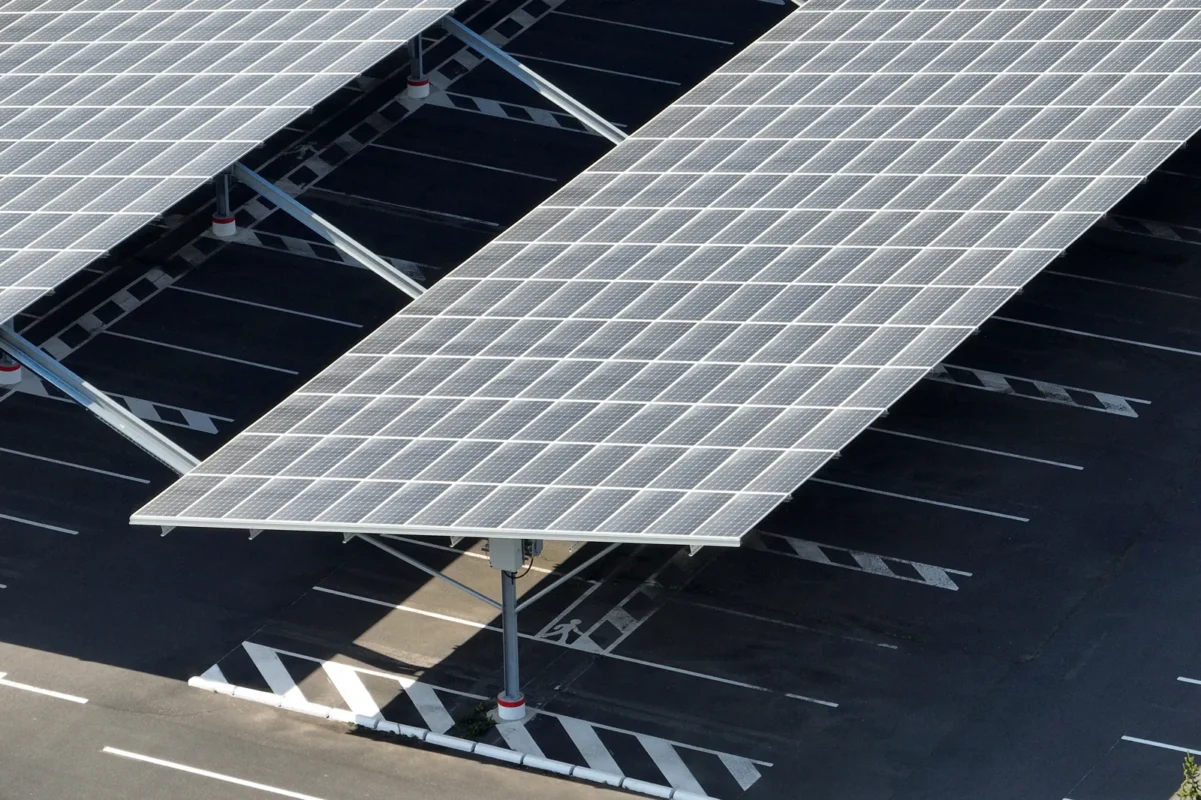
Le choix d'un matériel fiable est essentiel pour les déploiements B2B d'énergie solaire destinés aux centres de données.
Le choix des modules photovoltaïques pour les centres de données doit privilégier la prévisibilité à long terme. Un rendement élevé des modules peut s'avérer utile lorsque l'espace sur le toit ou au sol est limité, car il permet d'installer une plus grande capacité sur une même superficie. Le taux de dégradation influe sur le rendement énergétique à long terme et sur la modélisation financière. Le coefficient de température est un facteur important dans les climats chauds ou sur les toitures, où les températures de fonctionnement des modules peuvent être élevées. Les charges mécaniques admissibles doivent être adaptées au vent, à la neige et aux conditions structurelles locales.
Il convient d'examiner attentivement les conditions de garantie, mais la durée de celle-ci ne suffit pas à elle seule. Les maîtres d'œuvre (EPC) et les équipes chargées des achats doivent examiner la certification des produits, la stabilité financière du fabricant, ses antécédents en matière de projets commerciaux, la qualité de la documentation et les procédures de réclamation au titre de la garantie. Pour les portefeuilles de centres de données multi-sites, la cohérence de l'approvisionnement peut également être importante. L'utilisation d'une gamme de modules standardisés sur plusieurs projets peut simplifier les modèles de conception, la planification des pièces de rechange et l'analyse comparative des performances.
La classification au feu et la compatibilité de l'installation doivent être vérifiées au regard de la réglementation locale et des exigences des compagnies d'assurance. Les installations de centres de données sur les toits peuvent faire l'objet d'un examen plus rigoureux en raison de la présence de salles électriques critiques, d'équipements de refroidissement et des exigences en matière d'accès d'urgence.
Les onduleurs constituent le point de contrôle actif d'une installation photovoltaïque. Pour les applications destinées aux centres de données, le choix doit tenir compte du rendement, des performances thermiques, des fonctions de soutien au réseau, de la capacité en puissance réactive, de la capacité à maintenir la tension et la fréquence en cas de perturbation, de l'étendue de la surveillance, de la compatibilité avec les procédures d'arrêt rapide, ainsi que de la conformité aux codes de réseau applicables.
Le comportement des onduleurs en cas de perturbations du réseau mérite d'être examiné de près. En cas de fluctuation de la tension du réseau ou de déviation de la fréquence, les réglages de l'onduleur déterminent si l'installation photovoltaïque continue de fonctionner, réduit sa production ou se déconnecte. Ces réglages doivent répondre aux exigences du réseau tout en évitant les déclenchements inutiles. Les études de coordination des protections doivent examiner comment les onduleurs photovoltaïques interagissent avec les transformateurs, les appareillages de commutation, les relais, les systèmes UPS et les générateurs de secours.
Les onduleurs centraux peuvent présenter des avantages pour les grandes installations au sol, notamment un nombre réduit d'équipements et une maintenance centralisée. Les onduleurs de chaîne offrent quant à eux une plus grande flexibilité de conception, une segmentation au niveau des modules et un isolement plus aisé des défauts sur les toitures ou les sites complexes. Le choix approprié dépend de la taille de l'installation, de sa configuration, de la stratégie de maintenance et de l'architecture électrique.
Le stockage d'énergie par batterie peut accroître l'intérêt des solutions « solaire + stockage » pour les centres de données, mais il convient de l'étudier avec soin. Les batteries peuvent permettre l'écrêtement des pics de consommation, la gestion des frais de demande, le lissage de la production photovoltaïque, l'allongement de la durée de secours, l'arbitrage énergétique et les services de réseau lorsque cela est autorisé. Dans certains cas, le stockage peut également assurer une transition entre l'alimentation du réseau, l'onduleur et la production de secours, bien que cela nécessite une ingénierie et des contrôles spécialisés.
Le dimensionnement d'une batterie dépend à la fois de sa puissance nominale et de sa capacité énergétique. Une batterie conçue pour le lissage de pics de consommation de courte durée peut présenter des exigences différentes de celles d'une batterie destinée à une décharge de quatre heures ou à une alimentation de secours. Le profil de cycle, la profondeur de décharge, la température, la dégradation, les limites de garantie et la stratégie d'extension ont tous une incidence sur la rentabilité du cycle de vie.
| Attribut | Système UPS | Système BESS |
|---|---|---|
| Objectif principal | Protection contre les coupures de courant de courte durée, conditionnement de l'alimentation | Égalisation des pics de consommation, décalage de la production solaire, répartition économique |
| Durée maximale | De quelques secondes à quelques minutes | De quelques heures à plusieurs heures |
| Portée de la charge | Charges informatiques et de refroidissement critiques | Charges non critiques et charges critiques partielles à l'échelle de l'installation |
| Interaction avec la grille | Fonctionnement en îlotage pendant les coupures de courant | Participation au marché de l'électricité et flexibilité en matière d'exportation |
Les batteries UPS sont principalement conçues pour assurer une alimentation de secours de courte durée en cas de coupure de courant et pour garantir une alimentation électrique de qualité optimale, afin de protéger les équipements informatiques stratégiques contre les chutes de tension, les variations de fréquence et les brèves coupures de courant.
En revanche, les systèmes de stockage d'énergie par batterie (BESS) sont le plus souvent déployés à des fins d'optimisation économique, notamment pour l'écrêtement des pics de consommation, le décalage temporel de la production solaire et la participation à des services de réseau réglementés, lorsque les cadres réglementaires des services publics locaux le permettent. Les installations BESS ne remplacent pas automatiquement les infrastructures UPS existantes ni les générateurs de secours au diesel ou au gaz naturel, car chaque système remplit des fonctions distinctes en matière de fiabilité et d'exploitation au sein de l'architecture d'alimentation des centres de données.
Pour qu'un système de stockage d'énergie par batterie (BESS) puisse prendre en charge les charges critiques d'un centre de données, il nécessite une logique de commande sur mesure, une conception assurant l'isolation électrique, des schémas de transfert de charge automatisés, ainsi qu'une vérification complète de la conformité aux normes électriques locales et au réseau lors de la conception du projet. Les cycles quotidiens intensifs visant à générer des revenus liés au service du réseau peuvent entrer en conflit avec les limites de cycle prévues par la garantie standard du BESS, ce qui nécessite une modélisation préalable du cycle de vie afin de trouver un équilibre entre les gains économiques et le respect des conditions de garantie.
La sécurité revêt une importance tout aussi grande. Les systèmes de batteries nécessitent une gestion thermique, des stratégies de détection et d'extinction des incendies, la mise en place de plans d'intervention d'urgence, une ventilation le cas échéant, ainsi que le respect des codes locaux en matière d'incendie et d'électricité. Les exploitants de centres de données doivent associer dès le début du processus de conception les services de lutte contre l'incendie, les assureurs, les équipes de sécurité des installations et les prestataires de services d'exploitation et de maintenance.
Les composants du système auxiliaire déterminent si une installation photovoltaïque restera opérationnelle pendant des décennies. Les structures de support, le câblage, les boîtiers de raccordement, les connecteurs, les transformateurs, les appareillages de commutation, les dispositifs de protection, les compteurs, les stations météorologiques et les équipements de surveillance doivent être choisis en tenant compte des conditions du site et des aspects logistiques liés au remplacement.
La résistance à la corrosion est un facteur essentiel dans les environnements côtiers, industriels ou à forte humidité. Le cheminement des câbles doit permettre leur inspection et réduire au minimum leur exposition aux dommages mécaniques. Les transformateurs et les appareillages de commutation doivent bénéficier de délais de livraison réalistes et d'un service d'assistance. Les équipements de surveillance doivent être compatibles avec les politiques de gestion des données et l'architecture réseau de l'installation.
Pour les installations critiques, un accès difficile peut se traduire par des coûts à long terme. Une conception qui optimise le nombre de modules mais complique l'inspection, le nettoyage ou le remplacement des onduleurs peut entraîner des risques évitables en matière d'exploitation et de maintenance. Une conception photovoltaïque professionnelle doit tenir compte de la manière dont les techniciens pourront accéder en toute sécurité aux équipements tout au long du cycle de vie de l'installation.
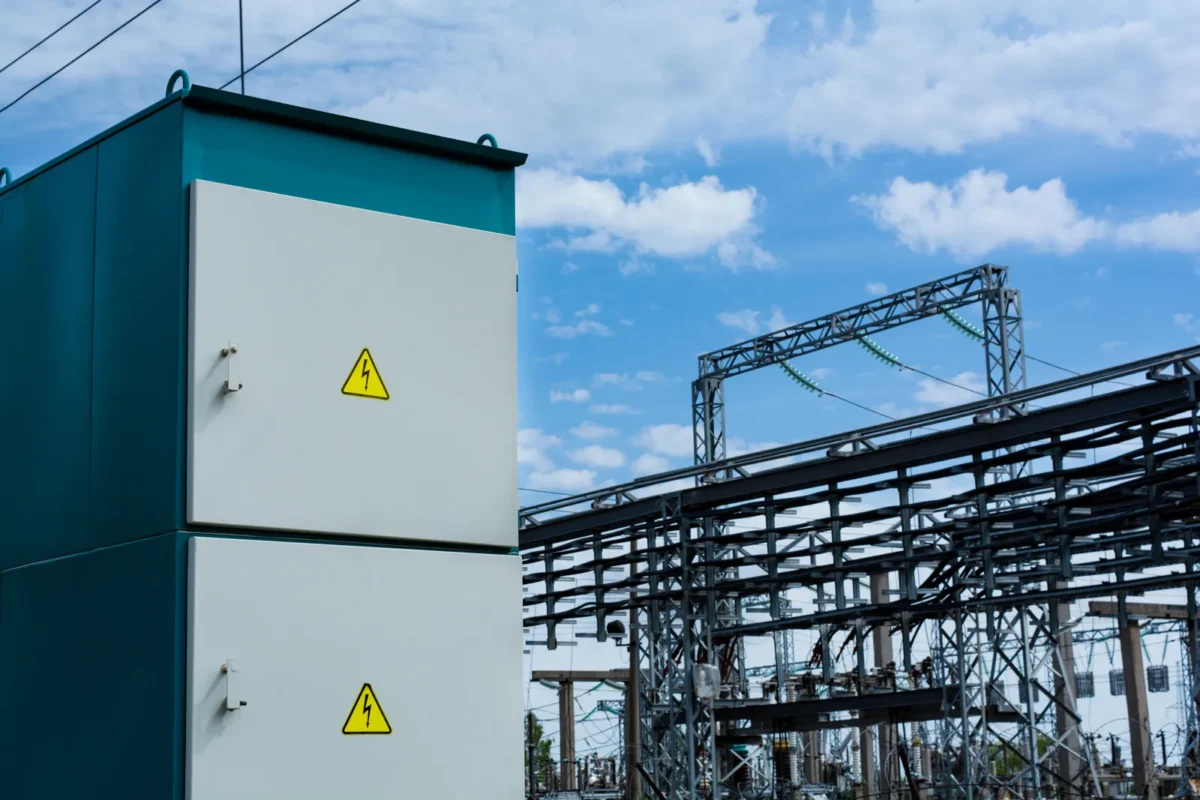
Il est essentiel de maîtriser les enjeux liés à l'intégration au réseau, à la réglementation et aux normes de conformité pour fournir une énergie solaire fiable aux déploiements B2B destinés aux centres de données.
L'interconnexion peut constituer l'un des principaux risques en termes de calendrier et de coûts dans les projets solaires destinés aux centres de données. Parmi les risques concrets fréquemment rencontrés en matière d'interconnexion, on peut citer les limitations de retour de courant des transformateurs, les exigences obligatoires de mise à niveau des relais de protection, les contraintes strictes en matière de flux de puissance inverse, les délais de livraison prolongés pour les appareillages de commutation moyenne tension, les exigences obligatoires en matière de télémétrie des réseaux publics et d'intégration SCADA, la capacité d'accueil limitée des lignes d'alimentation, les longs délais d'attente pour l'interconnexion et les acomptes obligatoires pour les études, des exigences strictes en matière de temps de réponse pour le contrôle « zéro exportation », ainsi que des scénarios coûteux d'échec des essais de mise en service en présence de témoins qui retardent la mise sous tension du projet.
Les exigences des services publics peuvent inclure l'examen de la capacité des transformateurs, des études de court-circuit, des réglages de protection, des dispositifs anti-îlotage, des limites d'exportation, des dispositifs de coupure à distance, la modernisation des compteurs, la télémétrie et des essais en présence d'un témoin. Les installations de plus grande envergure peuvent nécessiter des études de distribution ou de transport, ce qui allonge les délais de mise en œuvre.
La politique d'exportation a une forte incidence sur la rentabilité des projets. Certains sites peuvent bénéficier d'une rémunération avantageuse pour l'énergie exportée, tandis que d'autres peuvent être soumis à des tarifs d'exportation bas ou à des exigences de zéro exportation. Dans le cas des projets à zéro exportation, l'installation photovoltaïque doit être équipée de dispositifs empêchant le retour de courant vers le réseau. Cela peut nécessiter des compteurs à réponse rapide, une limitation de la puissance des onduleurs et l'intégration d'un système de gestion de l'énergie.
Même les installations présentant une forte demande de base peuvent être exposées à un risque d'exportation si la production photovoltaïque dépasse temporairement la charge réduite de l'installation lors d'opérations de maintenance, de mise en service progressive, de changement de locataire, de délestage d'urgence ou de périodes de test des générateurs ou des onduleurs.
Dans les centres de données soumis à une charge continue, l'autoconsommation est souvent élevée, mais l'exportation d'électricité peut tout de même avoir lieu pendant les périodes de maintenance à faible charge, les arrêts partiels ou lorsque la production solaire est importante. Ces scénarios doivent être pris en compte dans la stratégie de contrôle et la demande de raccordement au réseau.
Questions préliminaires pour l'évaluation de l'interconnexion
Les exigences en matière de permis varient selon les pays, les régions et les zones de desserte des services publics, mais la plupart des projets solaires commerciaux nécessitent des permis électriques, un examen des plans de construction ou de la structure, un contrôle de la sécurité incendie, la certification des équipements et une inspection finale. Les installations sur toiture doivent respecter les exigences relatives aux voies d'accès, aux marges de recul, aux accès pour la ventilation des fumées, à la signalisation et à l'arrêt d'urgence lorsque cela est requis.
Les installations de batteries nécessitent une étape supplémentaire de contrôle. Les autorités peuvent exiger le respect de distances de sécurité, des enceintes résistantes au feu, une analyse des risques, des plans d'intervention d'urgence, une signalisation, une ventilation adéquate et des mesures de contrôle des risques d'emballement thermique. Les centres de données disposent souvent de systèmes d'extinction d'incendie, de salles électriques critiques, de réservoirs de carburant et de générateurs de secours ; la coordination est donc essentielle.
Le choix des équipements et les essais des installations doivent s'appuyer sur les normes internationales et les codes de réseau locaux. Les normes CEI sont largement utilisées à l'échelle mondiale pour garantir la sécurité et les performances des équipements photovoltaïques, tandis que les codes électriques nationaux et les règles de raccordement au réseau définissent les exigences locales en matière de mise en œuvre.
Les plateformes de surveillance photovoltaïque, les passerelles d'onduleurs, les systèmes de gestion de batteries, les stations météorologiques et les systèmes de gestion de l'énergie peuvent s'intégrer à l'infrastructure numérique d'un centre de données. La cybersécurité ne doit donc plus être considérée comme une simple considération secondaire en matière d'informatique. L'accès à distance, les mises à jour du micrologiciel, les comptes fournisseurs, les API et les tableaux de bord cloud doivent être examinés avant tout achat.
Les intégrateurs de systèmes doivent se concerter avec l'équipe de cybersécurité de l'établissement sur les questions relatives à la segmentation du réseau, au contrôle d'accès, à la gestion des identifiants, à la journalisation, au chiffrement, à l'application des correctifs et aux procédures de maintenance à distance. Le cadre de cybersécurité du NIST constitue une référence utile pour organiser la gestion des risques, même lorsque les réglementations locales diffèrent.
La question de la propriété des données est également importante. Les données énergétiques peuvent révéler les schémas de charge, les horaires d'exploitation, le taux d'utilisation des installations et les interventions de maintenance. Les contrats doivent préciser à qui appartiennent les données, où elles sont stockées, qui y a accès et pendant combien de temps elles sont conservées.
Liste de contrôle pour la surveillance et l'acquisition de solutions EMS
Un processus d'autorisation type commence par une étude de faisabilité portant sur les données de charge, l'espace disponible, le rendement solaire, la capacité structurelle, les options de raccordement électrique et les hypothèses de l'analyse de rentabilité. L'étape suivante comprend l'examen structurel, la conception électrique détaillée, la demande de raccordement au réseau, les études de protection, l'obtention des permis, l'examen des mesures de sécurité incendie et la vérification de la certification des équipements.
Avant la mise sous tension, l'équipe de projet doit préparer un plan d'essais de mise en service, la documentation relative à la sécurité, les plans conformes à l'exécution, la configuration du système de surveillance, les manuels d'exploitation et de maintenance, ainsi que les documents relatifs aux essais en présence des services publics, le cas échéant. L'autorisation finale de raccordement doit être obtenue avant que le système ne fonctionne en parallèle avec le réseau. Pour les installations critiques, les autorisations internes émanant des responsables des opérations, de la sécurité, de l'informatique, de la cybersécurité, des finances et de la direction peuvent être aussi importantes que les permis externes.
La mise en place de solutions solaires pour les centres de données nécessite une planification rigoureuse sur site, une supervision minutieuse de l'installation et une mise en service standardisée afin de garantir la disponibilité et les performances à long terme.
Une étude de site de qualité permet de réduire les risques liés à la construction. Pour les installations en toiture, l'évaluation doit porter sur l'état de la toiture, la charge structurelle, le drainage, l'ombrage, les parapets, les équipements installés sur le toit, la garantie de la membrane, les voies d'accès, la protection antichute et les voies d'évacuation en cas d'incendie. Pour les installations au sol, l'étude doit porter sur les conditions géotechniques, le nivellement, le drainage, les clôtures, le creusement de tranchées, l'accès routier, la sécurité, les contraintes environnementales et le tracé des lignes à moyenne tension.
La faisabilité électrique revêt une importance tout aussi grande. L'équipe doit évaluer la capacité des appareillages de commutation, la disponibilité des disjoncteurs de secours, les caractéristiques nominales des transformateurs, l'espace disponible dans les locaux électriques, les chemins de câbles, la mise à la terre, les voies de communication et les exigences en matière d'arrêt. Dans les centres de données, toute interruption imprévue de l'alimentation électrique, du refroidissement, de la sécurité ou des opérations réseau est inacceptable. La planification de la construction doit donc s'aligner dès le départ sur les procédures d'exploitation de l'installation.
La mise en place d'une installation solaire dans un centre de données nécessite souvent une exécution par étapes. Les travaux peuvent devoir être effectués pendant des créneaux horaires à faible risque, la nuit, le week-end ou lors de périodes de maintenance planifiées. La mise en place de barrières temporaires, les plans d'utilisation des grues, les mesures de contrôle des travaux à chaud, la gestion de l'accès au toit et les procédures d'isolation électrique doivent être coordonnés avec les responsables des installations.
Le contrat EPC doit clairement préciser dans quels cas les raccordements nécessitent des coupures de courant, quand les travaux peuvent se poursuivre sans perturber l'exploitation, et comment sera gérée une mise en arrière d'urgence. Si le projet implique des équipements moyenne tension, la coordination avec le fournisseur d'électricité et les procédures de commutation doivent être planifiées avec soin. La communication entre le contractant EPC, l'équipe d'exploitation des installations, l'équipe de sécurité et le fournisseur d'électricité doit être formelle plutôt qu'informelle.
La mise en service permet de vérifier que le système est sûr, conforme et qu'il fonctionne comme prévu. Elle permet également de constituer la documentation nécessaire aux garanties, au financement, à l'assurance et à l'exploitation et à la maintenance à long terme. Pour les installations photovoltaïques commerciales, la mise en service comprend généralement une inspection visuelle, des contrôles mécaniques, des tests de résistance d'isolement, des vérifications de polarité, une vérification des chaînes, des tests de tension en circuit ouvert, la mise en service de l'onduleur, des tests des relais de protection, la validation de la surveillance, la vérification des compteurs et l'évaluation des performances de référence.
| Élément de mise en service | Objectif |
|---|---|
| Contrôle de la résistance d'isolement | Vérifie l'intégrité de l'isolation des câbles et des équipements |
| Vérification des chaînes de caractères | Vérifie le nombre de brins, la polarité et la plage de tension |
| Essais de mise en service du variateur | Vérifie les paramètres de fonctionnement et la synchronisation avec le réseau |
| Essais des relais de protection | Vérifie les réglages des disjoncteurs et la conformité aux normes des services publics |
| Validation de la surveillance | Vérifie l'exactitude des données, les alarmes et les communications |
| Référence de performance | Définit les prévisions de production à des fins de comparaison ultérieure |
Des essais de vérification par le fournisseur d'électricité peuvent être nécessaires avant la mise en service définitive. Pour les projets combinant énergie solaire et stockage, des essais supplémentaires doivent permettre de vérifier les commandes des batteries, les limites d'état de charge, l'arrêt d'urgence, la gestion thermique, les alarmes incendie et les modes de fonctionnement.
De nombreux risques liés à l'installation peuvent être évités. Des chemins de câbles sous-dimensionnés peuvent entraîner une surchauffe, une chute de tension ou des problèmes d'extension future. Un étiquetage insuffisant ralentit le dépannage et crée un risque pour la sécurité. Des passages de toit inadéquats peuvent entraîner des infiltrations d'eau et des litiges liés à la garantie. Une mise à la terre et une liaison équipotentielle incorrectes peuvent entraîner des problèmes de conformité ou endommager les équipements. Une configuration de surveillance insuffisante peut empêcher la détection de défauts pendant des semaines.
Une documentation de mise en service incomplète pose un problème particulier pour les centres de données. Les équipes chargées des installations ont besoin de plans précis, de listes d'équipements, de paramètres de protection, de schémas de communication et de procédures de maintenance. Si la documentation est insuffisante, les travaux futurs s'avèrent plus lents, plus risqués et plus coûteux.
Une exploitation, une maintenance et une surveillance en temps réel efficaces sont essentielles pour garantir la stabilité et l'efficacité des installations solaires, et pour répondre aux exigences de disponibilité élevée des centres de données.
Les exploitants de centres de données sont habitués à une surveillance rigoureuse de leurs infrastructures. Les installations solaires doivent répondre à des attentes similaires. La surveillance en temps réel, les alertes au niveau des onduleurs, la visibilité au niveau des chaînes ou des combinateurs, les rapports corrigés en fonction des conditions météorologiques et l'intégration avec les systèmes de gestion des bâtiments ou de gestion de l'énergie aident les exploitants à déterminer si l'installation photovoltaïque offre la valeur attendue.
La surveillance doit permettre de distinguer les baisses de rendement liées aux conditions météorologiques des défaillances matérielles. Une journée nuageuse ne constitue pas un problème de maintenance, mais une chaîne défaillante, une réduction de puissance de l'onduleur, une coupure de communication ou une commande de limitation de production doit être détectée rapidement. Pour les grands parcs, la surveillance centralisée permet aux opérateurs de comparer les performances des sites et de hiérarchiser les ressources de maintenance.
Les initiatives de la Commission européenne en matière d'efficacité énergétique des centres de données mettent l'accent sur une gestion structurée de l'énergie et le suivi des performances. Les données relatives à la production solaire peuvent contribuer à cette approche globale de la gestion de l'énergie lorsqu'elles sont précises, accessibles et intégrées aux rapports opérationnels.
La planification de l'exploitation et de la maintenance doit être définie avant la passation du marché, et non après la mise en service commerciale. La maintenance préventive peut inclure le nettoyage des modules en cas d'encrassement important, l'inspection thermographique, la vérification des couples de serrage, l'inspection visuelle, la gestion de la végétation, l'inspection du système de drainage, le remplacement des filtres des onduleurs, les mises à jour du micrologiciel, la maintenance des batteries et les bilans annuels de performance.
Les accords de niveau de service revêtent une importance particulière dans le cadre des projets de centres de données. Le contrat doit définir les délais de réponse, les procédures de dépannage à distance, les procédures d'escalade en cas d'urgence, la disponibilité des pièces de rechange, la fréquence des rapports et les exclusions. Une petite panne d'onduleur sur le toit d'un commerce de détail non critique peut être financièrement tolérable pendant plusieurs semaines. Sur le site d'un centre de données, un temps d'arrêt prolongé peut compromettre les prévisions d'économies et susciter des inquiétudes au sein de la direction.
Les recommandations du NREL en matière d'exploitation et de maintenance des installations photovoltaïques soulignent l'importance de la planification de la maintenance, de la documentation et du suivi des performances pour préserver la valeur à long terme des actifs photovoltaïques. Pour les installations critiques, ces pratiques doivent être formalisées dans des procédures opérationnelles.
Les installations photovoltaïques se dégradent avec le temps. Les modules perdent généralement un faible pourcentage de leur rendement chaque année, tandis que les onduleurs peuvent nécessiter un remplacement ou une révision importante au cours de la durée de vie du projet. La capacité des batteries diminue en fonction du nombre de cycles, de la température, de la profondeur de décharge et de la stratégie d'exploitation. Ces facteurs doivent être pris en compte dans l'analyse financière.
Les garanties de performance varient. Certaines sont basées sur une production modélisée, ajustée en fonction des conditions météorologiques. D'autres portent sur la disponibilité du système ou le temps de fonctionnement des équipements. Les conditions d'indemnisation financière peuvent être limitées et doivent être examinées avec soin. Les maîtres d'ouvrage doivent vérifier si les garanties couvrent les pertes d'énergie, les pannes d'équipement, les délais d'intervention ou uniquement des conditions techniques bien précises.
Un modèle de cycle de vie réaliste doit tenir compte de la dégradation, du remplacement des onduleurs, de l'augmentation de la capacité des batteries le cas échéant, des restrictions de production, de l'augmentation des coûts d'exploitation et de maintenance, ainsi que des temps d'arrêt prévus. Cela permet d'obtenir une vision plus fiable de la valeur à long terme que les seules estimations de production pour la première année.
Les centres de données garantissent leur disponibilité en considérant l'énergie solaire comme une source d'énergie contrôlée au sein de leur architecture électrique, et non comme un substitut incontrôlé aux infrastructures d'alimentation critiques. L'installation doit conserver un système de repli sur le réseau, une protection par onduleur (UPS), une alimentation de secours si nécessaire, des paramètres de protection correctement coordonnés et des procédures de dérivation pour la maintenance.
Il existe une distinction fonctionnelle claire : les systèmes UPS assurent une régulation instantanée de la qualité de l'alimentation et permettent de maintenir l'alimentation du matériel critique pendant de courtes coupures de courant, tandis que les systèmes BESS constituent une ressource énergétique à grande échelle destinée à la gestion des pics de charge, au décalage de la production solaire ou à l'amélioration de la résilience, mais uniquement lorsqu'ils sont spécialement conçus à cet effet. On ne peut pas supposer que les systèmes BESS soient capables de prendre en charge de manière autonome les charges critiques des centres de données, à moins qu'ils n'aient été explicitement conçus, coordonnés et intégrés à l'architecture officielle d'alimentation de secours de l'installation dès la phase de conception initiale.
Le système photovoltaïque doit se déconnecter ou réduire sa production en toute sécurité en cas de conditions de réseau anormales, tandis que l'onduleur et les systèmes de secours continuent d'alimenter les charges critiques. Si un système de stockage par batterie est utilisé pour assurer la résilience, les commandes doivent définir quelles charges sont prises en charge, pendant combien de temps et dans quel mode de fonctionnement. Si le site peut fonctionner en îlotage par rapport au réseau, les commandes du micro-réseau, la synchronisation des générateurs, la capacité de démarrage autonome et la hiérarchisation des charges nécessitent une ingénierie détaillée.
Dans la plupart des projets commerciaux, l'énergie solaire permet de réduire les coûts énergétiques et les émissions en fonctionnement normal, tandis que les systèmes d'alimentation de secours existants garantissent la continuité de service. Cette séparation des fonctions constitue souvent l'approche la plus sûre et la plus pratique.
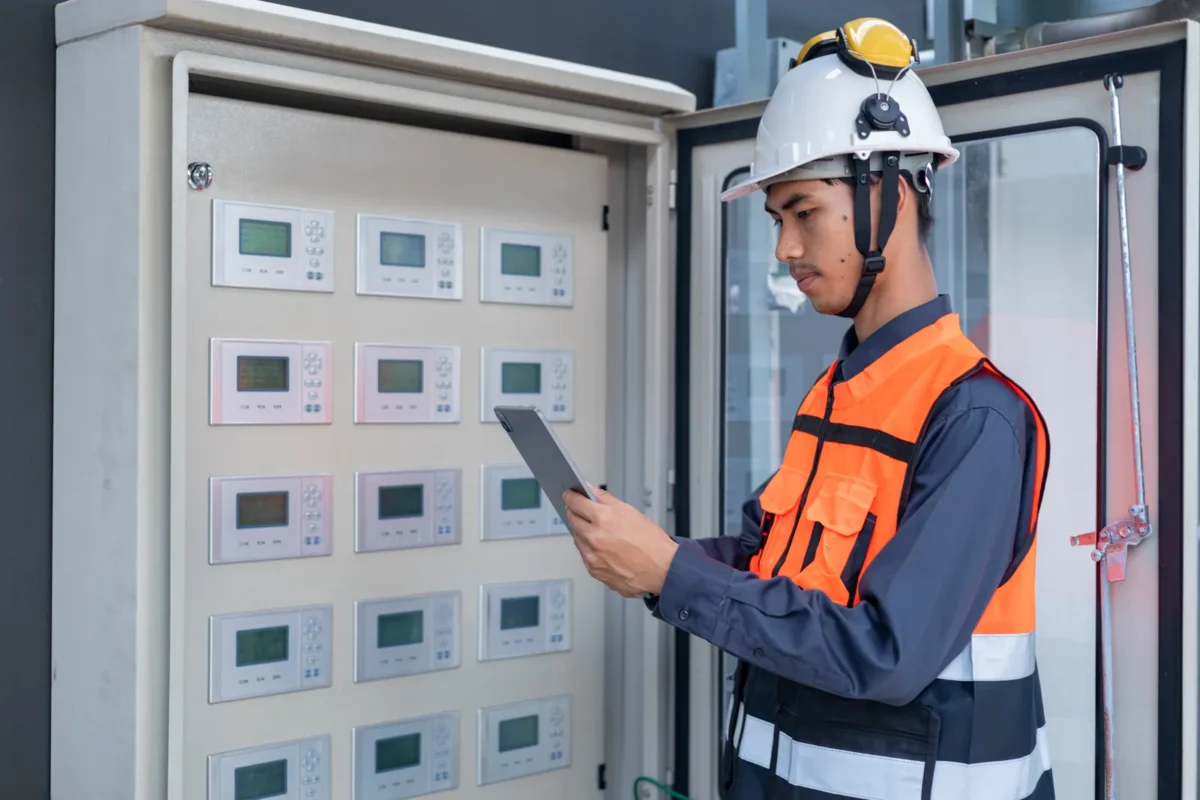
Pour réaliser des investissements solaires judicieux dans les centres de données, il est nécessaire de mettre en place une planification financière rigoureuse portant sur les dépenses d'investissement, les frais d'exploitation courants, les rendements à long terme et l'évaluation des performances sur l'ensemble du cycle de vie.
Des flux de valeur clairement définis constituent la base de toute modélisation financière relative aux installations solaires dans les centres de données, permettant de quantifier les retours sur investissement et les avantages en matière de conformité tout au long du cycle de vie du projet. Les flux de valeur principaux comprennent les économies réalisées sur les achats d'énergie du réseau grâce à l'autoconsommation photovoltaïque sur site, la réduction permanente des frais de puissance grâce à l'écrêtement des pics de charge des installations, la couverture à long terme des prix de l'énergie contre les hausses volatiles des tarifs des services publics, les incitations fédérales et locales en faveur des énergies renouvelables et les crédits d'impôt, ainsi que la valeur des rapports officiels sur le carbone et les énergies renouvelables pour répondre aux obligations de divulgation des entreprises en matière d'émissions de scope 2 et de développement durable. Ces flux de valeur à plusieurs niveaux distinguent les installations solaires des centres de données des projets photovoltaïques commerciaux standard et justifient la complexité de la planification financière initiale.
Les dépenses d'investissement (CAPEX) comprennent les modules, les onduleurs, les structures de support, le câblage, les boîtiers de raccordement, les transformateurs, les appareillages de commutation, les compteurs, les systèmes de communication, les études d'ingénierie, les démarches administratives, la main-d'œuvre, les mises à niveau du réseau de raccordement, la mise en service et les imprévus. Les batteries impliquent en outre les cellules, les boîtiers, les systèmes de conversion de puissance, le système CVC, la protection incendie, les commandes, les travaux de génie civil et les systèmes de sécurité. Les exigences liées aux installations critiques peuvent augmenter les coûts par rapport à des toitures commerciales plus simples. Un temps d'ingénierie supplémentaire peut être nécessaire pour les études de protection, la construction par phases, l'examen de la cybersécurité, l'intégration moyenne tension et la documentation de mise en service. Ces coûts ne doivent pas être considérés comme un manque d'efficacité ; il s'agit souvent de contrôles des risques nécessaires.
Les fourchettes indicatives des coûts d'investissement varient considérablement selon le type d'installation solaire du centre de données, ce qui permet aux parties prenantes de réaliser une modélisation financière standardisée dès les premières étapes. Les systèmes photovoltaïques sur toiture présentent des fourchettes de coûts d'installation de référence adaptées à leur faible encombrement et à leur intégration en aval du compteur ; les systèmes photovoltaïques au sol reflètent les économies d'échelle et les frais d'aménagement du terrain ; les systèmes solaires sur abri de voiture intègrent des améliorations structurelles de l'auvent de stationnement en plus du matériel photovoltaïque standard ; et les configurations « solaire + stockage » incluent des surcoûts liés aux batteries, aux systèmes de contrôle et de sécurité, en plus des dépenses d'investissement (CAPEX) de base pour le photovoltaïque.
| Catégorie de coût | Incidence typique sur la rentabilité d'un projet |
|---|---|
| Modules et onduleurs | Facteur déterminant pour le coût des équipements et le rendement énergétique |
| Installation de rayonnages et travaux de génie civil | Coût spécifique au site, notamment pour les installations sur toiture ou au sol |
| Matériel électrique | Peut augmenter considérablement en cas de besoins en moyenne tension ou de mise à niveau |
| Interconnexion | Cela peut avoir des répercussions tant sur les coûts que sur le calendrier du projet |
| Stockage sur batterie | Apporte une valeur ajoutée, mais modifie sensiblement les dépenses d'investissement et le périmètre de sécurité |
| Ingénierie et mise en service | Plus élevé pour les installations critiques et les systèmes de contrôle complexes |
| Imprévu | Particulièrement important lorsque les risques liés aux réseaux ou au site sont incertains |
Les coûts d'exploitation (OPEX) comprennent la maintenance programmée, les logiciels de surveillance, les assurances, l'entretien de la végétation, le nettoyage des modules, la maintenance des onduleurs, l'entretien des batteries, la production de rapports et les réparations correctives. Les maîtres d'ouvrage doivent également prévoir des provisions pour le remplacement planifié des équipements et l'extension du système tout au long du cycle de vie de l'installation. La modélisation financière repose sur des hypothèses d'exploitation et de maintenance standardisées, généralement définies comme un pourcentage annuel fixe des dépenses d'investissement initiales (CAPEX) ou un coût de référence forfaitaire en dollars par kW-an, adapté aux exigences des installations critiques des centres de données.
Des hypothèses opérationnelles fixes relatives au cycle de vie sont intégrées aux projections financières de référence afin d'en garantir l'exactitude : le calendrier standard de remplacement des onduleurs suit les repères de durée de vie fixés par les fabricants, alignés sur le fonctionnement des installations critiques raccordées au réseau ; les hypothèses de dégradation des modules utilisent des taux de baisse de production annuels conformes aux normes de l'industrie, adaptés aux conditions climatiques et à la température de fonctionnement sur le toit ; et les hypothèses relatives à l'augmentation de la capacité des batteries tiennent compte de la restauration programmée de la capacité ou du remplacement complet du banc de batteries afin de préserver les performances à long terme en matière de lissage des pics de consommation et d'alimentation de secours.
La rentabilité d'un projet solaire dépend des économies réalisées sur les coûts d'électricité, de la réduction des frais de puissance, des aides financières, de la structure de financement, de la rémunération de l'électricité exportée, du traitement fiscal, de la dégradation des panneaux, des restrictions de production et des coûts d'exploitation et de maintenance. Dans les régions où les tarifs de l'électricité commerciale sont élevés et où les ressources solaires sont bonnes, le délai de rentabilité peut être intéressant. Dans les régions où les tarifs sont bas, les incitations limitées, la rémunération des exportations insuffisante ou les mises à niveau du réseau coûteuses, la rentabilité peut dépendre davantage de la valeur de la durabilité, de la couverture des prix de l'énergie ou de la stratégie de portefeuille.
Le LCOE est utile pour comparer le coût de l'énergie sur toute la durée de vie du système, mais il ne doit pas être utilisé isolément. Un système photovoltaïque présentant un faible LCOE peut tout de même s'avérer peu rentable si l'énergie exportée est rémunérée à un faible tarif. À l'inverse, un système dont le coût d'installation est plus élevé peut s'avérer financièrement intéressant s'il permet de compenser des tarifs diurnes élevés ou des frais liés à la demande. Tous les modèles financiers solaires pour centres de données doivent intégrer des calculs de valeur actuelle nette et de taux de rendement interne, en plus de la période de récupération simple et du LCOE, afin de refléter la performance à long terme des actifs et la dynamique de la valeur temps de l'argent. Les incitations et le traitement des crédits d'impôt sont directement intégrés dans les projections de flux de trésorerie lorsque des programmes régionaux et fédéraux s'appliquent, ce qui permet d'ajuster le revenu imposable, de réduire les dépenses d'investissement effectives et d'accélérer les délais de récupération pour les projets éligibles.
La multiplicité des variables incertaines nécessite de mener des tests de sensibilité structurés afin de soumettre les résultats financiers de référence à des tests de résistance. Les principales variables testées comprennent les taux d'augmentation des prix de l'électricité sur la durée de vie de l'actif (20 à 30 ans), l'incertitude inhérente aux économies sur les frais de consommation de base, liée aux modifications des règles tarifaires des fournisseurs d'électricité et aux fluctuations saisonnières de la charge des centres de données, ainsi que les scénarios de restriction ou d'exportation vers le réseau tenant compte des limites d'exportation imposées par les fournisseurs d'électricité, les obligations de zéro exportation et l'offre excédentaire saisonnière pendant les périodes de faible charge des installations nécessitant peu de maintenance.
Un tableau de sensibilité standardisé évalue l'impact financier marginal en fonction de variables d'entrée critiques : hausse du prix de l'électricité, tarifs de compensation pour l'exportation vers le réseau, niveaux de réduction de la production (planifiée et imprévue), variation des coûts de modernisation des interconnexions des services publics, et recettes provenant des batteries auxiliaires issues de la participation aux services de réseau lorsque la réglementation le permet. Chaque variable est modélisée selon des scénarios prudents, de référence et optimistes afin de quantifier le risque du projet et la volatilité des rendements.
L'énergie solaire est-elle rentable pour les centres de données ?
L'énergie solaire peut s'avérer rentable pour les centres de données lorsque les conditions du site, les tarifs et les règles de raccordement favorisent une autoconsommation à forte valeur ajoutée. Elle est particulièrement intéressante lorsque les prix de l'électricité sont élevés, que la charge des installations en journée est stable, que des mesures incitatives sont disponibles, que le toit ou le terrain est exploitable et que le raccordement au réseau est possible.
La situation est moins simple lorsque l'espace est limité, que l'état du toit est médiocre, que la mise à niveau du réseau de raccordement est coûteuse, que la rémunération pour l'électricité exportée est faible ou que l'installation prévoit d'importantes variations de charge. Dans ces cas-là, des contrats d'achat d'électricité hors site, des certificats d'énergie renouvelable, des investissements dans l'efficacité énergétique ou une installation photovoltaïque plus petite et optimisée peuvent s'avérer plus avantageux.
La réponse d'un point de vue commercial dépend du site concerné. Une étude de faisabilité financière doit quantifier le rendement énergétique, les économies réalisées, l'impact sur les émissions, les risques opérationnels et le coût du cycle de vie avant que des engagements d'achat ne soient pris, en tenant compte de tous les flux de valeur, des hypothèses fixes relatives au cycle de vie et des résultats des scénarios de sensibilité, afin de fournir une évaluation sur la rentabilité adaptée à chaque site de centre de données.
La mise en œuvre de solutions solaires pour les centres de données nécessite une sélection rigoureuse des fournisseurs, une organisation stratégique du réseau de distribution et des cadres d'approvisionnement bien pensés afin de concilier fiabilité, rentabilité et stabilité opérationnelle à long terme.
La qualification des fournisseurs doit porter sur la bancabilité, la certification des produits, les procédures de garantie, la documentation technique, les délais de livraison, les stocks locaux et le service après-vente. Les critères étendus d'évaluation des fournisseurs comprennent la traçabilité vérifiée des produits et des systèmes de suivi des numéros de série de bout en bout, la documentation officielle des audits d'usine et les rapports de conformité de fabrication par des tiers, la disponibilité d'une couverture de garantie assurée pour la protection à long terme des actifs, une couverture établie par des partenaires de service locaux sur l'ensemble des sites de projets régionaux, la disponibilité garantie des pièces de rechange segmentée par région géographique, des politiques documentées de support à long terme du micrologiciel et de maintenance logicielle tout au long du cycle de vie, des ensembles préqualifiés de modules d'onduleurs et de structures de montage compatibles, une atténuation formelle des risques liés aux droits de douane à l'importation et à la conformité commerciale transfrontalière, un processus standardisé de réclamation au titre de la garantie contre la dégradation avec un calendrier et des exigences de documentation clairs, ainsi que la conformité aux exigences de la liste des fournisseurs agréés requises par les grandes entreprises et les propriétaires de centres de données hyperscale.
Les projets de centres de données nécessitent des fournisseurs d'équipements capables d'assurer la documentation à grande échelle, la conformité aux normes du réseau et un service à long terme, et pas seulement la vente de petits systèmes standard.
Les revendeurs et les distributeurs peuvent créer de la valeur ajoutée en aidant les intégrateurs de systèmes photovoltaïques (EPC) à gérer la disponibilité des produits, les dossiers de certification, les composants compatibles du « balance-of-system » et la logistique de remplacement. Dans le cadre de programmes multi-sites, un approvisionnement stable et des ensembles d'équipements standardisés peuvent réduire les délais de conception et les risques liés à l'approvisionnement.
Les propriétaires de centres de données doivent choisir des entreprises de conception-construction-exploitation (EPC) et des installateurs possédant une expérience dans les domaines suivants : installations photovoltaïques commerciales et industrielles, procédures de sécurité des installations critiques, coordination avec les réseaux électriques, documentation relative à la mise en service et assistance à l'exploitation et à la maintenance. Une expérience dans les travaux sur moyenne tension, les études de protection, la sécurité des toitures, l'intégration de batteries et la construction par étapes est particulièrement appréciable.
Les références doivent provenir de projets commerciaux similaires à haut niveau de fiabilité, dans lesquels la disponibilité, la documentation et la coordination sur site ont joué un rôle déterminant. Un maître d'œuvre (EPC) techniquement compétent doit être en mesure d'expliquer clairement les hypothèses relatives aux raccordements, les exigences en matière d'arrêt, le choix des équipements, les étapes de mise en service et les garanties de performance.
La propriété directe permet au propriétaire de l'installation de contrôler l'actif et de réaliser des économies à long terme, mais nécessite un investissement en capital et une gestion interne de l'actif. Un contrat EPC clé en main assure la conception et la construction, après quoi le propriétaire exploite l'installation ou sous-traite l'exploitation et la maintenance. Un contrat d'achat d'électricité (PPA) permet à un tiers de détenir le système et de vendre de l'électricité au site dans le cadre d'un accord à long terme. Les contrats de location et les structures de type « énergie en tant que service » peuvent réduire les besoins en capitaux initiaux tout en transférant certaines responsabilités au fournisseur.
Le choix de la meilleure structure dépend de la disponibilité des capitaux, de la politique fiscale, de la répartition des risques, des préférences en matière de bilan et de la stratégie à long terme concernant les sites. Les opérateurs de centres de données disposant d'équipes énergétiques internes solides peuvent privilégier la propriété. D'autres peuvent préférer les contrats d'achat d'électricité (PPA) afin de simplifier le financement et la gestion des risques liés à la performance.
L'examen de la garantie doit porter sur les modules, les onduleurs, les batteries, les structures de support, la qualité de fabrication, la surveillance et l'installation. Toutefois, la valeur de la garantie dépend du délai de réponse et du traitement des demandes d'intervention. Pour les installations critiques, un service de garantie lent peut entraîner des risques opérationnels et financiers, même si les conditions de garantie semblent solides sur le papier.
La planification des pièces de rechange peut inclure des onduleurs de secours, des passerelles de communication, des fusibles, des connecteurs, des composants de surveillance et des pièces essentielles du système de batteries. Pour les sites isolés ou hautement sécurisés, il convient de planifier les procédures d'accès et la logistique de remplacement avant que des pannes ne surviennent.
À mesure que les centres de données développent leurs activités et visent une stabilité opérationnelle à long terme, une configuration énergétique hybride flexible et une planification d'expansion tournée vers l'avenir deviennent indispensables pour un déploiement durable de l'énergie solaire.
La combinaison « solaire + stockage » permet d'augmenter l'autoconsommation photovoltaïque, de réduire les frais liés à la puissance souscrite, de lisser la production et d'offrir une plus grande flexibilité énergétique. Sur les marchés appliquant des tarifs en fonction des heures de consommation, les batteries permettent de transférer l'énergie solaire vers des périodes où elle a plus de valeur. Lorsque les services de réseau sont autorisés, le stockage peut générer des sources de revenus supplémentaires, bien que cela dépende des règles du marché et des autorisations de raccordement.
Dans le cas des centres de données, l'utilisation des batteries doit être coordonnée avec les systèmes UPS et les générateurs de secours. L'équipe chargée du projet doit déterminer si la batterie constitue un actif économique, un actif de résilience, ou les deux. Tenter de répondre à tous les cas d'utilisation avec une seule batterie peut entraîner un surdimensionnement des systèmes, des conflits au niveau des commandes et une couverture de garantie peu claire.
Certains centres de données de grande taille ou situés dans des zones isolées peuvent envisager la mise en place de micro-réseaux combinant énergie solaire, stockage, alimentation par le réseau et générateurs de secours. Un contrôleur de micro-réseau peut gérer la hiérarchisation des charges, le fonctionnement en îlot, la synchronisation des générateurs, la gestion des batteries, la limitation de la production photovoltaïque et la reconnexion au réseau. Toutefois, la mise en place d'un micro-réseau complet entraîne une complexité technique et des coûts supplémentaires.
Tous les centres de données n'ont pas nécessairement besoin d'une capacité d'autonome. De nombreux sites peuvent tirer un grand profit d'une installation photovoltaïque raccordée au réseau et d'un système de stockage pour une gestion économique de la production, tout en conservant des onduleurs et des générateurs classiques pour l'alimentation de secours des équipements critiques. La décision doit être fondée sur le risque de coupure de courant, la fiabilité du réseau électrique, le niveau de criticité du site, la logistique d'approvisionnement en carburant, les autorisations réglementaires et le coût.
Pour les exploitants disposant de plusieurs sites, la standardisation peut réduire les risques. Les modèles de conception, les listes d'équipements recommandés, les documents d'autorisation réutilisables, la surveillance centralisée et les achats à l'échelle du portefeuille aident les entreprises d'ingénierie, d'approvisionnement et de construction (EPC) et les propriétaires à mettre en œuvre leurs projets plus efficacement. Cependant, la standardisation ne doit pas faire abstraction des conditions locales. Les charges structurelles, les réglementations des services publics, les tarifs, les ressources solaires, les codes de prévention des incendies et les exigences en matière de cybersécurité peuvent varier considérablement.
Une stratégie de portefeuille peut associer l'installation de panneaux photovoltaïques sur site dans les installations qui s'y prêtent, l'approvisionnement en énergie renouvelable hors site pour les sites à forte consommation disposant d'un espace limité, ainsi que le stockage lorsque les tarifs ou les besoins en matière de résilience justifient cet investissement. Cela permet d'adopter une approche flexible plutôt que d'imposer la même solution à tous les sites.
La demande en électricité des centres de données pourrait augmenter en raison des charges de travail liées à l'IA, de la densité accrue des racks, du refroidissement par liquide, de l'extension des systèmes mécaniques et de l'électrification des opérations des installations. Les futures mises à niveau des systèmes mécaniques et les extensions des infrastructures de refroidissement modifieront les besoins globaux en capacité électrique du site et feront évoluer les profils de charge de base, ce qui aura un impact direct sur les hypothèses à long terme relatives à l'autoconsommation photovoltaïque et sur la modélisation financière du cycle de vie. Les conceptions photovoltaïques doivent tenir compte, dans la mesure du possible, de l'extension future des onduleurs, de la capacité supplémentaire des batteries, de l'espace réservé aux appareillages de commutation de secours, de la capacité des transformateurs et de la mise à niveau des raccordements.
Même si la première phase est modeste, concevoir en tenant compte des possibilités d'extension permet d'éviter des travaux de modification coûteux. Le cheminement des câbles, l'architecture de surveillance, l'aménagement du terrain et la conception des locaux techniques doivent s'inscrire dans une stratégie énergétique à long terme.
L'énergie solaire destinée aux centres de données B2B doit être envisagée comme une infrastructure énergétique commerciale, et non comme un simple complément installé sur les toits. Les projets les plus solides s'appuient sur des données de charge, une étude des raccordements, une analyse de la qualité de l'alimentation et une modélisation financière du cycle de vie. Lorsque le photovoltaïque, le stockage, l'alimentation du réseau, les systèmes UPS, la production de secours, la surveillance, la cybersécurité et l'exploitation et la maintenance sont conçus comme une architecture coordonnée, les centres de données peuvent réduire leurs coûts énergétiques et leur empreinte carbone tout en maintenant les normes de fiabilité requises par leurs opérations.
L'énergie solaire destinée aux centres de données B2B peut compléter l'exploitation des centres de données de niveau 4, mais ne peut pas servir de source d'alimentation autonome en raison des normes strictes en matière de disponibilité et de redondance. Les sites de niveau 4 s'appuient sur des onduleurs (UPS) et des générateurs de secours pour maintenir une disponibilité ultra-élevée, l'énergie solaire servant d'option d'alimentation supplémentaire économique. Associée à un système de stockage par batterie et à des dispositifs de protection du réseau, elle permet d'atteindre les objectifs de durabilité sans compromettre la tolérance aux pannes de l'installation. Toutes les installations solaires nécessitent une ingénierie professionnelle afin d'éviter toute interférence avec les infrastructures électriques critiques et les opérations quotidiennes.
Les onduleurs solaires de qualité UPS simplifient l'intégration des systèmes photovoltaïques et de stockage par batterie dans les fermes de serveurs au sein d'un système de gestion unifié. Ils réduisent la complexité des équipements, les pertes d'énergie et l'encombrement par rapport à des configurations d'onduleurs distincts dans les centres de données compacts. Ces onduleurs respectent les codes de réseau stricts grâce à des fonctions de maintien de tension, de régulation de la puissance réactive et de limitation rapide de la puissance de sortie. Ils permettent également l'écrêtement des pics de consommation, l'alimentation de secours et une autoconsommation élevée afin d'accroître la valeur économique et opérationnelle à long terme.
Les centres de données déploient des systèmes de stockage par batterie afin de limiter les frais liés aux pics de demande, ce qui permet de réduire efficacement les coûts énergétiques des parcs de serveurs dans un contexte d'exploitation continue à forte charge. Le système BESS se recharge à partir de l'électricité du réseau à bas prix ou de l'énergie solaire excédentaire, puis se décharge de manière stratégique lorsque la charge de l'installation atteint les limites maximales fixées par le fournisseur d'électricité. Cette stratégie aplatit les courbes de charge quotidiennes, évite les tranches tarifaires coûteuses et stabilise les dépenses énergétiques à long terme. Un système EMS intelligent automatise les cycles de charge et de décharge afin d'équilibrer les économies réalisées et la sécurité de la disponibilité du centre de données.
Les variations soudaines de charge provenant des serveurs et des systèmes de refroidissement exigent des installations solaires stables pour garantir la fiabilité des solutions de centres de données écologiques. Les onduleurs doivent être dotés de capacités de maintien de l'alimentation, de réglage du facteur de puissance et de protection anti-îlotage afin de répondre aux exigences d'alimentation des installations critiques. Les systèmes énergétiques intelligents régulent de manière dynamique la production photovoltaïque et l'appoint des batteries afin d'empêcher que les fluctuations de charge ne déclenchent des alarmes de l'onduleur. Une coordination rigoureuse de la protection isole les équipements solaires des transitoires électriques et garantit la stabilité du matériel informatique essentiel.
Les mesures d'incitation en faveur des énergies renouvelables aident les centres de données durables à réduire leurs coûts d'investissement tout en renforçant la résilience de leur alimentation de secours. Les avantages disponibles comprennent des crédits d'impôt, des amortissements accélérés, des exonérations foncières et des subventions pour les projets liés aux énergies renouvelables à différents niveaux de gouvernement. Des incitations supplémentaires s'appliquent aux améliorations de la fiabilité du réseau, aux initiatives de réduction des émissions de carbone et aux cadres normalisés de surveillance énergétique. Ces avantages politiques augmentent le retour sur investissement des projets, raccourcissent les délais de rentabilité et favorisent une adoption plus large des déploiements solaires essentiels à la mission.
Haut de page fabricants d'onduleurs solaires Concevoir des systèmes solaires s'intégrant parfaitement aux onduleurs existants sans perturber l'alimentation électrique des équipements informatiques critiques. Les installations photovoltaïques et les systèmes de stockage d'énergie par batterie (BESS) se connectent aux réseaux de l'installation tout en préservant pleinement la redondance des onduleurs, la capacité de résistance aux transitoires et les performances de conditionnement de l'alimentation. Une logique de contrôle intelligente permet une limitation sécurisée de la production solaire en cas d'anomalies du réseau, permettant ainsi à l'onduleur de maintenir une puissance de sortie stable en permanence. Le matériel, conçu selon les spécifications ESS haute fiabilité d'Afore, sépare les actifs solaires économiques de l'infrastructure UPS axée sur la fiabilité afin de respecter les normes de disponibilité de niveau Tier.
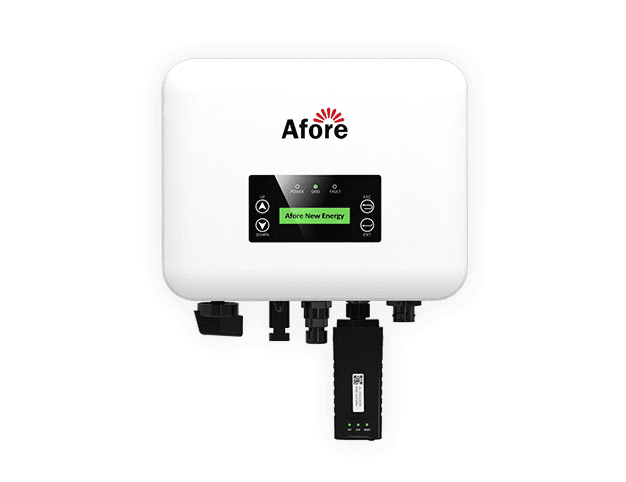
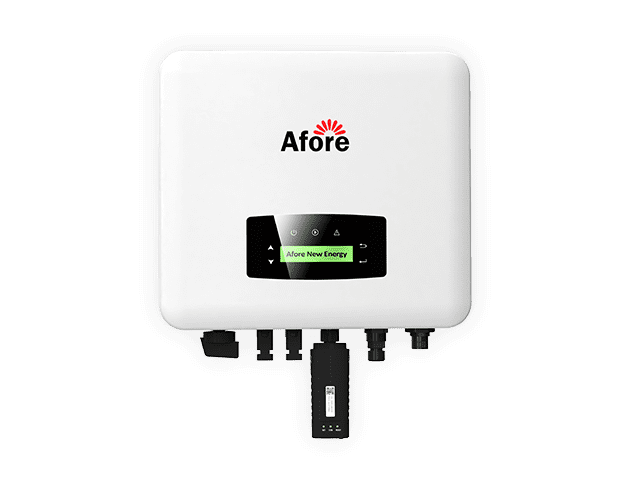
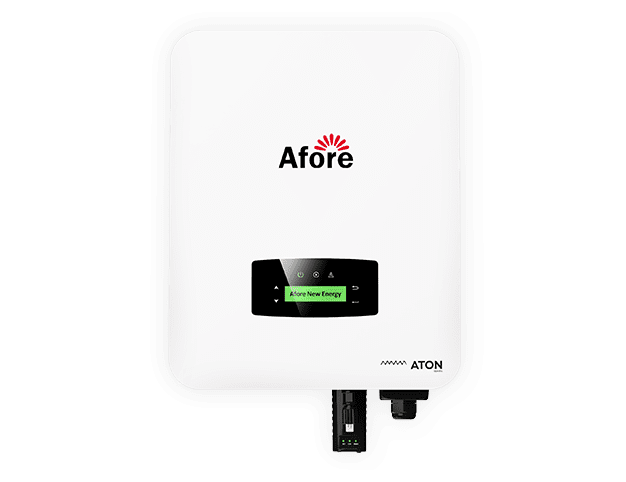
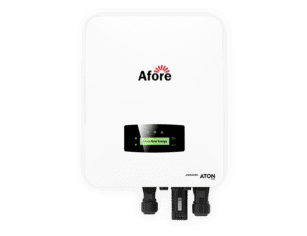
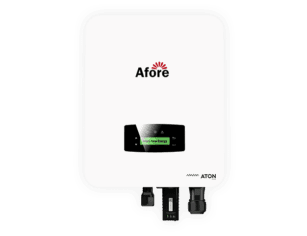
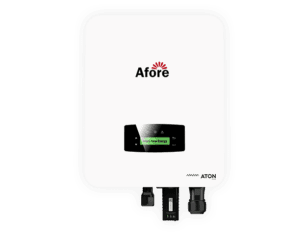
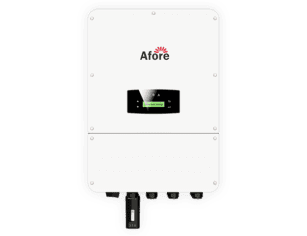
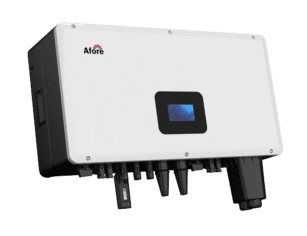
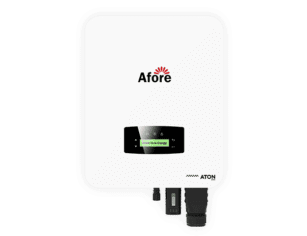
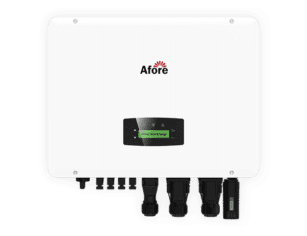
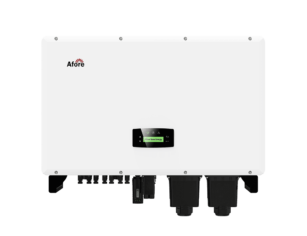
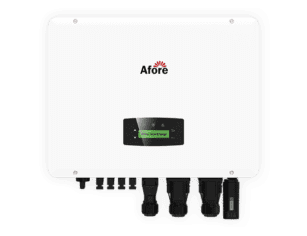
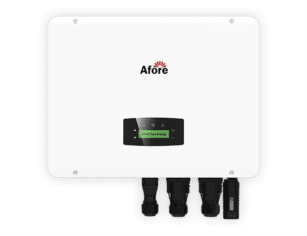
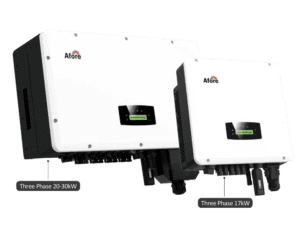
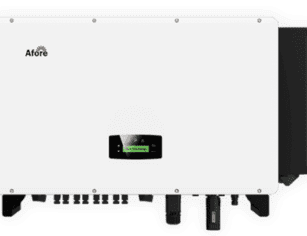
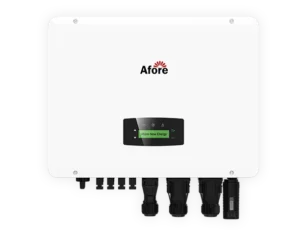
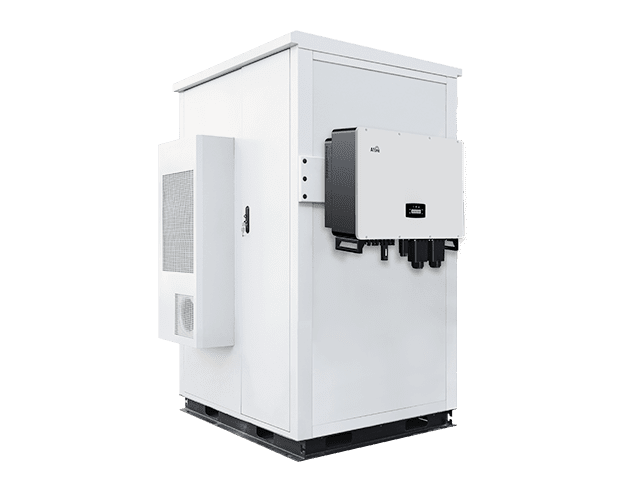
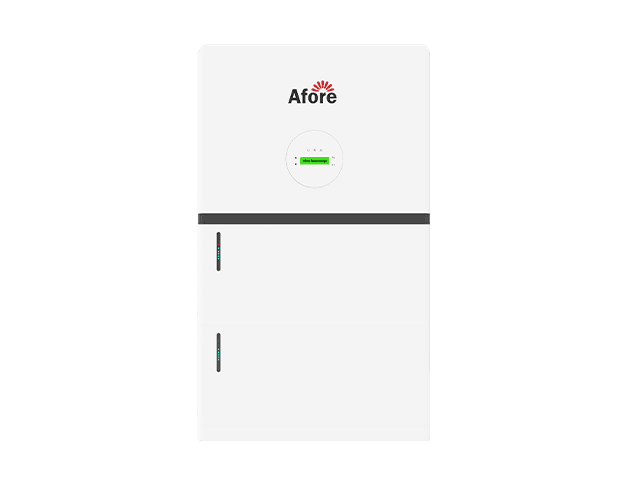
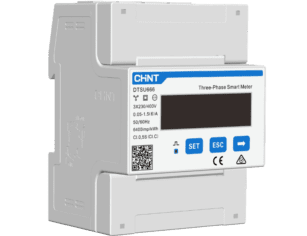
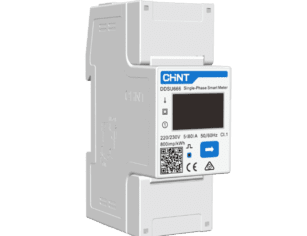
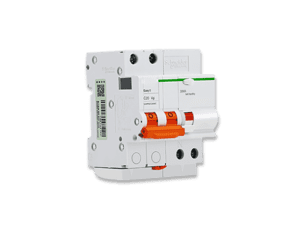
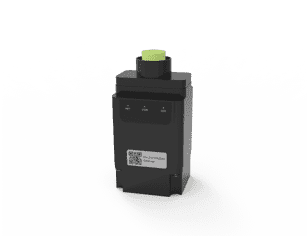
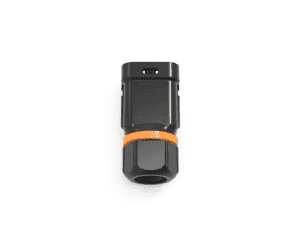
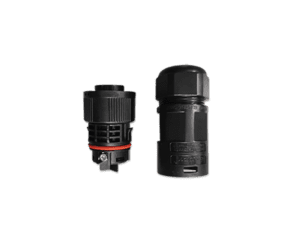
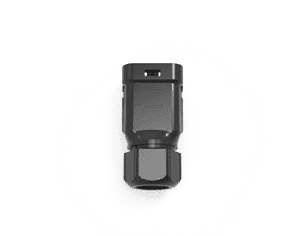








 Turkish
  Romanian