



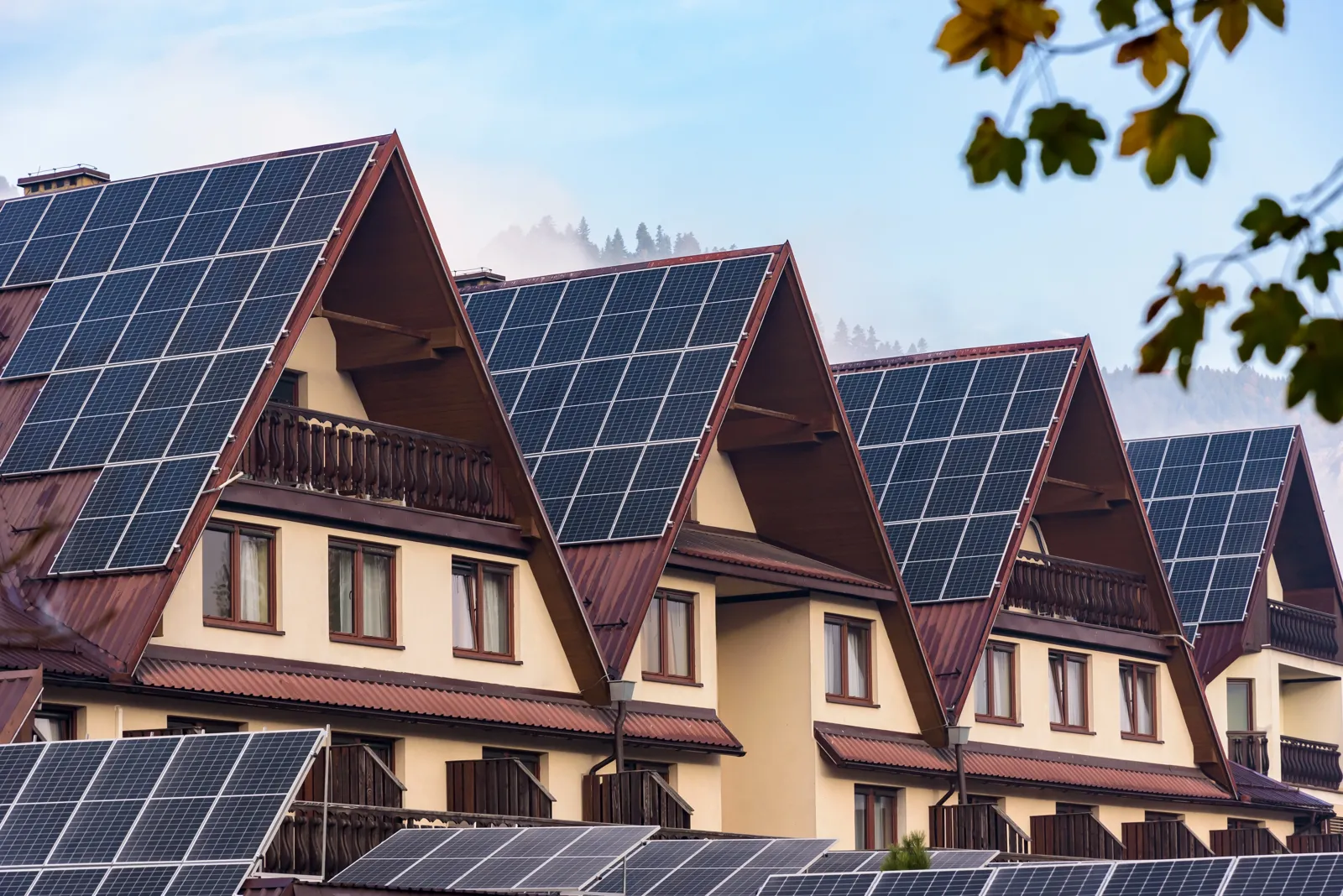
Solar for multi-family housing B2B projects sit between residential rooftop solar and conventional commercial PV, but they should not be treated as either. An apartment building, condominium complex, affordable housing portfolio, student housing site, or senior living facility may look like a straightforward commercial rooftop opportunity at first glance. In practice, the project can involve multiple meters, shared electrical loads, resident-facing benefit models, roof access constraints, fire safety rules, utility interconnection limits, and long-term operational responsibilities that are more complex than a single-tenant commercial building.
For EPCs, installers, system integrators, distributors, and property-side decision-makers, the core question is not simply whether solar panels can fit on the roof. The more important question is whether the project can be designed, financed, interconnected, operated, and scaled in a way that produces reliable lifecycle value. A well-planned multi-family solar PV system can reduce common-area electricity costs, support ESG reporting, improve asset resilience, and create tenant benefits where regulations allow. A poorly structured project can lead to billing disputes, underperformance, interconnection delays, warranty complications, or maintenance responsibilities that were not properly priced.
This guide approaches solar for multi-family housing from a professional PV project perspective. It focuses on technical feasibility, commercial system sizing, energy allocation, procurement, compliance, construction risk, O&M accountability, project economics, and portfolio deployment. The goal is to help B2B readers evaluate multi-family solar as an investable infrastructure asset rather than a one-off rooftop installation.
This article is primarily focused on the U.S. multi-family solar B2B market, while also incorporating selected global regulatory and market considerations where relevant, particularly from the European Union and other distributed solar maturity markets.
Multi-family housing solar differs from standard commercial PV because the electricity user, property owner, asset manager, and bill payer may not be the same party. In a warehouse, factory, or retail building, the solar system typically offsets one main electricity account tied to one commercial occupant. In a multi-family building, there may be landlord-controlled meters for elevators, corridor lighting, parking areas, pumps, laundry rooms, central HVAC, amenity spaces, and exterior lighting, while individual residents may have separate utility accounts.
This split creates both opportunity and complexity. Common-area solar is usually the simplest structure because the system offsets electricity paid by the property owner or operator. Tenant-benefit solar can create wider social and commercial value, but it often requires virtual net metering, community solar participation, master-meter allocation, submetering, or utility bill-credit structures. These rules vary significantly by jurisdiction and utility, so EPCs and developers should confirm the allocation model before final design.
The multi-family solar segment sits within a broader distributed generation trend that has been steadily expanding in the United States. Research from NREL shows continued long-term growth in solar deployment, with distributed solar playing a significant role alongside utility-scale expansion. However, multi-family housing remains structurally underpenetrated compared with single-family residential and large commercial rooftops, largely due to ownership fragmentation and metering complexity. At the same time, rising commercial electricity rate volatility and time-of-use pricing are increasing the economic attractiveness of behind-the-meter PV for apartment common-area loads such as lighting, elevators, HVAC systems, and shared amenities. Electrification trends, including building electrification and the increasing adoption of EV charging infrastructure in residential complexes, are further amplifying long-term load growth and strengthening the business case for distributed solar in this segment.
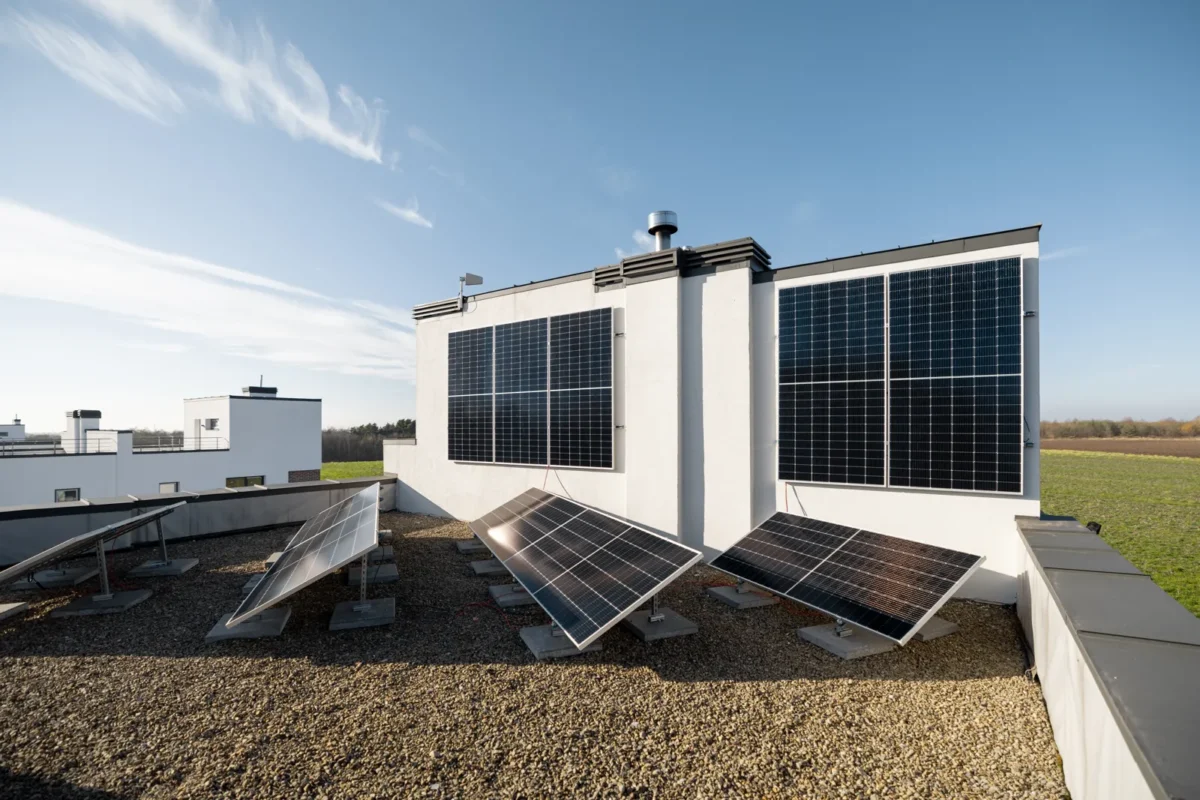
The technical design of commercial rooftop solar for apartments may use familiar components: modules, invertors, racking, wiring, disconnects, monitoring, and utility metering. However, the constraints are different. Apartment roofs often contain mechanical units, vents, skylights, satellite equipment, parapets, safety walkways, and restricted access areas. Fire setbacks and maintenance pathways can reduce usable array space. Electrical rooms may be smaller or harder to access than in industrial facilities. Construction must also be coordinated around residents who remain on-site during installation.
Another difference is governance. A project may require approval from property owners, asset managers, housing authorities, condo boards, lenders, tax equity partners, local permitting offices, utilities, and resident representatives. For affordable housing, additional compliance obligations may apply if incentives or housing finance programs are involved. For condominiums, legal ownership of the roof and common areas may determine whether a system can be installed at all.
The professional buyer landscape is broad. A real estate developer may install solar to meet building energy codes, improve asset value, or support green financing. A housing operator may prioritize predictable operating cost reduction. A facility manager may focus on service access, roof protection, and system uptime. A sustainability officer may need auditable production data for ESG reporting. An asset manager may evaluate IRR, payback, net operating income, and impact on refinancing.
EPCs and resellers should align their offer with the buyer’s responsibility. A CFO needs transparent CAPEX, OPEX, incentive, and tariff assumptions. A facility director needs access plans, warranty pathways, and monitoring alerts. A developer needs permit-ready documentation, product availability, and construction scheduling certainty. A portfolio owner needs standardization across multiple sites without ignoring site-specific engineering.
Most multi-family PV projects begin with common-area load reduction. Elevators, hallway lighting, garage ventilation, central plant equipment, water pumps, access control systems, exterior lighting, and shared amenities can represent a meaningful and predictable electricity load. When tariffs allow strong behind-the-meter savings, these loads often provide a practical foundation for project economics.
Tenant-facing models are more complex but increasingly important. In some markets, virtual net metering can allocate solar credits to resident accounts. In others, community solar subscriptions may provide bill credits without installing PV directly on the property. Master-metered buildings may allocate benefits internally, but only where local law and utility rules permit. For affordable housing, incentive programs may require a defined percentage of benefits to reach low-income residents, so billing design becomes a compliance issue rather than a marketing feature.
Resilience is another growing use case. PV alone does not normally provide backup power during a grid outage unless the system is specifically designed for islanding with storage and appropriate controls. PV-plus-storage can support critical loads such as emergency lighting, communications, access control, refrigeration for community spaces, pumps, or cooling centers. However, backup scope must be quantified. A battery sized for demand charge management is not automatically sufficient for multi-hour resilience.
According to the U.S. Department of Energy’s Solar Futures Study, achieving deep decarbonization scenarios requires a massive scale-up of distributed photovoltaic systems integrated with electrified end-uses across the building sector. Multi-family PV systems are increasingly positioned as part of this transition, particularly when combined with energy storage, demand flexibility, and smart energy management systems. In these scenarios, solar generation is not only a cost-offset mechanism but also a grid-interactive resource that supports peak shaving, EV charging coordination, and participation in virtual power plant (VPP) programs. This integration is especially relevant for multi-family buildings, where aggregated loads and shared infrastructure create strong potential for coordinated energy optimization.
Solar is often associated with energy resilience in multi-family developments; however, this benefit is conditional rather than automatic. Resilience is only meaningfully achieved when PV systems are paired with appropriate islanding capability, energy storage systems, automatic transfer switching, and a clearly defined critical-load architecture that prioritizes essential building functions during grid outages.
The best apartment solar projects start with disciplined feasibility work. For EPCs, this is where many downstream risks are either controlled or created. If the project team sizes the system before confirming load profiles, tariff rules, structural capacity, roof condition, and interconnection limits, later redesigns are likely.
Multi-family electrical analysis should begin with at least 12 months of utility bills and, where possible, interval data. Monthly totals are useful, but interval data reveals whether solar generation aligns with daytime loads, whether demand charges are material, and whether storage could improve economics. Common-area meters should be separated from tenant meters unless the project is explicitly designed for tenant credit allocation.
Load sources vary by building type and region. A high-rise apartment tower with elevators, central HVAC, and pressurized stairwells has a different profile from a garden-style apartment complex with distributed HVAC and outdoor parking lighting. Student housing may have seasonal occupancy swings. Senior living facilities may have more stable loads and higher critical-load requirements. Mixed-use properties may include retail or office meters that complicate tariff analysis.
A practical feasibility review should identify the target meter or meters, historical annual consumption, peak demand, time-of-use exposure, export compensation, and expected future loads such as EV charging or heat pumps. The objective is not to maximize installed DC capacity by default. The objective is to match system architecture to the financial model and the utility rules.
Rooftop solar is often the first option because it uses existing building space. Yet usable roof area is often lower than gross roof area. Fire pathways, parapets, rooftop units, vents, skylights, shading from adjacent buildings, and maintenance access can significantly reduce array density. Roof age is equally important. Installing PV on a roof that may need replacement within a few years can create avoidable removal and reinstallation costs.
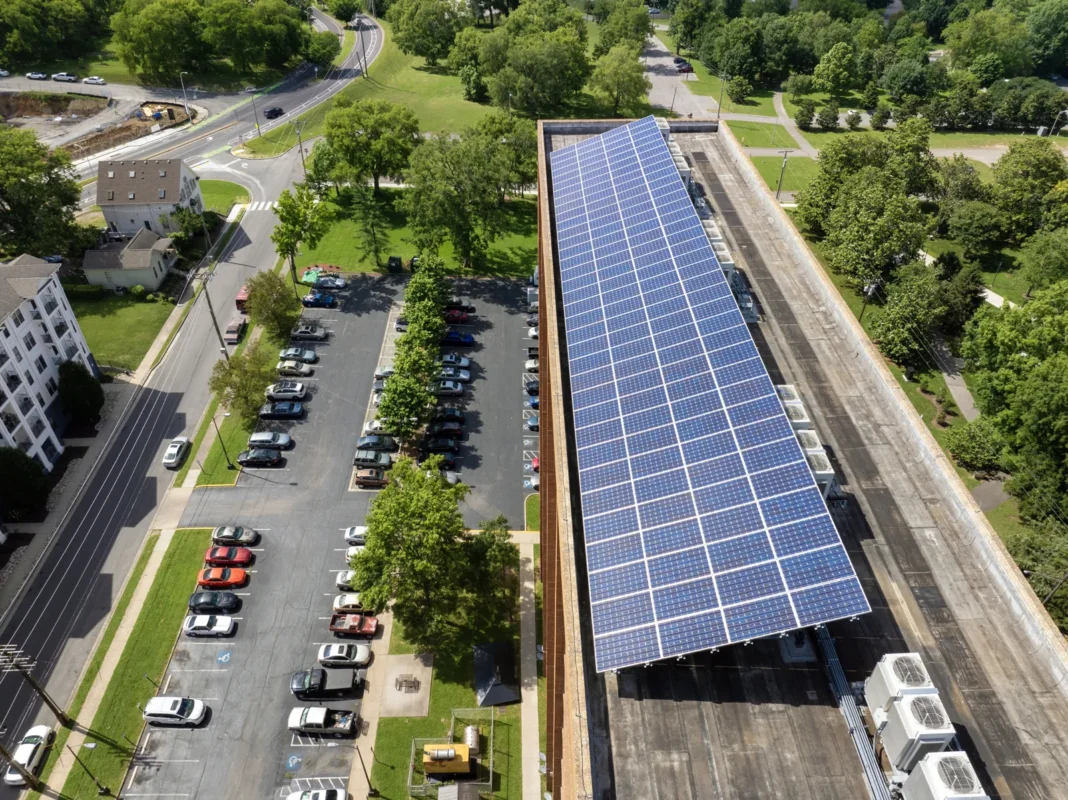
Carport solar can be attractive for parking-heavy apartment communities. It can add covered parking value while creating additional PV surface area. However, carports introduce their own engineering, permitting, lighting, drainage, vehicle clearance, and construction logistics requirements. For larger housing campuses, ground-mount PV may be feasible if land is available, but zoning, trenching, security, vegetation management, and visual impact must be considered.
| Feasibility area | Key B2B question | De ce este important |
|---|---|---|
| Load profile | Which meters will receive the solar benefit? | Determines savings model and system size |
| Roof condition | Will the roof outlast the PV system or need replacement soon? | Avoids costly removal and reinstallation |
| Structural capacity | Can the roof support added dead load and wind uplift forces? | Affects code compliance and engineering approval |
| Interconnection | How much export or generation capacity will the utility allow? | Can limit system size or delay schedule |
| Tariff structure | Are savings based on energy, demand, export credits, or time-of-use value? | Drives ROI and storage economics |
A professional sizing process should model several scenarios rather than presenting one maximum-capacity design. The first scenario is usually common-area offset only. This design targets landlord-controlled meters and minimizes billing complexity. A second scenario may expand the system to support tenant credits through virtual net metering, community solar, or internal allocation where allowed. A third scenario may evaluate PV-plus-storage for demand management, backup, or time-of-use optimization. A fourth scenario may reserve capacity or infrastructure for future EV charging.
Key technical assumptions include module capacity, inverter loading ratio, expected specific yield, shading losses, soiling, degradation, clipping, availability, and export limitations. DC/AC ratio should be selected based on irradiance profile, inverter economics, roof orientation, and clipping tolerance rather than a generic rule. Energy yield modeling should be conservative enough to support financing, owner expectations, and any performance obligations in the contract.
The project team should also model future conditions. Electrification can increase building loads, while efficiency upgrades can reduce them. If LED retrofits, HVAC upgrades, or building automation improvements are planned, they should be reflected in the solar model. Conversely, EV chargers or heat pumps may justify larger electrical infrastructure even if they are not part of the first PV phase.
Multi-family properties often have more shade complexity than industrial roofs. Adjacent buildings, stair towers, rooftop equipment, parapets, trees, antennas, and architectural features can create uneven irradiance. Drone surveys, shade analysis, and accurate roof measurements reduce the risk of layout changes after procurement. Where complex roof planes or partial shading are unavoidable, inverter architecture and module-level monitoring may become more important.
Structural review should occur early enough to influence layout and racking selection. Engineers need to evaluate dead loads, wind loads, attachment methods, roof membrane condition, and local code requirements. On occupied properties, roof access plans and fall protection requirements must be coordinated with property management. These are not minor construction details; they affect schedule, insurance, safety, and long-term serviceability.
Equipment selection for solar for multi-family housing B2B projects should balance performance, bankability, availability, code compliance, serviceability, and portfolio repeatability. Lowest upfront component cost is rarely the best decision if it increases redesign risk, warranty uncertainty, monitoring fragmentation, or O&M complexity.
For constrained roofs, higher-efficiency modules can improve energy production per square meter. This can be valuable when common-area loads are high but usable roof area is limited. However, module selection should also consider temperature coefficient, degradation rate, mechanical load rating, fire classification, warranty terms, certification, and long-term supply availability.
Resellers and distributors serving EPCs should provide bankable documentation, including datasheets, installation manuals, certification records, warranty terms, flash data availability, packaging details, and logistics support. In portfolio deployments, component continuity matters. Replacing a specified module mid-rollout can trigger engineering review, owner approval delays, updated plan sets, or changed electrical strings.
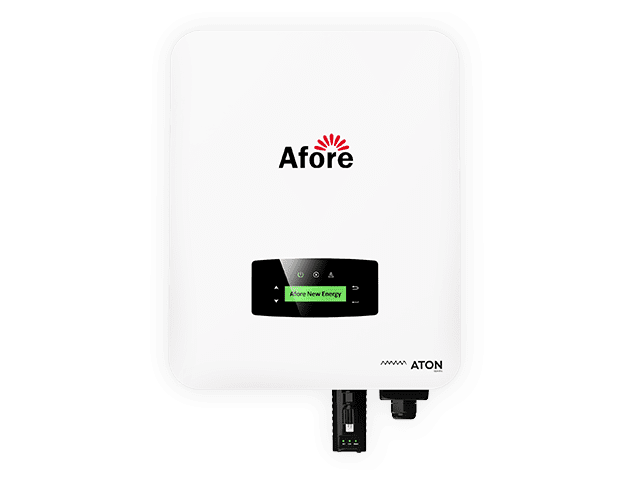
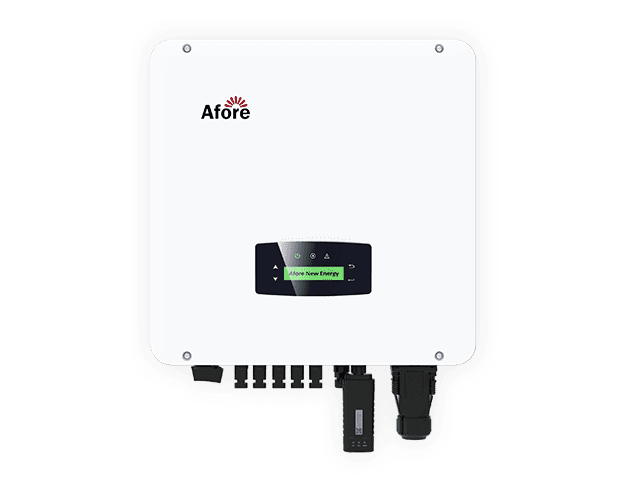
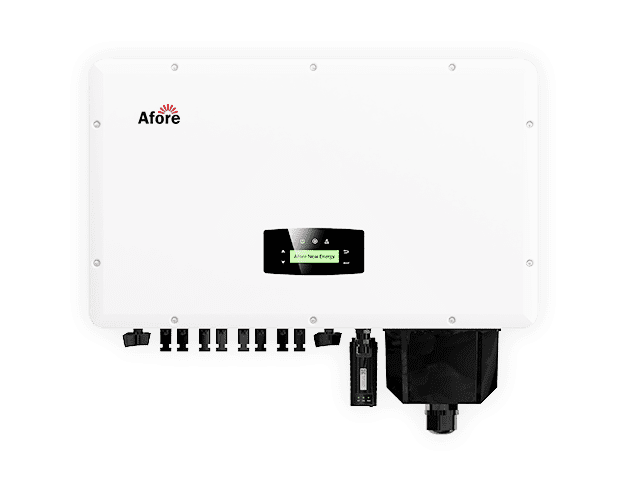
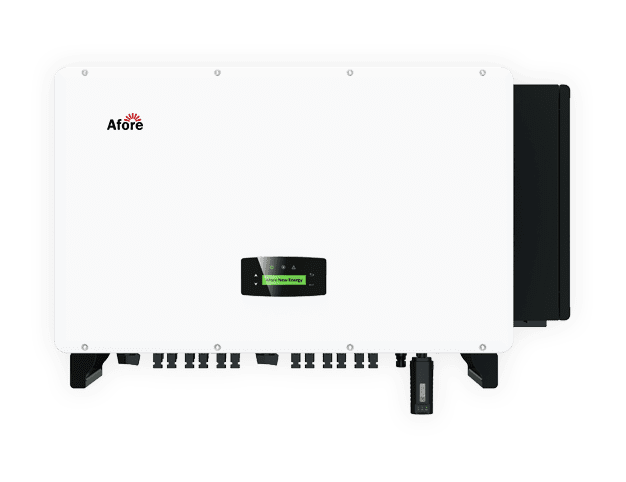
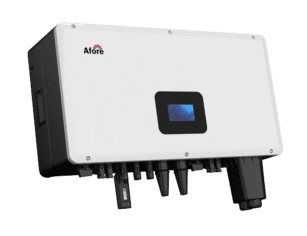
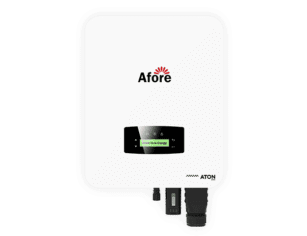
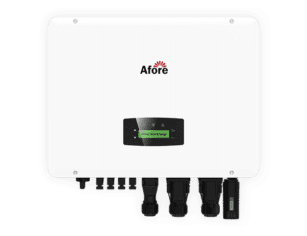
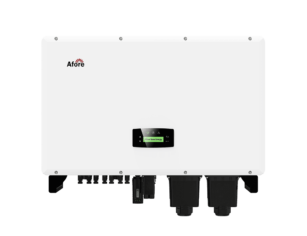
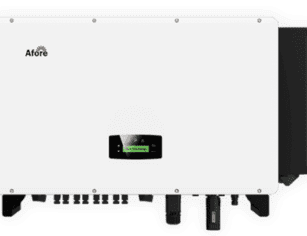
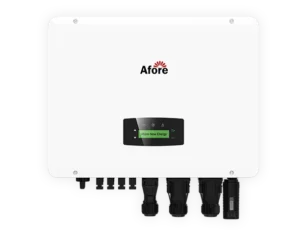
String inverters are often cost-effective for larger, relatively uniform arrays with manageable shading. They can simplify equipment count and reduce rooftop electronics. Module-level power electronics may be useful where roof layouts are fragmented, shading is significant, monitoring granularity is required, or rapid shutdown compliance favors module-level control. The right choice depends on roof complexity, code requirements, service strategy, and project economics.
Inverter placement deserves careful attention. Equipment should be accessible for maintenance but protected from unauthorized access, flooding, poor ventilation, and excessive heat. Communications reliability is also critical. A system that produces energy but loses monitoring visibility can create reporting gaps, delayed fault detection, and warranty claim challenges. For portfolio owners, monitoring platform consistency can be as important as inverter efficiency.
Balance-of-system decisions include racking, attachments, wire management, combiner boxes, disconnects, grounding, conduit routing, labeling, weatherproofing, and roof protection. In multi-family projects, these choices must be coordinated with roof warranties, fire department access, tenant safety, and maintenance pathways.
Waterproofing risk is especially important. Installers should coordinate with roofing contractors and document attachment methods, flashing details, membrane protection, and post-installation inspections. Poor wire management can also create long-term failures through abrasion, UV exposure, water intrusion, or animal damage. Standardizing BOS components across similar properties can reduce installation time and simplify future service.
Battery storage should be evaluated when it has a defined operational purpose. Demand charge management, time-of-use arbitrage, export limitation management, grid program participation, and backup power are different use cases with different sizing logic. A battery designed to reduce peak demand may cycle daily and be sized around load peaks. A resilience battery may be sized around critical loads and outage duration.
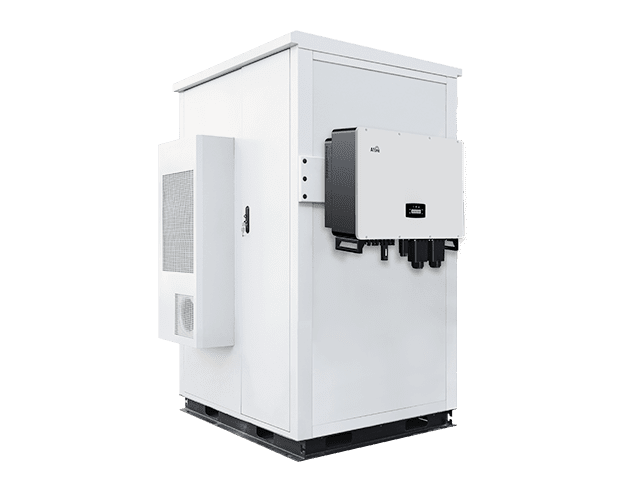
Storage also changes permitting, interconnection, fire safety, controls, and O&M requirements. Equipment location, ventilation, thermal management, emergency response access, and cybersecurity should be reviewed early. For some properties, it is sensible to make a PV project storage-ready by reserving space, conduit pathways, electrical capacity, and compatible controls, even if batteries are added later.
Energy allocation is one of the most important distinctions in multi-family solar. A technically sound PV system can still fail commercially if the benefit model is not compatible with utility rules, lease structures, resident expectations, or incentive requirements.
Common-area solar offsets electricity accounts controlled by the property owner or operator. It is usually easier to model, finance, and operate because the avoided cost appears on the owner’s utility bill. This structure can improve net operating income when savings exceed financing and O&M costs.
Tenant-benefit solar is designed to share value with residents. This may be important for affordable housing, ESG objectives, resident retention, or regulatory compliance. However, tenant-facing models require careful review of bill-credit rules, consumer protection requirements, subscription management, data privacy, and communication responsibilities. EPCs should avoid promising resident savings until the utility and legal structure is confirmed.
In some affordable housing and regulated programs, a defined portion of solar savings must be directly allocated to residents. This may include:
Proper documentation is often required to demonstrate:
Failure to maintain documentation can lead to compliance issues during program audits.
Where community solar models are used:
Solar savings can affect utility allowance calculations in regulated housing:
A key compliance risk is that solar-driven utility savings may:
Many programs require:
Solar allocation can take several forms. Direct offset applies production to a specific house meter. Virtual net metering credits production across multiple accounts according to an approved allocation schedule. Community solar may allow residents to subscribe to an off-site or on-site project and receive bill credits. Master-metered properties may allocate benefits internally through rent, service charges, or submetering systems where legally permitted.
| Allocation model | Typical use | Main complexity |
|---|---|---|
| House meter offset | Common-area load reduction | Limited tenant benefit |
| Virtual net metering | Credits to multiple resident or property accounts | Utility eligibility and allocation rules |
| Community solar | Resident subscriptions or off-site crediting | Program availability and subscriber management |
| Master-meter allocation | Properties with centralized billing | Legal and consumer protection compliance |
| Submetered internal billing | Buildings with private metering systems | Regulatory approval and billing transparency |
Because rules vary by region, utility, and building ownership structure, energy allocation should be resolved before contract signing. It affects system size, metering, software, financial modeling, resident communications, and compliance documentation.
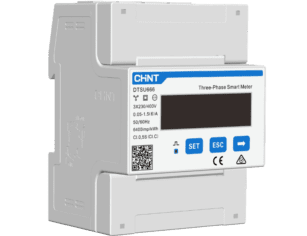
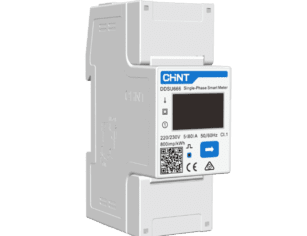
B2B projects require data visibility beyond a simple production estimate. Revenue-grade meters may be needed for incentives, bill credits, performance guarantees, or investor reporting. Inverter monitoring is essential for fault detection, but it may not be sufficient for settlement-grade allocation. Building management system integration can help facility teams correlate solar production with load, demand peaks, and equipment operation.
Data ownership and access should be defined contractually. Property owners, EPCs, O&M providers, asset managers, and residents may all need different levels of visibility. Cybersecurity basics also matter, especially when monitoring platforms integrate with building networks. Long-term data retention supports warranty claims, ESG reporting, performance benchmarking, and refinancing due diligence.
Tariff analysis can make or break the economics of commercial solar for apartments. Net metering, net billing, avoided-cost export rates, demand charges, time-of-use rates, standby charges, and minimum bills all influence project value. A system that looks attractive under full retail net metering may be less compelling under low export compensation. Conversely, a building with high daytime common-area load may still produce strong savings even with limited export value.
EPCs should model expected savings under current tariffs and stress-test reasonable policy changes. For larger projects, utility interconnection studies may impose export limits or protection requirements. These constraints should be reflected in the financial model, not treated as later technical details.
Multi-family PV projects are often delayed not by module installation but by approvals. Interconnection, permits, fire review, structural documentation, and utility permission to operate can define the real project schedule.

The interconnection process typically includes a preliminary utility review, application submission, single-line diagram review, equipment certification checks, protection requirements, possible transformer or feeder analysis, installation inspection, witness testing where required, and permission to operate. Larger apartment systems or projects with export may require additional studies.
Interconnection standards vary by jurisdiction, but grid-support functions and distributed energy resource requirements are becoming more important globally. In the United States, IEEE 1547 is a key technical reference for interconnecting distributed energy resources with electric power systems. Project teams should verify the applicable edition and local utility requirements before specifying inverters and protection equipment.
Interconnection requirements vary significantly by system scale:
Larger systems typically face longer approval cycles due to grid stability evaluation and may require staged approvals before construction begins.
Export versus non-export configuration implications
Utility studies are typically triggered by:
When triggered, utilities may require impact studies, system reinforcement plans, or phased interconnection approval.
Transformer upgrade risk is a major cost and timeline variable:
Typical protection requirements include:
These requirements ensure grid safety and prevent unintentional energization during outages, especially in dense residential environments.
Smart inverter requirements increasingly include:
Utilities may require certified settings profiles aligned with local grid codes, and commissioning must include verification of these configurations.
Permission-to-operate (PTO) delays are commonly caused by:
Even after physical installation, systems cannot export power until PTO is granted.
Cost responsibility typically includes:
Cost allocation rules vary widely and must be confirmed early to avoid budget overruns.
Typical timeline expectations:
Recommended risk buffers:
Mini decision checklist table
| Interconnection factor | Practical question |
|---|---|
| Export level | Will the system export to grid or operate under zero-export control? |
| Capacitatea transformatorului | Is existing transformer rated for reverse power flow and peak PV output? |
| Protection requirements | What anti-islanding and relay settings are mandated by the utility? |
| Smart inverter settings | Are grid-support functions and export limits required by local code? |
| PTO timeline | What is the estimated utility approval and commissioning window? |
Apartment buildings often receive closer review because they are occupied residential structures. Building permits, electrical permits, fire department review, zoning approval, structural calculations, and roof access plans may all be required. Fire setbacks, rapid shutdown, equipment labeling, disconnect locations, and access pathways should be shown clearly in plan sets.
Installers should prepare complete documentation, including equipment cut sheets, structural letters, electrical diagrams, safety labels, roof layouts, attachment details, and emergency access information. Incomplete permit packages increase review cycles and create uncertainty for procurement and construction scheduling.
Code compliance covers electrical safety, grounding, overcurrent protection, conductor routing, rapid shutdown, fire classification, disconnects, labeling, and equipment installation. Requirements depend on national, regional, and local codes in force. EPCs working across multiple markets should avoid assuming that one approved design can be copied without adjustment.
Safety planning also extends to construction execution. Multi-family properties have residents, visitors, delivery vehicles, maintenance teams, and property staff moving through the site. Construction areas, material staging, crane lifts, roof access, and electrical shutdowns must be coordinated carefully.
Affordable housing projects may qualify for additional incentives or program support, depending on the country, state, municipality, utility, and ownership model. These incentives may require documentation proving tenant benefits, income eligibility, domestic content, labor standards, subscriber participation, or long-term reporting. In the United States, federal tax credit rules and bonus credit categories should be checked against current Internal Revenue Service and Department of Energy guidance before final ROI modeling.
For global projects, incentive validation should rely on official government or regulator sources. Marketing summaries can be useful for awareness, but they should not drive investment approval.
Project stakeholders should explicitly determine:
This classification affects compliance, financial modeling, and incentive eligibility.
In many incentive programs, insufficient documentation of benefit delivery can result in:
Robust tracking of benefit distribution is therefore a core compliance requirement, not just an administrative task.
Solar-specific tax credits should be clearly distinguished from building energy-efficiency deductions. While both may contribute to overall project economics, they operate under different regulatory frameworks and eligibility rules.
Section 179D of the Internal Revenue Code generally applies to qualifying energy-efficiency improvements in commercial buildings, such as lighting, HVAC, and building envelope upgrades. It is not the primary incentive mechanism for photovoltaic system deployment, although it may be relevant in integrated retrofit strategies that combine efficiency upgrades with on-site generation.
Solar PV incentives typically involve separate federal tax credit structures, including Investment Tax Credit (ITC) provisions and associated bonus credit mechanisms. These may include domestic content adders, energy community bonuses, and low-income community incentive programs where applicable.
In addition, project economics may be influenced by accelerated depreciation frameworks, as well as state-level rebates, renewable energy certificates (RECs), and utility-specific incentive programs. Together, these mechanisms can significantly affect the total lifecycle value of multi-family solar investments.
Incentive eligibility is not uniform and depends on multiple factors, including project ownership structure (tax equity, third-party ownership, or direct ownership), the developer’s tax appetite, project placed-in-service date, compliance with prevailing wage and apprenticeship requirements where applicable, and geographic location.
These variables can materially influence the final realized value of incentives in multi-family solar projects, making early-stage financial structuring and compliance planning critical to project success.
Solar for multi-family housing B2B creates strong channel opportunities because apartment portfolios often repeat similar project types across multiple buildings. However, repeatability depends on disciplined procurement, supplier due diligence, and documentation control.
EPCs and resellers should evaluate suppliers based on certification, warranty terms, financial stability, product availability, technical support, logistics performance, and field issue response. Warranty length alone is not enough. Claim procedures, labor coverage, shipping responsibility, replacement timelines, and documentation requirements determine real warranty value.
Component substitutions should be controlled. A different module, inverter, racking attachment, or monitoring device may affect electrical design, structural loading, code compliance, owner approvals, or incentive eligibility. For portfolio deployment, procurement teams should maintain approved equipment lists and clear substitution rules.
Standardized commercial PV packages can improve project speed and reduce errors. A package may include modules, inverters, racking, BOS components, monitoring hardware, typical single-line diagrams, labeling templates, commissioning checklists, and O&M documentation. Standardization is especially useful when a housing operator owns multiple similar buildings.
Still, standardization does not eliminate site-specific engineering. Each property requires roof, structural, electrical, shading, and interconnection review. The right balance is to standardize what can be repeated while maintaining professional review where conditions differ.
Occupied apartment sites are challenging construction environments. Delivery windows may be limited. Parking closures affect residents. Laydown space may be scarce. Crane access can require street permits or resident notifications. Materials must be secured against theft, weather, and accidental damage.
Procurement plans should align with phased installation. Delivering all materials too early can create storage and security problems. Delivering too late can delay crews. EPCs should coordinate material flow with property managers, roofing teams, electrical contractors, and inspection milestones.
Construction quality directly affects lifecycle value. A multi-family PV system may be financially attractive on paper, but leaks, failed inspections, blocked access pathways, or incomplete commissioning can damage owner confidence and increase O&M costs.
Before mobilization, EPCs should define access schedules, work hours, noise expectations, parking impacts, temporary shutdowns, emergency routes, and resident notification responsibilities. Communication should be clear and practical. Residents do not need engineering details, but they do need to know when parking, entrances, elevators, or common areas may be affected.
Property managers should have a single escalation contact during construction. This reduces confusion when residents raise concerns or unexpected access issues arise. For senior living, student housing, or affordable housing sites, communication may need to be adapted to resident needs and property policies.
Roof damage is one of the most visible construction risks. Installers should verify attachment methods, membrane protection, ballast requirements, walkway placement, and roof warranty implications before work begins. Photo documentation and inspection checklists are valuable because they create a record of pre-existing conditions and completed work.
Electrical routing also requires coordination. Conduit paths should avoid creating trip hazards, blocking maintenance access, or interfering with existing equipment. Fire pathways must remain clear. Disconnects and labels should be located where inspectors, emergency responders, and service technicians can find them.
Commissioning should verify both safety and performance. A typical commercial commissioning process includes insulation resistance testing, polarity checks, open-circuit voltage verification, torque confirmation, grounding checks, inverter configuration, rapid shutdown testing, monitoring activation, meter validation, communication checks, and utility witness testing where required.
At handover, the owner should receive as-built drawings, equipment manuals, warranties, commissioning records, O&M procedures, emergency shutdown instructions, monitoring credentials, and escalation contacts. This documentation is especially important when the property owner does not have internal PV expertise.
| Risk | When it appears | Mitigation |
|---|---|---|
| Roof replacement timing | Early design / lifecycle planning | Coordinate reroofing before PV installation |
| Utility interconnection delay | Pre-construction / approval phase | Early utility screening + schedule buffer |
| Tenant billing disputes | Post-commissioning | Transparent billing structure + clear allocation rules |
| Underperformance | Operation phase | KPI monitoring + inverter analytics |
| Incentive eligibility failure | Pre-commissioning / audit | Pre-approval validation + documentation control |
| Equipment substitution | Procurement phase | Strict EPC specs + approved vendor list |
| O&M access limitations | Operation phase | Contractual rooftop access rights |
| Warranty claim ambiguity | Mid-life operation | Clear warranty responsibility matrix |
| Storage fire-code review | Design/permitting phase | Early fire authority engagement |
| Property sale/refinancing restriction | Any project stage | Lender pre-consent + transfer clauses |
A multi-family solar PV system is a long-life asset, not a completed construction task. O&M planning should be part of project design and financial modeling from the beginning.
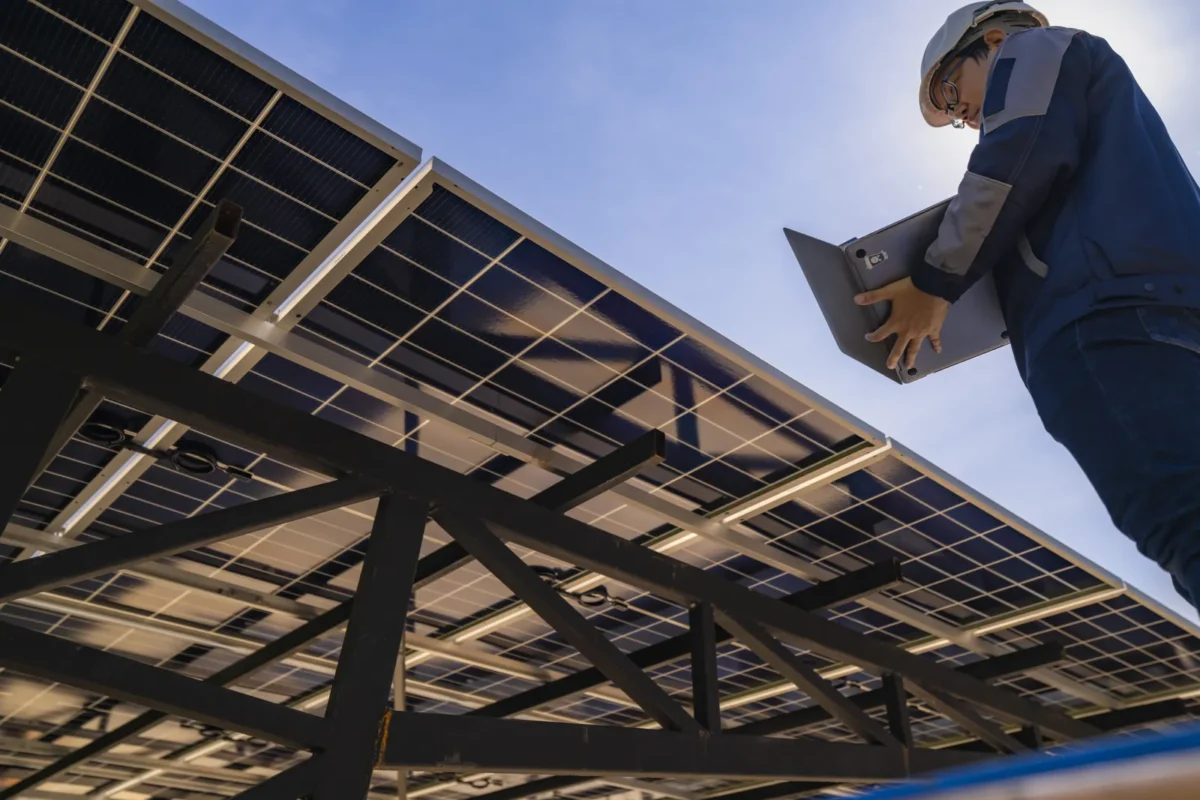
Monitoring should match the project’s financial and operational needs. Inverter-level monitoring may be adequate for some systems. String-level or module-level visibility can be useful for complex rooftops, shading issues, or higher service expectations. For portfolio owners, dashboards should identify underperformance, communication outages, inverter faults, weather-normalized production trends, and unresolved alarms.
Access permissions should be defined for property managers, EPCs, O&M providers, and asset managers. API access may be important for owners who already use asset management or ESG reporting platforms. Monitoring alerts should be configured so faults reach the party responsible for action, not just a generic inbox.
Portfolio-Level Solar Performance KPIs
| KPI | De ce este important |
|---|---|
| Specific yield (kWh/kWp) | Normalized energy productivity |
| Performance ratio | System efficiency indicator |
| Disponibilitate | Measures downtime impact |
| Inverter uptime | Equipment reliability metric |
| Weather-adjusted production variance | Separates weather vs system issues |
| Pierderi de tăiere | Indicates inverter sizing constraints |
| Curtailment/export-limiting losses | Grid limitation impact |
| Alarm response time | Operational responsiveness |
| Mean time to repair | O&M efficiency |
| Soiling loss estimate | Cleaning optimization |
| Revenue/bill-credit variance | Financial performance accuracy |
Preventive maintenance may include visual inspections, thermal imaging where appropriate, vegetation or debris checks, inverter cleaning, firmware updates, torque checks, wire management inspection, roof condition review, and verification of monitoring communications. Maintenance frequency should reflect local weather, soiling conditions, roof type, equipment requirements, and contract terms.
Service access is more complicated in apartment buildings than in many commercial sites. Technicians may need roof keys, escort procedures, resident notification, parking access, or after-hours coordination. O&M contracts should define response times, exclusions, reporting formats, and responsibilities for roof-related issues.
Lower-than-modeled yield can come from module degradation, inverter downtime, soiling, new shading, wiring faults, communication failures, or incorrect assumptions in the original model. EPCs should set realistic baselines and avoid overpromising production. Asset managers should review performance against expected generation using weather-adjusted analysis, not just monthly totals.
Long-term accountability should be clear. Product warranties, workmanship warranties, performance guarantees, inverter replacement cycles, and service-level agreements should be aligned. If a fault occurs, the owner should know who diagnoses it, who files warranty claims, who pays for labor, and how replacement equipment is sourced.
Financial evaluation should connect engineering assumptions with tariff rules, ownership structure, incentives, O&M, and risk. Generic savings estimates are not sufficient for professional decision-making.
Core financial inputs include installed cost, expected annual production, avoided electricity rates, export compensation, incentives, tax treatment, financing cost, O&M expenses, insurance impacts, inverter replacement, degradation, and roof coordination costs. Payback depends heavily on tariff structure and ownership model.
Direct ownership may provide greater long-term value if the owner can use tax benefits or incentives and is willing to fund CAPEX. PPAs or leases can reduce upfront capital but may introduce long-term contractual obligations, buyout terms, escalation rates, and property sale considerations. Third-party ownership can be useful when the system owner can monetize incentives more efficiently, but the agreement must align with the property’s financing and operational needs.
| Financial input | De ce este important |
|---|---|
| Costul de instalare | Determines capital requirement and depreciation base |
| Avoided utility rate | Drives savings from behind-the-meter consumption |
| Export credit value | Determines value of excess production |
| Incentives and tax credits | Can materially change payback and IRR |
| O&M and inverter replacement | Affects lifecycle cash flow |
| Financing terms | Influences annual net savings and DSCR impact |
Multi-family solar economics are strongly shaped by financing structure, not just system performance. Different ownership and financing models shift risk, cash flow timing, and eligibility for incentives.
Financing structure directly affects real estate flexibility:
| Financing model | Cea mai potrivită opțiune | Main risk |
|---|---|---|
| Direct ownership | High-credit owners maximizing ROI | High CAPEX and balance-sheet exposure |
| PPA | Low upfront cost preference | Long-term contract rigidity |
| Lease (operating/capital) | Predictable OPEX planning | Accounting and exit complexity |
| Third-party ownership | Zero upfront investment strategy | Loss of incentives and control |
| Community solar | Limited roof or grid access | External performance dependency |
Levelized cost of energy helps compare the lifetime cost of PV generation against utility electricity costs. For B2B buyers, LCOE is useful when comparing system designs, suppliers, or portfolio procurement strategies. However, LCOE should not be used alone. A project with low LCOE may still have poor cash flow if production does not align with tariff value or if export credits are weak.
Lifecycle value also includes roof coordination, future expansion, storage readiness, ESG reporting, tenant satisfaction, resilience, and asset positioning. For institutional owners, solar may support broader decarbonization goals and regulatory readiness, but these benefits should be documented rather than assumed.
LCOE must be integrated into a broader economic framework:
This ensures LCOE reflects real project economics across all stakeholders, not just energy production cost.
The strongest business case for multi-family solar often appears at portfolio scale. A single apartment building may be attractive, but multiple properties allow standardized procurement, repeatable design workflows, consistent monitoring, and stronger O&M planning.
Apartment properties are increasingly evaluating EV charging, heat pumps, electrification, and higher common-area electrical loads. PV design should consider panel capacity, transformer limits, conduit pathways, electrical room space, and future interconnection needs. Even if EV chargers are not included initially, planning for them can reduce future upgrade costs.
Storage readiness follows similar logic. Reserving physical space, compatible electrical infrastructure, and control pathways can make later battery deployment easier. However, future-ready design should be based on realistic load forecasts, not broad assumptions about backup capability.
Instead of duplicating storage economics, refer to:
When battery storage should be added to multi-family PV systems
Storage supports:
Portfolio owners can benefit from standardized engineering templates, approved product lists, monitoring platforms, O&M procedures, safety documentation, and procurement agreements. This reduces design time and improves training. It also allows performance benchmarking across properties.
The first project in a portfolio should be treated as a learning platform. Installation issues, inspection comments, tenant communication challenges, and monitoring setup lessons should be converted into standard operating procedures before the next site begins.
Long-term planning should account for inverter replacement, module degradation, roof replacement, equipment recycling, and potential system expansion. If roof replacement is likely within the PV asset life, removal and reinstallation costs should be modeled. End-of-life planning is becoming more important as owners and regulators focus on material recovery and responsible disposal.
Implementing solar for multi-family housing B2B projects usually starts with assessing roof capacity, load demand, and how energy will be distributed across tenants. Many developments choose master-metered solar systems, where one main meter tracks total building consumption and solar offsets shared usage like lighting, elevators, and HVAC. The rest comes down to system sizing, utility coordination, and deciding whether savings are distributed through rent adjustments or utility credits.
Adding apartment building energy storage helps stabilize demand by storing excess daytime solar power for evening use, when most residents consume more electricity. In many modern setups, shared solar storage solutions allow multiple units to benefit from one centralized battery system instead of installing individual storage per apartment. This improves load balancing, reduces peak demand charges, and increases overall energy efficiency for the building.
Yes, tenants can benefit indirectly when building owners or solar for property managers strategies are used to pass savings through lower utility bills or more stable rent pricing. Even without owning the system, tenants gain from reduced common-area electricity costs and cleaner energy usage across the building. In some cases, benefits are also reflected through improved building amenities powered by solar energy.
Regulations can get complex, especially when dealing with shared energy distribution and billing structures across tenants. Some jurisdictions require careful system design using community solar inverters to ensure compliance with utility interconnection and anti-resale rules. The main challenge is balancing fair energy allocation while staying within local utility regulations that differ from state to state.
Affordable housing developments often qualify for stronger rebates and tax credits when adopting green building PV solutions, especially under federal and state sustainability programs. These incentives are designed to lower upfront installation costs while encouraging long-term energy efficiency in residential communities. Combined with utility programs, they can significantly improve project feasibility for developers.
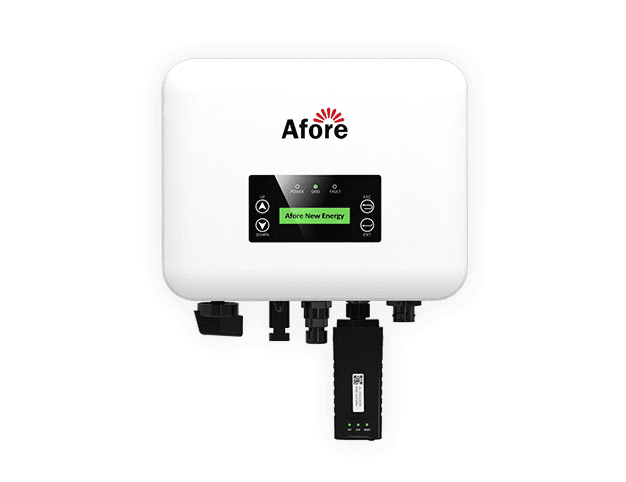
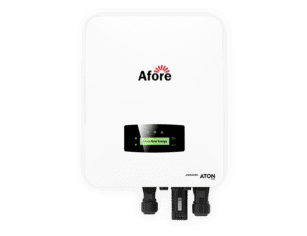
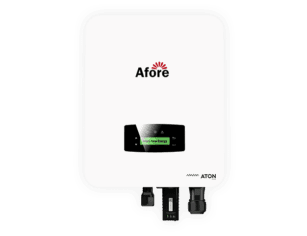
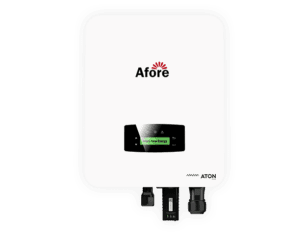
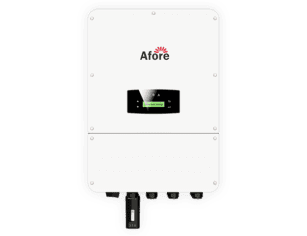
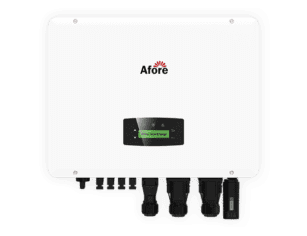
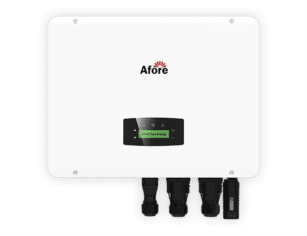
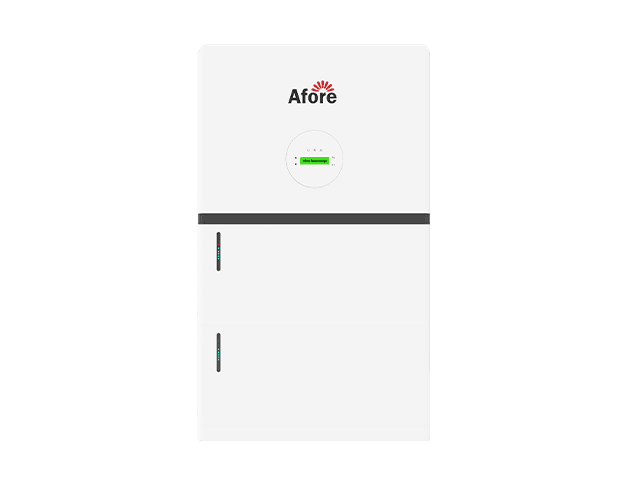
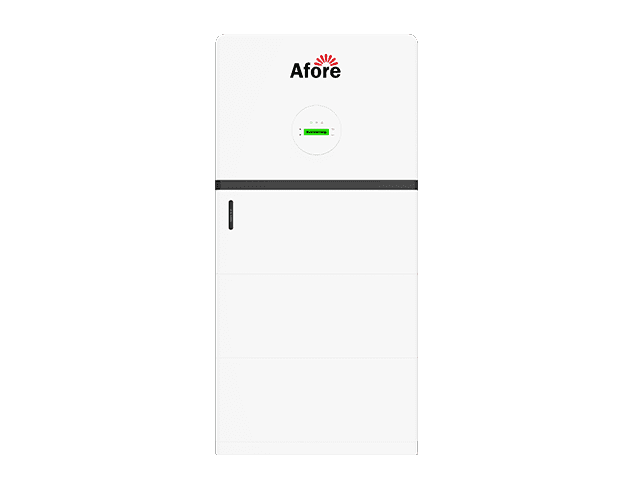
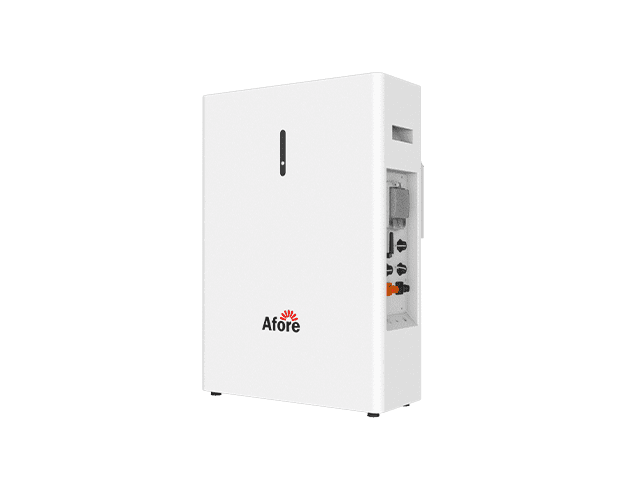
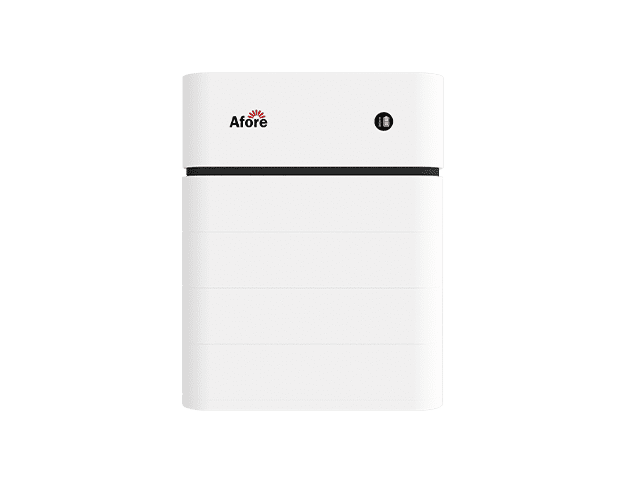
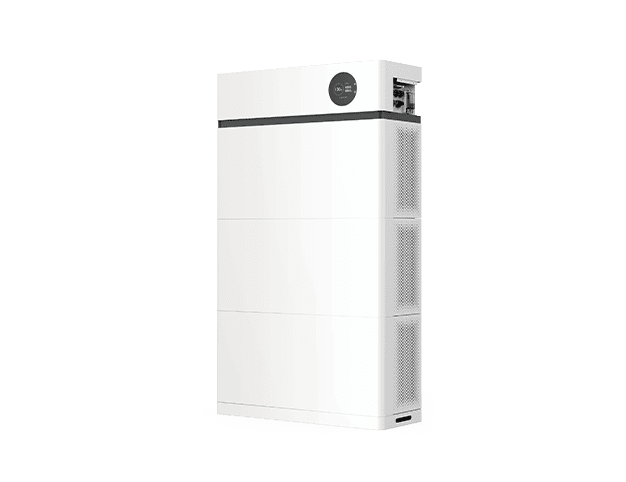
Return on investment improves when integrating systems like Afore residential ESS, which helps optimize energy usage and reduce dependency on grid electricity during peak pricing hours. Property owners typically see savings through reduced operational costs in common areas and increased asset value over time. In larger apartment portfolios, these benefits compound across multiple buildings, improving overall financial performance.
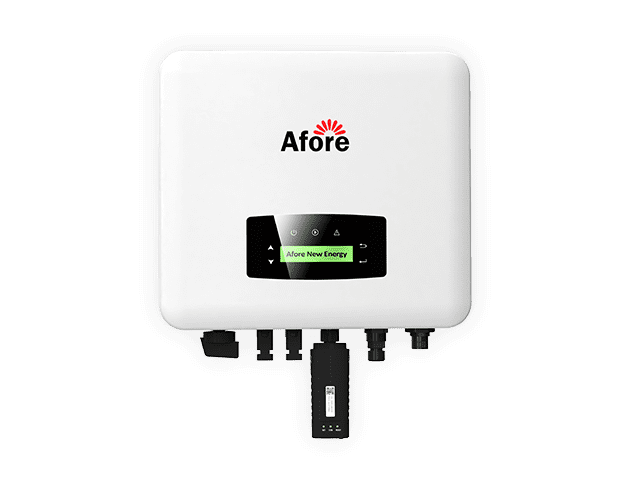
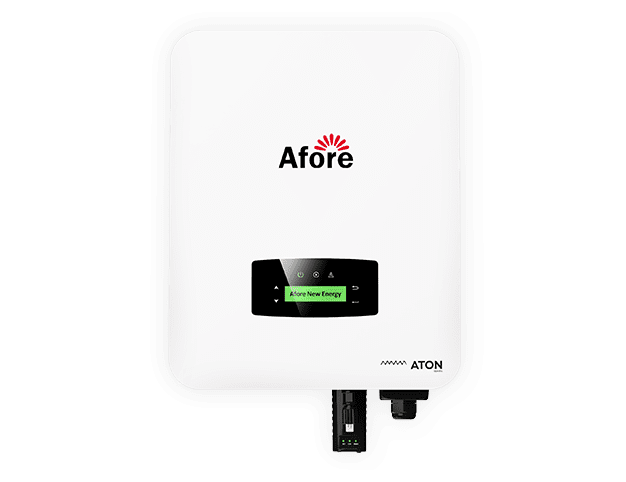
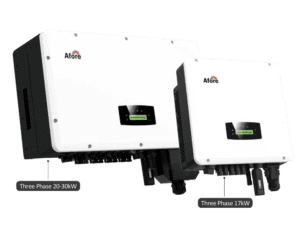
The main difference comes down to ownership and installation location, but both can be supported by a solar inverter that converts DC power into usable AC electricity for the grid or building load. Rooftop solar is installed directly on-site and offsets local consumption, while community solar allows participation in off-site projects through shared credits. The right choice depends on roof availability, ownership structure, and regulatory flexibility.








 Turkish