



Comercial invertor solar Serviciile de înlocuire joacă un rol esențial în menținerea disponibilității și a fiabilității sistemelor fotovoltaice (PV). Pe măsură ce invertoarele îmbătrânesc, performanța lor scade treptat din cauza solicitărilor termice, a uzurii componentelor și a expunerii la factorii de mediu, ceea ce face ca înlocuirea la timp să fie esențială pentru o producție stabilă de energie.
În proiectele solare comerciale și industriale (C&I), performanța invertoarelor influențează în mod direct producția de energie și stabilitatea sistemului. Atunci când apar defecțiuni, acestea pot duce la scăderea producției, la perioade de nefuncționare neplanificate și la ineficiențe operaționale. Înțelegerea momentului și a modului în care trebuie înlocuit sau modernizat un invertor contribuie la asigurarea continuității sistemului și la protejarea valorii investiției pe termen lung.
Acest aspect este deosebit de important, deoarece modulele fotovoltaice funcționează adesea între 25 și 30 de ani, în timp ce invertoarele necesită, de obicei, înlocuirea, reparații majore sau recondiționare într-o etapă mai timpurie a ciclului de viață al proiectului. Ghidurile din industrie ale unor organizații precum NREL și IEA PVPS au subliniat în mod constant că planificarea ciclului de viață al invertoarelor este esențială pentru gestionarea activelor fotovoltaice, în special pe măsură ce baza globală instalată de sisteme comerciale îmbătrânește.
În cazul proiectelor solare din sectorul comercial și industrial (C&I), cea mai bună decizie de înlocuire nu înseamnă întotdeauna o schimbare cu un echipament identic. Un invertor adecvat din punct de vedere tehnic trebuie să fie compatibil cu sistemul fotovoltaic de curent continuu (CC) existent, să respecte cerințele actuale ale codului de rețea, să se integreze cu sistemele de monitorizare, să susțină fluxurile de lucru comerciale de operare și întreținere (O&M) și să corespundă obiectivelor financiare ale proprietarului. În multe cazuri, serviciile de înlocuire a invertoarelor solare devin parte a unei strategii mai ample de modernizare a invertoarelor fotovoltaice, de repowering al invertoarelor sau de O&M solar comercial.
Definiții:
Sistemele fotovoltaice comerciale prezintă de obicei semne de disfuncționalitate a invertoarelor înainte de a se produce o oprire completă. Provocarea constă în faptul că mulți indicatori timpurii pot fi confundați cu evenimente temporare la nivelul rețelei, probleme de comunicare sau variații sezoniere normale. O evaluare profesională ar trebui să facă distincția între defecțiunile izolate și tendințele care pun în pericol disponibilitatea pe termen lung.
Cel mai evident semn este pierderea completă a curentului alternativ de ieșire, dar sistemele comerciale necesită adesea planificarea înlocuirii înainte de a se ajunge în această situație. Codurile de eroare repetate, opririle nejustificate, avertismentele privind rezistența de izolație, alarmele de supraîncălzire, anomaliile la intrarea de curent continuu și evenimentele inexplicabile de reducere a puterii pot indica faptul că invertorul devine nesigur. De asemenea, defecțiunile de comunicare sunt importante, deoarece un sistem fotovoltaic care nu poate raporta cu precizie este mai greu de întreținut, verificat sau finanțat.
Pentru părțile interesate din sectorul B2B, decizia nu ar trebui să se bazeze doar pe posibilitatea repornirii invertorului. Întrebarea mai relevantă este dacă menținerea în funcțiune a invertorului existent mai este rațională din punct de vedere comercial. Dacă o locație a necesitat multiple deplasări ale echipelor de service în ultimul an, dacă piesele de schimb nu sunt disponibile sau dacă garanția a expirat, reparațiile repetate pot costa mai mult decât o înlocuire planificată. Un singur invertor defect într-o locație de mai multe megawați poate fi gestionabil, dar defecțiunile repetate la nivelul unui portofoliu pot crea rapid expunere la riscuri de operare și întreținere.
Următorii indicatori reprezintă factori declanșatori obișnuiți pentru o evaluare structurată a înlocuirii.
| Indicator | Ce ar putea însemna acest lucru | Impactul asupra deciziilor în sectorul B2B |
|---|---|---|
| Coduri de eroare repetate | Îmbătrânirea componentelor interne, instabilitatea rețelei, probleme la nivelul circuitului de curent continuu | Costuri mai mari de exploatare și întreținere și posibile cereri de despăgubire în cadrul garanției |
| Putere redusă a curentului alternativ | Reducerea puterii nominale, solicitarea termică, degradarea condensatorilor, nepotrivirea MPPT | Randament mai scăzut și rentabilitate mai redusă a proiectului |
| Defecțiuni la izolație | Probleme legate de scurgerile de curent la cablu, conector, modul sau la nivelul invertorului | Riscuri legate de siguranță și conformitate |
| Pierderea legăturii | Defecțiune la nivel de gateway, înregistrator de date, protocol sau invertor | Pierderea vizibilității asupra monitorizării și riscul neîndeplinirii SLA |
| Alarme de supraîncălzire | Defecțiuni ale ventilatorului, filtre înfundate, probleme la carcasă, ventilație deficitară | Degradarea accelerată a componentelor |
| Piese de schimb indisponibile | Platformă învechită sau model scos din producție | Perioade de nefuncționare mai lungi și riscul de achiziții de urgență |
Un diagnostic profesional ar trebui să compare alarmele invertorului cu datele de producție, condițiile meteorologice, evenimentele din rețea, istoricul întreținerii și măsurătorile la nivel de șir. Astfel se evită înlocuirea unui invertor atunci când cauza principală este, de fapt, o defecțiune a conectorului de curent continuu, o problemă la transformator, o setare a sistemului de protecție sau o defecțiune a gateway-ului de comunicații.
Înainte de a opta pentru înlocuirea completă, ar trebui să se efectueze un proces de diagnosticare structurat pentru a stabili dacă problema provine de la invertorul în sine sau de la componentele din jurul acestuia. Multe dintre defecțiunile aparente ale invertorului sunt, de fapt, provocate de factori electrici sau de mediu externi.
Printre cauzele principale se numără defectarea conectorilor de curent continuu, defectele de împământare, degradarea modulelor, neconcordanța între șiruri, instabilitatea rețelei de curent alternativ, problemele legate de transformatoare, setările incorecte ale sistemelor de protecție, defectarea gateway-urilor de comunicații, precum și stresul termic sau de mediu, cum ar fi supraîncălzirea sau pătrunderea umezelii.
Un diagnostic corect garantează că deciziile privind înlocuirea se bazează pe cauzele verificate ale defecțiunilor, și nu pe alarme declanșate doar de simptome.
O defecțiune totală a invertorului este relativ ușor de identificat, deoarece aparatul încetează să mai transforme curentul continuu în curent alternativ. Scăderea performanței este mai greu de sesizat. Un invertor poate continua să funcționeze, dar cu un randament mai scăzut, prezentând reduceri frecvente ale puterii nominale, pornire întârziată, oprire prematură, eficiență redusă a MPPT sau comunicare instabilă.
Cauzele sunt adesea cumulative. Ciclurile termice solicită componentele electronice. Condensatorii se uzează. Ventilatoarele de răcire și filtrele își pierd eficiența. Carcasele pot fi afectate de praf, umiditate, coroziune sau expunerea la radiații UV. Limitările firmware-ului pot deveni, de asemenea, mai relevante pe măsură ce cerințele codului de rețea evoluează. În medii dure de acoperiș sau industriale, căldura, contaminanții din aer și ventilația deficitară pot scurta durata de viață.
Invertoarele de tip string comerciale sunt proiectate, de obicei, pentru o durată de viață de aproximativ 10-15 ani, în timp ce invertoarele centrale din cadrul instalațiilor de mari dimensiuni montate la sol sau la scară industrială pot necesita reparații majore sau înlocuire mai devreme, în funcție de proiectare, sarcină, condiții de mediu și calitatea întreținerii. Aceste intervale nu constituie garanții fixe, dar sunt utile pentru planificarea activelor. Ideea principală este că trebuie să ne așteptăm la înlocuirea invertoarelor pe durata de viață a majorității centralelor fotovoltaice comerciale.
Problemele legate de invertoare se împart, în general, în două categorii: defectarea completă și scăderea treptată a performanței. Ambele pot afecta în mod semnificativ randamentul sistemului, dar diferă în ceea ce privește gravitatea și măsurile de remediere necesare.
Printre componentele care se defectează frecvent se numără condensatoarele, ventilatoarele de răcire, releele/contactoarele, IGBT-urile sau alte module de putere, plăcile de comandă, dispozitivele de protecție împotriva supratensiunii, senzorii, plăcile de comunicații și componentele care asigură integritatea carcasei. Aceste piese se uzează în ritmuri diferite, în funcție de sarcina electrică și de expunerea la factorii de mediu.
Majoritatea tipurilor de degradare sunt puternic influențate de factorii de mediu. Temperaturile ridicate accelerează ciclurile termice, umiditatea sporește riscul de coroziune, praful reduce eficiența răcirii, vibrațiile afectează îmbinările mecanice, iar ventilația deficitară amplifică solicitarea generală asupra componentelor interne.
Din punct de vedere al serviciilor, soluțiile pot include înlocuirea completă a invertorului, recondiționarea componentelor principale, înlocuirea modulelor de putere, revizia sistemului de răcire, înlocuirea plăcii de control sau întreținerea preventivă programată, în funcție de gravitatea defecțiunii.
De asemenea, este important de reținut că durata de viață a invertoarelor nu poate fi generalizată pentru toate tehnologiile; durata de viață reală depinde mai mult de condițiile de funcționare, de profilul de sarcină și de calitatea întreținerii decât de faptul că sistemul are o arhitectură de tip string sau centralizată.
Un flux de lucru sistematic de depanare ajută la identificarea cauzei reale a problemelor invertorului:
Acest proces pas cu pas reduce înlocuirile inutile și îmbunătățește precizia operațiunilor de întreținere.
Nu orice defecțiune a invertorului necesită înlocuirea completă a acestuia. În anumite cazuri, repararea componentelor, înlocuirea plăcilor, înlocuirea ventilatoarelor, întreținerea filtrelor, înlocuirea dispozitivelor de protecție împotriva supratensiunii sau actualizarea firmware-ului pot restabili funcționarea fiabilă a echipamentului. Unitățile recondiționate pot fi, de asemenea, utile atunci când o locație necesită o soluție temporară pe termen scurt sau când adaptarea la proiectul inițial al sistemului este mai practică decât reproiectarea instalației.
Cu toate acestea, repararea devine mai puțin avantajoasă atunci când piesele sunt învechite, manopera este costisitoare sau invertorul nu mai îndeplinește cerințele tehnice actuale. Un invertor comercial instalat pe acoperiș, situat într-o zonă greu accesibilă, poate necesita echipamente de ridicare, coordonarea măsurilor de siguranță și planificarea opririi instalației la fiecare intervenție de service. În acest context, încercările repetate de reparare pot depăși costul înlocuirii.
Înlocuirea completă a invertorului este de obicei mai indicată atunci când unitatea existentă prezintă defecțiuni repetate, nu beneficiază de asistență din partea producătorului, nu îndeplinește cerințele actualizate ale codului de rețea, are o compatibilitate redusă cu sistemele de monitorizare sau generează un risc excesiv în ceea ce privește producția. Contractanții EPC și instalatorii ar trebui, de asemenea, să ia în considerare dacă proprietarul dorește să adauge stocarea energiei în baterii, îmbunătățirea monitorizării, standardizarea portofoliului sau prelungirea duratei de viață a instalației prin înlocuirea invertoarelor.
Un cadru decizional structurat îi ajută pe operatori să aleagă soluția cea mai rentabilă:
| Factor | Reparație | Renovare | Înlocuire completă |
|---|---|---|---|
| Vechimea sistemului | La începutul vârstei de mijloc | Vârsta de mijloc | Sfârșitul ciclului de viață |
| Starea garanției | Se preferă produsele aflate în garanție | Acoperire parțială | În afara perioadei de garanție |
| Disponibilitatea pieselor | Înaltă | Moderat | Piese învechite |
| Costul perioadelor de nefuncționare | Impact redus | Impact moderat | Risc ridicat de impact |
| Frecvența defectelor | Problemă izolată | Ocazional, recurent | Defecțiuni frecvente |
| Costurile de acces și forța de muncă | Scăzut | Moderat | Nivel ridicat (reinstalare) |
| Respectarea codului de rețea | În deplină conformitate | Este posibil să fie necesare actualizări | Este necesară o actualizare |
| Verificarea compatibilității | Complet compatibil | Este necesară o actualizare parțială | Integrare completă a sistemului |
| Durata de viață rămasă a instalației fotovoltaice | Durată de viață îndelungată | La jumătatea perioadei | Scurt sau nepotrivit |
Reparația este o opțiune mai justificată atunci când invertorul se află încă în garanție, piesele de schimb sunt disponibile, iar problema este una izolată, nu una generalizată.
Înlocuirea devine tot mai justificată atunci când platforma este depășită, costurile de acces sau de personal sunt ridicate sau defecțiunile repetate generează instabilitate în ceea ce privește veniturile și riscuri operaționale.
Amânarea înlocuirii invertoarelor sporește expunerea operațională într-un mod foarte direct: crește probabilitatea unor întreruperi neașteptate în timpul perioadelor de vârf de producție. Spre deosebire de discuțiile privind scăderea treptată a eficienței, riscul principal îl reprezintă pierderile imediate de producție, cazurile de neconformitate cu rețeaua și intervențiile neplanificate ale serviciilor de întreținere, care pot perturba operațiunile la fața locului.
Pe măsură ce defecțiunile se acumulează, sistemele pot suferi opriri intermitente, reduceri ale puterii nominale sau cicluri repetate de repornire, care sunt greu de prevăzut. Aceste comportamente generează adesea incertitudine în ceea ce privește respectarea angajamentelor de furnizare a energiei, în special în mediile comerciale sau în cele în care există contracte de furnizare a energiei.
În practică, cu cât se amână mai mult înlocuirea, cu atât crește probabilitatea ca o defecțiune a unui singur invertor să degenereze în întreruperi de funcționare la nivel de mai multe șiruri sau la nivel de sistem.
Întârzierile în înlocuirea invertoarelor pot duce la pierderi financiare semnificative din cauza reducerii producției de energie.
O formulă practică de estimare este:
Venituri pierdute sau economii nerealizate = capacitate de climatizare indisponibilă × numărul estimat de ore de soare × factorul de randament × valoarea energetică
Unde:
Acest model ajută la cuantificarea impactului perioadelor de nefuncționare și facilitează luarea mai rapidă a deciziilor privind înlocuirea echipamentelor în cadrul instalațiilor fotovoltaice comerciale.
Înainte de demararea procesului de achiziție, echipa de proiect trebuie să identifice constrângerile de natură electrică, fizică, de comunicații și de conformitate ale amplasamentului existent. Modernizarea unui invertor fotovoltaic este considerată reușită atunci când invertorul nou se adaptează la sistemul actual, nu doar la cel prevăzut în documentația tehnică inițială.
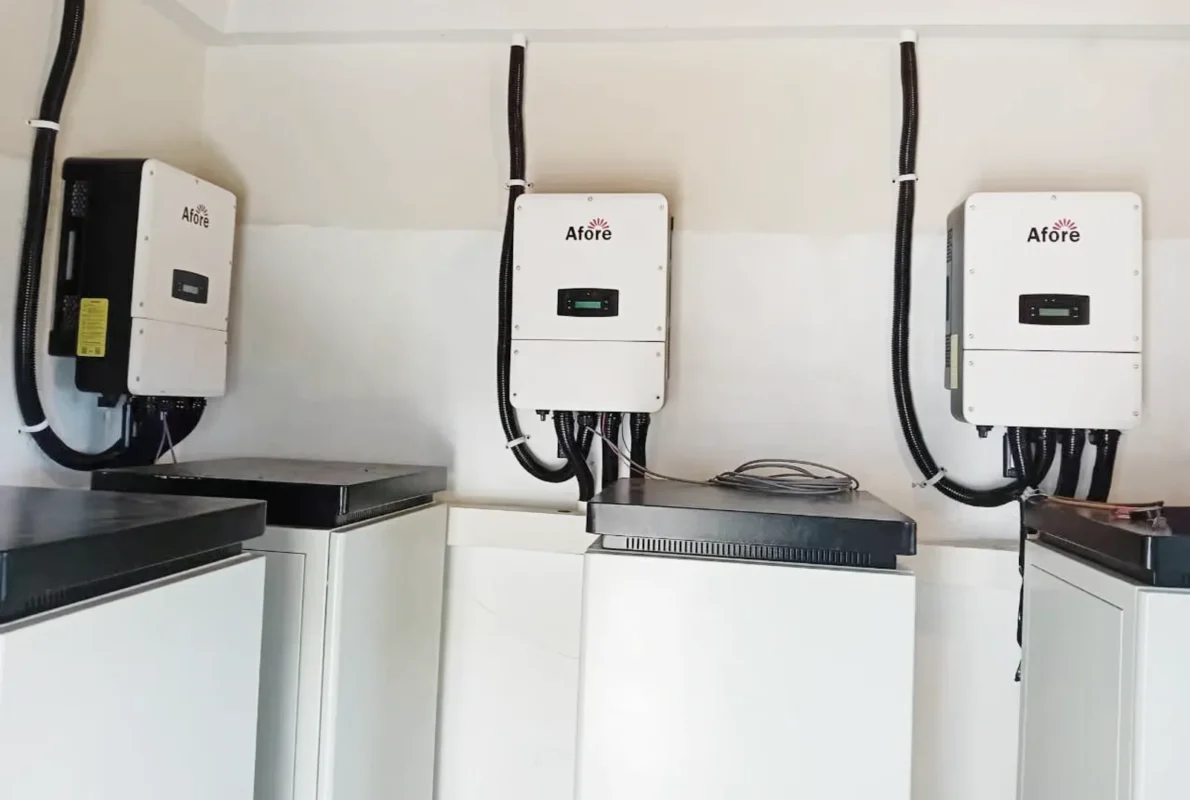
Compatibilitatea pe partea de curent continuu este unul dintre cele mai importante aspecte de luat în considerare la înlocuirea unui invertor. Invertorul de înlocuire trebuie să accepte tensiunea și curentul de funcționare ale configurației existente a șirurilor, în condițiile reale de la fața locului. Aceasta include tensiunea în circuit deschis la temperaturi scăzute, tensiunea de funcționare la temperaturi ridicate, degradarea modulelor, lungimea șirurilor, curentul șirurilor în paralel și fereastra de funcționare MPPT a invertorului.
Dacă noul invertor are un număr diferit de MPPT-uri, un curent maxim de intrare diferit sau cerințe diferite privind conectorii, este posibil să fie necesară revizuirea configurației combinatorului de curent continuu. O nepotrivire poate provoca tăierea curentului, subutilizarea, defecțiuni nejustificate sau neconformitatea cu valorile nominale ale echipamentelor. De asemenea, trebuie revizuit raportul CC/CA, deoarece înlocuirea unui invertor mai vechi cu unul cu o capacitate CA diferită poate modifica modul în care sistemul taie curentul în condiții de iradiere ridicată sau are performanțe scăzute în condiții de iradiere redusă.
De asemenea, este importantă și degradarea modulelor. Un sistem instalat acum 12 ani s-ar putea să nu mai funcționeze la puterea nominală inițială, dar caracteristicile tensiunii în circuit deschis și configurația șirurilor trebuie să se încadreze în continuare în limitele echipamentului. Contractanții EPC ar trebui să evite să considere că o “putere nominală similară în kW” înseamnă compatibilitate electrică.
Da, înlocuirea unui invertor solar cu unul de altă marcă este adesea posibilă din punct de vedere tehnic în cazul sistemelor fotovoltaice comerciale. Cu toate acestea, este necesară o validare tehnică adecvată. Invertorul trebuie să fie compatibil cu panourile de curent continuu existente, cu rețeaua de curent alternativ, cu configurația transformatorului, cu sistemul de împământare, cu cerințele de protecție și cu arhitectura de monitorizare.
Înlocuirea cu produse de altă marcă poate necesita noi soluții de montare, reconectarea cablurilor, gateway-uri de comunicații diferite, modificarea setărilor de protecție sau migrarea platformei de monitorizare. Protocoalele de comunicare, cum ar fi Modbus prin RS485, monitorizarea bazată pe Ethernet, gateway-urile celulare sau interfețele SCADA, trebuie confirmate înainte de comandarea echipamentelor. De asemenea, trebuie verificată compatibilitatea cu contoarele de venituri, sistemele de control al exporturilor, optimizatoarele, sistemele de baterii, înregistratoarele de date și sistemele de gestionare a energiei clădirilor.
Condițiile de garanție reprezintă un alt aspect de luat în considerare. Unii producători impun instalarea certificată, documentația specifică de punere în funcțiune sau conectivitatea la distanță pentru a beneficia de asistență în cadrul garanției. Companiile EPC și distribuitorii ar trebui să verifice aceste cerințe înainte de a promite clienților comerciali termene de execuție.
Înlocuirea invertoarelor solare comerciale poate urma mai multe variante. Înlocuirea unui invertor central cu unul identic poate păstra o mare parte din arhitectura inițială a sistemului, dar poate implica, de asemenea, termene lungi de livrare, echipamente de ridicare grele și perioade de nefuncționare mai lungi, în cazul în care o singură unitate controlează un bloc mare de capacitate. Înlocuirea invertorului central este adesea relevantă pentru proiectele la scară industrială și pentru proiectele mari montate la sol, în care infrastructura MV existentă, dispunerea skid-urilor și aranjamentele transformatoarelor sunt proiectate în jurul conversiei centralizate.
Înlocuirea invertoarelor de tip string este o practică obișnuită în cazul instalațiilor solare comerciale montate pe acoperișuri și al proiectelor distribuite din sectorul comercial și industrial. Arhitectura modulară de tip string poate îmbunătăți ușurința întreținerii, deoarece o unitate defectă afectează doar o parte a instalației. De asemenea, aceasta poate simplifica înlocuirea etapizată în cadrul diferitelor locații de exploatare. Cu toate acestea, trecerea de la invertoare centrale la invertoare de tip string poate necesita o reproiectare semnificativă a cablajului de curent continuu, a sistemului de colectare a curentului alternativ, a sistemului de montare, a sistemului de comunicații și a sistemului de protecție.
Modernizările cu invertoare hibride sau pregătite pentru stocare pot susține viitoare funcții de stocare a energiei în baterii, reducerea vârfurilor de consum, alimentarea de rezervă sau gestionarea energiei. Acest lucru poate fi atractiv pentru instalațiile comerciale care se confruntă cu tarife de consum sau cu viitoare restricții ale rețelei. Cu toate acestea, compatibilitatea cu stocarea nu înseamnă automat compatibilitate cu orice baterie sau sistem de gestionare a energiei (EMS). Trebuie verificate sistemele de control, certificările, interfețele de comunicare și acordul de interconectare.
| Abordarea de înlocuire | Croială standard | Principalul avantaj | Principala constrângere |
|---|---|---|---|
| Înlocuirea invertorului cu un model echivalent | Site-uri cu un design vechi compatibil | O reproiectare minimalistă | Este posibil să nu îmbunătățească respectarea normelor sau monitorizarea |
| Modernizarea sistemului cu invertoare de tip string de la diferite mărci | Acoperișuri comerciale, sisteme distribuite pentru sectorul comercial și industrial | O mai bună întreținere și disponibilitate | Necesită validarea DC/AC și a sistemului de monitorizare |
| Înlocuirea invertorului central | Parcuri solare de mari dimensiuni, montate la sol, și centrale solare de dimensiuni industriale | Păstrează arhitectura centralizată | Logistică complexă și risc crescut de întreruperi |
| Actualizare hibridă sau compatibilă cu stocarea | Amplasamente industriale și comerciale care planifică flexibilitatea energetică | Potențialul viitor al bateriilor și al sistemelor de gestionare a energiei | O complexitate sporită în ceea ce privește proiectarea și aprobarea |
Un audit structurat al amplasamentului reduce incertitudinile tehnice și previne erorile în procesul de achiziție. Înainte de a solicita o ofertă sau de a comanda echipamente, echipa de proiect trebuie să colecteze și să verifice documentele tehnice esențiale și datele referitoare la amplasament.
Printre elementele esențiale se numără:
Pentru distribuitori și contractanții EPC, documentația incompletă reprezintă un risc comercial. În cazul în care condițiile de la fața locului diferă de cele din planuri, volumul lucrărilor de înlocuire se poate extinde pe parcursul instalării. Pentru proprietarii de active, o documentație precisă permite elaborarea mai rapidă a ofertelor, un sprijin mai eficient în cadrul garanției și o refinanțare sau revânzare viitoare mai ușoară.
Invertorul potrivit nu este pur și simplu cel cu puterea nominală cea mai apropiată. La alegerea unui invertor de înlocuire pentru uz comercial trebuie să se țină seama de compatibilitatea electrică, mediul de funcționare, cerințele de monitorizare, funcțiile de susținere a rețelei, condițiile de garanție și ușurința întreținerii pe durata ciclului de viață.
Pe lângă parametrii electrici, alegerea unui invertor de schimb trebuie să țină seama de condițiile de mediu reale de la fața locului, care influențează în mod direct fiabilitatea pe termen lung.
Printre factorii critici de mediu și de instalare se numără:
Acești factori influențează în mod direct solicitarea termică, frecvența reducerii puterii nominale, intervalele de întreținere și stabilitatea generală a sistemului după înlocuire.
| Specificații | De ce este important pentru înlocuirea echipamentelor comerciale și industriale |
|---|---|
| Puterea nominală de curent alternativ | Stabilește capacitatea de export, comportamentul de limitare și impactul asupra rețelei de interconectare |
| Tensiune maximă continuă | Previne supratensiunea în condiții de temperaturi scăzute |
| Intervalul și numărul MPPT | Influențează randamentul energetic în funcție de orientarea șirurilor de panouri și de condițiile de neconcordanță |
| Limite ale curentului de intrare | Previne suprasolicitarea în cazul configurațiilor moderne sau cu șiruri paralele |
| Curba de randament | Influențează randamentul anual, în special la sarcină parțială |
| Factorul de putere și puterea reactivă | Respectă cerințele privind utilitățile și codul de rețea |
| Clasa de protecție IP și intervalul de temperatură | Stabilește dacă mediul este adecvat |
| Metoda de răcire | Are impact asupra necesităților de întreținere și asupra riscului de reducere a puterii nominale din cauza temperaturii |
| Interfețe de comunicare | Permite monitorizarea, sistemele SCADA și fluxurile de lucru de operare și întreținere |
| Certificări | Oferă asistență în ceea ce privește obținerea autorizațiilor, aprobarea de către rețea și acceptarea garanției |
În cazul proiectelor comerciale de înlocuire, evaluarea furnizorilor nu trebuie să se limiteze doar la disponibilitatea inițială a echipamentelor. Un invertor ieftin nu este rentabil dacă procesarea cererilor de garanție este lentă, asistența pentru firmware este deficitară, piesele de schimb nu sunt disponibile sau documentația tehnică este incompletă.
Garanțiile tipice pentru invertoarele comerciale încep adesea de la aproximativ 10 ani, fiind disponibile prelungiri în funcție de clasa produsului, regiune și amploarea proiectului. Condițiile din spatele garanției sunt la fel de importante ca și numărul de ani. Contractanții EPC ar trebui să verifice dacă manopera este acoperită, dacă este disponibilă înlocuirea în avans, cum sunt gestionate aprobările RMA și dacă producătorul solicită diagnosticare la distanță înainte de a emite o înlocuire.
De asemenea, este importantă viabilitatea financiară. Proprietarii de instalații comerciale și furnizorii de servicii de exploatare și întreținere își asumă angajamente pe termen lung. Un furnizor trebuie să poată asigura actualizări de firmware, adaptarea la modificările codurilor de rețea, instruire, documentație și logistica pieselor de schimb pe toată durata de viață preconizată a instalației.
Înlocuirea invertorului poate perturba analiza performanțelor istorice dacă nu se planifică migrarea sistemului de monitorizare. În cazul instalațiilor fotovoltaice comerciale, continuitatea datelor permite verificarea randamentului energetic, facturarea contractelor PPA, intervențiile de întreținere și exploatare, întocmirea documentației pentru asigurări, precum și urmărirea indicatorilor de performanță.
Invertorul de înlocuire trebuie să comunice cu platforma de monitorizare a amplasamentului, cu înregistratorul de date, cu contorul de facturare sau cu sistemul SCADA. Conectivitatea Modbus, RS485, Ethernet, Wi-Fi și celulară trebuie evaluată în contextul arhitecturii existente. Maparea punctelor de date este, de asemenea, importantă, deoarece diferite invertoare pot eticheta alarmele, valorile de putere, citirile de temperatură și codurile de stare în mod diferit.
În cazul în care site-ul utilizează un sistem de monitorizare furnizat de terți, echipa de proiect trebuie să verifice compatibilitatea driverelor înainte de instalare. În cazul introducerii unei noi platforme de monitorizare, proprietarul trebuie să păstreze exporturile de date istorice și să stabilească clar data tranziției, astfel încât raportarea performanțelor să rămână trasabilă.
Mulți proprietari de spații comerciale profită de înlocuirea invertoarelor pentru a evalua posibilitatea instalării viitoare a unor sisteme de stocare cu baterii. Chiar dacă bateriile nu sunt instalate imediat, o infrastructură pregătită pentru stocare sau compatibilă cu sistemele hibride poate sprijini în viitor reducerea vârfurilor de consum, alimentarea de rezervă, gestionarea costurilor legate de consumul de vârf, limitarea exportului de energie sau funcționarea unei micro-rețele.
Cu toate acestea, această decizie ar trebui să se bazeze pe o strategie energetică, nu doar pe disponibilitatea produselor. Locația trebuie să îndeplinească anumite cerințe privind profilurile de sarcină, condițiile tarifare, spațiul fizic disponibil, respectarea normelor de siguranță împotriva incendiilor, integrarea cu sistemul de management al energiei (EMS) și obținerea aprobării pentru interconectare. Un invertor compatibil cu sistemele de stocare poate spori flexibilitatea pe termen lung, dar poate, de asemenea, să crească complexitatea proiectului și costurile inițiale.
În cazul instalațiilor cu tarife de consum în creștere sau restricții privind exportul de energie în rețea, planificarea capacității de stocare încă din faza de înlocuire a invertoarelor poate evita lucrările de inginerie suplimentare ulterioare. Pentru locațiile cu tarife stabile și spațiu limitat, o simplă înlocuire a invertoarelor conectate la rețea poate oferi o valoare mai bună pe durata ciclului de viață.
Conformitatea cu rețeaua este unul dintre aspectele cele mai adesea neglijate în cadrul serviciilor de înlocuire a invertoarelor solare comerciale. Un invertor poate fi compatibil din punct de vedere tehnic cu sistemul fotovoltaic, dar totuși nepotrivit dacă nu îndeplinește cerințele actuale de interconectare.
Condițiile necesare pentru obținerea aprobării rețelei depind de amploarea modificărilor aduse de înlocuirea invertorului.
Prin urmare, cerințele de omologare a rețelei sunt strâns legate nu numai de specificațiile invertoarelor, ci și de arhitectura sistemului și de modificările comportamentului la export.
Invertoarele moderne de înlocuire trebuie să îndeplinească funcții de susținere a rețelei din ce în ce mai avansate, care depășesc simpla conversie a energiei.
Printre funcțiile esențiale se numără:
În multe țări, în special în Statele Unite, este posibil ca invertoarele de schimb să trebuiască să respecte IEEE 1547- Cerințele standardelor din 2018 și UL 1741 SB, în funcție de modul de aplicare a acestora de către operatorii locali de rețea și de nivelul de interconectare. Aceste standarde influențează în mod semnificativ modul în care invertoarele răspund la perturbațiile din rețea și contribuie la stabilitatea sistemului energetic distribuit.
Cerințele de siguranță trebuie revizuite de fiecare dată când se înlocuiesc invertoarele. Acestea includ dispozitivele de deconectare de curent continuu și alternativ, împământarea și legarea la masă, protecția împotriva supratensiunilor, dimensionarea cablurilor, clasele de protecție ale carcaselor, ventilația, detectarea defectelor de arc electric acolo unde este necesar și oprirea rapidă, acolo unde este cazul. Proiectele de pe acoperiș necesită, de asemenea, acordarea unei atenții speciale căilor de acces pentru pompierii, distanțelor de siguranță ale echipamentelor și sarcinilor structurale.
Un invertor de schimb poate avea o capacitate de disipare a căldurii, dimensiuni, metodă de montare sau poziții ale intrărilor de cabluri diferite. Aceste diferențe pot afecta ventilația și accesul pentru întreținere. Instalatorii trebuie să evite modificările efectuate la fața locului care compromit parametrii tehnici ai carcasei sau încalcă instrucțiunile de instalare ale producătorului.
Chiar și în cazul în care nu este necesară obținerea tuturor autorizațiilor, proprietarii de spații comerciale ar trebui să păstreze documentația la zi. Schemele unifilare actualizate, fișele tehnice ale echipamentelor, rapoartele de punere în funcțiune, înregistrările inspecțiilor, setările sistemelor de protecție și fișierele de configurare a sistemelor de monitorizare sunt documente utile pentru asigurări, audituri, refinanțare și operațiunile viitoare de exploatare și întreținere.
De asemenea, administratorii instalațiilor au nevoie de o documentație clară privind predarea-preluarea. În cazul în care înlocuirea unui invertor modifică procedurile de oprire de urgență, datele de autentificare pentru monitorizare, contactele de alarmă sau amplasarea echipamentelor, echipa de operațiuni trebuie instruită în consecință.
Chiar și un invertor bine ales poate provoca întreruperi în activitate dacă instalarea este planificată necorespunzător. În mediile comerciale, gestionarea perioadelor de nefuncționare este adesea la fel de importantă ca și calitatea tehnică a instalării.
Proiectele din sectorul comercial și industrial se confruntă cu constrângeri operaționale cu care proiectele rezidențiale nu se confruntă. Instalatorii pot fi nevoiți să țină cont de turele de producție, accesul chiriașilor, intervalele de livrare, autorizațiile pentru macarale sau platforme de ridicare, planurile de siguranță pentru acoperișuri, condițiile meteorologice și programele de întrerupere a alimentării cu energie electrică. În cazul instalațiilor industriale, ordinea întreruperilor poate trebui stabilită astfel încât să se evite perioadele critice de producție sau intervalele cu tarife de vârf.
Pregătirea echipamentelor trebuie planificată înainte de începerea lucrărilor de demontare. Dacă invertorul existent este deconectat înainte ca unitatea de înlocuire, elementele de fixare, gateway-ul de comunicații sau echipamentele de protecție să fie disponibile, timpul de nefuncționare crește inutil. În cazul proiectelor de portofoliu, planificarea pe etape poate reduce perturbările operaționale și permite valorificarea experienței acumulate la prima locație pentru a îmbunătăți instalările ulterioare.
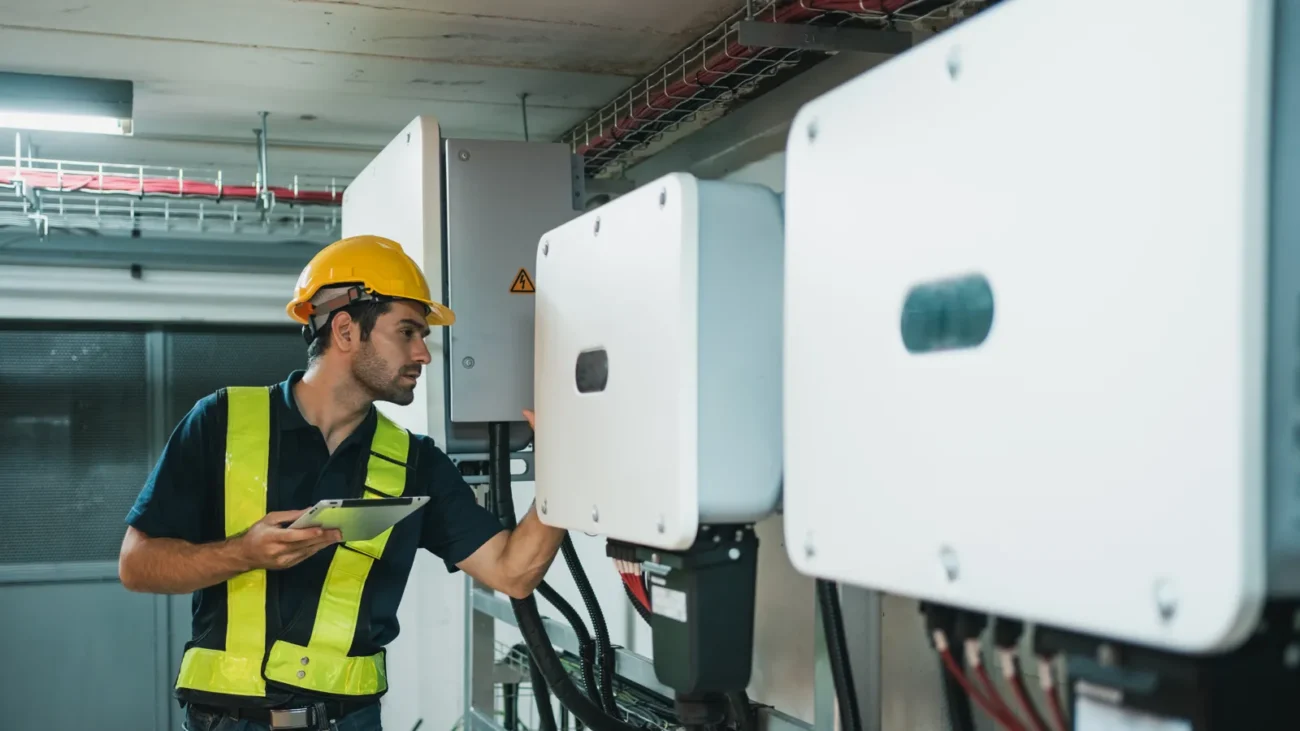
Înlocuirea în condiții de siguranță începe cu proceduri corespunzătoare de blocare și etichetare, izolarea curentului continuu, izolarea curentului alternativ, verificarea tensiunii și măsurile de precauție împotriva arcului electric. Tehnicienii trebuie să verifice polaritatea, identificarea cablurilor, continuitatea legării la pământ, valorile cuplului de strângere și compatibilitatea conectorilor. Echipamentele grele trebuie îndepărtate conform unui plan de ridicare care să țină seama de încărcarea acoperișului, accesul la șantier și condițiile meteorologice.
Trebuie respectate cerințele de instalare ale producătorului. Aceasta nu este doar o chestiune de siguranță, ci și una legată de garanție. O gestionare necorespunzătoare a cablurilor, un cuplu de strângere incorect, o ventilație inadecvată sau modificări neaprobate pot duce la apariția unor defecțiuni ulterioare și pot afecta valabilitatea cererilor de garanție.
Un proces structurat de punere în funcțiune garantează că invertorul înlocuitor este complet integrat și funcționează conform așteptărilor înainte de predarea finală.
Un pachet complet de punere în funcțiune include, de obicei:
Astfel se asigură atât conformitatea tehnică, cât și pregătirea operațională înainte ca sistemul să intre în exploatare comercială deplină.
Durata totală a procesului de înlocuire variază în funcție de dimensiunea sistemului, de cerințele rețelei și de disponibilitatea echipamentelor. Aceasta poate fi împărțită în etape distincte:
Separarea acestor faze îi ajută pe operatori să facă distincția între întârzierea administrativă și perioada în care se înregistrează pierderi reale de energie.
Înlocuirea invertorului ar trebui să readucă instalația pe o traiectorie de fiabilitate, nu doar să restabilească producția pe termen scurt. Planificarea operațiunilor de întreținere și exploatare după înlocuire este esențială pentru protejarea investiției.

Întreținerea preventivă trebuie să includă inspecții termice, verificări ale ventilatoarelor și filtrelor, verificări ale firmware-ului, verificări ale cuplului, verificări ale conectorilor de curent continuu, verificări ale etanșeității carcasei, verificarea protecției împotriva supratensiunii și curățarea, acolo unde condițiile de la fața locului o impun. Intervalele de întreținere trebuie să țină cont de mediul de funcționare. O cameră de echipamente curată și umbrită este foarte diferită de un acoperiș industrial fierbinte și prăfuit.
De asemenea, este utilă efectuarea unei inspecții la scurt timp după înlocuire. Verificarea cuplului, a comportamentului termic, a stabilității comunicațiilor și a istoricului alarmelor după punerea în funcțiune inițială permite identificarea problemelor legate de instalare înainte ca acestea să genereze pierderi de producție.
După înlocuirea unui invertor solar, performanța sistemului trebuie monitorizată în mod continuu pe parcursul unei perioade de validare structurate, pentru a confirma funcționarea stabilă și recuperarea energiei preconizate.
O fereastră tipică de validare cuprinde etape de revizuire de 7 zile, 14 zile și 30 de zile, fiecare având un scop diferit:
Printre indicatorii-cheie de evaluare se numără:
Această monitorizare structurată asigură faptul că succesul înlocuirii este evaluat nu doar pe baza stării operaționale, ci și pe baza normalizării verificate a performanței.
Cererile de garanție se soluționează mai repede atunci când documentația este completă. Furnizorii de certificate de performanță energetică (EPC) și de servicii de operare și întreținere (O&M) ar trebui să țină evidența numerelor de serie ale invertoarelor, a rapoartelor de punere în funcțiune, a fotografiilor, a jurnalelor de erori, a versiunilor de firmware, a istoricului de service și a comunicărilor cu producătorul. Înregistrarea în garanție ar trebui efectuată imediat după instalare.
Procedurile clare privind RMA sunt deosebit de importante pentru distribuitori și instalatori care oferă asistență clienților comerciali. Un invertor defect aflat în garanție poate genera totuși perioade lungi de nefuncționare dacă nimeni nu știe cine depune cererea, ce dovezi sunt necesare sau dacă sunt disponibile echipamente de înlocuire temporară.
Proprietarii de portofolii beneficiază de standardizare acolo unde este posibil. Utilizarea unor modele comune de invertoare, a unor gateway-uri de comunicații, a unor structuri de monitorizare și a unor piese de schimb poate reduce necesarul de instruire a tehnicienilor și poate scurta durata reparațiilor. Standardizarea facilitează, de asemenea, achizițiile în bloc și planificarea stocurilor de urgență.
Cu toate acestea, aspectele tehnice specifice fiecărei locații nu trebuie neglijate. Sistemele vechi pot prezenta dispuneri neobișnuite ale șirurilor de panouri, configurații ale transformatoarelor sau constrângeri legate de rețea. Cea mai bună strategie de achiziție asigură un echilibru între eficiența portofoliului și compatibilitatea la nivel de locație.
Serviciile comerciale de înlocuire a invertoarelor solare ar trebui evaluate ținând cont de costul total de instalare și de valoarea pe durata ciclului de viață, nu doar de prețul echipamentului.
Costul înlocuirii include echipamentul invertorului, manopera, echipamentul de acces, analiza tehnică, obținerea autorizațiilor, logistica, integrarea sistemului de monitorizare, punerea în funcțiune și pierderile cauzate de perioadele de nefuncționare. Pot fi necesare modernizări electrice în cazul în care înlocuirea implică modificarea dispozitivelor de protecție, a racordurilor cablurilor, a sistemului de montare, a sistemului de comunicații sau a funcțiilor de susținere a rețelei.
În cazul sistemelor comerciale, aspectele economice legate de înlocuire variază semnificativ în funcție de regiune, condițiile de muncă, clasa echipamentelor și complexitatea amplasamentului. Cea mai fiabilă abordare constă în compararea costului total de instalare cu timpul de nefuncționare evitat, producția recuperată, frecvența redusă a reparațiilor, acoperirea în garanție și flexibilitatea operațională viitoare.
O modernizare poate fi utilă atunci când îmbunătățește eficiența, monitorizarea, fiabilitatea, conformitatea cu codul de rețea, ușurința întreținerii sau compatibilitatea viitoare cu sistemele de stocare. De asemenea, poate reduce costurile de exploatare și întreținere dacă noua platformă este mai ușor de diagnosticat și de întreținut.
Cu toate acestea, modernizările pot implica costuri de reproiectare, obținerea autorizațiilor, monitorizarea lucrărilor de migrare și revizuirea interconectării. O înlocuire cu un echipament similar poate fi o opțiune mai bună atunci când este necesară reducerea la minimum a timpului de nefuncționare, iar arhitectura existentă rămâne conformă cu normele în vigoare. Decizia corectă depinde de durata de viață rămasă a activului, de obiectivele proprietarului, de constrângerile locației și de valoarea energetică preconizată.
Analiza de rentabilitate ar trebui să compare redresarea preconizată a producției cu costul înlocuirii. În cazul unei instalații destinate autoconsumului, principalul beneficiu poate fi evitarea achizițiilor de energie din rețea. În cazul unei instalații cu contract de achiziție de energie (PPA), redresarea veniturilor și respectarea termenilor contractuali pot fi aspectele predominante. Pentru un furnizor de servicii de exploatare și întreținere (O&M), reducerea deplasărilor tehnicienilor și a riscului legat de acordul privind nivelul serviciilor (SLA) pot fi la fel de importante.
Un model practic de calcul al rentabilității investiției (ROI) ar trebui să includă iradianța la locul instalației, istoricul producției, tarifele la energie electrică, taxele de consum, acolo unde este cazul, timpul de nefuncționare preconizat în absența unei înlocuiri, istoricul costurilor de reparație, starea garanției și durata de viață operațională rămasă a instalației fotovoltaice.
Înlocuirea invertoarelor face adesea parte dintr-un proces mai amplu de gestionare a ciclului de viață al sistemelor fotovoltaice. O strategie planificată de reînnoire a invertoarelor poate prelungi durata de viață a instalației, reduce costul nivelat al energiei și evita achizițiile de urgență efectuate sub presiunea perioadelor de nefuncționare. De asemenea, aceasta poate coordona înlocuirea invertoarelor cu lucrările la acoperiș, modernizarea transformatoarelor, modernizarea sistemelor de monitorizare sau planificarea stocării în baterii.
Principalul avantaj financiar al planificării proactive este controlul. Înlocuirea planificată permite achiziții competitive, compatibilitate asigurată din faza de proiectare, opriri coordonate și o documentație mai bună. Înlocuirea de urgență impune adesea luarea unor decizii mai rapide, cu mai puține opțiuni.
Achizițiile reprezintă un domeniu de risc major în ceea ce privește înlocuirea invertoarelor solare comerciale. Disponibilitatea, asistența oferită de furnizori și structura canalelor de distribuție pot determina cât de repede poate fi repus în funcțiune un sistem fotovoltaic defect.
Este posibil ca modelele mai vechi de invertoare să nu mai fie produse, iar înlocuitorii direcți să nu mai fie disponibili. Termenele de import, vămuirea, stocurile din depozitele regionale, diferențele de certificare și condițiile de transport pot influența programul de înlocuire.
Furnizorii de servicii EPC și distribuitorii care asigură asistența pentru instalațiile fotovoltaice aflate în exploatare ar trebui să se informeze în permanență cu privire la modelele obișnuite de piese de schimb și la accesoriile esențiale. În cazul clienților cu portofoliu de instalații, stocurile de urgență sau contractele-cadru pot reduce timpul de nefuncționare.
Un sprijin solid din partea canalului de distribuție este esențial pe piața de înlocuire. Instalatorii au nevoie de fișe tehnice precise, instrumente de proiectare, asistență tehnică pentru aplicații, manuale de instalare, îndrumări pentru punerea în funcțiune, asistență în cadrul garanției și instruire. Distribuitorii au nevoie de proceduri clare de returnare a mărfii (RMA), condiții comerciale și planificare a stocurilor.
Un furnizor care oferă asistență tehnică promptă poate reduce incertitudinea tehnică în cadrul proiectelor de modernizare. Acest aspect este deosebit de important pentru instalatorii care intră pe piața serviciilor comerciale de exploatare și întreținere a sistemelor solare, unde lucrările de înlocuire implică mai multe cerințe de conformitate și mai multă documentație decât instalările standard pe clădiri noi.
Standardizarea îmbunătățește eficiența serviciilor la nivelul tuturor portofoliilor. Aceasta simplifică procesele de instruire, gestionarea pieselor de schimb, configurarea sistemelor de monitorizare și achizițiile. Cu toate acestea, impunerea unui singur model de invertor în toate locațiile existente poate genera probleme de compatibilitate.
Amplasamentele complexe pot necesita soluții inginerești personalizate de modernizare din cauza lungimilor neobișnuite ale șirurilor de panouri, a spațiului limitat de montare, a restricțiilor de export sau a constrângerilor legate de transformatoare. Proprietarii de portofolii ar trebui să standardizeze soluțiile acolo unde compatibilitatea electrică și operațională este optimă, dar să permită excepții în cazul în care riscul asociat amplasamentului justifică o soluție personalizată.
Un contract de înlocuire trebuie să definească în mod clar cine este responsabil pentru furnizarea echipamentelor, demontarea, eliminarea, instalarea, obținerea autorizațiilor, coordonarea cu furnizorii de utilități, punerea în funcțiune, monitorizarea migrării, documentația și asistența post-instalare. Garanțiile de performanță, timpii de răspuns, excluderile, cerințele de acces și responsabilitățile legate de garanție trebuie să fie explicit menționate.
Pentru firmele de inginerie, achiziții și construcții (EPC) și instalatori, un domeniu de aplicare neclar poate transforma o simplă înlocuire a unui invertor într-un proiect neprofitabil. Pentru proprietarii de active, un domeniu de aplicare neclar poate genera lacune în ceea ce privește responsabilitatea atunci când apar probleme de performanță după punerea în funcțiune.
Un invertor de schimb va rămâne probabil în funcțiune timp de mulți ani. Prin urmare, decizia ar trebui să țină seama de nevoile viitoare de funcționare, nu doar de defecțiunea actuală.
În cazul în care o instalație are posibilitatea de a-și extinde sistemul fotovoltaic, invertorul de înlocuire trebuie evaluat ținând cont de spațiul disponibil pe acoperiș, capacitatea transformatorului, limitele de distribuție a curentului alternativ, capacitatea de interconectare și proiectarea componentelor BOS. În unele cazuri, alegerea unui invertor de înlocuire care să permită o extindere viitoare evită necesitatea unei reproiectări ulterioare. În alte cazuri, limitele de interconectare fac ca extinderea să fie nerealistă, iar un invertor de înlocuire mai simplu reprezintă o soluție mai economică.
Strategiile energetice comerciale combină din ce în ce mai mult sistemele fotovoltaice, stocarea în baterii, platformele EMS, răspunsul la cerere, controlul exportului și gestionarea sarcinii. Un invertor de înlocuire capabil să comunice cu aceste sisteme ar putea contribui la flexibilitatea viitoare. Cu toate acestea, integrarea cu succes depinde de sistemele de control, certificări, contorizare, proiectarea sistemelor de protecție și aprobarea furnizorului de energie electrică.
În cazul instalațiilor cu tarife ridicate pentru consumul de vârf, cu o valoare limitată a exportului de energie sau cu cerințe de reziliență, compatibilitatea cu sistemele de stocare poate avea o importanță strategică. Pentru amplasamentele axate exclusiv pe autoconsumul de bază în timpul zilei, disponibilitatea sistemelor de stocare ar trebui evaluată în raport cu costurile și complexitatea.
Pe măsură ce invertoarele devin din ce în ce mai conectate, securitatea cibernetică devine parte integrantă a gestionării activelor fotovoltaice. Accesul la monitorizarea de la distanță, actualizările de firmware, platformele cloud, permisiunile utilizatorilor, conexiunile API și dreptul de proprietate asupra datelor trebuie gestionate cu atenție. Proprietarii comerciali ar trebui să știe cine are acces de la distanță la setările invertoarelor și cum sunt controlate datele de autentificare atunci când se schimbă furnizorii de servicii de exploatare și întreținere.
Securitatea cibernetică nu poate fi separată de timpul de funcționare. Accesul neautorizat, gestionarea necorespunzătoare a parolelor sau firmware-ul neadministrat pot genera riscuri operaționale și de conformitate.
Invertoarele scoase din uz trebuie tratate ca echipamente electrice și electronice, nu ca deșeuri generale. Furnizorii de servicii de întreținere (EPC) și proprietarii de active ar trebui să ia în considerare reciclarea, gestionarea deșeurilor electronice, normele privind componentele periculoase și cerințele de documentare. Eliminarea responsabilă a deșeurilor poate contribui, de asemenea, la raportarea privind sustenabilitatea corporativă și la îndeplinirea angajamentelor ESG.
Un invertor comercial este înlocuit, de obicei, atunci când performanța scade, defecțiunile devin frecvente sau perioadele de nefuncționare încep să afecteze producția de energie; acest lucru este frecvent în cazul sistemelor învechite și este adesea abordat în cadrul strategiilor de repowering a sistemelor fotovoltaice mai vechi, în care operatorii modernizează componentele cheie în loc să reconstruiască întreaga instalație.
Costul înlocuirii unui invertor de 10 kW variază în funcție de echipament, manoperă și impactul asupra perioadei de nefuncționare, iar în multe instalații comerciale acesta este considerat parte a bugetului pe termen lung alocat înlocuirii invertoarelor în cadrul relațiilor B2B, mai degrabă decât o simplă achiziție de echipament.
Înlocuirea mărcii este posibilă în multe cazuri, dar depinde de proiectarea electrică, de intervalul MPPT și de setările rețelei; de aceea, profesioniștii apelează de obicei la servicii specializate de înlocuire a invertoarelor, pentru a asigura compatibilitatea și a evita problemele legate de incompatibilitatea sistemului.
Modernizarea unui sistem fotovoltaic mai vechi îmbunătățește randamentul energetic, monitorizarea și respectarea normelor de siguranță și reprezintă un element esențial al modernizării proiectelor solare existente, în cadrul căreia componentele învechite sunt înlocuite pentru a prelungi durata de viață a sistemului fără a fi necesară o reconstrucție completă.
Invertoarele cu randament ridicat pot reduce semnificativ pierderile de conversie și pot îmbunătăți stabilitatea producției, în special în cadrul proiectelor de modernizare a sistemelor fotovoltaice industriale, în care sistemele vechi sunt modernizate pentru a se conforma standardelor actuale de performanță și de conectare la rețea.
Condițiile de garanție depind de furnizor, de model și de contractul de service, iar principalii producători de invertoare solare oferă adesea opțiuni de extindere a garanției care resetează sau reînnoiesc perioadele de acoperire după instalarea unității de înlocuire.
Înlocuirea standard a unui sistem de 10 kW se realizează de obicei în câteva ore, deși testarea și reconectarea la rețea pot prelungi durata lucrărilor; în prezent, mulți furnizori includ aceste operațiuni în pachetele de servicii de înlocuire a invertoarelor solare, pentru a asigura o execuție mai rapidă și o perioadă de nefuncționare cât mai scurtă.
Reciclarea invertoarelor vechi reduce cantitatea de deșeuri electronice și permite recuperarea metalelor valoroase, precum cuprul și aluminiul, contribuind astfel la minimizarea impactului asupra mediului și la o gestionare mai ecologică a ciclului de viață al sistemelor de energie solară.
https://www.energy.gov/eere/solar/solar-energy-technologies-office







 Turkish