



Solar power systems are getting smarter every year. Panels are more efficient, batteries are more advanced, and cloud-based monitoring platforms can now show real-time performance data from almost anywhere in the world. But there’s one issue many installers and system owners still underestimate: inverter communication stability.
When communication fails, even the best-performing solar system can become frustrating to manage. Data disappears, alarms arrive late, production numbers become inaccurate, and troubleshooting turns into guesswork. Whether you run a residential rooftop setup or a multi-megawatt commercial PV plant, stable inverter communication is no longer optional.
This guide dives deep into everything you need to know about inverter communication stability, including communication technologies, real-world troubleshooting, networking best practices, remote monitoring reliability, cloud security, and why modern solar inverter manufacturers are investing heavily in smarter connectivity solutions.
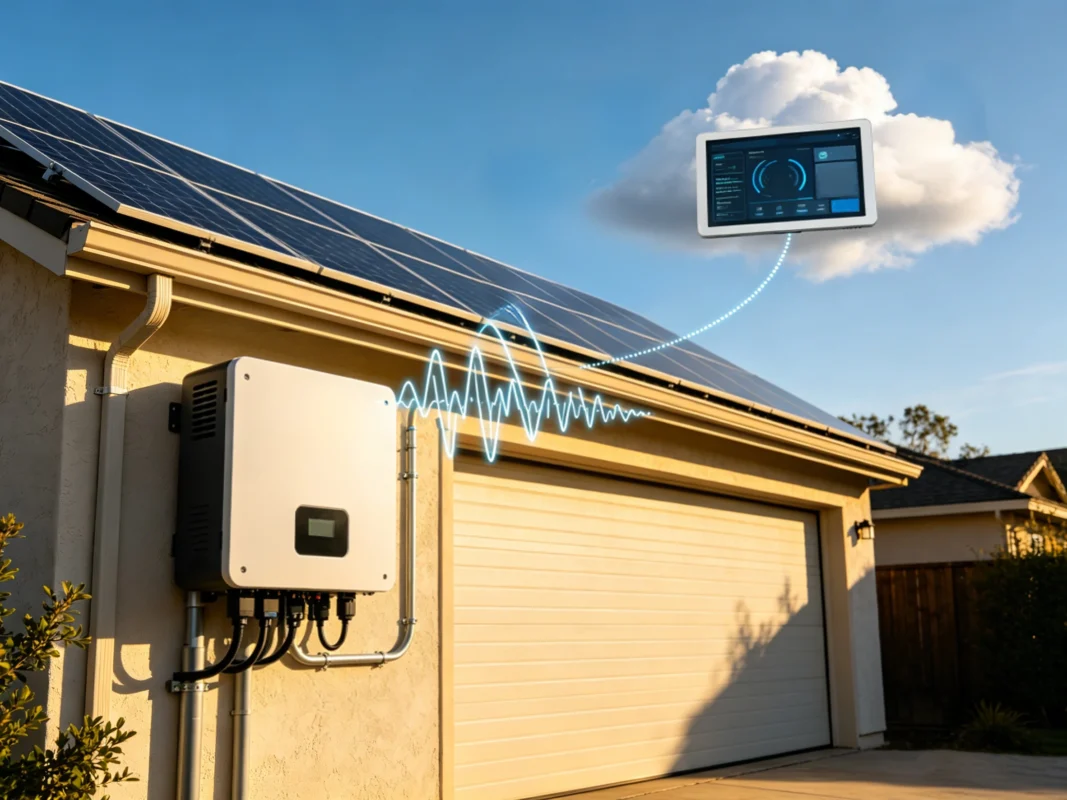
Inverter communication stability refers to the ability of a solar inverter to maintain consistent, uninterrupted communication with monitoring systems, cloud platforms, mobile apps, and remote management servers.
This communication usually happens through technologies such as:
When inverter communication stability is poor, the monitoring platform may experience:
Good communication stability means the inverter can continuously transmit operational data without frequent interruptions.
Modern solar systems rely heavily on real-time monitoring, remote diagnostics, and cloud-based performance tracking. Because of this, inverter communication stability has become one of the most important factors in long-term system reliability. A solar installation may produce clean energy efficiently, but if communication between the inverter and monitoring platform becomes unstable, operators can lose visibility into system health almost instantly.
Today’s residential and commercial PV systems are expected to deliver continuous data updates, instant alerts, and accurate energy reports. Poor solar monitoring connectivity can interrupt these functions and make even small technical issues difficult to detect. In large-scale projects, unstable communication may delay maintenance decisions and reduce overall operational efficiency.
Weak inverter communication stability can lead to significant financial losses over time. When monitoring systems fail to report accurate production data, operators may overlook underperforming strings, inverter faults, or unexpected energy losses for days or even weeks. In commercial solar plants, this can directly reduce revenue and delay corrective actions.
Another overlooked issue is increased maintenance cost. Technicians may need additional site visits simply because remote diagnostics are unavailable. In some cases, unstable remote monitoring reliability also affects warranty claims since incomplete operational data makes fault verification more difficult. For asset owners managing multiple PV sites, recurring communication failures can quickly become expensive.
From an operational perspective, unstable communication creates constant frustration for installers, O&M teams, and system owners. Common issues include delayed alarms, missing historical data, failed firmware updates, and repeated offline notifications. These problems make troubleshooting PV data drops far more time-consuming than necessary.
Poor communication can also weaken cloud-based PV data security if outdated network configurations or unstable connections expose vulnerabilities. To maintain strong inverter communication stability, many professionals now prioritize structured network design, stable internet infrastructure, and proactive system monitoring from the very beginning of the installation process.
Many solar system owners assume communication problems are caused by the inverter itself, but in reality, unstable monitoring usually comes from networking issues, environmental interference, or improper system setup. Understanding these common causes is essential for improving inverter communication stability and maintaining long-term solar monitoring connectivity.
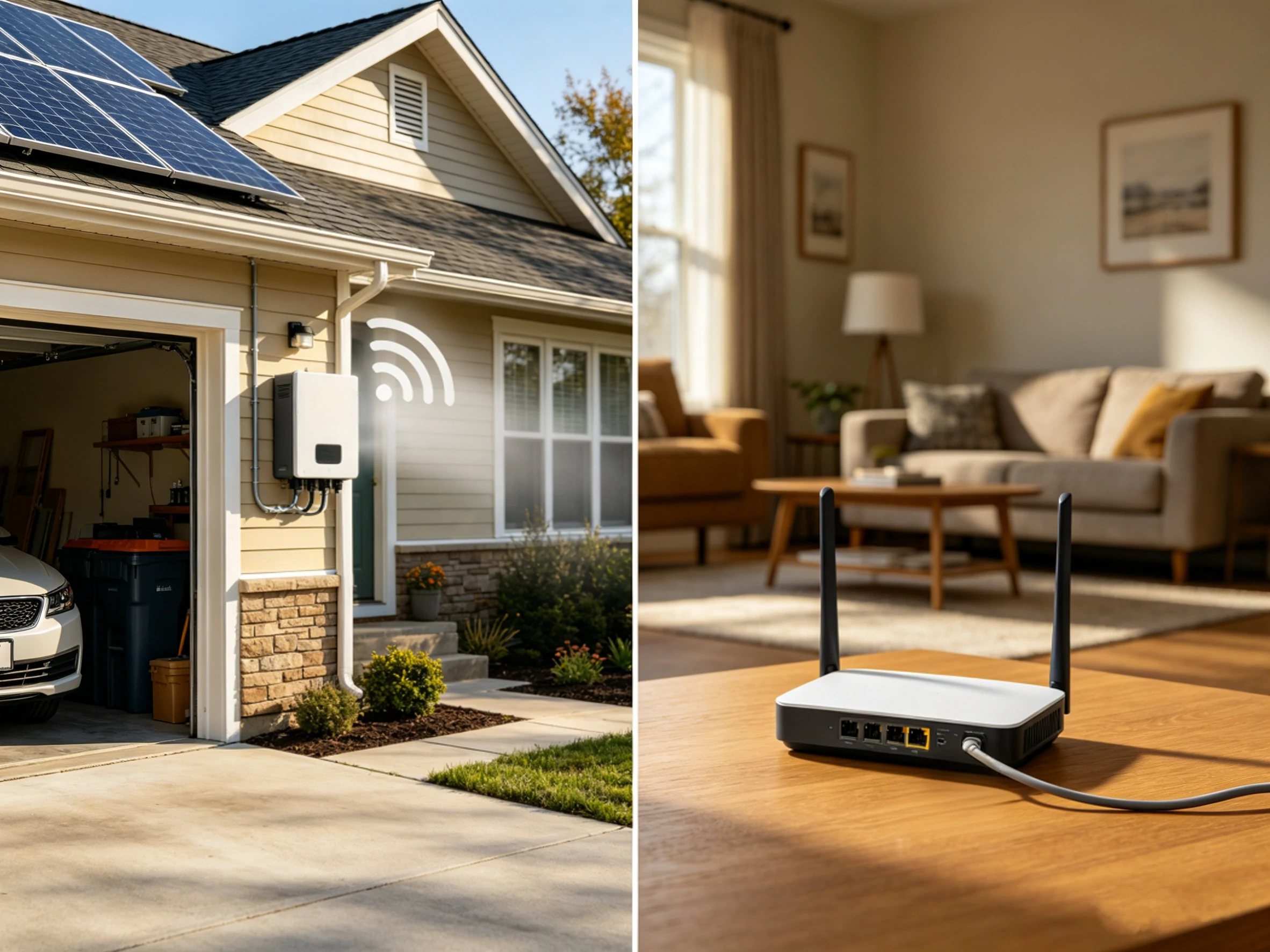
Weak WiFi coverage is one of the most common reasons behind unstable inverter communication. In residential installations, the inverter is often mounted far away from the home router, sometimes behind thick concrete walls, metal panels, or utility rooms that naturally weaken wireless signals.
Even when the connection appears functional, low signal strength can cause intermittent data transmission, delayed updates, and repeated disconnects. This becomes especially noticeable during bad weather or periods of heavy internet usage inside the property.
Another common issue is router replacement. Homeowners frequently change internet providers or update routers without reconnecting the inverter properly. As a result, remote monitoring reliability drops unexpectedly, leaving the system offline for days before anyone notices.
For better inverter communication stability, installers usually recommend placing the router closer to the inverter or using signal extenders, mesh networks, or wired communication where possible.
Many commercial and remote solar systems rely on cellular communication such as GPRS or 4G for monitoring. While this approach offers flexibility, unstable mobile coverage can still create communication interruptions.
Poor signal strength is often caused by:
In some off-grid projects, the inverter may only connect intermittently during certain times of the day. This leads to missing production records and makes troubleshooting PV data drops far more difficult.
To improve inverter communication stability, experienced technicians typically test signal quality during installation rather than assuming cellular coverage is sufficient.
Improper network settings are another major cause of communication failures. Small configuration mistakes can prevent the inverter from communicating with cloud servers consistently.
Yaygın örnekler şunlardır:
These issues may not completely disconnect the system, but they often reduce overall solar monitoring connectivity and create unstable data synchronization.
In commercial projects, structured network planning is extremely important because multiple inverters, gateways, and monitoring devices must communicate simultaneously without conflicts.
Outdated firmware can quietly damage inverter communication stability over time. As cloud monitoring platforms evolve, older firmware versions may struggle to maintain reliable synchronization or support updated communication protocols.
This can result in:
Regular firmware maintenance helps improve both remote monitoring reliability and cloud-based PV data security. Many experienced installers now include firmware verification as part of routine solar system inspections to prevent long-term communication problems before they become serious.
Choosing between WiFi and GPRS has a direct impact on inverter communication stability and long-term solar monitoring connectivity. Both technologies are widely used in modern PV systems, but their performance can vary significantly depending on the installation environment, internet quality, and maintenance conditions. Understanding the strengths and weaknesses of each option helps improve overall remote monitoring reliability.
WiFi remains one of the most popular communication methods for residential solar systems because it is simple and cost-effective. Most homes already have an internet router, making setup relatively fast during installation.
WiFi also offers:
In urban areas with stable broadband service, WiFi can provide strong inverter communication stability for daily monitoring and energy tracking.
Despite its convenience, WiFi is highly dependent on local internet conditions. Weak router signals, thick walls, and network congestion can easily interrupt communication between the inverter and monitoring platform.
Another common issue is homeowner interference. Password changes, router replacements, or accidental network resets often disconnect the system entirely. This is one of the leading causes of troubleshooting PV data drops in residential projects.
WiFi may also struggle in large commercial facilities where long communication distances reduce signal quality.
GPRS communication is often preferred for remote or commercial solar installations because it operates independently from local broadband networks. This improves remote monitoring reliability, especially in off-grid or rural areas.
Temel avantajlar şunlardır:
For many installers, GPRS provides stronger inverter communication stability in challenging environments.
GPRS systems still have limitations. Monthly data costs, SIM management, and variable cellular coverage can create operational challenges. In areas with weak mobile signals, communication may become inconsistent during poor weather or peak network congestion periods.
Compared to wired internet, GPRS also offers lower bandwidth speeds.
For residential systems with stable home internet, WiFi is usually sufficient. However, for commercial projects, remote solar farms, or off-grid systems, GPRS often delivers better long-term solar monitoring connectivity.
Many modern installations now combine both technologies to improve redundancy and maximize inverter communication stability under different operating conditions.
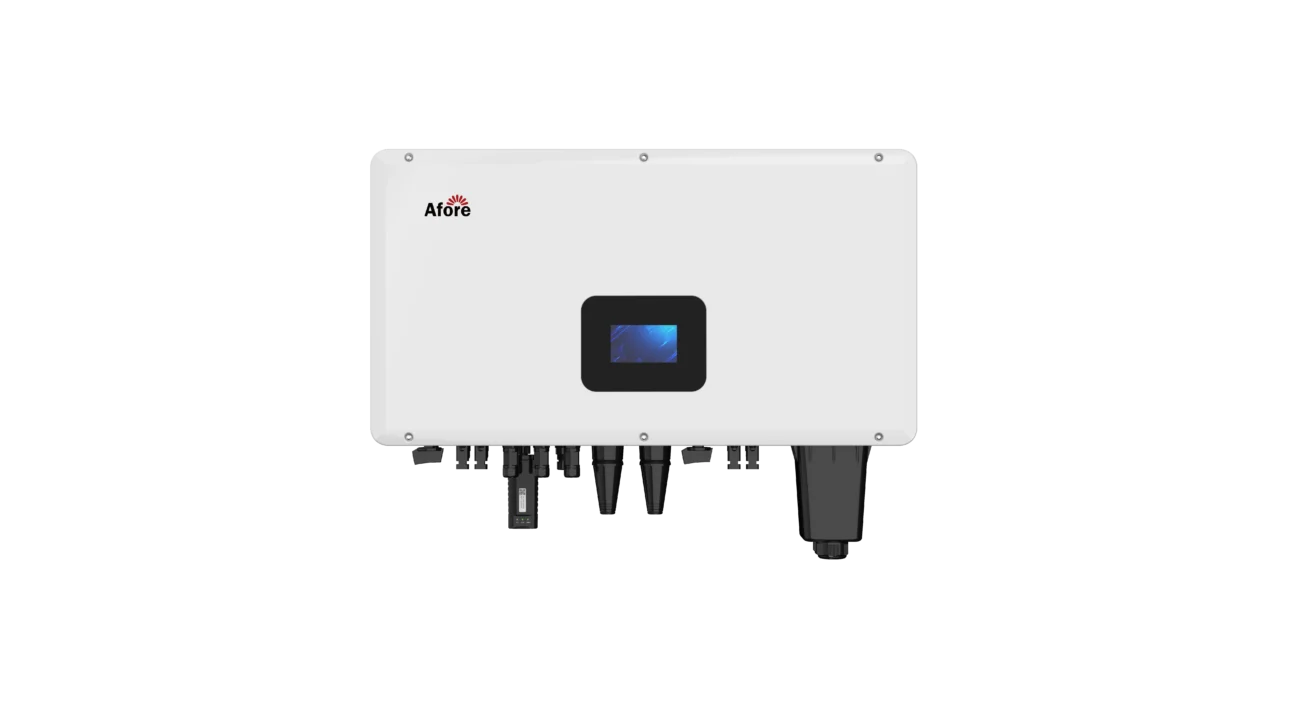
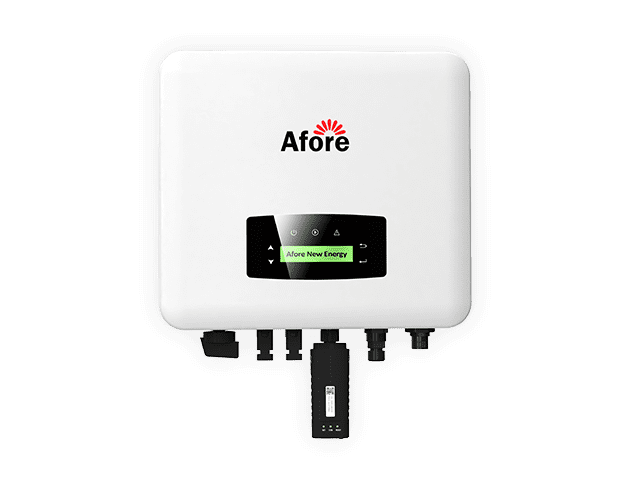
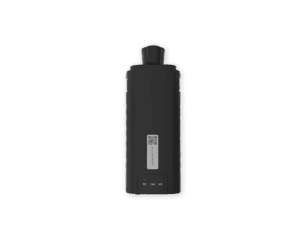
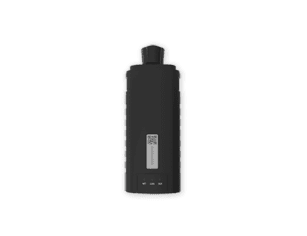
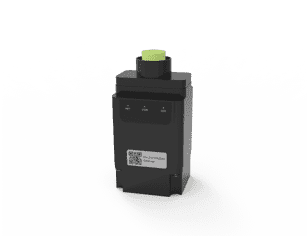
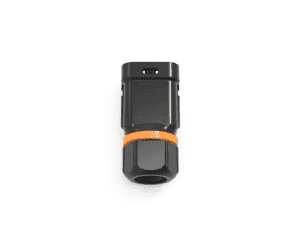
Afore communication modules are designed specifically to enhance inverter communication stability across different deployment scenarios.
These modules support multiple communication methods, including:
One major advantage of advanced Afore communication modules is redundancy.
If one communication channel becomes unstable, the system can maintain partial monitoring continuity through backup pathways.
This significantly improves remote monitoring reliability.
Advanced communication modules also include:
These features help minimize troubleshooting PV data drops later on.
Commercial solar projects often face difficult conditions:
Afore communication modules are engineered to maintain stable performance under these demanding conditions.
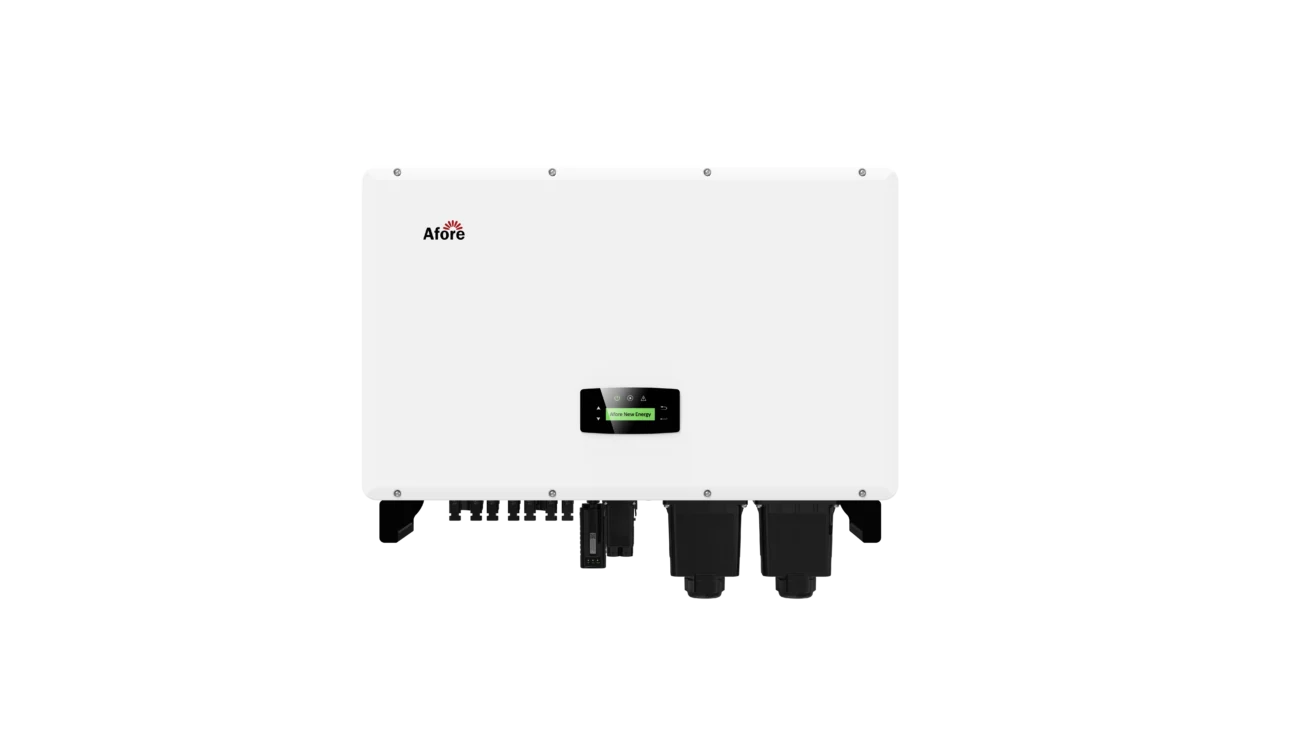
Strong inverter communication stability doesn’t happen accidentally. It requires proper planning from the beginning.
Cheap consumer routers frequently fail in solar environments.
Professional installers should consider:
Reliable hardware dramatically improves solar monitoring connectivity.
If the site experiences unstable broadband service, monitoring reliability will suffer no matter how good the inverter is.
In critical applications:
Firmware updates often fix:
This is especially important for maintaining cloud-based PV data security.
For GPRS systems:
Good antenna positioning directly impacts inverter communication stability.
Poor cable routing creates electromagnetic interference.
En iyi uygulamalar şunlardır:
Intermittent monitoring failures are one of the most frustrating issues in solar operations. Missing production records, delayed updates, and offline inverter alerts can make system management far more complicated than it should be. Effective troubleshooting PV data drops requires a structured approach rather than random trial and error. In many cases, the problem is linked directly to weak inverter communication stability rather than actual power generation issues.
Start with the most basic but most commonly overlooked issue: internet access. A disconnected router, expired SIM card, unstable broadband connection, or temporary ISP outage can immediately interrupt solar monitoring connectivity.
For WiFi-based systems, confirm that the inverter is still connected to the correct network. For GPRS systems, check whether the cellular network is active and transmitting data normally. Simple connection failures account for a surprisingly large percentage of monitoring interruptions.
Weak signal quality is another major reason for unstable communication. Even if the inverter appears online, poor signal strength can cause delayed uploads and incomplete monitoring records.
For WiFi systems:
For cellular systems:
Stable signal performance is essential for long-term remote monitoring reliability.
Outdated firmware can quietly create communication conflicts between the inverter, communication module, and cloud monitoring platform. This may result in random disconnects or failed data synchronization.
Keeping firmware updated helps improve:
Experienced technicians often include firmware checks as part of routine maintenance inspections.
Not every data drop originates from the local site. Sometimes the monitoring platform itself may experience temporary server maintenance, synchronization delays, or cloud outages.
Before replacing hardware unnecessarily, verify whether the cloud service is functioning normally. This step can save hours of unnecessary troubleshooting work.
Historical monitoring records often reveal hidden communication problems. Repeated disconnects at specific times of day may point to router restarts, network congestion, or unstable carrier coverage.
Carefully analyzing data history helps technicians identify recurring causes faster and improve overall inverter communication stability over the long term.
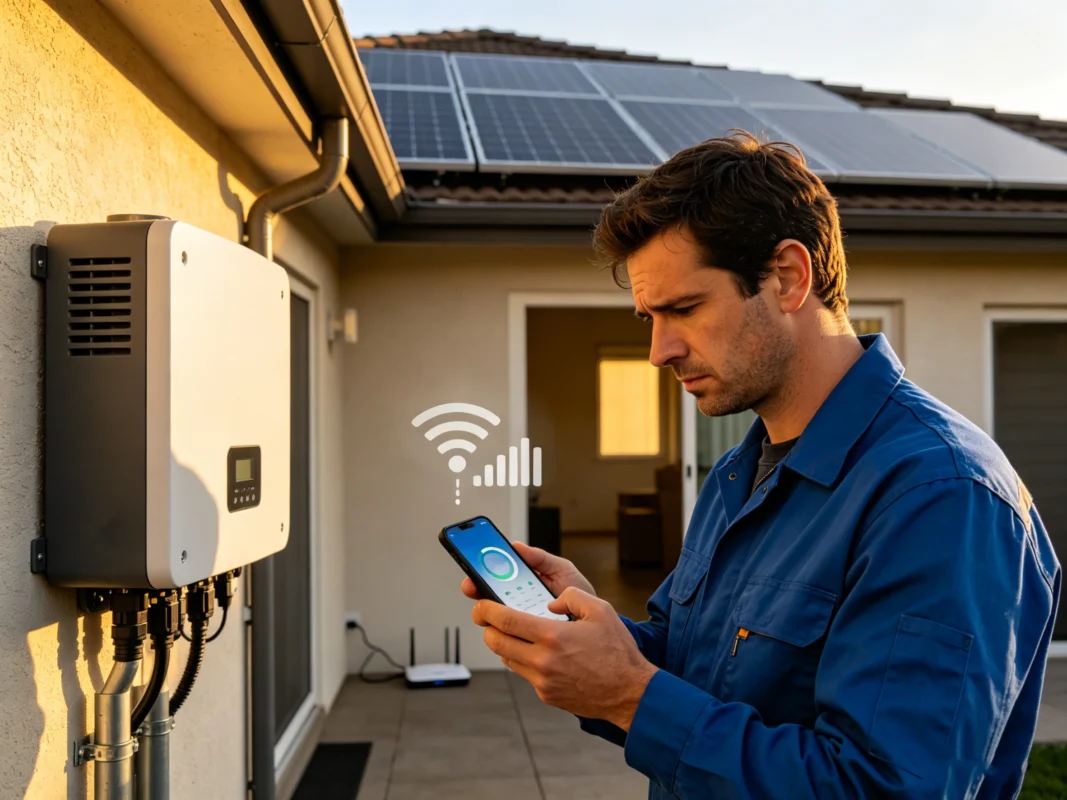
As modern solar systems become increasingly connected, data security is now closely tied to inverter communication stability. Cloud monitoring platforms handle large amounts of operational data every day, including production statistics, inverter performance records, alarm notifications, and remote system settings. Without proper protection, unstable or unsecured communication networks can expose solar installations to serious operational risks.
Weak security protocols can leave PV monitoring systems vulnerable to unauthorized access, data manipulation, and communication interruptions. In large commercial projects, even a temporary breach may affect system visibility and reduce overall remote monitoring reliability.
Another concern is data integrity. If communication between the inverter and cloud platform becomes unstable or compromised, monitoring reports may become inaccurate or incomplete. This creates additional challenges when troubleshooting PV data drops or analyzing long-term system performance.
Strong cybersecurity practices help maintain stable solar monitoring connectivity while also protecting sensitive operational information.
Modern monitoring platforms typically rely on advanced encryption technologies to secure data transmission between the inverter, communication gateway, and cloud server.
Common security measures include:
These technologies help reduce the risk of data interception and improve both cloud-based PV data security and overall communication reliability.
Firmware updates are essential for maintaining stable system performance, but insecure update processes can create major vulnerabilities. Secure firmware management helps protect against corrupted software, unauthorized modifications, and communication instability.
Regular updates often improve:
For this reason, many experienced installers now treat firmware maintenance as a critical part of long-term solar system reliability rather than a simple software task.
Today’s leading güneş invertörü üreticileri understand that communication quality strongly affects customer satisfaction.
As a result, manufacturers are investing heavily in:
Modern platforms can now:
This greatly improves remote monitoring reliability.
Many commercial systems now combine:
This hybrid design improves overall inverter communication stability.
Some platforms now include:
These tools simplify troubleshooting PV data drops considerably.
Large-scale projects require far more robust communication design.
Separate monitoring traffic from corporate IT traffic to reduce congestion and security risks.
Commercial plants should always consider:
This ensures stronger solar monitoring connectivity.
Centralized data aggregation improves:
Outdoor networking equipment should include:
These measures directly improve long-term inverter communication stability.
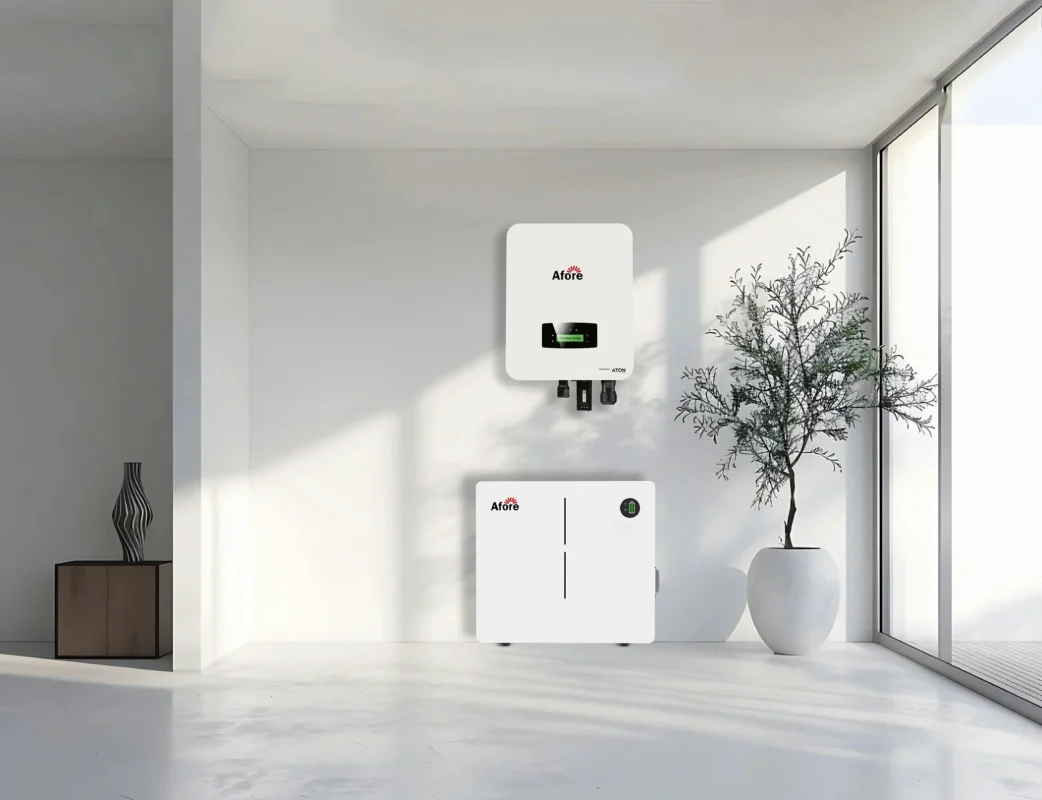
In today’s solar industry, communication reliability is no longer just a convenience feature—it’s a core operational requirement.
Strong inverter communication stability improves:
Whether you are managing a residential rooftop system or a massive commercial PV facility, investing in reliable communication infrastructure pays off over the long term.
As monitoring technology evolves, the gap between stable and unstable systems will become even more obvious. The future belongs to solar installations with intelligent, secure, and resilient communication networks.
For residential systems with strong broadband service, WiFi usually works well. However, GPRS often provides better inverter communication stability in remote or commercial solar projects because it operates independently from local routers and home internet interruptions.
While no system can guarantee absolute 100% uptime, stable solar monitoring connectivity can be improved by using backup communication methods, industrial-grade networking equipment, proper antenna placement, and regular firmware maintenance.
The most common causes include weak WiFi signals, unstable cellular coverage, incorrect network settings, outdated firmware, cloud server interruptions, and internet outages. Properly troubleshooting PV data drops usually starts with checking network stability first.
Strong inverter communication stability helps maintain accurate monitoring data, faster fault detection, reliable remote diagnostics, and better system visibility. Poor communication can delay maintenance and reduce overall PV system efficiency.
Several factors influence remote monitoring reliability, including internet quality, communication hardware, firmware compatibility, environmental interference, and cloud server performance. Stable networking infrastructure plays a major role in long-term monitoring accuracy.
Firmware should be checked regularly during maintenance inspections or whenever communication issues appear. Updated firmware can improve cloud-based PV data security, fix connectivity bugs, and enhance overall system compatibility.
Commercial PV projects should use structured network design, surge protection, shielded communication cables, redundant internet connections, and centralized monitoring systems. These practices help improve inverter communication stability and reduce downtime risks.
GPRS is highly useful for remote solar installations because it does not rely on local broadband infrastructure. It offers wider coverage, stable long-distance communication, and stronger remote monitoring reliability in isolated environments.
Indirectly, yes. Weak communication may prevent operators from detecting inverter faults, energy losses, or underperforming PV strings quickly. Over time, unresolved issues can negatively affect overall system efficiency and energy production.
Installers can improve solar monitoring connectivity by optimizing router placement, using stronger antennas, separating power and communication cables, updating firmware regularly, and testing signal quality during system commissioning.








 Romanian