




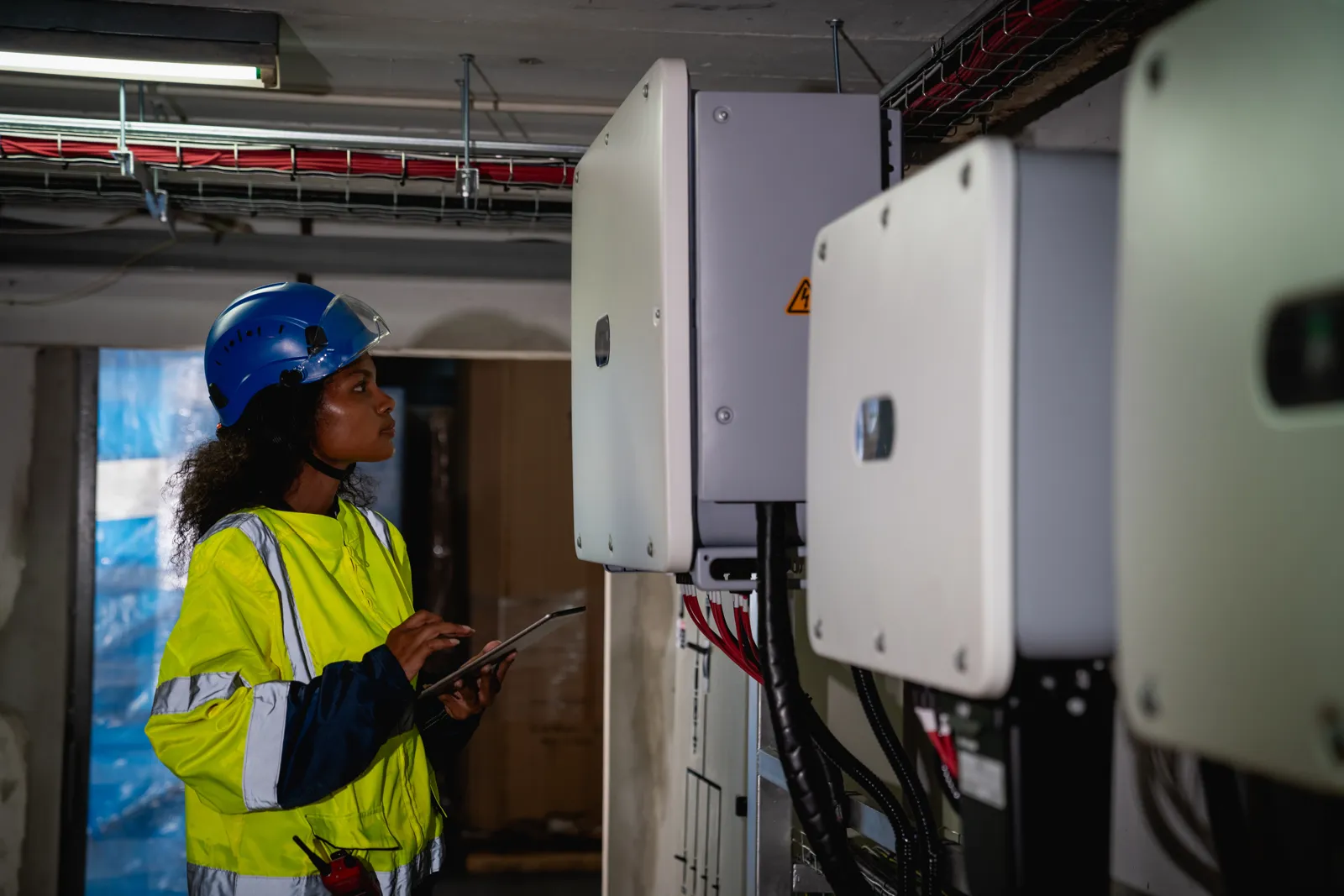
Selecting a high voltage hybrid inverter manufacturer is one of the most important technical and commercial decisions in a commercial solar-plus-storage project. The inverter is not simply a conversion device between DC and AC power. In a modern C&I enerji̇ depolama si̇stemi̇, it influences PV string design, battery selection, grid interconnection, export control, backup strategy, data visibility, commissioning workload, and long-term service risk.
For EPC companies, PV installers, system integrators, distributors, and facility owners, the decision is rarely based on peak efficiency alone. A commercial hibrit invertör may look competitive on a datasheet, yet create project risk if its battery compatibility is limited, its grid certifications do not match the target market, or its after-sales support cannot respond quickly during commissioning. Conversely, a higher-specification inverter may reduce total system cost if it simplifies wiring, supports approved high voltage battery systems, improves monitoring, or reduces service visits over the project life.
The role of the manufacturer is therefore critical. Buyers are not only purchasing hardware; they are relying on the manufacturer’s engineering quality, documentation, firmware discipline, certification coverage, supply reliability, and service infrastructure. This is especially important in global B2B solar markets where commercial projects may involve multiple stakeholders, strict utility requirements, financing milestones, and long-term performance commitments.
This guide explains how to evaluate a high voltage hybrid inverter manufacturer from a system-level perspective. It focuses on practical selection criteria for commercial PV and energy storage projects, including technical compatibility, compliance, installation risk, monitoring, O&M, and lifecycle economics.
A high voltage hybrid inverter sits at the center of a solar-plus-storage system. In commercial applications, it must manage PV generation, battery charging and discharging, grid interaction, and sometimes backup or load-priority functions. Unlike a standard grid-tied inverter, which mainly converts PV DC power into grid-compliant AC power, a hybrid inverter also coordinates bidirectional energy flow between the battery, the PV array, site loads, and the grid.
This distinction is important for EPCs and installers because the inverter affects the entire project architecture. In a self-consumption project, it may prioritize PV energy for facility loads and store excess power for later use. In a peak shaving application, it may discharge the battery during demand peaks to reduce utility demand charges. In an export-limited site, it may coordinate PV curtailment and battery charging to keep grid export below an approved threshold. In backup-capable commercial facilities, it may support selected critical loads during outages, provided the system is correctly designed.
A high voltage battery inverter architecture is typically used to reduce current on the battery side compared with low-voltage storage configurations. Lower current can reduce cable losses and conductor sizing in suitable designs, although the exact benefit depends on system voltage, power rating, installation distance, protection devices, and local electrical codes. The key point is that inverter and battery selection must be reviewed together, not as separate procurement items.
Commercial energy storage terminology is often used inconsistently, so it is important to clarify system scope before comparing manufacturers.
A high voltage hybrid inverter typically combines PV inverter and battery management functions in a single platform capable of handling both solar generation and battery storage. These systems are commonly used in DC-coupled commercial PV + ESS installations where solar production and battery charging share the same DC-side architecture.
A battery inverter, sometimes called a storage inverter, is usually focused only on battery charging and discharging functions. It may be paired with separate PV inverters in AC-coupled systems.
PCS (Power Conversion System) solutions are generally larger-scale bidirectional conversion platforms used in commercial and utility-scale ESS projects. PCS products may support containerized battery systems, microgrids, or large centralized storage applications with advanced EMS integration.
DC-coupled hybrid systems allow PV generation to charge batteries directly on the DC side, which can improve round-trip efficiency and reduce conversion losses. AC-coupled storage systems instead connect solar and storage through separate inverter paths on the AC side, often simplifying retrofits for existing solar installations.
Because these architectures differ in efficiency, scalability, retrofit flexibility, and compliance requirements, project developers should compare manufacturers based on the actual system topology required for the project rather than using the terms interchangeably.
In commercial solar and energy storage projects, a high voltage hybrid inverter usually refers to a system designed to work with battery banks operating at several hundred volts DC rather than traditional 48 V low-voltage battery systems. Depending on the manufacturer, battery chemistry, and regional standards, commercial high-voltage battery platforms commonly operate in ranges such as 150 V, 300 V, 600 V, or even higher in large-scale ESS deployments.
The reason higher DC voltage matters is mainly electrical efficiency and system scalability. When voltage increases, the same power can be delivered with lower current. Lower current reduces cable thickness requirements, decreases resistive heat losses, improves conversion efficiency, and simplifies installation in larger commercial and industrial projects. Compared with low-voltage 48 V architectures, high voltage systems are generally better suited for medium and large commercial energy storage where power demand, battery capacity, and inverter output are significantly higher.
At the same time, manufacturers may define “high voltage” differently depending on their product architecture. Some classify anything above 100 V DC as high voltage, while others reserve the term for several-hundred-volt battery platforms used in commercial and industrial ESS applications. Because of these differences, project developers should always verify the actual battery operating window, inverter DC input range, and certified battery compatibility list rather than relying only on marketing terminology.
According to the U.S. Department of Energy, modern solar inverters are no longer limited to DC-to-AC conversion. Advanced inverter platforms increasingly support grid services, voltage regulation, frequency response, and distributed energy resource coordination within modern power systems. In commercial environments, the inverter can support self-consumption optimization, peak shaving, backup power strategies, demand-charge reduction, and energy arbitrage depending on local regulations and project configuration.
However, not every commercial hybrid inverter supports the same charging and grid interaction functions. Grid charging capability may depend on inverter firmware, utility approval, regional interconnection rules, electricity tariff structures, incentive-program requirements, and site-level EMS or control settings. In some markets, charging batteries directly from the utility grid may be restricted or require additional approvals, particularly for projects participating in export-control programs or incentive schemes.
In a commercial PV system, a high voltage hybrid inverter controls several energy pathways at once. It receives DC power from PV strings, converts power for AC loads or grid export, charges the battery when excess energy is available or when tariffs make charging economical, and discharges stored energy when the site requires it. In many systems, the inverter also communicates with meters, CTs, an energy management system, and a battery management system.
This makes the inverter a control point as well as a power electronics device. For example, if a warehouse has a daytime PV surplus but a high evening load, the inverter can store excess solar generation and discharge it later. If an industrial facility faces high demand charges, the inverter can discharge during short load spikes. If a commercial building has a strict zero-export requirement from the local utility, the inverter must respond quickly to changing site loads and prevent unintended export.
For backup applications, the inverter’s role becomes more complex. Backup capability is not automatically equal to powering the entire facility. The inverter must be able to form or support an islanded AC network, the battery must have enough capacity and discharge power, and the switchgear must safely separate backup loads from the grid. Professional buyers should therefore treat backup as a designed system function, not a generic feature label.
Some commercial hybrid inverters may also support backup or grid-forming operation during utility outages, although actual backup capability depends on inverter architecture, battery configuration, transfer equipment, and site load design.
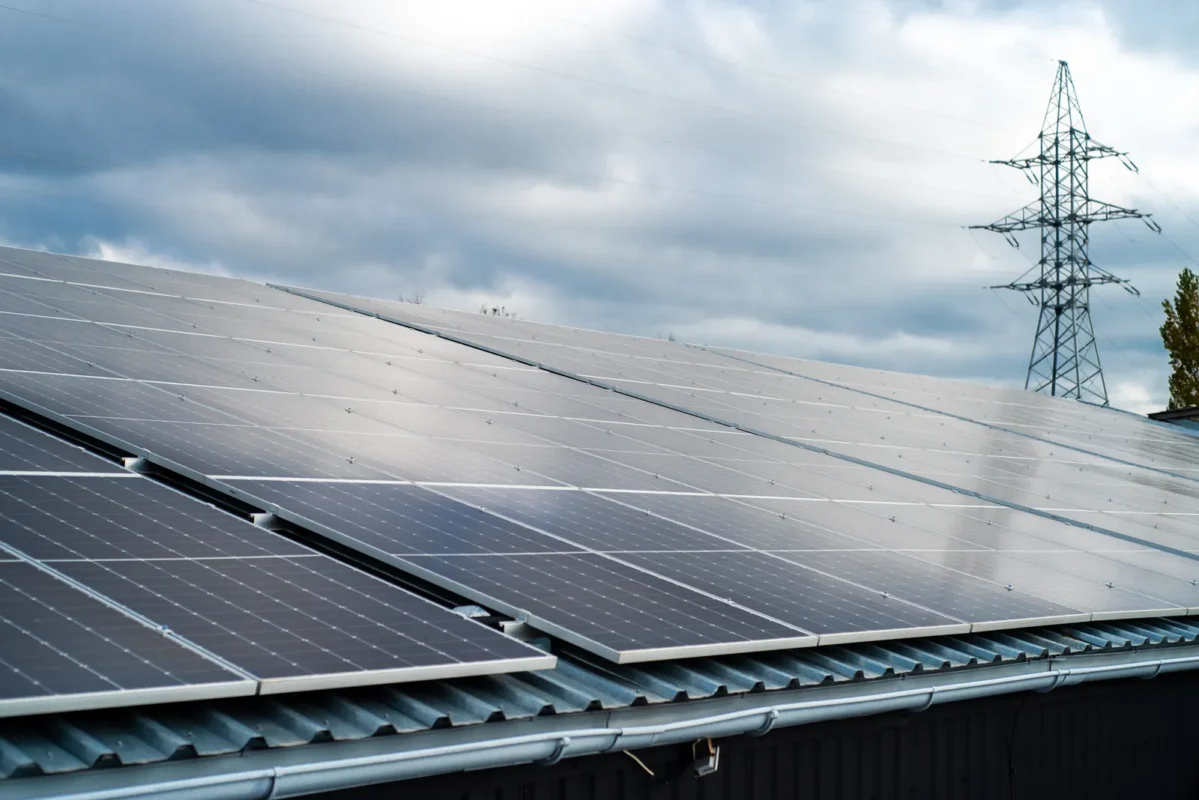
The first technical review should confirm that the inverter’s AC output, PV input range, MPPT capability, battery voltage window, and grid configuration match the project design. For commercial and industrial sites, three-phase operation is often required, and the inverter must match local nominal voltage and frequency requirements.
A practical review normally includes nominal AC output, maximum continuous output power, overload capability, maximum PV DC voltage, MPPT operating range, startup voltage, maximum PV input current, number of MPPTs, battery voltage range, maximum charge and discharge current, and supported communication protocols. These values determine whether the inverter can accommodate the intended PV modules, string lengths, battery rack configuration, and load profile.
| Specification area | Why it matters in C&I projects |
|---|---|
| AC output power and phase | Determines connection suitability for three-phase commercial loads and grid interconnection |
| PV voltage and MPPT range | Affects string sizing, cold-weather voltage compliance, and energy yield |
| PV input current | Must match high-current modules and parallel string design |
| Battery voltage window | Determines compatibility with approved high voltage battery systems |
| Charge/discharge power | Influences peak shaving, backup duration, and tariff optimization |
| Izgara destek fonksiyonları | Affects utility approval and stable operation under local grid rules |
| Ingress protection and cooling | Determines installation suitability for rooftops, plant rooms, or outdoor cabinets |
An undersized inverter can limit energy yield or reduce demand charge savings. An oversized inverter can increase capital cost without improving financial return. A mismatched inverter can create commissioning delays, failed inspections, or restricted system operation. For EPCs, the most important question is not whether the inverter is powerful enough in theory, but whether its operating windows align with real site conditions.
Different inverter architectures are typically optimized for different commercial project scales.
Smaller commercial projects such as retail buildings, offices, agricultural facilities, and small warehouses often prioritize compact installation, simplified commissioning, and integrated monitoring. In this range, all-in-one hybrid inverter systems may offer easier deployment and lower installation complexity.
Mid-sized commercial and industrial systems usually require higher battery throughput, advanced EMS coordination, stronger peak-shaving capability, and broader utility compliance support. Battery compatibility, scalability, and service response become increasingly important at this level.
Larger C&I and industrial ESS projects often involve parallel inverter architecture, centralized EMS coordination, multiple battery cabinets, and advanced grid-management functions. In these projects, integrators must evaluate inverter communication architecture, fault coordination, redundancy strategy, utility interconnection requirements, and long-term serviceability across multi-device deployments.
Battery compatibility in commercial ESS projects involves more than matching voltage ranges. There are typically three separate compatibility layers that affect operational reliability and compliance.
The first layer is inverter certification, which confirms the inverter itself meets electrical and safety standards. The second layer is battery certification, covering battery-module safety, thermal management, and ESS compliance requirements. The third layer is approved paired-system compatibility, where the inverter manufacturer and battery manufacturer have validated communication protocols, charging behavior, protection coordination, and firmware interaction together.
Even if both the inverter and battery are individually certified, unsupported pairing combinations may still create operational issues such as communication instability, charging limitations, reduced warranty coverage, or incomplete EMS functionality. For this reason, commercial projects should prioritize officially approved inverter-battery combinations whenever possible.
Efficiency remains important, but it should be interpreted carefully. Maximum efficiency is measured under specific test conditions and does not always represent daily field performance. Weighted efficiency, partial-load behavior, MPPT tracking accuracy, battery charge/discharge efficiency, and thermal derating can be more relevant to commercial project economics.
Response time also matters in systems requiring export limitation or peak shaving. If site load changes rapidly and the inverter responds too slowly, the system may briefly export power beyond the approved limit or fail to reduce demand peaks effectively. For backup applications, transfer time and load pickup capability must be reviewed in relation to the site’s critical equipment.
Common operating modes include self-consumption, time-of-use optimization, peak shaving, export limitation, backup priority, battery reserve control, generator coordination, and scheduled charging. The value of these modes depends on the local tariff structure, load profile, interconnection agreement, and facility priorities. A school, cold storage facility, logistics warehouse, and manufacturing plant may all require different control strategies even if the inverter power rating is similar.
A qualified high voltage hybrid inverter manufacturer should be evaluated across technical, regulatory, operational, and commercial dimensions. Product specifications are only one part of the decision. Commercial buyers also need to understand whether the manufacturer can support real projects from design review through commissioning, O&M, warranty handling, and repeat procurement.

Commercial PV and storage projects require a different level of maturity from residential installations. A manufacturer may have broad experience in small-scale systems but limited capability in three-phase commercial applications, larger battery capacities, parallel operation, complex grid codes, and multi-site monitoring.
Professional buyers should look for evidence of deployment in comparable project types. This may include anonymized case documentation, reference architectures, commissioning reports, technical application notes, and approved system diagrams. For resellers and EPCs, product maturity is especially important because early field issues can damage customer relationships and increase support costs.
A useful question is whether the manufacturer can explain how its commercial hybrid inverter performs in realistic scenarios: multi-orientation rooftops, export-limited connections, high ambient temperature, weak grid conditions, high-power PV modules, and multi-rack battery systems. Brochure claims are less valuable than verified datasheets, certification records, and field-proven integration guidance.
Commercial buyers and project financiers often evaluate manufacturer bankability before approving large ESS procurement decisions.
Important bankability considerations include:
A technically capable inverter platform may still create project risk if the manufacturer lacks long-term operational stability or support infrastructure.
Certification gaps can delay or prevent project approval. A high voltage hybrid inverter intended for global commercial use may need electrical safety certification, EMC compliance, grid interconnection approval, battery system compatibility documentation, and environmental protection testing. Requirements vary by region, utility, voltage level, project size, and installation type.
Examples of relevant standards and requirements include IEC 62109 for inverter safety, IEC 61000 series for electromagnetic compatibility, UL 1741 and IEEE 1547 requirements in North America, EN 50549 in parts of Europe, and other national or utility-specific grid codes. The EU network code framework also influences generator connection requirements for grid-connected power-generating modules in European markets.
For distributors, regional compliance determines whether the product can be legally sold and safely installed in target territories. For EPCs, compliance determines whether the project can pass permitting, interconnection review, and inspection. Buyers should request certificates, test reports where appropriate, grid code declarations, and model-specific documentation. It is not enough for a manufacturer to state that a “series” is certified if the exact model, firmware version, and configuration used in the project are not covered.
Commercial hybrid inverter manufacturers should demonstrate compliance with regional grid-interconnection requirements relevant to their target markets.
Projects in the United States and parts of North America may require compliance with:
Utilities may also require certified export-control functionality and approved grid-support settings before commissioning approval.
European projects may involve:
Because grid-code implementation differs between European countries, manufacturers often provide market-specific firmware profiles.
UK commercial storage projects may require:
Export-limited systems may require additional witness testing before final approval.
Australian projects commonly require:
Some Australian jurisdictions also require additional cybersecurity or remote-control capability for distributed energy resources.
| Bölge | Common Inverter/Grid Documents | Additional ESS Requirements |
|---|---|---|
| Amerika Birleşik Devletleri | UL 1741, IEEE 1547 | Fire permitting, utility approval, ESS site review |
| Avrupa Birliği | EN 50549, CE-related compliance | National grid-code settings, local permitting |
| United Kingdom | G99, G100 | DNO approval, export-control validation |
| Avustralya | AS/NZS 4777.2 | DNSP approval, dynamic export compliance |
This layered compliance approach is important because regulatory approval usually depends on both product certification and site-level integration review.
For commercial energy storage projects, regulatory readiness is usually evaluated across several separate but connected approval layers.
| Compliance Layer | Typical Scope |
|---|---|
| Inverter product certification | Electrical safety, EMC, inverter functionality |
| Battery product certification | Battery safety, thermal protection, transportation compliance |
| Inverter-battery compatibility approval | Verified communication and operational validation |
| Şebeke kurallarına uygunluk | Utility export behavior, frequency response, anti-islanding |
| Site-level permitting | Local electrical, structural, and fire review |
| Utility commissioning approval | Final authorization to connect and operate |
Because approval responsibility is distributed across these layers, EPCs and developers should confirm compatibility and documentation early in the design phase rather than assuming a certified inverter guarantees full project acceptance.
Warranty structure is a major part of lifecycle risk. Buyers should review warranty duration, covered components, exclusions, environmental limitations, labor coverage, shipping responsibility, response time expectations, firmware policy, and RMA procedure. Commercial project owners need clarity because inverter downtime can reduce PV revenue, interrupt energy management strategies, and affect contracted performance obligations.
After-sales support is equally important. A manufacturer should provide remote diagnostics, technical documentation, commissioning support, escalation procedures, and local or regional service capability where possible. Spare parts availability matters for components such as fans, communication modules, connectors, display boards, and other replaceable parts, depending on the inverter design.
A low initial purchase price can become expensive if the manufacturer cannot support troubleshooting efficiently. For EPCs managing multiple sites, slow support response can mean repeat truck rolls, extended downtime, and strained relationships with facility owners.
| Service Model | Characteristics | Sınırlamalar |
|---|---|---|
| Factory-only support | Direct manufacturer technical control | Slower response in overseas markets |
| Distributor-led support | Faster local communication | Technical depth may vary |
| Certified service partner network | Regional field-service capability | Coverage quality depends on partner training |
| Remote commissioning support | Faster startup assistance | Requires stable communication infrastructure |
| Local spare-part hubs | Reduced downtime risk | Inventory availability may vary |
| SLA-based commercial support | Defined response commitments | Often limited to premium contracts |
Commercial buyers should verify which support model actually applies in their target market instead of assuming global support consistency.
Commercial PV schedules are often tied to grid approval, construction windows, incentive deadlines, financing milestones, and customer operations. Inverter delivery delays can therefore create significant project risk. A manufacturer’s production capacity, logistics reliability, packaging quality, documentation consistency, and regional distribution support should be assessed before large orders are placed.
Resellers should also examine minimum order quantities, training support, demo unit availability, product lifecycle stability, and whether the same models are expected to remain available for repeat procurement. Frequent model changes may create design revisions, new certification checks, spare parts complexity, and installer retraining.
For EPCs, the procurement question is not simply “Can the manufacturer supply this project?” It is also “Can this manufacturer support repeatable project execution over the next several years?”
| Evaluation Category | Why It Matters | Suggested Weight |
|---|---|---|
| Technical compatibility | Determines whether inverter voltage range, battery communication, and power architecture match the project | 20% |
| Certification coverage | Affects utility approval, permitting, and regional market access | 15% |
| Approved battery ecosystem | Impacts reliability, firmware coordination, and warranty support | 15% |
| Regional service capability | Influences commissioning speed and after-sales response time | 10% |
| Lead time and supply stability | Critical for EPC scheduling and project delivery timelines | 10% |
| Garanti yapısı | Determines long-term risk exposure and replacement support | 10% |
| Monitoring and EMS integration | Affects operational visibility and energy optimization | 5% |
| Ürün yol haritası | Indicates long-term platform continuity and firmware support | 5% |
| Commercial terms | Includes pricing, payment structure, distributor support, and training | 10% |
This type of weighted evaluation helps commercial EPCs and developers compare suppliers using measurable project criteria rather than relying only on datasheets or peak efficiency claims.
When evaluating a high voltage hybrid inverter manufacturer, commercial buyers should review not only general specifications but also model-level operational support and ecosystem maturity.
Important manufacturer-specific evaluation points include:
In commercial ESS deployments, long-term support infrastructure often becomes just as important as inverter hardware specifications.
Commercial buyers should also investigate how the manufacturer controls production quality and reliability consistency.
Key questions include:
For commercial and industrial ESS projects, manufacturing process quality can significantly affect long-term operational reliability and maintenance costs.
Technical specifications should be reviewed as a connected system. The PV array, inverter, battery, AC distribution, grid connection, EMS, meters, and protection devices all interact. A technically strong commercial hybrid inverter is one whose specifications align with the complete project design.
PV input design begins with maximum DC voltage, startup voltage, MPPT operating range, maximum input current, number of MPPTs, and allowable strings per MPPT. These values determine how the array can be configured across roof sections, orientations, and module types.
EPCs should model open-circuit voltage under the lowest expected site temperature to ensure strings do not exceed the inverter’s maximum DC voltage. They should also check current limits carefully when using high-power modules, especially where multiple strings are paralleled on one MPPT. On commercial rooftops with different orientations or partial shading, more MPPT channels may improve design flexibility and energy yield.
DC/AC ratio is another important decision. A higher DC/AC ratio can improve inverter utilization and increase annual energy production in some climates, but it may also increase clipping during peak solar conditions. In solar-plus-storage systems, battery charging can sometimes absorb energy that would otherwise be clipped, but this depends on inverter architecture, battery state of charge, control strategy, and export limits.
Battery-side specifications determine how much storage value the system can actually deliver. The inverter’s battery voltage window must match the battery rack configuration across its operating state of charge and temperature range. Maximum charge and discharge current, power limits, and BMS commands affect usable performance.
For peak shaving, sustained discharge power is often more important than short surge capability. For backup, usable energy capacity and critical load demand determine how long the system can operate during an outage. For time-of-use shifting, round-trip efficiency and control accuracy influence economic return.
The inverter and battery should be evaluated as a certified or manufacturer-approved system. A battery may have sufficient capacity on paper, but if the inverter limits charge/discharge power or the BMS reduces output at certain temperatures, actual performance may be lower than expected. Commercial proposals should therefore specify usable capacity, sustained power, operating temperature assumptions, and battery reserve settings.
Commercial inverters are typically grid-following during normal grid-connected operation, meaning they synchronize with the utility grid. Some hybrid systems also provide grid-forming functionality for backup or microgrid operation, where the inverter establishes voltage and frequency for an islanded network. These functions must be clearly distinguished because they affect switchgear design, load selection, and protection coordination.
AC output specifications include nominal voltage, phase configuration, maximum continuous power, apparent power, power factor range, harmonic distortion, overload capacity, and neutral requirements. For backup systems, transfer switching, islanding protection, grounding method, and critical load panel design are essential.
Backup should be designed around a defined critical load list. For example, a food distribution facility may prioritize refrigeration controls, security systems, communications, and selected lighting rather than the entire facility. An office building may prioritize servers, access control, emergency lighting, and elevators only if the inverter architecture and local rules support those loads. Assuming that a hybrid inverter can back up all commercial loads without load analysis is a common design error.
Backup capability should be evaluated using a structured design approach rather than assuming every hybrid inverter can operate all facility loads during outages.
Step 1: Verify backup or grid-forming capability
Some commercial hybrid inverters only support grid-following operation and cannot maintain standalone power during utility outages. Others may support limited backup output or full grid-forming functionality.
Step 2: Confirm backup output rating
Backup output capacity is often lower than normal grid-connected inverter rating. Continuous and surge-load capability should both be verified.
Step 3: Define the critical-load list
Commercial facilities should identify which loads must remain operational during outages, such as:
Attempting whole-building backup can significantly increase system cost and battery sizing requirements.
Step 4: Evaluate transfer equipment
Backup operation may require:
Step 5: Size battery capacity and discharge power
Battery energy capacity and discharge capability must support the required backup duration and startup characteristics of connected loads.
Step 6: Identify loads unsuitable for backup
Large HVAC systems, industrial motors, electric heating, and high inrush-current equipment may exceed practical backup capability depending on inverter architecture and battery discharge limits.
Environmental conditions can significantly affect inverter lifespan, thermal derating behavior, and maintenance requirements in commercial installations.
Important application-specific selection factors include:
Commercial ESS projects operating in aggressive environments should evaluate enclosure design, cooling strategy, corrosion resistance, and maintenance accessibility early in system design.
The right inverter choice depends heavily on system architecture. Commercial PV-plus-storage can be designed as a DC-coupled hybrid system, an AC-coupled storage system, or a more complex architecture involving multiple inverters, batteries, meters, and energy management layers.
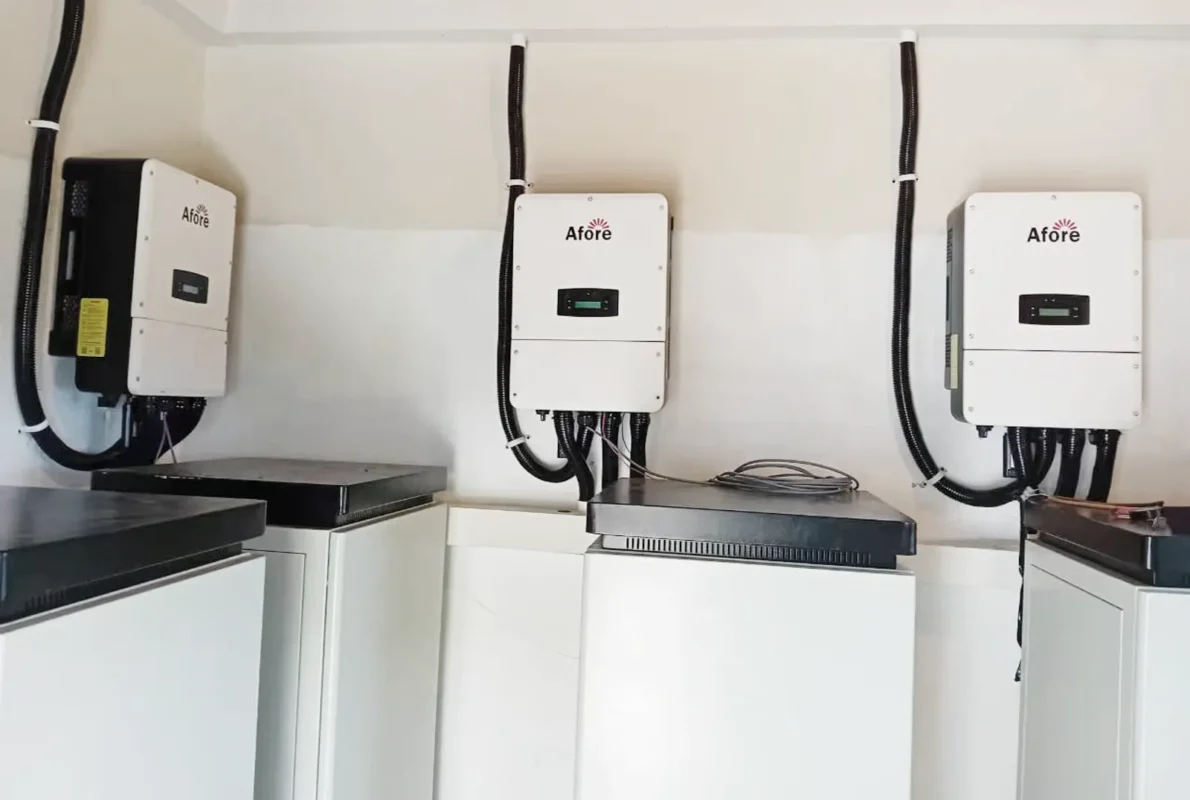
A DC-coupled hybrid inverter connects PV and battery storage through a shared DC-side architecture. This can reduce conversion steps in some operating modes and may be attractive for new-build projects, export-limited sites, and systems where PV generation and battery charging are closely coordinated.
An AC-coupled system connects storage on the AC side, often through a dedicated battery inverter or power conversion system. This approach can be easier to retrofit into existing PV plants because it may not require major changes to the original PV inverter design. AC coupling can also provide flexibility in larger sites where PV and storage capacity are scaled independently.
| Mimarlık | Typical advantage | Common consideration |
|---|---|---|
| DC-coupled hybrid inverter | Efficient coordination of PV generation and battery charging in new systems | Requires careful PV-battery-inverter compatibility review |
| AC bağlantılı depolama | Often suitable for retrofits and independent storage expansion | May involve more conversion steps and more complex control |
| Multi-inverter hybrid system | Scalable for larger C&I sites | Requires approved parallel operation and EMS coordination |
The best architecture depends on whether the project is a new build, a retrofit, an export-limited site, a backup-oriented facility, or a portfolio standardization program.
Commercial facilities may need more power or storage capacity than a single inverter can provide. In that case, buyers should confirm whether the inverter supports parallel operation, how many units can operate together, whether master-slave or distributed control is used, and whether the configuration is officially approved by the manufacturer.
Scalability matters for warehouses, schools, industrial parks, logistics centers, agricultural processing sites, and commercial portfolios. A site may begin with a modest battery system for demand charge reduction and later expand to support EV charging, backup, or additional PV capacity. Without approved expansion pathways, future upgrades may require major redesign.
Communication stability is crucial in parallel systems. EPCs should verify meter placement, communication bus limits, firmware compatibility, battery cabinet coordination, and EMS integration before promising future expansion to the customer.
Before sizing the inverter and battery system, EPCs should evaluate the financial and operational structure of the project.
Important early-stage design inputs include:
These inputs directly influence inverter sizing, battery capacity, EMS strategy, and long-term project economics.
A commercial hybrid inverter rarely operates alone. It may need to communicate with revenue-grade or control meters, CTs, a site EMS, diesel or gas generators, EV chargers, building management systems, and cloud monitoring platforms. Communication protocols may include RS485, CAN, Ethernet, Modbus RTU, Modbus TCP, and cloud APIs where available.
Interoperability is essential for peak shaving, zero-export control, microgrid functions, and multi-site portfolio monitoring. For example, if a facility adds EV chargers, the EMS may need to coordinate charger demand, PV generation, battery discharge, and grid import limits. If a generator is present, the inverter must follow an approved control strategy to avoid unsafe backfeed or unstable islanded operation.
System integrators should request protocol documentation, register maps where applicable, cybersecurity information, and examples of approved integration architectures.
Grid connection is often one of the most important constraints in commercial PV and storage projects. A technically capable inverter is not useful if it cannot be approved by the utility or configured to meet local interconnection rules.
Utility requirements may include anti-islanding protection, frequency-watt response, voltage-watt response, reactive power control, low-voltage ride-through, high-voltage ride-through, ramp-rate limits, export limitation, and site-level protection settings. These functions help maintain grid stability as distributed energy resources increase.
EPCs should confirm that the inverter’s grid code settings are certified and configurable for the target distribution network operator. Some utilities require specific test reports, protection setting documentation, or commissioning verification. Export control should be tested under real load changes, not assumed based only on a software setting.
The U.S. Department of Energy describes modern inverters as increasingly important for grid services and grid integration, while IEEE 1547 defines interconnection and interoperability requirements for distributed energy resources in relevant markets. In Europe, grid connection requirements are influenced by network code frameworks and national implementation rules. These references highlight why certification and configurability are not optional details in commercial projects.
Utility interconnection requirements differ significantly between markets and directly affect inverter configuration, export behavior, and commissioning approval.
North American projects may require UL 1741 and IEEE 1547 compliance for grid support functions, anti-islanding protection, export limitation, and utility interoperability. Some utilities also require witness testing before approval to operate.
European installations may require EN 50549 compliance together with country-specific grid-code parameters. Utilities may require active power control, reactive power support, or remote export limitation depending on local regulations.
UK projects commonly involve G99 and G100 requirements. Export-controlled commercial systems may require certified limitation devices and DNO validation procedures before connection approval.
Australian commercial ESS systems may require AS/NZS 4777.2 compliance together with DNSP-specific export-control settings. Some utilities require dynamic export capability for grid stability management.
Because utility approval requirements can vary even within the same country, developers should verify utility-specific interconnection rules before final equipment selection.
High voltage PV and battery circuits require disciplined safety design. The inverter selection must be coordinated with DC disconnects, overcurrent protection, insulation monitoring, surge protection, grounding or earthing, emergency shutdown requirements, arc fault detection where required, and battery isolation devices.
Installers must use compliant balance-of-system components and follow local electrical codes. Cable routing, conductor sizing, termination torque, enclosure ratings, labeling, and access control all matter. High voltage battery cabinets may also have specific spacing, ventilation, fire safety, and emergency response requirements depending on the jurisdiction and battery chemistry.
A manufacturer that provides clear wiring diagrams, protection recommendations, and approved system configurations can reduce design ambiguity and inspection risk.
Safety evaluation for commercial high voltage ESS projects extends beyond inverter electrical protection alone. Modern commercial battery systems must also address thermal management, fire propagation prevention, emergency isolation, and site-level safety coordination.
Important ESS fire-safety considerations include:
Requirements may differ significantly between regions, utilities, insurers, and local authorities having jurisdiction (AHJ). As a result, commercial ESS approval often depends on both product certification and site-specific engineering review.
Certification requirements depend on market, project size, installation type, and utility rules. Buyers should think in categories rather than assume one universal certificate is enough.
| Certification category | Typical relevance |
|---|---|
| Elektrik güvenliği | Protection against shock, fire, insulation failure, and unsafe operating conditions |
| EMC compliance | Ensures equipment does not create or suffer unacceptable electromagnetic interference |
| Şebekeye bağlanma | Confirms required grid support, anti-islanding, and protection behavior |
| Pil uyumluluğu | Confirms inverter-BMS communication and approved operating limits |
| Environmental protection | Supports suitability for outdoor, dusty, humid, or harsh environments |
| Cybersecurity and data access | Relevant for connected commercial energy systems and fleet monitoring |
Examples of commonly referenced standards include IEC 62109, IEC 62477, IEC 61000, UL 1741, IEEE 1547, EN 50549, CE-related conformity requirements, and region-specific grid code approvals. The exact requirement must be confirmed for each project.
Commercial hybrid inverter certification should not be viewed as a single approval category. In practice, ESS compliance involves multiple layers covering the inverter, batteries, communication compatibility, installation environment, and utility interconnection process.
Important compliance layers may include:
An inverter may carry valid product certifications while the complete ESS project still requires additional engineering approvals, fire review, or utility acceptance testing. In other words, inverter certification alone does not automatically equal full ESS approval.
Commercial hybrid inverter compliance should be evaluated in multiple layers rather than as a single certification requirement. Different approvals apply to electrical safety, utility interaction, EMC behavior, battery safety, and complete ESS deployment.
Inverter safety certification focuses on electrical protection, insulation integrity, thermal safety, and operational reliability of the inverter hardware itself. These certifications help verify that the inverter can operate safely under defined electrical conditions and installation environments.
Typical examples may include:
However, inverter safety certification alone does not confirm that the complete battery storage system is approved for operation.
Grid interconnection certification evaluates how the inverter interacts with the utility grid under normal and abnormal operating conditions.
Bu, şunları içerebilir:
Grid-code compliance is often country-specific and utility-specific. A model approved in one region may still require different firmware settings or additional validation in another market.
Electromagnetic compatibility (EMC) compliance verifies that the inverter does not create excessive electromagnetic interference and can continue operating reliably in electrically noisy environments.
EMC testing may include:
This becomes increasingly important in commercial facilities containing sensitive electronics, automation equipment, or communication systems.
Battery safety certification applies separately from inverter certification and usually covers:
Even when an inverter is certified, the paired battery system may still require separate ESS safety approval.
Many jurisdictions increasingly evaluate the complete ESS installation rather than only individual products. This means authorities may review:
As a result, a certified inverter combined with a certified battery does not automatically guarantee full ESS approval.
Final project approval usually depends on local electrical inspectors, utilities, fire authorities, and permitting agencies. Commercial projects may require:
Because permitting processes vary significantly between regions, EPCs should verify local approval requirements early in project planning.
EPCs and installers typically need datasheets, certificates, single-line diagrams, installation manuals, communication wiring diagrams, protection settings, battery compatibility statements, monitoring guides, and commissioning reports. Incomplete documentation can delay inspection, utility approval, or final customer acceptance.
Commissioning records also support future warranty claims. Photos of wiring, firmware versions, battery pairing records, grid code settings, meter configuration, and functional test results can help determine whether an issue is related to equipment, installation, communication, or grid conditions.
Installation quality has a direct effect on inverter reliability and project profitability. Even a well-designed inverter can underperform if mounting, ventilation, cabling, protection, communication, or commissioning is handled poorly.

Before installation, teams should review inverter dimensions, weight, mounting surface, access clearances, ventilation needs, conduit routing, cable termination limits, and service access. Commercial rooftops and plant rooms can be challenging environments, especially when inverter placement is constrained by structural, fire safety, or electrical room limitations.
Cabling design should account for DC and AC conductor sizing, voltage drop, short-circuit ratings, battery isolation, SPD placement, and protection device coordination. Termination limits should be checked early because oversized conductors or unsuitable lugs can cause delays on site.
Physical serviceability also matters. If routine maintenance requires difficult access, O&M costs will rise. For multi-site EPCs, installation ergonomics can affect labor hours and project margin.
Commissioning a high voltage hybrid system requires more than energizing the inverter. A structured workflow reduces avoidable errors.
| Commissioning task | Common risk if overlooked |
|---|---|
| Firmware verification | Inverter, battery, or meter may not communicate correctly |
| Battery pairing and BMS check | System may limit power or trigger protection faults |
| Grid code selection | Utility approval or stable operation may be compromised |
| Meter and CT configuration | Export control or load measurement may be incorrect |
| EMS setup | Operating modes may not match tariff or site objectives |
| Functional testing | Backup, peak shaving, or zero-export behavior may fail in operation |
Common field errors include reversed CT direction, incorrect meter placement, incompatible firmware, wrong grid settings, mismatched battery parameters, poor communication shielding, and incomplete grounding. EPCs should schedule commissioning support availability with the manufacturer, especially for first installations or complex commercial sites.
Commercial owners and O&M teams need reliable data. Monitoring platforms should provide inverter status, PV production, battery state of charge, charge/discharge power, grid import/export, alarms, event logs, and historical performance reports. Local data access is also valuable when internet connectivity is unreliable or IT approval is delayed.
Monitoring supports yield validation, warranty claims, preventive maintenance, and service prioritization. For resellers, strong monitoring capability can reduce support burden because many issues can be diagnosed remotely before dispatching a technician. For portfolio owners, standardized monitoring across multiple sites simplifies reporting and benchmarking.
High voltage hybrid inverter systems require trained technicians who understand DC safety, battery communication, grid settings, firmware management, and functional testing. Manufacturer training, installer certification programs, detailed manuals, and service documentation reduce failed commissioning and repeat site visits.
For channel partners, training is not only a technical issue. It affects warranty disputes, customer satisfaction, and scalability. A reseller that sells advanced hybrid inverters without building installer competence may face high support costs and damaged market reputation.
Commercial PV owners care about long-term availability. The inverter is often one of the most active components in the system, so reliability, diagnostics, and serviceability directly influence OPEX and lifecycle value.
Potential issues include thermal stress, fan failure where active cooling is used, communication faults, DC insulation alarms, battery communication errors, firmware conflicts, grid disturbance trips, and protection device degradation. Many of these issues can be reduced through good design, correct installation, and routine inspection.
Preventive maintenance typically includes visual inspection, checking ventilation paths, cleaning filters or air channels where applicable, reviewing alarms, verifying communication status, inspecting cable entries, checking environmental conditions, and confirming firmware status. O&M providers should also compare performance data against expected yield and operating mode assumptions.
Detailed fault codes and event logs are valuable because they help isolate whether a problem is related to the inverter, battery, meter, EMS, grid, or communication network. Remote access can reduce truck rolls and shorten downtime, especially for sites far from service centers.
A manufacturer’s support portal, data export capability, local interface, and alarm explanation quality can have a major effect on O&M efficiency. For example, a vague “battery fault” alarm may require extended investigation, while detailed BMS communication logs can quickly identify a firmware mismatch or battery protection event.
Warranty responsibility can become complex when the inverter, battery, EMS, switchgear, and installation work come from different suppliers. If the battery is not on the approved compatibility list, the inverter manufacturer may reject responsibility for performance issues. If commissioning records are incomplete, it may be difficult to prove correct installation.
Project owners and EPCs should document approved compatibility, firmware versions, installation photos, commissioning tests, maintenance records, and alarm history. Clear responsibility boundaries reduce disputes when availability or performance problems occur.
Commercial ESS platforms increasingly rely on cloud connectivity, remote monitoring, and EMS integration, making cybersecurity evaluation an important procurement factor.
Key cybersecurity and data-management considerations include:
For enterprise and industrial projects, cybersecurity review may involve both facility IT teams and utility compliance departments.
The inverter affects project economics through more than equipment price. It influences installation labor, balance-of-system cost, yield, downtime risk, service cost, monitoring efficiency, and expansion options.
Commercial solar-plus-storage financial modeling should include operational variables beyond simple inverter efficiency ratings.
Important modeling inputs may include:
A high-efficiency inverter may not necessarily produce the best long-term project economics if operational flexibility, battery compatibility, or thermal performance are limited.
A higher-specification inverter may reduce external components, simplify wiring, support more flexible storage integration, improve monitoring, or reduce commissioning time. However, overspecification can increase cost without improving returns.
Total installed cost should include protection devices, meters, communication equipment, cabinets, cabling, labor, commissioning support, documentation preparation, and expected service requirements. Procurement teams should compare system-level cost, not only price per kilowatt.
An inverter with poor diagnostics, limited spare parts, or slow support can increase OPEX even if the purchase price is low. Commercial owners value predictable maintenance costs and high availability. Remote troubleshooting, field-replaceable components, regional spare parts, and clear RMA procedures all support long-term value.
For EPCs offering O&M services, serviceability can affect profitability for years after installation. A platform that reduces truck rolls and speeds up fault isolation can be worth more than a small upfront hardware discount.
For multi-site portfolios, standardizing on a reliable commercial hybrid inverter platform can reduce engineering time, installer training, spare inventory, monitoring complexity, and support overhead. Repeatable system design also helps EPCs improve project execution and reduce risk.
Portfolio owners should consider whether the manufacturer’s product roadmap supports future expansion, firmware updates, backward compatibility, and long-term model continuity. A stable platform can protect the customer’s investment as facilities add PV capacity, battery storage, EV charging, or microgrid functions.
Several recurring procurement mistakes can create avoidable technical and financial risk in commercial ESS projects.
Common issues include:
Commercial procurement decisions should prioritize long-term operational compatibility rather than only upfront equipment cost.
Procurement should combine technical review, commercial due diligence, and service evaluation. A high voltage hybrid inverter manufacturer should be able to support the full project lifecycle, from design submittal through commissioning and O&M.
Commercial buyers should request precise technical and operational information during supplier evaluation.
Important shortlist questions include:
Detailed technical clarification early in procurement can reduce commissioning delays and compatibility issues later in the project lifecycle.
A professional technical submittal should include the inverter datasheet, installation manual, grid certification documents, battery compatibility statement, warranty policy, monitoring guide, communication protocol documentation, protection setting guidance, and commissioning checklist.
Engineering, procurement, and installation teams should review these documents together. Engineering confirms design compatibility, procurement confirms supply and warranty terms, and installation teams confirm practical site requirements.
Commercial ESS procurement should evaluate contractual risk exposure in addition to hardware pricing.
Important commercial risk items include:
Well-defined commercial support structures can significantly reduce project execution risk for EPCs and distributors.
Firmware management has become increasingly important in connected commercial ESS systems because firmware changes can directly affect battery communication, export control, grid compliance, and operational stability.
Commercial buyers should evaluate:
Poor firmware governance can create unexpected operational issues, especially in multi-inverter commercial deployments.
When selecting a commercial high voltage hybrid inverter manufacturer, buyers should evaluate more than peak efficiency or nominal power ratings. Strong procurement decisions usually involve verifying model-specific certifications, approved battery compatibility, regional technical support coverage, firmware governance practices, commissioning assistance, spare-part continuity for discontinued products, and the availability of structured EPC or distributor training programs.
In commercial ESS projects, long-term operational support and compliance readiness often have greater financial impact than small differences in datasheet efficiency figures.
High voltage battery storage improves overall solar system performance by reducing current flow while maintaining strong power output, which helps minimize heat and transmission loss. This makes the system more efficient during charging and discharging, especially in larger installations with higher energy demand. Many businesses also prefer high voltage setups because they support flexible expansion and integrate smoothly with commercial high voltage ESS applications.
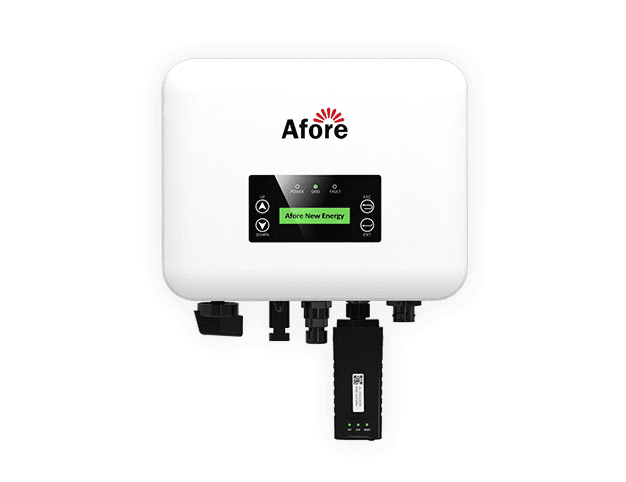
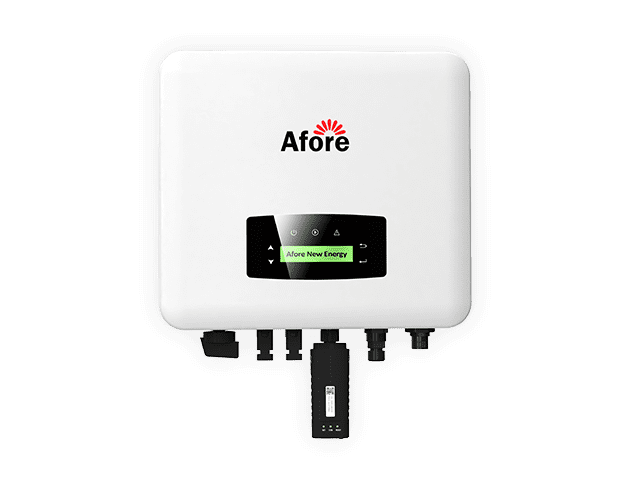
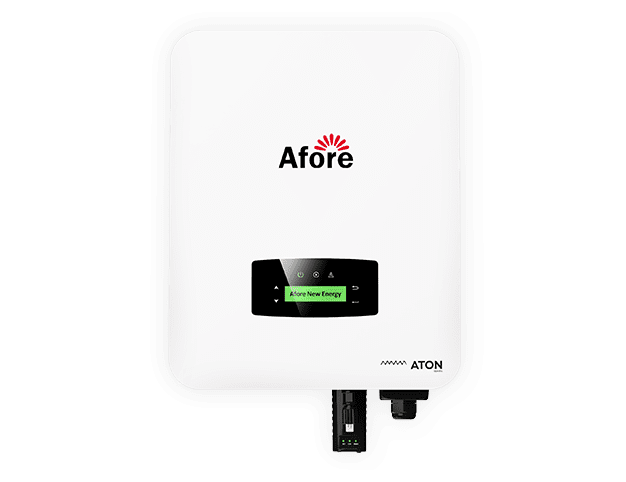
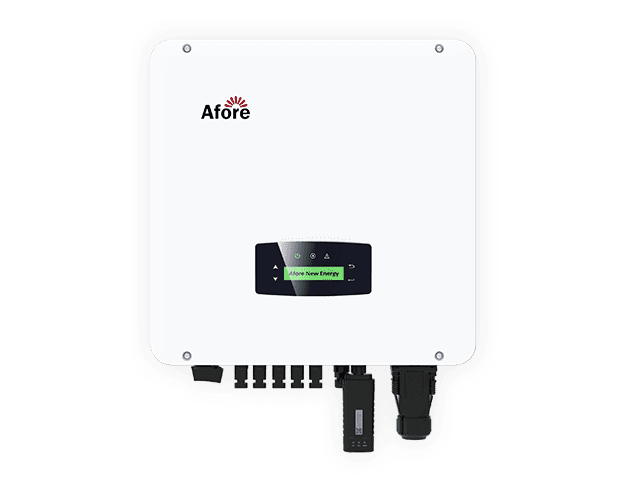
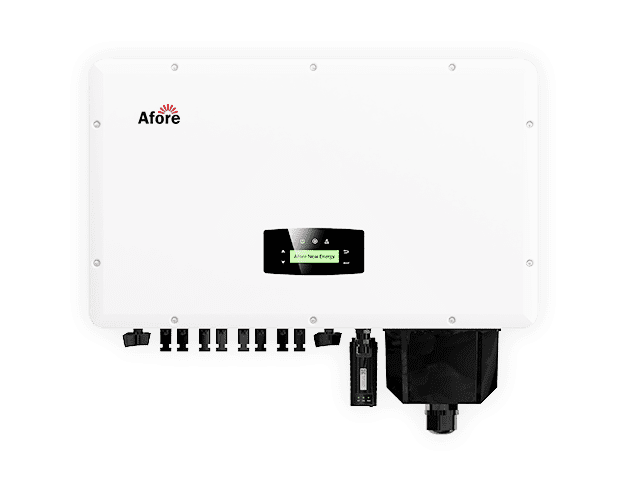
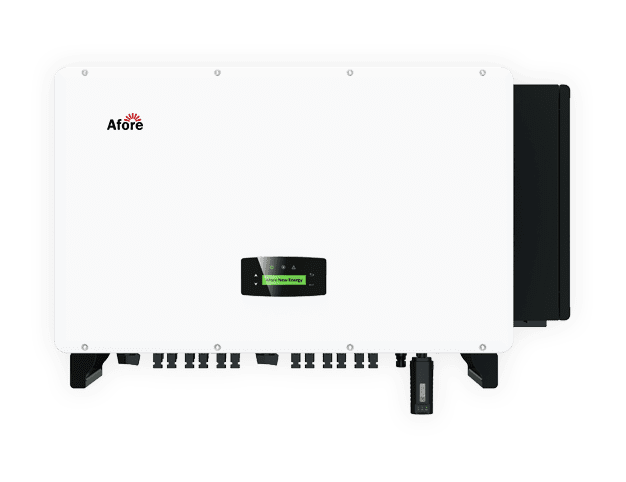
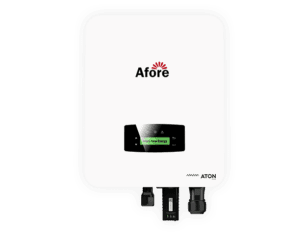
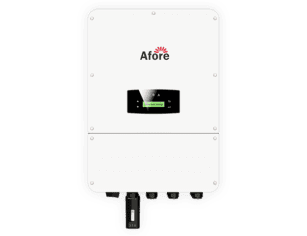
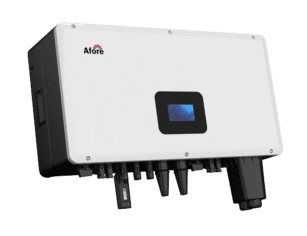
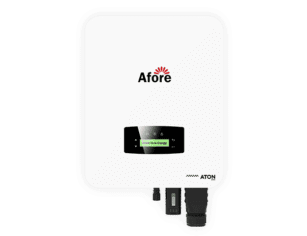
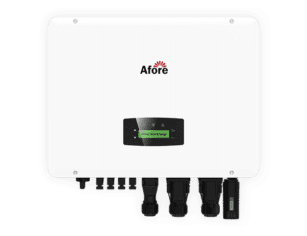
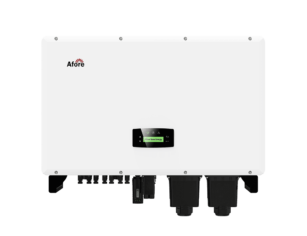
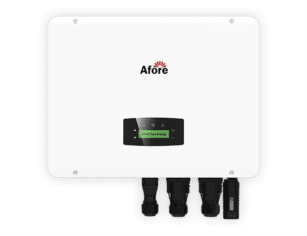
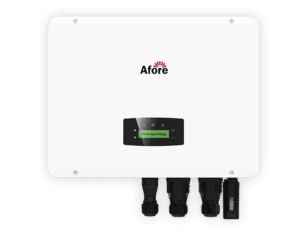
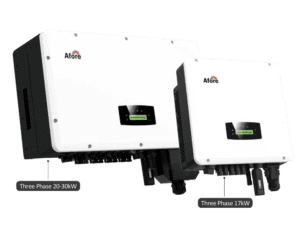
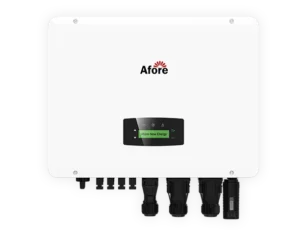
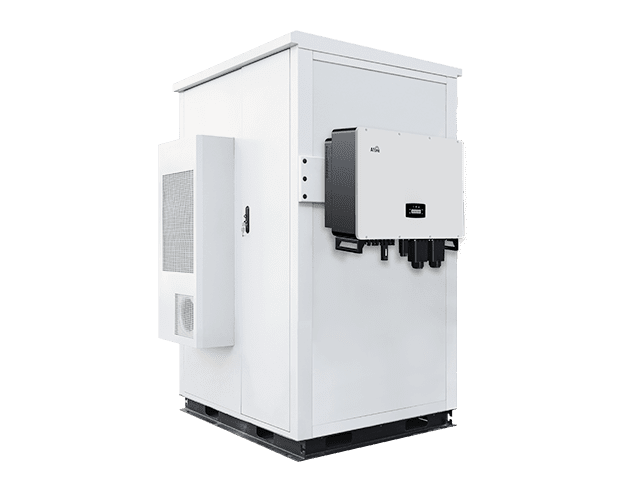
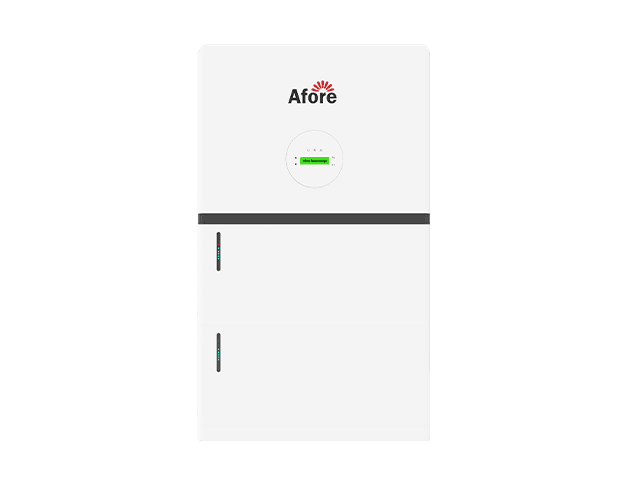
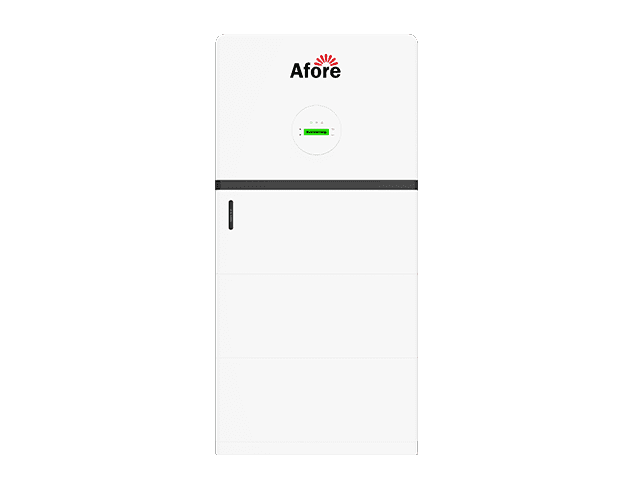
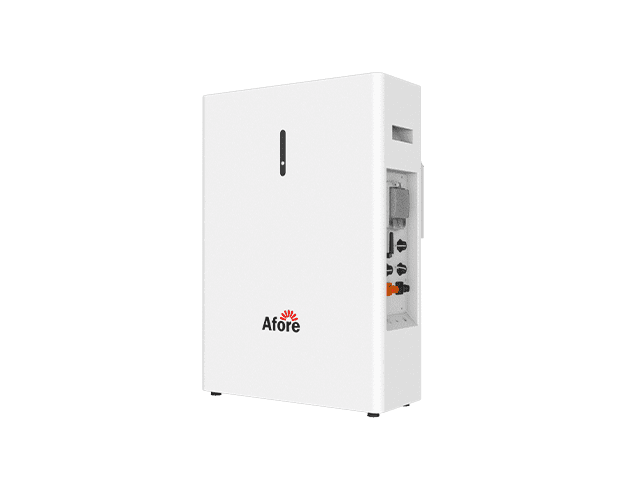
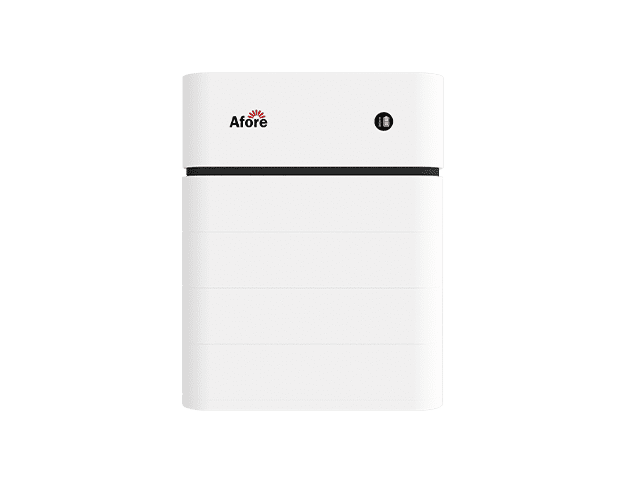
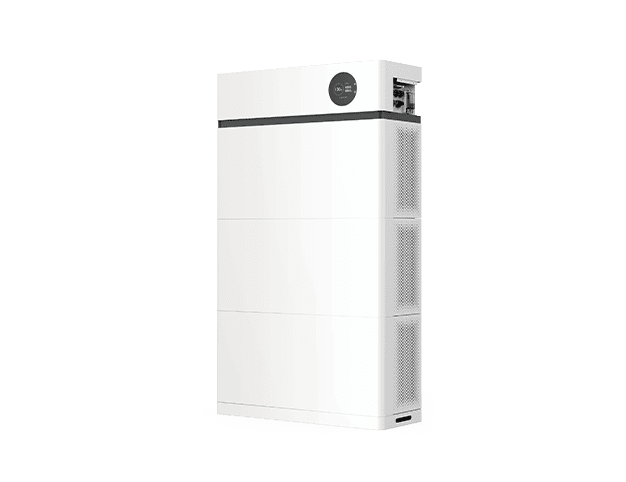
Afore is one of the companies producing advanced hybrid inverter solutions for residential and commercial solar energy storage systems. A reliable high voltage hybrid inverter manufacturer typically offers smart monitoring, multiple power options, battery communication support, and flexible installation configurations to meet different project requirements.
Yes, many inverter models from Afore are designed to support high voltage lithium battery systems through intelligent communication protocols such as CAN and RS485. Compatibility depends on the inverter model and battery specifications, so installers usually confirm approved battery combinations before installation. The Afore HV series is widely used in projects that require stable energy storage integration and efficient hybrid system control.
Voltage plays an important role in inverter efficiency because higher voltage systems can transfer the same amount of power with lower current, helping reduce resistance losses across cables and electrical components. This improves energy conversion efficiency and supports more stable system operation in larger solar applications. Many modern HV battery inverter designs use this approach to improve overall performance and reduce unnecessary energy waste.
In many commercial projects, high voltage storage is considered a better option because it supports larger power demand with improved operational efficiency and easier scalability. Commercial facilities often require faster charging capability, stronger backup performance, and simplified energy management, all of which benefit from high voltage architecture. This is one reason why many businesses choose high efficiency hybrid inverters for long-term solar storage deployment.
Ordering hybrid inverters in bulk usually involves confirming technical specifications such as output power, battery compatibility, certification requirements, and installation environment before contacting the supplier. Many buyers also request sample testing, production timelines, and warranty information to ensure stable long-term cooperation. Working with suppliers experienced in lithium battery compatible inverters can help simplify system integration and improve project support efficiency.
https://www.energy.gov/eere/solar/solar-integration-inverters-and-grid-services-basics








 Romanian