





1. kademe güneş invertörü Ticari ve endüstriyel fotovoltaik projelerde yapılan karşılaştırma, sadece hangi üreticinin en tanınmış olduğu meselesi değildir. B2B güneş enerjisi alıcıları için invertör seçimi, şebeke onayı, enerji verimi, devreye alma süresi, işletme ve bakım iş yükü, garanti riski, yedek parça planlaması ve uzun vadeli proje getirilerini etkiler. Şu kaynağa göre, ABD Enerji Bakanlığı Güneş Enerjisi Teknolojileri Ofisi, invertörler sadece güç dönüştürme cihazları olmakla kalmaz, aynı zamanda güneş enerjisi sistemlerinin gerilim düzenleme ve frekans desteği gibi şebeke hizmetlerini sunmasını sağlayan, şebekeyle etkileşimli temel bileşenlerdir.
EPC’ler, sistem entegratörleri, ticari kurulumcular, distribütörler ve portföy sahipleri için asıl soru “Hangi birinci kademe invertör en iyisidir?” değildir. Daha doğru soru şudur: “Hangi invertör mimarisi, modeli, sertifikasyon paketi, hizmet yapısı ve yaşam döngüsü maliyet profili bu projeye ve bu pazara en uygunudur?” Kuru ve homojen bir zemin montajlı sistemde iyi performans gösteren bir ürün, gölgeli, çok çatılı bir ticari bina için en uygun seçenek olmayabilir. Teknik açıdan güçlü bir invertör ailesi bile, proje bölgesinde yerel şebeke kuralları, belgeleme veya satış sonrası destek zayıfsa yine de risk oluşturabilir.
Bu kılavuz, 1. kademe invertör karşılaştırmasını profesyonel bir tedarik ve tasarım kararı olarak ele almaktadır. Ticari çatı tesisleri, endüstriyel tesisler, dağıtık ticari ve endüstriyel (C&I) portföyleri, büyük zemin üstü projeler ve hibrit PV-depolama sistemlerine odaklanmaktadır. Markaları sıralamak yerine, EPC firmalarına ve proje sahiplerine teknik performans, mevzuata uygunluk, finansman uygunluğu, kurulum verimliliği, izleme kalitesi, servis kolaylığı, siber güvenlik ve toplam sahip olma maliyetini karşılaştırmak için yapılandırılmış bir çerçeve sunmaktadır.
Bu makale, invertör markalarını sıralamamaktadır. Bunun yerine, EPC şirketlerinin, distribütörlerin ve proje geliştiricilerin bilinçli kararlar alabilmelerine yardımcı olmak amacıyla invertör türlerini, teknik özelliklerini ve tedarik risklerini karşılaştırmaya odaklanmaktadır.
İnvertör alımında yalnızca “Tier 1” etiketine güvenilmemelidir; zira bu etiket, modele özgü performansı, şebeke uyumluluğunu veya projeye uygunluğu yansıtmamaktadır. Aşağıdaki bölümlerde, uzmanların Tier 1 iddialarını nasıl yorumladıkları ve bunları pratik, proje düzeyinde değerlendirme kriterlerine nasıl dönüştürdükleri açıklanmaktadır.
“Tier 1”, güneş enerjisi tedarikinde genellikle finansman uygunluğu, ölçek ve piyasa kabulü anlamında kısaltma olarak kullanılır. Ancak, bunun ne anlama geldiğini ve ne anlama gelmediğini anlamak önemlidir. Tier 1, invertörler için evrensel bir teknik sertifika değildir. Belirli bir modelin, belirli bir şebeke kodu, iklim, pil sistemi, iletişim protokolü veya ticari proje yapısı için uygun olduğunu otomatik olarak kanıtlamaz.
Uygulamada, B2B alıcılar genellikle bu terimi, güçlü sevkiyat geçmişine, finansal istikrara, küresel pazarda varlığa, kanıtlanmış proje referanslarına, tanınmış sertifikalara ve büyük ölçekli ticari veya şebeke ölçeğindeki kurulumları destekleme kapasitesine sahip invertör üreticilerini tanımlamak için kullanır. Güneş enerjisi projeleri uzun ömürlü varlıklar olduğu için bu faktörler önemlidir. Ticari bir invertör, devreye alınmasından yıllar sonra bile garanti desteği, yazılım güncellemeleri, yedek parçalar, şebeke kuralları belgeleri ve servis yardımı gerektirebilir.
Ancak, yalnızca etikete güvenmek tedarik riskine yol açabilir. Finansal açıdan istikrarlı bir üretici, farklı pazarlarda farklı modeller, garanti koşulları, hizmet seviyeleri ve sertifikalar sunabilir. Bir bölgede mevcut olan bir ürün, başka bir bölgede onaylı olmayabilir. Yazılım sürümleri de şebeke kurallarına uygunluğu etkileyebilir. Bu nedenle, Tier 1 etiketi nihai cevap olarak değil, durum tespiti için bir başlangıç noktası olarak değerlendirilmelidir.
EPC’ler ve bayiler için pratik yaklaşım, invertörün tam modelini, yerel sertifikasyonunu, garanti koşullarını, servis kanalını, izleme platformunu, yedek parça temin edilebilirliğini ve projenin elektrik tasarımıyla uyumluluğunu doğrulamaktır. Ticari proje sahipleri için bu doğrulama, şebekeye bağlanma gecikmeleri, beklenmedik kesintiler, garanti anlaşmazlıkları ve performans düşüklüğü risklerini azaltmaya yardımcı olur.
Zorunlu ürün sertifikasyon sistemlerinde olduğu gibi, invertörlerin “Tier 1” statüsünü aynı şekilde tanımlayan, evrensel olarak kabul görmüş tek bir otorite bulunmamaktadır. Güvenlik veya şebeke uyumluluk standartlarının aksine, Tier 1 sınıflandırması genellikle piyasa algısı, finansal göstergeler veya özel değerlendirme modellerine dayanmaktadır.
“Tier 1” teriminin anlamı, kimin kullandığına bağlı olarak önemli ölçüde değişiklik gösterebilir. Finans uzmanları, EPC müteahhitleri, distribütörler, tedarik ekipleri ve sektör analistleri, invertör üreticilerini değerlendirirken her biri farklı kriterler uygulayabilir.
Bazı Tier sıralamaları küresel sevkiyat hacimlerine dayanırken, diğerleri finansman uygunluğu, uzun vadeli finansal güç veya proje referanslarına odaklanmaktadır. Sonuç olarak, farklı “Tier 1” listelerinde aynı invertör markaları yer almayabilir.
Bir üreticinin Tier sınıflandırması, her invertör modeline, bölgesel varyantına, ürün yazılımı sürümüne veya garanti programına otomatik olarak uygulanmaz. Marka düzeyindeki varsayımlara dayanmak yerine, her ürün grubu ayrı ayrı değerlendirilmelidir.
Satın alma ekipleri, yalnızca “1. Kademe” etiketine güvenmek yerine, kendi yapılandırılmış finansman uygunluğu kriterlerini geliştirmelidir. Bu kriterler arasında finansal istikrar, proje referansları, sertifikasyon uyumu, teknik performans ve satış sonrası destek kapasitesi yer alabilir.
Bazı Tier sıralamaları küresel sevkiyat hacimlerine dayanırken, diğerleri finansman uygunluğu, uzun vadeli finansal güç veya proje referanslarına odaklanmaktadır. Sonuç olarak, farklı “Tier 1” listelerinde aynı invertör markaları yer almayabilir.
Ticari güneş enerjisi invertör seçimi, yalnızca teknik özellik belgesindeki verimlilik değerleriyle değil, sistem düzeyindeki gereksinimlerle başlamalıdır. Birçok modern ticari ve endüstriyel (C&I) invertör, 98–99% aralığında tepe dönüşüm verimlilikleri vaat etmektedir. Bu seviyede, ilan edilen verimlilik değerlerindeki küçük farklar, genellikle ısı, kısmi yükleme, şebeke olayları, karmaşık çatı yönelimleri ve DC aşırı boyutlandırma koşulları altındaki gerçek çalışma davranışından daha az önemlidir.
Temel karşılaştırma, dönüşüm verimliliği, ağırlıklı verimlilik, MPPT tasarımı, DC/AC oranı esnekliği, giriş gerilimi aralığı, giriş akımı sınırları, aşırı yük kapasitesi, termal derating davranışı, şebeke destek fonksiyonları, iletişim seçenekleri, izleme kalitesi, garanti yapısı, servis kolaylığı ve dokümantasyon kalitesini içermelidir. Bu faktörler, invertörün projenin beklenen çalışma koşulları altında güvenilir bir şekilde çalışıp çalışmayacağını belirler.
Birden fazla yönelime sahip ticari bir çatı, marjinal olarak daha yüksek bir tepe verimlilik değerinden ziyade, yüksek MPPT ayrıntı düzeyinden daha fazla fayda sağlayabilir. Sıcak bir endüstriyel tesis, dikkatli bir güç düşürme analizine ihtiyaç duyabilir. Sıkı ihracat sınırlamaları olan bir fabrika, güvenilir sıfır ihracat kontrolü ve sayaçlar veya tesis kontrolörleriyle hızlı iletişim gerektirebilir. Birden fazla tesise sahip bir perakende portföyü ise, tüm lokasyonlarda standartlaştırılmış izleme, uzaktan teşhis ve tutarlı devreye alma iş akışlarına öncelik verebilir.
Bu nedenle, en kapsamlı 1. seviye güneş enerjisi invertör karşılaştırması projeye özeldir. Bu karşılaştırma sadece ürünleri değil, aynı zamanda bu ürünlerin kurulumun elektriksel, çevresel, yasal ve ticari koşulları içinde nasıl performans gösterdiğini de değerlendirir.
Profesyonel alıcılar, teknik performansı ticari riskten ayıran bir puanlama modelinden yararlanmaktadır. Basit bir ağırlıklı değerlendirme çerçevesi, EPC ekipleri, distribütörler ve proje sahiplerinin ihaleler arasında seçenekleri tutarlı bir şekilde karşılaştırmasına yardımcı olabilir.
| Değerlendirme alanı | Tipik ağırlıklandırma | Neler kontrol edilmeli |
|---|---|---|
| Teknik uyum | 25% | Verimlilik eğrisi, MPPT tasarımı, gerilim/akım sınırları, DC/AC oranı, termal güç düşürme |
| Şebeke uyumluluğu | 20% | Yerel sertifikalar, şebeke kuralları ayarları, donanım yazılımı sürümü, şebeke işletmecisi onay geçmişi |
| Kurulum ve devreye alma | 15% | Ağırlık, montaj, kablolama, uygulama kurulumu, belgeler, devreye alma süresi |
| İzleme ve İşletme ve Bakım | 15% | Veri ayrıntı düzeyi, alarmlar, API, uzaktan tanılama, donanım yazılımı kontrolü |
| Garanti ve servis | 15% | Garanti süresi, garanti kapsamı dışındaki durumlar, işçilik garantisi, RMA süreci, yedek parça temini |
| Ticari değer | 10% | Birim maliyet, lojistik, kanal desteği, stok riski, yaşam döngüsü maliyeti |
EPC’ler için en öncelikli kriterler genellikle şebeke onayı, teknik tasarım esnekliği, devreye alma güvenilirliği ve servis riskidir. Şebekeye bağlanmanın gecikmesi, invertör fiyatındaki küçük bir farktan daha maliyetli olabilir. Kurulumcular için mekanik yerleşim, kablo erişimi, kurulum iş akışı ve arıza teşhisi, işgücü verimliliğini ve geri çağrı sayısını doğrudan etkiler. Bayiler ve distribütörler için bu karar, kanal marjı, stok devir hızı, marka kabulü, eğitim kaynakları, dokümantasyon kalitesi ve RMA işlemlerini de içerir.
Buradaki kilit nokta, daha düşük bir satın alma fiyatının her zaman daha düşük bir proje maliyeti anlamına gelmediğidir. Eğer bir invertör tasarım karmaşıklığını artırıyorsa, ek koruma ekipmanı gerektiriyorsa, devreye alma sürecinde gecikmelere neden oluyorsa ya da hızlı yanıt veren bir satış sonrası destek hizmeti sunmuyorsa, görünürdeki tasarruf hızla ortadan kalkabilir.

Herhangi bir ağırlıklı puanlama modeli uygulanmadan önce, belirli gerekliliklerin “geçer/kalır” koşulları olarak değerlendirilmesi gerekir. Bunlar arasında yerel sertifikasyon uyumluluğu, şebeke operatörünün kabulü, güvenlik sertifikası, donanım yazılımı onay durumu ve hedef şebeke ortamıyla voltaj uyumluluğu yer almaktadır.
Bu kriterlerden herhangi biri karşılanmıyorsa, performans veya maliyet avantajları ne olursa olsun, invertör daha sonraki değerlendirme aşamalarından çıkarılmalıdır.
Temel uygunluk teyit edildikten sonra, tedarik ekipleri invertörleri izleme özellikleri, kurulum işçiliği gereksinimleri, garanti kalitesi, toplam maliyet ve uzun vadeli servis kolaylığı gibi ağırlıklı kriterler kullanarak değerlendirebilirler.
Bu faktörler genellikle sadece ilk satın alma fiyatından ziyade yaşam döngüsü değerini belirler.
| Kriter | İnvertör A | İnvertör B | Tedarik açısından etkileri |
|---|---|---|---|
| Yerel şebeke onay geçmişi | Güçlü | Sınırlı | A, izin alma riskini azaltır |
| MPPT ayrıntı düzeyi | Daha yüksek | Daha düşük | Karmaşık çatı yapıları için daha uygun bir çözüm |
| Birim maliyet | Daha yüksek | Daha düşük | B, basit zemin montajı için uygun olabilir |
| Hizmet stoğu | Yerel | Yalnızca içe aktarma | A, arıza süresini azaltır |
| İzleme API'si | Mevcut | Sınırlı | Portföy işletme ve bakım (O&M) açısından daha iyi bir seçenek |
Seçilen modelde gerekli sertifikasyon, şebeke kodu kütüphanesi, iletişim arayüzü, pil uyumluluğu veya bölgesel servis desteği bulunmuyorsa, tanınmış bir invertör tedarikçisi bile belirli bir proje için uygun olmayabilir. Bu durum özellikle Ticari ve Endüstriyel (C&I) projeler için önemlidir; zira ticari sistemler genellikle küçük ölçekli dağıtık üretim kuralları ile daha katı şebeke bağlantısı gereklilikleri arasında yer alır.
Bir lojistik deposunun çatısında gerçekleştirilecek 750 kW’lık bir projeyi ele alalım. Çatıda çeşitli yönlere bakan paneller, sınırlı invertör montaj alanı ve uzun kablo güzergâhları bulunmaktadır. Yüksek güçlü bir invertör, ünite sayısını azaltabilir; ancak MPPT hassasiyeti yetersizse veya kablo girişi zorsa, verim kayıplarına ya da kurulumda zorluklara yol açabilir. Başka bir örnekte, 2 MW'lık bir endüstriyel zemin montajlı proje elektriksel açıdan basit görünebilir, ancak yerel elektrik dağıtım şirketi reaktif güç kontrolü, uzaktan kesinti, gerilim dalgalanmalarına dayanıklılık ve ayrıntılı devreye alma kayıtları talep edebilir. Doğru şebeke kodu belgeleri olmadan onay süreci gecikebilir.
Birden fazla tesisten oluşan portföyler başka bir zorluk yaratır. Onlarca binaya sahip bir ticari mülk sahibi, izleme ve yedek parça ihtiyaçları açısından tek bir standartlaştırılmış invertör serisini tercih edebilir. Ancak her tesisin çatı geometrisi, trafo kapasitesi, şebekeye besleme sınırları ve gelecekteki depolama ihtiyaçları farklı olabilir. Standartlaştırma yararlıdır, ancak tesise özgü mühendislik çalışmalarının önüne geçmemelidir.
Farklı invertör mimarileri, özellikle verimlilik, güvenilirlik ve proje karmaşıklığı arasında denge kurulurken, ticari fotovoltaik sistemlerin tasarımı, genişletilmesi ve işletilmesinde kilit bir rol oynar. Aşağıdaki bölümlerde, dizili, merkezi ve hibrit depolama uyumlu konfigürasyonlar karşılaştırılarak, her bir mimarinin gerçek ticari ve endüstriyel uygulamalarda en iyi performansı gösterdiği alanlar açıklanmaktadır.
Dize invertörler, modülerlik, tasarım esnekliği, MPPT hassasiyeti ve daha kolay değiştirme imkanı sundukları için birçok ticari çatı projesinde yaygın olarak kullanılmaktadır. Tipik ticari dize invertör kapasiteleri, pazara, gerilim sınıfına ve üretici tasarımına bağlı olarak yaklaşık 30 kW’tan 300 kW’ın üzerine kadar değişebilir. Dağınık çatı sistemlerinde bu modülerlik büyük önem taşır; zira çatı yüzeyleri, gölgeleme koşulları, kablo güzergâhları ve yapısal kısıtlamalar genellikle tesis genelinde değişiklik gösterir.
Dizi mimarisi, kurulumcuların sistemi bölümlere ayırmasına da yardımcı olur. Bir invertör arızalandığında, PV sisteminin yalnızca bir kısmı etkilenir. Arıza izolasyonu genellikle daha hızlı gerçekleşir ve değiştirme işlemi çoğu zaman ağır kaldırma ekipmanı kullanılmadan gerçekleştirilebilir. Bu durum, vinç erişiminin sınırlı olduğu, bakım çalışmaları sırasında kiracıların faaliyetlerinin devam ettiği ve kesinti sürelerinin enerji tasarrufunu etkilediği ticari çatıların kurulumunda önemlidir.
Merkezi invertörler, büyük, tek tip yer üstü kurulum projeleri ve şebeke ölçeğindeki santraller için hâlâ geçerliliğini korumaktadır. Bu invertörler, dönüşüm noktalarının sayısını azaltır ve güneş paneli dizileri homojen olduğunda ve işletme ve bakım ekipleri merkezi olarak yönetildiğinde santral düzeyinde kontrolü basitleştirebilir. Bununla birlikte, daha az sayıda ünitede daha fazla kapasiteyi yoğunlaştırdıkları için tek arıza noktasının yaratacağı etki de artar. Lojistik, skid entegrasyonu, transformatör koordinasyonu ve yedek parça planlaması daha da önem kazanmaktadır.
Evrensel bir çözüm yoktur. Dizi mimarisi genellikle karmaşık çatı yapılarına, aşamalı genişletmelere, dağıtık hizmet modellerine ve değişken yönlere sahip projelere uygundur. Merkezi mimari ise, daha az dönüştürme istasyonu ve merkezi bakımın tercih edildiği büyük, tek tip sahalara uygun olabilir. En iyi mimari, verim, mevzuata uygunluk, maliyet ve işletme ve bakım hedeflerini karşılarken toplam proje riskini en aza indiren mimaridir.
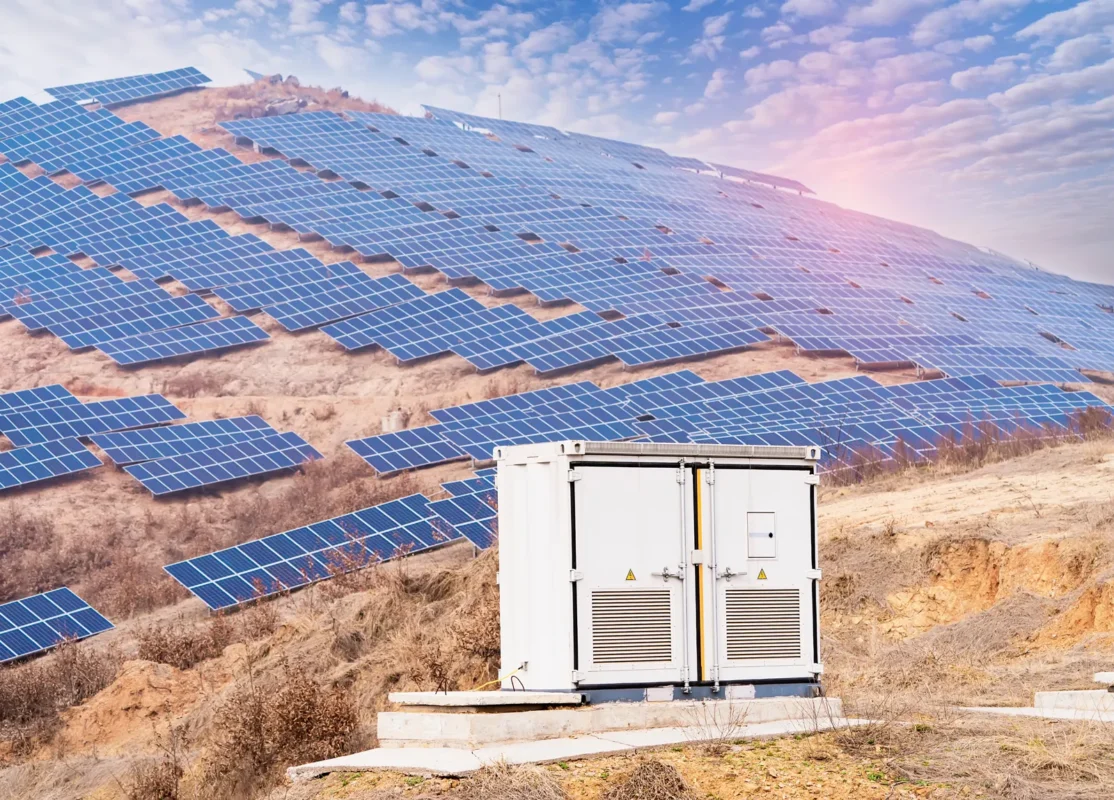
Ticari fotovoltaik projelerde hibrit ve batarya uyumlu invertör sistemlerinin önemi giderek artmaktadır. İşletmeler, pik yük azaltma, kullanım süresi optimizasyonu, yedek güç, talep ücreti yönetimi, şebeke hizmetleri veya dayanıklılık amacıyla enerji depolama çözümlerini giderek daha fazla değerlendirmeye almaktadır. Ancak, “depolamaya hazır” ifadesi dikkatle incelenmelidir.
Pil uyumlu bir invertör, DC bağlantılı depolama, AC bağlantılı depolama veya bir enerji yönetim sistemi (EMS) ile gelecekte kurulacak iletişimi destekleyebilir. Doğru seçim, projenin yük profiline, ihracat kurallarına, pil gerilimine, yedekleme gereksinimlerine ve işletim stratejisine bağlıdır. Talep ücretini azaltmaya odaklanan bir tesis, hızlı güç kontrolüne ve EMS entegrasyonuna öncelik verebilir. Yedek güce ihtiyaç duyan bir kamu tesisi ise aktarım mimarisi, ada modu özelliği, izin verilen durumlarda karanlık başlatma işlevselliği ve koruma cihazlarıyla net bir koordinasyona ihtiyaç duyabilir.
Pil uyumluluğu, onaylı pil listeleri, BMS iletişim protokolleri, güvenlik gereklilikleri ve yerel şebeke bağlantı kuralları ile karşılaştırılarak doğrulanmalıdır. Proje ekibi ayrıca, yazılım güncellemelerinden sonra invertörün amaçlanan çalışma modlarını destekleyip desteklemediğini, garanti koşullarının seçilen pil konfigürasyonuna izin verip vermediğini ve devreye alma desteğinin yerel olarak sağlanıp sağlanmadığını da teyit etmelidir.
C&I sistemleri için hibrit işlevsellik, sadece bir özellik değildir. Elektrik tasarımını, kontrol stratejisini, izin belgelerini, işletme ve bakım prosedürlerini ve finansal modeli değiştirir.
DC bağlantılı depolama sistemi, fotovoltaik ve pil sistemlerini aynı DC barasına entegre ederek dönüşüm verimliliğini artırır ve güç kayıplarını azaltır; AC bağlantılı depolama sistemi ise pilleri AC tarafına bağlayarak mevcut fotovoltaik tesisatlar için daha kolay bir yenileme esnekliği sunar.
Hibrit invertör Yedekleme işlevselliği, genellikle maksimum yedekleme çıkış gücü, faz dengeleme kapasitesi ve şebeke kesintisi sırasındaki anahtarlama süresi gibi tasarım kısıtlamalarıyla sınırlıdır. Yedekleme özelliğine sahip sistemler, sistem mimarisine bağlı olarak genellikle enerji yönetim sistemleri (EMS), yedekleme ağ geçitleri veya harici aktarım anahtarları gibi ek bileşenlere ihtiyaç duyar.
Çoğu standart şebekeye bağlı fotovoltaik invertör, şebeke takip cihazı olarak çalışır; yani gerilim ve frekansı senkronize etmek için sabit bir şebeke referansına ihtiyaç duyarlar. Harici bir şebeke sinyali olmadan bu invertörler, gerilim veya frekans koşullarını bağımsız olarak belirleyemezler.
Bazıları depolama sistemleri ve mikro şebekeler, invertörün kendisinin gerilim ve frekans referansını belirlediği şebeke oluşturma yeteneğine ihtiyaç duyar. Bu özellik, adacık çalışma senaryolarında, zayıf şebekelerde veya tamamen otonom enerji sistemlerinde hayati önem taşır.
Şebeke izlemeli invertörler, güvenlik nedenleriyle şebeke kesintileri sırasında devre dışı kalır ve istikrarlı bir harici şebeke olmadan yükleri destekleyemez. Yedek güç beklentileri değerlendirilirken bu sınırlama göz önünde bulundurulmalıdır.
Kara başlatma özelliği, bir sistemin harici şebeke gücü olmadan bağımsız olarak yeniden başlatılmasını sağlar. Bu işlev, tamamen durduktan sonra yeniden çalışır hale gelmesi gereken mikro şebekeler için hayati önem taşır.
Adalı çalışma, mikro şebeke içinde faaliyet gösteren çok sayıda dağıtık enerji kaynağında arıza tespiti, seçici devre dışı bırakma ve sistem kararlılığını sağlamak için özenli bir koruma koordinasyonu gerektirir.
Yedekleme ve mikro şebeke sistemleri, şebekeye bağlı ve adalı modlar arasındaki geçişleri yönetmek için otomatik transfer anahtarları (ATS), statik transfer anahtarları (STS) veya merkezi mikro şebeke kontrolörlerine ihtiyaç duyabilir.
Kasıtlı şebekeden ayrılma, şebeke istikrarını ve koruma koordinasyonunu etkilediği için genellikle elektrik dağıtım şirketinin onayını gerektirir. Uyum gereklilikleri, bölgeye ve elektrik dağıtım şirketine göre önemli ölçüde değişiklik gösterir.
Teknik özellikler, bir sistemin ne kadar gerçek enerji üretebileceğini ve sahaya özgü koşullar altında ne kadar iyi performans göstereceğini doğrudan belirler. Aşağıdaki bölümlerde, ticari fotovoltaik projelerde hem sistem verimini hem de uzun vadeli güvenilirliği etkileyen temel tasarım parametreleri — verimlilik davranışı, DC/AC boyutlandırma, gerilim sınırları ve termal performans — üzerinde durulmaktadır.
Tepe verimliliği yararlıdır, ancak ticari bir fotovoltaik sistemin çalışma profilinin tamamını yansıtmaz. İnvertörler, değişken ışınım, sıcaklık, gerilim ve yük koşullarında çalışır. Ağırlıklı verimlilik, düşük yük verimliliği, MPPT gerilim aralığı, MPPT kanal sayısı, MPPT başına diz sayısı ve izleme doğruluğu, yıllık üretimi etkileyebilir.
Yönü sabit olan basit bir zemin üstü güneş paneli dizisinde, tepe verimliliğindeki küçük bir fark anlamlı olsa da sınırlı olabilir. Doğu-batı yönlü dizilere, farklı eğim açılarına, parapet gölgelemesine, HVAC engellerine veya aşamalı inşaata sahip karmaşık bir ticari çatı sisteminde, MPPT hassasiyeti verim üzerinde daha büyük bir etkiye sahip olabilir. Elektriksel olarak çok farklı çok sayıda dizi aynı MPPT üzerinde gruplandırılırsa, uyumsuzluktan kaynaklanan kayıplar artabilir.
EPC’ler için pratik adım, genel varsayımlar yerine gerçek dizi düzenleri ve saha koşullarını kullanarak her bir invertör seçeneğini modellemekten ibarettir. Verim hesaplama yazılımı, MPPT gruplandırmasını, sıcaklık davranışını, kesme stratejisini ve kullanılabilirlik varsayımlarını yansıtmalıdır. Teknik özellik tablolarının karşılaştırılması yeterli değildir.
Ticari fotovoltaik projelerde, yıllık enerji verimini artırmak ve watt başına maliyeti düşürmek amacıyla genellikle DC aşırı boyutlandırma yöntemi kullanılır. Birçok ticari ve endüstriyel (C&I) tasarımda DC/AC oranı genellikle 1,1 ile 1,5 aralığında olur; ancak doğru değer, güneş ışınımı profili, modül özellikleri, invertör kapasitesi, tarife yapısı, şebekeye aktarım sınırları ve proje ekonomisine bağlıdır.
Daha yüksek DC yükü, sabahları, öğleden sonraları, bulutlu dönemlerde ve güneş ışınımının düşük olduğu mevsimlerde invertörün kullanım oranını artırabilir. Bununla birlikte, aşırı boyutlandırma, en yüksek güneş ışınımı sırasında sinyal kırpılmasını artırabilir, termal stresi yükseltebilir ve ihracat sınırlamalarının uygulandığı durumlarda mevzuata uygunluk incelemesini zorlaştırabilir. Sıcak iklimlerde, aşırı boyutlandırmanın beklenen faydası termal güç düşürme eğrileriyle karşılaştırılarak kontrol edilmelidir; çünkü sık sık güç düşürme yapan bir invertör, beklenen verimi sağlayamayabilir.
En iyi kesme stratejisi, tamamen teknik değil, finansal niteliktedir. İhraç edilen enerjinin değeri düşükse veya tesisin katı ihracat sınırlamaları varsa, belirli ölçüde kesme kabul edilebilir olabilir. Enerji, yüksek ticari tarifelerle tesis içinde tüketiliyorsa, üretim kaybının etkisi daha büyük olabilir. EPC’ler, projenin gerçek yük profili ve tarife varsayımları çerçevesinde invertör seçeneklerini karşılaştırmalıdır.
Modern yüksek güçlü PV modülleri, invertör giriş tasarım gerekliliklerini değiştirmiştir. Daha yüksek akım değerlerine sahip modüller, çift yüzlü modüllerin sağladığı kazanç, daha yüksek dizi akımları ve değişen konektör uygulamaları, eski varsayımların artık güvenilir olmayabileceği anlamına gelmektedir. İnvertör giriş akım sınırları, maksimum kısa devre akımı, MPPT akım paylaşımı ve konektör uyumluluğu dikkatle kontrol edilmelidir.
Ticari sistemler, pazar kurallarına, proje ölçeğine, ekipman bulunabilirliğine ve saha tasarımına bağlı olarak 1000 V veya 1500 V DC mimarisini kullanabilir. Daha yüksek gerilimli sistemler, büyük ölçekli projelerde akım, kablolama ve bazı sistem dengesi maliyetlerini azaltabilir, ancak uyumlu modüller, konektörler, koruma cihazları, kurulum uygulamaları ve eğitimli personel gerektirir.
Dizi uzunluğu hesaplamalarında, invertörün maksimum DC gerilimini aşmamak için düşük sıcaklıkta meydana gelen gerilim artışı dikkate alınmalıdır. Ayrıca, invertörün MPPT çalışma aralığı içinde kalmasını sağlamak için yüksek sıcaklıkta meydana gelen gerilim düşüşü de hesaba katılmalıdır. Çift yüzlü sistemlerde, akım varsayımları uygun olduğu durumlarda beklenen arka yüz kazancını da içermelidir.
| Tasarım parametresi | C&I PV için neden önemli? |
|---|---|
| Maksimum doğru akım gerilimi | Soğuk havalarda aşırı gerilimi önler |
| MPPT gerilim aralığı | Dizgilerin farklı sıcaklıklarda verimli bir şekilde çalışıp çalışmadığını belirler |
| Maksimum giriş akımı | Yüksek akım modülleriyle uyumluluğu sağlar |
| Kısa devre akımı değeri | Arıza ve ışınım koşulları altında güvenli tasarımı destekler |
| MPPT sayısı | Çeşitli çatı düzlemleri arasındaki uyumsuzluktan kaynaklanan kayıpları azaltır |
| 1000 V ile 1500 V mimarisi | BOS maliyetini, güvenlik uygulamalarını ve ekipman seçimini etkiler |
Giriş uyumsuzluğu, en yaygın önlenebilir tasarım sorunlarından biridir. Bu durum, tedarik sürecini geciktirebilir, yeniden tasarımı gerektirebilir, devreye alma aşamasında sorunlara yol açabilir veya uzun vadeli performansı düşürebilir.
Ticari invertörler genellikle zorlu ortamlara kurulur: sıcak çatıların üstü, tozlu endüstriyel alanlar, nemli kıyı bölgeleri, tarımsal tesisler, yüksek rakımlı alanlar veya aşındırıcı hava koşullarının olduğu yerler. Bu koşullar, invertörün performansını ve kullanım ömrünü etkiler.
Dış mekanda kullanılan dizi invertörlerde genellikle IP65 veya IP66 gibi koruma sınıfları kullanılır; ancak koruma sınıfı tek başına her kurulum alanına uygunluğu garanti etmez. Soğutma tasarımı, fan erişimi, havalandırma boşluğu, ısı emicinin maruz kalma durumu, rakım kaynaklı güç düşürme, toz birikimi ve korozyon koruması gibi unsurların tümü gözden geçirilmelidir. Sıcak iklimlerde, iç sıcaklıklar çalışma eşiklerini aştığında invertörün çıkış gücünü düşürebileceğinden, güç düşürme eğrileri özellikle önemlidir.
Termal davranış, hem verimi hem de garanti riskini etkiler. Bir invertör, havalandırması yetersiz bir duvara doğrudan güneş ışığı alan bir yere monte edilirse, gerçek performans modelleme beklentilerinin altına düşebilir. Filtreler veya fanlar bakım gerektiriyorsa, işletme ve bakım planında denetim aralıkları ve yedek parçalar yer almalıdır. Toz, tuz buharı, amonyak veya kimyasallara maruz kalan tesisler için, garantideki çevresel istisnalar dikkatlice okunmalıdır.
Termal döngü, iç bileşenlerin tekrar tekrar genleşmesine ve büzülmesine neden olur; bu da zamanla mekanik gerilime, lehim bağlantılarının yorulmasına ve invertör sistemlerinin uzun vadeli güvenilirliğinin azalmasına yol açar.
Güvenilirlikteki düşüş, elektrolitik kondansatörlerin eskimesi, fan arızası veya tıkanmış soğutma kanalları, röle veya kontak aşınması, DC anahtarının bozulması, iletişim kartı arızası, aşırı gerilim hasarı, termal döngü stresi, nem girişi, tuz sisi kaynaklı korozyon, amonyak maruziyeti, endüstriyel kirleticiler ve donanım yazılımıyla ilgili çalışma hatalarından kaynaklanabilir.
Yaygın olarak uygulanan çevresel uygunluk testleri, zorlu çalışma koşulları altında invertörlerin dayanıklılığının doğrulanmasına yardımcı olur. Bunlar arasında mekanik stres testleri, neme maruz kalma testleri, titreşim direnci testleri ve uzun vadeli termal dayanıklılık değerlendirmeleri yer alır.
IEC 60529 standardı, muhafazaların toz ve su girişine karşı direncini sınıflandıran giriş koruması (IP) derecelendirme sistemini tanımlamaktadır.
IEC 60068 standardı, elektronik ekipmanlar için sıcaklık döngüsü, titreşim, darbe ve neme maruz kalma gibi çevresel test yöntemlerini belirler.
IEC 61701 standardı, özellikle kıyı ve deniz ortamları için büyük önem taşıyan tuz sisi korozyonuna karşı direnci değerlendirir.
IEC 62716 standardı, genellikle tarım veya hayvancılık tesislerinde gerekli olan, invertörlerin amonyak maruziyetine karşı direncini değerlendirir.
C5 korozyon sınıflandırması, daha yüksek koruma gerektiren açık deniz, kıyı veya endüstriyel kimyasal maruziyet bölgeleri gibi zorlu ortamlar için kullanılır.
Rakım kaynaklı güç düşürme belgeleri, hava yoğunluğunun soğutma verimliliğini etkilediği yüksek irtifa kurulumları için performans düşüş eğrilerini belirtir.
İnvertörün performansı, çalışma sıcaklığı sınırları ve derating eğrileriyle belirlenir; bu eğriler, yüksek sıcaklık koşullarında çıkış gücünün nasıl azaldığını gösterir.
Soğutma yöntemleri, güç derecesine ve kurulum ortamına bağlı olarak doğal konveksiyon, zorlamalı hava soğutma, sıvı soğutma veya hibrit soğutma sistemlerini içerebilir.
Şebeke uyumluluğu, herhangi bir ticari fotovoltaik invertör için temel bir gerekliliktir ve proje onayı, devreye alma süreleri ile uzun vadeli işletme istikrarını doğrudan etkiler. Aşağıdaki bölümlerde, şebeke kuralları, sertifikasyon çerçeveleri ve şebeke işletmecilerinin gerekliliklerinin invertör seçimini nasıl şekillendirdiği ve uyumluluk hazırlığının ticari ve endüstriyel (C&I) proje geliştirme sürecinde neden hayati önem taşıdığı ele alınmaktadır.
Şebekeye bağlı invertörlerin uygunluğu, ticari fotovoltaik projelerin risklerinin temel bir parçasını oluşturur. Bir invertör, sadece doğru akımı (DC) alternatif akıma (AC) dönüştürmekle kalmamalıdır; yerel şebekeyle güvenli ve öngörülebilir bir şekilde etkileşim kurmalıdır. Yasal düzenlemelere ve sistem büyüklüğüne bağlı olarak, gereklilikler arasında ada oluşumunu önleme, gerilim ve frekans dalgalanmalarına dayanıklılık, reaktif güç kontrolü, aktif güç kısıtlaması, güç faktörü kontrolü, rampa hızı sınırları, şebekeye besleme sınırlaması, uzaktan devre dışı bırakma ve tesis kontrolörleri veya şebeke sistemleri ile iletişim yer alabilir.
EPC’ler için, invertörün şebeke kodu kütüphanesi ve şebeke işletmecisi tarafından kabul edilme geçmişi, onay sürelerini doğrudan etkileyebilir. Bölgede defalarca kullanılmış bir model, belgeleme sürecindeki aksaklıkları azaltabilir. Buna karşılık, teknik olarak yeterli olmasına rağmen yerel sertifikası bulunmayan bir invertör, izin alma sürecinde gecikmelere yol açabilir.
Ticari tesislerde de iç elektrik sistemlerine ilişkin hususlar söz konusudur. Hassas üretim yükleri, dikkatli bir güç kalitesi analizi gerektirebilir. Zayıf şebekeler, gerilim düzenleme desteğine ihtiyaç duyabilir. Sıkı ihracat sınırlamaları olan tesislerde ise doğru ölçüm ve hızlı kontrol tepkisi gereklidir. Bu konular, devreye alma aşamasında değil, tedarik öncesinde ele alınmalıdır.
Satın alma işleminden önce, EPC’ler ve geliştiriciler, invertörün modern elektrik dağıtım kuralları tarafından zorunlu kılınan akıllı şebeke işlevlerinin tamamını desteklediğini doğrulamalıdır.
Bunlar genellikle gerilim devamlılığı, frekans devamlılığı, volt-var kontrolü, volt-watt kontrolü, frekans-watt tepkisi, sabit güç faktörü kontrolü, reaktif güç önceliği ile aktif güç önceliği arasında seçim, rampa hızı kontrolü, uzaktan devre dışı bırakma özelliği, iletişim arayüzü gereksinimleri ve tesis kontrolörleri veya Dağıtık Enerji Kaynakları (DER) yönetim sistemleriyle birlikte çalışabilirliği içerir.
Buna ek olarak, EPC’ler, şebeke uyumluluğunun yazılım sürümlerine göre değişiklik gösterebileceğinden, bu işlevlerin kurulan tam donanım yazılımı sürümü için sertifikalı, yapılandırılabilir, şebeke operatörü tarafından onaylanmış ve eksiksiz bir şekilde belgelenmiş olup olmadığını doğrulamalıdır.
Profesyonel proje ekipleri, invertörün tam modelini, sertifikasını, yazılım sürümünü ve geçerli şebeke ayarını doğrulamalıdır. Bir üreticinin sertifikaya sahip olduğunu söylemek yeterli değildir. Sertifikalar, modele, güç derecesine, bölgesel varyantlara ve yazılım sürümüne göre farklılık gösterebilir.
Önemli uyum alanları arasında genellikle invertör güvenliği, şebeke bağlantısı, ada oluşumunu önleme, elektromanyetik uyumluluk, güç kalitesi ve pazara özgü şebeke bağlantı kuralları yer alır. Sıkça atıfta bulunulan standartlar ve çerçeveler arasında IEC invertör güvenliği ve şebeke bağlantısı standartları, Kuzey Amerika’daki IEEE şebeke bağlantısı gereklilikleri, dağıtık enerji kaynakları için UL sertifikasyon yolları, Avrupa şebeke bağlantısı gereklilikleri ve Avustralya/Yeni Zelanda invertör standartları yer alır.

| Uyum alanı | Tipik doğrulama şartı |
|---|---|
| Elektrik güvenliği | Söz konusu model için invertör güvenlik sertifikası |
| Anti-islanding | Yerel makam tarafından kabul edilen test raporu veya sertifika |
| Şebeke desteği | Geçiş modu, reaktif güç, frekans tepkisi ayarları |
| Güç kalitesi | Harmonik bozulma ve titreme performansı |
| İhracat kontrolü | Sayaç ve kontrol cihazı uyumluluğu |
| Donanım yazılımı | Onaylanmış donanım yazılımı sürümü ve kilitlenmiş şebeke kodu parametreleri |
En sık yapılan hata, küresel model numarasının yerel onayları garanti ettiği varsayımıdır. Birçok pazarda, invertörün kabul edilip edilmeyeceği, yerel versiyon, ürün yazılımı veya sertifika dosyasına bağlıdır.
| Standart / çerçeve | İnvertör seçimiyle ilgisi |
|---|---|
| IEC 62109 | Fotovoltaik sistemlerde kullanılan güç dönüştürücüler için güvenlik gereklilikleri |
| IEC 62116 | Şebekeye bağlı invertörler için adacık önleme test prosedürü |
| IEC 61727 | Güneş enerjisi sistemleri için şebeke arayüz özellikleri |
| IEC 61000 serisi | Elektromanyetik uyumluluk (EMC), harmonikler, titreme, güç kalitesi |
| IEEE 1547-2018 | Dağınık enerji kaynaklarına ilişkin birbirine bağlanabilirlik ve birlikte çalışabilirlik gereklilikleri |
| UL 1741 / UL 1741 SB | Kuzey Amerika invertör sertifikasyonu ve gelişmiş şebeke destek işlevleri |
| EN 50549 | Dağınık üretim için Avrupa şebeke bağlantı gereklilikleri |
| Üreticiler için AB Şebeke Kuralları Gereklilikleri | AB çapında şebeke bağlantısı uyum çerçevesi |
| AS/NZS 4777.2 | Avustralya ve Yeni Zelanda’da şebekeye bağlantı için invertör gereksinimleri |
Şebeke onayı, büyük ölçüde belgelerin kalitesine bağlıdır. EPC’ler için veri sayfaları, sertifikalar, test raporları, şebeke kodu beyanları, röle ayarları, tek hat şeması destek belgeleri, devreye alma kontrol listeleri, iletişim şemaları ve ihracat kontrol açıklamaları gerekebilir. Daha büyük projelerde ise elektrik dağıtım şirketleri, güç akışı çalışmaları, koruma koordinasyonu, harmonik analizi veya tesis kontrolörüne ilişkin belgeleri de talep edebilir.
Güçlü bir invertör tedarikçisi, net teknik belgeler sunarak, gerektiğinde yerel dilde destek sağlayarak ve şebeke incelemesi sırasında mühendislik desteği vererek proje riskini azaltır. Yetersiz belgeleme, invertörün teknik olarak yeterli olsa bile gecikmelere yol açabilir.
Tazminat bedeli öngörülen projelerde, şebeke onayının gecikmesi doğrudan mali sonuçlar doğurur. Ticari işletme tarihinin ertelenmesi durumunda, proje sahibi enerji tasarruflarından veya gelirden mahrum kalır ve EPC şirketi sözleşme cezalarıyla karşı karşıya kalabilir. Bu nedenle, herhangi bir birinci kademe güneş enerjisi invertör karşılaştırmasında, mevzuata uygunluk hazırlığı önemli bir ağırlık taşımalıdır.
Ticari fotovoltaik sistemler, giderek daha fazla aktif şebeke destek işlevlerine ihtiyaç duymaktadır. İnvertörlerden reaktif güç sağlamaları, gerilim düzenlemesine destek olmaları, belirli bir güç faktörünü korumaları, şebekeye aktarımını sınırlamaları, kısıtlama sinyallerine yanıt vermeleri veya tesis düzeyindeki bir kontrolörle koordinasyon sağlamaları istenebilir.
Bu özellikler, özellikle kısıtlı dağıtım şebekelerine bağlı fabrikalar, veri merkezleri, lojistik merkezleri ve ticari binalar için büyük önem taşımaktadır. Bir proje, temel elektrik tasarım kontrollerinden geçse bile, ihracat kontrolü tepkisi dengesizse veya reaktif güç ayarları doğru şekilde yapılandırılmamışsa devreye alma aşamasında başarısız olabilir.
Sıfır ihracat sistemleri özel dikkat gerektirir. İnvertör, sayaç ve kontrol ünitesi, izin verilen eşik değerlerin ötesinde geri beslemeyi önlemek için güvenilir bir şekilde iletişim kurmalı ve yeterince hızlı tepki vermelidir. Tesis yükü hızlı bir şekilde dalgalanıyorsa, kontrol tasarımı daha karmaşık hale gelir. EPC’ler, devreye alma sırasında tüm kontrol zincirini test etmeli ve gelecekteki işletme ve bakım ekipleri için ayarları belgelemelidir.
| Bölge | Tipik doğrulama odak noktaları |
|---|---|
| Amerika Birleşik Devletleri | UL 1741 SB, IEEE 1547-2018, şebekeye özgü dağıtık enerji kaynakları (DER) ayarları |
| Avrupa Birliği | EN 50549, ulusal şebeke kuralları, AB jeneratör gereklilikleri |
| Avustralya / Yeni Zelanda | AS/NZS 4777.2, ihracat sınırları, DNSP’ye özgü invertör onayı |
| Orta Doğu / Afrika | Elektrik dağıtım şirketine özgü şebeke kodu onayı, yüksek sıcaklıkta güç düşürme, toz koruması |
| Güneydoğu Asya | Yerel sertifikasyon, yüksek nem, şebeke zayıflığı durumunda çalışma, satış sonrası destek |
Ticari fotovoltaik projelerde tedarik kararları, teknik performansın ötesine geçer ve tedarikçinin istikrarı, teslimat riski, garantinin uygulanabilirliği ve uzun vadeli hizmet sunma kapasitesini de dikkate almalıdır. Aşağıdaki bölümlerde, EPC firmaları, finansörler ve distribütörlerin gerçek hayattaki satın alma senaryolarında proje finansman uygunluğunu ve tedarik zincirinin güvenilirliğini nasıl değerlendirdikleri özetlenmektedir.
Güneş enerjisi invertörlerinin finansal güvenilirliği, üreticinin mali gücü, sevkiyat geçmişi, proje referansları, garanti desteği, sigorta kabulü, servis ağı ve proje ömrü boyunca ürünleri destekleme kabiliyetini içerir. Bununla birlikte, finansal güvenilirlik model, bölge ve proje ölçeğinde değerlendirilmelidir.
Bir tedarikçi küresel ölçekte güçlü olsa da yerel hizmet kapasitesi sınırlı olabilir. Bir diğeri ise mükemmel ticari ürünlere sahip olsa da hedef ihracat pazarı için yeterli sertifikasyon kapsamına sahip olmayabilir. Yeni bir invertör serisi, cazip teknik özellikler sunsa da uzun vadeli saha verileri sınırlı olabilir. Bu nedenle EPC’ler ve finansörler, hem kurumsal gücü hem de ürün olgunluğunu incelemelidir.
Finanse edilen ticari ve endüstriyel (C&I) projelerde, kredi verenler ve sigorta şirketleri, projenin fiilen devreye alındığına dair kanıt, garanti koşulları ve servis kapasitesi hakkında bilgi talep edebilir. Bir proje performans garantilerine dayanıyorsa, invertör güvenilirliği ve destek hizmetlerinin hızlı yanıt verme yeteneği, finansal durum tespiti sürecinin bir parçası haline gelir.
İnvertörlerin temin edilebilirliği, kurulum programlarını ve ticari işletime geçiş tarihlerini etkileyebilir. Satın alma ekipleri, teslimat sürelerini, bölgesel depo stoklarını, minimum sipariş miktarlarını, yedek ünite temin edilebilirliğini, iletişim modülü temin edilebilirliğini, fan veya filtre tedarikini ve garanti lojistiğini doğrulamalıdır.
Bayiler için stok riski önemli bir husustur. Çok fazla model çeşidini stokta bulundurmak, özellikle şebeke kodu kuralları veya ürün nesilleri değiştiğinde, satışı zor stoklara yol açabilir. Çok az model çeşidini stokta bulundurmak ise EPC müşterilerine karşı tepki verme yeteneğini sınırlayabilir. Bu nedenle ürün yaşam döngüsü yönetimi, kanal stratejisinin bir parçasıdır.
EPC’ler için, invertör sevkiyatındaki gecikmeler kurulumun tamamlanmasını, testlerin yapılmasını ve şebeke onayını geciktirebilir. Daha büyük ticari projelerde, yedek üniteler arızalar meydana geldikten sonra değil, tedarik aşamasında planlanmalıdır. Portföy genelinde invertör serilerini standartlaştırmak, yedek parça stoklamasını kolaylaştırabilir ve arıza süresini azaltabilir.
İnvertör garantisi ve satış sonrası destek, üreticiye, bölgeye, kullanım alanına ve kurulum koşullarına göre önemli ölçüde farklılık gösterebilir. Standart garantiler genellikle 5 ila 10 yıl arasında başlar ve birçok pazarda ücretli uzatma seçenekleri mevcuttur. Bazı garantiler ekipman değişimini kapsarken işçilik masraflarını kapsamaz. Diğer garantilerde ise uzaktan teşhis, RMA onayı veya yetkili onarım için katı prosedürler uygulanır.
Proje ekipleri, istisna hükümlerini dikkatle okumalıdır. Yaygın istisnalar arasında hatalı kurulum, yetersiz aşırı gerilim koruması, çevresel etkenlere maruz kalma, yetkisiz onarımlar, yetersiz havalandırma, yanlış şebeke ayarları veya üçüncü taraf ekipmanların neden olduğu iletişim arızaları sayılabilir. Kıyı bölgeleri, tarım alanları, yüksek sıcaklıklı veya tozlu ortamlarda çevresel faktörlere ilişkin hükümler özellikle önemlidir.
En faydalı garanti, hızlı bir şekilde uygulanabilen garantidir. Değiştirme süreci yavaşsa, yedek parçalar bulunmuyorsa veya teknik desteğe ulaşmak zorsa, uzun bir garanti süresinin değeri sınırlıdır. EPC’ler, müdahale süresini, bölgesel servis ortaklarını, uzaktan teşhis imkânlarını, yedek parça taahhütlerini ve sorunların üst düzeye taşınması prosedürlerini değerlendirmelidir.
Dağıtıcılar ve bayiler için en iyi invertör serisi, yalnızca teknik açıdan rekabetçi olmakla kalmamalıdır. Satılabilir, desteklenebilir ve yerel pazar ihtiyaçlarıyla uyumlu olmalıdır. Sertifikasyon kapsamı, eğitim programları, montajcıların sisteme entegrasyonu, dokümantasyon kalitesi, RMA işlemleri, kâr marjı istikrarı ve ürün yelpazesinin genişliği; hepsi önemlidir.
Ticari ve endüstriyel (C&I) kurulumcularına hizmet veren bir bayinin, invertör ürün yelpazesinin yaygın ticari boyutları kapsayıp kapsamadığını, aksesuarların mevcut olup olmadığını, izleme hesaplarının kurulmasının kolay olup olmadığını ve teknik desteğin tasarım ve devreye alma aşamalarında yardımcı olup olamayacağını değerlendirmesi gerekir. Marka bilinirliği faydalıdır, ancak kurulumcuların sık sık sorun giderme desteğine ihtiyaç duyması durumunda destek yükü kâr marjını azaltabilir.
Yaygın olarak kullanılan modüller, sayaçlar, piller, tesis kontrolörleri, hızlı kapatma ekipmanları ve izleme platformlarıyla uyumluluk da satış potansiyelini etkiler. Bir invertörün tasarımı, kurulumu, devreye alınması ve teknik desteği ne kadar kolaysa, profesyonel satış kanallarında o kadar değerli hale gelir.
Ticari fotovoltaik projelerde, sadece ilk kurulum çabası değil, kurulum ve bakım kolaylığı da gerçek sahip olma maliyetini doğrudan etkiler. Aşağıdaki bölümlerde, mekanik tasarım, devreye alma iş akışları, koruma koordinasyonu ve saha bakım stratejilerinin işgücü verimliliğini, çalışma süresini ve uzun vadeli işletme istikrarını nasıl etkilediği açıklanmaktadır.
Kurulum detayları, proje maliyetini doğrudan etkiler. İnvertörün ağırlığı, montaj yöntemi, kablo girişi tasarımı, DC anahtar entegrasyonu, AC terminal düzeni, topraklama erişimi, aralık gereksinimleri ve kaldırma prosedürlerinin tümü, işçilik saatlerini ve güvenliği etkiler.
Ticari binaların çatılarında, daha hafif dizili invertörler vinç gereksinimlerini azaltabilir ve lojistiği kolaylaştırabilir. Bununla birlikte, çok yüksek güçlü dizili invertörler için yine de dikkatli kaldırma planları gerekebilir. Bazı binalar için duvara montaj uygun olabilirken, diğerleri için rafa veya zemine monte edilen konfigürasyonlar daha uygun olabilir. Kablo girişi konumu da önemlidir; zira uygun olmayan kablo döşeme yolları işçilik ve malzeme maliyetlerini artırabilir.
Birden fazla tesisten oluşan portföylerde tekrarlanabilirlik büyük önem taşır. Kurulumcular tüm tesislerde aynı montaj yöntemini, kablo düzenini, devreye alma sürecini ve etiketleme standardını kullanırsa, kalite artar ve eğitim süresi azalır.
Devreye alma kalitesi, sistem performansını uzun vadede etkiler. Profesyonel bir devreye alma süreci; fiziksel inceleme, yalıtım direnci kontrolleri, polarite doğrulaması, dizi akımı kontrolleri, şebeke kodu seçimi, donanım yazılımı doğrulaması, iletişim testleri, izleme kaydı, ihracat kontrolü ayarları ve alarm doğrulamasını içerir.
Uygulama tabanlı devreye alma sürecini hızlandırabilir, ancak aynı zamanda iş akışı riskleri de beraberinde getirir. Kurulumcuların istikrarlı erişim kimlik bilgilerine, net kullanıcı rollerine, ürün yazılımı yönetimine ve ayarların belgelenmesine ihtiyacı vardır. Şebeke kodu parametreleri onaylandıktan sonra değiştirilirse, sistem uyumluluk şartlarını karşılayamayabilir. İzleme kaydı eksikse, işletme ve bakım ekipleri devir tesliminden sonra sistem üzerinde kontrolünü kaybedebilir.
Yetersiz devreye alma belgeleri, garanti anlaşmazlıklarına yol açabilir ve yıllar sonra sorun gidermeyi zorlaştırabilir. EPC’ler, invertör seri numaraları, donanım yazılımı sürümleri, şebeke ayarları, sayaç yapılandırması, iletişim şemaları, alarm testleri ve şebeke operatörünün talep ettiği devreye alma formlarının kayıtlarını tutmalıdır.
İnvertör seçimi, sistem dengesi tasarımıyla yakından bağlantılıdır. Entegre DC izolatörleri, gerekli durumlarda ark arızası algılama, artık akım izleme, yalıtım direnci testi, Tip II aşırı gerilim koruması, ilgili pazarlarda hızlı kapatma uyumluluğu ve topraklama gereklilikleri, sistem tasarımının bir parçası olarak değerlendirilmelidir.
Bazı projelerde, invertör belirli koruma özelliklerine sahip olsa bile harici koruma cihazlarına ihtiyaç duyulabilir. Yerel yönetmelikler, elektrik dağıtım şirketlerinin kuralları, sigorta gereklilikleri ve sahaya özgü risk değerlendirmeleri nihai tasarımı belirler. Yıldırım çarpmasına maruz kalan bölgelerdeki binalar veya hassas ekipmanların bulunduğu endüstriyel alanlarda, aşırı gerilim koruma stratejisine özel önem verilmelidir.
Güvenlik özellikleri, sadece birer “onay kutusu” maddesi olarak değerlendirilmemelidir. Bu özellikler, devreye alma, bakım, acil durum müdahalesi ve garanti şartlarına uyumu etkiler. Tasarım ekibi, koruma işlevlerinin birleştirici kutular, şalt cihazları, sayaçlar, transformatörler ve binanın elektrik sistemleri ile uyumlu olmasını sağlamalıdır.
Ticari fotovoltaik sistemlerin çalışma süresi, arızaların ne kadar hızlı tespit edilip giderilebileceğine bağlıdır. Modüler bileşenler, erişilebilir fanlar, değiştirilebilir iletişim kartları, anlaşılır alarm kodları, uzaktan arıza teşhisi ve pratik değiştirme prosedürleri, hepsi birlikte sistemin devre dışı kalma süresini azaltır.
Ticari bir çatı tesisinde 100 kW’lık bir invertör arızalanırsa, bunun mali etkisi kısa bir süre için yönetilebilir olabilir. Ancak bir portföydeki birkaç invertörde aynı sorun ortaya çıkarsa, işletme ve bakım yükü hızla artabilir. Performans garantisi bulunan projelerde, çözülmemiş invertör arızaları sözleşme yükümlülüklerini etkileyebilir.
İnvertör modellerinin birden fazla tesiste standart hale getirilmesi, teknisyenlerin alarm kodlarını öğrenmelerine, doğru yedek parçaları yanlarında bulundurmalarına ve sorunları daha hızlı çözmelerine yardımcı olur. Bununla birlikte, özellikle çevresel koşulların veya şebeke kurallarının farklı olduğu durumlarda, standardizasyonun tesise özgü gereksinimlerle dengelenmesi gerekir.
İnvertörler, bakım süresini ve sistemin çalışmama süresini azaltan modüler ve değiştirilebilir bileşenlerle tasarlandığında, servis kolaylığı önemli ölçüde artırılabilir.
Tipik olarak değiştirilebilen parçalar arasında fanlar, filtreler, konektörler ve iletişim modülleri bulunur; iyi tasarlanmış sistemlerde bu parçaların tümü, invertörün tamamen değiştirilmesine gerek kalmadan bakımdan geçirilebilir.
İzleme ve işletme-bakım (O&M) yetenekleri, özellikle portföylerin giderek daha dağınık ve veri odaklı hale gelmesiyle birlikte, ticari fotovoltaik (PV) invertör sistemlerinin uzun vadeli değerini giderek daha fazla belirlemektedir. Aşağıdaki bölümlerde, izleme kapsamı, uzaktan tanılama, siber güvenlik ve performans raporlamasının operasyonel verimlilik, varlık güvenliği ve yaşam döngüsü performans yönetimi üzerinde nasıl bir etki yarattığına odaklanılmaktadır.
Kalite izleme, ticari ve endüstriyel (C&I) fotovoltaik (PV) invertör karşılaştırmalarında önemli bir ayırt edici unsurdur. Küçük bir ticari sistem için invertör düzeyindeki temel üretim verileri yeterli olabilir; ancak daha büyük portföylerde genellikle dizi düzeyinde akım, alarm sınıflandırması, performans oranı takibi, şebekeye aktarım kontrolü görünürlüğü, sayaç entegrasyonu ve API erişimi gereklidir.
Verilerin ayrıntı düzeyi, işletme ve bakım ekiplerinin arızaları ne kadar hızlı tespit edebileceğini etkiler. Üretimdeki bir düşüş, gölgeleme, modül kirlenmesi, dizi arızası, iletişim kesintisi, şebeke kısıtlaması, termal güç düşmesi veya invertör arızasından kaynaklanabilir. Ayrıntılı veriler olmadan, teknisyenlerin gereksiz saha ziyaretleri yapması gerekebilir.
Varlık sahipleri, raporlama ihtiyaçlarını da göz önünde bulundurmalıdır. Ticari ve kamu sektörü müşterileri genellikle aylık performans raporları, kullanılabilirlik göstergeleri, karbon raporlaması ve garanti talepleri için kanıt talep eder. İzleme platformları, aşırı manuel iş yükü gerektirmeden bu gereksinimleri karşılamalıdır.

Modern invertör platformları, uzaktan sorun giderme, alarm sınıflandırma, ürün yazılımı güncellemeleri, performans analizi ve bakım planlamasını giderek daha fazla desteklemektedir. Bu araçlar, özellikle dağınık portföylerde sahaya çıkma sıklığını azaltabilir ve müdahale süresini kısaltabilir.
Yararlı uzaktan teşhis özellikleri arasında dizi akımı karşılaştırması, yalıtım arızası tespiti, şebeke olay günlükleri, sıcaklık verileri, fan durumu, iletişim durumu ve geçmiş alarm kayıtları yer alır. Öngörücü bakım, alarmların net bir şekilde önceliklendirilmesi durumunda en büyük faydayı sağlar. Bir platform çok fazla önemsiz uyarı üretirse, işletme ve bakım ekipleri önemli uyarıları göz ardı edebilir.
Uzun vadeli işletme ve bakım (O&M) sözleşmeleri sunan EPC’ler için izleme ve arıza teşhisi, kârlılığı etkiler. Sık sık manuel inceleme gerektiren bir sistem, hizmet marjını azaltır. Net alarm mantığına ve uzaktan sıfırlama özelliklerine sahip bir sistem ise işletme maliyetlerini düşürebilir.
Bağlantılı invertörler, daha geniş kapsamlı bir dijital enerji sisteminin parçasıdır. Siber güvenlik, kurumsal müşteriler, kamu hizmetleri kuruluşları, okullar, belediyeler ve kritik tesisler için giderek daha önemli hale gelmektedir. İnvertör bulut platformları, tesis kontrolörleri, API’ler, yerel ağlar ve uzaktan yazılım güncellemeleri; hepsinin de bir yönetim çerçevesine ihtiyacı vardır.
Profesyonel alıcılar, kullanıcı erişim denetimlerini, şifre politikalarını, rol tabanlı izinleri, donanım yazılımı güncelleme prosedürlerini, API güvenliğini, veri depolama konumunu, yerel ağ segmentasyonunu ve olay müdahale süreçlerini değerlendirmelidir. Kamu sektörü ve kurumsal müşteriler, tedarikçiyi onaylamadan önce siber güvenlik incelemesi talep edebilir.
Veri sahipliği konusu da netleştirilmelidir. Varlık sahiplerinin, performans analizi, garanti talepleri, ESG raporlaması ve gelecekteki yeniden finansman veya yeniden satış işlemleri için operasyonel verilere erişimi olmalıdır. Veriler, sınırlı dışa aktarma seçeneklerine sahip bir platformda kilitli kalırsa, portföy yönetimi zorlaşır.
Profesyonel alıcılar, uzun vadeli operasyonel güvenliği sağlamak için siber güvenlik yeteneklerini teknik performans ve şebeke uyumluluğu ile birlikte değerlendirmelidir.
Siber güvenlik değerlendirmesi, çok faktörlü kimlik doğrulama desteğini, rol tabanlı erişim kontrolü, yapılandırma değişikliklerine ilişkin denetim günlükleri, ürün yazılımı imzalama ve güvenli güncelleme onay süreçleri, yerel erişim şifre yönetimi, bulut veri yerleşim politikaları, API kimlik doğrulama yöntemleri, ağ segmentasyonu kılavuzları, kullanılmayan bağlantı noktalarını veya hizmetleri devre dışı bırakma yeteneği, olay bildirim prosedürleri ve uygun olduğu durumlarda IEC 62443 veya NIST siber güvenlik ilkeleriyle uyumluluğu içermelidir.
İnvertör seçimi, EPC garantilerini, işletme ve bakım sözleşmelerini ve varlık sahibi raporlamasını destekler. Kullanılabilirlik hedefleri, müdahale süresi taahhütleri, enerji verim garantileri ve garanti talebi kanıtları, hepsi güvenilir invertör verilerine bağlıdır.
Birden fazla tesisten oluşan ticari ve endüstriyel (C&I) portföylerde, tesisler arasında standartlaştırılmış raporlama, idari karmaşıklığı azaltır. Farklı invertör markaları veya platformları kullanılıyorsa, tesis sahibi verileri birleştirmek için üçüncü taraf bir izleme katmanına ihtiyaç duyabilir. Bu etkili bir çözüm olabilir, ancak API erişimi ve veri tutarlılığı erken aşamada teyit edilmelidir.
Etkili bir izleme ve raporlama stratejisi, invertör verilerini operasyonel değere dönüştürür. Bu strateji, tesis sahiplerinin performans düşüşlerini tespit etmelerine, tasarrufları doğrulamalarına, hizmet sağlayıcıları yönetmelerine ve gelecekteki genişleme veya depolama yatırımları konusunda daha iyi kararlar almalarına yardımcı olur.
Ticari PV invertörlerinin finansal değerlendirmesi, satın alma fiyatının ötesine geçerek, ekipman seçimlerinin toplam sistem maliyetini, operasyonel riski ve uzun vadeli getirileri nasıl etkilediğine odaklanır. Aşağıdaki bölümlerde, invertör seçiminin projenin genel kârlılığını nasıl etkilediğini göstermek amacıyla CAPEX yapısı, OPEX etkenleri, LCOE duyarlılığı ve finansman uygunluğu hususları ayrıntılı olarak ele alınmaktadır.
İnvertörün birim fiyatı, proje ekonomisinin yalnızca bir parçasını oluşturur. Toplam kurulum maliyeti; montaj, kablolama, birleştirici gereksinimleri, koruma cihazları, transformatör veya orta gerilim istasyonu ihtiyaçları, işçilik, devreye alma süresi, izleme ücretleri, iletişim donanımı, yedek parçalar ve servis planlamasını içerir.
Daha düşük maliyetli bir invertör, daha fazla kablolama, daha fazla kurulum işçiliği, ek harici ekipman veya daha uzun devreye alma süresi gerektiriyorsa, CAPEX’i düşürmeyebilir. Buna karşılık, birim fiyatı daha yüksek olsa da, BOS maliyetini düşürürse, kurulumu hızlandırırsa, verimi artırırsa veya işletme ve bakım riskini azaltırsa, bu durum haklı görülebilir.
| Maliyet faktörü | Proje ekonomisini nasıl etkiler? |
|---|---|
| İnvertör birim fiyatı | Doğrudan ekipman yatırım harcamaları (CAPEX) |
| BOS gereklilikleri | Kablolar, birleştiriciler, koruma cihazları, ölçüm cihazları, iletişim cihazları |
| Kurulum işçiliği | Montaj, kablolama, kaldırma, yapılandırma |
| Devreye alma süresi | Devir hızı ve kamu hizmetleri onayına hazırlık durumu |
| İzleme maliyetleri | Platform ücretleri, veri erişimi, API entegrasyonu |
| Hizmet planlaması | Yedek üniteler, yedek parçalar, garanti lojistiği |
EPC teklifleri söz konusu olduğunda, en doğru karşılaştırma, beklenen enerji verimi, kullanılabilirlik ve servis gereksinimleri dikkate alınarak düzeltilmiş, kullanılabilir AC watt başına toplam kurulum maliyetidir.
Uzun vadeli işletme giderleri (OPEX), güvenilirlik, arıza teşhis hızı, garanti süreci, fan veya filtre bakımı, iletişim istikrarı ve yedek parça lojistiğine bağlıdır. Ticari proje sahipleri, kesinti sürelerini tasarruf kaybı veya gelir kaybı olarak algılar. EPC firmaları ise düşük güvenilirliği, garanti hizmeti yükü ve kâr marjındaki azalma olarak yaşar.
En pahalı invertör, her zaman satın alma fiyatı en yüksek olan invertör değildir. Sık sık arıza yapan, zahmetli saha ziyaretleri gerektiren, yedek parçaları bulunmayan veya belirsiz alarmlar veren invertör de en pahalı olan olabilir. Tasarruf garantisi olan veya elektrik satın alma anlaşmaları bulunan projelerde, kullanılabilirlik sadece teknik bir ölçüt değil, aynı zamanda finansal bir ölçüttür.
OPEX modellemesi, planlı bakım, beklenen yenileme döngüleri, iletişim sorunlarının giderilmesi, garanti kapsamındaki işçilik varsayımları ve saha ziyaret maliyetlerini içermelidir. Uzak veya erişim maliyetinin yüksek olduğu tesislerde, servis kolaylığı daha fazla ağırlıklandırılmalıdır.
Düzleştirilmiş enerji maliyeti ve geri ödeme süresi, invertör verimliliği, kesme, çalışma süresi, performans düşüşü varsayımları, servis maliyeti ve değiştirme zamanlamasına duyarlıdır. Yıllık verimdeki küçük farklılıklar, büyük ticari ve endüstriyel (C&I) portföylerde önemli bir rol oynayabilir. 0,5%’lik bir verim farkı, tek bir tesiste mütevazı görünebilir ancak düzinelerce binada önemli bir etki yaratabilir.
Finansal modellemede, güneş ışınımı, modül performans kaybı, yük tüketimi, şebekeye aktarım değeri, işletme ve bakım maliyetleri ile kullanılabilirlik konusunda aynı varsayımlar kullanılarak invertör seçenekleri karşılaştırılmalıdır. Ayrıca, kesinti süreleri, voltaj sınırlaması ve gelecekteki elektrik fiyatlarına karşı duyarlılık da test edilmelidir.
Yıllık üretimi artıran, servis çağrılarını azaltan veya depolama sistemi ile daha iyi talep yönetimi sağlayan, CAPEX maliyeti biraz daha yüksek bir invertör, yatırım getirisini (ROI) artırabilir. Buna karşılık, tesisin enerji değeri düşükse, koşullar basitse ve daha uygun maliyetli bir alternatif için yerel destek güçlü ise, üst sınıf bir invertörün tercih edilmesi haklı gösterilemeyebilir.
Kredi verenler, yatırımcılar ve sigorta şirketleri genellikle kanıtlanmış başarı geçmişine, güvenilir garantilere, güçlü servis ağlarına ve kabul görmüş sertifikalara sahip invertör tedarikçilerini tercih ederler. Finanse edilen projeler için teklif veren EPC’ler açısından, invertörlerin finansman uygunluğu, teknik durum tespiti ve sözleşme onayını etkileyebilir.
Proje finansmanı ekipleri, invertörün benzer ölçekte kullanılıp kullanılmadığını, yerel servis hizmetinin mevcut olup olmadığını, garanti koşullarının proje süresiyle örtüşüp örtüşmediğini ve yedek parçaların temin edilebilirliğinin devam edip etmeyeceğini sorgulayabilir. Büyük ticari portföylerde, tedarikçinin istikrarı varlık riskinin bir parçası haline gelir.
İşte bu noktada, 1. seviye güneş enerjisi invertörlerinin karşılaştırılması, finansman konusuyla doğrudan bağlantılı hale gelir. Doğru invertör, yalnızca teknik riski değil, aynı zamanda onay riskini, operasyonel riski ve uzun vadeli varlık yönetimi riskini de azaltır.
Ölçeklenebilirlik, ticari fotovoltaik planlamada kilit öneme sahip bir husustur; bu bağlamda, invertör seçimi yalnızca mevcut sistem gereksinimlerini değil, aynı zamanda gelecekteki portföy büyümesini ve teknoloji entegrasyonunu da desteklemelidir. Aşağıdaki bölümlerde, standardizasyon, genişletme hazırlığı ve ekosistem uyumluluğunun uzun vadeli sistem esnekliğini ve kurulum verimliliğini nasıl etkilediği açıklanmaktadır.
Depo, fabrika, perakende satış noktaları, okullar veya belediye binalarına sahip ticari mülk sahipleri, genellikle standartlaştırılmış invertör platformlarından faydalanır. Standartlaştırma, tasarım şablonlarını, montajcı eğitimini, yedek parça stoklamayı, izleme panellerini ve işletme ve bakım prosedürlerini basitleştirir.
Ancak, standardizasyon katı bir hal almamalıdır. Her tesisin çatı koşulları, elektrik kapasitesi, gölgeleme durumu, altyapı gereksinimleri ve genişleme potansiyeli farklı olabilir. En iyi yaklaşım, onaylanmış invertör serileri temelinde standardizasyon yaparken, model seçiminin her tesise uyarlanmasına imkân tanımaktır.
Küresel EPC şirketleri ve distribütörler için bölgesel farklılıklar özellikle önemlidir. Aynı invertör serisi, farklı pazarlarda farklı stok durumuna, sertifikalara, garanti koşullarına, şebeke kodu ayarlarına ve destek kalitesine sahip olabilir. Yerel doğrulama hâlâ büyük önem taşımaktadır.
İnvertör seçimi, gelecekteki genişletme planlarını etkiler. Bugün kurulan bir ticari fotovoltaik sistem, ileride pil depolama, elektrikli araç şarj entegrasyonu, talep yanıtı veya mikro şebeke işlevselliğine ihtiyaç duyabilir. Proje ekipleri, mevcut AC kapasitesini, transformatör sınırlarını, şalt sistemi kapasitesini, iletişim protokollerini, izleme ölçeklenebilirliğini ve EMS uyumluluğunu dikkate almalıdır.
Enerji depolama olasılığı varsa, ekip hibrit, DC bağlantılı veya AC bağlantılı mimariden hangisinin daha uygun olduğuna karar vermelidir. Elektrikli araç şarjı öngörülüyorsa, şebekeye geri besleme kontrolü ve yük yönetimi stratejisi gözden geçirilmelidir. Yedek güç gerekliyse, tasarımda izolasyon, koruma, aktarım ekipmanı ve yerel düzenlemeler dikkate alınmalıdır.
Geleceğe hazır tasarım, belki de hiç kullanılmayacak özelliklere gereksiz yere para harcamak anlamına gelmez. Bu, gelecekte olası yükseltmeleri engelleyecek seçimlerden kaçınmak anlamına gelir.
Sistem entegratörleri, tüm ekipman ekosisteminde uyumluluğu doğrulamalıdır. Buna yüksek güçlü modüller, çift yüzlü modüller, izleme sistemleri, sayaçlar, santral kontrolörleri, hızlı kapatma cihazları, piller, bina yönetim sistemleri ve enerji yönetim platformları dahildir.
Birbiriyle uyumluluk, devreye alma riskini azaltır. Ayrıca, ticari portföyler genelinde ölçeklenebilir bir dağıtımı destekler. Bir invertörün temel işlevleri için özel ekipmana ihtiyaç duyması durumunda, bunun tedarik esnekliği ve servis stratejisi üzerindeki uzun vadeli etkileri göz önünde bulundurulmalıdır.
Daha büyük ölçekli yer üstü kurulum projelerinde, izleme sistemlerinin koordinasyonu, santral düzeyinde kontrol, orta gerilim istasyonu tasarımı ve SCADA entegrasyonu, invertör verimliliği kadar önemli olabilir. Çatı üstü projelerde ise modül düzeyinde güvenlik gereklilikleri, izleme entegrasyonu ve fiziksel kurulum kısıtlamaları ön plana çıkabilir.
1. seviye güneş enerjisi invertörlerinin karşılaştırılması, finansman uygunluğu ile başlamalı, ancak bununla sınırlı kalmamalıdır. Ticari ve endüstriyel (C&I) fotovoltaik projeler için doğru invertör, projenin elektrik tasarımına, yerel şebeke kurallarına, saha koşullarına, kurulum iş akışına, izleme gereksinimlerine, hizmet modeline ve finansal hedeflerine uygun olan invertördür.
EPC’ler, yalnızca üreticinin itibarını değil, tam model ve ürün yazılımı sürümlerini de karşılaştırmalıdır. Kurulumcular, mekanik tasarımı, devreye alma iş akışını ve saha servisi erişimini değerlendirmelidir. Bayiler ise performansı, sertifika kapsamı, eğitim desteği, stok stratejisi ve RMA kalitesi ile dengelemelidir. Ticari proje sahipleri, verim, çalışma süresi, garanti uygulaması, işletme ve bakım maliyetleri ile gelecekteki genişletilebilirlik gibi yaşam döngüsü değerlerine odaklanmalıdır.
En sağlam satın alma kararı, ekipman siparişi verilmeden önce alınır. Uygunluğu doğrulayın, gerçek çalışma koşullarını simüle edin, servis desteğini kontrol edin, garanti kapsamı dışındaki durumları inceleyin ve toplam kurulum maliyetiyle yaşam döngüsü maliyetini karşılaştırın. Bu yaklaşım, “1. kademe” etiketini bir kestirme yol olmaktan çıkarıp, faydalı bir durum tespiti haline getirir.
1. Kademe güneş enerjisi invertör karşılaştırmaları genellikle sadece teknik özelliklerden ziyade finansal istikrar, büyük ölçekli kurulum geçmişi ve finansman uygunluğuna odaklanır. Uygulamada, 1. Kademe üreticiler, uzun vadeli güvenilirliklerini kanıtlamış olmaları, küresel proje referanslarına sahip olmaları ve güçlü garanti desteği sunmaları nedeniyle, finansörler ve EPC’ler tarafından kamu ve ticari projelerde güvenilen üreticilerdir. Bu statü, resmi bir teknik sıralamadan çok, piyasanın duyduğu güvenle ilgilidir.
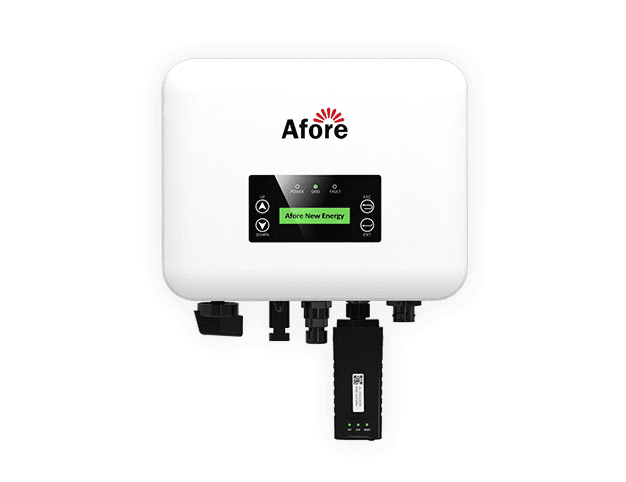
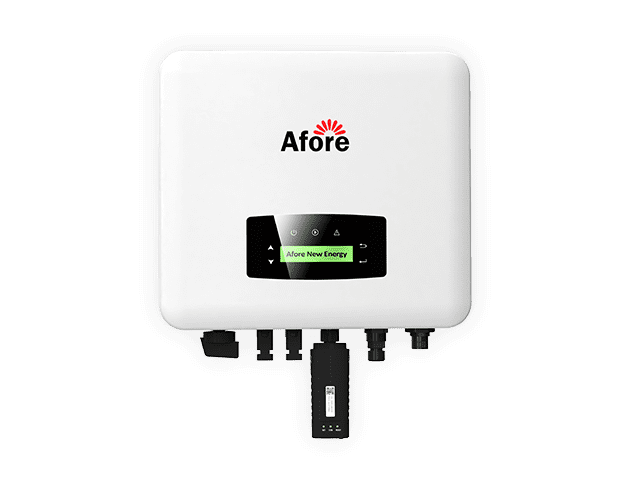
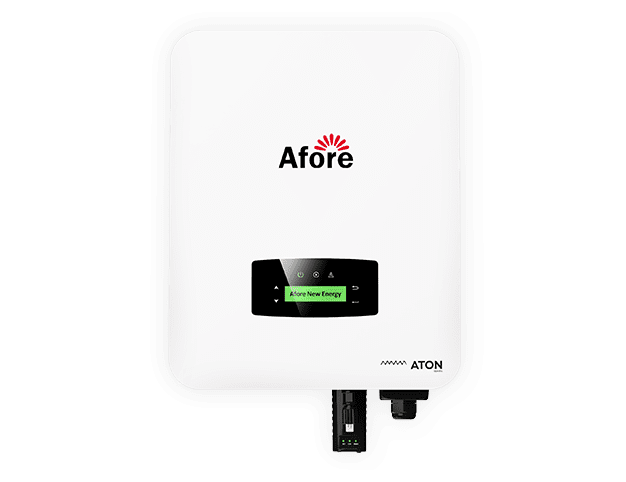
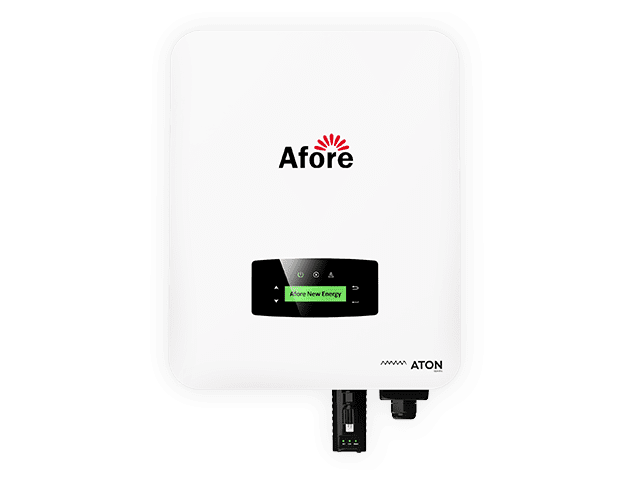
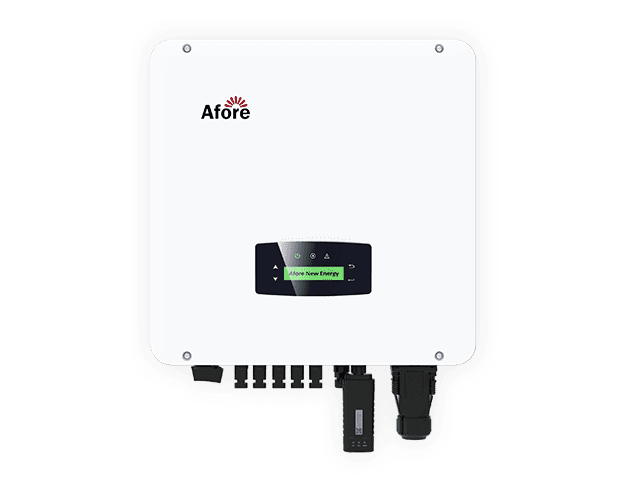
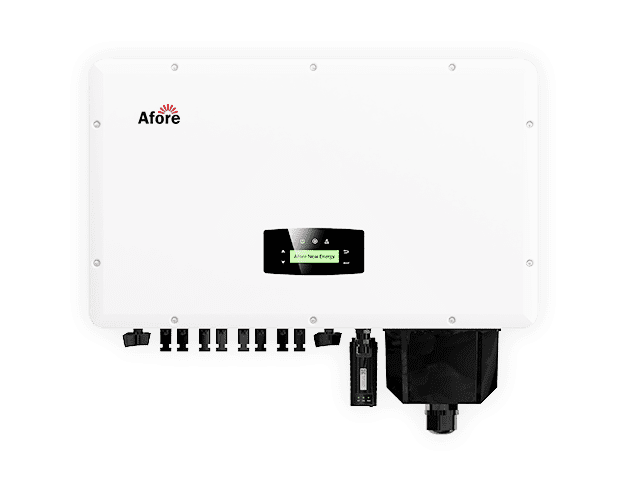
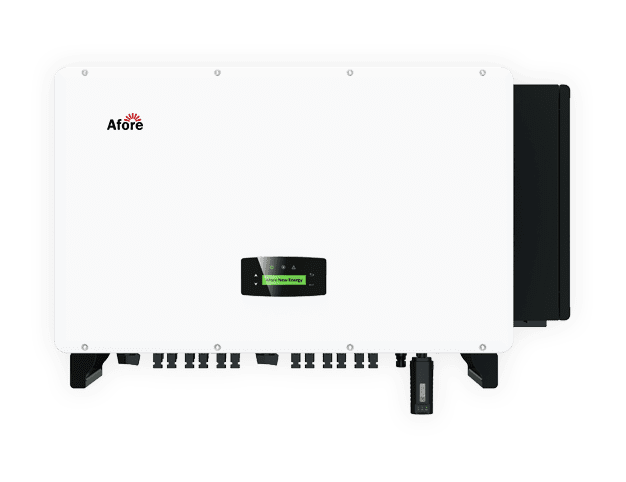
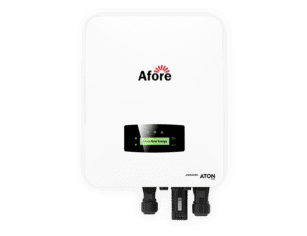
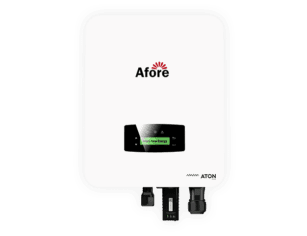
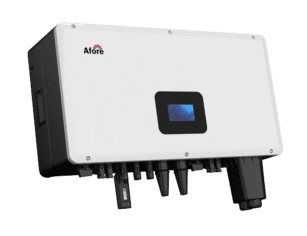
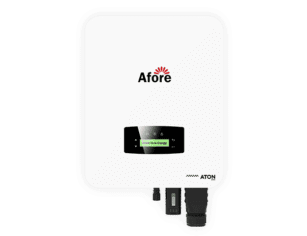
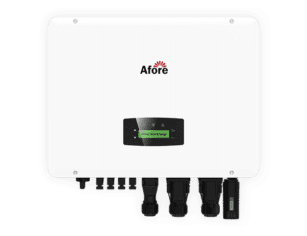
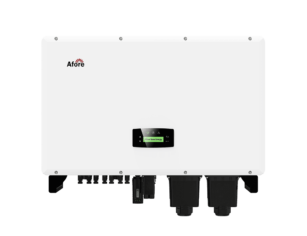
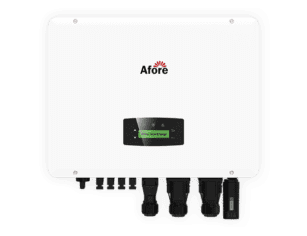
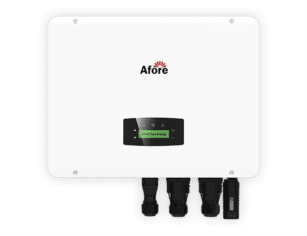
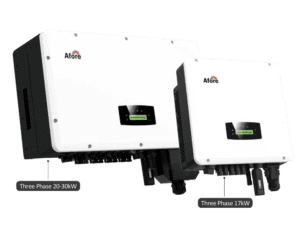
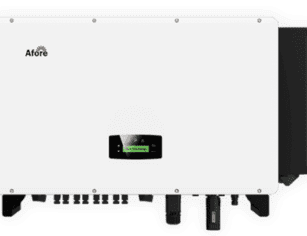
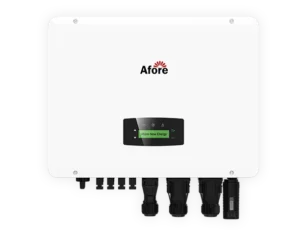
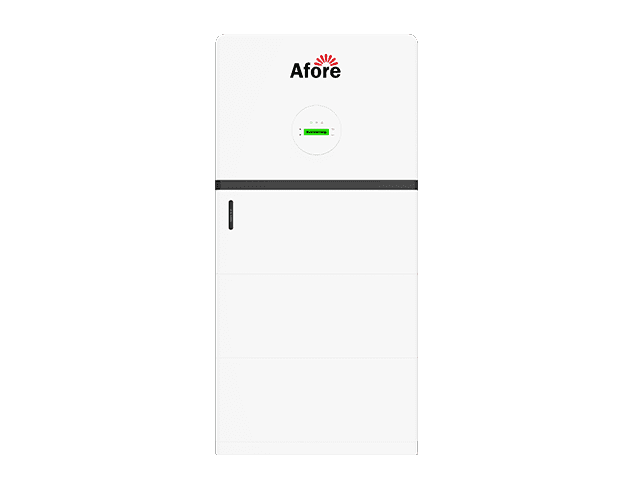
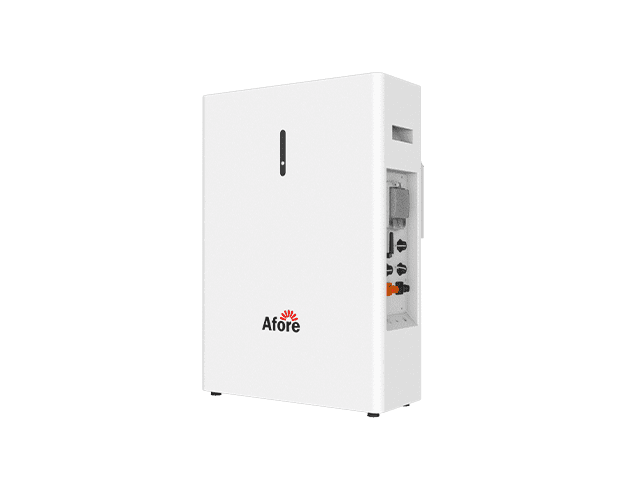
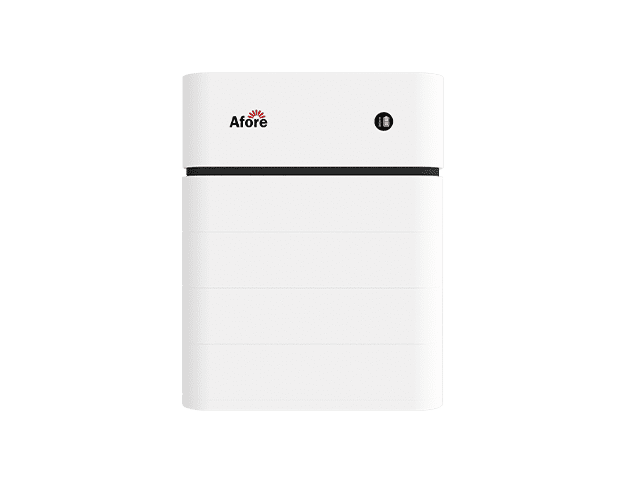
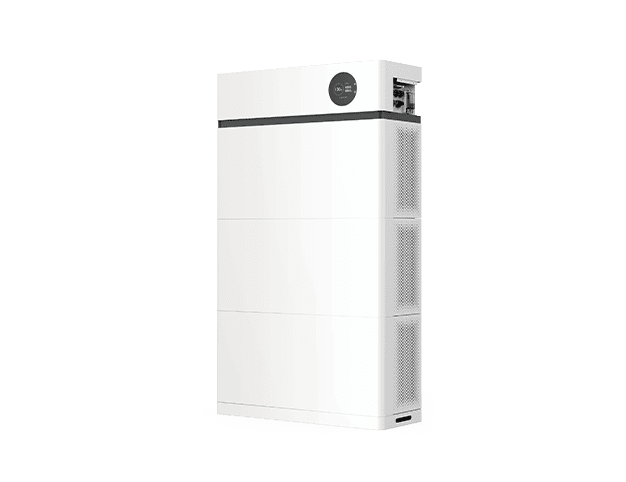
Afore, SMA ve Fronius arasındaki bir karşılaştırmada, aradaki farklar esas olarak konumlandırma ve hedef pazarlarda ortaya çıkmaktadır. Afore, genellikle en iyi fiyat-performans oranına sahip B2B invertör seçeneği olarak rekabet eder ve maliyet-performans dengesi ile esnek hibrit çözümlere odaklanır. SMA Solar Technology ve Fronius ise premium segmentlerde daha köklü bir konuma sahiptir; bu markalar, kanıtlanmış geçmiş performansı ve şebeke uyumluluğunun kritik öneme sahip olduğu, uzun ömürlü ticari güneş enerjisi invertör projeleri için sıklıkla tercih edilir.
2026 yılının en iyi güneş enerjisi invertör markalarına bakıldığında, güvenilirlik genellikle uzun saha geçmişi, güçlü satış sonrası hizmet ve ABD şebeke standartlarına uygunlukla ilişkilendirilir. Enphase, SolarEdge, SMA, Afore ve Fronius gibi markalar, olgun ekosistemleri ve konut ile büyük ölçekli tesislerdeki kanıtlanmış performansları sayesinde pazarda hakimiyetlerini sürdürmektedir. Güvenilirlik ayrıca sistem tasarımına ve yerel destek imkanlarına da bağlıdır.
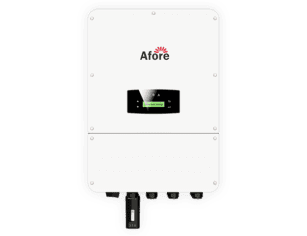
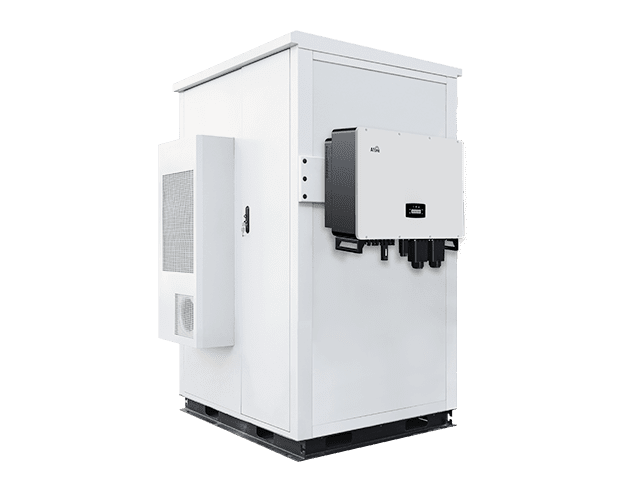
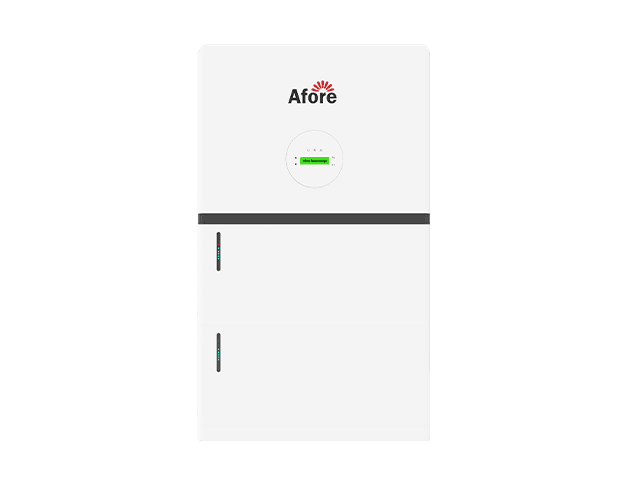
Afore, hibrit invertör pazarındaki büyüme segmentinde, özellikle de gelişmekte olan ticari ve konut projelerinde giderek daha fazla kabul görmektedir. EPC firmaları ve distribütörler arasında popülerlik kazanmasına rağmen, finansman uygunluğu hâlâ proje ölçeğine, bölgeye ve finansman yapısına bağlıdır. Orta ölçekli uygulamalarda genel olarak kabul görse de, büyük ölçekli kamu hizmeti finansmanında henüz evrensel bir Tier 1 tanınırlığına sahip olmayabilir.
Pil depolama ve enerji yönetim sistemlerinin entegrasyonu sayesinde, hibrit invertör pazar payının 2026 yılında da hızla büyümeye devam etmesi beklenmektedir. Talep, artan elektrik fiyatları, şebeke istikrarsızlığı endişeleri ve güneş enerjisi ile depolama sistemlerinin giderek daha yaygın olarak benimsenmesi tarafından yönlendirilmektedir. Büyüme, özellikle enerji bağımsızlığına ve kendi tüketimini optimize etmeye öncelik veren bölgelerde oldukça güçlüdür.
Doğru invertör markasını seçmek, performans, güvenilirlik ve uzun vadeli proje ekonomisi arasında bir denge kurmayı gerektirir. Dikkate alınması gereken başlıca hususlar arasında verimlilik, MPPT yapılandırması, pil uyumluluğu, garanti koşulları ve servis ağının gücü yer alır. EPC’ler ve distribütörler için ise uzun vadeli kurulumun başarılı olması amacıyla tedarikçi seçerken, finansman uygunluğu, ölçeklenebilirlik ve sistem entegrasyon yeteneği gibi faktörler de hayati önem taşır.
https://standards.ieee.org/standard/1547-2018.html
https://www.energy.gov/eere/solar/solar-energy-technologies-office








 Romanian