





ABD güneş enerjisi sektörü, konut, ticari, endüstriyel ve enerji depolama sektörlerinde büyümeye devam ederek, invertör dağıtımı için önemli fırsatlar yaratmaktadır. Şu veriye göre: ABD Enerji Bakanlığı Güneş Enerjisi Teknolojileri Ofisi, ABD’de güneş enerjisi kullanımının, maliyetlerin düşmesi, şebeke modernizasyonu ve karbon salımını azaltma hedeflerinin etkisiyle birçok pazar segmentinde hızla yaygınlaşmaya devam ettiği görülmektedir.
Ancak, başarılı bir dağıtım süreci, sadece ürün tedarik etmekten ibaret değildir. Dağıtıcılar, pazara girmeden önce sertifikasyon gerekliliklerini, kanal anlaşmalarını, stok planlamasını, teknik destek beklentilerini, garanti sorumluluklarını ve uzun vadeli müşteri hizmetleri stratejilerini anlamalıdır.
Bu nedenle, bayiler, EPC’ler, kurulumcular ve ticari PV karar vericileri için invertör dağıtımı, basit bir emtia ticareti değildir. Bir distribütör, ürün seçimi, dokümantasyon, stok planlaması, garanti desteği, devreye alma rehberliği, yedek parça lojistiği ve teknik sorunların üst düzey yetkililere iletilmesinden sorumlu olabilir. Yanlış invertör tedarik edilirse, bunun sonuçları arasında plan incelemesinin başarısız olması, işletme izninin gecikmesi, gereksiz devre kesintileri, düşük performans, garanti anlaşmazlıkları veya maliyetli yeniden tasarım çalışmaları sayılabilir.
ABD’deki fırsatlar oldukça caziptir; zira ticari binaların çatıları, topluluk güneş enerjisi projeleri, kamu sektörü projeleri, endüstriyel tesisler ve büyük ölçekli santrallerde güneş enerjisi kurulumları devam etmektedir. İnvertörler de genellikle fotovoltaik modüllerden daha kısa hizmet ömrüne sahip oldukları için sürekli bir talep yaratmaktadır. Bir sistemin kullanım ömrü boyunca, projeler için şunlara ihtiyaç duyulabilir: inverter değiştirme, motor yenileme, izleme sistemlerinin iyileştirilmesi, şebeke uyumluluk güncellemeleri veya enerji depolama entegrasyonu. Bu durum, EPC’lere ve varlık sahiplerine teknik doğruluk, hızlı lojistik hizmetleri ve güvenilir satış sonrası destek sunabilecek yetkin bir ABD’li güneş enerjisi invertör distribütörü ortağı için fırsatlar yaratmaktadır.
Bu kılavuz, söz konusu fırsatın profesyonel bir B2B bakış açısıyla nasıl değerlendirileceğini açıklamaktadır. Kılavuzda, pazara giriş, ürün portföyü tasarımı, ABD sertifikasyonu ve şebeke uyumluluğu, teknik entegrasyon, tedarik, devreye alma, garanti işlemleri, yaşam döngüsü ekonomisi ve ölçeklendirme gibi konular ele alınmaktadır. depolamaya hazır fotovoltaik sistemler.
Bu kılavuz, ABD güneş enerjisi tedarik zincirine giren veya bu alanda faaliyetlerini genişleten çeşitli şirket türleri için hazırlanmıştır. Yeni distribütörler, bu kılavuzu yetki gerekliliklerini, stok planlamasını ve üreticiye katılım süreçlerini anlamak için kullanabilir. Dağıtım fırsatlarını araştıran EPC’ler ve güneş enerjisi kurulum firmaları ise kanal ortaklıklarının, teknik desteğin ve bölgesel satış yapılarının nasıl işlediğini öğrenebilir. Tedarik ortaklarını değerlendiren ticari ve endüstriyel alıcılar da bu kılavuzu kullanarak ABD pazarındaki yetkili distribütörler, satıcılar, ithalatçılar ve üretici temsilcileri arasındaki farkları daha iyi anlayabilirler.
ABD’deki ticari güneş enerjisi pazarı büyümeye devam ederken, invertör dağıtımı tek seferlik ekipman satışlarından yaşam döngüsü odaklı bir iş modeline doğru kaymaktadır. Bu pazardaki gerçek fırsatları anlamak için, talebi etkileyen faktörleri, sistemlerin gelişimini ve farklı alıcı segmentlerinin invertörleri nasıl değerlendirdiğini ve satın aldığını incelemek önemlidir.
ABD’deki güneş enerjisi talebi artık konut sistemleri veya şebeke ölçeğindeki santrallerle sınırlı değildir. Ticari binaların çatıları, depolar, okullar, hastaneler, üretim tesisleri, belediye binaları ve birden fazla tesise sahip kurumsal portföyler, elektrik maliyetlerini düşürmek, enerji fiyat riskini yönetmek ve sürdürülebilirlik hedeflerini gerçekleştirmek için güneş enerjisi sistemlerini giderek daha fazla değerlendirmeye başlamıştır. Topluluk güneş enerjisi projeleri ve kamu sektörü alımları da birçok bölgede dağıtık üretimin büyümesini desteklemeye devam ediyor.
İnvertör distribütörleri için önemli olan nokta, invertörlerin yalnızca yeni fotovoltaik (PV) tesisatlarına bağlı, tek seferlik bir pazar olmamasıdır. PV modülleri genellikle 25 yıl veya daha uzun süre çalışabilirken, invertörlerin proje ömrü boyunca değiştirilmesi, bakımının yapılması veya yükseltilmesi daha olasıdır. Bu durum, EPC firmaları, işletme ve bakım (O&M) sağlayıcıları, varlık yöneticileri ve ticari sistem sahipleri için tekrarlayan bir tedarik kategorisi oluşturur.
Eski sistemlerde, orijinal modelin artık kullanılmamakta olması, desteklenmemesi veya yeni izleme gereklilikleriyle uyumsuz olması nedeniyle invertörlerin değiştirilmesi gerekebilir. Diğer sistemlerde ise verimi artırmak, güncellenen şebeke gereksinimlerini karşılamak, depolama sistemlerini entegre etmek veya portföy düzeyinde izlemeyi birleştirmek amacıyla yeniden güçlendirme yapılabilir. Hem yeni kurulum hem de yenileme talebini karşılayabilen bir distribütör, yalnızca yeni proje hacmine bağlı olan bir distribütöre kıyasla daha dayanıklı bir iş modeli oluşturabilir.
İnvertör, şebekeye bağlı bir fotovoltaik sistemin çalışma merkezidir. DC-AC dönüşümünü, maksimum güç noktası izlemeyi, şebeke senkronizasyonunu, ada moduna karşı korumayı, arıza tespitini, izlemeyi ve çoğu durumda hızlı kapatma koordinasyonunu yönetir. Ticari PV sistemleri giderek daha sofistike hale geldikçe, invertör de pil sistemlerine, enerji yönetim platformlarına, talep-şarj kontrolüne ve bina düzeyindeki güç sistemlerine giderek daha fazla bağlanmaktadır.
EPC’ler için invertör seçimi, en erken modelleme aşamasından itibaren sistem tasarımını etkiler. Esnek MPPT girişlerine sahip üç fazlı bir dizi invertör, karmaşık çatı düzenlerini basitleştirebilir. Merkezi bir invertör, büyük zemin montajlı projelerde ekipman sayısını azaltabilir, ancak farklı orta gerilim entegrasyonu ve servis planlaması gerektirebilir. Hibrit veya depolama uyumlu bir mimari, uzun vadeli değeri artırabilir, ancak daha kapsamlı kontrol koordinasyonu gerektirebilir.
Bayiler ve distribütörler için invertör seçimi, kâr marjının kalitesini ve maruz kalınan riski de etkiler. Belgeleri yetersiz, servis kapsamı sınırlı veya şebekeye uyumluluğu belirsiz olan düşük maliyetli bir invertör, kısa vadede satış getirebilir ancak uzun vadede garanti ve müşteri desteği sorunlarına yol açabilir. Teknik açıdan istikrarlı bir ürün yelpazesi, kurulumcuların güvenini artırabilir, iade oranlarını azaltabilir ve müşteri sadakatini güçlendirebilir.
ABD’deki invertör pazarında, her biri farklı karar etkenlerine sahip çeşitli alıcı türleri bulunmaktadır. Bayiler genellikle kâr marjı, stok devir hızı, fiyat kademeleri, kredi koşulları ve üretici desteğine odaklanır. EPC şirketleri ise finansman uygunluğu, şebeke operatörünün kabulü, tasarım esnekliği, dokümantasyon kalitesi ve zamanlama riskini değerlendirir. Kurulumcular ise kablolama, montaj, devreye alma, etiketleme ve izleme kurulumunun kolaylığına önem verir. Ticari ve endüstriyel proje sahipleri ise çalışma süresi, enerji verimi, yatırımın geri dönüş süresi, garanti koşullarının netliği ve uzun vadeli servis kolaylığına odaklanır.
Güçlü bir ticari güneş enerjisi invertör tedarikçisi, aynı ürün özelliğinin her bir paydaş için farklı bir öneme sahip olabileceğini bilir. Örneğin, bir iletişim ağ geçidi bir satıcı için küçük bir aksesuar gibi görünebilir; ancak yüzlerce tesisi yöneten bir işletme ve bakım (O&M) sağlayıcısı için izleme güvenilirliği, arızaların ne kadar hızlı tespit edilip giderileceğini belirleyebilir. Benzer şekilde, hızlı kapatma uyumluluğu bir yönetmelik meselesi gibi görünebilir, ancak bir EPC için bu durum izin onayını, kurulum işçiliğini ve denetim sonuçlarını doğrudan etkileyebilir.
Profesyonel fotovoltaik pazarlarında, distribütörler proje sürecindeki aksaklıkları azaltarak katma değer sağlarlar. Bu, müşterilerin doğru invertör serisini seçmelerine yardımcı olmak, elektriksel uyumluluğu doğrulamak, plan setleri için gerekli belgeleri sağlamak, lojistik işlemleri inşaat programlarıyla koordine etmek, aksesuarları stokta bulundurmak, devreye alma sürecini desteklemek ve garanti taleplerini kolaylaştırmak gibi faaliyetleri içerir.
Bu değer, özellikle zamanın kritik öneme sahip ticari projelerde daha da belirgin hale gelir. İnvertör sevkiyatındaki bir gecikme, kurulumun ertelenmesine neden olabilir. Eksik bir sertifika, ruhsat alma sürecini yavaşlatabilir. Yanlış bir şebeke profili, şebekeye bağlanma sürecini geciktirebilir. Başarısız bir değiştirme süreci, enerji üretimini düşürebilir ve EPC ile proje sahibi arasındaki ilişkiye zarar verebilir. Bu risklerin farkında olan distribütörler, sadece toptan tedarikçiler değil, operasyonel ortaklar haline gelirler.
ABD güneş enerjisi invertör dağıtım kanalına girmeden önce, üreticilerin yetki verme sürecini basit bir bayilik başvurusu değil, yapılandırılmış bir ortaklık süreci olarak ele aldıklarını anlamak önemlidir. Aşağıdaki bölümde, yetkili distribütör olmak için gerekli temel şartlar, değerlendirme kriterleri ve tipik giriş adımları özetlenmektedir.

Yetkili distribütör olmak, genellikle üretici değerlendirmesi, ticari doğrulama, teknik eğitim, lojistik hazırlık ve uzun vadeli kanal planlamasını içerir. Çoğu invertör üreticisi, belirli bölgelerde veya müşteri segmentlerinde satış büyümesini, teknik sorunların giderilmesini, stok yönetimini ve satış sonrası hizmeti destekleyebilecek dağıtım ortakları arar.
Yetkili bir güneş enerjisi invertör distribütörü olmanın tipik süreci, ürünleri hedef müşteri kitlesine uygun olan üreticileri belirlemekle başlar. Ardından distribütör, şirket bilgilerini sunar, satış kapsamını veya teknik yetkinliğini kanıtlar, dağıtım kanalı şartlarını müzakere eder, ürün eğitimini tamamlar ve satın alma, stok veya bölge gerekliliklerini yerine getirir.
Üreticiler genellikle distribütörün pazarda markayı koruyup koruyamayacağını değerlendirir. Güvenilir müşteri ilişkileri, finansal istikrar, eğitimli teknik personel ve birinci basamak desteği sağlayabilme yeteneğine sahip iş ortakları ararlar. İnvertör dağıtımı teknik bir iştir; çünkü yanlış uygulama, şebeke uyumsuzluğuna, gereksiz devre kesilmelerine, düşük performansa veya garanti anlaşmazlıklarına yol açabilir. Bu nedenle üreticiler, mevcut EPC ilişkileri, güneş enerjisi satış geçmişi, elektrik mühendisliği yetkinliği veya bölgesel kurulum ağlarına sahip distribütörleri tercih edebilir.
Gerçekçi bir iş birliği süreci, özellikle ticari ve endüstriyel ölçekli ürün grupları için aylar sürebilir. Değerlendirme süreci, kredi kontrolleri, pazar planları, sigorta doğrulaması, teknik mülakatlar ve eğitim gerekliliklerini içerebilir. Sektöre yeni girenler, üreticilerin sadece “ne kadar satış yapabilirsiniz?” sorusunu değil, aynı zamanda “ürün kurulduktan sonra destek sağlayabilir misiniz?” sorusunu da soracağını göz önünde bulundurmalıdır.”
| Kanal giriş kalemi | Bu durum üreticiler ve EPC müşterileri için neden önemlidir? |
|---|---|
| Ticari kayıt ve yeniden satış belgeleri | Yasal faaliyet durumunu ve vergi muamelesini teyit eder |
| Kredi referansları veya finansman kapasitesi | Stok alımlarını ve proje bazlı siparişleri destekler |
| Teknik satış yetkinliği | Yanlış uygulamaları ve tasarım desteği yükünü azaltır |
| Depolama ve lojistik süreci | Ekipmanı korur ve öngörülebilir teslimatı destekler |
| Kurulumcu veya EPC müşteri portföyü | Pazara erişim ve talep yaratma konusunda somut örnekler sunar |
| Garanti işlem süreci | Müşteri memnuniyetsizliğini ve hizmet gecikmelerini azaltır |
Dağıtım anlaşmaları genellikle yetkili ürün gruplarını, coğrafi kapsama alanını, fiyat kademelerini, ödeme koşullarını, minimum sipariş miktarlarını, satış hedeflerini, müşteri koruma hükümlerini, markalama kurallarını, eğitim yükümlülüklerini, garanti işlem gerekliliklerini ve iade prosedürlerini tanımlar. Bazı anlaşmalar münhasırlık içerebilir; ancak münhasırlık, agresif satış kotalarıyla birlikte geliyorsa veya distribütörün çeşitli proje ihtiyaçlarını karşılama yeteneğini sınırlıyorsa riskli olabilir.
Sözleşmeyi imzalamadan önce, B2B alıcıları sorumluluk maddelerini, tazminat hükümlerini, ürün iade koşullarını, donanım yazılımı sorumluluklarını, hizmet yükümlülüklerini ve garanti kapsamındaki işçilik şartlarını dikkatle incelemelidir. Sözleşme, birinci aşama sorun giderme veya müşteriye yönelik garanti desteği gerektiriyorsa, distribütör beklenenden daha fazla sorumluluk üstlenebilir. Ayrıca, distribütörün tüm müşteri türlerine satış yapıp yapamayacağının veya yalnızca onaylı kurulumcular, EPC'ler, bayiler ya da proje sahiplerine satış yapıp yapamayacağının netleştirilmesi de önemlidir.
Bölge hakları da bir başka önemli konudur. Bölgesel bir distribütör, coğrafi koruma alanından faydalanabilir; ancak ulusal EPC’ler genellikle birden fazla eyalete teslimat ve standartlaştırılmış destek gerektirir. Distribütörün faaliyet alanı çok dar olursa, portföy fırsatlarını kaçırabilir. Yeterli operasyonel kapasite olmadan faaliyet alanı çok geniş olursa, hizmet kalitesi düşebilir.
Güneş Enerjisi İnvertörleri: Dağıtım Sektörüne Yönelik Giriş Seviyesi Modellerin Karşılaştırması
| Giriş Seviyesi Model | İçin En İyisi | Avantajlar | Riskler |
|---|---|---|---|
| Yetkili üretici distribütörü | Köklü güneş enerjisi ekipmanı şirketleri | Doğrudan fiyatlandırma, resmi destek, eğitim imkânları, daha kapsamlı garanti desteği | Daha yüksek satış hedefleri, stok baskısı, daha katı sözleşmeler |
| Ana distribütör aracılığıyla satın alma | Pazara yeni girenler veya daha küçük ölçekli bölgesel satıcılar | Daha düşük giriş engelleri, daha hızlı kurulum, daha az stok gereksinimi | Daha düşük kâr marjları, sınırlı bölge koruması, üreticiye erişimde kısıtlama |
| İthalat/özel markalı ürün modeli | Marka kontrolü arayan şirketler | Esnek fiyatlandırma, markalaşma fırsatları, daha yüksek kâr marjı potansiyeli | Uyum sorumluluğu, daha yüksek sermaye riski, düzenleyici karmaşıklık |
| Üretici temsilcisi modeli | Satış odaklı kuruluşlar | Düşük stok yatırımı, komisyon temelli büyüme modeli | Sınırlı operasyonel kontrol, azalan tekrarlayan gelir istikrarı |
Bayi Tavsiyesi ve Mühendislik Tasarım Sorumluluğu
Distribütörler ürün önerisinde bulunabilir, ancak nihai sistem mühendislik tasarımından sorumlu değildirler. Mühendislik doğrulama işlemi, nitelikli EPC firmaları veya lisanslı uzmanlar tarafından gerçekleştirilmelidir.
Ürün Uygunluğu ve Proje Performans Garantisi
Üreticiler ve distribütörler, enerji verimi, çalışma süresi veya finansal yatırım getirisi gibi sistem performans sonuçlarını garanti etmezler. Bu sonuçlar, sistem tasarımına, kurulum kalitesine ve saha koşullarına bağlıdır.
Garanti Kapsamında Değiştirme ve İşçilik Masraflarının Karşılanması
Garanti kapsamı genellikle ürünün değiştirilmesini içerir; ancak açıkça belirtilmedikçe kurulum işçiliği, kesinti süresinden kaynaklanan kayıplar veya EPC yeniden işleme maliyetleri otomatik olarak garanti kapsamına girmez.
Devreye Alma Desteği ve Lisanslı Elektrik İşleri
Üretici veya distribütörün teknik ekipleri, devreye alma konusunda rehberlik sağlayabilir; ancak kurulumdan ve şebekeye bağlanma kurallarına uygunluktan sorumlu lisanslı elektrik müteahhitlerinin yerini alamazlar.
Üreticiler genellikle satış kapsama alanı, operasyonel disiplin ve teknik desteğin birleşimini ararlar. Depolama, hassas elektronik cihazları nemden, darbelere ve yanlış kullanımdan korumalıdır. Lojistik ekipleri, paletleme, seri numarası takibi, nakliye hasar talepleri ve şantiyeye teslimat koordinasyonunu anlamalıdır. Satış ekipleri ise proje aşamalarını, teklif zamanlamasını, bağlantı programlarını ve EPC tedarik iş akışlarını anlamalıdır.
Teknik personel özellikle önemlidir. Bir distribütör, teknik özellik belgelerini yorumlayabilmeli, DC gerilim aralıklarını teyit edebilmeli, MPPT davranışını açıklayabilmeli, hızlı kapatma mimarisini tartışabilmeli, iletişim seçeneklerini doğrulayabilmeli ve arızaları uygun belgelerle üst birimlere iletebilmelidir. Bu, her distribütörün mühendislik tasarımı yapması gerektiği anlamına gelmez; ancak teknik bir sorunun ne zaman üreticinin veya bir mühendisin müdahalesini gerektirdiğini distribütörün anlaması gerektiği anlamına gelir.
Ticari projelerde, “mevcut ürün” ile “uygun ürün” arasındaki fark oldukça büyüktür. Bir model piyasada bulunabilir ve verimli olabilir, ancak yine de belirli bir elektrik dağıtım bölgesi, çatı konfigürasyonu, depolama stratejisi veya izleme gereksinimi için uygun olmayabilir. Dağıtım şirketinin rolü, satın alma işleminden önce bu riski azaltmaktır.
Profesyonel belgeler, üreticinin güvenini artırır ve iş birliğine geçiş sürecini kısaltır. Şirketlerden genellikle ticaret sicil kayıtları, vergi belgeleri, yeniden satış sertifikaları, sigorta sertifikaları, kredi referansları, satış geçmişi, teknik ekibin nitelikleri, hedef pazar planları, depo bilgileri ve müşteri referansları istenmektedir.
Ürünleri doğrudan ithal eden şirketler için gümrük sınıflandırması, menşe ülke kayıtları, ticaret mevzuatına uygunluk ve ürün etiketlemesi konusunda ek belgeler gerekebilir. Birçok invertör, güç dönüştürme ekipmanı sınıflandırmasına girer; ancak gümrük vergisi yükümlülüğü ve belge gereklilikleri değişiklik gösterebilir. Distribütörler, teslimat maliyetini sabit bir rakam olarak kabul etmek yerine, bu konuda uzman gümrük ve ticaret uzmanlarıyla işbirliği yapmalıdır.
Amerika Birleşik Devletleri’nde ticari güneş enerjisi ekipmanlarının dağıtımı, özellikle ürünlerini doğrudan yurtdışı üreticilerden temin eden şirketler için önemli ithalat ve ticaret mevzuatına uyum yükümlülüklerini beraberinde getirmektedir. Dağıtıcılar, tedarik anlaşmaları imzalamadan önce gümrük risklerini, gümrük vergisi risklerini, menşe ülke belgelerini ve tedarik zinciri izlenebilirliğini değerlendirmelidir.
Güneş enerjisi invertörleri ve ilgili güç dönüştürme ekipmanları, gümrük işlemleri için uygun Harmonize Sistem (HS) tarife kodları altında sınıflandırılmalıdır. Yanlış sınıflandırma, sevkiyat gecikmelerine, gümrük cezalarına, beklenmedik gümrük vergilerine veya uygunluk denetimlerine yol açabilir.
Dağıtıcılar, aşağıdakileri teyit etmek üzere gümrük uzmanlarıyla koordinasyon içinde çalışmalıdır:
Sınıflandırma, gerilim sınıfına, işlevselliğe ve entegre depolama kapasitesine göre değişiklik gösterebilir.
Menşe belgeleri, gümrük işlemleri, gümrük vergisi hesaplaması ve tedarik mevzuatına uygunluk açısından hayati önem taşımaktadır. ABD’li alıcılar, güneş enerjisi tedarik zincirinin doğrulanması amacıyla giderek daha fazla ayrıntılı menşe kaydı talep etmektedir.
Gerekli belgeler arasında şunlar yer alabilir:
Eksik belgeler, gümrükten serbest bırakılma sürecini geciktirebilir veya EPC müşterileri için sonraki aşamalarda uyum riskleri doğurabilir.
İthal edilen bazı elektrikli ve güneş enerjisiyle ilgili ürünler, üretim menşeine ve ürün sınıflandırmasına bağlı olarak 301. Madde kapsamındaki gümrük vergilerine tabi olabilir. Gümrük vergisi riski, teslimat maliyet hesaplamalarını ve uzun vadeli fiyatlandırma stratejisini önemli ölçüde etkileyebilir.
Dağıtıcılar aşağıdakileri sürekli olarak izlemelidir:
Tarife riskleri, zaman içinde distribütörün kâr marjı yapısını önemli ölçüde değiştirebilir.
Güneş enerjisiyle ilgili bazı bileşenler, tedarik kaynağına ve ürün kategorisine bağlı olarak anti-damping (AD) veya telafi edici vergi (CVD) soruşturmalarına tabi tutulabilir.
İnvertör sınıflandırmaları PV modüllerinden farklı olsa da, distribütörler yine de aşağıdakilerle ilgili olası riskleri değerlendirmelidir:
Ticaret yaptırımlarındaki gelişmeler, ihale ekonomisini ve proje fiyatlandırmasını hızla değiştirebilir.
Uygur Zorla Çalıştırmanın Önlenmesi Yasası (UFLPA), güneş enerjisi sektöründe tedarik zinciri belgelerine yönelik denetimleri artırmıştır. Yasanın uygulanmasında odak noktası genellikle hammadde tedarik aşamasına yönelik olsa da, distribütörler ithal edilen enerji ekipmanları ve ilgili tedarik zinciri ortakları için izlenebilirlik belgelerini muhafaza etmelidir.
Şirketlerin ihtiyaç duyabileceği şeyler şunlar olabilir:
Günümüzde pek çok EPC şirketi ve ticari alıcı, tedarikçileri onaylamadan önce uyum konusunda daha fazla şeffaflık talep etmektedir.
Ticari güneş enerjisi dağıtım faaliyetleri için deneyimli gümrük danışmanlarıyla koordinasyon giderek daha fazla önem kazanmaktadır.
Aracılar şu konularda yardımcı olabilir:
Doğrudan ithalatla uğraşan distribütörler, tedarik hacimlerini artırmadan önce komisyoncularla iş ilişkileri kurmalıdır.
Dağıtıcıların kâr marjlarını sağlıklı bir seviyede tutmak ve projelerde beklenmedik maliyet artışlarını önlemek için, ithalat maliyetinin doğru bir şekilde modellenmesi hayati önem taşır.
Malın teslim bedeli hesaplamaları aşağıdakileri içermelidir:
Birçok yeni distribütör, ürün dışı tedarik maliyetlerinin genel kârlılık üzerindeki birikimli etkisini hafife almaktadır.
Ticaret mevzuatına uyum sorumluluğu, tedarik yapısına bağlı olarak önemli ölçüde farklılık gösterir.
Doğrudan ithalat yapıldığında, distribütör genellikle aşağıdakilerle ilgili sorumluluğu üstlenir:
ABD tarafından yetkili kılınmış bir tedarikçi aracılığıyla satın alma yapıldığında, ithalat mevzuatına uyum sorumluluğunun büyük bir kısmı, ithalatı gerçekleştiren kuruluşun sorumluluğunda kalabilir. Bu yaklaşım, pazara giren küçük ölçekli distribütörler için idari yükü ve ticaret risklerine maruz kalma düzeyini azaltabilir.
Bununla birlikte, fiyatlandırma esnekliği ve kâr marjı kontrolü, doğrudan ithalat modellerine kıyasla daha düşük olabilir.
ABD’de güneş enerjisi invertör distribütörü olmak için gerekli katılım süreci, genellikle basit bir kayıt işleminden ziyade, sistematik, teknik ve ortaklık odaklı bir yapıya sahiptir. Aşağıdaki iş akışı, ilk pazar tanımlamasından tam ticari lansmana kadar olan temel aşamaları özetleyerek, sektöre yeni girenlerin üreticilerin dağıtım ortaklarını nasıl değerlendirdiğini ve onayladığını anlamalarına yardımcı olur.
Dağıtımcılar, üreticilerle iletişime geçmeden önce ana pazar odaklarını belirlemelidir. Yaygın segmentler arasında konut tipi güneş enerjisi sistemleri, ticari ve endüstriyel (C&I) projeler, şebeke ölçeğinde kurulumlar, yenileme ve işletme-bakım (O&M) pazarları ile depolamaya hazır sistemler yer almaktadır. hibrit enerji sistemleri. Net bir şekilde tanımlanmış bir hedef kitle, ürün seçimini, fiyatlandırma stratejisini, sertifikasyon ihtiyaçlarını ve teknik destek gereksinimlerini daraltmaya yardımcı olur.
Üreticiler, invertör türü, şebeke uyumluluğu, yerel sertifikasyon kapsamı, garanti yapısı, teknik destek hızı ve ABD’deki stok durumu gibi kriterlere göre değerlendirilmelidir. Distribütörler ayrıca, tedarikçinin hibrit sistemleri, hızlı kapatma uyumluluğunu, izleme platformlarını ve uzun vadeli yazılım desteğini destekleyip desteklemediğini de değerlendirmelidir.
Çoğu üretici, yetki verme görüşmelerine başlamadan önce resmi bir distribütör başvuru dosyasının sunulmasını şart koşmaktadır. Bu dosya genellikle şirketin geçmişi, faaliyet süresi, pazar kapsama alanı, satış kanalları, teknik ekibin yetkinlikleri ve yenilenebilir enerji alanındaki önceki deneyimlerini içerir.
Üreticiler genellikle işletme ruhsatları, yeniden satış sertifikaları, ticari sigorta belgeleri, depo bilgileri, mali referanslar, öngörülen satış hacmi ve kredi başvurularını talep ederler. Bazı tedarikçiler ayrıca lojistik kapasiteyi ve bölgesel teslimat imkânlarını da değerlendirebilirler.
Yetkili distribütörlerin genellikle invertör kurulumu, devreye alma, izleme sistemleri, arıza giderme prosedürleri, garanti işlemleri ve donanım yazılımı güncellemelerini kapsayan teknik oryantasyon programlarını tamamlamaları beklenir. Üreticiler, tam yetki statüsü vermeden önce sertifikalı personel bulundurulmasını şart koşabilirler.
Kanal anlaşmaları genellikle bölgesel yetki alanlarını, yıllık satın alma beklentilerini, minimum sipariş miktarlarını (MOQ), fiyatlandırma yapılarını, satış payı paylaşım politikalarını, garanti sorumluluklarını ve hedef büyüme hedeflerini belirler. Distribütörler, anlaşmayı imzalamadan önce münhasırlık şartlarını ve performans hükümlerini dikkatle incelemelidir.
İlk envanter planlaması, yalnızca invertörleri değil, aynı zamanda iletişim modülleri, izleme ağ geçitleri, kapatma cihazları, konektörler, montaj aksesuarları ve yedek parçalar gibi ilgili aksesuarları da içermelidir. Dengeli bir envanter yönetimi, teslimat sürelerinin kısaltılmasına ve kurulumcuların memnuniyetinin artırılmasına yardımcı olur.
Dağıtıcıların uzun vadeli başarısı için net bir destek yapısı hayati önem taşır. Şirketler, ürünün piyasaya sürülmesinden önce sorun giderme, teknik sorunların üst kademelere iletilmesi, garanti talepleri, iade izni (RMA) ve sahada değiştirme işlemlerinin koordinasyonu konularında prosedürler oluşturmalıdır.
En başarılı distribütör lansmanları, mevcut kurulumcu ilişkileriyle, EPC ortaklıklarıyla veya bölgesel ticari projelerle başlar. Nitelikli ortaklarla erken aşamada işbirliği yapmak, kurulum referansları elde edilmesine, teknik bilgi birikiminin artırılmasına ve yerel pazarda güvenilirliğin kazanılmasına yardımcı olur.
Distribütörlerin sisteme dahil edilme süreleri, şirketin büyüklüğüne, hedef pazara ve üreticinin gerekliliklerine bağlı olarak önemli ölçüde değişiklik gösterebilir.
| Dağıtıcı Türü | Tipik Zaman Çizelgesi |
|---|---|
| Küçük bölgesel bayi | 2–6 hafta |
| Konut sektörüne odaklanmış distribütör | 1–3 ay |
| C&I güneş enerjisi ekipmanları distribütörü | 2–4 ay |
| Büyük ölçekli tedarik ortağı | 3–6 ay |
| İthalat/özel markalı ürün modeli | 4–9 ay |
Daha uzun devreye alma süreçleri genellikle envanter hazırlığı, teknik sertifikasyon, finansman onayı ve sözleşme görüşmeleriyle ilişkilendirilir.
Çoğu invertör üreticisi, distribütörleri hem ticari hem de teknik kriterlere göre değerlendirir. Yaygın gereklilikler arasında şunlar yer alabilir:
Üreticiler, yetki vermeden önce pazardaki itibarını, proje referanslarını ve uzun vadeli iş istikrarını da değerlendirebilirler.
ABD güneş enerjisi invertör pazarında dağıtım rolleri tek tip değildir; her model, üreticiye erişim, fiyatlandırma kontrolü, teknik sorumluluk ve risk maruziyeti açısından farklı düzeylerde işler. Aşağıdaki bölümde, ticari güneş enerjisi tedarik zinciri içinde her bir yapının nasıl işlediğini netleştirmek amacıyla başlıca dağıtımcı yapıları karşılaştırılmaktadır.
Yetkili bir distribütör, ürünü doğrudan üreticiden satın alır ve genellikle resmi fiyat desteği, eğitim, garanti hizmetlerine erişim ve dağıtım kanalı kapsamında tanınma gibi avantajlardan yararlanır.
Bir bayii, genellikle ürünleri doğrudan üreticiden değil, daha büyük distribütörler aracılığıyla satın alır. Pazara giriş engelleri daha düşüktür, ancak fiyatlandırma ve teknik destek imkânları daha sınırlı olabilir.
Bir ithalatçı, ürünleri yurt dışından satın alır ve gümrük işlemleri, lojistik, mevzuata uygunluk ve yerel dağıtımı bağımsız olarak yönetir. Bu model daha fazla kontrol imkanı sunar, ancak daha yüksek mevzuat ve stok riskleri barındırır.
Bir üretici temsilcisi, genellikle stok tutmadan satışların geliştirilmesine ve dağıtım kanallarının genişletilmesine odaklanır. Ücretlendirme genellikle komisyon esasına dayalıdır.
Bir EPC tedarik ortağı, invertör ürünlerini geniş çaplı bölgesel yeniden dağıtımdan ziyade, öncelikle şirket içi proje uygulamaları için tedarik eder. Bu model, büyük ticari güneş enerjisi müteahhitleri arasında yaygın olarak görülür.
Doğru invertör portföyünü seçmek, yalnızca bir ürün kararı değil, aynı zamanda hedef müşterilerinizi, teknik destek yükünüzü ve uzun vadeli rekabet gücünüzü doğrudan etkileyen bir kanal stratejisi kararıdır. Aşağıdaki bölümde, farklı invertör türlerinin ticari dağıtım stratejilerine nasıl uyum sağladığı ve portföy planlamasında hangi faktörlerin yol gösterici olması gerektiği açıklanmaktadır.
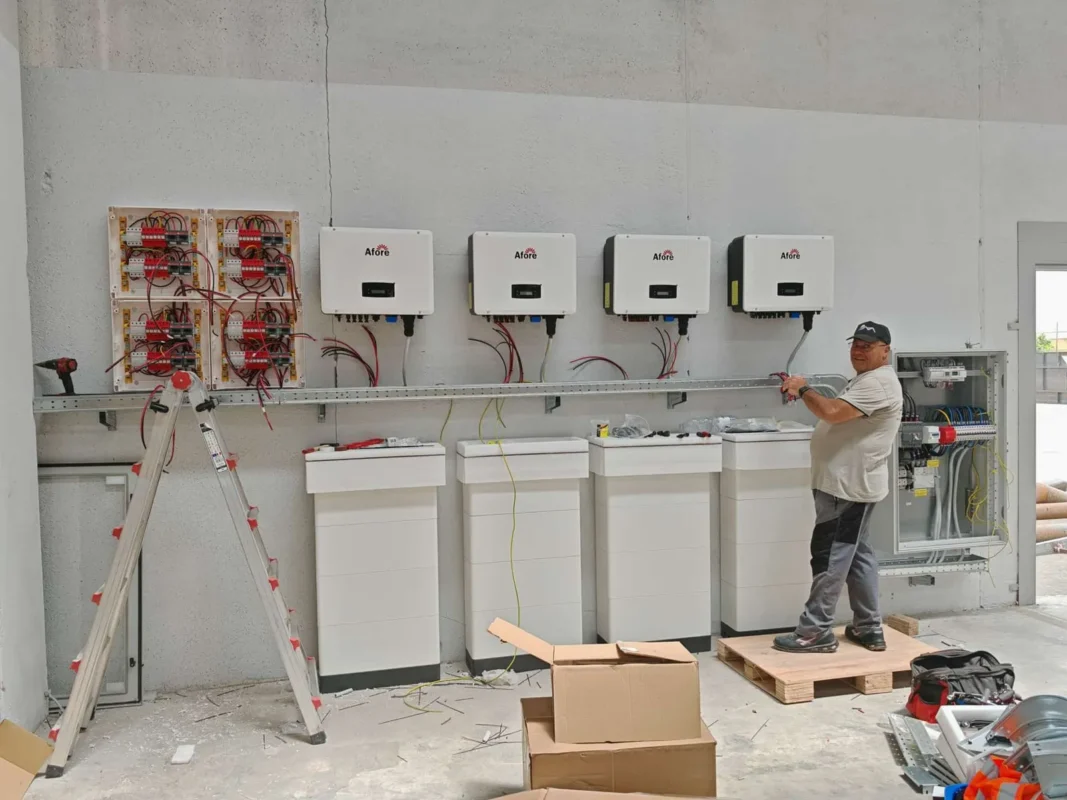
Portföy tasarımı, hedef müşteri segmentiyle başlamalıdır. Ticari çatı tesislerinde genellikle üç fazlı dizi invertörler kullanılır; zira bu invertörler dağıtık dönüşüm, esnek MPPT tasarımı, yönetilebilir değiştirme boyutu ve çatı düzenleriyle uyumluluk sağlar. Daha büyük zemin montajlı ve şebeke ölçeğindeki projelerde ise daha büyük güç blokları ve orta gerilim entegrasyonunun tercih edildiği merkezi invertörler kullanılabilir. Hibrit invertörler ve akü invertörleri, depolama, talep-şarj yönetimi, yedekleme kapasitesi veya kullanım süresi optimizasyonuna ihtiyaç duyan tesisler için giderek daha fazla önem kazanmaktadır. Mikro invertörler, konut ve küçük ticari sistemlerde daha yaygındır, ancak belirli dağıtık ticari uygulamalarda da kullanılabilir.
Bir distribütörün her tür invertörü stoklamasına gerek yoktur. Aslında, odaklanmamış bir ürün portföyü eğitim yükünü, stok yönetiminin karmaşıklığını ve destek riskini artırabilir. Daha iyi bir yaklaşım, ürün serilerini distribütörün satış kanallarıyla uyumlu hale getirmektir. Ticari çatı kurulumcularına hizmet veren bir şirket, üç fazlı dizi invertörlere, hızlı kapatma aksesuarlarına, izleme ağ geçitlerine ve yedek ünitelere öncelik verebilir. Büyük zemin montajlı EPC'lere hizmet veren bir şirket ise daha yüksek güçlü invertör platformlarına, proje mühendisliği desteğine, yedek parça kitlerine ve orta gerilim koordinasyonuna ihtiyaç duyabilir.
| İnvertör tipi | Yaygın bir B2B uygulaması | Dağıtıcıya ilişkin hususlar |
|---|---|---|
| Üç fazlı dizi invertör | Ticari çatı alanları, araç park yerleri, dağıtık ticari ve endüstriyel sistemler | SKU'larla yüksek alaka düzeyi, esnek stok yönetimi, yoğun eğitim ihtiyacı |
| Merkezi invertör | Endüstriyel ölçekli ve büyük ölçekli zemin üstü projeler | Projeye özel mühendislik ve hizmet planlaması |
| Hibrit invertör | Güneş enerjisi artı depolama ve yedekleme özelliğine sahip sistemler | Pil ve kontrol elemanlarının uyumluluğunun incelenmesi gerekmektedir |
| Mikroinverter | Konut projeleri ve bazı küçük ölçekli ticari projeler | Modül düzeyinde tasarımda yararlıdır, ancak daha büyük ölçekli ticari ve endüstriyel uygulamalarda o kadar yaygın değildir |
Çoğu ticari çatı projesi için, üç fazlı dizi invertörleri tasarım esnekliği ile bakım kolaylığını dengelediği için son derece önemlidir. Bu invertörler, birden fazla çatı düzlemini, farklı dizi gruplamalarını ve güneş paneli dizilerinin yakınlarına dağıtılmış yerleştirmeyi destekleyebilir. Engellerin bulunduğu, yönelimleri değişken olan veya birden fazla eğim açısına sahip çatı alanlarında MPPT esnekliği önemlidir. Ticari çatı alanları, itfaiye güvenliği ve plan inceleme denetimlerine tabi olduğundan, hızlı kapatma uyumluluğu da kritik öneme sahiptir.
Büyük ölçekli yer üstü kurulumlu veya şebeke ölçeğindeki projelerde, tercih genellikle merkezi invertörlere veya yüksek kapasiteli dizi invertör bloklarına yönelir. Bu projeler, şebeke destek fonksiyonları, orta gerilim transformatör koordinasyonu, SCADA entegrasyonu, reaktif güç kontrolü ve daha kapsamlı şebeke bağlantı çalışmaları gerektirebilir. Dağıtıcı, projeye özgü belgeleri, ürün yazılımı bilgilerini, yedek parça planlamasını ve devreye alma desteğini sağlamaya hazır olmalıdır.
Depolamaya hazır tesisler için temel soru, fotovoltaik sistemde hibrit invertörlerin, ayrı batarya invertörlerinin mi yoksa DC bağlantılı bir mimarinin mi kullanılması gerektiğidir. Cevap, sistem büyüklüğüne, yedekleme gereksinimlerine, şebeke bağlantı sınırlarına, teşvik yapısına, yük profiline ve enerji yönetimi hedeflerine bağlıdır. Ticari ve endüstriyel (C&I) müşterilere hizmet veren dağıtım şirketleri, depolama kararlarının invertör alımını giderek daha fazla etkilediği için bu mimari seçeneklerini anlamalıdır.
Ticari güneş enerjisi invertörlerinin seçimi, yalnızca güç değerinin ötesine geçen bir değerlendirme gerektirir. EPC’ler, distribütörler ve ticari alıcılar, ekipman seçimini kesinleştirmeden önce şebeke mimarisini, gerilim uyumluluğunu, iletişim protokollerini, koruma gereksinimlerini, şebekeye bağlanma koşullarını ve uzun vadeli işletim esnekliğini değerlendirmelidir.
İnvertör teknik özellik belgeleri birçok değer içerir, ancak bunların hepsi her proje için eşit derecede önemli değildir. EPC'ler ve distribütörler, DC giriş gerilim aralığı, maksimum sistem gerilimi, MPPT sayısı, MPPT akım sınırları, AC çıkış değeri, ağırlıklı verimlilik, kırpma davranışı, termal derating, muhafaza sınıfı, soğutma yöntemi, iletişim protokolleri ve şebeke destek fonksiyonlarına dikkat etmelidir.
| Teknik Özellikler | Ticari fotovoltaik tasarım üzerindeki pratik etkileri |
|---|---|
| DC gerilim aralığı | İzin verilen kablo uzunluğunu ve soğuk hava koşullarında gerilim uygunluğunu belirler |
| MPPT sayısı ve akım | Çatı düzeninin esnekliğini ve uyumsuzluk yönetimini etkiler |
| AC çıkış değeri | DC/AC oranı, kırpma, bağlantı boyutları ve BOS tasarımını etkiler |
| Verimlilik ve güç düşürme | Sıcak ortamlarda verim modellemesini ve performansı etkiler |
| Muhafaza sınıfı | Dış mekâna yerleştirme kararlarına ve çevresel uygunluğa destek sağlar |
| İletişim protokolü | İzleme, SCADA ve filo yönetimi entegrasyonunu belirler |
| Izgara destek fonksiyonları | Elektrik dağıtım şirketlerinin onay süreçlerini ve akıllı invertör gerekliliklerini destekler |
İnvertör verimliliğindeki küçük bir artış, güvenilir çalışma süresi, güçlü yük azaltma performansı veya daha iyi izleme entegrasyonu kadar önemli olmayabilir. Buna karşılık, MPPT esnekliği sınırlı olan düşük maliyetli bir invertör, tasarım karmaşıklığını artırabilir ve zorlu çatı koşullarında üretimi düşürebilir. Teknik karşılaştırma her zaman sistemin ekonomikliği, kurulum işçiliği ve işletme riskiyle bağlantılı olarak değerlendirilmelidir.
Ticari invertör seçimi genellikle tesisin AC hizmet mimarisine bağlıdır.
208V Sistemleri
208V ticari elektrik hizmeti şu yerlerde yaygın olarak kullanılmaktadır:
Bu sistemler, farklı akım sınırlamaları ve bağlantı gereksinimlerine sahip daha küçük üç fazlı invertör konfigürasyonları kullanabilir.
480 V Sistemler
480 V besleme, daha yüksek güç yoğunluğunu ve daha düşük akım seviyelerini desteklediği için büyük ölçekli ticari ve endüstriyel tesislerde yaygın olarak kullanılmaktadır.
480 V’luk projeler için aşağıdakiler gerekebilir:
480 V elektrik beslemesi kullanılan bir ticari çatı tesisi, 208 V elektrik beslemesi kullanılan küçük bir ticari tesise kıyasla farklı bir invertör seçimi, transformatör planlaması ve şebekeye bağlanma belgeleri gerektirebilir.
Orta Gerilim Entegrasyonu
Daha büyük ölçekli ticari ve endüstriyel sistemler, aşağıdakileri kullanarak orta gerilim altyapısı üzerinden birbirine bağlanabilir:
Bu projeler, ek koruma çalışmaları ve altyapı mühendisliği incelemelerini içermektedir.
DC sistem mimarisi, invertör seçimini, BOS maliyetini, kablo boyutlandırmasını ve proje verimliliğini önemli ölçüde etkiler.
600 V DC Sistemleri
Eski ticari projelerde ve bazı konut uygulamalarında yaygın olarak görülür.
Avantajları şunlardır:
Sınırlamalar arasında şunlar yer alabilir:
1000 V DC Sistemleri
Ticari çatı uygulamalarında yaygın olarak kullanılmaktadır; çünkü kurulum gereksinimlerini makul seviyede tutarken dizi verimliliğini artırmaktadırlar.
1500 V DC Sistemleri
Aşağıdakileri azaltmak amacıyla, genellikle endüstriyel ölçekli ve büyük ticari tesislerde kullanılır:
Bununla birlikte, 1500V mimarisi, uyumlu modüller, devre kesiciler, koruma cihazları ve invertör platformları gerektirir.
Transformatörsüz tasarımlar, aşağıdakileri sundukları için günümüzde yaygın olarak kullanılmaktadır:
Bununla birlikte, topraklama stratejisi ve kaçak akım davranışı, tasarım aşamasında dikkatli bir değerlendirme gerektirir.
Transformatör tabanlı sistemler hâlâ aşağıdaki durumlarda tercih edilebilir:
Bu sistemler genellikle daha büyük ve daha az verimlidir, ancak bazı koruma stratejilerini basitleştirebilir.
Topraklama mimarisi, invertör uyumluluğunu, arıza koruma tasarımını ve yönetmeliklere uygunluğu etkiler.
Geleneksel olarak eski PV sistem mimarilerinde kullanılır ve belirli bir invertörle uyumluluk gerektirebilir.
Günümüzde transformatörsüz sistemlerde yaygın olarak kullanılmakta ve genellikle gelişmiş arıza izleme işlevleriyle birlikte kullanılmaktadır.
Yanlış topraklama koordinasyonu şu sorunlara yol açabilir:
NEC gereklilikleri uyarınca birçok fotovoltaik sistemde Ark Arızası Devre Kesici (AFCI) işlevselliği zorunludur.
AFCI sistemleri, aşağıdakilerin neden olduğu tehlikeli elektrik arkı durumlarının tespit edilmesine yardımcı olur:
Dağıtımcılar, AFCI işlevselliğinin aşağıdaki durumlardan hangisi olduğunu doğrulamalıdır:
Ticari fotovoltaik sistemlerde, merkezi DC birleştirici stratejileri veya dağıtık dizi invertör düzenleri kullanılabilir.
DC Birleştirici Tasarımı
Avantajlar arasında şunlar sayılabilir:
Bununla birlikte, merkezi mimariler şu unsurları artırabilir:
Dağıtık Dize Tasarımı
Dağıtık tip string invertör sistemleri genellikle aşağıdakileri sağlar:
Sistem düzeni ve bakım yaklaşımı, genellikle tercih edilen mimariyi belirler.
Ticari üç fazlı invertörlerin boyutlandırılması, uygulama türüne bağlı olarak büyük farklılıklar gösterir.
Tipik aralıklar şunlardır:
| Uygulama | Yaygın İnvertör Boyut Aralığı |
|---|---|
| Küçük ölçekli ticari | 10–50 kW |
| Orta ölçekli ticari çatı | 50–250 kW |
| Büyük ölçekli ticari ve endüstriyel projeler | 250–500 kW |
| Endüstriyel ölçekli dizi sistemleri | 500 kW ve üzeri |
| Merkezi invertör uygulamaları | Birkaç megavatlık |
Nihai boyutlandırma, DC/AC oranına, bağlantı sınırlarına ve tesis yük özelliklerine bağlıdır.
Bazı kamu hizmetleri ve ticari projeler, ihracat ölçümü, teşvik programları veya enerji faturalandırması için gelir sınıfı ölçüm sistemleriyle uyumluluk gerektirir.
Uyumluluk incelemesi aşağıdakileri içerebilir:
Modern ticari projeler, invertörler, EMS platformları, SCADA sistemleri ve şebeke arayüzleri arasındaki gelişmiş iletişim uyumluluğuna giderek daha fazla bağımlı hale gelmektedir.
Önemli protokol hususları arasında şunlar yer alabilir:
Protokol kısıtlamaları, kamu hizmetleri onayını, izleme entegrasyonunu ve uzun vadeli enerji yönetimi işlevselliğini etkileyebilir.
Ticari projelerin paydaşları genellikle birim fiyatın ötesine bakar. Üreticinin geçmiş performansını, kurulu sistem sayısını, servis ağını, garanti koşullarını, yedek ünite bulunabilirliğini, yazılım desteğini ve yedek ekipmanın yıllar sonra da temin edilebilir kalma olasılığını değerlendirirler. Bu husus önemlidir, çünkü invertör arızası sadece bir ürün sorunu değil; varlık sahibi için bir gelir sorunudur.
Dağıtıcılar açısından, finansman güvenilirliği destek riskini azaltır. Net dokümantasyona, istikrarlı ürün yazılımına, eğitimli servis kanallarına ve öngörülebilir garanti işlemlerine sahip bir ürün yelpazesi, belirsiz sorun eskalasyon süreçlerine sahip daha ucuz bir ürüne kıyasla desteklenmesi daha kolaydır. EPC’ler sabit fiyatlı projeler için teklif verirken, genellikle tedarik güvenilirliğine ve destek kalitesine ilk fiyat kadar önem verirler.
ABD’de yerel servis merkezlerine sahip ve teknik destek süreleri kısa olan üreticiler, projelerdeki kesinti sürelerini ve devreye alma gecikmelerini önemli ölçüde azaltır.
Benzer proje türlerinde (konut, ticari ve endüstriyel, büyük ölçekli) elde edilen güçlü başarı geçmişi, kanıtlanmış güvenilirliği ve sahadaki performansı göstermektedir.
Yedek ünitelerin teslim sürelerinin kısa olması, ticari ve endüstriyel sistemlerdeki arıza sürelerini en aza indirmek açısından hayati önem taşır.
Net garanti belgeleri ve düzenli yazılım güncellemeleri, ürün desteğinin uzun vadede istikrarlı olacağını gösterir.
Yüksek kaliteli teknik belgeler ile izleme, EMS ve kamu hizmetleri sistemleriyle uyumluluk, entegrasyonun başarılı bir şekilde gerçekleştirilmesini sağlar.
Kamu hizmetleri kuruluşlarından onay alma konusunda sağlam bir geçmişe ve güçlü bir finansal desteğe sahip üreticiler, ürünlerin uzun vadeli yaşam döngülerini destekleme olasılıkları daha yüksektir.
Düzenli eğitim programları, sertifika süreçleri ve kurulumcu destek ağları, kurulum aşamasından sonraki kaliteyi artırır ve arıza oranlarını azaltır.
ABD güneş enerjisi piyasasında, şebeke uyumluluğu ve sertifikasyon isteğe bağlı formaliteler değildir; bunlar, bir projenin onaylanıp onaylanmayacağını, şebekeye bağlanıp bağlanmayacağını ve devreye alınıp alınmayacağını belirleyen temel gerekliliklerdir. Aşağıdaki bölümde, distribütörlerin ve EPC’lerin güneş enerjisi invertörlerini seçip kurmadan önce anlamaları gereken temel standartlar, şebeke işletmecisi kuralları ve doğrulama adımları özetlenmektedir.

Amerika Birleşik Devletleri’nde, güneş enerjisi invertörlerinin yetkili makamlar ve elektrik dağıtım şirketleri tarafından kabul edilebilmesi için genellikle ilgili güvenlik ve şebekeye bağlanma standartlarına uygunluk sertifikasına sahip olması gerekir. Şebekeye bağlı fotovoltaik sistemler için ilgili gereklilikler arasında genellikle invertör güvenlik sertifikası, şebekeye bağlanma performansı, ada modunu önleme özelliği ve akıllı invertör işlevleri yer alır. UL 1741 ve IEEE 1547 gibi standartlara ilişkin gereklilikler bu sürecin merkezinde yer alır; ancak kesin gereklilikler sistem büyüklüğüne, elektrik dağıtım şirketlerinin kurallarına, eyalet politikasına ve şebekeye bağlanma kategorisine bağlı olarak değişir.
Dağıtımcılar, bir ürünün sadece şebekeye bağlı olarak pazarlanıyor olması nedeniyle kabul edilebilir olduğunu asla varsaymamalıdır. Ticari bir proje için invertörü sunmadan önce, güncel listeleme durumunu, sertifika belgelerini, geçerli şebeke destek işlevlerini ve şebeke operatörünün onayını doğrulamalıdırlar. Sertifikasyon durumu ayrıca modele, donanım yazılımı sürümüne, gerilim sınıfına ve amaçlanan uygulamaya göre değişiklik gösterebilir.
EPC Uygunluk Doğrulama Kontrol Listesi
Proje kapsamında malzeme alımı veya devreye alma işlemlerinden önce, EPC firmaları aşağıdaki hususları doğrulamalıdır:
| Uyum Konusu | Doğrulama Şartı |
|---|---|
| Model numarası | Sertifika listesiyle tam olarak eşleşmelidir |
| Gerilim sınıfı | Elektrik dağıtım şirketi tarafından onaylanmış gerilim yapılandırmasını doğrulayın |
| UL sertifikası | Güncel ve geçerli ilanın doğrulanması |
| IEEE 1547 uyumluluk belgeleri | En son revizyonun mevcut olup olmadığını doğrulayın |
| Elektrik dağıtım şirketi tarafından onaylanmış şebeke profili | Yerel kamu hizmetleri gerekliliklerine uymak |
| Hızlı kapatma uyumluluğu | Onaylanmış kapatma mimarisini doğrulayın |
| Donanım yazılımı sürümü | Onaylanmış donanım yazılımı sürümünü doğrulayın |
| Kurulum kılavuzunun revizyonu | En güncel uyumluluk belgelerinin hazır olduğundan emin olun |
| İletişim donanımı | Onaylanmış izleme arayüzlerini doğrulayın |
| NRTL listesi | Onaylı test laboratuvarı onayını teyit etmek |
Bu maddelerden sadece bir tanesinin bile doğrulanmaması, denetim onayı, şebekeye bağlanma veya işletme izninin alınmasını geciktirebilir.
Ulusal Elektrik Yönetmeliği, fotovoltaik sistemlerin tasarımı, ekipman seçimi, etiketleme, devre kesme araçları, iletken koruması ve hızlı kapatma gerekliliklerini etkiler. Ticari çatı alanları özel dikkat gerektirir; zira itfaiyecilerin güvenliğine ilişkin hükümler, invertör topolojisi, modül düzeyindeki cihazlar, iletkenler ve kapatma tetikleyicilerinin seçimini etkileyebilir.
Hızlı kapatma uyumluluğu yalnızca kurulumcunun sorumluluğunda değildir. Uyumlu kapatma cihazları, iletişim ağ geçitleri veya gerekli aksesuarlar olmadan invertör satan bir distribütör, denetim veya devreye alma aşamalarında gecikmelere neden olabilir. Ticari PV tedarikinde, invertör paketi tek başına bir kutu olarak değil, bir sistem olarak değerlendirilmelidir. Doğru ekipman seti, invertörler, hızlı kapatma bileşenleri, veri kaydediciler, ölçüm cihazları, aşırı gerilim koruması, iletişim ekipmanları ve etiketleme belgelerini içerebilir.
Elektrik dağıtım şirketlerinin gereksinimleri Amerika Birleşik Devletleri genelinde değişiklik göstermektedir. Bazı projeler, belirli şebeke profilleri, gerilim ve frekans dalgalanmalarına dayanıklılık, reaktif güç kontrolü, güç faktörü ayarları, ihracat sınırlaması, uzaktan devre dışı bırakma özelliği veya izleme arayüzleri gerektirmektedir. Gereksinimler, elektrik dağıtım şirketinin hizmet bölgesi, eyaletler arası bağlantı kuralları, besleme hattı koşulları ve sistem büyüklüğüne göre farklılık gösterebilir.
Dağıtım şirketleri, proje riskini bu noktada önemli ölçüde azaltabilir. Bir EPC, şebeke gereksinimlerini teyit etmeden önce bir invertör seçerse, proje gecikmelerle karşılaşabilir veya yeniden tasarlanması gerekebilir. Yeterli donanıma sahip bir distribütör, proje konumu, AC kapasitesi, şebekeye bağlanma başvurusu, ihracat sınırları, depolama planları ve izleme gereksinimleri hakkında erken aşamada sorular sorar. Distribütör ayrıca, donanım yazılımı ayarlarının sahada değiştirilip değiştirilemeyeceğini ve şebeke operatörünün incelemesi için gerekli belgelerin mevcut olup olmadığını da teyit etmelidir.
Amerika Birleşik Devletleri’nde elektrik dağıtım şirketlerinin şebekeye bağlantı onayları, artık sadece basit şebeke bağlantı kapasitesinden ziyade, gelişmiş akıllı invertör işlevselliğine giderek daha fazla bağlı hale gelmektedir. Elektrik dağıtım şirketleri, işletme izni vermeden önce dağıtık enerji sistemlerinin gerilim bozuklukları, frekans olayları, ihracat kontrol koşulları ve şebeke istikrarsızlığı senaryoları sırasında nasıl davrandığını değerlendirmektedir.
Bazı projelerde, şebekeye bağlanma onayı verilmeden önce belirli şebeke destek işlevlerinin etkinleştirilmesi gerekmektedir.
EPC’ler, invertör alımını asla yalnızca ulusal sertifikasyon durumuna veya üretici teknik özellik belgelerine dayanarak kesinleştirmemelidir. Şebeke bağlantı gereklilikleri, şebeke işletmecileri, besleme bölgeleri, gerilim sınıfları ve proje büyüklükleri arasında önemli ölçüde farklılık gösterebilir. Sertifikalı bir invertör, gerekli şebeke profilleri, iletişim ayarları, ihracat kontrolleri veya donanım yazılımı sürümleri mevcut değilse, yine de şebeke işletmecisinin onayını alamayabilir.
Satın alma siparişlerini düzenlemeden önce, EPC ekipleri aşağıdakileri doğrulamalıdır:
Tedarik öncesinde altyapı doğrulamasının tamamlanmaması, yeniden tasarım maliyetlerine, devreye almanın gecikmesine, elinde kalmış envantere veya işletme izninin reddedilmesine yol açabilir.
Birçok ticari güneş enerjisi ve enerji depolama projesi, elektrik dağıtım şirketlerinin kısıtlamalarına veya tesis yük sınırlamalarına uymak amacıyla, şebekeye aktarım sınırlı veya şebekeye aktarım yapılmayan konfigürasyonlar kullanmaktadır.
İhracat sınırlamalı sistemler, invertör kontrolleri, enerji yönetim sistemleri veya akım trafosu (CT) tabanlı izleme cihazları aracılığıyla şebekeye geri beslenen gücü sınırlamak üzere tasarlanmıştır.
Kamu hizmetleri gerekebilir:
İhracatsız sistemler, şebekeye kasıtlı olarak enerji aktarılmasını önleyecek şekilde yapılandırılmıştır. Bu tür projeler şu alanlarda yaygındır:
İnvertörün yanlış yapılandırılması, şebeke bağlantı onayı alınamamasına veya beklenmedik şebekeye elektrik aktarım ihlallerine yol açabilir.
Modern elektrik şebekeleri, yerel gerilim stabilizasyonu için reaktif güç desteği sağlamak üzere invertörlere ihtiyaç duyabilir.
Yaygın reaktif güç fonksiyonları şunlardır:
Ticari ve büyük ölçekli projeler, küçük konut sistemlerine kıyasla bu işlevlere daha fazla ihtiyaç duyma eğilimindedir.
Gerilim kesintisi sırasında çalışma ayarları, geçici şebeke gerilim bozuklukları sırasında invertörün nasıl davranacağını belirler.
Elektrik dağıtım şirketleri, invertörden aşağıdakileri talep edebilir:
Yanlış ride-through yapılandırması, devreye alma onayının gecikmesine neden olabilir.
Frekans dalgalanmalarına dayanıklılık özelliği, şebekede geçici frekans sapmaları meydana geldiğinde invertörün çalışmaya devam etmesini sağlar.
Bu ayarlar şunları içerebilir:
Aynı durum içinde bile farklı yardımcı programlar, farklı parametre ayarları gerektirebilir.
Bazı elektrik dağıtım şirketleri, daha büyük ölçekli dağıtık enerji projeleri için uzaktan devre dışı bırakma özelliğini şart koşmaktadır. Bu, elektrik dağıtım şirketi operatörlerinin acil durumlarda veya şebeke bakım çalışmaları sırasında üretim tesislerini devre dışı bırakabilmelerini sağlar.
Projeler ayrıca şunları gerektirebilir:
Bu gereklilikler özellikle ticari ve endüstriyel (C&I) tesislerde ve büyük ölçekli tesislerde yaygın olarak görülmektedir.
Bağlantı onayı, yalnızca invertör sertifikasına değil, besleme hattının kapasitesine ve yerel şebeke altyapısının durumuna da bağlı olabilir.
Kamu hizmetleri kuruluşları aşağıdakileri değerlendirebilir:
Bazı durumlarda, aynı invertör sistemleri bir tesiste onaylanırken, besleme hattı kısıtlamaları nedeniyle başka bir tesiste reddedilebilir.
Akıllı invertörlere ilişkin gereklilikler, eyaletler ve elektrik dağıtım bölgeleri arasında önemli ölçüde farklılık gösterebilir.
Örnekler arasında şunlar sayılabilir:
Birden fazla eyalette faaliyet gösteren dağıtım şirketleri, her bir pazar bölgesi için güncel kamu hizmetleri mevzuatına uygunluk referanslarını el altında bulundurmalıdır.
Kaliforniya Kuralı 21, Amerika Birleşik Devletleri’ndeki en tanınmış akıllı invertör şebeke bağlantı çerçevelerinden biridir. Bu kural, şebekeye bağlı birçok dağıtık enerji sistemi için gelişmiş invertör işlevselliği gerektirmektedir.
21. Kural ile ilgili şartlar şunları içerebilir:
Üreticiler, Kural 21’in uygulanmasını desteklemek amacıyla genellikle Kaliforniya’ya özgü şebeke profilleri sunmaktadır.
Şebekeye bağlanma gecikmesinin yaygın nedenlerinden biri, kurulu invertörün donanım yazılımının şebeke işletmecisi tarafından onaylanan sürümle uyuşmaması veya devreye alma sırasında gerekli şebeke profillerinin mevcut olmamasıdır.
Örnekler şunları içerir:
Bu sorunlar, fiziksel kurulum tamamlanmış olsa bile denetim onayı, kamu hizmetleri yetkililerinin tanık olduğu testler ve nihai işletme izninin alınmasını geciktirebilir.
Ticari fotovoltaik (PV) projelerinin ruhsatlandırılması, doğru ve eksiksiz belgelere bağlıdır. EPC firmaları genellikle teknik veri sayfaları, kurulum kılavuzları, güvenlik sertifikaları, şebeke uyumluluk sertifikaları, tek hat şemaları, ekipman etiketleri, hızlı kapatma belgeleri, izleme mimarisi ve devreye alma prosedürlerine ihtiyaç duyar. Eksik veya güncel olmayan belgeler, ürünün kendisi teknik olarak uygun olsa bile plan incelemesini geciktirebilir.
Dağıtıcılar, kontrollü bir belge arşivi tutmalı ve müşterilerin güncel sürümleri aldığından emin olmalıdır. Bu durum, özellikle ürün modellerinde değişiklik yapıldığında, donanım yazılımı güncellemeleri şebeke davranışını etkilediğinde veya aksesuarlar güncellendiğinde büyük önem taşır. İyi bir belgeleme disiplini, EPC’lerin önlenebilir yeniden başvuru durumlarından kaçınmasına yardımcı olur ve garanti veya servis işlemleri sırasında dağıtıcıyı karışıklıklardan korur.
Ticari fotovoltaik sistemlerdeki teknik tasarım kararları, performansı, maliyeti ve uzun vadeli güvenilirliği doğrudan etkiler; bu kararlar, tek başına ele alınan teknik özellikler olarak değil, eksiksiz bir sistemin parçası olarak değerlendirilmelidir. Aşağıdaki bölümde, gerçek hayattaki kurulumlarda invertör seçimini, sistem davranışını ve proje sonuçlarını etkileyen temel entegrasyon faktörleri açıklanmaktadır.
İnvertör boyutlandırması, yıllık enerji üretimini, kurulum maliyetini, şebeke bağlantı kapasitesini ve finansal performansı etkiler. Ticari PV sistemlerinde genellikle 1,0'dan büyük bir DC/AC oranı kullanılır; bu, DC dizi kapasitesinin invertörün AC nominal değerini aştığı anlamına gelir. Modüller nadiren uzun süreler boyunca nominal çıkışta çalıştığı ve invertör kapasitesi gün boyunca daha tutarlı bir şekilde kullanıldığı için bu durum ekonomik verimliliği artırabilir.
Bununla birlikte, aşırı boyutlandırma, kesilme kayıplarını, termal gerilimi ve performans belirsizliğini artırabilir. Uygun DC/AC oranı, modülün yönüne, güneş ışınımına, sıcaklığa, bağlantı sınırlarına, elektrik tarifesi yapısına, modülün performans kaybına ve günün farklı saatlerindeki enerjinin değerine bağlıdır. EPC’ler, genel bir oran uygulamak yerine bu faktörleri modellemelidir.
Dağıtımcılar için kilit nokta, invertör kapasitesinin sistem tasarımıyla nasıl etkileşime girdiğini anlamaktır. Daha küçük bir invertör önermek ekipman maliyetini düşürebilir ancak kesilme oranını artırabilir. Daha büyük bir invertör önermek ise kesilme oranını azaltabilir ancak CAPEX’i ve şebekeye bağlanma sürecinin karmaşıklığını artırabilir. Doğru cevap, projenin finansal modeline bağlıdır.
Ticari binaların çatıları nadiren ideal koşullara sahiptir. Bu çatılarda HVAC üniteleri, parapetler, havalandırma delikleri, çatı pencereleri, farklı çatı düzlemleri, geri çekme alanları ve kısmi gölgeleme bulunabilir. MPPT sayısı ve giriş esnekliği, invertörün bu koşulları ne kadar iyi yönetebileceğini etkiler. Farklı yönlere sahip veya farklı ışınım profillerine sahip diziler uygun olmayan şekilde birleştirildiğinde, uyumsuzluktan kaynaklanan kayıplar artabilir ve performans beklentilerin altında kalabilir.
Birden fazla MPPT’ye sahip üç fazlı bir dizi invertör, karmaşık çatı yapılarında tasarım esnekliğini artırabilir. Bazı durumlarda, hızlı kapatma, uyumsuzluk veya izleme ihtiyaçlarını karşılamak için modül düzeyinde güç elektroniği kullanılabilir. Ancak ek elektronik bileşenler, maliyeti, kurulum adımlarını ve servisle ilgili hususları da artırır. En iyi tasarım, en fazla cihazı içeren tasarım değildir; enerji verimi, mevzuata uygunluk, kurulum kolaylığı ve bakım kolaylığı arasında denge kuran tasarımdır.
Satın almadan önce uyumluluk kontrolleri yapılması hayati önem taşır. İnvertör, modüllerin elektriksel özellikleri, dizi gerilim sınırları, giriş akımı sınırları, topraklama yapısı, hızlı kapatma cihazları, izleme donanımı, ticari sınıf sayaçlar, iletişim ağ geçitleri ve mevcut depolama veya enerji yönetim sistemleriyle uyumlu olmalıdır.
Portföy sahipleri ve işletme ve bakım (O&M) hizmet sağlayıcıları için izleme uyumluluğu özellikle önemlidir. Bu taraflar, rol tabanlı erişim, arıza geçmişi, performans oranı takibi, açık iletişim protokolleri, API erişimi veya üçüncü taraf varlık yönetimi platformlarıyla entegrasyon gibi özelliklere ihtiyaç duyabilir. Tek bir tesis için uygun olan bir izleme sistemi, çok tesisli bir portföy için yeterli olmayabilir.
Bayiler, müşterinin temel izleme, filo yönetimi, SCADA entegrasyonu, gelir raporlaması veya siber güvenlik kontrollerine ihtiyaç duyup duymadığını sormalıdır. Bu gereksinimler, elektriksel değerler kadar invertör seçimini de etkileyebilir.
İnvertörler, teknik özellik belgelerinde belirtilen koşullar altında değil, gerçek ortam koşullarında çalışır. Çatıdaki sıcaklık, toz, nem, kıyı korozyonu, kar, yüksek rakım, yetersiz havalandırma ve doğrudan güneş ışığına maruz kalma, performansı ve hizmet ömrünü etkileyebilir. Termal güç düşürme, özellikle sıcak iklimlerde veya hava akışının sınırlı olduğu sıkışık mekanik alanlarda büyük önem taşır.
Her bir kurulum yeri için muhafaza sınıfı, soğutma yöntemi, montaj boşluğu, çalışma sıcaklığı aralığı ve güç düşürme eğrileri gözden geçirilmelidir. Tozlu ortamlarda fanla soğutulan üniteler daha fazla bakım gerektirebilir. Pasif soğutma, hareketli parça sayısını azaltabilir ancak dikkatli bir yerleştirme ve montaj koşulları gerektirebilir. Kıyı veya endüstriyel tesislerde daha yüksek korozyon direnci gerekebilir. Distribütörün teknik ekibi bu artıları ve eksileri anlamalı ve sadece isim plakası gücüne dayanarak ekipman önermekten kaçınmalıdır.
İnvertör tedariki, yalnızca bir satın alma kararı değil, aynı zamanda proje zaman çizelgelerini, nakit akışını ve teslimat güvenilirliğini doğrudan etkileyen bir koordinasyon sürecidir. Aşağıdaki bölümde, distribütörlerin ABD güneş enerjisi pazarında proje riskini azaltmak ve tedarik sürekliliğini sağlamak için teslimat sürelerini, stokları, lojistiği ve fiyatlandırma stratejilerini nasıl yönetebilecekleri özetlenmektedir.
İnvertörlerin temin edilebilirliği, inşaat sürelerini, denetime hazır olma durumunu ve şebekeye bağlanma sürecini doğrudan etkileyebilir. Ticari EPC firmaları, genellikle ekipman teslimat sürelerine göre programlarını oluşturur. İnvertörler geç teslim edilirse, ekiplerin yeniden harekete geçmesi gerekebilir, denetimlerin tarihleri yeniden planlanabilir ve projenin işletme izni tarihi ertelenebilir.
Dağıtıcılar, talebi invertör boyutu, gerilim sınıfı, aksesuar türü ve bölgesel proje dağılımına göre tahmin etmelidir. Ayrıca, üreticilerin üretim değişikliklerini, yazılım güncellemelerini, model geçişlerini ve sertifikasyon güncellemelerini de takip etmelidirler. Dışarıdan bakıldığında eşdeğer görünen bir ünite, boyutları, şebeke ayarları, iletişim gereksinimleri veya listeleme belgeleri farklıysa kabul edilebilir olmayabilir.
Tedarik sürekliliği, özellikle çok tesisli portföyler için büyük önem taşır. İlk tesislerde tek bir invertör platformu kullanılırken, daha sonra kurulan tesislerde bir alternatifin kullanılması gerekirse, tasarım standardizasyonu bozulabilir. Bu durum, mühendislik süresini uzatabilir, yedek parça yönetimini karmaşıklaştırabilir, eğitim ihtiyaçlarını artırabilir ve işletme ve bakım yükünü ağırlaştırabilir.
Pratik bir fotovoltaik (PV) invertör toptan satış stratejisi, hızlı satılan ürün kodlarını (SKU’lar) projeye özel ekipmanlarla dengeler. Ticari çatı pazarları için distribütörler, yaygın olarak kullanılan üç fazlı invertör boyutlarını, uyumlu hızlı kapatma cihazlarını, iletişim ağ geçitlerini, veri kaydedicileri, montaj aksesuarlarını, aşırı gerilim koruma bileşenlerini ve yedek üniteleri stoklayabilir. Daha büyük projeler için ise ekipman, geniş bir stokta tutulmak yerine, projeye özgü zaman çizelgelerine göre sipariş edilebilir.
İnvertörler yüksek değerli ürünler olduğundan ve güneş enerjisi sektöründeki ödeme döngüleri uzun sürebildiğinden, işletme sermayesi yükü önemli boyutlara ulaşabilir. Distribütörler, stok devir hızlarını, teslimat sürelerini, kredi koşullarını, müşteri ödeme davranışlarını, nakliye risklerini ve garanti karşılığı risklerini modellemelidir. Hızla büyüyen bir distribütör bile, çok fazla yavaş dönen stok bulundurursa veya kontrolsüz bir şekilde cömert kredi koşulları sunarsa nakit sıkıntısı yaşayabilir.
İnvertörler güç elektroniği cihazlarıdır ve buna uygun şekilde kullanılmalıdır. Depolar, ekipmanı nemden, darbelere, aşırı sıcaklıklardan ve yetkisiz erişimden korumalıdır. Gelen mal kontrolü sırasında ambalaj durumu, model numaraları, aksesuarlar ve seri numaraları doğrulanmalıdır. Seri numarası kontrolü, garanti kaydı, geri çağırma yönetimi, ürün yazılımı takibi ve müşteri desteği açısından önemlidir.
Nakliye planlaması önemlidir, çünkü ticari invertörler ağır, hacimli ve yanlış kullanımdan kolayca zarar görebilir. Paletleme, hava koşullarına karşı koruma, kaldırma kapısı gereksinimleri, şantiyede teslimat koordinasyonu ve hasar belgelemesi standart hale getirilmelidir. Eksik bir iletişim aksesuarı veya hasarlı bir muhafaza, depoda önemsiz bir sorun gibi görünebilir, ancak şantiyede maliyetli devreye alma gecikmelerine neden olabilir.
Dağıtıcıların kârlılığı, sadece satın alma indiriminden ibaret değildir. Toplam maliyet, ürün maliyeti, nakliye, gümrük vergileri, depolama, finansman, sigorta, hasar talepleri, teknik destek süresi, iadeler ve garanti yönetimini içerir. Üretici indirimleri veya hacim kademeleri kâr marjını artırabilir, ancak bu, dağıtıcı envanterini aşırı eskimeye uğramadan satabilmesi durumunda mümkündür.
EPC müşterileri için şeffaf fiyatlandırma ve istikrarlı tedarik, birim fiyattaki küçük bir indirimden daha değerli olabilir. Sabit fiyatlı ticari fotovoltaik sözleşmeler, EPC’leri maliyet artışı ve zamanlama riskine maruz bırakır. Güvenilir tedarik, doğru belgeleme ve öngörülebilir destek sunan bir distribütör, her zaman en düşük teklifi veren olmasa bile tercih edilen seçenek haline gelebilir.
ABD güneş enerjisi pazarında, ticaret mevzuatına uyum maliyetleri distribütörlerin kârlılığını doğrudan etkilemektedir. Fiyatlandırma stratejisi, yalnızca üreticinin fatura fiyatlarını değil, aynı zamanda gümrük tarifeleri, gümrük işlemleri, lojistik dalgalanmaları, mevzuata uyumla ilgili genel giderleri ve stok riskini de hesaba katmalıdır.
Doğrudan ithalata dayanan distribütörler aşağıdakileri düzenli olarak gözden geçirmelidir:
Marj planlaması, gelecekteki tedarik döngülerini etkileyebilecek düzenleyici ve lojistik değişikliklere karşı acil durum tamponlarını içermelidir.
Ticari güneş enerjisi invertörlerinin güvenli, verimli ve şebeke gerekliliklerine uygun şekilde çalışmasını sağlamak için doğru kurulum ve devreye alma işlemleri hayati önem taşır. Aşağıdaki bölümde, distribütörlerin ve kurulumcuların güvenilir ve uzun vadeli sistem performansı sağlamak için dikkate almaları gereken temel saha uygulamaları, yaygın riskler ve satış sonrası destek hususları özetlenmektedir.

Ticari invertörlerin devreye alınması süreci genellikle donanım yazılımı doğrulaması, şebeke profili seçimi, iletişim ayarları, sayaç yapılandırması, izleme kaydı, hızlı kapatma testi ve performans doğrulamasını içerir. Devreye alma sırasında yapılan hatalar, gereksiz devre dışı kalmalara, denetimlerde başarısızlığa, hatalı üretim verilerine veya şebeke operatörünün onayının gecikmesine yol açabilir.
Dağıtıcılar, üretici tarafından onaylanmış eğitimler, kurulum kontrol listeleri, devreye alma kılavuzları ve net eskalasyon yolları sunarak bu sorunları azaltabilirler. Eğitimler pratik ve sahaya yönelik olmalıdır. Kurulumcular, iletişim cihazlarının kablolamasını nasıl yapacaklarını, polariteyi nasıl kontrol edeceklerini, dizi gerilimini nasıl doğrulayacaklarını, şebeke ayarlarını nasıl seçeceklerini, arıza kodlarını nasıl yorumlayacaklarını ve devreye alma sonuçlarını nasıl belgeleyeceklerini bilmelidir.
İnvertör sorunlarının çoğu, sisteme enerji verilmeden önce başlar. Yanlış dizi gerilimi, ekipmana zarar verebilir veya sistemin çalışmasını engelleyebilir. Uygun olmayan topraklama, güvenlik ve performans sorunlarına yol açabilir. İletişim kablolama hataları, izleme işlemini engelleyebilir. Yetersiz havalandırma, termal güç düşümesine neden olabilir. Yanlış şebeke ayarları, gereksiz devre kesintilerine yol açabilir. Hızlı kapatma bileşenlerinin eksik olması, denetimden geçilememesine neden olabilir. Yetersiz etiketleme, yetkili makamdan onay alınmasını geciktirebilir.
Bir distribütör, sahadaki her uygulamayı kontrol edemez; ancak eksiksiz ekipman paketleri, güncel belgeler ve eğitimli destek ekibi sağlayarak riski azaltabilir. Bir müşteri bir invertör sipariş ettiğinde, distribütör gerekli aksesuarların pakete dahil olup olmadığını teyit etmelidir. Bu durum, projenin birden fazla invertör platformunda çalışan ekipler tarafından kurulduğu durumlarda özellikle önemlidir.
Garanti işlemleri genellikle seri numarası kaydı ve arıza teşhisi ile başlar. Kurulumcu veya cihaz sahibi sorunu bildirir; çalışma verilerini, fotoğrafları, arıza kodlarını, devreye alma kayıtlarını ve tesis bilgilerini sunar. Dağıtıcı veya üretici, belgeleri inceler, sorunun garanti kapsamında olup olmadığını belirler ve onarım, değiştirme veya daha ileri testlerin yapılmasını onaylar. Garanti şartlarına bağlı olarak, işçilik masraflarının karşılanması sınırlı, şartlı veya mümkün olmayabilir.
Dağıtıcılar için garanti koşullarının netliği hayati önem taşır. Dağıtıcılar, nakliye masraflarını kimin karşılayacağını, arıza teşhis sorumluluğunun kime ait olduğunu, hangi belgelerin gerekli olduğunu, yedek ünitelerin nasıl sevk edileceğini, önceden değiştirme imkânının olup olmadığını ve işçilik taleplerinin nasıl ele alındığını anlamalıdır. Ticari sistemlerde, arıza süresi enerji üretimini, tasarrufları, PPA gelirlerini, teşvik şartlarına uyumu ve müşteri güvenini etkiler. Yavaş bir garanti süreci, asıl arıza distribütörün sorumluluğunda olmasa bile distribütörün itibarına zarar verebilir.
Ticari ve endüstriyel fotovoltaik (PV) tesis sahipleri, üretim riske girdiğinde hızlı müdahale beklerler. Bu pazara hizmet veren distribütörler, iletişim kartları, fanlar, sigortalar, aşırı gerilim koruma bileşenleri, ağ geçitleri, ekran modülleri, konektörler ve yedek invertörleri stoklamaları gerekip gerekmediğini değerlendirmelidir. Doğru yedek parça stratejisi, kurulu sistem sayısı, ürün ailesi, arıza modelleri, coğrafi konum ve müşteri hizmetleri anlaşmalarına bağlıdır.
Sorunlar ortaya çıkmadan önce hizmet düzeyi beklentileri üzerinde görüşülmelidir. Bazı müşteriler yalnızca standart garanti işlemlerini talep edebilir. Diğerleri ise garantili yanıt sürelerine, önceden değiştirme hizmetine veya kritik tesisler için ayrılmış stoklara ihtiyaç duyabilir. Hastanelere, soğuk hava depolarına, endüstriyel tesislere veya yüksek değerli PPA varlıklarına hizmet veren bir distribütör, zaman açısından daha az hassas projelere hizmet veren bir distribütöre kıyasla daha kapsamlı destek süreçlerine ihtiyaç duyabilir.
Ticari güneş enerjisi projelerinde uzun vadeli değer, yalnızca kurulum kalitesine değil, aynı zamanda sistemlerin zaman içinde ne kadar iyi izlendiğine, bakımının yapıldığına ve optimize edildiğine de bağlıdır. Aşağıdaki bölümde, gerçek dünya koşullarındaki operasyonlarda invertör performansı, işletme ve bakım stratejileri ile yaşam döngüsü planlamasının sistemin çalışma süresi, enerji verimi ve yenileme fırsatlarını nasıl etkilediği açıklanmaktadır.
İzleme, ticari fotovoltaik sistemlerin değerinin temelini oluşturur. Sistem sahipleri ve işletme ve bakım (O&M) hizmet sağlayıcıları, invertör durumuna, enerji üretimine, alarmlara, arıza geçmişine, performans oranına, iletişim çalışma süresine ve tesis düzeyinde karşılaştırmalara ilişkin bilgi sahibi olmalıdır. Birden fazla tesisten oluşan portföylerde, izleme ve raporlamayı standartlaştırma yeteneği, işletme maliyetlerini azaltabilir ve performans analizini iyileştirebilir.
Dağıtımcılar, invertör platformlarının filo yönetimi, üçüncü taraf entegrasyonu, role dayalı kullanıcı erişimi, uzaktan arıza teşhisi, veri aktarımı ve güvenli iletişimi destekleyip desteklemediğini anlamalıdır. İzleme, sonradan akla gelen bir konu olarak ele alınmamalıdır. Veri erişimi yetersizse, işletme ve bakım (O&M) sağlayıcıları arızaları geç tespit edebilir, üretim kaybına uğrayabilir veya sorun giderme için gereksiz zaman harcayabilir.
İnvertörler elektriksel, termal, çevresel ve iletişimle ilgili zorlayıcı etkenlere maruz kalır. Önleyici bakım, görsel inceleme, termal görüntüleme, tork kontrolleri, uygun olduğu durumlarda filtre veya fan bakımı, ürün yazılımı güncellemeleri, iletişim doğrulaması, muhafaza incelemesi ve arıza eğilimlerinin gözden geçirilmesini içerebilir.
Yaygın arıza türleri arasında termal stres, bileşen eskimesi, aşırı gerilim hasarı, şebeke bozuklukları, soğutma sistemindeki performans düşüşü ve iletişim arızaları yer alır. İyi bir işletme ve bakım planlaması arızaları tamamen ortadan kaldırmaz, ancak arıza süresini azaltır ve müdahale hızını artırır. Dağıtıcılar, yedek parça önerileri, servis belgeleri, ürün yazılımı bildirimleri ve işletme ve bakım ekiplerine yönelik eğitimler sunarak bu sürece destek olabilirler.
İnvertörün çalışmama süresi, enerji üretimini doğrudan azaltır. Ticari bir işletme sahibi için bu durum, elektrik tasarrufunu, PPA gelirini, talep ücreti yönetimini, teşvik performansını ve sürdürülebilirlik raporlamasını etkileyebilir. Bir EPC şirketi için ise invertörün düşük performansı, müşteri anlaşmazlıklarına ve itibar riskine yol açabilir. Bir dağıtım şirketi için ise sık sık yaşanan destek sorunları, kâr marjını eritir ve müşteri güvenini azaltır.
Garanti süresi önemlidir, ancak yaşam döngüsü değerinin tek ölçütü değildir. Yanıt süresinin uzun olduğu, yedek parça temininin sınırlı olduğu veya hasar talebi koşullarının karmaşık olduğu uzun bir garanti, daha hızlı arıza teşhisi ve kolayca temin edilebilen yedek parçalara sahip, iyi desteklenen bir üründen daha az gerçek değer sunabilir. Profesyonel alıcılar, yalnızca garanti süresini değil, çalışma süresi riskini de değerlendirmelidir.
Eski PV sistemlerinin çoğu, invertör değişimi veya sistem yenileme işlemlerinden fayda sağlayabilir. Bir invertör değişimi projesi, verimliliği artırabilir, izleme sistemini yeniden devreye alabilir, arıza sürelerini azaltabilir, elektrik dağıtım şirketlerinin yeni gerekliliklerini karşılayabilir veya tesisi enerji depolama sistemlerine hazırlayabilir. Sistem yenileme işlemi ise, bakımı zor olan eskimiş ekipman sorunlarını da çözebilir.
Dağıtımcılar ve EPC’ler için bu, önemli bir iş fırsatıdır. Mevcut ticari güneş enerjisi portföyleri genellikle sistemin tamamen yeniden tasarlanmasını değil, pratik çözümlere ihtiyaç duyar. Uyumlu yedek seçenekleri belirleyebilen, gerekli belgeleri sağlayabilen, devreye alma sürecine destek verebilen ve lojistiği koordine edebilen bir dağıtımcı, yeni inşaat döngülerine daha az bağımlı olan ve düzenli gelir sağlayan bir pazara hizmet verebilir.
Finansal planlama, sürdürülebilir bir güneş enerjisi invertör dağıtım işinin kurulmasında hayati bir adımdır; zira kârlılık yalnızca satış hacmine değil, aynı zamanda sermaye yapısına, stok stratejisine ve operasyonel verimliliğe de bağlıdır. Aşağıdaki bölümde, ABD güneş enerjisi pazarındaki bir distribütörün gerçek finansal performansını şekillendiren temel maliyet bileşenleri, yatırım getirisi (ROI) hususları ve yaşam döngüsü değeri faktörleri ayrıntılı olarak ele alınmaktadır.
Gerekli sermaye miktarı, üreticinin şartlarına, stok taahhütlerine, depo maliyetlerine, personel ihtiyacına, kredi koşullarına, nakliye risklerine, demo ürünlerine, eğitime, sigortaya, yazılım sistemlerine ve garanti işlemlerine bağlıdır. Her distribütör için geçerli olan tek bir rakam yoktur. Yedek invertörlere odaklanan bölgesel bir satıcı, büyük EPC’lere hizmet veren ulusal bir distribütörden farklı bir modele ihtiyaç duyabilir.
Pratik bir işletme sermayesi modeli, beklenen aylık satışları, ortalama sipariş büyüklüğünü, stok tedarik süresini, müşteri ödeme koşullarını, üretici ödeme koşullarını, yedek stoğu, nakliye maliyetlerini ve teknik destek genel giderlerini dikkate almalıdır. Distribütörler ayrıca, müşterilerin ödemelerindeki gecikmeler, proje iptalleri, gümrük vergisi değişiklikleri, eskimiş stoklar ve garanti taleplerindeki ani artışlar gibi olumsuz senaryoları da modellemelidir.
ABD’deki bir güneş enerjisi invertör distribütörü için sermaye gereksinimleri, tek bir genel rakam yerine, işletmenin ölçeğine, stok stratejisine, ithalat modeline, müşteri segmentine ve hizmet kapsamına bağlı olarak önemli ölçüde değişiklik göstermektedir. Gerçekçi bir değerlendirme, toplam finansal riski net bir şekilde anlamak için başlangıç kurulum maliyetlerini, devam eden işletme sermayesini ve risk rezervlerini ayrı ayrı ele almalıdır.
Bu, genellikle en büyük ön sermaye ihtiyacıdır ve ürün yelpazesi, projenin odak noktası ve üreticinin gerekliliklerine göre değişiklik gösterir.
İçindekiler:
Stok seviyesi, stok devir hızı beklentileri ve üreticinin minimum sipariş miktarı (MOQ) şartlarından büyük ölçüde etkilenir.
Yükleyici oryantasyonunu, EPC eğitim oturumlarını ve teknik satış sunumlarını desteklemek üzere gereklidir.
İçindekiler:
Dağıtım faaliyetlerini desteklemek için fiziksel veya dış kaynaklı bir lojistik altyapısı gereklidir.
Seçenekler şunlardır:
Gelen ve giden ürün hareketleri için lojistik zincirinin tamamını kapsar.
İçindekiler:
Teknik yeterlilik, devreye alma desteği, arıza giderme ve EPC koordinasyonu için hayati önem taşır.
İçindekiler:
Sürdürülebilir büyüme, güçlü bir dağıtım kanalı geliştirme ve EPC ilişki yönetimine bağlıdır.
İçindekiler:
Ölçeklenebilir ve kontrollü bir dağıtım yönetimi için operasyonel yazılım sistemleri gereklidir.
İçindekiler:
Birçok üretici, distribütör yetkisi vermeden önce sertifikalı personel bulunmasını şart koşmaktadır.
İçindekiler:
Ürün değiştirme ve hizmet yükümlülüklerini yönetmek için özel bir mali tampon gereklidir.
İçindekiler:
İşletme sermayesi, üreticiler, distribütörler ve EPC müşterileri arasındaki nakit akışını yönetmek açısından hayati önem taşır.
İçindekiler:
Pazar görünürlüğü ve kanal geliştirme, sürekli yatırım gerektirir.
İçindekiler:
Bu durum özellikle doğrudan ithalat dağıtım modelleri için geçerlidir.
İçindekiler:
Sınırlı stok riskine sahip, yerel kurulumcu ağlarına odaklanmıştır.
Tipik yapı:
Ticari ve endüstriyel güneş enerjisi projeleri ile EPC ortaklık ekosistemlerine odaklanmıştır.
Temel etken: Stok mevcudiyetini, dalgalanan proje talep döngüleriyle dengelemek.
Büyük EPC firmalarını ve birden fazla eyaleti kapsayan uygulama projelerini desteklemek üzere tasarlanmıştır.
Temel etken: Yüksek işletme sermayesi gereksinimleri ile hızlı proje teslimi beklentilerinin birleşimi.
Maksimum kontrol sağlar, ancak aynı zamanda en yüksek operasyonel ve düzenleyici risk maruziyetini de beraberinde getirir.
Temel etken: Ticarete ilişkin uyum risklerinin, gümrük vergisi yükümlülüklerinin ve uzun vadeli tedarik zinciri istikrarının yönetilmesi.
İnvertör fiyatının daha düşük olması, her zaman kurulum maliyetinin de daha düşük olacağı anlamına gelmez. Ürün, daha fazla kurulum işçiliği, ek aksesuarlar, karmaşık devreye alma işlemleri, sınırlı izleme entegrasyonu veya daha fazla servis ziyareti gerektiriyorsa, yaşam döngüsü maliyeti daha yüksek olabilir. Buna karşılık, daha pahalı bir invertör, BOS maliyetlerini azaltabilir, tasarımı basitleştirebilir, çalışma süresini artırabilir veya işletme ve bakım yükünü azaltabilir.
EPC’ler için bu durum, sabit fiyatlı ticari fotovoltaik sözleşmelerine teklif verirken önem arz eder. Belgelerin yetersiz olması, teslimatın belirsizliği veya saha desteğinin yavaş olması durumunda, en düşük ilk ürün maliyeti gizli bir risk oluşturabilir. Tesis sahipleri açısından ise, invertörlerin ekonomikliği yalnızca ekipman fiyatı üzerinden değil, enerji verimi, arıza süresi riski, yenileme maliyeti ve servis kolaylığı gibi faktörler de dikkate alınarak değerlendirilmelidir.
İnvertör seçimi, verimlilik, çalışma süresi, değiştirme zamanlaması, bakım maliyeti, kesme davranışı ve izleme kalitesi yoluyla yatırım getirisini (ROI) ve seviyelendirilmiş enerji maliyetini etkiler. Doğru seçilmiş bir invertör, öngörülebilir enerji üretimini destekler ve işletme belirsizliğini azaltır. Yanlış seçilmiş bir invertör ise üretim kaybı, servis ziyaretleri ve şebekeye bağlanma gecikmeleri nedeniyle proje getirisini olumsuz etkileyebilir.
Ticari müşteriler, fotovoltaik sistemlerini artık sadece bir inşaat projesi olarak değil, giderek daha fazla bir işletme varlığı olarak değerlendiriyor. Uzun yıllar boyunca güvenilir üretim bekliyorlar. Yaşam döngüsü değerini finansal açıdan açıklayabilen distribütörler ve EPC firmaları, satışlarını yalnızca watt ve birim fiyat üzerinden yapanlara kıyasla daha avantajlı konumdadır.
Bayilerin kârlılığı, brüt kâr marjına, stok devir hızına, teknik destek yüküne, garanti işlem maliyetlerine, nakliye hasar taleplerine, alacak riskine, iadelere ve eskimiş stoklara bağlıdır. Ürün, aşırı sayıda teknik destek çağrısına neden oluyorsa veya stok devir hızı düşükse, yüksek başlangıç marjı hızla eriyip gidebilir.
En güçlü distribütörler, disiplinli ürün seçimi, teknik eğitim, dokümantasyon kontrolü, kredi yönetimi ve hizmet süreçleri yoluyla kâr marjını korurlar. İnvertör dağıtımında kârlılık, yalnızca bir satış fonksiyonu değildir. Bu, operasyonel bir sonuçtur.
ABD güneş enerjisi pazarı geliştikçe, invertör dağıtımı tek başına çalışan fotovoltaik sistemlerin ötesine geçerek, enerji depolama, elektrikli araç şarjı ve çoklu tesis portföy yönetimini içeren entegre enerji ekosistemlerine doğru genişlemektedir. Aşağıdaki bölümde, bu ilgili teknolojilerin nasıl yeni büyüme fırsatları yarattığı ve aynı zamanda distribütörler için teknik ve operasyonel karmaşıklığı nasıl artırdığı açıklanmaktadır.
Pil tabanlı enerji depolama, invertör mimarisinin önemini artırmaktadır. Ticari müşteriler, talep-şarj yönetimi, yedek güç, kullanım süresi optimizasyonu, esneklik veya ihracat kontrolü gibi özellikleri talep edebilir. Bu hedeflerin gerçekleştirilmesi için hibrit invertörler, ayrı pil invertörleri, enerji yönetim sistemleri veya mikro şebeke kontrol sistemleri gerekebilir.
Dağıtımcılar, hangi invertör ürünlerinin enerji depolamaya uygun olduğunu, hangilerinin ayrı güç dönüştürme sistemlerine ihtiyaç duyduğunu ve hangilerinin yalnızca standart şebekeye bağlı fotovoltaik sistemler için uygun olduğunu anlamalıdır. Depolama, pil uyumluluğu, kontrol entegrasyonu, koruma şemaları, izinler ve şebeke bağlantısı incelemesi dahil olmak üzere tasarım sürecini daha karmaşık hale getirir. Bu pazara giren bir distribütör, depolamayı basit bir aksesuar satışı olarak görmek yerine, daha kapsamlı teknik eğitime yatırım yapmalıdır.
Mikro şebekeler ve yedekleme özelliğine sahip sistemler, standart fotovoltaik sistemlere kıyasla daha fazla mühendislik çalışması gerektirir. İnvertörün, bataryalar, jeneratörler, aktarım ekipmanları, yük kontrol sistemleri, koruma cihazları ve bina yönetim sistemleriyle uyumlu çalışması gerekebilir. Bu uygulamalar daha yüksek değerli fırsatlar yaratabilir, ancak aynı zamanda daha fazla destek ve sorumluluk riski de barındırır.
Dağıtımcılar için en güvenli yol, sorumluluk sınırlarını net bir şekilde belirlemektir. Ekipman temini, bir mikro şebeke kontrol sistemini tasarlamaktan farklıdır. Proje, gelişmiş kontrol sistemleri veya adacık modu çalışması gerektiriyorsa, nitelikli mühendislik desteği erken aşamada devreye alınmalıdır.
Dağıtıcılar invertör ve depolama ekipmanlarını tedarik eder; ancak ada modu mantığı, yük önceliklendirme ve EMS yapılandırması dahil olmak üzere mikro şebeke kontrol tasarımı, yetkili sistem entegratörleri tarafından gerçekleştirilmelidir.
Mikro şebeke sistemleri genellikle şunları gerektirir:
Pil uyumluluğu, ada modu gereksinimleri, aktarım ekipmanı ve koruma şemaları doğrulanmadan, depolama destekli bir mikro şebeke için bir invertör önermek şu sonuçlara yol açabilir:
Ülke çapındaki kurulum firmaları, perakende zincirleri, lojistik operatörleri, okul bölgeleri ve kamu kurumları, genellikle birden fazla tesiste standartlaştırılmış invertör platformlarından faydalanmaktadır. Standartlaştırma, tasarım şablonlarını, kurulum firmalarına yönelik eğitimi, izleme sistemlerinin kurulumunu, yedek parça stoklamasını, garanti yönetimini ve işletme ve bakım raporlamasını basitleştirir.
Portföy standardizasyonunu destekleyebilen bir distribütör, stratejik bir ortak haline gelebilir. Bunun için güvenilir tedarik, tutarlı belgeleme, tekrarlanabilir aksesuar paketleri ve bölgeler arası teslimatları koordine etme yeteneği gereklidir. Ayrıca, standartlaştırılmış bir tasarımın yine de sahaya özgü uyarlamalara ihtiyaç duyabileceği için, yerel kamu hizmetleri ve yönetmelik farklılıklarına ilişkin farkındalık da gereklidir.
Dağıtık enerji kaynaklarının yaygınlaşmasıyla birlikte şebeke gereksinimleri de sürekli olarak değişmektedir. İnvertör platformları, yazılım güncelleme yeteneği, şebeke profiline uyum, iletişim güvenliği, izleme güvenilirliği ve değişen şebeke işletmecisi gereksinimleriyle uyumluluk açısından değerlendirilmelidir. İnvertörlerin bulut platformlarına, bina sistemlerine ve filo yönetim araçlarına bağlanmasıyla birlikte siber güvenlik de giderek daha önemli hale gelmektedir.
Geleceğe hazır olmak, her kod değişikliğini öngörmek anlamına gelmez. Bu, gereksinimler değiştiğinde buna uyum sağlayabilecek ürünleri ve iş ortaklarını seçmek demektir. Ticari fotovoltaik müşterilere hizmet veren distribütörler için uzun vadeli hizmet verilebilirlik, bir rekabet avantajıdır.
ABD’de başarılı bir güneş enerjisi invertör distribütörü olmak için teknik yeterlilik, mevzuata ilişkin bilgi, disiplinli lojistik ve güvenilir satış sonrası destek gereklidir. En iyi fırsat, sadece daha fazla invertör satmak değil; EPC’lere, kurulum firmalarına ve ticari tesis sahiplerine, tasarım aşamasından uzun vadeli işletime kadar proje risklerini azaltmada yardımcı olmaktır. Profesyonel fotovoltaik paydaşları için doğru distribütör, sadece şantiyeye ekipman teslim etmekle kalmayıp, mevzuata uygunluk, kesintisiz çalışma süresi, servis kolaylığı ve yaşam döngüsü ekonomisini destekleyebilen distribütördür.
Tedarikçileri seçmeden veya dağıtım anlaşmaları imzalamadan önce, alıcılar ve EPC ortakları aşağıdaki kriterleri değerlendirmelidir:
ABD’de güneş enerjisi invertör distribütörü olmak isteyen şirketler, genellikle yenilenebilir enerji satışları, kurulum desteği veya elektrik dağıtımı alanlarında deneyime sahip olduklarını kanıtlayarak bu sürece başlarlar. Üreticiler, işbirliğini onaylamadan önce genellikle şirketin kayıt bilgilerini, satış kapasitesini, yerel pazar kapsamını ve teknik servis kaynaklarını inceler. Bir Afore bayi programına katılmak, teknik eğitim, ürün güncellemeleri, pazarlama materyalleri ve kanal desteğine erişim imkanı da sağlayarak, distribütörlerin kurulum firmaları ve ticari proje geliştiricileriyle daha güçlü ilişkiler kurmasına yardımcı olabilir.
Güneş enerjisi ekipmanı ortaklığına girmek için temel gereklilikler arasında genellikle sektör bilgisi, istikrarlı finansman ve müteahhit veya montajcı ağlarına erişim yer alır. Birçok tedarikçi ayrıca depolama, yerel teknik destek ve satış sonrası hizmet sunabilen bayileri tercih eder. EPC hizmetleri, elektrikli ekipman veya yenilenebilir enerji sistemleri alanlarında deneyimi olan işletmeler, güneş enerjisi sektöründeki tedarik döngülerini, proje zaman çizelgelerini ve uyum gerekliliklerini zaten anladıkları için genellikle daha hızlı uyum sağlarlar.
Afore invertörlerini satan şirketler için en önemli avantajlardan biri, modern hibrit enerji sistemleri için tasarlanmış ürünlerle hem konut hem de ticari müşterilere hizmet verebilme imkânıdır. Elektrik maliyetleri artmaya devam ettikçe, distribütörler yedek güç çözümlerine, akıllı izleme özelliklerine ve batarya uyumlu kurulumlara yönelik artan talepten faydalanabilirler. Üreticinin güçlü desteği, esnek ürün uygulamaları ve yenilenebilir enerji teknolojilerine yönelik artan ilgi de iş ortaklarının müşteri tabanını genişletmesine ve uzun vadeli pazar rekabet gücünü artırmasına yardımcı olabilir.
İnvertör sektörü, giderek daha fazla ev sahibi ve işletmenin yenilenebilir elektrik ve yedek enerji çözümlerine yatırım yapması nedeniyle, güneş enerjisi toptan satış alanında güçlü iş fırsatları yaratmaya devam ediyor. Kârlılık genellikle, yalnızca donanım marjlarına dayanmaktan ziyade, kurulumcuların tekrar satın alımlarından, ticari proje siparişlerinden ve katma değerli hizmetlerden kaynaklanmaktadır. Enerji depolama dağıtımı alanında faaliyet gösteren şirketler de, birçok küresel pazarda şebekeden bağımsızlık, elektrik tasarrufu ve ticari enerji optimizasyonu projelerine yönelik artan talepten faydalanabilir.
https://www.energy.gov/eere/solar/solar-energy-technologies-office
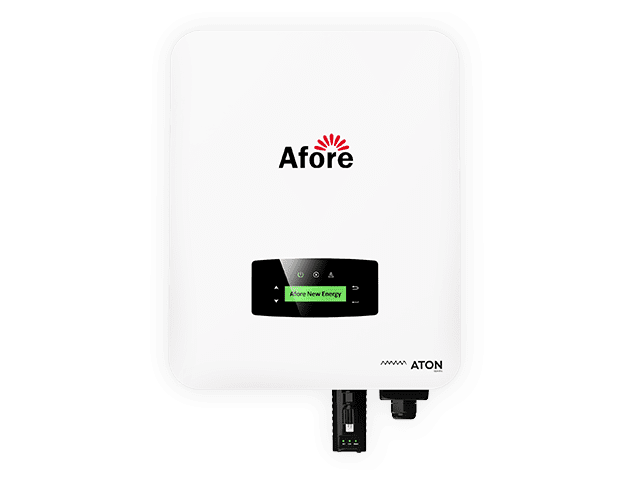
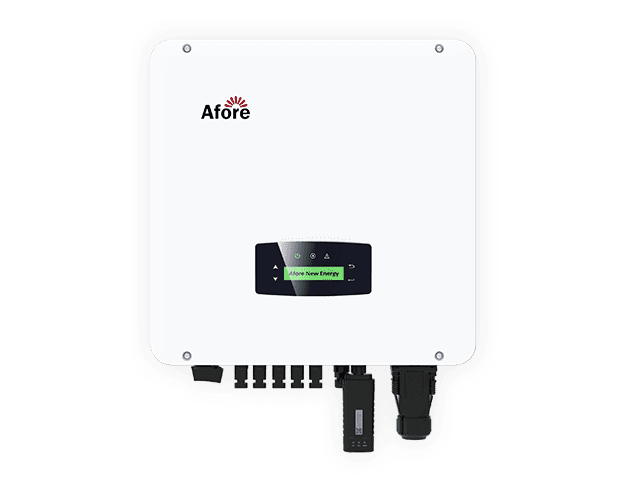
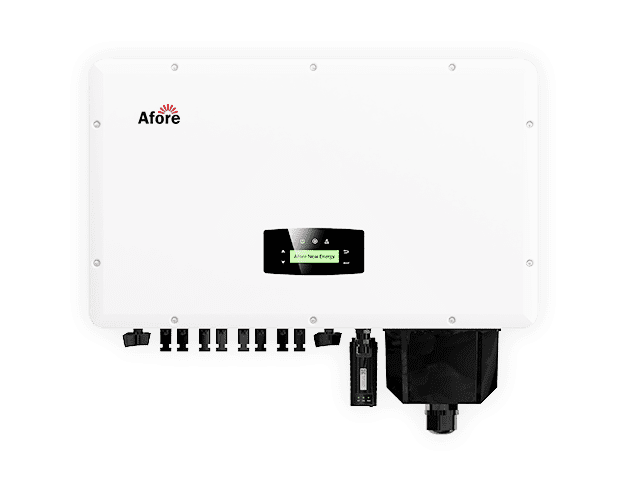
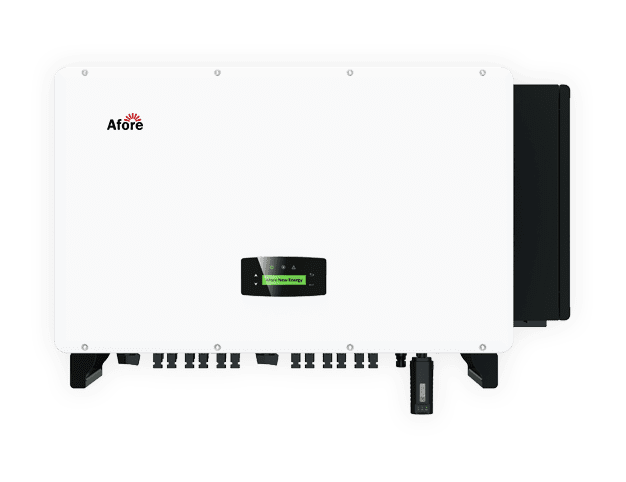
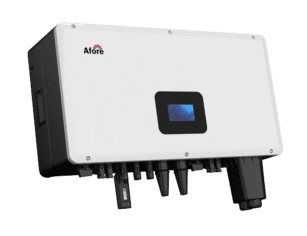
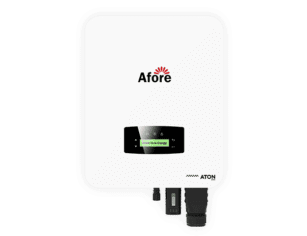
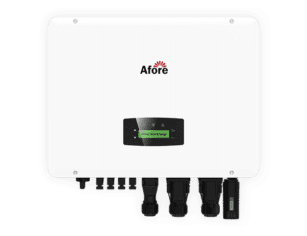
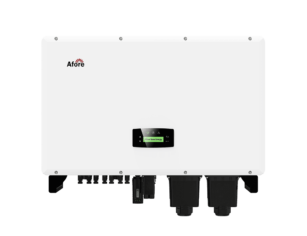
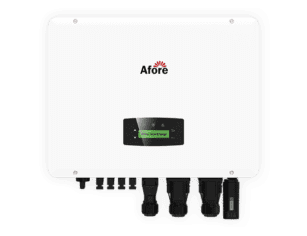
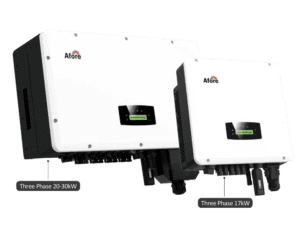
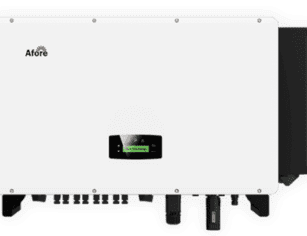
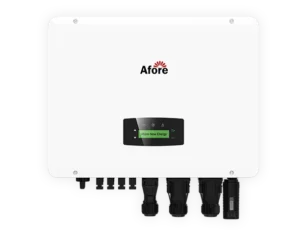
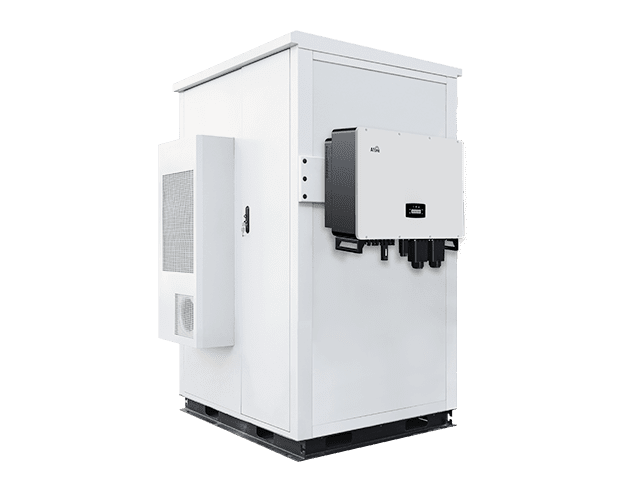
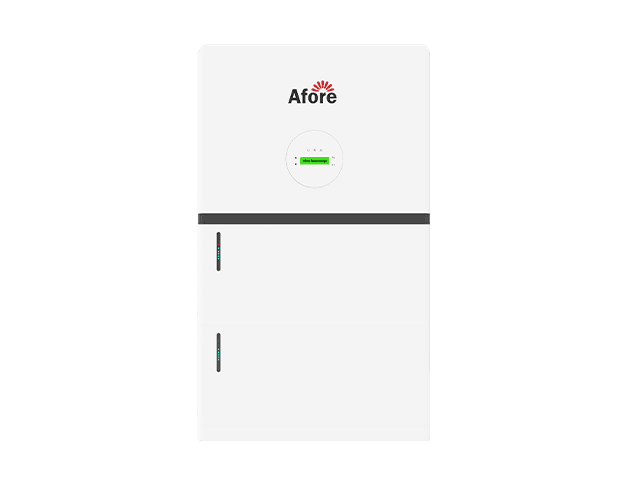
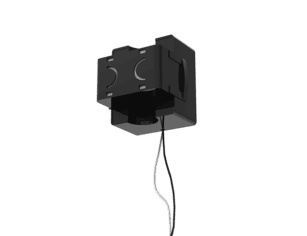
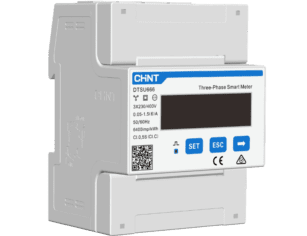
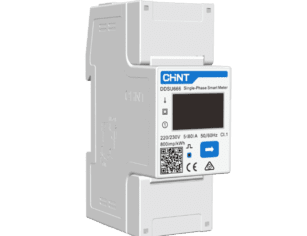
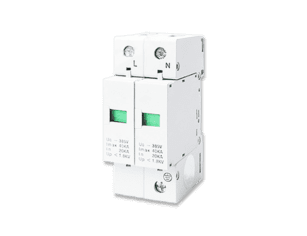








 Romanian