





Araştırma yapan ekipler için hibrit invertör Mikroinvertörler ile ilgili B2B kararlarında asıl soru, hangi invertör teknolojisinin genel olarak “daha iyi” olduğu değildir. Asıl sorulması gereken soru, hangi mimarinin projenin ölçeğine, çatı koşullarına, pil stratejisine, şebeke kuralları ortamına, kurulum modeline, servis planına ve finansal hedeflerine uygun olduğudur.
Ticari ve endüstriyel güneş fotovoltaik sistemlerinde, inverter Bu seçim, enerji dönüşümünden çok daha fazlasını etkiler. Fotovoltaik dizi tasarımını, pil uyumluluğunu, şebekeye aktarım kontrolünü, hızlı kapatma stratejisini, devreye alma iş akışını, işletme ve bakım maliyetlerini, garanti risklerini, izleme ayrıntı düzeyini ve uzun vadeli varlık performansını şekillendirir. Birden fazla yönelime sahip küçük bir ticari çatı, 2 MW'lık tek tip bir depo çatısından veya pik yük azaltma amaçlı depolama planlaması yapılan bir fabrika sahasından çok farklı bir invertör mimarisini gerektirebilir. Şu kaynağa göre ABD Enerji Bakanlığı (DOE), modern güneş enerjisi invertörleri, artık basit bir DC-AC dönüştürme cihazı olmaktan ziyade, giderek daha fazla şebeke destek ve enerji yönetimi platformu olarak işlev görmektedir. İleri düzey invertör işlevleri arasında gerilim regülasyonu, frekans tepkisi, reaktif güç desteği, şebekeye aktarım yönetimi ve pil depolama sistemleri, bunların hepsi ticari fotovoltaik uygulamalarında giderek daha fazla önem kazanmaktadır.
Hem hibrit invertörler hem de mikroinvertörlerin ticari alanda güçlü kullanım senaryoları bulunmaktadır. Hibrit invertörler, genellikle fotovoltaik-depolama entegrasyonu, merkezi kontrol, daha büyük sistem blokları ve ticari enerji yönetiminin öncelikli olduğu durumlarda tercih edilmektedir. Mikroinvertörler ise modül düzeyinde kontrol, dağıtık çatı kurulumları, gölge toleransı, aşamalı genişletme ve ayrıntılı izleme gibi unsurların ölçülebilir bir değer sağladığı durumlarda genellikle cazip bir seçenek olarak öne çıkar.
Bu kılavuz, proje ve portföy düzeyinde invertör mimarisini değerlendiren EPC’ler, kurulumcular, sistem entegratörleri, distribütörler, bayiler ve ticari fotovoltaik tesis sahipleri için hazırlanmıştır. Kılavuz, pratik bir karar matrisiyle başlıyor ve ardından sistem tasarımı, pil entegrasyonu, mevzuata uygunluk, devreye alma, işletme ve bakım, tedarik ve yaşam döngüsü ekonomisi konularına geçiyor.
Ticari fotovoltaik (PV) tartışmalarında, farklı elektriksel mimarileri ve çalışma özelliklerini tanımlamalarına rağmen, “dizi invertörü”, “hibrit invertör”, “mikroinvertör” ve “optimizer” gibi terimler genellikle birbirinin yerine kullanılır. EPC’ler, distribütörler, kurulumcular ve ticari varlık sahipleri için bu mimarileri erken aşamada ayırt etmek, sistem boyutlandırmasını, depolama planlamasını, servis stratejisini ve yaşam döngüsü maliyet modellemesini iyileştirir.
Dizi invertörü, birden fazla fotovoltaik modül dizisine bağlı, merkezi bir DC-AC invertörüdür. Birkaç modülden gelen DC gücü, invertörden geçmeden önce birleştirilir; bu da bu mimariyi maliyet açısından verimli kılar ve çatı yönelimi sabit olan ve gölgeleme en aza indirgenmiş ticari çatı üstü ve zemin üstü sistemlerde yaygın olarak kullanılır.
Hibrit invertör, aynı platformda fotovoltaik (PV) dönüştürme ve enerji depolama kontrolünü bir araya getiren, batarya ile etkileşimli bir invertördür. Standart dizi invertörlerinden farklı olarak, hibrit invertörler batarya şarj/deşarj mantığını, bazı konfigürasyonlarda yedekleme çalışmasını, şebekeye aktarım sınırlamasını ve enerji yönetimi entegrasyonunu destekler. Ticari projelerde, hibrit invertörler genellikle kendi tüketimini optimizasyon, pik yük azaltma ve depolamaya hazır PV kurulumları için değerlendirilir.
Mikroinvertör, tek tek PV modüllerinin arkasına monte edilen modül düzeyinde bir invertördür. Her modül, doğru akımı (DC) alternatif akıma (AC) bağımsız olarak dönüştürür; bu sayede modül düzeyinde optimizasyon, izleme ve uyumsuzlukların azaltılması sağlanır. Mikroinvertör sistemleri genellikle farklı yönlere bakan, kısmi gölgeleme bulunan, bakım erişiminin zor olduğu veya yüksek izleme ayrıntı düzeyi gereksinimleri olan çatı yüzeylerinde değerlendirilir.
Bir optimizör mimarisi, modül düzeyinde DC optimizörleri ile merkezi bir dizi invertörün bir arada kullanıldığı bir yapıdır. Mikroinvertörlerin aksine, güç dönüşümü hâlâ merkezi invertör düzeyinde gerçekleşirken, optimizörler modül düzeyinde MPPT, izleme görünürlüğü, hızlı kapatma işlevi ve uyumsuzluk azaltma özellikleri sunar. Bu mimari, tam bir mikroinvertör topolojisi benimsemeden daha iyi gölge toleransı gerektiren ticari çatı uygulamaları için sıklıkla tercih edilmektedir.
Karar matrisi aşağıdakiler arasında tutarlı bir şekilde ayrım yapmalıdır:
Hibrit invertörler, standart dizi invertörleriyle aynı kategoride değerlendirilmemelidir; zira enerji depolama entegrasyonu, şebekeye aktarım yönetimi, yedekleme kapasitesi ve EMS etkileşimi, sistem davranışını, maliyet yapısını, devreye alma iş akışını ve şebekeye bağlanma gerekliliklerini önemli ölçüde değiştirmektedir.
Benzer şekilde, optimizatör tabanlı sistemler tam mikroinvertör sistemleri olarak sınıflandırılmamalıdır; zira DC güç dönüşümü merkezi olarak gerçekleştirilmeye devam eder ve invertör tek bir bağımlılık noktası olarak kalır.
Tekdüze yönelime sahip, uzun dizi uzunlukları ve sınırlı gölgeleme bulunan büyük ticari çatılar için, standart dizi invertör sistemleri genellikle en düşük kurulum maliyetini ve en basit bakım yapısını sunar. Bu mimari, lojistik tesislerinde, üretim binalarında, depolarda ve elektrik şebekesine yakın ticari alanlarda yaygın olarak tercih edilmektedir.
Birden fazla azimut açısına sahip, düzensiz geri çekilme mesafeleri bulunan, ekipman engelleri veya gölgeleme riskine maruz kalan çatılar için, uyumsuzluk kayıplarını azaltmak ve modül düzeyinde performans görünürlüğünü kolaylaştırmak amacıyla genellikle optimizör tabanlı sistemler veya mikro invertörler değerlendirilir.
Enerji depolama sistemi en başından itibaren dahil edildiğinde, hibrit invertör platformları genellikle ilk olarak değerlendirilir; zira bu platformlar, DC bağlantılı depolama entegrasyonunu, ihracat sınırlamasını, kendi tüketim kontrolünü ve enerji yönetimi koordinasyonunu basitleştirir.
İlk PV kurulumunun ardından enerji depolama ihtiyacı doğması durumunda, depolamaya uygun hibrit mimariler, daha sonra geleneksel dizi invertörlerini değiştirmekle karşılaştırıldığında gelecekteki yenileme çalışmalarının karmaşıklığını azaltabilir.
Çatıya erişim prosedürlerinin maliyetli olduğu, bakım zaman aralıklarının kısıtlı olduğu veya işçilik maliyetlerinin yüksek olduğu binalarda, modül düzeyinde elektronik sistemlerin kullanılması haklı görülebilir; zira uzaktan arıza teşhisi ve modül düzeyinde izleme, arıza giderme süresini kısaltabilir.
Mikroinvertörler, genellikle küçük ve orta ölçekli ticari çatı alanlarında, dağıtık çok binalı portföylerde, araç park yerlerinde, okullarda, perakende satış noktalarında ve modül düzeyinde esnekliğin daha yüksek donanım maliyetinden daha önemli olduğu mimari açıdan karmaşık kurulumlarda değerlendirilir.
Dizi ve hibrit invertör mimarileri, BOS verimliliği, kablo sayısının azaltılması, merkezi bakım kolaylığı ve watt başına daha düşük invertör maliyetinin giderek daha önemli hale geldiği orta ve büyük ölçekli ticari sistemlerde daha yaygın olarak değerlendirilmektedir.
Talep ücretinin azaltılması, yedekleme sürekliliği, enerji arbitrajı veya şebekeyle etkileşimli çalışmaya odaklanan projeler, çatının karmaşıklığına bakılmaksızın genellikle hibrit invertör platformlarına öncelik verir; zira depolama işlevselliği, ikincil bir özellik olmaktan çıkıp birincil bir tasarım faktörü haline gelir.
Ticari PV invertör seçimi, teknik özellik tablolarının karşılaştırılmasıyla değil, projenin kullanım senaryosuyla başlamalıdır. En yüksek verimlilik, garanti süresi ve birim fiyat önemlidir, ancak en uygun mimariyi belirlemek için bunlar tek başına yeterli değildir. B2B alıcılar için karar sürecinde, kurulumun tekrarlanabilirliği, şebeke onayı riski, enerji depolama yol haritası, servis erişimi ve proje ömrü boyunca finansal performans gibi unsurlar da dikkate alınmalıdır.
Hibrit bir invertör, genellikle fotovoltaik (PV) üretimini ve uygun olduğu durumlarda pil şarj ve deşarj işlemlerini yönetmek üzere tasarlanmış, merkezi veya dizi tabanlı bir invertör mimarisidir. Ticari fotovoltaik uygulamalarda hibrit sistemler, kendi tüketim, pik yük azaltma, yedek güç, şebekeye aktarım sınırlaması veya gelecekteki depolama hazırlığı amacıyla kullanılabilir.
Mikroinvertör, her bir fotovoltaik modülün üzerinde veya yakınında doğru akımı (DC) alternatif akıma (AC) dönüştüren modül düzeyinde bir güç elektroniği cihazıdır. Bir invertörün birden fazla diziyi yönetmesi yerine, her modülün kendi dönüşüm ve MPPT işlevselliği vardır. Bu mimari, karmaşık çatı yapılarında faydalı olabilir, ancak aynı zamanda çatıdaki elektronik cihazların sayısını da artırır.
En uygun seçenek, ticari tasarım hedefine bağlıdır. Hibrit invertörler genellikle pil entegrasyonu, merkezi enerji yönetimi ve watt başına daha düşük maliyetin öncelikli olduğu, daha büyük ve daha homojen ticari ve endüstriyel (C&I) sistemler için uygundur. Mikroinvertörler ise genellikle modül düzeyinde performans, gölgeleme toleransı, basitleştirilmiş hızlı kapatma ve ayrıntılı izleme özelliklerinin daha önemli olduğu küçük ve orta ölçekli ticari çatı sistemleri için uygundur.
Örneğin, geniş, düz ve engelsiz bir çatıya sahip ve 1 MWh’lik pil depolama kapasitesi eklemeye yönelik net bir planı olan bir lojistik deposu, genellikle hibrit veya dizi tabanlı, depolamaya hazır bir mimariyi tercih eder. Buna karşılık, çatı pencereleri, HVAC engelleri, farklı çatı düzlemleri ve kiracıların talebine göre aşamalı olarak genişletilen çok binalı bir ticari kampüs, mikro invertörlerden faydalanabilir; çünkü bunlar uyumsuzluk riskini azaltır ve modül düzeyinde izlemeyi basitleştirir.
Depolama devreye girdiğinde karar verme süreci daha karmaşık hale gelir. Hibrit invertörler, tek bir kontrol mimarisi içinde fotovoltaik sistemi, bataryayı, şebekeden alım/verimi ve tesis yüklerini koordine edebildikleri için genellikle fotovoltaik-depolama sistemlerinde tercih edilir. Mikroinvertör sistemleri de bataryaları destekleyebilir, ancak bu genellikle AC bağlantılı depolama veya ayrı bir batarya invertörü aracılığıyla gerçekleşir; bu da ekipman sayısını ve kontrol karmaşıklığını artırır.
Pil depolama sistemi bulunmayan ticari güneş enerjisi projelerinde, sistem seçimi genellikle enerji yönetimi işlevselliğinden ziyade çatı geometrisi, gölgeleme durumu, hizmet stratejisi ve CAPEX duyarlılığına göre belirlenir.
Üretim koşullarının tutarlı olduğu geniş ve tek tip çatı alanları, genellikle merkezi dizili invertör sistemlerini tercih eder; zira bu sistemler kurulum maliyetini optimize eder, elektrik toplama sürecini basitleştirir ve watt başına invertör maliyetini düşürür.
Farklı yönlere bakan, düzensiz güneş ışınımı alan veya yüksek performanslı görünürlük gereksinimleri olan ticari çatılarda, modül düzeyinde MPPT’nin uyumsuzluk yönetimini ve işletim şeffaflığını iyileştirmesi nedeniyle genellikle optimizör tabanlı sistemler veya mikro invertörler tercih edilir.
Bakım erişiminin zor olduğu, çalışma süresinin izlenebilirliğinin kritik öneme sahip olduğu veya çatı bölümlemesi nedeniyle geleneksel dizi kurulumunun verimsiz hale geldiği durumlarda mikro invertörlerin kullanımı daha sık tercih edilmektedir.
Pil depolama sistemine sahip ticari projelerde, invertör seçimi, salt fotovoltaik optimizasyondan enerji akışı yönetimi, şebekeye aktarım kontrolü ve tesis yükü etkileşimine doğru kaymaktadır.
Proje aşağıdaki unsurları içeriyorsa, genellikle hibrit invertörlere öncelik verilir:
Depolama odaklı ticari projelerde, fotovoltaik (PV) üretim, pil dağıtımı, şebeke bağlantı sınırları ve tesis yüklerini koordine etme yeteneği, genellikle salt modül düzeyinde optimizasyonun sağladığı faydalardan daha ağır basmaktadır.
Projeye bağlı geniş kapsamlı bir çerçeve yerine, seçim kriterleri pratik ticari karar süreçleri şeklinde basitleştirilebilir:
Hibrit invertörler, enerji depolamanın iş modelinin merkezinde yer aldığı ticari güneş enerjisi projelerinde özellikle etkili olmaktadır. Bunlar arasında kendi tüketim amaçlı projeler, talep ücreti azaltma, kullanım zamanı optimizasyonu, yedek güç, şebekeye aktarımın kontrol edildiği sistemler ve ileride pil sistemlerinin eklenebileceği tesisler yer almaktadır.
Üç fazlı ticari hibrit invertör seçenekleri, özellikle fabrikalar, depolar, okullar, perakende tesisleri, lojistik merkezleri ve tarımsal faaliyetler için önemlidir. Bu projelerde invertör, yalnızca güneş enerjisini dönüştürmekle kalmaz; aynı zamanda yük yönetimi, pil dağıtımı, şebeke kuralları işlevleri ve enerji akışlarının izlenmesini de destekleyebilir.
Temel tasarım gerekliliği, doğru boyutlandırmadır. Hibrit invertör seçimi sırasında PV dizisi kapasitesi, DC/AC oranı, akü kapasitesi, akü gerilim sınıfı, beklenen şarj ve deşarj gücü, yedekleme yükü gereksinimleri, şebekeye aktarım sınırları ve tesisin aralıklı yük profili dikkate alınmalıdır. İnvertörün kapasitesinin fazla veya az seçilmesi, gereksiz CAPEX maliyetlerini artırarak ya da güneş enerjisini yakalama ve talep piklerini yönetme yeteneğini sınırlayarak proje değerini düşürebilir.
Hibrit invertörler, sadece birkaç küçük özellik eklenmiş geleneksel dizi invertörler olarak değil, depolamaya hazır veya batarya ile etkileşimli platformlar olarak değerlendirilmelidir. Mimari yapıları, fotovoltaik üretim, batarya şarjı, tesis tüketimi ve şebeke etkileşimini aynı anda koordine etmek üzere özel olarak tasarlanmıştır.
Ticari ortamlarda, hibrit invertörler genellikle şu amaçlarla tercih edilir:
Ticari hibrit invertör kurulumlarında, aşağıdakiler dahil olmak üzere üç fazlı elektrik altyapısıyla uyumluluk değerlendirilmelidir:
Üç fazlı hibrit sistemler ayrıca aşağıdakileri de destekleyebilir:
Ticari tesislerde faz yük dağılımı genellikle dengesiz olduğundan, invertör boyutlandırması ve EMS yapılandırması, yalnızca PV üretim tahminlerine dayanmak yerine, tesisin gerçek yük davranışına uygun olarak ayarlanmalıdır.
Ticari hibrit invertörlerin performansı, üç fazlı izleme ve ihracat kontrol mantığı açısından CT’lerin ve sayaçların doğru şekilde yerleştirilmesine büyük ölçüde bağlıdır.
CT'nin yanlış yönlendirilmesi, ölçüm cihazının yanlış yerleştirilmesi veya faz izlemenin eksik olması aşağıdakileri etkileyebilir:
Daha büyük sistemlerde, EPC’ler genellikle invertör kontrollerini harici EMS platformları, şalt panosu izleme sistemleri ve tesisin SCADA altyapısı ile koordine eder.
Ticari projelerde aşağıdakiler doğrulanmalıdır:
Bu gereklilikler, özellikle pil depolama sistemi veya gelişmiş ihracat kontrolü işlevselliği kullanılan ticari tesislerde, invertör seçimi, devreye alma süreci ve onay sürelerini önemli ölçüde etkileyebilir.
Mikroinvertörler, genellikle farklı yönlere bakan, düzensiz gölgelemeye maruz kalan, çatı üzerinde çok sayıda engel bulunan veya aşamalı genişletme gereksinimleri olan ticari çatıları için uygun bir seçenektir. Her modül bağımsız olarak çalıştığı için, gölgelenen veya düşük performans gösteren bir modülün komşu modüller üzerindeki etkisi, geleneksel dizi düzenlemesine kıyasla daha azdır.
Bu mimari, yerleşim planının karmaşıklığı nedeniyle dizi tasarım verimliliğinin sınırlandığı perakende binaları, okullar, sağlık tesisleri, çok kiracılı ticari mülkler ve daha küçük endüstriyel çatılar için cazip bir seçenek olabilir. Mikro invertörler ayrıca ayrıntılı modül düzeyinde izlemeyi destekler; bu da kurulumcuların ve işletme ve bakım ekiplerinin performans düşüklüğü gösteren modülleri, konektör arızalarını veya yerel kirlenme sorunlarını tespit etmelerine yardımcı olabilir.
Bununla birlikte, mikro invertörler ticari ölçekte dikkatli bir proje planlaması gerektirir. EPC’ler, AC ana kablo tesisatı, dal devre sınırları, çatıdaki cihaz sayısı, ağ geçidi iletişimi, modül eşlemesi ve değiştirme erişimini hesaba katmalıdır. Sistem, DC tarafında elektriksel olarak daha basit olabilir, ancak tam bir ticari kurulum olarak otomatik olarak daha basit hale gelmez.
Mikro invertörler, modül düzeyinde kapsamlı bir görünürlük ve esneklik sağlayabilir; ancak büyük ölçekli ticari kurulumlarda, merkezi invertör mimarilerinden farklı ölçeklendirme hususları ortaya çıkmaktadır.
Ticari mikroinvertör sistemleri, her bir dal devresinde aşağıdaki konularda sınırlamalar bulunduğundan, AC dal devrelerinin dikkatli bir şekilde tasarlanmasını gerektirir:
Çatı alanı büyüdükçe, dal birleştirme stratejisi basit bir kurulum detayı olmaktan çıkıp önemli bir tasarım değişkeni haline gelir.
Üreticiler genellikle, aşağıdaki kriterlere dayanarak her bir AC dal devresi başına izin verilen maksimum invertör sayısını belirtir:
Dal sınırlarının aşılması, koruma koordinasyonunu ve uzun vadeli güvenilirliği etkileyebilir.
Uzun AC ana hatlarına sahip büyük ticari çatı tesislerinde gerilim artışı giderek daha önemli hale gelmektedir. Dağıtık AC dönüşümü, özellikle çatı tesisleri arasındaki mesafeler oldukça uzun olduğunda, merkezi DC dizi toplama sistemine kıyasla gerilim artışına karşı daha fazla duyarlılık yaratabilir.
Mikroinvertör sistemleri, çatı üzerinde düzenli bir şekilde döşenmiş AC ana kablo hatları gerektirir. Birden fazla çatı yüksekliği, geri çekme, genleşme derzleri ve ekipman engelleri bulunan ticari binaların yerleşim planları, kablo yönetiminin karmaşıklığını artırabilir.
Büyük ticari binaların çatıları, standart izleme ağ geçitlerinin iletişim menzilini aşabilir. Bazı projelerde, modül düzeyinde güvenilir raporlamayı sürdürmek için ek tekrarlayıcılara, bölümlere ayrılmış ağ geçidi mimarisine veya gelişmiş ağ planlamasına ihtiyaç duyulabilir.
Modül düzeyinde izleme, ancak dijital sistem haritalaması çatıdaki fiziksel yerleşim planıyla tam olarak örtüştüğünde operasyonel açıdan değer kazanır. Yetersiz haritalama uygulamaları, büyük kurulumlarda sorun giderme süresini önemli ölçüde uzatabilir.
Ticari binaların çatı katlarında arızalı modül düzeyindeki elektronik parçaların değiştirilmesi için şunlar gerekebilir:
Bu operasyonel gerçekler, yaşam döngüsü hizmet maliyetini önemli ölçüde etkileyebilir.
Mikroinvertör mimarileri, elektronik bileşenleri her bir modül konumuna dağıtır. Bu durum, merkezi tek nokta arızası riskini azaltırken, sistem ömrü boyunca çatıdaki elektronik cihazların toplam sayısını da artırır.
Büyük ölçekli ticari mikroinvertör sistemleri, dizi düzeyindeki mimarilere kıyasla önemli ölçüde daha fazla izleme verisi üretir. Filosu işletenler, uyarıları, analizleri ve bakım önceliklerini verimli bir şekilde yönetmek için daha kapsamlı izleme iş akışlarına ihtiyaç duyabilir.
Havaalanları, lojistik merkezleri, hastaneler, veri merkezleri ve endüstriyel tesisler gibi tesisler, modül düzeyinde mimariler için hizmet karmaşıklığını artıran kısıtlı çatı erişim prosedürleri uygulayabilir.
Aşağıdaki tablo, hızlı bir B2B karşılaştırması sunmaktadır. Bu tablo, projeye özgü modellemenin yerine geçmek üzere değil, bir başlangıç noktası olarak kullanılmalıdır.
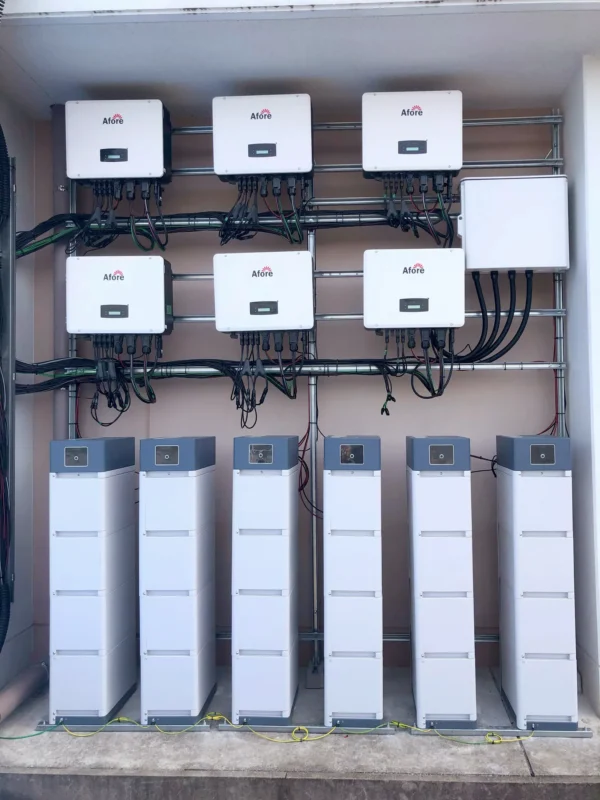
Standart dizili invertör sistemleri, ticari fotovoltaik kurulumlarda genellikle watt başına en düşük invertör maliyetini sunar. Hibrit invertörler, depolama kontrol elektroniği ve pil entegrasyon yeteneği nedeniyle genellikle daha yüksek ilk yatırım maliyeti gerektirir. Mikroinvertörler ise her modülün bağımsız bir invertör donanımına sahip olması nedeniyle genellikle en yüksek invertör donanım maliyetini oluşturur.
Dize tabanlı mimariler, merkezi AC altyapısı ve basitleştirilmiş kablolama düzenleri sayesinde genellikle sistem dışı maliyetleri düşürür. Mikroinvertör sistemleri, dağıtık AC ana kablolama ve çatı üstünde daha fazla sayıda elektronik bileşen bulunması nedeniyle sistem dışı maliyetleri artırabilirken, optimizör sistemleri genellikle merkezi mimariler ile tam modül düzeyinde mimariler arasında bir konumda yer alır.
Mikroinvertör ve optimizörlerin kullanılması, elektronik bileşenlerin modül düzeyinde kurulması nedeniyle çatı üstü kurulum süresini uzatabilir. Bununla birlikte, bu sistemler dizi tasarımını basitleştirebilir ve devreye alma aşamasında uyumsuzluktan kaynaklanan sorunların giderilmesini kolaylaştırabilir. Merkezi invertör sistemleri genellikle çatı üstü bileşen sayısını azaltır, ancak daha ayrıntılı dizi gerilimi mühendisliği gerektirebilir.
Mikro invertörler ve optimizör platformları, ekosistem mimarisinin bir parçası olarak genellikle modül düzeyinde izleme özelliğini içerirken, geleneksel dizi invertör sistemleri, ek donanım kurulmadıkça esas olarak dizi düzeyinde izlemeye dayanabilir.
Merkezi invertörün değiştirilmesi, tek bir olayda daha yüksek servis maliyetleri gerektirebilir, ancak genel olarak daha az sayıda değiştirme noktası içerir. Modül düzeyindeki elektronik devreler, arıza riskini birçok cihaza dağıtır; bu da tek bir olayda ortaya çıkan kesinti süresini potansiyel olarak azaltırken, sistem ömrü boyunca toplam bileşen sayısını artırır.
İnvertör mimarisi, PV sistemi üzerinden gücün nasıl aktığını belirler. Ayrıca, dönüşümün nerede gerçekleştiğini, MPPT’nin nasıl çalıştığını, arızaların nasıl tespit edildiğini ve depolama sisteminin nasıl eklenebileceğini de belirler. Ticari PV tasarım ekipleri için bu mimari düzeydeki farklılıklar, basit ürün karşılaştırmalarından daha önemlidir.
Geleneksel bir dizi invertörü, birden fazla PV modülünü seri diziler halinde birbirine bağlar. İnvertör, merkezi bir noktada DC-AC dönüşümünü gerçekleştirir ve genellikle gücü dizi veya MPPT giriş seviyesinde izler. Bu mimari, özellikle modüllerin yönelimi, güneş ışınımı ve çalışma sıcaklığı benzer olduğunda verimli ve ölçeklenebilir bir çözüm sunar.
Hibrit bir invertör, bu konsepti temel alarak batarya etkileşimi ve enerji yönetimi işlevlerini ekler. Birçok ticari sistemde hibrit mimari, invertörün sertifikasına ve sistem tasarımına bağlı olarak fotovoltaik üretimin bataryaları şarj etmesine, yükleri desteklemesine, şebekeye enerji aktarmasına veya yedekleme işlevleri sağlamasına olanak tanır. Hibrit invertörler, DC bağlantılı, AC bağlantılı olabilir veya daha geniş bir güç dönüştürme ve enerji yönetim sisteminin parçası olabilir.
Mikro invertörler, güç dönüşümünü merkezi olmayan bir yapıya kavuşturur. Her bir PV modülünün kendi invertörü bulunur ve alternatif akım (AC) gücü dal devreleri üzerinden birleştirilir. Bu, modül uyumsuzluğunun etkisini azaltır ve modül düzeyinde izlemeyi destekler. Ayrıca, kurulum işlerinin ağırlığını merkezi invertör kablolamasından dağıtık çatı üstü cihaz kurulumuna kaydırır.
Optimizerler bu iki yaklaşım arasında yer alır. Modül düzeyinde DC optimizasyonu sağlarlar, ancak DC-AC dönüşümü için yine de merkezi bir invertöre ihtiyaç duyarlar. Ticari PV sistemlerinde, tasarım ekipleri mikroinvertörleri tam olarak benimsemeden modül düzeyinde bazı avantajlardan yararlanmak istediklerinde optimizerler kullanılabilir.
Optimizer sistemleri, merkezi tip dizi invertör mimarileri ile tam mikroinvertör sistemleri arasında bir ara konumda yer alır.
Bir optimizör mimarisinde, her modül, modül düzeyinde MPPT ve performans izleme için bir DC optimizörü içerir; ancak DC-AC dönüşümü hâlâ merkezi bir invertör aracılığıyla gerçekleşir. Bu durum, her modülde bağımsız olarak invertör işleminin gerçekleştiği mikroinvertörlerden farklıdır.
Ticari EPC firmaları, projelerde aşağıdaki durumlar söz konusu olduğunda genellikle optimizör sistemlerini değerlendirir:
Aynı zamanda, optimizör sistemleri, tam mikroinvertör mimarilerine kıyasla, merkezi invertörlerin bakım kolaylığının birçok avantajını korurken, çatı üstü AC sistemlerin karmaşıklığını da azaltır.
İnvertör merkezi bir konumda kaldığı için, sistemin toplam üretimi hâlâ invertörün çalışır durumda olmasına bağlıdır. Bununla birlikte, optimizör sistemleri, tam mikroinvertör mimarisinin tercih edilmediği ticari çatı tesislerinde, performans düşüklüğü gösteren modüllere ilişkin görünürlüğü artırırken, kısmi gölgeleme veya modül uyumsuzluğundan kaynaklanan üretim kayıplarını azaltabilir.
Ticari fotovoltaik projeler, dikkatli bir invertör yükleme stratejisi gerektirir. DC/AC oranı, yıllık enerji verimini, kesilme oranını, invertör kullanım oranını ve finansal performansı etkiler. Daha yüksek bir DC/AC oranı, ışınım seviyesinin düşük olduğu dönemlerde invertör kullanım oranını artırabilir; ancak aşırı boyutlandırma, kesilme oranını artırabilir ve marjinal enerji değerini düşürebilir.
Hibrit invertör sistemlerinde, boyutlandırma sırasında pil şarj aralıkları ve tesisin yük davranışları da dikkate alınmalıdır. Tepe yükünü azaltma amacıyla tasarlanmış bir sistem, güneş enerjisi üretim saatlerinde pil şarjını, talep zirvelerinde ise pil deşarjını öncelikli hale getirebilir. Yedekleme amacıyla tasarlanmış bir sistem ise, kesintiler sırasında kritik yükleri destekleyebilmek için yeterli invertör gücü ve pil kapasitesine ihtiyaç duyabilir. İhracat sınırlaması altındaki bir sistem, depolama sistemini kullanarak aksi takdirde kesintiye uğrayacak olan enerjiyi yakalayabilir.
Mikroinvertör projeleri, farklı boyutlandırma kontrolleri gerektirir. Her bir modül, uygun bir mikroinvertör giriş aralığı, akım sınırı ve güç derecesiyle eşleştirilmelidir. Tasarımcılar ayrıca AC dal devre sınırlarını, iletken boyutlandırmasını, gerilim artışını ve AC toplama ekipmanını da hesaba katmalıdır. Daha büyük ölçekte, mimarinin tekrarlayıcı yapısı standardizasyona yardımcı olabilir, ancak aynı zamanda modüllerin doğru bir şekilde eşleştirilmesi ve devreye alma disiplininin önemini de artırır.
Ticari mikroinvertör sistemleri, dal devre yüklemesi kablo boyutlandırmasını, kesici koordinasyonunu ve çatı düzeni stratejisini etkilediği için mühendislik aşamasının erken safhalarında dal devre tasarımının doğrulanmasını gerektirir.
Her dal için maksimum invertör sayısı aşağıdakilere göre değişiklik gösterir:
Ticari çatı segmentasyonu, şube dağıtım stratejisini de etkileyebilir.
Gerilim yükselmesi analizi, özellikle büyük ölçekli dağıtık AC çatı sistemleri için büyük önem taşır. Uzun AC ana hat kabloları için aşağıdakiler gerekebilir:
AC ana hat yönlendirmesi aşağıdakilerle koordine edilmelidir:
Ana kablo planlamasının yetersiz olması, ileride sorun giderme işlemlerini ve çatı üstü değişiklikleri zorlaştırabilir.
Modern yüksek güçlü PV modülleri, invertör seçiminde ek sorunlar yaratmaktadır. Ticari modüller, eski modüllere kıyasla daha yüksek akım çıkışı, daha büyük boyutlar ve farklı sıcaklık davranışları sergileyebilir. İnvertör giriş akım sınırları, MPPT gerilim aralıkları, maksimum DC gerilimi ve derating eğrileri, kurulum yerine özgü sıcaklık koşulları göz önünde bulundurularak kontrol edilmelidir.
Hibrit ve dizi tabanlı sistemlerde, dizi uzunluğu hem soğuk hem de sıcak çalışma koşullarında invertörün gerilim aralığı sınırları içinde kalmalıdır. Çift yüzlü modüller ayrıca yüksek albedo koşullarında akımı artırabilir ve bu durum invertör giriş varsayımlarını etkileyebilir. Tasarımcılar, invertörün beklenen ışınım ve sıcaklık koşulları altında verimli bir şekilde çalışıp çalışmayacağını doğrulamalıdır.
Mikroinvertörler için modül eşleştirmesi hayati önem taşır. Modüle göre kapasitesi yetersiz olan bir mikroinvertörde daha sık kesilme meydana gelebilir. Giriş akım kapasitesi yetersiz olan bir cihaz, yüksek akımlı modüllerle çalışırken performansı sınırlayabilir. Bu kayıplar bazı tasarımlarda kabul edilebilir olabilir, ancak varsayılmak yerine modelleme yoluyla değerlendirilmelidir.
Teorik invertör avantajlarının gerçek bir proje değeri haline gelip gelmeyeceği genellikle saha koşullarına bağlıdır. Çatı yönü, gölgeleme, yapıya erişim, kablo güzergâhları, ortam sıcaklığı, toz, nem ve bakım kolaylığı gibi faktörlerin tümü bu seçimi etkiler.
Mikro invertörler, farklı yönlere bakan çatıların bulunduğu, parapet gölgelemesi olan, çatı üstü ekipmanların bulunduğu veya kirlenme düzeninin tutarsız olduğu çatılarda uyumsuzluk kayıplarını azaltabilir. Hibrit ve dizi tabanlı sistemler ise, düzgün kablo güzergâhlarına ve erişilebilir invertör konumlarına sahip tekdüze dizilerde daha verimli ve maliyet açısından daha avantajlı olabilir.
Ticari tasarım ekipleri, bu faktörleri tedarik aşamasından sonra değil, fizibilite ve verim modellemesi sırasında değerlendirmelidir. Daha düşük maliyetli bir invertör mimarisi, tasarımda tavizlere, servis erişiminde zorluklara veya beklenmedik performans kayıplarına yol açarsa pahalıya mal olabilir.
Bu bölüm boyunca aşağıdakiler arasında net bir ayrım yapınız:
“Dizi invertörü” ve “hibrit invertör” terimlerini birbirinin yerine kullanmaktan kaçının; zira depolama kapasitesi, sistem topolojisini, devreye alma gerekliliklerini, koruma stratejisini ve şebeke etkileşimini değiştirir.
Enerji depolama, ticari alıcıların hibrit invertörleri değerlendirirken göz önünde bulundurdukları en önemli nedenlerden biridir. Aküler, invertörün rolünü basit güneş enerjisi dönüşümünden aktif enerji yönetimine dönüştürür. İnvertör, tarife kuralları ve tesis hedefleri doğrultusunda üretim, yük, şebekeye giriş/çıkış ve akü çalışmasını koordine etmelidir.
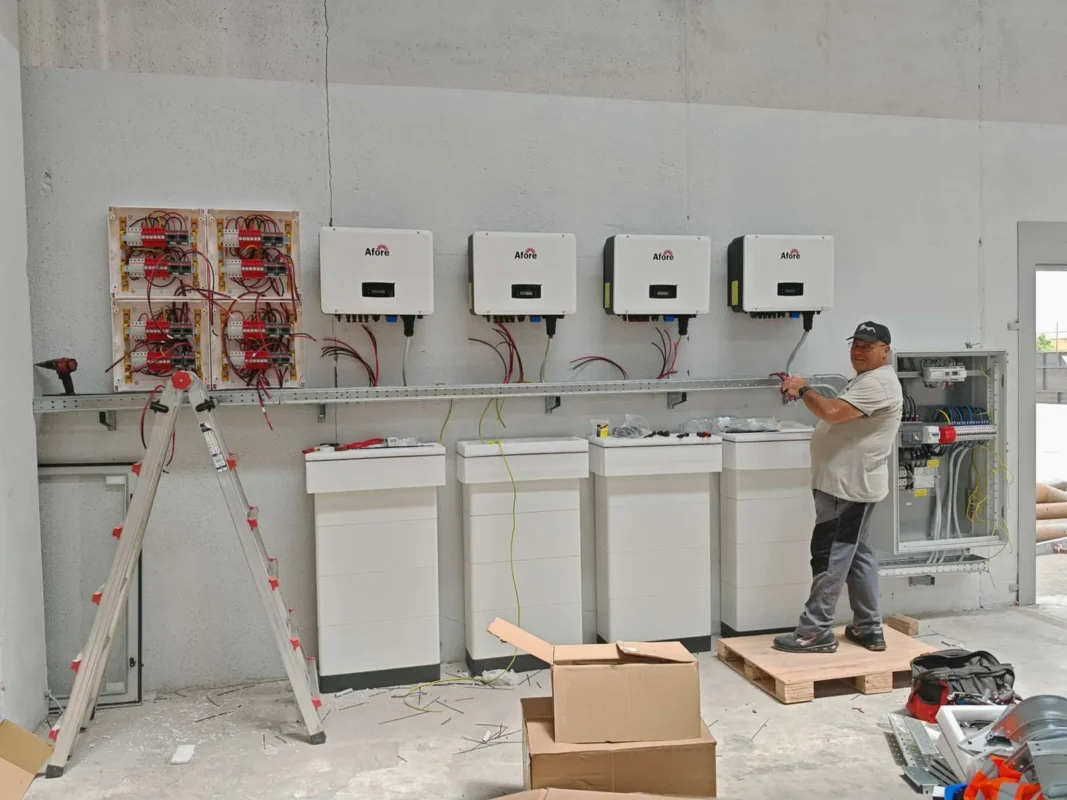
Pil depolama sisteminin proje için merkezi bir öneme sahip olduğu durumlarda genellikle hibrit invertörler tercih edilir. DC bağlantılı tasarımlarda, fotovoltaik enerji AC’ye dönüştürülmeden önce pili şarj edebilir; bu da bazı çalışma modlarında dönüştürme aşamalarının sayısını azaltır. AC bağlantılı sistemlerde ise fotovoltaik enerji önce AC’ye dönüştürülür, ardından bir pil invertörü veya güç dönüştürme sistemi aracılığıyla pil şarjı için yeniden dönüştürülür.
Pratikteki fark sadece verimlilikle sınırlı değildir. DC bağlantılı hibrit sistemler, kontrol mimarisini basitleştirebilir ve bileşen sayısını azaltabilir. AC bağlantılı sistemler ise mevcut tesisatlara uyarlama esnekliği sunabilir ve mevcut fotovoltaik tesislere eklenmesi daha kolay olabilir. Mikroinvertör tabanlı sistemlerde, piller genellikle AC bağlantısı yoluyla eklenir; bu yöntem iyi sonuç verebilir ancak ek kontrol, ölçüm ve devreye alma kontrolleri gerektirir.
B2B projeleri için temel soru, depolamanın gelecekte bir seçenek mi yoksa temel bir gelir kaynağı mı olduğudur. Depolama, talep bazlı ücretlerin azaltılması, ihracat kontrolü, yedek güç veya enerji arbitrajı açısından merkezi bir öneme sahipse, hibrit mimari genellikle daha net bir tasarım yolu sunar. Depolama konusunda belirsizlik varsa ve çatı yapısı karmaşıksa, mikro invertörler yine de uygun bir seçenek olabilir; ancak ilk fotovoltaik sistem satılmadan önce gelecekteki pil yenileme planı mühendislik açısından hazırlanmalıdır.
Ticari pil entegrasyonu, tek başına bir pil seçimi süreci olarak değil, eksiksiz bir sistem mimarisi kararı olarak değerlendirilmelidir. Depolama topolojisi, invertör seçimi, şebekeye geri besleme kontrolü, yedekleme kapasitesi, enerji yönetimi stratejisi, devreye alma iş akışı ve gelecekteki ölçeklenebilirliği etkiler.
DC bağlantılı bir hibrit mimaride, fotovoltaik ve pil sistemleri ortak bir hibrit invertör platformunu paylaşır. Bu yapı genellikle aşağıdaki durumlarda tercih edilir:
DC bağlantılı sistemler, AC dönüşümü gerçekleşmeden önce PV enerjisiyle akülerin şarj edilebilmesi nedeniyle şarj verimliliğini artırabilir.
Mikroinvertör sistemleri, fotovoltaik üretimin modül düzeyinde zaten alternatif akıma dönüştürüldüğü için genellikle AC bağlantılı pil depolama sistemleriyle birlikte kullanılır. Bu mimaride, ayrı bir pil invertörü, şarj ve deşarj işlemlerini fotovoltaik mikroinvertörlerden bağımsız olarak yönetir.
Bu yapılandırma genellikle şu amaçlarla değerlendirilir:
Geleneksel dizi invertör sistemleri, ayrı bir AC bağlantılı güç dönüştürme sistemi (PCS) aracılığıyla depolama sistemini entegre edebilir. Bu yaklaşım, fotovoltaik üretim ile pil işletimini farklı invertör platformlarına ayırırken, aynı zamanda büyük ölçekli depolama sistemlerinin kurulmasında esneklik sağlar.
Büyük ölçekli ticari ve endüstriyel enerji depolama projelerinde, genellikle aşağıdakilerle entegre edilmiş özel bir PCS mimarisi kullanılır:
Bu yaklaşım, genellikle depolama işlevselliğinin birincil operasyonel varlık haline geldiği büyük ölçekli ticari ve endüstriyel (C&I) projelerde veya mikro şebeke uyumlu projelerde değerlendirilmektedir.
Ticari alıcılar, invertörün amaçlanan akü voltaj aralığıyla uyumlu olup olmadığını doğrulamalıdır; zira bazı hibrit invertörler yalnızca belirli akü sınıflarını veya üretici ekosistemlerini desteklemektedir.
Pil kimyası şunları etkiler:
Ticari sistemlerde, daha iyi termal kararlılık ve uzun ömürlü çalışma için genellikle lityum demir fosfat (LFP) kimyası değerlendirilir.
Pil boyutlandırmasında aşağıdakiler arasında ayrım yapılmalıdır:
Tepe yükünün dengelenmesi gibi yüksek güç gerektiren uygulamalar, uzun süreli yedekleme sistemlerinden farklı bir boyutlandırma mantığı gerektirebilir.
Akünün C-oranı kapasitesi şu unsurları etkiler:
Ticari yedekleme sistemleri, özellikle hassas ekipmanlar veya iş sürekliliği uygulamaları söz konusu olduğunda, aktarım süresinin tesisin operasyonel gereksinimlerine uygun olup olmadığını doğrulamalıdır.
Bazı ticari sistemler, şebeke bağlantısı olmadan tam bir kesintinin ardından akülerin ve invertörlerin tesisin belirli bölümlerini yeniden çalıştırabilmesini sağlayan “black-start” işlevselliğine ihtiyaç duyar.
İnvertör, EMS ve pil yönetim sistemi (BMS) arasındaki pil iletişim uyumluluğu, istikrarlı çalışma ve garanti şartlarına uygunluk açısından hayati önem taşır.
Ticari depolama projelerinde, ihracat kısıtlamasının aşağıdaki yollardan herhangi biri aracılığıyla denetlenip denetlenmediğinin doğrulanması gerekir:
Bazı kamu hizmetleri kuruluşları veya yetki alanları, tarife yapısı ve teşvik kurallarına bağlı olarak yalnızca fotovoltaik (PV) şarjını, şebeke şarjını veya bataryadan şebekeye enerji aktarımını kısıtlamaktadır.
Ticari operatörler, aşağıdaki durumlarda yapılandırılabilir şarj davranışına ihtiyaç duyabilir:
Ticari pil sistemleri giderek daha fazla şu alanlarda yer almaktadır:
Bu programlarla uyumluluk, invertör ve EMS seçimini etkileyebilir.
Ticari depolama mimarisini kesinleştirmeden önce, alıcılar aşağıdakileri doğrulamalıdır:
Ticari depolama ekonomisi, büyük ölçüde tesisin bulunduğu yere bağlıdır. Gündüz yükü yüksek olan bir üretim tesisi, güneş enerjisinin çoğunu doğrudan kullanabilir ve sınırlı miktarda depolamaya ihtiyaç duyabilir. Gündüz tüketimi düşük ancak akşam talebi yüksek olan bir depo ise, kendi tüketimini artırmak için bataryalara ihtiyaç duyabilir. Yüksek talep ücretleriyle karşı karşıya olan bir tesis, elektrik faturasını büyük ölçüde etkileyen kısa süreli pik yükleri azaltmak için depolama sisteminden yararlanabilir.
Hibrit invertör sistemleri, fotovoltaik ve batarya işletimini tek bir enerji yönetimi çerçevesi altında koordine ettiği için bu kullanım senaryolarını basitleştirebilir. Ancak, donanım tek başına tasarruf garantisi vermez. EPC’ler, aralık bazlı yük verilerini, tarife yapısını, talep ücreti pencerelerini, şebekeye aktarım kurallarını ve batarya şarj-deşarj döngüsü varsayımlarını modellemelidir.
Örneğin, bir soğuk hava deposunda soğutma ekipmanlarından kaynaklanan öngörülebilir yük artışları yaşanabilir. Uygun şekilde boyutlandırılmış bir hibrit fotovoltaik ve depolama sistemi, bu pik dönemlerde şarjını boşaltarak talep ücretlerini azaltabilir. Bir mikroinvertör sistemi de güneş enerjisi üretimine katkıda bulunabilir, ancak depolama gerekiyorsa, tasarımda AC bağlantılı piller ve tesisin talebine yeterince hızlı yanıt veren bir kontrol stratejisi bulunmalıdır.
Ticari depolama sistemlerinin ekonomikliği, yalnızca pil kapasitesinden ziyade, pil ve invertörün doğru şekilde boyutlandırılmasına büyük ölçüde bağlıdır.
Başlıca satın alma kriterleri şunlardır:
Tepe yükünü azaltmaya yönelik optimize edilmiş sistemler yüksek deşarj gücüne öncelik verebilirken, kendi tüketimini optimize etmeye yönelik sistemler ise kullanılabilir depolama süresine öncelik verebilir.
Ticari fotovoltaik satışlarında yedek güç konusu sıklıkla yanlış anlaşılmaktadır. Şebekeye bağlı bir fotovoltaik sistem, elektrik kesintisi sırasında otomatik olarak güç sağlamaz. Yedekleme özelliği, uygun invertör işlevleri, piller, aktarım ekipmanları, koruma koordinasyonu ve yönetmeliklere uygun sistem tasarımı gerektirir.
Hibrit invertörler, modele, sertifikasyona ve sistem yapılandırmasına bağlı olarak yedek veya acil durum güç kaynağı işlevleri sunabilir. Bununla birlikte, ticari tesislerde genellikle tek bir invertör ayarından fazlasına ihtiyaç duyulur. Tesis genelinde yedekleme, önemli ölçüde şalt sistemi, jeneratör koordinasyonu, yük atma ve mühendislik incelemesi gerektirebilir. Kritik yük yedeklemesi, yalnızca belirli devrelerin desteklendiği için genellikle daha pratiktir.
Mikroinvertör tabanlı sistemler, uyumlu depolama ve kontrol sistemleriyle birlikte kullanıldığında yedekleme işlevini destekleyebilir; ancak bu sistemler, dayanıklılık gereksinimlerini kendiliğinden karşılamaz. EPC’ler, ekipman seçimi yapmadan önce müşterinin yedeklemesiz şebekeye bağlı fotovoltaik sisteme, kritik yük yedeklemesine mi yoksa tesis genelinde dayanıklılığa mı ihtiyaç duyduğunu belirlemelidir.
Ticari dayanıklılık planlaması, tüm depolama sistemlerini “yedekleme özelliğine sahip” olarak değerlendirmek yerine, birbirinden temelde farklı birkaç operasyonel hedef arasında ayrım yapmalıdır.”
Standart şebekeye bağlı fotovoltaik sistemler, elektrik kesintileri sırasında devre dışı kalır ve yedekleme özelliği sunmaz.
İhracat sınırlamalı sistemler şebekeye ihracat davranışını yönetir, ancak yine de kesinti durumunda yedekleme işlevselliği sağlamayabilir.
Bazı pil sistemleri, yalnızca ekonomik optimizasyona odaklanır; örneğin:
Yedekleme özelliği bulunmuyorsa, bu sistemler elektrik kesintileri sırasında yine de devre dışı kalabilir.
Kritik yük yedekleme mimarileri, kesintiler sırasında belirli devreleri veya işletme yüklerini destekler. Bu sistemler genellikle şunları gerektirir:
Tesis genelinde yedekleme sistemleri, tesisin daha geniş bölümlerinde işleyişi sürdürmeyi amaçlar ve aşağıdakileri gerektirebilir:
Mikro şebeke uyumlu ticari sistemler şu unsurları koordine eder:
Bu sistemler genellikle, daha uzun süreli kesintisiz çalışma için gelişmiş EMS ve ada modu özelliğine sahiptir.
Hassas ekipman barındıran tesisler, kesinti geçişleri sırasında kabul edilebilir aktarım süresini doğrulamalıdır.
Black-start desteği, tam bir kapatma olayının ardından sistemin şebeke bağlantısı olmadan yeniden başlatılıp başlatılamayacağını belirler.
Tüm pil sistemleri otomatik olarak yedekleme işlevi sunmaz. Alıcılar şu hususları teyit etmelidir:
Birçok ticari yedekleme sistemi şunları gerektirir:
Bu gereklilikler, proje maliyetini ve kurulumun karmaşıklığını önemli ölçüde etkileyebilir.
Evet, mikro invertörler ticari pil depolama sistemleriyle birlikte kullanılabilir, ancak genellikle doğrudan DC bağlantılı depolama yerine AC bağlantılı pil sistemleri aracılığıyla kullanılır. Bu, projenin ek pil invertörlerine, sayaçlara, iletişim ağ geçitlerine ve enerji yönetim ekipmanlarına ihtiyaç duyabileceği anlamına gelir.
Bunun avantajı esnekliktir. AC bağlantılı depolama sistemleri, mevcut mikroinvertörlü fotovoltaik sistemlere sonradan entegre edilebilir ve çeşitli dağıtık çatı kurulumlarında çalışabilir. Bunun karşılığında ise bileşen sayısında artış ve kontrol sisteminin karmaşıklığı söz konusudur. Devreye alma ekipleri, ölçüm yönünü, iletişim istikrarını, şebeke kuralları ayarlarını, pil sevk mantığını ve izleme entegrasyonunu doğrulamalıdır.
EPC’ler için asıl önemli olan soru, mikro invertörlerin bataryalarla çalışıp çalışamayacağı değildir. Çalışabilirler. Asıl soru, AC bağlantılı tasarımın bir bütün olarak projenin verimlilik, maliyet, kontrol, yedekleme ve servis gereksinimlerini karşılayıp karşılamadığıdır.
İnvertör performansı sistem düzeyinde değerlendirilmelidir. Teknik özellik belgesinde belirtilen verimlilik bilgisi yararlı olmakla birlikte, gerçek hayattaki verim gölgeleme, yönlendirme, sıcaklık, kirlenme, ışık kesintisi, kullanılabilirlik ve izleme kalitesine bağlıdır.
Hibrit ve diziye dayalı invertörler, özellikle homojen ticari güneş paneli dizilerinde genellikle yüksek tepe ve ağırlıklı dönüşüm verimliliği sağlar. Tüm modüllerin benzer koşullar altında çalıştığı durumlarda, merkezi mimariler watt başına daha düşük ekipman maliyeti ile yüksek enerji verimi sağlayabilir.
Uyumsuzluğun önemli olduğu durumlarda mikro invertörler daha fazla enerji üretebilir. HVAC üniteleri, parapetler, antenler, çatı pencereleri veya komşu yapılar kaynaklı gölgeleme, uygun şekilde yönetilmezse dizi düzeyindeki performansı düşürebilir. Mikro invertörler modül düzeyinde bağımsız olarak çalıştığı için, gölgelenen tek bir modül aynı şekilde tüm dizinin performansını düşürmez.
Bu nedenle, mikro invertörlerin verim avantajı kurulum yerine bağlıdır. Temiz ve düzgün bir zemin montajında, elde edilen kazanç az olabilir ve daha fazla ekipman sayısını haklı çıkarmayabilir. Tekrarlanan kısmi gölgeleme olan karmaşık bir çatıda ise, elde edilen ek enerji ve sorun giderme avantajı, yatırımın karlılığını destekleyebilir.
Tezgah üstü güneş enerjisi sektöründe izleme, operasyonel bir değer taşır. Mikro invertörler genellikle modül düzeyinde izleme olanağı sunarak, işletme ve bakım ekiplerinin performansının düşük olduğu belirli bir modülü veya cihazı tespit etmelerine imkân tanır. Bu durum, özellikle dağıtık çatı tesisleri veya çok sayıda küçük tesisten oluşan portföylerde arıza teşhis süresini kısaltabilir.
Hibrit invertör sistemleri, ek izleme sistemleri, optimizörler veya akıllı birleştirici ekipmanlar kullanılmadığı sürece genellikle invertör düzeyinde veya dizi düzeyinde veriler sağlar. Daha büyük ticari ve endüstriyel (C&I) sistemlerde, tasarımın tek tip olması ve arızaların dizi izleme ve periyodik denetimler yoluyla izole edilebilmesi durumunda bu durum yeterli olabilir.
Doğru izleme yaklaşımı, işletme ve bakım (O&M) modeline bağlıdır. Çok sayıda küçük çatı yüzeyine sahip ticari bir varlık sahibi, modül düzeyinde görünürlüğe önem verebilir. Daha büyük tesisleri yöneten bir portföy yöneticisi ise alarmlar, performans oranları, pil şarj durumu, ihracat kontrol durumu ve gelir raporlaması içeren bir filo kontrol panosunu tercih edebilir.
Arıza türleri arasında önemli farklılıklar bulunmaktadır. Bir mikroinvertör arızalandığında, üretim kaybı genellikle tek bir modüle sınırlı kalır. Bu durum, enerji üretimi düzeyinde sistemin kullanılabilirliğini artırabilir. Ancak, arızalı cihazın değiştirilmesi için çatıya erişim, modülün sökülmesi, düşme önleme tedbirleri ve zamanlama koordinasyonu gerekebilir.
Bir hibrit invertör arızalanırsa, daha büyük bir fotovoltaik kapasite bloğu etkilenebilir ve pil çalışması da kesintiye uğrayabilir. Cihaz başına üretim kaybı riski daha yüksektir. Öte yandan, invertör zemine monte edilmişse veya bir ekipman odasında bulunuyorsa değiştirilmesi daha kolay olabilir ve proje ömrü boyunca yönetilmesi gereken cihaz sayısı daha az olur.
Ticari alıcılar, ortalama onarım süresini, yedek parça temin edilebilirliğini, garanti talebi prosedürlerini, saha ziyaret maliyetlerini, şantiyeye erişim kısıtlamalarını ve güvenlik gerekliliklerini değerlendirmelidir. Gerçek işletme giderleri üzerindeki etki, nadiren sadece arıza oranına bağlı olarak belirlenir.
EPC’ler, genel verimlilik iddialarına güvenmek yerine, profesyonel PV tasarım ve simülasyon araçlarını kullanarak invertör performansını modellemelidir. İyi bir modelde gölgeleme analizi, çatı yön grupları, dizi düzeni, invertör kesme seviyesi, modül sıcaklığı, kirlenme varsayımları, bozulma, arıza süresi ve beklenen sistem kullanılabilirliği yer almalıdır.
Depolama projeleri için modelde ayrıca pil dağıtım mantığı, tarife dönemleri, talep ücretleri, ihracat sınırları, gidiş-dönüş verimliliği ve pil performans kaybı da yer almalıdır. Bu varsayımlar yatırım getirisini (ROI) doğrudan etkiler ve ticari tekliflerde açık bir şekilde belgelenmelidir.
En doğru invertör seçimi, genellikle teknik performansı finansal modelle uyumlu hale getiren seçenektir. Eğer PPA fiyatı, kiralama tasarrufu veya EPC performans garantisi belirli bir enerji üretimine bağlıysa, invertör mimarisi projeye özgü bir simülasyon yoluyla doğrulanmalıdır.
Ticari fotovoltaik sistemler, şebeke bağlantı gerekliliklerini, elektrik yönetmeliklerini, güvenlik standartlarını ve yerel elektrik dağıtım kuruluşlarının onay süreçlerini karşılamalıdır. Uygunluk doğrulaması yapılmadan invertör alımı, projelerin gecikmesine neden olabilir ve EPC’leri maliyetli yeniden tasarım süreçlerine maruz bırakabilir.

Şebekeye bağlı ticari fotovoltaik projeler, ada oluşumunu önleme koruması, gerilim ve frekans dalgalanmalarına dayanıklılık, güç faktörü kontrolü, reaktif güç kapasitesi, ihracat sınırlaması ve uzaktan devre dışı bırakma işlevlerine ihtiyaç duyabilir. Bazı pazarlarda, daha büyük sistemlerin gelişmiş şebeke destek gerekliliklerine uyması gerekir.
Hibrit sistemler, depolama sisteminin ithalat/ihracat davranışını değiştirdiği için ek onay gerektirebilir. Elektrik dağıtım şirketi, bataryanın şebekeye enerji aktarabilip aktaramayacağını, yalnızca fotovoltaik sistemden şarj olup olmadığını ve ihracat sınırlamalarının nasıl uygulandığını bilmek isteyebilir. Özellikle teşvikler veya şebekeye bağlanma anlaşmalarının batarya çalışmasını kısıtladığı durumlarda, ölçüm ve kontrol sistemleri doğru şekilde yapılandırılmalıdır.
Mikroinvertör sistemleri, sistem toplama düzeyinde de gerekliliklere uymak zorundadır. Her bir cihaz sertifikalı olsa bile, kurulumun tamamı uygun tasarım, koruma ve devreye alma işlemleri yoluyla şebeke işletmecisinin gerekliliklerini karşılamalıdır.
Uygulanacak standartlar pazara göre değişiklik gösterir. Amerika Birleşik Devletleri’nde ticari invertör projeleri genellikle IEEE 1547, UL 1741 ve Ulusal Elektrik Yönetmeliği ile ilgili gereklilikleri içerir. Uluslararası projelerde ise IEC temelli güvenlik ve performans standartları, yerel şebeke yönetmelikleri ve bölgesel şebeke bağlantı gereklilikleri söz konusu olabilir.
Avrupa’da şebeke bağlantı gereklilikleri, Avrupa şebeke kurallarının ve ulusal standartların yerel uygulamalarına atıfta bulunabilir. Diğer bölgelerde ise elektrik dağıtım şirketleri, kendi onaylı invertör listelerini tutabilir veya belirli test sertifikaları talep edebilir.
B2B alıcıları, sertifikasyonu devreye alma aşamasında değil, satın alma öncesinde doğrulamalıdır. Gerekli belgeler arasında test raporları, uygunluk beyanları, şebeke kodu ayar dosyaları, kurulum kılavuzları, donanım yazılımı belgeleri ve şebeke işletmecisi kabul kayıtları yer alabilir.
Tedarik veya şebekeye bağlanma onayı verilmeden önce, EPC’ler ve ticari alıcılar aşağıdakileri doğrulamalıdır:
Bazı sertifikalar, tüm ürün ailesi yerine yalnızca belirli invertör modelleri için geçerlidir. Satın alma ekipleri, sertifika durumunu tam model numarası düzeyinde doğrulamalıdır.
Şebeke onayı veya şebeke destek işlevselliği, belirli donanım yazılımı sürümlerine bağlı olabilir. Donanım yazılımı sürüm uyuşmazlıkları, şebekeye bağlanma onayını geciktirebilir veya ihracat kontrolüne uygunluğu etkileyebilir.
Birçok yargı bölgesinde onaylı ekipman veritabanları tutulmaktadır. Ticari projelerde, seçilen invertörün ilgili elektrik dağıtım şirketi veya düzenleyici kurum tarafından onaylanmış listede yer aldığından emin olunmalıdır.
Ticari şebeke bağlantısı, genellikle yerel şebeke standartlarına uygun, geçerliliği onaylanmış ada oluşumunu önleme sertifikası gerektirir.
Kamu hizmetleri gerekebilir:
ABD, AB, Avustralya, Güneydoğu Asya ve diğer pazarlar aşağıdaki konularda farklı şartlar uygulayabilir:
Bu nedenle, ticari tedarik sürecinde, invertör seçimi, küresel sertifikaların eşdeğer olduğu varsayımı yerine, yerel mevzuat gerekliliklerine uygun olarak yapılmalıdır.
Çatı üstü güvenlik gereklilikleri, invertör mimarisini etkiler. Mikroinvertörler genellikle modül düzeyinde kapatma mimarilerini destekler; zira DC dönüşümü modül düzeyinde gerçekleşir ve çatı üstü DC gerilimi tasarım gereği sınırlandırılmıştır. Bu durum, sıkı hızlı kapatma gereklilikleri olan bölgelerde mevzuata uyumu kolaylaştırabilir.
Hibrit ve dizi tabanlı sistemlerde, yerel yönetmeliklere bağlı olarak modül düzeyinde ek güç elektroniği veya hızlı kapatma cihazları gerekebilir. Ark arızası koruması, devre kesiciler, topraklama, aşırı gerilim koruması, etiketleme, itfaiye erişimi ve kablo döşeme işlemleri, sistemin geri kalanı tasarımına mutlaka dahil edilmelidir.
Güvenlik donanımı, kurulum maliyetini ve işçilik maliyetini önemli ölçüde etkileyebilir. Hibrit bir invertör, cihaz düzeyinde daha ucuz görünebilir; ancak hızlı kapatma cihazları, birleştirici ekipman ve ek kablolama, toplam kurulum maliyetleri karşılaştırmasını değiştirebilir. EPC’ler, tek başına invertör fiyatlarını değil, yönetmeliklere uygun eksiksiz sistemleri karşılaştırmalıdır.
Modül düzeyinde hızlı kapatma gerekliliklerinin bulunduğu ülkelerde, mikro invertörler bu gerekliliklere uyumu kolaylaştırabilir.
Diğer pazarlarda hızlı kapatma gereklilikleri farklılık gösterebileceğinden, kurulu sistem yerel yönetmeliklere göre değerlendirilmelidir.
Ticari alıcılar ve EPC’ler aşağıdakileri doğrulamalıdır:
Hızlı kapatma kuralları bölgeden bölgeye önemli ölçüde farklılık gösterdiğinden, uygunluk kontrolü hem tasarım hem de tedarik aşamalarında gerçekleştirilmelidir.
En yaygın tedarik riskleri arasında, yerel sertifikası olmayan invertör modellerinin satın alınması, eksik belgelere güvenilmesi, ürün yazılımının gerekli şebeke kodu işlevlerini desteklediğinin varsayılması veya hedef pazarda elektrik dağıtım şirketi onayı geçmişi bulunmayan ürünlerin seçilmesi sayılabilir.
Dağıtıcılar ve bayiler, ürünleri portföylerine eklemeden önce sertifikaları, garanti koşullarını, bölgesel destek kapasitesini, ürün yazılımı güncelleme politikasını, izleme erişimini ve teknik belgeleri doğrulamalıdır. EPC’ler, modelin ve ürün yazılımı sürümünün projenin bağlantı gereksinimleriyle tam olarak uyumlu olduğunu teyit etmelidir.
Ticari invertör alımlarında aşağıdaki hususlar doğrulanmalıdır:
Satın alma ekipleri, sertifikasyonun daha geniş bir ürün ailesi yerine tam olarak söz konusu SKU için geçerli olup olmadığını doğrulamalıdır.
Şebeke desteği işlevselliği ve kamu hizmeti kuruluşunun onayı, özellikle ihracat denetimine tabi ticari projelerde, belirli donanım yazılımı sürümlerine bağlı olabilir.
Elektrik dağıtım şirketleri, onaylı şebeke bağlantı veritabanlarında listelenmemiş ekipmanların kullanıldığı sistemleri reddedebilir.
Ticari şebeke bağlantısı, genellikle bölgesel şebeke standartlarına uygun, geçerliliği onaylanmış ada oluşumunu önleme uyum belgelerini gerektirir.
İlgili yargı bölgelerindeki projelerde, sadece tek tek bileşenlerin değil, hızlı kapatma sisteminin tamamının listeleme gerekliliklerini karşıladığının doğrulanması gerekmektedir.
Ark arızası korumasıyla ilgili beklentiler, yetki alanına ve gerilim sınıfına göre değişiklik gösterebilir.
Ticari tedarik sürecinde aşağıdakilerin temin edilebilirliği teyit edilmelidir:
ABD, AB ve diğer uluslararası pazarlar, aşağıdaki konularda önemli ölçüde farklı kurallar uygulayabilir:
Bu farklılıklar, ticari tedarik stratejisini ve devreye alma takvimlerini önemli ölçüde etkileyebilir.
Ticari invertör kurulumlarında aşağıdakiler doğrulanmalıdır:
Üç fazlı ticari sistemler, konut tipi fotovoltaik sistemlere kıyasla invertör kontrolleri, şalt sistemi, ölçüm altyapısı ve şebeke bağlantı mantığı arasında daha gelişmiş bir koordinasyon gerektirebilir.
Ticari projeler, ihracat kontrol kapasitesinin şebeke bağlantı sözleşmesi ve kamu hizmeti işletme gerekliliklerini karşıladığını doğrulamalıdır.
Buna aşağıdakilerin doğrulanması da dahildir:
İnvertör mimarisi, sahadaki iş akışını etkiler. EPC firmaları ve kurulumcular için doğru teknik seçimin, gerçek proje koşulları altında uygulanabilir, tekrarlanabilir ve desteklenebilir olması da gerekir.
Mikroinvertör sistemleri, iş yükünün daha büyük bir kısmını çatıya kaydırır. Montajcılar, cihazları monte etmeli, modülleri bağlamalı, AC ana kablolamasını yönetmeli, dal devrelerini kontrol etmeli ve her bir modülü izleme platformuna eşleştirmelidir. Bu durum, bazı DC güvenlik endişelerini azaltabilir, ancak çatıdaki iş yükünü ve koordinasyon ihtiyacını artırır.
Hibrit invertör sistemleri, dönüşüm ve depolama arayüzlerini tek bir noktada toplar. Kurulumcular, dizi tasarımını, DC kablolamasını, kullanıldığı durumlarda birleştirici kutularını, akü bağlantılarını, koruma cihazlarını, sayaçları ve iletişim sistemlerini yönetmelidir. Çatı üstünde daha az elektronik parça bulunabilir, ancak elektrik odası veya invertör alanı daha ayrıntılı bir koordinasyon gerektirir.
En uygun iş akışı, işgücünün becerilerine, şantiyeye erişime, projenin ölçeğine ve kurulumun tekrarlanabilirliğine bağlıdır. Küçük ve karmaşık bir çatıda mikro invertörler, tasarım ve sorun giderme süresinden tasarruf sağlayabilir. Büyük ve tek tip bir çatıda ise merkezi mimari, cihazların taşınmasını azaltabilir ve kurulum verimliliğini artırabilir.
Mikroinvertör kurulumları, modül sıraları boyunca koordineli bir AC ana hat güzergâhı gerektirir. Büyük ticari çatı tesislerinde, ana hatların yerleştirilmesinde aşağıdaki hususlar dikkate alınmalıdır:
Ticari kurulumcular, modül eşleştirmesini devreye alma işleminden sonra değil, kurulum sırasında tamamlamalıdır. Doğru eşleştirme şu alanlarda iyileştirme sağlar:
İletişim altyapısı, tasarım aşamasında planlanmalıdır; özellikle de uzun mesafeler boyunca veya engelli çatı bölümlerinde ağ geçidi sinyal gücünün zayıflayabileceği geniş çatılarda bu hususa özen gösterilmelidir.
Elektronik bileşenler modüllerin altına monte edildiğinden, bakım işlemleri sırasında değiştirme süreçleri kapsamında modüllerin kısmen sökülmesi gerekebilir. İşçilerin maruz kalma riski şu durumlarda daha da artar:
Ticari devreye alma, önemli bir risk noktasıdır. Hibrit invertörlerin devreye alınması, donanım yazılımı güncellemeleri, şebeke kodu yapılandırması, batarya devreye alma, sayaç kurulumu, akım transformatörü (CT) yönlendirme kontrolleri, yedekleme fonksiyonu testleri, ihracat kontrolü doğrulaması, izleme sisteminin etkinleştirilmesi ve iletişim doğrulamasını içerebilir.
Mikroinvertörlerin devreye alınması sürecinde ağ geçidi iletişimi, modül eşleştirme, AC dalı doğrulaması, cihaz algılama, izleme portalının etkinleştirilmesi ve performans kontrolleri ön plana çıkar. Kurulumcunun gerekli eğitimi almış olması durumunda bu süreç oldukça basit olabilir; ancak eşleştirme veya iletişimdeki hatalar, uzun vadede işletme ve bakım (O&M) açısından karışıklığa yol açabilir.
Her iki mimari için de devreye alma kontrol listeleri hayati önem taşır. B2B alıcıları, tedarikçinin net kablolama şemaları, yapılandırma kılavuzları, yerel dilde dokümantasyon, uzaktan destek ve sorun bildirim prosedürleri sunup sunmadığını değerlendirmelidir.
Mimari, stoklama stratejisini etkiler. Mikroinvertör projeleri, çok sayıda aynı cihazın yanı sıra ana kablolar, konektörler, ağ geçitleri ve aksesuarlar gerektirir. Bu durum, standartlaştırılmış kitlerin kullanılmasını kolaylaştırabilir; ancak eksik aksesuarlar kurulumun gecikmesine neden olabilir.
Hibrit invertör projelerinde genellikle daha az sayıda ana invertör ünitesi kullanılır, ancak özellikle bataryalar da dahil edildiğinde projeye özgü bileşenlerin sayısı artar. Teklif verilmeden önce invertör, batarya, sayaç, EMS, aktarım ekipmanı ve koruma cihazları arasındaki uyumluluk kontrol edilmelidir.
Bayiler, SKU karmaşıklığını, teslimat sürelerini, iade işlemlerini, yedek parça politikasını ve montajcı eğitimini dikkate almalıdır. Cazip fiyatlara sahip ancak dokümantasyonu yetersiz bir ürün yelpazesi, satış sonrası yükü artırabilir ve kâr marjını düşürebilir.
Ticari invertör seçiminde, kullanım ömrü boyunca hizmet planlaması da dikkate alınmalıdır. İlk yatırım maliyeti en düşük olan seçenek, arıza süresini, sorun giderme süresini veya garanti ile ilgili sorunları artırıyorsa en iyi seçim olmayabilir.
Hibrit sistemlerde bakım çalışmaları, invertörler, birleştirici ekipmanlar, sayaçlar, aküler ve iletişim donanımları etrafında yoğunlaşır. Önleyici bakım çalışmaları arasında termal denetimler, yazılım güncellemeleri, havalandırma kontrolleri, tork kontrolleri, uygun olduğu durumlarda filtre temizliği ve akü sistemi denetimleri yer alabilir.
Mikroinvertör sistemleri, elektronik bileşenleri çatı yüzeyine yayar. İzleme sistemi, modül düzeyindeki belirli sorunları tespit edebilir; ancak fiziksel değiştirme işlemi için çatıya erişim ve modüllerin taşınması gerekebilir. Bu durum, güvenli erişim imkânı sunan düşük eğimli çatılarda yönetilebilir olabilir, ancak yüksek, kalabalık veya erişimi kısıtlı çatılarda maliyetli olabilir.
Etkili bir işletme ve bakım stratejisi, denetim sıklığını, alarmlara müdahaleyi, yedek parça depolamasını, erişim prosedürlerini, güvenlik gerekliliklerini ve garanti taleplerine ilişkin sorumlulukları tanımlamalıdır.
Garanti süresi, garanti değerinin yalnızca bir parçasıdır. Ticari alıcılar, garanti kapsamı dışındaki durumları, işçilik masraflarının karşılanmasını, nakliye koşullarını, arıza teşhisi gerekliliklerini, RMA prosedürlerini, değiştirme süresini ve tedarikçinin bölgesel teknik destek hizmeti sunup sunmadığını değerlendirmelidir.
Mikro invertörler genellikle cihaz düzeyinde uzun süreli garantilerle sunulur; bu da uzun ömürlü fotovoltaik tesisler için cazip olabilir. Hibrit invertörlerin standart garantileri daha kısa olabilir, ancak garanti uzatma imkânı sunabilir. Ticari projeler söz konusu olduğunda asıl önemli olan soru, arızalı bir cihazın ne kadar hızlı bir şekilde teşhis edilip değiştirilebileceği ve işçilik masrafları ile üretim kaybının masraflarının kim tarafından karşılanacağıdır.
EPC sözleşmelerinde, kesinti sürelerine ilişkin sorumluluklar, performans garantileri, izleme yükümlülükleri ve müşteri ile iletişim prosedürleri açıkça tanımlanmalıdır.
Tek bir ticari çatı ile çok tesisli bir portföy için izleme gereksinimleri birbirinden farklıdır. Enerji Performans Sertifikası (EPC) sağlayıcıları ve varlık yöneticileri, API erişimi, çok tesisli gösterge panelleri, alarm ayarları, rol tabanlı izinler, uzun vadeli veri saklama, rapor dışa aktarma ve varlık yönetimi platformlarıyla entegrasyona ihtiyaç duyabilir.
Mikroinvertörler, teşhis açısından yararlı olan ancak büyük ölçekte veri hacmi yaratabilen yüksek çözünürlüklü modül düzeyinde veriler sağlar. Hibrit invertör platformları ise pil şarj durumu, enerji akışları, şebekeye giriş/çıkış ve dağıtım davranışları konusunda daha kapsamlı bir görünürlük sağlayabilir.
B2B alıcıları için izleme, bir satış özelliği olarak değil, operasyonel altyapı olarak değerlendirilmelidir. Platform, performans raporlaması ve bakım müdahalelerinden sorumlu ekibi desteklemelidir.
Ticari mikroinvertör sistemleri, her bir panel konumu için modül düzeyinde üretim verileri üretir. Büyük ölçekli sistemler, önemli miktarda uyarı üretebileceğinden, daha güçlü filo yönetimi iş akışları ve analitik filtreleme gerektirir.
Mikroinvertör mimarileri, elektronik bileşenleri çatı üzerindeki her modül konumuna dağıtır. Her ne kadar tek tek arızalar üretimin daha küçük kısımlarını etkilesede, toplam cihaz sayısı, sistem ömrü boyunca münferit servis olaylarının istatistiksel olasılığını artırır.
Ticari binaların çatılarına servis erişimi, modül düzeyindeki elektronik bileşenler için önemli bir işletme ve bakım (O&M) maliyet faktörü haline gelebilir. Çatı erişiminin kısıtlı olduğu, asansör kullanımı gerektiren, kiracıların programlarının dikkate alınması gereken veya daha sıkı güvenlik prosedürlerinin uygulandığı tesislerde, merkezi invertör sistemlerine kıyasla daha yüksek saha ziyaret ve işçilik maliyetleri ortaya çıkabilir.
Güvenilir bir ticari yatırım getirisi (ROI) modeli, hem enerji üretim performansını hem de uzun vadeli işletme maliyet riskini değerlendirmelidir.
Hibrit invertörler ile mikroinvertörler arasındaki mali karşılaştırma, toplam kurulum maliyeti ve yaşam döngüsü değerine dayandırılmalıdır. Yalnızca birim fiyat yeterli değildir.

Mikroinvertörler genellikle modül başına elektronik maliyetini artırır. Bununla birlikte, DC tarafındaki tasarım karmaşıklığını bir ölçüde azaltabilir ve modül düzeyinde entegre kapatma ve izleme avantajları sağlayabilir. Karmaşık çatı yapılarında bu avantajlar, daha yüksek ekipman maliyetinin bir kısmını telafi edebilir.
Hibrit invertörler, özellikle güneş panelleri dizisinin tek tip olduğu ve enerji depolama planlandığı durumlarda, büyük ölçekli ticari sistemlerde genellikle watt başına daha düşük maliyet sağlar. Ancak proje, uyumlu piller, koruma ekipmanları, sayaçlar, iletişim donanımı, aktarım ekipmanları ve daha ayrıntılı mühendislik çalışmaları gerektirebilir.
Adil bir karşılaştırma, invertör donanımını, varsa aküleri, BOS ekipmanını, güvenlik cihazlarını, kablolamayı, işçilik maliyetini, devreye alma işlemlerini, izleme aboneliklerini, garanti uzatmalarını ve beklenen servis maliyetini içermelidir.
Ticari fotovoltaik (PV) kâr marjları, işgücü verimliliği ve yeniden işleme konusundaki küçük farklılıklardan etkilenebilir. Tedarik aşamasında daha ucuz görünen bir sistem, devreye alma sürecinin zorlu olması veya saha ekiplerinin yeterli eğitime sahip olmaması durumunda daha pahalı hale gelebilir.
Mikroinvertörler bazı tasarım sorunlarını basitleştirebilir, ancak çatı üstü kurulum ve haritalandırma işlemlerinin titizlikle gerçekleştirilmesini gerektirir. Hibrit sistemler cihaz sayısını azaltabilir, ancak özellikle depolama ve yedekleme işlevleri söz konusu olduğunda daha ayrıntılı bir elektriksel koordinasyon gerektirir.
Yumuşak maliyetler arasında mühendislik tasarım süresi, ruhsat işlemleri, şebeke bağlantı belgeleri, altyapı çalışmaları, devreye alma, arıza giderme ve müşteriye teslimat yer alır. B2B alıcılar, yalnızca ürün fiyatını değil, projenin toplam teslimat maliyetini karşılaştırmalıdır.
Yaşam döngüsü ekonomisi, invertör değiştirme döngülerini, servis işçiliğini, izleme maliyetlerini, yedek parçaları, garanti talebi süresini, pil bakımını ve üretim kayıplarını içerir. Daha düşük CAPEX’e sahip bir mimari, arıza süresini uzatırsa veya servis işlemlerini karmaşıklaştırırsa, en düşük LCOE’yi sağlamayabilir.
Hibrit sistemlerde risk, arızaların yoğunlaşmasıdır. Tek bir invertördeki sorun, daha geniş bir üretim bloğunu etkileyebilir. Mikroinvertörlerde ise risk, cihaz yönetiminin dağınık olmasıdır. Tek tek arızaların üretim üzerindeki etkisi sınırlı olabilir, ancak çatı üstü servis masrafları yüksek olabilir.
Doğru seçim, şantiyeye erişim, proje ölçeği, işletme ve bakım sözleşmesinin yapısı ile enerji üretiminin mali değerine bağlıdır.
Yatırım Getirisi (ROI) projeye göre değişir. Hibrit invertörler, enerji depolama sisteminin talep ücretinin azaltılmasına, daha yüksek öz tüketime, yedekleme değerine veya ihracat sınırı yönetimine olanak tanıdığı durumlarda getiriyi artırabilir. Mikro invertörler ise modül düzeyinde optimizasyonun verimi artırdığı, arıza giderme süresini kısalttığı veya kullanımı zor bir çatının etkin bir şekilde kullanılmasını sağladığı durumlarda getiriyi artırabilir.
Basit bir karşılaştırma, karar verme sürecine yardımcı olabilir:
En iyi yatırım getirisi (ROI) modeli, yerel tarifeleri, yük profillerini, ihracat kurallarını, teşvikleri, finansman maliyetini, performans düşüşü varsayımlarını ve işletme ve bakım (O&M) tahminlerini dikkate almalıdır.
Ticari invertörlerin yatırım getirisi (ROI) karşılaştırması, genel geri ödeme sürelerine dayanmak yerine, ekonomi bölümünde baştan sona kullanılan yaşam döngüsü çerçevesini takip etmelidir.
Yıllık değer çerçevesi şu şekilde kalmaktadır:
Yıllık değer = kendi tüketiminden elde edilen güneş enerjisi tasarrufu + şebekeye aktarım geliri + talep ücreti tasarrufu + yedekleme/dayanıklılık değeri − işletme ve bakım maliyeti − izleme maliyeti − beklenen kesinti kaybı
Hibrit invertörlerin yatırım getirisi (ROI) genellikle aşağıdaki durumlarda artar:
Aşağıdaki durumlarda mikroinvertörlerin yatırım getirisi (ROI) artabilir:
| ROI giriş kategorisi | Hibrit veya dizge tabanlı mimari | Mikroinvertör mimarisi |
|---|---|---|
| Kurulum maliyeti | Geniş ve düzgün çatı yüzeylerinde genellikle watt başına maliyet daha düşüktür | Genellikle donanım ve çatı üstü elektronik sistemlerin maliyeti daha yüksektir |
| Beklenen enerji üretimi | Tek tip düzenlerde güçlü performans | Uyumsuzluk ve gölgelendirme performansında iyileştirme |
| Saha ziyareti maliyeti | Daha az sayıda merkezi hizmet noktası | Daha fazla sayıda dağıtılmış çatı üstü hizmet noktası |
| Garanti kapsamında işçilik | Merkezi invertörün değiştirilme koşullarına bağlı olabilir | Birden fazla modül düzeyinde değiştirme işlemi içerebilir |
| Arıza süresi riski | Merkezi invertör arızalandığında üretim üzerinde daha büyük bir etki oluşur | Tek başına ele alındığında her bir arızanın üretim üzerindeki etkisi daha azdır |
| İzleme ücretleri | Varsayılan olarak genellikle dize düzeyindedir | Genellikle modül düzeyinde izleme ekosistemini içerir |
Bu nedenle, yaşam döngüsü yatırım getirisi (ROI), yalnızca invertör kategorisine ilişkin basitleştirilmiş varsayımlar yerine, gerçek ticari işletme koşulları temel alınarak modellenmelidir.
Ticari fotovoltaik (PV) finansal modellemede, yalnızca basit elektrik tasarrufu hesaplamalarına odaklanmak yerine, toplam işletme değeri değerlendirilmelidir.
Yıllık operasyonel değer şu şekilde modellenebilir:
Yıllık değer = kendi tüketiminden elde edilen güneş enerjisi tasarrufu + şebekeye aktarım geliri + talep ücreti tasarrufu + yedekleme/dayanıklılık değeri − işletme ve bakım maliyeti − izleme maliyeti − beklenen kesinti kaybı
Bu çerçeve, ticari hibrit invertör ve enerji depolama projeleri için özellikle önemlidir; zira talep ücretindeki azalma, şebekeye aktarım sınırlaması ve dayanıklılık değeri, salt enerji üretiminin ötesinde proje ekonomisini önemli ölçüde etkileyebilir.
Ticari yaşam döngüsü ekonomisi, işletme ve bakım (O&M) maliyetlerini sabit bir yüzde varsayımı olarak ele almak yerine, operasyonel riskleri nicel olarak değerlendirmelidir.
Hizmet sıklığı şunları etkiler:
Modül düzeyindeki mimariler, her bir arıza olayı başına üretim üzerindeki etkiyi azaltabilirken, zaman içinde çatı üstü servis işlemlerinin sayısını artırma potansiyeli de barındırır.
Yedek işgücü, aşağıdaki faktörlere bağlı olarak önemli ölçüde değişiklik gösterir:
Yüksek veya erişimi kısıtlı çatı alanları, kullanım ömrü boyunca bakım maliyetlerini önemli ölçüde artırabilir.
Arıza süresi maliyetine şunlar dahil edilmelidir:
Ticari işletmeciler, yedek parçaları el altında bulundurarak arıza süresiyle ilgili riski azaltabilirler:
Büyük ticari filo filoları için yedek parça planlaması giderek daha fazla önem kazanmaktadır.
Üreticiler, donanım değişimini karşılayabilirken aşağıdaki sınırlamaları uygulayabilir:
Bu nedenle, finansal modellerde donanım garantisi kapsamı ile gerçek işletme hizmet maliyetleri birbirinden ayrılmalıdır.
EPC’ler, kurulumcular, satıcılar ve distribütörler için invertör seçimi aynı zamanda bir tedarik zinciri ve satış sonrası karar sürecidir. Teknik açıdan uygun bir ürün bile, belgeler, eğitim, garanti desteği veya uyumluluk konusunda eksiklikler varsa ticari risk oluşturabilir.
Ticari alıcılar, tedarikçilerin deneyimini, finansal istikrarını, sahip oldukları sertifikaları, ticari proje referanslarını ve ürün yol haritasını değerlendirmelidir. Teknik özelliklerdeki verimlilik ve fiyat tek başına yeterli değildir.
Güçlü bir tedarikçi, eksiksiz teknik belgeler, yerel şebeke kurallarına uygunluk desteği, net garanti koşulları, yazılım güncelleme geçmişi, eğitim kaynakları ve hızlı yanıt veren teknik destek sunmalıdır. Depolama projeleri için tedarikçi, ayrıca doğrulanmış uyumluluk listeleri ve entegrasyon kılavuzları da sağlamalıdır.
Mikroinvertörler, özellikle küçük ve orta ölçekli çatı uygulamaları için standartlaştırılmış ticari kitleri destekleyebilir ve kurulumcular tarafından yaygın olarak benimsenebilir. Satış kanalı modeli, tekrar kullanılabilir aksesuarlara, ağ geçidi erişilebilirliğine ve kurulumcuların bu ürünlere aşinalığına bağlı olabilir.
Hibrit invertör serileri genellikle daha derinlemesine teknik satış bilgisi gerektirir. Bayi, aküler, sayaçlar, EMS platformları, yedekleme tasarımı, şebeke kuralları ayarları ve ticari tarifeler konusunda bilgi sahibi olmalıdır. Bu durum daha yüksek değerli fırsatlar yaratabilir, ancak aynı zamanda eğitim ve destek gereksinimlerini de artırır.
Dağıtıcılar, bir ürün portföyünü benimsemeden önce SKU yelpazesini, aksesuarların eksiksizliğini, teslimat sürelerini, garanti sürecini ve satış sonrası hizmetlerin getireceği olası yükü değerlendirmelidir.
Uyumluluk, B2B alanında önemli bir konudur. Hibrit invertörler için onaylı piller, akıllı sayaçlar, iletişim protokolleri, aktarım ekipmanları ve koruma cihazları gerekebilir. Mikroinvertör sistemlerinde ise ağ geçitleri, ana kablo tesisatı, izleme platformları ve pil kullanımı planlanıyorsa uyumlu AC bağlantılı depolama sistemleri gereklidir.
Fiyat teklifi vermeden önce uyumluluk kontrol edilmelidir. EPC’ler, cihazların genel iletişim standartlarını paylaştıkları için birbirleriyle uyumlu çalışacaklarını varsaymaktan kaçınmalıdır. Cihazın tam modeli, yazılım sürümü ve bölgesel sertifikasyonu önemli olabilir.
Yapılandırılmış bir tedarikçi değerlendirmesi, proje riskini azaltır. İhale sorularının en önemlileri, tanıtım amaçlı olmaktan ziyade teknik ve operasyonel niteliktedir.
Tek bir projeye ilişkin karar, portföy kararlarıyla aynı olmayabilir. EPC’ler ve varlık sahipleri, invertör mimarisinin birden fazla tesiste tekrarlanabilirliği nasıl etkilediğini dikkate almalıdır.
Mikroinvertörler, esnek çatı düzenlerini ve tutarlı modül düzeyinde izlemeyi destekledikleri için dağıtık ticari portföyler açısından cazip olabilir. Bu özellik, çeşitli çatı koşullarına sahip perakende zincirleri, okullar ve küçük ticari mülkler için faydalı olabilir.
Hibrit ve dizi tabanlı sistemler, özellikle projelerin çatı düzenleri ve depolama gereksinimleri benzer olduğunda, daha büyük standart bloklar için daha verimli olabilir. Bu sistemler, watt başına maliyeti düşürebilir ve merkezi enerji yönetimini kolaylaştırabilir.
Portföy kararında, tedarik standardizasyonu, montajcı eğitimi, izleme tutarlılığı, yedek parça stratejisi ve işletme ve bakım iş akışı dikkate alınmalıdır.
Ticari enerji talebi değişiyor. Birçok tesis, elektrikli araç şarjı, talep yanıtı, elektrikli ısıtma veya üretim yüklerinin artırılması gibi planlar yapıyor. Bu değişiklikler, enerji depolama ve enerji yönetiminin önemini değiştirebilir.
Hibrit invertörler, pil kontrolünün sistem mimarisinin bir parçası olması nedeniyle, fotovoltaik ve depolama birleşik projeler için daha net bir yol sunabilir. Mikroinvertör sistemleri gelecekte depolama sistemlerini de destekleyebilir, ancak mevcut sistemlere sonradan entegrasyon planlamasında AC bağlantılı pil kapasitesi, şalt sistemi, sayaç yerleşimi ve tesis yükündeki artış dikkate alınmalıdır.
Elektrikli araç şarjı öngörülüyorsa, invertör seçimi yük analizleri ve enerji yönetimi planlaması ile birlikte yapılmalıdır. Güneş enerjisi sistemi tek başına şebekeden alınan enerji tüketimini azaltabilir, ancak pik talebi yönetmek için bataryalar ve kontrol sistemleri gerekebilir.
Birçok EPC şirketi, kurum içi seçim kurallarından yararlanmaktadır. Örneğin, belirli bir büyüklüğün üzerindeki depolama odaklı ticari ve endüstriyel (C&I) projeler için hibrit invertörleri, belirli bir kapasitenin altındaki oldukça karmaşık çatı kurulumları için mikro invertörleri ve tek tip güneş paneli dizileri için ek güvenlik cihazlarına sahip dizi tabanlı sistemleri tercih edebilirler.
Standardizasyon, mühendislik süresini, tedarik hatalarını, eğitim yükünü ve devreye alma riskini azaltır. Bununla birlikte, kurallar yerel yönetmelikler, kamu hizmetleri gereklilikleri, çatı yapısının karmaşıklığı ve müşteri hedeflerini dikkate alacak kadar esnek olmalıdır.
Profesyonel alıcıların her proje için tek bir mimari seçmesi gerekmez. Güçlü bir ticari fotovoltaik portföyü, enerji depolamaya uygun endüstriyel tesisler için hibrit invertörleri ve karmaşık dağıtık çatı sistemleri için mikro invertörleri içerebilir.
En olgun yaklaşım, invertör seçimini mühendislik ve ticari bir karar olarak ele almaktır. En iyi mimari, tesisin enerji hedeflerini destekleyen, şebeke ve güvenlik gerekliliklerini karşılayan, verimli bir şekilde kurulabilen ve en iyi yaşam döngüsü ekonomisini sağlayan mimaridir.
Hibrit invertörleri ve mikroinvertörleri karşılaştıran B2B güneş enerjisi ekipleri için doğru cevap, projenin kısıtlamalarından yola çıkarak belirlenir. Tesisin alanı geniş, yapısı tekdüze, enerji depolamaya dayalı ve merkezi enerji yönetimine odaklanmışsa, hibrit invertör mimarisi genellikle ticari açıdan daha uygun bir seçenek olacaktır. Tesis dağınık, gölgeli, çok yönlü ise veya modül düzeyinde ayrıntılı arıza teşhisi gerektiriyorsa, mikro invertörler daha fazla cihaz sayısı ve maliyeti ile tercih edilebilir.
En güvenilir karar verme süreci, her iki mimariyi de gerçek çatı koşulları, aralık yük verileri, şebeke kuralları, yönetmelik gereklilikleri, kurulum iş akışı ve işletme ve bakım varsayımlarını kullanarak modellemekten geçer. Ticari fotovoltaik sistemlerde, invertör seçimi bir bileşen tercihi değildir. Bu, proje riskini, enerji verimini, servis maliyetini ve uzun vadeli finansal performansı şekillendiren sistem düzeyinde bir karardır.
Hibrit invertör ile mikroinvertör arasında bir B2B kararı değerlendirilirken, en iyi seçenek genellikle proje ölçeğine, depolama hedeflerine ve çatı yapısının karmaşıklığına bağlıdır. Hibrit sistemler, pil entegrasyonunu, merkezi izlemeyi ve gelecekteki yükseltmeleri kolaylaştırdıkları için ticari kurulumlarda sıklıkla tercih edilirken, mikroinvertörler gölgelenen veya farklı yönlere bakan çatıların üzerinde iyi performans gösterir. Çoğu büyük ölçekli projede, ticari güneş enerjisi mimarisi karşılaştırmaları, merkezi tasarımların endüstriyel ve çok binalı uygulamalar için daha basit işletim ve daha düşük uzun vadeli servis maliyetleri sağladığını göstermektedir.
Ticari projelerde string ve mikro invertörler arasındaki en büyük fark, genellikle ilk yatırım ile uzun vadeli performans arasındaki dengedir. String sistemleri, daha az elektronik bileşen kullandıkları ve kurulum işçiliği daha basit olduğu için genellikle daha ucuzdur; bu da onları depolar, fabrikalar ve ofis çatıları için cazip kılar. Mikroinvertörler, modül düzeyindeki elektronik bileşenler nedeniyle toplam sistem maliyetini artırabilir, ancak gölgeleme veya panel uyumsuzluğunun üretim tutarlılığını etkilediği zorlu çatı düzenlerinde enerji verimini artırabilirler.
Birçok EPC, pil depolama, yedek güç ve gelecekteki genişletme planları projenin yol haritasının bir parçası olduğunda hibrit invertörlerin maliyet-fayda oranının daha cazip hale gelmesi nedeniyle hibrit sistemleri tercih etmektedir. Hibrit platformlar, daha sonra ayrı depolama dönüştürme ekipmanları eklemek yerine, sistem entegrasyonunu en başından itibaren basitleştirir. Ticari müşteriler ayrıca, tüm güneş enerjisi altyapısını yeniden tasarlamaya gerek kalmadan enerji depolama kapasitesini kademeli olarak artırabilme olanağını da takdir etmektedir; bu da kurulumun karmaşıklığını azaltmaya ve zaman içinde projenin esnekliğini artırmaya yardımcı olmaktadır.
Mikro invertörler ile dizi sistemleri arasındaki verimlilik farkları, özellikle modern invertör teknolojisi sayesinde, genellikle birçok alıcının beklediğinden daha azdır. Gölgelemenin minimum düzeyde olduğu düzgün ticari çatı yüzeylerinde, merkezi sistemler genellikle mükemmel dönüşüm performansı ve istikrarlı bir çıktı sağlar. Ticari bir tesis için en ekonomik tasarımı belirlerken, doğru bir LCOE güneş enerjisi karşılaştırması, yalnızca invertör verimlilik değerlerini değil, aynı zamanda kurulum koşullarını, enerji verimindeki istikrarı, bakım gereksinimlerini ve işletme ömrünü de dikkate almalıdır.
Mikroinvertörler, yüksek sıcaklıklı ortamlarda daha dayanıklı hale gelmiş olsa da, çatıdaki ısıya maruz kalma durumu elektronik bileşenlerin uzun vadeli performansını hâlâ etkilemektedir. Her birim bir güneş modülünün hemen altına monte edildiğinden, tropikal veya endüstriyel iklimlerde yıllarca süren çalışma süresince termal stres birikebilir. Bu nedenle, özellikle büyük çatı üstü güneş paneli dizilerinde servis erişimi, değiştirme lojistiği ve uzun vadeli işletim güvenilirliği planlanırken, ticari varlık sahipleri için mikro ve dizi sistemlerinin bakımı konusundaki tartışmalar önemini korumaktadır.
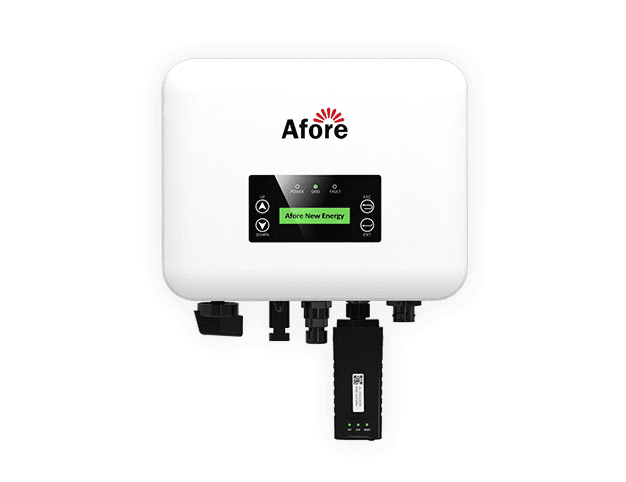
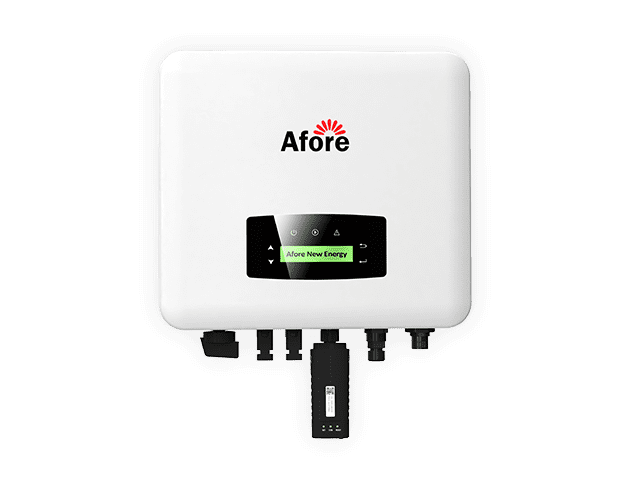
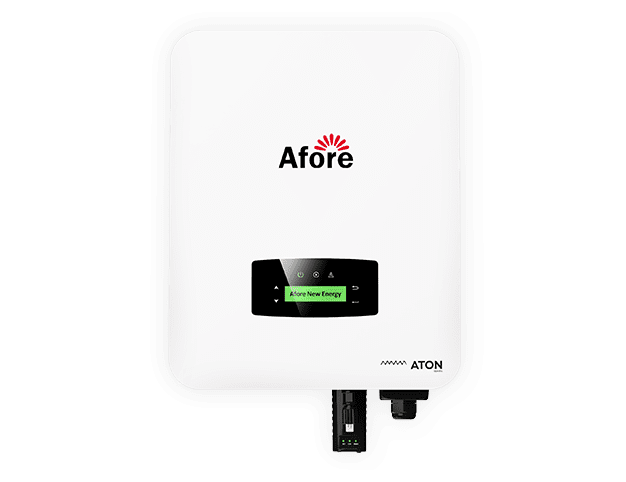
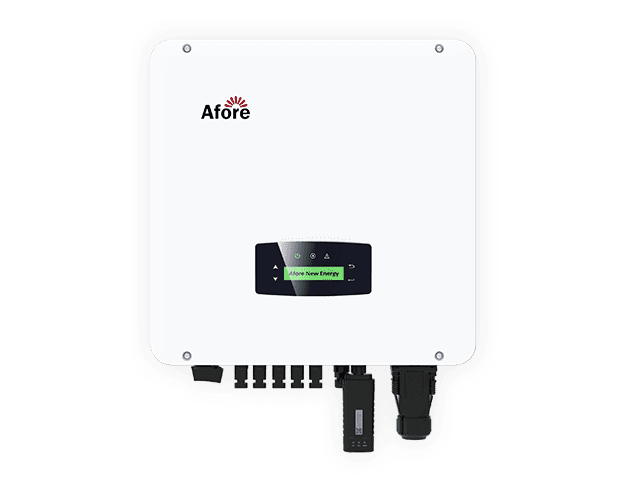
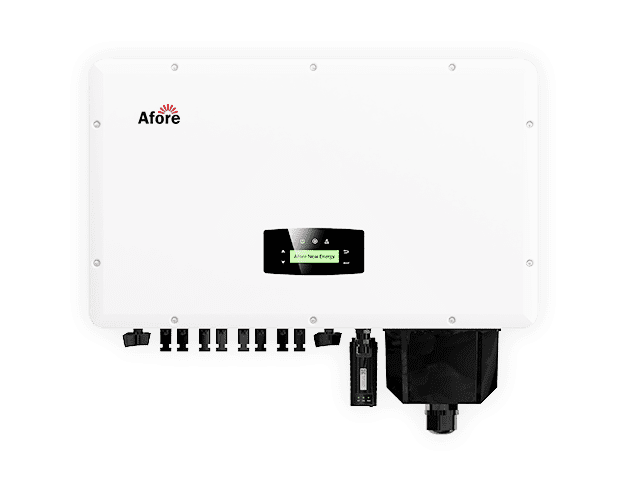
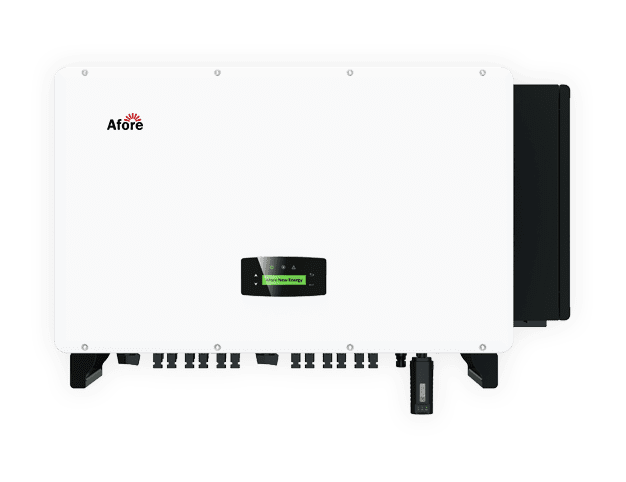
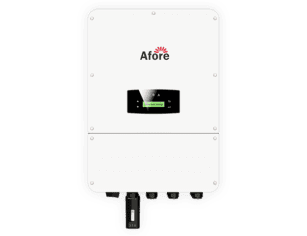
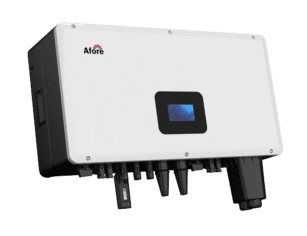
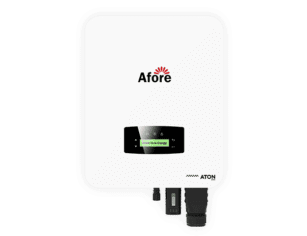
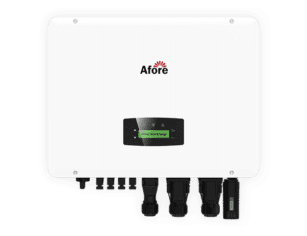
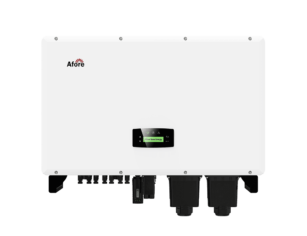
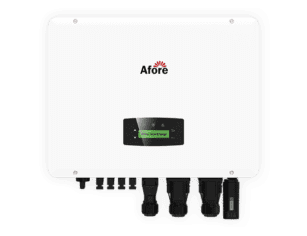
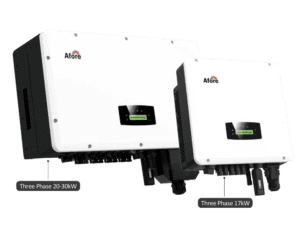
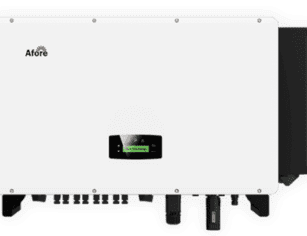
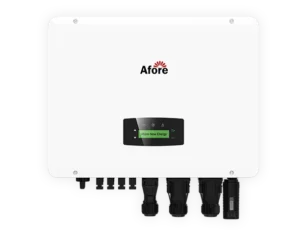
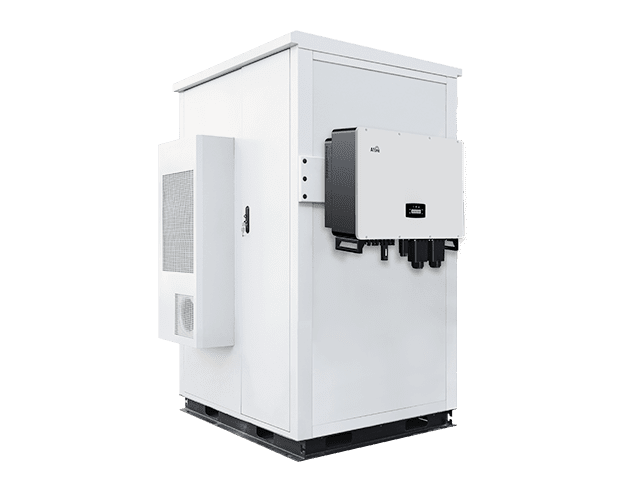
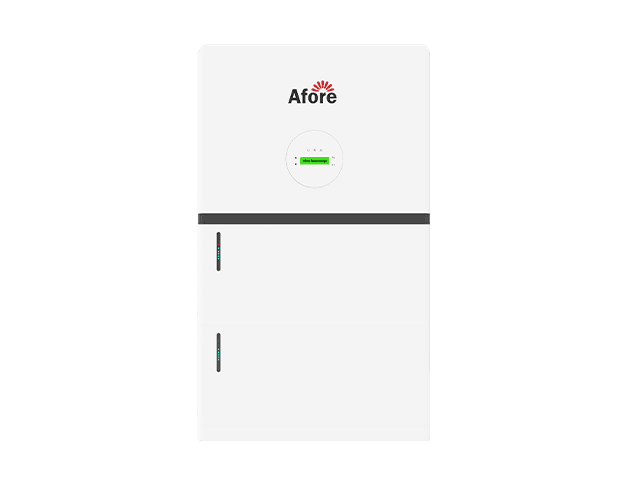
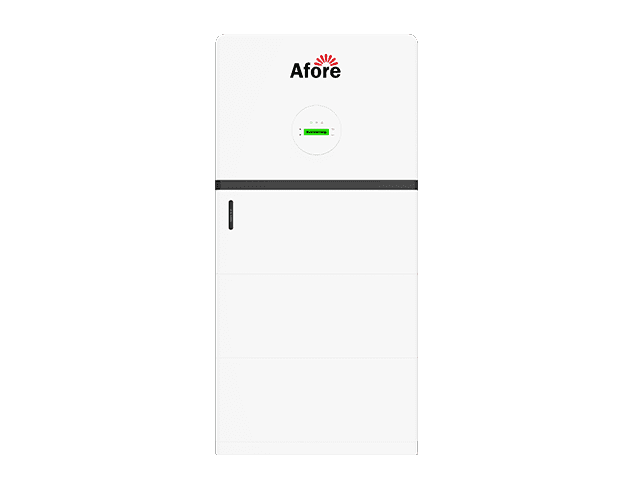
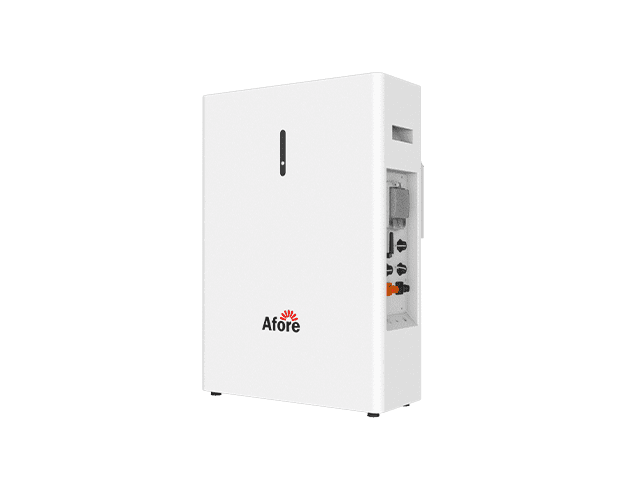
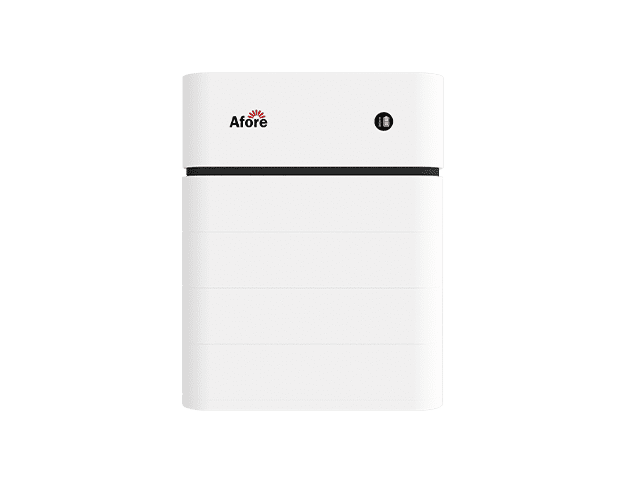
Hibrit sistemler, orijinal güç altyapısında büyük çaplı yeniden tasarımlara gerek kalmadan aşamalı genişlemeyi destekledikleri için son derece ölçeklenebilir. İşletmeler, güneş enerjisi üretimi ile başlayıp, operasyonel talepler arttıkça daha sonra bataryaları, elektrikli araç şarjını veya gelişmiş enerji yönetimi işlevlerini entegre edebilirler. Birçok kurulumcu, esnek sistem boyutlandırma, merkezi izleme ve modern ticari PV yatırım getirisi (ROI) çalışma modelleriyle desteklenen, gelişen şebeke etkileşimli enerji stratejileriyle uyumluluk gibi özellikleri nedeniyle ticari projelerde Afore string invertörlerinin avantajlarını da vurgulamaktadır.
https://www.energy.gov/eere/solar/solar-integration-inverters-and-grid-services-basics
https://standards.ieee.org/standard/1547-2018.html
https://www.nfpa.org/codes-and-standards/nfpa-70-standard-development/70








 Romanian