



Are you thinking about upgrading your commercial energy setup or diving into solar power for your business? If so, you’ve probably come across the term commercial hybrid inverter. Let me tell you, understanding this piece of equipment is a game-changer for anyone serious about energy efficiency and sustainability. In this guide, I’ll break it all down for you—how it works, why it matters, and how it can save you money while keeping your operations running smoothly.
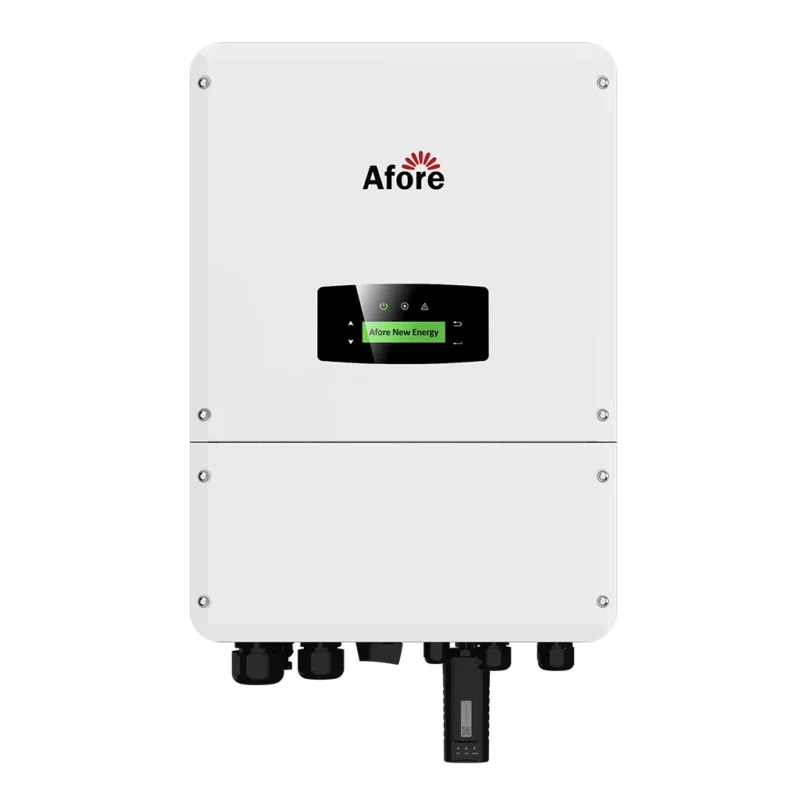
At its core, a commercial hybrid inverter is a sophisticated device that combines the functionality of a traditional inverter and a battery storage system. It doesn’t just convert DC (direct current) from solar panels into AC (alternating current) for your building—it also manages energy storage and distribution intelligently.
Think of it like the brain of your solar energy system. It decides when to use energy from the sun, when to pull from the battery, or when to draw from the grid—all automatically.
The process may sound complex, but here’s the gist:
This tri-fold function is why businesses are increasingly switching to commercial hybrid inverters instead of standalone solar inverters.
Investing in a commercial hybrid inverter is not just a technical upgrade—it’s a strategic move for any business looking to save money, enhance energy efficiency, and improve sustainability. Let’s walk through the main benefits and why so many businesses are making the switch from conventional solar inverters to hybrid systems.
One of the most obvious benefits of a commercial hybrid inverter is the ability to maximize energy usage. Imagine your solar panels are producing more electricity than your office or factory needs at 2 p.m. On a typical system with a standard solar inverter, that extra energy just goes back into the grid, often at a low feed-in rate.
With a hybrid inverter, however, the excess power is automatically stored in a battery. Later in the day, when energy demand peaks or sunlight is low, your business can pull from that stored power. Essentially, every kilowatt-hour your solar panels generate is used efficiently—nothing wasted. For companies running 24/7 operations, this feature alone can make a noticeable difference in energy management.
Let’s talk dollars. High energy bills are a reality for most commercial buildings, and reliance on the grid during peak hours can be expensive. A commercial hybrid inverter provides a way to cut those costs without compromising operations.
By storing surplus energy, you can draw on your own solar-generated electricity during high-demand periods, reducing peak-rate charges. Over time, these savings add up significantly. Many businesses see a return on investment within a few years, thanks to lower utility bills and reduced grid dependence. Unlike traditional solar inverters, which mainly focus on converting energy, hybrid systems actively help you manage and minimize costs.
Power outages happen—sometimes at the worst possible time. A hybrid inverter with battery storage ensures your operations aren’t interrupted. Critical systems like refrigeration, servers, or production lines can keep running even if the grid goes down.
This reliability is a huge advantage for businesses where downtime is costly. Unlike standard solar inverters, which stop functioning when the grid fails, a hybrid inverter acts as a backup power source. It’s like having your own mini power station on-site, ready to kick in whenever needed.
Energy efficiency isn’t just about saving money—it’s about responsibility. Every kilowatt-hour stored and used from your hybrid system reduces reliance on fossil-fuel-generated electricity.
For companies looking to meet sustainability goals or even just reduce their carbon footprint, a commercial hybrid inverter is a practical solution. The combination of solar generation and intelligent energy storage ensures that your operations are greener, cleaner, and more in line with modern environmental standards.
Another often-overlooked benefit is flexibility. Hybrid inverters can adapt to your business’s evolving energy needs. Want to add more solar panels next year? Upgrade your battery storage? A hybrid system makes it easy.
This scalability is especially valuable for businesses planning growth or expansion. You won’t need to overhaul your system each time energy needs increase—the hybrid inverter grows with you, ensuring long-term efficiency and cost-effectiveness.
Many hybrid inverters come with intelligent monitoring features. This means you can see, in real-time, how much energy you’re producing, storing, or consuming. You can adjust your energy usage patterns, plan high-consumption activities for peak solar output, or schedule battery usage to optimize cost savings.
This level of insight is far beyond what traditional solar inverters offer. It turns energy management from a reactive process into a proactive strategy, giving business owners greater control and peace of mind.
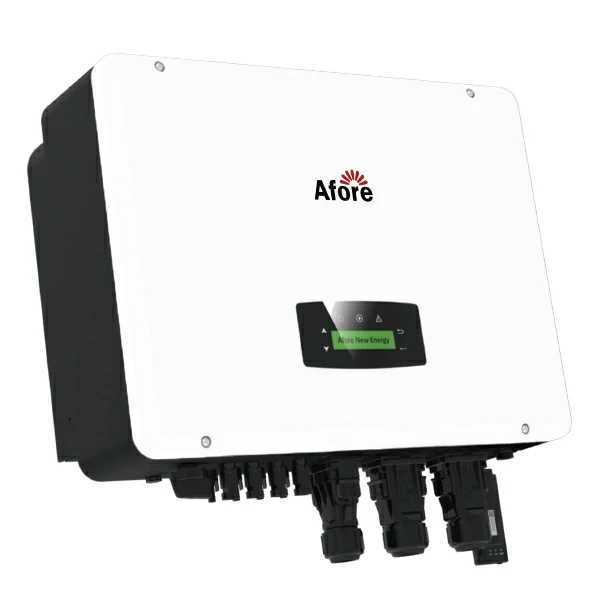
Not all commercial hybrid inverters are created equal. Choosing the right one for your business requires a keen eye. Here’s what matters:
The efficiency rating tells you how much DC energy gets converted to AC without loss. A top-tier inverter will maximize usable energy.
Some hybrid inverters work with multiple battery types—lithium-ion, lead-acid, and more. Flexibility ensures you can scale or upgrade in the future.
Modern inverters come with intelligent monitoring apps. Imagine checking your system’s status from your phone, adjusting energy priorities, and tracking savings in real-time.
Businesses grow, and energy needs change. Choose a system that allows easy expansion of both solar panels and battery storage.
If you’re exploring renewable energy options for your business, you’ve probably heard both commercial hybrid inverter and solar inverter tossed around. On the surface, they might seem similar—they both convert DC power from solar panels into AC power for your building. But the differences are significant, and understanding them can help you make a smarter investment.
The biggest distinction between a commercial hybrid inverter and a traditional solar inverter is energy storage. A regular solar inverter simply converts solar electricity and feeds any surplus into the grid. That’s great if your energy needs are straightforward, but it means you’re dependent on the grid for power when sunlight is low or at night.
A commercial hybrid inverter, on the other hand, stores excess energy in batteries. This stored power can be used when solar production is insufficient or during peak-demand periods, giving your business a self-sufficient energy supply. For example, a bakery running ovens early in the morning or a factory with night shifts can rely on stored solar energy instead of paying high grid rates.
Another critical difference is reliability during outages. Standard solar inverters stop working the moment the grid goes down. That means no lights, no machinery, and no backup—an interruption that can be costly for businesses.
With a commercial hybrid inverter, you have a built-in safety net. The batteries kick in immediately, keeping essential systems running. Think of it as a safety net for your operations, ensuring continuity and preventing losses during unexpected power interruptions.
Upfront costs can also differ. Traditional solar inverters are generally cheaper, making them appealing for smaller-scale installations. However, the long-term financial picture tells a different story.
A commercial hybrid inverter may require a larger initial investment because it integrates batteries and advanced energy management. But over time, the ability to store and strategically use solar power often results in significant savings on electricity bills. Businesses that switch to hybrid systems typically see lower monthly energy costs and a faster ROI compared to relying solely on standard solar inverters.
One more important factor is control. Hybrid inverters offer smarter energy management features. You can monitor energy production, battery levels, and consumption patterns in real-time, adjusting usage to maximize efficiency.
Traditional solar inverters are less flexible—they provide energy conversion, but they don’t offer the same level of insight or control over when and how power is used. For companies that want to actively manage energy, reduce waste, and lower costs, a hybrid inverter is the clear winner.
Finally, if sustainability is a goal, hybrid inverters have an edge. By storing excess solar energy and using it efficiently, businesses reduce their reliance on grid power, which often comes from fossil fuels. A standard solar inverter feeds surplus power back to the grid, but you may still draw heavily from non-renewable sources when solar production dips.
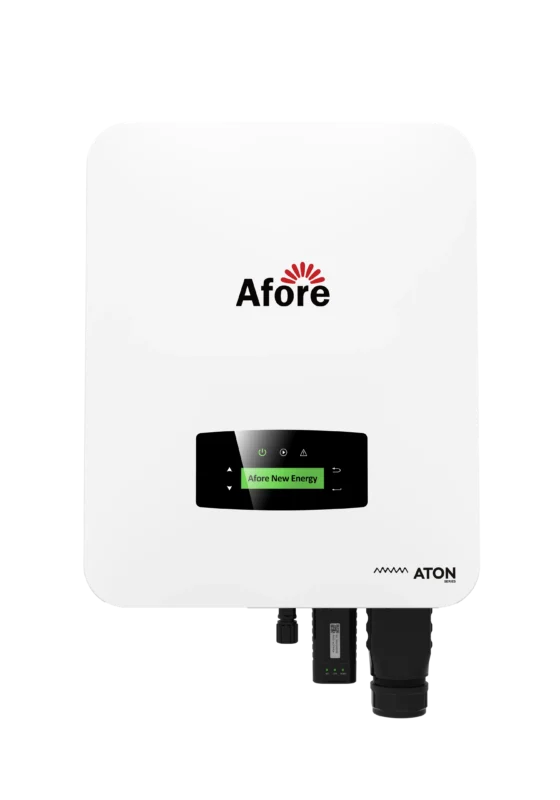
Installing a commercial hybrid inverter is more than just hooking up wires—it’s about making sure your system runs efficiently, safely, and reliably for years to come. A poor installation can reduce performance, shorten the lifespan of your equipment, or even create safety hazards. Here are some practical tips to get it right.
Location is key when installing a hybrid inverter. You want a spot that is dry, well-ventilated, and away from direct sunlight. Excessive heat can lower efficiency, while moisture can damage electronic components. Many businesses make the mistake of putting the inverter in cramped utility closets or outdoor areas without protection—this can lead to overheating or corrosion over time.
Think of the inverter like the brain of your solar energy system. It needs the right environment to operate optimally, so choose a place that’s accessible for maintenance but shielded from extreme conditions.
A commercial hybrid inverter isn’t a DIY project. While the concept is simple—convert, store, and manage energy—the execution involves complex electrical wiring, proper grounding, and battery integration.
Hiring a licensed electrician or certified solar installer ensures your system complies with safety codes and functions as intended. They’ll handle everything from connecting your solar panels to integrating the battery system and setting up monitoring tools. Investing in professional installation upfront can prevent costly mistakes and reduce downtime later.
One of the most common installation mistakes is incorrect wiring. Loose connections, improper grounding, or mismatched cable sizes can reduce efficiency, trigger error codes, or even pose fire risks.
When installing a hybrid inverter, make sure all connections—from the solar panels to the batteries and the grid—are secure and correctly rated for your system’s voltage and current. Using labeled cables and following manufacturer instructions (without referencing brands here) will save headaches in the long run.
Once your hybrid inverter is installed, don’t just walk away. Many hybrid systems include monitoring dashboards that allow you to track energy production, battery charge levels, and consumption patterns in real-time.
Start monitoring immediately after installation to ensure everything is running as expected. Early detection of any irregularities—like a panel underperforming or a battery not charging fully—can save time and money.
Finally, think ahead. Businesses often expand, add more solar panels, or upgrade battery storage. A well-planned installation considers future scalability—placing the inverter in a location that can accommodate additional connections and ensuring wiring supports potential upgrades.
This foresight means you won’t have to redo the entire system if your energy needs grow, keeping costs and downtime to a minimum.
A commercial hybrid inverter is a powerful tool for energy efficiency, cost savings, and operational reliability—but only if you use it wisely. Simply installing it isn’t enough; maximizing its benefits requires a bit of planning, monitoring, and strategy. Here are practical tips to get the most out of your system.
One of the simplest ways to save money is by aligning your energy consumption with solar production and battery storage. For example, schedule high-energy tasks—like running industrial machines, HVAC systems, or heavy equipment—during the hours when your solar panels are producing the most electricity.
During peak sunlight hours, your hybrid inverter will supply clean, cost-free energy directly to your business. And in the evening or on cloudy days, your stored energy can take over. This strategy reduces reliance on the grid and lowers peak-hour energy costs, helping your business get the best return on investment from your commercial hybrid inverter.
A hybrid inverter often comes with monitoring features or apps that let you track energy production, battery charge levels, and consumption patterns. Regular monitoring is key.
For example, noticing that one solar panel consistently underperforms or a battery isn’t charging fully allows you to fix issues before they impact your operations. Even small inefficiencies can add up over time, so staying proactive ensures your system is always running at peak performance.
Your business’s energy needs may grow over time. One of the biggest advantages of a commercial hybrid inverter is its ability to scale. Adding more solar panels increases the amount of electricity available for immediate use or storage.
If your operations expand—say, adding a new production line or additional office space—you can integrate new panels without replacing your inverter. This flexibility maximizes energy output and ensures long-term efficiency.
A common mistake businesses make is not fully leveraging the battery aspect of a hybrid inverter. Instead of letting batteries sit partially charged, use them strategically to cover peak energy demand or critical operations during grid downtime.
For example, you could configure your system to prioritize battery use when electricity rates are highest, effectively reducing energy costs without affecting operations. Smart use of battery storage is where the commercial hybrid inverter really shines compared to a standard solar inverter.
Even though hybrid inverters are designed for reliability, regular maintenance ensures longevity. Check connections, clean panels, and inspect battery health periodically. Small adjustments or cleaning can prevent larger issues and maintain optimal efficiency.
Think of it like maintaining a car—the better you care for it, the longer it runs efficiently, and the more value you get from your investment.
Finally, maximize benefits by making sure your staff understands how the system works. Simple actions—like timing energy-intensive processes or avoiding unnecessary grid draw—can have a measurable impact on efficiency and savings. The more your team engages with the system, the smarter your energy usage becomes.
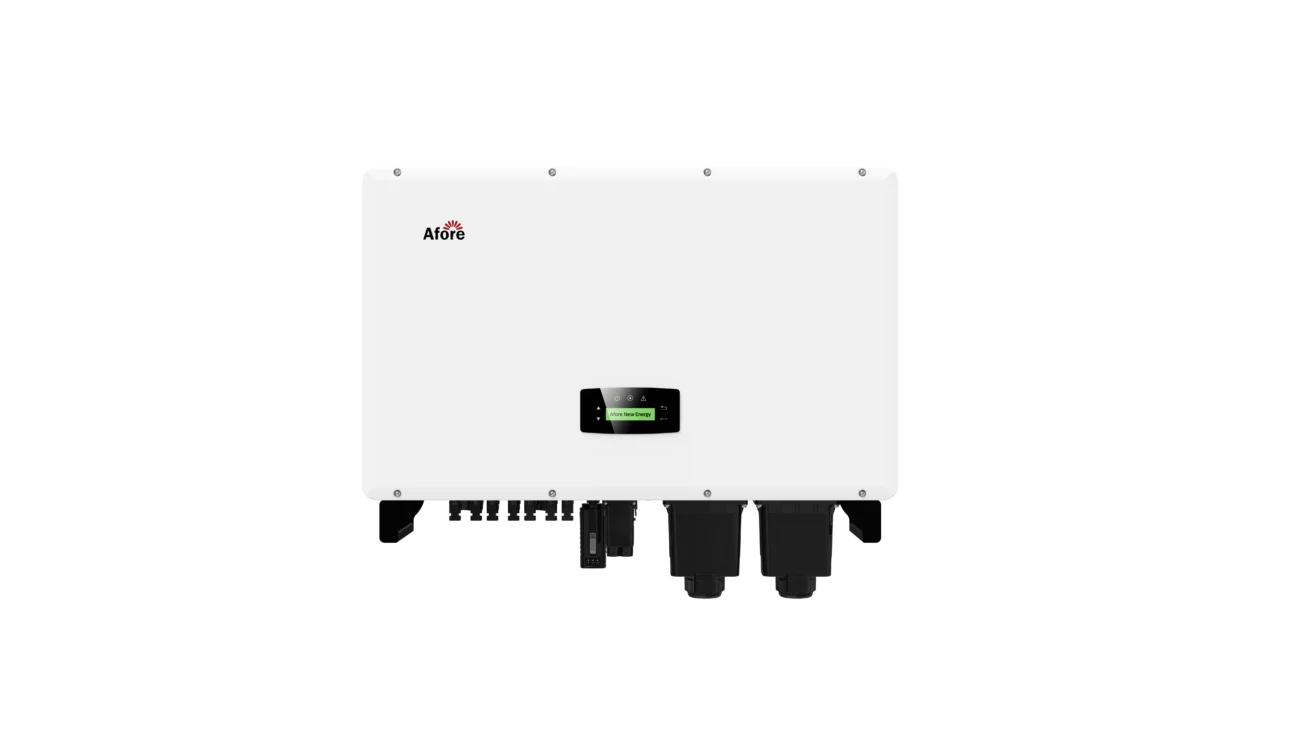
A commercial hybrid inverter not only converts DC electricity from solar panels into AC for your business, but it also stores surplus energy in batteries for later use. Standard solar inverters only convert energy and feed excess power into the grid, without storage or backup capability.
Yes, in most cases, a commercial hybrid inverter can integrate with existing solar panels. The key is ensuring compatibility with your system’s voltage and wiring. Consulting a professional installer is recommended to avoid mismatched components or performance issues.
Savings depend on your energy usage, grid electricity rates, and system size. Businesses typically see a reduction in energy costs of 20–50%, thanks to battery storage, peak shaving, and optimized solar usage. Over time, this contributes to a strong return on investment.
Yes. Unlike standard solar inverters, a hybrid system with battery storage can keep critical equipment running during power outages. This is particularly valuable for commercial operations where downtime is costly.
Hybrid inverters are generally compatible with lithium-ion and lead-acid batteries, among others. Choosing the right battery type depends on factors like capacity needs, budget, and expected lifespan.
Maintenance is minimal but important. Regular checks of connections, monitoring battery health, and cleaning solar panels ensure peak efficiency. Batteries may need replacement every 5–10 years, depending on usage and type.
Installation typically takes 1–3 days for most commercial setups, depending on system complexity and the size of the solar array. Professional installation ensures all components are correctly integrated and safe.
Absolutely. By storing and using solar energy efficiently, hybrid inverters reduce reliance on grid electricity, which often comes from fossil fuels. This helps lower carbon emissions and supports corporate sustainability goals.
Yes. Many commercial hybrid inverters are modular and can accommodate additional solar panels or batteries. This flexibility allows your energy system to grow with your business.
While hybrid inverters are versatile, it’s essential to assess your building’s energy needs, solar potential, and space for batteries. A professional evaluation ensures the system is properly sized and optimized for your specific requirements.
Hybrid inverters include intelligent energy management systems that prioritize when to use solar power, battery storage, or grid electricity. This helps reduce costs, avoid waste, and maximize efficiency, which standard solar inverters cannot do.
Yes. While the upfront cost is higher, hybrid inverters deliver long-term savings through battery storage, optimized energy usage, and reduced dependence on peak grid electricity. Over time, these benefits often outweigh the initial investment.








 Turkish
  Romanian