



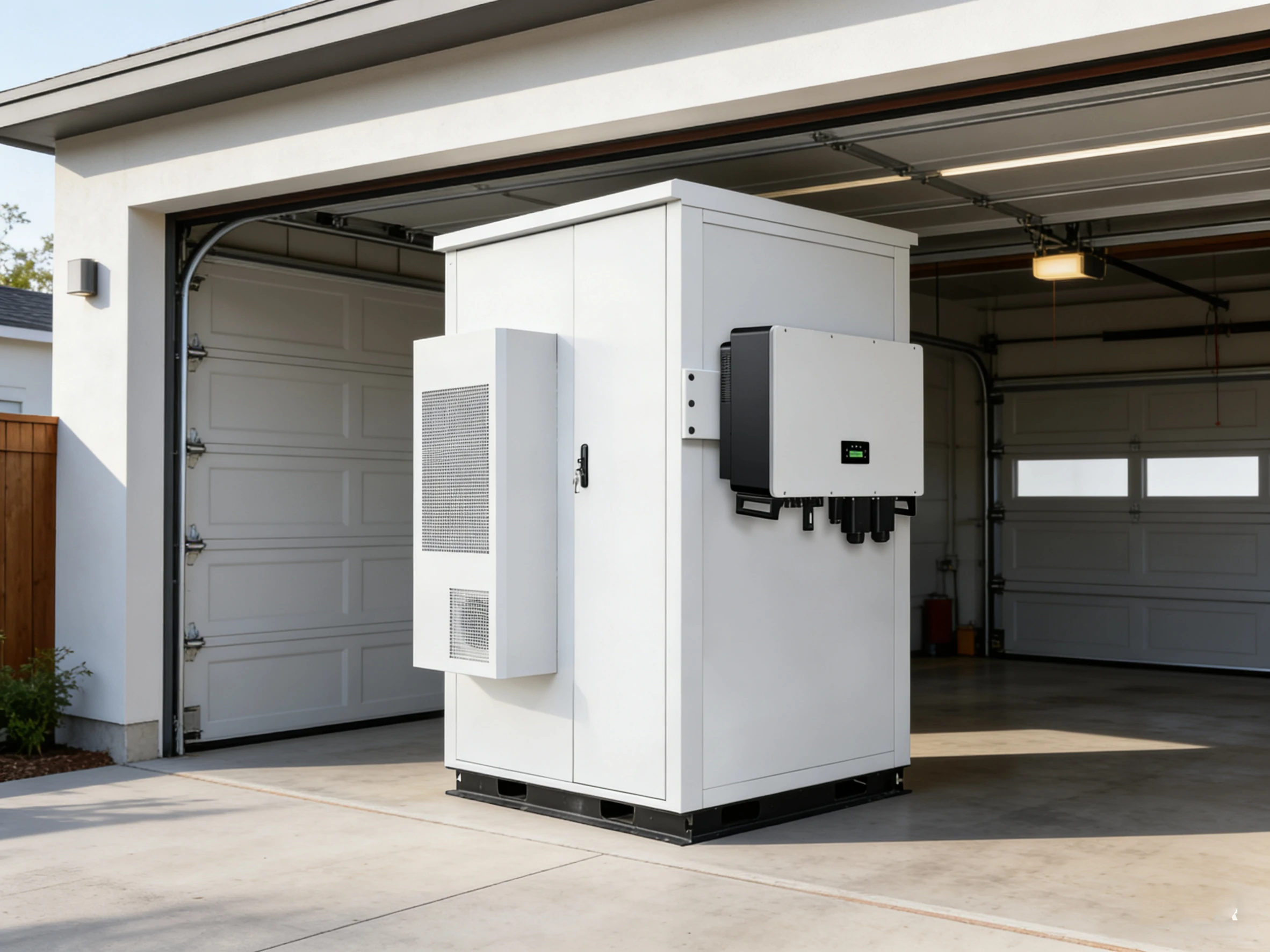
In today’s fast-paced world, energy storage isn’t just a luxury—it’s a necessity. Whether you’re a homeowner wanting to cut electricity bills, an eco-conscious individual, or someone curious about renewable energy, understanding the all in one energy storage system is essential. You might have heard of a solar inverter before, but how does it fit into this setup? Let’s dive in.
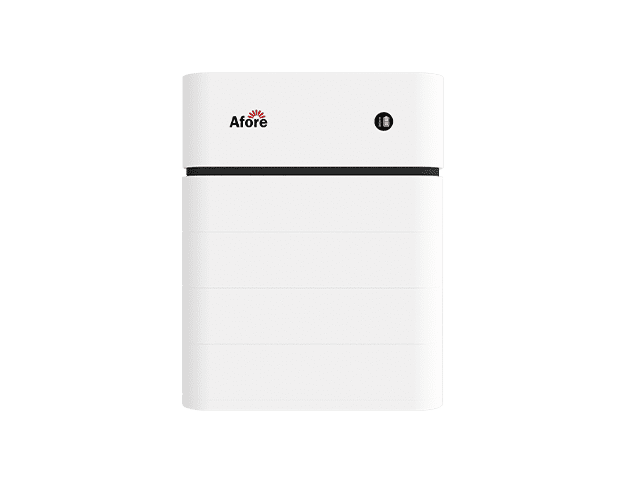
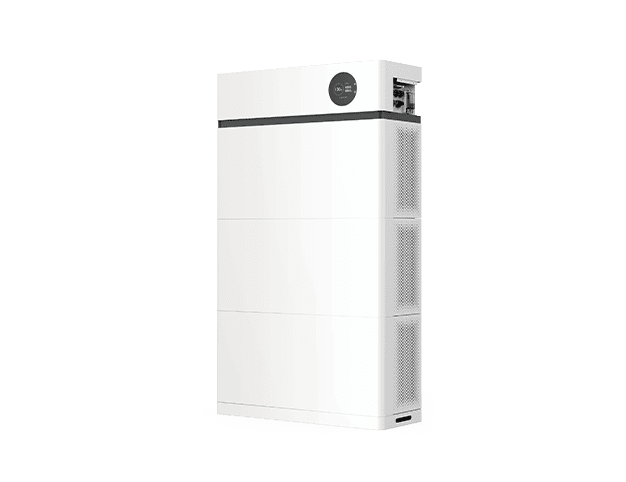
An all in one energy storage system combines multiple energy solutions into a single, compact unit. Imagine no longer needing separate batteries, inverters, or controllers. Everything is integrated for efficiency, simplicity, and scalability.
Think of it like a Swiss Army knife for your home energy: versatile, neat, and ready to adapt. The best part? You can store solar energy, manage power usage, and even support your home during blackouts without juggling multiple devices.
An all in one energy storage system usually includes:
Each component works seamlessly to ensure your energy flows where it’s needed, when it’s needed.
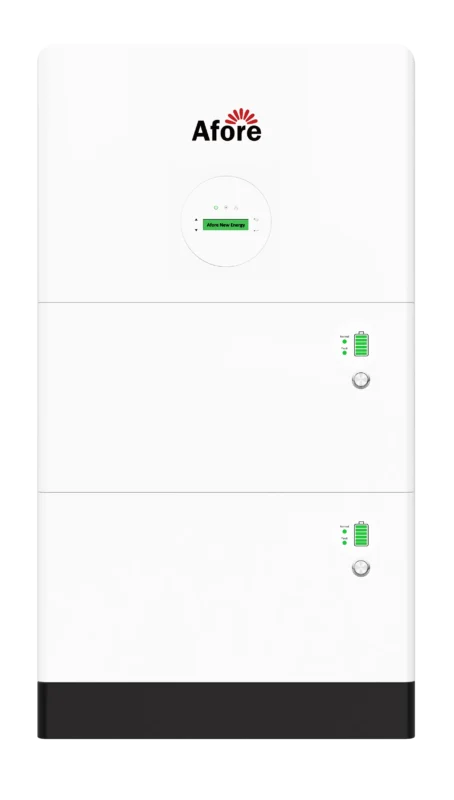
Let’s be honest—electricity bills are only going one way: up. And while solar panels help, there’s something even smarter than just generating energy: storing it. That’s where an all in one energy storage system truly shines. Picture this: a compact, integrated system in your home that not only stores energy but also manages it intelligently, making sure you get the most out of every watt you produce.
One of the biggest advantages of an all in one energy storage system is the control it gives you. No longer are you at the mercy of fluctuating utility prices or surprise outages. Your energy is stored safely in high-capacity batteries and managed automatically. The built-in solar inverter converts your solar panel energy into usable electricity, ensuring that your home is powered efficiently whether the sun is blazing or hidden behind clouds.
Imagine this: it’s a Saturday morning, the neighborhood is experiencing a power cut, but your fridge keeps humming, your lights stay on, and even your laptop continues charging. That peace of mind is priceless—and it’s exactly what a properly configured all in one energy storage system delivers.
Another reason to invest in an all in one energy storage system is the obvious financial benefit. By storing energy during off-peak hours or when your solar panels are producing more than you need, you can dramatically cut down your reliance on expensive grid electricity. And the magic behind it? Your solar inverter seamlessly ensures that stored solar energy is converted and used efficiently, reducing wastage and maximizing savings.
Think of it this way: instead of watching your solar panels generate energy that goes unused or gets sent back to the grid at minimal credit, every drop of energy stays in your home for your family to use. Over time, this adds up to hundreds, even thousands, in savings—without you having to track a single meter reading manually.
We can’t predict everything—storms, blackouts, or grid failures happen. But with an all in one energy storage system, you’re not just reacting; you’re prepared. These systems can switch seamlessly to backup mode during an outage, powering essential appliances so that life continues uninterrupted. Whether it’s keeping your medical devices running, maintaining your home’s heating system, or just keeping the coffee machine alive (because priorities matter), an integrated energy system gives you that reliability.
Finally, there’s the environmental angle, and it’s harder to ignore these days. Using an all in one energy storage system allows you to make full use of renewable energy—like solar—while reducing your dependence on fossil fuels. Your solar inverter plays a key role here, converting energy efficiently and minimizing losses, which means every bit of sunlight you capture helps reduce carbon emissions. It’s not just about saving money; it’s about leaving a smaller footprint on the planet.
At the end of the day, investing in an all in one energy storage system isn’t just a technical upgrade—it’s a lifestyle choice. It’s about independence, efficiency, savings, and sustainability. Once you experience the convenience and security it provides, you’ll wonder how you ever managed without it.
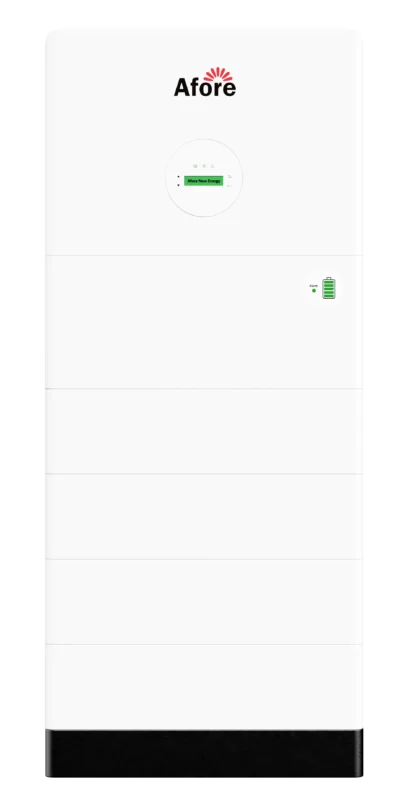
You might be thinking, “It all sounds great, but how does an all in one energy storage system actually work?” Well, the answer is simpler than you might expect, and yet ingeniously smart. Let’s break it down step by step so you can truly understand what’s happening behind the scenes.
At its core, an all in one energy storage system is designed to capture energy from multiple sources, most commonly solar panels. When sunlight hits your solar panels, electricity is generated in the form of direct current (DC). But here’s the catch—your home appliances don’t use DC, they require alternating current (AC).
This is where the solar inverter comes in. It converts the DC from your solar panels into AC, which can power everything from your refrigerator to your smart TV. The system ensures that energy conversion happens efficiently, with minimal loss, so you get the maximum benefit from your renewable sources.
Once your electricity is converted, it doesn’t always need to be used immediately. That’s why the storage part of the all in one energy storage system is so important. High-capacity batteries hold the energy for later use, making sure you have power when the sun isn’t shining or during peak hours when grid electricity is expensive.
Think of it as a personal energy savings account: you store the energy when it’s plentiful, and spend it wisely when you need it most. Advanced battery management ensures that charging and discharging happen safely, prolonging the lifespan of your system.
The real magic of an all in one energy storage system lies in its intelligence. Modern systems come with built-in energy management software that decides in real time whether to use stored energy, draw from solar panels, or even pull from the grid if necessary.
For example, if you’re running the dishwasher at night, your system can automatically switch to stored energy from your battery instead of using costly grid electricity. It’s like having a personal energy assistant, making decisions to save you money and reduce waste—all without you lifting a finger.
Another critical function is emergency backup. Power outages happen, and sometimes at the worst possible time. An all in one energy storage system seamlessly switches to battery power, keeping essential appliances running. Imagine being able to work from home during a blackout, or keeping your medical devices operational—these systems make that possible.
The solar inverter plays a vital role here as well, ensuring that the switch from solar or grid power to battery backup is smooth, fast, and reliable. You don’t even notice the transition; your home just keeps running as usual.
Lastly, these systems are constantly learning and optimizing. Most all in one energy storage systems offer monitoring tools or apps that let you see how much energy is being generated, stored, and consumed. You can track performance daily, weekly, or monthly, helping you understand your energy patterns and make smarter choices.
This level of insight not only improves efficiency but also gives you confidence that your system is performing exactly as intended. After all, having a system is one thing, but knowing it’s working optimally every day is priceless.
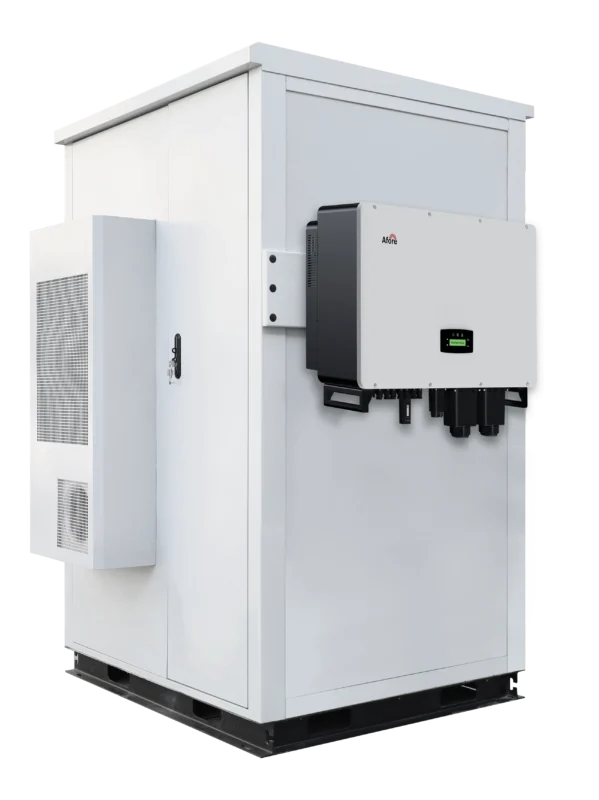
So, you’re convinced—an all in one energy storage system is a game-changer. But here’s the tricky part: not all systems are created equal. Picking the right one can feel overwhelming, but with a few key considerations, you can make a choice that’s perfect for your home, lifestyle, and energy needs. Let’s walk through it.
First things first: how much energy do you actually need? This is where many people get it wrong. A system that’s too small won’t cover your household during peak hours or emergencies, while a system that’s too large can be unnecessarily expensive.
Take a simple approach: track your average monthly energy usage and think about what you truly need during outages. Some homeowners only need enough stored energy for essentials like lights, refrigerator, and a few appliances. Others may want a full-home solution that can cover everything from heating to entertainment. Your all in one energy storage system should match these needs—no more, no less.
If you’re already running solar panels, your all in one energy storage system needs to play nicely with them. The solar inverter is a key piece here—it converts the DC electricity your panels generate into AC electricity for home use. Make sure your system’s inverter can handle your solar output efficiently and has the flexibility to grow if you add more panels in the future. Compatibility issues here can lead to wasted energy or underperformance, and nobody wants that.
Technology is making energy storage smarter every day. Modern all in one energy storage systems come with features like remote monitoring, energy usage analytics, and automatic energy management. Some even integrate with home automation systems, giving you real-time control over when and how energy is used.
These features aren’t just convenient—they’re practical. For instance, smart systems can prioritize battery usage during peak pricing, or schedule appliance operation when stored solar energy is abundant. That kind of optimization can significantly improve both efficiency and savings.
The heart of any all in one energy storage system is its battery, and the solar inverter is its brain. You want both to be reliable and built to last. Look for systems with proven battery longevity, safe charging and discharging practices, and an inverter that efficiently converts energy without excessive heat or loss. A well-built system will keep performing efficiently for years, making your investment worthwhile.
Your energy needs today might not be the same in five years. A good all in one energy storage system is modular and expandable. This means you can add more battery capacity or integrate additional solar panels as your household grows or energy demands increase. Planning for flexibility from the start saves headaches and extra costs later.
Even the best system needs occasional check-ups. When choosing an all in one energy storage system, consider ease of maintenance and the support options available. Accessible monitoring, clear user manuals, and responsive support teams make a huge difference. Knowing someone can guide you if something goes wrong adds an extra layer of confidence.
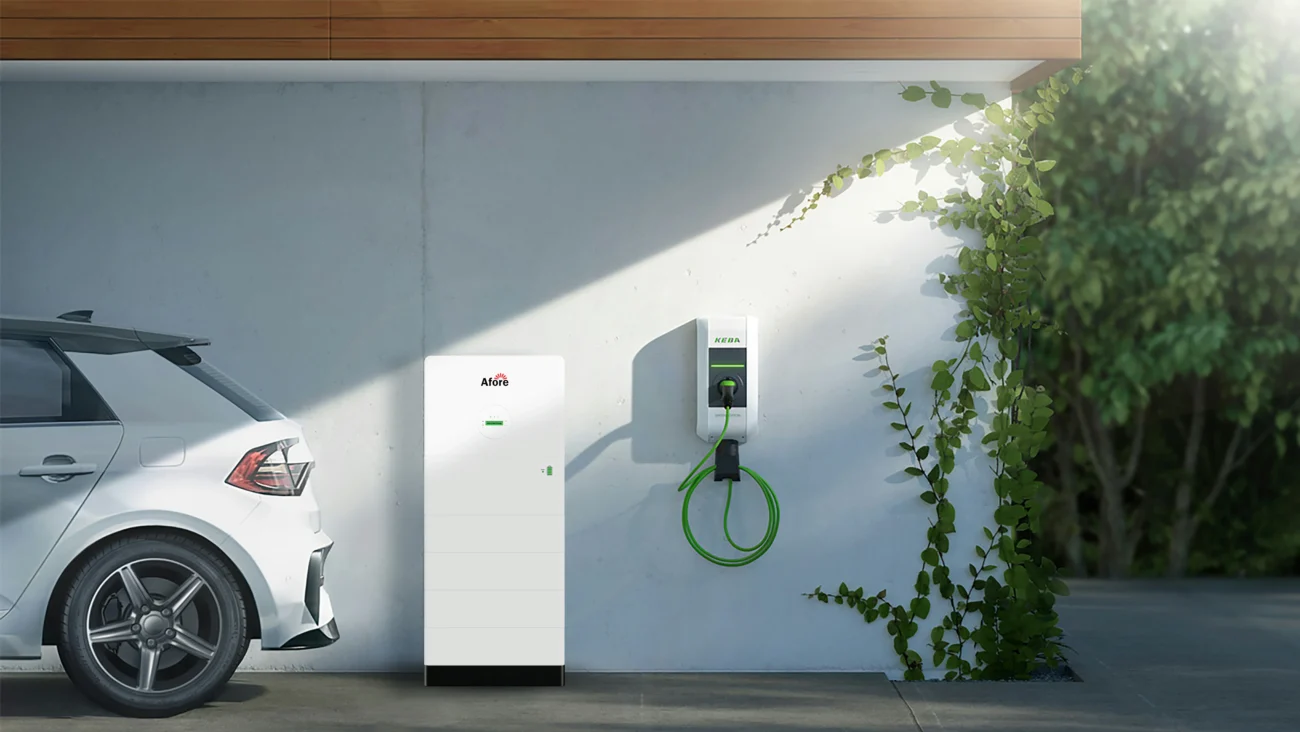
Installing an all in one energy storage system might seem intimidating at first, but with the right approach, it can be a smooth and stress-free process. Whether you’re a first-time user or upgrading an existing setup, a little planning goes a long way. Here are the key tips to ensure your installation is safe, efficient, and long-lasting.
Let’s start with the big question: should you do it yourself, or call in a professional? While some DIY enthusiasts enjoy tinkering, an all in one energy storage system involves high-voltage components and delicate electronics. Mistakes during installation can reduce efficiency, shorten the system’s lifespan, or even pose safety risks.
Hiring a professional ensures that your system is installed correctly, your solar inverter is calibrated properly, and all safety standards are met. Plus, many warranties require professional installation to remain valid, so it’s often worth the extra cost and peace of mind.
Where you install your all in one energy storage system matters just as much as how you install it. Pick a location that is:
A well-chosen spot can improve performance, prolong the system’s lifespan, and make maintenance much easier.
An all in one energy storage system contains high-capacity batteries and electrical circuits. Always follow safety protocols:
A safe installation isn’t just about avoiding accidents; it also ensures the system runs reliably for years to come.
If you already have solar panels, your all in one energy storage system and solar inverter need to work in harmony. Make sure:
Proper integration guarantees you get the maximum energy efficiency and storage capacity.
After installation, regular checks are key to keeping your all in one energy storage system performing at its best. Some tips include:
A little ongoing attention ensures that your system continues to deliver energy reliably and efficiently for years.
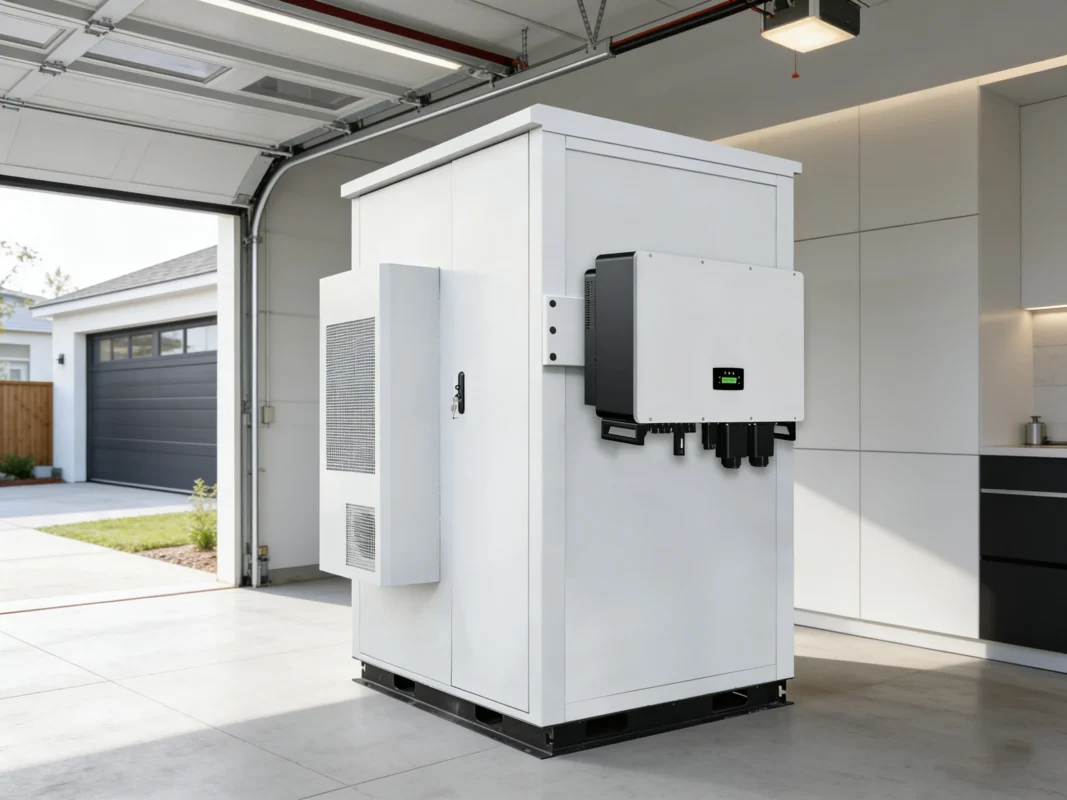
Modern all in one energy storage systems are user-friendly, with intuitive controls and monitoring apps. You don’t need a PhD in energy engineering.
With intelligent energy management and stored solar power, users often see significant reductions in electricity bills.
While solar is a popular energy source, many systems can also store wind energy, or even act as a backup for the grid.
Most high-quality systems last 10–15 years, though battery replacements might be necessary every 5–10 years, depending on usage. Regular maintenance, like monitoring energy cycles and ensuring proper ventilation, can extend the lifespan.
Absolutely. Many all in one energy storage systems are modular. This means you can increase storage capacity as your energy needs grow, making the system flexible for future upgrades.
The solar inverter converts DC electricity from solar panels into AC electricity for your home. It’s a critical component that ensures your energy is usable, efficient, and safely managed. Without it, the system couldn’t distribute solar energy effectively.
While technically possible to DIY, professional installation is highly recommended. It ensures safety, system reliability, optimal performance, and warranty validity. With proper installation, you also avoid common mistakes that reduce efficiency.
Yes, it can. While solar panels maximize renewable energy usage, the all in one energy storage system can store electricity from the grid or other renewable sources. Solar just enhances sustainability and cost savings.
Most units are compact, roughly the size of a small cabinet. However, exact dimensions depend on capacity. It’s best to allocate a ventilated and dry area with easy access for maintenance.
It depends on your household energy demands and the system’s capacity. Some large systems can cover the entire home, while smaller units focus on essential appliances like lighting, refrigeration, and electronics.
Modern systems provide monitoring tools or mobile apps that track energy generation, storage, and consumption in real time. Regularly reviewing these stats ensures your all in one energy storage system is running efficiently.
No, most modern systems operate quietly. Unlike older generators or mechanical backups, an all in one energy storage system runs almost silently, making it suitable for indoor installation.
For most homeowners, yes. The combination of energy savings, backup power during outages, and environmental benefits makes the all in one energy storage system a worthwhile investment over the long term. The savings on electricity bills alone often justify the upfront cost.
Keep the system in a cool, dry place, avoid overcharging or deep discharging frequently, and schedule periodic inspections. Smart systems often include automated battery management, which helps preserve capacity and lifespan.
Yes, if your all in one energy storage system has sufficient capacity and compatible output. The solar inverter ensures energy is converted efficiently, making it a viable option for EV charging during the day or using stored energy at night.








 Turkish
  Romanian