





Solar energy is booming, and homeowners and commercial operators alike are investing in solar systems for efficiency, sustainability, and cost savings. But with great power comes great responsibility—especially when it comes to solar fire safety. One of the most critical safety features in modern PV systems is the solar inverter AFCI. In this guide, we’ll break down everything you need to know about AFCI inverters, including practical tips, NEC compliance, common pitfalls, and real-world experiences to keep your solar setup safe and efficient.
A solar inverter AFCI—or Arc Fault Circuit Interrupter inverter—is designed to detect dangerous arc faults in your solar PV system and automatically shut off power before it causes a fire. Arcing can happen in wires, connectors, or even in panels themselves. Without AFCI protection, these invisible sparks could escalate, putting your property and life at risk.
In short, think of solar inverter AFCI as your PV system’s first line of defense against electrical fires. Unlike traditional fuses or breakers, it specifically targets arcs, which are subtle, high-energy electrical events that standard protection often misses.
Arc faults are more common than most people realize. Loose wiring, UV degradation, poor terminations, and even rodents can create conditions for arcing. These arcs produce intense heat in a small area, easily igniting nearby combustible materials.
Installing a solar inverter AFCI drastically reduces this risk. According to industry studies, systems without AFCI protection are significantly more likely to experience fire hazards over their lifetime. It’s not just a safety precaution; it’s a smart investment for long-term peace of mind.
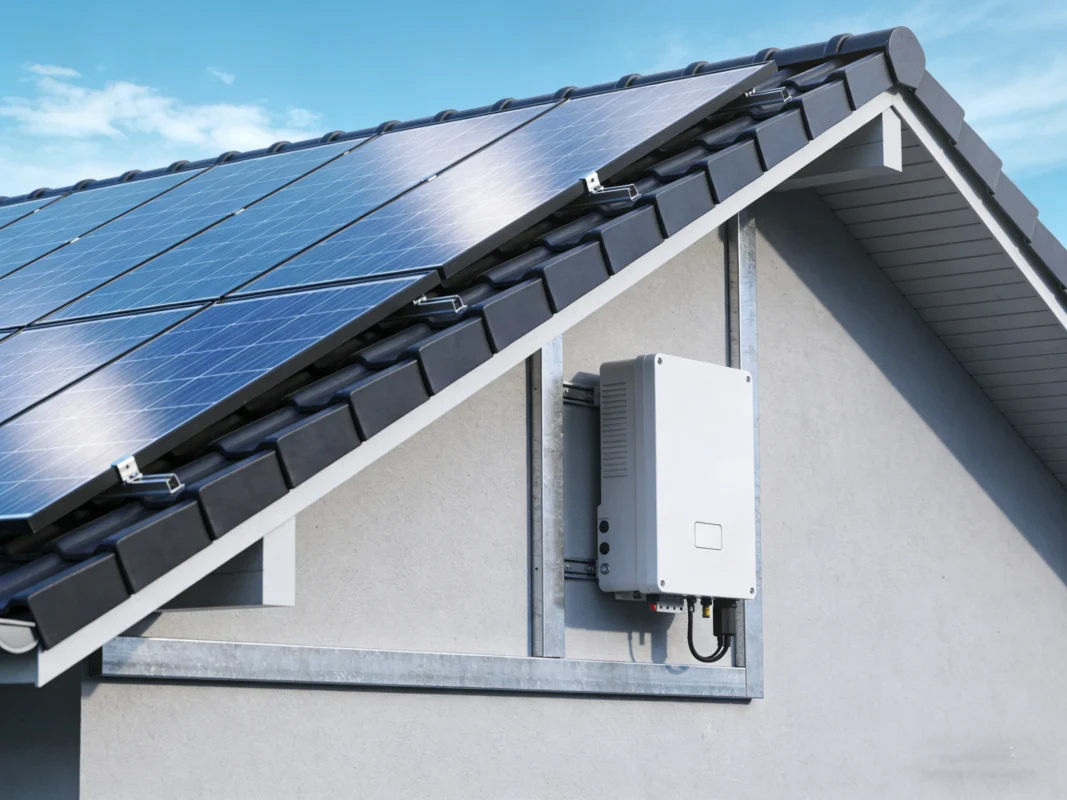
When it comes to modern solar installations, safety isn’t optional—it’s a code requirement. The NEC 2023 compliance updates have placed a strong emphasis on arc fault protection for photovoltaic systems, making solar inverter AFCI devices increasingly essential for both residential and commercial setups. These requirements are designed not only to prevent property damage but also to protect lives by reducing the risk of electrical fires caused by invisible arcs in DC circuits.
The latest NEC 2023 revisions expand the scope of arc fault protection. Previously, AFCI was primarily recommended for certain residential installations, but now it’s broadly required for:
This means that any new system must either integrate a solar inverter AFCI with built-in arc detection or use an external arc detection device. Compliance isn’t just a legal checkbox—it’s a proactive step in maintaining solar fire safety.
Following NEC 2023 isn’t only about passing inspections. Adhering to these regulations ensures:
Think of it this way: installing a solar inverter AFCI isn’t just a safety measure—it’s an investment in your home or business’s longevity and peace of mind.
For installers and system owners looking to meet NEC 2023 requirements, consider the following:
By following these steps, your solar installation won’t just meet code—it will actively safeguard against potential fire hazards, fully aligning with solar fire safety goals.
Arc fault protection is a cornerstone of modern solar safety. Without it, even small electrical arcs can escalate into serious fires, putting both property and lives at risk. Understanding the different types of arc fault protection is critical for anyone installing or maintaining solar systems. With a solar inverter AFCI, you’re not just following code—you’re actively enhancing solar fire safety in your PV setup.
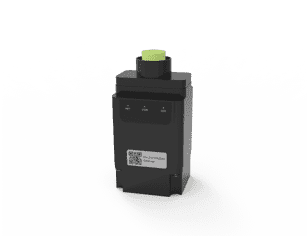
There are two main approaches to arc fault protection in solar installations: integrated AFCI inverters and standalone arc detection devices.
Choosing between integrated or standalone solutions depends on system size, age, and complexity. In either case, the goal is the same: early arc detection to ensure solar fire safety.
Not all AFCI systems are created equal. Some inverters or external devices only detect series arcs, while others provide dual detection: series and parallel arc monitoring.
Using a solar inverter AFCI with dual detection ensures maximum protection and peace of mind, aligning with NEC 2023 requirements and robust solar fire safety practices.
Even the best AFCI system can be affected by environmental conditions:
Proper installation and routine maintenance help mitigate these risks. Regular inspections, cleaning, and tightening connections ensure your solar inverter AFCI continues to perform reliably over the system’s lifetime.
By carefully selecting and maintaining the right type of arc fault protection, you can minimize risk and maximize both safety and system longevity. Remember, Arc fault circuit interrupter solar solutions aren’t just about code—they’re about preventing invisible hazards from turning into catastrophic events.
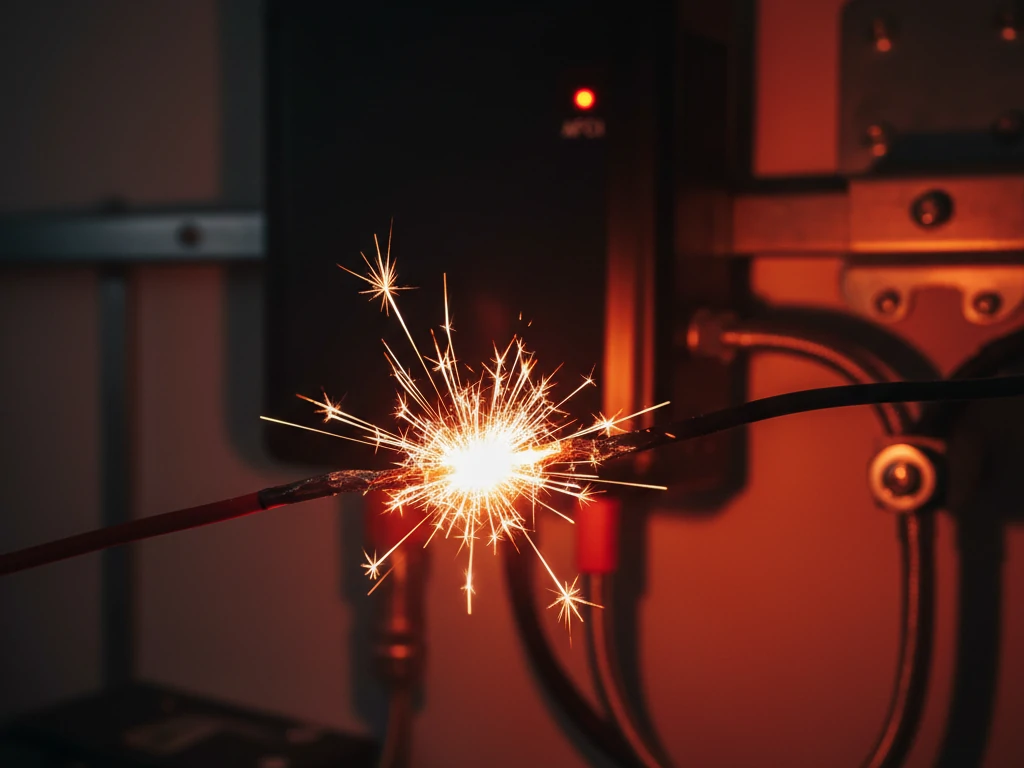
While solar inverter AFCI devices are essential for protecting PV systems from arc faults, they are not without their challenges. Understanding these common issues can help installers, system owners, and technicians prevent false alarms, maintain solar fire safety, and ensure long-term reliability.
One of the most frequent challenges is nuisance tripping, where the AFCI detects a potential arc and shuts off the system even though there is no real hazard. Common causes include:
Addressing nuisance tripping often requires a combination of proper installation practices and regular maintenance. Checking torque on connections, cleaning terminals, and reviewing system layout can significantly reduce false trips.
Distinguishing between a real arc fault and a false alarm can be challenging. A solar inverter AFCI may trip multiple times before technicians determine the root cause. Key indicators of a genuine arc include:
Prompt identification and resolution are crucial to maintaining solar fire safety, as delaying repairs can escalate a minor arc into a serious fire hazard.
Even well-installed AFCI systems can be affected by environmental conditions or system stress:
Regular inspection and preventive maintenance are key to ensuring your solar inverter AFCI continues to operate reliably under all conditions.
By systematically addressing these issues, you can reduce false alarms, ensure NEC compliance, and maintain robust solar fire safety.
While challenges exist, they are manageable with careful planning and routine maintenance. A properly installed solar inverter AFCI dramatically lowers the risk of fire, even if occasional nuisance trips occur. Understanding these challenges helps homeowners and installers make informed decisions and maintain a safe, compliant, and efficient solar system.
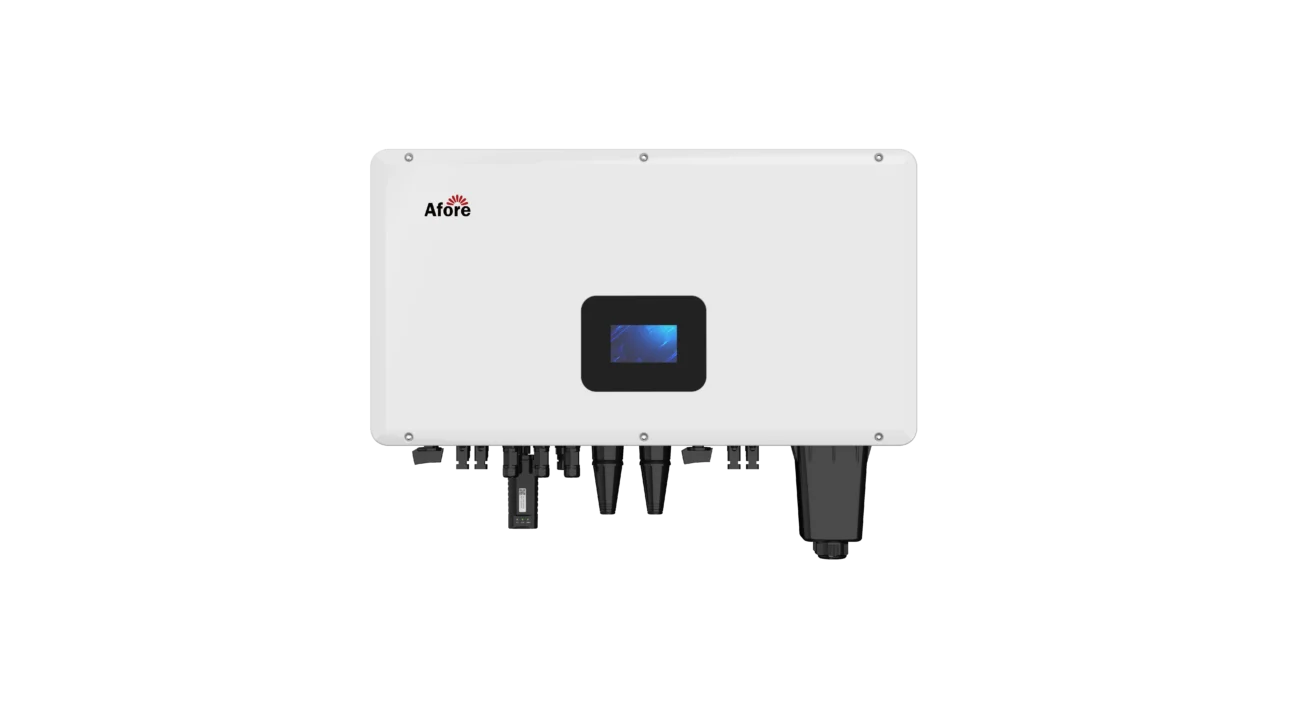
Installing a solar inverter AFCI isn’t just about connecting wires—it’s about creating a system that is safe, reliable, and compliant with NEC 2023 standards. Proper installation is critical for solar fire safety, system efficiency, and minimizing nuisance trips. Below are the best practices that experienced installers follow to ensure a smooth and safe setup.
Before touching any wires, carefully plan your solar layout. Key steps include:
Good planning reduces the risk of both nuisance tripping and real arcs, improving long-term solar fire safety.
Selecting the appropriate solar inverter AFCI is crucial:
Choosing the correct configuration upfront reduces headaches during installation and ensures NEC 2023 compliance.
Even small mistakes in wiring can compromise arc fault protection. Best practices include:
A careful approach to wiring directly contributes to solar fire safety and system reliability.
Before powering up the full system, test the AFCI functionality:
Testing not only validates NEC 2023 compliance but also gives peace of mind that your solar inverter AFCI is performing as expected.
Installation is just the beginning. Ongoing maintenance ensures continued safety and performance:
Regular maintenance keeps your solar system safe, minimizes nuisance trips, and maximizes the lifespan of your Arc fault circuit interrupter solar setup.
Experienced installers often follow additional practical steps:
By combining planning, proper equipment selection, careful wiring, and ongoing maintenance, a solar inverter AFCI system can operate safely and efficiently for decades.
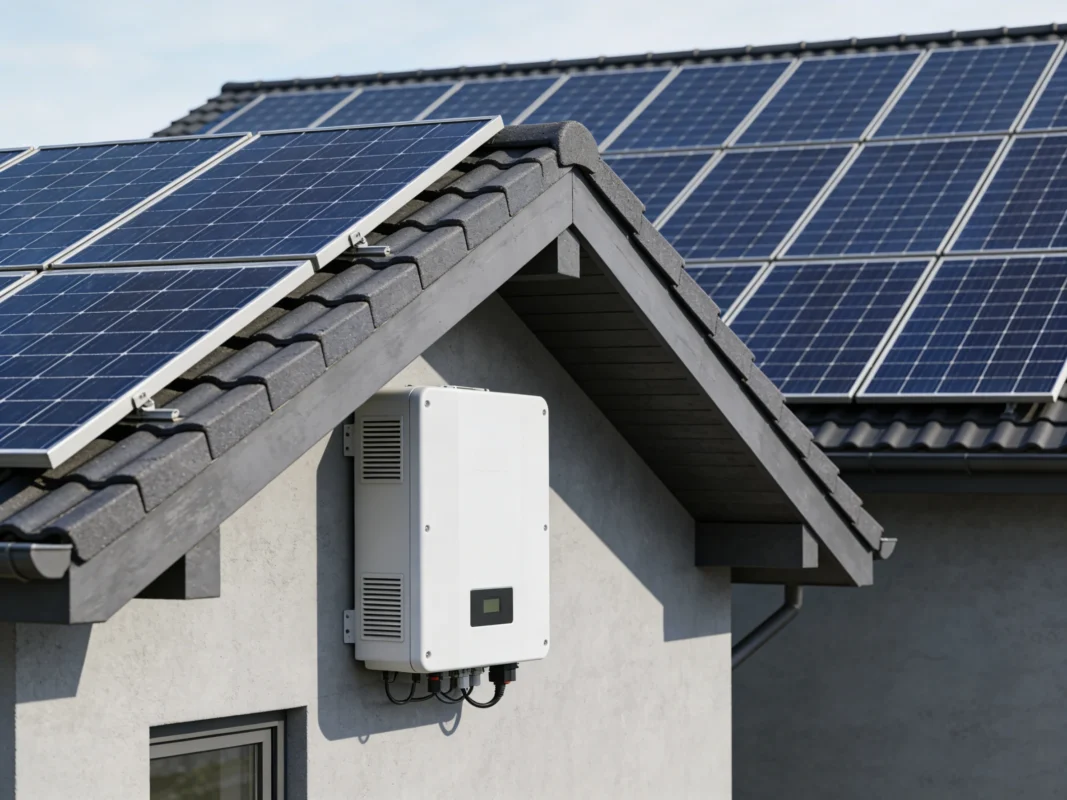
Even the most carefully installed solar inverter AFCI systems can encounter issues. Understanding common problems and knowing how to troubleshoot them is essential for maintaining solar fire safety and ensuring long-term system reliability. With a structured approach, most AFCI issues can be resolved efficiently without compromising safety or NEC 2023 compliance.
A solar AFCI may trip for several reasons, ranging from actual arc faults to benign conditions that mimic arcs. Some common causes include:
Identifying the root cause is the first step toward resolving AFCI issues.
To troubleshoot effectively, follow these practical steps:
By systematically examining each factor, you can differentiate between real arc events and nuisance trips, maintaining effective solar fire safety.
After an AFCI trip, resetting the system is straightforward if the underlying issue has been resolved:
If the inverter immediately trips again, it indicates an unresolved arc fault. In this case, a more thorough inspection of wiring, panels, and connections is required before attempting another reset.
Proactive measures can reduce nuisance trips and improve system reliability:
By combining preventive maintenance with attentive monitoring, your Arc fault circuit interrupter solar system can operate safely for decades.
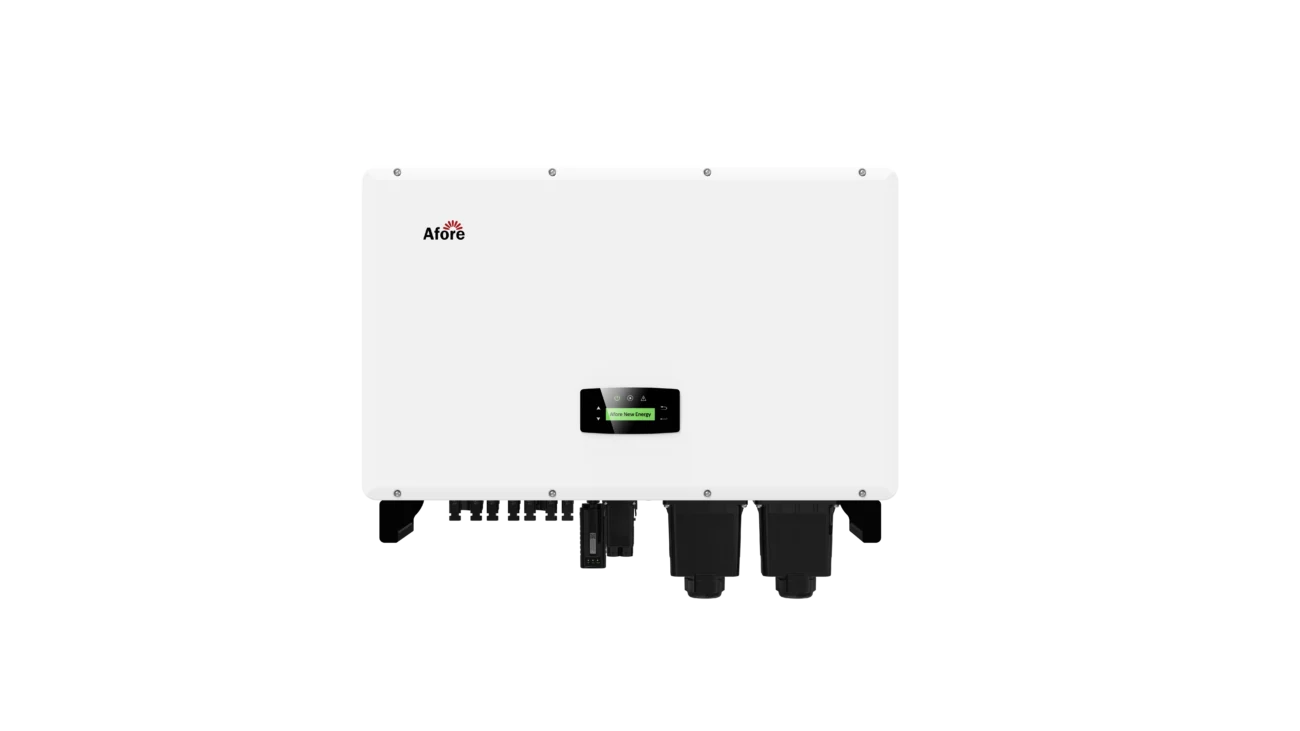
Solar inverter AFCI isn’t just a technical requirement—it’s a safety revolution. With NEC 2023 compliance, proper installation, and regular maintenance, you’re protecting your home, business, and investment from invisible but highly dangerous arc faults. From preventing fires to ensuring long-term system efficiency, an AFCI-equipped solar inverter is essential for anyone serious about solar energy.
Remember, arc faults may be subtle, but their consequences aren’t. Choosing the right solar inverter AFCI, following best practices, and staying up to date with NEC guidelines ensures your solar journey is both safe and sustainable.
AFCI protection in a solar inverter monitors DC circuits for arc faults and disconnects power when dangerous arcs are detected, preventing potential fires.
Yes, for most new commercial installations, NEC 2023 compliance mandates arc fault protection. Requirements vary by state, but the trend is clear—AFCI is becoming standard.
Common causes include loose connections, voltage fluctuations, microinverter activity, and environmental factors like dust or humidity. Regular inspection helps reduce these events.
Turn off the DC disconnect, wait 30–60 seconds, then power on the inverter. Persistent trips indicate unresolved arc faults needing inspection.
Yes. Proper solar inverter AFCI devices meet UL 1699B standards for series and parallel arc detection, ensuring system safety and code compliance.








 Turkish
  Romanian