



Choosing between a commercial microinverter vs string inverter setup is one of the most important design decisions in a commercial solar project. It impacts system performance, long-term operating costs, maintenance strategy, scalability, and ultimately your return on investment.
If you’ve ever stood on a warehouse roof, looked across hundreds of modules, and wondered which architecture truly makes more sense, you’re not alone. And the truth is: there is no single “perfect” answer. But there is a right answer for your specific project.
This guide dives deep into commercial microinverter vs string inverter comparisons, using real-world logic, practical experience, and field-proven considerations. We’ll explore system design, performance, reliability, operations and maintenance, cost structure, and LCOE comparison. We’ll also examine how solar inverter types affect warehouses, factories, shopping centers, cold storage buildings, and large rooftops.
Before we get into commercial microinverter vs string inverter, let’s level-set with the basics.
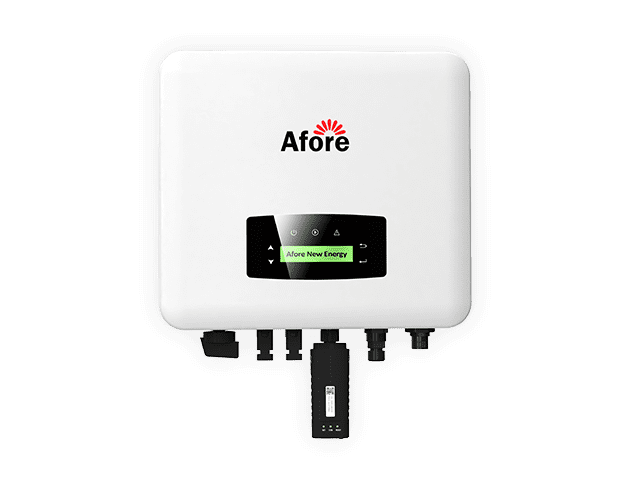
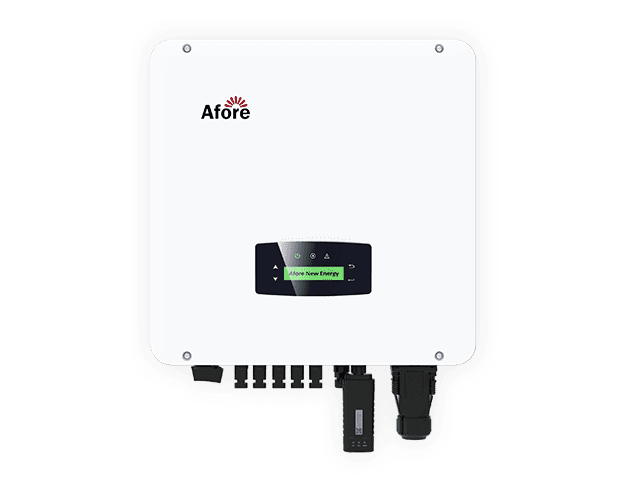
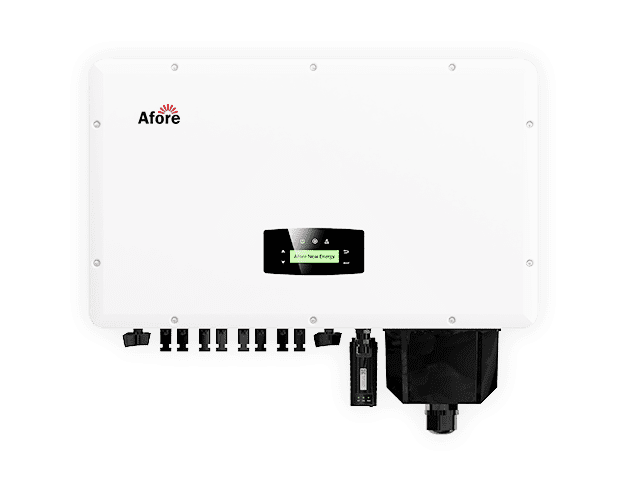
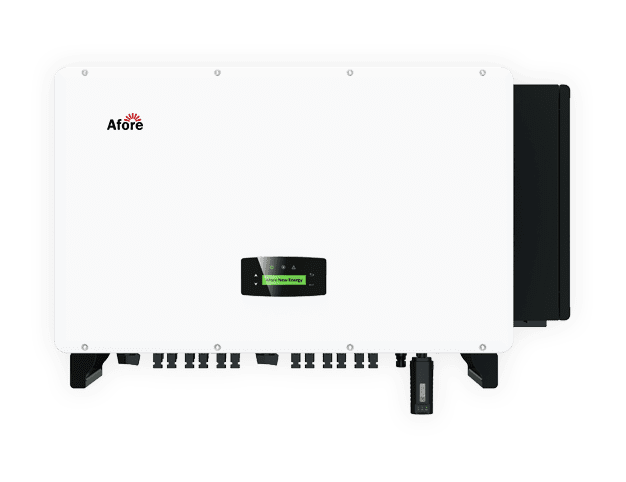
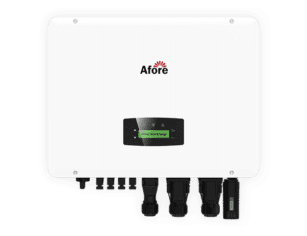
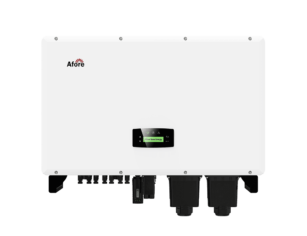
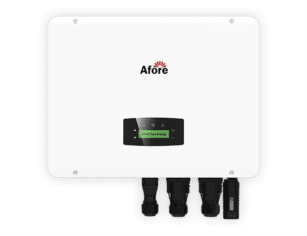
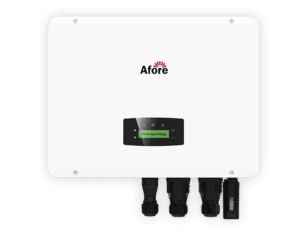
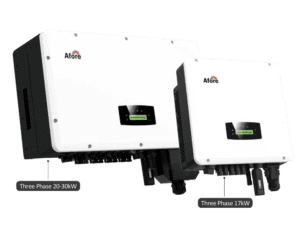
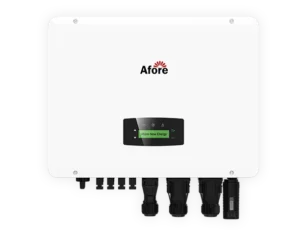
A string inverter connects multiple solar modules wired in series (a “string”) into a centralized inverter. The inverter converts DC power from the strings into AC power.
Key characteristics:
String inverters have dominated commercial solar for decades. They’re familiar, widely supported, and well understood by installers.
A microinverter is installed at the module level. Each panel has its own inverter, converting DC to AC right at the source.
Key characteristics:
Microinverters are often associated with residential solar, but their commercial adoption is growing rapidly.
When dealing with hundreds or thousands of panels, inverter architecture becomes a strategic choice—not just a technical one.
Solar inverter types influence:
That’s why commercial microinverter vs string inverter deserves serious attention.
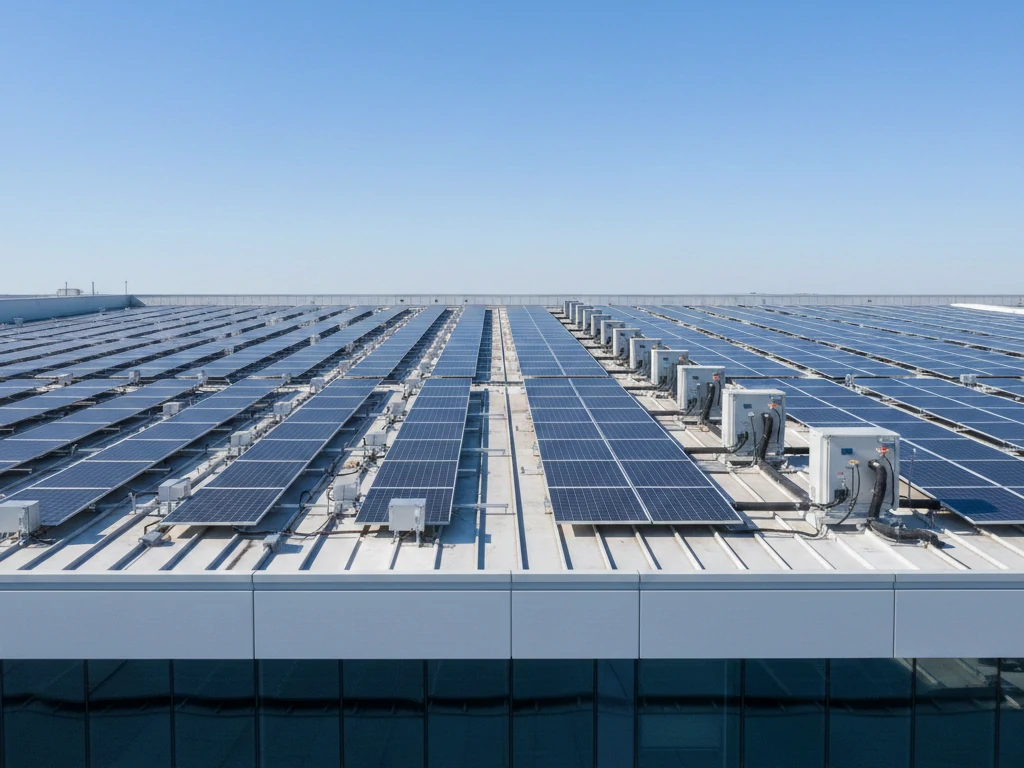
When people first start comparing commercial microinverter vs string inverter systems, they often focus on price. That’s understandable. But in real-world commercial solar design, architecture matters far more than most buyers realize. The way power is converted, managed, and distributed throughout the system shapes performance, reliability, safety, and long-term operating cost.
At its core, the commercial microinverter vs string inverter debate is about centralized architecture versus distributed architecture. Everything else flows from that distinction.
Let’s break down those architectural differences in a practical, experience-driven way.
In a string inverter system, direct current (DC) electricity produced by multiple solar modules is routed through DC wiring to a centralized inverter. That inverter converts the combined DC power into alternating current (AC) for use in the building or export to the grid.
In a microinverter system, each individual solar module has its own inverter. DC is converted to AC directly at the panel level, and AC power is then aggregated across the array.
This single design choice creates two fundamentally different system architectures.
From a structural standpoint:
This distinction sits at the heart of every commercial microinverter vs string inverter evaluation.
Centralized systems behave like a hub-and-spoke network. Distributed systems behave more like a mesh. Each model has strengths, but they respond very differently to real-world conditions.
In centralized string inverter systems, electricity flows through a long DC pathway before conversion. That pathway must be carefully engineered to manage voltage limits, string lengths, temperature effects, and code compliance.
In distributed microinverter systems, electricity becomes AC almost immediately. High-voltage DC runs across the roof are largely eliminated.
From an engineering perspective, this affects:
When comparing commercial microinverter vs string inverter, many designers find that distributed conversion simplifies electrical layouts, especially on large or irregular rooftops.
Simpler electrical design often translates into fewer design errors, faster approvals, and smoother commissioning.
One of the most important architectural differences is how failures affect system output.
With string inverters, each inverter supports many modules. If that inverter fails, everything connected to it stops producing power.
With microinverters, each panel operates independently. If one microinverter fails, only that single module is affected.
This creates two very different risk profiles:
In commercial environments where uptime directly affects revenue, this distinction carries real financial weight.
Over time, most large systems experience some level of component failure. The question is not if something will fail, but how much production is lost when it does.
This is why reliability discussions around commercial microinverter vs string inverter focus more on failure impact than on failure rate alone.
System availability refers to the percentage of time a solar system is producing energy.
Distributed architectures tend to maintain higher availability because partial failures do not shut down large sections of the array.
In centralized architectures, a single failure can temporarily remove a significant portion of generation capacity.
From an asset owner’s perspective, higher availability means:
When evaluating commercial microinverter vs string inverter, availability often becomes a deciding factor for mission-critical facilities.
Rooftops are rarely perfect rectangles with zero obstructions.
Commercial buildings often include:
String inverter architecture generally prefers uniformity. Strings work best when modules face the same direction and experience similar conditions.
Microinverter architecture embraces variation. Each panel operates independently, so orientation, tilt, and shading differences have minimal system-level impact.
This difference changes how designers approach layouts:
In practice, this means commercial microinverter vs string inverter can influence how much of the roof becomes usable solar real estate.
More usable roof area usually equals higher total system capacity.
Commercial solar systems are not always built all at once.
Facilities may:
Distributed microinverter architecture naturally supports incremental growth. New modules with microinverters can be added without reconfiguring existing electrical pathways.
Centralized string inverter architecture may require:
From a long-term planning perspective, commercial microinverter vs string inverter often comes down to whether the owner expects the system to evolve.
Systems that can grow smoothly reduce future capital friction.
Architecture determines what level of data is available.
Microinverter systems provide module-level monitoring by default.
String inverter systems typically provide inverter-level or string-level data.
This difference affects:
Fine-grained data helps operators spot underperforming modules, soiling patterns, and early-stage faults.
For asset managers overseeing multiple sites, this data visibility can materially reduce operating cost.
Monitoring capability is therefore an architectural outcome that strongly influences commercial microinverter vs string inverter decisions.
Heat is one of the primary stressors in electronic systems.
Centralized inverters handle large power loads in a single enclosure, generating concentrated heat.
Microinverters handle smaller loads but exist in greater numbers.
From a system-level perspective:
Neither approach is inherently “better,” but they age differently.
Distributed architectures tend to experience gradual, isolated degradation.
Centralized architectures tend to experience step-change events when major components fail.
This aging behavior matters when modeling long-term system performance.
Electrical safety is tightly connected to where conversion occurs.
String inverter systems maintain long DC runs across rooftops.
Microinverter systems convert to AC immediately at the module.
Lower DC exposure reduces:
Many safety codes increasingly emphasize rapid shutdown and reduced DC voltage on roofs.
Because of their architecture, microinverters naturally align with these goals.
Safety advantages are a meaningful part of the commercial microinverter vs string inverter conversation, especially in densely populated or high-risk facilities.
Installation sequencing differs significantly.
String inverter installations require:
Microinverter installations focus on:
The labor profiles are different, but total labor hours often end up similar.
However, distributed architectures tend to be more forgiving of small layout changes during installation.
That flexibility reduces field-level friction and rework.
When solar becomes an infrastructure asset rather than a short-term project, architecture takes center stage.
Distributed architectures:
Centralized architectures:
This is why experienced developers rarely frame commercial microinverter vs string inverter as a purely technical decision. It is a financial, operational, and risk-management decision.
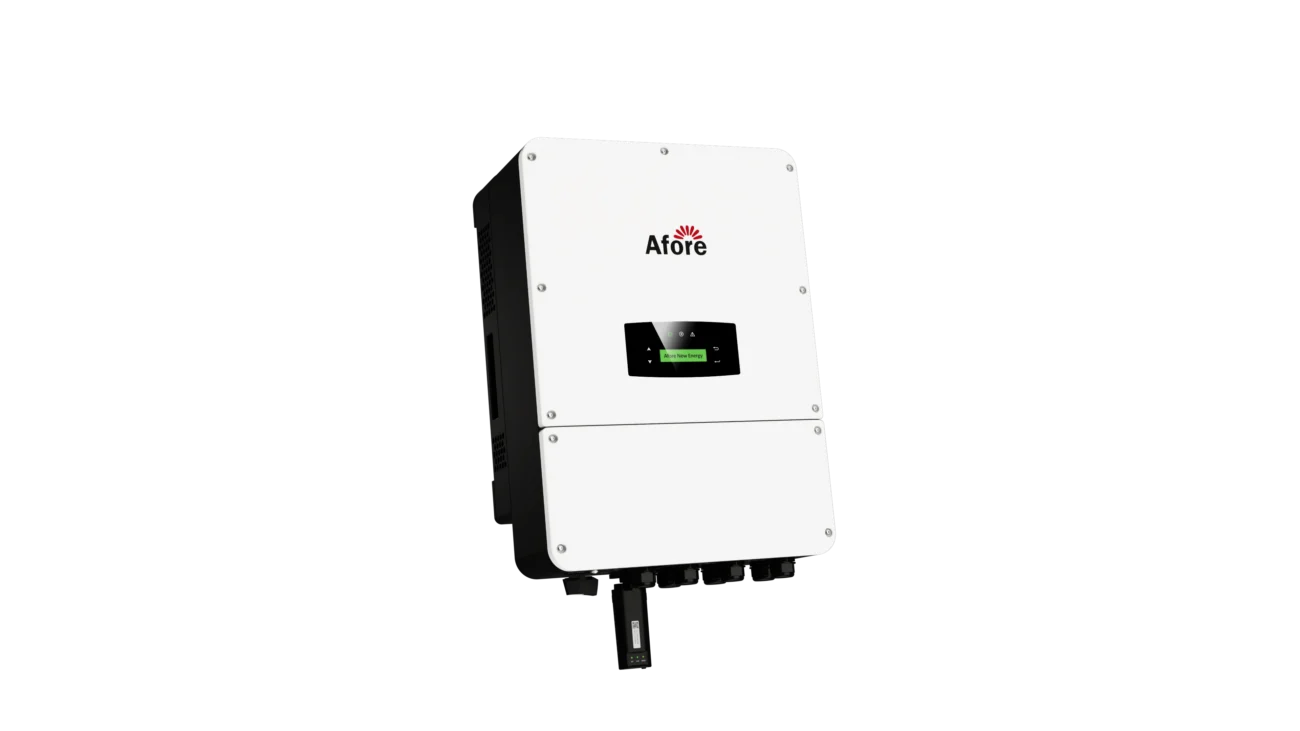
Warehouses present unique challenges:
Let’s break down Microinverter vs string for warehouse projects.
In warehouses, shading rarely affects every panel equally.
With string inverters:
With microinverters:
This makes commercial microinverter vs string inverter especially relevant in real-world warehouse environments.
Warehouses often expand operations.
Microinverters allow easy additions:
String systems may require:
For growth-focused facilities, Microinverter vs string for warehouse often favors microinverters.
Warehouses prioritize uptime.
Microinverter systems allow remote pinpointing of issues.
String inverter systems require on-site string-level troubleshooting.
This operational difference matters more than most spreadsheets show.
When evaluating commercial microinverter vs string inverter systems, energy production is where theoretical design choices turn into real financial outcomes. Kilowatt-hours are the currency of solar projects. Higher annual yield means more usable electricity, stronger cash flow, and faster return on investment.
While nameplate system size may be identical, actual energy output over time can differ significantly depending on inverter architecture. These differences come from how each system handles mismatch, shading, temperature variation, degradation, and real-world operating conditions.
Let’s explore why energy yield often becomes a decisive factor in the commercial microinverter vs string inverter conversation.
No two solar modules are perfectly identical.
Even within the same production batch, small variations exist in:
In a string inverter system, modules are electrically linked in series. The entire string operates at the current of the weakest-performing module. If one panel underperforms, the whole string feels it.
In a microinverter system, each module operates independently. One underperforming panel does not drag down neighboring modules.
This architectural difference directly influences annual energy yield.
In practical terms:
Over hundreds or thousands of panels, these small differences add up.
This is one of the most consistent advantages seen in commercial microinverter vs string inverter production data.
Most commercial rooftops are not perfectly shade-free.
Common shading sources include:
In string inverter systems, shading on a single module can reduce output across an entire string.
In microinverter systems, shading affects only the shaded module.
The practical consequence is straightforward:
For buildings with intermittent or partial shading, commercial microinverter vs string inverter yield differences can be substantial.
Even small daily shading windows—10 or 15 minutes—compound into meaningful annual losses.
Commercial roofs often include multiple roof planes with different orientations and slopes.
String inverter systems perform best when:
Microinverter systems do not require this uniformity.
Each panel tracks its own maximum power point, regardless of orientation.
This allows designers to place panels on:
Instead of leaving these areas unused, microinverters allow them to contribute meaningfully to system output.
From a yield perspective, this expands the effective solar collection area.
That flexibility is a key performance differentiator in many commercial microinverter vs string inverter projects.
Temperature has a direct effect on panel voltage and power output.
On large rooftops:
These microclimates cause temperature differences across the array.
In string inverter systems, temperature-induced voltage variation inside a string can reduce overall power output.
In microinverter systems, each panel compensates individually.
The result:
While the impact per panel is small, across thousands of modules it becomes noticeable.
This is another reason yield modeling in commercial microinverter vs string inverter comparisons often favors microinverters.
Dust, pollen, bird droppings, and industrial residue rarely coat panels evenly.
In string inverter systems:
In microinverter systems:
Unless a site has extremely rigorous cleaning schedules, uneven soiling is inevitable.
Microinverters naturally limit the performance penalty.
Over years of operation, this contributes to higher cumulative energy production.
All solar modules degrade gradually.
However, degradation rates are not perfectly uniform.
Some panels degrade slightly faster than others.
In string inverter systems, faster-degrading modules increasingly constrain the string.
In microinverter systems, each panel ages independently.
This means:
Over a 25-year lifespan, this difference alone can translate into several percentage points of extra energy.
Long-term degradation behavior plays an important role in commercial microinverter vs string inverter financial modeling.
Solar production does not jump instantly to full output at sunrise.
Low-light conditions occur:
Microinverters often begin producing usable AC power at slightly lower DC input levels.
String inverter systems may require higher combined voltage before activating.
This means microinverter systems tend to harvest small amounts of additional energy at the margins of the day.
Individually, these gains are tiny.
Over an entire year, they become meaningful.
Yield modeling frequently shows microinverters outperforming string inverters by capturing these edge-hour contributions.
When a string inverter goes offline, all connected panels stop producing.
When a microinverter fails, only one panel stops producing.
From an annual yield standpoint:
Even if total failure hours are similar, the magnitude of lost energy differs dramatically.
This availability advantage often appears in long-term performance records.
It is a major factor in real-world commercial microinverter vs string inverter yield comparisons.
While results vary by project, many commercial installations observe:
On a 1 MW system:
Multiply that across 25 years, and the difference becomes substantial.
This is why experienced developers rarely ignore yield when comparing commercial microinverter vs string inverter architectures.
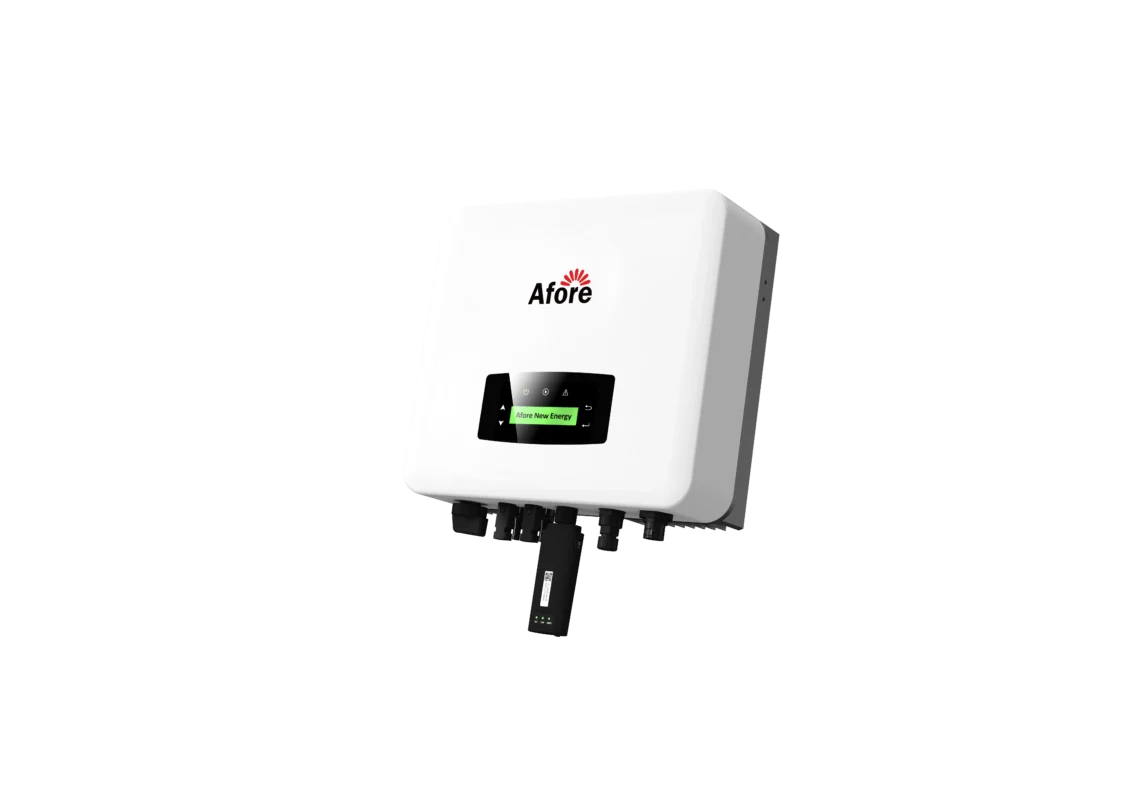
Levelized Cost of Energy (LCOE) measures total lifetime cost per kWh produced.
A proper LCOE comparison includes:
String inverters usually cost less per watt initially.
Microinverters cost more upfront.
But upfront cost ≠ lifetime cost.
Higher yield reduces LCOE.
Microinverters often win here.
String inverters may require replacement once or twice over system life.
Microinverters are distributed; failures are gradual, not catastrophic.
If a 60 kW string inverter fails:
If one microinverter fails:
This heavily influences LCOE comparison.
Many commercial studies show:
This is why commercial microinverter vs string inverter must be evaluated over 25+ years.
Microinverters sit on the roof under panels.
String inverters are often wall-mounted or sheltered.
This raises concerns—but modern microinverters are designed for harsh environments.
Microinverters: lower failure impact, higher component count
String inverters: higher impact per failure, fewer devices
From a system reliability perspective, commercial microinverter vs string inverter becomes a question of distributed risk vs concentrated risk.
Many asset owners prefer graceful degradation.
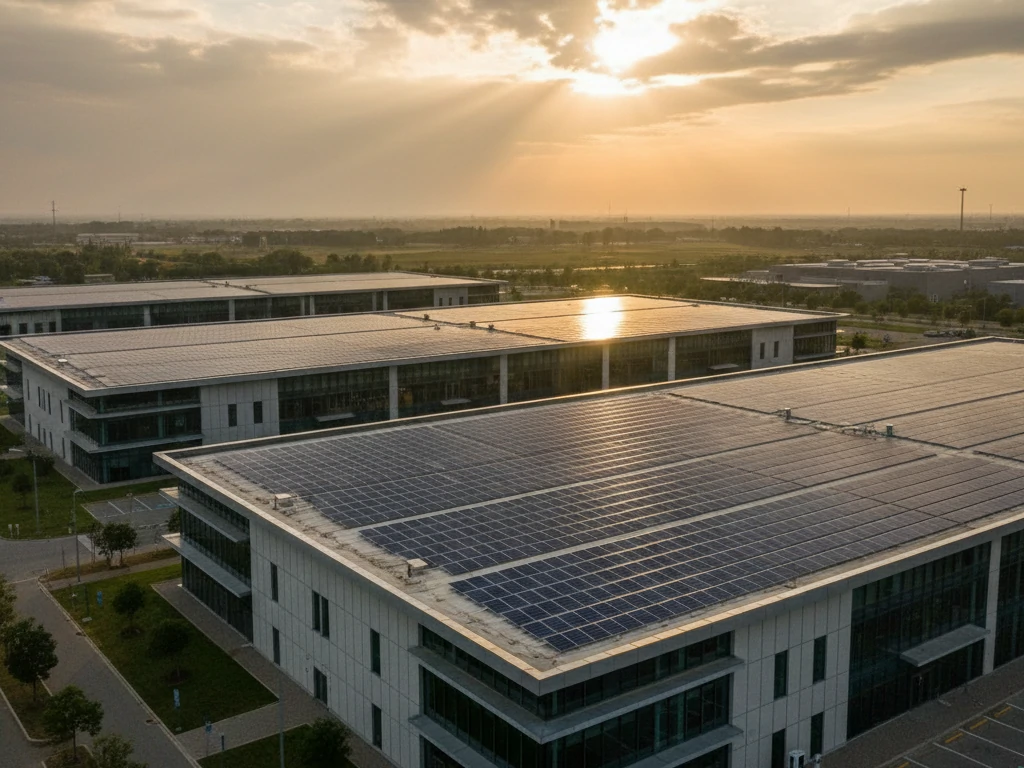
With all the attention given to module-level electronics, it is easy to assume that string inverters are becoming obsolete. That assumption would be a mistake. In the broader discussion of commercial microinverter vs string inverter, there are still many situations where string inverter architecture remains a highly practical and economically sound choice.
The key is understanding where string inverters shine and why they continue to dominate certain segments of commercial and large-scale solar.
String inverters perform exceptionally well in environments where uniformity is high.
These sites typically have:
In these conditions, mismatch losses are naturally low. Panels behave similarly, so the string-level tracking of maximum power point is already quite efficient.
For large warehouses with unobstructed flat roofs or ground-mounted arrays on open land, commercial microinverter vs string inverter yield differences may be relatively small. When performance is already close, the simpler centralized architecture of string inverters can make practical sense.
Designers can create long, well-balanced strings that operate within optimal voltage windows, achieving strong performance without the added hardware count of module-level devices.
Upfront cost still matters, especially for projects with strict financial thresholds.
String inverter systems generally offer:
When project approval hinges on initial capital expenditure, string inverters can provide a more accessible entry point.
In the commercial microinverter vs string inverter discussion, this often surfaces in:
If a project would not move forward without meeting a specific budget target, a string inverter architecture may be the only viable path.
Some organizations prefer centralized equipment because it aligns with their maintenance culture.
They may already have:
For these operators, servicing one large inverter is more familiar than servicing hundreds of small devices on the roof.
From a practical standpoint, commercial microinverter vs string inverter sometimes becomes a question of organizational comfort rather than pure technical merit.
As system size grows into multi-megawatt territory, economies of scale increasingly favor centralized architectures.
Large projects benefit from:
In these scenarios, string inverters integrate smoothly into established utility-style designs.
While microinverters are expanding into larger systems, string inverters remain deeply entrenched in this segment of the market.
For these project types, commercial microinverter vs string inverter comparisons often tilt toward string inverters simply due to scale efficiency.
Some developers design projects with oversized inverters or reserved inverter capacity to accommodate future expansion.
If future growth is well-defined and planned from the beginning, string inverter systems can be engineered to support it without major redesign.
This approach requires careful forecasting, but when executed well, it keeps the system straightforward and cost-efficient.
In the ongoing discussion of commercial microinverter vs string inverter, there are clear scenarios where microinverters move from being an alternative option to the preferred architecture. These situations usually involve complexity, reliability requirements, and long-term performance priorities. When project conditions move away from “perfect,” microinverters tend to show their strongest advantages.
Many commercial buildings are far from simple rectangles.
They often include:
Microinverters allow each solar module to operate independently, regardless of how neighboring panels are positioned.
This independence enables designers to place modules wherever sunlight is available, without worrying about string matching or orientation conflicts.
In commercial microinverter vs string inverter comparisons, complex rooftops almost always favor microinverters because they unlock more usable surface area and reduce design compromises.
More usable roof space usually translates into higher total system capacity and greater lifetime energy production.
Some commercial facilities cannot tolerate extended production losses.
Examples include:
In microinverter systems, a single component failure affects only one panel.
In string inverter systems, a failure can disable an entire section of the array.
This difference in failure impact is critical.
For high-uptime environments, commercial microinverter vs string inverter decisions often lean toward microinverters because they provide graceful degradation rather than large step-down losses.
Owners planning to hold their solar systems for 20 to 30 years benefit most from distributed architectures.
Microinverters offer:
These qualities support stable long-term financial performance.
In long-hold scenarios, commercial microinverter vs string inverter evaluations frequently favor microinverters due to their strong alignment with lifetime value rather than short-term cost savings.
The debate around commercial microinverter vs string inverter isn’t about which technology is “better.” It’s about which one aligns with your building, your risk tolerance, your financial model, and your long-term strategy.
If you value resilience, flexibility, and long-term energy yield, microinverters deserve serious consideration. If you prioritize lower initial investment and operate large uniform arrays, string inverters remain a solid choice.
In the end, the best systems aren’t built around trends—they’re built around thoughtful engineering, honest financial modeling, and real-world operating experience.
And that’s what truly separates a good solar project from a great one.
It depends on project goals. For complex rooftops, high uptime needs, and long-term ownership, microinverters often perform better. For large uniform arrays with tight budgets, string inverters can be more practical.
String inverters offer lower upfront cost, simpler equipment counts, and proven performance in large uniform installations, making them attractive for utility-scale or highly standardized commercial projects.
Microinverter systems typically have higher upfront cost per watt. However, lifetime cost can be similar or lower due to higher energy yield and reduced downtime.
Microinverters offer better system-level reliability because failures affect only individual panels. String inverter failures impact entire sections.
Shading on one panel in a string inverter system can reduce output of the entire string. With microinverters, only the shaded panel is affected.
Microinverters often have lower O&M costs due to precise monitoring and reduced troubleshooting time. String inverter systems may incur higher costs during inverter replacements and downtime events.








 Turkish
  Romanian