




When it comes to managing solar energy systems, dynamic power reduction solar has become a critical strategy for both commercial and utility-scale installations. Gone are the days when solar systems just pumped electricity into the grid unrestrictedly. Today, with increased grid sensitivity and renewable penetration, managing output intelligently is essential—not just for regulatory compliance, but also for protecting your investment.
If you’re a solar system operator, engineer, or even a curious enthusiast, understanding dynamic power reduction solar and related concepts like Grid export limiting, zero feed-in commercial, and utility curtailment is a game-changer. Let’s break it down, step by step.
Simply put, dynamic power reduction solar is the ability of a solar energy system to automatically reduce its power output in response to grid demands or utility directives. Unlike static limits, which cap output at a fixed level, dynamic power reduction adjusts in real-time to prevent overloading the grid or exceeding contractual export limits.
For example, a 500kW PV plant may be generating full power on a sunny afternoon, but a nearby substation nearing capacity will trigger dynamic power reduction, so the solar system backs off to match grid safety requirements. It’s not just about compliance—it also reduces stress on your solar inverter and prolongs system life.
You might wonder, “Why can’t my solar system just keep producing?” Well, here’s the reality: grids are getting smarter, but also more sensitive. High penetration of solar without management can lead to voltage spikes, grid instability, and even penalties.
Utilities often require dynamic power reduction solar to maintain reliability. It’s also critical for zero feed-in commercial setups, where businesses don’t want excess solar feeding back into the grid. In such cases, the system dynamically adjusts to match on-site consumption, avoiding unnecessary feed-in and complying with contractual agreements.
A static export limit is like putting a speed bump in front of your solar energy output. The system simply can’t go above that threshold. But dynamic power reduction solar is smarter: it can ramp down output gradually, depending on grid load, weather conditions, or utility signals.
Think of it as cruise control for your PV system—adapting on the fly to traffic conditions.
Understanding how dynamic power reduction solar operates in the real world is crucial for both commercial and utility-scale solar systems. While the concept sounds technical, it essentially boils down to intelligently adjusting solar output to match grid conditions, site consumption, and regulatory requirements. This not only protects the grid from overload but also maximizes the efficiency and lifespan of your solar assets. Let’s explore how it works in practice.
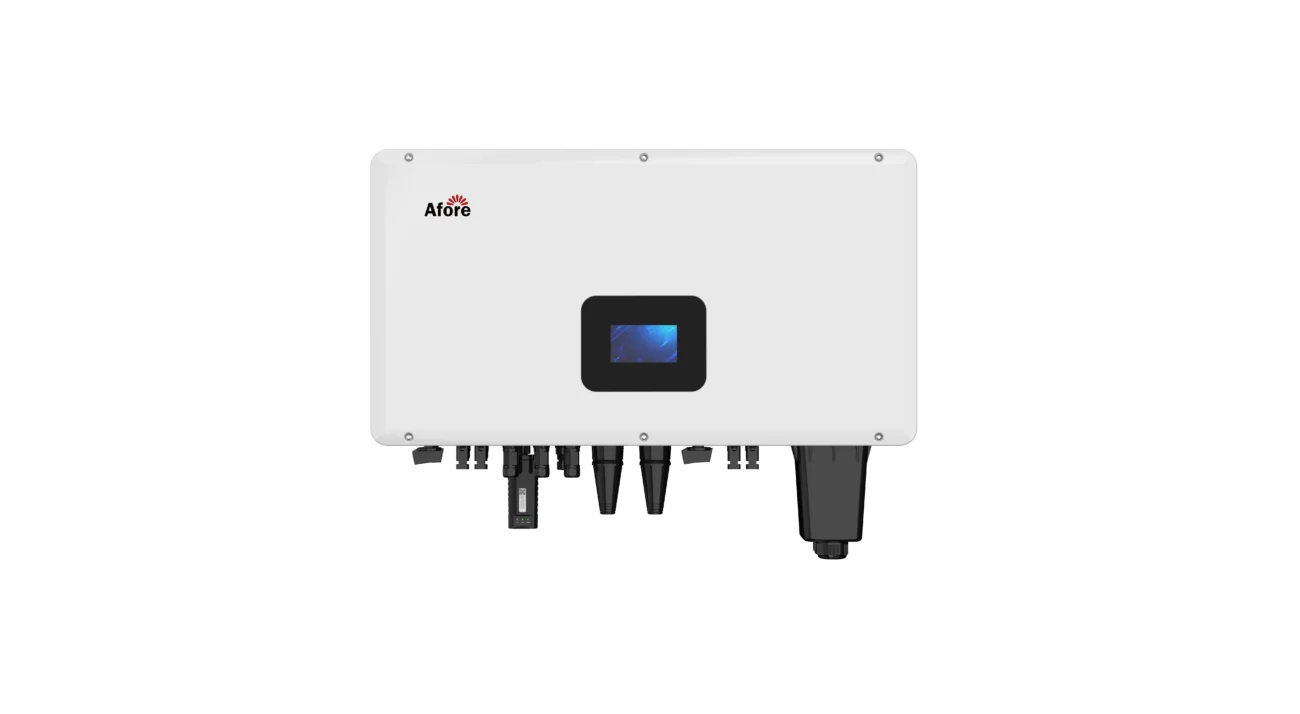
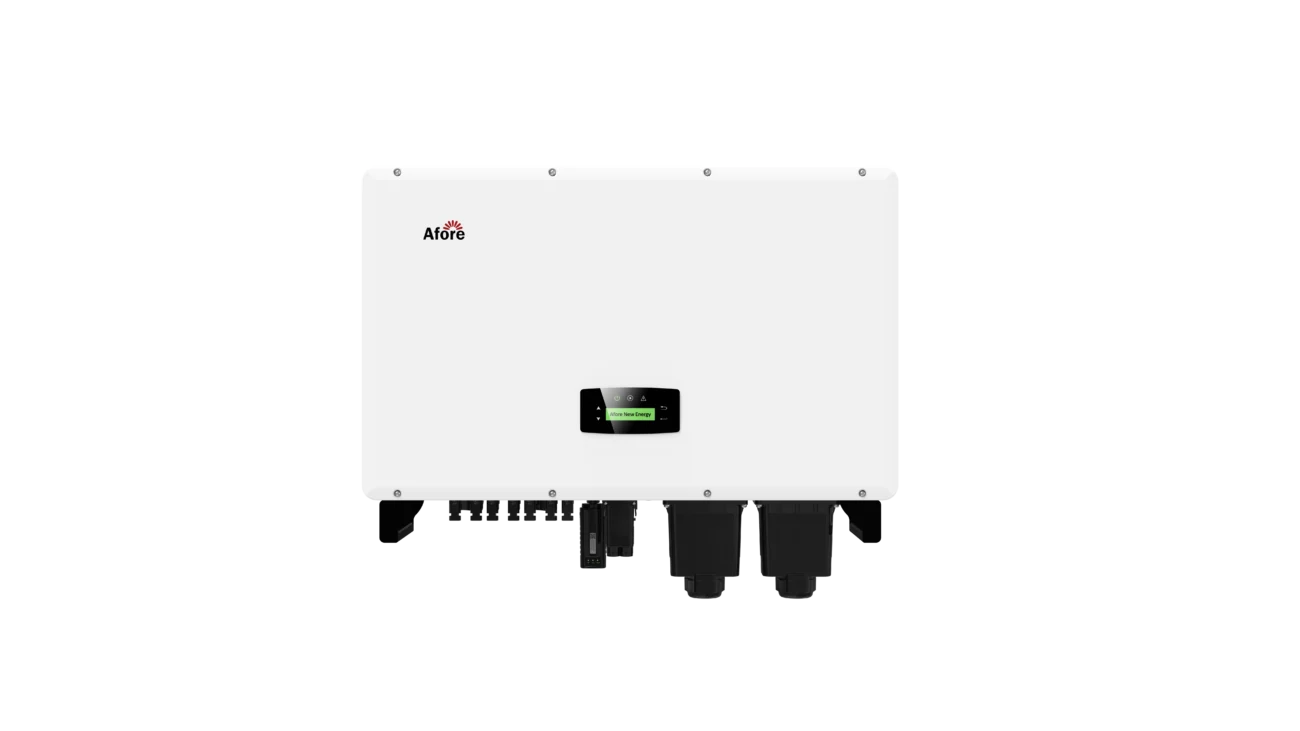
At the heart of dynamic power reduction solar lies the solar inverter. Think of the inverter as the system’s brain—it converts DC electricity from your solar panels into AC power while constantly monitoring both the grid and your on-site consumption. Modern inverters are capable of real-time adjustments, meaning they can reduce output instantly when grid signals indicate an oversupply or when the site demand drops.
For instance, if a sunny afternoon suddenly causes local voltage to rise, the inverter can throttle back production, protecting both the equipment and the grid. Beyond just cutting power, the inverter manages ramp rates, ensuring that reductions are smooth and prevent sudden voltage fluctuations. Experienced operators often highlight that fine-tuning inverter settings for dynamic power reduction solar can make the difference between minor efficiency losses and significant energy waste.
A key mechanism for controlling output is Grid export limiting. This feature sets a maximum level of electricity your system is allowed to feed into the grid. Once the system reaches this threshold, the inverter automatically reduces generation to prevent excess export.
For example, a commercial building with a 400kW PV array might be limited to exporting only 250kW to the local grid. With Grid export limiting, the solar system ensures compliance without manually switching panels off. This is particularly important for sites under contractual or regulatory export restrictions, where exceeding limits could incur fines or trigger curtailment events. Implementing this properly requires a detailed understanding of your grid agreement, careful inverter configuration, and thorough testing under varying irradiance conditions.
Another critical aspect of dynamic power reduction solar is responding to utility curtailment requests. Utilities occasionally need to limit distributed generation to maintain grid stability, especially during peak solar production or network congestion. The solar inverter receives these signals remotely and adjusts output accordingly.
It’s essential for operators to log curtailment events, as this helps optimize system performance and predict future adjustments. For commercial sites, integrating curtailment protocols with on-site energy storage can prevent lost production while ensuring compliance. Essentially, the system works in harmony with the grid, reducing output only when necessary, which maximizes efficiency and maintains regulatory compliance.
For commercial solar installations, dynamic power reduction solar is more than a regulatory requirement—it’s a practical way to optimize energy use, reduce grid stress, and increase self-consumption. While residential systems can often operate without sophisticated control, commercial sites with large PV arrays or zero feed-in commercial agreements need careful planning to balance on-site consumption with grid compliance. Here’s how operators can implement dynamic power reduction effectively.
A zero feed-in commercial installation is designed to consume all generated solar energy on-site, preventing any excess from reaching the grid. This is particularly common for businesses under contracts or tariffs that restrict export. Dynamic power reduction solar allows these sites to automatically throttle output when building load drops below generation capacity.
For example, an office building with midday air conditioning and EV chargers might generate more solar power than it uses. Without dynamic reduction, excess electricity could feed back into the grid, violating zero export policies. By adjusting output in real-time through the solar inverter, the system keeps energy local, maximizes self-consumption, and ensures compliance with zero feed-in requirements.
Grid export limiting is a key tool for commercial PV operators. It caps the amount of energy allowed to enter the grid, preventing penalties and aligning with utility agreements. Implementing this requires understanding your maximum export limit, configuring your solar inverter properly, and testing the system under various irradiance conditions.
Operators often run simulations to see how their plant responds at peak generation. If the site is oversized relative to the permitted export, the inverter dynamically reduces output once the threshold is approached. This ensures the building continues to benefit from solar generation while staying within regulatory limits. Regular monitoring and fine-tuning are critical to maintain efficiency and prevent inadvertent oversupply.
Commercial operators can use multiple strategies to implement dynamic power reduction solar effectively:
Combining these strategies ensures that a commercial solar system stays compliant, operates efficiently, and maximizes on-site energy utilization. Experienced operators recommend regular testing, logging, and reviewing performance metrics to fine-tune the dynamic control system for seasonal changes or shifting load profiles.
Even with well-configured systems, operators of commercial or utility-scale solar plants occasionally encounter issues with dynamic power reduction solar. Understanding common problems and knowing how to troubleshoot them is critical for maintaining compliance, optimizing energy output, and protecting your equipment. Let’s dive into the most frequent challenges and practical solutions.
One of the most common issues is a noticeable lag in the system’s response to grid signals or Grid export limiting thresholds. This delay can occur due to slow communication between the solar inverter and the utility control system, or due to older inverter firmware that cannot process signals instantly.
To troubleshoot lag, start by checking the inverter’s firmware and updating it if necessary. Verify communication paths, including telemetry connections and network stability, ensuring that signals are received and acted upon promptly. Operators should also review ramp rate settings; overly conservative ramp rates can make the system appear sluggish even though it’s functioning correctly. Addressing these factors reduces response time and ensures the solar system reacts quickly to grid conditions or curtailment requests.
Another common confusion is treating zero feed-in commercial setups as the same as dynamic power reduction solar. While related, they serve different purposes:
Misunderstanding this distinction can lead to unnecessary energy loss or regulatory issues. Operators should clearly define objectives and ensure inverter programming matches either zero export requirements or dynamic reduction strategies.
The solar inverter is the key to effective dynamic power reduction solar, but improper configuration can create operational problems. Critical settings to review include:
Routine testing and monitoring are essential. Operators should log events where output reduction occurs, comparing them to grid signals or on-site load changes. This helps identify whether the inverter is responding correctly or if adjustments are needed. Consistent review ensures the system remains compliant, efficient, and reliable.
By participating in dynamic power reduction solar, your system contributes to grid stability. This helps prevent blackouts, reduces curtailment, and supports wider renewable integration.
Optimizing solar output reduces utility penalties, avoids costly upgrades, and can even prolong inverter life. With Grid export limiting and zero feed-in commercial setups, you’re maximizing energy efficiency while minimizing wasted potential.
Utilities increasingly mandate dynamic power reduction solar, especially for commercial installations. Compliance avoids fines, supports smart grid initiatives, and strengthens your reputation as a responsible energy producer.
Implementing dynamic power reduction solar effectively isn’t just about configuring inverters or following utility mandates—it also requires day-to-day operational awareness. Experienced solar operators know that even a technically sound system can underperform without consistent monitoring and proactive adjustments. Here are some practical tips drawn from field experience to keep your commercial or industrial solar system running smoothly and efficiently.
One of the simplest yet most powerful practices is daily performance monitoring. By checking system output, inverter behavior, and Grid export limiting events each day, operators can quickly identify anomalies or inefficiencies. For example, unexpected dips in power reduction could indicate communication issues between the solar inverter and grid signals, while frequent curtailments might suggest overly conservative thresholds.
Keeping a daily log of power generation, reductions, and curtailment events also helps build a historical record. This data is invaluable for troubleshooting, verifying compliance with zero feed-in commercial agreements, and optimizing system performance. In short, daily monitoring allows operators to catch small issues before they turn into costly problems.
Solar production and load profiles change throughout the year, meaning that dynamic power reduction solar settings cannot remain static. Seasonal adjustments are critical. In summer, high irradiance may trigger frequent Grid export limiting, while winter months may require looser thresholds to fully utilize available energy.
Adjusting ramp rates, export limits, and priority load allocations seasonally ensures that the system responds appropriately to fluctuating conditions. Operators who neglect seasonal tuning often experience unnecessary energy loss or excessive curtailment, reducing overall efficiency. Regular reviews also allow for proactive adaptation to changes in building energy use or updated utility requirements.
A common lesson from the field is to engage with your utility provider early and often. Understanding utility protocols for dynamic power reduction solar and utility curtailment can prevent misconfigurations and delays. Many utilities provide specific instructions for solar inverter settings, reporting requirements, or communication pathways for real-time control.
Early collaboration allows operators to align their system design and operational strategy with utility expectations, avoiding surprises such as unexpected curtailment or penalties. It also helps in negotiating more flexible export limits, identifying opportunities to store excess energy, and ensuring long-term compliance. Operators who treat the utility as a partner rather than an afterthought often achieve smoother integration and better energy performance.
Managing dynamic power reduction solar in large-scale photovoltaic (PV) plants presents unique challenges and opportunities. Unlike smaller commercial systems, utility-scale operations must balance massive generation capacity with grid stability, curtailment events, and regulatory compliance. Implementing advanced strategies ensures that your plant operates efficiently while minimizing lost energy and maintaining smooth grid interactions.
One of the most effective strategies is pairing dynamic power reduction solar with on-site energy storage. Large PV plants often generate more electricity than the local grid or site demand can handle, especially during peak sun hours. Without intervention, excess energy might trigger Grid export limiting or utility curtailment, resulting in lost production.
By storing surplus electricity in batteries or other energy storage systems, operators can capture this otherwise curtailed power for later use. This approach is particularly beneficial for plants under zero feed-in commercial conditions, where exporting excess energy is restricted. Storage allows the plant to maintain compliance while maximizing on-site consumption or dispatching stored energy when grid demand is high.
Predictive controls take dynamic power reduction solar to the next level. Instead of reacting solely to real-time grid signals, large-scale PV operators can use weather forecasts, historical irradiance data, and load predictions to anticipate oversupply or curtailment events.
For instance, if a sunny day is expected to generate maximum output and the local grid is nearing capacity, predictive controls can preemptively throttle the solar inverter output. This reduces sudden ramp-downs, minimizes stress on equipment, and smooths energy delivery to the grid. Many experienced operators find that predictive strategies significantly reduce unnecessary energy loss and improve operational stability.
Advanced software platforms and monitoring tools are essential for managing dynamic power reduction solar at scale. These systems collect real-time data from solar inverters, log curtailment events, track Grid export limiting, and provide analytics for performance optimization.
Operators can remotely adjust inverter settings, fine-tune reduction strategies, and even simulate different curtailment scenarios to optimize plant performance. Comprehensive monitoring ensures quick identification of anomalies, minimizes downtime, and supports compliance with utility directives. Furthermore, it provides actionable insights to plan for future expansions or integrate additional energy storage or predictive control measures.
Implementing dynamic power reduction solar isn’t just a regulatory checkbox—it’s a smart strategy that protects your system, maximizes efficiency, and supports the grid. Whether you’re managing a zero feed-in commercial site, following utility curtailment directives, or simply fine-tuning Grid export limiting, understanding and applying dynamic control is essential.
With the right approach, your solar inverter becomes more than just a device—it’s your partner in efficient, compliant, and intelligent solar energy management.
Dynamic power reduction in solar systems is a method to automatically adjust solar output in real time. The system reduces electricity generation based on grid conditions, site load, or utility signals. Unlike static export limits, it allows solar plants to respond flexibly, improving grid stability and maximizing on-site energy use.
To implement export limiting for a 500kW PV plant, first identify the maximum allowed grid export in your connection agreement. Then configure the solar inverter with these thresholds and test under varying sunlight conditions. Ensure ramp rates and reduction strategies are optimized to prevent spikes or sudden drops. Regular monitoring helps maintain compliance and efficiency.
Utilities require dynamic power control for commercial and industrial (C&I) systems to prevent grid overload, voltage fluctuations, and frequency deviations. High solar penetration without control can destabilize local networks. By using dynamic power reduction solar, operators help maintain grid reliability while minimizing energy waste or curtailment penalties.
No. Dynamic power reduction solar adjusts output based on grid signals or site demand but may still allow some energy export. Zero export or zero feed-in commercial strictly prevents any electricity from leaving the site. Understanding this distinction ensures proper configuration and compliance with contracts or utility requirements.
Lag in response is often caused by slow communication between the solar inverter and grid control signals. To troubleshoot, check inverter firmware, verify telemetry reliability, and review ramp rate settings. Regular testing and monitoring help ensure the system reacts promptly to Grid export limiting or utility curtailment events.
Yes. By reducing unnecessary high-output periods and preventing abrupt voltage or frequency fluctuations, dynamic power reduction solar lowers stress on inverters and other system components. This proactive management can extend the lifespan of solar equipment and improve overall energy efficiency.
Solar output varies throughout the year, which can affect Grid export limiting and curtailment events. Seasonal adjustment of inverter settings—like ramp rates, export thresholds, and load prioritization—ensures the system remains compliant and efficient year-round. Monitoring performance trends helps identify necessary changes in advance.








 Turkish
  Romanian