




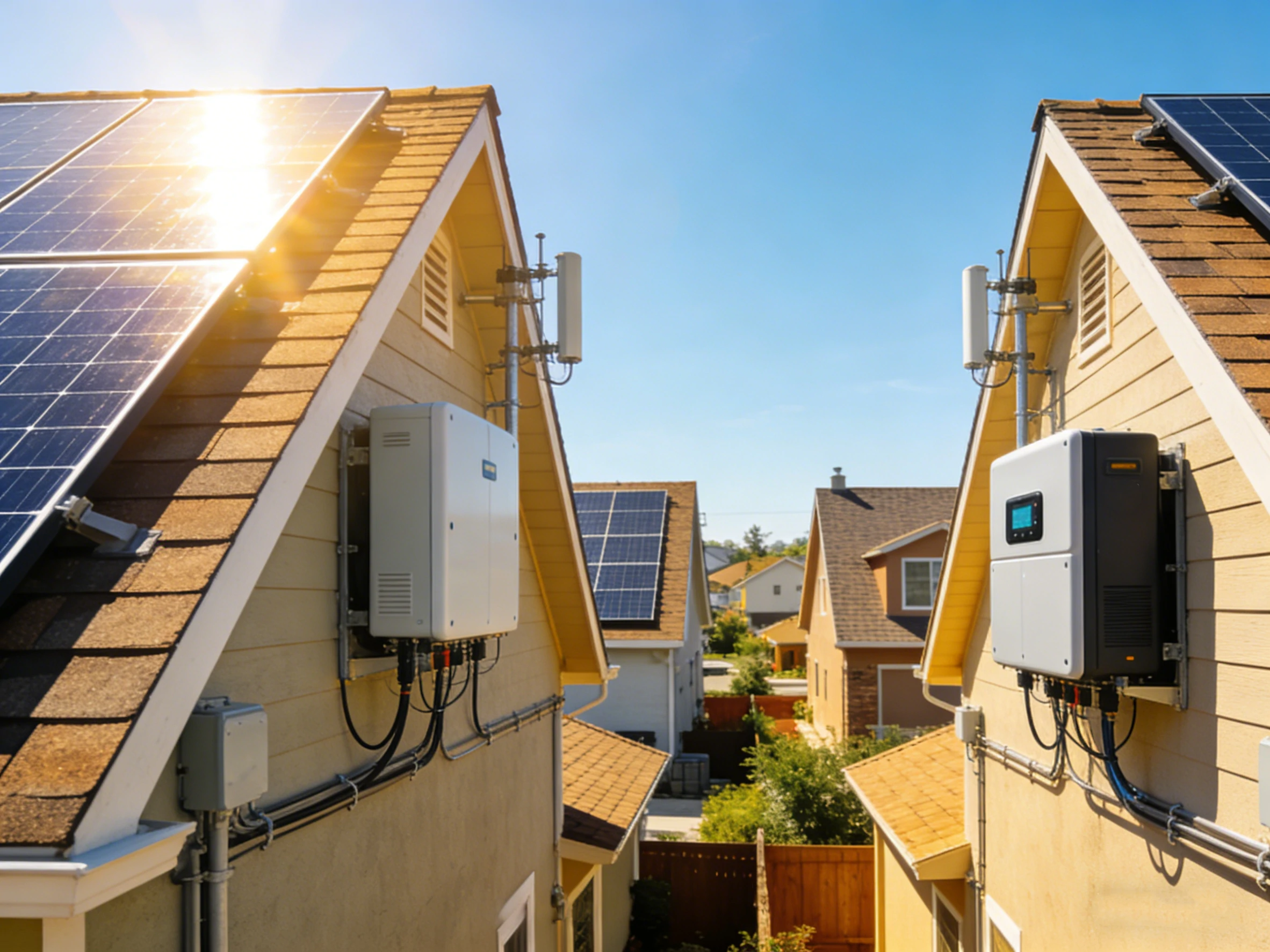
If you’ve been watching the energy space lately, you’ve probably noticed one thing: everything is getting smarter, more connected, and way more decentralized. And right at the center of that shift sits virtual power plant architecture.
In this deep dive, we’re going beyond surface-level explanations. You’ll get a hands-on understanding of virtual power plant architecture, how it actually works in the field, and how you can leverage it—whether you’re an installer, system designer, or energy investor.
At a practical level, virtual power plant architecture is the system design that allows distributed energy resources—like solar arrays, battery storage, and flexible loads—to operate as a unified, grid-responsive network. Instead of relying on a single centralized power station, this architecture connects many smaller energy assets through intelligent control layers and real-time data exchange.
What makes virtual power plant architecture so effective is its ability to coordinate thousands of independent systems as if they were one large power plant. Through advanced monitoring and cloud-based energy management, operators can balance supply and demand, stabilize the grid, and unlock new revenue streams from existing energy assets.
From hands-on experience, the real value lies in visibility and control. When every node—from a residential system with a solar inverter to a commercial battery installation—can communicate and respond dynamically, energy stops being static and becomes something you can actively optimize.
The simplest way to understand virtual power plant architecture is to think of it as aggregation with intelligence.
Each connected asset generates data and receives signals. The VPP aggregator model collects this information, analyzes grid conditions, and sends precise instructions back to each device. The result? A synchronized network that can increase output, store energy, or reduce load in seconds.
In real-world deployments, this means a group of small systems can collectively deliver the same impact as a traditional power plant—only with far greater flexibility, resilience, and efficiency.
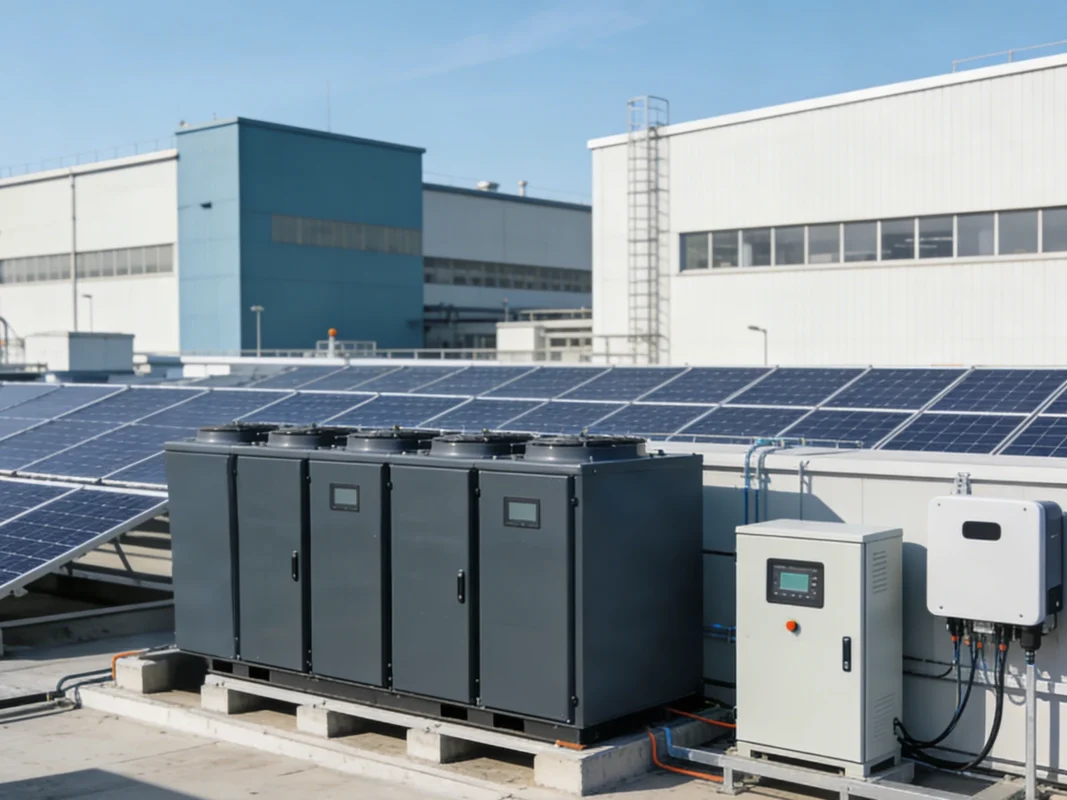
As we move further into 2026, the energy landscape is evolving faster than ever. Traditional power systems are being pushed to their limits—demand patterns are increasingly unpredictable, renewable energy penetration is growing, and the grid itself faces pressure from aging infrastructure. In this context, virtual power plant architecture is not just an innovation; it’s a necessity. By coordinating distributed energy resources in real time, it allows operators to maintain grid stability, integrate more renewables, and optimize energy flows efficiently.
Beyond technical efficiency, virtual power plant architecture also opens doors for monetization. Distributed assets like solar panels, batteries, and flexible loads can participate in energy markets through a VPP aggregator model, creating new revenue streams while contributing to overall grid reliability. It’s a system that benefits both operators and participants, aligning financial incentives with sustainable energy management.
Several factors are accelerating the adoption of virtual power plant architecture:
From my hands-on perspective, the combination of technology and market drivers makes virtual power plant architecture one of the most transformative trends in modern energy systems. It’s not just about connecting assets—it’s about creating a smarter, more profitable, and more resilient energy ecosystem.
Understanding virtual power plant architecture requires a close look at its building blocks. Each component plays a critical role in ensuring that distributed energy resources (DERs) operate in unison, respond to grid demands, and generate value for participants. Let’s break down the core elements that make a VPP truly effective.
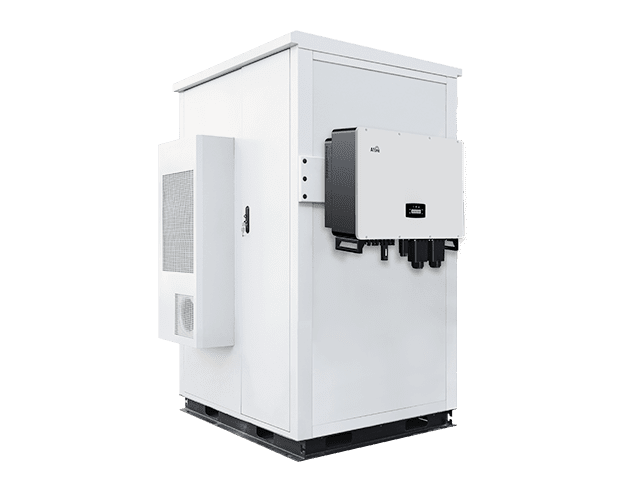
At the foundation of any virtual power plant architecture are DERs. These are the individual assets that produce, store, or consume electricity. Typical DERs include:
The beauty of virtual power plant architecture is that it treats these disparate assets as a unified system. Individually, they serve their immediate purpose; together, coordinated by a VPP, they can participate in energy markets and grid services as a single, reliable source.
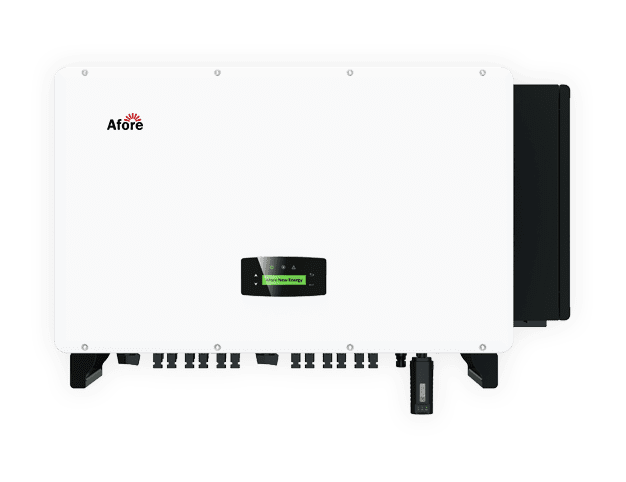
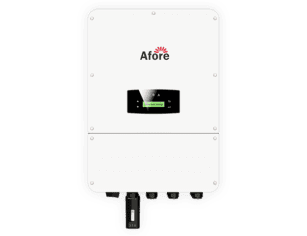
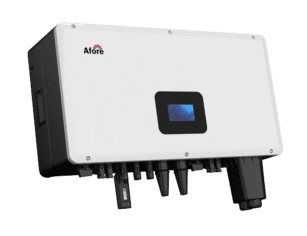
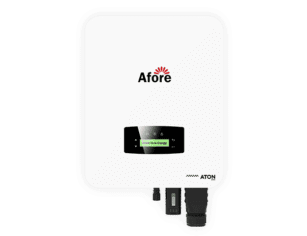
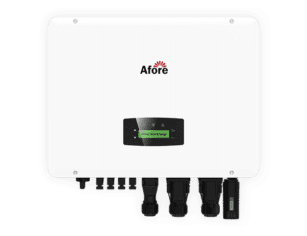
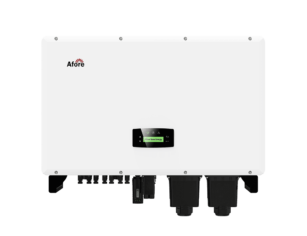
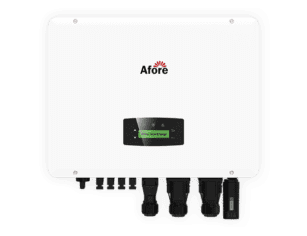
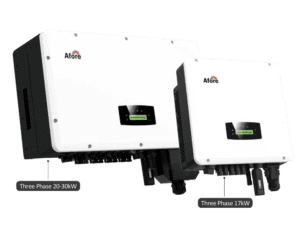
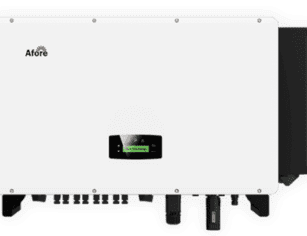
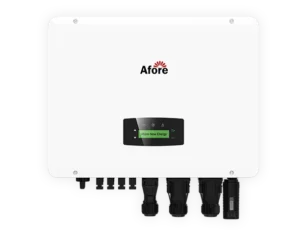
While DERs provide the physical energy, solar inverters act as the interface between the asset and the VPP network. Modern inverters are far more than simple DC-to-AC converters—they’re intelligent nodes that enable advanced functionality.
Key functions of the solar inverter layer include:
In virtual power plant architecture, every solar inverter effectively becomes a controllable, intelligent asset. It allows the VPP to coordinate DER output while maintaining local stability and safety.
Communication is the nervous system of virtual power plant architecture. Without reliable, low-latency communication, the coordination of hundreds or thousands of DERs is impossible.
Key components include:
The communication infrastructure ensures that instructions from the central platform are executed reliably and that data flows back for monitoring and analytics. From my practical experience, latency and interoperability are the two biggest technical hurdles at this stage—solving them is critical for scalable VPP deployment.
At the heart of virtual power plant architecture lies the central control platform, often powered by cloud-based energy management systems. This platform is the brain that turns a collection of DERs into a cohesive, flexible energy resource.
Core capabilities of the control platform include:
A robust control platform transforms a static network of energy assets into a dynamic, market-responsive VPP. It allows operators and aggregators to make real-time decisions that optimize performance and revenue.
The final piece of the puzzle is the VPP aggregator model, which acts as the bridge between the distributed assets and energy markets.
Functions of the VPP aggregator model include:
In practical deployments, the aggregator model allows even small residential solar and battery systems to contribute meaningfully to energy markets. This democratization of energy assets is one of the most compelling advantages of virtual power plant architecture.
When you step back, you see the full picture: DERs generate and store energy, solar inverters manage conversion and local control, communication infrastructure ensures reliable data flow, the central cloud-based energy management platform coordinates operation, and the VPP aggregator model transforms assets into a monetizable resource.
This synergy is what makes virtual power plant architecture both technically powerful and commercially viable. By integrating diverse assets into a single coordinated system, operators gain flexibility, reliability, and the ability to respond quickly to both market opportunities and grid demands.
In short, the core components are not just hardware or software—they form an interconnected ecosystem that turns fragmented energy resources into a cohesive, intelligent, and profitable network.
Understanding virtual power plant architecture in theory is one thing, but seeing it in action makes it far clearer. Essentially, a VPP coordinates distributed energy resources (DERs) like solar panels, batteries, and flexible loads to operate as a single, grid-responsive entity. The real magic happens when all the components—solar inverters, communication infrastructure, a central control platform, and the VPP aggregator model—work together seamlessly.
At a practical level, the system constantly monitors energy production, storage, and consumption, while sending signals to adjust output in real time. This ensures that the VPP can balance supply and demand, respond to grid requirements, and even participate in energy markets. Let’s walk through a step-by-step workflow to illustrate how virtual power plant architecture functions in the field.
The process begins with energy-producing assets like solar panels or wind turbines. Solar systems generate DC electricity, while other DERs contribute as appropriate. From my hands-on experience, even residential rooftop systems can have a meaningful impact when aggregated through a VPP.
Generated energy is converted from DC to AC using solar inverters, which also perform smart functions like grid synchronization, voltage regulation, and reactive power support. These inverters serve as the first layer of intelligence in the virtual power plant architecture, ensuring each DER contributes reliably to the network.
Once energy is generated, performance data—including output, storage levels, and load consumption—is sent via IoT gateways and edge controllers to the central platform. This communication infrastructure is critical; without real-time, low-latency data, coordinating hundreds or thousands of assets would be impossible.
The central platform aggregates all incoming data and runs optimization algorithms. It forecasts demand, predicts generation capacity, and calculates the most efficient way to dispatch resources. This cloud-based energy management layer transforms individual DERs into a cohesive, responsive network capable of reacting to both grid signals and market opportunities.
Finally, the VPP aggregator model takes center stage. It decides how to allocate resources—whether that means discharging batteries to meet peak demand, curtailing load during grid stress, or bidding energy into wholesale markets. The aggregator ensures that the virtual power plant operates as a single, optimized entity, generating value for both participants and the grid.
As conditions change—weather fluctuations, grid signals, or market price shifts—the system continuously monitors performance and adjusts dispatch strategies. This dynamic feedback loop is what makes virtual power plant architecture far more flexible and resilient than traditional, centralized power systems.
In practice, a fully operational VPP can respond to grid fluctuations in seconds, balance renewable variability, and maximize financial returns from distributed assets. What’s remarkable is that assets scattered across cities, neighborhoods, or even countries can collectively behave like one large, intelligent power plant, offering reliability and profitability that a single conventional plant cannot match.
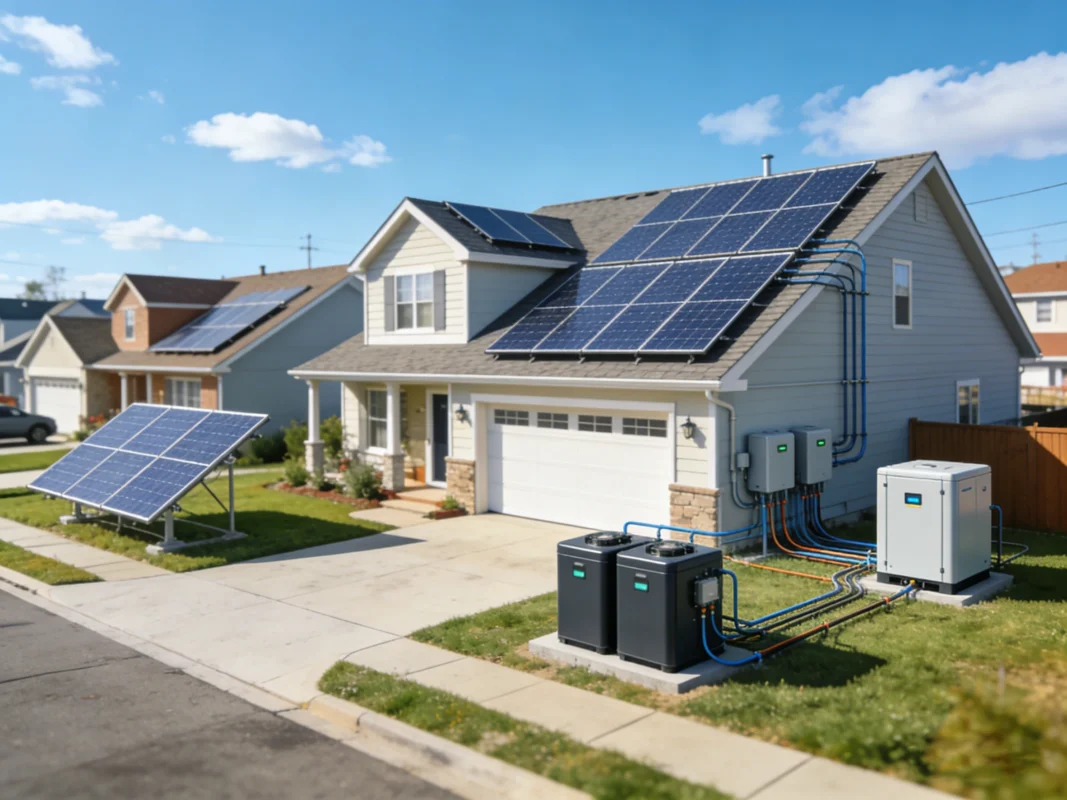
When comparing virtual power plant architecture with conventional power systems, the differences go beyond technology—they reflect a fundamental shift in how energy is generated, managed, and delivered.
Traditional power systems rely on large, centralized power plants that feed electricity into the grid. These systems are efficient at scale but lack flexibility. Any disruption—whether equipment failure or sudden demand spikes—can ripple through the network.
In contrast, virtual power plant architecture is distributed by design. It connects numerous DERs, from residential solar panels to industrial batteries, coordinating them through cloud-based energy management and the VPP aggregator model. Instead of depending on a single generation source, the network balances supply and demand dynamically across multiple locations. This distributed approach allows energy to be produced closer to where it’s consumed, reducing transmission losses and improving overall efficiency.
Resilience is another area where virtual power plant architecture stands out. Traditional centralized plants can be vulnerable—a single outage can affect thousands of consumers. Distributed VPPs, however, spread risk across many assets. If one node fails, others compensate automatically, maintaining grid stability.
Moreover, the combination of solar inverters, real-time monitoring, and predictive analytics enables VPPs to react quickly to changing conditions, whether that’s a sudden surge in demand or variability in renewable generation. From my experience, this decentralized coordination not only enhances reliability but also supports faster integration of renewables, making the energy system more adaptable for the future.
The VPP aggregator model is the engine that turns a collection of distributed energy resources into a market-ready, coordinated power system. Without the aggregator, virtual power plant architecture would be little more than a network of isolated DERs.
At its core, the aggregator connects multiple DERs—like solar panels, batteries, and flexible loads—and manages them as a single entity. It continuously collects data on generation, storage levels, and consumption, then uses algorithms to optimize performance across the network.
The aggregator is also the interface with the wider energy market. It can submit bids, respond to demand response signals, and ensure compliance with grid regulations. Essentially, it orchestrates every asset, ensuring that each contributes efficiently to grid stability and revenue opportunities.
From practical experience, the aggregator’s real value lies in its ability to make thousands of small systems behave like a single, controllable power plant, allowing even residential assets to participate in markets that would otherwise be inaccessible.
The VPP aggregator model opens multiple avenues for monetization:
In a well-structured virtual power plant architecture, these revenue streams turn otherwise idle distributed assets into profitable resources. Operators and participants benefit alike, demonstrating how the VPP aggregator model transforms fragmented energy systems into coordinated, market-savvy networks.
In virtual power plant architecture, cloud-based energy management is the brain that enables distributed energy resources to operate as a single, responsive network. Without it, coordinating thousands of DERs—from solar panels to battery storage—would be nearly impossible.
The cloud provides real-time visibility and control, allowing operators to monitor energy production, storage levels, and consumption patterns across multiple sites. It scales effortlessly, meaning a VPP can grow from a few dozen assets to thousands without performance loss. From my practical experience, cloud platforms also enable predictive analytics, helping anticipate demand spikes or renewable variability before they impact the grid.
Key functions of cloud-based energy management include:
By providing these capabilities, the cloud ensures that virtual power plant architecture is not only operational but also flexible, profitable, and resilient.
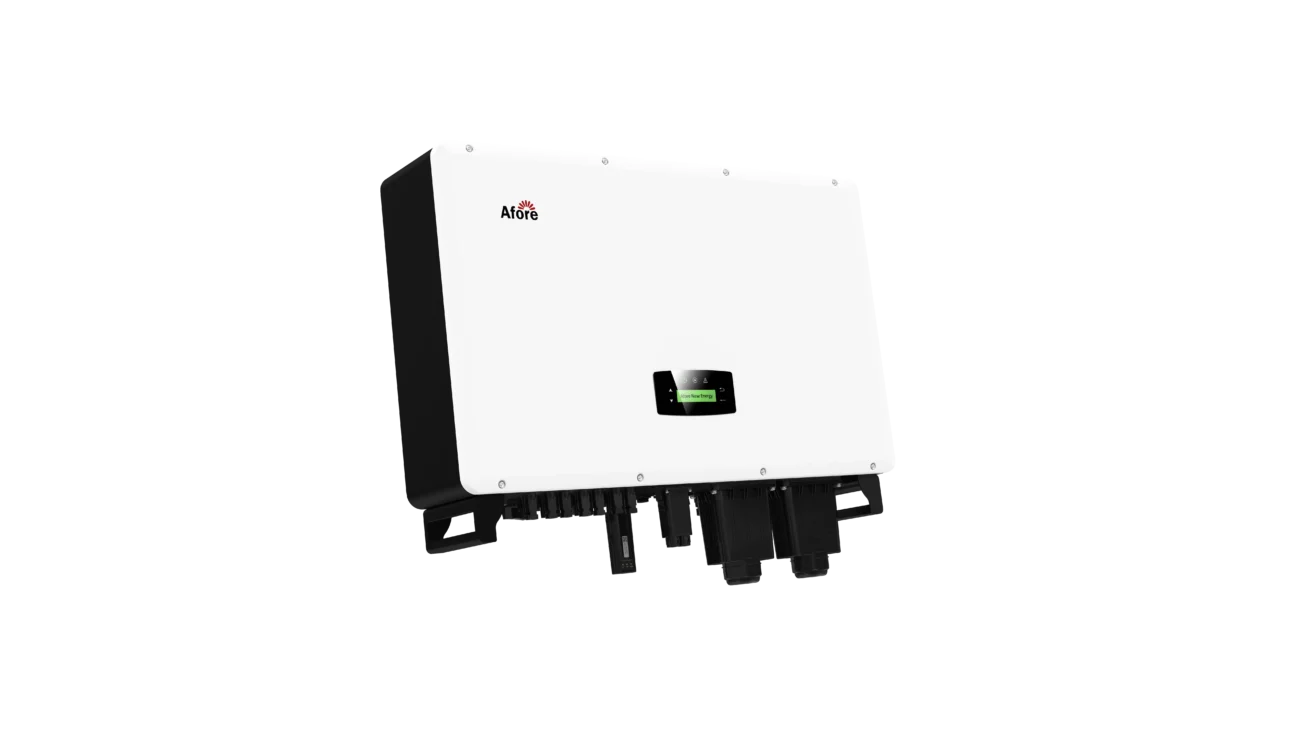
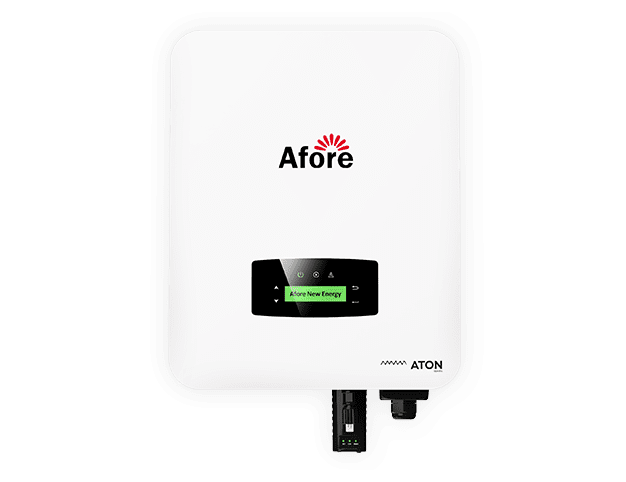
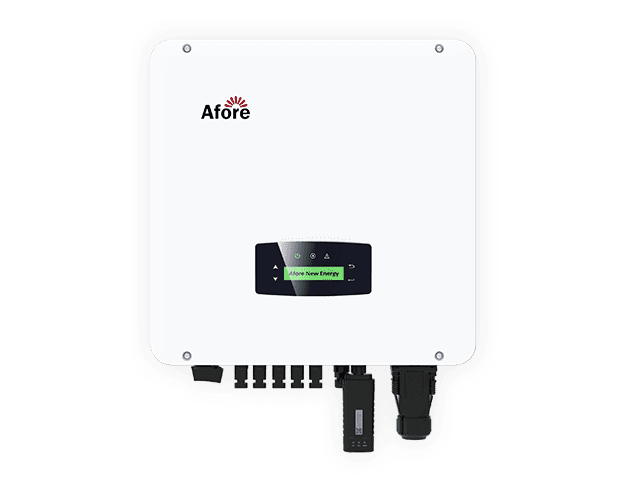
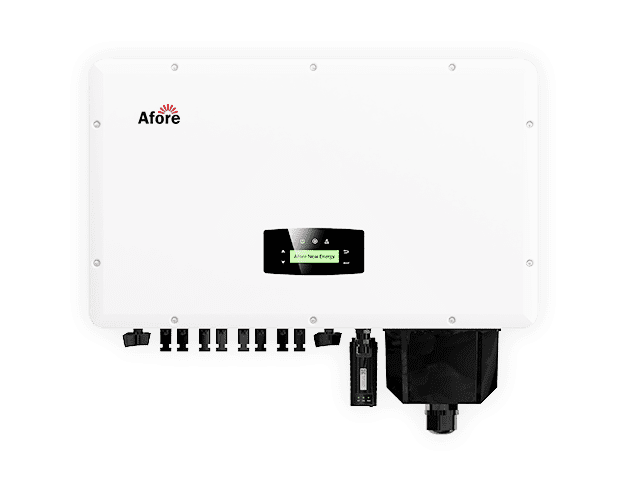
In virtual power plant architecture, solar inverters are far more than simple devices that convert DC electricity from panels into AC power. They are intelligent nodes that enable distributed energy resources to communicate, respond, and contribute to the overall network in real time. Without smart inverters, coordinating multiple DERs into a cohesive, market-responsive VPP would be nearly impossible.
Modern solar inverters come equipped with advanced features that extend their functionality beyond basic conversion:
From hands-on deployments, these capabilities are essential for ensuring that each DER can act both independently and as part of the collective system.
In a well-designed virtual power plant architecture, every solar inverter becomes an active, controllable asset. It communicates with the cloud-based energy management platform and the VPP aggregator model, providing real-time data and receiving instructions for energy dispatch. This integration allows even small residential or commercial inverters to participate in grid services, demand response programs, and energy market opportunities.
By turning every inverter into a networked, intelligent participant, VPP operators can optimize generation, maximize revenue, and enhance grid stability. Essentially, smart inverters transform distributed solar assets from passive energy producers into active contributors to a profitable, resilient, and scalable virtual power plant architecture.
Creating a virtual power plant architecture that is both effective and scalable requires careful planning, technology selection, and strategic integration of assets. Scaling a VPP is not just about adding more solar panels or batteries—it’s about ensuring every component works harmoniously, responds to grid needs, and delivers financial value. Below, we break down the essential steps and considerations for building a VPP that can grow without compromising performance.
The foundation of any scalable virtual power plant architecture is the right mix of distributed energy resources (DERs). Consider:
Proper asset selection ensures the VPP can meet both operational and market objectives while maintaining flexibility as more DERs are added.
Scalability depends on robust communication infrastructure. A virtual power plant architecture requires secure, low-latency data exchange between DERs, inverters, and the central platform. Key considerations include:
Reliable communication is critical; without it, adding more assets can create delays or conflicts, reducing the VPP’s efficiency.
The central control platform, powered by cloud-based energy management, must scale alongside the network. Features to prioritize include:
A scalable platform prevents operational bottlenecks and allows the VPP to respond quickly to grid signals and market opportunities.
Finally, integrating with a VPP aggregator model unlocks monetization opportunities and market participation. Aggregators coordinate the collective DER output, manage bids in energy markets, and ensure that even small assets contribute meaningfully. For scalability, choose an aggregator system capable of handling a growing number of assets without losing efficiency or responsiveness.
Before full deployment, running a pilot VPP helps identify technical and operational challenges. Monitor performance, test communication reliability, and validate revenue models. Once confident, incrementally add assets to scale the virtual power plant architecture. This phased approach reduces risk and ensures consistent performance as the network expands.
By carefully selecting assets, building robust communication pathways, integrating scalable platforms, and collaborating with aggregators, operators can create a virtual power plant architecture that grows efficiently, maximizes revenue, and delivers long-term resilience.
While virtual power plant architecture offers flexibility, efficiency, and monetization opportunities, implementing and operating a VPP comes with its own set of challenges. Understanding these hurdles is crucial for operators, developers, and investors who want to maximize performance and minimize risks.
One of the primary obstacles in virtual power plant architecture is interoperability. Distributed assets often come from multiple vendors, and ensuring that all DERs, solar inverters, and edge controllers communicate seamlessly can be complex.
Latency is another concern. For a VPP to respond effectively to grid signals or market opportunities, data and control commands must flow in real time. Even minor delays can reduce the system’s ability to stabilize the grid or participate in frequency regulation.
Cybersecurity also plays a significant role. With thousands of connected assets, virtual power plant architecture becomes a potential target for cyber attacks. Implementing secure communication protocols, encryption, and regular monitoring is essential to protect both operational and financial data.
Regulatory frameworks can slow VPP adoption. Energy market rules vary widely across regions, affecting how DERs can participate in wholesale markets, demand response programs, or ancillary services. Some markets may require extensive certification, adding time and cost to deployment.
Additionally, grid operators often have strict requirements for connecting distributed assets. These rules, while necessary for safety, can limit the flexibility of virtual power plant architecture or require expensive upgrades to meet compliance.
From practical experience, navigating these regulatory landscapes requires careful planning, strong documentation, and proactive engagement with local authorities. Operators who address technical and regulatory challenges early are better positioned to scale their VPPs successfully.
In summary, while virtual power plant architecture offers substantial advantages, overcoming technical complexities and regulatory barriers is key to creating a reliable, scalable, and profitable network.
Virtual power plant architecture is not just theoretical—it’s being applied across residential, commercial, and utility-scale energy systems, transforming how electricity is generated, managed, and monetized.
In residential settings, homeowners with solar panels and battery storage can participate in a VPP aggregator model. Their assets collectively provide grid services like demand response or frequency regulation, earning revenue while enhancing local energy resilience. Even small rooftop systems contribute meaningfully when aggregated.
For commercial and industrial sites, VPPs optimize energy use by coordinating large-scale DERs, including solar arrays, battery banks, and controllable loads. These businesses can reduce peak demand charges, participate in energy markets, and improve operational efficiency—all within a coordinated virtual power plant architecture.
At the utility level, VPPs aggregate thousands of DERs across regions, effectively acting as a flexible, distributed power plant. Utilities leverage cloud-based energy management and smart solar inverters to stabilize the grid, integrate more renewables, and respond rapidly to fluctuations in supply or demand.
One of the most compelling aspects of virtual power plant architecture is its ability to turn distributed energy resources into revenue-generating assets. By coordinating DERs through a VPP aggregator model and leveraging cloud-based energy management, operators and participants can unlock multiple income streams beyond simply producing electricity.
Energy arbitrage involves buying or storing electricity when prices are low and selling it when demand peaks. In a VPP, batteries and flexible DERs work together to optimize timing, allowing participants to capitalize on market price fluctuations. Even small residential systems can contribute when aggregated, making energy arbitrage accessible to a wide range of users.
VPPs can also earn revenue by providing essential grid services. DERs can be dispatched to support frequency regulation, voltage control, or emergency load reduction. By responding to real-time grid signals, virtual power plant architecture transforms otherwise idle distributed assets into active contributors to system stability, creating additional revenue for participants.
Participation in capacity markets offers another monetization route. Here, DERs commit to being available to supply energy or reduce load when needed. Even if they’re not actively generating electricity, their availability is valuable to grid operators, and operators are compensated for this standby capacity.
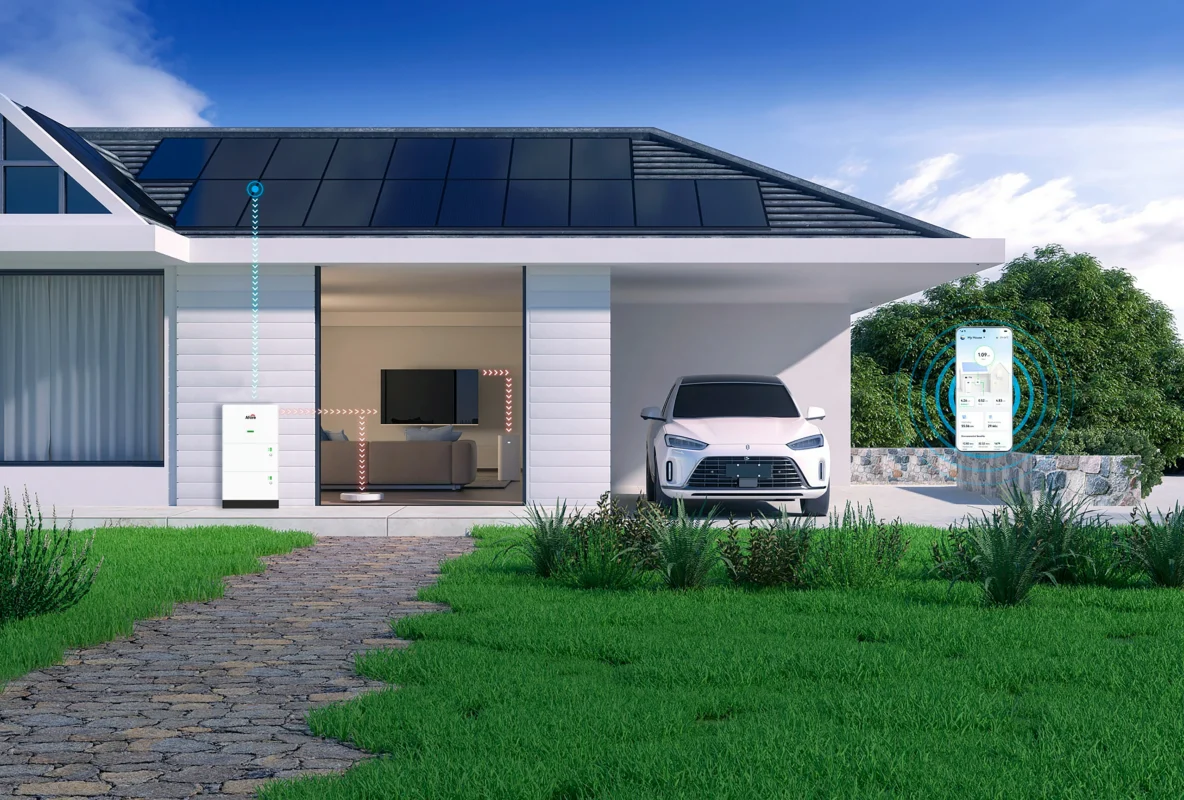
Implementing virtual power plant architecture effectively requires a strategic approach that balances technology, operations, and long-term scalability. Following best practices ensures the system is reliable, profitable, and ready to adapt as more DERs are integrated.
A phased approach is crucial. Begin with a pilot project that aggregates a manageable number of DERs, such as residential solar systems and small battery storage units. This allows you to test communication protocols, optimize dispatch strategies, and identify operational bottlenecks. Once the system performs reliably, scale quickly by adding more assets to expand the VPP aggregator model’s reach and market participation.
Interoperability is key in virtual power plant architecture. DERs often come from multiple vendors, and ensuring that solar inverters, batteries, and control devices can communicate seamlessly is critical. Adopting open-standard communication protocols and compatible edge controllers reduces integration challenges and prevents delays as the VPP grows.
High-quality, real-time data is the backbone of a successful VPP. Accurate monitoring of generation, storage, and consumption enables the cloud-based energy management platform to optimize dispatch, forecast demand, and respond to grid signals. Regular calibration, validation, and data security measures ensure that decisions are based on reliable information, maximizing both revenue and grid reliability.
Virtual power plant architecture isn’t just a technical upgrade—it’s a complete shift in how we think about energy.
It’s flexible. It’s scalable. And most importantly, it turns passive energy assets into active revenue generators.
If you’re in the energy space and you’re not paying attention to virtual power plant architecture, you’re already behind.
But the good news? It’s still early enough to get ahead.
A VPP typically consists of distributed energy resources (DERs) like solar panels, batteries, and flexible loads, solar inverters for conversion and control, robust communication infrastructure, a central cloud-based energy management platform, and a VPP aggregator model to coordinate assets and participate in energy markets.
While both involve distributed resources, a microgrid is a localized system that can operate independently from the main grid. In contrast, virtual power plant architecture aggregates multiple DERs across regions, coordinating them remotely through the cloud to act like a single power plant without necessarily isolating from the grid.
Hybrid solar inverters manage both energy conversion and storage integration. They provide grid support, enable dynamic response to signals, and communicate performance data to the central platform, making DERs actively controllable within the virtual power plant architecture.
Businesses can earn revenue through energy arbitrage, demand response programs, frequency regulation, and capacity market participation. Aggregating solar assets into a VPP allows even small systems to generate income while supporting grid stability.
Protocols like Modbus, IEC 61850, and DNP3 are commonly used. Open-standard protocols ensure interoperability between solar inverters, batteries, and the central cloud-based energy management platform, enabling seamless coordination.
Yes, in many scenarios. Virtual power plant architecture spreads risk across distributed assets. If one DER fails, others compensate automatically. Coupled with real-time monitoring and smart dispatch, VPPs often offer higher resilience and flexibility than single-point generation systems.








 Turkish
  Romanian