



If you’ve spent any time around commercial solar design, you’ve probably heard engineers casually say, “Just oversize the array a bit.” Sounds simple—but behind that statement lies one of the most powerful (and misunderstood) strategies in modern solar design.
This commercial solar oversizing guide is not about blindly adding more panels. It’s about engineering smarter systems that squeeze every kilowatt-hour out of your investment—especially when conditions are less than perfect.
In any practical commercial solar oversizing guide, the concept of oversizing sits right at the heart of system design. Simply put, solar oversizing means installing a larger total capacity of solar panels (DC side) than the inverter’s rated output (AC side). Instead of matching both sides one-to-one, designers intentionally allow the panel capacity to exceed the inverter capacity to improve real-world performance.
This approach reflects how solar systems actually behave outside of lab conditions. Panels rarely operate at their nameplate rating due to temperature losses, dirt accumulation, shading, and imperfect sunlight angles. Oversizing compensates for these variables, helping systems deliver more consistent energy output throughout the day and across seasons.
The DC/AC ratio is the key metric used to define oversizing. It compares the total installed panel capacity (DC) to the inverter’s output capacity (AC). For example, a system with 1.3 MW of panels connected to a 1 MW inverter has a DC/AC ratio of 1.3.
In most commercial projects, ratios between 1.2 and 1.5 are considered optimal. A carefully selected ratio allows businesses to adopt a high DC/AC ratio for business without creating excessive energy loss. Getting this balance right is essential for both performance and long-term reliability.
Oversizing exists because real-world solar production is rarely perfect. Early morning, late afternoon, cloudy weather, and seasonal changes all reduce output. By adding extra panel capacity, systems can maintain higher generation levels during these weaker periods, effectively maximizing low light yield.
From a financial perspective, the economic benefits of PV oversizing are hard to ignore. Additional panels are relatively low-cost compared to inverters, making oversizing a strategic way to boost total energy production and improve overall system efficiency.
Any well-structured commercial solar oversizing guide will point out a simple truth: oversizing delivers the strongest returns in commercial settings. That’s not by accident—it comes down to how businesses consume energy and how solar systems actually perform in the field.
Commercial facilities typically operate during daylight hours, which naturally aligns with solar generation. When you combine that with a carefully chosen high DC/AC ratio for business, the result is a system that produces more usable energy exactly when it’s needed most. This alignment is one of the key drivers behind optimizing commercial solar ROI.
Unlike residential users who consume more energy at night, commercial operations—factories, offices, retail spaces—tend to peak during the day. That means more solar energy is consumed on-site rather than exported to the grid.
In a practical commercial solar oversizing guide, this is a big deal. Higher self-consumption reduces reliance on external electricity and avoids lower feed-in tariffs. Oversizing ensures the system ramps up earlier in the morning and maintains output longer in the afternoon, further improving maximizing low light yield and reducing wasted potential.
Oversizing also plays a major role in lowering the overall cost per kilowatt-hour. Since panels are relatively inexpensive compared to inverters and infrastructure, adding more DC capacity spreads fixed costs over a larger energy output.
This is where the economic benefits of PV oversizing become clear. By increasing total generation without proportionally increasing system costs, businesses achieve a lower LCOE and a more competitive energy profile over time—exactly what a strong commercial solar oversizing guide aims to deliver.
From a financial standpoint, any practical commercial solar oversizing guide quickly leads to one conclusion: oversizing is one of the most cost-efficient ways to increase total system output without proportionally increasing investment. Instead of scaling every component equally, developers strategically add more PV capacity where it delivers the highest return.
This approach is especially effective in commercial projects where long-term energy savings matter more than short-term installation simplicity. When designed correctly, oversizing improves system utilization and directly contributes to optimizing commercial solar ROI.
One of the most immediate advantages highlighted in a commercial solar oversizing guide is the reduction in cost per installed watt. Solar panels typically represent one of the lowest-cost components in a system, especially compared to inverters, electrical infrastructure, and labor.
By increasing DC capacity, businesses can generate significantly more energy without a proportional rise in system cost. This improves overall efficiency and strengthens the economic benefits of PV oversizing. In practice, it means every dollar invested produces more kilowatt-hours over the system’s lifetime, making the project more financially attractive.
Oversizing also accelerates financial recovery. Because the system produces more energy—especially during low-light periods and shoulder hours—it increases total annual yield. This improved output shortens the time required to recover initial capital investment.
In a well-structured commercial solar oversizing guide, this faster payback is often a key justification for selecting a higher DC/AC ratio. Combined with stable energy demand in commercial settings, oversizing helps projects reach profitability sooner while maintaining long-term performance stability.
In any practical commercial solar oversizing guide, the DC/AC ratio is where engineering and financial judgment must meet. While oversizing improves energy yield, pushing it too aggressively can reduce system efficiency and increase unnecessary losses. The key is finding the balance between performance gains and diminishing returns.
For most commercial installations, the optimal range sits between 1.2 and 1.5. Within this window, businesses can achieve strong output gains while maintaining manageable levels of clipping. This balanced approach supports optimizing commercial solar ROI and ensures stable long-term system behavior.
A well-designed system in this range typically improves energy production during morning, evening, and low-light conditions—helping to maximize low light yield without overloading the inverter. This is why experienced designers consistently recommend staying within this proven operating band in a commercial solar oversizing guide.
Problems begin when the ratio is pushed too high without proper analysis. Excessive DC capacity leads to frequent inverter clipping, where potential energy is consistently lost during peak sunlight hours. Over time, this reduces the expected gains from oversizing.
In extreme cases, it can also strain system components and complicate inverter clipping management, ultimately harming project economics instead of improving them. That’s why any responsible commercial solar oversizing guide emphasizes simulation-based design rather than guesswork.
In a properly designed commercial solar oversizing guide, inverter clipping is not treated as a failure—it’s treated as a predictable design outcome. Once a system uses a higher DC/AC ratio, understanding how clipping works becomes essential for both performance evaluation and financial planning.
Clipping occurs when the solar panels generate more DC power than the inverter can convert into AC power at a given moment. Since the inverter has a fixed output limit, any excess energy above that limit is “cut off” or capped.
In practice, this usually happens during peak sunlight hours when panel output temporarily exceeds inverter capacity. In a commercial solar oversizing guide, this is expected behavior when operating at a high DC/AC ratio for business. It is not a system fault, but a controlled limitation built into the design.
While clipping may sound like energy loss, it is not necessarily harmful to system performance. Most clipping happens during short peak periods, when the system is already near maximum production capacity.
The real benefit comes from the rest of the day. Oversized systems perform better in early morning, late afternoon, and cloudy conditions—helping maximize low light yield and improving overall annual energy production.
From an economic perspective, the economic benefits of PV oversizing often outweigh the small percentage of clipped energy. A well-designed system focuses on total yearly output, not just peak-hour perfection.
Consider a 1 MW inverter paired with a 1.4 MW solar array. During midday, the system may clip 3–5% of potential energy. However, during non-peak hours, the larger array significantly increases generation, resulting in a net annual gain of 10–15%.
This balance is a core principle in any effective commercial solar oversizing guide, where controlled clipping is accepted as part of a strategy to achieve higher long-term yield and better optimizing commercial solar ROI.
In any practical commercial solar oversizing guide, one of the most overlooked advantages of oversizing is how well it performs outside of peak sunlight hours. While many discussions focus on midday output and inverter limits, the real value often comes from improved generation during low-light conditions.
During early morning and late afternoon, sunlight intensity is lower, and standard-sized systems often struggle to reach optimal operating thresholds. With a higher DC capacity, the system activates earlier and continues producing longer into the evening.
This extended production window is a key advantage in maximizing low light yield. It helps commercial facilities capture more usable energy during hours that would otherwise contribute minimal output. In real-world applications, this directly supports optimizing commercial solar ROI by increasing total daily energy harvest.
Oversizing also plays a major role in improving performance under diffuse light conditions. On cloudy days or during winter months, solar irradiance drops significantly, but larger PV arrays compensate by capturing more available energy.
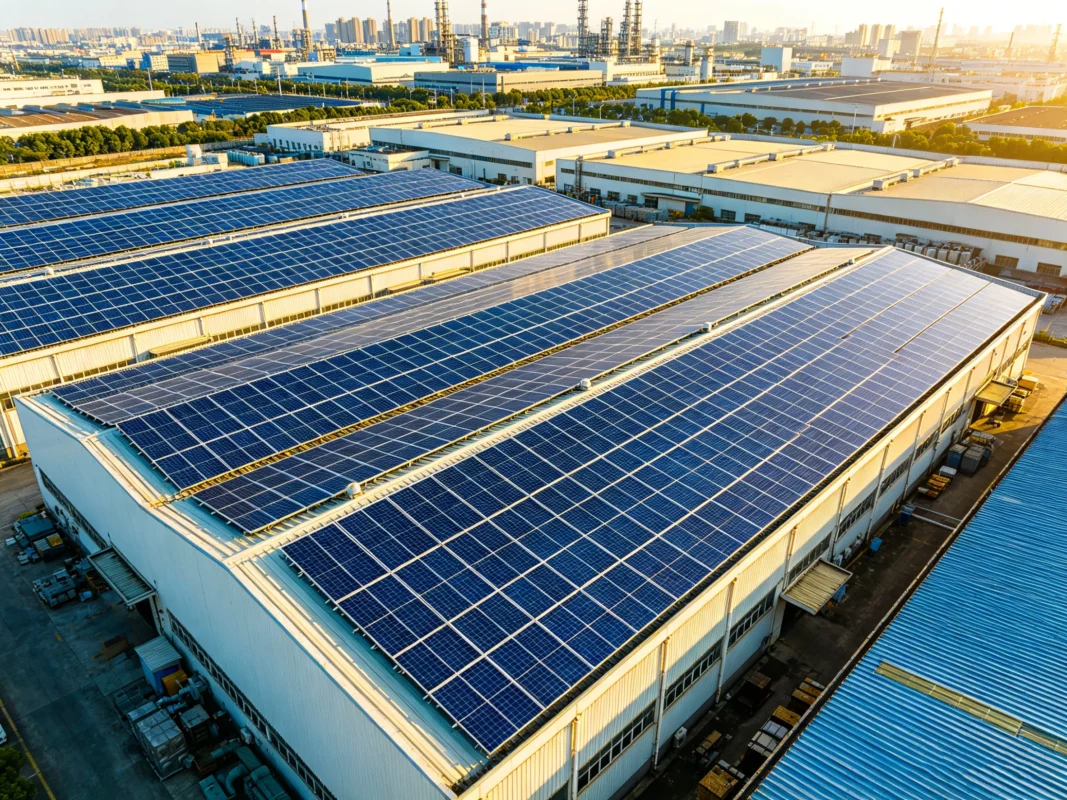
In any well-structured commercial solar oversizing guide, inverter health is a key concern for system designers and investors. While oversizing is widely used to improve energy yield, it must be properly engineered to ensure long-term reliability and stable operation.
In general, oversizing does not damage inverters when the system is designed within recommended limits. Modern inverters are built to handle higher DC input than their rated AC output, especially in commercial applications using a high DC/AC ratio for business.
In fact, operating under controlled oversizing can be beneficial. It allows the inverter to run closer to its optimal efficiency range more frequently, which supports optimizing commercial solar ROI without compromising equipment lifespan.
However, risks arise when oversizing is poorly planned. Excessive DC input can lead to frequent clipping and sustained high thermal loads, especially in poorly ventilated installations. Over time, this may reduce performance stability.
Another concern highlighted in any reliable commercial solar oversizing guide is system design imbalance. If oversizing is pushed too far without proper modeling, it can stress components and reduce long-term efficiency.
Ultimately, careful engineering and thermal management are essential to ensure that oversizing remains a financial advantage rather than a technical liability.
In any practical commercial solar oversizing guide, equipment selection plays a decisive role in system stability and long-term performance. Among all components, the inverter is the core that determines how efficiently DC power is converted into usable AC energy. Choosing reliable manufacturers is therefore not just a technical decision, but also a financial one.
When evaluating solar inverter manufacturers, focus on technical reliability, high DC input tolerance, and proven performance in commercial environments. Strong monitoring capabilities, thermal stability, and support for higher DC/AC ratios are also essential, especially in systems designed under a high DC/AC ratio for business strategy. These features directly influence optimizing commercial solar ROI by ensuring consistent energy output and minimizing downtime.
Oversized systems place additional operational demands on inverters, making manufacturer quality even more critical. Poorly designed equipment may struggle with heat management or frequent clipping conditions, reducing system efficiency over time.
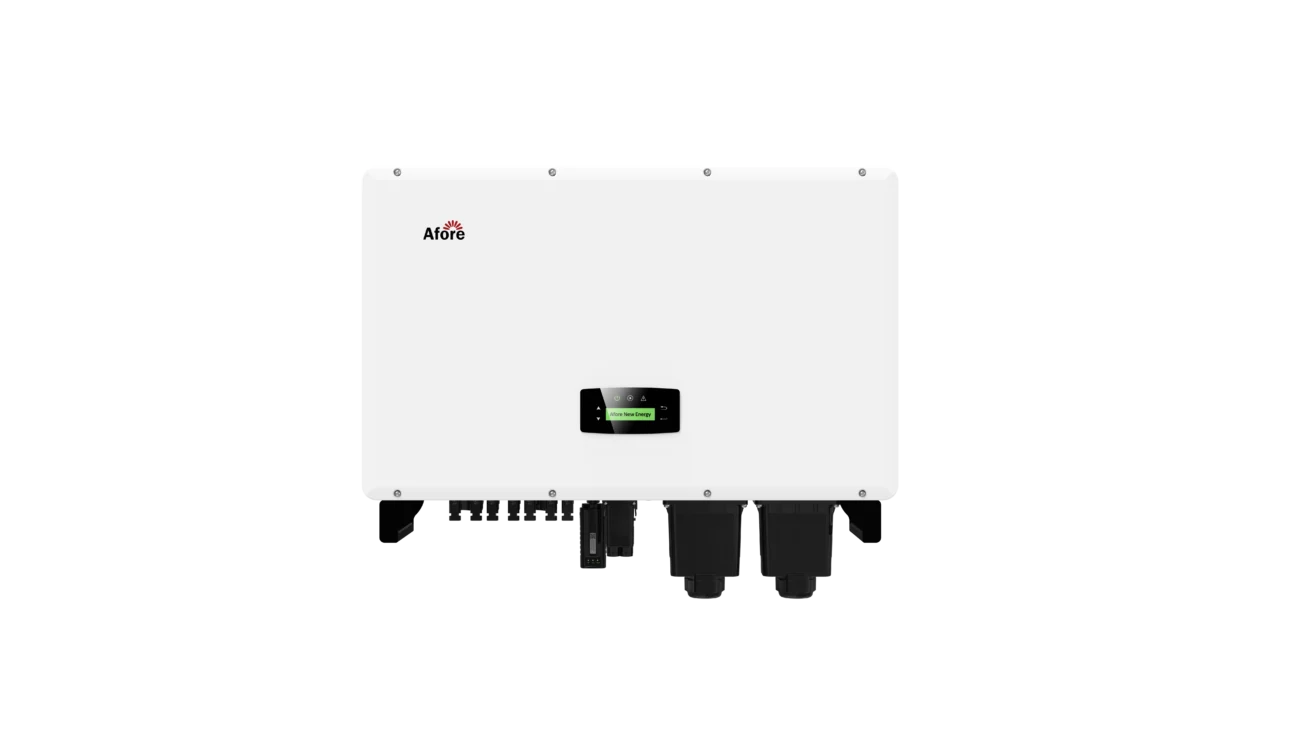
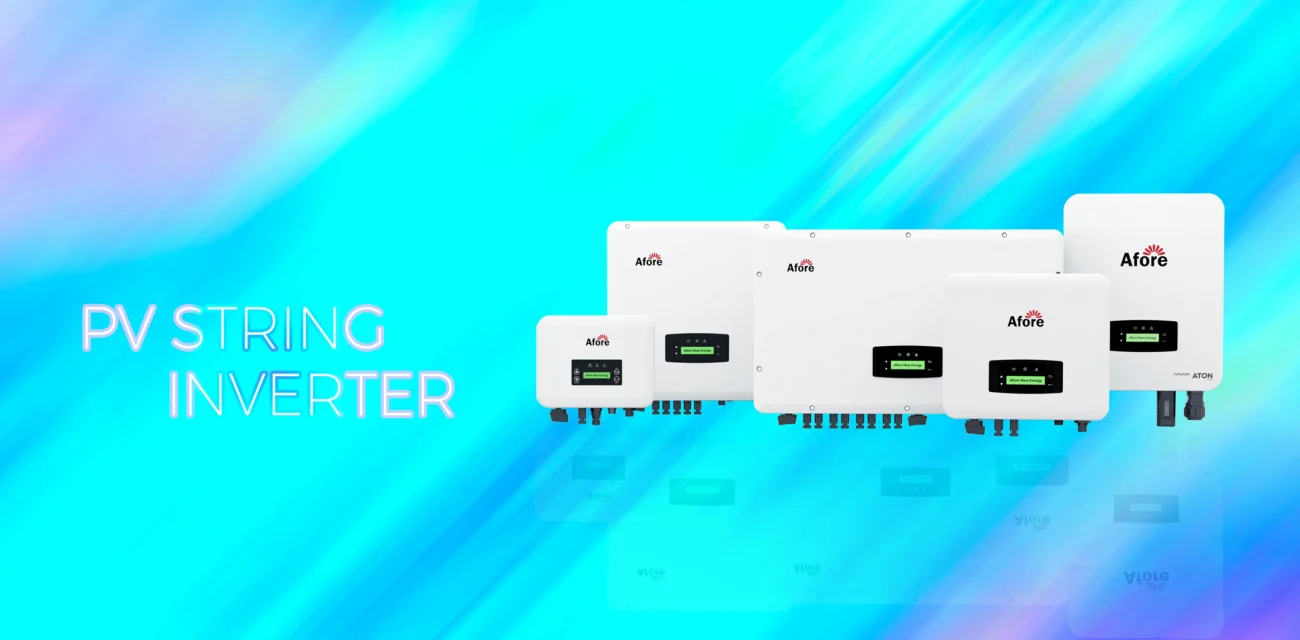
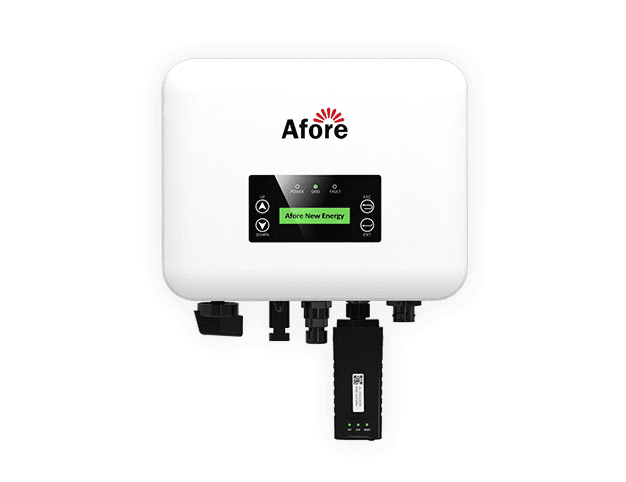
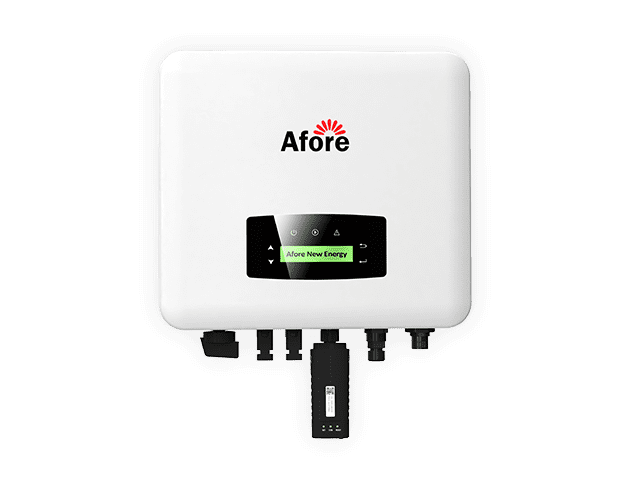
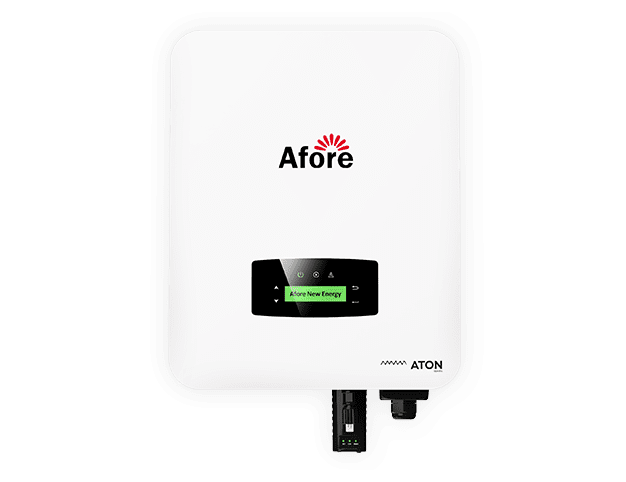
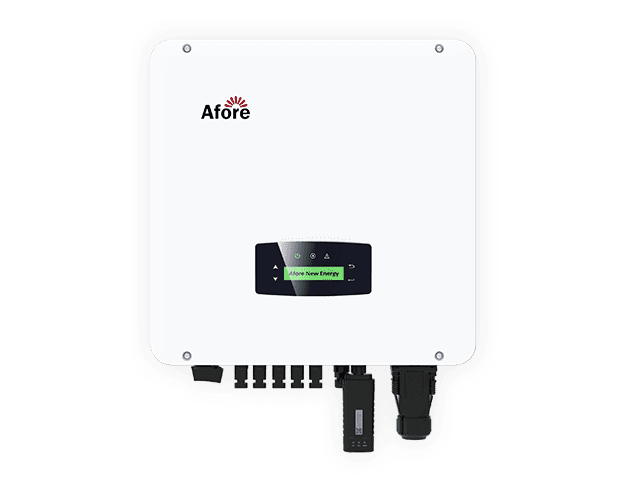
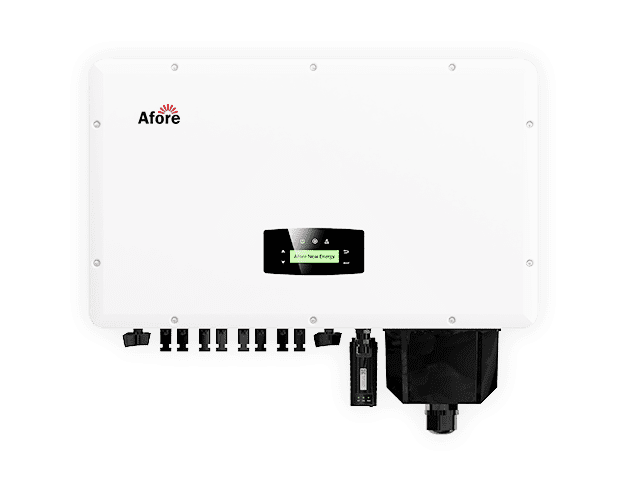
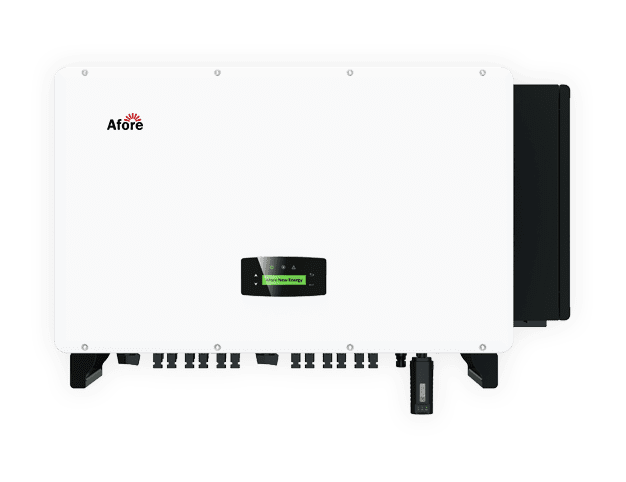
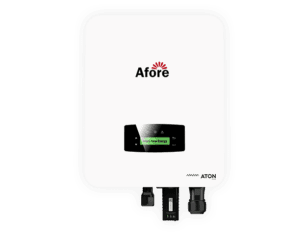
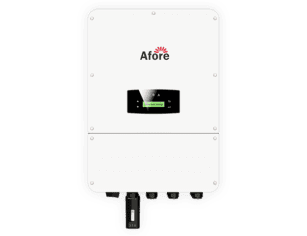
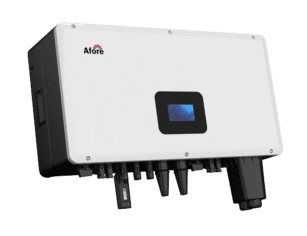
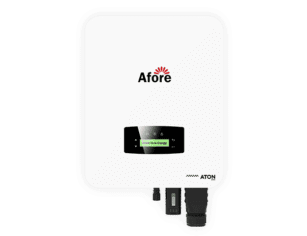
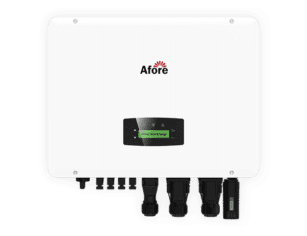
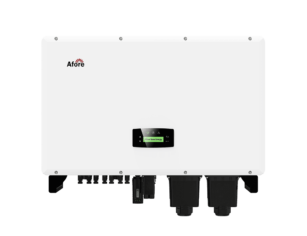
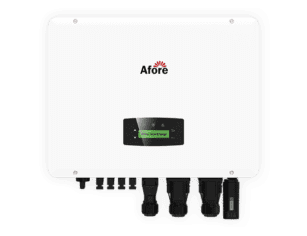
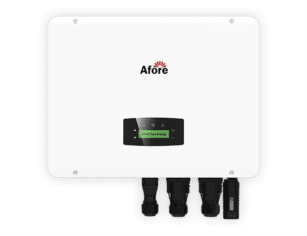
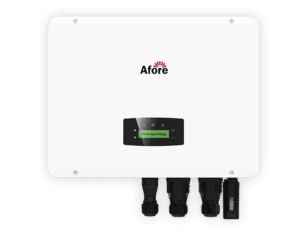
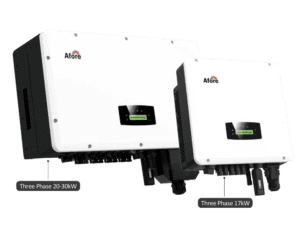
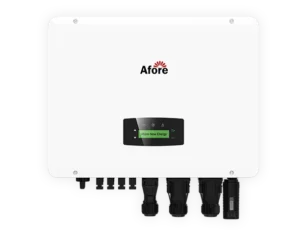
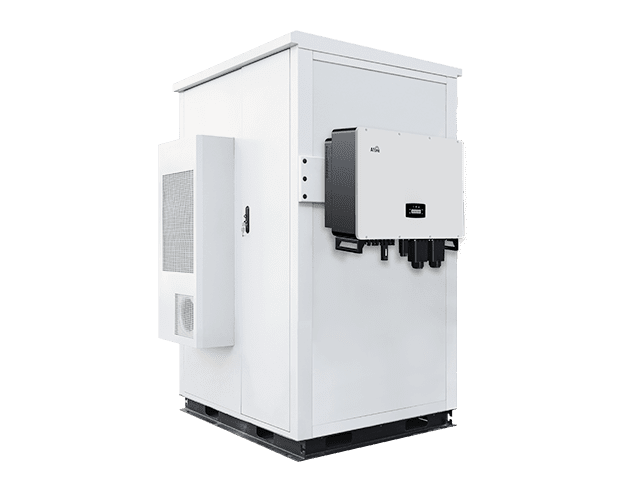
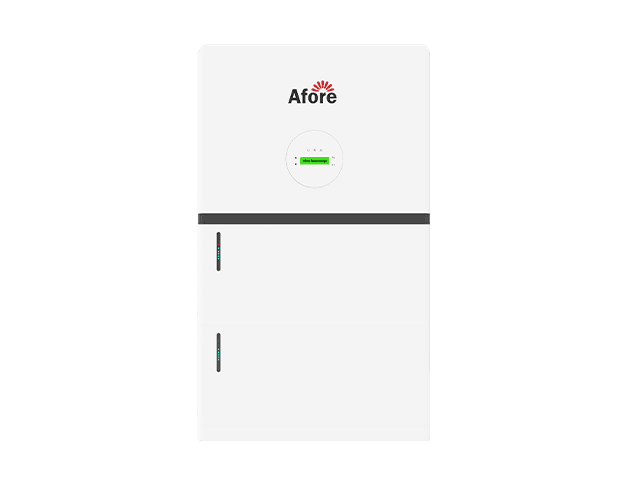
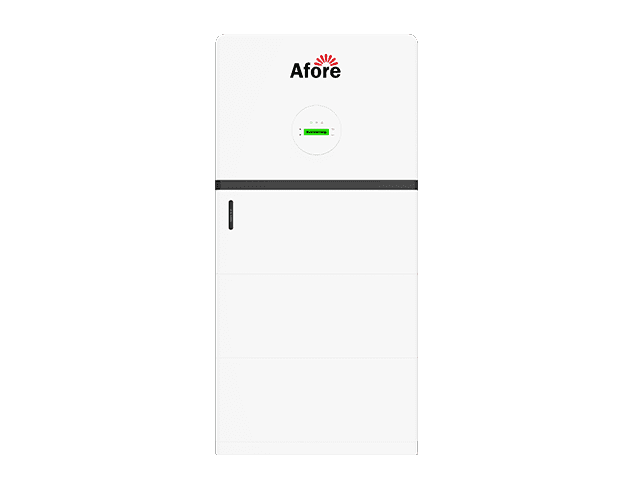
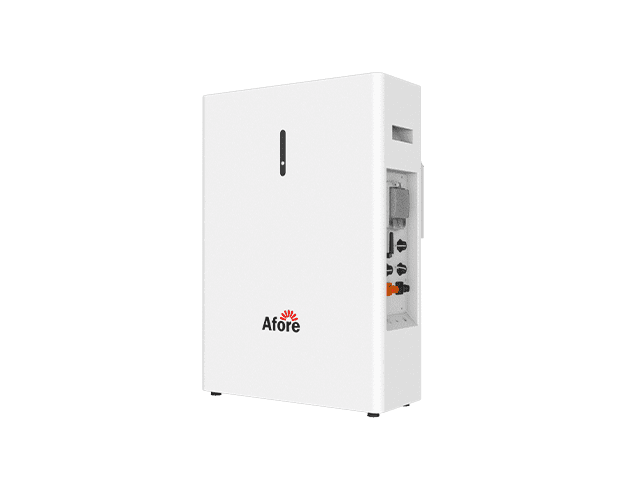
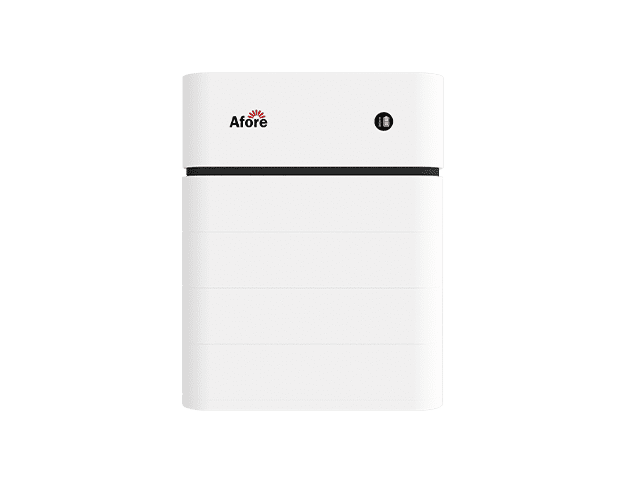
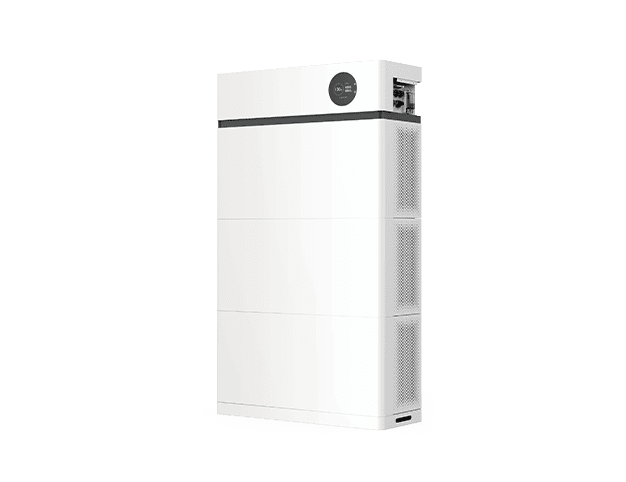
This is why experienced EPC professionals often prioritize established suppliers. For example, Afore is a global well-known solar inverter manufacturer, recognized for delivering solutions suitable for commercial-scale oversizing applications.
In a practical commercial solar oversizing guide, EPC professionals need more than theory—they need a structured, repeatable process that ensures performance, reliability, and financial viability. Oversizing is not a guesswork strategy; it requires careful modeling, scenario testing, and equipment alignment to achieve optimizing commercial solar ROI in real-world conditions.
The first step is understanding how the facility actually consumes energy. This includes daily load curves, peak demand periods, and seasonal variations. Commercial buildings often have daytime-heavy usage, which makes them ideal for solar alignment. A clear load profile helps determine how much energy can be self-consumed versus exported.
Next, EPCs must select an appropriate DC/AC ratio based on site conditions and project goals. Most commercial systems operate efficiently between 1.2 and 1.5. This step is central to any commercial solar oversizing guide, as it determines system behavior under different irradiance conditions and directly impacts high DC/AC ratio for business performance outcomes.
Once the ratio is defined, simulation tools are used to estimate clipping losses. This step evaluates how often and how much energy will be capped during peak production hours. Proper modeling ensures that inverter clipping management is balanced against increased generation during low-light periods.
Financial analysis is critical. EPCs must compare additional energy yield against incremental system cost. This includes electricity tariffs, incentives, degradation rates, and maintenance assumptions. A strong model demonstrates clear economic benefits of PV oversizing, ensuring faster payback and long-term profitability.
Finally, equipment selection must align with the design assumptions. Panels, inverters, and mounting systems should all support the chosen oversizing strategy. Reliable components ensure system stability and protect long-term output, which is essential for maximizing low light yield and sustaining performance over the project lifecycle.
In any practical commercial solar oversizing guide, the ultimate goal is not just higher energy output, but stronger financial performance over the system’s lifetime. Oversizing becomes a strategic tool to enhance returns when it is properly designed and aligned with site conditions.
The main drivers of ROI include increased total energy production, better utilization of inverter capacity, and improved performance during low-light conditions. By generating more usable electricity throughout the day, systems reduce grid dependence and improve self-consumption rates. This directly supports optimizing commercial solar ROI and strengthens the overall economic benefits of PV oversizing, especially in commercial facilities with consistent daytime demand.
A smart approach focuses on balance rather than maximum expansion. Selecting an appropriate DC/AC ratio, managing clipping effectively, and ensuring proper system modeling are essential steps in any commercial solar oversizing guide. The strategy should prioritize stable output, controlled losses, and long-term reliability rather than short-term peak gains.
When executed correctly, oversizing transforms solar installations into high-efficiency energy assets that deliver predictable financial returns over time.
Even in a well-planned commercial solar oversizing guide, mistakes often come from rushing decisions or relying on assumptions instead of data. Oversizing can significantly improve performance, but only when it is backed by proper engineering and site analysis. Otherwise, it can reduce system efficiency and weaken long-term financial returns.
One of the most common errors is increasing system size without simulation or performance modeling. Without evaluating energy yield and clipping behavior, businesses risk pushing the system beyond optimal limits. This can negatively affect inverter clipping management and reduce the expected benefits of a high DC/AC ratio for business applications.
Another critical mistake is failing to consider real site conditions such as shading, orientation, temperature, and seasonal variation. These factors directly influence performance and maximizing low light yield. Ignoring them leads to unrealistic expectations and poor system design outcomes.
Cutting costs on equipment is also a major risk. Low-quality components may struggle under oversized configurations and reduce system stability over time. A reliable commercial solar oversizing guide always emphasizes durable components to ensure long-term performance and consistent optimizing commercial solar ROI.
A well-executed commercial solar oversizing guide isn’t about pushing limits—it’s about finding balance.
Get the DC/AC ratio right, manage clipping intelligently, and choose reliable components, and you’ll unlock:
Oversizing, when done right, isn’t a risk. It’s a competitive advantage.
And in today’s energy landscape, that’s exactly what businesses need.
Oversizing increases total energy production by compensating for real-world inefficiencies like heat, shading, and low-light conditions. It allows businesses to generate more usable power without significantly increasing system costs, making it a core principle in any commercial solar oversizing guide.
When properly designed, oversizing does not harm inverter health. Modern inverters are built to handle higher DC input levels. However, poor ventilation, low-quality components, or excessive clipping can reduce lifespan. Proper engineering is key.
To calculate ROI, compare the additional cost of extra panels against the increased energy production over time. Include factors like electricity tariffs, incentives, and degradation rates. A well-optimized system often shows improved ROI due to better energy yield and system utilization.
Oversizing significantly improves winter performance. With lower sunlight intensity and shorter days, additional panel capacity helps maintain energy output, making it highly effective for maximizing low light yield during colder months.
Not necessarily. Some clipping is expected and even beneficial in oversized systems. The key is proper inverter clipping management, ensuring that energy gains outweigh clipping losses.








 Turkish
  Romanian