



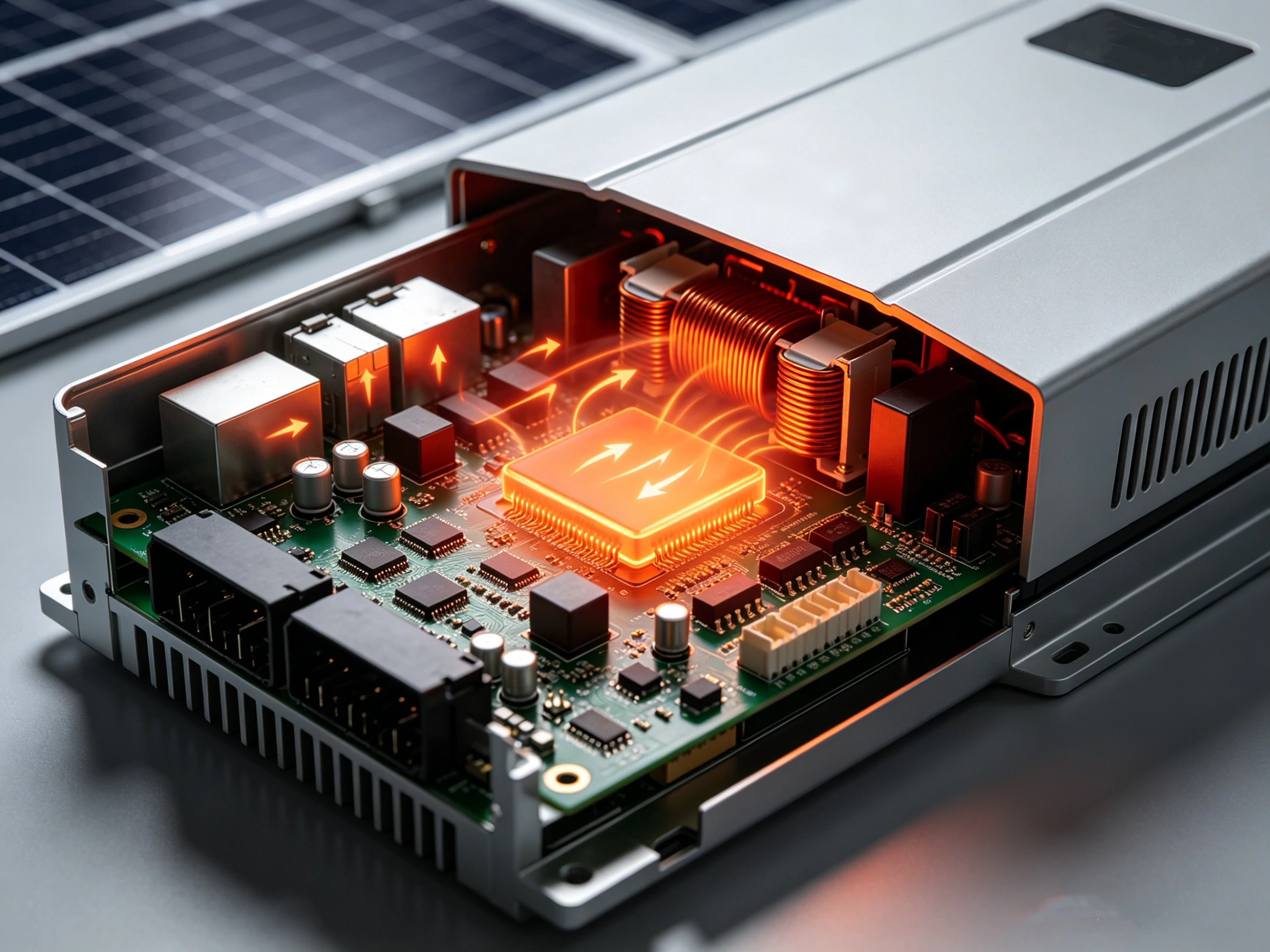
When people talk about solar systems or industrial power electronics, efficiency usually steals the spotlight. But if you’ve spent any real time working with systems in the field, you know the truth: inverter cooling system reliability is what quietly decides whether your investment lasts five years… or fifteen.
I’ve seen perfectly “high-spec” systems fail early—not because of poor electronics design, but because heat management was an afterthought. On the flip side, I’ve worked with systems in harsh industrial environments that just keep running year after year. The difference almost always comes down to one thing: how well heat is handled.
This guide breaks down everything you need to know—from active vs passive cooling life to real-world fan-cooled inverter maintenance, and even what modern solar inverter manufacturers are doing to improve reliability.
Let’s start with a simple truth:
Heat is the number one enemy of electronics.
Every inverter—whether used in residential solar or heat dissipation in B2B solar environments—generates heat as a byproduct of switching losses. If that heat isn’t properly managed, it leads to:
This is where inverter cooling system reliability becomes critical. It’s not just about keeping temperatures low—it’s about doing it consistently over years of operation.
In real-world projects, I’ve seen companies underestimate thermal design, only to face:
Poor thermal stress and electronics management accelerates aging in capacitors, semiconductors, and even solder joints. And once degradation starts, it compounds quickly.
If there is one factor that quietly decides how long an inverter will really last in the field, it is heat. Not efficiency ratings on paper, not peak power numbers, but how well the system handles continuous thermal load. This is exactly why inverter cooling system reliability is so closely tied to overall performance and lifespan.
In real-world operation, every inverter is constantly fighting against temperature rise. Whether it’s a small residential unit or a large industrial system used in heat dissipation in B2B solar, heat is always present, always building, and always trying to push components beyond their comfort zone. Once thermal control becomes inconsistent, reliability starts to drop—even if everything else looks fine on the surface.
Heat inside an inverter is mainly generated through energy conversion losses. When DC power is converted into AC, switching components such as semiconductors operate at very high speed. Each switching action creates a small amount of energy loss, and over time, that becomes significant heat buildup.
Additional heat sources include transformer losses, resistance in internal circuits, and energy inefficiencies during high-load operation. In demanding environments, this heat accumulates faster than it can be removed, directly challenging inverter cooling system reliability. Poor airflow design or insufficient thermal pathways can make even a well-built system struggle under sustained load conditions.
What makes heat even more dangerous is not just the temperature itself, but the repeated expansion and contraction it causes. This is known as thermal stress and electronics degradation, and it happens slowly, often without immediate signs of failure.
Over time, solder joints weaken, capacitors lose efficiency, and circuit boards develop microscopic cracks. These issues don’t cause instant breakdowns, but they steadily reduce stability and lifespan. In many cases, long-term failures traced back to poor inverter cooling system reliability are actually the result of accumulated thermal stress that was never properly managed from the beginning.
When evaluating inverter cooling system reliability, one of the most practical and often debated topics is whether active or passive cooling delivers better long-term performance. On paper, both approaches have clear advantages, but in real-world conditions—especially in heat dissipation in B2B solar or continuous industrial use—the answer is far more nuanced. Lifespan is not just about design theory; it’s about how systems behave under constant thermal load, dust exposure, and varying environmental stress.
Understanding active vs passive cooling life helps operators and engineers make better decisions based on actual operating conditions rather than assumptions.
Active cooling refers to systems that use mechanical components—typically fans or blowers—to actively move air across heat-generating components. This forced airflow helps remove heat more efficiently, especially in compact or high-power-density inverters.
In practice, active cooling significantly improves inverter cooling system reliability under heavy load because it maintains lower operating temperatures even during peak performance. However, it introduces mechanical wear points. Fans accumulate dust, bearings degrade over time, and airflow efficiency can drop if maintenance is neglected.
From a field perspective, active cooling performs well in demanding environments, but its active vs passive cooling life depends heavily on consistent maintenance and environmental cleanliness.
Passive cooling eliminates moving parts entirely. Instead of fans, it relies on heat sinks, thermal conduction materials, and natural convection to dissipate heat.
This design approach naturally enhances reliability because fewer components mean fewer failure points. In terms of inverter cooling system reliability, passive systems often deliver more stable long-term behavior, especially in low to moderate power applications.
However, passive cooling has physical limitations. Without forced airflow, heat removal is slower, which can become a constraint under high load or elevated ambient temperatures. In such cases, thermal buildup can still impact thermal stress and electronics, even without mechanical failure points.
In real-world deployments, the comparison between active vs passive cooling life is not about which is universally better, but which is better suited to the workload and environment.
Passive systems tend to last longer in stable, low-stress environments because there are no moving parts to fail. This directly supports higher baseline inverter cooling system reliability over time. On the other hand, active cooling systems handle high thermal loads far more effectively, making them essential in industrial or high-capacity solar applications.
However, this performance advantage comes with a trade-off: maintenance. Without proper fan-cooled inverter maintenance, active systems can degrade faster than expected.
Ultimately, long-term reliability depends less on the cooling type itself and more on how well it matches the operating conditions. In optimized systems, hybrid strategies are increasingly used to balance both durability and performance.
In real-world deployments, inverter cooling system reliability is often compromised not by design flaws, but by neglecting basic maintenance. Fan-cooled systems are especially vulnerable because they rely on continuous airflow to control temperature. Once airflow efficiency drops, internal temperatures rise quickly, accelerating thermal stress and electronics degradation. Over time, this can quietly shorten system lifespan, even if the inverter itself is high quality.
What many operators overlook is that fan maintenance is not a secondary task—it is a core part of ensuring stable inverter cooling system reliability, especially in environments like heat dissipation in B2B solar where systems run for long hours under load.
Most fan-related issues come from predictable causes. Dust accumulation is the most common, gradually blocking airflow and forcing fans to work harder. Bearing wear is another frequent failure point, often leading to increased noise before complete breakdown. In humid or outdoor installations, moisture exposure can also degrade motor performance over time.
These issues rarely cause sudden failure. Instead, they slowly reduce cooling efficiency, increasing internal temperatures and putting additional pressure on components. This gradual decline directly impacts inverter cooling system reliability without being immediately noticeable.
Effective maintenance doesn’t need to be complicated. Regular inspection every 6–12 months can significantly improve long-term stability. Cleaning air vents and filters helps maintain consistent airflow, while checking fan rotation ensures early detection of mechanical wear.
It’s also good practice to replace fans proactively rather than waiting for failure. Monitoring temperature trends over time can reveal early signs of reduced cooling efficiency.
Consistent fan-cooled inverter maintenance not only extends fan lifespan but also protects the entire system from unnecessary thermal stress and electronics degradation, ultimately improving overall reliability and operational stability.
When it comes to evaluating inverter cooling system reliability, assumptions are not enough. You need measurable indicators that reflect how a system performs under real operating conditions. In both residential and especially heat dissipation in B2B solar environments, cooling performance directly impacts lifespan, efficiency, and long-term stability.
A well-designed system may look effective at startup, but only proper cooling reliability metrics can reveal how it behaves after months or years of continuous operation under load and varying ambient temperatures.
The most important indicators include Mean Time Between Failures (MTBF), internal operating temperature range, and thermal cycling endurance. These metrics help determine how consistently an inverter maintains safe operating conditions. Another critical factor is airflow efficiency retention over time, especially in fan-based systems, where degradation directly affects inverter cooling system reliability.
Monitoring these metrics provides a realistic view of system durability rather than relying on theoretical specifications alone.
A common misunderstanding is focusing on peak cooling capacity instead of temperature stability. While peak performance shows what a system can handle briefly, it is stable temperature control that determines long-term reliability.
Frequent temperature fluctuations increase thermal stress and electronics fatigue, even if peak limits are never exceeded. In contrast, stable thermal behavior reduces stress and supports consistent inverter cooling system reliability, ultimately extending operational life.
As solar projects grow from residential rooftops to commercial and industrial installations, thermal management becomes far more demanding. In large systems, even small inefficiencies can create significant heat buildup over time. This is why heat dissipation in B2B solar plays such a critical role in overall inverter cooling system reliability.
Unlike smaller applications with variable usage patterns, industrial solar systems often operate continuously under heavy load. Higher power density, tighter equipment spacing, and elevated ambient temperatures all increase the risk of thermal accumulation. At scale, poor cooling design does not just reduce efficiency—it can directly impact uptime, maintenance costs, and equipment lifespan.
One major challenge in heat dissipation in B2B solar environments is maintaining uniform temperature control across multiple operating units. Hotspots can develop quickly in enclosed electrical rooms or poorly ventilated installations, increasing thermal stress and electronics fatigue.
Dust, humidity, and long operating hours further complicate cooling performance. In these conditions, even minor airflow restrictions can gradually reduce inverter cooling system reliability and increase failure risk over time.
Industrial systems typically require more advanced thermal solutions than residential setups. Common strategies include optimized airflow channels, larger heat sinks, redundant ventilation paths, and hybrid cooling approaches that combine passive and active methods.
Real-time temperature monitoring is also becoming increasingly important. By identifying thermal imbalance early, operators can reduce component stress and improve long-term inverter cooling system reliability while maintaining stable system performance under demanding operating conditions.
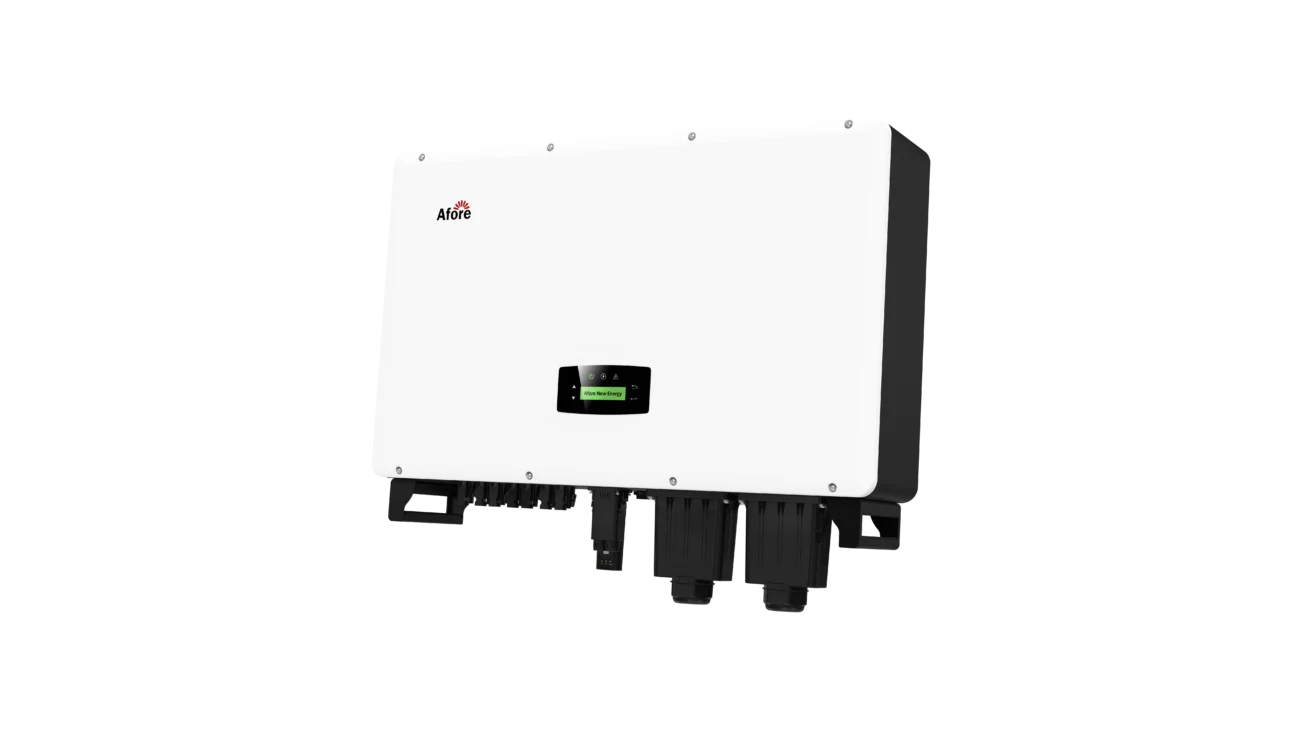
Reliable inverters are rarely the result of a single high-end component. In most cases, long operational life comes from thoughtful engineering decisions focused on thermal control, durability, and stability under continuous load. This is why inverter cooling system reliability is considered a core part of modern power electronics design rather than just a supporting feature.
Engineers designing for longevity understand that preventing heat accumulation is far more effective than simply reacting to overheating after it occurs.
The foundation of long-life inverter design starts with efficient thermal pathways. Components that generate the most heat are carefully positioned to improve airflow and reduce localized hotspots. Larger heat sinks, optimized ventilation spacing, and high-temperature-tolerant materials are also commonly used to improve inverter cooling system reliability.
Another important factor is reducing unnecessary thermal cycling. Stable internal temperatures help minimize thermal stress and electronics fatigue, which directly contributes to longer component lifespan and more consistent performance over time.
In demanding applications such as heat dissipation in B2B solar, cooling systems designed with extra thermal capacity often outperform minimally optimized systems in the long run. While oversized cooling solutions may increase initial costs slightly, they usually reduce maintenance frequency and lower the risk of unexpected shutdowns.
From a lifecycle perspective, stronger thermal design improves overall inverter cooling system reliability by keeping internal components under less stress during continuous operation. In practical terms, better cooling often means fewer failures, more stable efficiency, and a longer service life.
When discussing inverter cooling system reliability, passive cooling is often praised for its simplicity and durability. Without moving parts, it removes one of the most common failure sources in power electronics systems. But whether it truly extends inverter lifespan depends heavily on the operating environment and load conditions, especially in heat dissipation in B2B solar applications where thermal demand can be continuous and intense.
Passive cooling systems rely on heat sinks and natural convection to manage temperature. Because there are no fans or mechanical components, the risk of mechanical failure is significantly reduced. This naturally improves long-term inverter cooling system reliability, particularly in low to moderate power applications.
Another advantage is stability. With fewer moving parts, there is less variation in performance over time, which helps reduce thermal stress and electronics fatigue caused by inconsistent airflow or fan degradation. In controlled environments, this often translates into a longer service life and lower maintenance requirements.
Despite its advantages, passive cooling has clear limitations. It struggles to handle high power density or elevated ambient temperatures, which can lead to heat accumulation. In such conditions, internal temperatures may rise steadily, reducing overall inverter cooling system reliability.
Without active airflow, heat removal is slower, making passive systems less suitable for demanding or continuous-load environments. Over time, this can still expose components to thermal stress, limiting the lifespan benefits if the system is not properly matched to the application.
Selecting the right cooling approach is one of the most practical decisions when designing or purchasing a power system. It directly affects inverter cooling system reliability, long-term maintenance costs, and overall performance stability. There is no universal solution, because different environments place very different thermal demands on equipment—especially in heat dissipation in B2B solar and industrial applications where continuous operation is common.
Before choosing a cooling system, it’s important to evaluate real operating conditions rather than specifications alone. Key questions include: What is the average and peak load? What are the ambient temperature and ventilation conditions? How accessible is the system for maintenance? And how critical is uptime for the application?
These factors directly influence inverter cooling system reliability, because even a well-designed system can fail prematurely if it is mismatched to its environment.
In real-world applications, passive cooling tends to work best for low to moderate loads where stability and minimal maintenance are priorities. Active cooling is more suitable for high-power or continuous-duty systems, provided that regular fan-cooled inverter maintenance is possible.
For demanding industrial setups, hybrid solutions often deliver the best balance. By combining airflow control with passive heat dissipation, they improve inverter cooling system reliability while managing thermal stress and electronics more effectively over long operating periods.
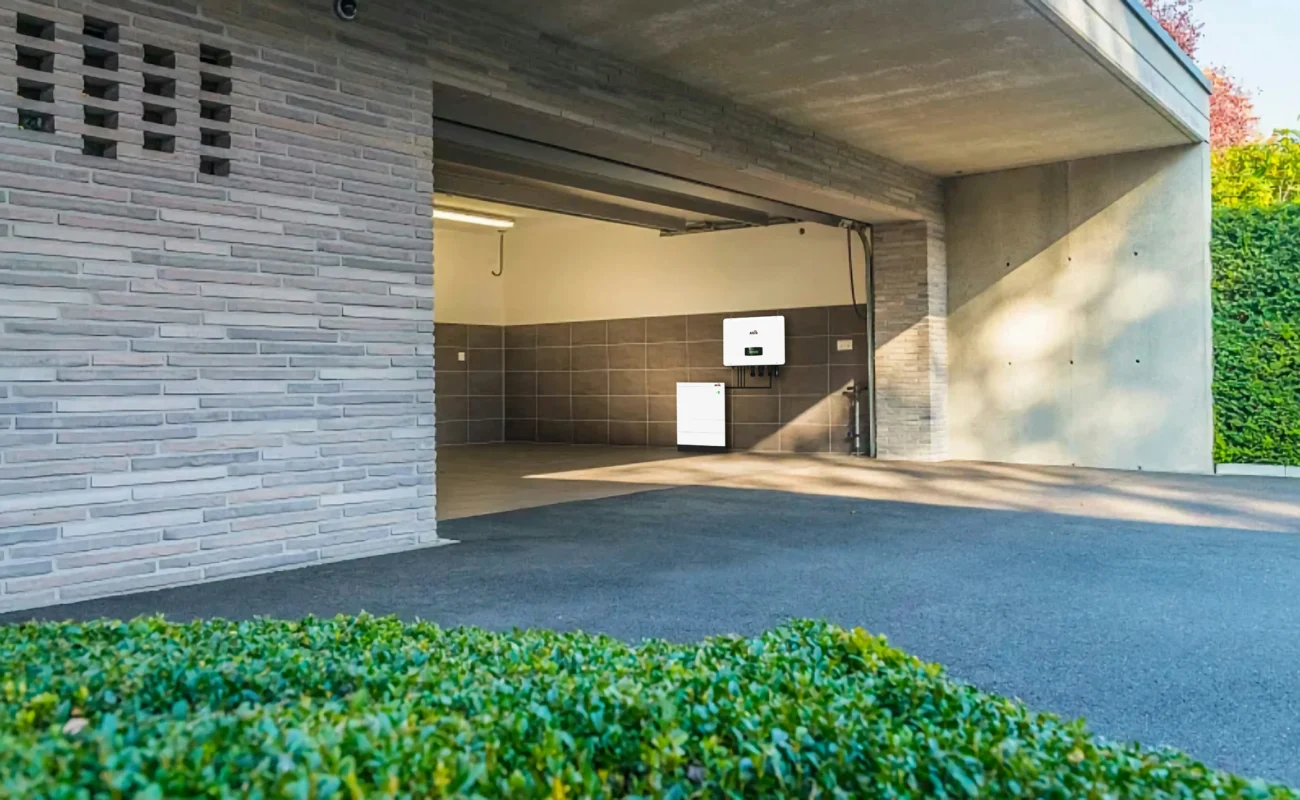
If there’s one takeaway here, it’s this:
You can have the best inverter in the world—but without proper cooling, it won’t last.
Inverter cooling system reliability isn’t just a technical detail—it’s the foundation of long-term performance, especially in demanding environments like heat dissipation in B2B solar systems.
Whether you’re designing, buying, or maintaining inverters, pay attention to cooling. It’s the difference between systems that survive… and systems that thrive.
It depends on the application. Passive cooling generally offers higher baseline reliability due to fewer moving parts, but active cooling performs better under heavy loads. The best inverter cooling system reliability often comes from hybrid designs.
Typically, internal fans last between 3 to 7 years, depending on usage and environment. Proper fan-cooled inverter maintenance can extend this lifespan significantly.
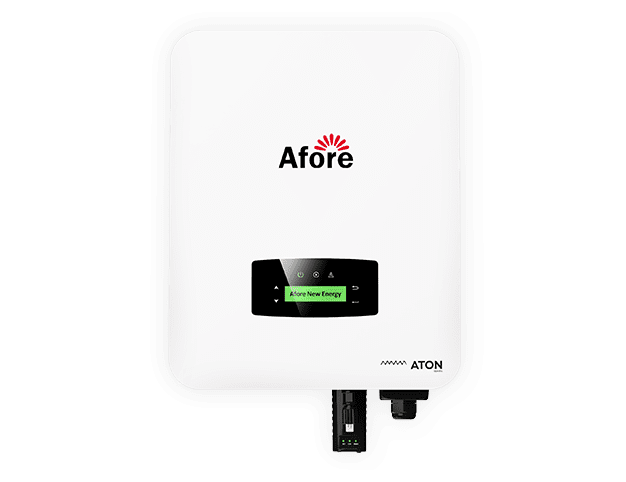
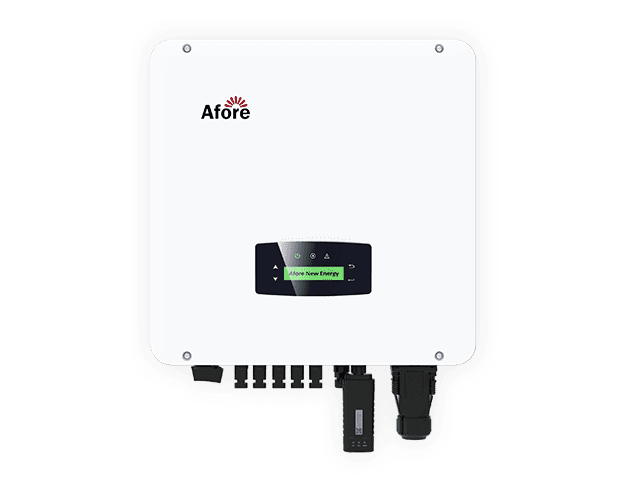
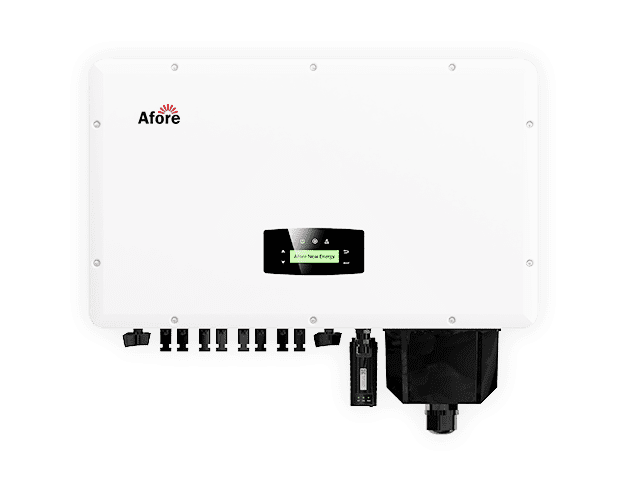
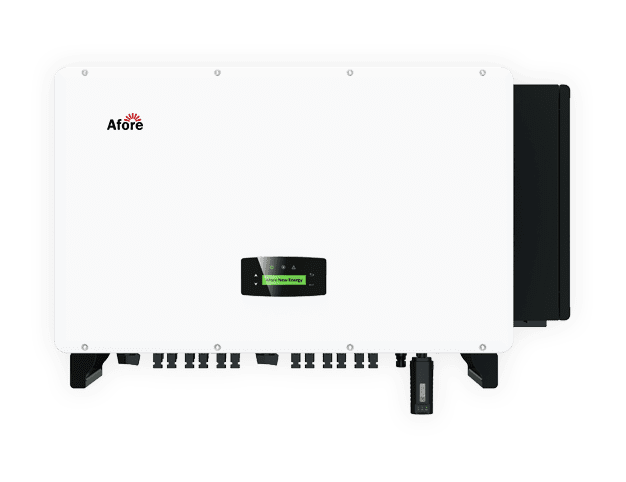
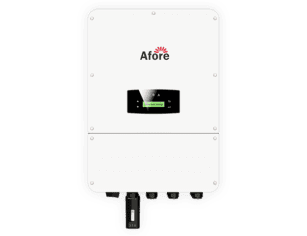
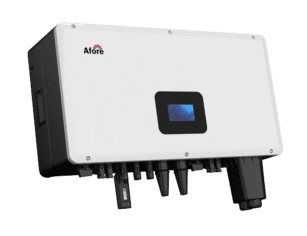
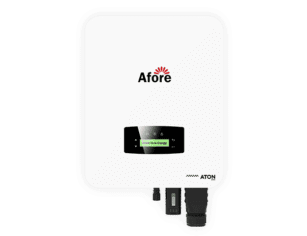
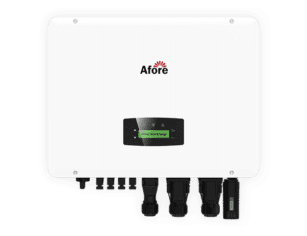
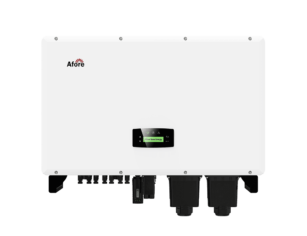
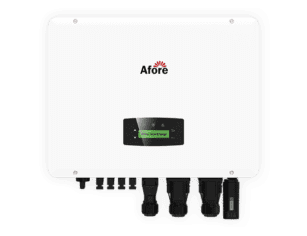
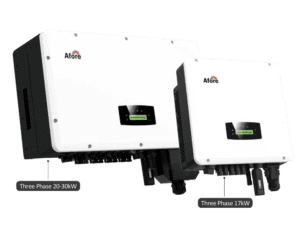
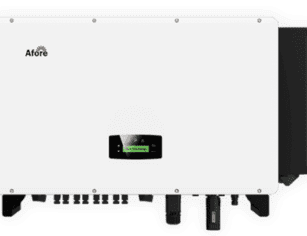
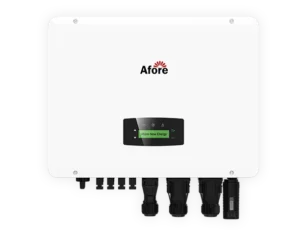
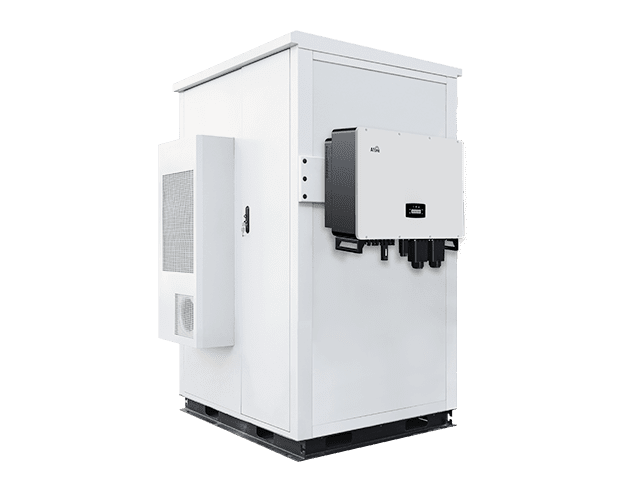
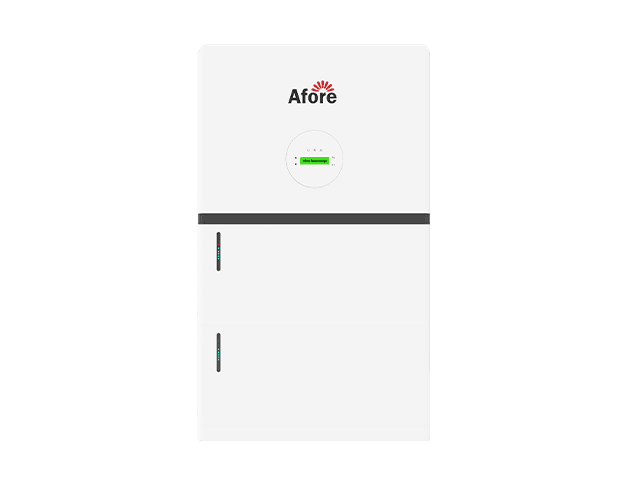
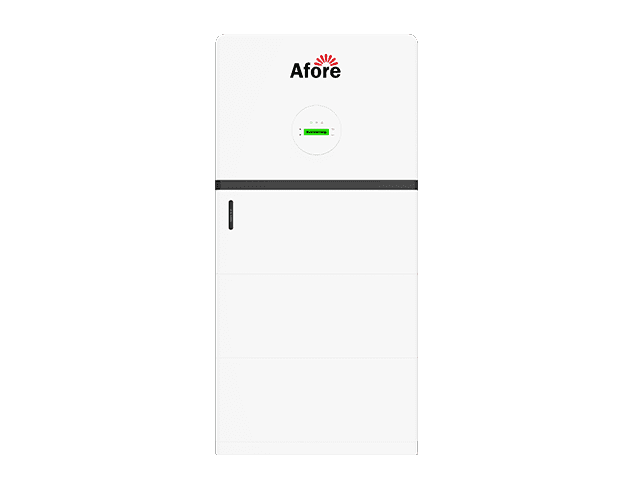
Afore thermal management focuses on optimized airflow, intelligent fan control, and efficient heat sink design, all of which improve cooling reliability metrics and reduce thermal stress.
Yes, in many cases. Passive cooling reduces mechanical failure risks, which improves inverter cooling system reliability, especially in stable, low-to-medium load environments.
• Clean air filters regularly
• Inspect and replace fans proactively
• Monitor internal temperatures
• Ensure proper ventilation
Consistent fan-cooled inverter maintenance is essential for long-term reliability.







 Turkish
  Romanian