





Affordable hybrid inverter wholesale is not simply a search for the lowest unit price. For commercial PV and solar-plus-storage projects, it is a procurement, engineering, compliance, and risk-management decision that affects project margin, commissioning time, grid approval, long-term uptime, and customer satisfaction.
Hybrid inverters sit at the center of increasingly complex energy systems. They convert PV power, manage battery charging and discharging, interact with the grid, support backup loads, and often provide the monitoring data that EPCs, facility managers, and O&M teams depend on. In a residential project, a poor inverter choice may create inconvenience. In a commercial or industrial project, it can create delayed commissioning, failed utility approval, repeated truck rolls, lost energy savings, or warranty disputes across multiple sites.
For PV installers, EPC companies, system integrators, resellers, and business owners planning commercial PV installations, the right wholesale hybrid solar inverter must be evaluated at system level. The purchase decision should consider not only solar inverter wholesale price, but also certification status, battery compatibility, grid-code functions, three-phase operation, monitoring capability, service response, spare-parts availability, and lifecycle cost.
This guide explains how to evaluate affordable hybrid inverter wholesale offers professionally, how to compare suppliers, which technical criteria matter most, and how to avoid hidden costs that can undermine the economics of commercial PV and storage projects.
A hybrid inverter combines several functions that were historically handled by separate equipment. In a typical commercial PV-plus-storage system, it may manage PV input through MPPTs, convert DC power to AC, coordinate battery charge and discharge, control export to the grid, provide backup output, and communicate with energy meters, batteries, cloud platforms, or an energy management system.
That level of integration creates value, but it also increases dependency. If the inverter is not correctly matched to the battery, grid requirements, site load profile, or monitoring platform, the apparent savings from a low wholesale price can disappear quickly.
Affordability should be judged against project performance, not only against the purchase invoice. A low-cost inverter becomes genuinely affordable when it delivers reliable energy conversion, reduces installation complexity, supports approved batteries, meets local interconnection rules, and can be serviced without excessive delay.
For an EPC, a slightly higher-cost commercial hybrid inverter may be the better economic choice if it reduces commissioning hours, lowers warranty exposure, and provides stable remote monitoring. For a reseller, affordability also depends on product consistency, documentation quality, and whether installer customers can deploy the unit without needing constant technical support. For a facility owner, affordability is measured over the system life, where uptime, energy savings, backup value, and maintenance cost matter more than the initial equipment discount.
A practical affordability assessment should include the inverter’s usable AC rating, PV oversizing allowance, MPPT design flexibility, battery voltage range, round-trip conversion behavior, enclosure rating, warranty terms, spare-parts access, and the supplier’s ability to support future projects. The lowest quoted price is only one line in the cost model.
Wholesale pricing affects CAPEX, but it does not determine total project economics alone. In commercial PV systems, the inverter interacts with balance-of-system components, battery cabinets, metering hardware, protection devices, communication systems, labor planning, permitting, and commissioning workflow.
A lower-cost inverter may require additional external meters, separate communication gateways, more complex wiring, or extra protection devices. It may also require longer commissioning time if the user interface is unclear or if firmware configuration is inconsistent across batches. In multi-site deployments, even small inefficiencies can multiply quickly.
A simplified cost comparison often looks like this:
| Cost factor | Why it matters in commercial projects |
|---|---|
| Inverter purchase price | Direct CAPEX impact, especially in wholesale volume |
| BOS and protection devices | Breakers, disconnects, fuses, surge protection, meters, and cabling can offset unit savings |
| Labor and commissioning | Poor documentation or complex setup increases field hours |
| Battery integration | Approved battery compatibility reduces integration risk |
| Monitoring and communications | Reliable data reduces O&M cost and improves fleet visibility |
| Warranty and replacement process | Slow RMA handling can create downtime and customer dissatisfaction |
| Certification and utility approval | Missing compliance evidence can delay or block grid connection |
For EPCs and installers, the key question is not “Which inverter is cheapest?” but “Which inverter delivers the lowest installed and operated cost for this project type?”
Low-cost offers are not automatically risky, but they require disciplined qualification. Common warning signs include incomplete certification documents, vague warranty terms, no clear battery compatibility list, inconsistent model naming, missing grid-code reports, limited firmware history, or unclear after-sales responsibility.
A reputable solar inverter manufacture can provide an attractive solar inverter wholesale price while delivering complete documentation needed for utility approval. Another may offer a long warranty but no local service channel or replacement stock. Some products perform adequately in simple installations but become difficult to manage when deployed across commercial rooftops, industrial facilities, or multi-site portfolios.
Before committing to volume procurement, buyers should verify datasheets, installation manuals, current certification files, grid-code compliance evidence, battery compatibility documentation, warranty policy, RMA procedures, and monitoring platform access. Sample orders and pilot installations are especially useful before scaling to large projects.
Not every hybrid inverter belongs in a commercial PV system. Smaller single-phase units may be suitable for light commercial or small business installations, but they may not support three-phase loads, higher current PV modules, large battery banks, or commercial backup requirements. Three-phase hybrid inverter systems are usually more appropriate for facilities with balanced power distribution, motors, HVAC equipment, pumps, refrigeration, or industrial loads.
The inverter class should match the site profile. A small office with modest backup loads may require a different solution from a cold-storage warehouse, agricultural processing facility, logistics center, or factory. Important matching factors include AC output rating, phase configuration, surge capacity, battery voltage, PV input limits, MPPT range, grid interconnection rules, backup load requirements, and future expansion plans.

A professional procurement process starts by defining the project requirements before comparing price sheets. Many procurement problems arise because buyers evaluate inverters as standalone products rather than as components inside a complete PV-plus-storage system.
A wholesale hybrid solar inverter offer should be assessed according to how well it supports the intended application. For example, an installer working on small commercial rooftops may prioritize easy commissioning, integrated monitoring, flexible PV string design, and compatibility with commonly available battery systems. An EPC building larger C&I systems may prioritize three-phase operation, parallel capability, export control, EMS integration, and grid-support functions.
The buyer should also understand how pricing changes with order volume. Wholesale terms may vary based on minimum order quantity, annual volume commitment, payment method, packaging, shipping terms, and after-sales obligations. A lower unit price may come with limited technical support, while a structured wholesale program may include training, replacement inventory, documentation support, and escalation channels.
Wholesale hybrid inverter pricing follows clear tiered volume brackets that directly shape unit costs, covering sample order, small batch, pallet order, full container volume, and annual framework agreement pricing tiers. Each tier unlocks progressively lower unit pricing and improved commercial terms for bulk and long-term buyers.
Multiple core technical factors also drive wholesale price differences: single-phase versus three-phase hardware configuration, low-voltage versus high-voltage battery architecture compatibility, built-in EPS and off-grid backup capability, quantity of integrated MPPT trackers, native parallel operation support, inclusive monitoring dongle bundling, and full certification package inclusion.
Commercial trading terms further define final landed costs, including standard Incoterms such as EXW, FOB, CIF, and DDP; payment structures covering T/T deposit with balance before shipment, and Letter of Credit arrangements for large-scale orders; plus contractual warranty replacement stock obligations that suppliers must uphold for wholesale partners.
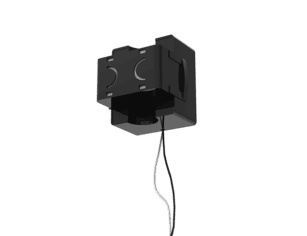
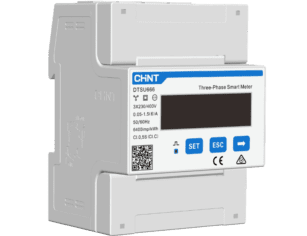
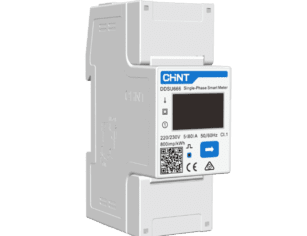
Hidden add-on costs are often excluded from base wholesale quotes and must be budgeted separately: Wi-Fi, LAN and 4G communication modules, smart meters or current transformers, system parallel connection kits, dedicated battery communication cables, export-control metering devices, and optional cloud monitoring subscription fees where applicable.
| Pricing variable | Why does it change wholesale cost |
|---|---|
| Certification package | Full regional certification bundles raise manufacturing and testing costs but eliminate compliance risk for buyers |
| Battery voltage class | High-voltage compatible models require upgraded power components, increasing base unit pricing |
| Monitoring accessory | Bundled Wi-Fi/4G dongles and pre-configured monitoring tools add hardware and licensing overhead |
| Order volume | Larger pallet/container/annual agreement volumes trigger production cost reductions and tiered discounting |
| Freight term | DDP includes duty and inland logistics while EXW leaves all shipping and clearance costs to the buyer |
For commercial projects, documentation should be part of procurement qualification, not an afterthought. Incomplete documentation can delay engineering review, permitting, commissioning, and warranty claims.
| Required document | Procurement purpose |
|---|---|
| Technical datasheet | Confirms AC rating, PV input limits, MPPT range, battery voltage, efficiency, protection rating |
| Installation manual | Supports labor planning, wiring design, clearances, grounding, and commissioning |
| Certification certificates | Verifies product safety and market eligibility |
| Grid-compliance reports | Supports utility interconnection and protection settings |
| Battery compatibility list | Reduces BMS communication and warranty risk |
| Warranty policy | Clarifies warranty period, exclusions, labor coverage, and replacement process |
| Monitoring platform information | Confirms remote diagnostics, fleet visibility, data export, and user permissions |
| Commissioning guide | Helps standardize field setup and reduce errors |
| RMA procedure | Defines fault reporting, diagnostics, replacement timing, and responsibility |
For resellers, these documents also reduce support burden. Installer customers are more likely to reorder when they can access clear manuals, configuration guidance, and troubleshooting procedures.
Professional wholesale RFQs must include standardized fields to avoid misalignment with suppliers, covering target country or sales region, grid nominal voltage and frequency requirements, single-phase or three-phase system specification, mandatory certification standard compliance, PV array voltage and current operating range, approved battery brand, battery chemistry type, rated battery voltage, BMS communication protocol, grid export-control regulation requirement, on-site backup power demand, multi-inverter parallel operation support requirement, remote monitoring and raw data export functionality, expected annual purchase volume, agreed spare-parts and RMA service arrangement, formal warranty term requirements, preferred Incoterm trading rule, and final destination port or country for logistics planning.
Minimum order quantity can influence both pricing and risk. Ordering too few units may prevent access to competitive pricing. Ordering too many units can create inventory exposure if market demand shifts, firmware changes, certification updates, or local regulations evolve.
Lead times should be evaluated realistically. Manufacturing time, export documentation, sea freight, customs clearance, inland transport, and warehouse inspection can easily affect project scheduling. During peak installation seasons, delayed inverter deliveries can hold up complete commercial projects even when modules, batteries, and mounting systems are already available.
Resellers should also consider batch consistency. If firmware, communication protocols, enclosure design, or accessory packages vary between batches, installer training and support become more difficult. For high-volume channel partners, standardization is often more valuable than chasing small price differences across inconsistent suppliers.
The technical selection process should begin with the load profile, grid connection, PV array design, battery strategy, and operating mode. A hybrid inverter that looks attractive on paper may be unsuitable if it cannot handle real site conditions.
Rated AC output defines the continuous power the inverter can supply under specified conditions. In commercial applications, this must be evaluated together with surge capacity, overload duration, power factor capability, and phase configuration.
Commercial facilities often include inductive or dynamic loads such as motors, pumps, compressors, elevators, HVAC systems, and refrigeration equipment. These loads can create starting currents that exceed normal running power. If the hybrid inverter is expected to support backup loads, surge behavior becomes especially important.
Three-phase hybrid inverter systems are usually necessary where the building electrical system is three-phase, where loads must remain balanced, or where the project size exceeds practical single-phase limits. A three-phase facility may need phase-balanced backup or separate critical-load design. Parallel inverter configurations may support larger capacities, but only if the manufacturer explicitly supports the configuration and communication architecture.
| Application type | Typical inverter consideration |
|---|---|
| Small office or retail site | Single-phase or small three-phase system, limited backup loads |
| Light commercial rooftop | Three-phase output, flexible MPPT design, export control |
| Warehouse or logistics facility | Higher AC capacity, demand management, strong monitoring |
| Industrial facility | Three-phase operation, surge capability, grid-support functions, robust protection |
| Multi-site commercial portfolio | Standardized models, fleet monitoring, repeatable commissioning |
The design team should avoid sizing only by PV capacity. The inverter must also match load behavior, backup expectations, battery discharge limits, and utility interconnection constraints. A 30 kW commercial load does not automatically require a 30 kW inverter if only 10 kW of critical loads need backup.
MPPT design affects energy yield and design flexibility. The maximum PV input voltage, startup voltage, MPPT operating range, maximum input current, number of MPPT trackers, and string current limits must be checked against the selected PV modules and local temperature conditions.
Modern high-power PV modules often have higher operating currents. If the inverter input current is too low, designers may face clipping, reduced design flexibility, or unsafe configurations. Multiple MPPTs can help manage different roof orientations, shading patterns, or string lengths, which are common on commercial rooftops.
String sizing must consider cold-weather open-circuit voltage, hot-weather voltage drop, maximum DC input voltage, and MPPT range. A high-power PV module with high short-circuit current may exceed older inverter MPPT input limits. Oversizing PV capacity relative to inverter AC output can be beneficial in some designs, but excessive oversizing may increase clipping or violate warranty conditions. For wholesale procurement, EPCs should verify that the selected inverter platform works across the range of modules used in their project pipeline.
Battery compatibility is one of the most important risk points in hybrid inverter selection. The inverter must match the battery voltage class, charge and discharge current limits, chemistry, communication protocol, and battery management system requirements.
Lithium iron phosphate batteries are common in commercial storage because of their cycle life and thermal stability, but compatibility should never be assumed. The inverter and battery must communicate correctly over supported protocols such as CAN or RS485 where required. Incorrect communication can cause charging limits, state-of-charge errors, alarms, shutdowns, or warranty disputes.
System integrators should confirm approved battery lists, firmware versions, charge/discharge current limits, temperature operating windows, and expansion rules before deployment. If future battery expansion is planned, the inverter must support the intended capacity, number of battery modules, and BMS architecture.
Peak efficiency is useful, but it does not tell the full story. Weighted efficiency, standby consumption, battery conversion efficiency, operating temperature, and derating behavior all affect real-world performance.
Commercial rooftop and industrial sites may expose inverters to heat, dust, humidity, and poor ventilation. If the inverter derates significantly at high ambient temperatures, the system may produce less energy during peak solar hours. Enclosure design, cooling method, installation clearance, and IP rating therefore matter in lifecycle performance.
EPCs should review efficiency curves and derating data, not just headline efficiency. A battery storage inverter that performs well in a controlled test environment may behave differently in a hot plant room, dusty agricultural facility, or outdoor cabinet exposed to direct sun.
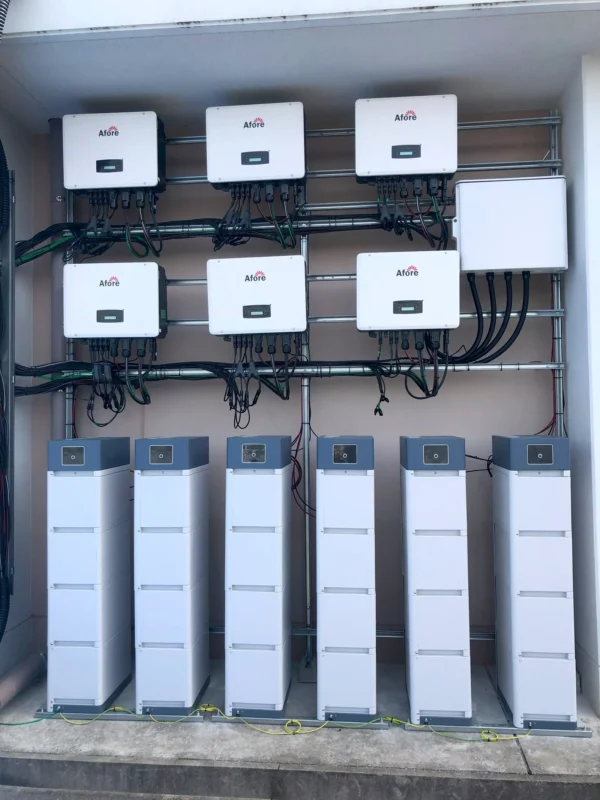
Grid compliance is one of the strongest reasons to avoid buying on price alone. An inverter that is not approved for the target market can delay or prevent interconnection, even if its electrical specifications appear suitable.
Commercial hybrid inverters may need to comply with safety standards, electromagnetic compatibility rules, and grid interconnection requirements. Requirements vary by country and utility, but commonly referenced standards include IEC 62109 for inverter safety and IEEE 1547 for distributed energy resource interconnection in North America. In the European Union, grid connection requirements are influenced by network codes such as the Requirements for Generators regulation.
IEC 62109 addresses inverter safety and does not by itself provide full utility interconnection approval.
IEEE 1547 defines DER interconnection requirements and is commonly paired with UL 1741 testing and listing in North America.
EU RfG is a framework and that country-specific implementation and grid codes still matter.
For North American deployments, mandatory compliance includes UL 1741 and UL 1741 SB for smart inverter functionality, full adherence to IEEE 1547 interconnection protocols, alignment with NEC electrical code provisions, valid NRTL third-party listing, and inclusion on local utility-approved equipment lists to streamline grid permission.
European market compliance mandates EN 50549 grid interconnection standards, complete CE technical documentation and marking, VDE-AR-N 4105 and VDE-AR-N 4110 for German grid integration, and UK G98 or G99 compliance dependent on project size and generation capacity thresholds.
Australia and New Zealand markets require adherence to AS/NZS 4777.2 inverter and grid connection standards, alongside valid Clean Energy Council listing for eligible renewable energy incentive projects where applicable.
Battery and energy storage safety compliance adds critical layers: UL 9540 and UL 9540A for North American energy storage system safety, IEC 62619 certification for industrial lithium-ion battery cells and systems, and adherence to local fire-code regulations governing battery installation spacing, ventilation, and emergency shutdown protocols.
Battery safety, fire-code, and site approval considerations
Commercial hybrid and storage installations must follow strict battery safety and fire-code protocols to pass local site approval. Key requirements cover dedicated battery room or outdoor cabinet layout specifications, thermal runaway risk control measures, fire detection and suppression system planning, mandatory ventilation and minimum equipment spacing rules, standardized emergency shutdown labeling placement, formal local fire authority plan review and sign-off, alignment between battery certification credentials and inverter compliance documentation, regulated separation distances between energy storage hardware and other building systems, and clear permanent access pathways for inspection, maintenance, and emergency response on commercial sites.
The practical point is simple: buyers must verify current certificates and applicable test reports, not rely only on datasheet claims. Certification must apply to the exact model, firmware version, and configuration being purchased. A similar-looking model or previous-generation certificate may not satisfy local approval authorities.
Utility approval often depends on inverter behavior during grid disturbances. Anti-islanding protection helps ensure that the inverter stops energizing the grid during an outage unless operating in an approved backup or islanded mode. Export control limits power fed into the grid where zero-export or capped-export rules apply.
Commercial projects may also require power factor control, reactive power support, voltage ride-through, frequency-watt response, voltage-watt behavior, and remote disconnection capability. These functions are not optional in many grid-connected systems. They directly affect whether the utility accepts the project.
For PV-plus-storage systems, export control becomes more complex because both PV generation and battery discharge can feed the load and potentially the grid. The inverter, meter, and control system must coordinate accurately. If the response is too slow or poorly configured, the system may exceed export limits and fail utility inspection.
Permitting timelines can be affected by inverter selection long before equipment arrives on site. Authorities may request single-line diagrams, protection settings, product certificates, grid compliance documentation, battery safety information, and export limitation details.
EPCs should confirm requirements with local authorities and utilities before procurement, especially for commercial and industrial systems. This is particularly important for imported affordable solar inverter wholesale products, where the hardware may be technically capable but not yet certified or documented for the target market.
An inverter suitable for one market may not be approved in another. Differences may include grid voltage, frequency, plug or terminal requirements, labeling, documentation language, communication protocols, grounding systems, and approved grid-code settings.
Resellers importing hybrid inverters for multiple markets should avoid assuming that one SKU can serve all regions. Even where the hardware platform is similar, certification, firmware, labels, and manuals may differ. This is a major consideration for distributors serving installers across several countries.
| Region | Common compliance checks for hybrid inverters |
|---|---|
| North America | UL 1741, IEEE 1547, NRTL listing, NEC alignment, utility approved equipment registry |
| European Union | CE marking, EN 50549, local grid codes (VDE, G98/G99), EMC and LVD compliance |
| United Kingdom | G98/G99 grid code compliance, CE marking, local utility interconnection rules |
| Australia & New Zealand | AS/NZS 4777.2, Clean Energy Council listing, local grid voltage and frequency conformity |
| Global Battery Storage | UL 9540/9540A, IEC 62619, local fire code and battery installation safety rules |

A good wholesale procurement decision should reduce field complexity. Installation and commissioning risks are often underestimated during price negotiations, yet they can determine whether a product is profitable for installers and EPCs.
Mounting location has a direct impact on reliability. Inverters require adequate ventilation, correct clearance, protection from excessive heat, suitable ingress protection, secure cable routing, and accessible service space. Outdoor installations require careful attention to IP rating, UV exposure, drainage, corrosion risk, and surge protection.
Grounding and bonding must follow local electrical codes and manufacturer instructions. Cable sizing must reflect current, voltage drop, installation method, ambient temperature, and protection coordination. In commercial settings, the inverter may be installed in a plant room, rooftop equipment zone, electrical room, or outdoor cabinet. Each location creates different thermal, environmental, and serviceability conditions.
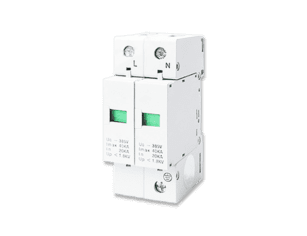
Hybrid inverter performance depends on the surrounding electrical infrastructure. Breakers, disconnects, fuses, surge protective devices, combiner boxes, meters, current transformers, communication cables, and battery protection devices must be compatible with the selected system design.
Poor BOS coordination can increase installation time and create safety risks. For example, incorrectly specified current transformers can cause export-control errors. Undersized DC cables can increase losses and heating. Missing surge protection can expose equipment to avoidable failures in areas with unstable grids or lightning risk.
For wholesale buyers, it is useful to standardize compatible BOS packages around selected inverter models. This helps installers work faster, reduces procurement errors, and improves repeatability across projects.
Commissioning should follow a structured process. EPCs should not rely on each field team to interpret the inverter setup independently.
| Commissioning step | Practical purpose |
|---|---|
| Inspect mechanical installation | Confirms clearances, enclosure condition, labeling, and service access |
| Verify PV strings | Checks polarity, voltage, insulation, and string consistency |
| Confirm battery wiring and BMS communication | Prevents charge/discharge faults and communication alarms |
| Select grid code and protection settings | Aligns inverter behavior with utility requirements |
| Configure export limit and metering | Ensures zero-export or capped-export control works correctly |
| Activate monitoring | Enables remote diagnostics, performance tracking, and alarm visibility |
| Run operating tests | Confirms PV generation, battery charge/discharge, backup function, and grid interaction |
Firmware matters. Different batches may ship with different firmware versions, and compatibility with batteries or monitoring platforms can change. EPCs should define an approved firmware version for each project type and document any updates performed during commissioning.
Many early failures are not hardware failures. They are integration or configuration issues. Common problems include reversed polarity, incorrect battery communication wiring, unsupported battery firmware, undersized cables, wrong grid-code selection, poor meter placement, unstable internet connection, and insufficient ventilation.
Pilot installations help identify these issues before larger wholesale rollout. A reseller or EPC planning to purchase dozens or hundreds of units should test the inverter in realistic field conditions, including battery communication, export control, backup operation, remote monitoring, and fault recovery.
Hybrid inverters create the most value when they are matched to the commercial energy strategy. Storage is not only about backup power. It can support self-consumption, time-of-use optimization, peak shaving, and resilience.
Commercial users often pay for both energy consumption and peak demand. A hybrid inverter can manage battery discharge to reduce grid import during expensive periods or peak demand events. It can also store excess daytime PV generation for use later, improving self-consumption where export tariffs are low or export is restricted.
The economics depend heavily on tariff structure, load profile, PV generation curve, battery capacity, and control strategy. A facility with high daytime loads may need less storage to achieve strong self-consumption, while a site with evening demand may benefit more from battery shifting. The inverter must support the operating modes required by the business case.
Not all hybrid inverters are designed for whole-building backup. Backup capacity, transfer time, overload rating, neutral configuration, phase support, and battery discharge limits must be evaluated carefully.
Commercial backup design usually begins by defining critical loads. These may include IT systems, security systems, emergency lighting, refrigeration, control equipment, communications, or selected production processes. Attempting to back up an entire facility without analyzing load priority can oversize the system or create unrealistic expectations.
Critical-load panel design is often the practical solution. The inverter supplies selected essential circuits, while non-critical loads remain outside the backup system. This approach can reduce battery cost and improve backup duration.
Battery discharge current may limit usable backup power even when inverter AC rating appears sufficient.
If the inverter is rated at 50 kW but the battery can only discharge 30 kW continuously, the backup system should be designed around the lower continuous limit unless additional battery modules are added.
Many commercial projects begin with a first-stage storage system and expand later. Inverter selection should therefore consider modular battery expansion, parallel operation, communication limits, firmware support, and maximum charge/discharge capacity.
If the first procurement decision locks the project into a limited battery ecosystem or low expansion ceiling, future upgrades may require equipment replacement. System integrators should define not only the current battery capacity but also the likely future capacity range.
For commercial PV assets, the inverter is both a power conversion device and a data source. Monitoring quality affects O&M efficiency, customer reporting, and long-term asset management.
A strong monitoring platform should provide inverter status, PV production, battery state of charge, grid import/export, load consumption, alarms, fault codes, and historical performance data. For EPCs and resellers managing multiple installed systems, fleet-level dashboards are essential.
Data access is increasingly important. Some commercial owners require API access, standardized protocols, or integration with building management systems and energy management platforms. If monitoring data is locked into a limited portal, it may restrict future O&M or reporting capabilities.
Alarm quality also matters. A vague fault message creates unnecessary site visits, while detailed diagnostics can help technicians identify whether the issue is grid-related, battery-related, communication-related, or hardware-related.
Hybrid inverter systems should be included in the O&M plan from the beginning. Typical activities include visual inspection, thermal checks, cable torque verification where allowed by procedure, cleaning of vents or filters if applicable, firmware review, communication checks, surge protection inspection, and battery health review.
O&M frequency depends on environment and duty cycle. A clean indoor installation may require less attention than an outdoor industrial site exposed to dust, heat, vibration, or humidity. Facilities with unstable grids may require closer monitoring of grid events and protection trips.
Environmental stress can reduce reliability. Heat accelerates component aging and can trigger derating. Dust can obstruct ventilation. Humidity and corrosion can affect terminals and electronics. Grid instability can cause frequent trips, alarms, or stress on power electronics.
Commercial and industrial sites may need higher IP ratings, shaded mounting locations, additional ventilation, surge protection, harmonic assessment, or external grid-protection equipment. These site-level measures should be considered part of system design, not optional accessories.
Warranty value depends on execution. A long warranty is not enough if the claim process is slow, unclear, or dependent on overseas troubleshooting with no local replacement stock.
For installers and EPCs, service response time affects customer satisfaction and project profitability. Each truck roll consumes labor. Each delayed replacement can reduce energy savings and damage reputation. Wholesale suppliers should provide defined diagnostic procedures, fault log requirements, RMA timelines, replacement options, and escalation support.

The financial role of a hybrid inverter is broader than its purchase price. It affects energy flows, storage dispatch, demand reduction, backup value, O&M cost, and downtime risk.
Commercial solar payback depends on avoided grid purchases, tariff structure, self-consumption rate, export compensation, demand charges, battery utilization, incentives where available, and financing assumptions. The hybrid inverter influences many of these variables by controlling when PV energy is used, stored, exported, or curtailed.
A low-cost inverter that limits battery control flexibility may reduce savings under time-of-use tariffs. An inverter with unreliable export control may delay interconnection. A system with poor monitoring may fail to detect performance issues for weeks or months. Each of these affects payback more than a small unit-price difference.
Affordable does not mean unbankable. However, commercial project owners, lenders, insurers, and internal risk committees may require evidence of certification, warranty strength, field performance, and supplier stability. For projects financed through leases, power purchase agreements, or corporate capital approval processes, equipment bankability can influence whether the project proceeds.
The procurement team should compare low-cost and higher-cost options using a risk-adjusted model. If a cheaper inverter creates a higher probability of downtime, replacement, approval delay, or integration problems, the apparent CAPEX saving may not survive lifecycle analysis.
Remote diagnostics can reduce OPEX by identifying problems without immediate site visits. Clear fault logs help technicians arrive with the right parts. Standardized equipment reduces training needs and spare-parts complexity.
Replacement risk should be modeled realistically. Inverter failures can create revenue loss, especially where commercial systems are tied to energy savings guarantees, demand-charge reduction, or power purchase agreements. Delayed replacement can also affect customer trust.
Levelized cost of energy should include equipment cost, installation labor, expected production, battery efficiency, degradation, maintenance, downtime, replacement assumptions, and end-of-life considerations. For PV-plus-storage projects, the analysis may also include demand savings, backup value, and energy arbitrage.
A simple lifecycle comparison should include:
| Evaluation item | Low-price option risk | Higher-quality option benefit |
|---|---|---|
| Upfront inverter cost | Lower CAPEX | Higher CAPEX |
| Certification confidence | Possible approval risk | Smoother permitting |
| Commissioning time | May be longer | More predictable workflow |
| Monitoring quality | Limited diagnostics | Lower O&M burden |
| Warranty execution | Unclear replacement timing | Better service continuity |
| Downtime exposure | Potentially higher | Potentially lower |
| Portfolio scalability | More variation | Easier standardization |
The better choice is not always the most expensive product. It is the product that provides the best risk-adjusted value for the project type, region, and operating model.
For EPCs and portfolio owners, scalability is a major reason to standardize inverter procurement. The cost of complexity grows with every additional site.
Using consistent inverter platforms helps EPCs create repeatable design templates, train installation teams, maintain spare parts, standardize commissioning checklists, and simplify monitoring. It also improves troubleshooting because technicians become familiar with common fault codes, wiring layouts, and configuration steps.
Model standardization should still allow flexibility. A portfolio may require different power classes for small retail sites, warehouses, and industrial facilities. However, unnecessary variation should be avoided. Each additional model increases documentation, training, inventory, and support requirements.
Parallel inverter configurations can support larger commercial systems, but they must be designed within manufacturer-supported limits. Communication architecture, battery sharing, AC synchronization, phase balancing, firmware compatibility, and protection coordination must be verified.
AC coupling and DC coupling also have different implications. DC-coupled systems can be efficient for new PV-plus-storage installations, while AC-coupled systems may be useful for retrofits where an existing PV system is already operating. The right architecture depends on site constraints, export rules, battery strategy, and control requirements.
Wholesale procurement must include shipping and handling risk. Inverters are sensitive power electronics. Packaging quality, palletization, moisture protection, shock handling, customs documentation, and warehouse inspection all matter.
For active project pipelines, buyers should keep replacement stock or agree on rapid replacement terms. A single damaged shipment can delay multiple installations if no buffer inventory exists. Regional deployment planning should also account for documentation language, local labeling, accessory compatibility, and service coverage.
Resellers should evaluate product-market fit before committing to large volumes. A product that is attractive in one region may be unsuitable in another due to certification, grid voltage, installation practices, or battery availability.
A strong wholesale program should include installer training, clear documentation, technical escalation, warranty procedures, and consistent supply. This reduces support burden and improves installer confidence. In B2B channels, repeat orders usually come from reliability and ease of deployment, not price alone.
A structured scoring framework helps procurement teams compare suppliers objectively. The exact weighting will vary by business model, but commercial buyers should avoid giving price too much influence.
| Evaluation category | Suggested weighting | What to assess |
|---|---|---|
| Technical fit | 25% | Power rating, MPPT design, battery compatibility, efficiency, operating environment |
| Compliance readiness | 20% | Safety certificates, grid-code reports, labeling, documentation for target market |
| Supplier support | 20% | Training, commissioning help, escalation process, regional service capability |
| Lifecycle economics | 15% | O&M cost, monitoring quality, downtime risk, replacement assumptions |
| Commercial terms | 10% | Price, MOQ, payment terms, lead time, freight terms |
| Scalability | 10% | Model consistency, parallel support, fleet monitoring, spare-parts planning |
This type of framework keeps discussions balanced. It allows a procurement team to choose an affordable product without ignoring the technical and operational risks that determine project profitability.
Additional supplier qualification criteria include ISO 9001 or equivalent quality management system certification, formal incoming component inspection processes, factory burn-in testing procedures, full final electrical performance testing, complete serial-number traceability across all units, centralized batch firmware version control, transparent warranty failure-rate historical data, dedicated long-term spare-parts inventory reserves, availability of factory audit or independent third-party inspection reports, and official packaging drop-test validation and transport protection design evidence.
The most affordable hybrid inverter wholesale picks balance low pricing, full certification and stable supply for commercial PV projects. These budget-friendly solar inverters feature reliable MPPT tracking, broad battery compatibility and standard grid-code compliance. They fit single-phase and three-phase needs for commercial rooftops and small industrial sites perfectly. Buyers can access tiered discounts via small batches, pallet orders and annual cooperation agreements easily.
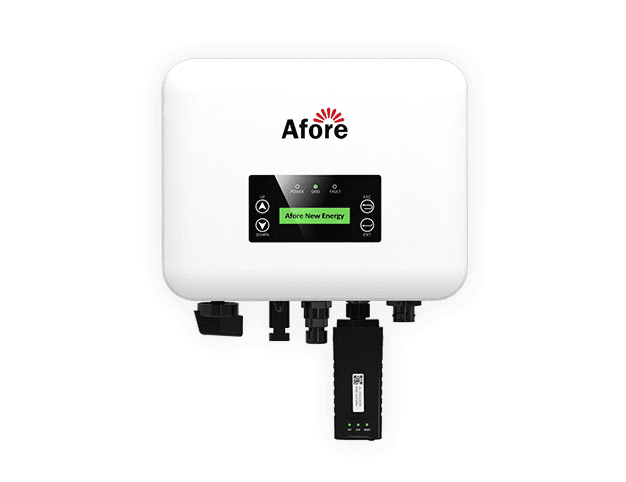
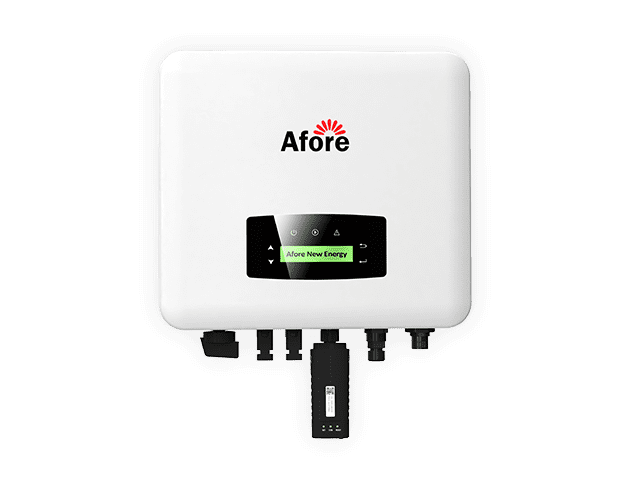
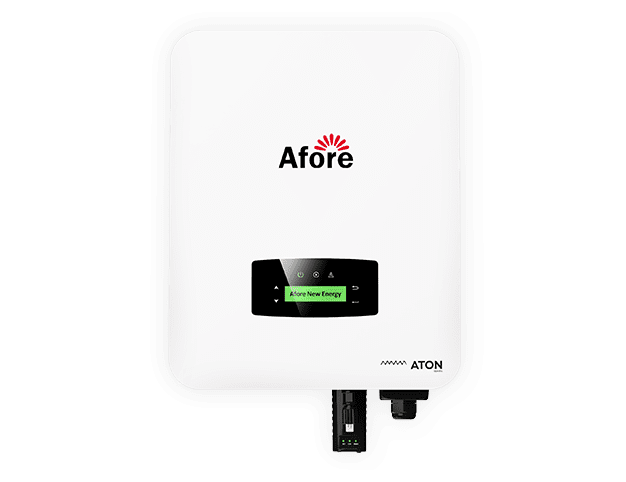
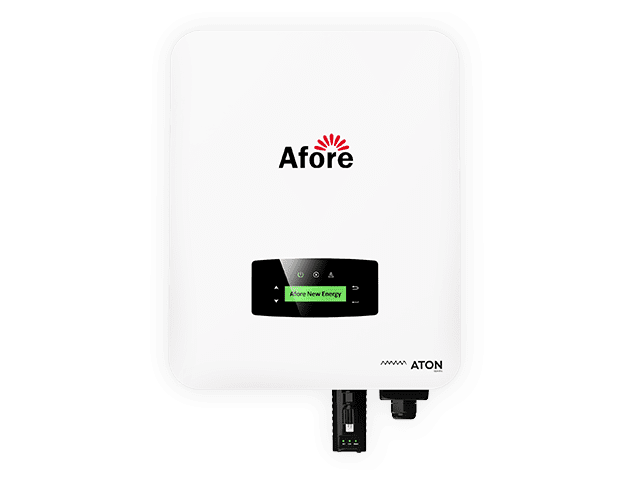
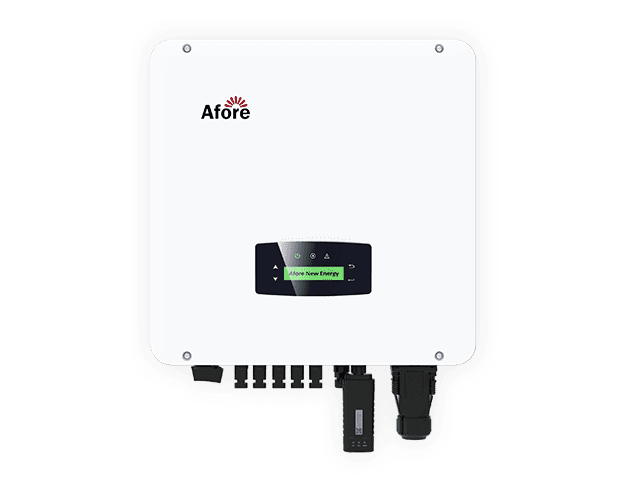
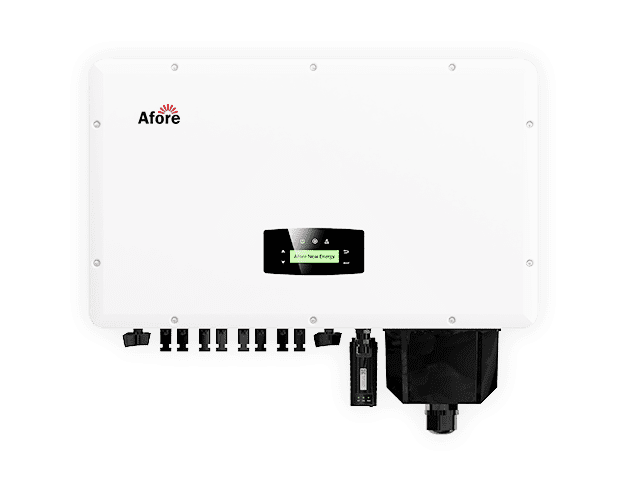
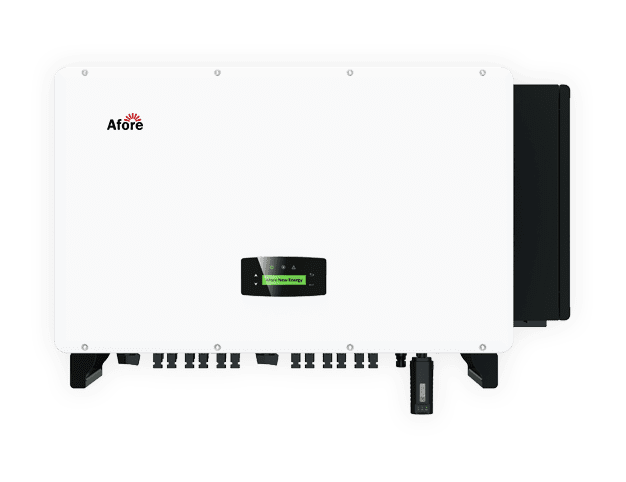
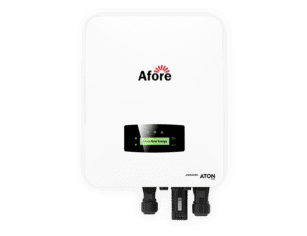
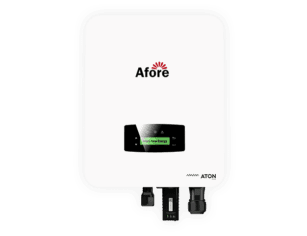
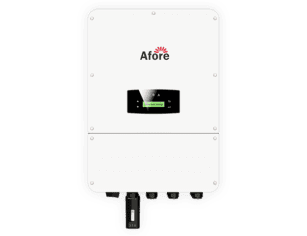
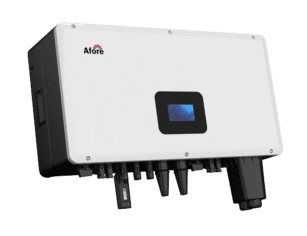
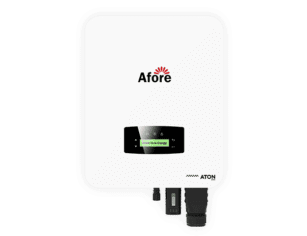
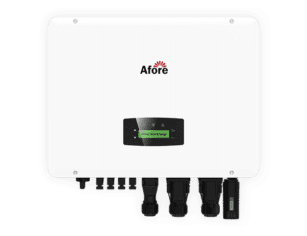
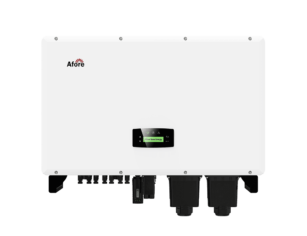
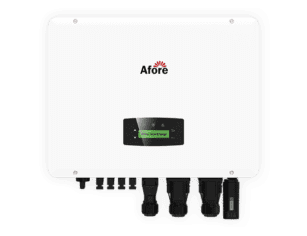
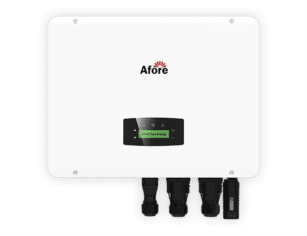
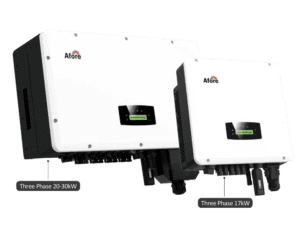
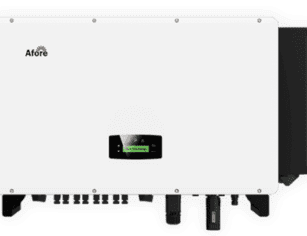
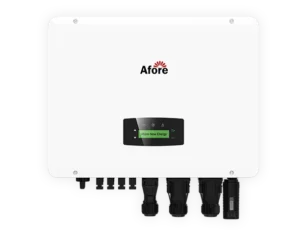
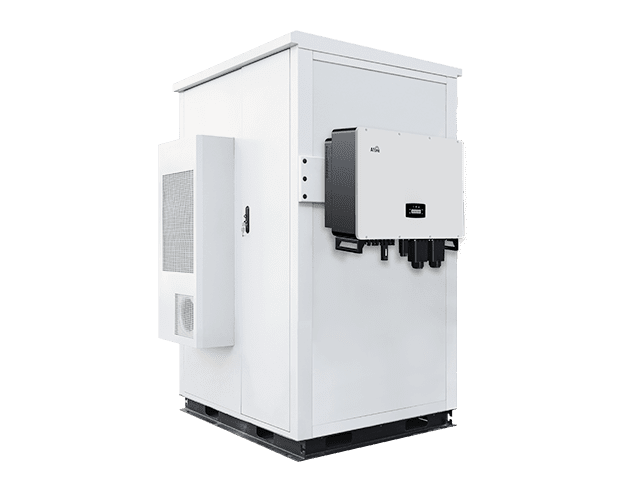
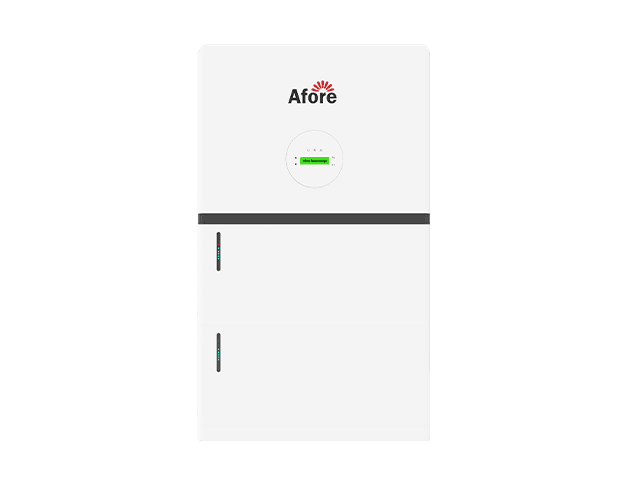
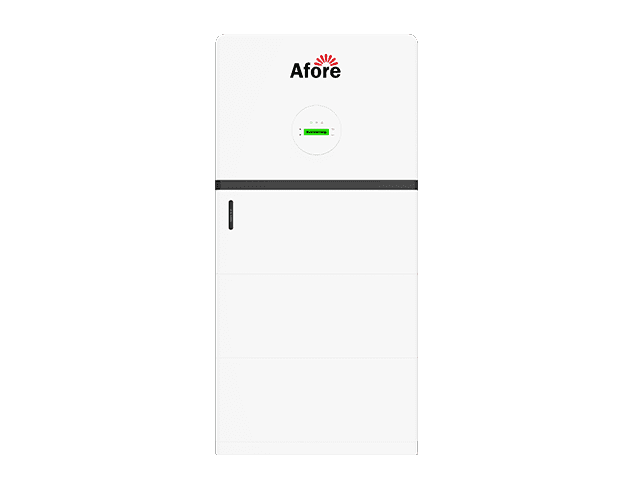
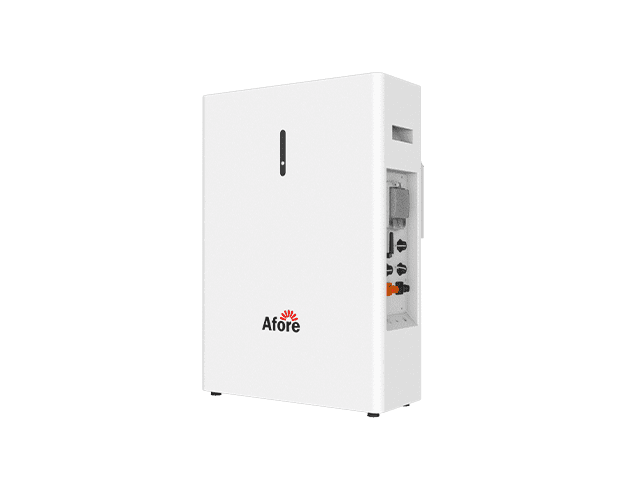
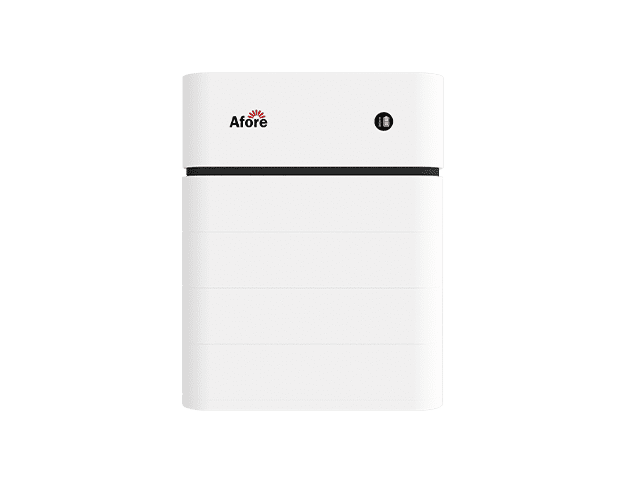
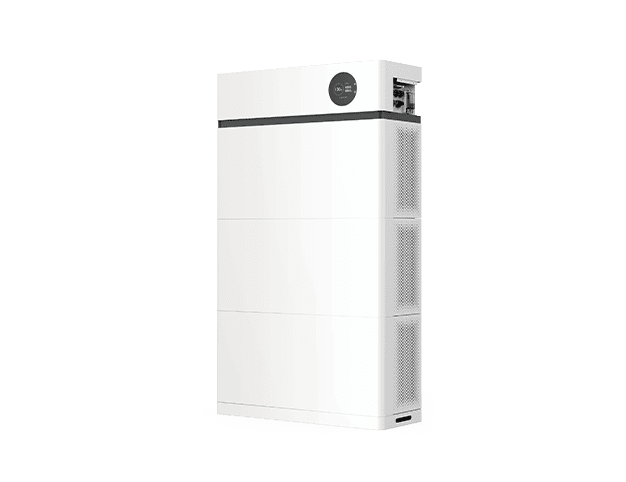
Afore delivers cost advantages over premium brands while keeping complete certification and stable core performance. It represents high value PV inverters with streamlined manufacturing and volume-based wholesale terms for distributors. It matches mainstream project demands without unnecessary high-end features from luxury brands. Clear MOQ rules and stable lead times also bring competitive solar storage pricing for large portfolio deployment.
Affordable solar gear stays reliable when sourced from qualified manufacturers with strict quality control and valid certifications. Reliability comes from premium components, factory burn-in tests and complete serial-number traceability systems. Vetted budget models run steadily under harsh heat, dust and complex commercial operating environments. Prioritizing certified products and spare parts access ensures long uptime and low unexpected maintenance costs.
Cut client installation costs by choosing wholesale hybrid inverters with simple commissioning and integrated monitoring functions. Standardizing equipment models simplifies team training, speeds up deployment and reduces daily troubleshooting work. Pre-certified inverters with matched battery lists accelerate utility approval and avoid costly project redesign. Bulk purchasing and optimized logistics effectively lower per-unit expense while maintaining stable installation quality.
Quality hybrid inverters boost clear solar ROI via higher self-consumption and smart peak shaving for commercial buildings. They reduce OPEX by cutting unnecessary on-site service trips and enabling early fault detection through remote monitoring. Durable mid-tier models minimize downtime, integration failures and premature equipment replacement over decades. Long-term efficiency gains far exceed the small upfront price gap between entry-level and mid-range inverters.
Bulk solar inverter orders support flexible terms like T/T deposit, pre-shipment balance and letters of credit for large deals. Reputable suppliers provide volume discounts, flexible logistics and reserved inventory to optimize cash flow for EPCs. Professional financial institutions offer project leasing and CAPEX plans tailored for commercial PV deployment cycles. Reasonable order planning and shipping arrangements greatly improve returns on cost-effective energy storage investments.
https://webstore.iec.ch/publication/64703








 Turkish
  Romanian