




El sector solar estadounidense sigue expandiéndose en los ámbitos residencial, comercial, industrial y del almacenamiento de energía, lo que genera importantes oportunidades para la distribución de inversores. Según el Oficina de Tecnologías de Energía Solar del Departamento de Energía de EE. UU., el despliegue de la energía solar en Estados Unidos sigue creciendo rápidamente en múltiples segmentos del mercado, impulsado por la reducción de costes, la modernización de la red eléctrica y los objetivos de descarbonización.
Sin embargo, una distribución satisfactoria implica mucho más que el mero abastecimiento de productos. Antes de entrar en el mercado, los distribuidores deben conocer los requisitos de certificación, los acuerdos de canal, la planificación de existencias, las expectativas en materia de asistencia técnica, las responsabilidades en materia de garantía y las estrategias de atención al cliente a largo plazo.
Por lo tanto, para los distribuidores, los EPC, los instaladores y los responsables de la toma de decisiones en el sector fotovoltaico comercial, la distribución de inversores no es un simple negocio de productos básicos. Un distribuidor puede ser responsable de la selección de productos, la documentación, la planificación de existencias, la asistencia en materia de garantía, la orientación para la puesta en marcha, la logística de sustitución y la escalación de incidencias técnicas. Si se suministra un inversor inadecuado, las consecuencias pueden incluir el rechazo de la revisión del proyecto, retrasos en la obtención de la autorización de funcionamiento, disparos intempestivos, rendimiento inferior al esperado, disputas sobre la garantía o costosos trabajos de rediseño.
Las perspectivas en EE. UU. son muy prometedoras, ya que el despliegue de la energía solar continúa en tejados comerciales, proyectos solares comunitarios, proyectos del sector público, instalaciones industriales y centrales a gran escala. Los inversores también generan una demanda recurrente, ya que suelen tener una vida útil más corta que los módulos fotovoltaicos. A lo largo de la vida útil de un sistema, los proyectos pueden requerir inversor sustitución, renovación de la potencia, mejoras en los sistemas de monitorización, actualizaciones para cumplir con la normativa de la red eléctrica o integración de sistemas de almacenamiento. Esto genera oportunidades para un socio distribuidor de inversores solares en EE. UU. con capacidad para prestar servicio a empresas de ingeniería, adquisición y construcción (EPC) y a propietarios de activos con precisión técnica, una logística ágil y un servicio posventa fiable.
Esta guía explica cómo evaluar la oportunidad desde una perspectiva profesional B2B. Abarca la entrada en el mercado, el diseño de la cartera de productos, la certificación en EE. UU. y el cumplimiento de los requisitos de la red eléctrica, la integración técnica, las adquisiciones, la puesta en servicio, las operaciones de garantía, la economía del ciclo de vida y la ampliación a sistemas fotovoltaicos preparados para el almacenamiento.
Esta guía está dirigida a diversos tipos de empresas que se incorporan o se expanden dentro de la cadena de suministro solar de EE. UU. Los nuevos distribuidores pueden utilizarla para comprender los requisitos de autorización, la planificación de existencias y los procesos de incorporación de fabricantes. Las empresas de ingeniería, adquisición y construcción (EPC) y los instaladores solares que estén explorando oportunidades de distribución pueden aprender cómo funcionan las alianzas de canal, el soporte técnico y las estructuras de ventas regionales. Los compradores comerciales e industriales que estén evaluando socios de aprovisionamiento también pueden utilizar esta guía para comprender mejor las diferencias entre distribuidores autorizados, revendedores, importadores y representantes de fabricantes en el mercado estadounidense.
A medida que el mercado solar comercial de EE. UU. sigue creciendo, la distribución de inversores está pasando de ser una venta puntual de equipos a un modelo de negocio basado en el ciclo de vida. Para comprender las oportunidades reales que ofrece este mercado, es importante analizar los factores que impulsan la demanda, la evolución de los sistemas y cómo los distintos segmentos de compradores evalúan y adquieren los inversores.
La demanda de energía solar en EE. UU. ya no se limita a los sistemas residenciales ni a las centrales a gran escala. Los tejados de edificios comerciales, los almacenes, los colegios, los hospitales, las instalaciones industriales, los edificios municipales y las carteras corporativas con múltiples emplazamientos están considerando cada vez más la energía solar fotovoltaica como una forma de reducir los costes de la electricidad, gestionar el riesgo relacionado con los precios de la energía y cumplir los objetivos de sostenibilidad. La energía solar comunitaria y la contratación pública también siguen impulsando el crecimiento de la generación distribuida en muchas regiones.
Para los distribuidores de inversores, lo importante es que el mercado de los inversores no es un mercado puntual vinculado únicamente a la construcción de nuevas instalaciones fotovoltaicas. Los módulos fotovoltaicos suelen tener una vida útil de 25 años o más, mientras que es más probable que los inversores requieran sustitución, mantenimiento o actualización a lo largo de la vida útil del proyecto. Esto genera una categoría de compras recurrentes para las empresas de ingeniería, adquisición y construcción (EPC), los proveedores de operaciones y mantenimiento (O&M), los gestores de activos y los propietarios de sistemas comerciales.
Es posible que los sistemas más antiguos necesiten inversores de recambio porque el modelo original haya quedado obsoleto, ya no reciba soporte técnico o sea incompatible con los nuevos requisitos de monitorización. Otros sistemas pueden someterse a una repotenciación para mejorar el rendimiento, cumplir con los nuevos requisitos de la red eléctrica, integrar sistemas de almacenamiento o consolidar la supervisión a nivel de cartera. Un distribuidor capaz de atender tanto la demanda de nuevas construcciones como la de sustitución puede construir un negocio más resiliente que uno que dependa únicamente del volumen de nuevos proyectos.
El inversor es el centro de control de un sistema fotovoltaico conectado a la red. Se encarga de la conversión de corriente continua a alterna, el seguimiento del punto de máxima potencia, la sincronización con la red, la protección contra el funcionamiento en isla, la detección de fallos, la supervisión y, en muchos casos, la coordinación de la desconexión rápida. A medida que los sistemas fotovoltaicos comerciales se vuelven más sofisticados, el inversor también está cada vez más conectado a sistemas de baterías, plataformas de gestión energética, control de demanda y carga, y sistemas eléctricos a nivel de edificio.
En el caso de los EPC, la selección del inversor influye en el diseño del sistema desde la fase inicial de modelización. Un inversor de cadena trifásico con entradas MPPT flexibles puede simplificar las complejas disposiciones de las instalaciones en tejados. Un inversor central puede reducir el número de equipos en grandes proyectos de instalación en suelo, pero requiere una integración de media tensión y una planificación del servicio diferentes. Una arquitectura híbrida o compatible con sistemas de almacenamiento puede mejorar el valor a largo plazo, pero exige una coordinación más exhaustiva de los controles.
Para los revendedores y distribuidores, la selección de los inversores también influye en la calidad de los márgenes y en la exposición al riesgo. Un inversor de bajo coste con documentación deficiente, una cobertura de servicio limitada o una aceptación incierta por parte de la red eléctrica puede generar ventas a corto plazo, pero también provocar problemas a largo plazo relacionados con la garantía y la atención al cliente. Una gama de productos técnicamente estable puede mejorar la confianza de los instaladores, reducir las devoluciones y reforzar la fidelización de los clientes.
El canal de inversores de EE. UU. incluye varios tipos de compradores, cada uno con diferentes factores que influyen en su toma de decisiones. Los distribuidores suelen centrarse en el margen, la rotación de existencias, los niveles de precios, las condiciones de crédito y el apoyo del fabricante. Las empresas EPC evalúan la financiabilidad, la aceptación por parte de las empresas de suministro eléctrico, la flexibilidad del diseño, la calidad de la documentación y el riesgo relacionado con los plazos. A los instaladores les preocupa la facilidad de cableado, montaje, puesta en marcha, etiquetado y configuración de la monitorización. Los propietarios de proyectos comerciales e industriales se centran en el tiempo de actividad, el rendimiento energético, la amortización, la claridad de la garantía y la facilidad de mantenimiento a largo plazo.
Un buen proveedor de inversores solares comerciales entiende que una misma característica del producto puede tener una importancia diferente para cada parte interesada. Por ejemplo, una pasarela de comunicación puede parecer un pequeño accesorio para un distribuidor, pero para un proveedor de operaciones y mantenimiento que gestiona cientos de instalaciones, la fiabilidad de la monitorización puede determinar la rapidez con la que se detectan y resuelven las averías. Del mismo modo, la compatibilidad con el apagado rápido puede parecer una mera cuestión normativa, pero para una empresa de ingeniería, compras y construcción (EPC) puede influir directamente en la concesión de permisos, la mano de obra de instalación y los resultados de las inspecciones.
En los mercados profesionales de energía fotovoltaica, los distribuidores aportan valor añadido al reducir los obstáculos en los proyectos. Esto incluye ayudar a los clientes a seleccionar la gama de inversores adecuada, confirmar la compatibilidad eléctrica, proporcionar la documentación necesaria para los planos, coordinar la logística con los calendarios de construcción, disponer de accesorios en stock, prestar apoyo en la puesta en marcha y facilitar la tramitación de las reclamaciones de garantía.
Esta ventaja resulta especialmente evidente cuando los proyectos comerciales tienen plazos ajustados. Un retraso en el envío de los inversores puede posponer la instalación. La falta de un certificado puede ralentizar la tramitación de los permisos. Un perfil de red incorrecto puede retrasar la interconexión. Un proceso de sustitución fallido puede reducir la producción de energía y perjudicar la relación del EPC con el propietario. Los distribuidores que comprenden estos riesgos se convierten en socios operativos, no solo en proveedores mayoristas.
Antes de incorporarse al canal de distribución de inversores solares en EE. UU., es importante comprender que los fabricantes consideran la autorización como un proceso de colaboración estructurado, más que como una simple solicitud para convertirse en distribuidor. En la siguiente sección se describen los requisitos clave, los criterios de evaluación y los pasos habituales que hay que seguir para convertirse en distribuidor autorizado.

Para convertirse en distribuidor autorizado, normalmente es necesario superar una evaluación del fabricante, una verificación de la actividad empresarial, recibir formación técnica, preparar la logística y planificar los canales de distribución a largo plazo. La mayoría de los fabricantes de inversores buscan socios distribuidores que puedan contribuir al crecimiento de las ventas, a la resolución de problemas técnicos, a la gestión de existencias y al servicio posventa en regiones o segmentos de clientes específicos.
El proceso habitual para convertirse en distribuidor autorizado de inversores solares comienza por identificar a los fabricantes cuyos productos se ajusten al público objetivo. A continuación, el distribuidor presenta las credenciales de su empresa, demuestra su capacidad de ventas o sus conocimientos técnicos, negocia las condiciones del canal de distribución, realiza la formación sobre los productos y cumple los requisitos relativos a compras, existencias o territorio.
Los fabricantes suelen evaluar si el distribuidor es capaz de proteger la marca en el mercado. Buscan socios que cuenten con relaciones sólidas con los clientes, estabilidad financiera, personal técnico cualificado y capacidad para gestionar la asistencia de primera línea. La distribución de inversores es una actividad técnica, ya que una aplicación incorrecta puede dar lugar a incumplimientos de la normativa de la red eléctrica, disparos intempestivos, un rendimiento inferior al esperado o disputas relacionadas con la garantía. Por ese motivo, los fabricantes pueden preferir distribuidores que cuenten con relaciones existentes con empresas de ingeniería, construcción y promoción (EPC), un historial de ventas de energía solar, capacidad en ingeniería eléctrica o redes regionales de instalación.
Un proceso de incorporación realista puede llevar meses, sobre todo en el caso de las líneas de productos comerciales y a gran escala. La evaluación puede incluir comprobaciones de solvencia crediticia, planes de mercado, verificación de seguros, entrevistas técnicas y requisitos de formación. Los nuevos participantes deben tener en cuenta que los fabricantes no solo les preguntarán “¿cuánto pueden vender?”, sino también “¿pueden dar soporte al producto una vez instalado?”.”
| Elemento de entrada del canal | Por qué es importante para los fabricantes y los clientes de EPC |
|---|---|
| Documentación relativa al registro de la empresa y a la reventa | Confirma la situación legal de la empresa y su régimen fiscal |
| Credit references or financing capacity | Supports inventory purchases and project-based orders |
| Technical sales capability | Reduces misapplication and design support burden |
| Warehousing and logistics process | Protects equipment and supports predictable delivery |
| Installer or EPC customer base | Demonstrates market access and demand generation |
| Warranty handling process | Reduces customer dissatisfaction and service delays |
Distribution agreements typically define the authorized product lines, geographic coverage, pricing tiers, payment terms, minimum order quantities, sales targets, lead protection, branding rules, training obligations, warranty processing requirements, and return procedures. Some agreements may include exclusivity, but exclusivity can be risky if it comes with aggressive sales quotas or limits the distributor’s ability to serve diverse project needs.
Before signing, B2B buyers should carefully review liability clauses, indemnification language, product return conditions, firmware responsibilities, service obligations, and warranty labor terms. A distributor may assume more responsibility than expected if the agreement requires first-line troubleshooting or customer-facing warranty support. It is also important to clarify whether the distributor can sell to all customer types or only to approved installers, EPCs, resellers, or project owners.
Territory rights are another key issue. A regional distributor may benefit from protected geography, but national EPCs often need multi-state delivery and standardized support. If the distributor’s territory is too narrow, it may miss portfolio opportunities. If it is too broad without adequate operational capacity, service quality can decline.
Solar Inverter Distribution Entry Model Comparison
| Entry Model | Lo mejor para | Ventajas | Risks |
|---|---|---|---|
| Authorized manufacturer distributor | Established solar equipment companies | Direct pricing, official support, training access, stronger warranty backing | Higher sales targets, inventory pressure, stricter contracts |
| Buying through master distributor | New market entrants or smaller regional sellers | Lower entry barriers, faster startup, reduced inventory requirements | Lower margins, limited territory protection, reduced manufacturer access |
| Import/private-label model | Companies seeking branding control | Flexible pricing, branding opportunities, higher margin potential | Compliance responsibility, higher capital exposure, regulatory complexity |
| Manufacturer representative model | Sales-focused organizations | Low inventory investment, commission-based growth model | Limited operational control, reduced recurring revenue stability |
Distributor Recommendation vs Engineering Design Responsibility
Distributors may recommend products, but they are not responsible for final system engineering design. Engineering validation must be completed by qualified EPCs or licensed professionals.
Product Suitability vs Project Performance Guarantee
Manufacturers and distributors do not guarantee system performance outcomes such as energy yield, uptime, or financial ROI. These depend on system design, installation quality, and site conditions.
Warranty Replacement vs Labor Reimbursement
Warranty coverage typically includes product replacement but does not automatically include installation labor, downtime losses, or EPC rework costs unless explicitly stated.
Commissioning Support vs Licensed Electrical Work
Manufacturer or distributor technical teams may support commissioning guidance but cannot replace licensed electrical contractors responsible for installation and grid interconnection compliance.
Manufacturers generally look for a combination of sales reach, operational discipline, and technical support. Warehousing must protect sensitive electronics from moisture, impact, and mishandling. Logistics teams must understand palletization, serial number tracking, freight claims, and jobsite delivery coordination. Sales teams must understand project stages, bid timing, interconnection schedules, and EPC procurement workflows.
Technical personnel are especially important. A distributor should be able to interpret datasheets, confirm DC voltage windows, explain MPPT behavior, discuss rapid shutdown architecture, verify communication options, and escalate faults with proper documentation. This does not mean every distributor must perform engineering design, but it does mean the distributor must understand when a technical question requires manufacturer or engineer involvement.
For commercial projects, the gap between “product available” and “product suitable” is significant. A model may be listed and efficient, yet still unsuitable for a specific utility territory, rooftop configuration, storage strategy, or monitoring requirement. The distributor’s role is to reduce that risk before procurement.
Professional documentation improves manufacturer confidence and shortens onboarding. Companies are commonly asked to provide business registration records, tax documents, resale certificates, insurance certificates, credit references, sales history, technical team credentials, target market plans, warehouse information, and customer references.
For companies importing products directly, additional documentation may be required for customs classification, country-of-origin records, trade compliance, and product labeling. Many inverters fall under power conversion equipment classifications, but tariff exposure and documentation requirements can change. Distributors should work with qualified customs and trade professionals rather than treating landed cost as a fixed number.
Commercial solar equipment distribution in the United States involves significant import and trade-compliance responsibilities, especially for companies sourcing products directly from overseas manufacturers. Distributors should evaluate customs exposure, tariff risk, country-of-origin documentation, and supply-chain traceability before establishing procurement agreements.
Solar inverters and related power conversion equipment must be classified under the appropriate Harmonized System (HS) tariff codes for customs processing. Incorrect classification can result in shipment delays, customs penalties, unexpected duties, or compliance audits.
Distributors should coordinate with customs specialists to confirm:
Classification may vary depending on voltage class, functionality, and integrated storage capability.
Country-of-origin documentation is critical for customs clearance, tariff calculation, and procurement compliance. U.S. buyers increasingly request detailed origin records for solar supply-chain verification.
Required documentation may include:
Incomplete documentation can delay customs release or create downstream compliance risks for EPC customers.
Some imported electrical and solar-related products may be subject to Section 301 tariffs depending on manufacturing origin and product classification. Tariff exposure can significantly affect landed cost calculations and long-term pricing strategy.
Distributors should continuously monitor:
Tariff exposure can materially change distributor margin structure over time.
Certain solar-related components may face antidumping (AD) or countervailing duty (CVD) investigations depending on sourcing origin and product category.
While inverter classifications may differ from PV modules, distributors should still evaluate potential exposure involving:
Trade enforcement developments can rapidly alter procurement economics and project pricing.
The Uyghur Forced Labor Prevention Act (UFLPA) has increased supply-chain documentation scrutiny across the solar industry. Although enforcement focus often centers on upstream material sourcing, distributors should maintain traceability documentation for imported energy equipment and related supply-chain partners.
Companies may need:
Many EPCs and commercial buyers now request additional compliance transparency before approving suppliers.
Experienced customs broker coordination is increasingly important for commercial solar distribution operations.
Brokers can assist with:
Distributors handling direct imports should establish broker relationships before scaling procurement volumes.
Accurate landed-cost modeling is essential for maintaining healthy distributor margins and avoiding unexpected project cost increases.
Landed cost calculations should include:
Many new distributors underestimate the cumulative impact of non-product procurement costs on overall profitability.
Trade-compliance responsibility differs substantially depending on procurement structure.
When importing directly, the distributor typically assumes responsibility for:
When purchasing through a U.S.-authorized supplier, much of the import compliance responsibility may remain upstream with the importing entity. This approach can reduce administrative burden and trade-risk exposure for smaller distributors entering the market.
However, pricing flexibility and margin control may be lower compared with direct-import models.
The onboarding process for becoming a solar inverter distributor in the U.S. is typically structured, technical, and partnership-driven rather than a simple registration step. The following workflow outlines the key stages from initial market definition to full commercial launch, helping new entrants understand how manufacturers evaluate and approve distribution partners.
Before contacting manufacturers, distributors should identify their primary market focus. Common segments include residential solar systems, commercial and industrial (C&I) projects, utility-scale installations, replacement and O&M markets, and storage-ready hybrid energy systems. A clearly defined target segment helps narrow product selection, pricing strategy, certification needs, and technical support requirements.
Manufacturers should be evaluated based on inverter type, grid compatibility, local certification coverage, warranty structure, technical responsiveness, and U.S. inventory availability. Distributors should also assess whether the supplier supports hybrid systems, rapid shutdown compliance, monitoring platforms, and long-term firmware support.
Most manufacturers require a formal distributor application package before authorization discussions begin. This package often includes company background, years in business, market coverage, sales channels, technical team capabilities, and previous renewable energy experience.
Manufacturers commonly request business licenses, resale certificates, commercial insurance documentation, warehouse information, financial references, projected sales volume, and credit applications. Some suppliers may also evaluate logistics capacity and regional delivery capabilities.
Authorized distributors are often expected to complete technical onboarding programs covering inverter installation, commissioning, monitoring systems, troubleshooting procedures, warranty handling, and firmware updates. Manufacturers may require certified staff before granting full authorization status.
Channel agreements typically define regional territory rights, annual purchase expectations, minimum order quantities (MOQ), pricing structures, lead-sharing policies, warranty responsibilities, and target growth objectives. Distributors should carefully review exclusivity terms and performance clauses before signing.
Initial inventory planning should include not only inverters but also related accessories such as communication modules, monitoring gateways, shutdown devices, connectors, mounting accessories, and replacement parts. Balanced inventory management helps reduce lead times and improve installer satisfaction.
A clear support structure is critical for long-term distributor success. Companies should establish procedures for troubleshooting, technical escalation, warranty claims, return merchandise authorization (RMA), and field replacement coordination before product launch.
Most successful distributor launches begin with existing installer relationships, EPC partnerships, or regional commercial projects. Early deployment with qualified partners helps generate installation references, improve technical familiarity, and establish local market credibility.
Distributor onboarding timelines can vary significantly depending on company size, target market, and manufacturer requirements.
| Distributor Type | Typical Timeline |
|---|---|
| Small regional reseller | 2–6 weeks |
| Residential-focused distributor | 1–3 months |
| C&I solar equipment distributor | 2–4 months |
| Utility-scale procurement partner | 3–6 months |
| Import/private-label model | 4–9 months |
Longer onboarding cycles are usually associated with inventory preparation, technical certification, financing approval, and contract negotiations.
Most inverter manufacturers evaluate distributors using both commercial and technical criteria. Common requirements may include:
Manufacturers may also review market reputation, project references, and long-term business stability before granting authorization.
In the U.S. solar inverter market, distribution roles are not uniform—each model operates with different levels of manufacturer access, pricing control, technical responsibility, and risk exposure. The following section compares the main distributor structures to help clarify how each one functions within the commercial solar supply chain.
An authorized distributor purchases directly from the manufacturer and usually receives formal pricing support, training, warranty access, and channel recognition.
A reseller often purchases products through larger distributors instead of directly from the manufacturer. Entry barriers are lower, but pricing and technical support access may be more limited.
An importer purchases products internationally and manages customs, logistics, compliance, and local distribution independently. This model offers more control but carries higher regulatory and inventory risks.
A manufacturer representative focuses mainly on sales development and channel expansion without necessarily holding inventory. Compensation is commonly commission-based.
An EPC procurement partner sources inverter products primarily for internal project execution rather than broad regional redistribution. This model is common among large commercial solar contractors.
Selecting the right inverter portfolio is not just a product decision but a channel strategy decision that directly affects your target customers, technical support burden, and long-term competitiveness. The following section explains how different inverter types fit into commercial distribution strategies and what factors should guide portfolio planning.
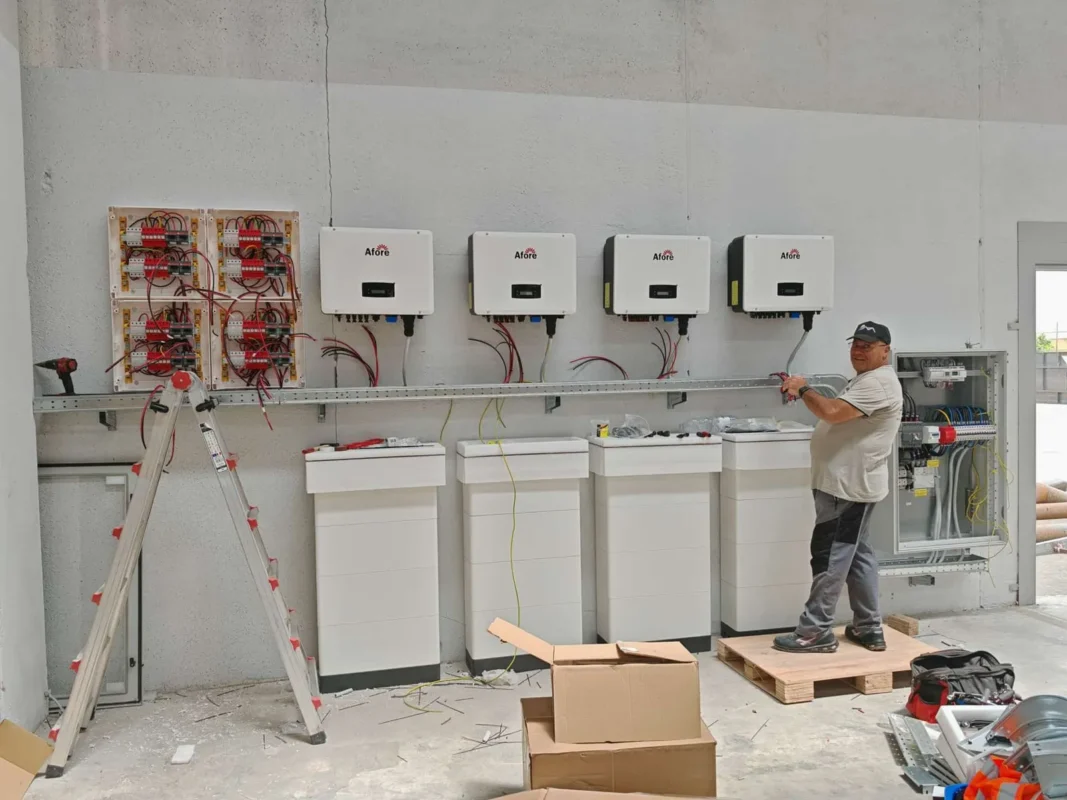
Portfolio design should begin with the target customer segment. Commercial rooftops often use three-phase string inverters because they provide distributed conversion, flexible MPPT design, manageable replacement size, and compatibility with rooftop layouts. Larger ground-mount and utility-scale projects may use central inverters where larger power blocks and medium-voltage integration are preferred. Hybrid inverters and battery inverters are increasingly relevant for sites that need storage, demand-charge management, backup capability, or time-of-use optimization. Microinverters are more common in residential and small commercial systems, though they can appear in certain distributed commercial applications.
A distributor does not need to carry every inverter type. In fact, an unfocused portfolio can increase training burden, inventory complexity, and support risk. The better approach is to align product lines with the distributor’s sales channels. A company serving commercial rooftop installers may prioritize three-phase string inverters, rapid shutdown accessories, monitoring gateways, and replacement units. A company serving large ground-mount EPCs may need higher-power inverter platforms, project engineering support, spare-part kits, and medium-voltage coordination.
| Inverter type | Common B2B application | Distributor consideration |
|---|---|---|
| Three-phase string inverter | Commercial rooftops, carports, distributed C&I systems | High SKU relevance, flexible inventory, strong training need |
| Central inverter | Utility-scale and large ground-mount projects | Project-specific engineering and service planning |
| Inversor híbrido | PV-plus-storage and backup-capable systems | Requires battery and controls compatibility review |
| Microinversor | Residential and some small commercial projects | Useful for module-level design but less dominant in larger C&I |
For most commercial rooftop projects, three-phase string inverters are highly relevant because they balance design flexibility with serviceability. They can support multiple roof planes, different string groupings, and distributed placement near array sections. MPPT flexibility matters on rooftops with obstructions, varying orientations, or multiple tilt angles. Rapid shutdown compatibility is also critical because commercial rooftops are subject to firefighter safety and plan-review scrutiny.
For large ground-mount or utility-scale projects, the decision often shifts toward central inverters or high-capacity string inverter blocks. These projects may require grid support functions, medium-voltage transformer coordination, SCADA integration, reactive power control, and more extensive interconnection studies. The distributor must be prepared to supply project-specific documentation, firmware information, spare-parts planning, and commissioning support.
For storage-ready sites, the key question is whether the PV system should use hybrid inverters, separate battery inverters, or a DC-coupled architecture. The answer depends on system size, backup requirements, interconnection limits, incentive structure, load profile, and energy management objectives. Distributors serving C&I customers should understand these architecture choices because storage decisions increasingly affect inverter procurement.
Commercial solar inverter selection requires evaluation far beyond power rating alone. EPCs, distributors, and commercial buyers must assess grid architecture, voltage compatibility, communication protocols, protection requirements, interconnection conditions, and long-term operational flexibility before finalizing equipment selection.
Inverter datasheets contain many values, but not all are equally important for every project. EPCs and distributors should pay attention to DC input voltage range, maximum system voltage, MPPT count, MPPT current limits, AC output rating, weighted efficiency, clipping behavior, thermal derating, enclosure rating, cooling method, communication protocols, and grid support functions.
| Especificaciones | Practical impact on commercial PV design |
|---|---|
| DC voltage range | Determines allowable string length and cold-weather voltage compliance |
| MPPT count and current | Affects rooftop layout flexibility and mismatch management |
| AC output rating | Influences DC/AC ratio, clipping, interconnection size, and BOS design |
| Efficiency and derating | Affects yield modeling and performance in hot environments |
| Enclosure rating | Supports outdoor placement decisions and environmental suitability |
| Communication protocol | Determines monitoring, SCADA, and fleet-management integration |
| Funciones de apoyo a la red | Supports utility approval and smart inverter requirements |
A slightly higher inverter efficiency may matter less than reliable uptime, strong derating performance, or better monitoring integration. Conversely, a low-cost inverter with limited MPPT flexibility may increase design complexity and reduce production on difficult rooftops. The technical comparison should always be tied to system economics, installation labor, and operational risk.
Commercial inverter selection often depends on the facility’s AC service architecture.
208V Systems
208V commercial service is common in:
These systems may use smaller three-phase inverter configurations with different current limitations and interconnection requirements.
480V Systems
480V service is widely used in larger commercial and industrial facilities because it supports higher power density and lower current levels.
480V projects may require:
A commercial rooftop using 480V service may require different inverter selection, transformer planning, and interconnection documentation than a small commercial site using 208V service.
Medium-Voltage Integration
Larger commercial and utility-scale systems may interconnect through medium-voltage infrastructure using:
These projects involve additional protection studies and utility engineering review.
DC system architecture significantly affects inverter selection, BOS cost, cable sizing, and project efficiency.
600V DC Systems
Common in older commercial projects and some residential applications.
Advantages include:
Limitations may include:
1000V DC Systems
Widely used in commercial rooftop applications because they improve string efficiency while maintaining manageable installation requirements.
1500V DC Systems
Frequently used in utility-scale and large commercial installations to reduce:
However, 1500V architecture requires compatible modules, disconnects, protection devices, and inverter platforms.
Transformerless designs are now common because they offer:
However, grounding strategy and leakage current behavior require careful design consideration.
Transformer-based systems may still be selected for:
These systems are typically larger and less efficient but may simplify some protection strategies.
Grounding architecture affects inverter compatibility, fault protection design, and code compliance.
Traditionally used in older PV system architectures and may require specific inverter compatibility.
Now common in modern transformerless systems and often used with advanced fault monitoring functionality.
Improper grounding coordination can create:
Arc-Fault Circuit Interruption (AFCI) functionality is required in many PV systems under NEC requirements.
AFCI systems help detect dangerous electrical arcing conditions caused by:
Distributors should verify whether AFCI functionality is:
Commercial PV architecture may use centralized DC combiner strategies or distributed string inverter layouts.
DC Combiner Design
Advantages may include:
However, centralized architectures may increase:
Distributed String Design
Distributed string inverter systems often provide:
System layout and maintenance philosophy often determine the preferred architecture.
Commercial three-phase inverter sizing varies widely depending on application type.
Typical ranges include:
| Aplicación | Common Inverter Size Range |
|---|---|
| Small commercial | 10–50 kW |
| Mid-size commercial rooftop | 50–250 kW |
| Large C&I projects | 250–500 kW |
| Utility-scale string systems | 500 kW+ |
| Central inverter applications | Multi-megawatt |
Final sizing depends on DC/AC ratio, interconnection limits, and site load characteristics.
Some utilities and commercial projects require compatibility with revenue-grade metering systems for export measurement, incentive programs, or energy settlement.
Compatibility review may involve:
Modern commercial projects increasingly depend on advanced communication interoperability between inverters, EMS platforms, SCADA systems, and utility interfaces.
Important protocol considerations may include:
Protocol limitations can affect utility approval, monitoring integration, and long-term energy management functionality.
Commercial project stakeholders often look beyond unit price. They evaluate manufacturer track record, installed base, service network, warranty terms, spare-unit availability, firmware support, and the likelihood that replacement equipment will remain available years later. This matters because inverter failure is not only a product issue; it is a revenue issue for the asset owner.
For distributors, bankability reduces support risk. A product line with clear documentation, stable firmware, trained service channels, and predictable warranty handling is easier to support than a cheaper product with unclear escalation paths. When EPCs bid fixed-price projects, they often value supply certainty and support quality as much as initial price.
Manufacturers with local U.S. service centers and fast technical response times significantly reduce project downtime and commissioning delays.
A strong track record in similar project types (residential, C&I, utility-scale) indicates proven reliability and field performance.
Short lead times for replacement units are critical for minimizing downtime in commercial and industrial systems.
Clear warranty documentation and consistent firmware updates indicate long-term product support stability.
High-quality technical documentation and compatibility with monitoring, EMS, and utility systems improve integration success.
Manufacturers with established utility approval history and strong financial backing are more likely to support long-term product lifecycles.
Regular training programs, certification pathways, and installer support networks improve downstream installation quality and reduce failure rates.
In the U.S. solar market, grid compliance and certification are not optional formalities—they are core requirements that determine whether a project can be approved, interconnected, and commissioned. The following section outlines the key standards, utility rules, and verification steps distributors and EPCs must understand before selecting and deploying solar inverters.

In the United States, solar inverters generally need certification to applicable safety and grid-interconnection standards before they can be accepted by authorities having jurisdiction and utilities. For grid-tied PV, relevant requirements commonly include inverter safety listing, interconnection performance, anti-islanding behavior, and smart inverter functions. Standards such as UL 1741 and IEEE 1547-related requirements are central to this process, though the exact requirement depends on system size, utility rules, state policy, and interconnection category.
Distributors should never assume that a product is acceptable simply because it is marketed as grid-tied. They should verify current listing status, certificate documents, applicable grid support functions, and utility acceptance before offering the inverter for a commercial project. Certification status can also vary by model, firmware version, voltage class, and intended application.
EPC Compliance Verification Checklist
Before project procurement or commissioning, EPCs should verify the following items:
| Compliance Item | Verification Requirement |
|---|---|
| Model number | Must exactly match certification listing |
| Voltage class | Confirm utility-approved voltage configuration |
| UL certificate | Verify current and valid listing |
| IEEE 1547 compliance documents | Confirm latest revision availability |
| Utility-approved grid profile | Match local utility requirements |
| Rapid shutdown compatibility | Validate approved shutdown architecture |
| Firmware version | Confirm approved firmware revision |
| Installation manual revision | Ensure latest compliance documentation |
| Communication hardware | Verify approved monitoring interfaces |
| NRTL listing | Confirm recognized testing laboratory approval |
Failure to verify even one of these items can delay inspection approval, interconnection, or permission to operate.
The National Electrical Code affects PV system design, equipment selection, labeling, disconnecting means, conductor protection, and rapid shutdown requirements. Commercial rooftops require particular attention because firefighter safety provisions can influence the selection of inverter topology, module-level devices, conductors, and shutdown initiators.
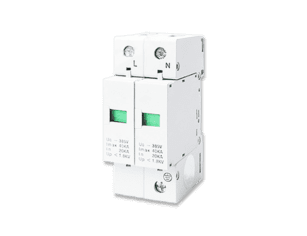
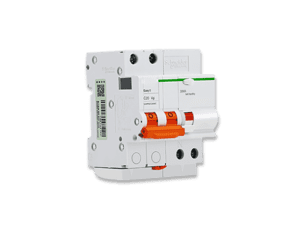
Rapid shutdown compliance is not only an installer issue. A distributor that sells inverters without compatible shutdown devices, communication gateways, or required accessories can cause delays at inspection or commissioning. In commercial PV procurement, the inverter package should be reviewed as a system rather than a standalone box. The correct equipment set may include inverters, rapid shutdown components, data loggers, meters, surge protection, communication equipment, and labeling documentation.
Utility requirements vary across the United States. Some projects require specific grid profiles, voltage ride-through, frequency ride-through, reactive power control, power factor settings, export limiting, remote disconnect capability, or monitoring interfaces. Requirements may differ by utility territory, state interconnection rules, feeder conditions, and system size.
This is where distributors can materially reduce project risk. If an EPC selects an inverter before confirming utility requirements, the project may face delays or redesign. A capable distributor asks early questions about the project location, AC capacity, interconnection application, export limits, storage plans, and monitoring requirements. The distributor should also confirm whether firmware settings can be adjusted in the field and whether documentation is available for utility review.
Utility interconnection approval in the United States increasingly depends on advanced smart inverter functionality rather than simple grid connection capability alone. Utilities now evaluate how distributed energy systems behave during voltage disturbances, frequency events, export control conditions, and grid instability scenarios before granting permission to operate.
Some projects require specific grid support functions to be enabled before interconnection approval is issued.
EPCs should never finalize inverter procurement solely based on national certification status or manufacturer datasheets. Utility interconnection requirements can vary significantly between utilities, feeder territories, voltage classes, and project sizes. A certified inverter may still fail utility approval if required grid profiles, communication settings, export controls, or firmware versions are unavailable.
Before issuing purchase orders, EPC teams should verify:
Failure to complete utility verification before procurement can lead to redesign costs, delayed commissioning, stranded inventory, or denied permission to operate.
Many commercial solar and storage projects use export-limited or non-export configurations to comply with utility restrictions or site load limitations.
Export-limited systems are designed to restrict power exported back to the grid through inverter controls, energy management systems, or CT-based monitoring devices.
Los servicios públicos pueden ser necesarios:
Non-export systems are configured to prevent any intentional energy export to the utility grid. These projects are common in:
Incorrect inverter configuration can result in failed interconnection approval or unexpected grid export violations.
Modern utilities may require inverters to provide reactive power support for local voltage stabilization.
Common reactive power functions include:
Commercial and utility-scale projects are more likely to require these functions than small residential systems.
Voltage ride-through settings determine how an inverter behaves during temporary grid voltage disturbances.
Utilities may require the inverter to:
Improper ride-through configuration can delay commissioning approval.
Frequency ride-through capability allows the inverter to remain operational during temporary frequency deviations on the utility grid.
These settings may include:
Different utilities may require different parameter settings even within the same state.
Some utilities require remote disconnect capability for larger distributed energy projects. This allows utility operators to disconnect generation assets during emergencies or grid maintenance events.
Projects may also require:
These requirements are especially common in C&I and utility-scale installations.
Interconnection approval may depend on feeder capacity and local grid infrastructure conditions rather than inverter certification alone.
Utilities may evaluate:
In some cases, identical inverter systems may be approved at one location but rejected at another due to feeder constraints.
Smart inverter requirements can vary significantly across states and utility territories.
Examples may include:
Distributors supporting multiple states should maintain updated utility compliance references for each market region.
California Rule 21 is one of the best-known smart inverter interconnection frameworks in the United States. It requires advanced inverter functionality for many grid-connected distributed energy systems.
Rule 21-related requirements may include:
Manufacturers commonly provide California-specific grid profiles to support Rule 21 deployment.
One common cause of interconnection delay occurs when the installed inverter firmware does not match the utility-approved version or when required grid profiles are unavailable during commissioning.
Algunos ejemplos son:
These issues can delay inspection approval, utility witness testing, and final permission to operate even when the physical installation is complete.
Commercial PV permitting depends on accurate and complete documentation. EPCs commonly need datasheets, installation manuals, safety certificates, grid compliance certificates, single-line diagrams, equipment labels, rapid shutdown documentation, monitoring architecture, and commissioning procedures. Missing or outdated documents can delay plan review even when the product itself is technically suitable.
Distributors should maintain a controlled document library and verify that customers receive current versions. This is especially important when product models change, firmware revisions affect grid behavior, or accessories are updated. Good documentation discipline helps EPCs avoid avoidable resubmittals and protects the distributor from confusion during warranty or service events.
Technical design decisions in commercial PV systems directly affect performance, cost, and long-term reliability, and they must be evaluated as part of a complete system rather than isolated specifications. The following section explains the key integration factors that influence inverter selection, system behavior, and project outcomes in real-world installations.
Inverter sizing affects annual energy production, installed cost, interconnection size, and financial performance. Commercial PV systems often use a DC/AC ratio greater than 1.0, meaning the DC array capacity exceeds the inverter’s AC rating. This can improve economics because modules rarely operate at nameplate output for long periods, and inverter capacity is used more consistently throughout the day.
However, excessive oversizing can increase clipping losses, thermal stress, and performance uncertainty. The appropriate DC/AC ratio depends on module orientation, irradiance, temperature, interconnection limits, utility rate structure, module degradation, and the value of energy at different times of day. EPCs should model these factors rather than applying a generic ratio.
For distributors, the key is to understand how inverter capacity interacts with system design. Recommending a smaller inverter may reduce equipment cost but increase clipping. Recommending a larger inverter may reduce clipping but increase CAPEX and interconnection complexity. The right answer depends on the project’s financial model.
Commercial rooftops are rarely ideal. They may include HVAC units, parapets, vents, skylights, different roof planes, setbacks, and partial shading. MPPT count and input flexibility influence how well the inverter can manage these conditions. When strings with different orientations or irradiance profiles are combined poorly, mismatch losses can increase and performance may fall below expectations.
A three-phase string inverter with multiple MPPTs can improve design flexibility on complex rooftops. In some cases, module-level power electronics may be used to address rapid shutdown, mismatch, or monitoring needs. However, additional electronics also add cost, installation steps, and service considerations. The best design is not the one with the most devices; it is the one that balances energy yield, compliance, installation practicality, and maintainability.
Compatibility checks are essential before procurement. The inverter must match module electrical characteristics, string voltage limits, input current limits, grounding architecture, rapid shutdown devices, monitoring hardware, revenue-grade meters, communication gateways, and any storage or energy management systems.
For portfolio owners and O&M providers, monitoring compatibility is particularly important. They may require role-based access, fault history, performance ratio tracking, open communication protocols, API access, or integration with third-party asset management platforms. A monitoring system that works for a single site may not be adequate for a multi-site portfolio.
Distributors should ask whether the customer needs basic monitoring, fleet management, SCADA integration, revenue reporting, or cybersecurity controls. These requirements can affect inverter selection as much as electrical ratings.
Inverters operate in real environments, not datasheet conditions. Rooftop heat, dust, humidity, coastal corrosion, snow, high elevation, poor ventilation, and direct sun exposure can affect performance and service life. Thermal derating is especially important in hot climates or tightly packed mechanical areas where airflow is limited.
Enclosure rating, cooling method, mounting clearance, operating temperature range, and derating curves should be reviewed for each site. Fan-cooled units may require more maintenance in dusty environments. Passive cooling can reduce moving parts but may require careful spacing and mounting conditions. Coastal or industrial sites may need stronger corrosion resistance. The distributor’s technical team should understand these trade-offs and avoid recommending equipment based only on nameplate power.
Inverter procurement is not only a purchasing decision but also a coordination process that directly affects project timelines, cash flow, and delivery reliability. The following section outlines how distributors can manage lead times, inventory, logistics, and pricing strategies to reduce project risk and maintain supply continuity in the U.S. solar market.
Inverter availability can directly affect construction timelines, inspection readiness, and utility interconnection. Commercial EPCs often build schedules around equipment delivery windows. If inverters arrive late, crews may need to remobilize, inspections may be rescheduled, and the project’s permission-to-operate date may slip.
Distributors should forecast demand by inverter size, voltage class, accessory type, and regional project mix. They should also track manufacturer production changes, firmware revisions, model transitions, and certification updates. A unit that appears equivalent may not be acceptable if it has different dimensions, grid settings, communication requirements, or listing documentation.
Supply continuity is especially important for multi-site portfolios. If the first sites use one inverter platform and later sites require a substitute, design standardization may be lost. That can increase engineering time, spare-parts complexity, training needs, and O&M burden.
A practical PV inverter wholesale strategy balances fast-moving SKUs with project-specific equipment. For commercial rooftop markets, distributors may stock common three-phase inverter sizes, compatible rapid shutdown devices, communication gateways, data loggers, mounting accessories, surge protection components, and replacement units. For larger projects, equipment may be ordered against specific project schedules rather than held in broad inventory.
The working capital burden can be significant because inverters are high-value products and payment cycles in solar can be long. Distributors should model inventory turns, lead times, credit terms, customer payment behavior, freight exposure, and warranty reserve risk. A fast-growing distributor can still face cash pressure if it carries too much slow-moving inventory or offers generous credit without controls.
Inverters are power electronics and should be handled accordingly. Warehouses should protect equipment from moisture, impact, extreme temperatures, and unauthorized access. Incoming inspection should verify packaging condition, model numbers, accessories, and serial numbers. Serial number control is important for warranty registration, recall management, firmware tracking, and customer support.
Freight planning matters because commercial inverters can be heavy, bulky, and sensitive to mishandling. Palletization, weather protection, liftgate requirements, jobsite receiving coordination, and damage documentation should be standardized. A missing communication accessory or damaged enclosure may appear minor in the warehouse but can cause costly commissioning delays on site.
Distributor profitability depends on more than the purchase discount. Landed cost includes product cost, freight, duties, warehousing, financing, insurance, damage claims, technical support time, returns, and warranty administration. Manufacturer rebates or volume tiers may improve margin, but only if the distributor can sell through inventory without excessive obsolescence.
For EPC customers, transparent pricing and stable availability can be more valuable than a small unit-price reduction. Fixed-price commercial PV contracts expose EPCs to cost escalation and schedule risk. A distributor that provides reliable availability, accurate documentation, and predictable support can become preferred even if it is not always the lowest bidder.
Trade-compliance costs directly influence distributor profitability in the U.S. solar market. Pricing strategy should account not only for manufacturer invoice pricing but also for tariff exposure, customs processing, logistics volatility, compliance overhead, and inventory risk.
Distributors relying on direct imports should regularly review:
Margin planning should include contingency buffers for regulatory and logistics changes that may affect future procurement cycles.
Proper installation and commissioning are critical to ensuring that commercial solar inverters operate safely, efficiently, and in compliance with utility requirements. The following section outlines key field practices, common risks, and after-sales support considerations that distributors and installers must manage to ensure reliable long-term system performance.

Commercial inverter commissioning often involves firmware verification, grid profile selection, communication setup, meter configuration, monitoring registration, rapid shutdown testing, and performance verification. Mistakes during commissioning can lead to nuisance trips, failed inspections, incorrect production data, or delayed utility approval.
Distributors can reduce these problems by offering manufacturer-approved training, installation checklists, commissioning guides, and clear escalation paths. Training should be practical and field-oriented. Installers need to know how to wire communication devices, confirm polarity, verify string voltage, select grid settings, interpret fault codes, and document commissioning results.
Many inverter problems begin before the system is energized. Incorrect string voltage can damage equipment or prevent startup. Improper grounding can create safety and performance issues. Communication wiring errors can prevent monitoring. Poor ventilation can trigger thermal derating. Incorrect grid settings can cause nuisance trips. Missing rapid shutdown components can fail inspection. Inadequate labeling can delay approval from the authority having jurisdiction.
A distributor cannot control every field practice, but it can reduce risk by supplying complete equipment packages, current documentation, and trained support. When a customer orders an inverter, the distributor should confirm whether required accessories are included. This is particularly important when the project is being installed by teams that work across multiple inverter platforms.
Warranty processes usually begin with serial number registration and fault diagnosis. The installer or owner reports the issue, provides operating data, photos, fault codes, commissioning records, and site details. The distributor or manufacturer reviews the documentation, determines whether the issue is covered, and approves repair, replacement, or further testing. Depending on the warranty terms, labor reimbursement may be limited, conditional, or unavailable.
For distributors, warranty clarity is critical. They should understand who pays freight, who owns diagnostic responsibility, what documentation is required, how replacement units are shipped, whether advance replacement is available, and how labor claims are handled. For commercial systems, downtime affects energy production, savings, PPA revenue, incentive compliance, and customer trust. A slow warranty process can damage the distributor’s reputation even when the original fault was not its responsibility.
Commercial and industrial PV owners expect fast response when production is at risk. Distributors serving this market should evaluate whether they need to stock communication cards, fans, fuses, surge protection components, gateways, display modules, connectors, and replacement inverters. The right spare-parts strategy depends on installed base, product family, failure patterns, geography, and customer service agreements.
Service-level expectations should be discussed before problems occur. Some customers may only require standard warranty handling. Others may need guaranteed response times, advance replacements, or reserved inventory for critical sites. A distributor that serves hospitals, cold-storage facilities, industrial plants, or high-value PPA assets may need stronger support processes than one serving less time-sensitive projects.
Long-term value in commercial solar projects depends not only on installation quality but also on how well systems are monitored, maintained, and optimized over time. The following section explains how inverter performance, O&M strategies, and lifecycle planning influence system uptime, energy yield, and replacement opportunities in real-world operations.
Monitoring is central to commercial PV value. Owners and O&M providers need visibility into inverter status, energy production, alarms, fault history, performance ratio, communication uptime, and site-level comparisons. For multi-site portfolios, the ability to standardize monitoring and reporting can reduce operating cost and improve performance analysis.
Distributors should understand whether inverter platforms support fleet management, third-party integration, role-based user access, remote diagnostics, data export, and secure communication. Monitoring should not be treated as an afterthought. If data access is poor, O&M providers may detect faults late, lose production, or spend unnecessary time troubleshooting.
Inverters are exposed to electrical, thermal, environmental, and communication-related stresses. Preventive maintenance may include visual inspection, thermal imaging, torque checks, filter or fan service where applicable, firmware updates, communication verification, enclosure inspection, and review of fault trends.
Common failure modes include thermal stress, component aging, surge damage, grid disturbances, cooling system degradation, and communication failure. Good O&M planning does not eliminate failures, but it reduces downtime and improves response. Distributors can support this by providing spare-parts recommendations, service documentation, firmware notices, and training for O&M teams.
Inverter downtime directly reduces energy generation. For a commercial owner, that can affect electricity savings, PPA revenue, demand-charge management, incentive performance, and sustainability reporting. For an EPC, poor inverter performance can create customer disputes and reputational risk. For a distributor, frequent support issues consume margin and reduce customer confidence.
Warranty length is important, but it is not the only measure of lifecycle value. A long warranty with slow response, limited replacement availability, or complex claim requirements may deliver less real value than a well-supported product with faster diagnostics and accessible parts. Professional buyers should evaluate uptime risk, not just warranty duration.
Many older PV systems can benefit from inverter replacement or repowering. A replacement project may improve efficiency, restore monitoring, reduce downtime, support new utility requirements, or prepare the site for storage. Repowering can also address obsolete equipment that is difficult to service.
For distributors and EPCs, this is a meaningful business opportunity. Existing commercial solar portfolios often need practical solutions, not full system redesign. A distributor that can identify compatible replacement options, provide documentation, support commissioning, and coordinate logistics can serve a recurring market that is less dependent on new construction cycles.
Financial planning is a critical step in building a sustainable solar inverter distribution business, as profitability depends not only on sales volume but also on capital structure, inventory strategy, and operational efficiency. The following section breaks down key cost components, ROI considerations, and lifecycle value factors that shape the true financial performance of a distributor in the U.S. solar market.
The capital required depends on manufacturer terms, inventory commitments, warehouse costs, staffing, credit terms, freight exposure, demo units, training, insurance, software systems, and warranty handling. There is no universal figure that applies to every distributor. A regional reseller focused on replacement inverters may need a different model than a national distributor serving large EPCs.
A practical working-capital model should consider expected monthly sales, average order size, inventory lead time, customer payment terms, manufacturer payment terms, reserve stock, freight costs, and technical support overhead. Distributors should also model downside cases, such as delayed customer payments, project cancellations, tariff changes, obsolete inventory, and warranty spikes.
Instead of a single universal figure, capital requirements for a solar inverter distributor in the U.S. vary significantly depending on business scale, inventory strategy, import model, customer segment, and service depth. A realistic evaluation should separate initial setup costs, ongoing working capital, and risk reserves to clearly understand total financial exposure.
This is typically the largest upfront capital requirement and varies based on product mix, project focus, and manufacturer requirements.
Includes:
Inventory scale is strongly influenced by turnover speed expectations and manufacturer minimum order quantity (MOQ) requirements.
Required to support installer onboarding, EPC training sessions, and technical sales demonstrations.
Includes:
A physical or outsourced logistics infrastructure is necessary to support distribution operations.
Options include:
Covers the full logistics chain for inbound and outbound product movement.
Includes:
Technical capability is essential for commissioning support, troubleshooting, and EPC coordination.
Includes:
Sustainable growth depends on strong channel development and EPC relationship management.
Includes:
Operational software systems are required for scalable and controlled distribution management.
Includes:
Many manufacturers require certified personnel before granting distributor authorization.
Includes:
A dedicated financial buffer is required to manage product replacement and service obligations.
Includes:
Working capital is critical for managing cash flow between manufacturers, distributors, and EPC customers.
Includes:
Market visibility and channel development require continuous investment.
Includes:
This applies specifically to direct import distribution models.
Includes:
Focused on localized installer networks with limited inventory exposure.
Typical structure:
Focused on C&I solar projects and EPC partnership ecosystems.
Key driver: balancing inventory availability with fluctuating project demand cycles.
Designed to support large EPC firms and multi-state deployment projects.
Key driver: high working capital requirements combined with rapid project delivery expectations.
Offers maximum control but also introduces the highest operational and regulatory risk exposure.
Key driver: managing trade compliance risk, tariff exposure, and long-term supply-chain stability.
A lower inverter price does not always produce a lower installed system cost. If the product requires more installation labor, additional accessories, complex commissioning, limited monitoring integration, or more service visits, the lifecycle cost may be higher. Conversely, a more expensive inverter may reduce BOS costs, simplify design, improve uptime, or reduce O&M burden.
For EPCs, this matters when bidding fixed-price commercial PV contracts. The lowest upfront product cost can create hidden risk if documentation is weak, delivery is uncertain, or field support is slow. For facility owners, inverter economics should be evaluated through energy yield, downtime risk, replacement cost, and serviceability rather than equipment price alone.
Inverter selection affects ROI and levelized cost of energy through efficiency, uptime, replacement timing, maintenance cost, clipping behavior, and monitoring quality. A well-selected inverter supports predictable energy output and lower operational uncertainty. A poorly selected inverter can erode project returns through lost production, service visits, and delayed interconnection.
Commercial customers increasingly evaluate PV as an operating asset, not just a construction project. They want reliable production over many years. Distributors and EPCs that can explain lifecycle value in financial terms are better positioned than those selling only on watts and unit price.
Distributor profitability depends on gross margin, inventory turns, technical support burden, warranty processing cost, freight claims, receivables risk, returns, and obsolete stock. High initial margin can disappear quickly if the product generates excessive support calls or slow-moving inventory.
The strongest distributors protect margin through disciplined product selection, technical training, documentation control, credit management, and service processes. In inverter distribution, profitability is not only a sales function. It is an operational outcome.
As the U.S. solar market evolves, inverter distribution is expanding beyond standalone PV into integrated energy ecosystems that include storage, EV charging, and multi-site portfolio management. The following section explains how these adjacent technologies create new growth opportunities while also increasing technical and operational complexity for distributors.
Battery energy storage is increasing the importance of inverter architecture. Commercial customers may want demand-charge management, backup power, time-of-use optimization, resiliency, or export control. These goals may require hybrid inverters, separate battery inverters, energy management systems, or microgrid controls.
Distributors should understand which inverter products are storage-ready, which require separate power conversion systems, and which are suitable only for standard grid-tied PV. Storage introduces additional design complexity, including battery compatibility, controls integration, protection schemes, permitting, and interconnection review. A distributor entering this market should invest in deeper technical training rather than treating storage as a simple accessory sale.
Microgrids and backup-capable systems require more engineering than standard PV. The inverter may need to coordinate with batteries, generators, transfer equipment, load controls, protection devices, and building management systems. These applications can create higher-value opportunities, but they also carry higher support and liability risk.
For distributors, the safest path is to define the boundary of responsibility clearly. Supplying equipment is different from designing a microgrid control system. If the project requires advanced controls or islanding operation, qualified engineering support should be involved early.
Distributors supply inverter and storage equipment, but microgrid control design—including islanding logic, load prioritization, and EMS configuration—must be performed by qualified system integrators.
Microgrid systems often require:
Recommending an inverter for a storage-backed microgrid without confirming battery compatibility, islanding requirements, transfer equipment, and protection schemes can lead to:
National installers, retail chains, logistics operators, school districts, and public agencies often benefit from standardized inverter platforms across multiple sites. Standardization simplifies design templates, installer training, monitoring setup, spare-parts stocking, warranty administration, and O&M reporting.
A distributor that can support portfolio standardization may become a strategic partner. This requires reliable supply, consistent documentation, repeatable accessory packages, and the ability to coordinate deliveries across regions. It also requires awareness of local utility and code differences, because a standardized design may still need site-specific adaptation.
Grid requirements continue to evolve as distributed energy resources become more common. Inverter platforms should be evaluated for firmware update capability, grid-profile adaptability, communication security, monitoring reliability, and compatibility with evolving utility requirements. Cybersecurity is also becoming more important as inverters connect to cloud platforms, building systems, and fleet-management tools.
Future-proofing does not mean predicting every code change. It means choosing products and partners that can respond when requirements change. For distributors serving commercial PV customers, long-term serviceability is a competitive advantage.
Becoming a successful solar inverter distributor in the USA requires technical competence, regulatory awareness, disciplined logistics, and credible after-sales support. The best opportunity is not simply selling more inverters; it is helping EPCs, installers, and commercial owners reduce project risk from design through long-term operation. For professional PV stakeholders, the right distributor is the one that can support compliance, uptime, serviceability, and lifecycle economics—not just deliver equipment to the jobsite.
Before selecting suppliers or entering distribution agreements, buyers and EPC partners should evaluate the following criteria:
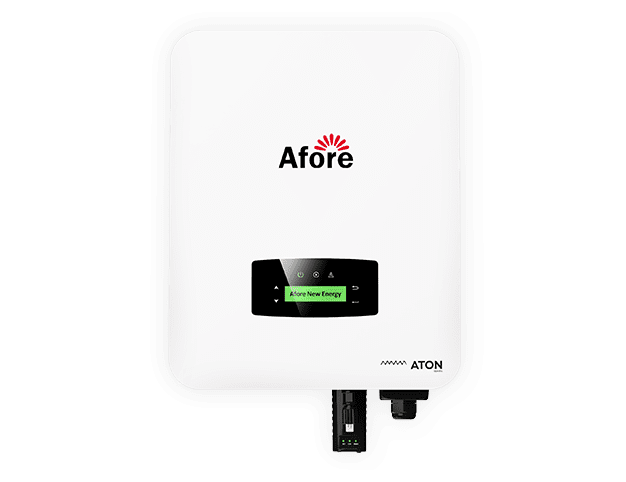
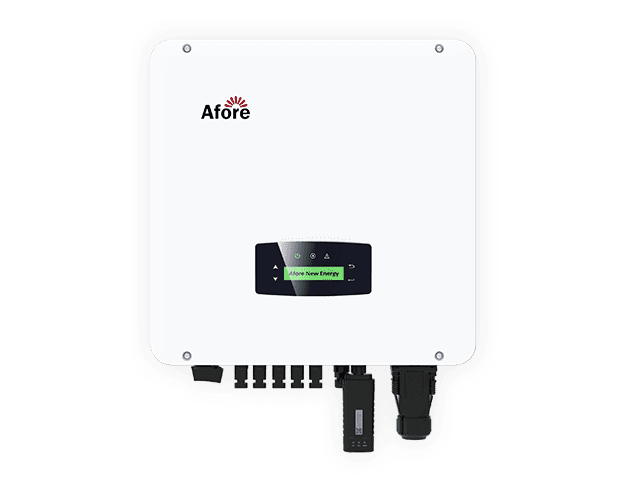
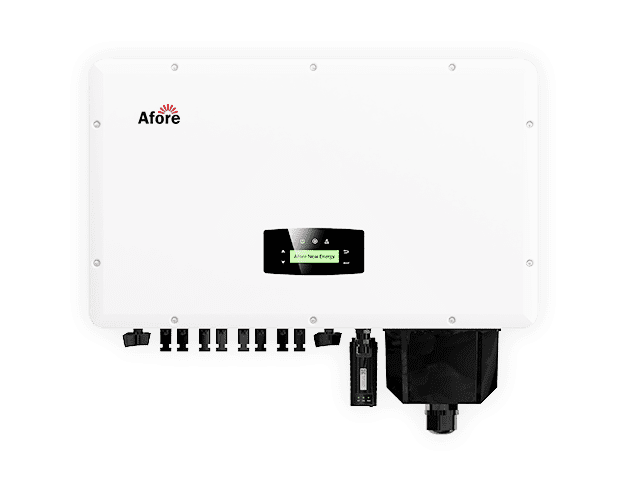
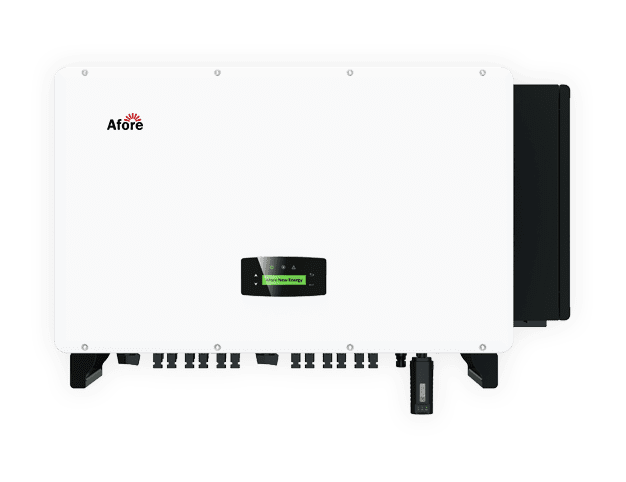
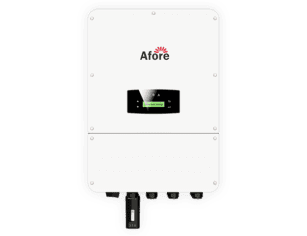
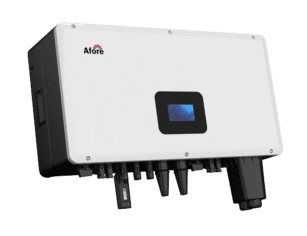
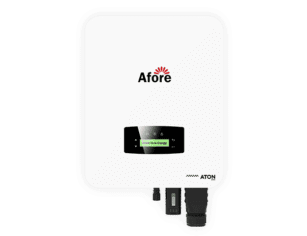
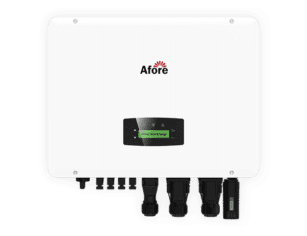
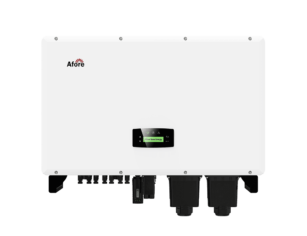
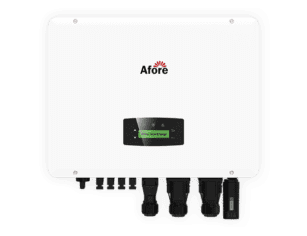
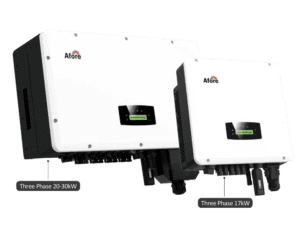
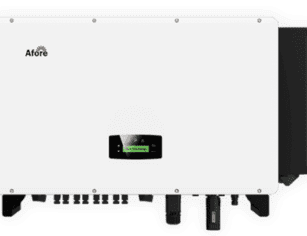
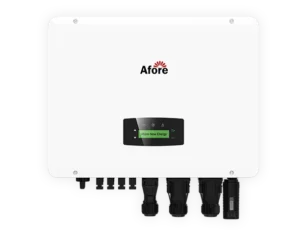
Companies that want to become solar inverter distributor usa partners usually start by proving they have experience in renewable energy sales, installer support, or electrical distribution. Manufacturers often review company registration details, sales capability, local market coverage, and technical service resources before approving cooperation. Joining an Afore dealer program may also provide access to technical training, product updates, marketing materials, and channel support, helping distributors build stronger relationships with installers and commercial project developers.
The basic requirements for entering a solar equipment partnership normally include industry knowledge, stable financing, and access to contractor or installer networks. Many suppliers also prefer dealers that can provide warehousing, local technical assistance, and after-sales support. Businesses with backgrounds in EPC services, electrical equipment, or renewable energy systems often adapt faster because they already understand procurement cycles, project timelines, and compliance requirements within the solar industry.
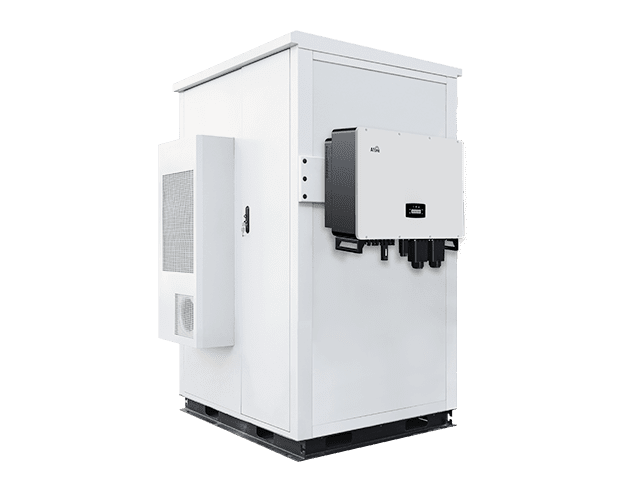
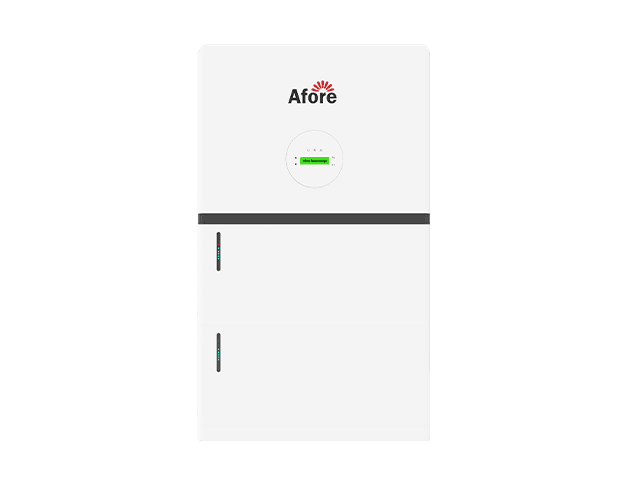
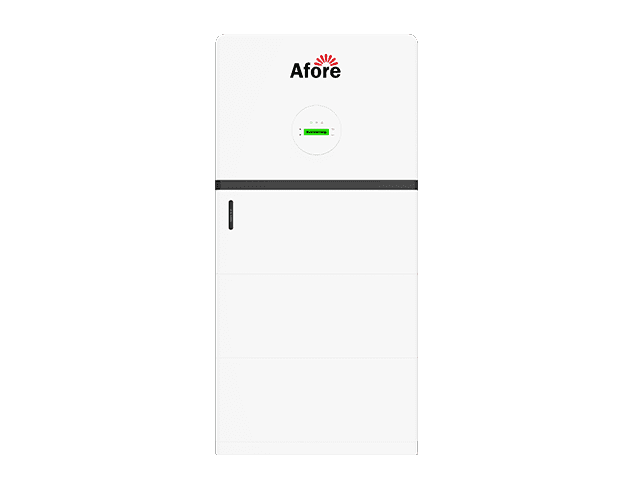
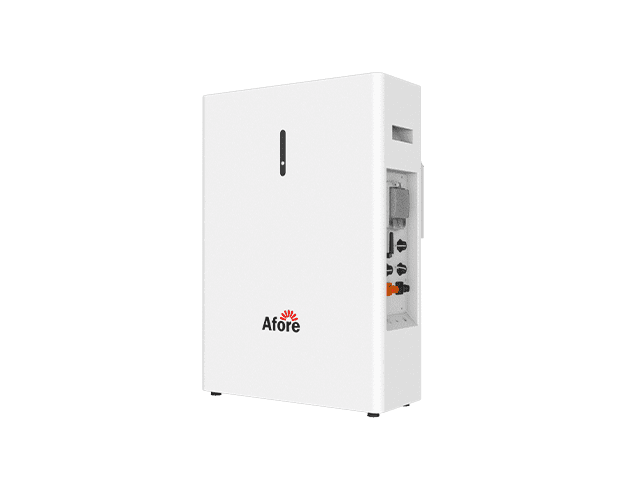
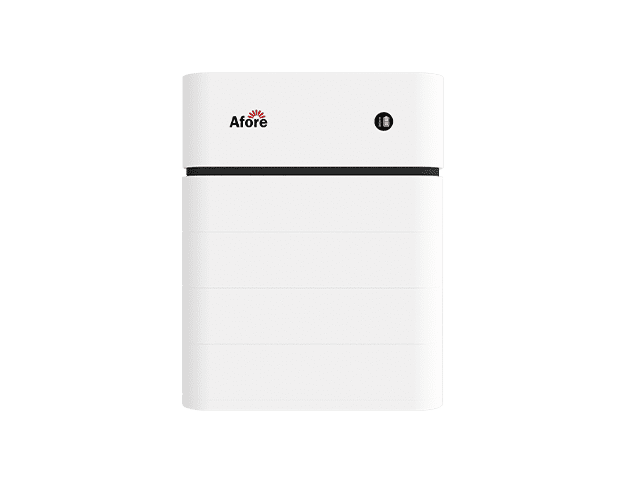
One major advantage for companies that sell Afore inverters is the ability to serve both residential and commercial customers with products designed for modern hybrid energy systems. Distributors can benefit from growing demand for backup power solutions, smart monitoring features, and battery-ready installations as electricity costs continue increasing. Strong manufacturer support, flexible product applications, and rising interest in renewable energy technologies can also help partners expand their customer base and improve long-term market competitiveness.
The inverter sector continues creating strong solar wholesale business opportunities because more homeowners and businesses are investing in renewable electricity and backup energy solutions. Profitability usually comes from repeat installer purchases, commercial project orders, and value-added services rather than relying only on hardware margins. Companies involved in energy storage distribution may also benefit from rising demand for grid independence, electricity savings, and commercial energy optimization projects across many global markets.
https://www.energy.gov/eere/solar/solar-energy-technologies-office








 Turkish
  Romanian