



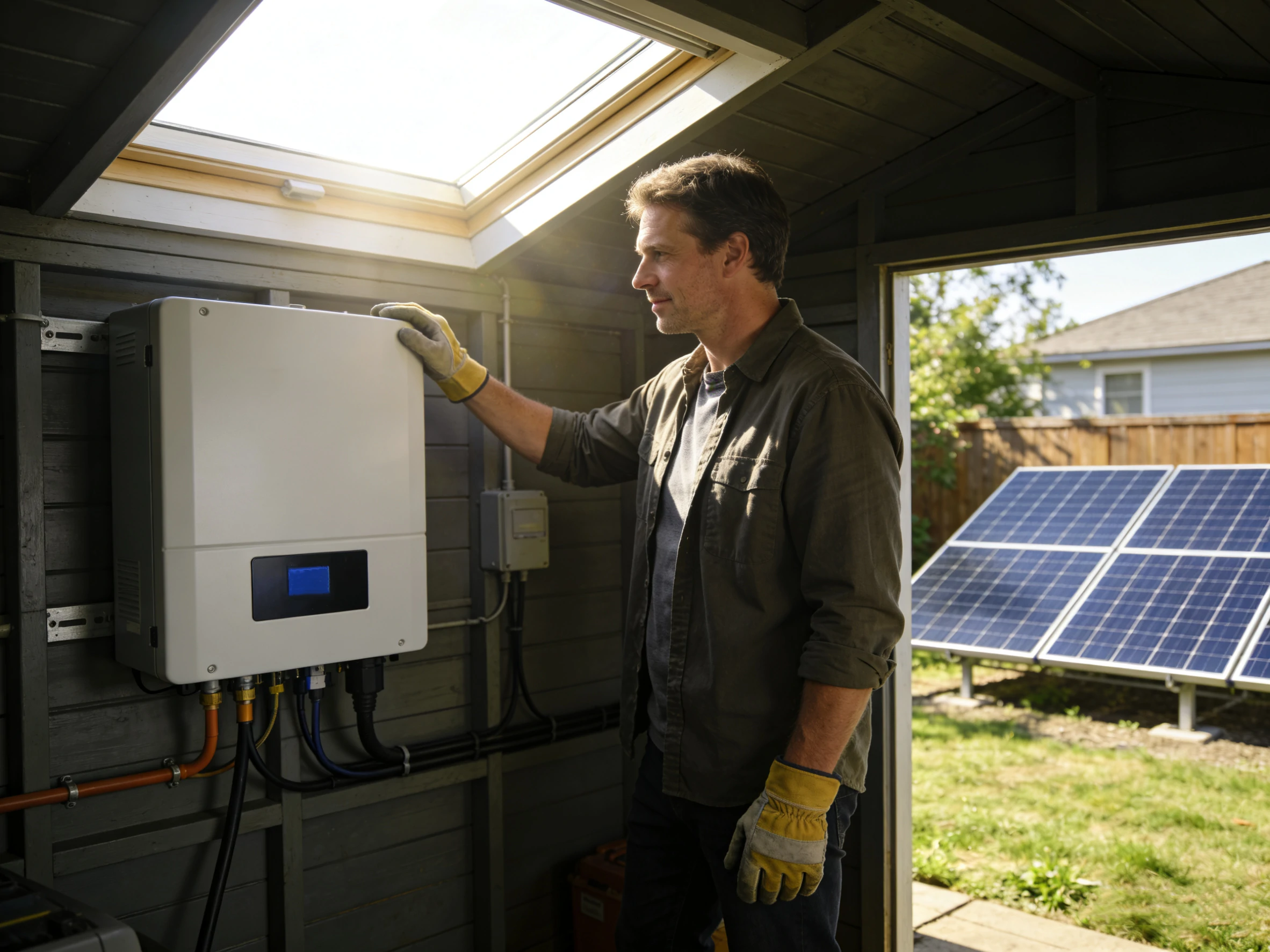
If you’ve been relying on solar power for a while, you might be wondering whether you should upgrade your solar inverter. Trust me, it’s a question I hear all the time from homeowners, off-grid enthusiasts, DIYers, and small business operators. And honestly? It makes sense. Your inverter is the heart of your solar setup—your system literally can’t function without it—so the decision to upgrade your solar inverter is a big one.
But here’s the thing: most people don’t realize just how much performance, efficiency, and long-term reliability they’re missing by sticking with older equipment. So in this guide, we’re diving deep—like, really deep. By the time you finish reading, you’ll not only understand why you should upgrade your solar inverter, but how, when, and what to expect.
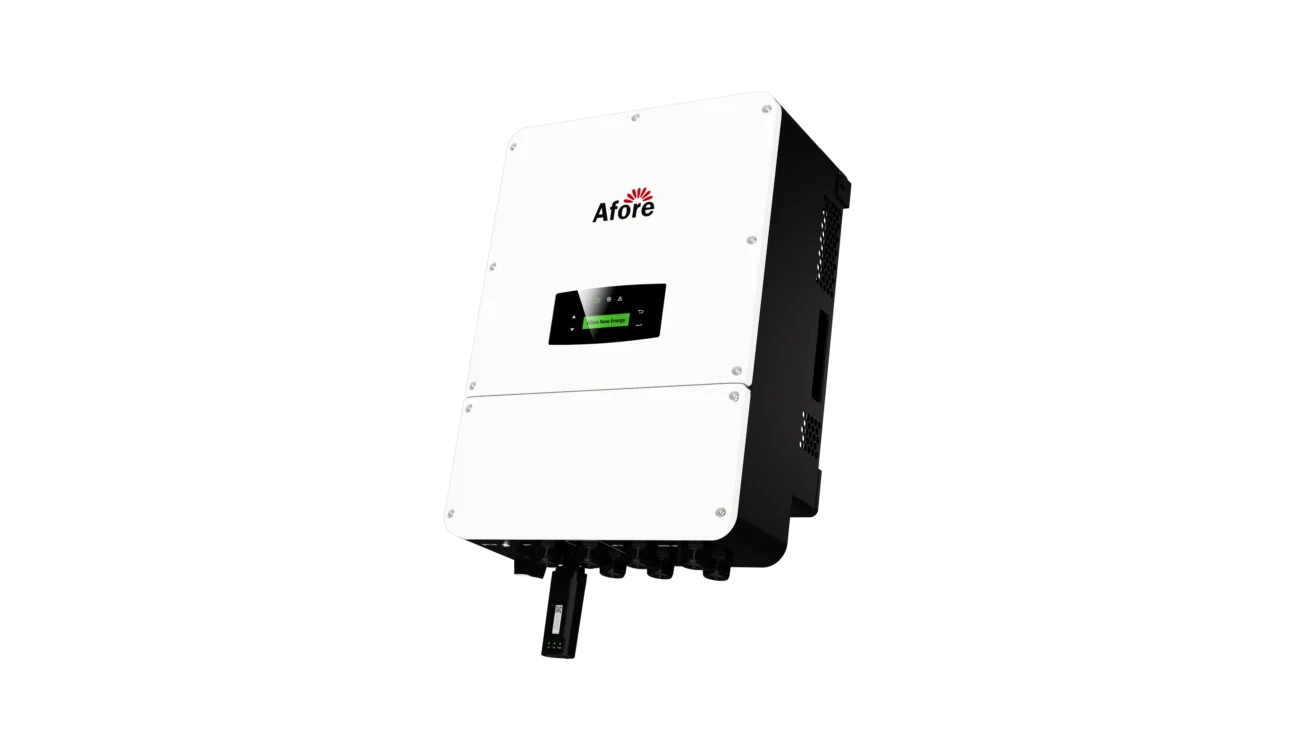
Before you decide whether you should upgrade your solar inverter, it helps to understand what this device actually does day-to-day.
A solar inverter takes the DC electricity produced by your solar panels and turns it into AC electricity that your home can use. Without it, your lights won’t turn on, your appliances won’t run, and your solar investment is basically a roof decoration.
Most people underestimate how sophisticated this device really is. Aside from converting current, the inverter helps regulate voltage, keeps your system safe, and tracks how much power your panels produce. When you finally upgrade your solar inverter, you’re not just swapping a box—you’re upgrading the entire intelligence center of your system.
If your system is more than a few years old, there are several reasons you might need to upgrade your solar inverter:
The longer you wait, the more these issues compound. I’ve seen homeowners save hundreds of dollars a year simply by deciding to upgrade their solar inverter.
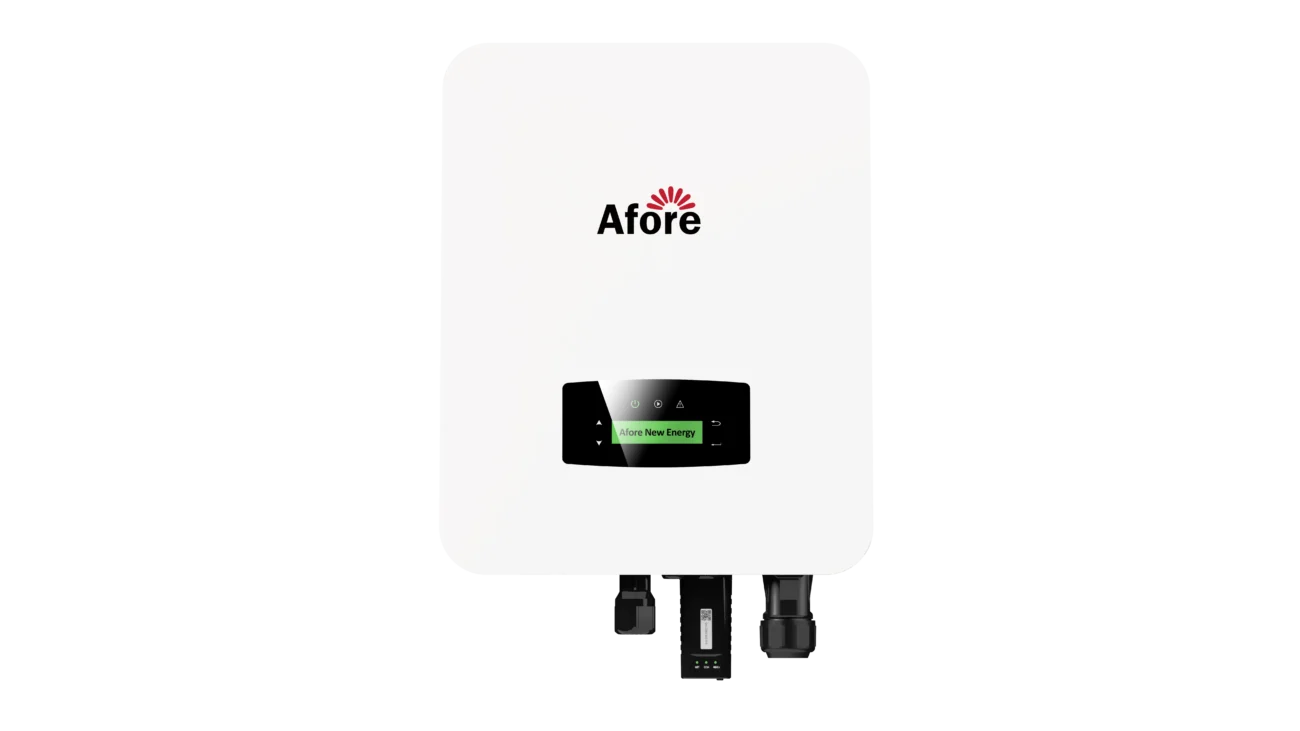
Deciding when to upgrade your solar inverter isn’t always obvious. Most homeowners don’t wake up one day thinking about inverters, and honestly, it’s easy to forget that this device works silently in the background every single day. But just like any critical piece of equipment, your inverter eventually reaches a point where it can’t keep up—either because your energy needs have shifted or because the technology inside has simply aged out.
If you’ve been wondering whether it’s time to upgrade your solar inverter, these are the clearest signs the moment has probably arrived.
One of the most common—and most overlooked—reasons to upgrade your solar inverter is a change in lifestyle. Household electricity consumption doesn’t stay the same forever. Maybe you’ve added an extra refrigerator, started working from home full-time, or switched to an electric vehicle. Each new device quietly increases your daily energy load.
An older or undersized solar inverter simply can’t keep up with a home that has grown more power-hungry over the years. You may notice:
If that’s happening, you’re not imagining it—your home has changed, but your system hasn’t. It’s a strong indicator that now is the right moment to upgrade your solar inverter so it can support your real-world lifestyle instead of the one you had years ago.
Even if your energy use hasn’t changed much, age alone can tell you when it’s time to upgrade your solar inverter. Inverters work hard every single day, converting power, managing voltage, and handling outdoor temperature swings. Over time, internal components wear out, thermal stress builds up, and efficiency gradually drops.
Some signs of aging include:
Most homeowners don’t notice these signs until the performance loss becomes obvious. Waiting for a total failure is stressful, inconvenient, and often expensive. Upgrading your solar inverter proactively gives you more stability and ensures your system keeps producing the energy you rely on.
If you’re expanding your solar array, it’s almost guaranteed you’ll need to upgrade your solar inverter. Older setups were designed around the panel sizes of their time, meaning they may not support the extra wattage or voltage coming from modern high-output panels.
When people add panels without checking inverter compatibility, two things often happen:
Neither situation is ideal. Upgrading ensures your system can handle the full potential of your new panels and keeps everything running safely and efficiently.
If your current solar inverter only offers basic data—or worse, no monitoring at all—you’re missing out on valuable insights. Real-time performance tracking is more than a convenience; it’s a way to detect problems early, understand your energy habits, and optimize your savings.
Many homeowners choose to upgrade their solar inverter simply because they want:
Once you experience modern energy monitoring, it’s hard to go back to a guessing game.
If energy independence is even remotely on your horizon, then you should absolutely upgrade your solar inverter to a model that supports energy storage. Older string inverters often aren’t compatible with battery systems at all, or they require complicated wiring workarounds that aren’t worth the cost.
You’ll want an inverter that can:
Upgrading now ensures your solar setup is ready for whatever future upgrades you have in mind.
One frustrating experience many homeowners face is when they expand their solar system—or maintain it well—yet still don’t see the energy savings they expected. This is often caused by an outdated inverter that’s no longer converting power efficiently.
If your bills are still high even after sunny weeks, it may be time to upgrade your solar inverter so you can capture and use as much of your solar energy as possible.
Unexpected shutdowns rarely happen without a reason. In many cases, the problem can be traced back to:
When these issues become frequent, upgrading your solar inverter is more cost-effective than repeatedly trying to repair a unit that’s already past its prime.
Even if you’re not using a battery, some inverters offer limited backup capabilities that older models simply don’t have. If you live in an area with unstable power, this alone can be a compelling reason to upgrade your solar inverter.
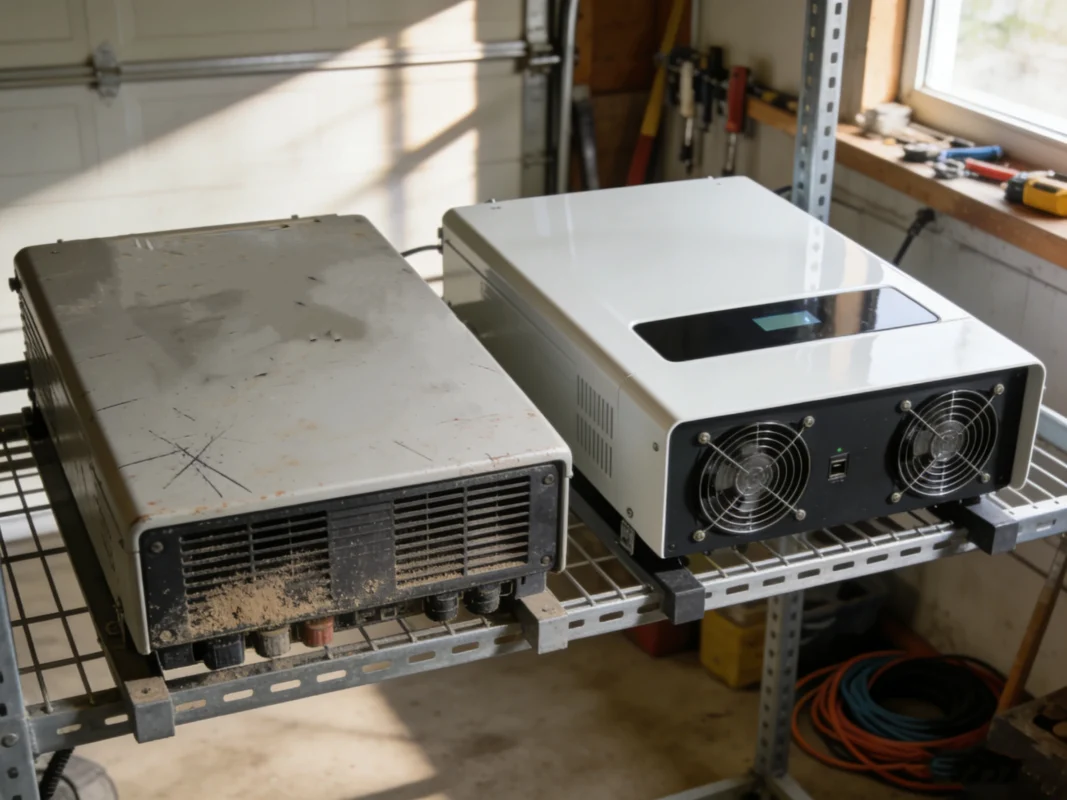
One of the biggest reasons homeowners upgrade their solar inverter is simple: efficiency. Today’s inverter technology is far more effective at converting DC to AC with minimal energy loss.
Even a modest improvement in conversion efficiency—say from 92% to 97%—can add up to hundreds of kilowatt-hours of extra usable energy per year. If you plan to stay in your home for the long haul, that alone is reason to upgrade your solar inverter.
Older inverters tend to struggle with voltage spikes, high temperatures, and intermittent shading. A modern unit offers improved protections and stability. When you upgrade your solar inverter, you’re essentially giving your system a longer, healthier life.
If you’re thinking about adding a battery bank—now or later—you’ll almost certainly need to upgrade your solar inverter. Most modern systems designed for energy storage require hybrid-ready inverters, something older models simply didn’t provide.
Newer inverters have advanced protection mechanisms that older models never included. This is one of the most underrated but important reasons to upgrade your solar inverter—especially if your home is in an area with unpredictable weather.
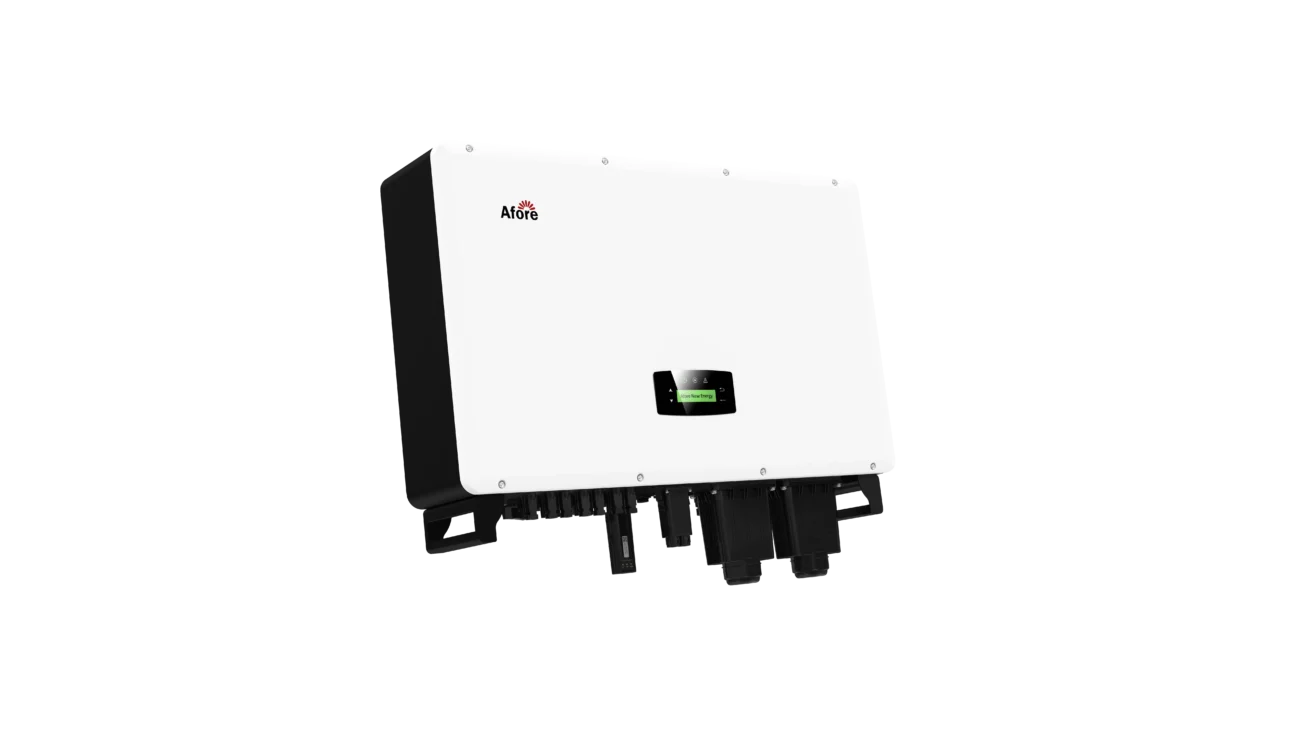
Once you’ve made the decision to upgrade your solar inverter, the next step is choosing the right system—something that fits your current setup but also supports your future plans. This part of the process can feel overwhelming at first, especially if you installed your solar system years ago and haven’t looked at inverter options since then. But with a bit of clarity and a few key guidelines, you can choose an inverter that boosts efficiency, supports expansion, and keeps your home running smoothly for years to come.
Below, we’ll walk through the essential factors to consider before you upgrade your solar inverter, so you avoid mismatched equipment, unexpected limitations, and costly mistakes.
Before you can pick a new device, you need a clear picture of what you already have. Think of this as understanding the “baseline” of your system. A lot of homeowners skip this part and end up choosing an inverter that doesn’t align with their existing wiring, panel layout, or power needs. That’s why taking the time to review your setup is the foundation of a smart decision.
Focus on gathering a few essential details:
Once you have this information, choosing to upgrade your solar inverter becomes much more straightforward. You can accurately match your new equipment to your actual needs instead of relying on guesswork.
Not all inverters are created equal. Some focus on pure efficiency, others emphasize safety features, while newer models include smarter energy management tools. When choosing to upgrade your solar inverter, you’ll want to decide which features feel genuinely important—not just nice to have.
Ask yourself:
When you customize the features to your lifestyle rather than just the specs, upgrading becomes far more meaningful. For example, someone who lives in a cloudy region may prioritize shade-management capabilities, while someone working from home may want a system that can power critical appliances smoothly during outages.
Choosing to upgrade your solar inverter isn’t just about replacing old equipment—it’s about choosing a system that supports the way you live.
Sizing your inverter correctly is one of the most important parts of upgrading. An inverter that’s too small will choke your system’s production, while one that’s too large could reduce efficiency or lead to unnecessary costs. The goal is to strike a balance between your current installation and your long-term plans.
Here’s what to consider when selecting the right size before you upgrade your solar inverter:
Many people regret not planning ahead. If you make the effort now to properly size your inverter, you’ll avoid having to upgrade your solar inverter again in just a few years.
Modern inverters can tell you more about your system than ever before. If you’re the kind of person who likes to track your home’s performance—or if you simply want to catch problems early—monitoring capabilities matter.
When you upgrade your solar inverter, look for:
Not everyone cares about deep analytics, but having reliable information at your fingertips makes troubleshooting easier and helps you understand how your solar investment is performing day-to-day.
Even if you don’t currently have an energy storage system, you may want one eventually. Power outages are becoming more common in many places, and having a battery can provide peace of mind. If you think you’ll want the option later, then this is the perfect time to upgrade your solar inverter to something capable of supporting that upgrade.
Consider whether the inverter you’re choosing can:
Planning ahead now saves you from paying extra for rewiring later. Think of the upgrade as setting your solar system up for the next decade—not just tomorrow.
The physical environment matters more than most people realize. Inverters generate heat, and heat affects performance. When preparing to upgrade your solar inverter, consider the installation conditions:
The right inverter in the wrong environment won’t last. Matching the equipment to the installation conditions helps ensure consistent performance and a longer lifespan.
When you upgrade your solar inverter, you’re making an investment in stability. Performance isn’t the only factor—you’ll also want a system that’s easy to maintain and built to handle years of daily use.
Think about:
Choosing a reliable setup now means fewer headaches later, and it keeps your solar energy system powering your home smoothly through all seasons.
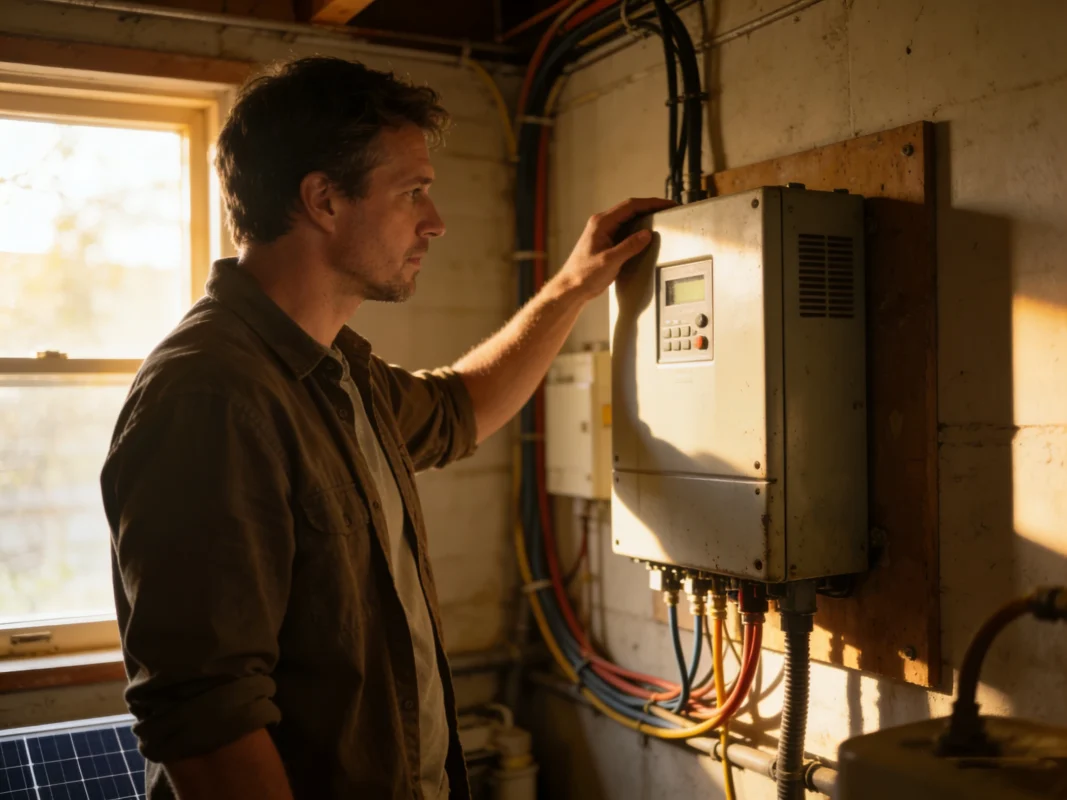
No problem—almost any modern device can still integrate with older panels. If compatibility is limited, your installer will let you know early on. Most homeowners can still upgrade their solar inverter without changing their panels.
Honestly? Yes. If your system is older, oversized, undersized, or inefficient, choosing to upgrade your solar inverter is one of the fastest ways to improve performance without replacing your entire solar array.
Some people notice lower electricity bills within the first month. Others see improvements gradually. But everyone benefits from a properly planned decision to upgrade their solar inverter.
If your system is showing its age, your energy needs have grown, or you want more reliability and efficiency, then yes—it’s probably time to upgrade your solar inverter. You’ll get better performance, better safety, and better long-term value from your solar setup.
Whether you want smoother monitoring, battery compatibility, improved efficiency, or a system that’s simply future-ready, choosing to upgrade your solar inverter is one of the smartest renewable-energy decisions you can make.
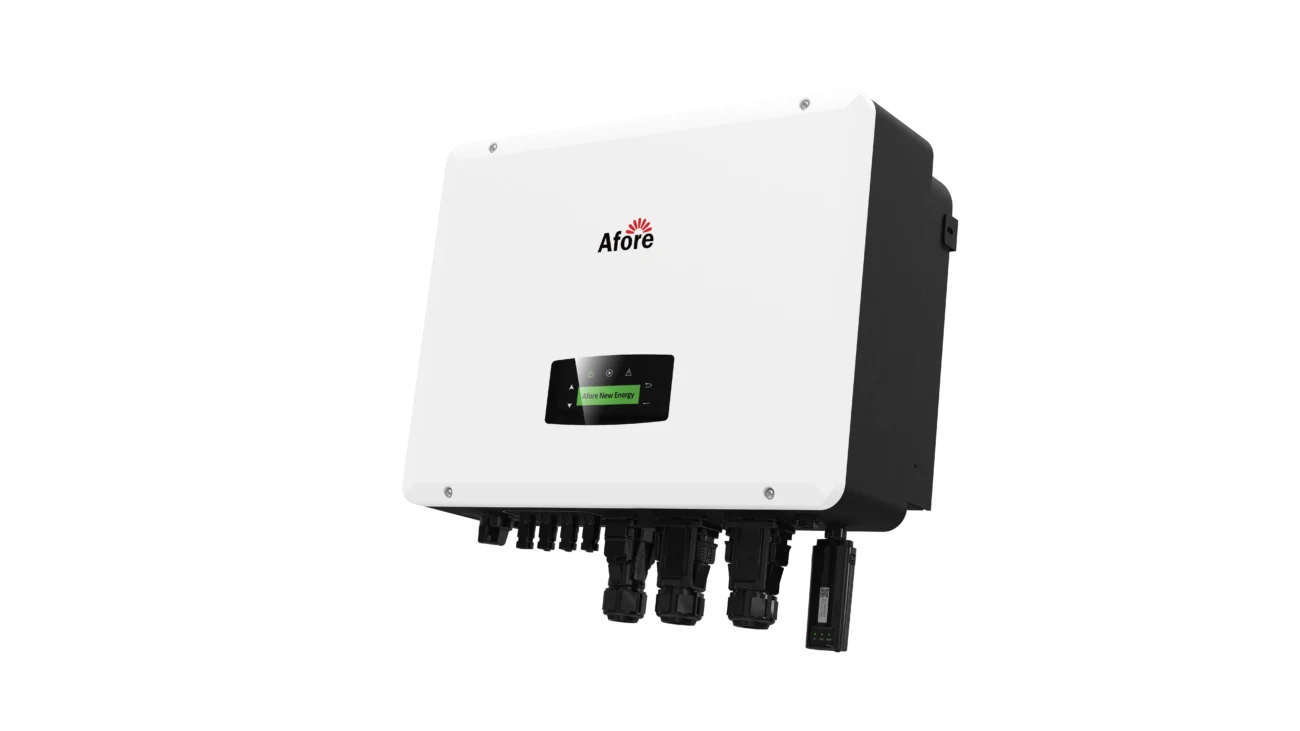
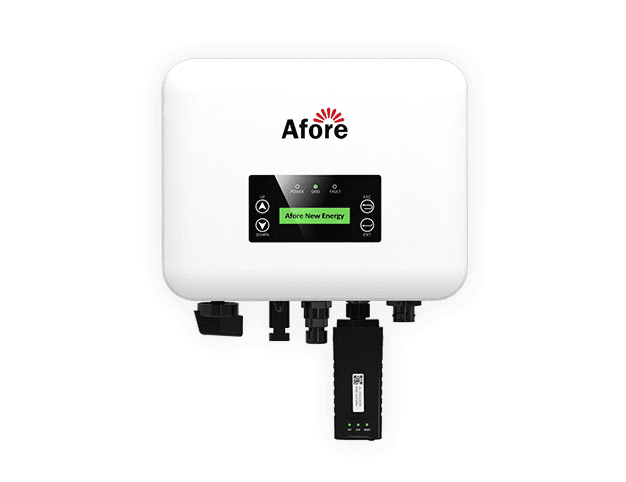
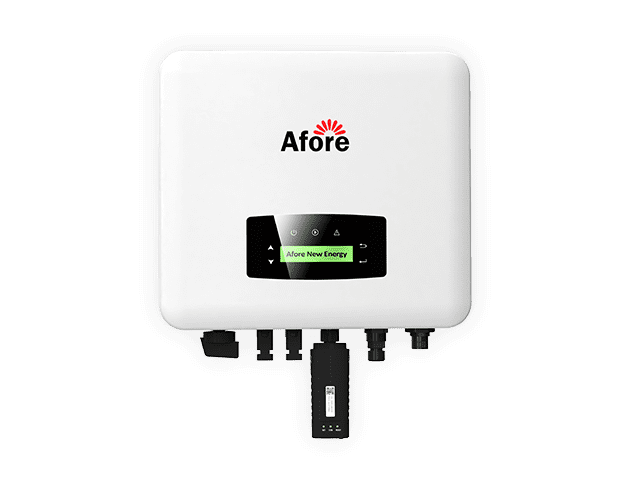
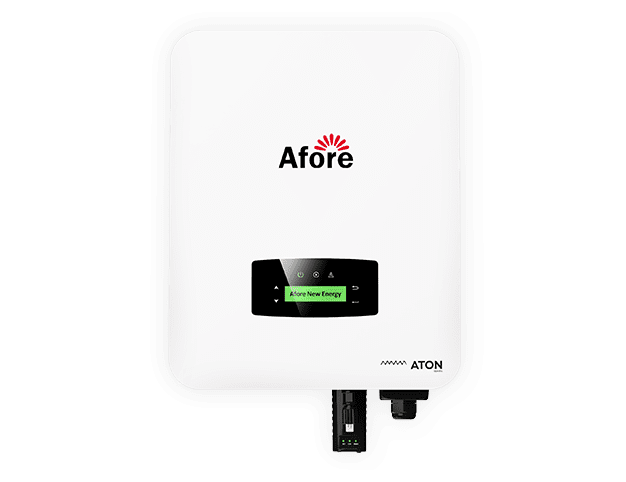
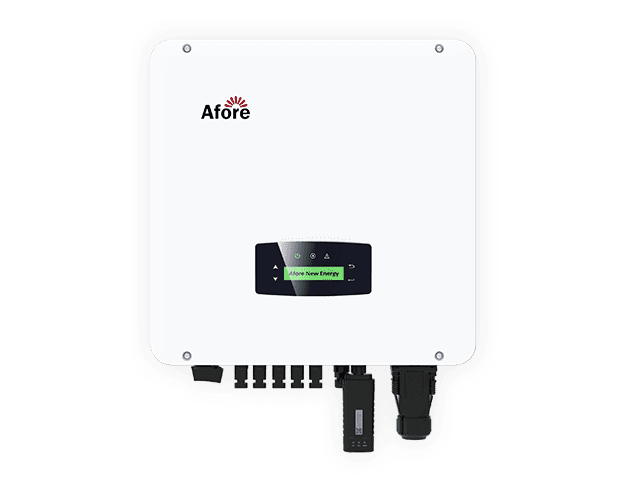
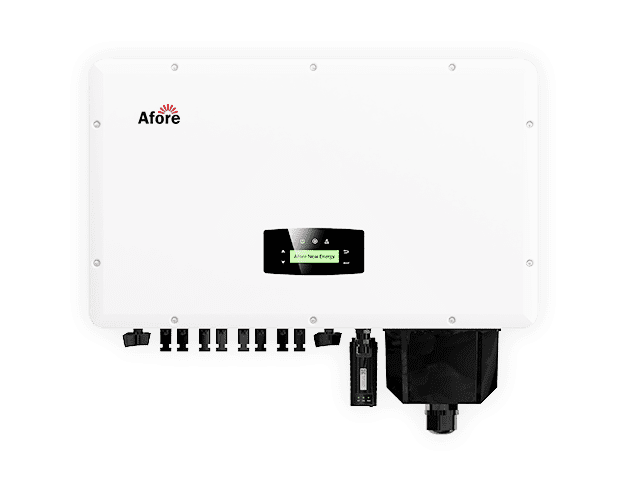
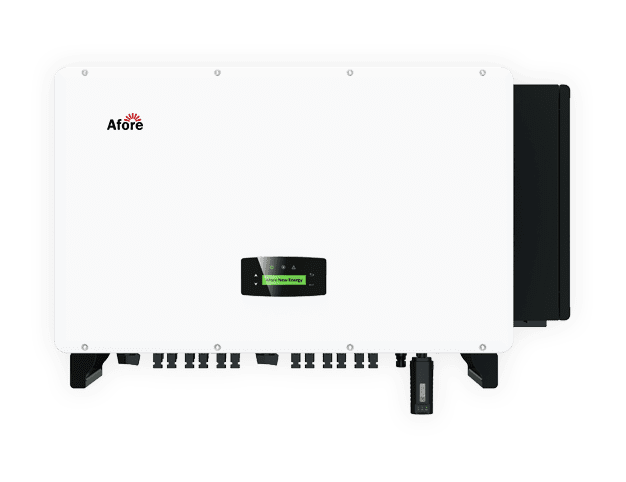
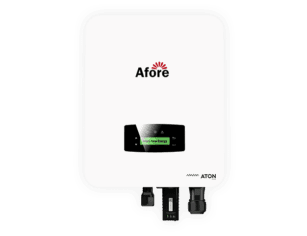
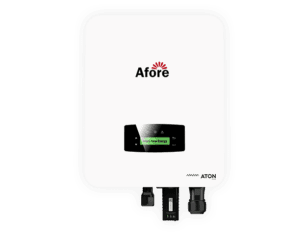
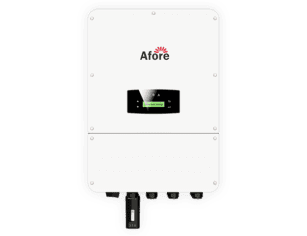
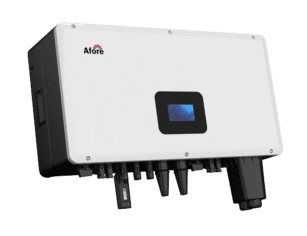
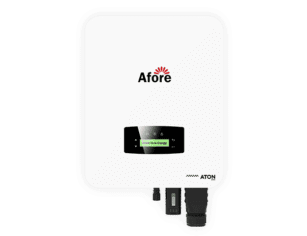
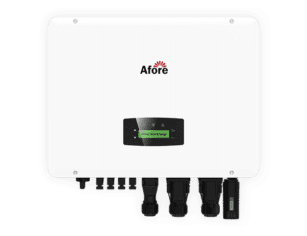
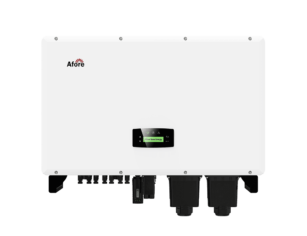
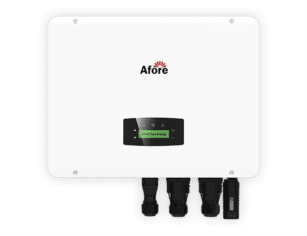
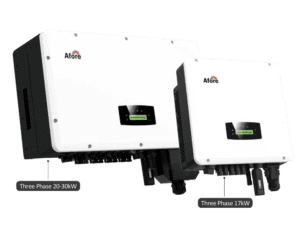
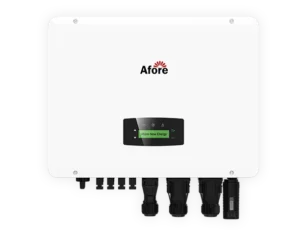
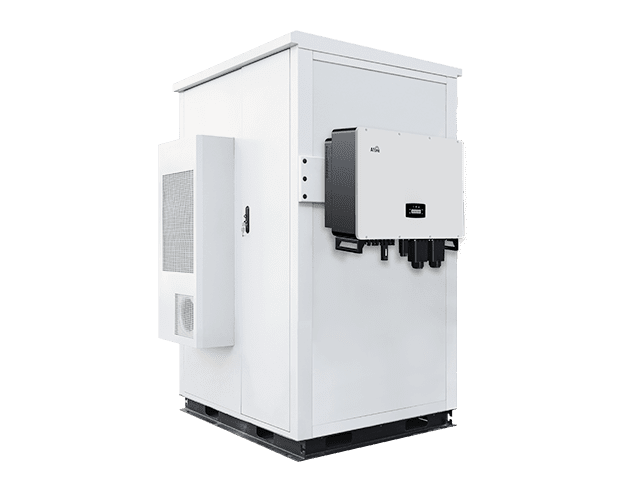
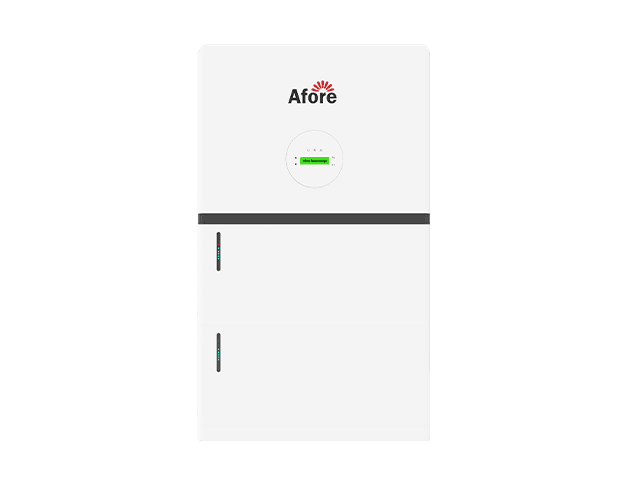
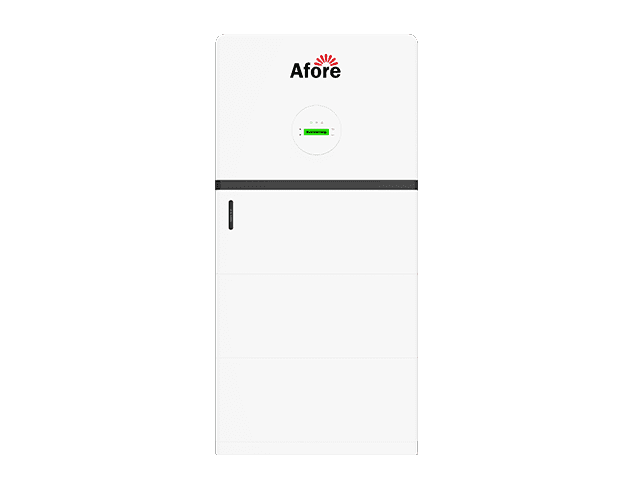
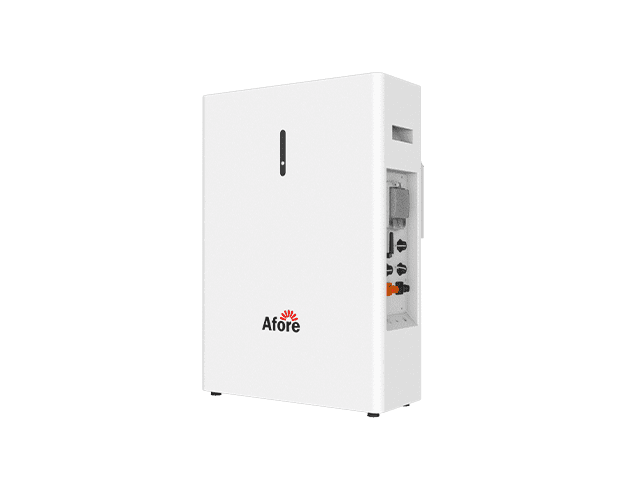
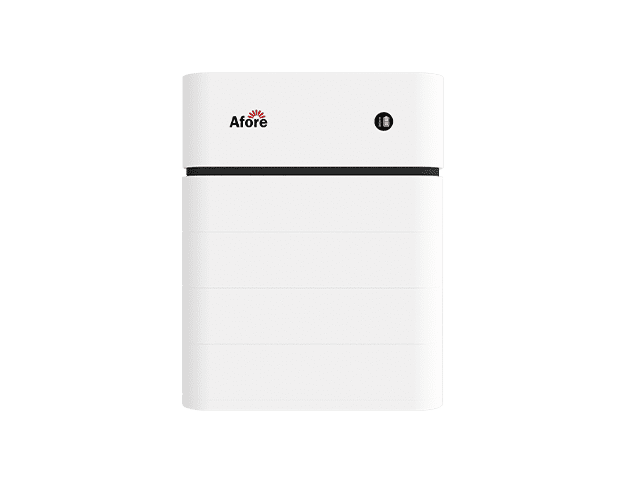
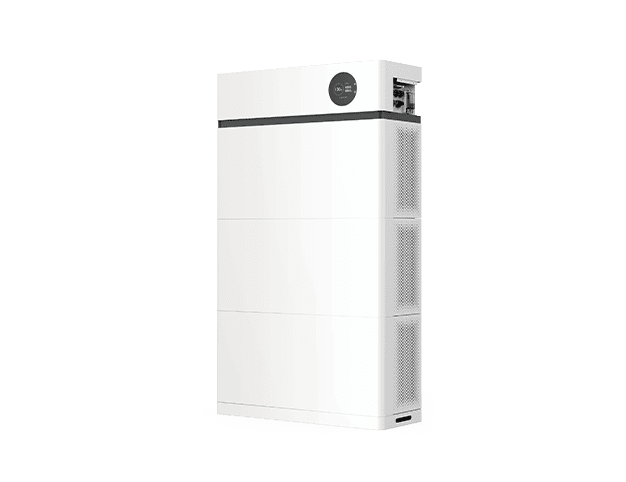
If you need to purchase solar inverters, you can visit Afore, one of the world’s leading solar inverter manufacturers, where you can find hybrid inverters, energy storage inverters, single-phase inverters, three-phase inverters, and more.
Most homeowners consider an upgrade when their system is 8–12 years old, but age isn’t the only factor. If you notice declining performance, more frequent shutdowns, or your household electricity usage has increased, those are strong signs it’s time to upgrade your solar inverter. You don’t need to wait for a complete failure—upgrading earlier helps protect your entire system.
Yes, in many cases it will. Modern devices convert solar power more efficiently than older units. If your current solar inverter is losing efficiency due to age, outdated technology, or internal wear, you may see noticeably improved production once you upgrade your solar inverter. More efficient power conversion means more usable electricity for your home.
Not usually. Panels and inverters age differently, and most older panels can still work perfectly with a new inverter. As long as voltage and wattage requirements match, you can upgrade your solar inverter without touching your panels. This is one of the most cost-effective ways to extend your system’s lifespan.
Most inverter replacements take between one and three hours. A straightforward swap is usually quick, especially if your wiring and mounting location are already accessible. Once you decide to upgrade your solar inverter, the actual installation is typically one of the easiest parts of the whole process.
Unless you’re licensed and experienced with high-voltage electrical work, it’s safer to avoid a DIY approach. Inverters connect directly to both your solar array and your home’s electrical system, so proper installation is critical. When you upgrade your solar inverter, professional installation ensures it runs safely and at peak efficiency.
It can—if the new inverter supports backup functionality. Not every solar inverter can provide power when the grid goes down, so if outages are a concern, choose an inverter designed to work with a battery or support essential loads. Many homeowners upgrade specifically for this reason.
The size depends on the wattage of your solar panels, your voltage requirements, and your future expansion plans. A well-sized inverter shouldn’t be too large or too small for your system. When planning to upgrade your solar inverter, try to choose a size that supports both your current energy use and any future additions like new appliances or extra panels.
Absolutely. A more efficient inverter wastes less energy during the DC-to-AC conversion process, meaning more of the sunlight hitting your roof becomes usable electricity. Many homeowners see noticeable improvements in their monthly bills after they upgrade their solar inverter, especially if their previous unit had begun to degrade.
Typically, upgrading your inverter doesn’t affect warranties on your solar panels or other system components. Your inverter is considered a replaceable part. As long as the new unit meets standard electrical requirements, the rest of your system remains protected.
Yes. If battery storage is something you might consider in the future, it’s wise to upgrade your solar inverter to a model that can support energy storage. Even if you’re not installing a battery today, choosing an inverter with battery-ready features will save you money and work later.
Inverters naturally lose efficiency over time due to heat cycles, component wear, dust exposure, and electrical stress. If your system feels sluggish or inconsistent, that’s a common sign it’s time to upgrade your solar inverter so your production returns to a more stable and predictable level.
In many cases, yes. Newer inverter technologies handle partial shading better, keeping your production stable even when parts of your array aren’t getting full sun. If shading is a recurring issue, this alone can be a strong reason to upgrade your solar inverter.
Definitely. Modern inverters offer improved monitoring features, giving you real-time visibility into your power generation and usage patterns. Many homeowners upgrade because they want clearer insights into what their solar system is actually doing each day.
A well-installed, properly sized inverter can last 10–15 years depending on the environment and usage conditions. When you upgrade your solar inverter, you’re essentially resetting the lifespan of the core control system for your entire solar setup.
For most homeowners, yes. A more efficient and reliable inverter reduces energy loss, supports expanding power needs, and helps you get the most value out of your panels. If your current inverter is aging or underperforming, choosing to upgrade your solar inverter is often the quickest and most cost-effective way to boost your system’s output.








 Turkish
  Romanian