



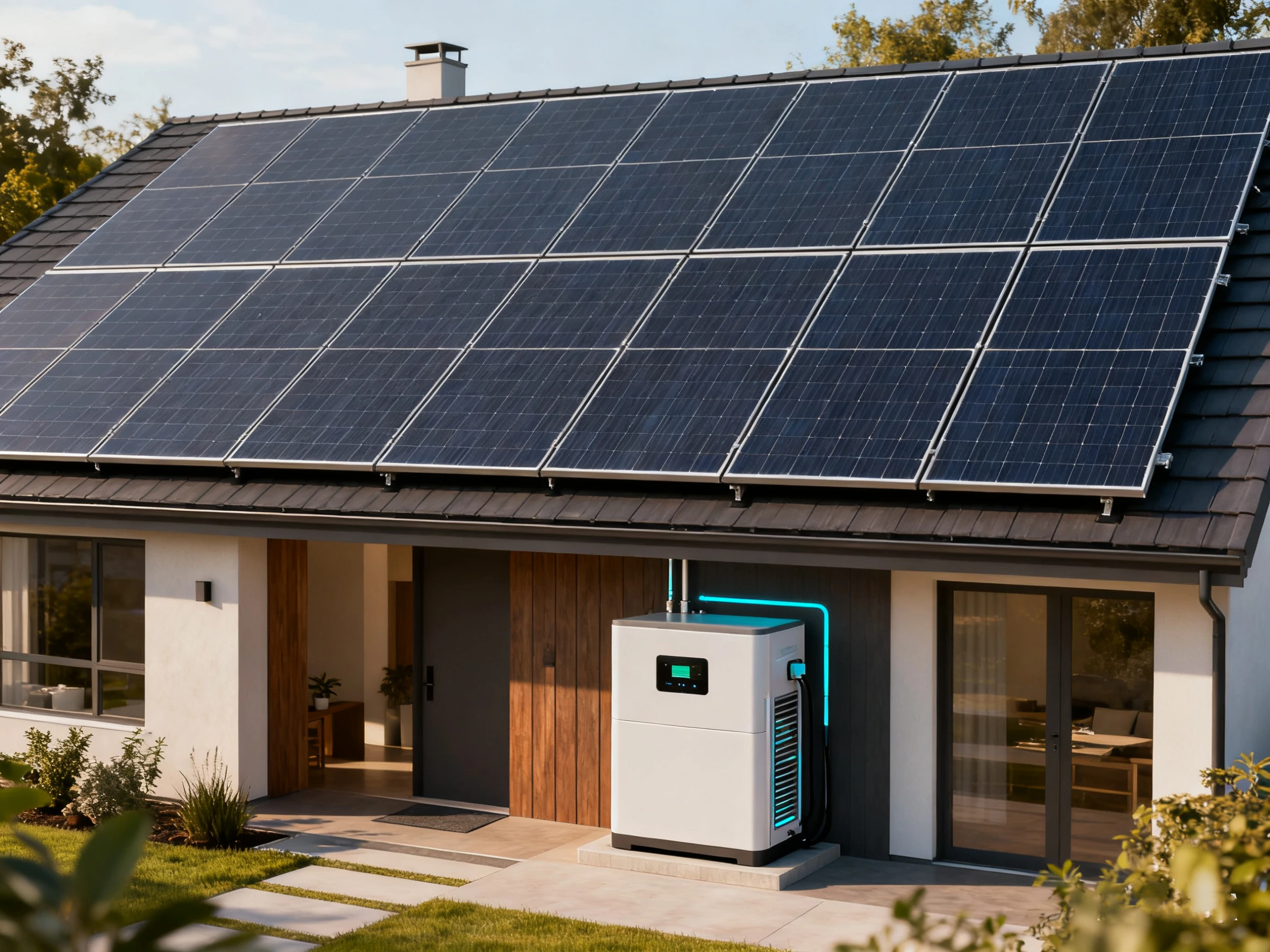
Switching to solar energy is more than just a trend—it’s a lifestyle change. But here’s the kicker: generating solar power is only half the battle. The real hero? A reliable solar energy storage solution. Imagine producing clean, renewable energy all day and not being able to use it efficiently when the sun sets. Frustrating, right? That’s where storage solutions step in, helping homeowners and businesses harness solar power around the clock.
In this guide, we’ll talk about everything—from understanding storage systems to integrating a solar inverter, to ensuring maximum efficiency in your home or business setup. Let’s dive in.
If you’re new to solar energy, the term solar energy storage solution might sound technical, but it’s quite simple. At its core, it’s about storing the electricity your solar panels generate for later use.
Picture this: your solar panels soak up the sun all day, generating plenty of electricity. But you’re not home during peak hours, and your appliances aren’t running. Without storage, that energy goes straight back to the grid or, worse, gets wasted. A smart solar energy storage solution captures this energy, so you can use it when you need it most—at night or on cloudy days.
Each option has its pros and cons, but for most homeowners, battery-based storage combined with a solar inverter is the sweet spot.
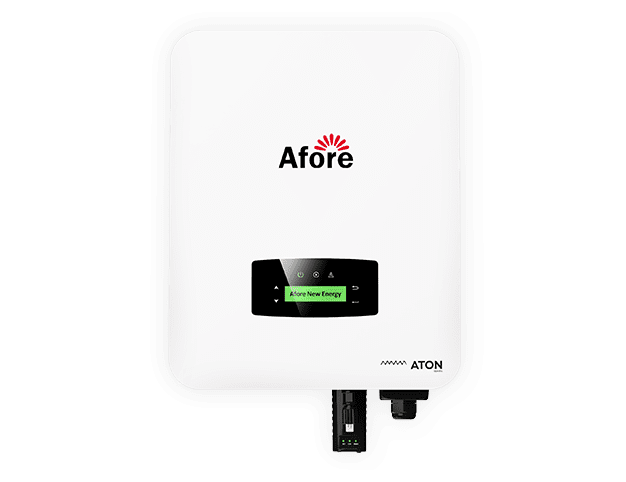
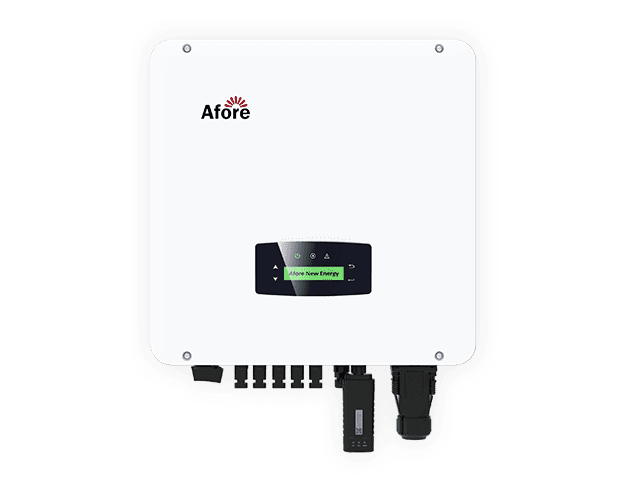
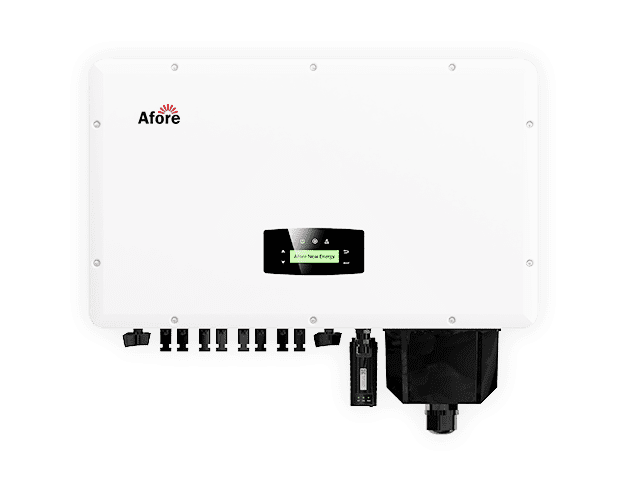
If you’re serious about making the most of your solar energy storage solution, understanding the role of a solar inverter is absolutely essential. Think of it as the translator between your solar panels, your batteries, and your home appliances. Without it, the energy you generate could sit idle, or worse, be wasted entirely.
Solar panels produce direct current (DC) electricity, but most household appliances run on alternating current (AC). This is where the solar inverter steps in. It converts the DC electricity into AC electricity, making it usable for your lights, refrigerator, or even your electric vehicle charger. Essentially, it ensures the energy stored in your solar energy storage solution doesn’t just sit in the battery—it actively powers your life.
Imagine this: your solar panels are like a fruit orchard producing baskets of apples. Your solar energy storage solution is the storage room, keeping those apples fresh for later. But without a solar inverter, you wouldn’t be able to turn those apples into apple pies—the energy stays there, untapped.
A key benefit of pairing a solar inverter with your storage system is efficiency. Not all energy captured by your panels needs to be used immediately. With an inverter, excess energy can flow into your batteries smoothly, avoiding losses. Advanced inverters can even regulate the energy output, ensuring your storage solution charges optimally and supplies power exactly when needed.
For instance, on a bright, sunny afternoon, your panels might produce more energy than your home consumes. Instead of sending it back to the grid at minimal rates, your inverter redirects the surplus to your storage system. Later, at night, the stored energy powers your home seamlessly. This cycle reduces waste, lowers electricity bills, and improves the return on your investment.
Another advantage of a solar inverter is its monitoring capabilities. Many inverters provide real-time data, showing how much energy is being produced, stored, or used. This transparency allows homeowners and businesses to make informed decisions, like adjusting appliance usage to save money or optimizing battery charge cycles for longevity.
Think of it as having a personal energy coach: you see exactly where your energy goes, identify inefficiencies, and tweak your usage to get the most out of your solar energy storage solution. Without this insight, even a high-capacity storage system could underperform.
One of the most compelling reasons to invest in a solar inverter is backup support. During a power outage, the inverter can draw from your storage solution, keeping essential appliances running. This feature not only provides peace of mind but also enhances your energy independence.
For families in areas with frequent outages or unpredictable weather, this combination of a solar energy storage solution and an inverter is a game-changer. You’re no longer at the mercy of the grid—you’re in control of your energy.
Selecting the right solar energy storage solution for your home isn’t just about picking a battery and calling it a day. If you want to maximize your investment, reduce energy bills, and ensure you have reliable power when you need it, you need to consider several key factors. Think of it as building a personalized energy system that fits your lifestyle, not just a one-size-fits-all setup.
The first step in choosing the right system is understanding how much energy your household actually consumes. Look at your past electricity bills, pay attention to peak usage hours, and identify which appliances consume the most power.
For example, if you run a home office during the day, have multiple electric devices, or use air conditioning frequently, your energy demands are higher. A properly sized solar energy storage solution ensures that you can store enough energy to cover these needs, even during periods when the sun isn’t shining.
Remember, it’s not just about storing energy—it’s about storing the right amount. Too little, and you’ll still rely on the grid. Too much, and you’re overspending on unnecessary capacity.
Your solar inverter plays a crucial role in the efficiency and functionality of your storage system. Not all inverters support battery integration, so it’s vital to choose one compatible with your chosen storage solution.
A well-matched solar inverter ensures that:
The right pairing prevents energy loss and ensures your solar energy storage solution operates at peak efficiency.
Battery choice is another major factor in your decision. Two common types are:
Consider your long-term goals. A higher initial investment in lithium-ion may pay off over time with lower maintenance and longer service life, while lead-acid batteries might suit those with smaller budgets or temporary setups.
One thing many homeowners overlook is scalability. Your energy needs may increase over time—for instance, if you add electric vehicles, expand your home, or install more appliances. Choosing a storage solution that allows for additional batteries or inverter upgrades ensures that your system can grow with you.
This flexibility is key to maintaining efficiency and avoiding the headache of replacing the entire system later. A scalable solar energy storage solution can adapt to your changing lifestyle without sacrificing performance.
Safety is critical when dealing with stored electricity. Look for storage systems with built-in protections such as:
Additionally, check warranty terms. A solid warranty not only protects your investment but also reflects confidence from the manufacturer in the longevity and reliability of their product.
Finally, weigh the cost against potential savings. The initial cost includes batteries, a compatible solar inverter, and installation. Factor in long-term benefits such as:
A well-chosen solar energy storage solution pays for itself over time, especially if it’s tailored to your household’s energy profile.
Installing a solar energy storage solution isn’t as simple as plugging in a battery. It’s a carefully coordinated process that ensures safety, efficiency, and maximum energy output. Whether you’re a DIY enthusiast or hiring a professional, understanding each step helps you make informed decisions and avoid costly mistakes.
Before any equipment touches your wall, a thorough site assessment is crucial. A professional technician—or even a well-informed homeowner—will examine your roof, current solar panels, and overall electrical system. The goal is to determine the optimal placement for your solar energy storage solution and solar inverter, ensuring:
This step prevents common pitfalls, such as overheating, inefficient energy flow, or electrical hazards. Think of it as planning the blueprint before building a house—you want everything positioned for long-term efficiency.
Once the site assessment is complete, it’s time to select the right components. A typical installation includes:
Each component must match your household’s energy needs and the specifications of your existing solar panels. The right combination ensures your solar energy storage solution works smoothly without wasting energy or overloading circuits.
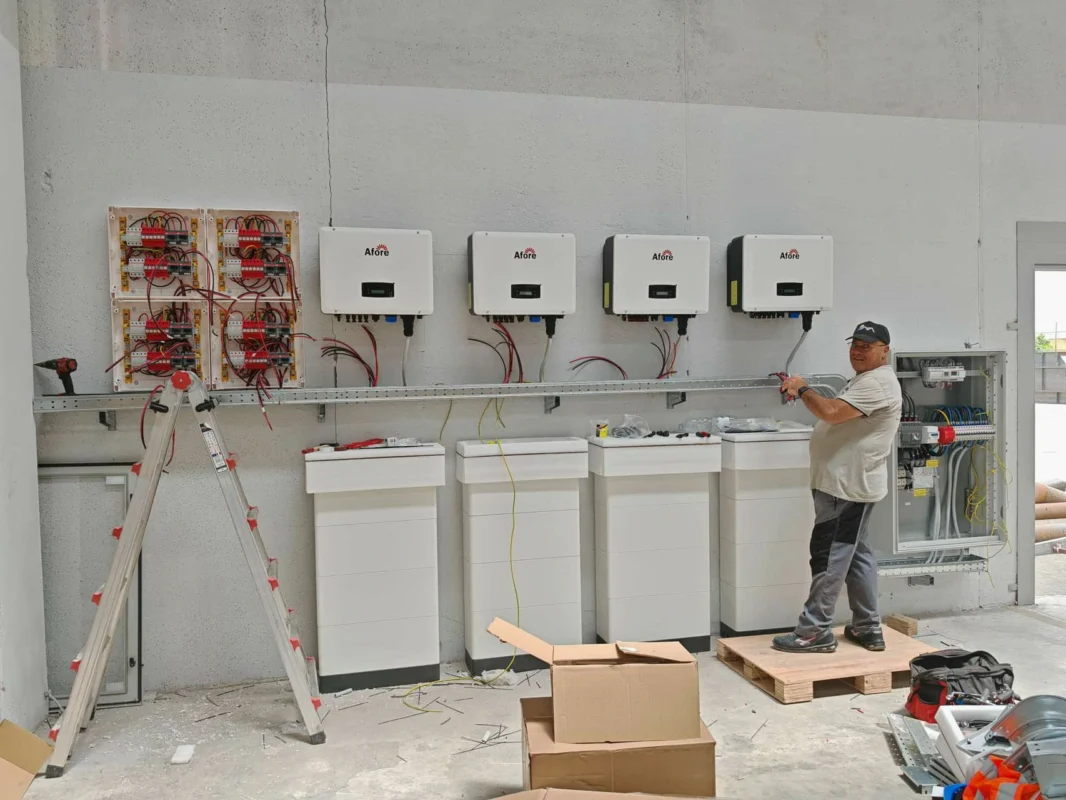
With components ready, the actual installation begins. Batteries are mounted in a safe, ventilated area, often indoors or in a shaded outdoor enclosure. The solar inverter is installed nearby for easy access and monitoring.
Next comes integration: connecting the solar panels, storage batteries, and household circuits. Proper wiring and safety checks are critical here. A small error in voltage or connection can compromise efficiency—or worse, create a safety hazard.
During this phase, the system is tested to ensure:
This thorough testing guarantees that your solar energy storage solution will operate reliably day after day.
Once installation is complete, the system is commissioned. This involves:
Monitoring is vital. By tracking your energy use in real time, you can spot inefficiencies, adjust appliance usage, and extend the lifespan of your batteries. The goal is to make your solar energy storage solution not just installed, but actively managed for peak performance.
While some homeowners consider DIY installation, professional expertise is highly recommended. Certified installers bring experience with:
Even minor mistakes can reduce system efficiency or create hazards, so professional guidance ensures your investment performs optimally and safely.
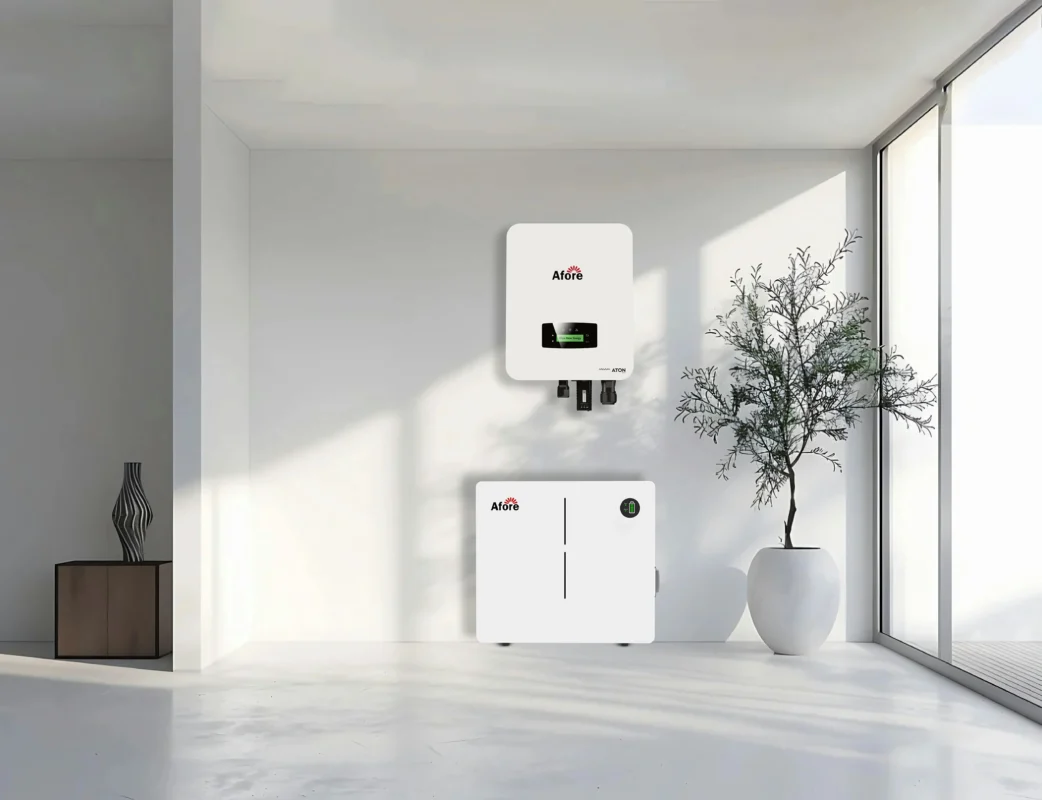
Owning a solar energy storage solution is a smart investment, but like any system, it requires proper care to stay efficient and reliable over time. Regular maintenance not only prolongs the lifespan of your batteries and solar inverter but also ensures you get the maximum return on your energy investment.
The first and simplest maintenance step is monitoring. Most solar inverters come with monitoring tools or apps that show real-time energy production, consumption, and battery levels.
Think of it like keeping an eye on your car’s dashboard. Small issues spotted early prevent bigger problems later. Regular monitoring helps you ensure that your solar energy storage solution performs at peak efficiency.
Batteries are the heart of your solar energy storage solution, so taking care of them is essential. Here’s what to keep in mind:
A little attention goes a long way. Proper care ensures your storage solution lasts years without losing efficiency.
The solar inverter is the brain of your system, converting stored DC power to usable AC electricity and managing energy flow. Keeping it in top condition is crucial:
An efficiently running inverter directly impacts how well your solar energy storage solution performs, so never neglect it.
Even with DIY checks, scheduling professional inspections annually or biannually can prevent small problems from becoming major headaches. Professionals can:
These inspections not only improve performance but also provide peace of mind, confirming your system is safe and reliable.
Finally, maintenance isn’t just about the equipment—it’s also about how you use energy. By adjusting appliance usage based on stored solar energy and grid availability, you can reduce strain on batteries and increase efficiency. For example:
Understanding and managing your energy patterns ensures your solar energy storage solution is not only maintained but fully optimized for your lifestyle.
People often ask: “Is a solar energy storage solution worth it?” The answer depends on your energy consumption and local electricity rates.
Imagine this scenario: a family home installs a solar storage system with a solar inverter. During the day, excess solar energy charges the battery. At night, instead of drawing electricity from the grid, the family powers their home entirely from stored energy. Over a year, they save hundreds on electricity bills.
Another example: a small business with high daytime energy consumption stores excess power in batteries, reducing operational costs and improving sustainability.
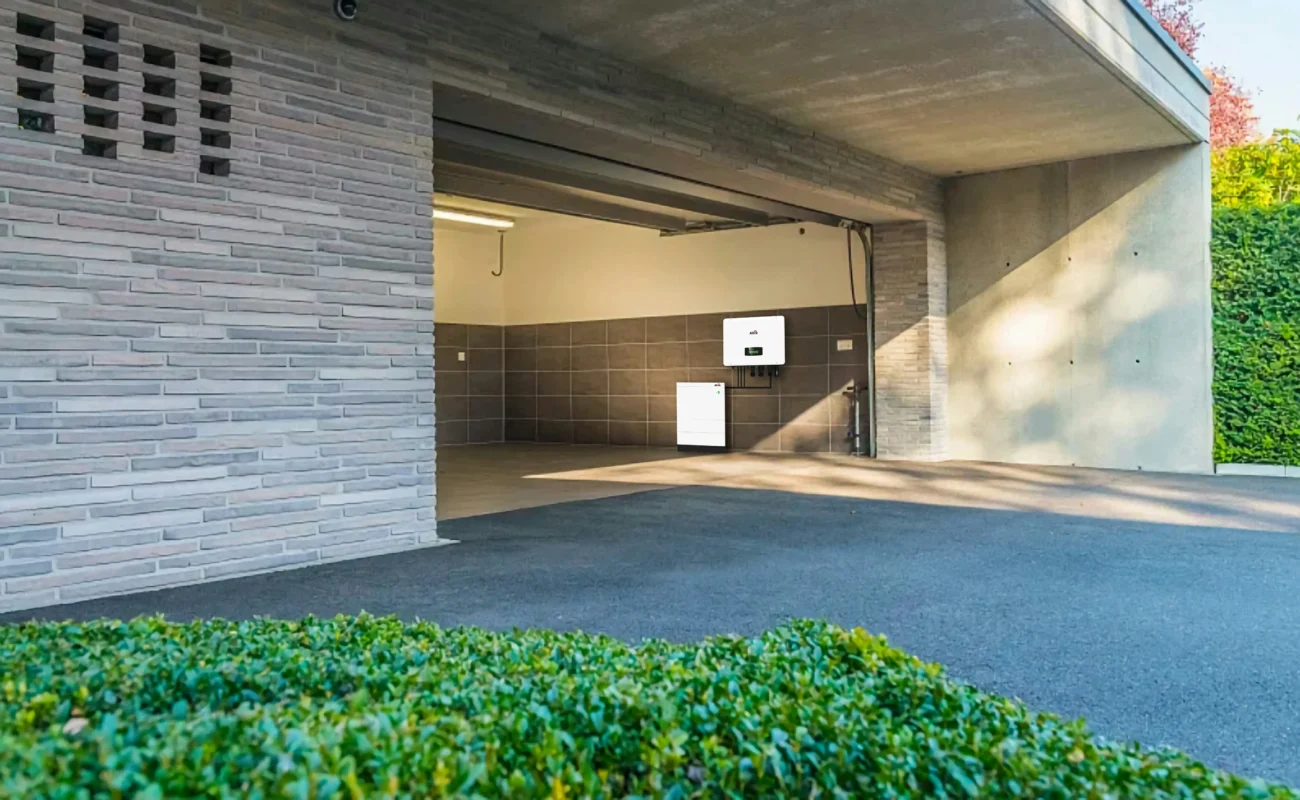
A solar energy storage solution is a system that stores electricity generated by your solar panels for later use. Instead of relying entirely on the grid, you can use stored energy when the sun isn’t shining, such as at night or during cloudy days. It’s like having your own personal energy bank at home.
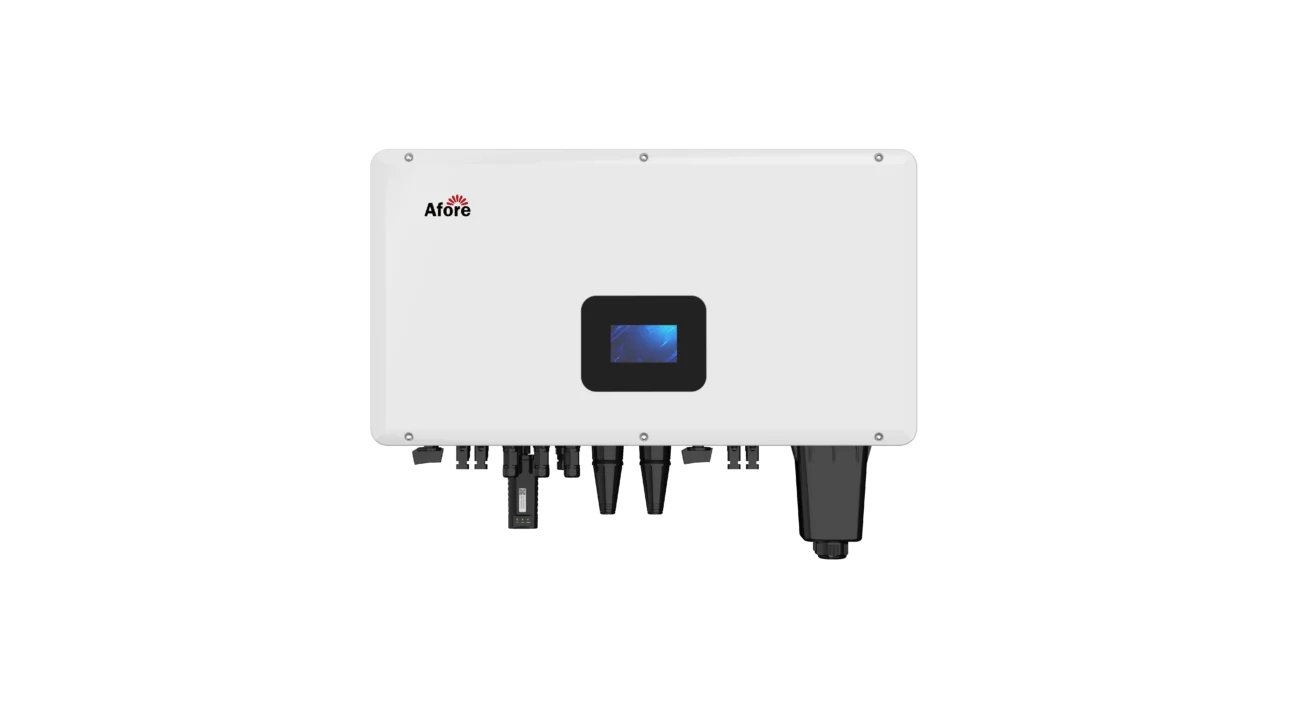
The solar inverter converts the DC electricity generated by your panels into AC electricity, which your home appliances can use. It also manages the flow of energy between your panels, batteries, and household circuits, ensuring efficient charging and discharging of your storage system.
Yes, depending on the size of your battery bank and your household energy needs. Larger storage systems can power essential appliances or even the entire home for several hours or days, providing energy independence and backup during outages.
Battery lifespan varies based on type and usage. Lithium-ion batteries typically last 10–15 years with proper maintenance, while lead-acid batteries may last 3–7 years. Regular monitoring and avoiding overcharging or deep discharging can extend their life.
Installation can be complex, as it involves integrating batteries, a solar inverter, and your home’s electrical system. Professional installation is recommended to ensure safety, efficiency, and compliance with local electrical codes.
Absolutely. Many systems allow for battery retrofits, but your solar inverter must support battery integration. Upgrading your inverter may be necessary to optimize energy flow and storage capacity.
Costs vary widely based on system size, battery type, and installation complexity. Residential setups usually range from $5,000 to $15,000. While the upfront cost can seem high, long-term savings on electricity bills and increased energy independence often justify the investment.
Yes. Regular maintenance is key to efficiency and longevity. This includes monitoring battery performance via the solar inverter, keeping terminals clean, and scheduling professional inspections to ensure everything runs smoothly.
Yes, if your system is configured for backup power. The combination of batteries and a solar inverter allows stored energy to be used when the grid is down, keeping essential appliances running.
The ROI depends on energy usage, local electricity rates, and system size. On average, homeowners can expect to recoup their investment in 5–10 years through reduced utility bills and minimized reliance on the grid.
Yes. Many solar energy storage solutions are scalable, allowing you to add batteries or upgrade the inverter as your energy demands increase, such as when adding electric vehicles or expanding your home.







 Turkish
  Romanian