




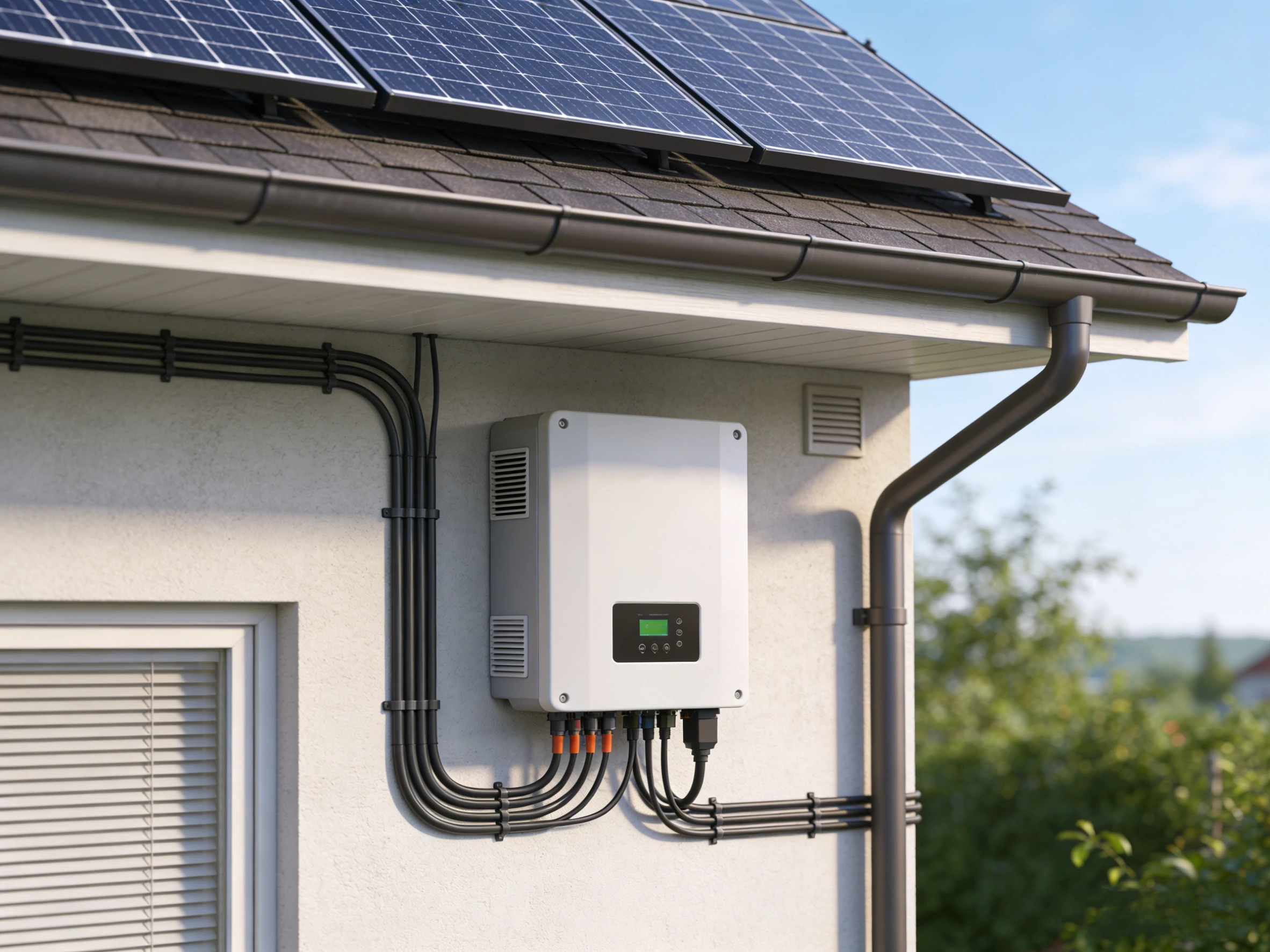
If you’ve ever stared at your rooftop panels and wondered, “Okay, how does a hybrid inverter work, really?”—you’re not alone. Most people know these mysterious metal boxes do something important, but few understand what’s actually going on under the hood. Today, we’re breaking it all down in a friendly, practical, and thoroughly human way.
I’ll walk you through not only how a hybrid inverter works, but why it matters, what problems it solves, and how it compares to a traditional solar inverter. Along the way, I’ll sprinkle in personal insights, relatable examples, and clear analogies that make the tech understandable—whether you’re a homeowner trying to cut energy bills or a DIY enthusiast dreaming up your next off-grid adventure.
Let’s dig in.
Before exploring how does a hybrid inverter work, it helps to understand the key players in a solar energy system. This section lays the foundation so the rest feels intuitive instead of overwhelming.
Your solar panels are like tiny sun-powered factories. They produce DC (direct current) electricity whenever sunlight hits them. But since your home runs on AC (alternating current), something needs to translate that DC power into usable electricity. That’s where an inverter comes in.
This is normally the job of a solar inverter, which converts DC to AC. But in a hybrid system, things get a whole lot more interesting.
If solar panels are factories, batteries are the safes where excess power gets stored. They keep energy tucked away for cloudy days, nighttime, or emergencies. A hybrid inverter’s job is not only to convert electricity, but also to manage how and when the battery gets charged or discharged. That’s a huge part of understanding how does a hybrid inverter work.
A hybrid inverter is like the conductor of an orchestra. Panels, batteries, and the grid are each talented players, but without guidance, they’d collide into chaos.
The hybrid inverter decides:
So when people ask, “How does a hybrid inverter work?” the real answer is: through a whole lot of split-second decision-making.
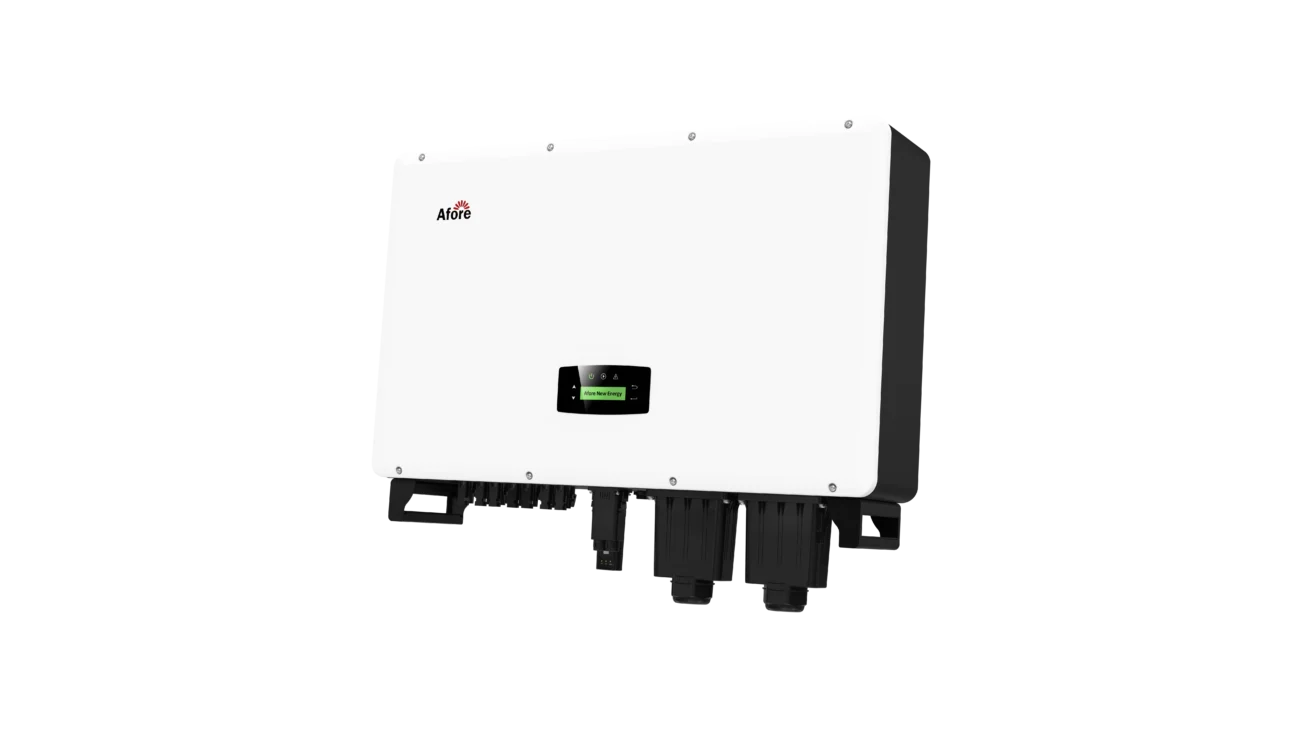
When people first hear the term hybrid inverter, they often imagine something overly complex—maybe a futuristic box that somehow reads your mind and powers your house accordingly. But the truth is much more practical and surprisingly elegant. Understanding how does a hybrid inverter work step by step is like watching a well-organized traffic controller keeping every energy source flowing exactly where it needs to go.
Below, we’ll walk through each stage of the daily energy cycle so you can see precisely how everything fits together. And trust me—once you understand these steps, the technology starts to feel a lot less like a mystery and more like a reliable partner quietly doing its job in the background.
Every day starts the same way: sunlight hits your solar panels, and they immediately begin producing DC electricity. At this moment, the hybrid inverter “wakes up” and begins monitoring energy flow. This early-morning moment is the first building block in understanding how does a hybrid inverter work.
The inverter does not immediately convert everything it receives. Instead, it begins by analyzing real-time electricity needs—almost like someone checking whether your fridge is running, your lights are on, or your water heater just kicked in. The hybrid inverter’s intelligence allows it to make decisions that a traditional solar inverter simply can’t.
Once the inverter senses that your home requires energy, it starts converting just the right amount of DC electricity into AC. This is the electricity your home actually uses. The fascinating part is how efficient and intentional this process is.
This isn’t a brute-force conversion where everything gets pumped into the house at full blast. Instead, the hybrid inverter tempers its output like a chef adding just the right amount of seasoning—never too much, never too little. This smart behavior is a big reason homeowners want to fully grasp how does a hybrid inverter work on a practical level.
Traditional solar inverter systems simply convert everything and throw unused energy back to the grid. A hybrid inverter doesn’t work that way. It looks ahead, anticipating what might be needed later in the day.
As the afternoon sun intensifies and your panels start generating more power than you’re using, the hybrid inverter doesn’t waste that extra energy. Instead, it diverts it into your battery bank.
This is where the hybrid system truly starts to show its value. Understanding how does a hybrid inverter work often clicks for people at this precise stage. You suddenly realize that solar energy no longer has to be a “use it or lose it” situation.
The hybrid inverter constantly calculates:
This constant decision-making is smooth and silent, but incredibly impactful. It gives you stored energy for the evening, for cloudy weather, or for emergencies—situations a standard solar inverter simply cannot manage.
Nighttime is where the hybrid inverter earns its reputation as the true “brains” of a solar system.
When the sun sets, your panels stop producing electricity, but your hybrid inverter doesn’t stop working. Instead, it shifts into its next mode, carefully releasing stored battery energy into your home. You might not notice anything happening—your lights stay on, your appliances keep running—but behind the scenes, the hybrid inverter is managing the entire flow like a conductor guiding an orchestra.
This is another core piece of understanding how does a hybrid inverter work:
It doesn’t just store energy; it also uses that energy strategically, choosing the cleanest, cheapest, and most stable source before ever thinking about pulling electricity from the grid.
Even with solar and batteries working together, there may be moments when your energy demand exceeds what’s available. That’s when the hybrid inverter quietly taps into the grid to keep everything running smoothly. Conversely, when you produce more than you need and the battery is full, the hybrid inverter can push energy back into the grid.
This two-way relationship is essential to understanding how does a hybrid inverter work in a dynamic real-world environment. It doesn’t force you to choose between solar or grid power. Instead, it blends them so you always have reliable electricity, while still maximizing the use of solar energy first.
The grid essentially becomes a backup partner rather than the primary power source.
Here’s the part most homeowners appreciate the most.
When the grid fails—whether it’s a rolling blackout, a storm, or a downed utility pole—the hybrid inverter instantly disconnects your home from the grid and shifts to backup mode. This small but powerful moment is where you truly understand how does a hybrid inverter work differently from a traditional solar inverter, which would shut down entirely in the same situation.
Instead of scrambling for flashlights, your home continues running smoothly, powered by:
The transfer is usually so smooth that you may not even notice it happened.
This ability to operate during a grid failure is one of the defining traits of hybrid inverters and a major reason more homeowners are choosing them over older systems.
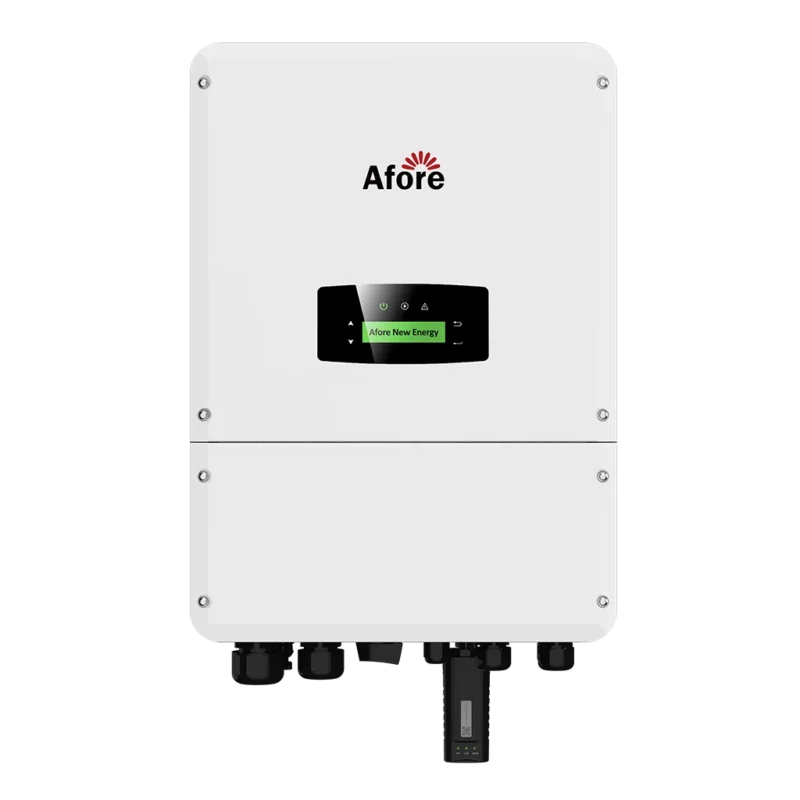
Understanding how does a hybrid inverter work isn’t just a nerdy solar hobby. It has real-life benefits that affect your daily living, bills, and peace of mind.
A hybrid inverter lets you store cheap or free energy and use it during peak cost hours. Learning how does a hybrid inverter work helps you actively reduce your electricity bill without sacrificing comfort.
When the grid goes down, most homes go dark—even if they have solar panels. But hybrid systems keep running. Knowing how does a hybrid inverter work empowers you to design a more resilient lifestyle.
Hybrid inverters are compatible with many setups, and understanding their logic can help you decide whether to upgrade from an older solar inverter.
As energy systems evolve, battery integration is becoming the norm. Understanding how does a hybrid inverter work prepares you for technological changes that are here to stay.
When people ask how does a hybrid inverter work, they often imagine a single magic box that simply takes solar power, pushes it through some wires, and somehow keeps everything running. But the truth is far more interesting. Inside every hybrid inverter is a collection of specialized components that each have a specific role—almost like individual departments inside a well-run company.
If you’ve ever wondered what’s actually inside a hybrid inverter, or if you’re the type who likes understanding what your equipment is doing under the surface, this deep dive will make everything clearer and far more intuitive. Once you see how each part contributes to the system, the entire picture of how does a hybrid inverter work becomes easier to understand.
Let’s step inside the machine.
The DC-DC converter is one of the unsung heroes inside the inverter. When sunlight hits your panels and sends DC electricity toward the hybrid inverter, the power doesn’t arrive in a neat, predictable shape. It fluctuates constantly depending on clouds, shadows, and temperature.
This is where the DC-DC converter steps in. It stabilizes and adjusts voltage from both the solar panels and the battery so everything flows at levels the system can safely use. Think of it as the person in a household who quietly organizes the chaos—sorting the mail, tidying the counter, and making sure nothing piles up where it shouldn’t.
After regulation comes conversion. The DC-AC inverter inside the hybrid unit is what turns raw DC input into the AC electricity your home actually needs. If the DC-DC converter organizes the energy, the DC-AC inverter is the translator who ensures the message is delivered in the right language.
In a way, this component performs the same job as the one inside a traditional solar inverter, but hybrid inverters take it further. They don’t just convert—they coordinate conversion based on your home’s current power needs, battery status, and grid conditions.
MPPT stands for Maximum Power Point Tracking, and it’s one of the most intelligent pieces of the entire system. If you’ve ever adjusted your body to find the warmest patch of sunlight, you already understand what MPPT tries to do—but with far more precision.
Solar panels have sweet spots where they produce the most energy. That “sweet spot” shifts all day long as temperature, shading, and panel conditions change. The MPPT charge controller constantly scans these conditions, adjusts the electrical load, and ensures the system squeezes every possible watt out of your panels.
Most people don’t even realize this part exists until a blackout happens and their lights stay on without a single flicker. The transfer switch is the reason.
Inside a hybrid inverter, the transfer switch is responsible for shifting your home between solar power, battery power, and grid power. It acts faster than the blink of an eye, which is why most homeowners never even notice that the inverter is juggling different energy inputs.
They blend and rotate between sources constantly, prioritizing whatever is cleanest, cheapest, or most reliable at any given moment.
In the event of a blackout, the transfer switch disconnects your home from the grid instantly. This protects line workers and allows your system to continue generating and using solar energy independently.
If the battery is the heart of your backup power, then the Battery Management System is the cardiologist that keeps it healthy. While the BMS is technically part of the battery rather than the inverter, the hybrid inverter constantly communicates with it.
The BMS monitors:
The hybrid inverter relies on this information to decide when to charge or discharge the battery, how fast to do it, and how to extend its lifespan. Without this communication, batteries would degrade faster, run hotter, and potentially become unsafe. Instead, they operate within controlled limits that maximize both performance and longevity.
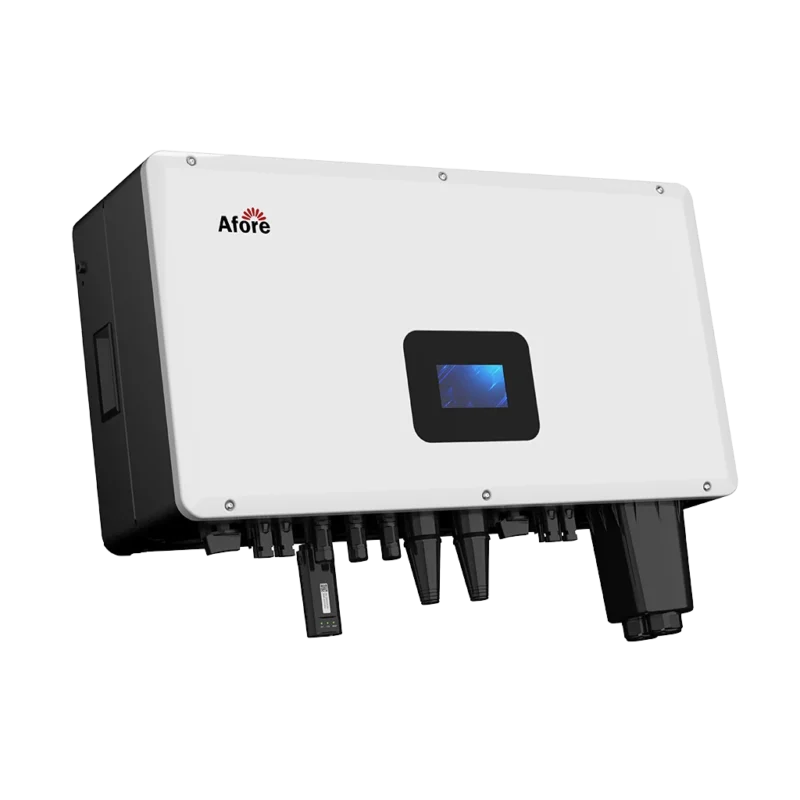
Many people don’t realize how dramatic the leap is between a regular solar inverter and a hybrid inverter. Comparing them helps clarify how does a hybrid inverter work in contrast.
A solar inverter converts DC to AC. Full stop. It cannot:
It’s powerful, but limited.
Because it can convert, store, manage, and distribute energy, learning how does a hybrid inverter work feels like unlocking an entire toolkit of new possibilities.
Let’s narrate a simple day to demonstrate how does a hybrid inverter work in relatable terms.
Once you see it in action, the entire concept becomes crystal clear.
By now, you should have a clear, intuitive, and even emotional grasp of how does a hybrid inverter work. It’s not just a technical question—it’s a gateway to energy independence, financial freedom, and a more stable home life.
A hybrid inverter:
Whether you’re upgrading from a traditional solar inverter or planning a brand-new system, understanding how does a hybrid inverter work gives you the power to make informed decisions.
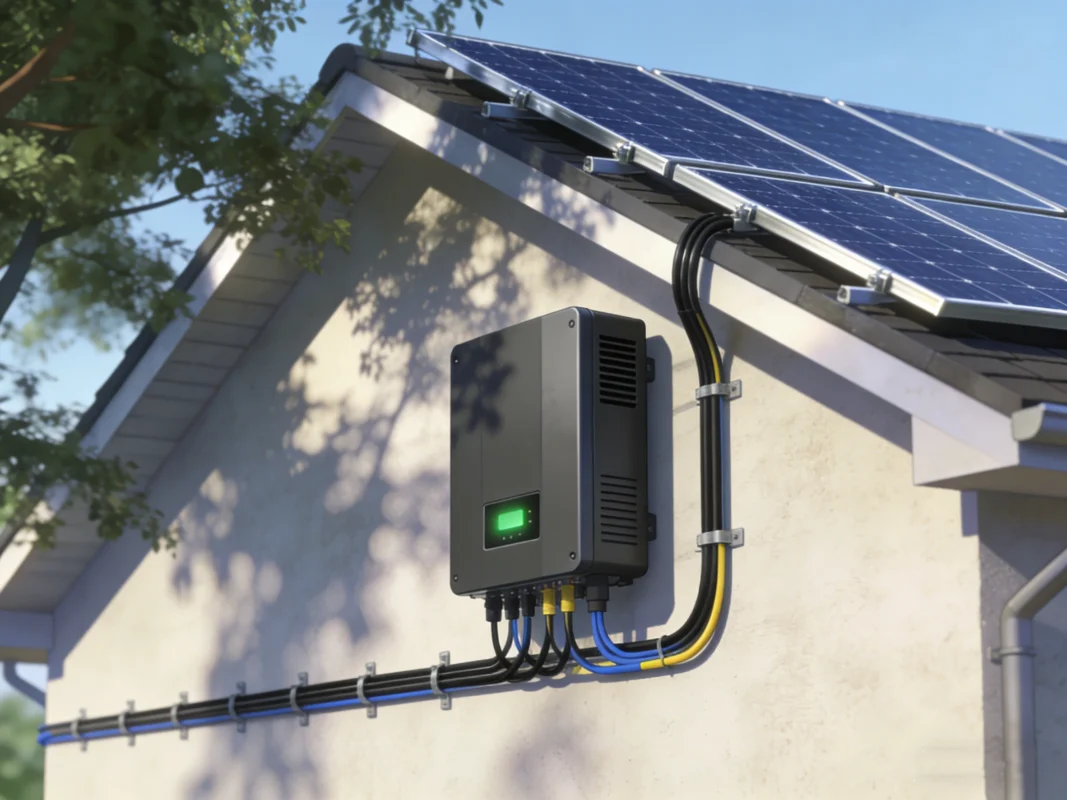
During a grid outage, the hybrid inverter instantly isolates your home from the grid and switches to battery power. There’s no loud clicking, no awkward delay—just a near-invisible transition. If sunlight is available, the inverter continues feeding solar power into your home and recharging the battery at the same time.
Yes, absolutely. A hybrid inverter can perform everything a traditional solar inverter does—converting DC solar power into AC energy for your home—while also managing energy storage, directing battery charging, and providing backup power.
If you’re trying to understand how does a hybrid inverter work compared to older systems, the simplest explanation is this: a hybrid inverter is a more capable, more flexible upgrade.
A hybrid inverter produces standard AC electricity, the same type your home receives from the grid. That means your lights, refrigerator, washing machine, and electronics all run exactly the same.
The only difference is that the power may come from the sun, your battery, or the grid—depending on what the hybrid inverter decides is most efficient at that moment.
Not intentionally. In fact, hybrid inverters are designed to increase efficiency by making sure solar power is used or stored at the best possible moment. Like any electrical device, there are small conversion losses, but the system overall helps reduce waste compared to setups that rely only on a solar inverter with no battery storage.
If you connect it without a battery, the hybrid inverter simply behaves like a typical solar inverter. It will convert solar energy into AC electricity for your home and allow excess power to flow to the grid.
Later, when you add batteries, the hybrid inverter already knows how to manage them—no major rewiring, no equipment changes. This flexibility is a major reason hybrid systems appeal to homeowners who want to expand gradually.
Yes, hybrid inverters are often used in remote or off-grid settings because they can manage solar energy, battery energy, and generator power (if present) with precision.
If you’re researching how does a hybrid inverter work off-grid, the short version is: it keeps your home powered by continually balancing stored energy with real-time solar production.
During cloudy periods, solar production dips, but the hybrid inverter automatically blends whatever solar energy is available with battery power or grid power. You don’t have to flip switches or monitor anything—the system continuously adjusts to keep your home stable and comfortable.
This adaptability is one of the reasons people feel more confident choosing a hybrid system over a basic solar inverter setup.
Most hybrid inverters operate quietly, producing only a soft hum similar to a small fan or a gentle appliance noise. You’ll usually hear it more during heavy charging or discharging, but even then, it’s subtle enough that many people forget it’s there.
A well-installed hybrid inverter typically operates reliably for many years. Lifespan varies based on environmental conditions, ventilation, and load patterns, but with proper care, the system remains stable and efficient over the long term.
Knowing how does a hybrid inverter work internally helps you appreciate why durability is tied closely to temperature management and clean installation.
At night, when solar panels stop generating power, the hybrid inverter draws from the battery first. If your stored energy runs low, it smoothly transitions to grid power. This automatic switching makes it easy to save money by using stored solar energy during evening hours, when electricity rates are often higher.
Yes—often significantly. Because the hybrid inverter decides when to use solar power, when to store it, and when to release it, you can reduce reliance on expensive grid electricity. Many people see noticeable savings just by letting the hybrid system run in its default mode without any manual adjustments.
Depending on your setup, the hybrid inverter can direct solar power or battery energy to your EV charger. Some homeowners even charge their vehicles during peak sunlight hours to make the most of free solar energy. The key is that the hybrid inverter coordinates energy flow so your EV becomes another part of your clean-energy ecosystem.








 Turkish
  Romanian