





In today’s world, where energy costs keep climbing and sustainability is more than just a buzzword, investing in a hybrid inverter with lithium battery can be a game-changer for your home or business. You might have heard the term “solar inverter” before, but the hybrid variant is taking things a step further. If you’re curious about why this combination is making waves, stick around.
A hybrid inverter with lithium battery isn’t just a fancy gadget—it’s the central brain of a modern renewable energy system.
At its core, a hybrid inverter manages power from multiple sources. Unlike a traditional solar inverter that only converts solar panel energy into usable electricity, a hybrid inverter can:
This flexibility is what makes it a hybrid—hence the name. Think of it as having a smart energy hub in your house that decides the best way to use your electricity.
Lithium batteries are lightweight, efficient, and long-lasting. They charge faster and discharge slower compared to traditional lead-acid batteries. When paired with a hybrid inverter, they can store excess solar energy during the day and release it when you need it most—like at night or during power cuts.
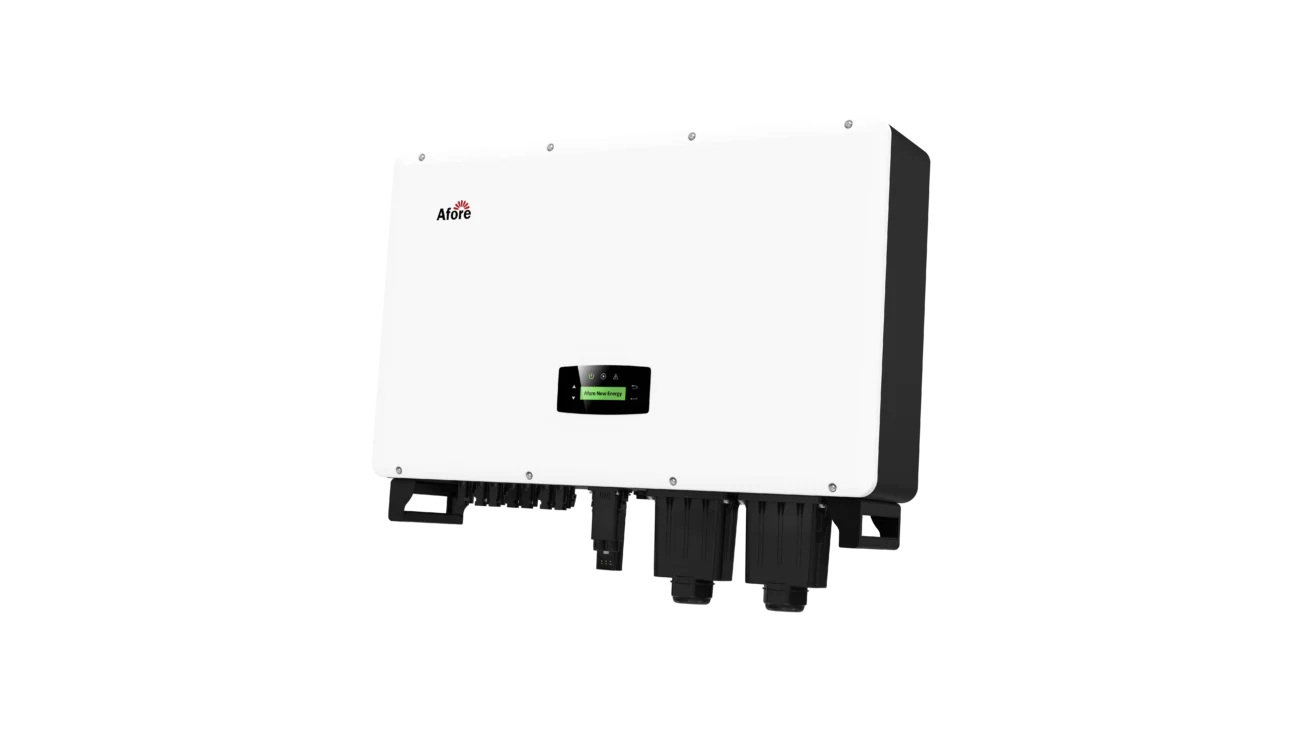
You might be wondering, “How does all this magic happen?” Let’s break it down step by step.
Your solar panels generate DC electricity, which is not directly usable by most home appliances. A hybrid inverter with lithium battery first converts this DC power into AC power, which your devices can use immediately.
Here’s where the lithium battery comes into play. Any surplus energy is stored instead of being wasted. Later, when the sun goes down or during a grid failure, the inverter draws power from the battery.
Hybrid inverters can interact intelligently with the grid. When solar energy is insufficient and the battery is low, the inverter will automatically pull electricity from the grid. This ensures a seamless power supply at all times.
Switching to a hybrid inverter with lithium battery can feel like a big step, but trust me, the advantages are hard to ignore. Whether you’re a homeowner trying to cut electricity bills or someone who simply wants more energy independence, this system offers practical benefits that go beyond the hype. Let’s dive into why so many people are making the move.
One of the most compelling reasons to invest in a hybrid inverter with lithium battery is the freedom it gives you from the grid. Imagine this: a cloudy day or a sudden power outage doesn’t mean your home goes dark. Instead, your stored energy in the lithium battery kicks in automatically, keeping essential appliances running.
Unlike a traditional solar inverter, which only works when the sun is shining, a hybrid inverter with a lithium battery ensures you have access to electricity whenever you need it. Over time, this energy independence becomes not just convenient—it can be life-changing, especially in areas with unreliable grid power.
Let’s talk money. At first glance, a hybrid inverter with lithium battery might seem like a significant investment, but the long-term savings often outweigh the initial cost. Here’s why:
Over months and years, households often see a noticeable drop in electricity bills. The beauty of a hybrid system is that it works silently in the background, saving you money without requiring daily attention.
Durability is another major advantage. Lithium batteries paired with hybrid inverters are built to last. Compared to older battery types, lithium batteries have a longer lifecycle and maintain higher performance over time.
This means fewer replacements, less maintenance, and a system that continues to function efficiently for many years. Unlike some traditional solar inverter setups that might require frequent battery changes or upgrades, a hybrid inverter with lithium battery provides consistent, reliable performance—day in, day out.
It’s not just about saving money or staying powered during outages. Using a hybrid inverter with lithium battery also makes a tangible difference for the environment. By storing excess solar energy and using it instead of relying on fossil-fuel electricity, you reduce your carbon footprint significantly.
Even small households can make a meaningful impact when you optimize solar energy usage. Over time, the combined effect of multiple homes adopting hybrid systems can contribute to cleaner air, lower greenhouse gas emissions, and a more sustainable energy future.
Another key benefit is flexibility. Hybrid inverters allow you to prioritize how and when you use your energy. You can choose to power essential appliances first, charge electric vehicles, or store excess energy for future use.
Traditional solar inverters usually lack this level of control—they send all generated energy directly to the grid or your home, often without smart management. With a hybrid inverter and lithium battery, you gain the power to control your energy like never before.
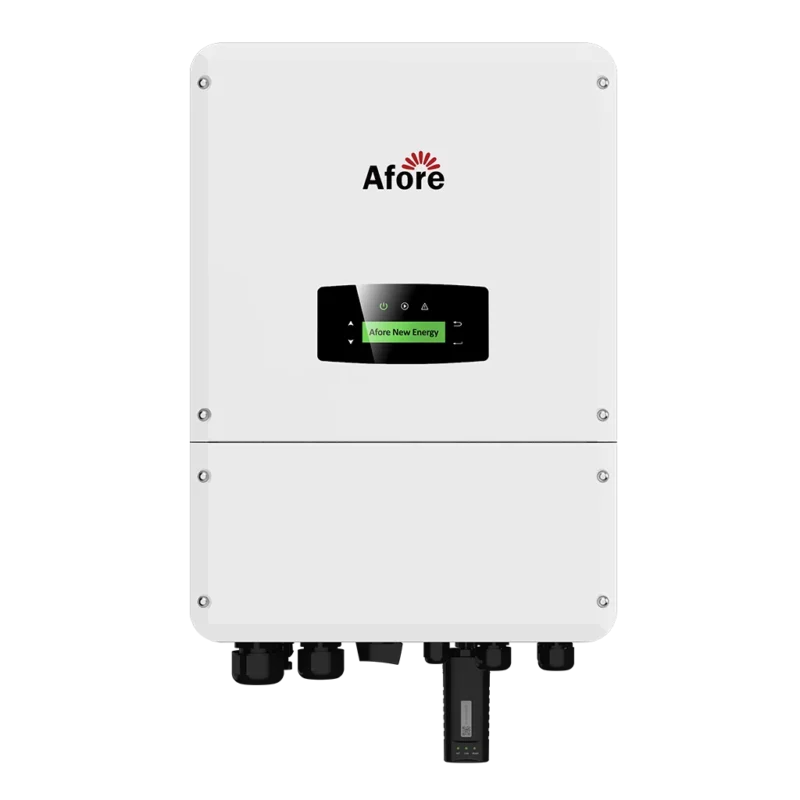
Not all hybrid inverters are created equal. Picking the right one is crucial to get the best performance from your system.
Start by calculating your daily electricity consumption. If your household consumes a lot of power, you’ll need a higher-capacity hybrid inverter and a larger lithium battery.
Look for inverters with high conversion efficiency. A hybrid inverter with lithium battery that operates efficiently minimizes energy loss and maximizes battery life.
Modern inverters come with smart monitoring apps, remote control, and automated energy management. These features make your energy system more user-friendly and efficient.
Installing a hybrid inverter with lithium battery is an exciting step toward energy independence, but it’s also a process that requires careful planning. Proper installation and regular maintenance are essential to ensure your system performs efficiently and lasts for years. Let’s walk through some practical tips that make a real difference.
It might be tempting to try a DIY installation, especially if you’re handy with electrical work. But when it comes to a hybrid inverter with lithium battery, professional installation is highly recommended. Here’s why:
Even though a solar inverter may seem simpler to set up, the hybrid system adds layers of complexity with battery integration, grid interaction, and smart energy management. Ensuring everything is correctly installed from the start pays off in reliability and performance.
Once your hybrid inverter with lithium battery is up and running, regular maintenance keeps it performing at its best. Some simple, practical steps include:
Routine maintenance may sound tedious, but it’s quick and often prevents costly repairs or replacements down the line. Think of it as giving your energy system a little TLC.
Many modern hybrid inverters come with smart features that rely on software or firmware. Keeping these up to date is crucial for:
Even though this might feel like a tech step, it’s as simple as checking the app or portal linked to your inverter. Regular updates help your system stay future-proof and perform optimally.
Finally, a few extra tips to maximize the lifespan of your hybrid inverter with lithium battery:
By following these installation and maintenance guidelines, you’re not just protecting your investment—you’re ensuring your home or business enjoys reliable, clean energy for years to come. A well-maintained hybrid system will outperform a standard solar inverter, giving you both efficiency and peace of mind.
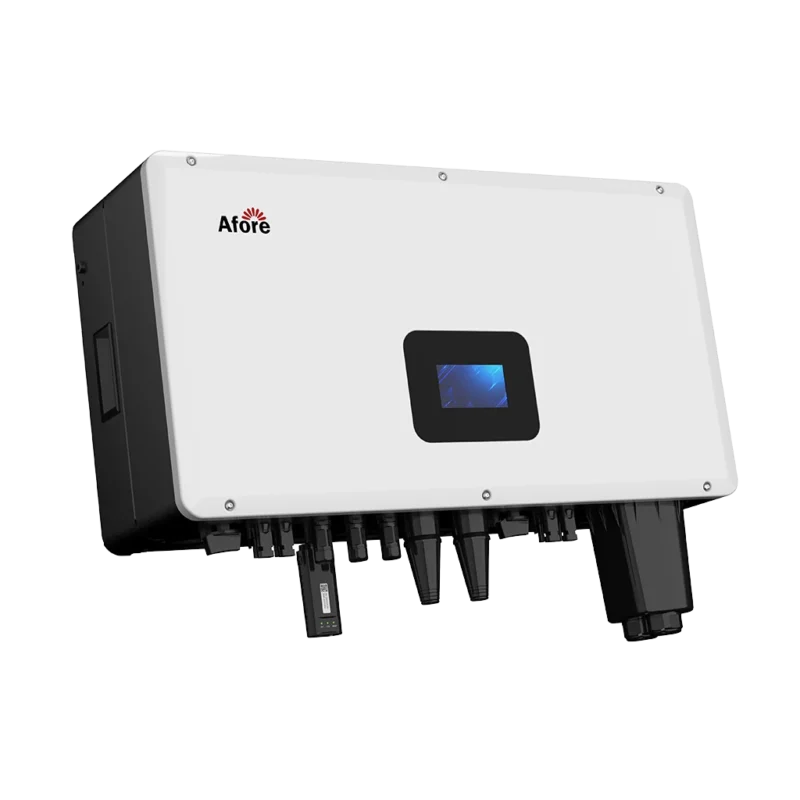
Even seasoned homeowners sometimes misunderstand hybrid inverters. Let’s clear up a few myths.
Some think a solar inverter alone is enough. While solar inverters work fine during the day, without a battery, all excess power is wasted. A lithium battery ensures energy is available 24/7.
The initial cost may seem high, but long-term savings, energy independence, and potential increase in property value make it a smart investment.
In reality, hybrid inverters require minimal maintenance, especially when paired with reliable lithium batteries. Routine checks and occasional software updates are often enough.
Let’s make a quick comparison to see why a hybrid inverter with lithium battery stands out.
| Feature | Hybrid Inverter with Lithium Battery | Traditional Solar Inverter |
|---|---|---|
| Energy Storage | Yes, with lithium battery | No |
| Grid Dependency | Low | High |
| Efficiency | High | Medium |
| Backup Power | Available during outages | Not available |
| Cost | Higher upfront | Lower upfront |
As you can see, hybrid inverters offer far more flexibility and long-term benefits.
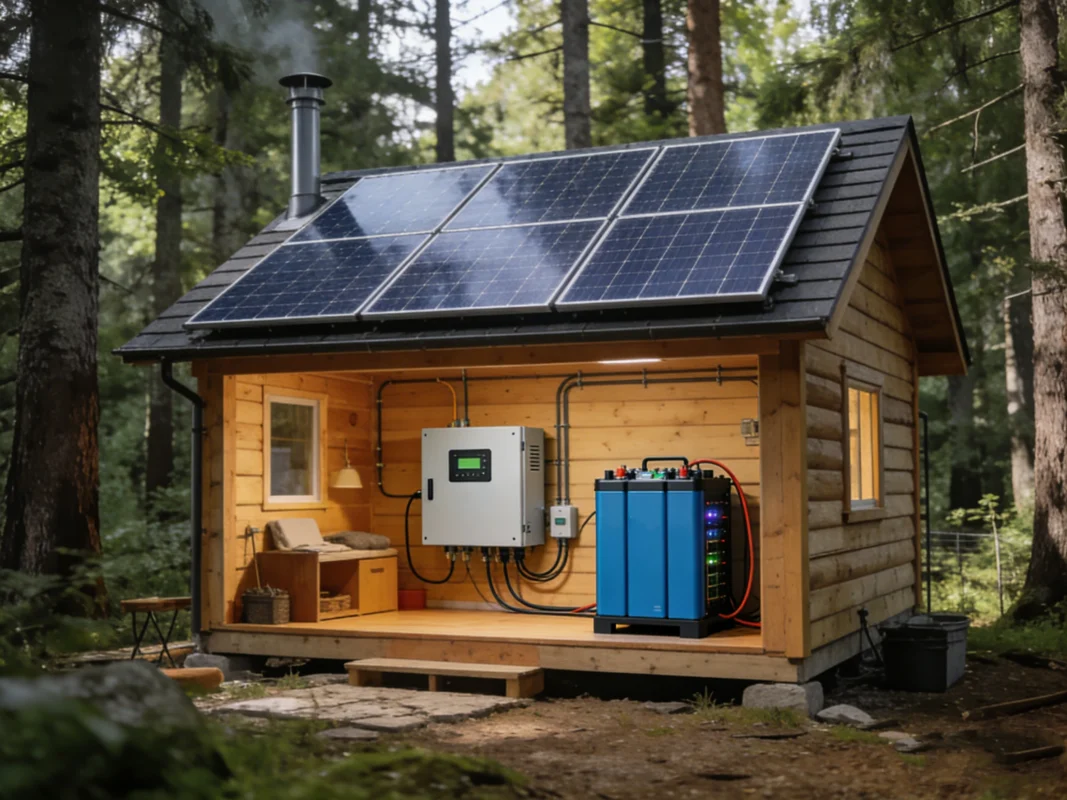
Hybrid inverters are not just for homes—they’re also useful in small businesses, off-grid cabins, and even remote areas with unreliable electricity.
For homeowners, a hybrid inverter with lithium battery can cut electricity bills, provide backup during blackouts, and even support electric vehicle charging.
Small offices or shops can use hybrid systems to avoid downtime and save on operational costs. Reliable power ensures smooth business operations.
If you live off-grid, a hybrid inverter is essential. It allows you to store solar energy efficiently and use it whenever needed, making off-grid living comfortable and sustainable.
A hybrid inverter with lithium battery is a powerful tool for energy management, but like any system, it works best when optimized. Small adjustments and smart planning can make a huge difference in efficiency, cost savings, and longevity. Let’s explore practical ways to get the most out of your system.
One of the first steps to maximizing efficiency is choosing the correct battery size. Oversized batteries can increase upfront costs unnecessarily, while undersized batteries limit the amount of energy you can store and use during peak hours.
Think about your household’s daily energy consumption. If you run multiple appliances, charge an electric vehicle, or want a reliable backup during outages, a larger capacity lithium battery paired with your hybrid inverter ensures you always have enough stored energy. Conversely, a carefully calculated smaller battery can still cover essential needs without breaking the bank.
Efficiency isn’t just about hardware—it’s also about how you use it. Many hybrid inverters offer intelligent energy management features. Here’s how to make them work for you:
A solar inverter alone doesn’t usually give you this level of control, so leveraging your hybrid inverter’s smart features ensures every watt counts.
Even the best hybrid inverter cannot outperform poorly maintained solar panels. Dirt, dust, and debris can reduce energy production by a noticeable margin. Regular cleaning ensures your panels generate maximum power, which then feeds your hybrid inverter and lithium battery efficiently.
Simple maintenance, like rinsing panels with water or wiping them clean every few weeks, can improve performance significantly over time. It’s a small effort for a big payoff in efficiency and energy savings.
Lithium batteries are durable, but deep discharges—using nearly all stored energy regularly—can reduce battery life over time. To maintain long-term efficiency:
This ensures your hybrid inverter with lithium battery continues to deliver reliable performance year after year.
Even placement matters. For maximum efficiency:
By paying attention to these details, you’re allowing your hybrid inverter and lithium battery to operate at peak efficiency, making the most of every solar kilowatt-hour generated.
Investing in a hybrid inverter with lithium battery is more than just buying a gadget—it’s stepping into a smarter, more sustainable way of living. From energy independence and cost savings to reliability and environmental benefits, the advantages are clear.
If you’re serious about harnessing solar energy efficiently and ensuring uninterrupted power, a hybrid inverter is the way to go. It’s flexible, future-proof, and truly worth the investment.
While it might be tempting to do it yourself, professional installation is highly recommended. Hybrid systems involve wiring to the grid, battery integration, and safety protocols that require certified expertise. Correct installation ensures efficiency, safety, and longevity.
Lithium batteries typically last between 10 to 15 years, depending on usage and maintenance. Proper charging practices and avoiding frequent deep discharges can extend the lifespan even further.
Yes, a hybrid inverter can function using grid power alone, storing electricity in the lithium battery for later use. However, pairing it with solar panels maximizes cost savings and energy independence.
Absolutely. By storing excess solar energy and using it during peak hours or outages, a hybrid inverter with lithium battery minimizes reliance on expensive grid power, translating directly into savings.
Modern hybrid inverters operate quietly, producing only a low hum similar to a small appliance in the background. Proper installation and ventilation further reduce any noise.
Yes. Many hybrid inverters are designed to allow future battery expansion. This means you can increase storage as your energy needs grow without replacing the entire system.
Maintenance is straightforward: clean your solar panels regularly, inspect battery terminals, ensure connections are tight, and keep your inverter’s software up to date. These simple steps preserve efficiency and system longevity.
Yes, hybrid inverters with lithium batteries can work in most climates. Extreme temperatures may slightly affect battery efficiency, so placing the system in a temperature-controlled or shaded area is recommended.
Yes. One of the main advantages of a hybrid inverter with lithium battery is its ability to supply electricity during outages. Stored energy from the lithium battery keeps essential appliances running seamlessly.
A solar inverter only converts solar energy for immediate use. A hybrid inverter with lithium battery not only converts solar energy but also stores excess electricity, interacts with the grid intelligently, and provides backup power when needed. This combination offers flexibility, energy independence, and long-term cost savings.
You can monitor performance using the inverter’s display or a linked app. Efficient operation means your battery charges fully during the day, appliances are powered optimally, and energy consumption from the grid is minimized. Any unusual drop in efficiency may indicate a need for maintenance or adjustment.
Yes. Even small households can benefit from energy independence, reduced bills, and backup power. A properly sized hybrid inverter with lithium battery ensures efficient energy usage tailored to your household’s needs.








 Turkish
  Romanian