



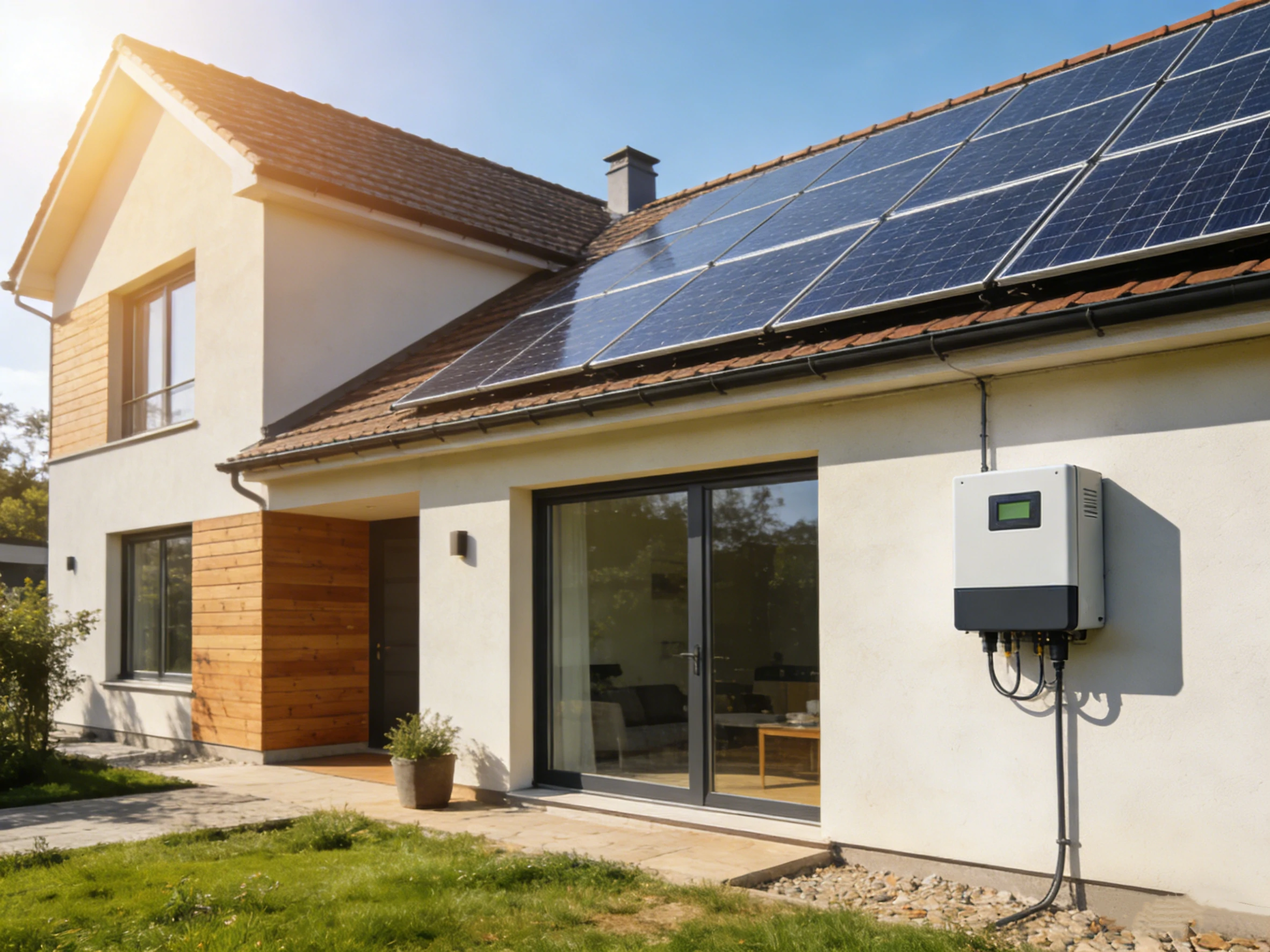
When it comes to harnessing solar energy for your home, one component often overlooked but absolutely essential is the inverter for solar energy. Without it, all the sunlight captured by your solar panels would be practically useless. But don’t worry—this guide will walk you through everything you need to know, from understanding what a solar inverter is to selecting the right one and getting the most out of your system.
Let’s start simple. A solar panel generates direct current (DC) electricity, but your home appliances run on alternating current (AC). This is where the inverter for solar energy comes into play—it converts DC electricity into AC, making it usable for your lights, fridge, TV, and all the other gadgets you depend on.
Think of it like a translator. Without it, your solar panels and home appliances would be speaking different languages, and nothing would work. A solar inverter also plays a protective role, monitoring the system to prevent overloads, ensuring your energy is safe and reliable.
The process is surprisingly simple in concept but fascinating in execution. DC electricity flows from the solar panels to the inverter, which then flips it into AC power. Modern inverters even adjust the voltage and frequency to match the grid, which is crucial if your system is connected to public electricity.
Many inverters today come with smart features, allowing you to track energy production and efficiency right from your phone. It’s amazing how something so small in size can manage such a critical task.
There isn’t a one-size-fits-all when it comes to inverters. Here’s a breakdown
Each type has its own benefits and drawbacks, but all qualify as essential inverters for solar energy.
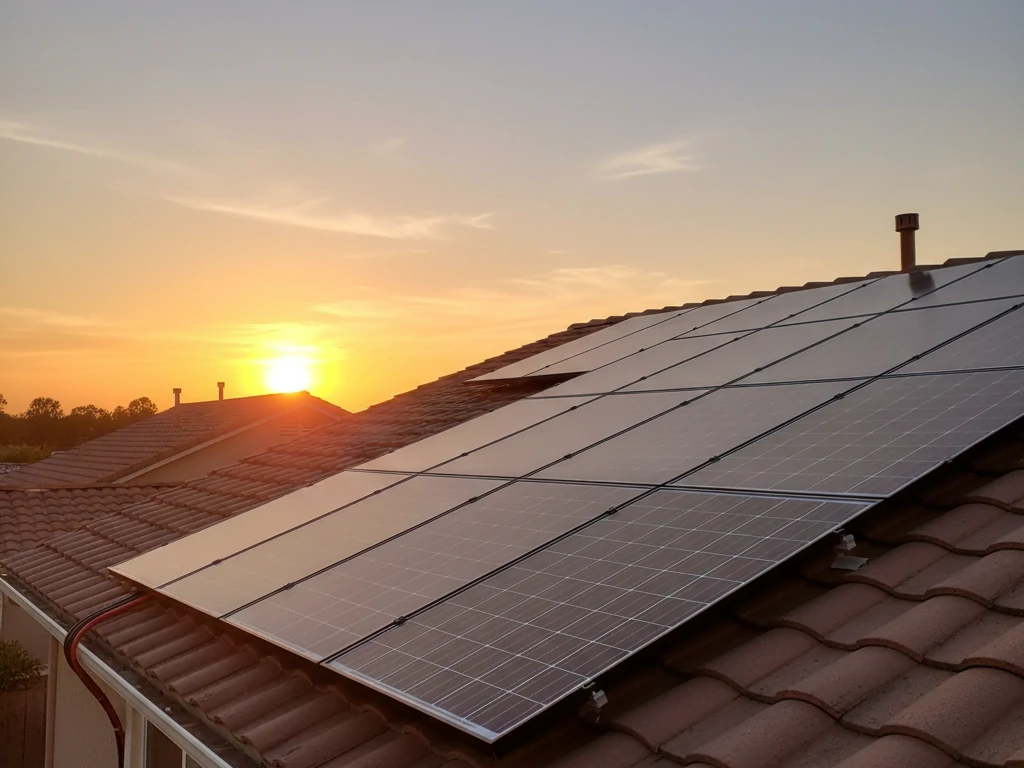
When it comes to solar energy, the inverter is not just a piece of hardware—it’s the heart of your system. Think of it this way: your solar panels are amazing at capturing sunlight, but without a reliable solar inverter, all that energy could be wasted, or worse, it could damage your home appliances. Choosing a high-quality inverter for solar energy isn’t just a recommendation; it’s a necessity if you want a safe, efficient, and long-lasting solar setup.
A subpar inverter can introduce voltage fluctuations or surges that put your electronics at risk. High-quality inverters constantly monitor the energy flowing from your solar panels, adjusting the output to prevent overloads. In real life, I’ve seen how a cheap, low-efficiency inverter caused repeated trips in the circuit breaker and even fried a small appliance. Investing in a good inverter means peace of mind—your appliances stay safe while your system operates efficiently.
Not all inverters are created equal when it comes to efficiency. A high-quality solar inverter can convert more of the DC power from your panels into usable AC electricity. In other words, you get more energy from the same sunlight. This can make a significant difference in your monthly energy bills. Modern inverters often feature MPPT (Maximum Power Point Tracking) technology, which ensures every panel produces the maximum output possible, even when conditions aren’t perfect.
One of the biggest advantages of a high-quality inverter is its compatibility with battery systems. When the grid goes down, a robust inverter paired with a battery can keep essential appliances running. Imagine being able to power your fridge, lights, or even your home office during an unexpected blackout—this is not just convenient, it’s essential in areas prone to power interruptions.
Sure, a high-quality inverter might cost more upfront, but think about the long-term benefits. Less energy wasted, fewer repairs, and longer lifespan all add up to real savings. I’ve personally found that taking the time to research inverter efficiency and durability pays off over the years—what seems like a small hardware choice ends up saving hundreds, sometimes thousands, in energy and maintenance costs.
Many high-quality inverters offer monitoring features that let you track energy production in real time. This isn’t just tech for the sake of tech—it helps you spot inefficiencies or potential problems before they become serious. Personally, having access to daily performance reports gave me confidence that my solar setup was running optimally, and it helped me catch minor issues before they became costly repairs.
Key Takeaways:
In short, if you want a solar energy system that’s safe, efficient, and dependable, investing in a high-quality solar inverter is non-negotiable. It’s the one component that ties your entire system together—without it, even the best solar panels can’t perform at their full potential.
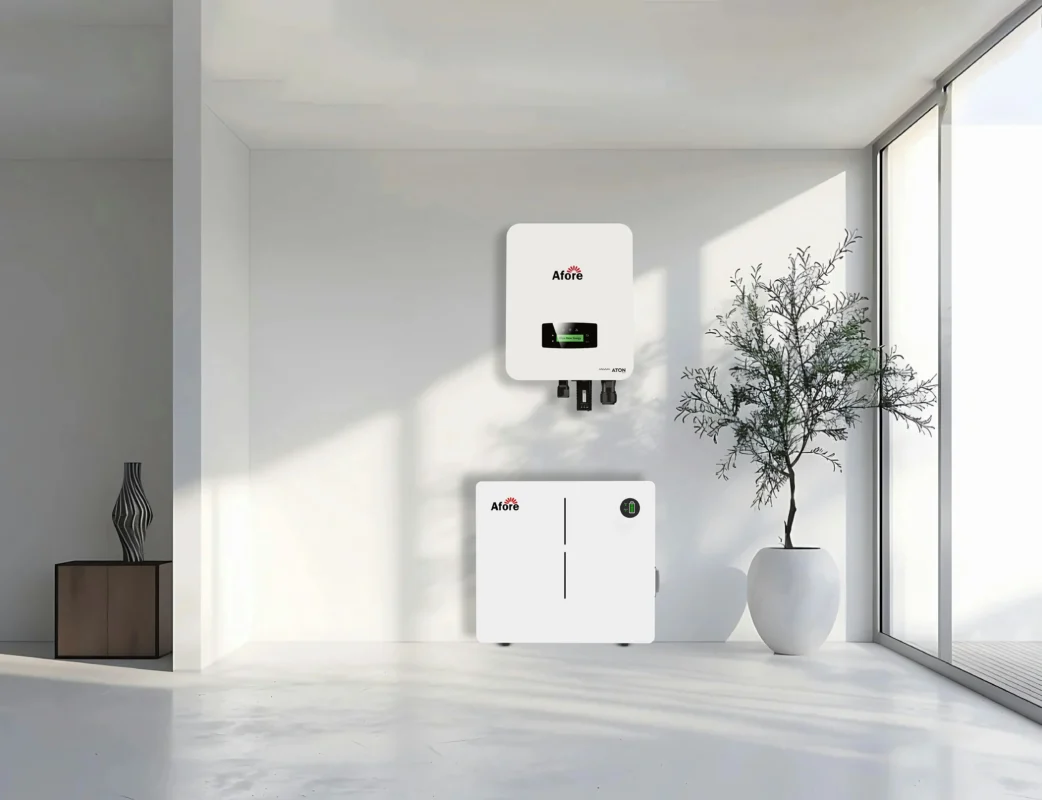
Selecting the right inverter for solar energy can feel overwhelming at first, especially with so many technical terms and options floating around. But in reality, it’s all about matching your home’s energy needs with the right type and size of inverter, while ensuring efficiency and safety. Picking wisely now can save you headaches, wasted energy, and unexpected costs later.
The first step in choosing an inverter is understanding how much electricity your home consumes. Look at your past energy bills or monitor your current usage for a month to get a clear picture of your daily and peak loads. This information is crucial because it determines the inverter capacity you need.
For example, if you’re considering a 2,000-watt inverter, you need enough solar panels to feed it consistently. Typically, that would require around 6–8 solar panels rated at 330–350 watts each, depending on sunlight exposure. Oversizing or undersizing an inverter can lead to inefficiency or even damage over time, so accurate calculations are key.
Once you know your energy consumption, the next step is sizing your inverter correctly. One widely recommended guideline is the solar 120% rule, which suggests your inverter should handle roughly 120% of your panel array’s total output. This margin ensures your system can safely handle peak sunlight without overloading.
A properly sized solar inverter not only prevents wasted energy but also extends the life of your system. Undersized inverters may limit your energy harvest, while oversized ones may increase cost without proportional benefits.
Efficiency is another major factor. Inverters with high efficiency ratings convert more DC power from your panels into usable AC electricity. Look for inverters that include MPPT (Maximum Power Point Tracking) technology, which optimizes energy conversion even under less-than-perfect sunlight conditions.
In my experience, an inverter without MPPT can leave noticeable energy on the table, especially in cloudy or partially shaded areas. Investing in a high-efficiency inverter ensures you get the most from every ray of sun hitting your roof.
Don’t forget environmental factors. Inverters work best in cool, well-ventilated spaces away from direct sunlight and moisture. Heat and dust can reduce performance and shorten lifespan. Installing your inverter in a sheltered, easily accessible spot makes maintenance simpler and ensures consistent performance.
Additionally, think about the future—if you plan to expand your solar system, choosing a modular or slightly higher-capacity inverter now can save the hassle of a full replacement later.
Choosing the right inverter for solar energy isn’t just about picking the most powerful device. It’s about matching your system size, ensuring efficiency, and considering long-term reliability. A well-chosen inverter maximizes your solar energy output, protects your appliances, and provides peace of mind.
Remember, this is the component that ties your entire solar setup together. Spend time understanding your energy needs, calculate carefully, and prioritize quality and efficiency over simply choosing the cheapest option. The right solar inverter will pay dividends in savings, reliability, and energy independence for years to come.
Placement matters more than most people realize. Avoid installing your inverter in direct sunlight or humid areas. Ideally, pick a location that’s well-ventilated and easy to access for maintenance.
I’ve seen setups where the inverter was tucked away in a cramped attic space—it overheated constantly. Not fun, and definitely avoidable.
Proper wiring is crucial. Ensure the DC input from panels is correctly rated for your inverter. AC output should match your home’s electrical system. Never underestimate safety; if in doubt, hire a certified electrician. A solar inverter handles high voltage, and mistakes can be dangerous.
Maintenance is surprisingly simple but essential. Clean any dust or debris, check connections periodically, and monitor performance. Common issues include grid faults, overloads, or inverter error codes, but most are easy to resolve if addressed early.

When people start exploring solar energy, there’s a lot of confusion surrounding solar inverters. Misunderstandings can lead to poor choices, wasted money, or frustration down the line. Let’s debunk some of the most common misconceptions so you can make informed decisions about your inverter for solar energy.
Many homeowners assume that simply buying a large inverter, like a 5,000-watt unit, will automatically power the entire house. In reality, the inverter must match both your solar panel output and your actual energy needs.
A solar inverter only converts the energy available from your panels into usable electricity. If your solar array cannot produce enough DC power to meet your consumption, even a large inverter won’t magically supply extra energy. Oversized inverters can also increase costs unnecessarily without improving performance.
Some people think once an inverter is installed, it’s set-and-forget. While modern inverters are robust, they still need occasional monitoring and maintenance.
Dust buildup, poor ventilation, or wiring issues can reduce efficiency or trigger faults. Regular inspections, cleaning, and checking system performance ensure your inverter for solar energy continues running optimally and lasts for its expected lifespan.
Not all solar inverters are created equal. Differences in efficiency, technology (like MPPT vs PWM), and durability can dramatically affect performance. For instance, a low-efficiency inverter may waste a noticeable percentage of your solar energy, whereas a high-quality inverter ensures maximum conversion from DC to AC.
Understanding these differences before purchasing can save you energy, money, and frustration in the long run.
It’s a common belief that a 5,000-watt inverter is enough to power a standard household. While it can handle many small to medium-sized homes, your actual energy consumption matters. Running high-draw appliances simultaneously—like air conditioning, electric ovens, or water heaters—can exceed the inverter’s capacity.
Proper sizing is crucial: calculate peak loads, check your panel array output, and consider efficiency losses to ensure your inverter for solar energy meets your home’s demands.
While a solar inverter optimizes energy conversion and adds reliability, it doesn’t solve all challenges of solar power. Dependence on sunlight, storage limitations, and high upfront installation costs are inherent to solar systems. A well-chosen inverter maximizes efficiency, but it cannot generate energy at night or during extended cloudy periods without a battery storage system.
Understanding these misconceptions ensures you choose the right inverter for solar energy, get the most from your solar panels, and avoid costly mistakes. With the right knowledge, your solar system becomes a reliable, efficient, and long-lasting energy solution.
Once your inverter for solar energy is installed and running smoothly, the next step is ensuring you get the absolute most out of your solar setup. Maximizing your system isn’t just about having more panels—it’s about smart planning, battery integration, and monitoring to make every ray of sunlight count.
One of the most effective ways to maximize a solar system is by pairing your inverter with a battery. When your panels produce more energy than your home needs, that excess power can be stored rather than wasted.
Ever wondered, “How long will an inverter run off a battery?” The answer depends on both your battery’s capacity and your household load. For example, a 5 kWh battery powering a 2 kW load could run for roughly two to two-and-a-half hours. By planning your battery capacity carefully, you can ensure you have backup power during the night or cloudy days, effectively increasing the overall utility of your solar inverter.
Modern solar inverters often include smart monitoring systems. These allow you to track energy production, identify inefficiencies, and even schedule usage to optimize savings. I personally recommend checking your system at least once a week, especially during seasonal changes, to see how sunlight variations affect output.
Smart monitoring also helps catch small issues early, like wiring problems or shading from new trees. Addressing these problems before they escalate ensures your system operates at peak efficiency, saving you both energy and money.
One of the beauties of solar energy is its scalability. As your energy needs grow, you can add more panels or upgrade your inverter to a higher capacity. A modular system makes this easy without the need for major replacements.
When expanding, it’s crucial to match new panels to your existing inverter for solar energy or ensure your new inverter can handle the combined output. This prevents overload and keeps your system efficient over the long term.
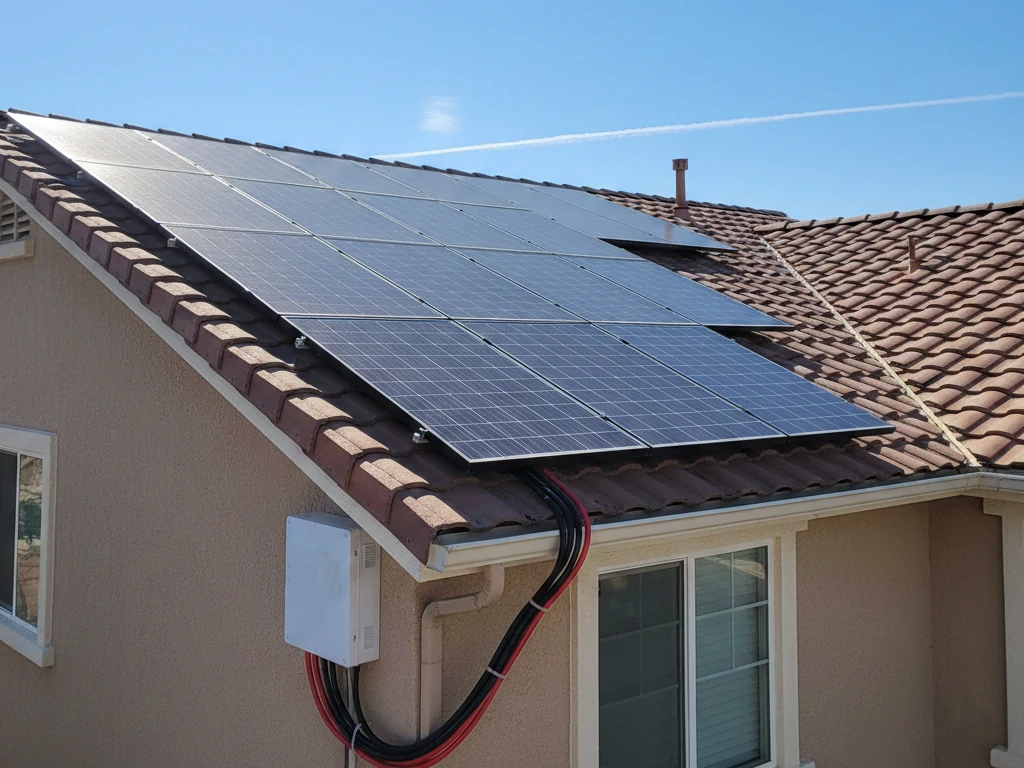
Choosing the right inverter for solar energy is more than a technical decision—it’s about efficiency, safety, and maximizing your investment. From selecting the proper size to ensuring smart installation and maintenance, every step counts.
A solar inverter may seem like just another piece of hardware, but it’s the heart of your solar system. With careful planning, monitoring, and occasional maintenance, your solar setup can provide clean, reliable energy for years. Investing in quality today pays off in energy savings and peace of mind tomorrow.
An inverter for solar energy is a device that converts the direct current (DC) electricity generated by your solar panels into alternating current (AC) electricity, which is used by your home appliances. Beyond conversion, it also ensures voltage and frequency are stable, protects against surges, and optimizes the efficiency of your system. In short, it’s the critical bridge between your solar panels and your home’s electrical system.
The number of panels depends on their individual wattage and the amount of sunlight your location receives. For a 2,000-watt inverter, you typically need 6–8 solar panels rated around 330–350 watts each. Keep in mind that factors like partial shading, roof angle, and seasonal sunlight changes can affect total output. It’s always better to slightly oversize your array to ensure consistent power for your inverter.
A 5,000-watt inverter can handle many small to medium-sized homes, but it depends on your household’s energy consumption. High-draw appliances, such as air conditioners, electric ovens, or water heaters, may push the system close to its limits if used simultaneously. Proper sizing requires calculating peak loads and considering your solar panel output to ensure the inverter can reliably meet your needs.
While solar inverters are essential for converting solar energy efficiently, they do have limitations:
• They can be expensive upfront.
• Efficiency can drop under extreme heat or partial shading.
• Some types require occasional maintenance.
• Without a battery, solar power is only available during daylight hours.
Understanding these limitations helps set realistic expectations and guides you in choosing the right system for your home.
The runtime depends on your battery capacity and the load connected to the inverter. For example, a 5 kWh battery powering a 2 kW load could provide roughly 2–2.5 hours of electricity. If you’re running multiple appliances or higher-demand devices, the runtime decreases. Pairing a properly sized battery with your inverter for solar energy ensures you have backup power when the sun isn’t shining.
The solar 120% rule is a guideline used when sizing your inverter relative to your solar panel array. Essentially, the inverter’s capacity should be about 120% of your panel output. This allows the system to handle peak sunlight without overloading the inverter, maximizing efficiency while protecting the hardware.
The primary challenges of solar electricity include reliance on sunlight, limitations in energy storage, and high upfront installation costs. Even with a top-quality solar inverter, your system can’t generate power at night and may produce less on cloudy days. However, integrating batteries and using smart load management can minimize these downsides, allowing you to get the most out of your solar setup.








 Turkish
  Romanian