




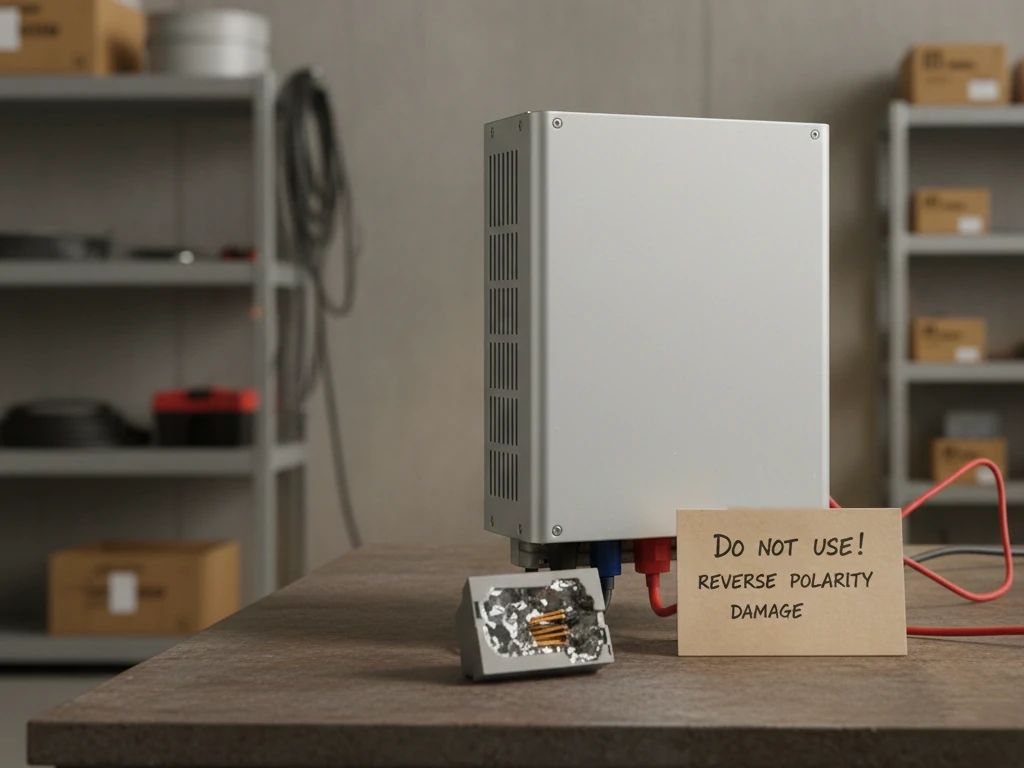
If you’ve worked with power systems long enough, you’ll eventually hear someone say,
“Yeah… I think I hooked it up backwards.”
That moment usually comes right before discovering inverter reverse polarity, one of the most underestimated and expensive mistakes in inverter installations. I’ve seen it happen in garages, RVs, off-grid cabins, and more than a few solar inverter setups that were installed by people who thought they had everything under control.
The scary part? Inverter reverse polarity doesn’t always cause immediate failure. Sometimes the inverter powers on, hums quietly, and gives you a false sense of security—until weeks later when it suddenly dies.
Every inverter is designed to accept DC power with a specific polarity: positive to positive, negative to negative. Sounds obvious, right? Yet inverter reverse polarity happens when those connections are flipped.
When polarity is reversed, current flows in a direction the inverter’s internal components were never designed to handle. Semiconductors, MOSFETs, capacitors—all of them have limits. Push current the wrong way, and damage can happen fast.
Inverter reverse polarity isn’t just a beginner mistake. I’ve seen experienced installers mess it up during rushed battery swaps or late-night solar inverter troubleshooting sessions.
Common reasons include:
All it takes is one wrong assumption.
This is where inverter reverse polarity becomes dangerous. Some systems partially power up even when wired incorrectly. That doesn’t mean everything is fine. It often means internal protection circuits are being stressed—or slowly cooked.
If inverter reverse polarity only happened in textbooks or beginner mistakes, it wouldn’t be such a widespread problem. The reality is very different. In real installations—homes, RVs, workshops, off-grid cabins, and especially solar inverter systems—reverse polarity happens quietly, repeatedly, and often without immediate consequences.
That’s exactly why it’s dangerous.
Let’s walk through how inverter reverse polarity actually happens in the real world, based on situations technicians and installers see over and over again.
DIY inverter installations are one of the most common sources of inverter reverse polarity. Not because people are careless—but because they’re confident.
Many DIY installers follow online diagrams, watch a few videos, and assume all DC wiring follows the same logic. In practice, cable colors fade, terminals differ, and previous modifications change everything.
A common scenario looks like this:
One wrong assumption later, inverter reverse polarity is already present.
What makes this worse is that some inverters don’t immediately fail. The system may power on, lights may come on, and everything appears normal. Internally, however, components are under stress. That delayed failure is what makes inverter reverse polarity so expensive.
Battery replacement is hands down the most common real-world cause of inverter reverse polarity.
It usually happens during:
The installer disconnects the old battery, installs the new one quickly, and reconnects cables from memory. The inverter reverse polarity mistake happens in seconds.
The irony is that this often happens to experienced users. Familiarity breeds speed, and speed kills accuracy. A solar inverter system connected to a battery bank makes this even riskier, because multiple DC sources may still be present.
In professional practice, battery replacement always follows a checklist:
Skipping any of these steps increases the risk of inverter reverse polarity dramatically.
Solar inverter installations introduce another layer of complexity. Unlike simple battery-inverter systems, a solar inverter may be connected to:
Each component has its own polarity requirements. One reversed connection anywhere in the chain can lead to inverter reverse polarity at the inverter input.
A common mistake occurs when installers assume that DC connectors are “standardized.” They are not. Different systems use different conventions, and some connectors can physically fit even when polarity is reversed.
Another frequent issue is panel string expansion. Someone adds new panels to an existing solar inverter system and mirrors the physical layout—but not the electrical polarity. The result is reversed polarity feeding into the inverter.
This is why experienced solar professionals always test polarity at the inverter terminals, not just at the panels.
Not all inverter reverse polarity incidents come from obvious wiring errors. Some come from connectors that look correct but behave differently.
DC connectors can:
In real installations, especially older or modified systems, connectors may have been reused or replaced with alternatives. Over time, polarity identification becomes unreliable.
This is particularly risky in mobile or off-grid environments, where vibration and repeated disconnections are common. A solar inverter mounted in a vehicle or cabin may experience multiple reconnect cycles over its lifetime. Each reconnection is a new opportunity for inverter reverse polarity.
Professionals treat every reconnection as a fresh install. That mindset alone prevents countless failures.
Textbook wiring assumes ideal conditions. Real installations don’t have those.
Real-world factors include:
Under these conditions, even a small lapse can result in inverter reverse polarity. That’s why real expertise isn’t about knowing theory—it’s about controlling risk.
The most reliable installers assume that something will be mislabeled, swapped, or misunderstood, and they verify everything before applying power.
Here’s the uncomfortable truth: inverter reverse polarity doesn’t usually happen because people don’t know better. It happens because they trust what they see instead of what they measure.
In both standard inverter setups and complex solar inverter systems, reversed polarity is almost always preventable. But prevention requires discipline, not just knowledge.
And in real installations, discipline is what separates systems that last ten years from systems that fail in ten seconds.
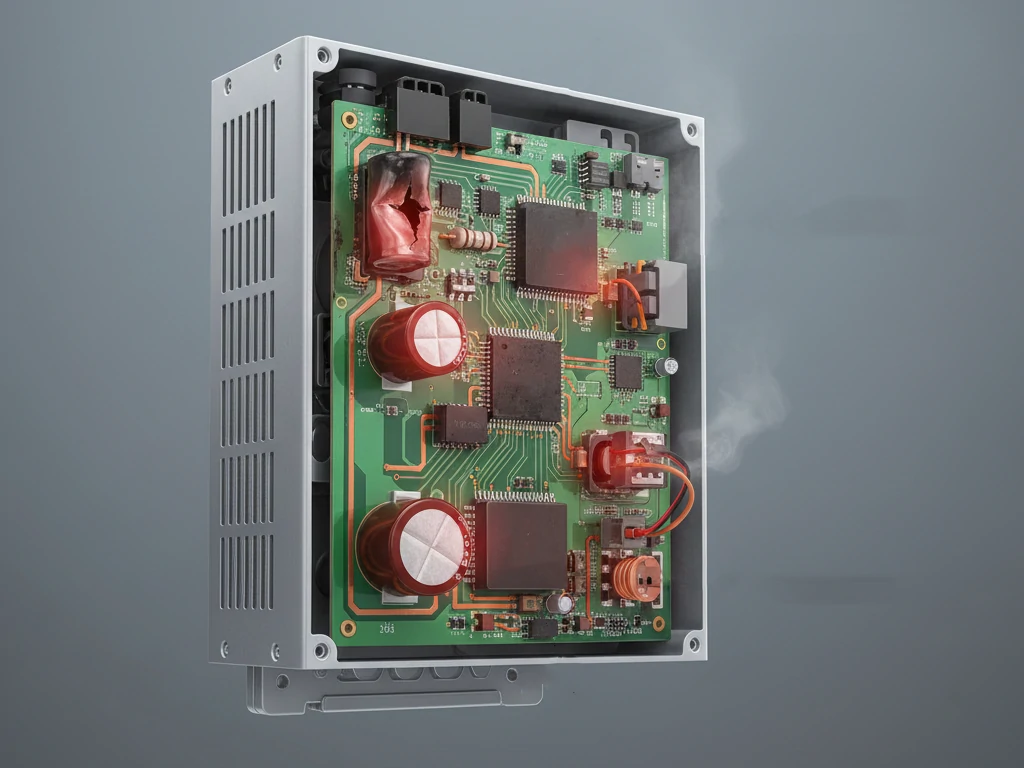
The moment inverter reverse polarity occurs, the system is no longer operating within its design limits. What happens next depends on timing, voltage, and how the inverter is built—but none of the outcomes are truly “safe.”
One of the biggest misconceptions is that inverter reverse polarity is a single event. In reality, it triggers a chain reaction, some effects immediate and obvious, others delayed and silent. Understanding these consequences is critical, especially in solar inverter systems where DC voltages are higher and mistakes are less forgiving.
When inverter reverse polarity is introduced, current attempts to flow in the wrong direction. Electronic components resist this—but only briefly.
Common immediate outcomes include:
In higher-voltage setups, particularly with a solar inverter, inverter reverse polarity can cause instantaneous failure. Components such as input diodes or switching transistors may short internally within milliseconds.
In lower-voltage systems, the inverter may appear unresponsive rather than destroyed. This often leads users to assume the inverter is “protected,” when in fact it has already sacrificed internal components to prevent deeper damage.
Even when inverter reverse polarity does not cause an immediate shutdown, it often generates heat in places where heat should never exist.
Reversed current flow creates:
This type of damage is invisible at first. The inverter may continue operating, but internal components have been weakened. Weeks or months later, failure occurs under normal load, and the original inverter reverse polarity event is forgotten.
Solar inverter systems are particularly vulnerable because they may operate at high duty cycles, amplifying the effects of earlier thermal damage.
Not all inverters respond to inverter reverse polarity the same way. Survival depends on several technical factors:
Short exposure at low voltage may result in minimal damage. Extended exposure, even at moderate voltage, almost always causes irreversible harm.
In solar inverter installations, the margin for survival is much smaller. High DC voltage accelerates component breakdown, and even a brief inverter reverse polarity event can exceed design thresholds.
This is why experienced installers treat any reversed connection as a serious incident, not a minor mistake.
Some of the most dangerous effects of inverter reverse polarity happen quietly.
Internal damage may include:
These components may continue to function—until load increases or ambient temperature rises. At that point, failure appears sudden and unpredictable.
From a reliability standpoint, an inverter that has experienced inverter reverse polarity can never be considered fully trustworthy without proper inspection and testing.
Inverter reverse polarity rarely affects the inverter alone. Connected components may also suffer.
In a solar inverter system, reversed polarity can:
Batteries exposed to inverter reverse polarity may experience rapid discharge, overheating, or internal cell imbalance. Even if the inverter survives, the system as a whole may not.
This cascading damage is why polarity verification is always performed at the system level, not just at the inverter terminals.
Instant failure is obvious. Delayed failure is not.
When inverter reverse polarity causes partial damage, users may continue operating the system with confidence. Over time, efficiency drops, heat increases, and eventually the inverter fails under load—often at the worst possible moment.
In solar inverter applications, this may happen during peak sunlight hours when DC input is highest. The result is sudden system shutdown, lost energy production, and expensive troubleshooting.
Professionals consider delayed failure the most dangerous outcome because it masks the root cause and leads to repeated replacements.
From years of real-world installations, one rule stands out:
Any inverter that has experienced inverter reverse polarity must be treated as compromised until proven otherwise.
Whether the inverter shuts down immediately or appears to survive, internal stress has occurred. In solar inverter systems especially, there is no safe assumption once polarity has been reversed.
Understanding what happens during inverter reverse polarity isn’t about fear—it’s about respect for DC power and the systems built to handle it.
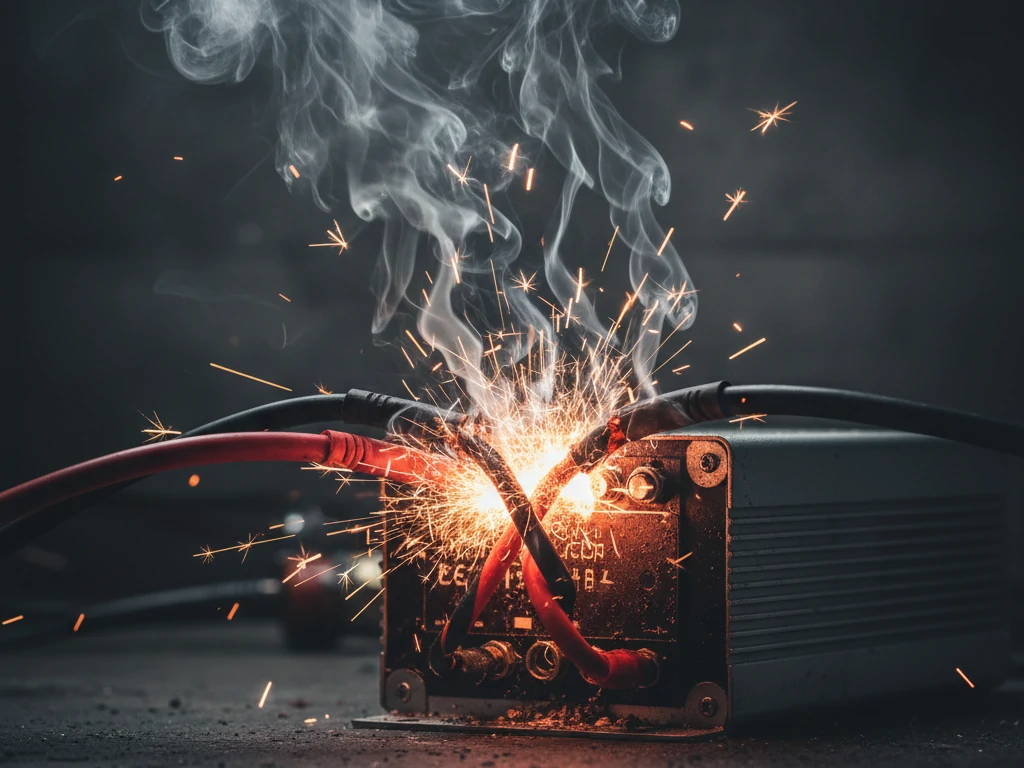
A solar inverter deals with higher DC voltages than most battery-only systems. Reverse polarity at these levels is far more destructive.
AC doesn’t have polarity in the same way DC does. Many people new to solar inverter systems assume polarity “doesn’t matter much.” That assumption destroys equipment.
I once inspected a rooftop system where the solar inverter kept failing every few months. Turns out, the panel strings were wired with inconsistent polarity labeling. Each maintenance cycle introduced inverter reverse polarity stress—until the inverter finally gave up.
Some inverters include reverse polarity protection using diodes or electronic switches. These can block damage—once.
Protection circuits are not meant for repeated mistakes. Every inverter reverse polarity event weakens them.
Protection is a seatbelt, not a driving strategy. Assuming protection will save you encourages sloppy work—and eventually leads to failure.
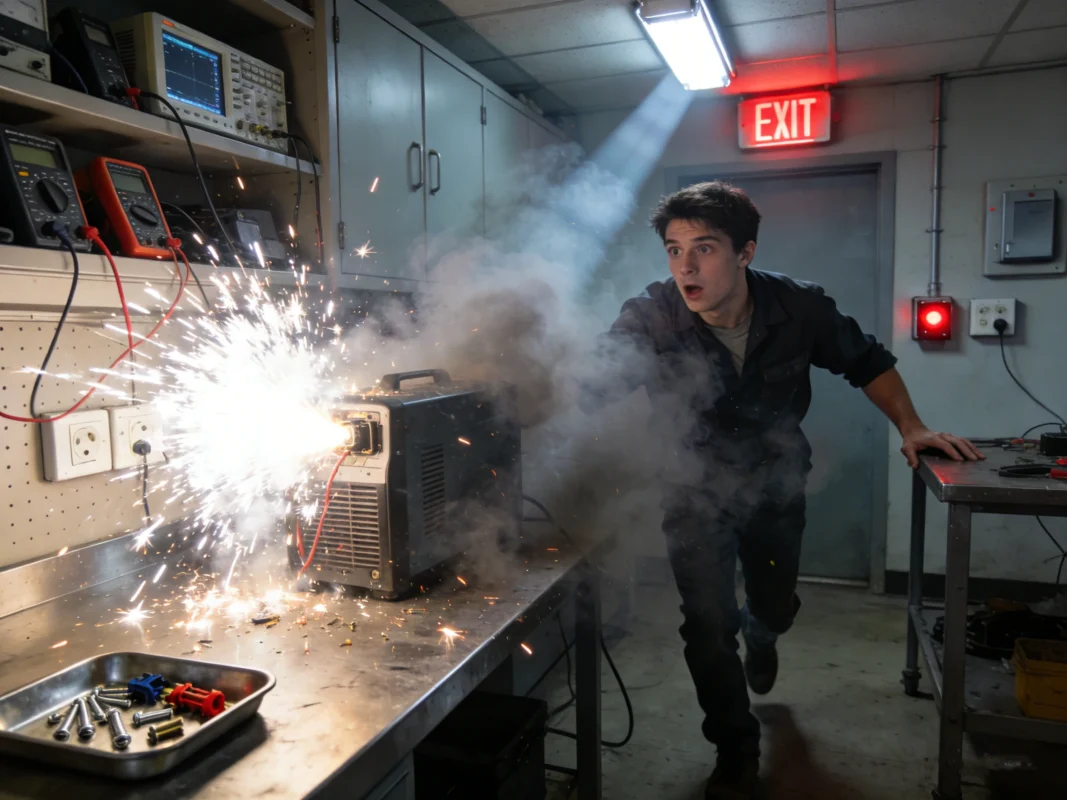
Never guess. Measure.
Once inverter reverse polarity is confirmed:
If the inverter doesn’t power up afterward, internal damage may already exist.
Professional installers label everything. That’s not overkill—it’s survival.
These tools prevent inverter reverse polarity more effectively than experience alone.
Slow down. Double-check. Measure twice. Connect once.
False. Experience breeds confidence—and sometimes carelessness.
They are not. Solar inverter systems amplify mistakes due to higher DC voltages.
Not always—but it’s definitely warning you.
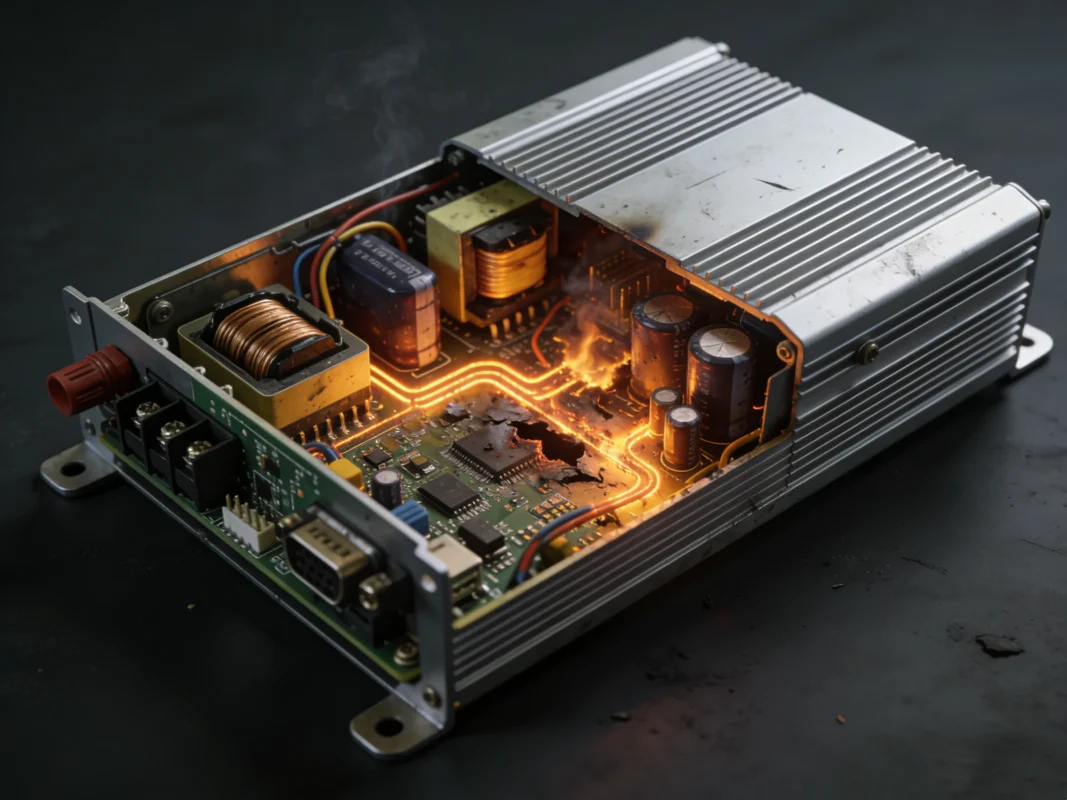
Inverter reverse polarity isn’t glamorous. It’s not a trending topic. But it quietly destroys equipment every day—especially in solar inverter systems where DC power levels are unforgiving.
If there’s one takeaway from years of hands-on work, it’s this:
Polarity mistakes are preventable, but only if you respect them.
Slow down. Measure. Label. And never assume.
That simple discipline saves inverters, batteries, solar inverter systems—and a lot of money.
Some inverters do include reverse polarity protection, but this is far from universal. Even when protection exists, it is usually limited in scope and intended as a last line of defense—not a license to wire carelessly.
In many systems, reverse polarity protection relies on internal components that sacrifice themselves during an inverter reverse polarity event. Once that happens, the inverter may no longer function—or it may function in a degraded state.
In solar inverter systems, protection may exist on certain inputs but not others. Assuming full protection across the entire system is one of the most common causes of repeat failures.
From a professional standpoint, inverter reverse polarity protection should be treated as emergency insurance, not a standard operating feature.
Fixing inverter reverse polarity starts with one rule: do not power the system until polarity is verified.
A proper correction process looks like this:
1. Disconnect all DC sources completely
2. Measure voltage and polarity with a multimeter
3. Identify and correct the reversed connections
4. Inspect fuses and terminals for damage
5. Reapply power under no-load conditions
If the inverter fails to start after correction, internal damage may already exist. In that case, further operation can cause more harm.
In solar inverter setups, polarity must be checked not only at the inverter but also at panel strings, charge control points, and battery connections. Fixing inverter reverse polarity at only one location may not solve the root problem.
No. Inverters are not bidirectional devices in terms of polarity. They are engineered for current to flow in a specific direction through specific components.
When inverter reverse polarity occurs, current attempts to move through parts of the circuit that were never designed to handle it. This is why even brief reversed connections can cause permanent damage.
This misunderstanding is especially common among people transitioning from AC systems to DC-based setups like solar inverter installations. AC systems behave differently. DC systems do not forgive polarity mistakes.
Reversing polarity on solar panels feeding a solar inverter is one of the fastest ways to damage equipment.
Possible outcomes include:
• Immediate inverter shutdown
• Damage to charge control circuits
• Blown DC protection components
• Long-term degradation of inverter input stages
Because solar panels can generate voltage whenever light is present, inverter reverse polarity in solar inverter systems can occur even when the system is “turned off.” This catches many people off guard.
Professionals always verify polarity at the inverter input terminals, not just at the panels, before reconnecting any solar array.
Yes, inverter reverse polarity can absolutely damage batteries.
When polarity is reversed, batteries may:
• Discharge rapidly and uncontrollably
• Overheat at terminals
• Experience internal cell stress
Even if visible damage does not occur, battery lifespan can be shortened. In systems where batteries are connected to a solar inverter, polarity mistakes can stress both the battery bank and the inverter simultaneously.
This dual damage is one reason inverter reverse polarity incidents often become expensive very quickly.
No—and that’s what makes it dangerous.
Sometimes inverter reverse polarity causes sparks, noise, or instant shutdown. Other times, the inverter powers on and appears to function normally. Internal damage may already be present, waiting to surface under load or high temperature.
In solar inverter systems, delayed failure is especially common because the inverter experiences varying DC input levels throughout the day.
Not always—but it should never be blindly trusted.
If inverter reverse polarity occurred:
• The inverter should be tested under controlled conditions
• Temperature behavior should be monitored
• Output stability should be verified
In professional practice, inverters exposed to reverse polarity are often derated or reassigned to non-critical applications. In solar inverter systems, where reliability matters, replacement is frequently the safer long-term choice.








 Turkish
  Romanian