



If you’ve spent any time researching solar energy lately, you’ve probably noticed one thing: chinese solar power inverters are everywhere. Whether you’re a homeowner planning a rooftop system, a commercial project manager comparing bids, or an installer who just wants fewer callbacks, these products keep coming up again and again.
And no, this isn’t just about price anymore.
Over the last decade, chinese solar power inverters have moved from being seen as “budget alternatives” to becoming serious, technically competitive solutions used across Europe, Asia, Australia, and increasingly North America. I’ve seen them installed in everything from small residential systems to multi-megawatt solar farms.
So let’s cut through the noise and talk honestly about what makes a good solar inverter, where Chinese manufacturers shine, and what you should actually care about when choosing one.
If you step back and look at today’s global solar landscape, one fact is hard to ignore: chinese solar power inverters have become the default choice in many markets. This isn’t a short-term trend or a pricing anomaly. It’s the result of years of structural advantages, real-world performance improvements, and changing buyer expectations.
What’s interesting is that this dominance didn’t happen overnight. It happened quietly, project by project, installer by installer.
One of the biggest reasons chinese solar power inverters dominate the global market is manufacturing scale—and what that scale actually enables behind the scenes.
Large-scale production doesn’t just reduce unit cost. It allows manufacturers to:
In practical terms, this means a solar inverter coming out of a high-volume production environment is often more refined than people expect. Cost efficiency comes not from cutting corners, but from process optimization. When you’re producing at scale, even small efficiency gains in assembly, testing, or logistics compound quickly.
From an installer’s point of view, this translates into competitive pricing without sacrificing core performance. For system owners, it means faster payback periods and lower upfront barriers to adoption.
There was a time when people assumed chinese solar power inverters lagged behind in technology. That assumption no longer holds up in the field.
Over the past decade, Chinese manufacturers have closed the gap in areas that actually matter during daily operation:
In some system designs, especially residential and light commercial setups, modern chinese solar power inverters perform on par with, or even exceed, expectations compared to more established alternatives.
What really shifted the conversation was field data. Installers began seeing consistent output, fewer thermal shutdowns, and more stable long-term performance. Once that happens, perception changes quickly.
A solar inverter doesn’t need flashy features—it needs to work quietly, day after day. That’s exactly where many Chinese designs now excel.
If you want to understand market dominance, talk to installers—not spec sheets.
Installers tend to favor chinese solar power inverters for very practical reasons:
Every hour saved during installation or troubleshooting matters. A solar inverter that installs cleanly and behaves consistently reduces callbacks, warranty claims, and unpaid labor.
Another overlooked factor is learning curve. Once an installer is familiar with a particular platform of chinese solar power inverters, rolling out similar systems becomes faster and more reliable. That familiarity breeds trust, and trust drives repeat usage.
Over time, these real-world efficiencies—not marketing claims—are what cement dominance in the global market.
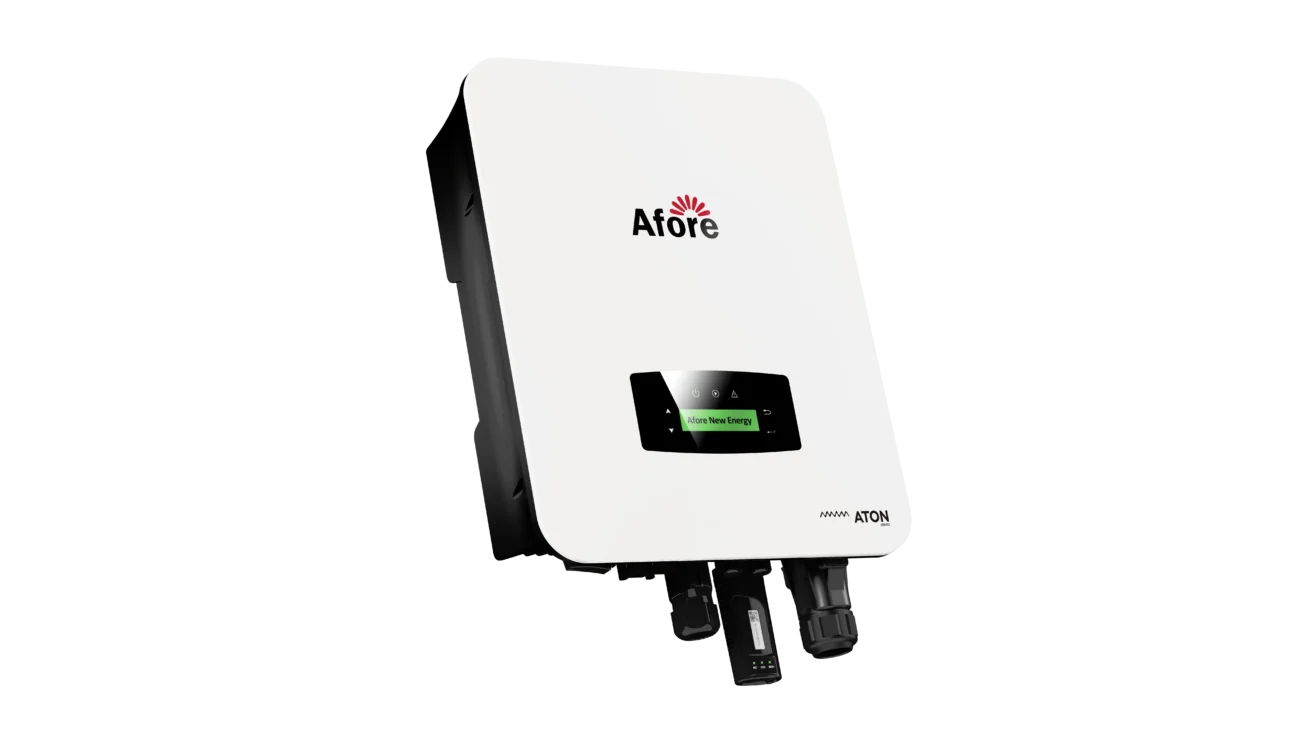
On paper, a solar inverter looks simple: it converts DC power from solar panels into AC electricity your home or facility can actually use. In the real world, however, its role is far more complex—and far more critical to long-term system performance.
If solar panels are the engine of a system, the inverter is the control center. And in systems using chinese solar power inverters, that control role has become increasingly sophisticated over the past few years.
Yes, every solar inverter performs DC-to-AC conversion. But in real installations, that’s only part of the story.
A modern inverter is responsible for:
In day-to-day operation, these functions directly affect how much usable energy a system delivers. Poor inverter logic can waste energy even when panels are producing well.
This is where chinese solar power inverters have evolved significantly. Many now handle rapid changes in irradiance, partial shading, and grid fluctuations smoothly—conditions that are common in real-world installations but rarely discussed in brochures.
Efficiency ratings are often quoted as a single peak number. In reality, a solar inverter operates across a wide range of loads, temperatures, and voltage windows.
What actually matters is:
Over the lifespan of a system, even small conversion losses compound. A few percentage points lost every day can translate into meaningful energy shortfalls over 10 or 15 years.
Well-designed chinese solar power inverters tend to focus on usable efficiency rather than just lab-tested peaks. In the field, that means more consistent output across different seasons and operating conditions, which ultimately improves system economics.
From an owner’s perspective, this consistency matters far more than theoretical maximums.
In controlled environments, most modern inverters perform similarly. The differences appear in how they behave under stress.
Real-world systems deal with:
In these conditions, chinese solar power inverters have gained traction by offering stable operation without excessive shutdowns or aggressive derating. For installers and system owners alike, predictable behavior is often more valuable than marginal efficiency gains.
Another practical factor is adaptability. Many solar inverter designs from China are built with flexible configuration ranges, making them easier to deploy across varied system layouts without constant redesign.
Over time, this adaptability has shifted installer preferences and reinforced the role of chinese solar power inverters in real-world systems—not because they are “good enough,” but because they are reliably functional where it actually counts.
When it comes to choosing a chinese solar power inverter, understanding the type that best fits your system is crucial. Not all inverters are created equal, and selecting the wrong type can affect efficiency, reliability, and long-term energy yield. In practice, there are three main categories that dominate both residential and commercial installations: string inverters, hybrid inverters, and central inverters. Each serves a distinct purpose and has practical considerations that go far beyond the spec sheet.
String inverters are the workhorses of rooftop solar systems. A single solar inverter handles a series—or “string”—of panels, converting the combined DC output into AC electricity for immediate use or grid export.
The appeal of chinese solar power inverters in this category lies in simplicity and cost-effectiveness. For installers, string inverters are straightforward to wire and configure, reducing installation time and minimizing errors on site. From a performance standpoint, they handle standard residential loads well and integrate with basic monitoring systems to track production.
In real-world terms, a string inverter is ideal for:
The modern generation of Chinese string solar inverters also includes safety features like anti-islanding protection, overvoltage safeguards, and built-in thermal management, which helps extend lifespan even in hot climates.
Hybrid inverters have gained traction in recent years because they combine traditional DC-to-AC conversion with battery charging capabilities. Essentially, a hybrid solar inverter allows a system to store excess solar energy in a battery bank and draw from it when needed, enabling partial or full energy independence.
Chinese solar power inverters in this category are increasingly designed for flexible integration, allowing installers to add batteries later without replacing the inverter. For homeowners or small businesses looking to maximize self-consumption, a hybrid solution provides both control and resilience.
From an installation standpoint, hybrid inverters require more careful configuration to manage:
In practice, the adaptability of modern solar inverters from Chinese manufacturers makes them suitable for off-grid or grid-tied systems, giving system owners long-term flexibility.
For large-scale solar farms, central inverters handle dozens or hundreds of strings of panels at once. They are optimized for high power output, durability, and simplified maintenance.
Chinese solar power inverters in this category are cost-competitive and can scale efficiently, making them an attractive option for utility projects worldwide. While installation requires more planning and infrastructure, central inverters offer a consolidated solution with fewer points of failure, easier monitoring, and reduced per-watt costs compared to multiple smaller inverters.
In real-world terms, central inverters excel when:
The key takeaway is that each type of solar inverter serves a specific role, and understanding these roles ensures both performance and reliability. Choosing the right category of chinese solar power inverters is not just about upfront cost—it’s about system longevity, energy yield, and ease of installation over time.
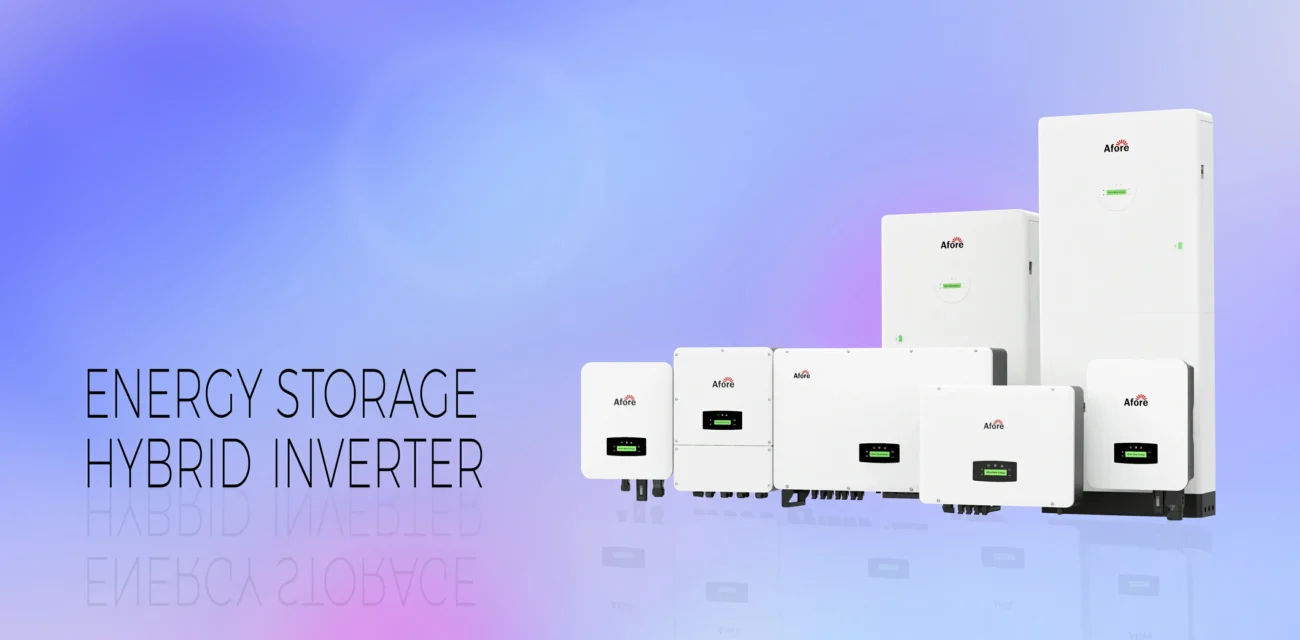
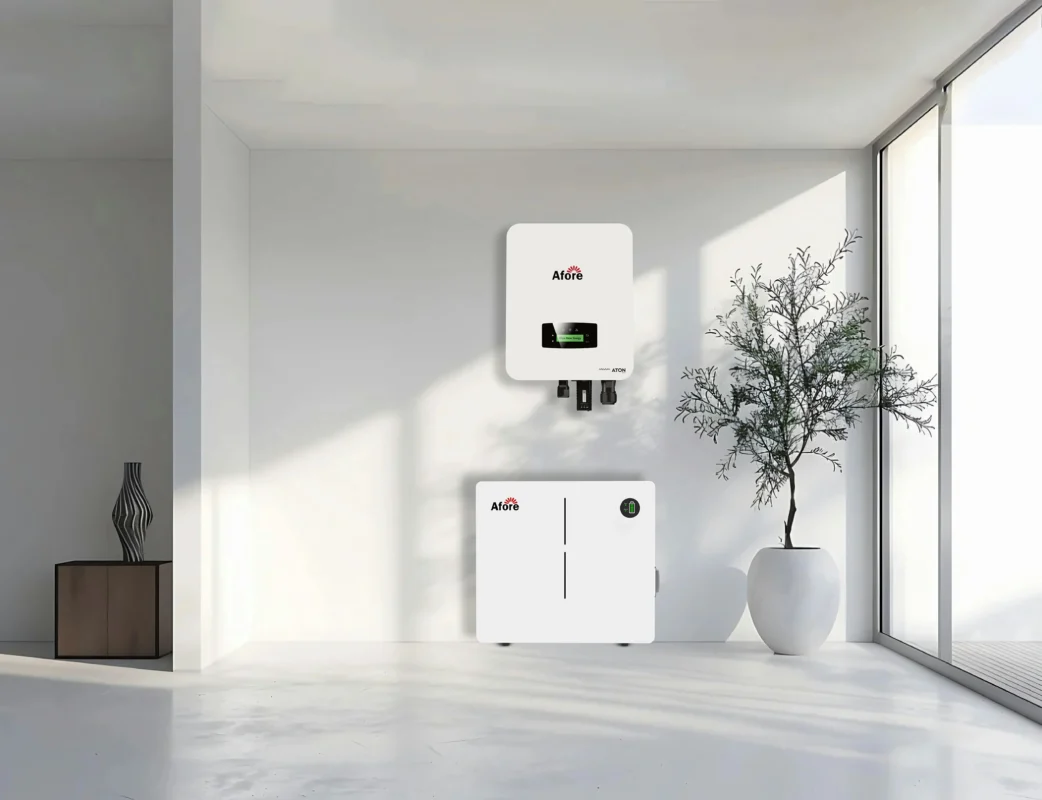
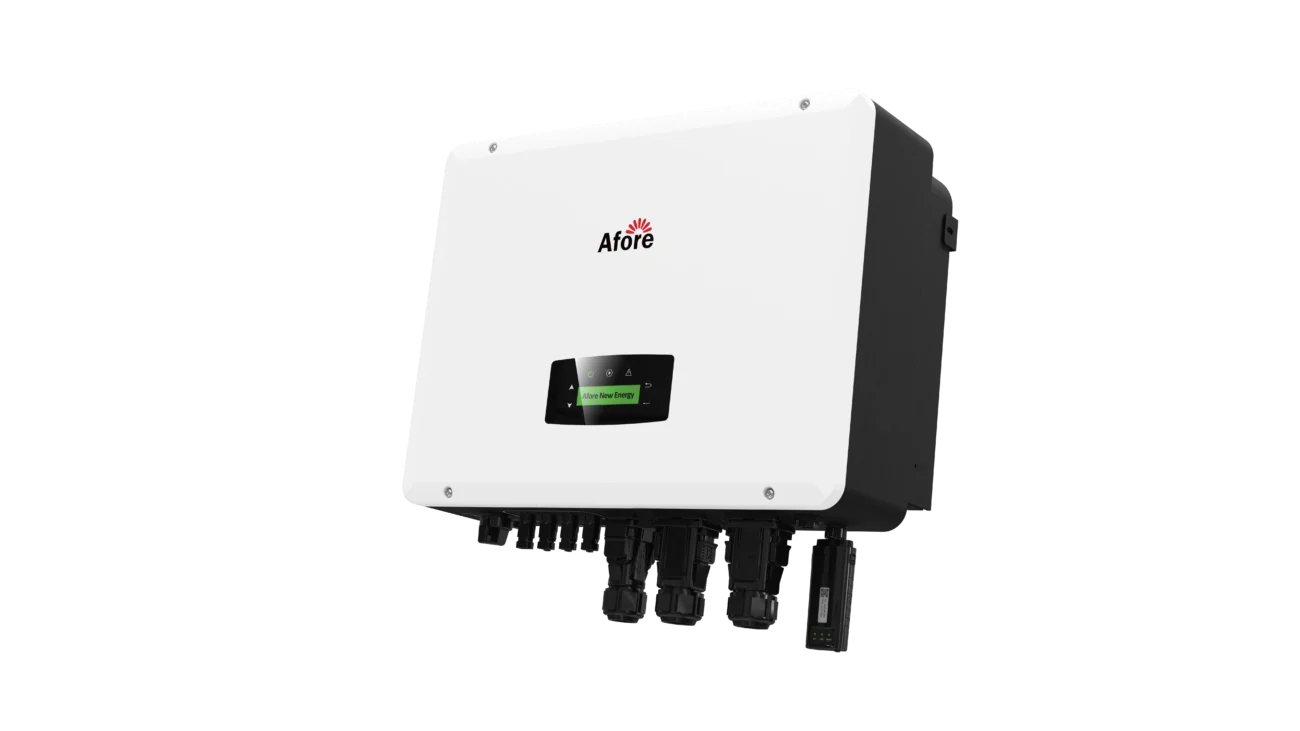
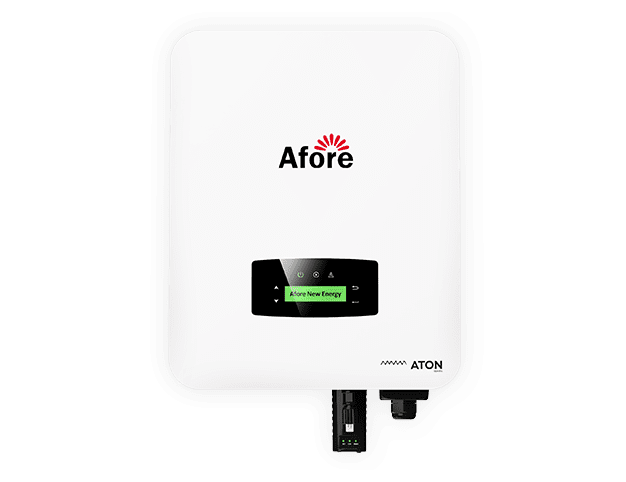
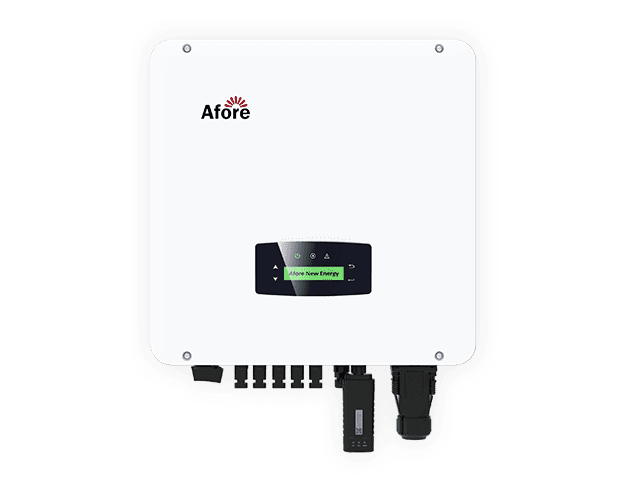
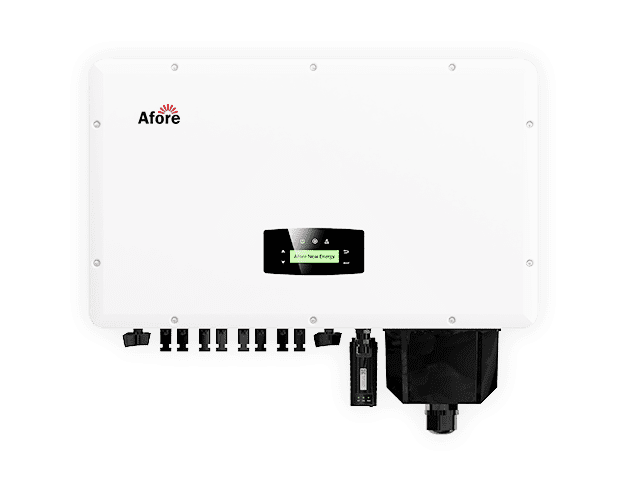
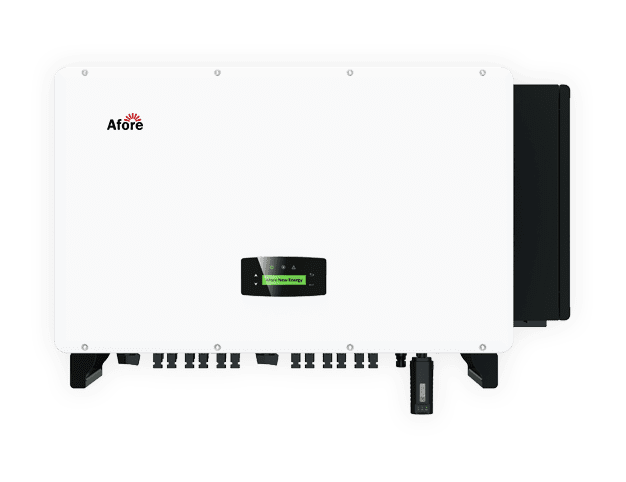
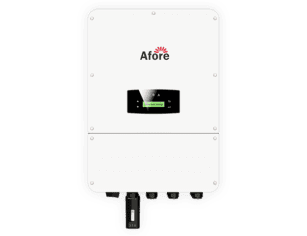
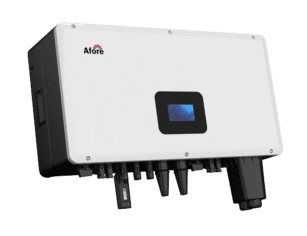
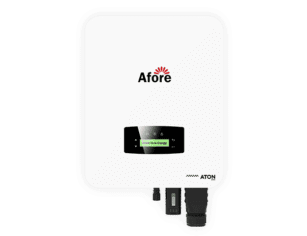
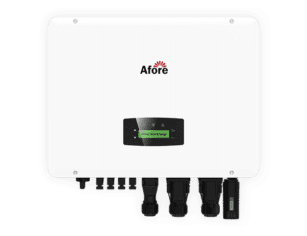
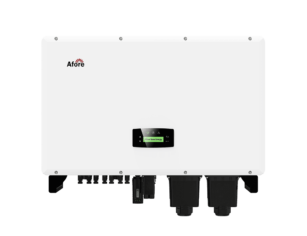
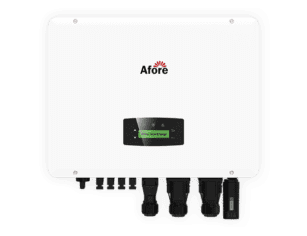
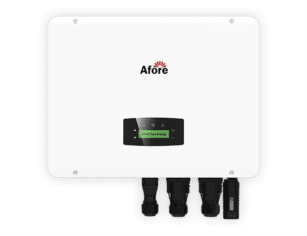
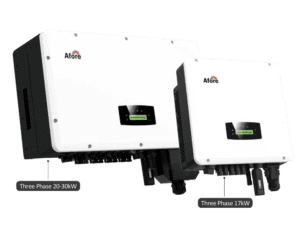
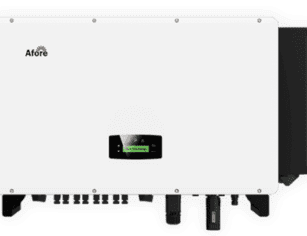
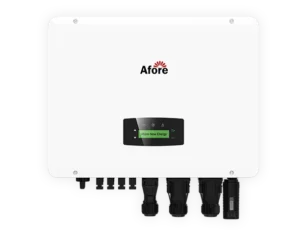
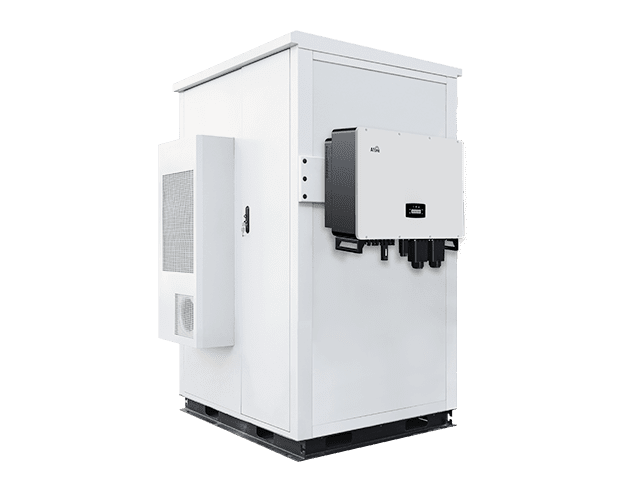
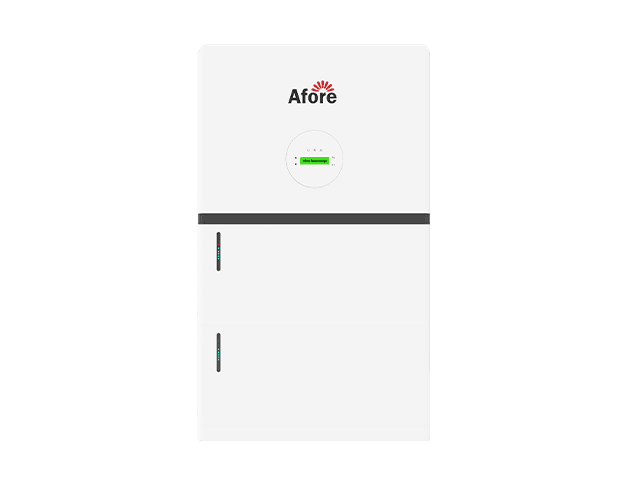
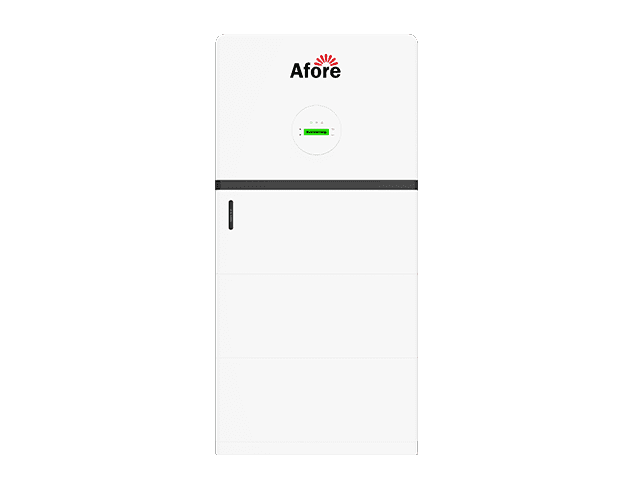
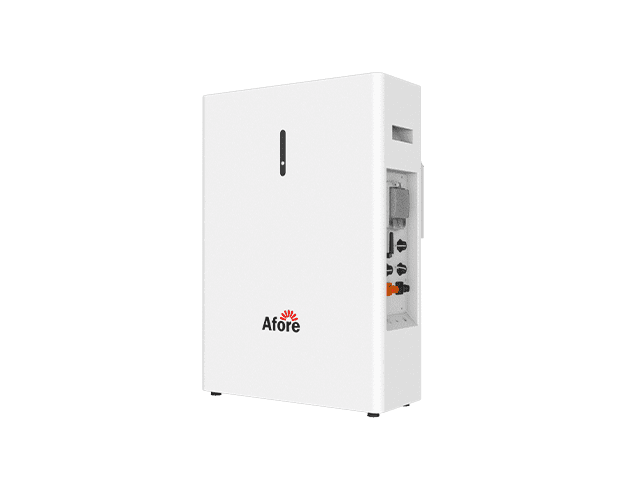
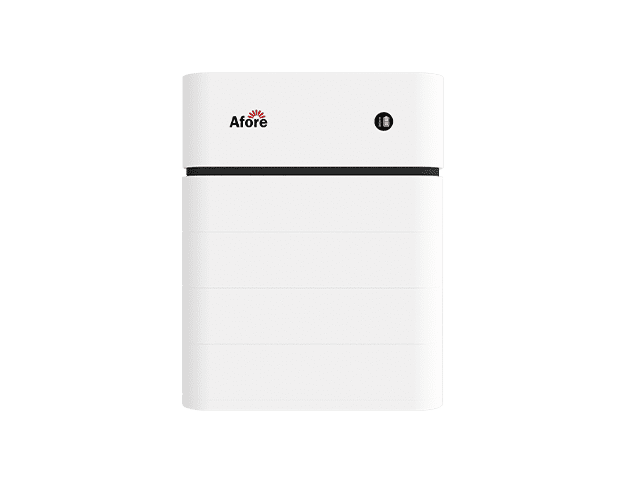
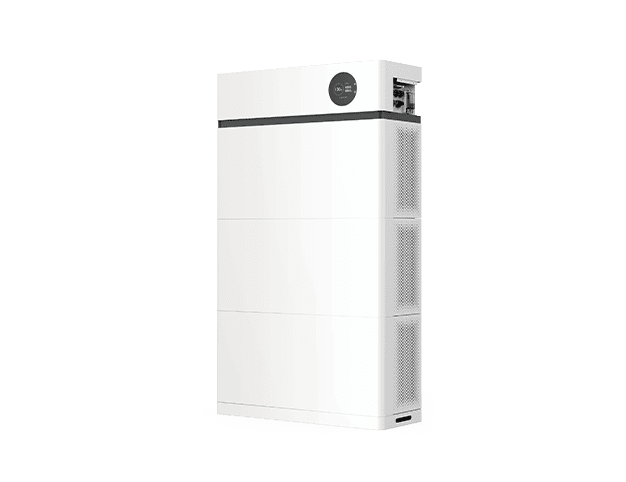
To make things even more concrete, let’s look at a real-world example from the inverter manufacturing world. Afore is one of the established companies dedicated to solar inverter research, development and production in China, with well over a decade of experience in the industry. Their portfolio covers a broad range of solar inverter solutions from grid-tied PV string inverters to advanced hybrid and energy storage inverters that intelligently manage solar output and battery charging. These inverters are designed to work in residential, commercial, and utility-scale systems, with integrated smart monitoring and multiple safety protections that help ensure stable, long-term performance. In practical deployments, products like hybrid and storage inverters not only convert DC power efficiently into AC, but also help with energy self-consumption and backup power needs when the grid is unavailable. This kind of real-world example helps illustrate how chinese solar power inverters are evolving beyond simple converters into intelligent energy management components in modern solar systems.
Peak efficiency numbers look great on spec sheets. What matters is sustained performance at high temperatures. Quality chinese solar power inverters now include advanced cooling and derating control.
Heat kills electronics. Period. Better thermal engineering is one reason newer chinese solar power inverters last longer than early-generation models.
A modern solar inverter should tell you what’s wrong before it fails. Many Chinese platforms now offer surprisingly polished apps and dashboards.
Reputable chinese solar power inverters carry certifications like IEC, CE, and regional grid compliance marks. If it’s missing certifications, walk away.
Grid rules vary wildly. Always verify that your solar inverter model matches local requirements.
The biggest myth? That “Chinese” automatically means unreliable. In reality, reliability depends on engineering discipline, not geography.
Clear terminals, logical layouts, and solid documentation make chinese solar power inverters installer-friendly.
Fast commissioning saves labor hours. Good solar inverter firmware makes a real difference here.
Popular chinese solar power inverters now have global service networks, which was not the case years ago.
At first glance, chinese solar power inverters often stand out for one clear reason: upfront cost. They’re usually priced lower than many alternatives from other regions. But as any experienced installer or system owner will tell you, the question isn’t just “cheaper than what?”—it’s “cheaper for how long, and at what real cost?”
Evaluating a solar inverter purely on price can be misleading. True value comes from considering the entire lifecycle of the system, including efficiency, reliability, warranty support, and long-term energy yield.
The initial price tag on a chinese solar power inverter can look very appealing. For residential rooftop systems, the difference in cost compared to other options can be hundreds of dollars per system, and for commercial projects, the savings scale dramatically.
However, a smart buyer considers the total energy produced over 10–15 years. An inverter that’s slightly more expensive but maintains higher efficiency under real-world conditions—like high heat or partial shading—can actually produce more usable electricity and generate a better return on investment.
From practical experience, many installers find that the newer generation of Chinese inverters strikes a solid balance between affordability and long-term yield. In other words, cheap upfront does not automatically mean cheap overall, and “value” is measured in consistent kilowatt-hours delivered, not just dollars spent.
Another critical factor in cost versus value is the warranty. Most chinese solar power inverters come with warranties ranging from 5 to 10 years, sometimes extendable. But here’s the nuance: the warranty only matters if the company behind it is financially stable and responsive to service requests.
A reliable solar inverter warranty covers defects and sometimes even performance degradation, but it doesn’t cover installation errors, grid incompatibility, or environmental damage. Savvy buyers treat warranty as one component of total value, not as a reason to choose a product blindly.
Even the best chinese solar power inverters can carry hidden costs if you’re not careful. These include:
Experienced installers often emphasize that the real-world cost of ownership includes these “soft” factors. For instance, a slightly more expensive inverter that’s easier to configure, easier to service, and more predictable under load can save hours of labor and reduce the likelihood of costly callbacks.
Ultimately, the decision isn’t about the lowest sticker price—it’s about value for the system’s lifespan. Modern chinese solar power inverters are increasingly competitive in this regard, offering solid performance, reasonable warranties, and practical installation advantages that justify their upfront cost.
Focus on efficiency, quiet operation, and monitoring quality.
Scalability and service support matter more than aesthetics.
Choose a solar inverter with proven battery integration and flexible charging logic.
Predictive fault detection is becoming standard in advanced chinese solar power inverters.
Hybrid designs will dominate future residential installs.
Higher efficiency, smarter controls, and tighter grid interaction—all at competitive prices.
There isn’t a single “best” model because the right chinese solar power inverter depends on the type of installation, system size, and whether you plan to add storage in the future. For a residential rooftop system, efficiency, monitoring capabilities, and ease of installation matter most. For commercial or industrial projects, scalability and service support become more important. In short, the best choice balances performance, reliability, and suitability for your specific system—not just brand reputation.
Similarly, the “best brand” is subjective. What matters is the combination of proven reliability, responsive technical support, and compliance with local safety standards. A solar inverter from a manufacturer with solid certification, documented performance, and accessible service channels often outperforms a more expensive option with less support infrastructure. Real-world experience shows that consistent, predictable operation is far more valuable than marketing claims.
The 33% rule refers to inverter sizing relative to solar array capacity. In practical terms, it’s a guideline suggesting that the inverter should not exceed roughly one-third above the total panel output to avoid unnecessary clipping and maximize energy harvest. When using chinese solar power inverters, following this rule helps ensure consistent efficiency and prevents overloading the system, particularly in high-temperature or partially shaded conditions.
Globally, the top manufacturers include a mix of Chinese, European, and international companies. Among chinese solar power inverters, several have risen to the top based on large-scale deployments, field reliability, and innovation in monitoring and hybrid integration. While rankings fluctuate with market share and technology updates, the key takeaway is that many Chinese manufacturers now compete directly with long-established players in performance, efficiency, and service.
Yes, modern chinese solar power inverters have proven reliable when installed correctly and used according to specifications. Real-world experience shows that thermal management, firmware stability, and grid compliance are often more important than origin. Many systems with Chinese inverters have been operating efficiently for over a decade with minimal maintenance, especially when paired with proper installation practices and routine monitoring.








 Turkish
  Romanian