




If you’ve been thinking about switching to solar energy, one term you’ll keep bumping into is solar inverter for home. It might sound technical, but understanding it is crucial if you want your solar setup to be efficient, reliable, and cost-effective. I’ve worked with countless homeowners on their solar journeys, and I’ve learned that picking the right inverter can make or break your system. Let’s dive in and make sense of it all.
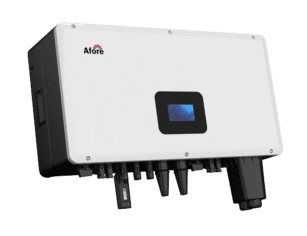
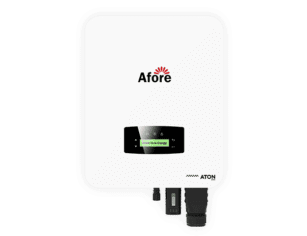
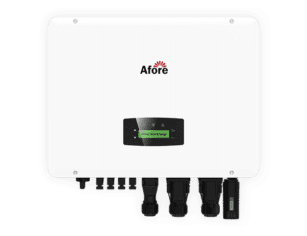
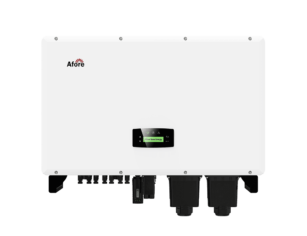
At its core, a solar inverter is the piece of equipment that converts the electricity your solar panels produce into a form your home can actually use. Solar panels generate DC (direct current) electricity, but your home appliances need AC (alternating current). Think of the inverter as the translator between your solar panels and your toaster, fridge, or TV.
Without a good inverter, you could have plenty of sun, but your home wouldn’t benefit efficiently from it. In my experience, a solid inverter ensures that every watt your panels produce counts.
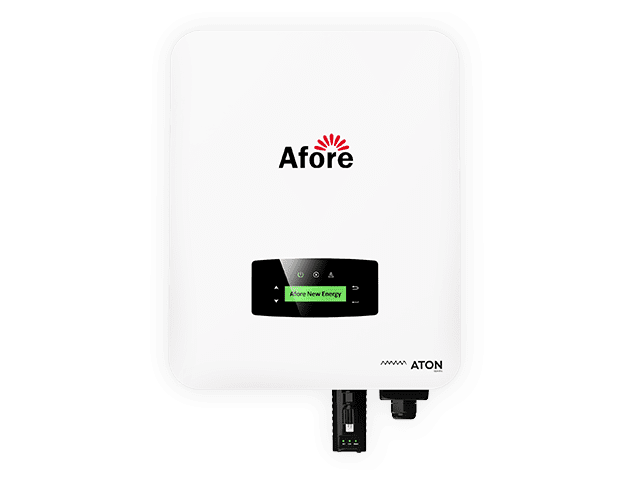
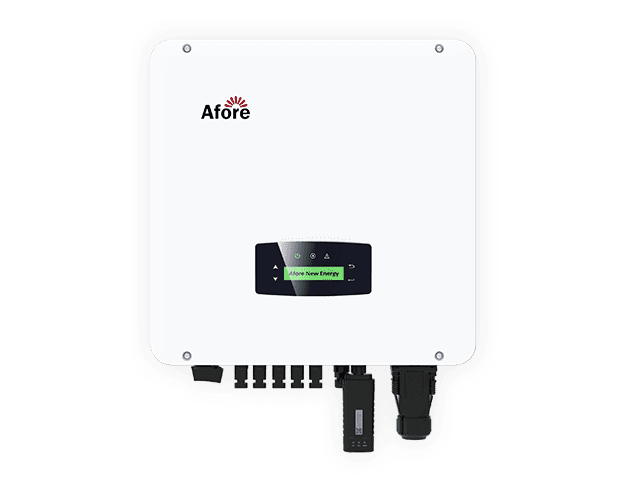
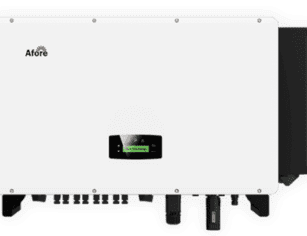
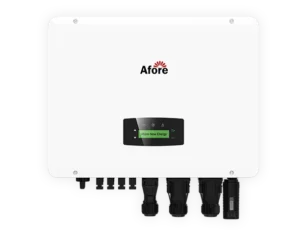
There are a few main types, each with pros and cons:
These are the most common for residential setups. They connect a row (or “string”) of panels to a single inverter. Simple, cost-effective, but if one panel underperforms (say, shaded by a tree), it can affect the whole string.
These sit on each panel individually. They maximize output even if some panels are shaded or dirty. Installation costs are higher, but performance and monitoring improve dramatically.
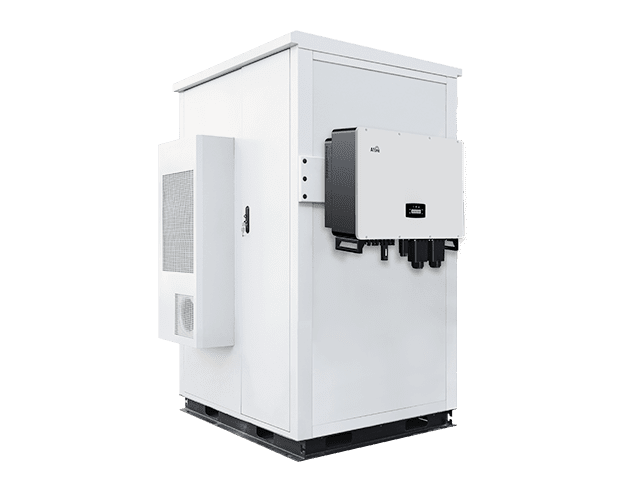
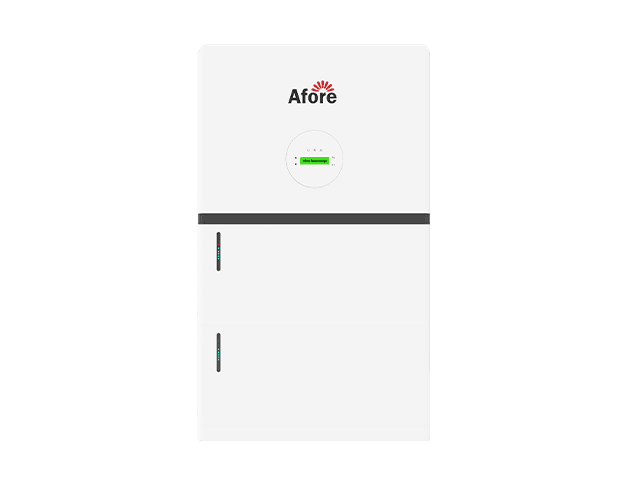
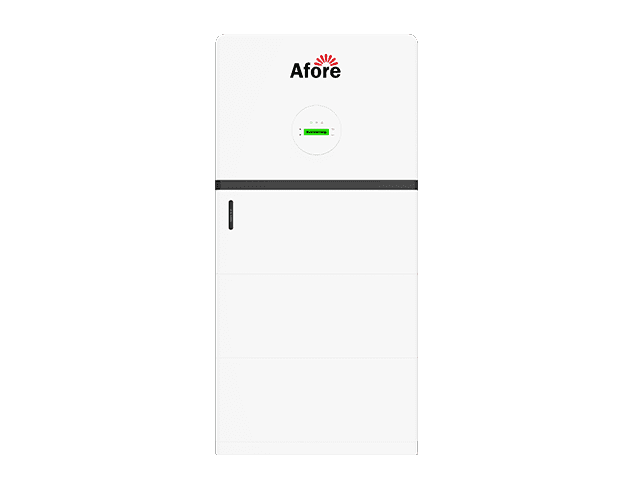
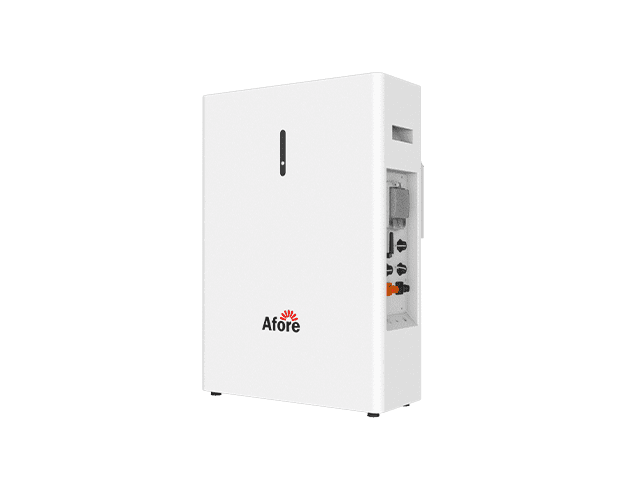
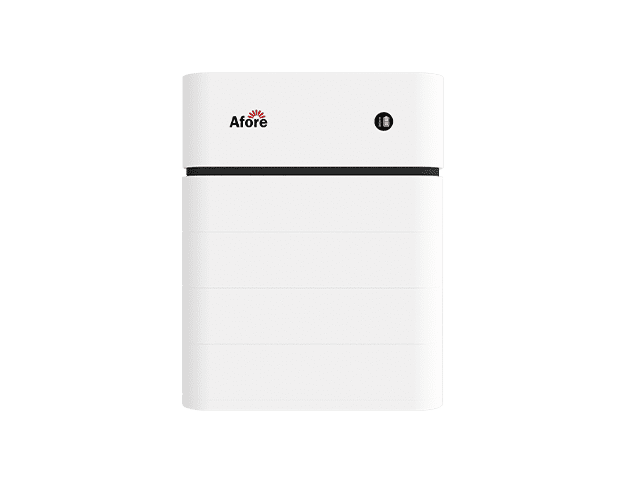
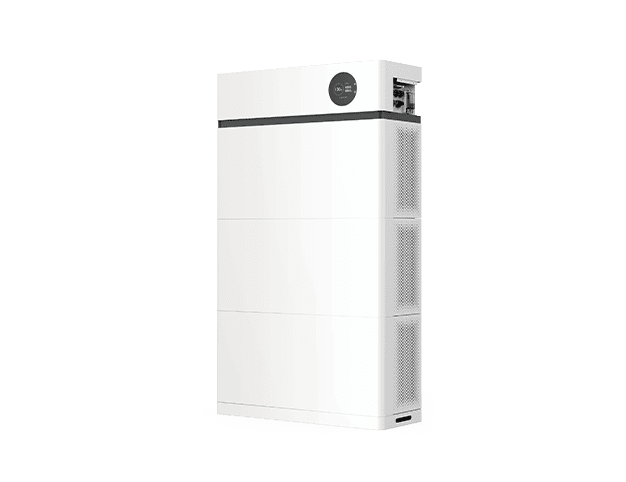
These handle both solar power and battery storage. If you want backup during blackouts or to store energy for night-time use, this is your go-to.
For a solar inverter for home, the choice often comes down to your budget, roof layout, and whether you plan to include battery storage.
Here’s a simplified flow of energy in a home system:
I always tell homeowners to pay attention to inverter efficiency ratings. A cheap inverter may waste 10–15% of your energy, which adds up over a year.
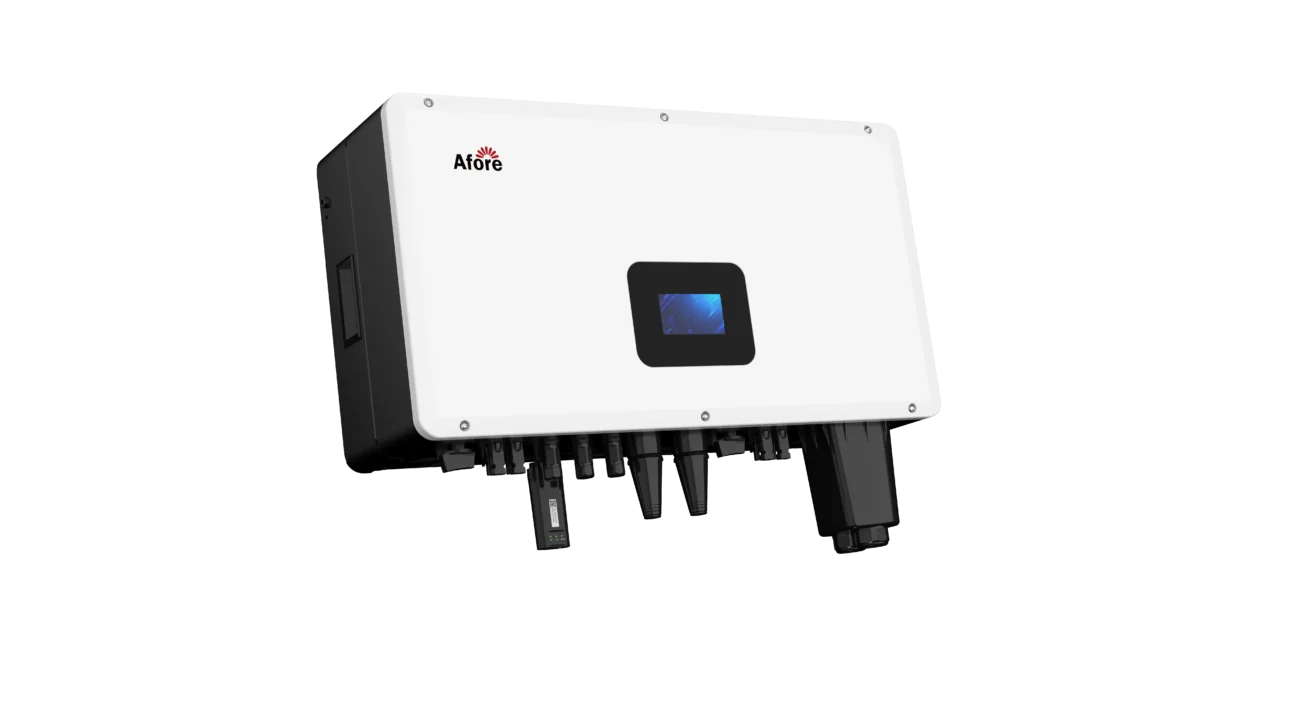
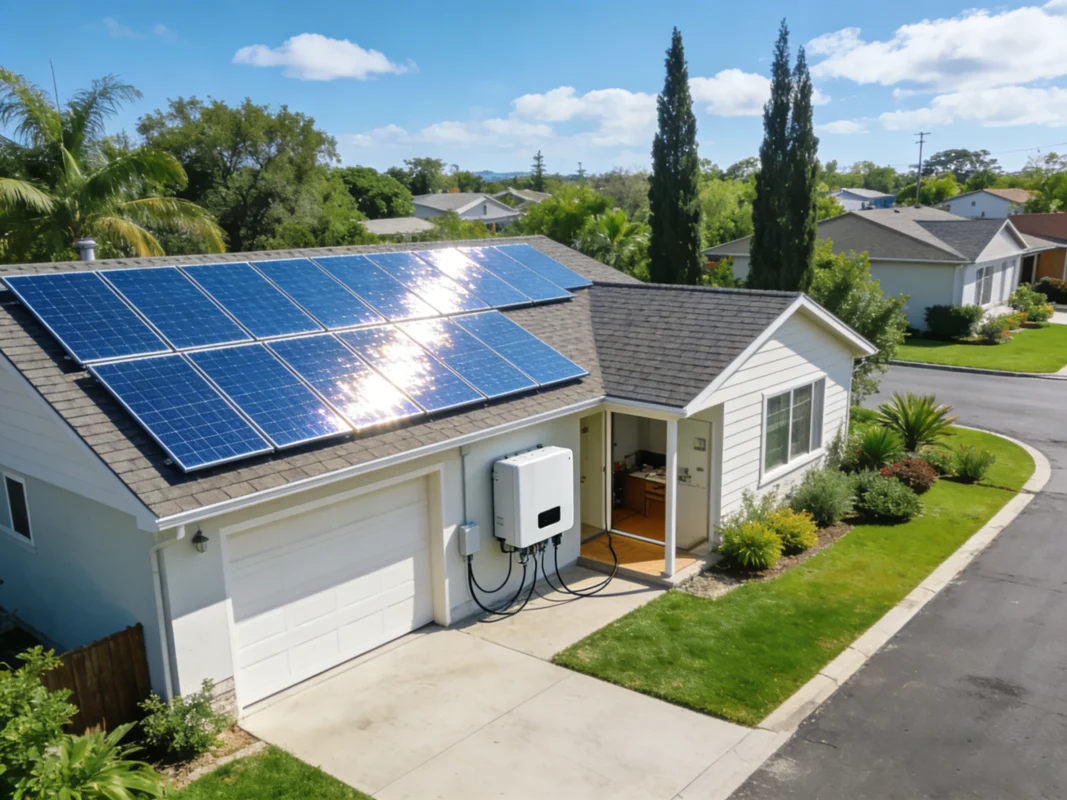
Switching to solar panels is an exciting step toward energy independence, but here’s the thing: solar panels alone aren’t enough. Without a proper solar inverter for home, all that sunlight hitting your roof won’t translate into usable electricity for your lights, appliances, or electronics. Think of your solar inverter as the heart of your home solar system—it pumps energy where it’s needed and ensures it’s safe and efficient.
A solar inverter isn’t just a converter; it’s your energy optimizer. It makes sure that the electricity generated by your panels is efficiently turned into power your home can use. Without it, a lot of the electricity your panels produce could go to waste. From my experience helping homeowners set up their systems, I’ve seen families reduce their electricity bills by up to 60% just by pairing solar panels with a high-quality inverter.
It’s not magic—it’s science. When sunlight is strongest, a solar inverter ensures that every watt counts, sending power straight to your home or storing it for later use. Even small improvements in efficiency can translate into noticeable savings over time, especially in households with high energy consumption.
One of the most overlooked benefits of a solar inverter for home is backup power. Many people assume solar panels only work when the sun is shining—but with the right inverter and battery setup, you can have electricity even during a blackout.
I remember a client telling me about a storm that knocked out power for three days. Thanks to their inverter-connected battery, their fridge stayed running, the lights stayed on, and they even kept a small home office running without interruption. That kind of reliability isn’t just convenient—it can prevent food spoilage, protect sensitive electronics, and even make your home safer during emergencies.
Beyond savings and convenience, a solar inverter for home is a key player in reducing your environmental footprint. By efficiently converting solar energy into usable electricity, it ensures that your home relies less on grid power, which often comes from fossil fuels. Over time, this reduces your household’s carbon emissions, making a tangible contribution to combating climate change.
From my observations, homeowners who invest in solar inverters often notice another benefit: a sense of control over their energy use. They can track production in real time, adjust usage habits, and see the positive impact their system has on both bills and the planet. It’s empowering in a very practical, everyday way.
Finally, a solar inverter for home adds peace of mind. Knowing your system is working efficiently, that your home is partially insulated from power outages, and that your environmental impact is lower makes the investment feel worthwhile. Plus, homes equipped with solar inverters are increasingly attractive to buyers, offering both energy efficiency and modern energy management as a selling point.
In short: a solar inverter isn’t just a technical component—it’s the bridge between sunlight and usable power, the guardian of efficiency, and the enabler of energy independence. If you want your home solar system to truly deliver on its promise, a reliable solar inverter for home isn’t optional—it’s essential.
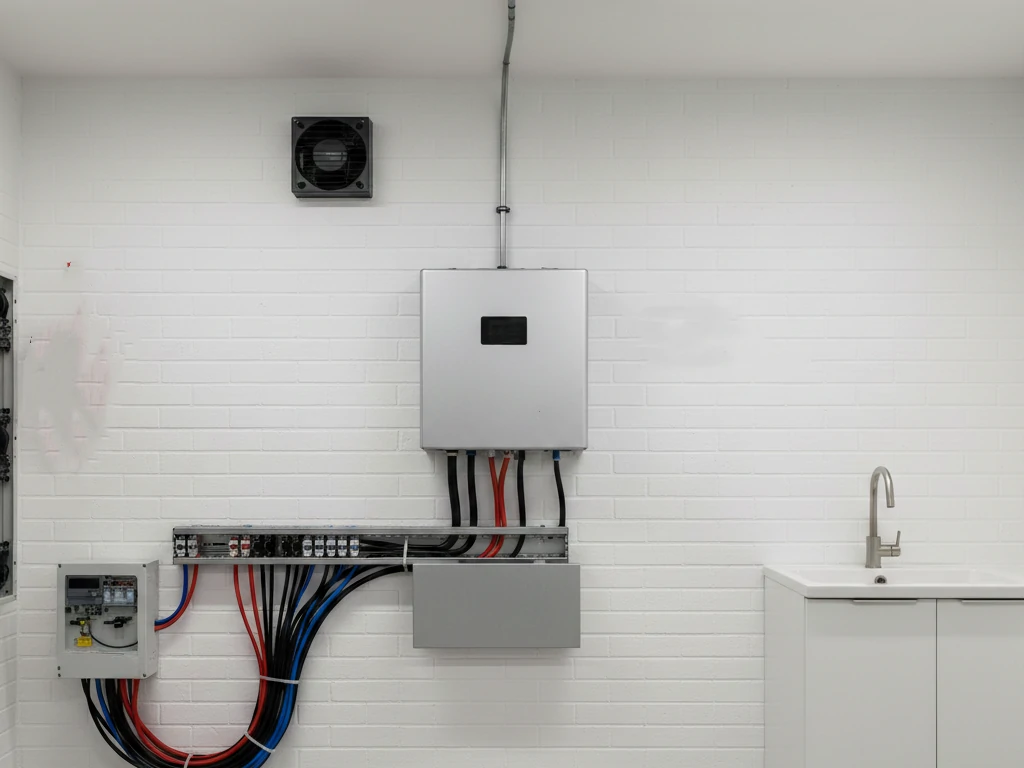
Choosing the right solar inverter for home is where many homeowners feel stuck. Panels get all the attention, but in reality, the inverter is the decision that shapes how your entire system performs day after day. Get this part right, and your system feels smooth and reliable. Get it wrong, and even a sunny roof won’t save you from frustration.
Before looking at specs or features, you need to understand how your household actually uses electricity. This is where experience matters more than theory.
Start by checking your past 12 months of electricity bills. Look for two things:
From working with homeowners, I’ve learned that many people underestimate how much power they use during peak hours. Air conditioning, electric ovens, water heaters, and home offices often run at the same time. A solar inverter for home needs to handle these peaks without struggling.
Ask yourself:
These answers directly influence inverter size and type.
This is where most mistakes happen. Bigger is not always better, and smaller almost always causes regret.
A properly sized solar inverter for home should match your solar panel output and your peak household demand. For many average homes, a mid-range inverter handles daily needs just fine. Larger homes with heavy appliances may need a higher-capacity system.
Battery sizing matters just as much. A common real-world approach is this:
I’ve seen setups where the inverter was strong enough, but the battery was too small—resulting in power that disappeared within hours. Balance is key.
Marketing materials often highlight features that sound impressive but add little real value. Focus on what improves daily use and long-term reliability.
For a solar inverter for home, prioritize:
From hands-on experience, homeowners who can monitor their system tend to adjust usage habits and get better returns over time. Visibility leads to smarter energy decisions.
One of the smartest moves is choosing a solar inverter for home that can grow with you. Even if your current setup feels perfect, energy needs rarely stay the same.
Common future upgrades include:
An inverter that supports expansion saves money and hassle down the road. I’ve seen people forced to replace perfectly good inverters simply because their original system left no room to grow.
After years of observing installations, a few mistakes come up again and again:
A solar inverter for home works best when installed in a well-ventilated, accessible location. Heat and poor airflow quietly shorten inverter lifespan more than most people realize.
Even if you enjoy doing research yourself, a professional assessment adds real value. Load calculations, safety checks, and system balancing aren’t guesswork—they’re based on experience and data.
In many cases, a short consultation helps homeowners avoid years of underperformance. A well-chosen solar inverter for home feels invisible when it’s working correctly—and that’s exactly what you want.
Bottom line: choosing the right inverter isn’t about chasing the biggest numbers or the newest features. It’s about understanding how your home uses energy, planning for the future, and selecting a solar inverter for home that fits your lifestyle, not just your roof.
Even the best solar inverter for home won’t perform well if it’s poorly installed or neglected over time. I’ve seen systems with solid hardware underperform simply because of rushed installation or lack of basic upkeep. The good news? With the right approach, installation and maintenance don’t have to be complicated.
It’s tempting to treat a solar inverter like any other household device, but this is where caution matters. A solar inverter for home deals with high-voltage electricity, grid connections, and safety protocols that go far beyond standard DIY projects.
From real-world experience, professional installation usually pays for itself. Installers calculate loads properly, ensure safe grounding, and place the inverter where heat and moisture won’t shorten its lifespan. A small installation mistake can lead to energy loss, frequent shutdowns, or long-term damage.
DIY installation may seem cheaper upfront, but I’ve seen homeowners spend far more fixing avoidable errors later. If reliability matters, professional installation is the smarter choice.
Where your inverter lives matters more than most people realize. A solar inverter for home needs:
Garages, utility rooms, or shaded outdoor walls often work well. Inverters generate heat, and heat is the silent enemy of efficiency. Poor airflow can quietly reduce performance year after year.
One of the best things about a solar inverter for home is that maintenance is usually minimal—but not optional. A quick monthly check can prevent long-term issues.
Simple habits that make a difference:
In my experience, homeowners who keep an eye on their inverter catch small issues early, long before they become costly problems.
Modern solar systems often provide alerts when something isn’t right. Don’t ignore them. Warning lights, error messages, or sudden performance drops are your inverter’s way of asking for attention.
Common signs your solar inverter for home needs checking include:
Prompt action here protects both your inverter and the rest of your solar system.
Seasonal changes affect performance more than many expect. Dust in dry months, moisture in rainy seasons, and extreme temperatures all play a role.
A smart routine includes:
These small checks help your solar inverter for home deliver stable output all year.
Some issues go beyond basic maintenance. If you notice repeated errors, burning smells, or complete system shutdowns, it’s time to bring in an expert. Continuing to operate a faulty inverter risks damaging panels, batteries, or household wiring.
In practice, professional inspections every few years help extend system life and maintain safety standards. Think of it as a health check for your home’s energy system.
Homeowners who treat inverter maintenance as an investment tend to get the best long-term results. A well-maintained solar inverter for home can run efficiently for many years, delivering steady savings and dependable power.
I often remind people: solar is a long game. The few minutes you spend checking your system can add years to its lifespan and thousands in energy savings.
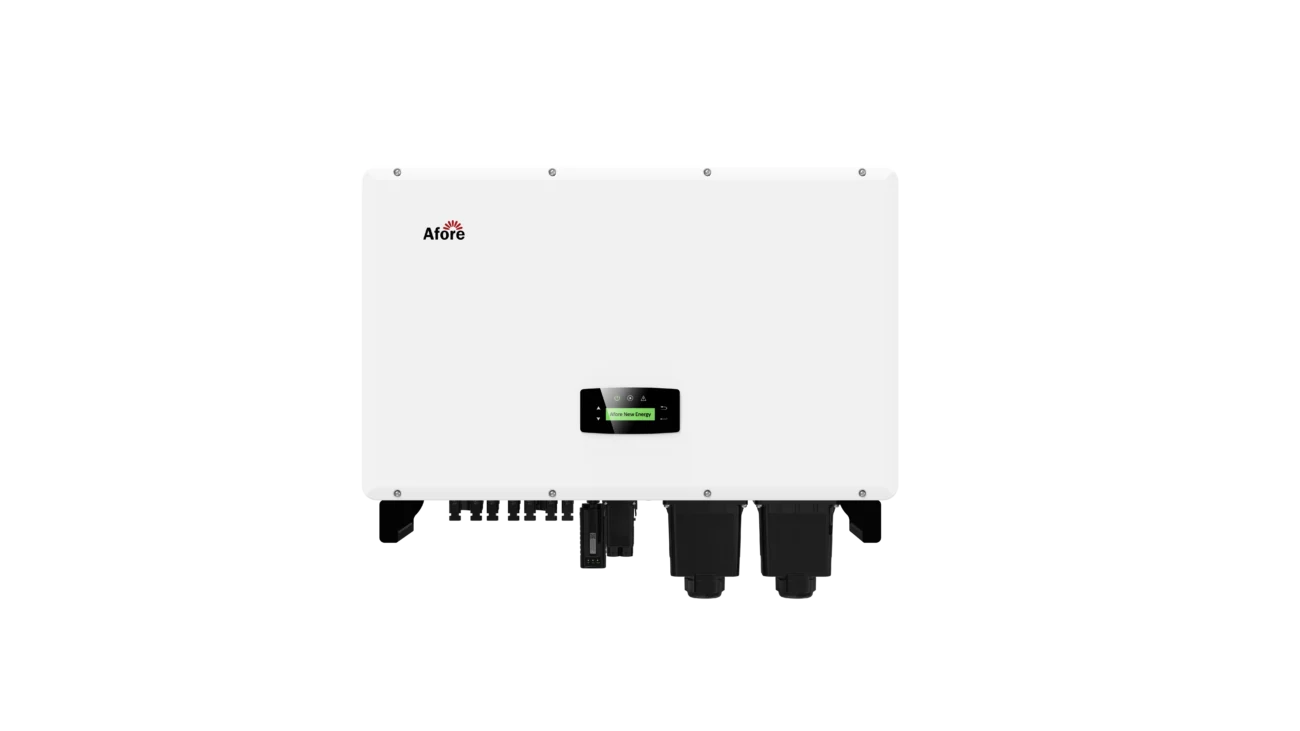
Every energy solution comes with trade-offs, and a solar inverter for home is no exception. Understanding both the benefits and the limitations helps you set realistic expectations and avoid disappointment later. In my experience, homeowners who go in with clear eyes are the ones most satisfied with their solar systems long term.
The biggest advantage of a solar inverter for home is efficiency. It ensures that the electricity produced by your solar panels is converted into usable power with minimal loss. Without a reliable inverter, even the best panels can’t perform to their full potential.
Another major benefit is lower electricity bills. By converting and managing solar energy effectively, a solar inverter allows your home to rely less on grid electricity. Over time, this can lead to substantial savings, especially in households with steady daytime energy use.
A solar inverter for home also enables energy independence. When paired with battery storage, it allows homeowners to store excess energy and use it later. This becomes particularly valuable during power outages or in areas with unstable grid supply. I’ve seen families keep essential appliances running smoothly while neighboring homes sat in the dark.
Modern solar inverters also offer better energy awareness. With monitoring features, homeowners can see how much energy they produce and consume. This visibility often leads to smarter habits—running appliances during peak solar hours or reducing unnecessary usage—resulting in even greater savings.
Finally, installing a solar inverter for home supports long-term sustainability. By maximizing the use of renewable energy, it helps reduce reliance on fossil fuels and lowers household carbon emissions. For many homeowners, this environmental impact is just as important as the financial benefits.
Despite their advantages, solar inverters do come with limitations. The most common concern is initial cost. A quality solar inverter for home represents a significant upfront investment, especially when combined with batteries and professional installation.
Another drawback is system complexity. Inverters involve electrical connections, software monitoring, and safety features that require proper setup and occasional attention. Homeowners who prefer completely hands-off systems may find this aspect challenging at first.
Maintenance, while generally minimal, is still necessary. Dust buildup, heat, or ventilation issues can reduce performance over time. Ignoring these factors may shorten the lifespan of a solar inverter for home, leading to earlier replacement than expected.
There’s also the reality that inverters have a finite lifespan. Unlike solar panels, which often last decades, inverters typically need replacement sooner. Planning for this eventual cost is part of responsible system ownership.
Lastly, performance depends heavily on proper sizing and installation. An undersized inverter may struggle during peak demand, while an oversized one may operate inefficiently. This is why careful planning and professional input are essential.
When weighing the advantages and disadvantages, it’s clear that a solar inverter for home offers strong long-term value when chosen and maintained correctly. Most drawbacks are manageable with proper planning, realistic expectations, and routine care.
From real-world observation, homeowners who understand both sides tend to be more confident, make better energy decisions, and enjoy smoother system performance over time. The key isn’t avoiding disadvantages—it’s preparing for them.
Shift energy-intensive tasks, like laundry or dishwashing, to peak solar hours. It reduces reliance on the grid and makes your solar inverter for home work smarter.
Modern inverters can sync with smart thermostats, lights, and appliances. Automation ensures energy is used efficiently, saving money and extending system life.
If you plan to expand your solar setup, choose an inverter that can scale. Adding more panels or batteries later should be seamless.
Investing in a solar inverter for home is about more than just electricity—it’s about control, savings, and sustainability. By understanding how inverters work, assessing your energy needs, and choosing the right size and type, you can enjoy reliable power while reducing your bills and environmental footprint. Remember, a little planning and professional guidance now can save headaches later.
This depends entirely on how your household uses electricity. There is no one-size-fits-all answer.
A good starting point is your peak power demand—the maximum electricity your home uses at one time. For many average homes, an inverter in the mid-kilowatt range can handle essential appliances such as lighting, refrigeration, electronics, and small kitchen equipment. Larger homes with electric heating, air conditioning, or multiple high-load appliances running simultaneously may need a larger solar inverter for home.
In practice, I always recommend focusing on what must run at the same time, not what exists in the house. This approach avoids overspending while still delivering reliable performance.
Yes, a solar inverter for home is not just good—it’s essential if you want to use solar energy effectively. Solar panels alone generate electricity, but without an inverter, that power can’t be used by household appliances.
From real-world experience, homeowners who invest in a properly sized solar inverter enjoy lower electricity bills, better energy control, and improved system reliability. When combined with battery storage, a solar inverter also provides resilience during power outages, which many homeowners don’t fully appreciate until they experience their first blackout.
The main disadvantages come down to cost, complexity, and maintenance. A quality solar inverter for home requires an upfront investment, and while maintenance is generally minimal, it can’t be ignored entirely.
Inverters also have a shorter lifespan than solar panels, meaning replacement may be needed at some point. Additionally, poor sizing or installation can lead to reduced efficiency or system issues. That said, most of these disadvantages are manageable with proper planning and professional input.
This is a surprisingly common concern. In many cases, the issue isn’t the panels—it’s how the system is configured or how energy is used.
Possible reasons include:
• The solar inverter for home is undersized and can’t handle peak demand
• High electricity usage during evenings or nights when solar production is low
• Increased energy consumption after installing solar (often without realizing it)
I’ve seen households assume solar would eliminate their bills entirely, only to discover their usage habits changed. Monitoring data from your inverter often reveals where the extra energy is going.
Battery size depends on two things: how much power you want to store and how long you want it to last.
For a solar inverter for home, a practical approach is to calculate the energy needed to run essential circuits for several hours or overnight. If backup power is your priority, focus on refrigeration, lighting, communication devices, and basic outlets.








 Turkish
  Romanian