



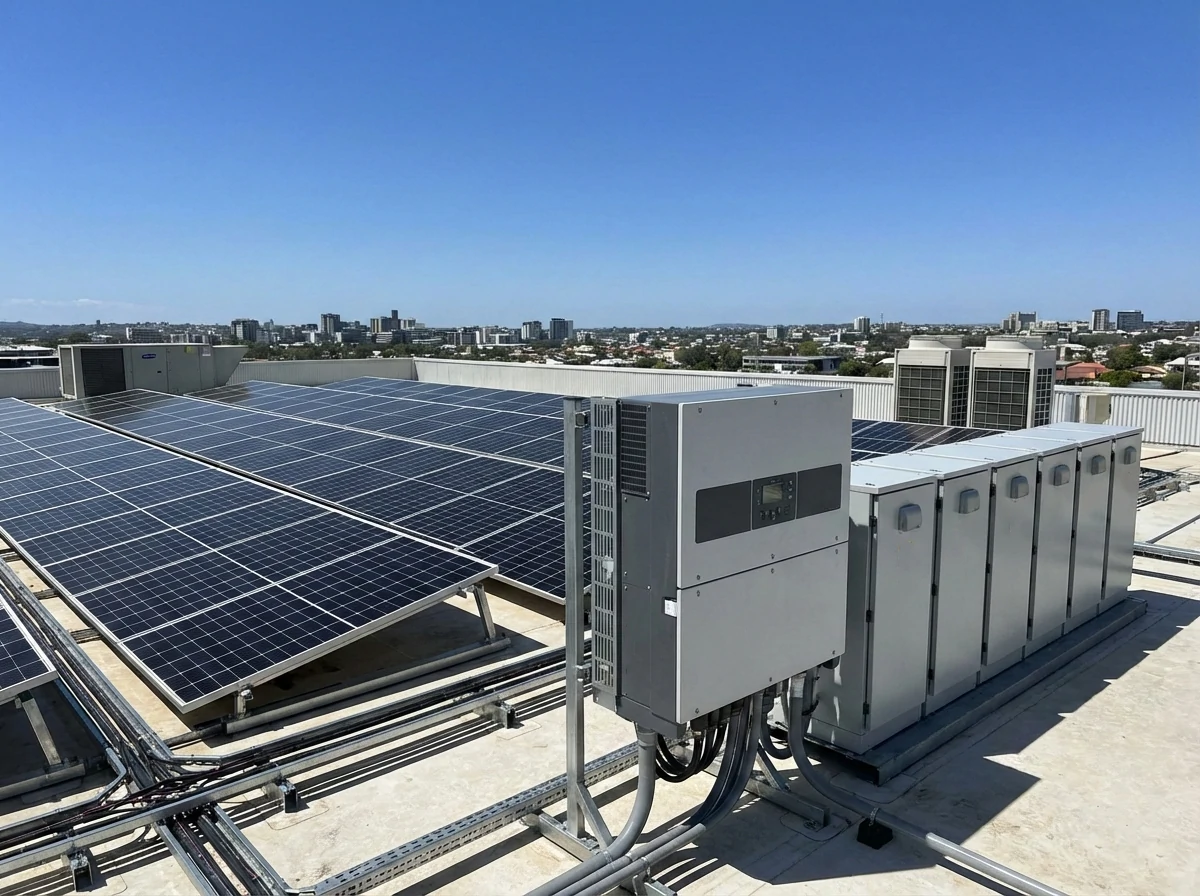
Looking to optimize energy use and cut electricity costs in your business or industrial facility? A three phase hybrid inverter is a game-changer. By intelligently managing solar panels, battery storage, and grid power, it ensures stable electricity supply, reduces energy waste, and boosts efficiency. Whether you’re running a factory, commercial building, or large residential complex, understanding how a three phase hybrid inverter works can help you make smarter energy decisions and save money in the long run.
If you’ve ever wondered how businesses manage energy efficiently while keeping costs down, a three phase hybrid inverter might just be the answer. Simply put, a three phase hybrid inverter is a device that can manage electricity coming from multiple sources—solar panels, batteries, and the grid—simultaneously. Unlike a traditional single-phase inverter, which might struggle to balance loads or manage high-energy commercial equipment, a three phase hybrid inverter spreads the load evenly across all three phases. This makes it ideal for businesses, factories, and even larger residential complexes that require a steady, uninterrupted power supply.
One thing I’ve noticed in real-world installations is that operators often underestimate the value of integrating battery storage with a hybrid inverter. Even if your solar panels are generating plenty of energy during the day, without a battery, you risk wasting that energy or relying heavily on the grid once the sun goes down. That’s where the hybrid inverter shines: it stores excess energy in batteries and releases it intelligently when demand rises.
Some people also confuse hybrid inverters with standard commercial inverters. The key difference is that a three phase hybrid inverter actively manages both energy input and output. It doesn’t just convert DC to AC—it optimizes the flow based on real-time conditions, including energy demand, battery charge levels, and grid pricing.
To understand how a three phase hybrid inverter works, let’s break it down:
For example, in a small factory I worked with, the operators could schedule battery discharge to cover peak electricity tariffs, saving hundreds of dollars per month. That’s the real advantage of a hybrid system—it doesn’t just provide power; it gives you control and flexibility.
There are many reasons why businesses and large residences are adopting three phase hybrid inverters:
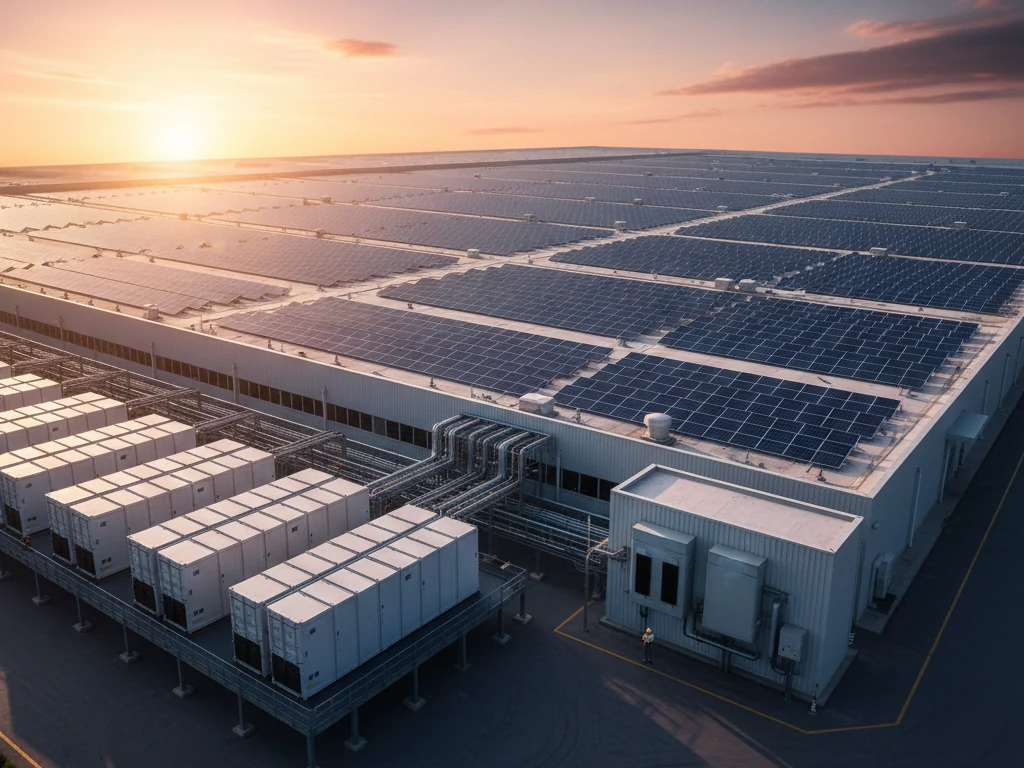
A commercial storage inverter is designed specifically for business environments where energy reliability is crucial. It connects solar, battery, and grid power while allowing facilities to store excess energy for later use. Think of it as a traffic controller for electricity—it decides which source should supply energy based on availability and demand.
For example, during a recent installation at a medium-sized office building, the commercial storage inverter managed to offset almost 70% of the building’s energy consumption with stored solar power alone. This isn’t just theoretical; real numbers show that commercial storage inverters can drastically reduce electricity costs, especially for businesses that operate during peak tariff hours.
A 3 phase battery inverter focuses heavily on battery integration. It ensures that energy stored during low-demand periods is efficiently released when needed. Unlike standard inverters, which might not fully utilize stored energy or risk battery wear, a 3 phase battery inverter carefully manages charge cycles to optimize both performance and battery lifespan.
In industrial setups, these inverters prevent sudden voltage drops that can affect sensitive machinery. They also allow for intelligent scheduling of battery discharge, meaning you can align energy usage with business hours or peak-rate periods.
High voltage hybrid inverters are tailored for large-scale applications. These units can handle higher DC voltages, meaning you can connect more solar panels in series without exceeding the inverter’s limits. They’re perfect for factories, commercial complexes, or multi-story residential buildings where power demands are high and efficiency cannot be compromised.
From my experience, high voltage hybrid inverters are particularly beneficial in industrial areas with heavy machinery. They allow for more solar panels per string, which reduces the number of combiner boxes needed, cutting both installation cost and complexity.
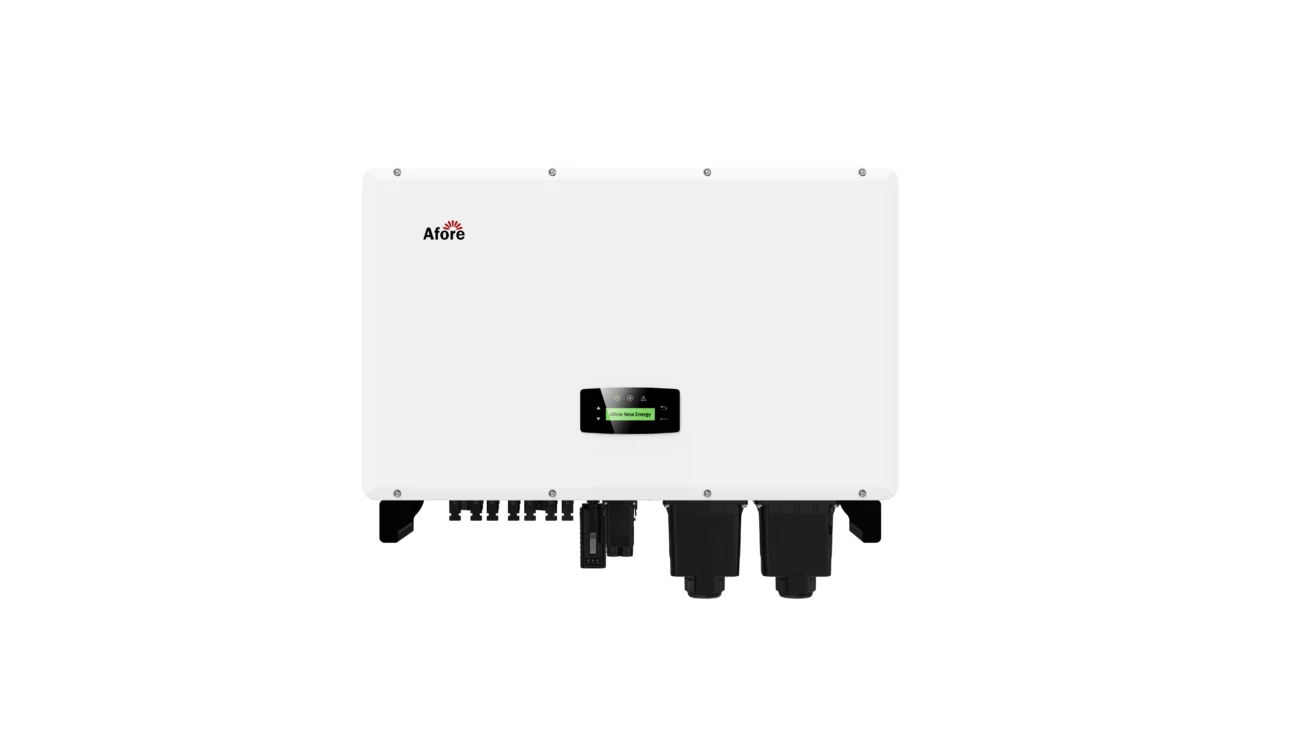
A three phase hybrid inverter might look complex at first, but its operation is surprisingly intuitive. Think of it as a smart energy manager that decides where your electricity should come from and where it should go.
In a real installation I worked on at a manufacturing facility, the hybrid inverter seamlessly switched between sources without any noticeable power interruptions. Operators often forget how crucial this feature is—without it, even a short brownout can disrupt production.
Many people worry that unbalanced loads across three phases can cause inefficiency or equipment damage. The truth is, a three phase hybrid inverter handles this automatically. It constantly monitors the current in each phase and redistributes power to maintain balance.
For instance, if one phase is drawing more energy than the others due to heavy machinery or AC units, the inverter compensates by adjusting supply from batteries or other phases. This prevents overheating, voltage drops, and ensures sensitive equipment stays protected.
Three phase hybrid inverters aren’t just reactive—they’re proactive. They can perform peak shaving, which means discharging stored battery energy during peak tariff hours to reduce electricity bills. They also support load shifting, moving energy-intensive operations to times when solar generation or cheaper grid rates are available.
From experience, businesses that use peak shaving save significant money over a year, sometimes covering the inverter’s cost within 3–4 years. It’s one of those practical benefits that you only notice once you’ve had the system running for a while.
Before you even order a three phase hybrid inverter, it’s crucial to assess your site. Measure your current energy usage, peak loads, and available solar potential. A poorly planned installation can result in oversizing or undersizing the system, which reduces efficiency and ROI.
I always recommend conducting a comprehensive energy audit. This includes checking voltage stability, load patterns, and even roof orientation for solar panel efficiency. The better the planning, the smoother the installation and the higher the long-term savings.
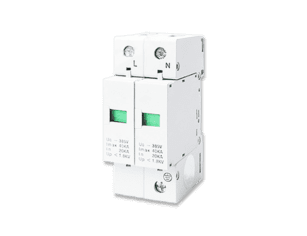
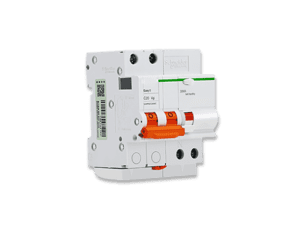
Three phase systems are more complex than single-phase ones, so careful wiring is essential. Proper grounding, correct fuse sizing, and surge protection devices are critical.
For high voltage hybrid inverters, incorrect wiring can be dangerous. Always follow manufacturer instructions and local electrical codes. Safety isn’t just a requirement—it’s peace of mind for you and your staff.
Even the best three phase hybrid inverter won’t perform optimally without proper care. Here are some tips:
One practical tip I’ve learned is to set up remote monitoring. This allows you to catch potential issues before they become costly, whether it’s a failing battery module or an imbalance in one of the phases.
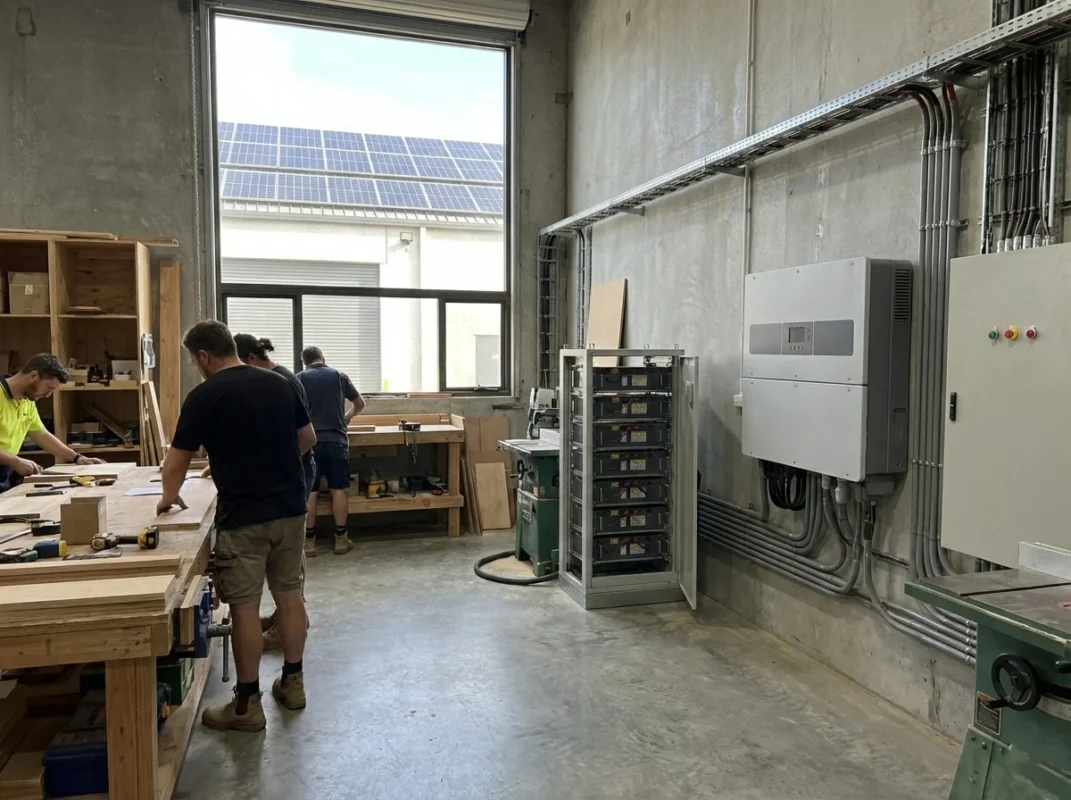
Selecting the right three phase hybrid inverter is one of the most important steps to ensure your system performs efficiently, saves costs, and remains reliable over time. With so many options on the market, it’s easy to feel overwhelmed. Here’s a practical guide to help you make an informed choice.
Start by analyzing your current and future energy consumption. Look at your peak loads, average usage patterns, and the type of equipment you run daily. For instance, commercial facilities with heavy machinery or multiple air-conditioning units may require a higher-capacity inverter compared to smaller offices.
Don’t forget to account for future expansion. A system that barely meets your current load might become insufficient if you add more solar panels, batteries, or new equipment later. Choosing a scalable three phase hybrid inverter ensures your investment remains relevant for years to come.
Efficiency is key when evaluating any inverter. A high-efficiency unit maximizes the use of solar energy, reduces losses during conversion, and ensures that battery storage is utilized effectively.
Look for features such as:
In practice, a well-chosen inverter can reduce wasted energy by 10–15% annually, which translates into substantial savings, especially for businesses with high electricity bills.
If you plan to integrate batteries, check the inverter’s compatibility with various battery types. A reliable three phase hybrid inverter should manage charge and discharge cycles efficiently, prevent overcharging, and extend battery lifespan.
Consider how the system handles multiple batteries or battery banks. Some inverters allow sequential or parallel battery connection, which can be crucial for larger commercial or industrial setups. Proper battery integration ensures smooth energy flow, even during peak demand or grid outages.
Modern three phase hybrid inverters offer features that go beyond basic power conversion. When choosing a system, consider:
These features not only improve efficiency but also make day-to-day operations simpler and safer. For example, a manufacturing facility can schedule battery discharge to coincide with peak electricity rates, reducing costs without manual intervention.
Finally, consider practical aspects like installation complexity and maintenance needs. A three phase hybrid inverter should have clear installation guidelines and accessible components for inspection or servicing. Regular monitoring, firmware updates, and proper site maintenance are essential for long-term reliability.
Choosing an inverter that is easy to maintain reduces the risk of downtime and keeps your system performing at its best for years to come.
Small offices, retail stores, and workshops often experience high energy costs, especially during peak hours. Installing a three phase hybrid inverter allows them to store excess solar energy, manage loads, and reduce dependency on the grid.
I worked with a small bakery that used a commercial storage inverter to cover morning peak loads. The savings on their monthly electricity bill were immediately noticeable, and the inverter ensured the ovens ran without interruption.
Factories and industrial plants with heavy machinery benefit greatly from high voltage hybrid inverters. They support large solar arrays, balance unbalanced loads, and provide stable power even during grid fluctuations.
In one case, a factory using a three phase hybrid inverter avoided costly downtime during a short grid outage. The inverter automatically switched to battery power without anyone noticing.
Larger residential setups, such as apartment buildings with shared solar systems, can also benefit. A three phase hybrid inverter distributes power efficiently to each unit, ensures fair energy usage, and allows residents to tap into stored solar energy during the night.
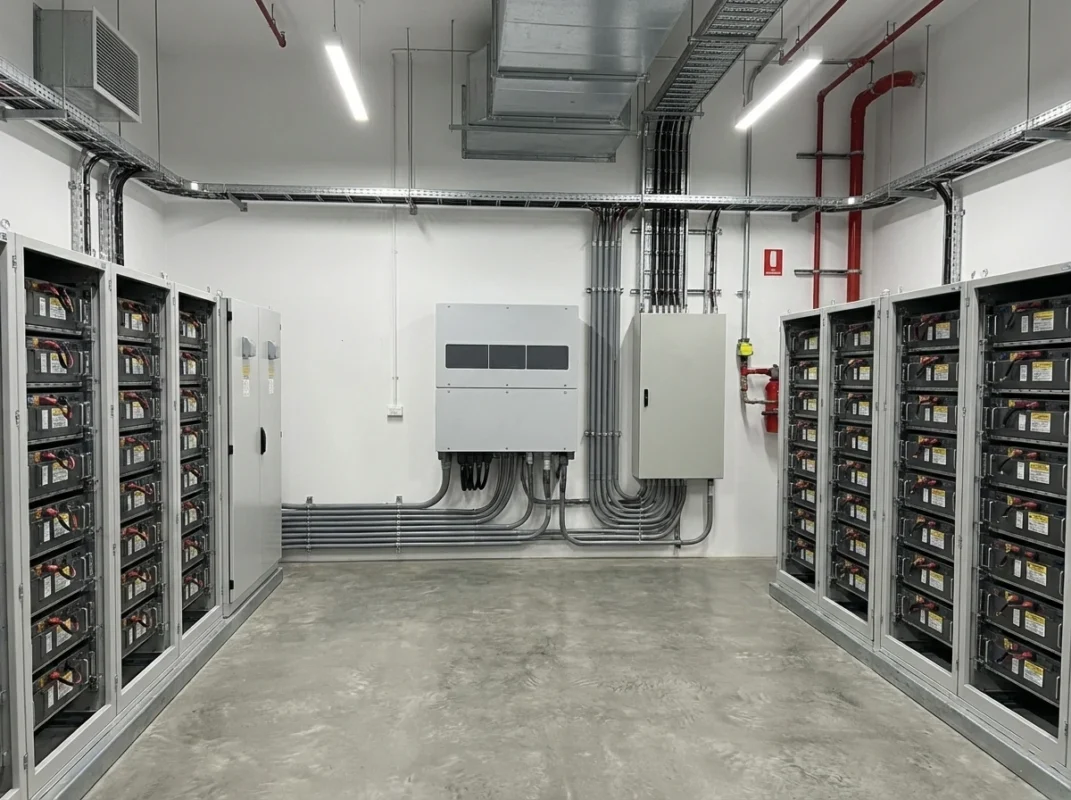
A common misconception is that a three phase hybrid inverter must always be paired with a battery. While batteries do maximize efficiency, provide backup power, and allow load shifting, the inverter can still operate in grid-tied mode without a battery.
For businesses that already have reliable grid power, a hybrid inverter can optimize solar usage directly, feeding excess energy into the grid. However, installing a battery adds flexibility and financial benefits, especially in areas with high electricity tariffs or frequent outages.
Some people think that three phase hybrid inverters are too complex for practical use. The truth is, modern inverters are surprisingly user-friendly. With smart control software and mobile apps, even small business owners can monitor energy flow, schedule battery discharge, and check system performance in real-time.
The complexity is mostly behind the scenes—balanced load distribution, battery management, and peak shaving are all automated. This makes three phase hybrid inverters accessible for both commercial and residential setups, even if you’re not an electrical engineer.
Three phase hybrid inverters are a larger upfront investment compared to standard single-phase inverters. Costs vary depending on capacity, features, and whether you choose a high voltage hybrid inverter or a 3 phase battery inverter.
It’s important to view the cost in the context of long-term savings. Even though the initial outlay may be higher, the combination of solar integration, battery storage, and load optimization can offset electricity bills over several years.
ROI depends on several factors:
In many cases, a commercial storage inverter pays for itself within 3–5 years while providing uninterrupted power and improving energy efficiency.
Three phase hybrid inverters are reshaping how commercial buildings, industrial plants, and larger residential complexes manage energy. They combine solar, battery storage, and grid power into a single, intelligent system that reduces costs, increases efficiency, and ensures uninterrupted electricity.
Whether you’re a small business looking to cut electricity bills, a factory needing stable power for sensitive machinery, or a residential complex managing shared solar, a three phase hybrid inverter can be tailored to meet your needs.
By understanding system components, choosing the right inverter type—be it a commercial storage inverter, 3 phase battery inverter, or high voltage hybrid inverter—and following proper installation and maintenance practices, you can maximize ROI and enjoy long-term energy independence.
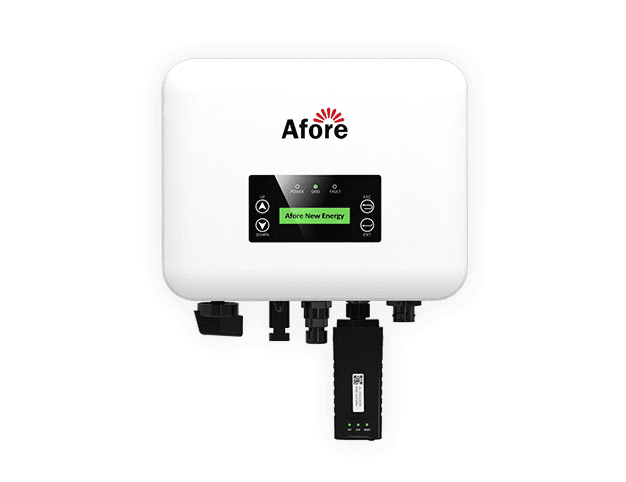
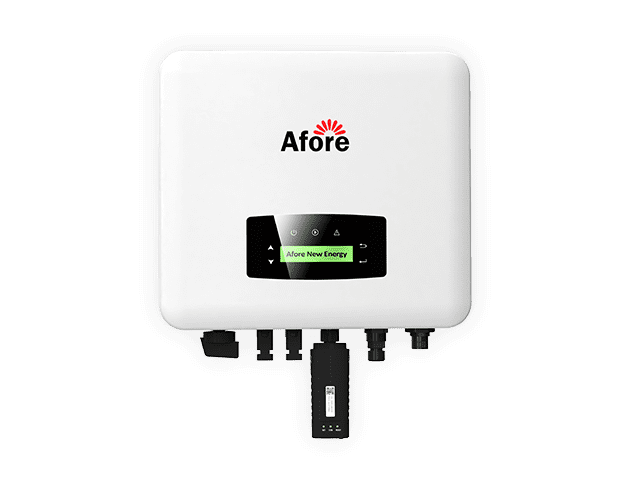
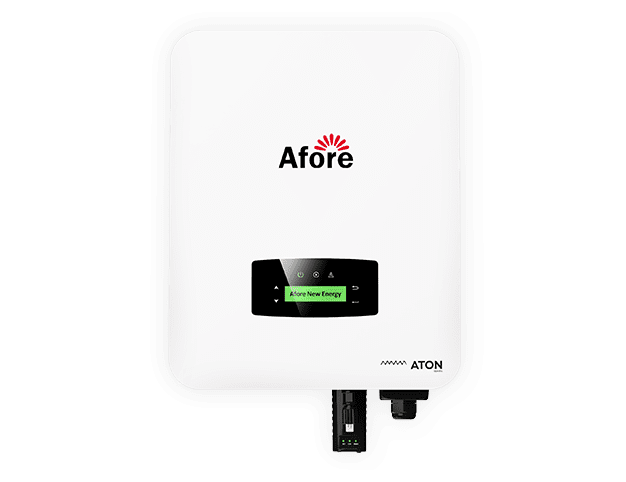
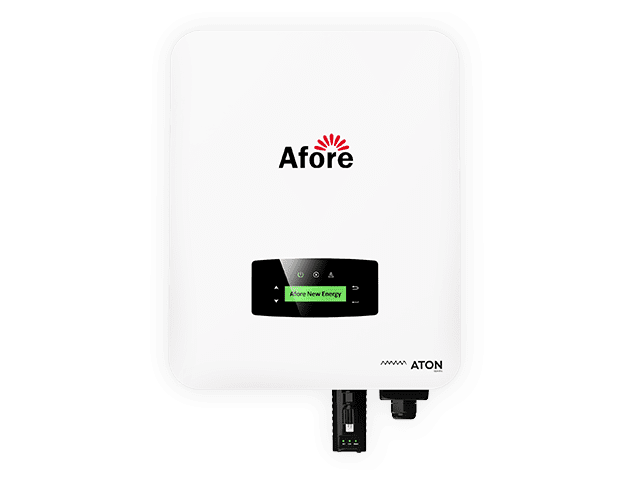
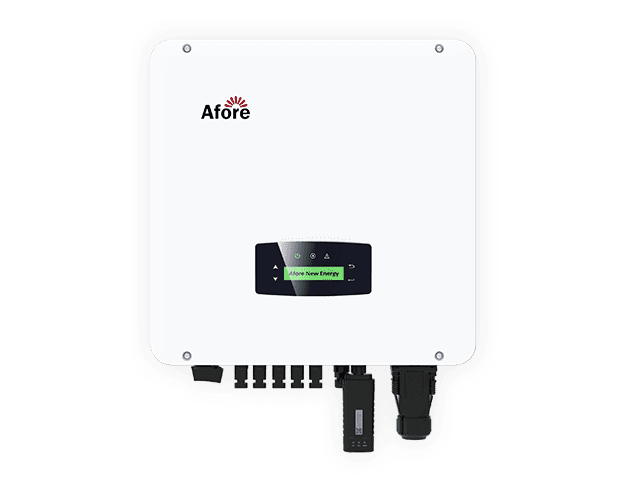
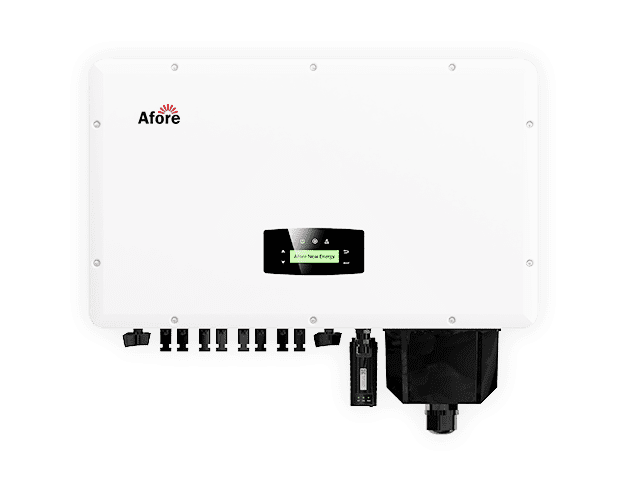
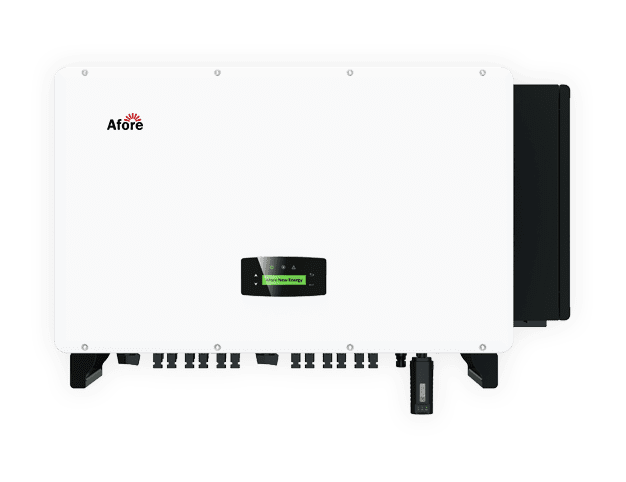
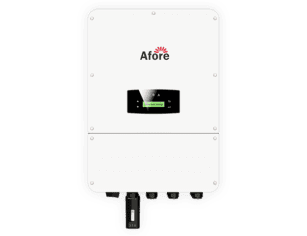
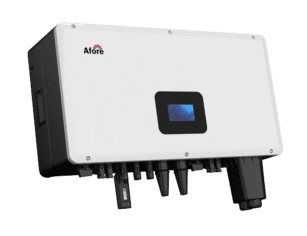
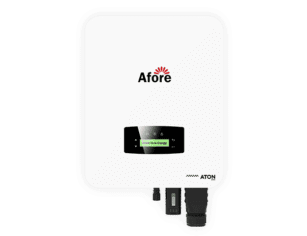
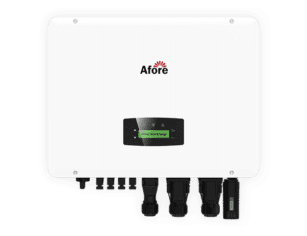
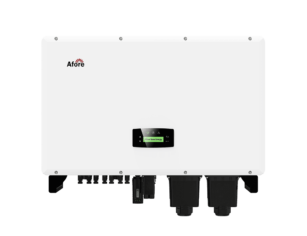
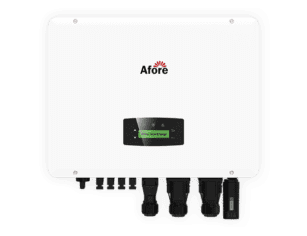
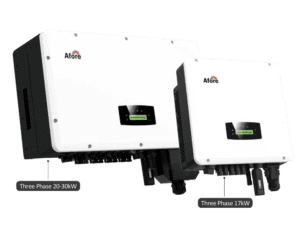
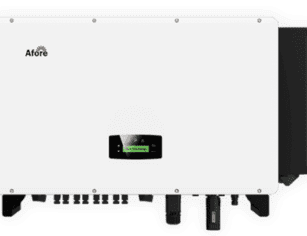
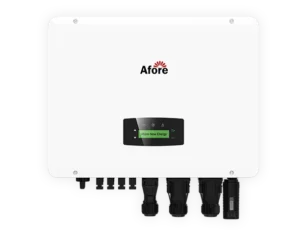
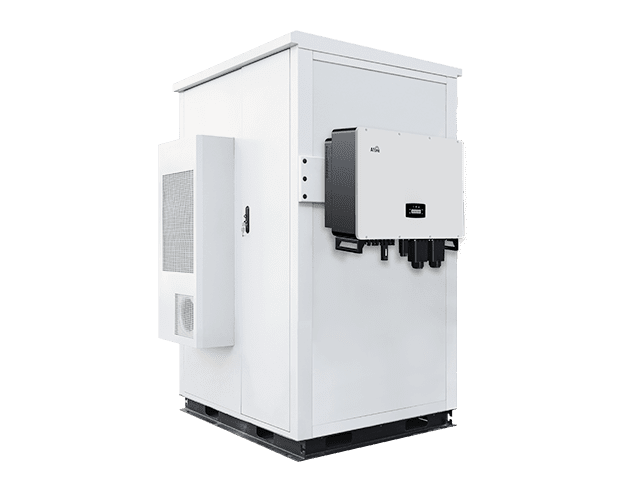
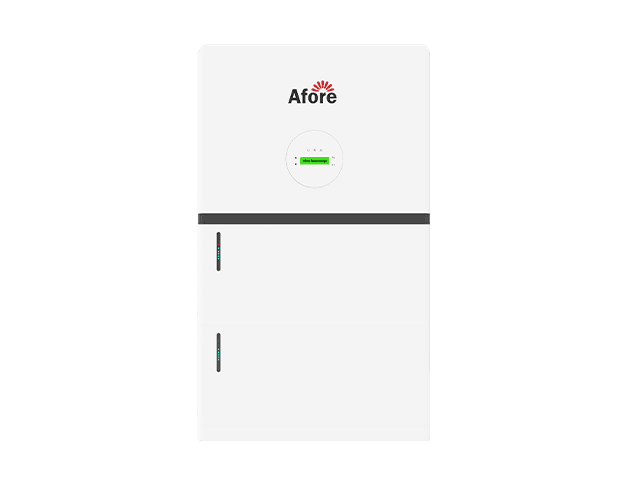
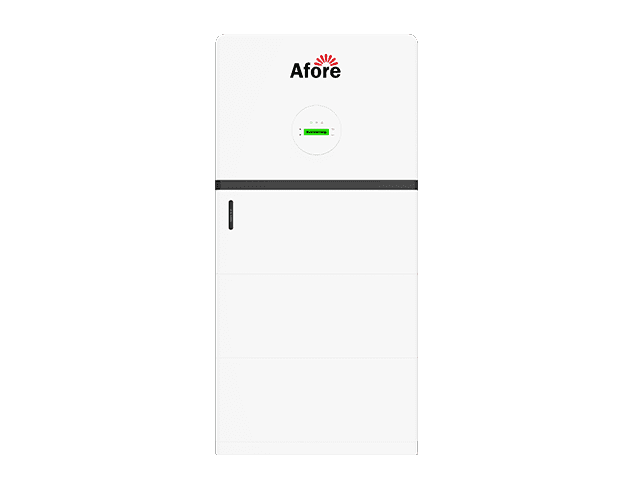
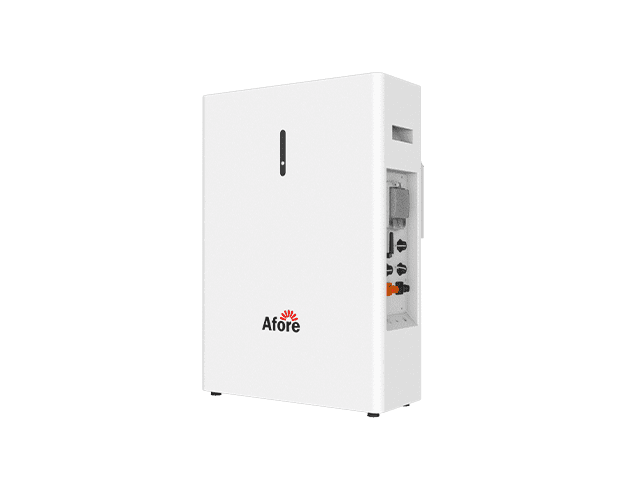
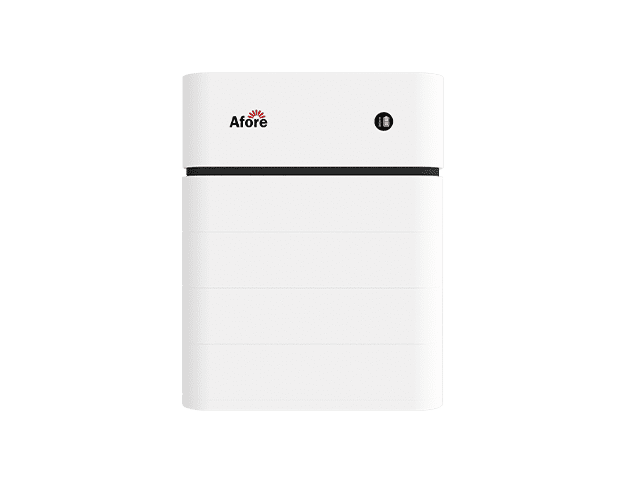
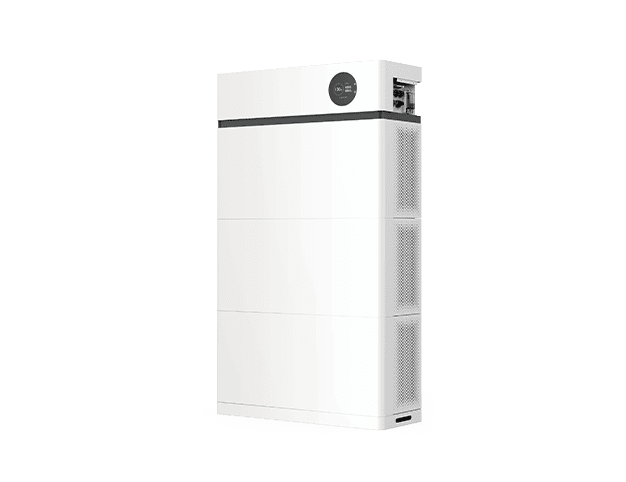
For those considering upgrades, systems like the Afore AF-T series provide a flexible, scalable, and reliable solution for today’s energy challenges.
The takeaway? Investing in a three phase hybrid inverter isn’t just about cutting costs—it’s about gaining control over your energy future.
A 3-phase hybrid inverter is designed to manage multiple sources of energy efficiently, including solar panels, battery storage, and grid electricity. It ensures that your building—whether commercial, industrial, or large residential—receives a stable and uninterrupted power supply.
For example, in a factory setting, a 3-phase hybrid inverter can power heavy machinery during the day with solar energy, store excess electricity in batteries, and draw from the grid only when necessary. This not only optimizes energy use but also reduces electricity costs and protects sensitive equipment from power fluctuations.
Yes, it can operate in grid-tied mode without a battery. In this setup, the inverter converts solar energy for immediate use and feeds any excess back into the grid.
However, integrating a battery adds significant advantages. With a battery, the inverter can store surplus solar power, provide backup electricity during outages, and perform load shifting or peak shaving to save on energy bills. Even small businesses that initially go battery-free often choose to add storage later to increase efficiency and energy autonomy.
Unbalanced loads—when one phase consumes more power than the others—can cause voltage drops, equipment stress, or inefficiencies. A three-phase hybrid inverter automatically redistributes power across all phases to maintain balance.
For instance, in commercial offices where some floors use more energy than others, the inverter continuously monitors each phase and compensates in real-time. This prevents overheating of electrical components and ensures smooth operation for all connected devices, from lighting to HVAC systems.
The best inverter for a small business depends on energy demand, load patterns, and future growth plans. A system should handle peak loads, integrate solar or battery storage, and allow for scalability as the business grows.
Practical considerations include ease of installation, energy monitoring features, and efficiency ratings. A reliable three-phase hybrid inverter can offset a significant portion of electricity costs, protect sensitive equipment, and provide peace of mind without complex setup.
Generally, yes. Three-phase inverters distribute power evenly across three phases, reducing losses and improving overall system stability. They are especially advantageous in commercial or industrial environments where energy demand is high and continuous.
Compared to single-phase inverters, three-phase systems can handle larger loads more effectively, reduce the risk of voltage imbalance, and maximize the use of solar and battery energy. For businesses, this efficiency translates directly into cost savings and improved operational reliability.








 Turkish
  Romanian