




If you’ve ever planned or operated a commercial solar installation, you already know one truth: the inverter can make or break the entire system. Panels get the attention, batteries get the hype, but the 50kW solar inverter is where performance, reliability, and return on investment truly come together.
Whether you’re comparing a commercial 50kW PV system, researching 50kW string inverter price, or evaluating a 50kW 3 phase inverter for industrial use, this article will walk you through every critical detail.
A 50kW solar inverter sits right at the heart of a commercial solar power system. It may not be the most visible component on a rooftop or in an electrical room, but in practice, it’s the device that decides whether your system performs smoothly for years or becomes a constant source of downtime and frustration.
At the most basic level, a 50kW solar inverter converts the direct current (DC) generated by solar panels into alternating current (AC) that commercial buildings and the utility grid can actually use. But stopping the explanation there would miss why this piece of equipment matters so much in real-world commercial projects.
From my experience working with installers and system operators, choosing the right 50kW solar inverter is often the difference between a solar project that quietly pays for itself and one that struggles to meet energy forecasts.
A 50kW solar inverter is specifically designed for commercial and light industrial environments. Unlike residential inverters, which are built for intermittent household loads, this class of inverter is engineered to handle long operating hours, higher currents, and continuous three-phase power delivery.
In a typical commercial 50kW PV system, the inverter must support:
This is why a 50kW solar inverter is commonly paired with a 50kW 3 phase inverter configuration, ensuring balanced power across all phases and reducing electrical stress on the system.
The 50kW capacity has become a practical standard for many commercial installations. It’s large enough to deliver meaningful energy savings, yet compact enough to be installed on walls, in service rooms, or near distribution boards without complex structural changes.
From a design perspective, using one or more 50kW solar inverter units offers flexibility. If a business expands, additional inverters can be added. If maintenance is required, one unit can be serviced without shutting down the entire system. This modular approach is a key reason why the 50kW solar inverter remains popular in commercial rooftops and small ground-mounted arrays.
Energy production is not just about how many panels you install. The inverter determines how much of that energy is actually usable. A well-designed 50kW solar inverter maximizes energy harvest by adapting to changing sunlight, temperature, and load conditions throughout the day.
In practical terms, this means:
When evaluating a 50kW string inverter price, many buyers focus only on upfront cost. In reality, inverter efficiency and reliability have a far greater impact on long-term returns than small price differences at the time of purchase.
For business owners, a 50kW solar inverter is not just a technical component—it’s a financial asset. It directly affects how much grid electricity you offset, how predictable your energy costs become, and how quickly your investment pays back.
For facility managers, reliability matters even more. A poorly matched or underperforming 50kW solar inverter can trigger faults, cause unexpected shutdowns, or require frequent service calls. On the other hand, a well-installed inverter operates quietly in the background, often for years at a time, with minimal attention.
In the context of a commercial 50kW PV system, the inverter acts as the system’s control center. It monitors performance, protects electrical safety, and ensures compliance with grid requirements. Every kilowatt-hour produced by the panels passes through this single device before it reaches your building.
That’s why the 50kW solar inverter matters so much. It’s not just about power conversion—it’s about system stability, operational confidence, and long-term value. When chosen and installed correctly, a 50kW solar inverter becomes one of the most dependable assets in a commercial energy strategy, quietly delivering performance day after day without demanding attention.
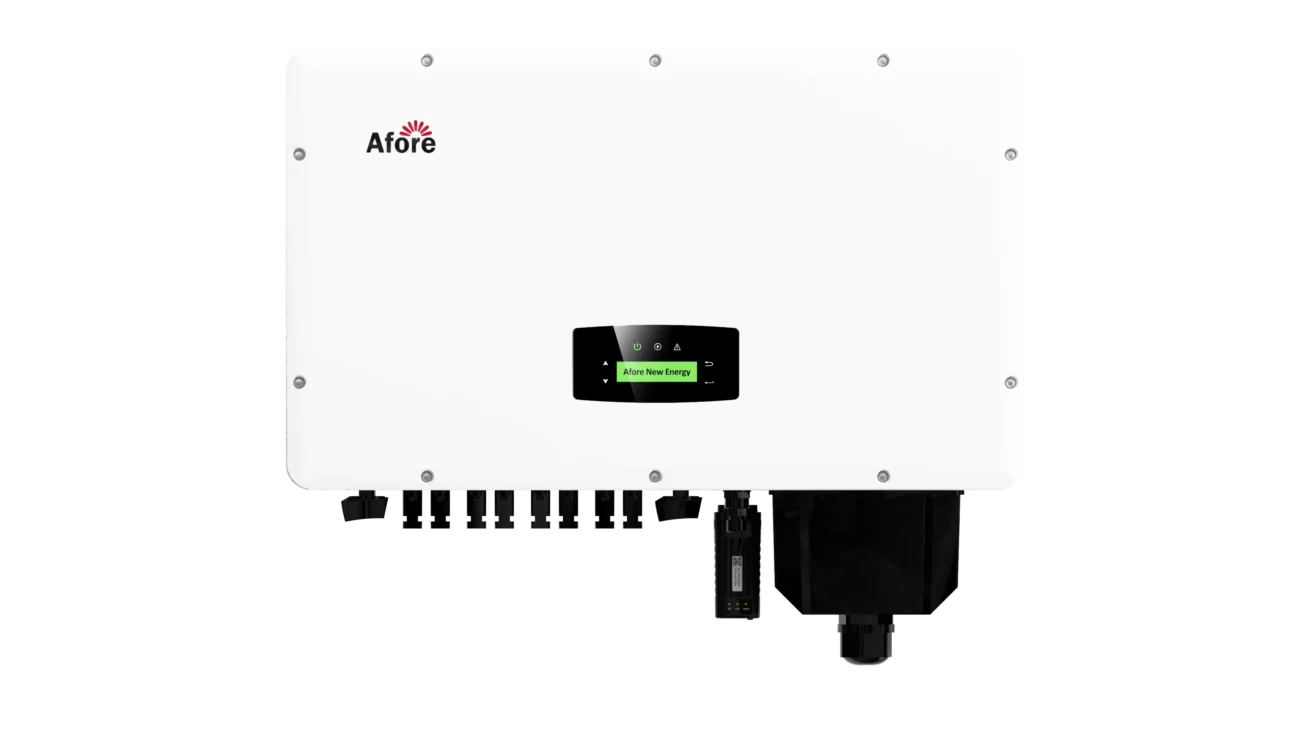
To really understand the value of a 50kW solar inverter, you have to see how it operates inside a real commercial 50kW PV system, not just how it works on paper. In daily operation, this inverter acts like a traffic controller—constantly balancing energy production, building demand, and grid requirements in real time.
I’ve seen well-designed systems run flawlessly for years simply because the inverter was properly matched to the site and configured correctly from day one.
In a commercial 50kW PV system, solar panels generate DC electricity whenever sunlight hits the cells. That raw DC power flows through combiner boxes and DC cabling before reaching the 50kW solar inverter.
Once the power enters the inverter, several processes happen almost instantly:
This process repeats thousands of times per second, allowing the 50kW solar inverter to adapt smoothly to cloud cover, temperature changes, and load fluctuations.
In commercial environments, roof layouts are rarely perfect. Different panel rows may face different directions or experience partial shading. A modern 50kW solar inverter typically uses multiple MPPT channels to manage this complexity.
Each MPPT channel allows the inverter to optimize power from a specific group of panels. In practice, this means:
This is one of the main reasons why a 50kW solar inverter performs so well in commercial rooftops compared to older centralized designs.
Most commercial sites require three-phase electricity. A 50kW 3 phase inverter converts DC input into balanced AC output across all three phases, ensuring stable voltage and current distribution.
Inside a commercial 50kW PV system, this balanced output supports:
By delivering clean, synchronized power, the 50kW solar inverter reduces electrical stress and helps maintain overall system stability.
A 50kW solar inverter doesn’t operate in isolation. It constantly communicates with the grid to ensure compliance with local electrical standards. If grid voltage drifts outside safe limits or a fault occurs, the inverter reacts immediately.
In real-world operation, this includes:
These protective behaviors are critical for safety and are a core part of how a commercial 50kW PV system remains reliable under varying grid conditions.
During the day, energy produced by the 50kW solar inverter is first consumed on-site. Any surplus electricity may be exported to the grid, depending on system design and regulations.
In facilities with steady daytime demand, this direct consumption is where the system delivers the greatest value. The 50kW solar inverter dynamically adjusts output to match building loads, reducing reliance on grid power and improving overall energy efficiency.
Even the best equipment can underperform if configured poorly. In a commercial 50kW PV system, correct inverter settings—such as voltage limits, grid parameters, and protection thresholds—have a direct impact on long-term performance.
From hands-on experience, careful commissioning of a 50kW solar inverter often results in:
At the end of the day, the 50kW solar inverter is more than a power converter. It acts as the brain of the entire system, coordinating energy flow, protecting equipment, and ensuring consistent performance.
When integrated properly into a commercial 50kW PV system, the 50kW solar inverter works quietly in the background, responding instantly to environmental changes while delivering dependable power to the business. That quiet reliability is exactly why this inverter size continues to be a cornerstone of commercial solar installations.
When evaluating a 50kW solar inverter, technical specifications are not just numbers on a datasheet. They directly determine how the inverter performs in daily operation, how stable your commercial 50kW PV system will be, and how much usable energy you’ll actually get over the system’s lifetime.
From field experience, many performance issues trace back to misunderstandings or shortcuts taken at the specification stage. Getting these details right is essential for long-term reliability and return on investment.
A true 50kW solar inverter is designed to deliver 50,000 watts of AC power continuously, not just as a peak value. In commercial environments, loads often run for hours at a time, which means the inverter must sustain output without thermal derating.
Key points to look for:
A well-designed 50kW solar inverter maintains consistent output even during long summer days, which is critical for predictable energy production.
Efficiency plays a major role in lifetime energy yield. Even a small efficiency difference can translate into significant energy losses over 20 years.
Typical efficiency benchmarks for a quality 50kW solar inverter include:
In real-world operation, the inverter rarely runs at full power all day. That’s why part-load efficiency matters just as much as peak values when evaluating overall performance.
A 50kW solar inverter must handle a wide DC voltage range to accommodate different panel configurations and seasonal variations. A broader input range allows greater design flexibility in a commercial 50kW PV system.
Important DC-side specifications include:
These features enable the inverter to manage uneven sunlight conditions and reduce losses caused by string mismatch or partial shading.
Most commercial installations require a 50kW 3 phase inverter. This ensures balanced power delivery and compatibility with commercial electrical infrastructure.
Key AC specifications typically include:
A properly engineered 50kW solar inverter produces clean, grid-quality power that protects sensitive equipment and complies with utility requirements.
Heat is one of the biggest enemies of inverter longevity. A 50kW solar inverter generates significant heat during operation, especially in warm climates or enclosed electrical rooms.
Effective thermal design often includes:
From experience, inverters with strong thermal management tend to show far fewer faults over time, even in demanding environments.
In a commercial 50kW PV system, safety is non-negotiable. A 50kW solar inverter must integrate multiple protection mechanisms to safeguard both equipment and personnel.
Common built-in protections include:
These protections ensure that the inverter responds instantly to abnormal conditions, reducing the risk of damage or downtime.
Modern commercial systems rely heavily on data. A 50kW solar inverter typically supports advanced monitoring to provide visibility into system performance.
Key monitoring-related specifications include:
For facility managers, this level of insight helps identify issues early and maintain optimal performance without constant on-site inspections.
Commercial installations often expose equipment to dust, humidity, and temperature extremes. A robust 50kW solar inverter is built to withstand these conditions.
Critical environmental specifications include:
These factors play a major role in determining where and how the inverter can be installed safely.
When people ask about 50kW string inverter price, they’re usually looking for a simple number. In reality, the price of a 50kW solar inverter reflects far more than its power rating. What you’re paying for is performance stability, safety engineering, long-term reliability, and the ability to deliver consistent energy in a commercial 50kW PV system over many years.
From hands-on project experience, focusing only on upfront cost is one of the most common—and expensive—mistakes in commercial solar.
The 50kW string inverter price can differ significantly between models that appear similar on paper. This variation usually comes down to engineering depth rather than marketing features.
Key factors influencing 50kW string inverter price include:
A lower-priced 50kW solar inverter may meet minimum requirements, but it often compromises on areas that affect long-term performance.
Efficiency is one of the biggest contributors to real value. Even small efficiency differences translate into measurable energy losses over time.
In a commercial 50kW PV system, a slightly less efficient 50kW solar inverter can result in:
When evaluating 50kW string inverter price, it’s essential to consider how much energy the inverter will deliver over 15 to 25 years, not just what it costs today.
Inside every 50kW solar inverter are components that directly affect durability—power electronics, capacitors, cooling fans, and control boards. Higher-quality components generally increase the 50kW string inverter price, but they also reduce failure rates.
From field observations:
These factors rarely appear in marketing brochures but have a major impact on system uptime.
Commercial installations demand strict adherence to grid and safety standards. A well-engineered 50kW solar inverter includes multiple layers of protection that safeguard both the system and the facility.
These features add to the 50kW string inverter price, but they also:
In real-world projects, these protections often pay for themselves the first time the grid behaves unpredictably.
Modern commercial systems rely on performance data to operate efficiently. A 50kW solar inverter with advanced monitoring capabilities provides real-time visibility into energy production and system health.
This level of insight allows:
While enhanced monitoring can increase the 50kW string inverter price, it significantly lowers operational costs over the system’s lifetime.
The purchase price of a 50kW solar inverter is only part of the total cost equation. Installation complexity, maintenance frequency, and expected service life all influence true ownership cost.
A slightly higher 50kW string inverter price may actually result in:
When evaluated over 20 years, these benefits often outweigh the initial price difference.
In a commercial 50kW PV system, the inverter is a mission-critical component. Choosing the lowest 50kW string inverter price without considering engineering quality can compromise the entire system’s performance.
From a practical standpoint, you’re not just paying for a 50kW rating. You’re investing in:
Understanding what goes into the 50kW string inverter price helps you make informed decisions and avoid hidden costs that only show up years after installation.
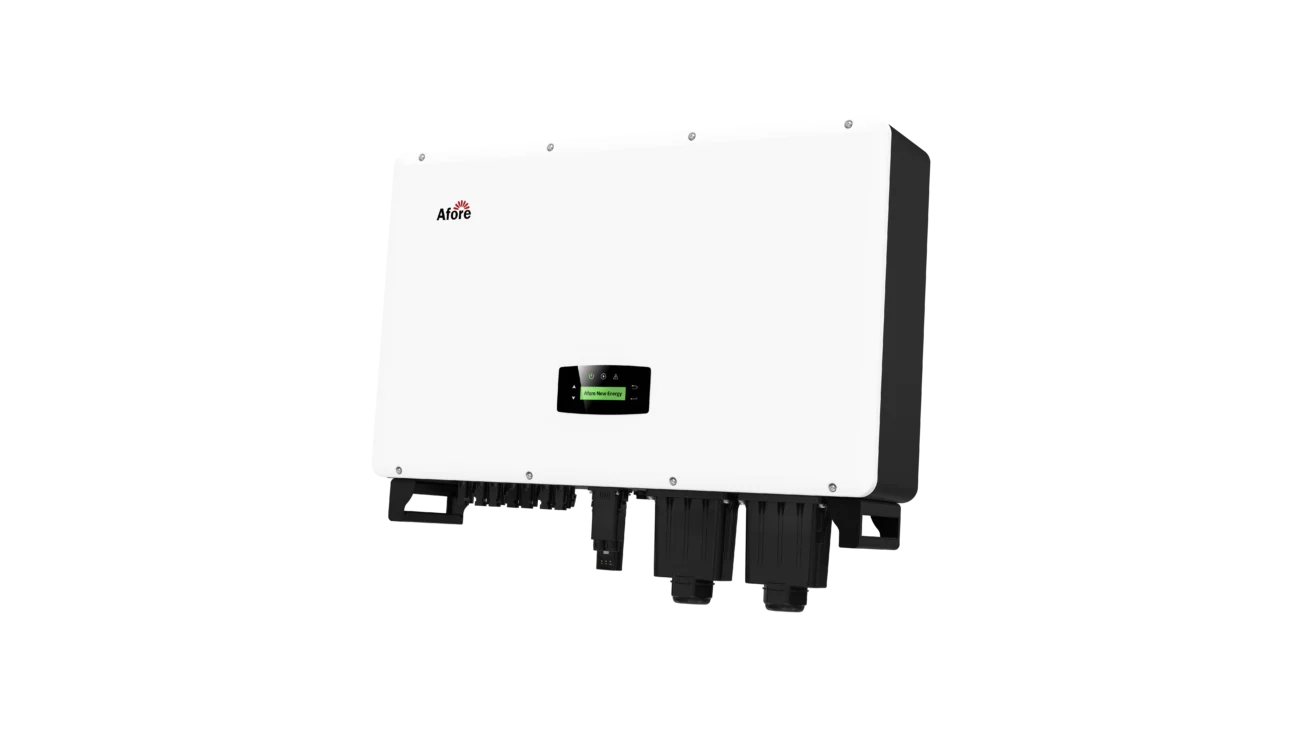
Designing a commercial 50kW PV system is not just about fitting panels on a roof and selecting a 50kW solar inverter. It’s a process that balances energy demand, site conditions, electrical constraints, and long-term business goals. From real project experience, the design stage is where system performance is either secured or quietly compromised.
A well-designed system doesn’t chase maximum theoretical output. Instead, it delivers stable, predictable energy day after day, which is exactly what most commercial users need.
Every successful commercial 50kW PV system starts with load analysis. Before panel layouts or inverter settings are finalized, it’s essential to understand how and when electricity is actually used.
Key design questions include:
A 50kW solar inverter performs best when on-site consumption aligns with solar production, maximizing self-use and reducing grid dependency.
One of the most important design decisions is the DC-to-AC ratio. In most commercial projects, panels are intentionally oversized relative to the inverter.
In practice:
This approach enhances the overall output of a commercial 50kW PV system without stressing the inverter.
Proper string design ensures stable operation and efficient power conversion. Panels must be grouped so that voltage and current remain within the inverter’s operating limits under all conditions.
Effective string design focuses on:
A carefully planned layout allows the 50kW solar inverter to operate smoothly across varying sunlight conditions.
No two commercial rooftops are the same. Structural capacity, available space, and shading obstacles all influence system design.
When planning a commercial 50kW PV system, designers must evaluate:
From experience, early site surveys save time, cost, and redesign headaches later in the project.
Integrating a 50kW solar inverter into an existing electrical system requires careful coordination. Panel output, inverter capacity, and grid connection limits must all align.
Important considerations include:
A well-integrated commercial 50kW PV system operates as a seamless extension of the facility’s electrical infrastructure.
The physical location of the 50kW solar inverter plays a significant role in system reliability. Inverters need adequate airflow and protection from excessive heat, dust, and moisture.
Best practices include:
Thoughtful placement reduces thermal stress and extends inverter service life.
Many businesses grow, and energy demand often grows with them. A flexible commercial 50kW PV system design allows for future expansion without major rework.
This can include:
Designing with expansion in mind ensures that the 50kW solar inverter remains part of a long-term energy strategy rather than a fixed, limiting component.
A properly designed commercial 50kW PV system delivers more than just energy savings. It offers predictable performance, lower maintenance costs, and fewer operational issues.
From practical experience, systems with thoughtful design:
In the end, designing a commercial 50kW PV system is about aligning technical precision with real-world operating needs. When done right, the 50kW solar inverter becomes a dependable engine of clean energy that supports business operations for years to come.
Even the most carefully selected 50kW solar inverter can underperform—or fail prematurely—if it’s installed poorly. In commercial projects, installation quality often has a bigger impact on long-term reliability than the equipment itself. Based on real site experience, following proven installation best practices is essential for getting consistent performance from a commercial 50kW PV system.
This is where planning meets craftsmanship, and small decisions make a big difference over time.
Location matters more than many people realize. A 50kW solar inverter should be installed in an area that protects it from extreme conditions while allowing proper operation.
Best location practices include:
A stable environment reduces thermal stress and helps the inverter maintain peak efficiency throughout its service life.
Heat is one of the main factors that shortens inverter lifespan. A 50kW solar inverter generates substantial heat during normal operation, particularly during peak production hours.
Effective ventilation practices involve:
In a commercial 50kW PV system, good airflow can be the difference between consistent output and frequent thermal derating.
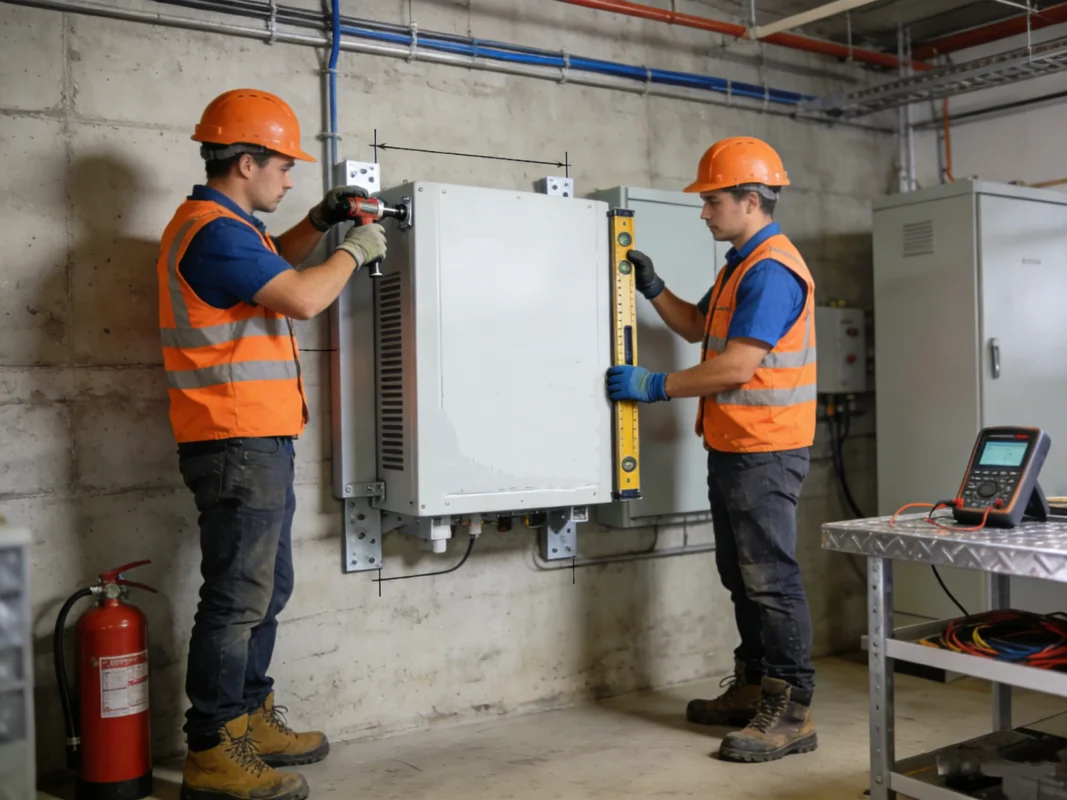
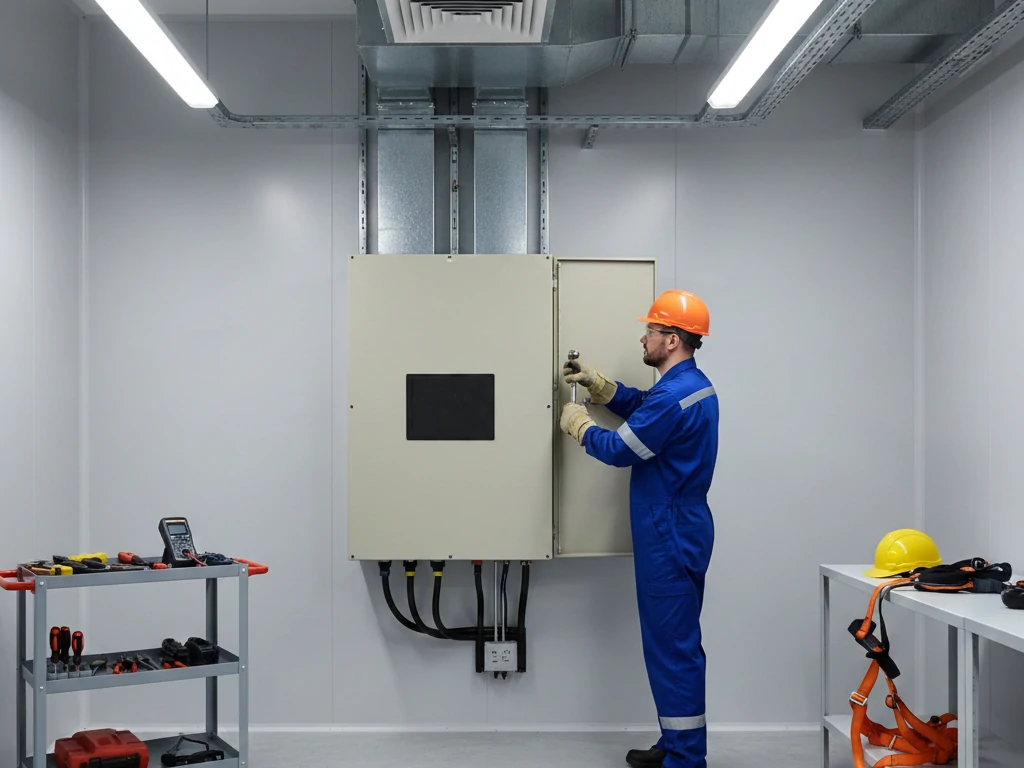
A 50kW solar inverter is a heavy, high-power device. Proper mounting is critical for both safety and long-term stability.
Key mounting considerations include:
Solid mounting reduces mechanical stress on internal components and simplifies maintenance work later on.
Clean and well-organized cabling is not just about appearance—it directly affects safety and performance.
Best practices for cabling include:
In a commercial 50kW PV system, proper cable management also makes future troubleshooting faster and safer.
Grounding is a critical safety requirement for any 50kW solar inverter installation. A properly grounded system protects both people and equipment from electrical faults.
Essential grounding practices involve:
From experience, grounding issues are one of the most common causes of inverter alarms and shutdowns in commercial systems.
Installation doesn’t end when the inverter is powered on. Proper commissioning ensures that the 50kW solar inverter operates as intended within the grid and facility environment.
Commissioning steps typically include:
A carefully commissioned commercial 50kW PV system experiences fewer issues during its first year of operation.
Long-term reliability depends on accessibility. A 50kW solar inverter should be installed in a location that allows technicians to work safely and efficiently.
Good access planning includes:
Well-planned access reduces downtime and lowers maintenance costs over the life of the system.
Choosing a 50kW solar inverter is not just a technical decision—it’s a business decision that affects operating costs, energy stability, and long-term planning. While this inverter size is extremely popular in commercial projects, it isn’t automatically the right fit for every facility. The key is understanding how it aligns with your energy usage patterns and operational goals.
From working with a wide range of commercial sites, the best results always come from matching inverter capacity to real-world demand, not theoretical maximums.
A 50kW solar inverter is typically well suited for businesses with steady daytime electricity consumption. These are facilities where solar energy can be used directly, rather than exported back to the grid.
Common examples include:
In these environments, a commercial 50kW PV system paired with a 50kW solar inverter can offset a significant portion of grid electricity and deliver measurable cost savings.
Before deciding on a 50kW solar inverter, it’s important to look closely at your energy data. One or two months of utility bills are rarely enough. Ideally, you should analyze at least a full year of consumption patterns.
Key questions to ask:
If your daytime demand regularly aligns with solar production, a 50kW solar inverter can operate efficiently and deliver strong financial returns.
A 50kW solar inverter typically operates as a 50kW 3 phase inverter, which means your facility must support three-phase electrical connections. Most commercial and industrial buildings already meet this requirement, but it should always be confirmed during system planning.
In addition, consider:
If these conditions are met, integrating a commercial 50kW PV system is usually straightforward.
From a cost perspective, a 50kW solar inverter often sits in a favorable range. It’s large enough to deliver meaningful energy savings without the complexity of utility-scale systems.
When assessing value, look beyond the 50kW string inverter price and focus on:
In many cases, businesses see stable and predictable savings when a 50kW solar inverter is properly sized and installed.
There are situations where this inverter size may be too large or too small. Facilities with very low daytime usage or highly irregular loads may not benefit fully from a 50kW solar inverter.
In such cases:
The goal is always to match inverter capacity to actual operational needs.
One of the advantages of choosing a 50kW solar inverter is scalability. Many businesses start with a commercial 50kW PV system and expand later as energy needs grow.
This modular approach allows:
Planning for future growth ensures that your solar investment remains relevant as your business evolves.
Ultimately, a 50kW solar inverter is right for your business if it aligns with how you use electricity, fits your physical space, and supports your financial goals. When chosen thoughtfully, it becomes a reliable tool for reducing energy costs and improving operational stability.
From real-world experience, businesses that take the time to evaluate their needs carefully are the ones that benefit most. A well-matched 50kW solar inverter doesn’t just produce power—it supports smarter, more predictable energy management for years to come.
The 50kW solar inverter remains one of the most reliable, scalable, and cost-effective solutions for commercial solar today.
If you’re building or upgrading a commercial 50kW PV system, choosing the right inverter isn’t just a technical decision—it’s a business one. Get it right, and your system will quietly deliver value for decades.
The cost of a 50kW solar inverter depends heavily on technical specifications, build quality, and market conditions. In general, pricing reflects factors such as efficiency, cooling design, protection features, and monitoring capabilities rather than just the power rating.
When evaluating cost, it’s important to look beyond the initial purchase price. A well-designed 50kW solar inverter often delivers better long-term value through higher energy yield, fewer faults, and lower maintenance costs over its operating life.
The AC output current of a 50kW solar inverter varies depending on grid voltage and regional standards. In most commercial installations using three-phase power, a 50kW 3 phase inverter typically delivers approximately 70–80 amps per phase.
This balanced current output is essential for supporting commercial equipment and maintaining electrical stability within a commercial 50kW PV system.
A 50kW solar inverter can usually handle between 250 and 300 standard solar panels, depending on individual panel wattage and system design. Many commercial systems intentionally oversize the DC side to improve performance during low-light conditions.
In a well-designed commercial 50kW PV system, the panel count is carefully matched to the inverter’s voltage and current limits to ensure safe and efficient operation throughout the year.
Yes, a 50kW solar inverter is often an excellent choice for a small factory, especially if the facility operates primarily during daylight hours. Factories typically have steady loads from machinery, lighting, and ventilation systems, which align well with solar production.
When paired with proper load analysis and system design, a commercial 50kW PV system can significantly reduce grid electricity consumption in a small manufacturing environment.
The weight and dimensions of a 50kW inverter vary by design and enclosure type. Most 50kW solar inverter units are compact enough for wall mounting and are designed to be installed by two technicians using standard lifting practices.
While exact measurements differ between models, commercial 50kW inverters are generally engineered to balance power density with adequate internal spacing for cooling and service access.
In most cases, a 50kW solar inverter does not require a specialized mounting rack. These inverters are typically designed for direct wall mounting on concrete or reinforced steel structures.
The key requirements are:
• Adequate load-bearing capacity
• Secure anchoring points
• Sufficient clearance for ventilation and maintenance
As long as these conditions are met, a 50kW solar inverter can be installed safely and reliably without custom mounting systems.








 Turkish
  Romanian