



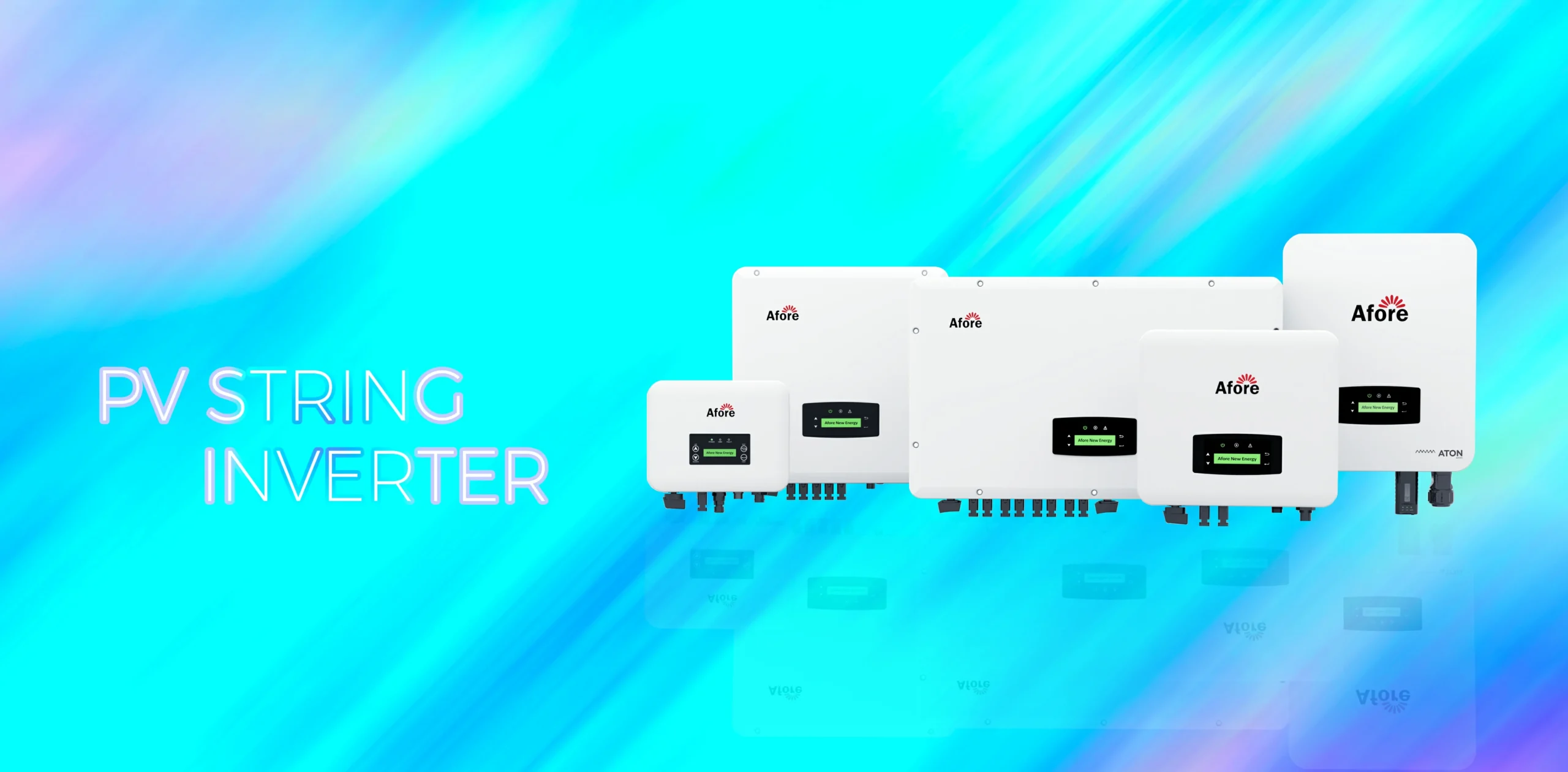
If you’ve spent any real time in the solar industry, you already know this truth: choosing the wrong grid tied solar inverter manufacturer can quietly destroy an otherwise perfect PV project.
On paper, most inverters look the same. Similar specs. Similar efficiency numbers. Similar warranty promises. But in the real world—on rooftops, in commercial plants, under heat, dust, grid fluctuations, and inspection pressure—the difference between a reliable grid tied solar inverter manufacturer and a risky one becomes painfully obvious.
I’ll walk you through how manufacturers really operate, what separates a factory from a middleman, how OEM and direct production works, and how to avoid mistakes that cost time, money, and reputation.
A grid-tied solar inverter is often described in simple terms: it converts DC electricity from solar panels into AC power that matches the utility grid. That explanation is technically correct—but it barely scratches the surface of what really happens in real-world systems.
In practice, a grid-tied solar inverter is not just a power conversion device. It is a real-time grid communication tool, constantly adjusting its output to stay synchronized with the utility network. This is exactly why the choice of a grid tied solar inverter manufacturer matters far more than many buyers initially assume.
Unlike passive components, the inverter is active 24/7. Every decision made by the grid tied solar inverter manufacturer—from circuit topology to firmware logic—directly affects system stability, compliance, and long-term performance.
On paper, grid-tied operation looks straightforward. In reality, the inverter must continuously respond to:
A capable grid tied solar inverter manufacturer designs systems that expect instability, not ideal conditions. This means smarter control algorithms, faster response times, and conservative safety margins.
Manufacturers with limited engineering depth often design for lab conditions. Experienced grid tied solar inverter manufacturers design for worst-case scenarios—because that’s what happens on actual rooftops and commercial sites.
Datasheets are easy to copy. Manufacturing philosophy is not.
Two inverters can share identical specifications yet behave very differently after a few years of operation. The difference almost always comes down to the grid tied solar inverter manufacturer’s decisions regarding:
A reliable grid tied solar inverter manufacturer invests heavily in validation, stress testing, and field feedback. These investments rarely show up in marketing material, but they define real-world reliability.
Grid codes are becoming stricter worldwide. Anti-islanding protection, reactive power control, and grid support functions are no longer optional features—they are mandatory.
The installer cannot compensate for weak grid compliance design. Only the grid tied solar inverter manufacturer can ensure that:
This is why experienced professionals evaluate the manufacturer first and the product second.
Most inverter failures are not random. They are the result of early manufacturing decisions made by the grid tied solar inverter manufacturer, including:
When an inverter fails after two or three years, it is rarely “bad luck.” It is usually a delayed consequence of manufacturing shortcuts.
A trustworthy grid tied solar inverter manufacturer understands that reliability is not achieved by warranty promises, but by disciplined factory processes.
Professionals who have handled multiple projects know this pattern well:
The first shipment is fine. The installation goes smoothly. Problems appear later—during grid events, heatwaves, or inspection audits.
At that point, the real question becomes:
How does the grid tied solar inverter manufacturer respond?
Do they provide engineering-level answers?
Do they release firmware updates quickly?
Do they analyze failures and adjust production?
These responses define whether a manufacturer is a short-term vendor or a long-term partner.
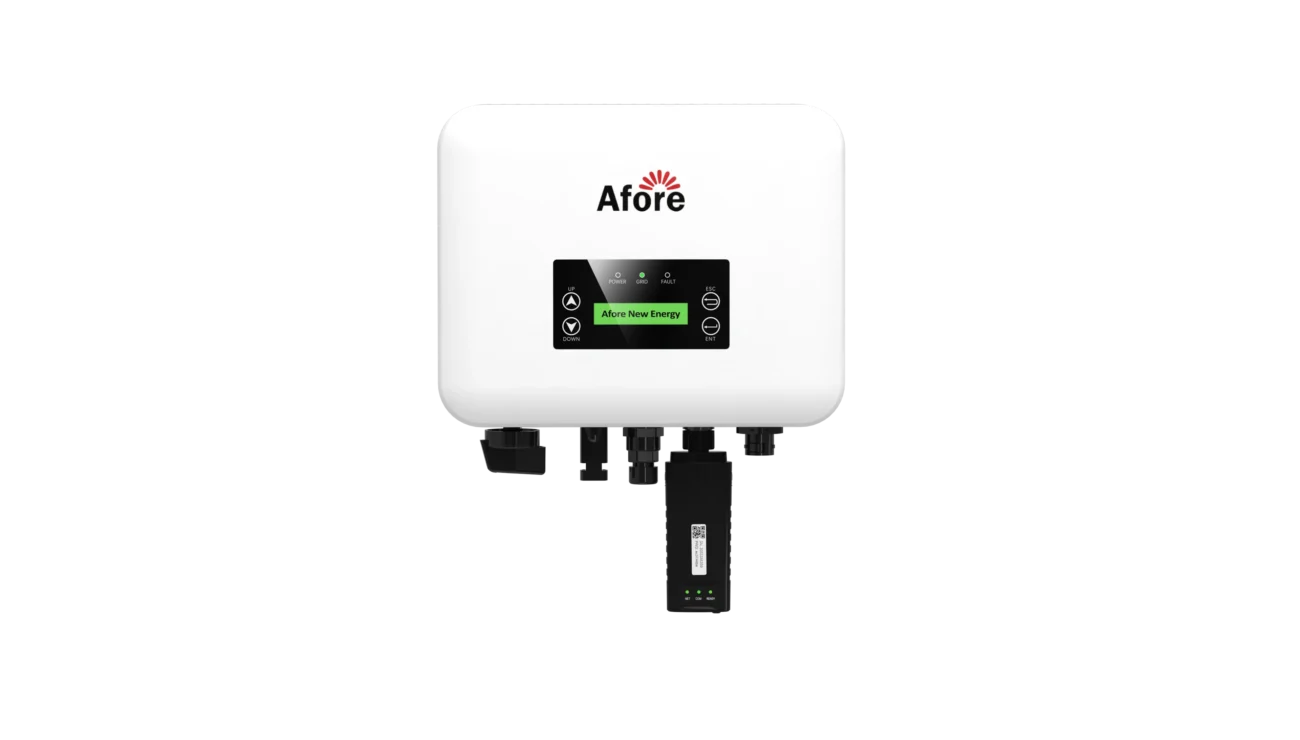
From the outside, many companies look like manufacturers. They have product catalogs, glossy brochures, and impressive specification sheets. But once you step inside the operation, the difference between a surface-level supplier and a real grid tied solar inverter manufacturer becomes obvious very quickly.
A real grid tied solar inverter manufacturer is not defined by how well it markets products, but by how deeply it controls engineering, production, and long-term quality outcomes.
In practical terms, a real grid tied solar inverter manufacturer owns and controls the most critical parts of the value chain, including:
This level of control is what separates manufacturers from assemblers or trading companies.
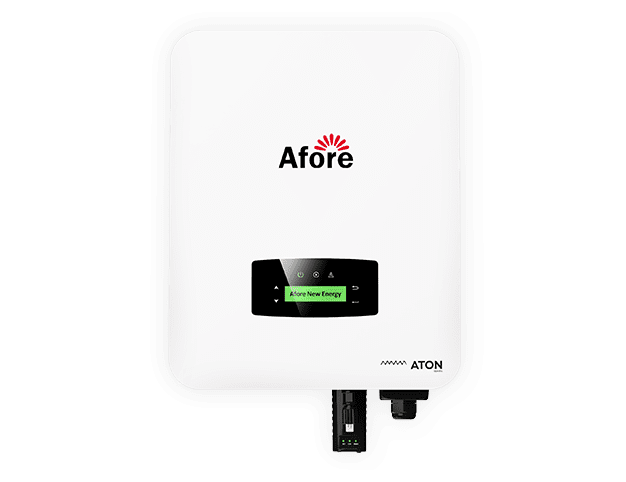
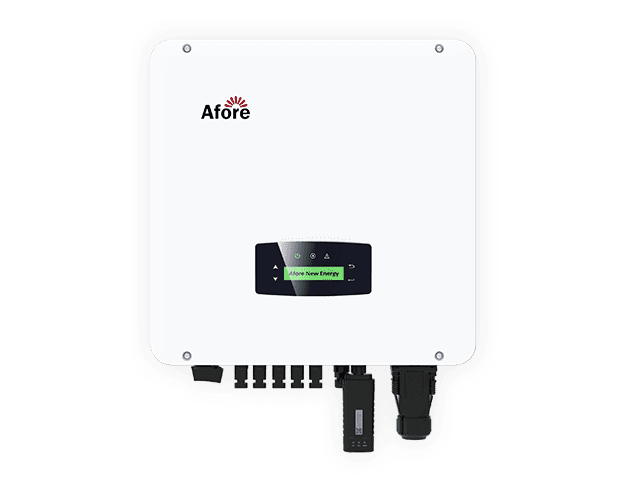
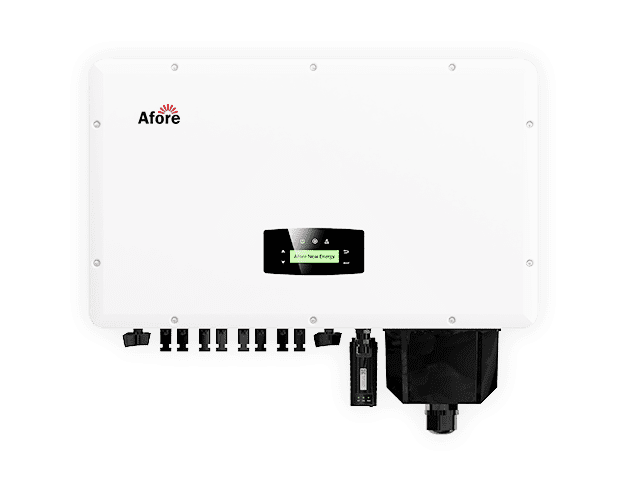
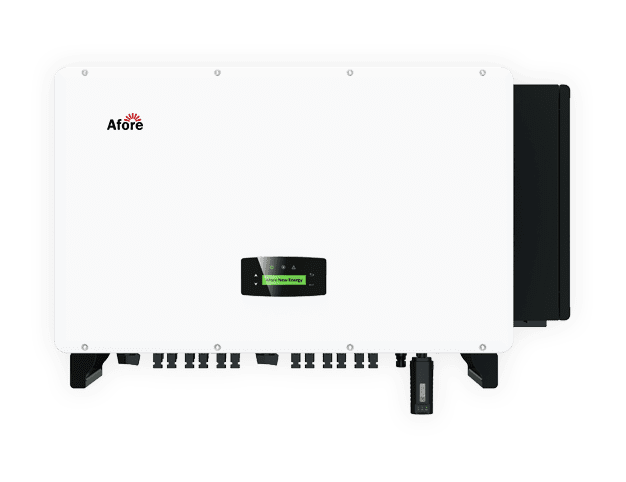
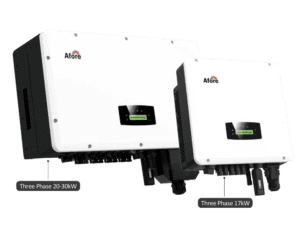
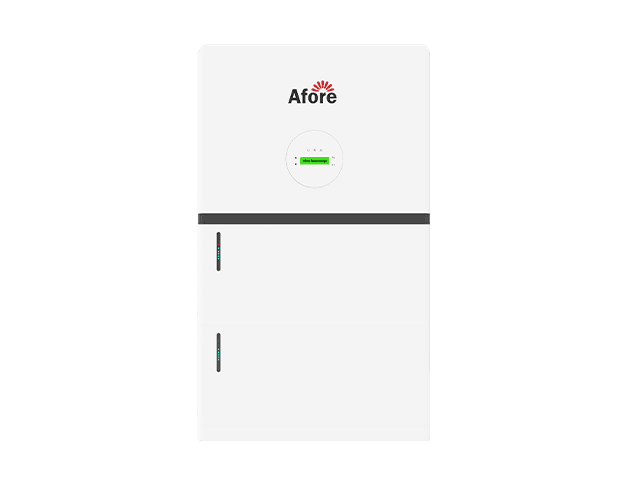
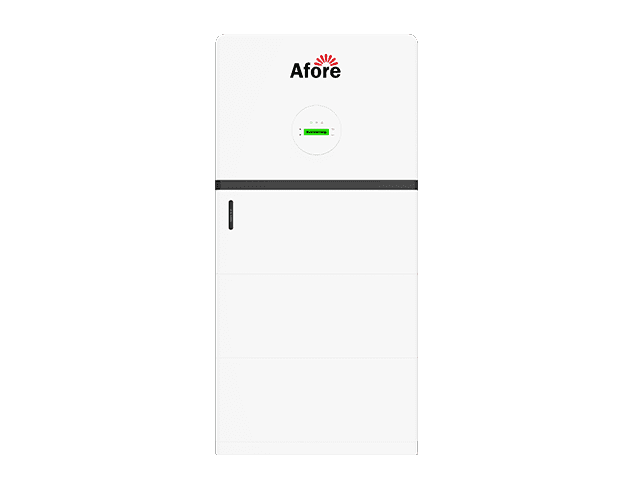
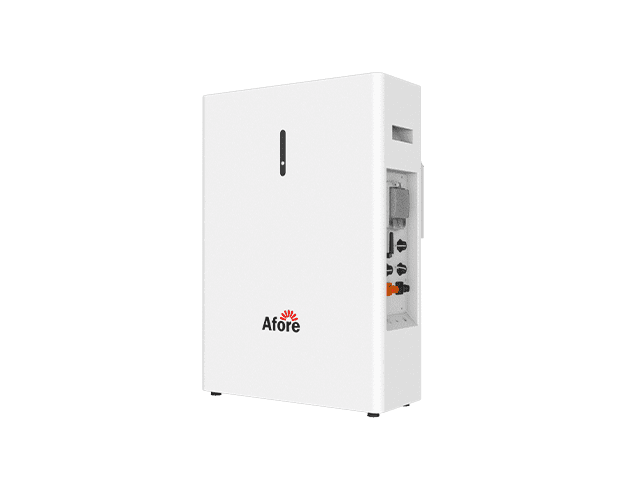
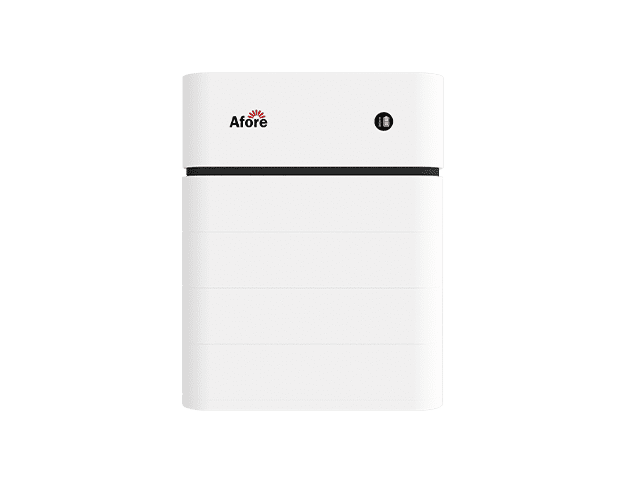
For example, Afore is a real grid tied solar inverter manufacturer because it operates with internal engineering teams, structured production processes, and direct responsibility for inverter design and validation rather than relying solely on outsourced solutions.
Engineering depth is the first thing experienced buyers look for.
A genuine grid tied solar inverter manufacturer can clearly explain:
When these answers come from internal engineers instead of sales staff, it signals real manufacturing capability.
This is also where companies like Afore, as a real grid tied solar inverter manufacturer, stand apart—engineering decisions are traceable, documented, and tied directly to factory execution.
A real grid tied solar inverter manufacturer does not treat quality control as a checkbox. It is embedded into every production stage.
Key indicators include:
Manufacturers that truly own their factories can adjust processes quickly when field issues appear. This feedback loop is one of the strongest signals of manufacturing maturity.
As a real grid tied solar inverter manufacturer, Afore follows this factory-driven approach, where product quality is managed at the process level rather than handled reactively through after-sales support.
Firmware is the invisible core of any grid-tied inverter.
Only a real grid tied solar inverter manufacturer:
If firmware development is outsourced or locked by third parties, long-term system stability becomes unpredictable.
Seasoned installers, EPCs, and distributors eventually learn the same lesson:
The inverter on the wall reflects the manufacturer behind it.
That’s why professionals increasingly evaluate:
A real grid tied solar inverter manufacturer earns trust not through claims, but through consistency.
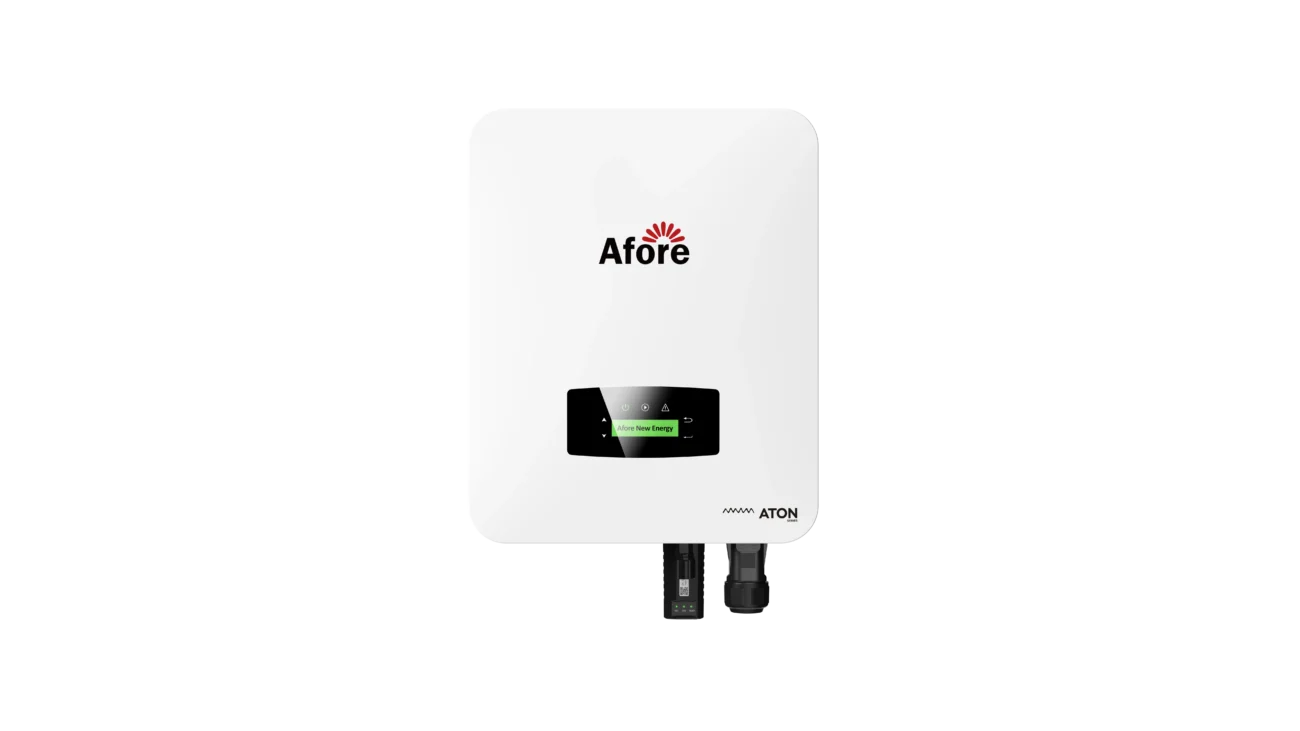
In procurement conversations, these two terms are often used interchangeably. In reality, a Direct solar inverter factory and an OEM solar inverter supplier represent two very different business models, even though both may qualify as a grid tied solar inverter manufacturer.
Understanding the distinction helps buyers choose the right type of partner for their market strategy, volume goals, and long-term positioning.
A Direct solar inverter factory is a manufacturer that produces and sells its own inverters without relying on third-party branding or private-label arrangements.
Key characteristics typically include:
Working with a Direct solar inverter factory usually means you are buying close to the source.
For many buyers, especially distributors and EPC companies, the biggest advantages are operational.
A Direct solar inverter factory is often more comfortable discussing internal processes because there is no dependency on external brand owners.
This level of transparency is a strong indicator that the supplier is a genuine grid tied solar inverter manufacturer rather than a trading entity.
An OEM solar inverter supplier manufactures inverters that are customized and sold under another company’s name or specification.
Typical OEM capabilities include:
In this model, the OEM solar inverter supplier still acts as a grid tied solar inverter manufacturer, but production is aligned to the customer’s commercial identity.
OEM partnerships are particularly valuable when:
For companies with a clear market strategy, an OEM solar inverter supplier allows deeper control over product appearance and functionality while relying on an established manufacturing backbone.
A common assumption is that OEM is always more expensive. This is not necessarily true.
Direct solar inverter factory pricing:
OEM solar inverter supplier pricing:
The right choice depends on whether your priority is lowest acquisition cost or product differentiation.
Regardless of business model, quality responsibility still belongs to the grid tied solar inverter manufacturer.
However, how problems are resolved can differ:
Experienced buyers often request direct engineering access even in OEM arrangements to preserve technical clarity.
Each model carries different risks.
Direct solar inverter factory risks:
OEM solar inverter supplier risks:
Neither model is inherently better. The right choice depends on business scale, technical resources, and long-term plans.
Ask yourself:
Clear answers lead naturally to the correct model.
Whether Direct solar inverter factory or OEM solar inverter supplier, the supplier must still be a real grid tied solar inverter manufacturer with:
If these elements are missing, neither model will deliver long-term reliability.
Almost every supplier claims to be a reliable grid tied solar inverter manufacturer. Very few can prove it.
Verifying the quality of a solar inverter factory is not about trusting marketing statements. It is about systematically checking evidence across engineering, production, testing, and post-sale processes.
Experienced buyers treat factory verification as a structured process, not a casual conversation.
A trustworthy grid tied solar inverter manufacturer is willing to show how products are made.
This includes:
You do not need to see proprietary secrets. But you should see real operations, not stock photos.
Red flags include:
Transparency is often the first indicator of manufacturing maturity.
High-quality inverters begin with controlled components.
Ask how the factory:
A real grid tied solar inverter manufacturer can explain these processes clearly. Vague answers usually indicate weak internal control.
Quality is not something added at the end. It is built step by step.
Key in-process checks may include:
A factory that relies only on final inspection is not practicing true quality management.
Burn-in testing exposes early-life failures.
A serious grid tied solar inverter manufacturer typically performs:
The exact duration matters less than whether burn-in exists and is standardized.
If a factory skips burn-in entirely, long-term reliability risk increases.
Failures will happen. What matters is how they are handled.
Ask:
A real grid tied solar inverter manufacturer can show examples of design or process improvements driven by field data.
This demonstrates operational experience, not just theory.
Firmware controls grid interaction, protection logic, and communication.
Confirm that the manufacturer:
If firmware is outsourced or locked, long-term support becomes uncertain.
Firmware ownership is one of the strongest indicators of a real grid tied solar inverter manufacturer.
Certifications alone do not guarantee quality, but how they are managed reveals professionalism.
Look for:
A competent grid tied solar inverter manufacturer treats certification as an ongoing process, not a one-time achievement.
Traceability allows a factory to link a finished inverter back to:
This capability becomes critical if a field issue appears.
Without traceability, recalls and root-cause analysis become guesswork.
Good factories document everything.
Ask for:
Poor documentation usually reflects poor internal discipline.
Quality verification is incomplete without evaluating support.
Ask:
A grid tied solar inverter manufacturer focused only on shipment volume will struggle here.
No factory is perfect.
What you want is:
Honest answers are often more reassuring than flawless claims.
This is one of the most practical questions buyers ask when evaluating a grid tied solar inverter manufacturer—and for good reason.
Datasheets don’t solve problems. People do.
When an inverter trips repeatedly, fails to synchronize with the grid, or shows communication errors, the real value of a grid tied solar inverter manufacturer is revealed through its technical support structure.
Local technical support is not a marketing feature. It is a risk management tool.
Many assume local support means a physical office in every country. In reality, effective local technical support usually consists of:
A grid tied solar inverter manufacturer can provide strong local support without owning physical offices, as long as the support system is properly structured.
When a system is down, response time matters.
A grid tied solar inverter manufacturer with engineers available during your business hours often provides better real-world support than one with a distant office but slow communication.
Fast diagnostics, clear instructions, and immediate escalation pathways reduce downtime far more effectively than a nearby address.
Local technicians alone cannot solve complex inverter behavior.
A competent grid tied solar inverter manufacturer ensures that:
Without this internal linkage, local support becomes guesswork.
One of the most telling signs of serious support is spare parts planning.
Ask whether the manufacturer:
A grid tied solar inverter manufacturer that cannot supply parts quickly does not truly support long-term installations.
Strong manufacturers invest in training.
This may include:
Training creates consistency. Consistency builds trust.
A grid tied solar inverter manufacturer that actively trains partners demonstrates long-term commitment to product performance.
Modern grid-tied systems generate large amounts of operational data.
A capable grid tied solar inverter manufacturer uses this data to:
Remote diagnostics often resolve issues faster than site visits.
Practical questions reveal real support capability:
Clear, specific answers indicate a mature support organization.
Support behavior is not accidental.
It reflects whether the grid tied solar inverter manufacturer:
Manufacturers with weak support often focus on shipment volume rather than system uptime.
Price differences fade quickly when:
Experienced professionals choose a grid tied solar inverter manufacturer that can keep systems running, even if initial cost is slightly higher.
Most inverter problems do not start on the rooftop.
They start at the purchasing desk.
After years of observing successful and failed projects, the same mistakes appear again and again when buyers select a grid tied solar inverter manufacturer.
Avoiding these errors often matters more than finding the “perfect” supplier.
Low pricing is attractive. Everyone understands budget pressure.
But focusing only on price usually leads to higher lifetime cost.
Cheaper units often come from grid tied solar inverter manufacturers that:
Initial savings disappear when failures, replacements, and labor costs begin.
Experienced buyers evaluate total cost of ownership, not just invoice price.
Brochures say everything is reliable. Reality is different.
A common mistake is accepting claims such as:
without requesting evidence.
A real grid tied solar inverter manufacturer can provide:
If evidence is missing, assume risk.
Some suppliers present themselves as manufacturers but are actually:
This matters because only a real grid tied solar inverter manufacturer controls:
Always confirm factory ownership, production lines, and engineering teams.
Firmware controls everything from grid synchronization to protection logic.
A serious grid tied solar inverter manufacturer develops and maintains firmware internally.
When firmware is outsourced or locked, future updates depend on third parties, increasing long-term uncertainty.
Ignoring this point is one of the most costly mistakes buyers make.
Support is easy to ignore during purchasing and painful to remember later.
Many buyers fail to ask:
A grid tied solar inverter manufacturer with weak support can turn small issues into long outages.
Certifications prove compliance, not durability.
They confirm that a product meets minimum standards under test conditions.
They do not prove:
A grid tied solar inverter manufacturer must be evaluated beyond certificates.
Remote evaluation is convenient but incomplete.
When possible, factory audits reveal:
Skipping audits increases reliance on assumptions.
New manufacturers can be innovative. They can also be risky.
Buyers often forget to ask:
Experience matters in power electronics manufacturing.
Markets evolve. Grid codes change. Technology advances.
Some buyers choose a grid tied solar inverter manufacturer once and never re-evaluate.
Smart buyers periodically reassess:
Long-term success depends on ongoing evaluation.
At the end of the day, solar projects don’t fail because of panels. They fail because of weak electronics, poor support, and unrealistic promises.
A reliable grid tied solar inverter manufacturer isn’t just a supplier. They’re a long-term technical partner.
Choose carefully. Ask uncomfortable questions. Demand transparency.
Because once that inverter is on the wall and connected to the grid, the manufacturer’s decisions become your reputation.
There is no universally accepted global ranking that applies to every market.
Different regions prioritize different factors:
• Grid compliance depth
• Local support strength
• Manufacturing scale
• Product stability history
From an industry perspective, the more meaningful way to identify top-level companies is to look for true grid tied solar inverter manufacturers that:
• Own their production facilities
• Maintain in-house R&D and firmware teams
• Ship high annual volumes
• Support multiple international markets
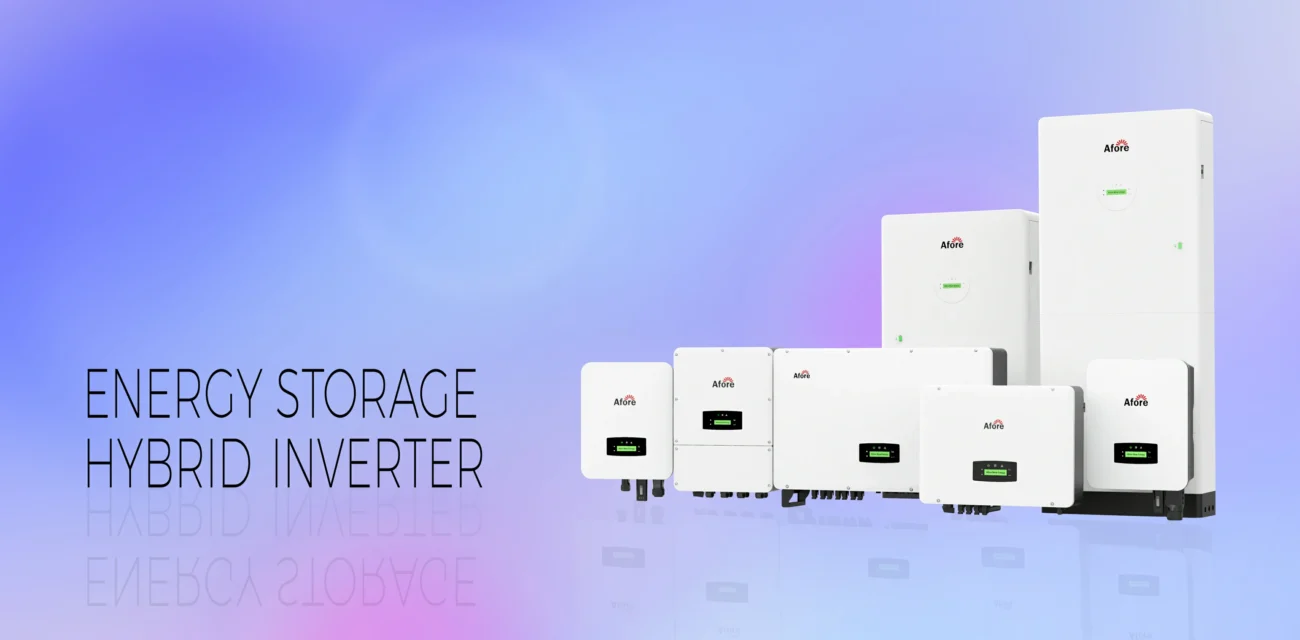
Manufacturers such as Afore are often discussed within professional circles because they operate as real manufacturing entities rather than marketing-only brands, which is increasingly important for long-term project reliability.
“Tier 1” is a financial bankability classification, not a direct measurement of manufacturing quality.
However, from a technical and operational standpoint, Afore is widely recognized as a real grid tied solar inverter manufacturer because it:
• Designs its own inverter platforms
• Operates controlled production lines
• Develops and maintains firmware internally
• Supports multiple international certifications
For many EPCs and distributors, this manufacturing reality matters more than formal tier labels.
Use a multi-layer verification approach:
• Request factory photos or live tours
• Ask about incoming component inspection
• Confirm burn-in and stress testing
• Review failure analysis procedures
• Verify firmware ownership
Some do, some do not.
Strong grid tied solar inverter manufacturers usually support the US market through:
• Regional service partners
• Remote diagnostics teams
• Local spare parts warehouses
• Time-zone-aligned engineers
A serious grid tied solar inverter manufacturer typically supports:
• Safety certifications
• Grid interconnection certifications
• EMC certifications
• Environmental compliance
More importantly, manufacturers should actively track updates and manage re-certification.
Because manufacturer-direct companies:
• Control product design
• Control firmware
• Control quality processes
• Can modify products when problems arise
It depends on your business model.
OEM cooperation with a true manufacturer allows:
• Custom firmware
• Customized housings
• Private labeling
• Differentiated product positioning
Look for:
• Stable engineering team
• Transparent factory processes
• Consistent product roadmap
• Willingness to share technical detail
• Clear support structure
Manufacturing capability should always come first.
Brand recognition can change.
Factory capability rarely improves quickly.
This is why many experienced buyers quietly choose grid tied solar inverter manufacturers with strong internal engineering and production, even if they are less visible to the general public.








 Turkish
  Romanian