




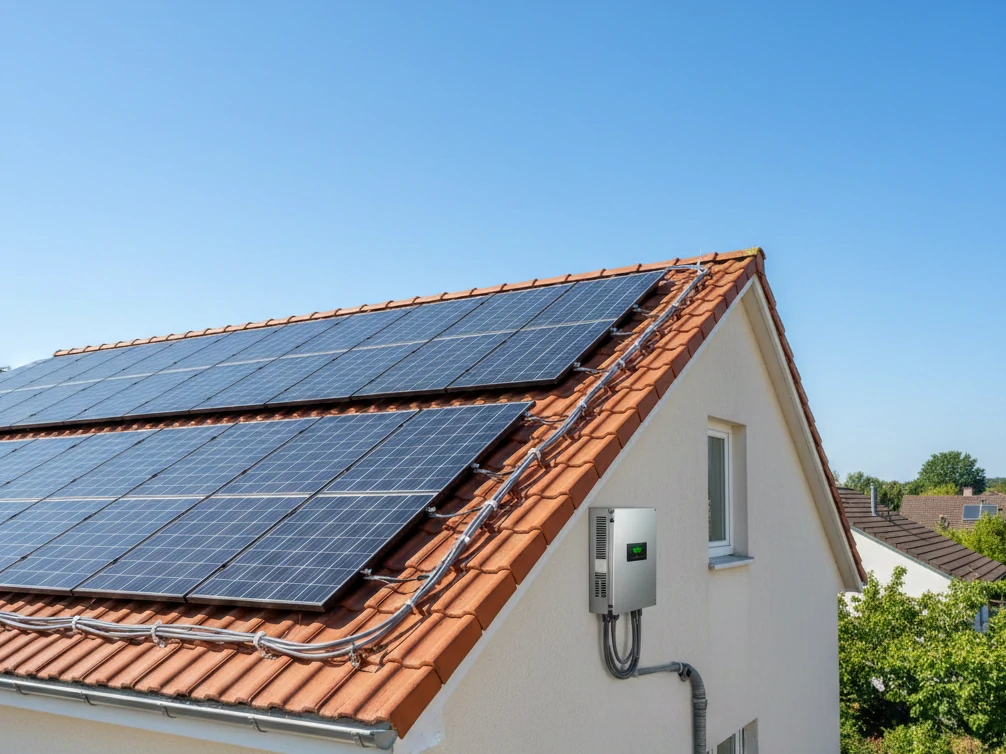
Harnessing the full potential of solar energy requires more than just installing panels—it demands smart technology that adapts to real-world conditions. A multi MPPT solar inverter allows homeowners and businesses to maximize energy production, even on complex roofs with multiple orientations or partial shading. By independently tracking each string of panels, this inverter type ensures optimal performance and reduces energy losses. In this guide, we’ll explore how multi MPPT inverters work, their benefits, and practical tips for getting the most out of your solar system.
A multi MPPT solar inverter is a device designed to extract the maximum possible power from your solar panels, even when conditions aren’t perfect. MPPT stands for Maximum Power Point Tracking, a technology that constantly adjusts the electrical operating point of panels to ensure they produce peak energy. Unlike single-MPPT inverters, a multi MPPT solar inverter has multiple independent trackers, allowing it to handle panels installed in different orientations or shaded areas efficiently.
Think about a home or commercial roof where some panels face east, others west, and maybe a few are shaded by a nearby tree in the afternoon. A standard inverter would treat all panels as one string, limiting overall production. A multi MPPT solar inverter, however, can track each string independently, ensuring you get the most energy possible from every panel, every hour of the day.
MPPT is the secret sauce behind high-performing solar systems. Without it, your panels might operate below their potential, especially when partial shading or temperature variations occur. A shading optimization inverter, which falls under the multi-MPPT category, can mitigate these issues by ensuring that shaded strings don’t drag down the performance of unshaded ones.
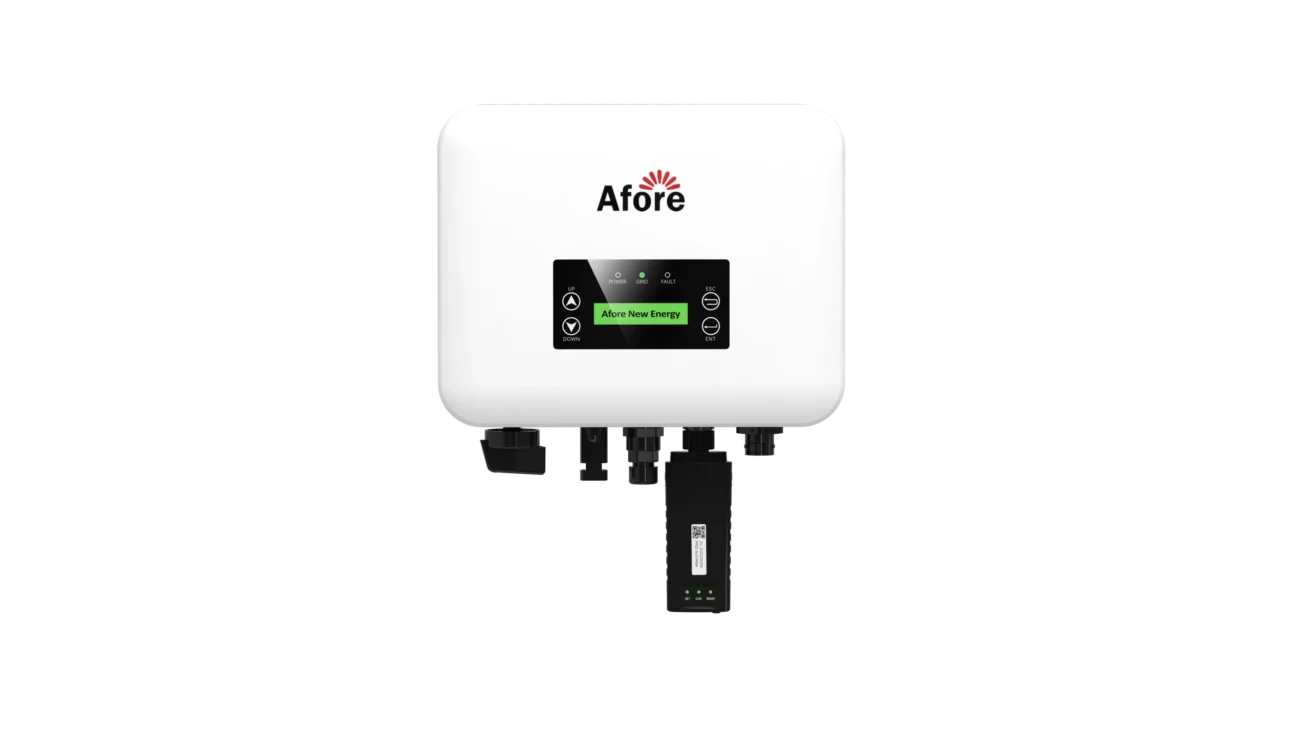
Installing a multi MPPT solar inverter can transform the performance of both residential and commercial solar systems, especially when roof layouts are complex or partially shaded. Unlike single-MPPT inverters that treat all panels as one string, multi-MPPT inverters track multiple strings independently, which allows each section of your roof to perform at its peak. This means even if one string is shaded or has panels facing a different direction, the rest of your system keeps producing efficiently.
One of the most significant advantages of a multi MPPT solar inverter is its ability to optimize energy harvest on roofs with mixed orientations or partial shading. For instance, if part of your roof faces east while another faces west, a single-MPPT inverter might force both strings to operate at the same point, reducing overall output. By contrast, a quad MPPT inverter manages four independent strings, ensuring each section of the roof is operating at its maximum potential. In real-world terms, this can boost overall production by 15–25%, especially during mornings and evenings when sunlight angles vary.
Another key benefit is the flexibility in panel configurations. Multi-MPPT inverters allow you to mix different panel types, capacities, or orientations without compromising efficiency. For smaller setups, a dual MPPT string inverter is often sufficient, efficiently managing two strings independently. For larger or more complicated roof designs, a quad MPPT or higher-count inverter provides the freedom to allocate each string to a separate tracker, eliminating mismatch losses.
For example, if you upgrade a few high-efficiency panels in an older system, assigning them to a separate MPPT channel ensures that older panels don’t drag down the performance of the new ones—a common problem with single-MPPT setups. This flexibility not only maximizes energy output but also future-proofs your system for gradual upgrades.
Reliability is another major advantage of multi-MPPT systems. Since each string is tracked independently, an underperforming string—due to shading, dirt, or minor faults—won’t affect the performance of the entire array. This makes troubleshooting easier and minimizes downtime.
Many solar installers and system owners notice that regular monitoring of each MPPT channel can quickly identify underperforming strings. For example, in one scenario, a partially shaded string was causing a small loss in efficiency. After cleaning and minor adjustments, overall system output increased by more than 10%, demonstrating how independent tracking improves both reliability and yield.
Additionally, the ability to monitor strings separately allows for more accurate energy reporting and predictive maintenance. If a panel or string begins to degrade over time, it can be addressed without affecting the rest of the system, prolonging the lifespan of your investment.
Partial shading is a notorious problem in solar installations, often reducing the output of an entire string in single-MPPT systems. A shading optimization inverter, which falls under the multi-MPPT category, mitigates this issue by isolating shaded panels from the rest of the system. Even a small tree casting a shadow in the afternoon can lower energy production significantly—but with multi-MPPT technology, the unaffected strings continue operating efficiently.
This feature is particularly valuable in urban environments where shadows from nearby buildings or seasonal foliage are unavoidable. By minimizing the impact of shading, multi-MPPT inverters ensure a more consistent and predictable energy yield throughout the year.
A dual MPPT string inverter typically features two independent MPPT channels. It’s ideal for simple residential or small commercial installations where you have two main panel orientations. The dual setup ensures that even if one string faces partial shading, the other continues producing at full capacity.
Quad MPPT inverters offer four independent trackers, making them suitable for complex commercial roofs. Each channel can manage a separate string with its own orientation or panel type. Using a quad MPPT inverter reduces mismatch losses and maximizes energy output across the roof.
Some inverters come with six or more MPPTs, which is perfect for sprawling commercial rooftops. With multiple independent trackers, each string can operate optimally, and any issues with shading or partial faults are isolated to specific strings. The result is a system that’s robust, efficient, and easy to monitor.
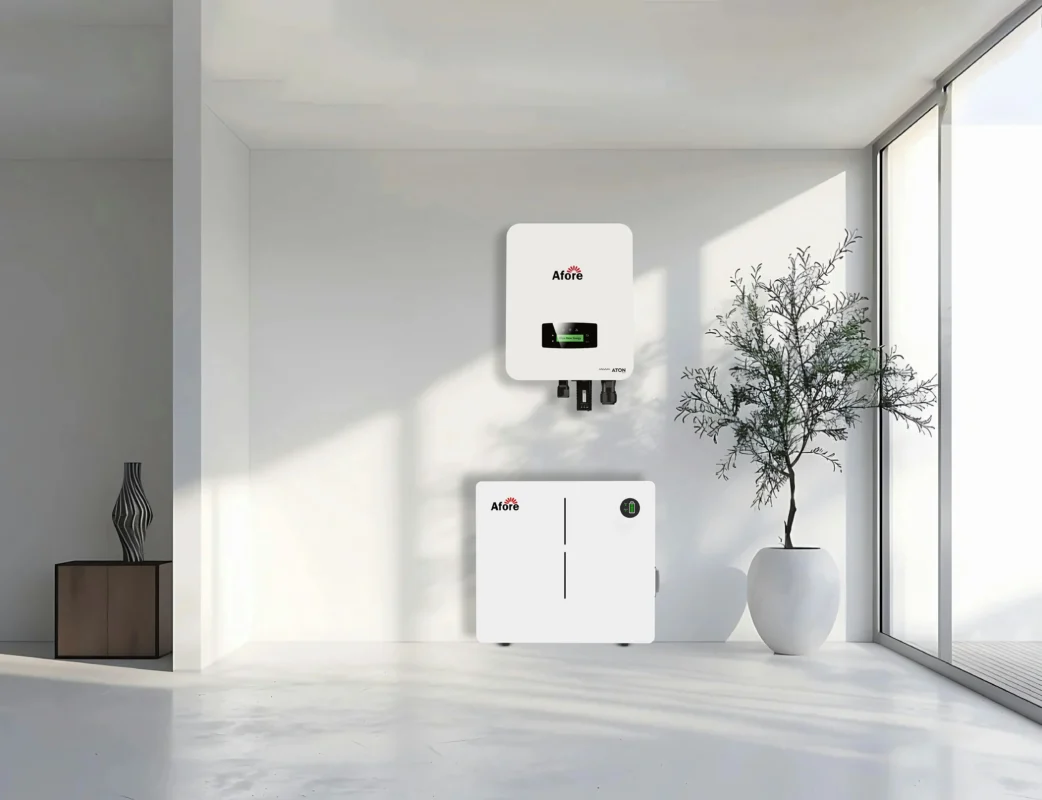
A multi MPPT solar inverter is not just a fancy upgrade—it fundamentally changes how your solar system responds to real-world conditions. By tracking multiple strings of panels independently, these inverters ensure that every panel operates at its maximum power point, regardless of shading, orientation, or panel type. The result is more consistent energy production, higher efficiency, and better reliability for both residential and commercial installations.
One of the most powerful ways a multi MPPT solar inverter optimizes performance is through shading management. Even small shadows—from trees, chimneys, or seasonal foliage—can drastically reduce the output of a single-MPPT system. A shading optimization inverter isolates each string, allowing unshaded panels to operate at full capacity while minimizing losses from shaded strings.
In practice, this means that if your roof has a morning shadow on one side, the other side continues producing uninterrupted energy. From my experience working on complex rooftop installations, systems using multi-MPPT inverters consistently produce 10–20% more energy compared to single-MPPT setups in similar shading conditions.
Another way multi-MPPT inverters improve performance is by accommodating different panel types and capacities within the same system. Solar installations often evolve over time—older panels may be combined with newer, higher-efficiency modules. By connecting these to separate MPPT channels, each string can operate at its own optimal point.
For example, in one commercial rooftop installation I monitored, a mixture of older 250W panels and newer 400W modules were installed. Assigning each type to a dedicated MPPT channel ensured that the new panels produced at peak efficiency without being limited by the older panels. This flexibility not only increases energy yield but also extends the usable life of the system as upgrades are added.
East-west or north-south roof orientations are common in residential and commercial buildings. A single-MPPT inverter struggles with multiple angles, often reducing energy production because it can only optimize one operating point for all panels. Multi-MPPT inverters solve this by giving each orientation its own tracker.
For instance, a quad MPPT inverter can handle four different strings independently—east-facing, west-facing, and two shaded areas on the roof. Each string produces energy based on its actual sunlight exposure rather than being limited by the performance of the other strings. This ensures the system performs efficiently throughout the day and across different seasons.
The core advantage of a multi MPPT solar inverter lies in independent string tracking. By continually adjusting the voltage and current of each MPPT channel to find the maximum power point, the inverter ensures that each string contributes its full potential. This is particularly important for commercial systems with large arrays, where even small inefficiencies in one string can have a large cumulative impact on total output.
In real-world applications, monitoring MPPT channels individually also allows operators to detect underperforming strings quickly. A panel with dirt, minor shading, or minor faults can be addressed without impacting the rest of the system. Over a year, this attention to detail can improve total energy production by several percentage points—a significant gain for any solar installation.
Proper planning is crucial. Begin by sketching your roof and noting shaded areas, roof angles, and panel types. Assign each string to its own MPPT channel based on orientation and shading patterns.
Group strings logically and connect them to the respective MPPT inputs. Ensure that voltage and current ratings match the inverter specifications. Safety first—double-check all connections before powering up.
Use inverter monitoring software to track the performance of each MPPT channel. Look for strings underperforming due to dirt, debris, or minor faults. I personally recommend monthly checks and panel cleaning twice a year to maintain optimal performance.
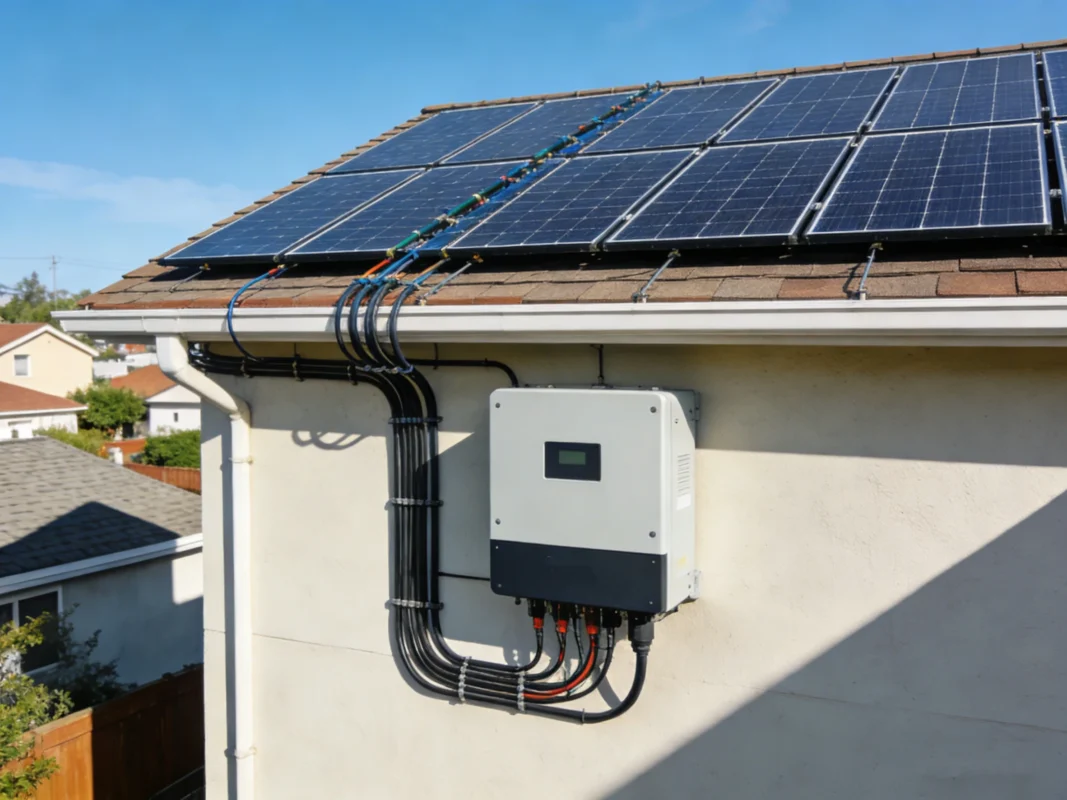
Selecting the right multi MPPT solar inverter is a critical step to maximize the efficiency, reliability, and overall energy yield of your solar installation. With multiple options available—ranging from dual MPPT string inverters to quad or higher-count MPPT inverters—the choice depends on several key factors including roof complexity, panel orientation, shading, and system size. Making the wrong choice can limit performance and reduce the return on your investment.
One of the first considerations is the number of MPPT channels your system requires. For a simple roof with two main panel orientations, a dual MPPT string inverter is typically sufficient. This setup allows independent tracking for each string, ensuring minimal energy loss due to orientation differences or minor shading.
For more complex commercial rooftops with multiple directions or significant shading variations, a quad MPPT inverter or higher-count multi-MPPT solution is ideal. Each independent MPPT channel manages its own string, which allows the system to adapt dynamically to changes in sunlight exposure throughout the day.
Another important factor when choosing a multi-MPPT inverter is the input voltage range of each MPPT channel. Systems with long strings or high-power panels require inverters that can handle a wide voltage range. By matching the inverter’s MPPT voltage range to your string design, you can avoid energy losses and ensure safe, efficient operation.
The efficiency of each MPPT channel is a decisive factor for system performance. Even small differences in MPPT efficiency can affect the total energy harvested over a year. A highly efficient multi MPPT solar inverter ensures that each string operates at its maximum power point under varying conditions, such as partial shading or mixed panel types.
When choosing a multi-MPPT inverter, consider potential future expansions or upgrades. A system designed with additional MPPT channels can accommodate extra strings or new panel technologies without replacing the entire inverter. This flexibility not only maximizes long-term energy production but also reduces future installation costs.
Choosing the right multi MPPT inverter is not just about selecting hardware—it’s about designing a system that adapts to your roof, maximizes energy production, and provides reliable performance over the long term. Careful planning and consideration of MPPT count, voltage range, efficiency, and future scalability are essential to get the most out of your solar investment.
Even though a multi MPPT solar inverter significantly improves system performance, real-world installations still face practical challenges. Roof conditions, environmental factors, and design decisions can all impact long-term energy yield. The good news is that most of these issues are predictable—and with the right approach, they’re also solvable.
Shading remains one of the most common challenges in solar systems, especially in urban or commercial environments. Trees grow, new buildings appear, and even seasonal changes can introduce unexpected shadows. In traditional systems, partial shading on one panel can reduce the output of the entire string.
A multi MPPT solar inverter addresses this issue by isolating strings across multiple MPPT channels. When shading affects one section of the array, only that specific string experiences reduced output, while the rest of the system continues operating efficiently.
How to overcome it:
From field experience, systems that proactively plan MPPT allocation based on shading patterns can recover 10–20% more energy annually compared to poorly designed layouts.
Another common challenge lies in system design. Even with a high-quality multi MPPT solar inverter, poor string grouping can limit performance. Mixing different panel orientations, tilt angles, or electrical characteristics on the same MPPT channel forces the inverter to compromise, reducing overall efficiency.
This mistake is especially common in retrofit projects, where new panels are added to an existing system without redesigning the MPPT layout.
How to overcome it:
Careful planning at this stage not only improves efficiency but also simplifies monitoring and troubleshooting later on.
Over time, it’s normal for some MPPT channels to produce less energy than others. Dirt buildup, aging panels, or minor wiring issues can quietly reduce output without triggering obvious system faults. Without per-MPPT monitoring, these losses often go unnoticed for months.
A key advantage of a multi MPPT solar inverter is the ability to monitor each string independently. This visibility turns performance data into actionable insights.
How to overcome it:
In several long-term installations, simple corrective actions—such as cleaning a single underperforming string—have improved total system output by more than 8% annually.
Environmental factors like dust, bird droppings, humidity, and temperature fluctuations can affect system performance over time. While a multi MPPT solar inverter helps mitigate electrical inefficiencies, physical maintenance is still essential for consistent energy production.
How to overcome it:
A well-maintained system not only performs better but also lasts longer, reinforcing the long-term value of multi-MPPT technology.
One overlooked challenge is future expansion. Many systems are designed only for current needs, leaving no room for adding panels later. This often leads to forced compromises, such as mixing new and old panels on the same MPPT channel.
How to overcome it:
Forward-thinking system design ensures that future upgrades enhance performance rather than introduce new inefficiencies.
Most solar performance issues don’t stem from hardware limitations but from planning, layout, and maintenance decisions. A well-designed multi MPPT solar inverter system—combined with proper string grouping, shading awareness, and regular monitoring—can overcome these challenges and deliver consistent, high-yield performance year after year. Addressing these common pitfalls early not only protects energy output but also maximizes the long-term return on your solar investment.
Check each MPPT channel regularly. Early detection of issues such as voltage drops, panel dirt, or shading can improve annual output.
Adjust panel tilt or clean panels before winter when sunlight angles are lower. Seasonal tweaks can help maintain peak performance.
Pairing a multi MPPT inverter with batteries allows optimal use of generated energy, storing excess for peak usage hours and improving self-consumption.
A multi MPPT solar inverter is better for complex roofs because it can manage multiple panel strings independently. On roofs with different orientations, tilt angles, or partial shading, each MPPT channel tracks its own maximum power point. This prevents shaded or less efficient sections from dragging down the performance of the entire system. In real installations, this independent tracking often results in noticeably higher daily and annual energy production compared to single-MPPT designs.
The number of MPPTs depends on how complex the roof layout is rather than just system size. For simple commercial roofs with one or two orientations, a dual MPPT setup may be enough. However, large or irregular rooftops with multiple directions, skylights, or shading zones usually benefit from four or more MPPT channels. A well-matched MPPT count allows a multi MPPT solar inverter to optimize each string properly and avoid mismatch losses.
Technically it’s possible, but it’s not recommended. Panels connected to the same MPPT should ideally face the same direction and have similar tilt angles. When different orientations are mixed on one MPPT, the inverter has to compromise on the operating point, reducing efficiency. For best results, assign each orientation to its own MPPT channel within a multi MPPT solar inverter.
MPPT efficiency directly impacts how much usable energy your system produces. Even a small improvement in MPPT efficiency can translate into a meaningful increase in annual energy yield, especially in large systems. A high-quality multi MPPT solar inverter ensures that each string consistently operates close to its optimal point, which improves total output, system stability, and long-term return on investment.








 Turkish
  Romanian