



If you’ve spent any real time around farms, you know one thing is always true: agriculture runs on energy. Pumps, milking machines, cold storage, ventilation fans, greenhouse heaters, lighting, and automated feeders all depend on reliable power. Rising electricity costs, unstable grids, and increasing sustainability pressures are pushing many farmers to rethink where their energy comes from.
That’s where a solar inverter for agriculture becomes more than just a piece of hardware—it becomes the backbone of a smarter, more resilient energy strategy.
In this guide, I’ll walk you through everything you need to know about choosing, installing, and using a solar inverter for agriculture, based on real-world farm scenarios, practical experience, and proven technical principles. Whether you’re exploring a farm solar power system, planning solar for greenhouses, or considering a hybrid inverter, you’ll find clear answers here.
The world of agriculture is changing fast, and energy is right at the center of that shift. Farmers are no longer just concerned with soil, water, and crop yields—they’re thinking about electricity bills, power reliability, and sustainability. Installing a solar inverter for agriculture is no longer a luxury; it’s becoming a necessity for modern farms aiming to cut costs, increase efficiency, and reduce their environmental footprint. Let’s break down why solar power is reshaping the agricultural landscape.
Electricity is one of the largest operational expenses on a farm. Irrigation pumps running for hours on end, refrigeration systems keeping milk and produce fresh, ventilation fans cycling constantly—these costs add up fast. By integrating a solar inverter for agriculture, farmers can generate on-site electricity from a farm solar power system, which can dramatically lower monthly energy bills. Over time, this isn’t just a cost saver—it directly improves the farm’s bottom line, freeing up capital for equipment upgrades, seeds, or labor.
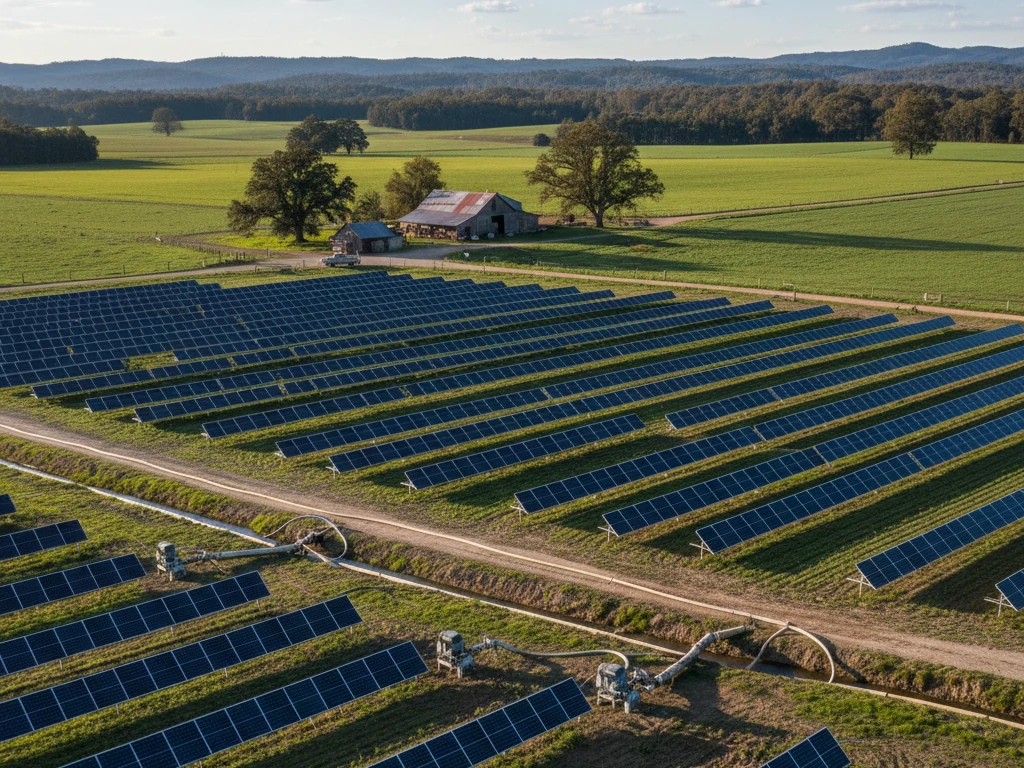
Think about it: farms typically have large open spaces, south-facing barn rooftops, and unused land that isn’t suitable for crops. These locations are perfect for installing solar panels that feed into a solar inverter for agriculture. Even small plots of rooftop area can host panels capable of powering key systems like irrigation or greenhouse lighting. With proper system sizing and placement, solar energy can cover a significant portion of daily electricity needs, reducing dependence on the grid and increasing energy independence.
The agricultural sector is highly sensitive to power disruptions. Storms, grid failures, or heat waves can halt irrigation systems, spoil stored produce, or shut down temperature-sensitive environments like greenhouses. With a solar inverter for agriculture, especially when paired with a hybrid inverter and energy storage, farms gain resilience. Even during power outages, essential systems—pumps, fans, refrigeration—can keep running, protecting crops, livestock, and equipment. This level of independence not only safeguards revenue but also reduces stress and operational risk for farmers.
Modern consumers care about sustainability, and farmers do too. Solar energy reduces greenhouse gas emissions, lowers reliance on fossil fuels, and helps farms meet environmental goals. Installing a solar inverter for agriculture as part of a farm solar power system allows farms to market themselves as eco-friendly, which can be a competitive advantage for produce and dairy products. Plus, sustainable operations often qualify for tax credits or incentive programs, further improving the financial case for solar investment.
Solar energy is no longer just about powering pumps or lights. Many farms are integrating technology for automation, climate control, and monitoring. A high-quality solar inverter for agriculture provides stable and consistent electricity that these sensitive devices need. For instance, solar for greenhouses often powers fans, supplemental lighting, and automated irrigation systems. Without a reliable inverter, these systems can underperform or even fail, which would directly affect crop yield and farm efficiency.
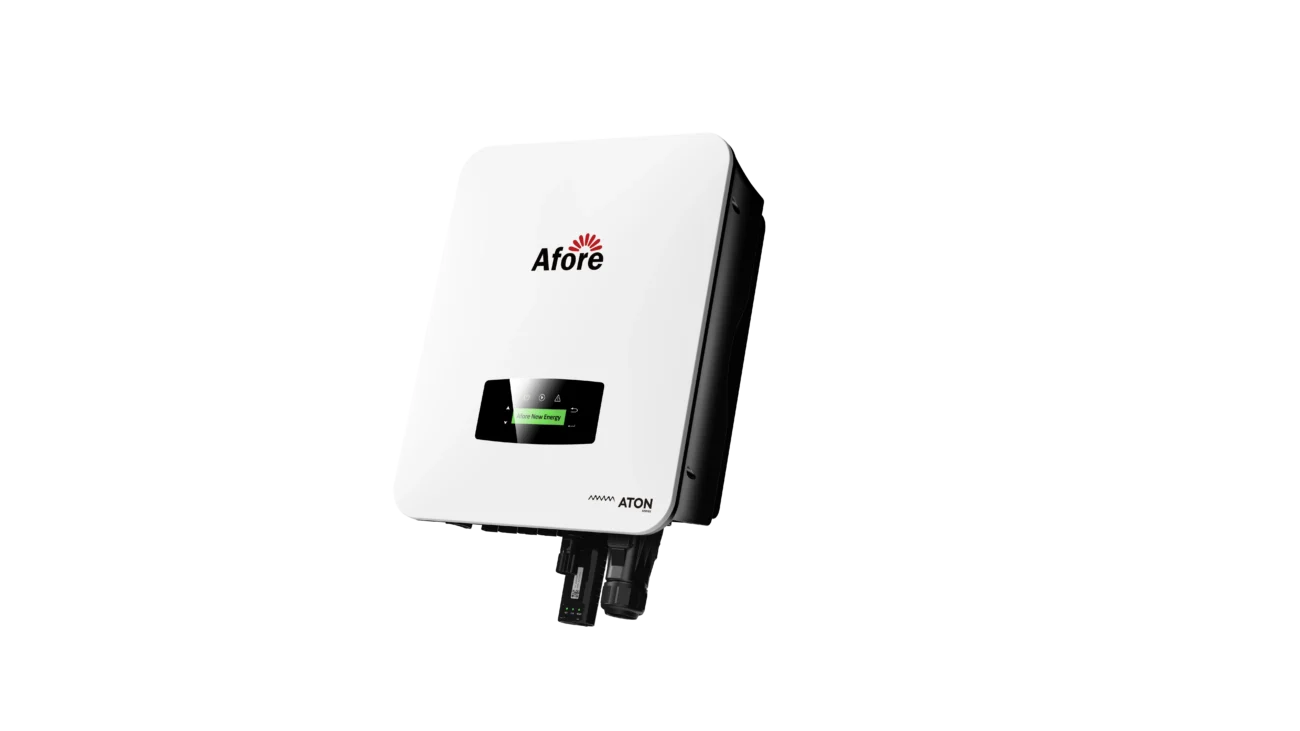
When most people think about solar power, they picture panels soaking up the sun. But the real magic happens inside the solar inverter for agriculture. On a farm, energy needs aren’t just about turning a light on—they’re about running pumps, fans, refrigeration units, and automated systems reliably and efficiently. A solar inverter for agriculture ensures that the electricity from your farm solar power system is converted, stabilized, and ready to power everything your operation depends on. Let’s break it down.
Solar panels generate direct current (DC) electricity, but almost all farm equipment runs on alternating current (AC). The solar inverter for agriculture takes this DC electricity and converts it into AC power at the right voltage and frequency. Without this conversion, essential systems like irrigation pumps or greenhouse fans simply wouldn’t work. This function is crucial because farming equipment often has precise electrical requirements, and any mismatch can damage motors or electronics.
Farms rely on machinery that can be sensitive to voltage fluctuations, such as milking machines, automated feeders, and climate control systems in greenhouses. A solar inverter for agriculture not only converts power but also conditions it, smoothing out spikes and drops in voltage. This protects your equipment, reduces maintenance costs, and prevents downtime. In other words, it’s not just about producing energy—it’s about producing usable, safe, and reliable energy for your farm.
Modern solar inverters for agriculture come with monitoring capabilities that let farmers track electricity generation, energy consumption, and potential faults in real time. This data is gold on a farm: you can see exactly when your irrigation pumps are running, identify underperforming solar panels, or notice anomalies before they become costly problems. With monitoring, your farm solar power system becomes a tool for efficiency, not just a source of electricity.
Many farms are still connected to the grid, and a solar inverter for agriculture manages how solar energy interacts with it. It can:
This flexibility is especially important for operations that run critical equipment around the clock, like cold storage or automated greenhouse systems. By integrating a solar inverter for agriculture, farms gain the ability to optimize energy use, lower costs, and maintain continuity even during outages.
When paired with batteries, a solar inverter for agriculture can act as the control hub for energy storage. During sunny days, excess energy charges batteries; at night or during cloudy periods, the inverter draws from storage to keep essential systems running. For farmers, this means solar for greenhouses, irrigation, and other critical operations can continue without interruption, maximizing both energy independence and efficiency.
Not all inverters are created equal.
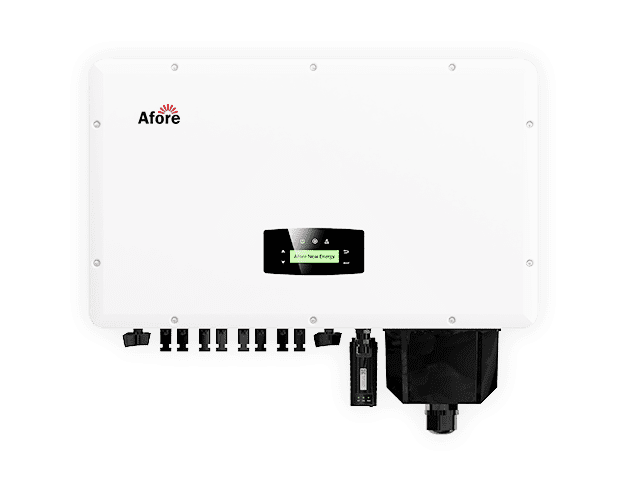
Common in medium-to-large farm solar power system setups. Multiple panels connect in series.
Pros:
Cons:
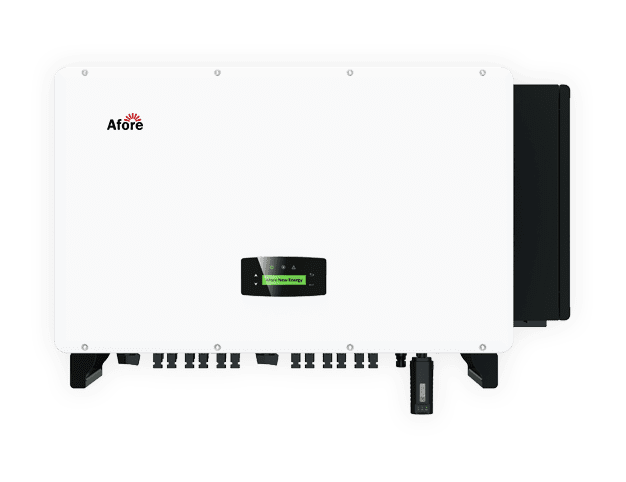
Used in very large ground-mounted arrays.
Pros:
Cons:
A hybrid inverter combines solar, grid, and battery inputs.
Pros:
For many farmers, a solar inverter for agriculture that’s also a hybrid inverter offers the best long-term value.
Not all solar inverters are created equal, and using a standard residential or commercial model on a farm can lead to frustration, frequent maintenance, and even equipment damage. Agriculture presents unique challenges that require purpose-built solutions. A solar inverter for agriculture is specifically engineered to withstand harsh farm conditions, handle heavy loads, and keep critical systems running smoothly. Let’s explore why specialized inverters are essential for modern farms.
Farms are messy places. Grain dust, soil particles, pollen, and chaff constantly circulate in barns, pump houses, and greenhouse environments. Ordinary inverters can suffer from clogged vents, overheating, and component failure in these conditions. A solar inverter for agriculture comes with sealed enclosures, dust-resistant cooling systems, and protective coatings to ensure long-term performance. Regular cleaning is still recommended, but these specialized designs significantly reduce downtime and maintenance costs.
Farm environments aren’t climate-controlled offices. During summer, barns can reach sweltering temperatures, while winter mornings can drop well below freezing. Standard inverters may shut down or operate inefficiently in such extremes. Agricultural inverters are built to handle wide temperature ranges, ensuring reliable performance for irrigation pumps, solar for greenhouses, ventilation fans, and other sensitive equipment regardless of the season.
One of the biggest challenges on a farm is motor-driven equipment. Pumps, compressors, grain dryers, and milking machines often require 2–5 times their normal operating current at startup. Residential inverters may trip or fail under these surges. A solar inverter for agriculture is designed to manage these high inrush currents without interruption, keeping operations smooth and avoiding costly downtime.
Many modern farms are not just using solar—they’re integrating batteries and grid power to create hybrid inverters for full energy flexibility. A generic inverter may struggle to manage multiple energy sources or fail to optimize storage performance. Specialized agricultural inverters are built to coordinate solar panels, batteries, and grid interaction seamlessly. This ensures that your farm solar power system runs efficiently, whether you’re storing energy for nighttime irrigation or running pumps during cloudy days.
Downtime on a farm can be costly. A failed inverter could stop water pumps, spoil produce, or disrupt temperature-sensitive livestock operations. Agricultural inverters are tested and rated for continuous, heavy-duty operation, ensuring longevity and reliable performance. Investing in a solar inverter for agriculture isn’t just about efficiency—it’s about protecting your farm’s productivity and revenue.
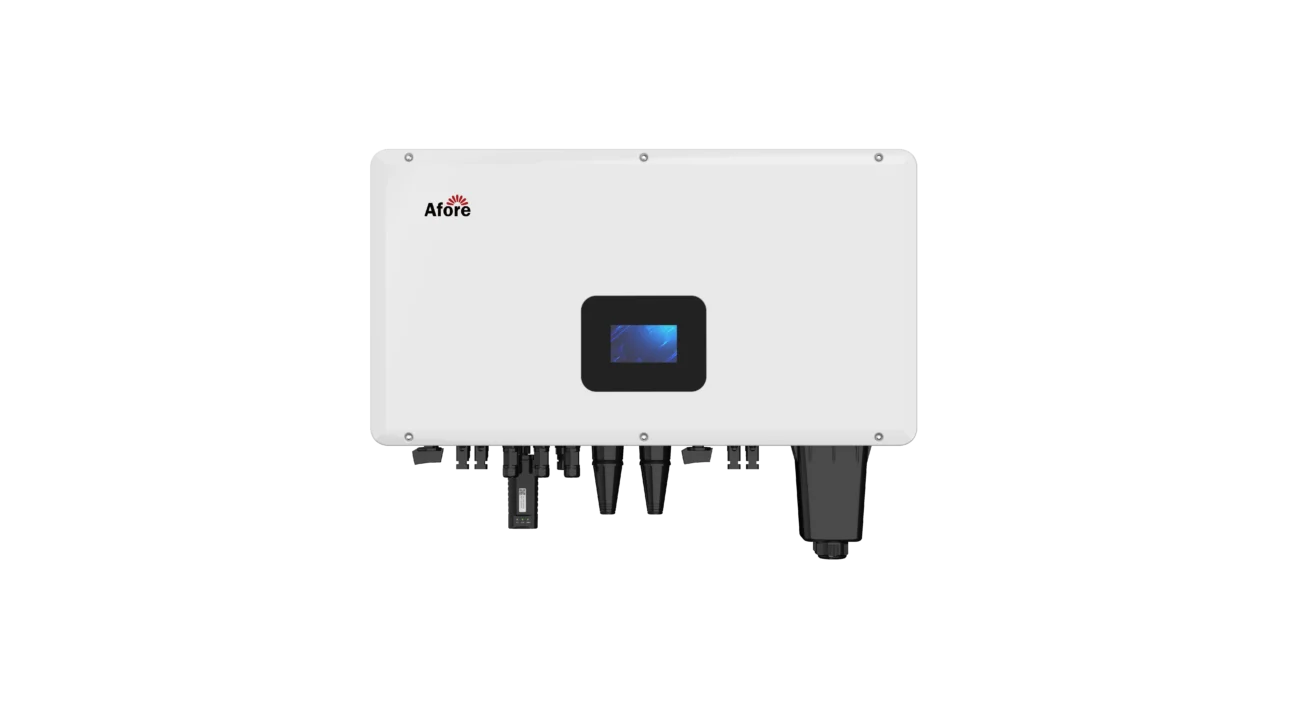
Choosing the right size solar inverter for agriculture is one of the most critical decisions a farmer can make. Too small, and it can’t handle your equipment; too large, and you’re overspending unnecessarily. The goal is to match the inverter to your farm’s energy demands, accounting for both running loads and surge requirements. A properly sized inverter ensures your farm solar power system operates efficiently, protects equipment, and maximizes savings. Let’s break it down step by step.
The first step in sizing any inverter is to know exactly what you’ll be powering. Make a detailed list of all electrical loads on your farm:
Record the wattage for each device. This gives you a clear picture of your total daily and peak energy demands, which is essential for choosing the correct solar inverter for agriculture.
Not all equipment runs at the same time, but some critical systems overlap. For instance, irrigation pumps and greenhouse fans might operate simultaneously during the hottest part of the day. To avoid under-sizing the inverter, calculate the combined wattage of all devices likely to run at the same time. This ensures your solar inverter for agriculture can handle real-world conditions without tripping or reducing efficiency.
Many farm devices, especially motors, require more power when starting up than during continuous operation. This surge can be 2–5 times the running wattage. Your solar inverter for agriculture must be rated to handle these surges to prevent shutdowns or damage to pumps, grain dryers, or ventilation fans. Ignoring surge requirements is a common mistake that leads to frustration and downtime on farms.
Farms grow and evolve. You may add more pumps, lighting, or solar for greenhouses in the future. Choosing an inverter with extra capacity allows for this expansion without having to replace the unit. Planning ahead ensures your farm solar power system remains scalable and future-proof.
Let’s look at a practical scenario:
Step 1: Total running load = 33 kW
Step 2: Surge margin (approx. 40%) = 13 kW
Step 3: Recommended inverter size = 46 kW
This example shows how careful sizing of a solar inverter for agriculture ensures reliable operation of high-demand equipment and allows for safe integration of batteries or grid support if using a hybrid inverter.
While calculations help, farms are complex, and every setup is unique. Working with an experienced installer who understands agricultural energy loads can save money and prevent costly mistakes. They can verify your load inventory, check wiring, and recommend the right solar inverter for agriculture for your specific situation.
Irrigation is often the lifeblood of a farm. Without reliable water delivery, crops suffer, and productivity drops. A solar inverter for agriculture can revolutionize irrigation systems by providing clean, cost-effective, and dependable power. From small vegetable plots to large-scale grain farms, solar-powered irrigation has become a practical solution for energy-conscious farmers. Let’s dive into the key considerations and strategies for implementing solar inverters in irrigation setups.
One of the simplest applications is direct solar pumping. During daylight hours, solar panels generate electricity that flows straight through a solar inverter for agriculture to power pumps.
Advantages:
Considerations:
This approach works well for farms that can store water in tanks or reservoirs, allowing irrigation to continue even when the sun isn’t shining.
For farms that need more flexibility, integrating batteries with a solar inverter for agriculture enables pumping even when solar output is low. During peak sunlight, excess energy charges the batteries, which then supply power to pumps at night or during cloudy periods.
Advantages:
Battery-assisted systems often pair best with a hybrid inverter, which can seamlessly manage solar panels, batteries, and grid input, ensuring pumps receive consistent and reliable power.
A hybrid inverter combines solar, battery, and grid power in one system, offering ultimate flexibility for irrigation. On bright days, pumps run directly from solar panels; when solar energy is insufficient, batteries take over. If both sources are low, the system can draw supplemental energy from the grid.
Benefits of hybrid irrigation systems:
Many farmers report improved water management and lower energy bills after switching to hybrid-powered irrigation.
Pumps have high startup currents, sometimes 2–5 times their running load. A solar inverter for agriculture must handle these surges without tripping. Selecting an inverter rated for high inrush currents ensures your irrigation system operates reliably, preventing downtime during critical watering periods.
Greenhouses are unique agricultural environments that require precise control of temperature, humidity, and light. Installing a solar inverter for agriculture in a greenhouse setting involves more than just plugging in panels—it requires careful planning to ensure consistent, high-quality power for sensitive equipment. From fans and heaters to automated irrigation and lighting, a well-designed solar system can significantly improve efficiency and reduce energy costs. Let’s explore the key considerations.
Greenhouse operations often rely on equipment that is sensitive to voltage fluctuations. Fans, heaters, and climate controllers can fail or perform poorly if power quality is inconsistent. A high-quality solar inverter for agriculture ensures that electricity from your panels or battery system is stable and reliable, preventing damage and ensuring your crops thrive. This is especially important in solar for greenhouses, where consistent climate control directly affects plant health and yields.
Many greenhouses require supplemental lighting, especially during winter months or in regions with limited sunlight. These grow lights can be energy-intensive, and improper power management can spike electricity costs. Integrating a solar inverter for agriculture allows your farm solar power system to handle these loads efficiently. When paired with a hybrid inverter, excess solar energy can charge batteries, providing power for lighting even when the sun isn’t shining.
Temperature and humidity are critical for greenhouse crops. Ventilation fans, heaters, cooling pads, and automated sprinklers must all run reliably. A solar inverter for agriculture ensures that these systems receive consistent power. By integrating solar energy with battery storage and possibly grid backup through a hybrid inverter, you can maintain precise environmental control, avoid crop stress, and optimize growth cycles.
Greenhouses consume significant energy, especially when supplementing sunlight or running climate systems around the clock. A properly sized solar inverter for agriculture maximizes the return on your farm solar power system by:
Over time, this results in a faster payback period and long-term savings, making solar a smart investment for greenhouse operations.
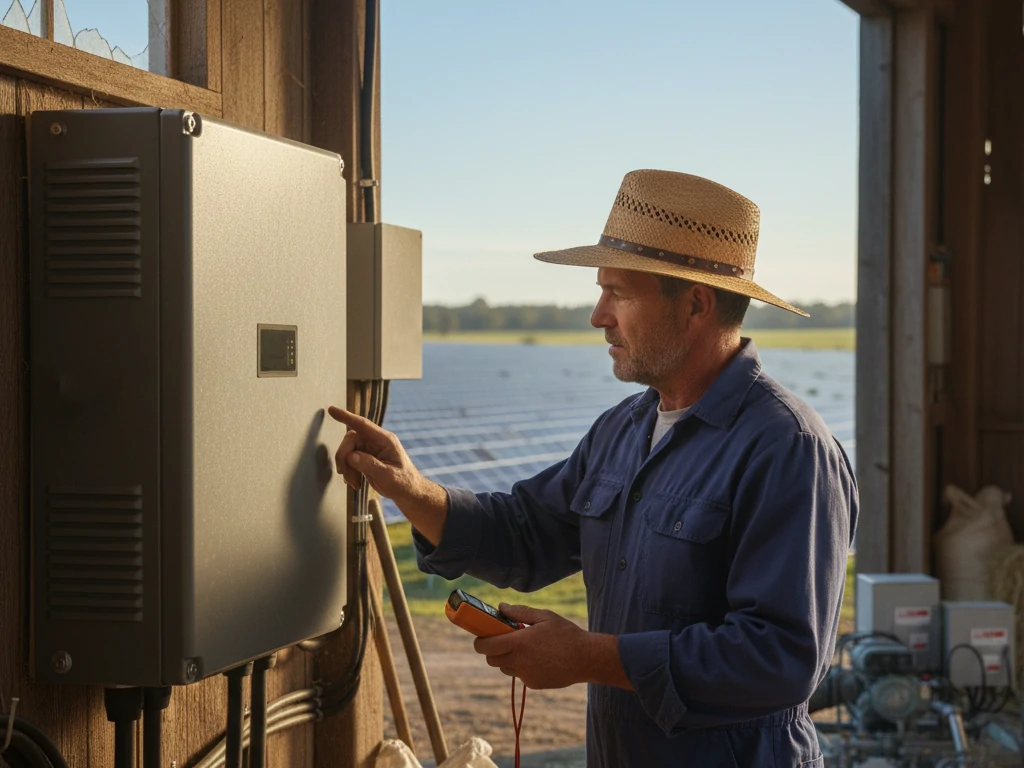
Modern farms are no longer limited to just running solar panels during the day. With the integration of battery storage and hybrid inverters, a solar inverter for agriculture can provide reliable, 24/7 power, protect critical equipment, and optimize energy usage. For farms that depend on irrigation, climate control in greenhouses, or refrigeration systems, combining solar with energy storage is a game-changer. Let’s dive into why this approach is increasingly popular and how it works in practice.
Many farm operations don’t run exclusively during daylight. Pumps, fans, and climate control systems may need to operate at night or during cloudy days. Battery storage allows energy produced by your farm solar power system during the day to be stored and used when solar production is low.
Key benefits include:
By pairing storage with a solar inverter for agriculture, farms gain energy flexibility, ensuring that production isn’t interrupted by weather or power grid issues.
A hybrid inverter integrates multiple power sources—solar panels, batteries, and the grid—into a single, intelligent system. It automatically manages energy flows, deciding when to use solar power, draw from the battery, or pull from the grid.
Practical advantages for farms:
For example, during a sunny day, the hybrid inverter powers irrigation pumps with solar energy while simultaneously charging batteries. At night, it draws from stored energy to continue running pumps, fans, or climate control in solar for greenhouses.
To get the most out of your solar inverter for agriculture, follow these tips:
By combining battery storage with a solar inverter for agriculture, farms can achieve true energy independence, lower operating costs, and ensure continuous operation for sensitive or essential equipment.
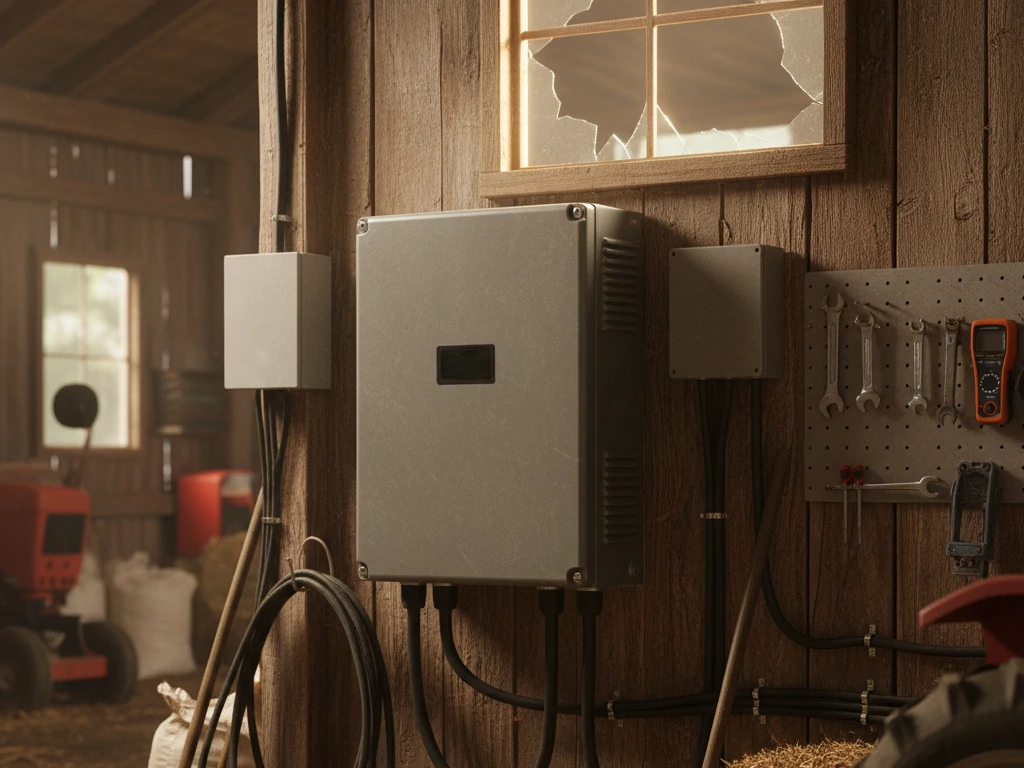
Installing a solar inverter for agriculture is more than just plugging it in and flipping a switch. Farms have unique conditions—dust, moisture, extreme temperatures, and long cable runs—that make proper installation critical for performance and longevity. Following best practices ensures your farm solar power system runs efficiently, protects equipment, and reduces downtime. Let’s break down key installation considerations.
Where you install your inverter matters more than most farmers realize. Consider:
Proper placement improves efficiency, protects sensitive electronics, and extends the life of your solar inverter for agriculture.
Farms often operate in humid, wet, or outdoor environments. Proper grounding is essential for:
Use high-quality grounding rods and connectors, and always check that your installer follows recommended agricultural standards.
Cable runs on farms can be long, exposed to sunlight, rodents, or farm machinery. Best practices include:
Good cable management ensures reliable energy delivery from solar panels to the solar inverter for agriculture, and ultimately to your equipment.
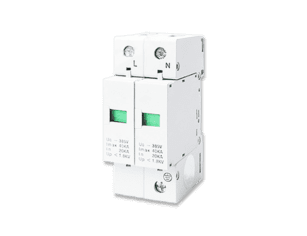
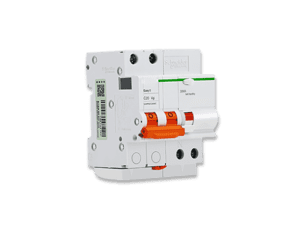
Farm equipment like pumps and motors draws high startup currents. Installing surge protectors and using proper circuit breakers:
Proper electrical design is especially important if you plan to integrate batteries with a hybrid inverter.
An accessible installation makes monitoring and maintenance easier:
Monitoring helps you optimize your farm solar power system and protects critical systems like solar for greenhouses or irrigation pumps.
By following these installation best practices, your solar inverter for agriculture will operate reliably, deliver maximum efficiency, and provide peace of mind knowing your farm’s critical equipment is powered safely and efficiently.
Installing a solar inverter for agriculture can be a game-changer, but many farmers unintentionally make mistakes that reduce efficiency, increase costs, or even damage equipment. Understanding these pitfalls helps ensure your farm solar power system delivers reliable, long-term performance. Here’s a breakdown of the most common errors and how to avoid them.
A frequent mistake is selecting an inverter that’s too small for the farm’s energy needs. Irrigation pumps, fans, refrigeration units, and greenhouse equipment often draw more power than anticipated, especially during startup.
Impact:
Solution:
Farms are dusty, humid, and sometimes exposed to extreme temperatures. Many farmers install inverters in locations that aren’t protected from these conditions.
Impact:
Solution:
Long cable runs, exposure to sunlight, rodents, and farm machinery can damage electrical wiring if it’s not properly protected.
Impact:
Solution:
For farms using battery storage, improper care is a common issue. Deep discharges, high temperatures, and loose connections can shorten battery life and compromise system reliability.
Impact:
Solution:
Some farmers attempt DIY installations or fail to consult professionals who understand agricultural energy demands.
Impact:
Solution:
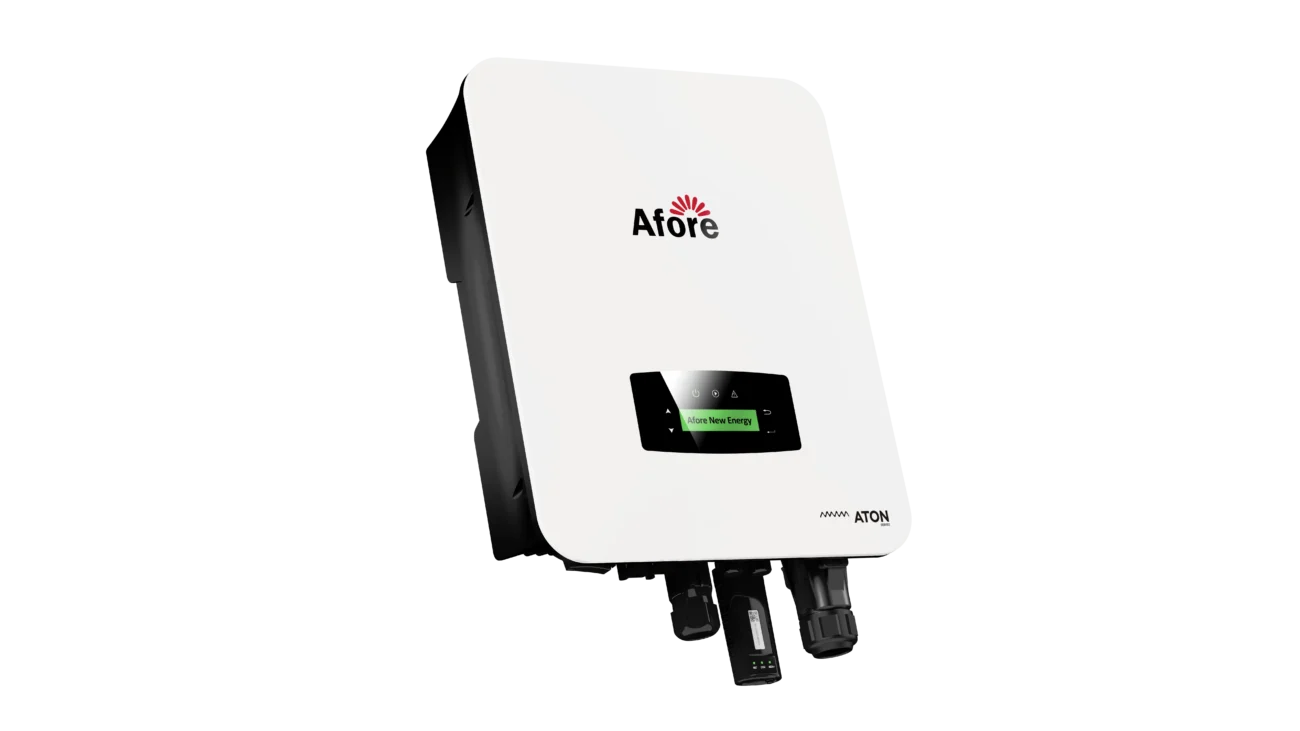
Theory is one thing, but seeing how a solar inverter for agriculture performs in an actual farm setting makes the benefits crystal clear. Let’s take a look at a practical example that illustrates how solar energy, paired with the right inverter, can transform farm operations.
A mid-sized dairy farm needed reliable power for its milking machines, refrigeration units, and lighting. Electricity costs were high, and occasional grid outages disrupted operations. The farm installed a farm solar power system with a solar inverter for agriculture and battery storage.
Results:
This example shows how proper sizing, installation, and monitoring of a solar inverter for agriculture can deliver real cost savings and operational reliability.
A greenhouse growing tomatoes required constant climate control—fans, heaters, and supplemental lighting—to maintain optimal growth conditions. The farm installed solar panels feeding a solar inverter for agriculture with hybrid capability.
Results:
This demonstrates the effectiveness of solar for greenhouses when paired with a reliable inverter and battery system.
A farm with multiple crop fields relied on electrically powered irrigation pumps, which consumed large amounts of energy. By integrating a solar inverter for agriculture with direct solar pumping and battery storage, the farm achieved:
Farmers reported that the system paid for itself within a few years, thanks to reduced energy bills and more efficient irrigation scheduling.
Choosing the right solar inverter for agriculture is a critical decision that can make or break the efficiency, reliability, and ROI of your farm solar power system. Unlike residential setups, farms have high energy demands, variable loads, and challenging environmental conditions. Selecting the wrong inverter can lead to equipment damage, frequent downtime, or unnecessary costs. Let’s break down how to make the best choice.
Before anything else, you need to know exactly how much power your farm uses. Consider:
A properly sized solar inverter for agriculture ensures all equipment runs smoothly, even during startup surges. Always account for future expansion to avoid replacing the inverter later.
Different types of inverters serve different purposes:
Selecting the right type depends on your farm size, energy loads, and whether you want energy storage.
Farms are tough environments. Your solar inverter for agriculture must withstand:
Look for inverters with protective enclosures and proper cooling systems to ensure long-term reliability.
Efficiency is key to maximizing solar energy. A high-efficiency inverter converts more DC power from panels into usable AC electricity for pumps, fans, and lighting. Monitoring features allow you to:
With monitoring, your farm solar power system becomes smarter, saving money and preventing downtime.
If you plan to use a hybrid inverter, make sure it can seamlessly manage battery storage along with solar and grid input. This is especially important for:
A well-integrated system ensures continuous operation, energy independence, and reduced grid reliance.
While cost is important, don’t compromise quality for a lower price. A durable, efficient solar inverter for agriculture may have a higher upfront cost but delivers:
Think of the inverter as the heart of your farm solar power system—investing in quality pays off over time.
Finally, leverage professional advice and real-world experiences:
By combining professional guidance with your farm’s specific needs, you can select the right solar inverter for agriculture that maximizes efficiency, reliability, and ROI.
A solar inverter for agriculture is not just another electrical component—it’s the heart of your farm’s energy system. When chosen wisely, it delivers reliability, savings, and long-term security.
From irrigation to dairy operations, from grain handling to solar for greenhouses, the right inverter makes solar practical and profitable.
If you’re serious about building a resilient farm solar power system, start with the inverter. Get that right, and everything else falls into place.
Using a solar inverter for agriculture with irrigation pumps involves a few key steps:
1. Match the inverter size to the pump load: Pumps often have high startup currents, so your inverter must handle these surges.
2. Connect the solar panels to the inverter: Panels generate DC electricity, which the inverter converts to AC to power the pump.
3. Optional battery integration: With a hybrid inverter, excess solar energy can charge batteries, allowing pumps to operate at night or on cloudy days.
4. Monitor and maintain: Regular checks ensure the inverter and pump are running efficiently, avoiding downtime during critical watering periods.
With the right setup, solar-powered irrigation can reduce electricity bills and provide reliable water supply even during grid outages.
Sizing a solar inverter for agriculture on a dairy farm depends on total energy consumption and peak loads. Consider:
• Milking machines
• Refrigeration units
• Ventilation and lighting systems
• Surge currents from motors and pumps
For example, a farm with 15 kW milking equipment, 10 kW refrigeration, and 8 kW ventilation might need a solar inverter for agriculture rated around 46 kW to handle running loads and surges. Always add a buffer for future expansion and unexpected high loads to ensure continuous operation.
Yes—but only if you choose one designed for farm conditions. Solar inverters for agriculture often include:
• Dust- and dirt-resistant enclosures
• Protected cooling systems
• Ventilation filters to prevent clogs
Even with these features, routine cleaning and inspections are essential. Keeping the inverter free of dust and debris helps prevent overheating and extends its lifespan.
Yes, many farmers in the US can access grants, rebates, or tax incentives for installing solar systems. These programs vary by state and sometimes by farm size or type. Examples include:
• Federal tax credits for renewable energy investments
• State-level grants or rebates for farm solar installations
• Incentives for battery storage or hybrid systems
Consult local agricultural extension offices or energy agencies to determine eligibility. Proper documentation of your farm solar power system installation, including the inverter and panels, is usually required.
Integrating batteries with a solar inverter for agriculture enhances flexibility:
1. Use a hybrid inverter: Manages solar panels, batteries, and grid interaction automatically.
2. Charge batteries during peak solar production: Store excess energy for nighttime or cloudy periods.
3. Power critical equipment from batteries: Irrigation pumps, greenhouse fans, or milking machines can run uninterrupted.
4. Monitor and maintain battery health: Avoid deep discharges, check connections, and monitor temperature for optimal lifespan.
By combining storage, you can ensure continuous operation, reduce grid dependency, and maximize the value of your farm solar power system.








 Turkish
  Romanian