




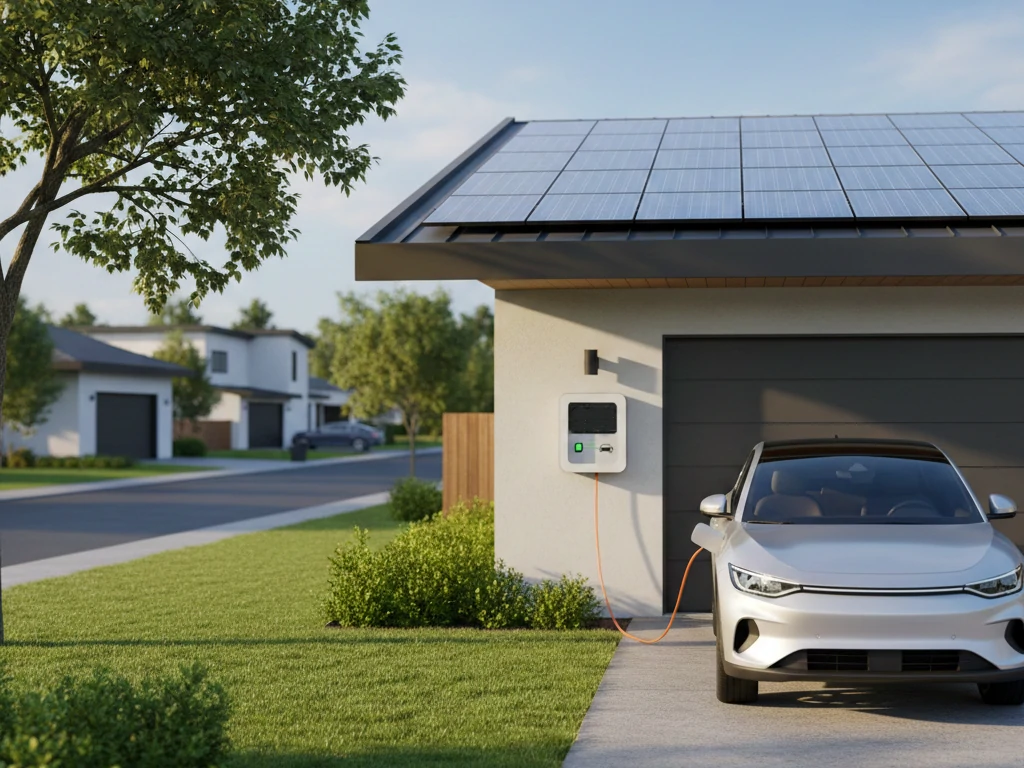
If you’ve ever looked at your electric vehicle sitting in the driveway and thought, “I wish I could fuel this thing with pure sunshine,” you’re not alone.
Across homes, businesses, and industrial sites, interest in solar inverter for EV charging solutions is exploding. Rising electricity prices, sustainability goals, and grid constraints are pushing more people toward solar-powered mobility. And right at the center of this transformation sits one critical component: the solar inverter.
A well-designed solar inverter for EV charging system doesn’t just convert DC to AC. It becomes the brain of your entire energy ecosystem, coordinating solar production, vehicle charging, building loads, and sometimes battery storage—all in real time.
In this guide, we’ll break down everything you need to know about selecting, designing, and operating a solar inverter for EV charging, whether you’re powering a single home EV or managing commercial EV charging PV infrastructure.
Let’s dive in.
The transportation sector is shifting faster than anyone predicted. Electric vehicles are no longer niche products—they’re mainstream.
Meanwhile, the electrical grid in many regions is under pressure.
A solar inverter for EV charging offers a powerful answer to both challenges.
Charging an EV from the grid can be affordable—until you scale.
Once multiple chargers operate simultaneously, peak demand spikes. Utilities often apply demand charges that dwarf energy costs. A solar inverter for EV charging helps offset those peaks by prioritizing solar energy.
Businesses are under pressure to decarbonize operations. Installing solar to EV charging station systems allows companies to prove that their vehicles run on renewable energy—not just grid electricity with unknown sources.
When paired with storage, a solar inverter for EV charging gives site owners more control over energy flows, insulating them from outages and volatile pricing.
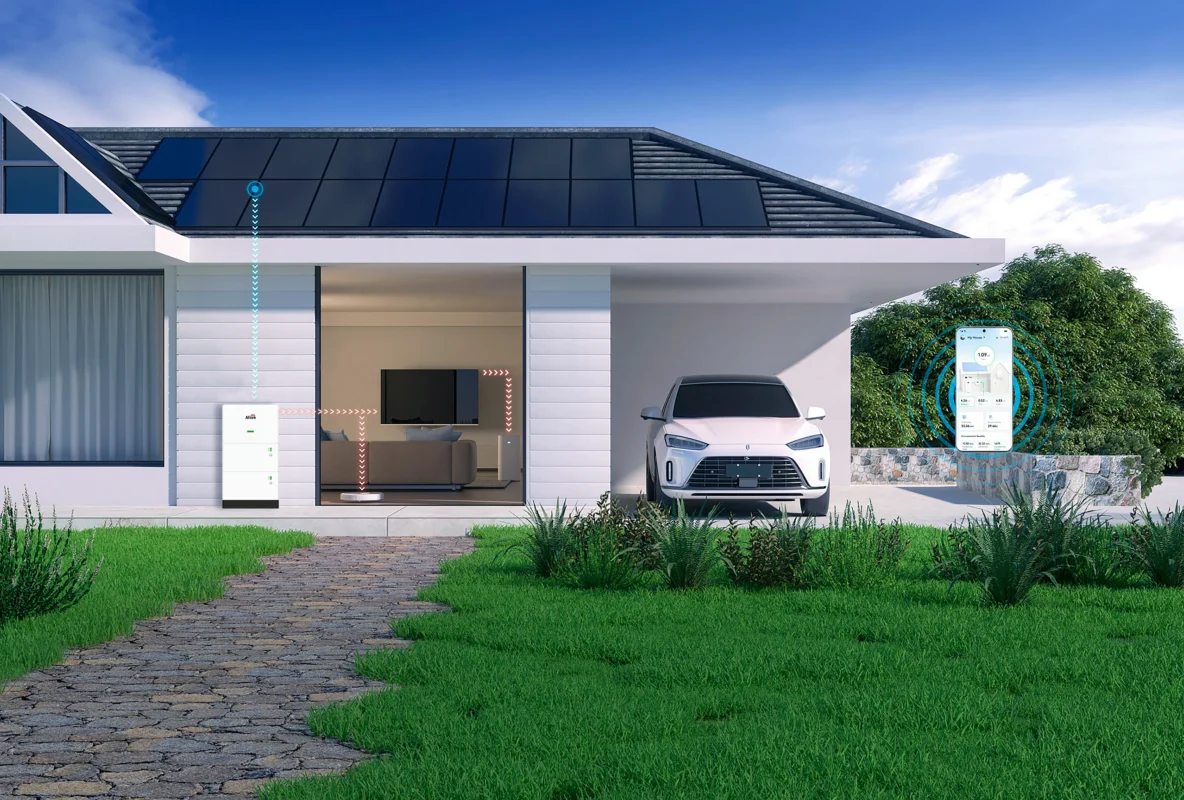
At a glance, a solar inverter for EV charging might sound like a simple piece of electrical hardware. In reality, it is the central intelligence of the entire solar-powered charging system. Without it, solar panels, EV chargers, batteries, and the grid would operate as disconnected parts rather than a coordinated energy ecosystem.
Understanding what a solar inverter for EV charging actually does helps system owners make better design choices, avoid costly mistakes, and unlock the full value of solar-powered mobility.
The most fundamental job of a solar inverter for EV charging is energy conversion.
Solar panels produce direct current (DC) electricity, while EV chargers and most building systems require alternating current (AC). The inverter performs this conversion efficiently and continuously throughout the day.
What matters here is not just conversion, but quality. A well-designed solar inverter for EV charging delivers stable voltage and frequency, ensuring EV chargers operate safely and at their rated capacity without interruptions.
Beyond conversion, a solar inverter for EV charging functions as the system’s control hub. It constantly monitors:
Using this data, the inverter decides where energy should go at any given moment. Instead of wasting solar power or overloading the grid, energy is distributed intelligently across the system.
This real-time decision-making is what separates basic inverters from modern, EV-ready solutions.
One of the key roles of a solar inverter for EV charging is to ensure that EVs consume as much solar energy as possible.
When sunlight is available, the inverter directs solar power first to active EV chargers before pulling electricity from the grid. This prioritization increases solar self-consumption and reduces reliance on utility power.
For both residential and commercial EV charging PV setups, this function directly improves return on investment and lowers long-term energy costs.
A solar inverter for EV charging does not operate in isolation. It communicates with EV chargers to match power delivery with available energy.
If solar production increases, charging power can ramp up. If clouds reduce output or building demand rises, charging power can adjust smoothly instead of shutting down abruptly.
This coordination creates a more stable and predictable charging experience while protecting electrical infrastructure from overload.
In locations with limited grid capacity, unmanaged EV charging can cause serious problems.
A solar inverter for EV charging supports load management by monitoring total site consumption and enforcing predefined limits. When necessary, it can temporarily reduce EV charging power to prevent:
This function is especially critical in multi-charger environments such as workplaces or fleet depots.
When battery storage is part of the system, the role of the inverter expands further.
A solar inverter for EV charging determines when batteries should charge, discharge, or remain idle based on energy availability and demand. For example:
This intelligent storage management enhances flexibility and resilience while increasing the usefulness of solar energy.
Power quality is often overlooked but extremely important.
A solar inverter for EV charging regulates voltage, frequency, and harmonic distortion to ensure all connected equipment operates within safe limits. It also includes protective functions such as:
These features are essential for system reliability and compliance with electrical standards.
Modern inverters provide detailed system data, offering visibility into how energy is produced and consumed.
A solar inverter for EV charging typically tracks:
EV charging needs tend to grow over time. A well-chosen solar inverter for EV charging supports system expansion without major redesign.
Additional solar panels, chargers, or batteries can often be integrated with minimal disruption, protecting the initial investment and extending system lifespan.
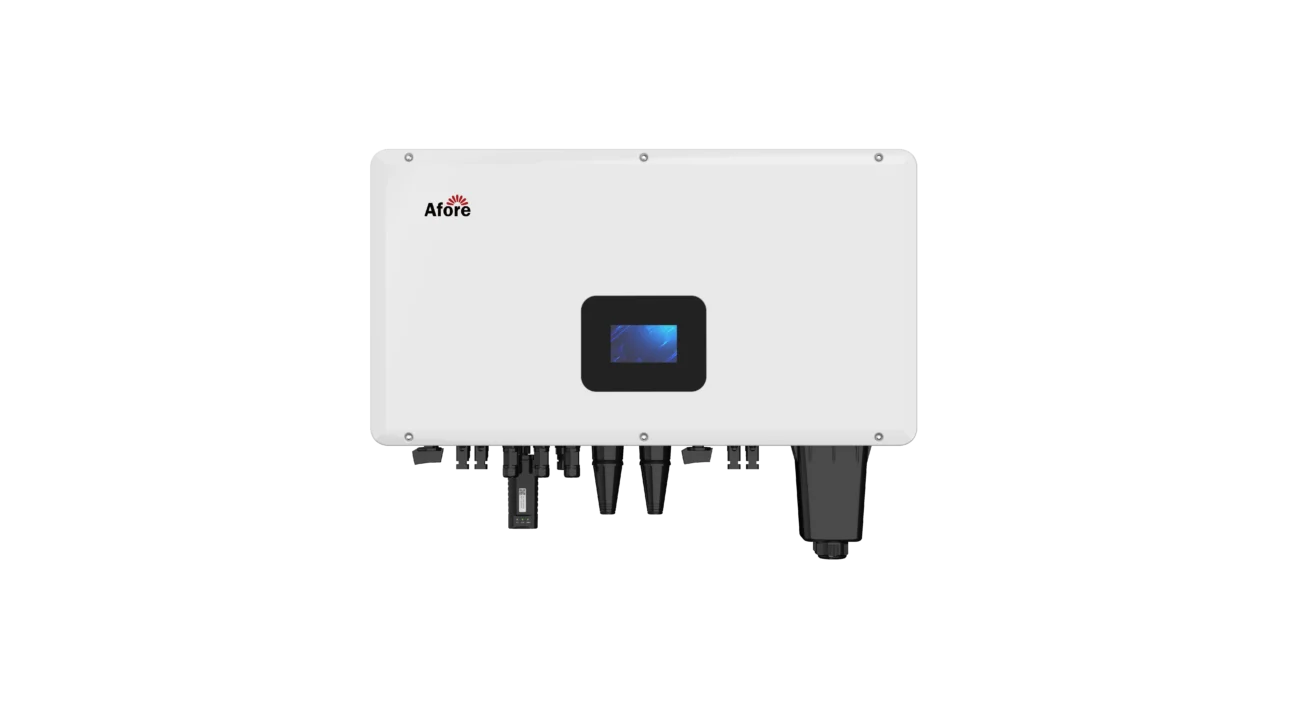
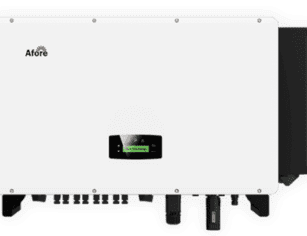
Not all inverters behave the same. Choosing the right type affects performance, scalability, and cost.
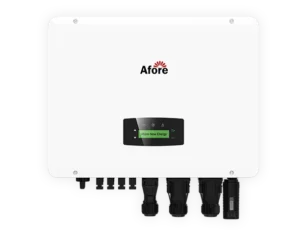
Common in residential and small commercial installations.
A string-based solar inverter for EV charging works well for single or dual EV chargers.
Used for large sites with high capacity.
Centralized solar inverter for EV charging setups simplify maintenance.
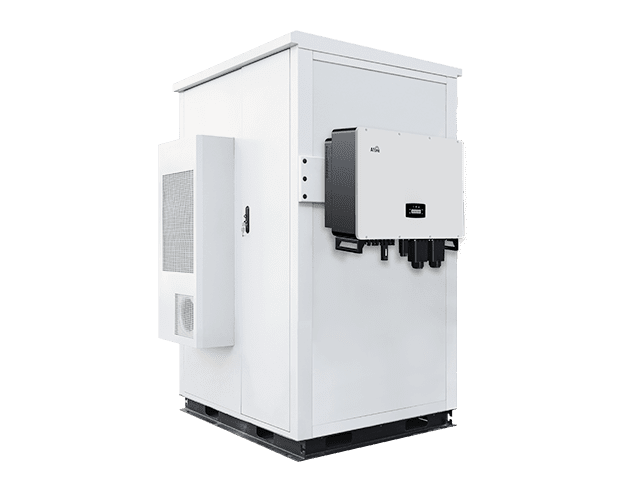
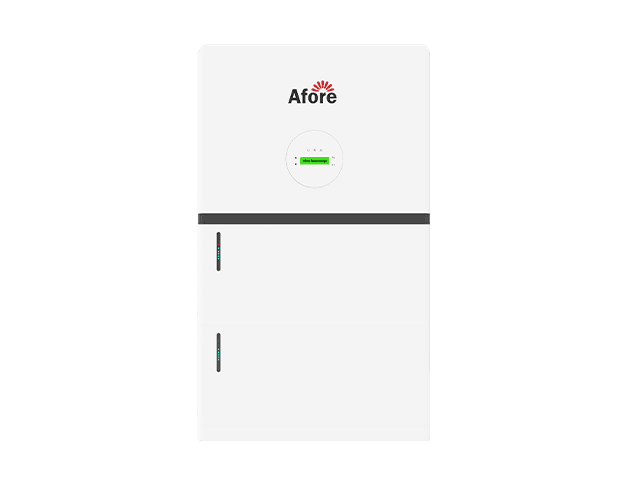
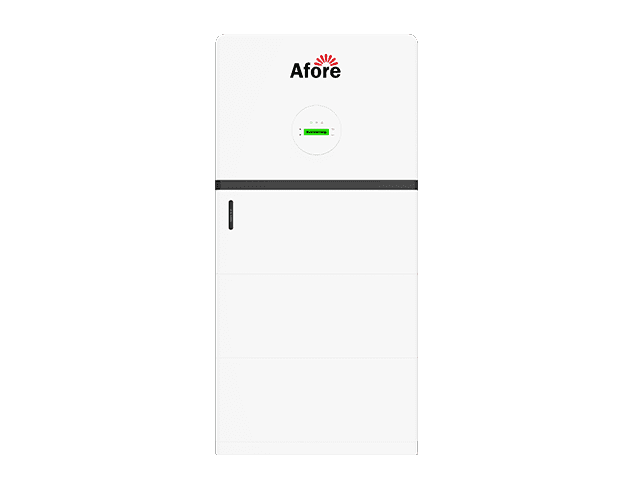
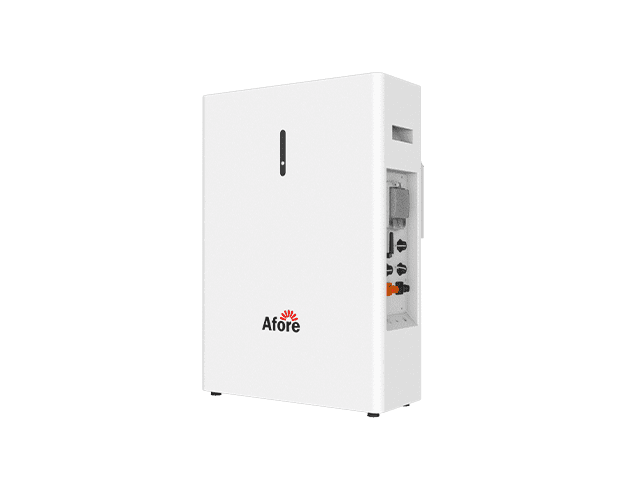
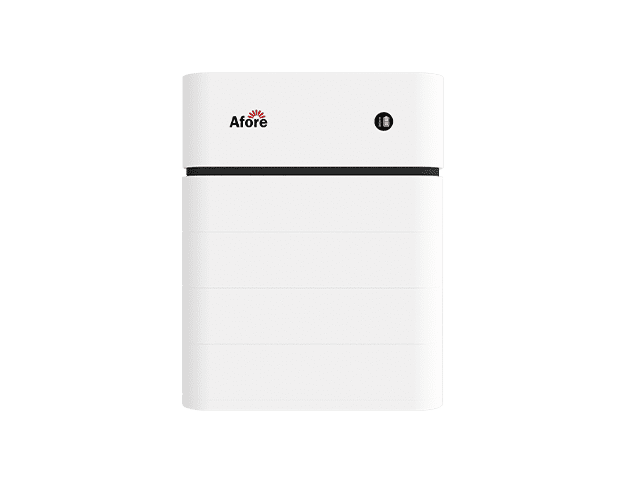
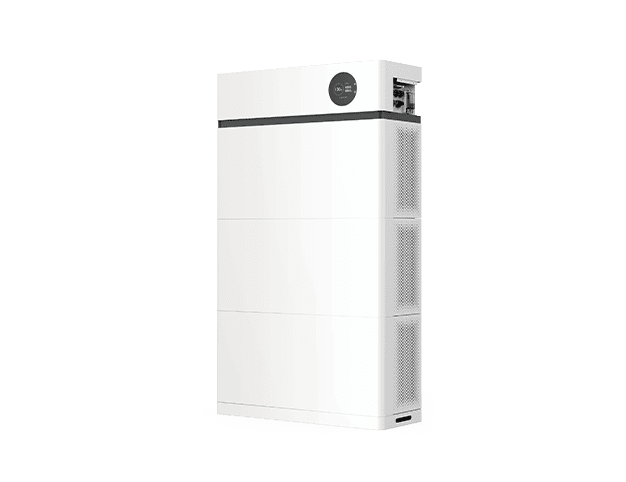
A hybrid inverter EV link connects solar, battery storage, grid, and EV chargers into one platform.
These systems are becoming extremely popular.
As EV adoption accelerates and solar-powered charging moves from pilot projects to core infrastructure, system designers are rethinking how energy should flow across a site. This is where the hybrid inverter EV link architecture stands out. It is gaining traction not because it is trendy, but because it solves real operational, economic, and scalability challenges that traditional setups struggle with.
A hybrid inverter EV link brings solar generation, battery storage, the grid, and EV chargers into a single coordinated system. Instead of managing each component separately, everything works together through one intelligent control layer. For any serious solar inverter for EV charging deployment, this integrated approach is becoming the logical choice.
Conventional solar and EV charging systems often rely on multiple independent devices. Solar inverters manage panels, separate controllers handle batteries, and EV chargers operate with limited awareness of site-wide conditions.
A hybrid inverter EV link replaces this fragmented setup with a unified energy architecture. All energy sources and loads are visible to one system, allowing coordinated control rather than reactive adjustments.
From an operational perspective, this means:
For installers and system owners alike, a unified architecture improves reliability and long-term maintainability.
One of the biggest advantages of a hybrid inverter EV link is how efficiently it uses solar energy.
Instead of exporting excess solar to the grid during midday and pulling grid power later for EV charging, the hybrid system actively reshapes energy flows. Solar energy is directed first toward EV charging and battery storage, ensuring that locally generated power is consumed on-site whenever possible.
This behavior dramatically improves solar self-consumption, which is a key performance metric for any solar inverter for EV charging system focused on long-term cost savings.
EV charging demand is rarely constant. Vehicles arrive and depart at different times, charging speeds vary, and energy needs change daily.
A hybrid inverter EV link adapts to these fluctuations automatically. It can increase charging power when solar production is high, reduce charging rates during peak building demand, or shift energy delivery to batteries when grid limits are reached.
This flexibility is especially valuable in commercial EV charging PV installations, where unmanaged charging can quickly overwhelm electrical infrastructure.
Peak demand charges are one of the most underestimated costs in EV charging projects. Even a short period of high power draw can significantly increase monthly energy bills.
With a hybrid inverter EV link, batteries and solar work together to cap grid demand. When EV chargers and building loads spike simultaneously, stored energy is used to fill the gap instead of drawing additional power from the grid.
Over time, this peak shaving capability often delivers savings that justify the hybrid architecture on its own.
Battery storage is no longer an optional add-on for advanced EV charging sites. It is becoming a core requirement.
The hybrid inverter EV link is designed with storage integration in mind. Batteries are not treated as external accessories, but as fully integrated energy assets. This allows seamless transitions between charging, discharging, and standby modes without interrupting EV charging sessions.
For operators planning phased upgrades, this design also makes it easier to add storage later without reworking the entire solar inverter for EV charging system.
Grid reliability is increasingly uncertain in many regions. For sites that depend on EVs for daily operations, downtime can be disruptive or even unacceptable.
A hybrid inverter EV link can continue supporting EV charging during grid outages by combining solar and stored energy. While charging power may be limited during backup operation, essential charging capability remains available.
This added resilience turns the EV charging system into a reliability asset rather than a vulnerability.
EV infrastructure rarely stays static. More vehicles, faster chargers, and higher energy demand are almost always part of the future plan.
Hybrid inverter architectures are inherently scalable. Additional solar capacity, batteries, or EV chargers can often be integrated incrementally, allowing the system to grow alongside demand.
This scalability protects the initial investment and ensures that today’s solar inverter for EV charging system remains relevant for years to come.
Because a hybrid inverter EV link sits at the center of all energy flows, it has access to detailed operational data. This includes:
While hybrid systems may require higher upfront investment, their long-term economics are often more favorable.
Reduced demand charges, higher solar utilization, fewer separate control devices, and simplified maintenance all contribute to a lower total cost of ownership. For many projects, the hybrid inverter EV link delivers stronger financial performance over the system’s lifetime than simpler alternatives.
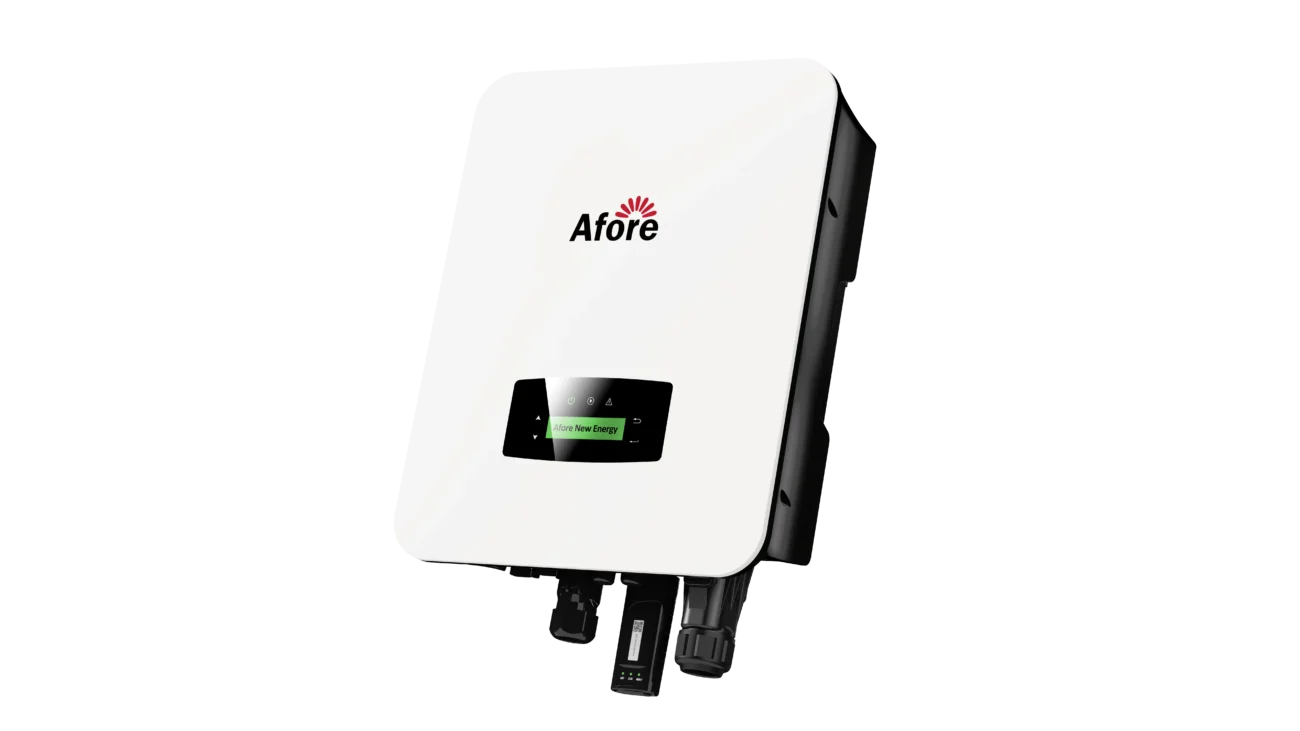
Designing a residential solar inverter for EV charging is no longer just a technical exercise—it’s a lifestyle decision. Homeowners want convenience, lower energy bills, and the confidence that their EV is truly powered by clean energy. A well-designed system delivers all three, but only when the inverter, solar array, and charging behavior are planned together from the start.
Residential projects may be smaller than commercial ones, but the design principles are just as important. Done right, a home-based solar inverter for EV charging system can operate efficiently for decades with minimal intervention.
Every successful residential design starts with one question: how is the EV actually used?
Daily driving distance, charging frequency, and preferred charging times all affect system sizing. A commuter driving 30–50 miles per day typically consumes 10–15 kWh of electricity, which quickly adds up over a week.
A solar inverter for EV charging must be selected with these real usage patterns in mind, not just theoretical averages. Designing around actual behavior improves satisfaction and avoids underperforming systems.
Many homes already have solar systems sized only for household loads. Adding an EV changes the equation.
A practical design approach is to allocate a dedicated portion of solar production for vehicle charging. For example:
By factoring EV demand into the solar array design, the solar inverter for EV charging can operate closer to optimal output rather than being constantly constrained.
In residential settings, inverter sizing is often misunderstood.
The inverter does not need to match the charger’s maximum power at all times. Instead, the solar inverter for EV charging should be sized to balance:
Slight oversizing of the inverter is usually beneficial. It allows more flexibility during high solar production and supports future expansion, such as a second EV.
Homes have fluctuating electrical demands—air conditioning, cooking, heating, and EV charging rarely happen in isolation.
A well-configured solar inverter for EV charging continuously monitors household consumption and adjusts EV charging power accordingly. This prevents overloads and avoids expensive electrical upgrades.
From real-world experience, homeowners appreciate systems that “just work” in the background without manual adjustments.
Residential electrical panels have limited capacity. Without load management, simultaneous EV charging and high household demand can trip breakers.
A modern solar inverter for EV charging supports dynamic load management, reducing EV charging power temporarily when household demand spikes. Once loads decrease, charging resumes automatically.
This invisible balancing act improves safety and convenience while maintaining a smooth charging experience.
Even if a battery is not installed immediately, residential designs should be battery-ready.
A solar inverter for EV charging that supports energy storage allows homeowners to:
Future-proofing the system during initial design avoids costly retrofits later.
One of the simplest ways to improve performance is timing.
Encouraging EV charging during peak solar production—late morning to mid-afternoon—maximizes solar usage. Many homeowners adjust their routines or use scheduled charging to align with sunlight hours.
A responsive solar inverter for EV charging supports this strategy by dynamically increasing charging power when solar output rises.
Safety is non-negotiable in residential installations.
A solar inverter for EV charging must meet electrical standards for grounding, fault detection, and grid protection. Proper installation ensures that solar production and EV charging coexist safely with household wiring.
Professional system design and installation are essential, especially as residential energy systems become more complex.
Homeowners want to see results.
Monitoring features allow users to track:
This transparency builds trust in the system and reinforces the value of investing in a solar inverter for EV charging.
Many households that start with one EV eventually add another.
Smart residential designs leave headroom in the solar inverter for EV charging system for additional chargers or higher energy demand. Planning for growth from the beginning is more cost-effective than retrofitting later.
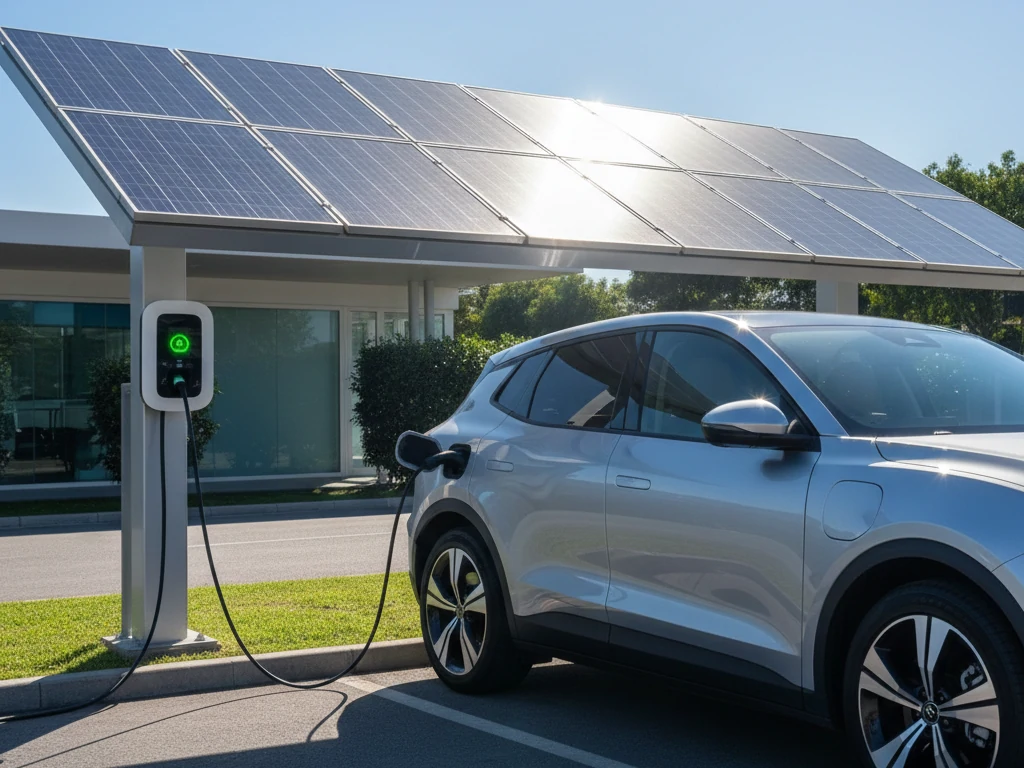
Large sites face different challenges.
A commercial EV charging PV system must balance:
Each benefits from a properly sized solar inverter for EV charging combined with load management.
Load management determines how much power each charger receives at any moment.
Without load management:
With load management:
Predefined power limits per charger.
Simple but inflexible.
Real-time adjustment based on:
Modern solar inverter for EV charging platforms support dynamic load management.
Yes—but not in isolation.
A solar inverter for EV charging produces AC electricity. EV chargers then convert AC to DC inside the vehicle.
Some systems allow DC-coupled charging, but most installations use AC charging.
The inverter does not plug directly into the car—it feeds the charger.
Correct sizing prevents bottlenecks.
Example:
5 EVs × 40 kWh = 200 kWh/day
Assume 5 peak sun hours.
200 kWh ÷ 5 = 40 kW array
A solar inverter for EV charging between 40–50 kW allows headroom.
Short answer: typically 35–50 kW of solar capacity.
Long answer depends on:
In cloudy regions, higher capacity is recommended.
A properly installed solar inverter for EV charging must comply with:
Professional design is essential.
Advanced monitoring allows you to see:
Data builds trust with stakeholders and improves optimization.
Good news: maintenance is minimal.
Well-maintained systems often exceed 10–15 years of inverter lifespan.
A small warehouse installs:
Result:
Energy costs drop dramatically.
Payback typically ranges:
Factors affecting ROI:
Leads to throttling.
Plan for more chargers.
Creates instability.
A solar inverter for EV charging is no longer a luxury—it’s becoming a core piece of modern energy infrastructure.
Whether you’re a homeowner charging one car or a business operating a fleet, combining solar with intelligent inverter technology unlocks cleaner energy, lower costs, and long-term resilience.
If you design it right from the beginning, your system won’t just power vehicles.
It will power your energy future.
No. A solar inverter for EV charging supplies AC power to an EV charger, which then delivers DC to the vehicle.
Use a commercial EV charging PV design with a central or hybrid inverter, load management, and optional battery storage.
A hybrid inverter EV link allows fleets to prioritize solar, store excess energy, reduce demand charges, and maintain charging during outages.
Typically 35–50 kW of solar capacity depending on driving distance and location.
Load management dynamically allocates power among chargers to prevent overloads and maximize solar utilization.










 Turkish
  Romanian