




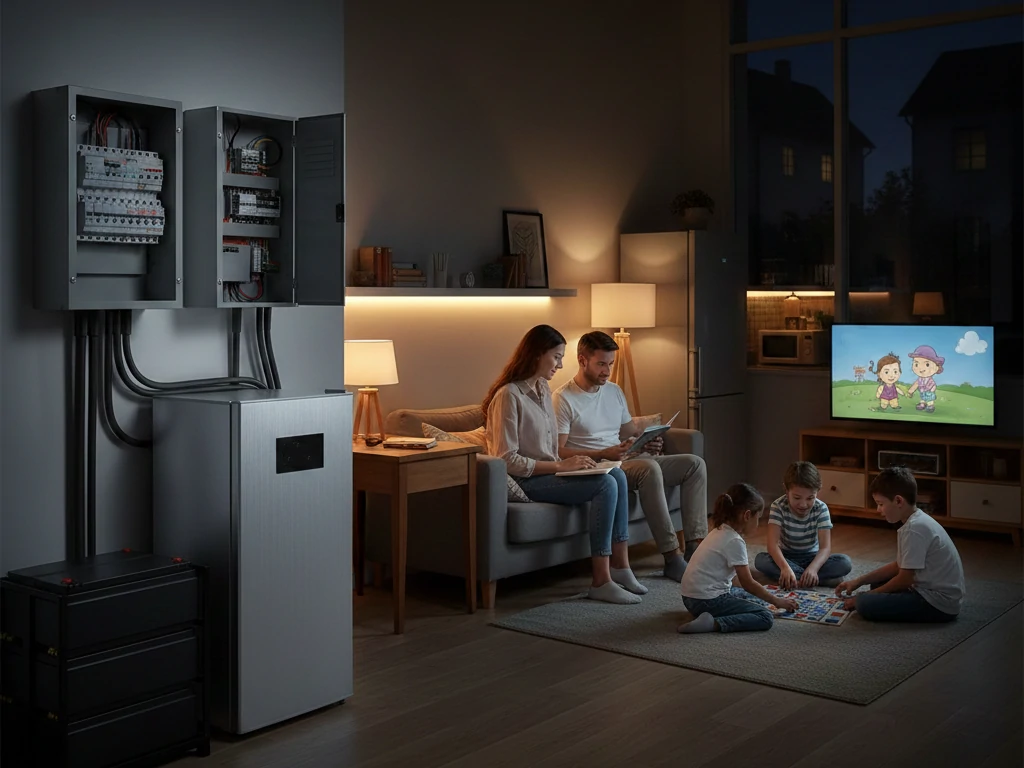
If you’ve been researching home energy storage for more than five minutes, you’ve probably run into the term low voltage storage inverter again and again. And honestly, there’s a good reason for that.
A low voltage storage inverter sits right at the intersection of safety, flexibility, and real-life usability. Whether you’re planning a residential solar setup, upgrading an existing battery system, or simply trying to understand how modern energy storage works, the low voltage storage inverter has become one of the most practical solutions on the market.
At its core, a low voltage storage inverter is designed to work with battery systems that typically operate at 48V or below. Instead of pushing hundreds of volts through your home energy system, a low voltage storage inverter keeps things simpler, safer, and easier to manage.
This is why a low voltage storage inverter is commonly paired with what people call an LV battery inverter setup. In plain English, that just means your inverter and battery system operate at low DC voltage levels, usually around 48V.
Compared to high-voltage systems, a low voltage storage inverter focuses on reliability, serviceability, and safety—especially in residential environments.
A standard solar inverter converts DC power from solar panels into AC power for household use. A low voltage storage inverter, on the other hand, does more than that.
It:
That extra intelligence is why a low voltage storage inverter is often used in hybrid systems and off-grid or backup-focused homes.
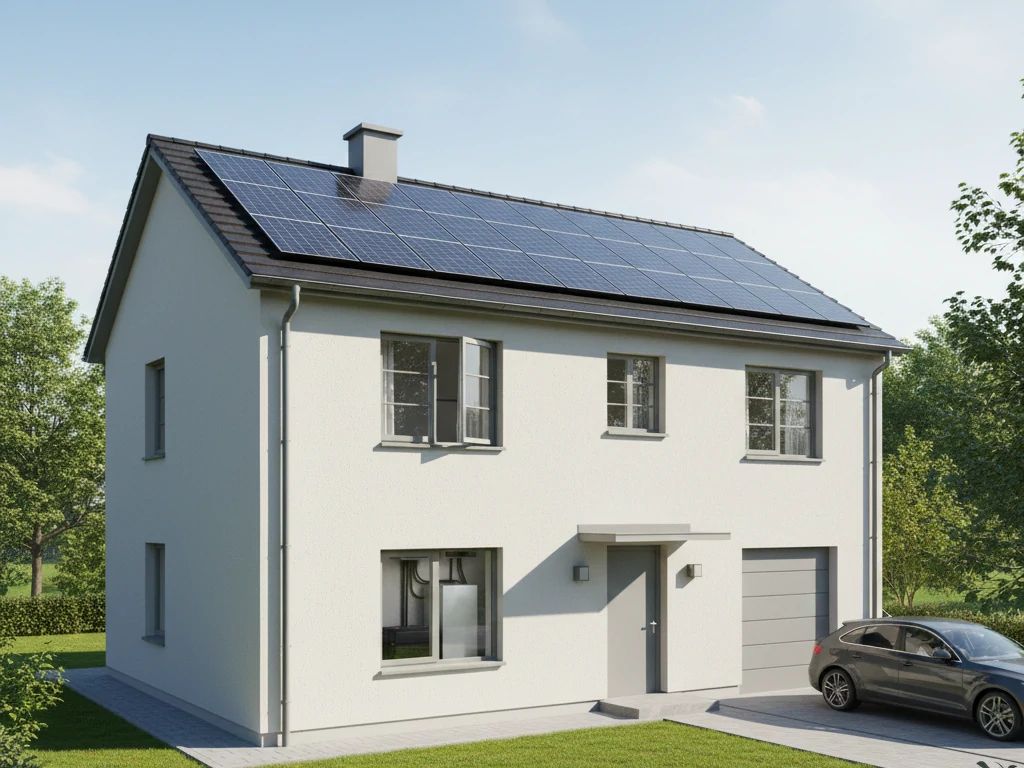
Over the past few years, the low voltage storage inverter has quietly shifted from a “nice alternative” to a mainstream solution—especially in residential and small-scale energy storage systems. This change didn’t happen because of marketing trends. It happened because real users, installers, and system designers started realizing that low voltage storage inverter systems simply make more sense in everyday scenarios.
From safety to scalability, the growing popularity of the low voltage storage inverter is rooted in practical, experience-driven advantages rather than theoretical performance numbers.
One of the biggest reasons the low voltage storage inverter is gaining traction is safety. In real homes, safety isn’t optional—it’s foundational.
A low voltage storage inverter typically works with batteries operating at around 48V, which drastically reduces the risk of severe electric shock, DC arcing, and thermal runaway events. Compared to high-voltage systems, this lower operating voltage creates a safer environment for homeowners, installers, and maintenance personnel.
This is especially important in residential settings where energy systems are often installed in garages, utility rooms, or basements. An LV battery inverter paired with a low voltage storage inverter provides peace of mind without sacrificing performance.
Experienced installers consistently note that low-voltage systems are more forgiving during both installation and long-term use—an insight that only comes from hands-on field experience.
The rise of home energy storage has played a huge role in the adoption of the low voltage storage inverter. Most residential users don’t need industrial-scale power density. What they need is reliability, flexibility, and safe daily operation.
A low voltage storage inverter fits naturally into residential energy storage systems because:
In many real-world cases, homeowners start with a small battery setup and expand later. A low voltage storage inverter supports this growth far better than rigid high-voltage architectures.
Modern battery systems are increasingly modular, and this design philosophy aligns perfectly with the low voltage storage inverter.
Instead of one large battery stack, an LV battery inverter system usually consists of multiple smaller battery modules connected in parallel. This modularity allows:
A low voltage storage inverter thrives in this environment because it can manage multiple battery inputs without complex reconfiguration. This flexibility is a major reason installers often recommend low-voltage systems for long-term residential use.
Another key factor behind the popularity of the low voltage storage inverter is how accessible it is from an installation and maintenance standpoint.
High-voltage systems often require:
By contrast, a low voltage storage inverter system simplifies the process. While professional installation is still essential, the reduced voltage level lowers technical barriers and shortens installation time. Over the life of the system, this translates into easier troubleshooting and lower service costs.
This practical advantage is frequently overlooked in technical comparisons but becomes obvious once a system has been running for several years.
The widespread adoption of the 48V hybrid inverter has further accelerated interest in the low voltage storage inverter. These systems integrate solar generation, battery storage, and grid interaction into a single, streamlined architecture.
A low voltage storage inverter works seamlessly with a 48V hybrid inverter, allowing:
This compatibility makes low-voltage systems especially attractive for users upgrading from a traditional solar inverter to a hybrid energy storage solution.
While high-voltage systems often advertise higher peak efficiency, real-world performance tells a more nuanced story. A well-designed low voltage storage inverter system can deliver excellent everyday efficiency when installed correctly.
Factors such as:
often have a greater impact on performance than voltage alone. In many residential installations, users see minimal efficiency differences while benefiting from the safety and flexibility of a low voltage storage inverter.
One of the understated reasons people choose a low voltage storage inverter is future-proofing. Energy needs change—families grow, electric appliances increase, and backup expectations evolve.
A low voltage storage inverter allows users to:
Instead of overengineering from day one, homeowners can build their energy system step by step. That adaptability is a major driver behind the growing popularity of low-voltage solutions.
Finally, popularity grows when systems perform reliably over time. The low voltage storage inverter has earned trust through years of consistent real-world operation in residential environments.
Long-term field data and installer experience consistently show that low voltage storage inverter systems:
That trust—earned through use, not promises—is why more homeowners and system designers are choosing low-voltage storage solutions today.
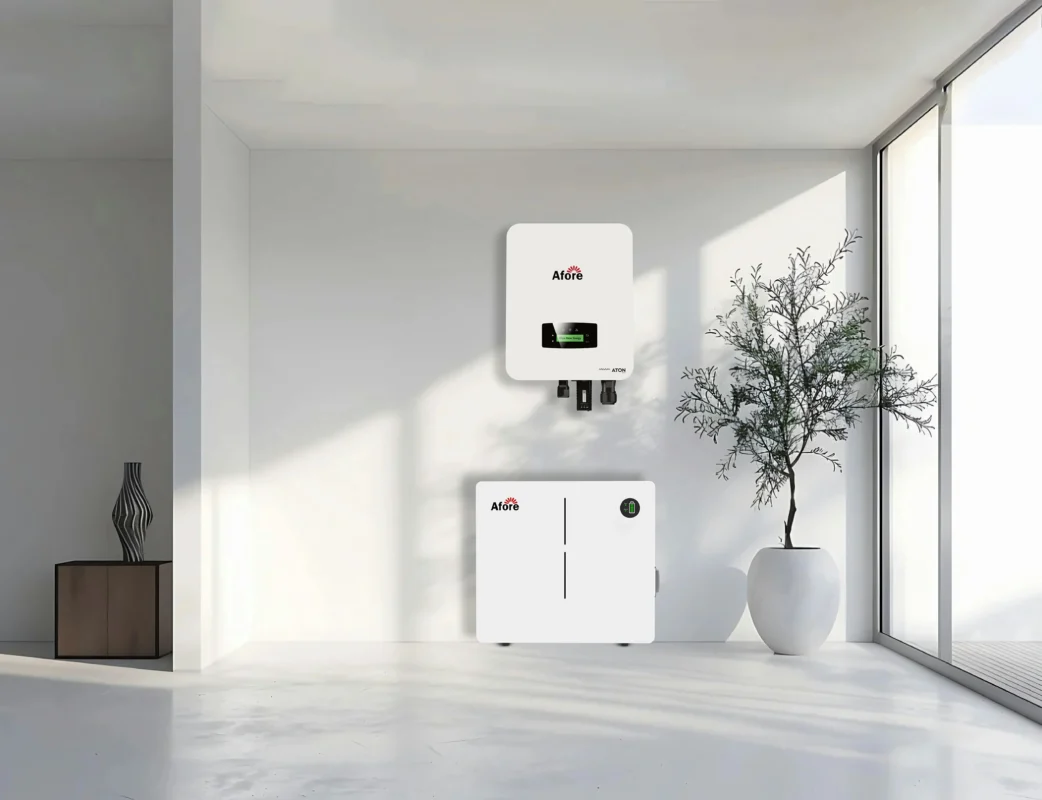
An LV battery inverter system revolves around modular battery design. Instead of one massive battery bank, you usually get:
This modular approach works perfectly with a low voltage storage inverter, allowing homeowners to start small and expand later.
You’ll often see the 48V hybrid inverter mentioned alongside the low voltage storage inverter, and that’s not a coincidence.
48V systems offer:
A 48V hybrid inverter combined with a low voltage storage inverter is one of the most common residential storage configurations today.
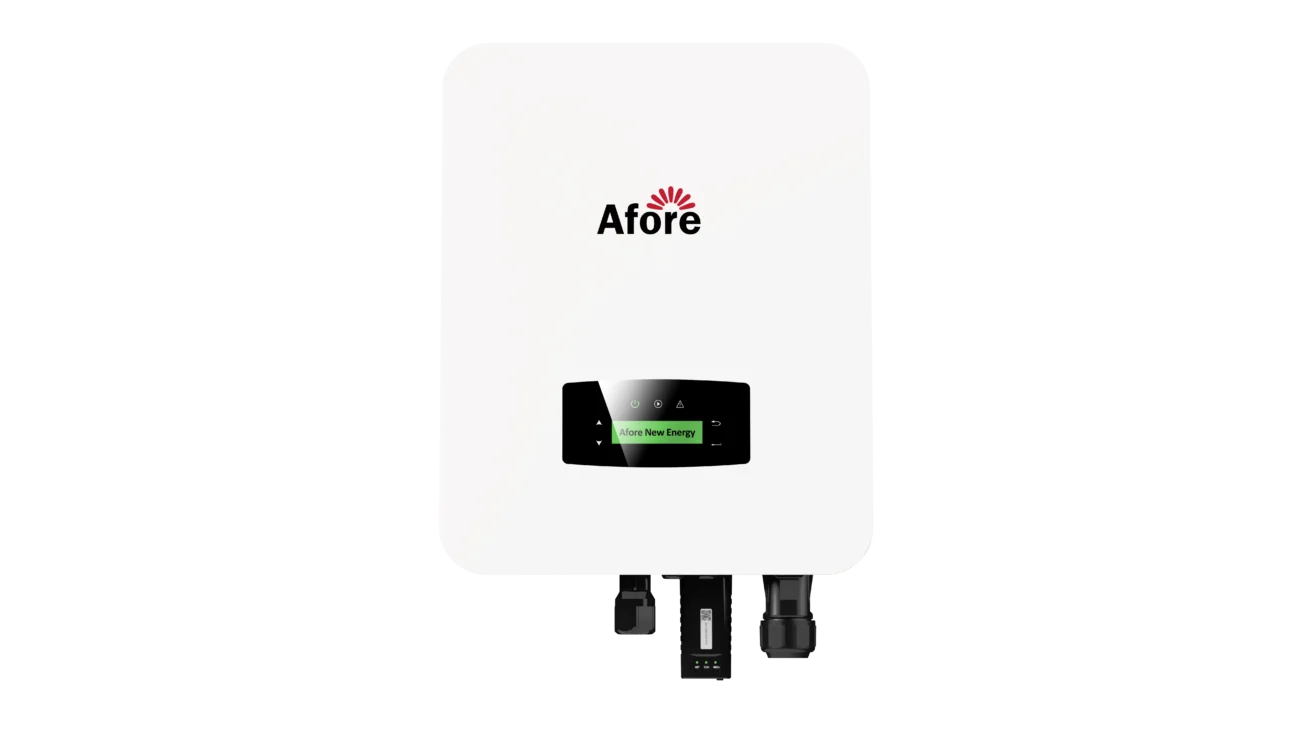
Choosing between a low voltage storage inverter and a high voltage system is one of the most common—and most misunderstood—decisions in modern energy storage design. On paper, high voltage systems often look more advanced. In real life, however, the comparison is far more nuanced.
The most obvious difference lies in how the systems are built.
A low voltage storage inverter typically operates with battery systems around 48V, relying on higher current and parallel battery configurations. High voltage systems, by contrast, use battery strings connected in series to reach several hundred volts.
From a design perspective:
Neither approach is inherently “better,” but they are optimized for very different use cases.
Safety is where the low voltage storage inverter clearly stands out, especially in residential settings.
Lower DC voltage significantly reduces:
In homes where systems are installed near living spaces, garages, or utility rooms, a low voltage storage inverter provides a safety margin that high voltage systems simply cannot match.
High voltage systems often require specialized training, stricter installation protocols, and additional protective equipment. These requirements increase both cost and complexity.
A low voltage storage inverter system, while still requiring professional installation, is generally:
For homeowners, this usually translates into shorter installation timelines and lower long-term service costs.
High voltage systems typically advertise higher peak efficiency due to lower current losses. While this is technically accurate, real-world performance often tells a different story.
In residential installations:
Under these conditions, a well-designed low voltage storage inverter can achieve efficiency levels that are very close to high voltage systems. In many cases, the difference is small enough to be practically irrelevant.
Efficiency should be evaluated as part of the entire system, not as a standalone number.
Scalability is one area where the low voltage storage inverter truly excels.
Most low-voltage systems allow users to:
High voltage systems, on the other hand, often require matched battery strings. This makes future expansion more rigid and sometimes more expensive.
For homeowners who expect their energy needs to grow, a low voltage storage inverter offers a more flexible long-term path.
Over the lifespan of an energy storage system, maintenance matters just as much as initial performance.
A low voltage storage inverter system is generally easier to:
High voltage systems may offer cleaner layouts, but when something goes wrong, troubleshooting often becomes more complex and time-consuming.
From a long-term ownership perspective, serviceability is a major factor that favors low-voltage designs.
Many homeowners start with a basic solar inverter and later upgrade to a hybrid system. In these scenarios, the low voltage storage inverter often integrates more smoothly.
Low-voltage systems pair naturally with:
This compatibility simplifies upgrades and reduces the need for major system redesigns.
While upfront pricing varies by configuration, total cost of ownership often favors the low voltage storage inverter.
Lower costs may come from:
High voltage systems may offer compact designs, but the long-term costs associated with specialized servicing can add up quickly.
For most residential users, the decision comes down to priorities.
If maximum power density and minimal wiring are the top goals, high voltage systems may be appealing. But if safety, flexibility, and long-term adaptability matter more, the low voltage storage inverter is often the smarter choice.
In real-world residential environments, a low voltage storage inverter provides a balanced approach—delivering reliable performance without unnecessary complexity.
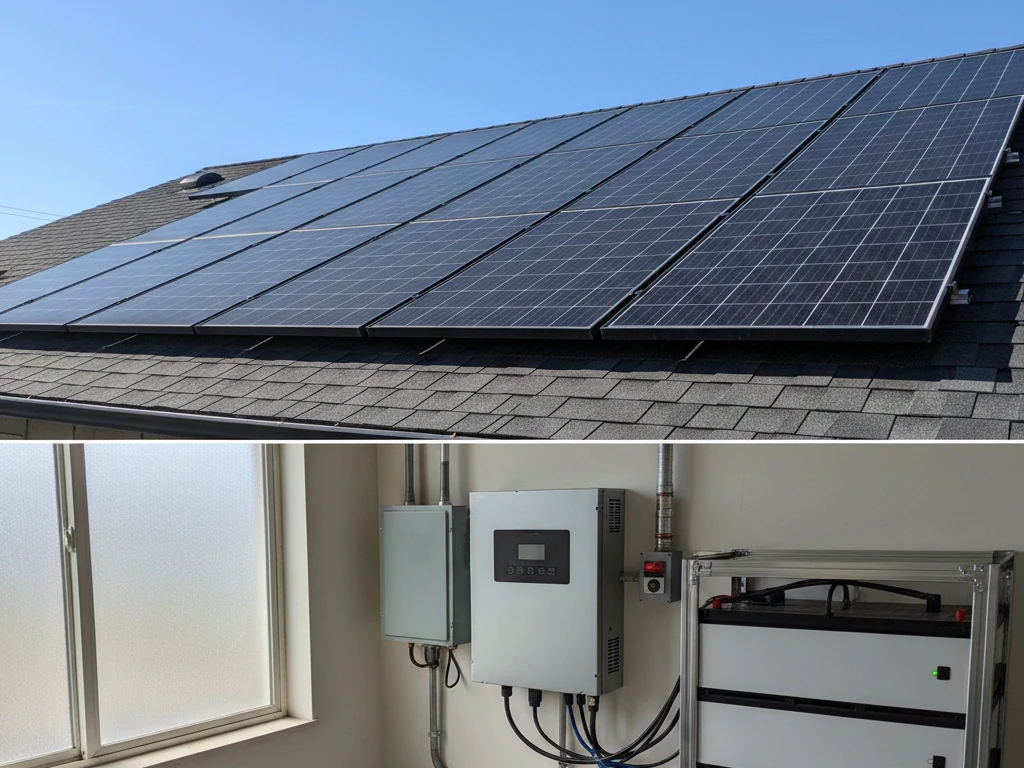
Let’s talk about how people actually use a low voltage storage inverter, not just how it looks on spec sheets.
This is the most common scenario. A low voltage storage inverter works seamlessly with rooftop solar, allowing homeowners to:
In many homes, a solar inverter alone just isn’t enough anymore.
Even without solar panels, a low voltage storage inverter can act as a powerful backup solution when paired with batteries and the grid.
This setup is increasingly popular in areas with:
A low voltage storage inverter may be more forgiving than high-voltage alternatives, but that doesn’t mean installation can be treated casually. In fact, the long-term performance, safety, and efficiency of a low voltage storage inverter system depend heavily on how well it’s planned and installed from day one.
This section focuses on real-world installation considerations—things that experienced installers pay attention to, but that rarely show up clearly in product manuals. These insights are especially valuable for residential and small commercial systems where reliability and serviceability matter most.
Where you install a low voltage storage inverter matters more than many people expect.
Ideally, the inverter and battery system should be placed in:
Garages, utility rooms, and dedicated energy closets are common choices. Avoid cramped corners or sealed enclosures, as heat buildup is one of the fastest ways to reduce inverter efficiency and battery lifespan.
From hands-on experience, systems installed with adequate airflow consistently outperform those installed in tight, poorly ventilated spaces—even when using the same hardware.
Because a low voltage storage inverter operates at lower DC voltage, it naturally runs higher current compared to high-voltage systems. This makes correct cable sizing absolutely critical.
Key considerations include:
Undersized cables can lead to voltage drops, excess heat, and long-term efficiency losses. Experienced installers often overspec cables slightly to maintain system stability under peak load conditions.
This is one of those details that doesn’t affect day-one performance but becomes very noticeable after months or years of operation.
Most LV battery inverter setups rely on parallel battery connections to increase capacity. While this approach offers excellent flexibility, it also requires careful planning.
Best practices include:
A properly balanced battery layout allows the low voltage storage inverter to distribute charge and discharge evenly, reducing stress on individual battery modules and improving overall system lifespan.
Grounding is often underestimated in low-voltage systems, but it remains a critical safety component.
A low voltage storage inverter system should always include:
Even though the voltage is lower, fault currents can still be significant. Proper grounding and protection devices help prevent damage during abnormal conditions and ensure long-term system reliability.
When integrating a low voltage storage inverter with a solar inverter or a 48V hybrid inverter, planning becomes even more important.
Installers should verify:
Misconfigured hybrid systems often appear to work initially but fail to deliver optimal performance over time. Taking the time to fine-tune settings during installation can make a noticeable difference in daily operation.
In residential environments, user comfort matters. A low voltage storage inverter may generate heat and some operational noise, especially under high load.
To minimize impact:
From experience, systems installed with comfort in mind receive far fewer complaints and are less likely to be relocated later—a process that can introduce unnecessary risk.
Installation doesn’t end when the wiring is complete. Proper commissioning is essential for any low voltage storage inverter system.
This includes:
Documenting these initial results provides a valuable baseline for future troubleshooting and maintenance. Many long-term issues can be traced back to skipped or rushed commissioning steps.
One of the biggest advantages of a low voltage storage inverter is expandability, but only if it’s planned in advance.
Smart installation planning considers:
Leaving room for growth ensures that future upgrades can be completed without major rewiring or system downtime.
In real-world applications, two identical low voltage storage inverter systems can perform very differently depending on installation quality.
Systems installed with attention to detail tend to:
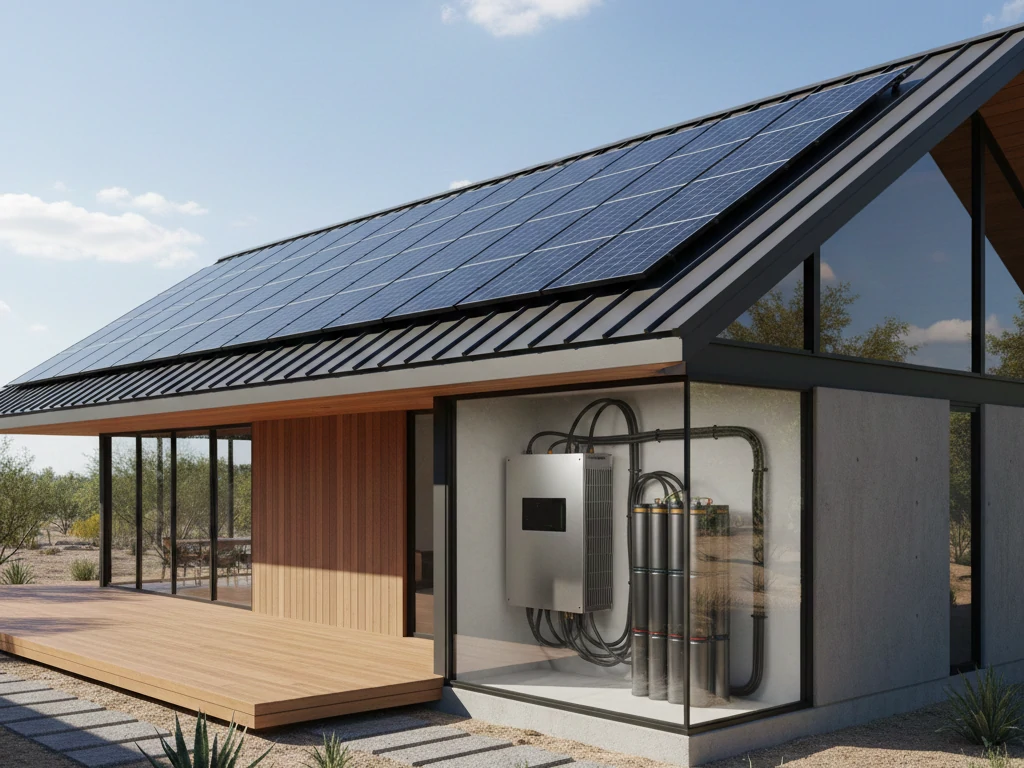
One underrated benefit of a low voltage storage inverter is long-term serviceability.
If a battery module fails in an LV battery inverter setup, you can often replace just that module. No need to shut down the entire system.
This modular resilience is a big reason why low voltage storage inverter systems age gracefully.
The low voltage storage inverter is not a compromise solution. It’s a practical, mature, and homeowner-friendly choice.
If you value safety, modular expansion, and long-term reliability, a low voltage storage inverter paired with an LV battery inverter, a 48V hybrid inverter, and a properly sized solar inverter setup can deliver exactly what modern homes need.
And in a world where energy independence matters more every year, that’s a powerful combination.
The main difference lies in operating voltage. A low voltage storage inverter works with batteries around 48V, while high-voltage systems operate at hundreds of volts. LV systems prioritize safety and flexibility, while HV systems focus on compactness and efficiency.
Low-voltage batteries paired with a low voltage storage inverter are safer, easier to maintain, and more forgiving during installation. For homes, those advantages often outweigh the small efficiency gains of high-voltage systems.
Yes. A low voltage storage inverter significantly reduces the risk of dangerous electric shock and DC arcing, making it better suited for residential environments.
Capacity depends on inverter limits and battery configuration. Many low voltage storage inverter systems can scale well beyond typical household needs by adding parallel battery modules.
High-voltage systems may achieve slightly higher peak efficiency, but a well-designed low voltage storage inverter system can still deliver excellent real-world performance with minimal losses.








 Turkish
  Romanian