




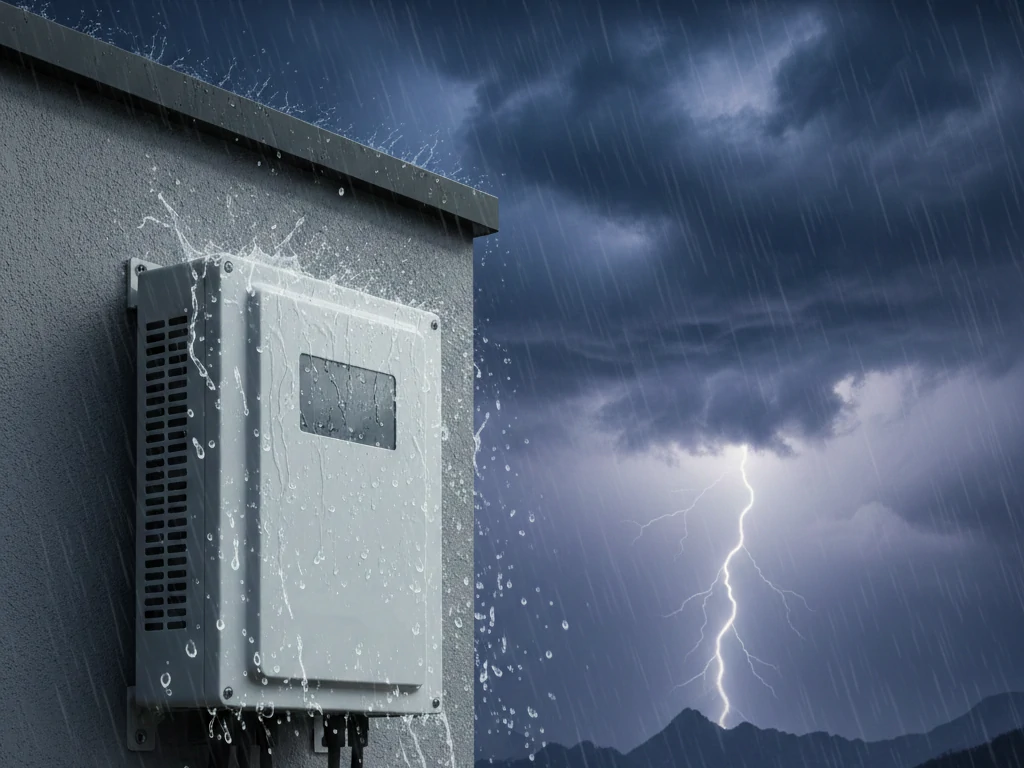
If you’re diving into solar energy, you’ve probably heard the term IP65 solar inverter tossed around a lot. But what does it really mean, and why is it important for your solar setup? In this guide, we’ll break down everything you need to know about IP65 solar inverters, how they compare to other outdoor-rated inverters, and why they could be the ideal choice for your home or commercial solar project.
When you’re planning a solar system, choosing the right inverter is just as important as picking quality solar panels. An IP65 solar inverter isn’t just another piece of hardware—it’s the backbone that ensures your solar energy gets converted efficiently and safely, especially in outdoor settings. Let’s break down what makes it essential and how it works in real-life scenarios.
You’ve probably seen IP65 stamped on the casing and wondered, “What does that really mean?” The “IP” stands for Ingress Protection, a global standard that rates how well devices resist dust and water.
In practice, this makes the IP65 solar inverter a reliable choice for roofs, open fields, and even partially exposed walls.
Not all inverters are created equal. For example, a standard indoor inverter might only have IP20 protection, which is completely unsuitable for outdoor conditions. Comparing IP65 to higher ratings like IP66 or IP67 shows subtle differences:
This is why an outdoor PV inverter with IP65 rating is often the sweet spot—durable, cost-effective, and easy to install.
For those more familiar with U.S. standards, an IP65 solar inverter roughly corresponds to NEMA 4X. This rating emphasizes:
So when you see NEMA 4X equivalent in specs, you can be confident the inverter is ready for tough outdoor conditions.
Imagine installing a regular inverter outside without IP65 protection. Within months, dust can settle on internal components, moisture may corrode the circuitry, and efficiency starts to drop. In contrast, a Waterproof solar inverter with IP65 rating prevents these issues, ensuring your system keeps producing energy reliably.
Many solar installers will tell you that proper dust and water protection is one of the biggest factors in reducing long-term maintenance costs for outdoor PV inverters.
This real-world practicality is why professionals often recommend IP65 solar inverters for outdoor installations—they balance durability, reliability, and cost.
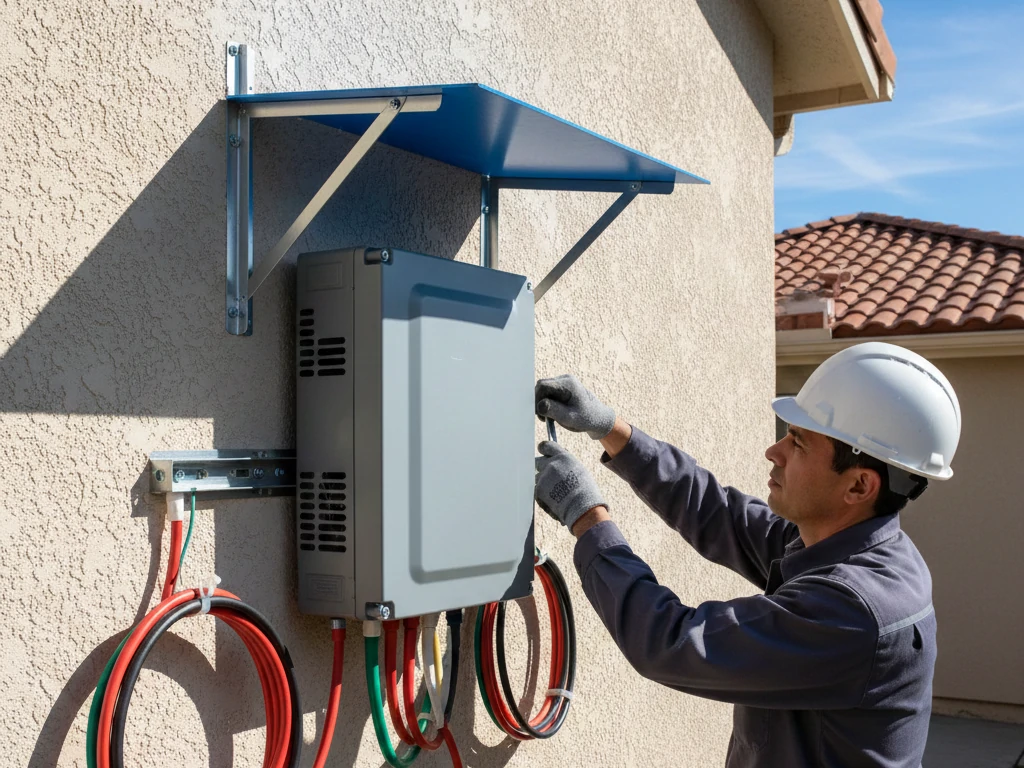
Choosing an IP65 solar inverter isn’t just about the IP rating—it’s about understanding the features that make these inverters reliable, efficient, and perfect for outdoor use. Let’s explore what sets them apart and why they are the preferred choice for both residential and commercial solar systems.
One of the most critical aspects of an IP65 solar inverter is its robust enclosure. These inverters are designed to withstand outdoor conditions like rain, dust, and even occasional splashes. The casing is often made from corrosion-resistant metals or reinforced plastics, ensuring that the sensitive electronics inside remain safe.
A Waterproof solar inverter with this feature allows installation on rooftops, open fields, or shaded outdoor walls without worrying about weather damage. For those in coastal regions, the enclosure usually meets NEMA 4X equivalent standards, which adds corrosion resistance to the list of protections.
Even though an IP65 solar inverter is waterproof, it still generates heat during operation. Overheating can reduce efficiency and shorten the lifespan of your inverter. That’s why most IP65 inverters come with built-in ventilation systems.
Some rely on passive cooling fins that dissipate heat naturally, while others use small internal fans designed to maintain airflow without compromising the waterproof seal. Proper venting is critical, especially for outdoor PV inverters, to ensure they run efficiently even during hot summer days.
A standout feature of many IP65 solar inverters is their design for easy maintenance. Terminals, fuses, and serviceable parts are usually accessible without opening the entire enclosure, reducing downtime and the risk of damaging components.
This feature is particularly useful if you’re installing a Waterproof solar inverter in a remote location or high rooftop, where frequent service trips would be inconvenient. It ensures you can perform routine inspections safely and efficiently.
Modern IP65 solar inverters include multiple built-in safety mechanisms. These often cover over-voltage protection, over-temperature shutdown, and anti-islanding functions, ensuring both your system and your home remain safe.
For outdoor PV inverters, safety features are not just a bonus—they’re essential. They protect against unpredictable weather conditions, voltage spikes, and occasional electrical faults that could otherwise damage your system or pose a risk to nearby equipment.
Another key advantage of an IP65 solar inverter is its flexibility in mounting. Whether it’s a wall-mounted setup on a residential roof or part of a larger solar farm, these inverters are designed with versatile mounting brackets that ensure stability and security.
The combination of durable enclosures, proper ventilation, and mounting flexibility makes IP65 solar inverters ideal for varied environments—from suburban homes to large-scale commercial PV installations.
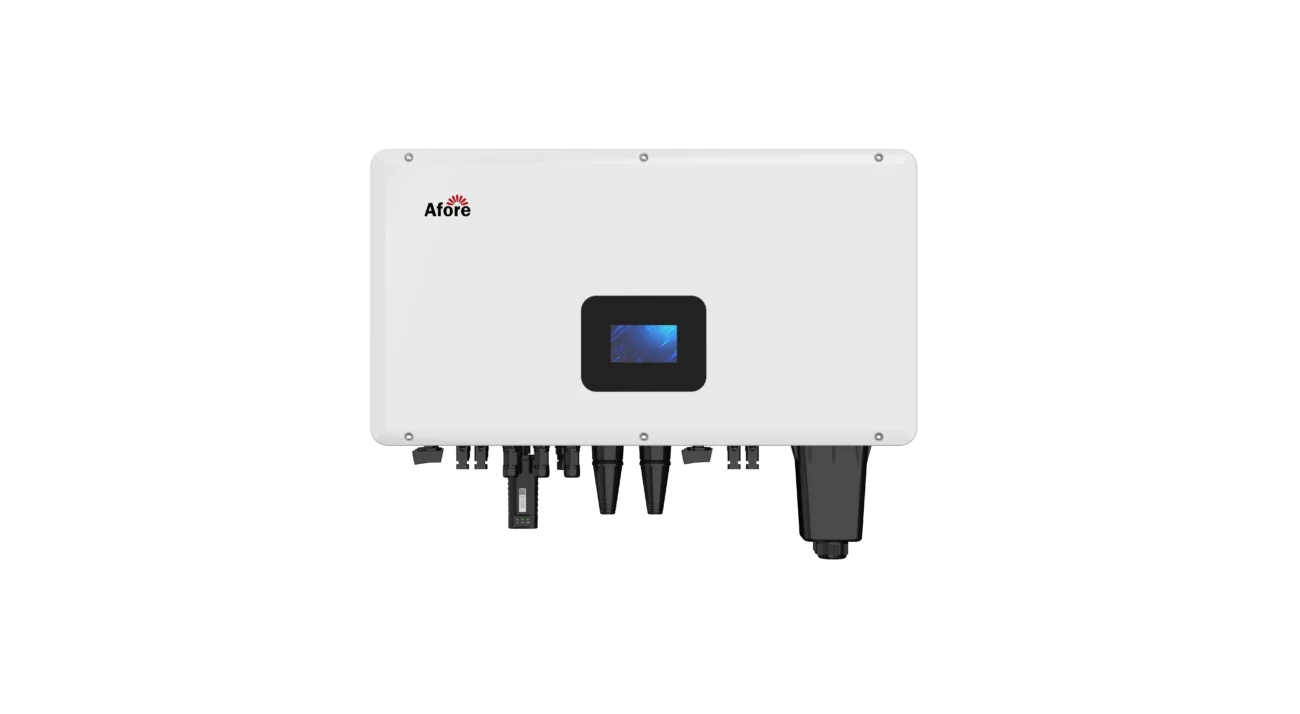
Installing an IP65 solar inverter might seem straightforward at first glance, but proper placement and handling can make a huge difference in performance and longevity. These tips are based on practical experience and aim to help both homeowners and solar installers get the most out of their Waterproof solar inverter.
The first step in a successful installation is picking the right spot. While an IP65 solar inverter is designed for outdoor use, that doesn’t mean it should be placed just anywhere.
By carefully selecting the location, your outdoor PV inverter can handle rain, dust, and temperature variations without compromising efficiency.
Once the location is chosen, focus on mounting. A well-mounted IP65 solar inverter reduces vibration, prevents accidental damage, and ensures long-term reliability.
A NEMA 4X equivalent inverter will generally have versatile mounting options, so you can adapt to different wall or pole configurations safely.
Even a Waterproof solar inverter needs airflow. Blocked vents can cause overheating, leading to efficiency loss or automatic shutdowns.
Proper ventilation ensures your IP65 solar inverter operates efficiently, even on hot days, and extends its lifespan.
Correct electrical connections are essential for safety and performance. Here’s what to keep in mind:
When done properly, your outdoor PV inverter will deliver stable energy conversion with minimal maintenance.
Before leaving the site, perform a thorough inspection:
These final checks help catch small issues early, which can prevent bigger problems down the line and ensure your IP65 solar inverter runs reliably for years.
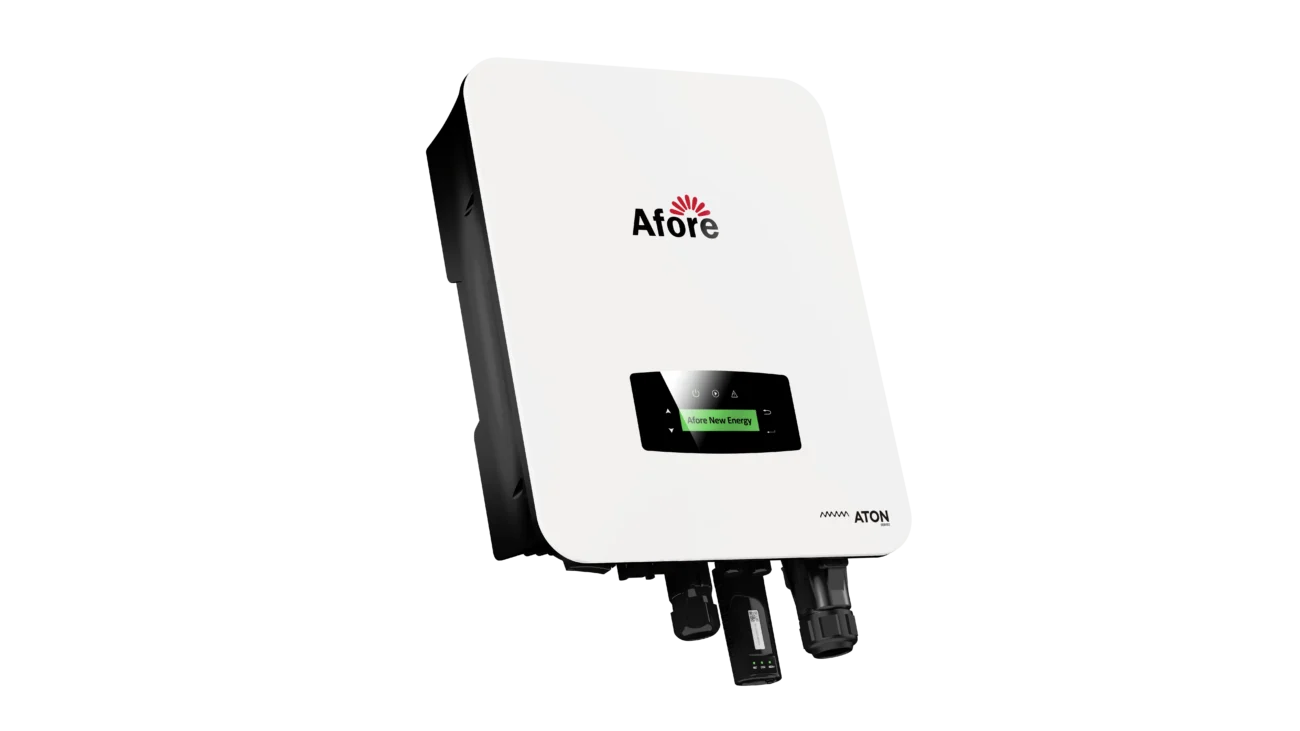
Investing in an IP65 solar inverter is more than just buying hardware—it’s a long-term solution for reliability, efficiency, and peace of mind. Whether you’re installing a small residential system or managing a large solar farm, understanding the key benefits can help you make smarter decisions.
One of the most obvious advantages of an IP65 solar inverter is its durability. With full protection against dust and water jets, these inverters are designed to withstand harsh outdoor conditions.
In short, you can trust that your outdoor PV inverter will keep running smoothly, even in challenging weather.
Because an IP65 solar inverter is protected against dust and water ingress, it typically requires less frequent maintenance compared to lower-rated units.
The combination of low maintenance and long-term reliability ensures a better return on your investment.
Another advantage is installation flexibility. An IP65 solar inverter can be mounted in a variety of outdoor locations—rooftops, shaded walls, or open fields—without worrying about environmental exposure.
This flexibility is particularly valuable for large-scale outdoor PV inverter projects where optimal placement may vary.
Safety is a top priority in any solar installation. Modern IP65 solar inverters come equipped with built-in protections like over-voltage, over-temperature, and anti-islanding features.
With these integrated safety measures, you reduce the risk of downtime and costly repairs.
Finally, an IP65 solar inverter offers long-term reliability, which translates to peace of mind for homeowners and solar operators alike.
For anyone considering an outdoor PV inverter, the IP65 rating provides confidence that your investment is protected against the elements.
Homeowners often choose IP65 solar inverters for rooftop solar panels. The inverter can handle occasional rain and dust storms without sacrificing performance.
Large-scale solar farms benefit from outdoor PV inverters that are weatherproof. Less downtime and maintenance mean better ROI over the system’s lifetime.
Even though IP65 isn’t the absolute highest rating, proper installation and ventilation make it sufficient for coastal areas. For more extreme conditions, consider additional protective measures or slightly higher-rated units.
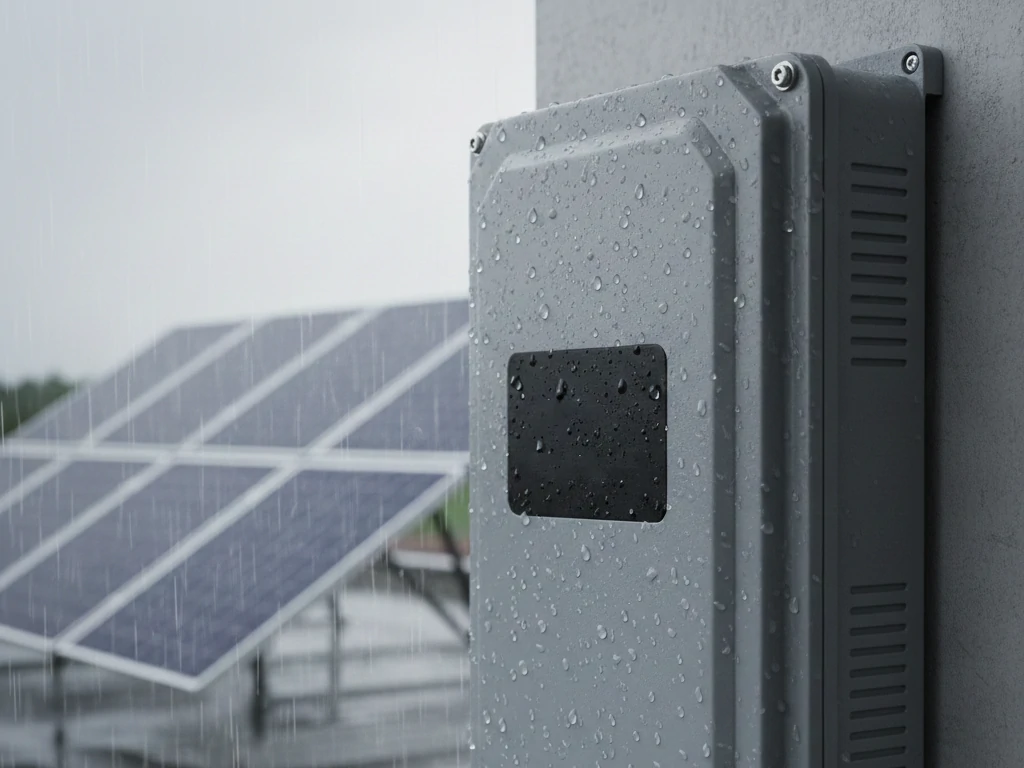
An IP65 solar inverter is designed to handle the elements, but even the toughest inverters benefit from regular maintenance. Proper care not only prolongs the life of your inverter but also ensures optimal energy production. Here are practical tips based on real-world experience with Waterproof solar inverters and outdoor PV inverters.
Dust, dirt, and bird droppings can accumulate over time, even on a Waterproof solar inverter.
A clean IP65 solar inverter will not only look better but will also run more efficiently.
The IP65 rating relies on intact seals and gaskets to prevent dust and water ingress.
Even small leaks can lead to corrosion or electrical issues over time, so don’t skip this step.
Even though IP65 inverters are waterproof, heat management is still critical.
Proper airflow keeps your IP65 solar inverter operating efficiently and extends its lifespan.
Modern IP65 solar inverters often come with monitoring tools or apps.
Monitoring is especially important for outdoor PV inverters exposed to fluctuating environmental conditions.
Even with DIY maintenance, it’s a good idea to have a professional check your inverter periodically.
Professional maintenance keeps your IP65 solar inverter performing reliably for years, giving you peace of mind.
Even though IP65 solar inverters are designed to be robust and reliable, there are still a number of myths and misunderstandings that can lead to improper use or unrealistic expectations. Let’s clarify the most common misconceptions to help you make informed decisions.
A frequent mistake is assuming that a Waterproof solar inverter can be fully submerged in water.
Understanding this prevents costly mistakes and keeps your outdoor PV inverter safe during extreme weather.
Some people think any outdoor-rated inverter can handle the elements equally.
Not all inverters are created equal—rating matters.
While it’s true that higher IP ratings provide more water protection, this doesn’t automatically make them better for every situation.
Another misconception is thinking that a Waterproof solar inverter never needs upkeep.
While IP65 provides strong protection, it’s not a license to ignore environmental factors.
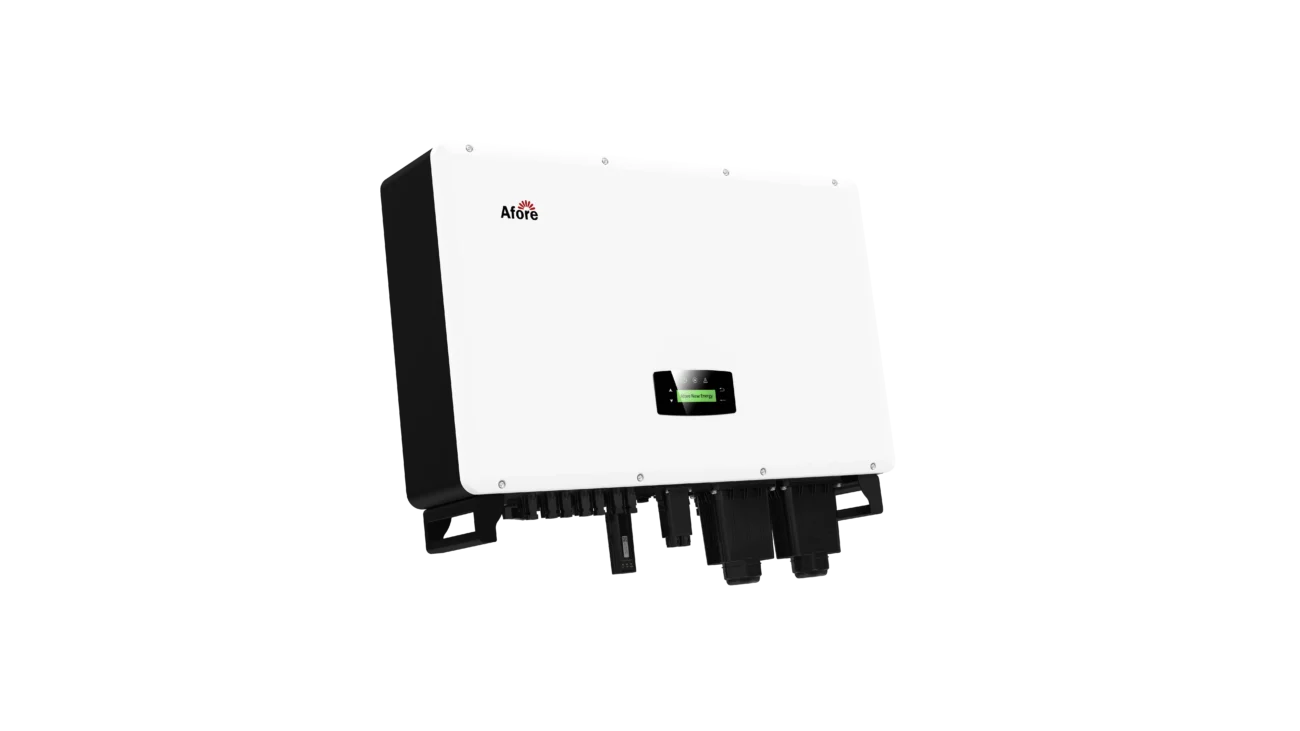
Investing in an IP65 solar inverter isn’t just about meeting technical specs—it’s about peace of mind. With the ability to withstand rain, dust, and varying temperatures, these inverters provide reliability, longevity, and minimal maintenance. Whether you’re installing a residential system, commercial solar farm, or even an outdoor coastal setup, the IP65 rating ensures your solar inverter can handle whatever Mother Nature throws at it.
IP65 means the inverter is completely dust-tight (6) and can handle water jets from any direction (5). It’s ideal for outdoor installations where rain and dust are common.
Yes, but prolonged direct sunlight can increase internal temperatures, slightly reducing efficiency. Shading or strategic mounting is recommended.
Generally, yes, especially if the inverter is mounted properly and regularly maintained. However, additional protective coatings or slightly higher-rated enclosures may be preferred for extreme salt exposure.
Ensure vents are unobstructed and clean. Position the inverter so that air can flow freely across the cooling fins or internal fans. Avoid blocking airflow with nearby objects or vegetation.
IP66 offers higher water protection, handling powerful water jets, while IP65 handles medium-intensity water jets. Both provide dust protection, but IP66 is slightly more robust for harsh weather conditions.








 Turkish
  Romanian