




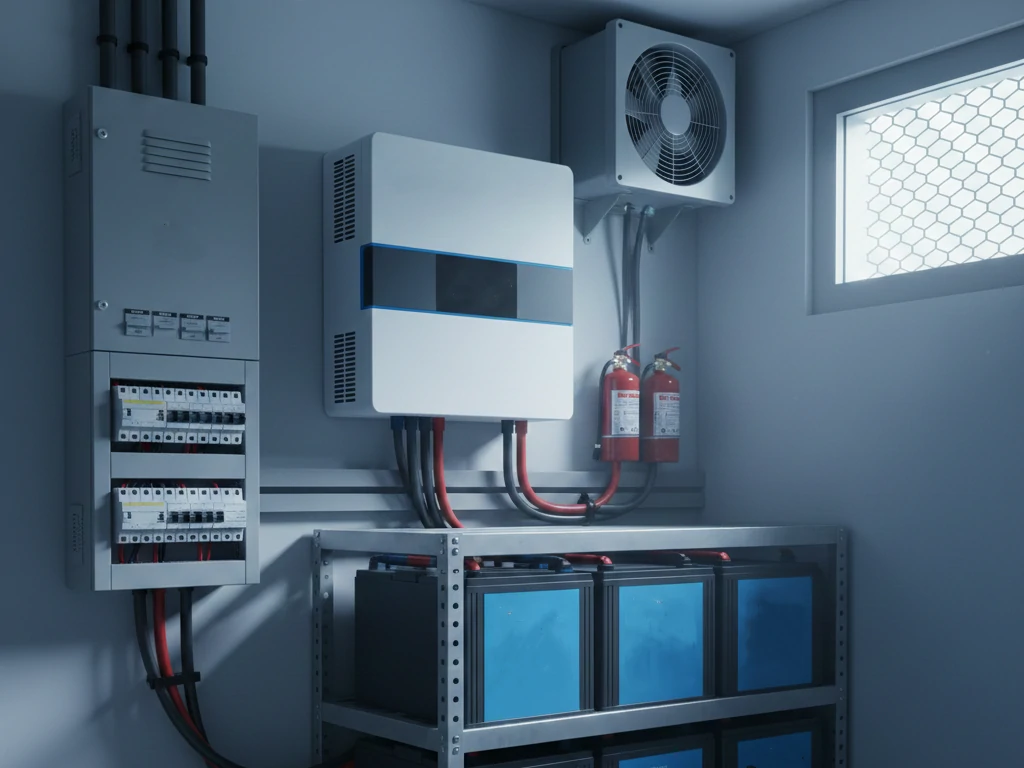
When it comes to powering your home, cabin, or off-grid setup with lithium batteries, having the right inverter can make all the difference. A hybrid inverter for lithium battery isn’t just another piece of hardware—it’s the heart of a modern solar energy system. Whether you’re aiming to save on electricity bills, create a self-sufficient home, or just make the most of your renewable energy setup, understanding hybrid inverters is key. In this guide, we’ll break down everything you need to know about hybrid inverters for lithium batteries, including practical tips, installation insights, and real-life usage experiences.
A hybrid inverter for lithium battery is essentially a multi-functional device that acts as both a solar inverter and a battery charger controller. Unlike traditional inverters, which only convert DC power from your solar panels into AC for home use, a hybrid inverter can also store energy in your lithium battery and manage its discharge intelligently.
Traditional inverters were designed mostly for AC conversion. They weren’t optimized for lithium batteries, which have very different charging and discharging characteristics compared to lead-acid batteries. A hybrid inverter for lithium battery knows how to handle lithium’s fast charging capabilities, high voltage range, and strict charging curves.
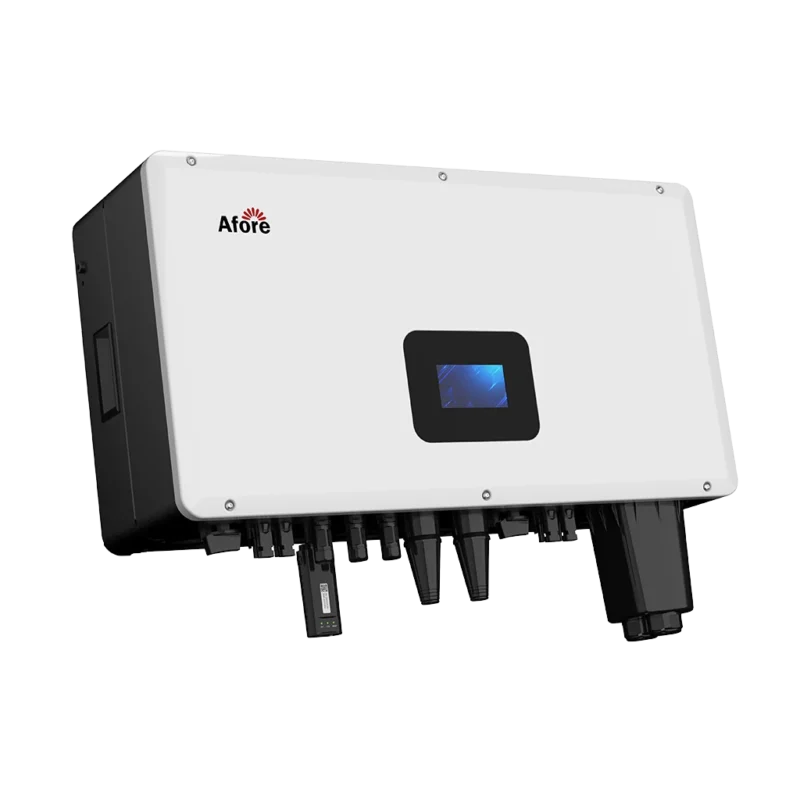
When you switch from lead-acid to lithium batteries, you quickly realize that not all inverters are created equal. A hybrid inverter for lithium battery isn’t just a “nice-to-have”—it’s a necessity if you want your system to run efficiently and safely. Lithium batteries behave very differently compared to traditional batteries, and using the wrong inverter can lead to underperformance, reduced lifespan, or even safety risks. Let’s break down why lithium batteries demand their own specific hybrid inverters.
Unlike lead-acid batteries, lithium batteries can accept higher charge currents, but they are sensitive to overvoltage and precise charge profiles. A hybrid inverter for lithium battery ensures that the battery receives exactly the voltage and current it needs at each stage of the charging cycle. This prevents overheating, overcharging, and damage to individual cells.
For example, LFP (Lithium Iron Phosphate) batteries have a flatter voltage curve, which means standard inverters may misinterpret their state of charge. The right hybrid inverter will correctly track battery SOC and adjust the charging accordingly.
A major reason lithium batteries require a dedicated inverter is BMS communication. The battery’s BMS monitors each cell for voltage, temperature, and state of charge. A LFP battery inverter communicates directly with the BMS, allowing the inverter to:
Without this communication, the inverter may inadvertently push the battery beyond safe limits, drastically shortening its lifespan.
Lithium batteries can handle fast charge and discharge cycles, but they also need quick response from the inverter. A standard solar inverter designed for lead-acid batteries may lag when loads suddenly spike or drop, causing inefficiencies or triggering protection modes unnecessarily. A hybrid inverter for lithium battery is designed to respond instantly, ensuring stable AC output and optimal battery performance.
The right hybrid inverter doesn’t just protect your battery—it optimizes its usage. By managing charge and discharge intelligently, sometimes through a smart ESS controller or solar storage brain, it ensures that energy is used efficiently. This means fewer cycles at high depth-of-discharge, which directly translates to a longer battery life. In real-world setups, owners often notice their lithium batteries last several years longer when paired with a compatible hybrid inverter compared to a standard inverter.
Lithium batteries can be unforgiving if handled incorrectly. Overvoltage, overcurrent, or extreme temperatures can cause thermal runaway or irreversible damage. Using a hybrid inverter for lithium battery ensures all safety parameters are respected, with integrated protections and constant monitoring. This makes the system safer for both residential and commercial applications.
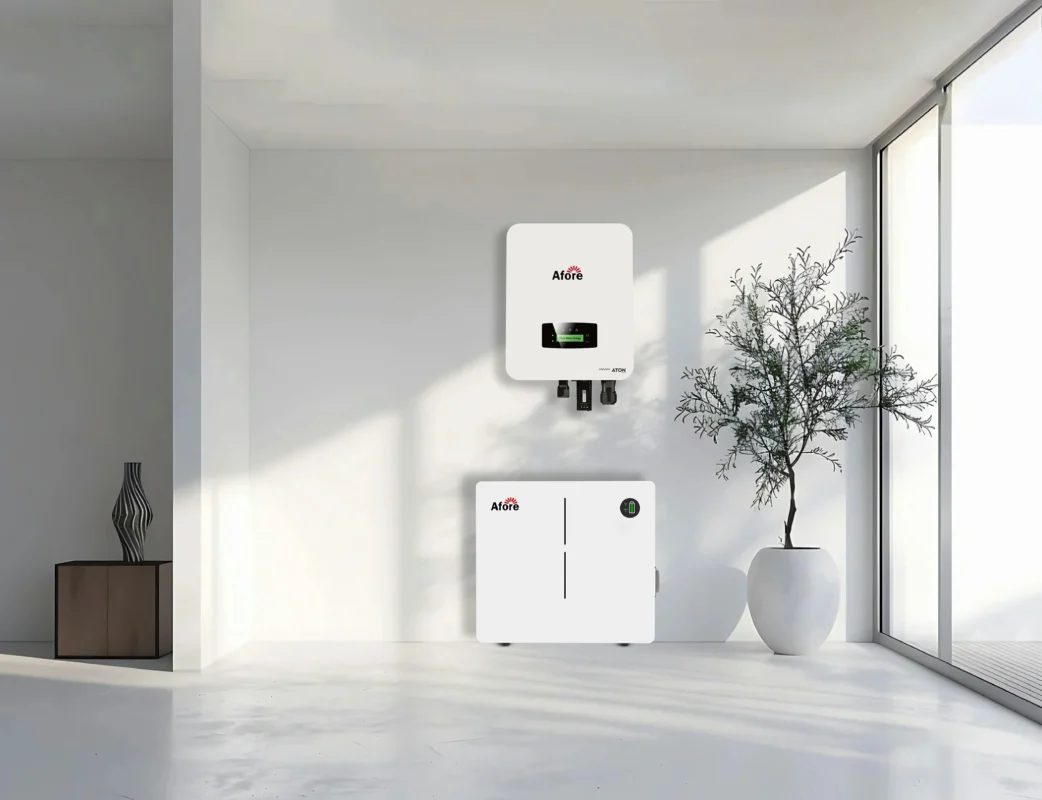
Picking the right hybrid inverter for lithium battery can feel overwhelming at first, but it’s one of the most important decisions for your solar or storage setup. Choosing poorly can lead to inefficiencies, reduced battery lifespan, or even system failures. Let’s break down the factors you should consider to ensure you get the best match for your system.
Not all inverters are compatible with every lithium chemistry. Most home or small commercial systems use LFP (Lithium Iron Phosphate) batteries because of their safety, longevity, and stability. A LFP battery inverter is specifically tuned for this chemistry, ensuring correct voltage curves, charge currents, and BMS communication. Using an inverter that doesn’t match your battery type can cause underperformance or even damage your cells.
Pro Tip: Always double-check the inverter specifications for lithium compatibility. Some inverters advertise “lithium-ready,” but may only support certain charge profiles or BMS protocols.
Your inverter needs to handle both the solar array and the home or business load. Check the maximum DC input voltage and current from your solar panels and ensure it falls within the inverter’s MPPT limits. Similarly, calculate your peak AC load—especially if you have high-power appliances or equipment.
A hybrid inverter for lithium battery should not only supply continuous power but also manage sudden surges efficiently. Oversizing slightly is usually better than under-sizing, as it gives you room for future expansion.
Modern lithium batteries rely on their BMS for safety and performance. Your inverter should communicate seamlessly with the BMS to monitor voltage, temperature, and cell balance. Many hybrid inverters integrate with a smart ESS controller or solar storage brain, allowing real-time monitoring and advanced energy management.
Example: If the battery’s BMS signals high temperature, the inverter can temporarily reduce charging current to protect cells. Without this communication, your system could operate unsafely or inefficiently.
A hybrid inverter isn’t just a converter—it’s a system optimizer. Features like load prioritization, peak shaving, and automatic switching between battery and grid power maximize energy use. Pairing the inverter with a solar storage brain or smart ESS controller ensures that you store energy when it’s abundant and use it strategically when solar output is low.
From experience, systems with intelligent energy management consistently outperform simpler setups, saving both energy and money over time.
Practical aspects often get overlooked during selection. Here are a few key points:
Choosing the right hybrid inverter for lithium battery is a combination of technical compatibility, safety, and long-term usability. Getting this step right ensures your system runs efficiently, lasts longer, and protects your investment.
Installing a hybrid inverter for lithium battery can seem intimidating at first glance, but with careful planning, the process is straightforward. Proper installation not only ensures your system runs efficiently but also protects your batteries, inverter, and home. Let’s go through the essential insights for a safe and effective setup.
Location matters more than many people realize. Inverters generate heat during operation, and lithium batteries can be sensitive to high temperatures. A cool, ventilated, and shaded area is ideal. Avoid places with direct sunlight, moisture, or excessive dust.
Pro Tip: Installing the inverter near your battery bank can reduce DC wiring length, improving efficiency and minimizing voltage drop. However, leave enough space around the unit for air circulation and maintenance.
Connecting solar panels to the inverter is the first step in harnessing solar energy. Make sure the combined voltage of your panels does not exceed the inverter’s maximum DC input. Correct polarity is critical—reversing connections can damage your inverter and void warranties.
Most hybrid inverters come with multiple MPPT inputs. If your system has panels facing different directions, use separate inputs to maximize energy capture. This ensures that clouds or shade affecting one panel string don’t reduce output from the others.
The battery connection is arguably the most critical step. Lithium batteries require precise charging control, so a LFP battery inverter must communicate with the BMS. This ensures:
Practical Tip: Double-check BMS communication before fully energizing the system. Many installation issues arise from misconfigured or disconnected BMS signals.
Once DC wiring is complete, connect your home or critical loads to the AC output. Ensure that your wiring can handle the maximum load the inverter will deliver. Many hybrid inverters allow you to designate “critical” circuits, which the inverter powers first during outages or low battery conditions.
Example: You might prioritize refrigerators, lights, and medical equipment, leaving less essential loads like heating or entertainment for later.
After installation, configuration is key. Set the battery type to lithium, define the charge and discharge limits, and enable communication with any smart ESS controller or solar storage brain features. Some systems allow time-of-use settings, letting you charge from solar during the day and use stored energy in the evening.
Insider Tip: If possible, monitor the first few charge-discharge cycles closely. Watch for unusual heat, voltage swings, or unexpected shutdowns. Fine-tuning early avoids long-term issues.
Even experienced installers sometimes trip up. Avoid these pitfalls:
Proper installation of a hybrid inverter for lithium battery ensures maximum performance, safety, and longevity of your system. Taking the time to follow these insights will pay off in reliable, efficient energy management.

Once installed, you’ll want to get the most out of your hybrid inverter. This is where features like solar storage brain and smart ESS controller functions shine.
Prioritize critical loads during low solar periods. Many inverters let you set high-priority circuits that draw from the battery first, ensuring essentials remain powered.
Avoid constant deep discharges. A hybrid inverter for lithium battery can be programmed to maintain a minimum state of charge, prolonging battery health.
Most modern inverters come with apps or web dashboards. Tracking your system in real-time helps you understand patterns and make informed adjustments.
A LFP battery inverter is specifically designed for Lithium Iron Phosphate batteries. Its benefits include:
Using an LFP-specific inverter ensures your lithium batteries last longer and perform optimally.
A solar storage brain adds intelligence to your energy system. It can:
Think of it as giving your hybrid inverter a “brain” to make smart energy decisions.
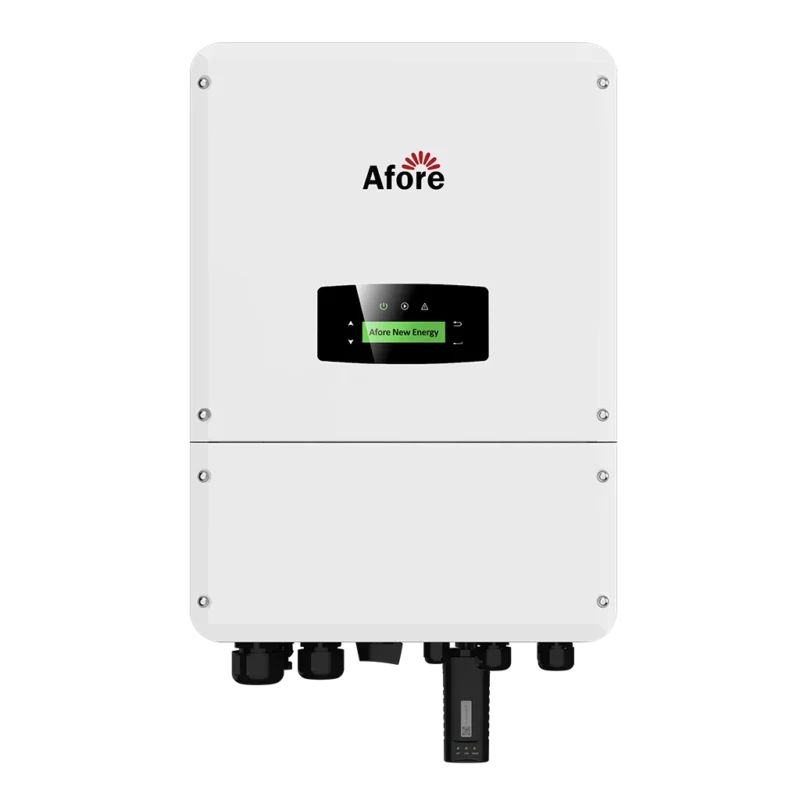
Pairing a hybrid inverter with a smart ESS controller can transform a simple solar setup into a full energy management system. Benefits include:
This level of control makes it easier to operate off-grid systems or optimize for time-of-use electricity tariffs.
Many homeowners initially ask: why not just use a regular solar inverter? Here’s the comparison:
| Feature | Standard Solar Inverter | Hybrid Inverter for Lithium Battery |
|---|---|---|
| Battery Charging | Limited | Full lithium charging support |
| BMS Communication | Rare | Standard feature |
| Load Management | Minimal | Advanced via ESS or solar storage brain |
| Efficiency | Moderate | High, with optimized charge/discharge |
Clearly, hybrid inverters are tailored for modern energy storage setups.
Let’s talk practical applications. Here are a few situations where a hybrid inverter for lithium battery makes a noticeable difference:
A solar-powered cabin with an LFP battery setup can stay off-grid all winter. The inverter ensures the battery is properly charged during short winter days while managing loads efficiently.
For grid-tied homes, hybrid inverters can provide backup during outages, automatically switching to battery power and keeping critical appliances running.
Small businesses using solar for daytime operations can store excess energy for nighttime use, maximizing self-consumption and reducing energy costs.
Keeping your system running smoothly is key:
Proper maintenance can extend both inverter and battery life significantly.
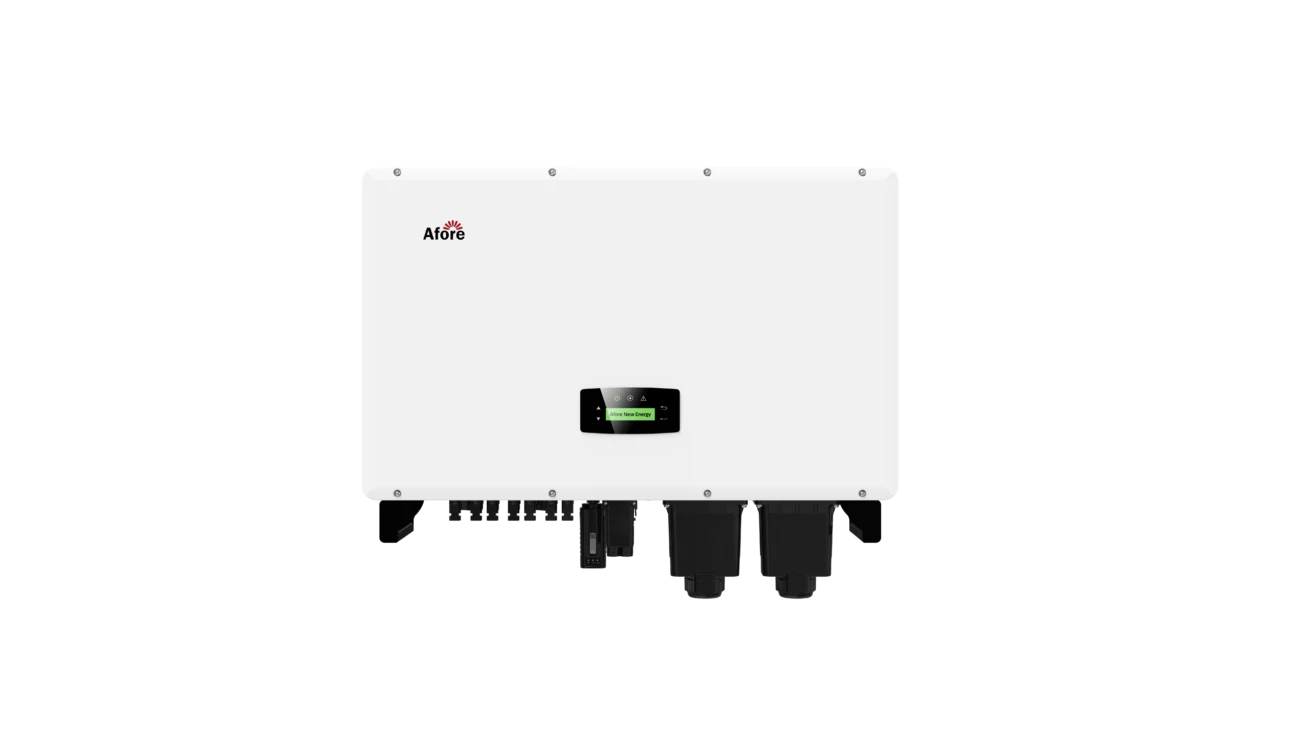
A hybrid inverter for lithium battery isn’t just an accessory—it’s the backbone of an efficient, reliable, and long-lasting solar storage system. By combining advanced BMS communication, LFP battery inverter capabilities, and intelligent management through solar storage brain and smart ESS controller, you’re not just storing energy—you’re mastering it.
Investing in the right hybrid inverter pays off in longevity, energy independence, and peace of mind. Whether you’re off-grid, backing up your home, or optimizing a commercial system, understanding these inverters will help you get the most from your lithium batteries and solar investment.
Lithium batteries behave differently from traditional lead-acid batteries. They have higher voltage ranges, faster charge acceptance, and tighter safety tolerances. Using a standard inverter can result in overcharging, overheating, or even permanent damage. A hybrid inverter for lithium battery communicates directly with the battery’s BMS, ensuring proper voltage, current, and cell balancing. This tailored approach protects the battery, extends its lifespan, and keeps your system safe.
No. Lead-acid settings are not compatible with lithium chemistry. Lead-acid batteries tolerate slower charge rates and lower voltage limits, whereas lithium batteries require precise, high-efficiency charging. Using lead-acid settings on a lithium battery can drastically reduce performance, cause overheating, or damage the cells. Always configure your inverter for lithium-specific charging curves.
Most lithium batteries, especially LFP types, use either CAN or RS485 protocols for BMS communication. A LFP battery inverter should support these protocols to enable real-time monitoring of cell voltage, temperature, and state of charge. Proper communication allows the inverter to prevent overcharge, over-discharge, and maintain optimal battery health. In practice, CAN is often preferred for larger battery banks due to faster data transmission and reliability.
A hybrid inverter for lithium battery prolongs life by managing charge and discharge intelligently. It avoids deep discharges, prevents overvoltage, balances individual cells, and adjusts to load demands. Some inverters paired with a smart ESS controller or solar storage brain can even optimize usage based on time-of-use, solar production, or critical load prioritization. The result is reduced stress on the battery and more cycles over its lifespan.
The maximum safe discharge rate varies depending on the inverter and battery specifications. Most hybrid inverters designed for lithium can handle 0.5C to 1C safely. This means a 10 kWh battery can typically discharge at 5 kW to 10 kW without causing cell damage. Always consult the battery’s datasheet and configure the inverter accordingly. Exceeding the recommended rate can trigger protection modes or reduce overall battery longevity.








 Turkish
  Romanian